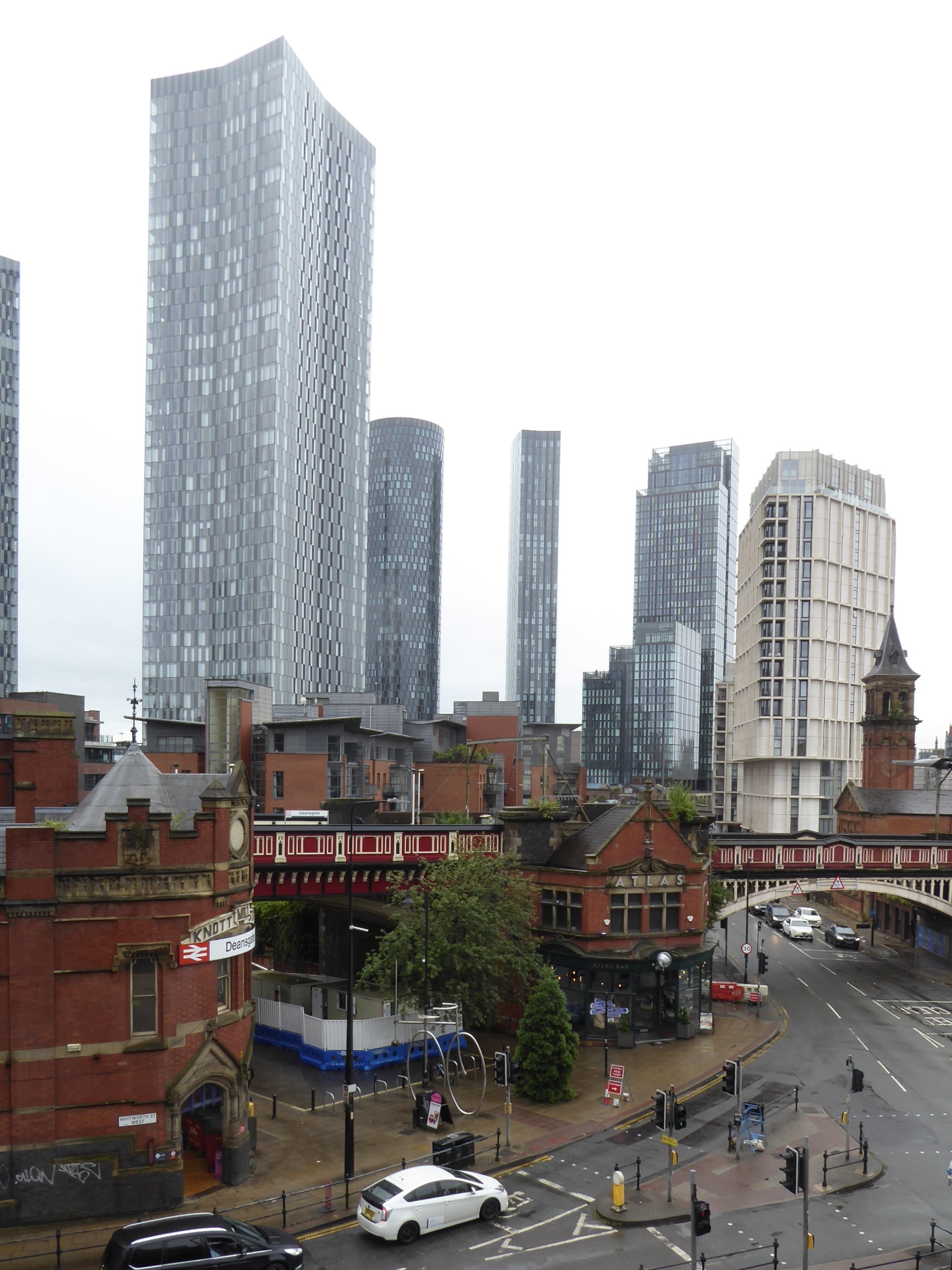
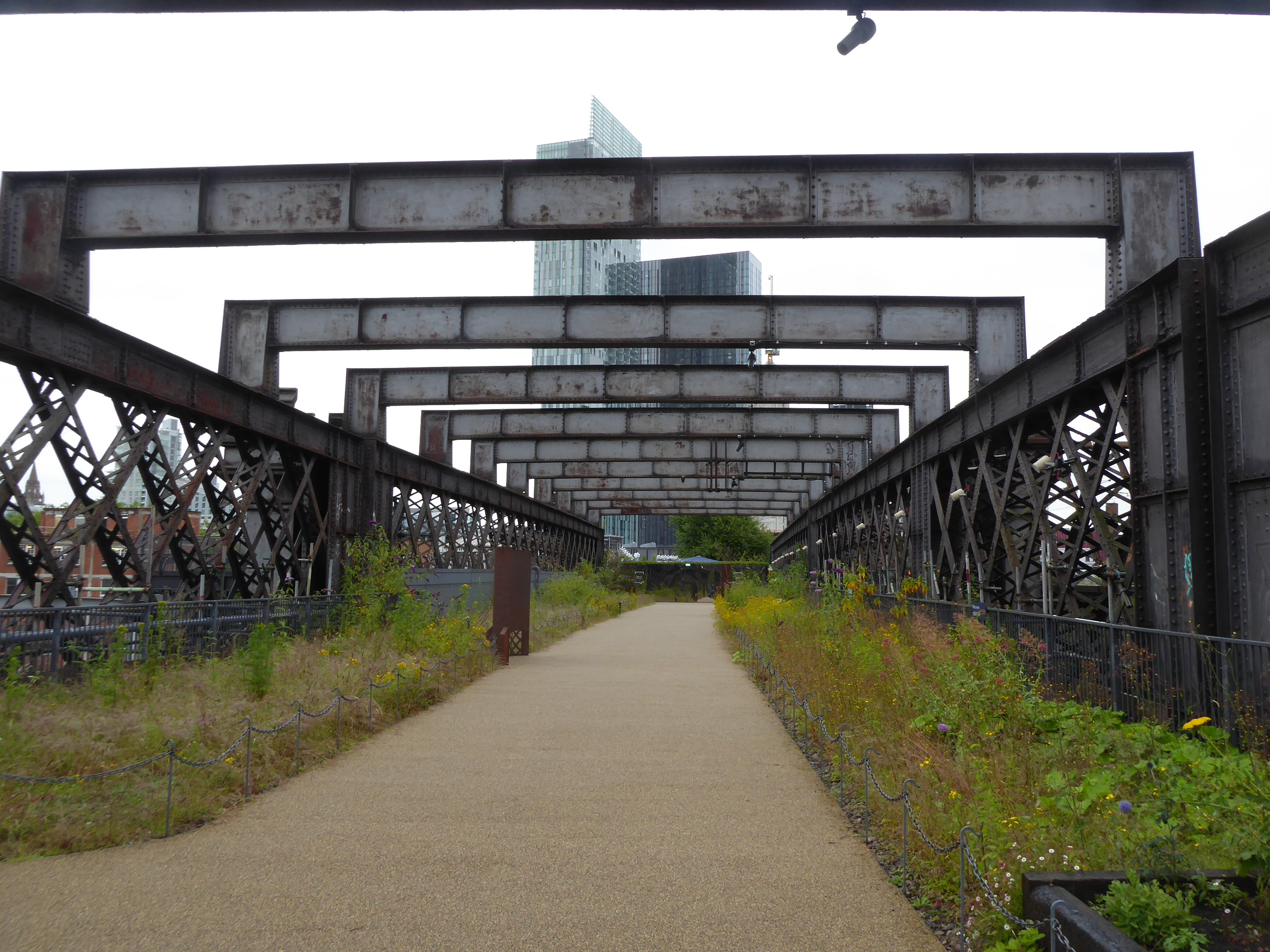
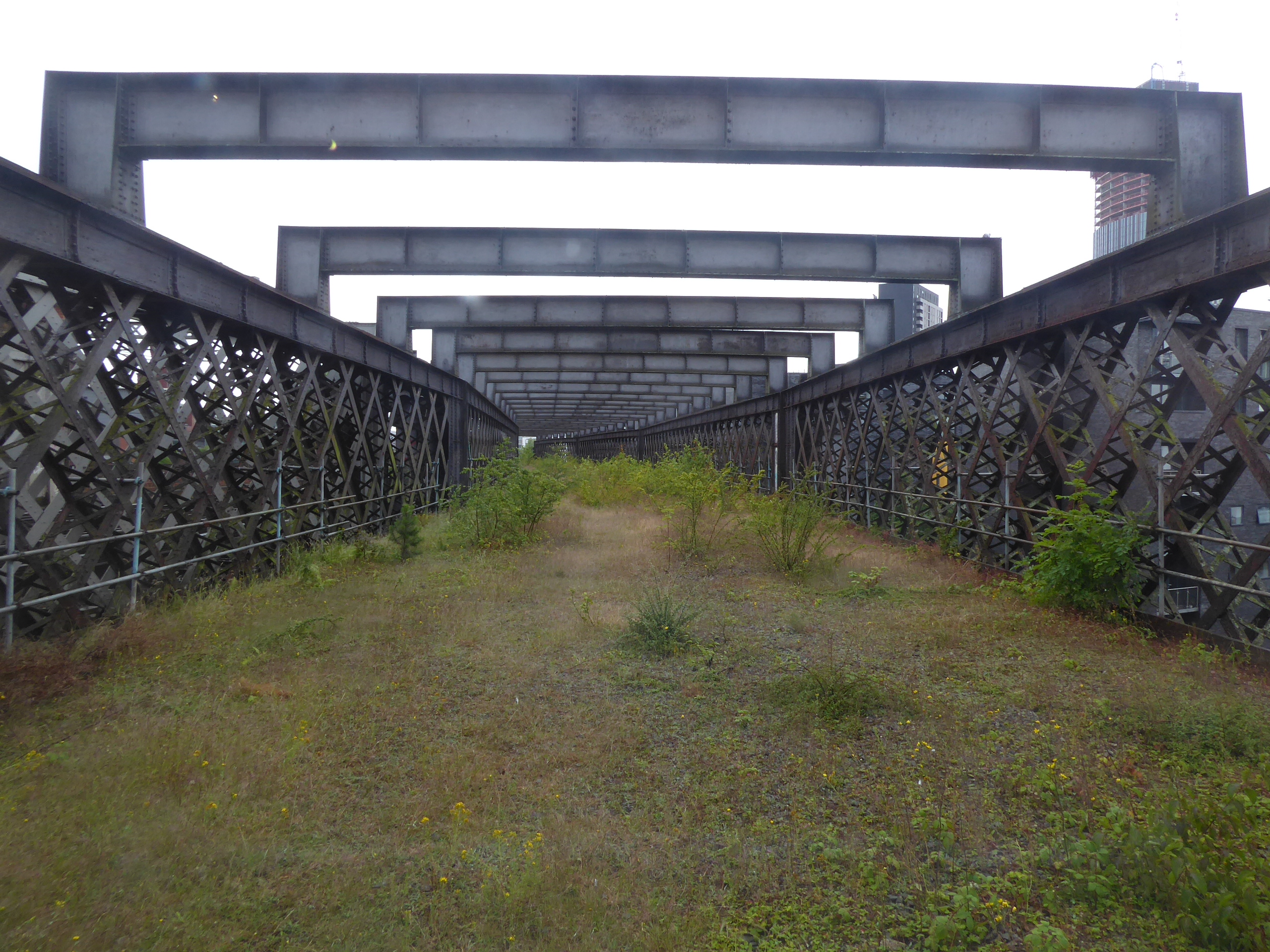
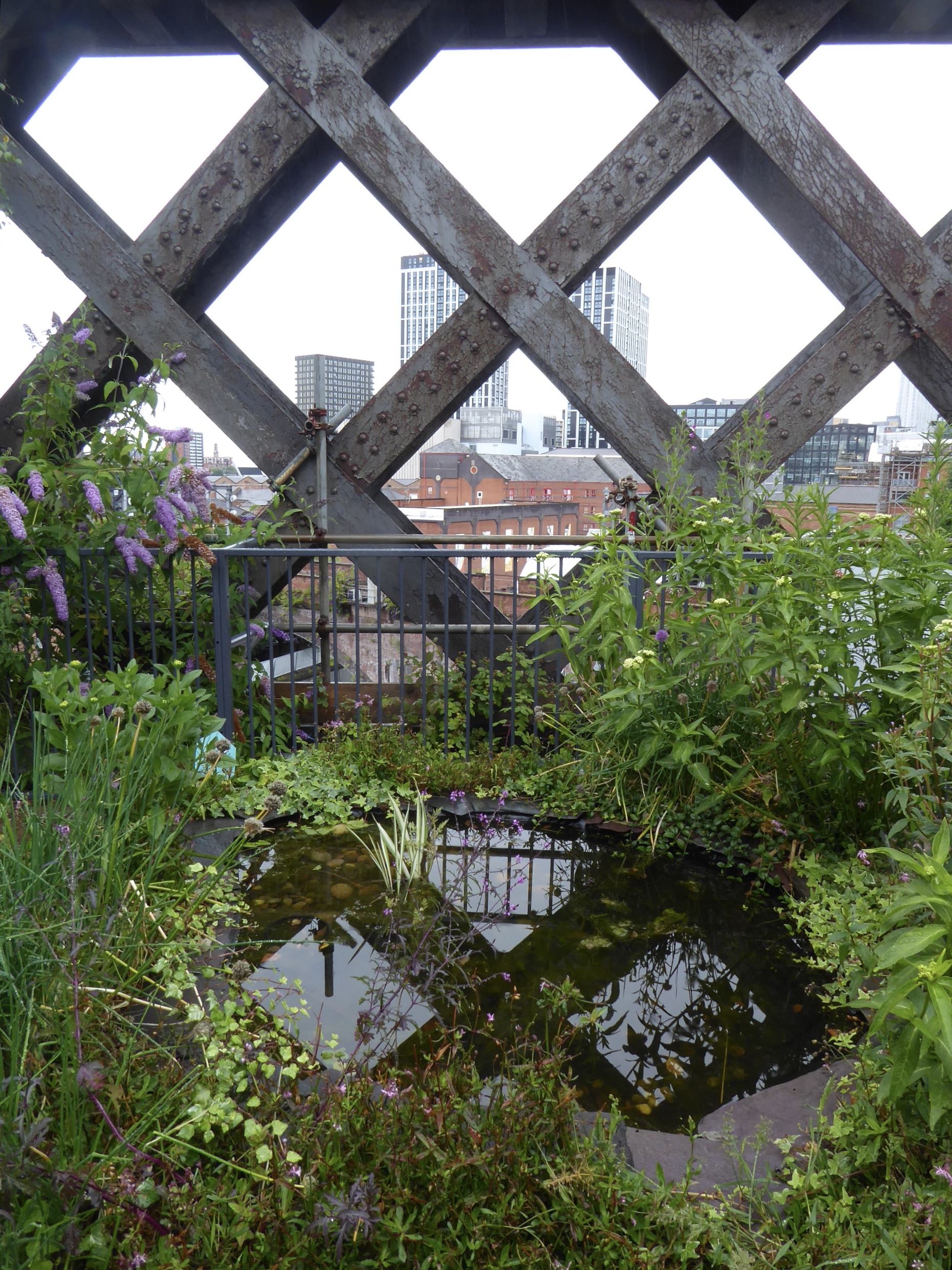
Castlefield Viaduct Garden

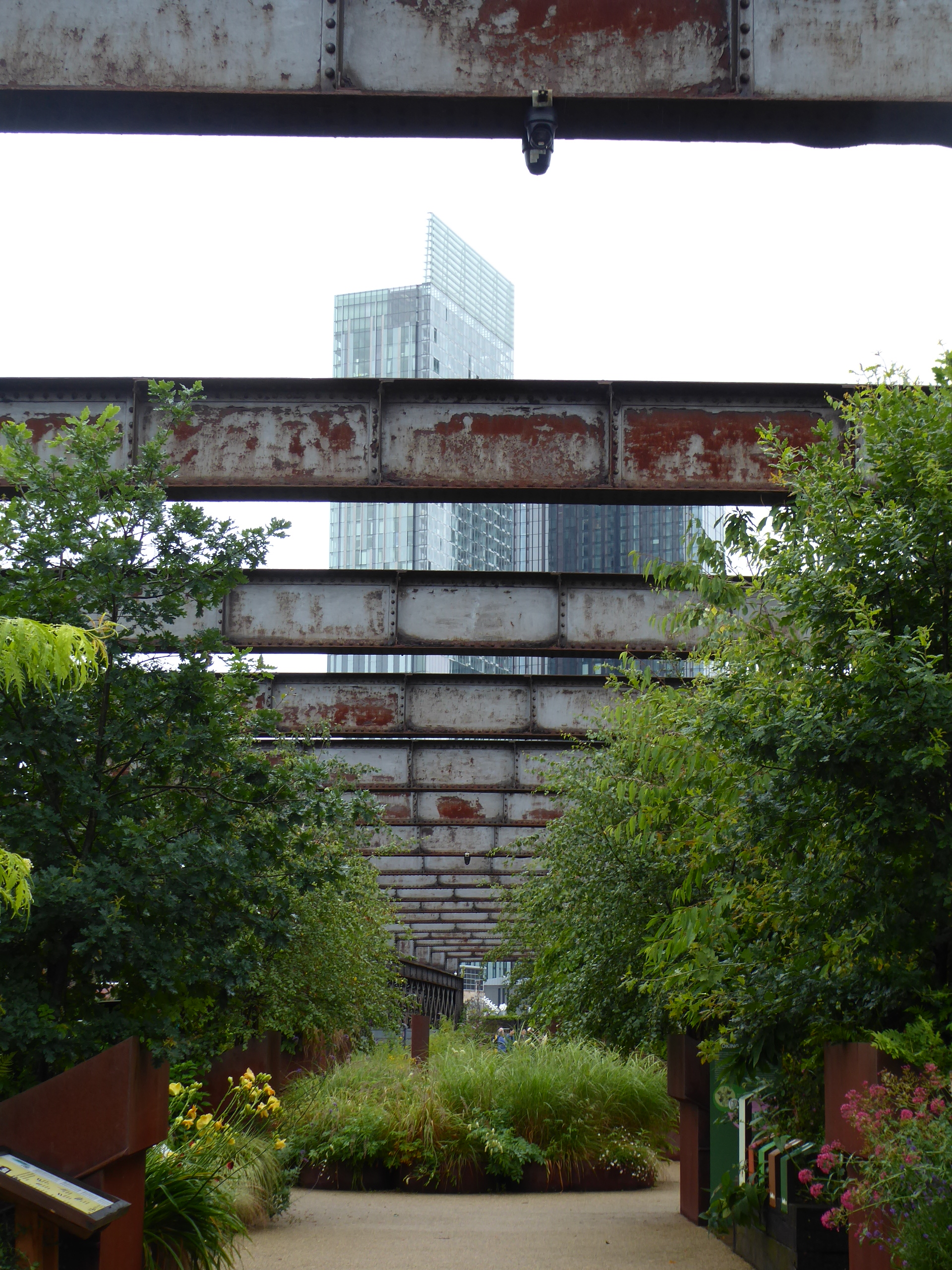
Just over the road from Deansgate station, this railway viaduct was opened in 1892 and closed in 1969. Part has been transformed into an elevated garden under the aegis of the National Trust (although I confess I liked the undeveloped part just as much). Since it was Manchester, it was raining lightly, but that didn’t spoil my delight in being in a garden above the ground.

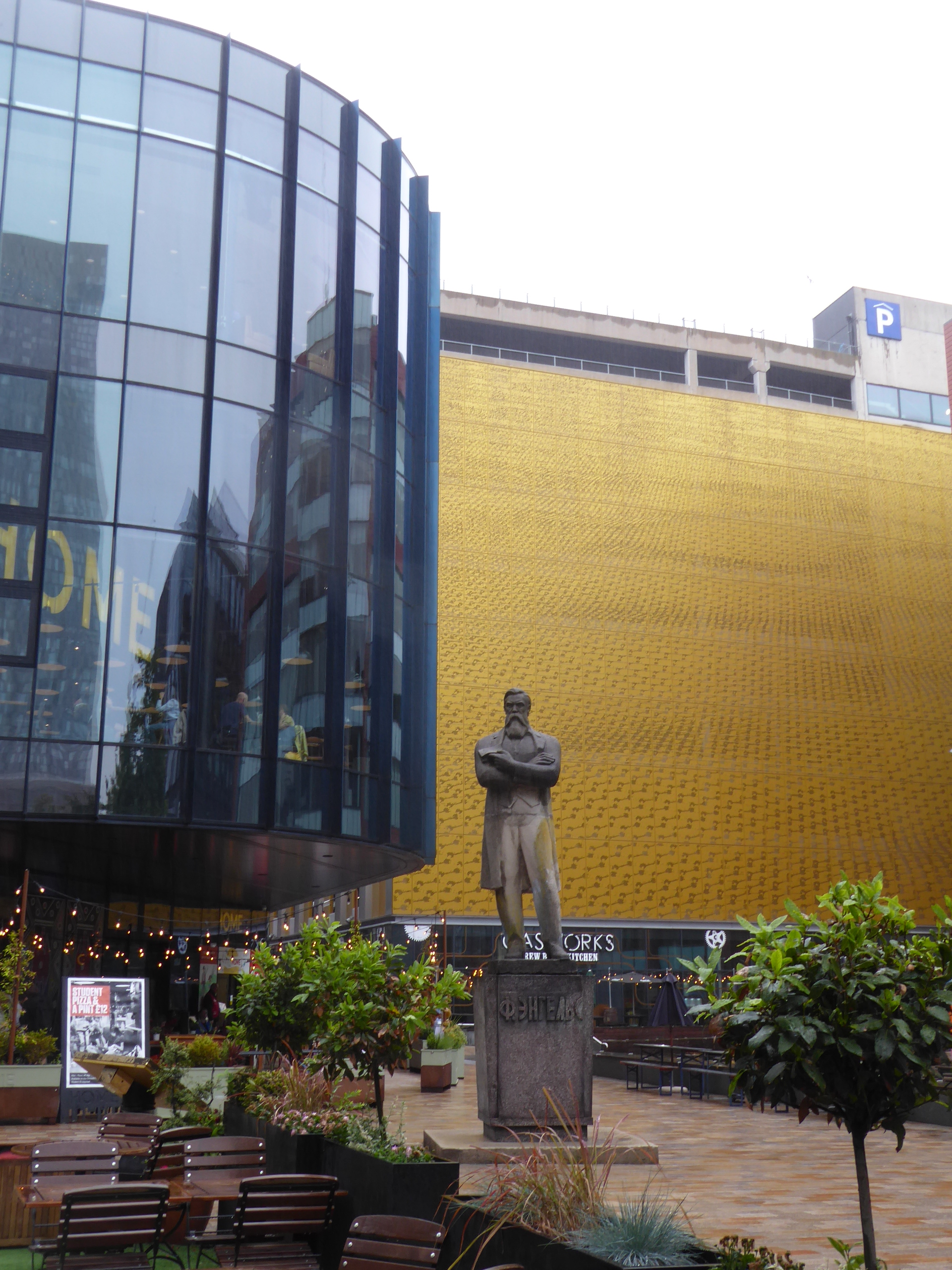
I also noticed, for the first time, the statue of Friedrich Engels outside Home in Tony Wilson Place. (Its original home was 1970s Ukraine.) My head reeled at the layers and course of history as I looked at it!

York art gallery

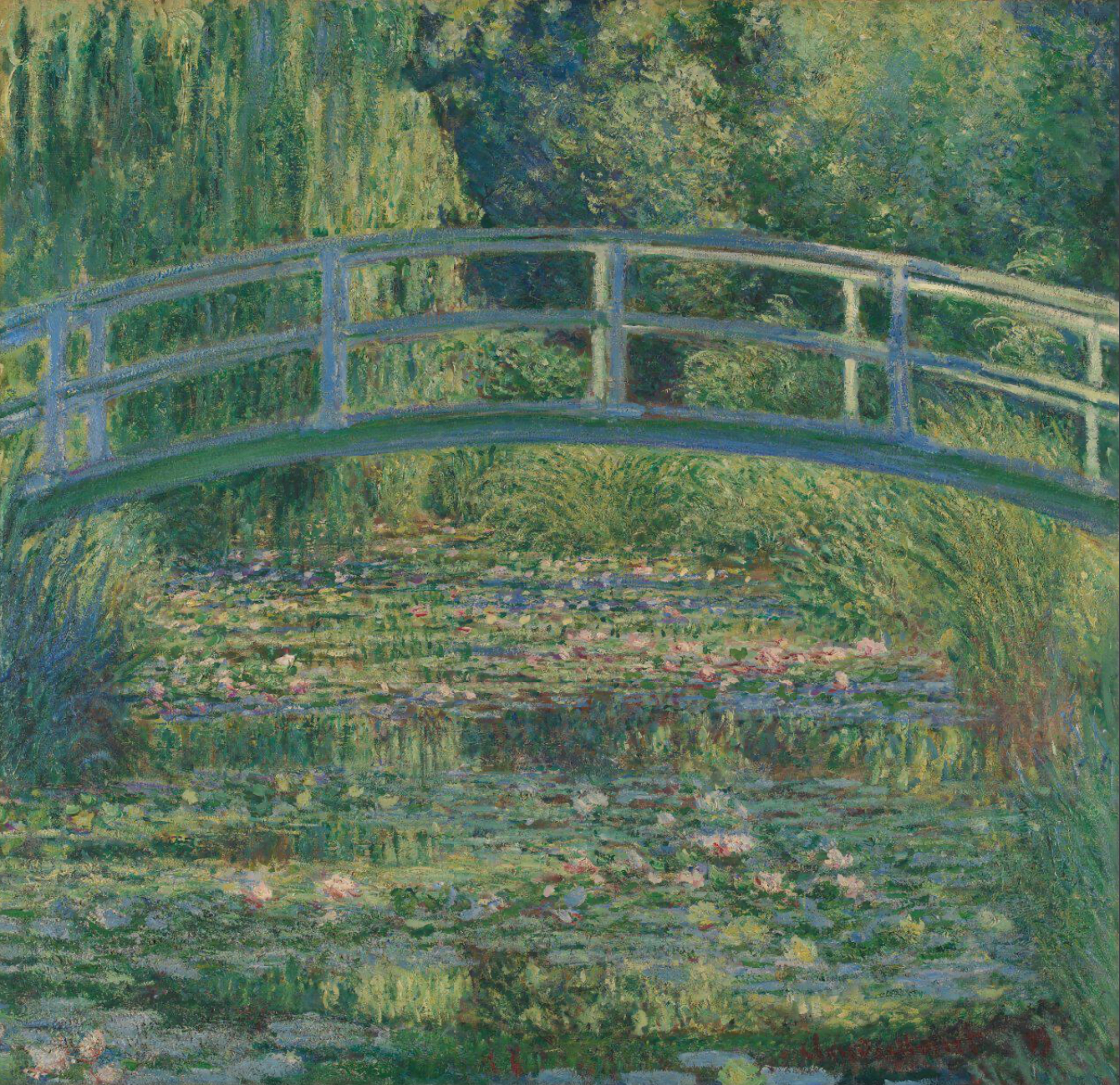
The National Gallery is currently lending some of its big names to smaller art galleries, so York has one of Monet’s lily ponds – and hence a hook on which to hang a whole exhibition. Firstly Monet’s precursors: plein air painting, Barbizon, Camille Corot, Théodore Rousseau, François Daubigny, Eugène Boudin, more Japanese woodblock prints (particularly influential in the practice of depicting the same scene under different light and weather conditions). Then those who, in turn, were influenced by Monet like Wynford Dewhurst (one work borrowed from Bradford!) and Thomas Meteyard.

It was great to see up close the blobs of paint that so beautifully represented the lilies; it overcame the sensation of familiarity that you can’t help but feel when seeing such a famous painting and made it exciting again.

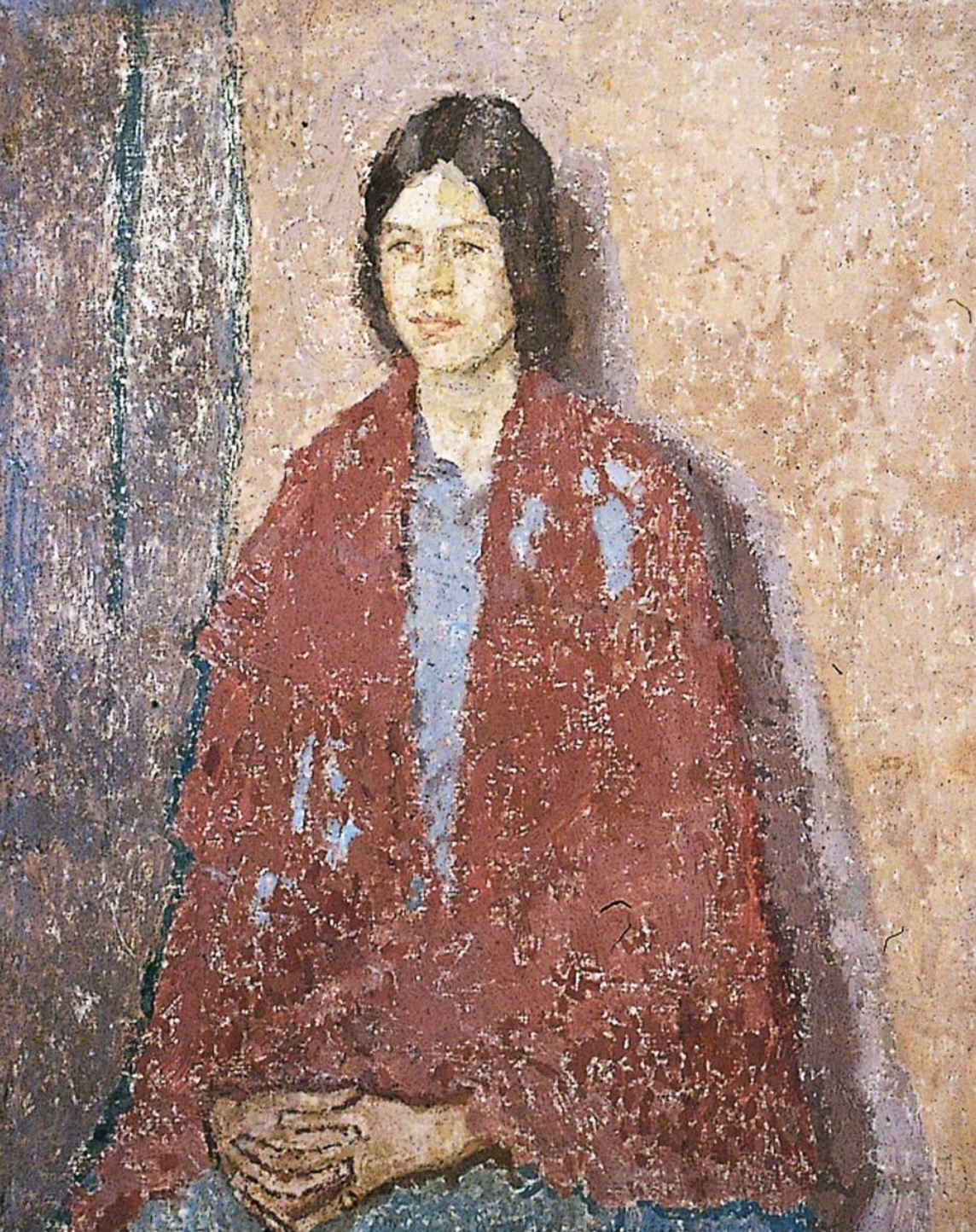
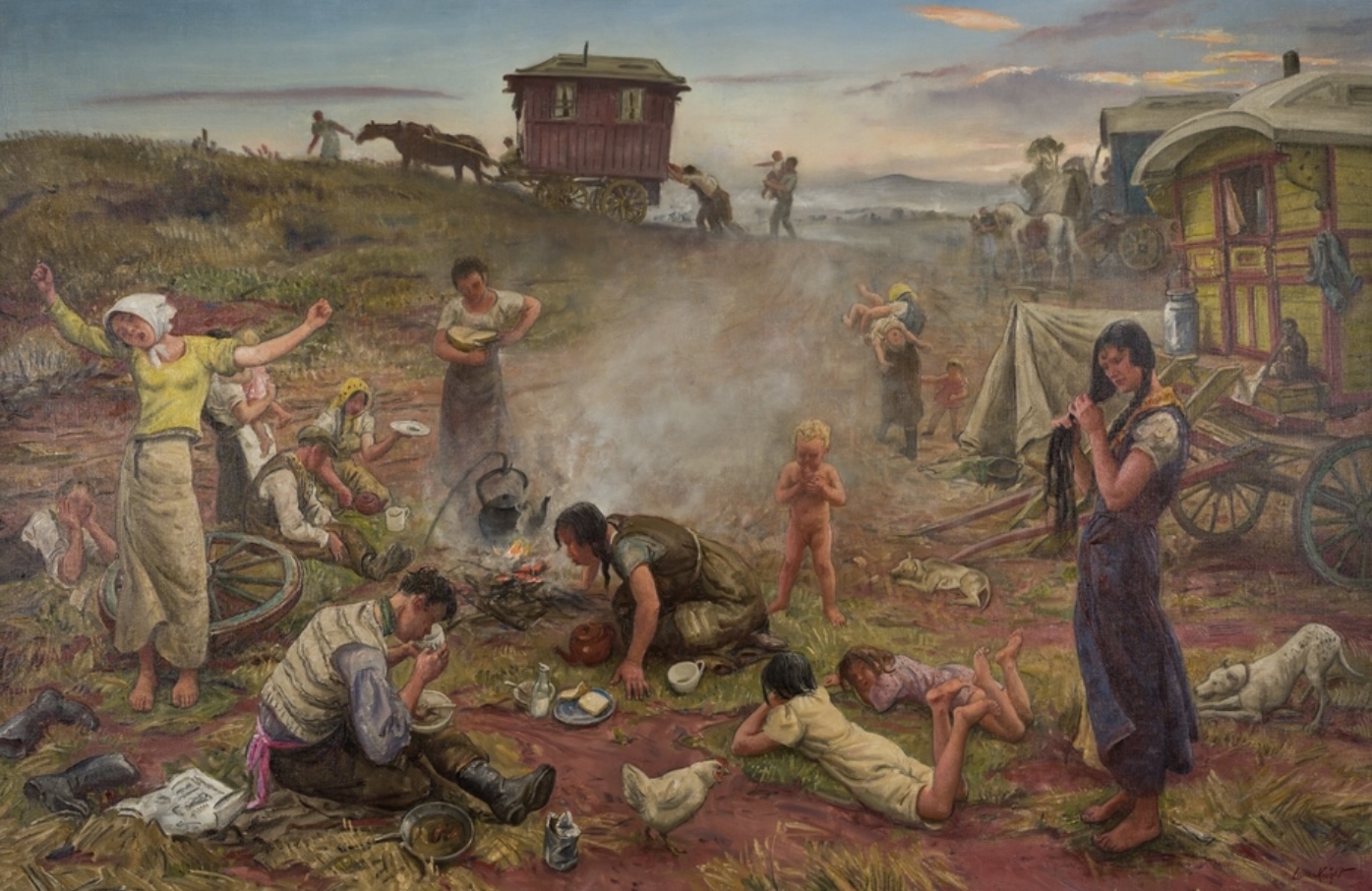
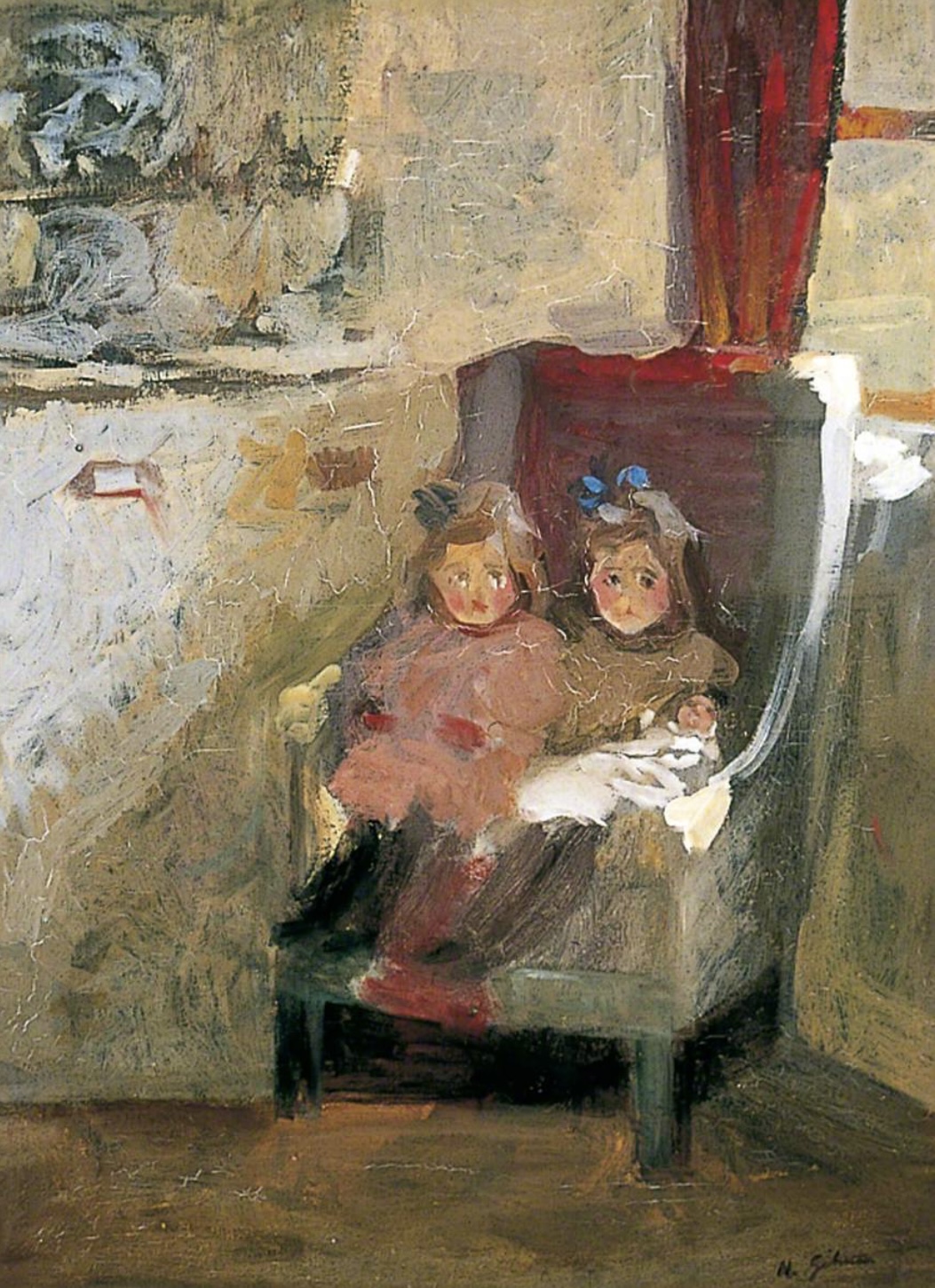
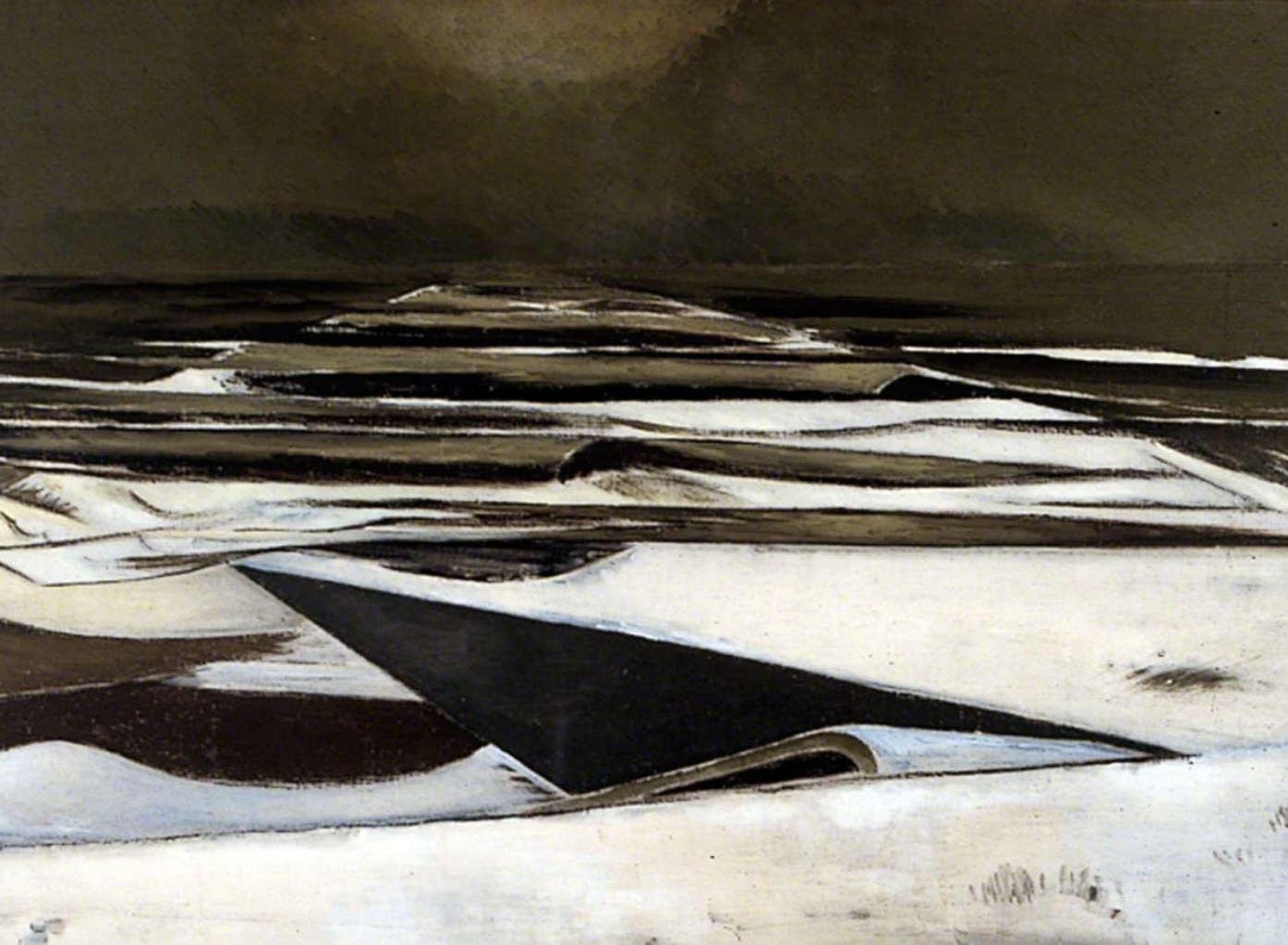
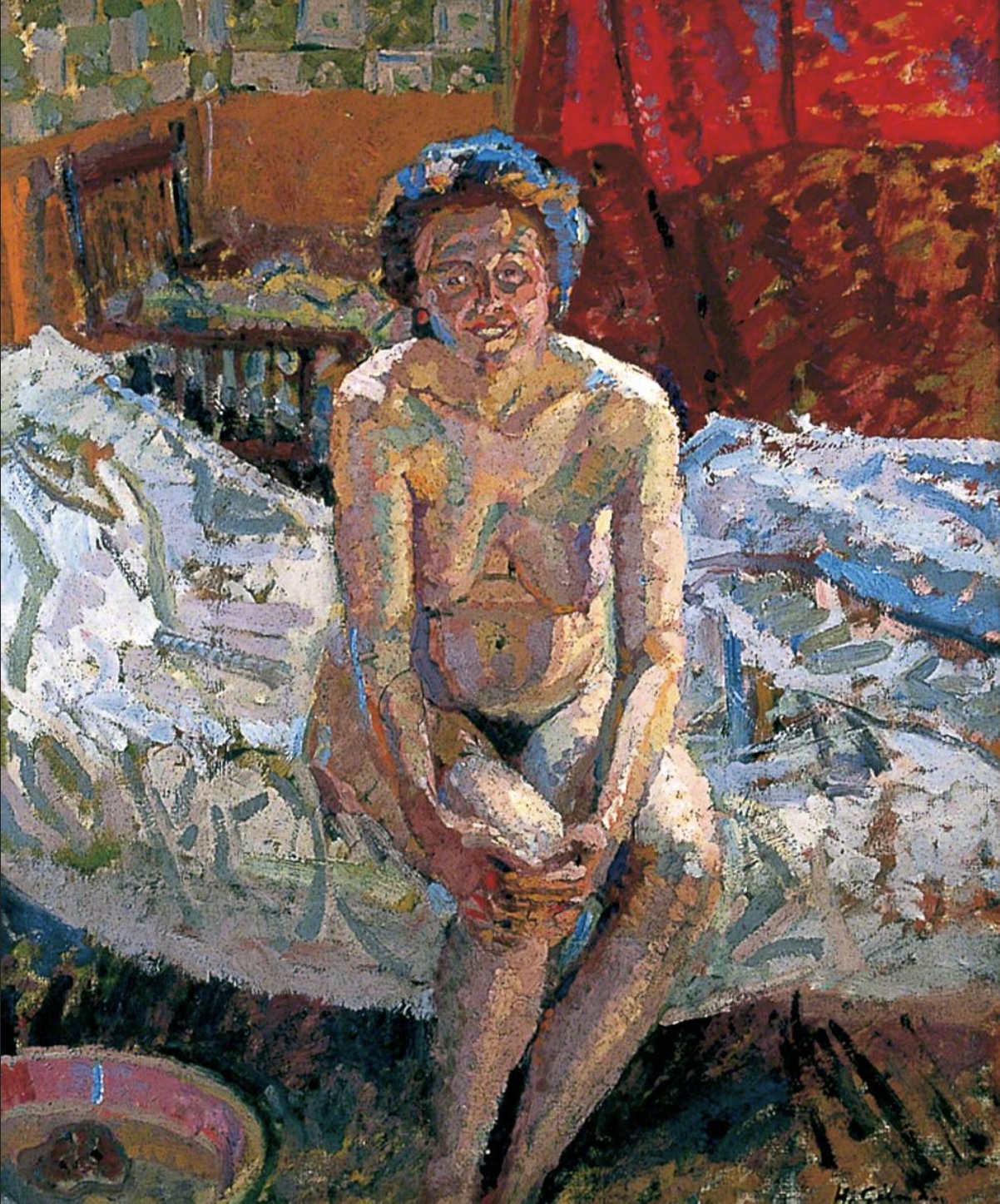
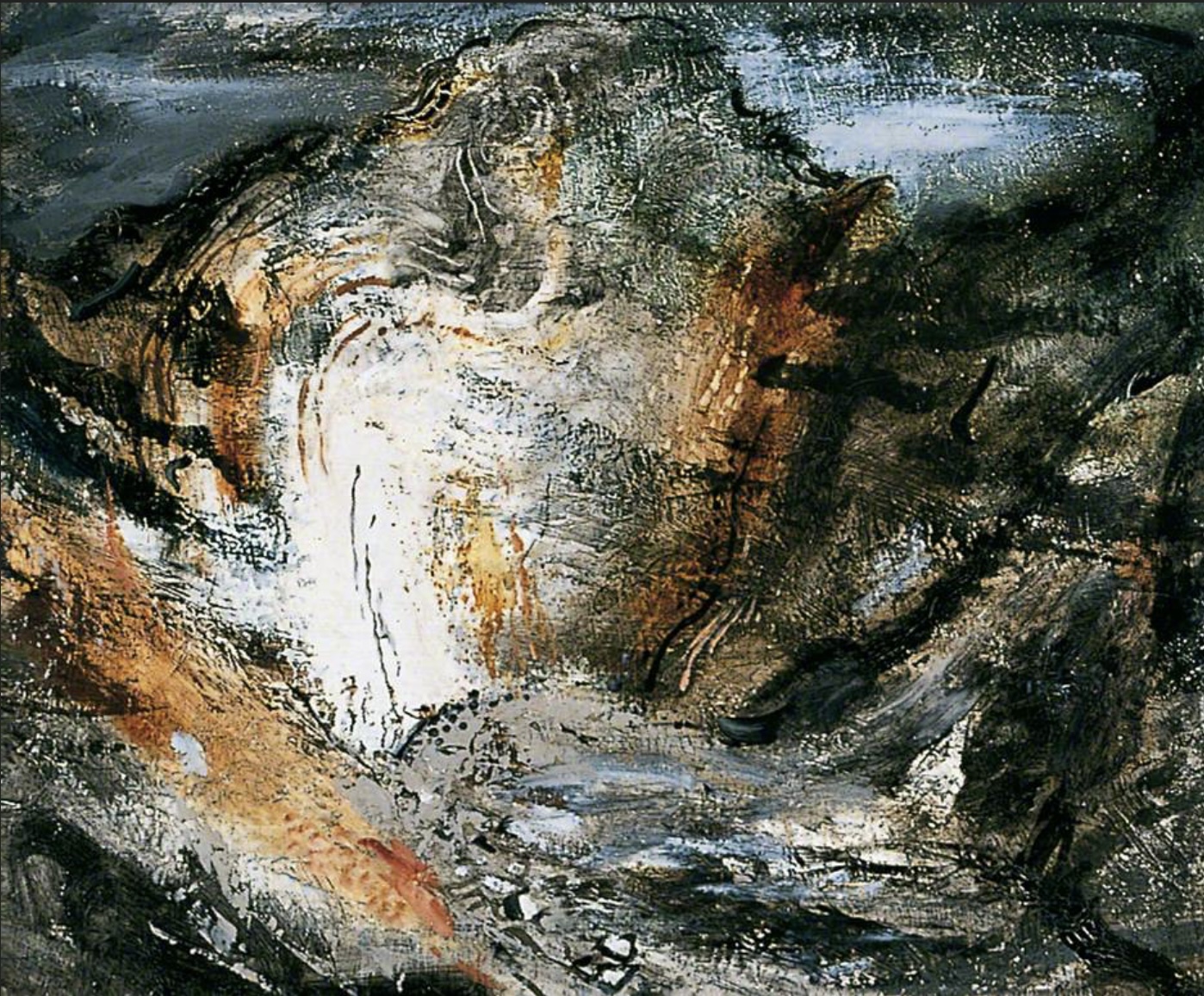
And then to the rest of the gallery, which taught me that I really don’t like the muddy tones of Walter Sickert and Harold Gilman* and I’ve had my fill for now of Gwen John’s stasis and meticulousness. Ethel Walker was there, along with Laura Knight, Paul Nash, Stanley Spencer and rather too many by local boy, William Etty, in a very pleasant gallery space.

* although the online reproductions are more colourful than the paintings on the wall.
Cartwright Hall

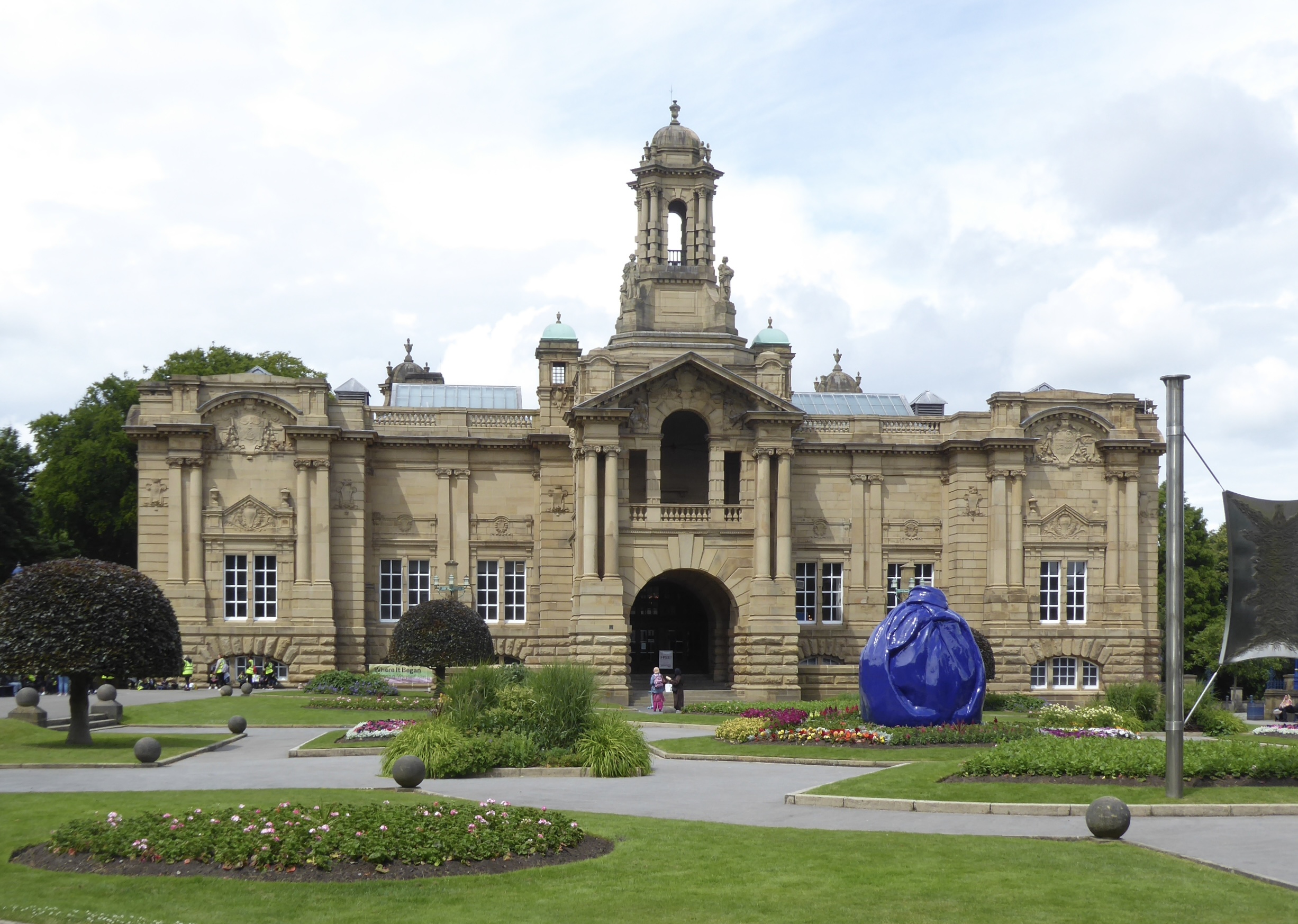
Bradford will be the 2025 City of Culture, so Cartwright Hall – in a lovely park in Frizinghall – is looking its best. It was built on land and money donated by a local textile manufacturer and is a mixture of “the usual suspects” (e.g. Clausen, Spencer, Hillier) and South Asian exhibits. At present there is an exhibition by Osman Yousefzada looking at migration, identity and community. Lots of wrapped objects, including the statue on the parterre in front, to echo the packages people make to carry around. I had a flashback to the mother in “Tokyo Story” making up and unpacking her little bundle.

Amongst the familiar (and sometimes rather dull) Victorian paintings there were little jolts to the eye like “Exodus Lahore” by Sylvat Aziz – more difficult to parse at first than, say, yet another massacre of the innocents, but that brought home to me the limits of my cultural grasp.

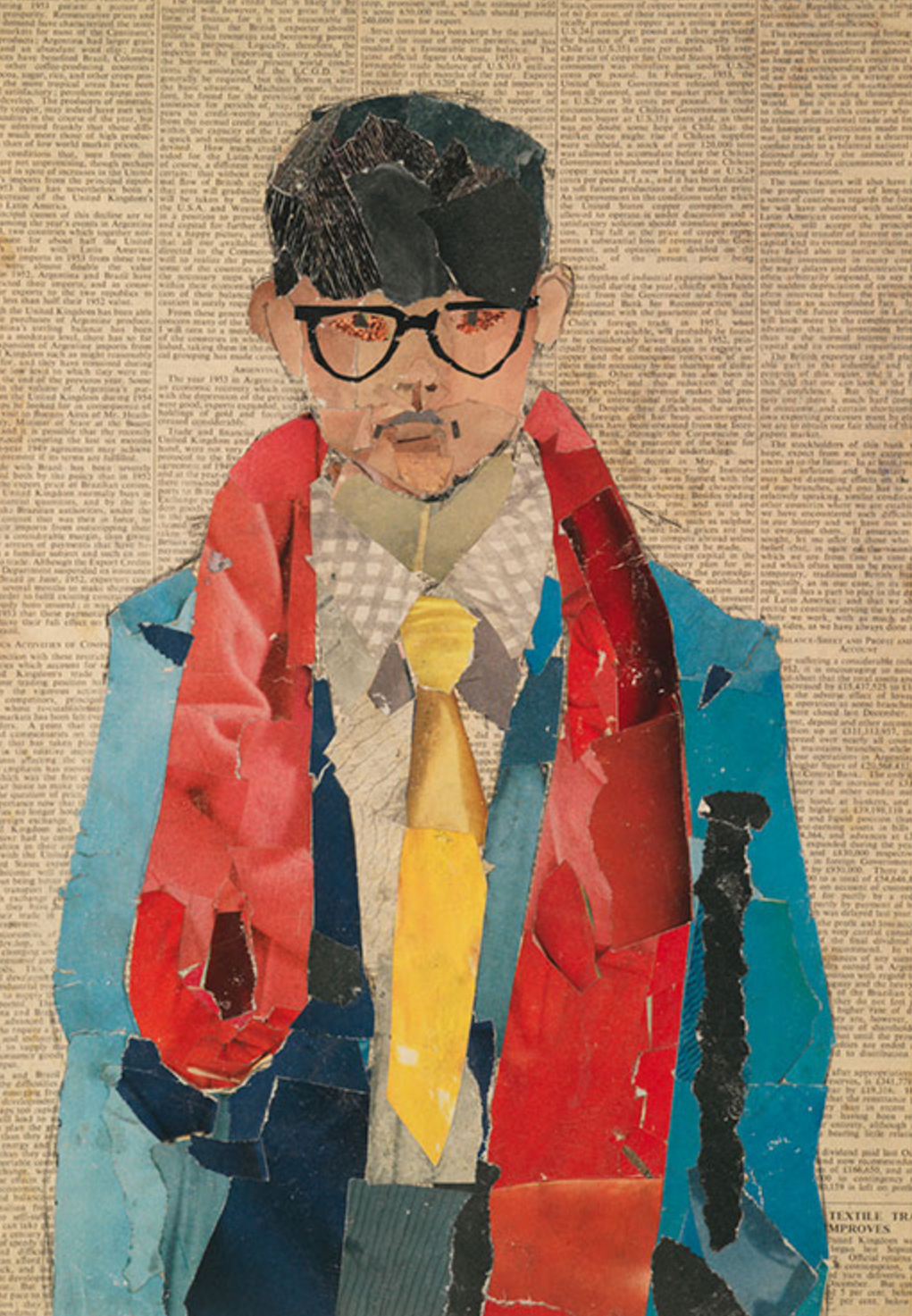
There was also a gallery of work by David Hockney. Once again I wandered round rather uninterested but was suddenly hooked by something – this time a delightful collage self-portrait that made me smile and embodied perfectly his unflagging creativity.

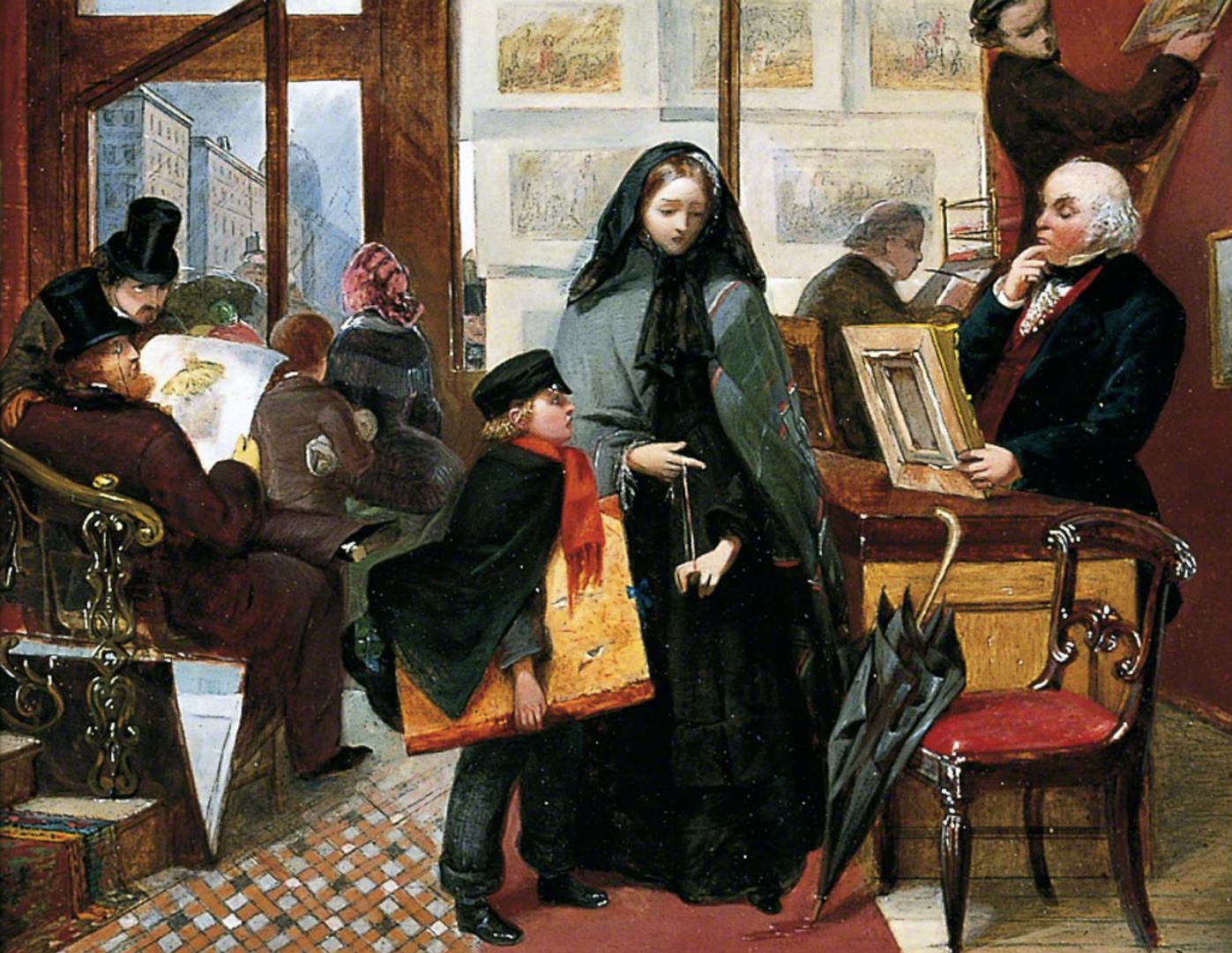
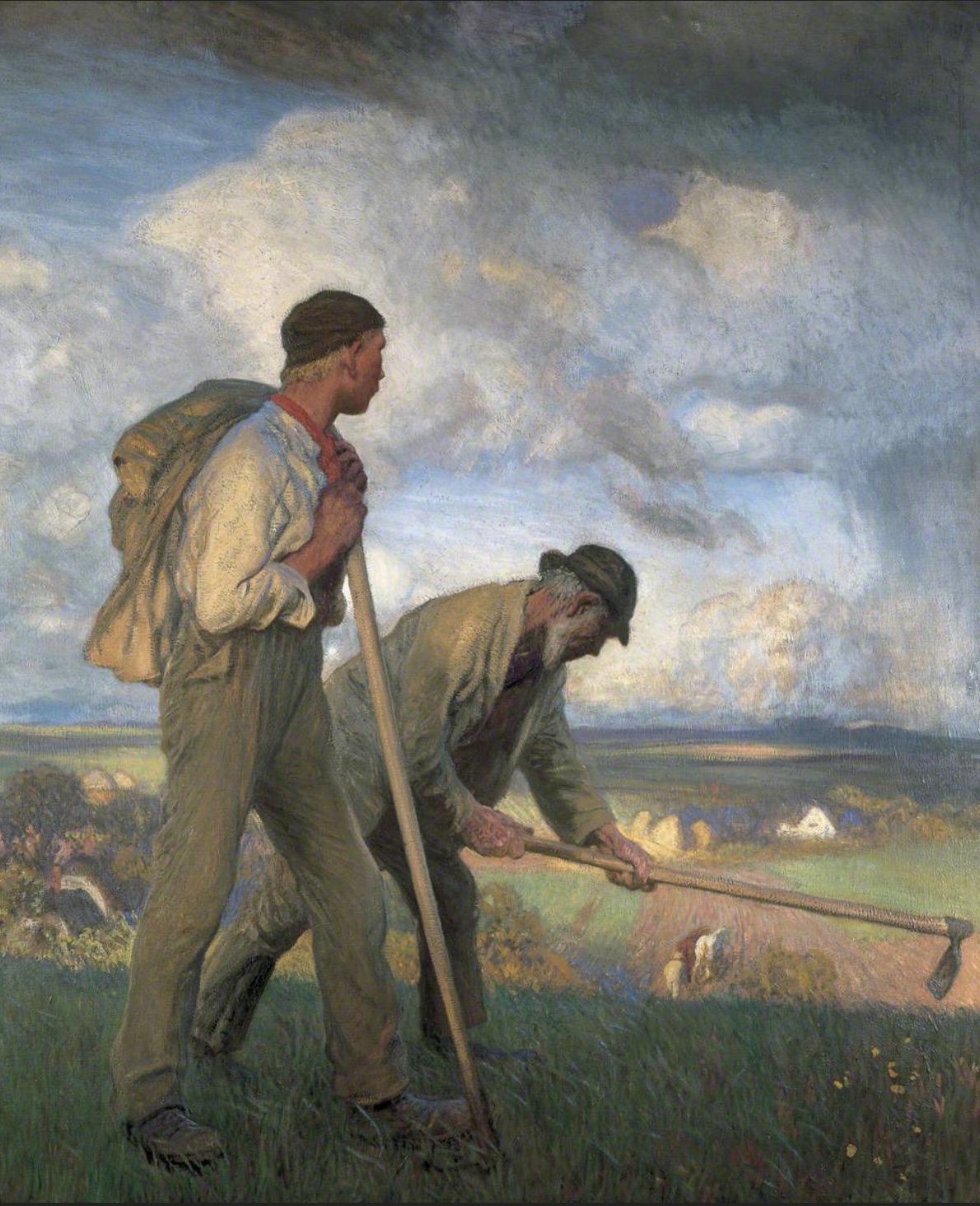
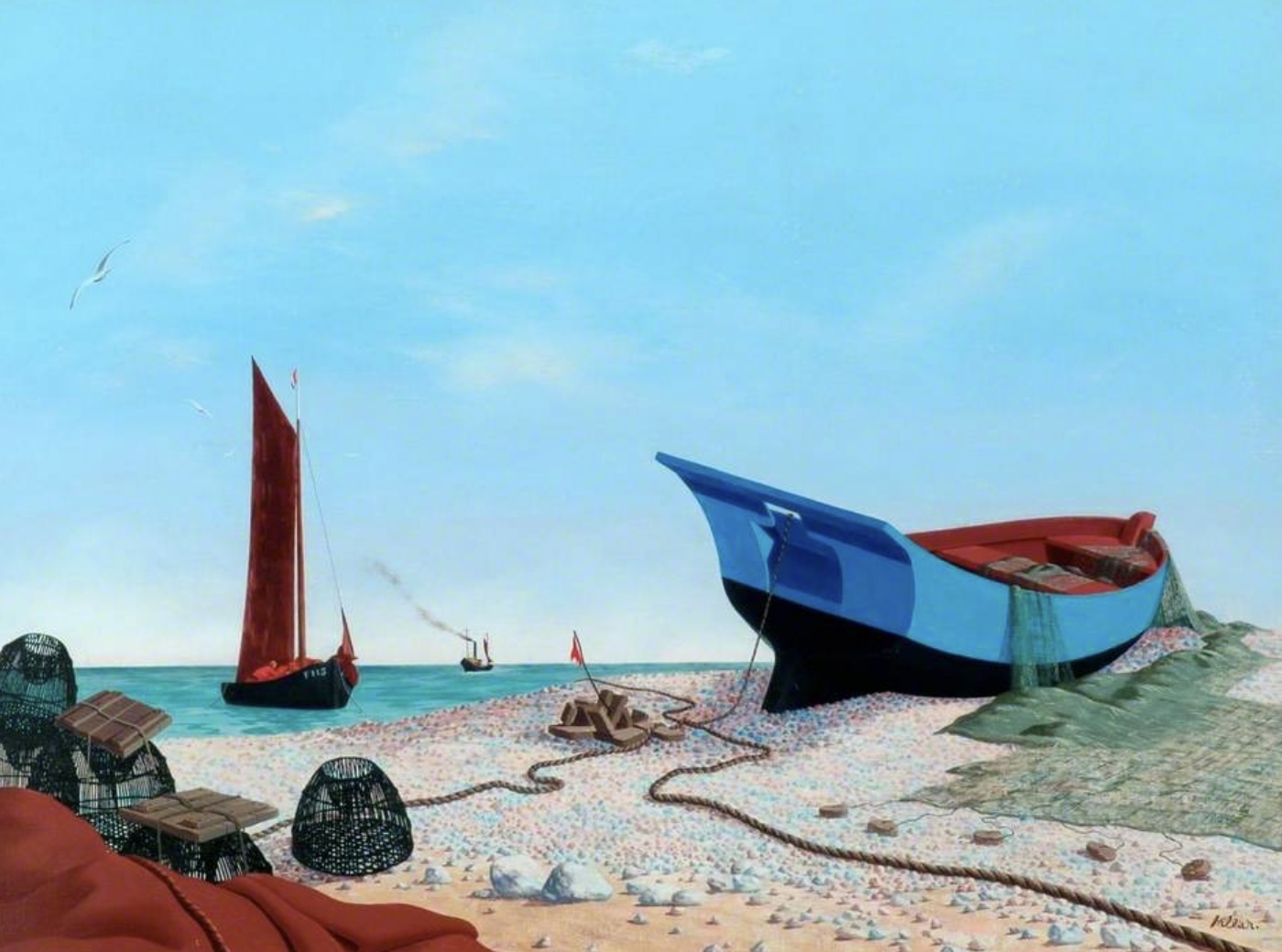
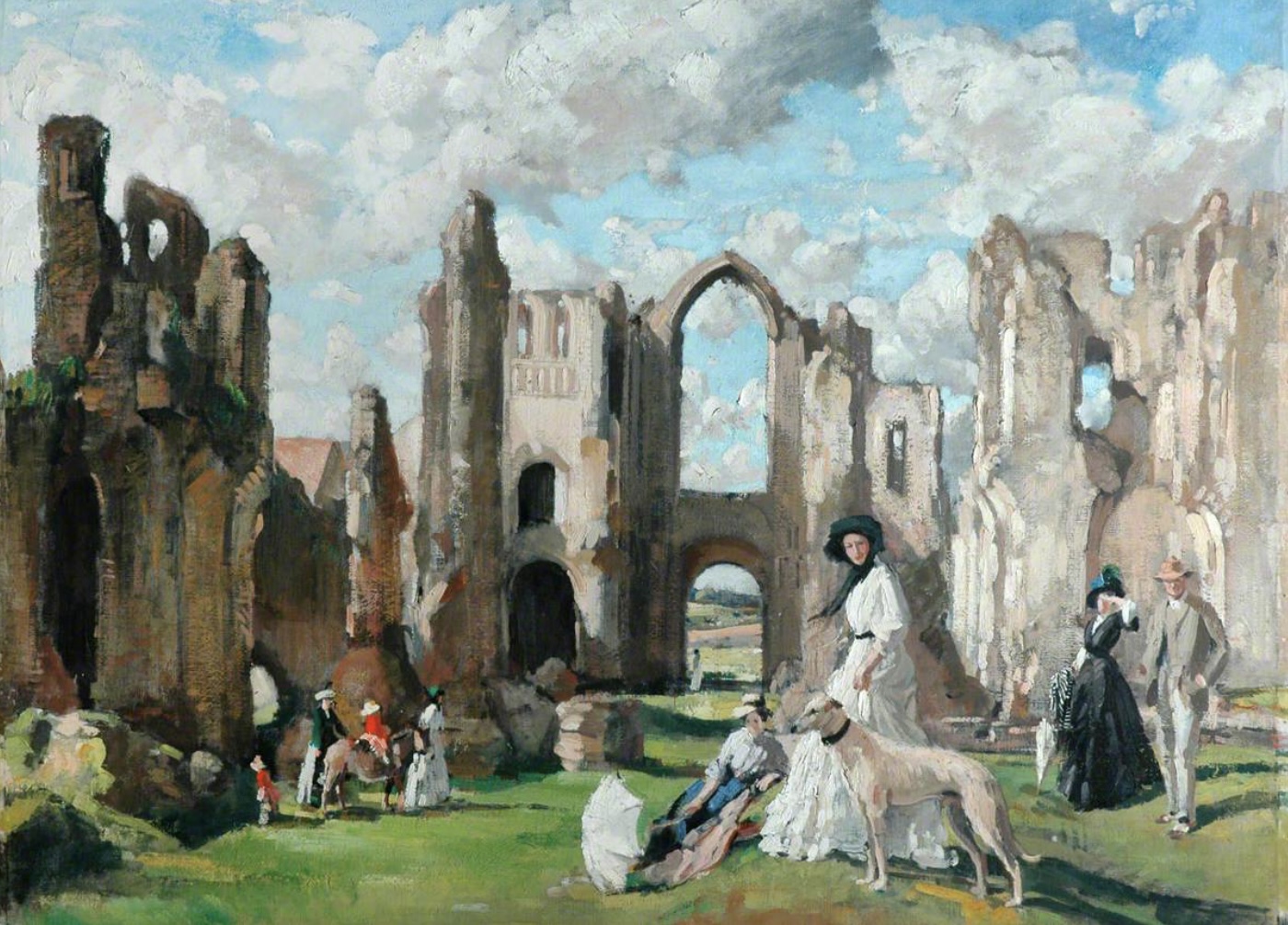
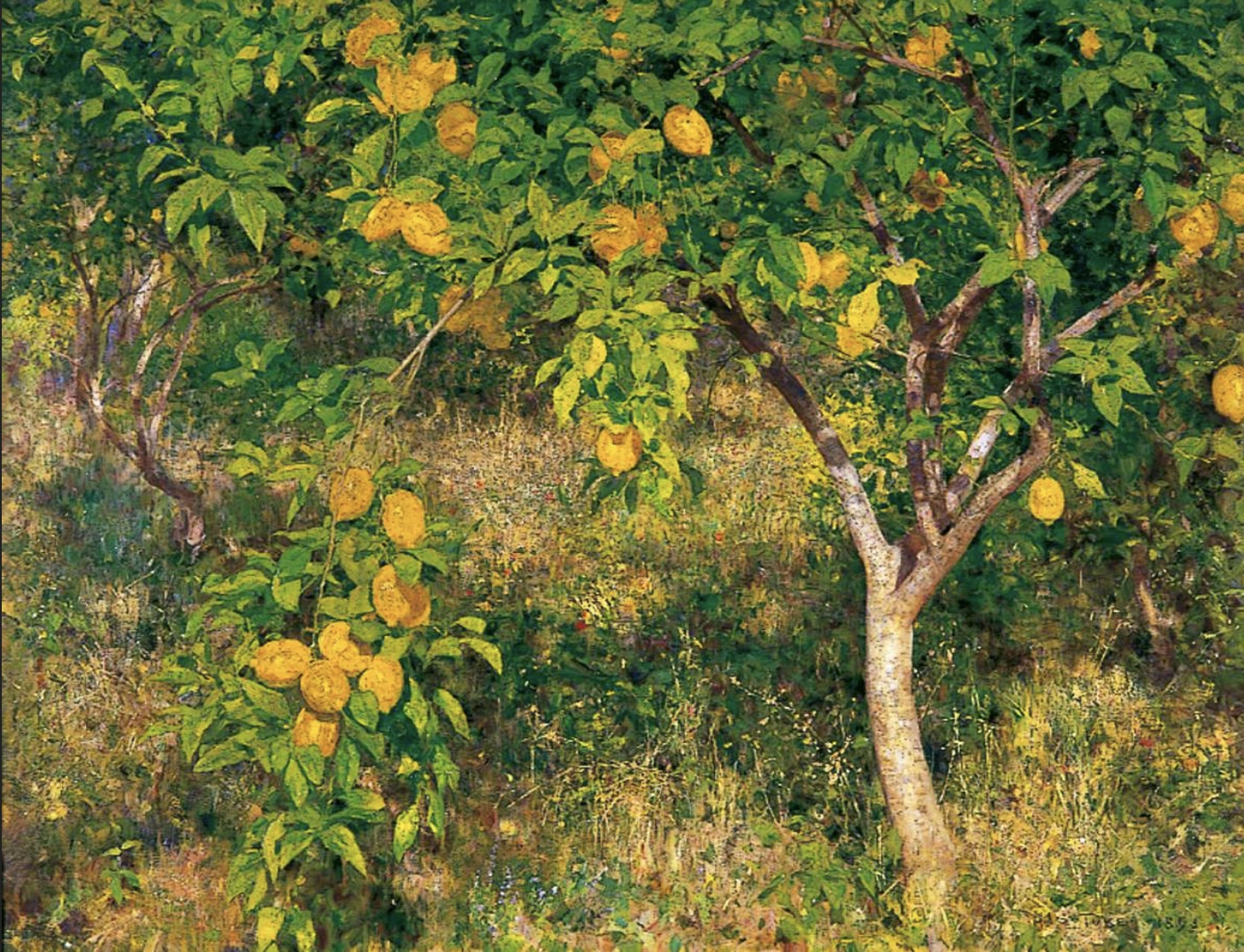
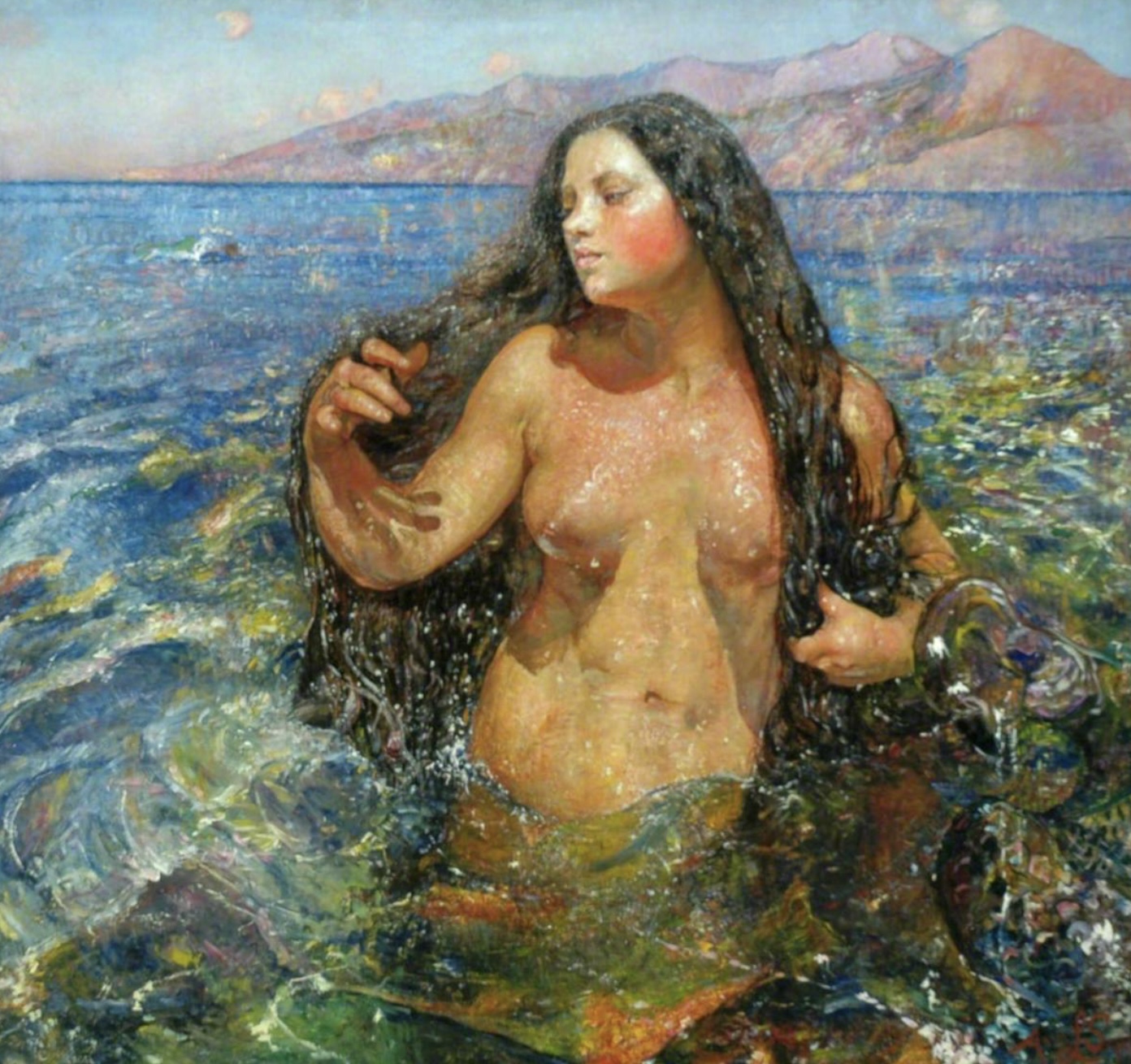
Flicking through the ArtUK website afterwards, I had a glimpse of the lending of artworks around galleries: I had seen the Connard last month in Southport, the Tuke last year in Newcastle and the Swynnerton either in Manchester or London.

Manchester

The art gallery is fairly unchanging at present, so I just popped in for a coffee and a quick look at old favourites. Then to the Whitworth, which is constantly changing, and another coffee.

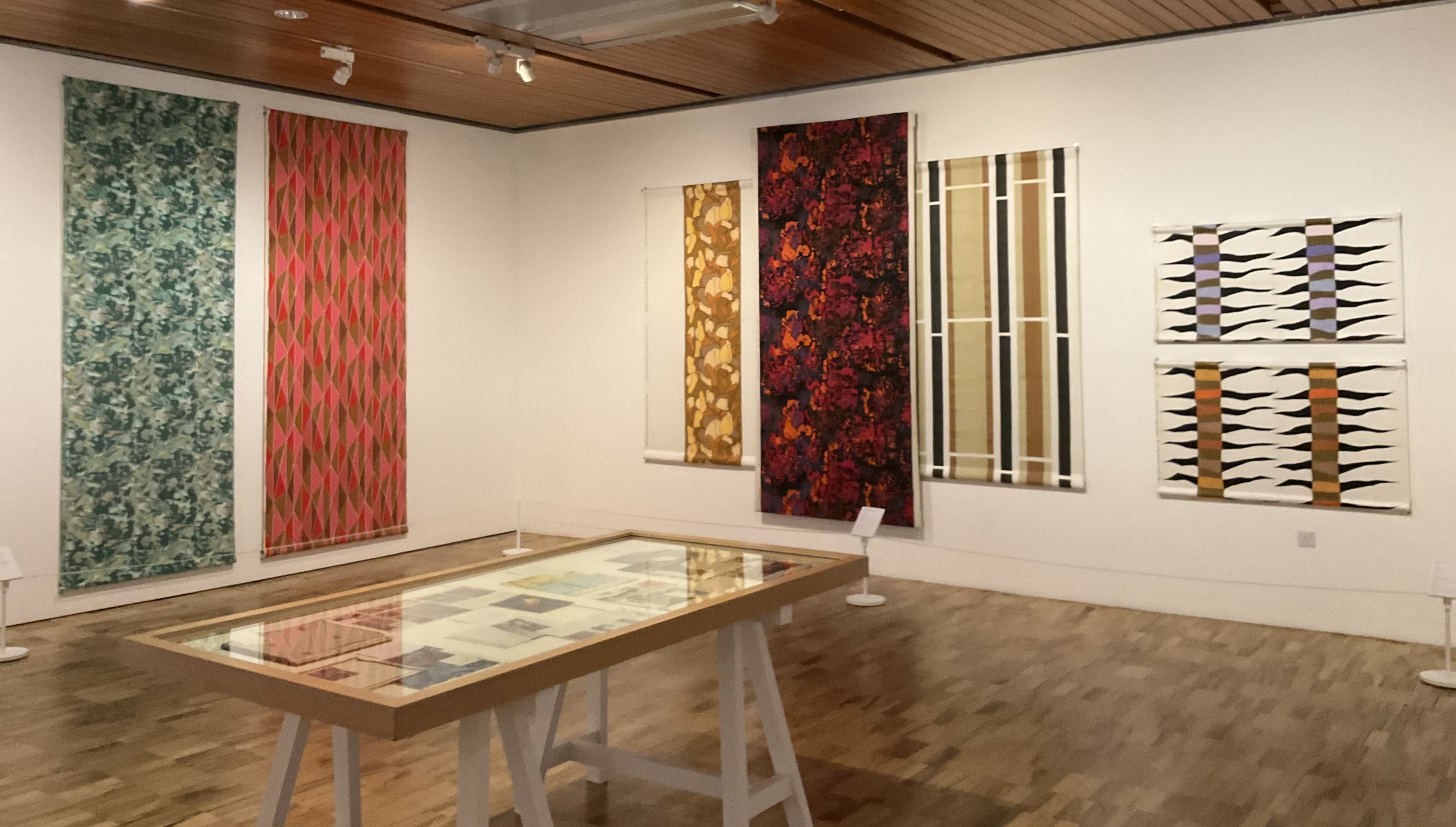
Current (small but perfectly formed) exhibitions at the Whitworth include 1960s textiles by Shirley Craven for Hull Traders. My view hovered between “bold” and “over-emphatic”, but there was no denying the exuberance of the designs. They shaded into gimmick and tackiness with the tomotom furniture of her husband, Bernard Holdaway – but you could still sense the crater left by that blast of creativity all those years ago. I may have dwindled into neutrals with age, but I still recall the wonderful arrival of vivid colours and big patterns during my childhood.

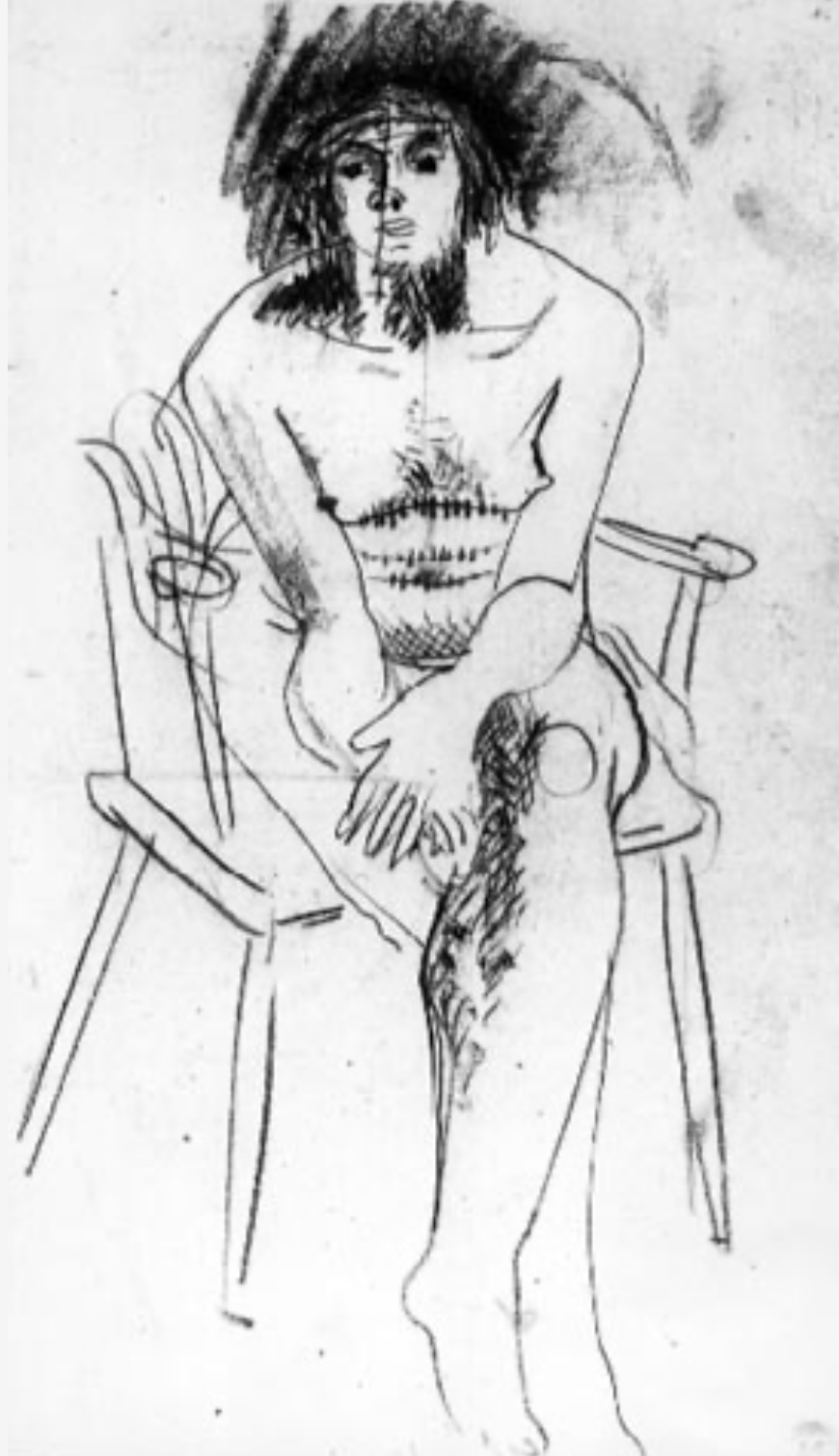
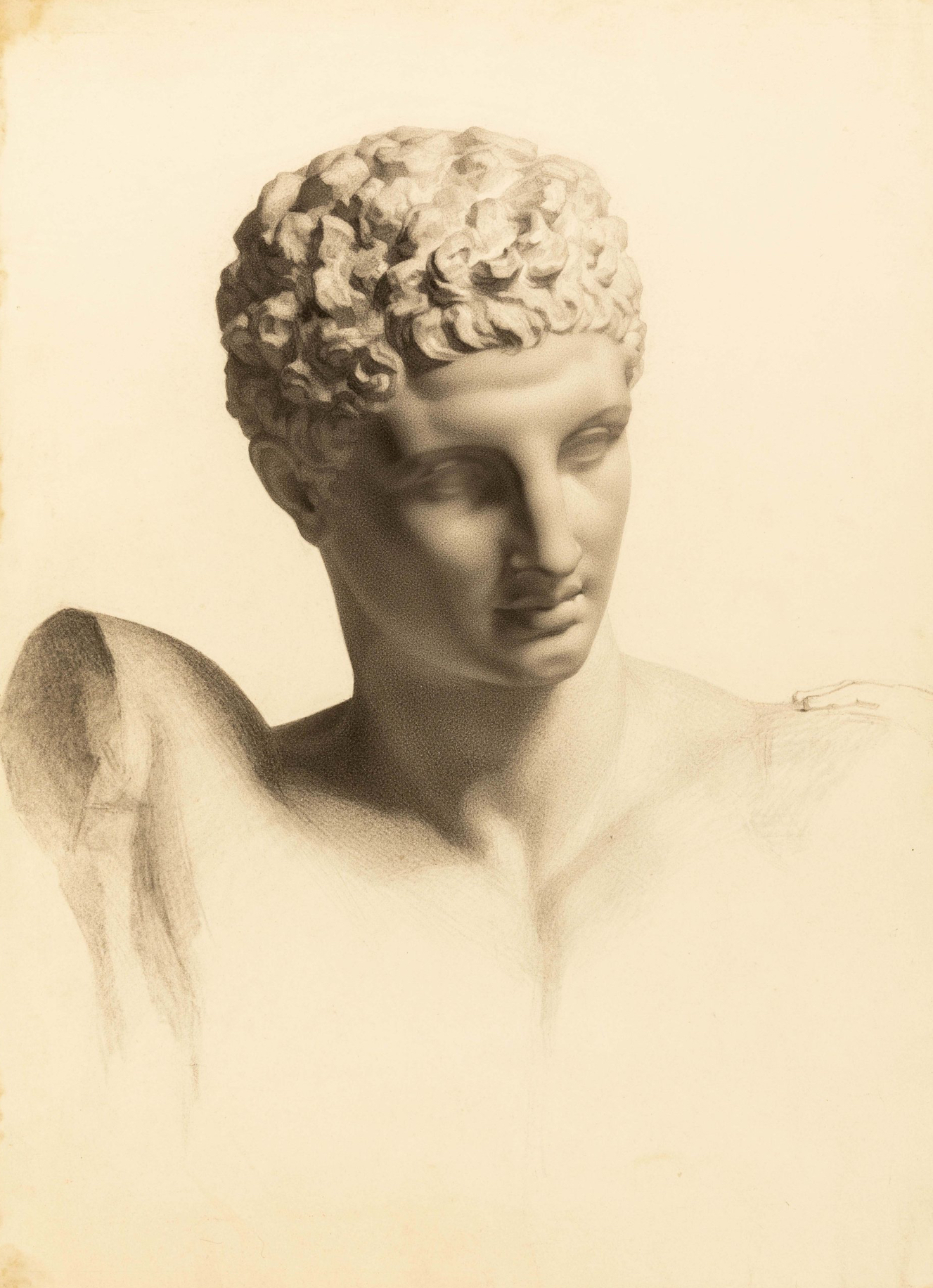
Another exhibition was “The ‘death’ of the life room”, looking at the changes since the 1950s in life drawing classes as part of formal art education. Life drawing had come to be viewed as a barrier to innovation and experimentation and was dropped. “Something’s lost and something’s gained” and the world probably doesn’t need any more meticulous recreations of plaster casts of ancient statues . . . but I couldn’t help comparing drawings by Barbara Hepworth and Henry Moore with one I’d seen at the Tate exhibition by Minnie Hardman.

The Fylde by Brompton

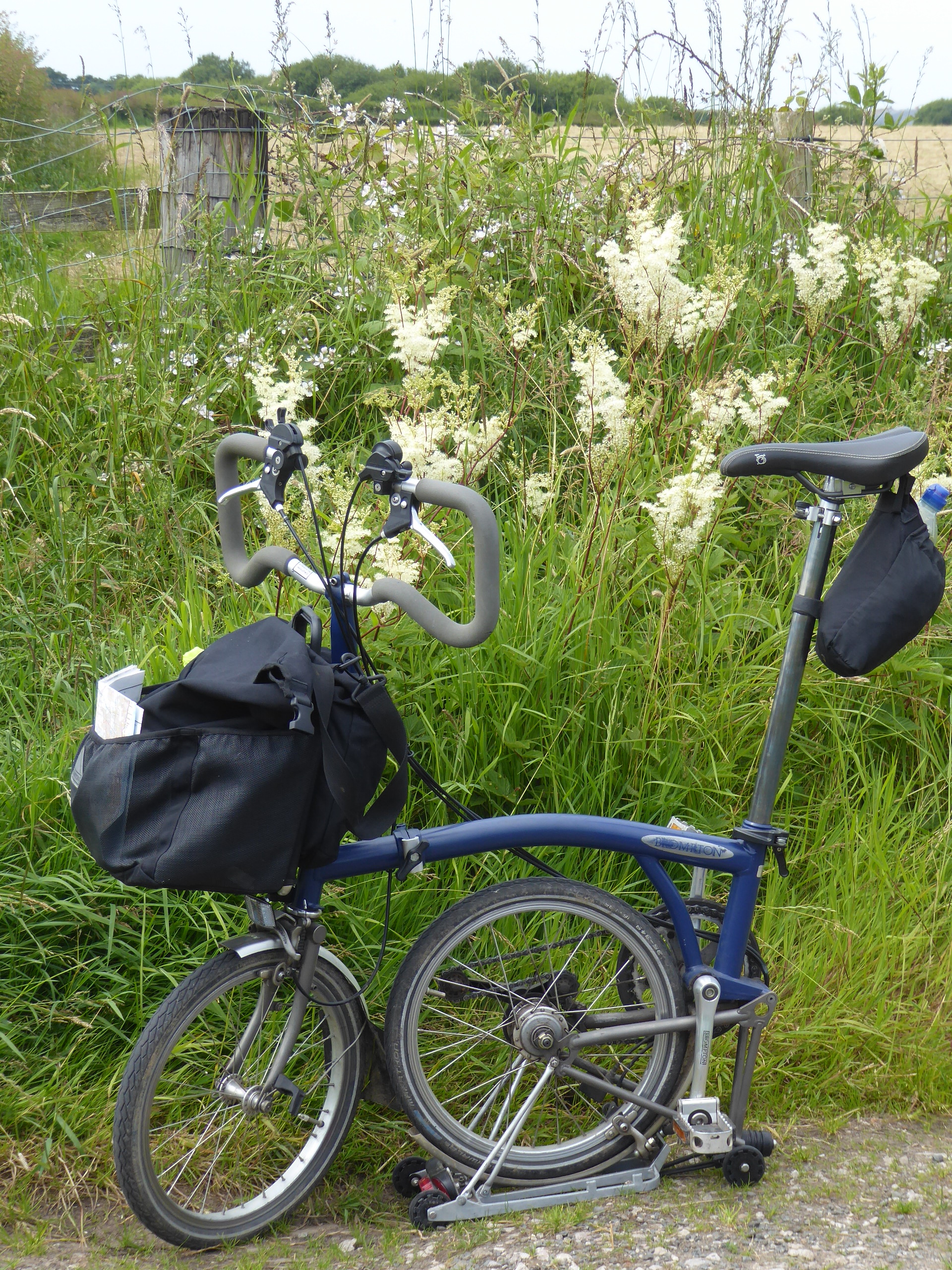
The Brompton and I caught the train to Preston and headed northwards through the Fylde peninsula. A bit unlovely at first: I took a direct route from the station, through old terraces interspersed with garages and workshops, to the start/end of the Lancaster canal to take me out into the countryside. Not scenic countryside: it’s agricultural and flat (although if there is an incline, the Brompton always lets you know about it), but it felt good to be doing this.

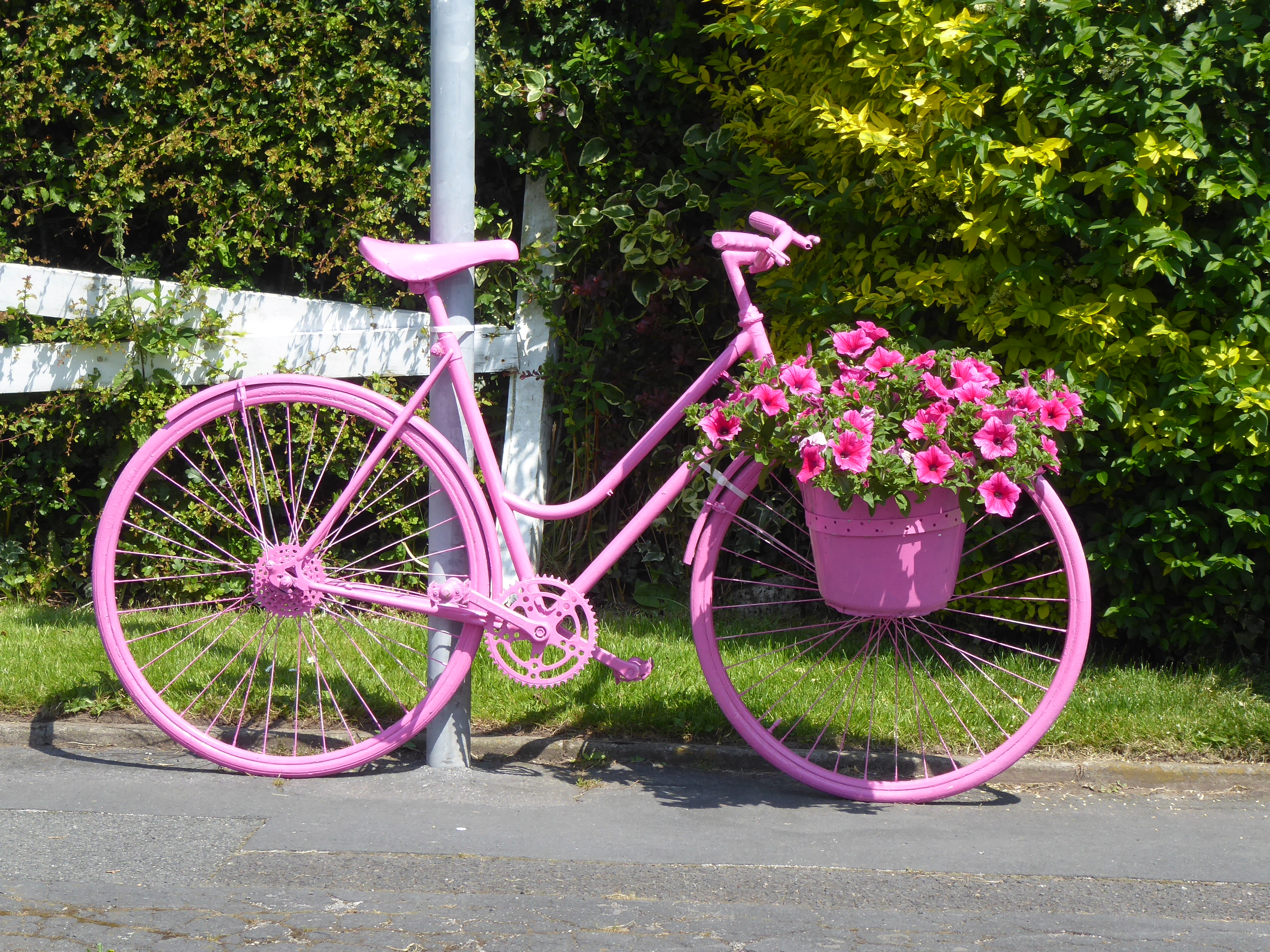
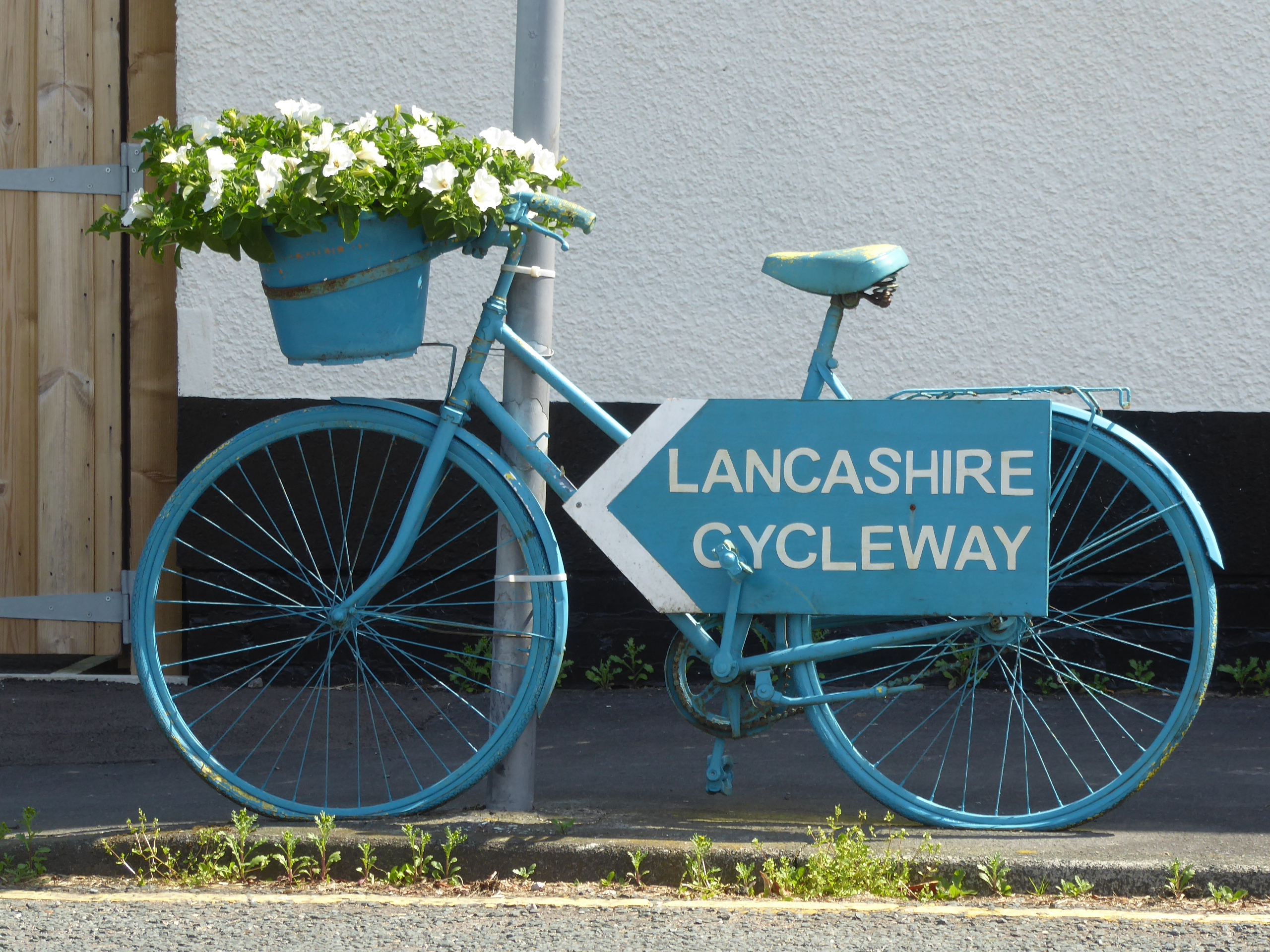
I feared I had suffered a total map-reading breakdown until I realised that my OS map was too old to show the bypass that had come as a surprise. Then to Elswick, which was going for gold in the floral stakes, and Great Eccleston for a café.

Over the toll bridge (20p; I’m sure it was only 10p the last time I passed that way 20 years ago) and then beside the Wyre until I headed north to Knott End, where there was a bus leaving in 5 minutes. A little discourteous to blank Knott End like that, but there’s always another day.

Courtauld

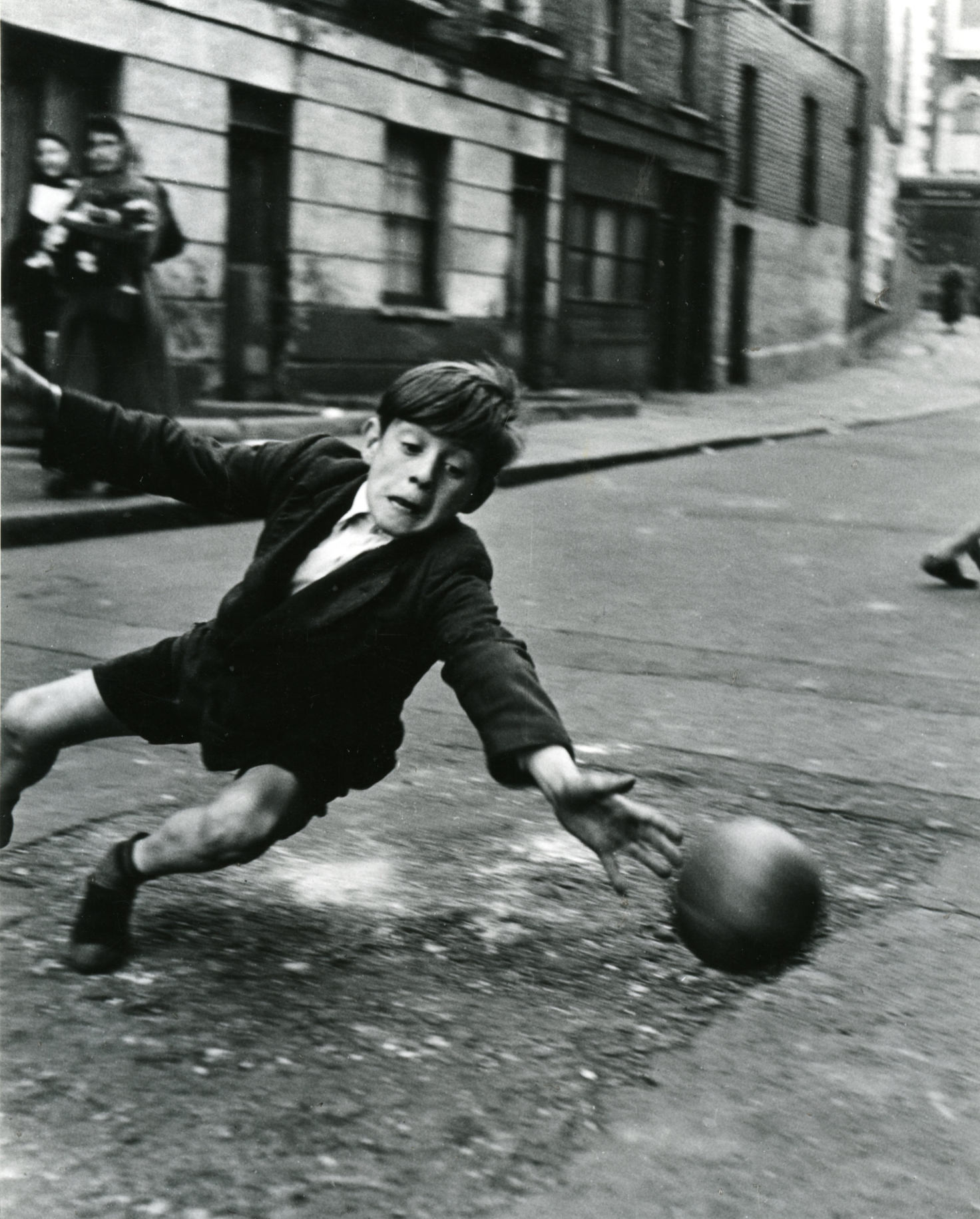
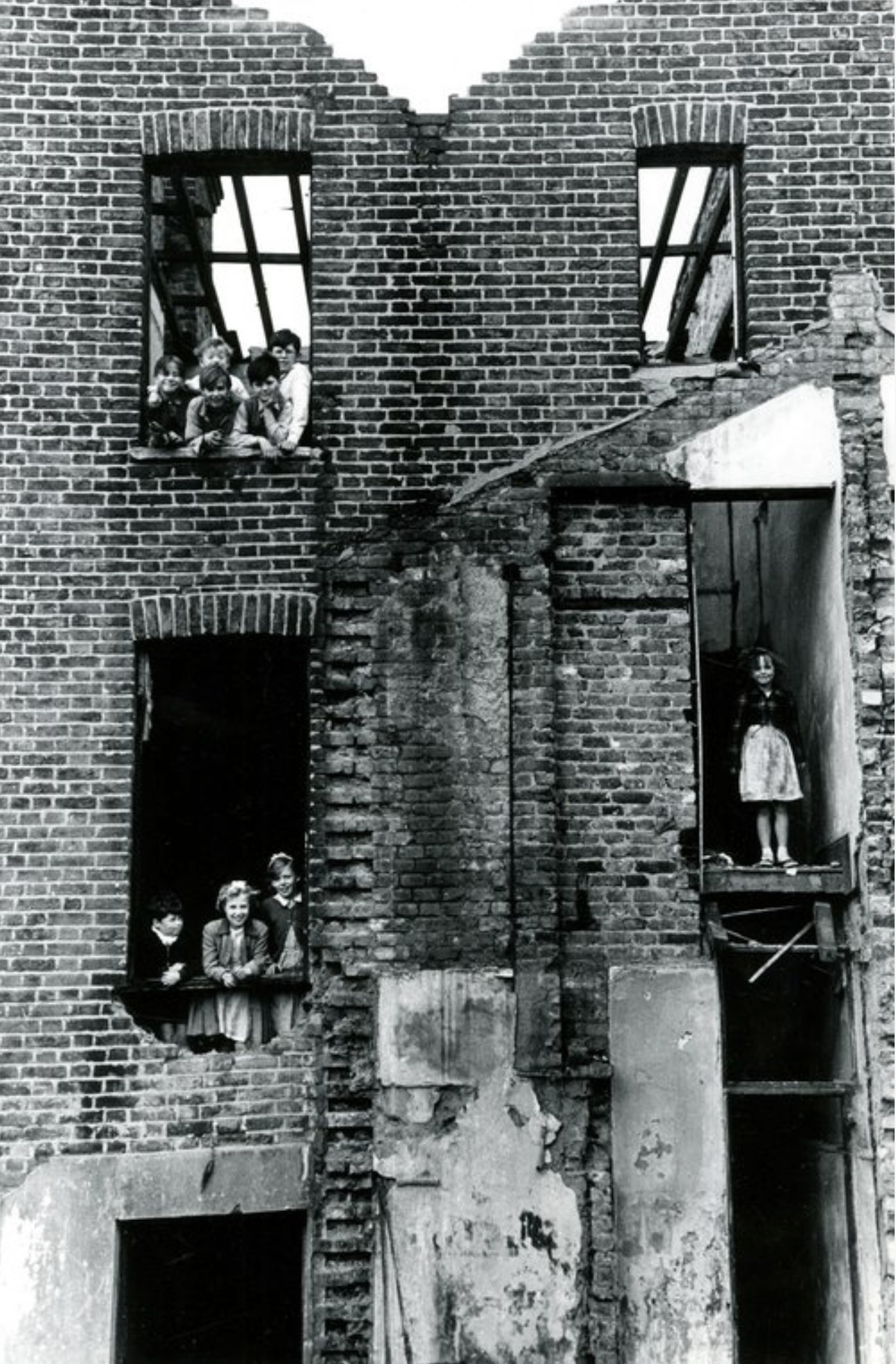
To the Courtauld to look at the London street photographs of Roger Mayne from the 1950s. They were great in capturing the texture of life at that time, but it was that context that made them so engaging. I found his other photographs of family and Spain very dull – they lacked the charge of say, Chris Killip, or the compositional mastery of Vivian Maier.

There was also a small exhibition of works by Vanessa Bell, including designs for the Omega Workshop. She was also included in yesterday’s exhibition at the Tate; I still don’t “get” her any more than I do Paula Modersohn-Becker – the colours are too muddy and the shapes too blobby. But what do I know?

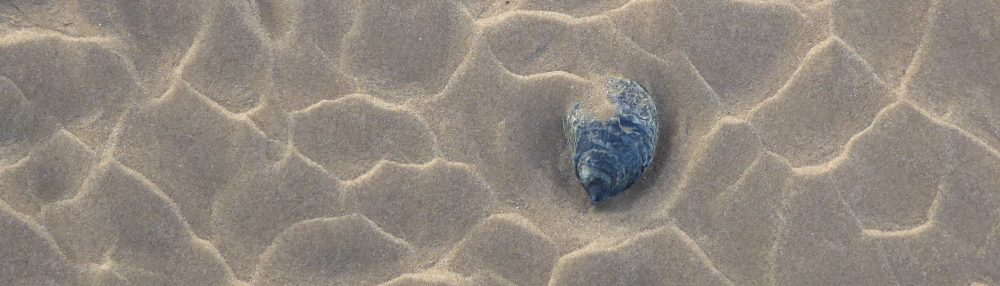
With the shift in mood caused by the arrival of summer, I was inspired to photograph little things to represent how that feels to me. Shadows, sunlight, blue sky – that kind of thing. What I would also like to include – but obviously can’t – are jumbles of tattoos on arms and legs now that skin is exposed. Some of them are a random collection of inkings, as if they’ve had one done after the other without regard to the overall effect. The effect is bit like an old haversack that you stitched badges onto each time you went somewhere new.

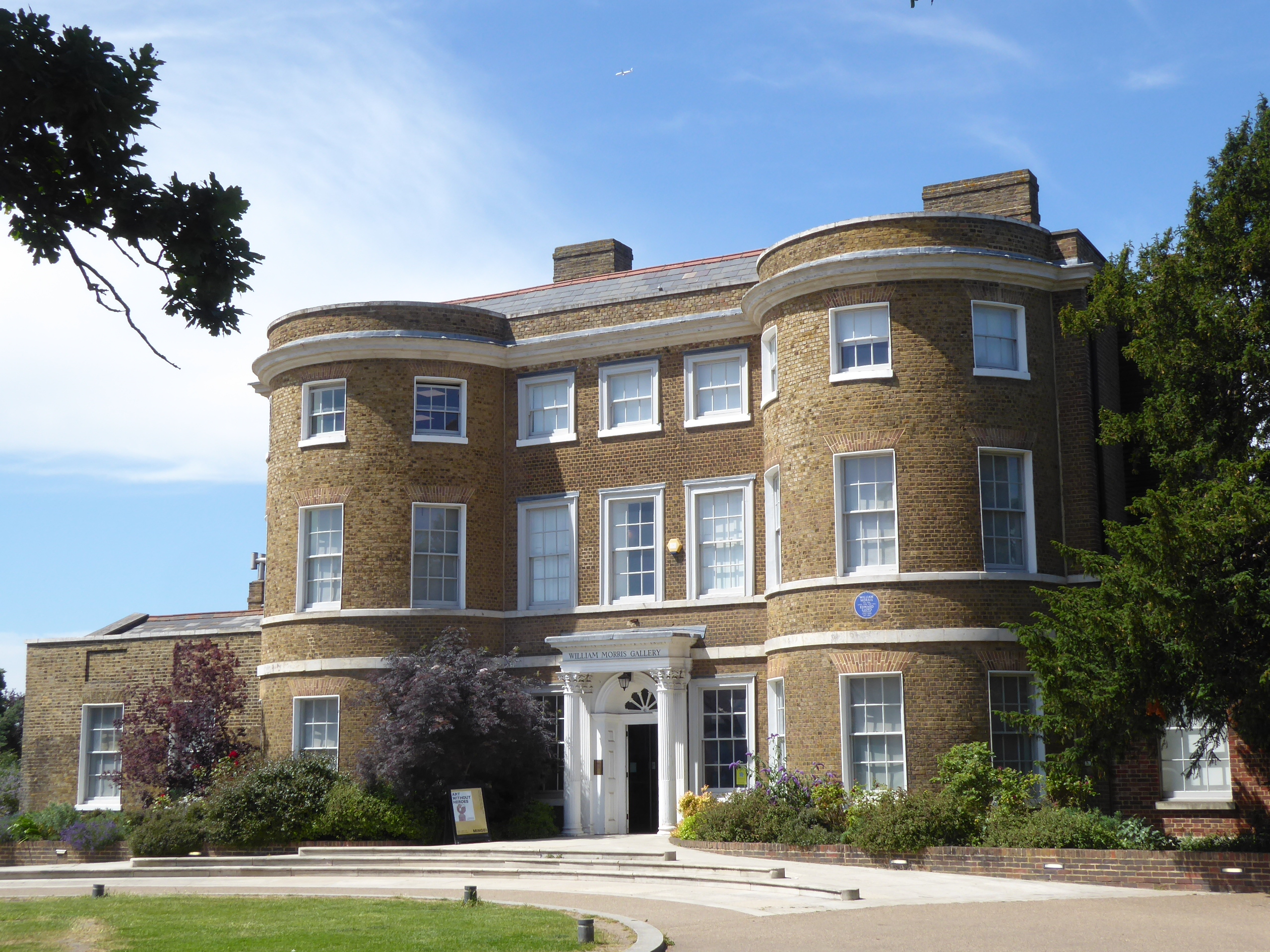
William Morris Gallery

On the tube back from Pimlico I noticed that the Victoria line went all the way to Walthamstow . . . which set me to thinking of the William Morris house there, which I had kind of assumed was difficult to get to. Wrong.

So off I went. It was once the Morris family home and has an enormous collection of all things Morrissy. The usual stuff – designs, furnishings, paintings, printing press, socialism – well presented and explained. Frank Brangwyn popped up again: he was one of the founders of the gallery and donated much of his collection to it.

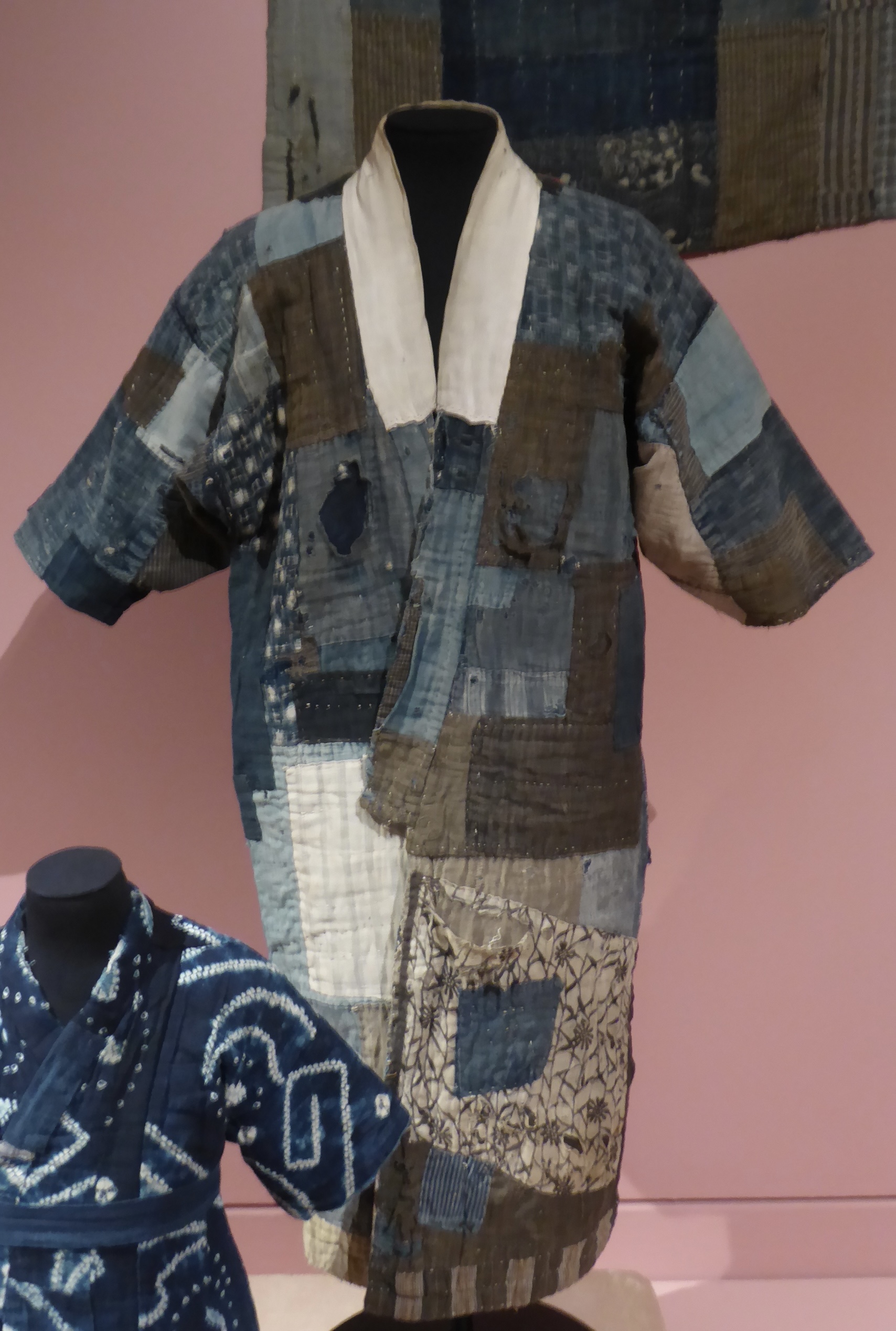
The current non-Morris exhibition is on Mingei – the Japanese term for folk craft. The term was first used in 1925 by Yanagi Soetsu as a kind of reaction to Japan and Korea’s industrialisation and westernisation. It looked with new eyes at everyday objects created by nameless craftsmen using natural materials, and a movement towards simplicity, informed by Zen Buddhism and even the Arts and Crafts Movement, grew in contemporary crafts. The objects on display were simple and beautiful – even the ragged patchwork (boro), which spoke of poverty and the need to recycle everything. (There were as many layers of irony in the exhibition as fabric in the patchwork.)

The gallery was not exactly what one might expect in Walthamstow. The area is more urban than the urbane Islington I walked around yesterday. It reminded me of living in bedsits with shared bathrooms a couple of lifetimes ago around Finsbury Park, and I realised that I was quite content with my surroundings at the time. They were good enough: my wish to go to other places was not to escape but to explore.