Miniature Worlds

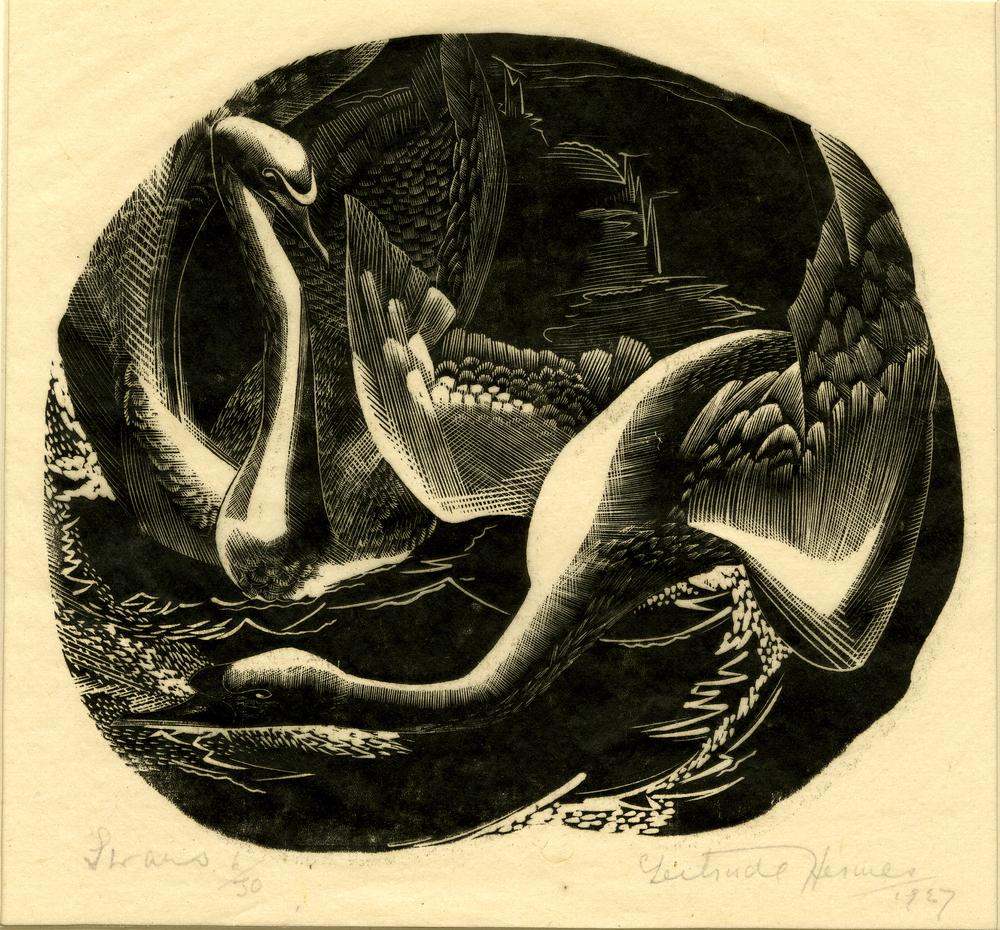
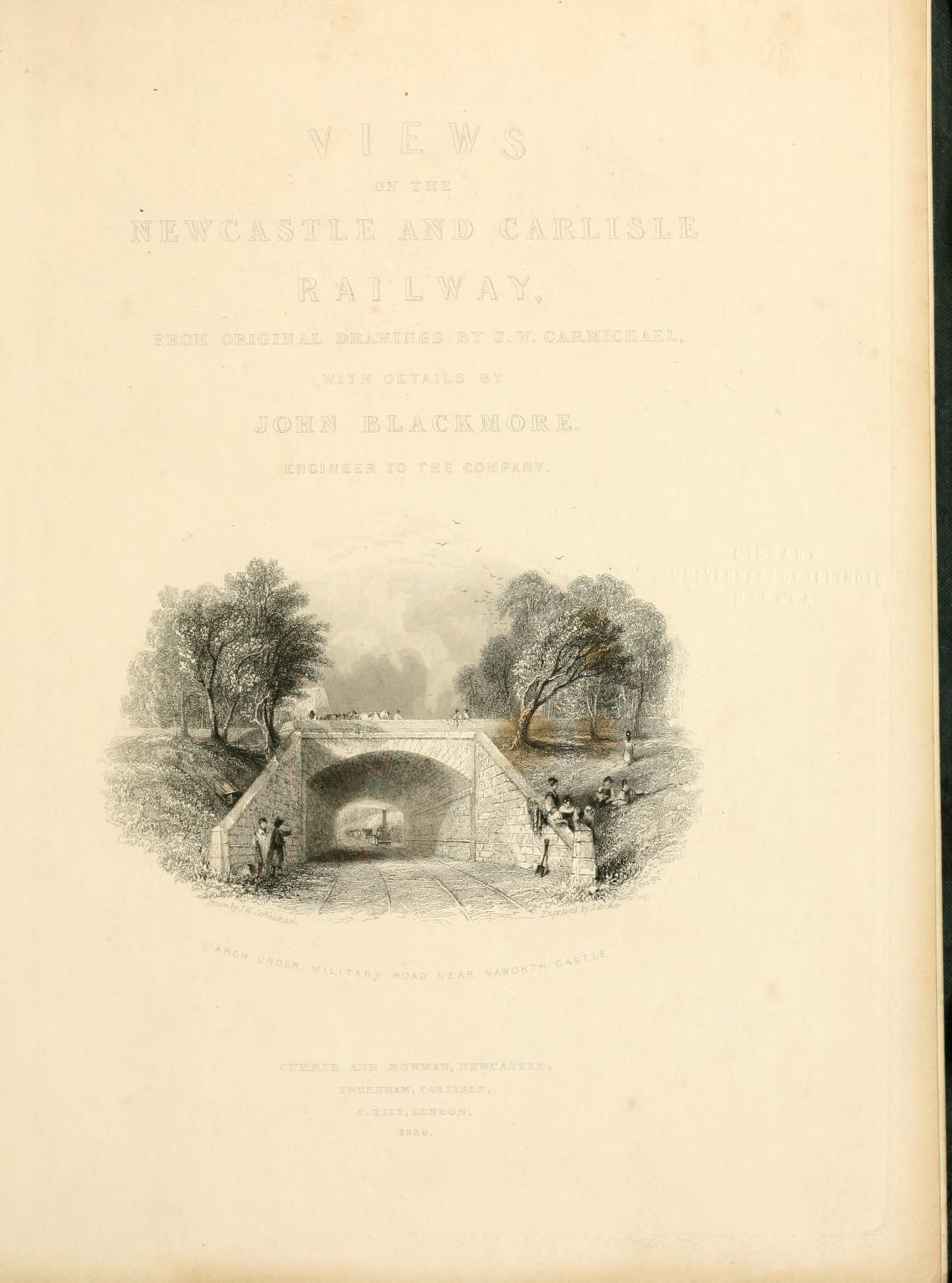
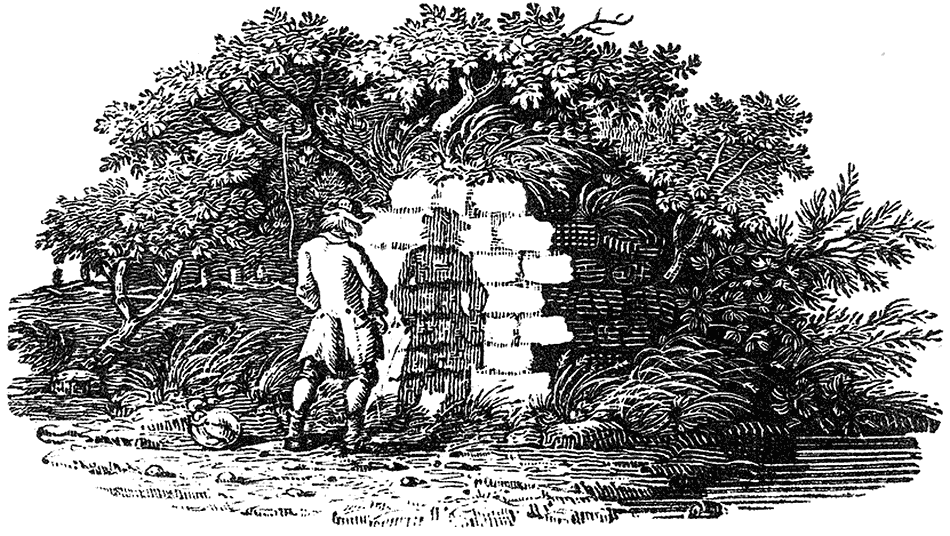
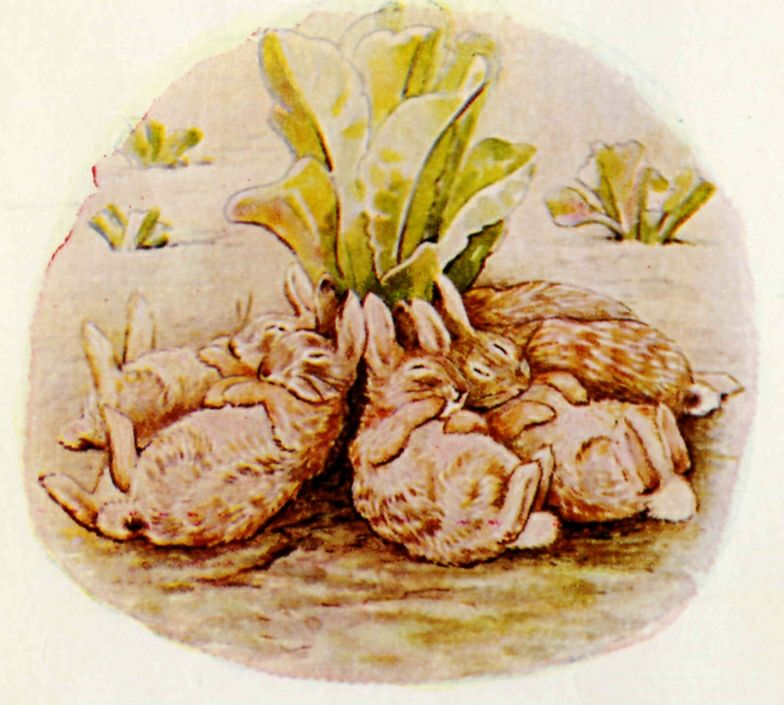
An exhibition where magnifying glasses were supplied. It started, of course, with Thomas Bewick and his tiny, intricate wood engravings. (I recall Jane Eyre’s delight in his illustrations.) Beatrix Potter, Eric Ravilious, Gertrude Hermes stood out. Not a blockbuster exhibition, but I don’t mean to damn it with faint praise when I say that what I enjoyed most was re-reading Peter Rabbit for the first time in almost 60 years.
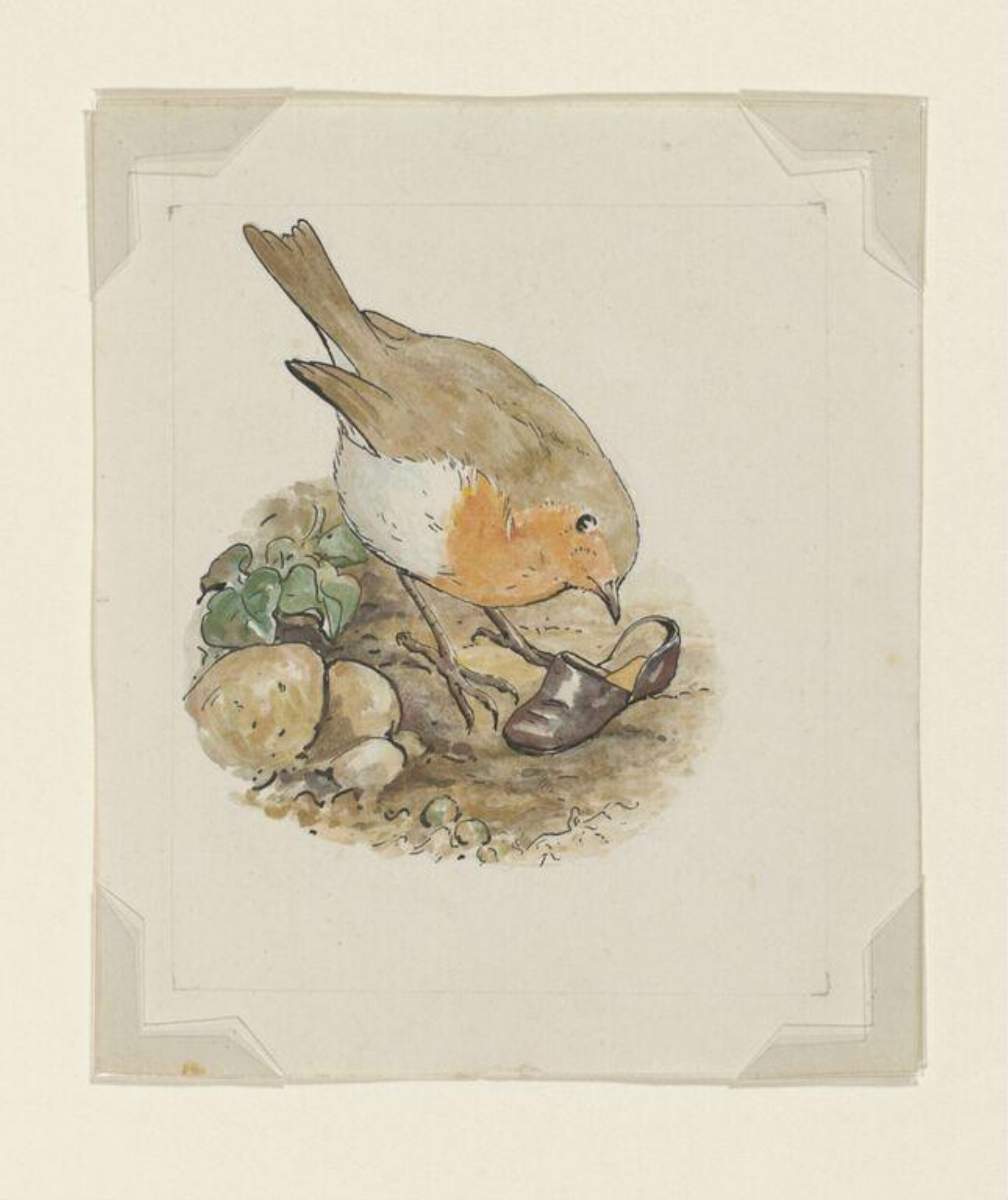
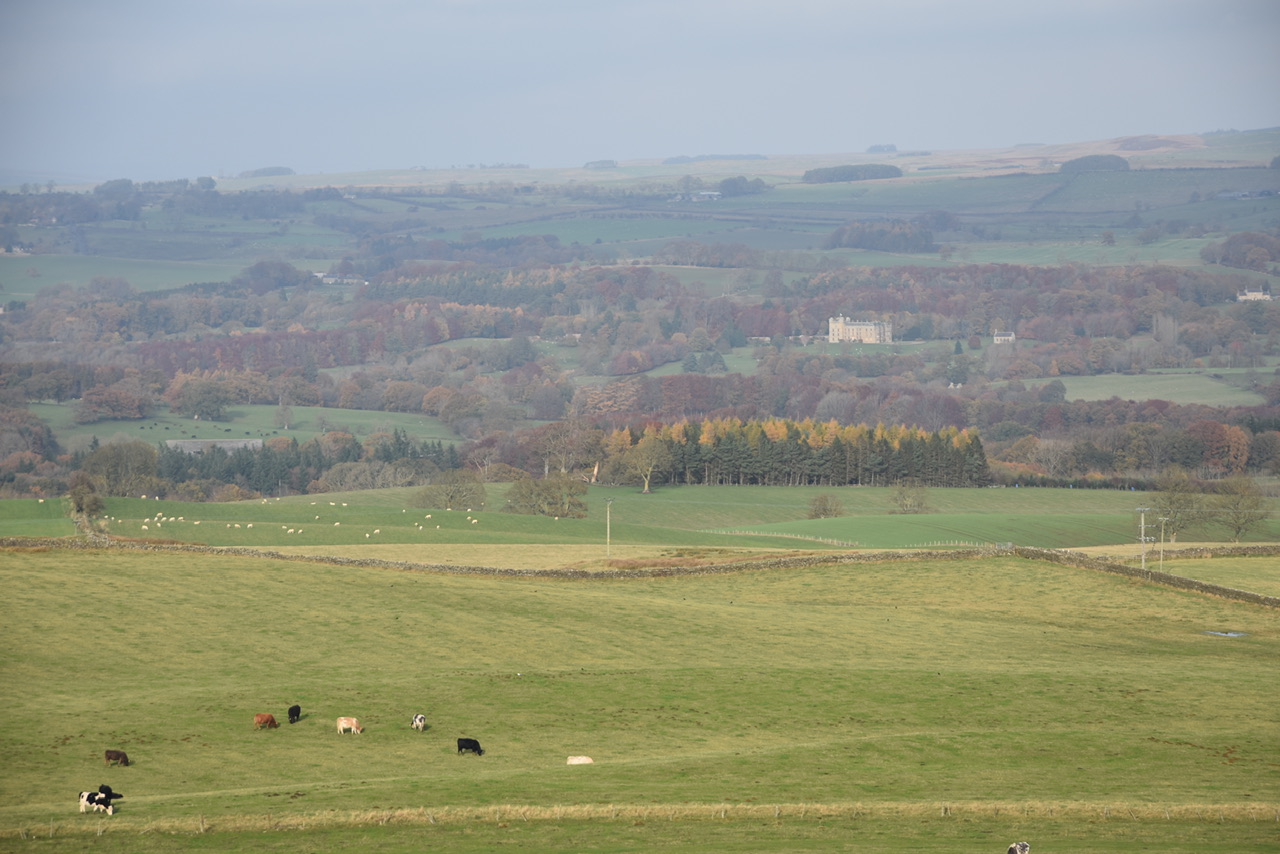
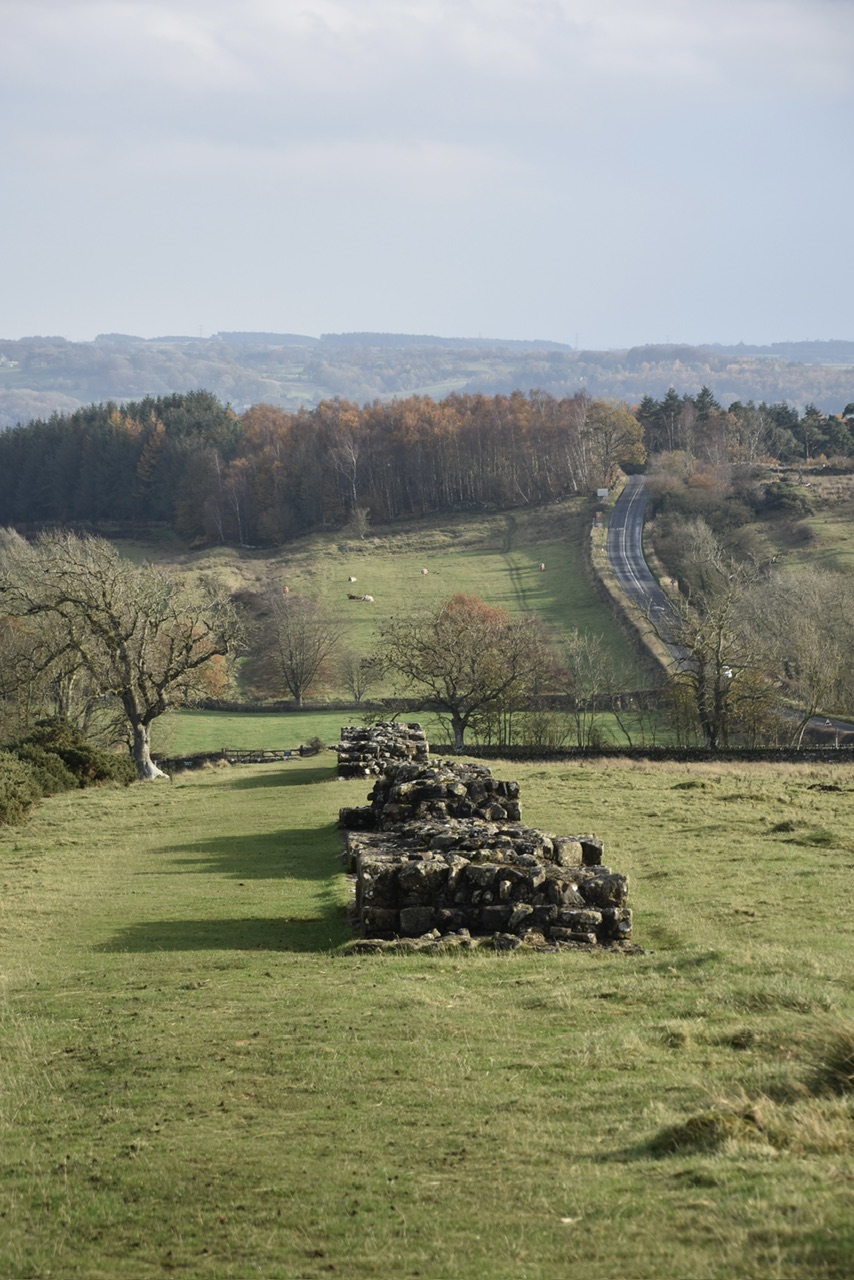
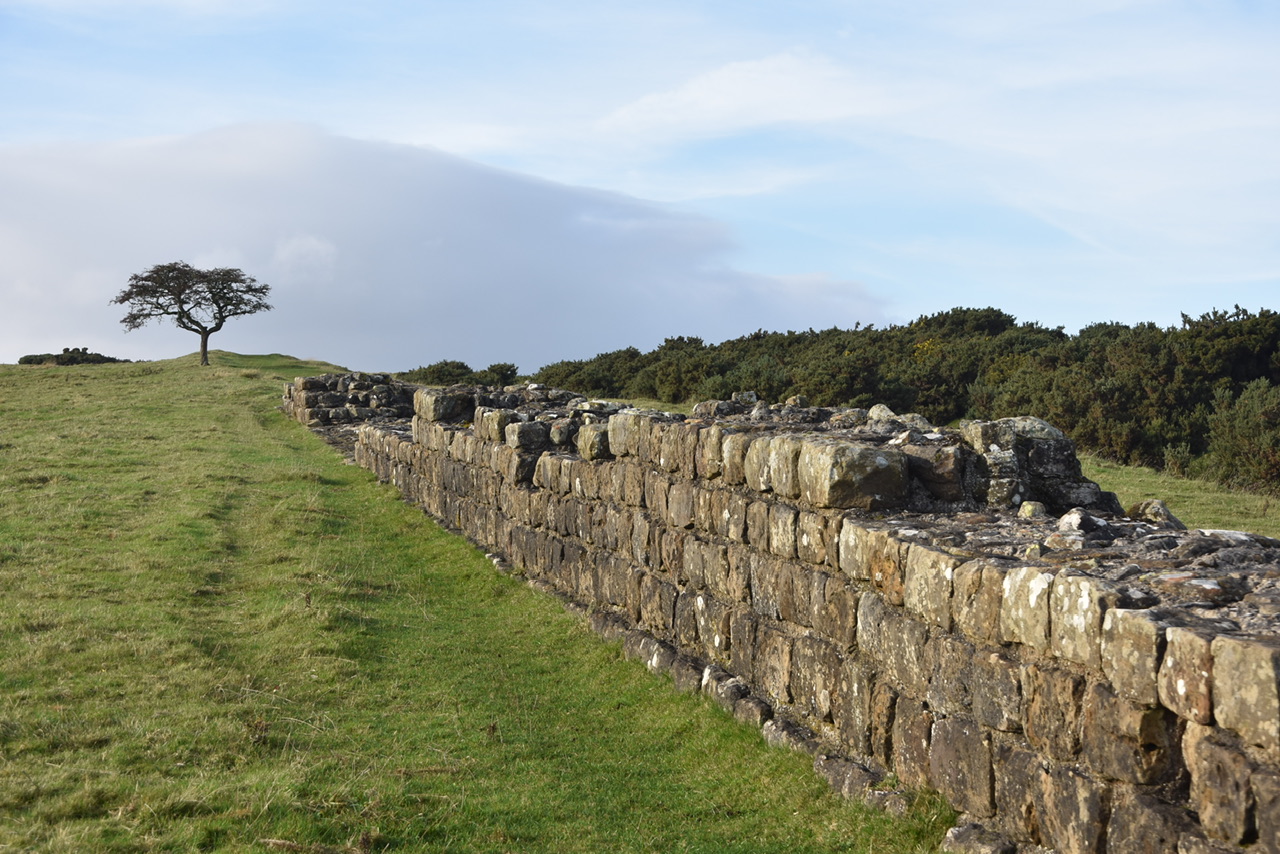
The Bewick illustration is a little crude, but it reminded me of some of my thoughts as I walked beside Hadrian’s Wall yesterday – wondering if people in the inbetween centuries just thought of it as a bit of ruined wall.
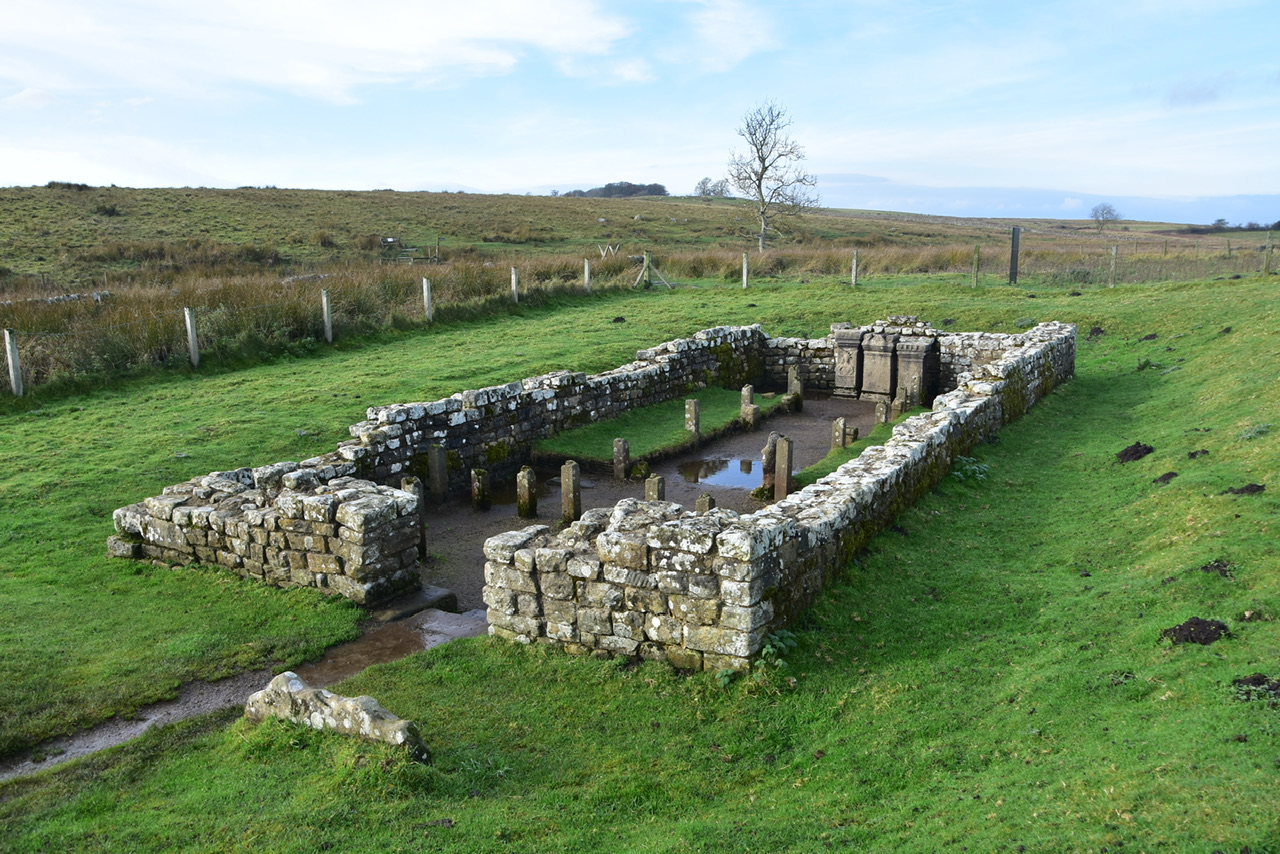
Hadrian’s Wall

Last night I saw the moons of Jupiter and the rings of Saturn for the first time. Also a close-up of the full moon, so large that it barely fitted in the eyepiece. We were very fortunate: it had been so murky a day that I had no expectation of clear skies – and, indeed, everything clouded over again just as we were finishing.

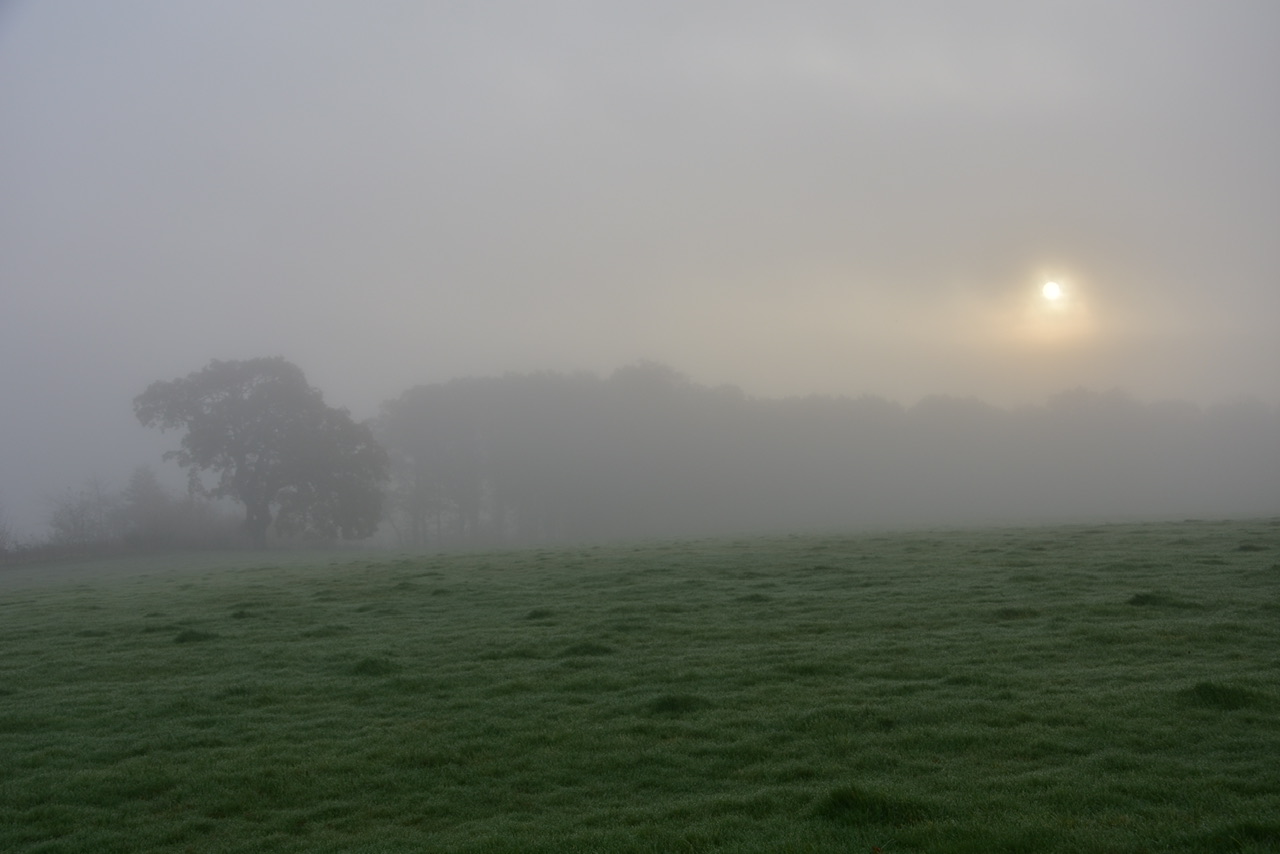
I started today by misreading the bus timetable. A mild, misty day with the promise of sunshine. I definitely didn’t want to wait two hours for another bus so set off on foot for a path that included a “Ford” marked on the map! The route I chose was cautious rather than direct (and, yippee, the dreaded “Ford” was furnished with a footbridge), and I reached Hadrian’s Wall at the Temple of Mithras. I had the impression from the map that this wasn’t a great stretch to walk – close to the road and the sound of traffic – but it was wonderful. I had the path to myself and I wasn’t expecting to come across the short section of wall still standing.

At Chollerford – far too early for the bus to Wark – I decided to catch a bus into Hexham for a coffee and a newspaper and return from there. A quite wonderful 24 hours.

Bellingham

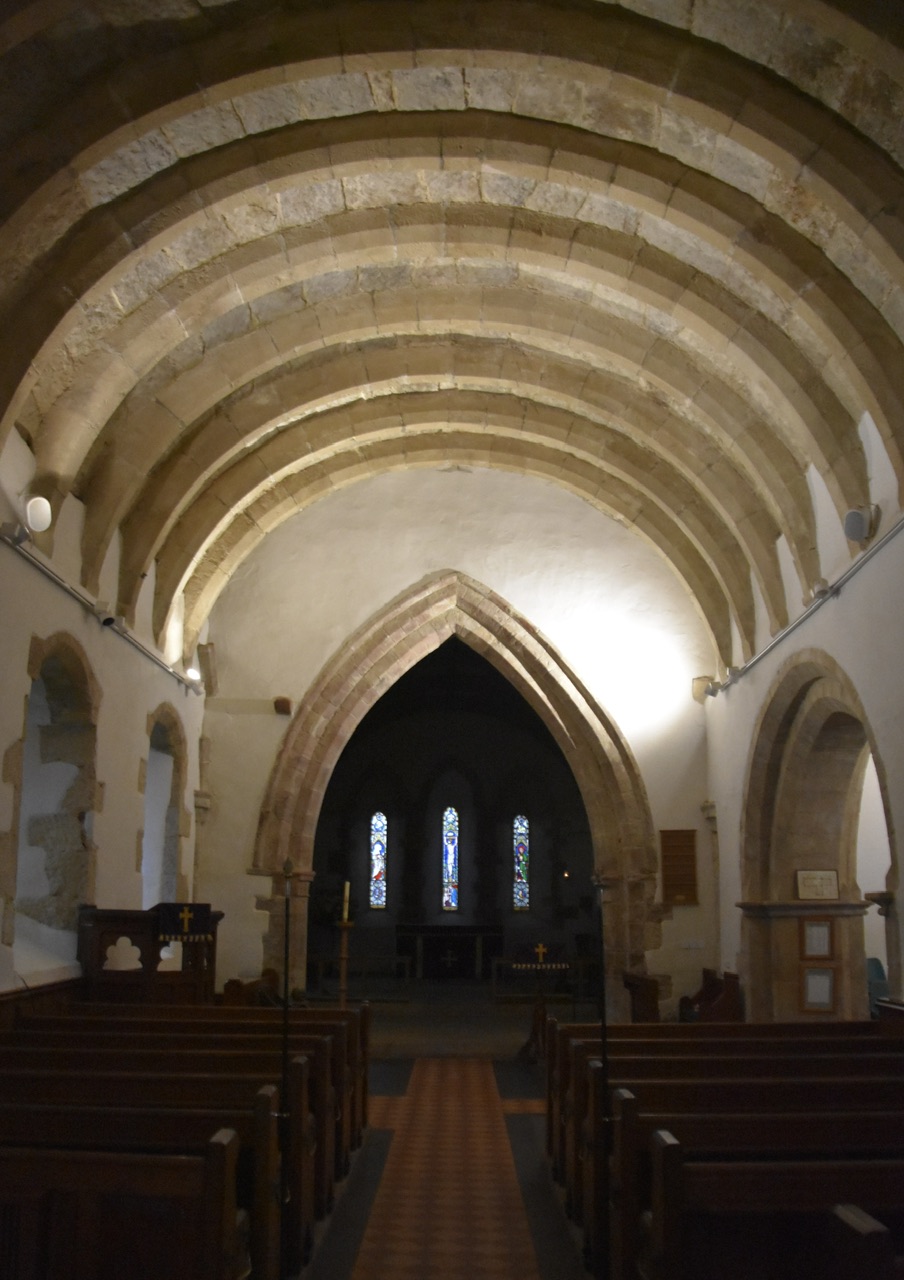
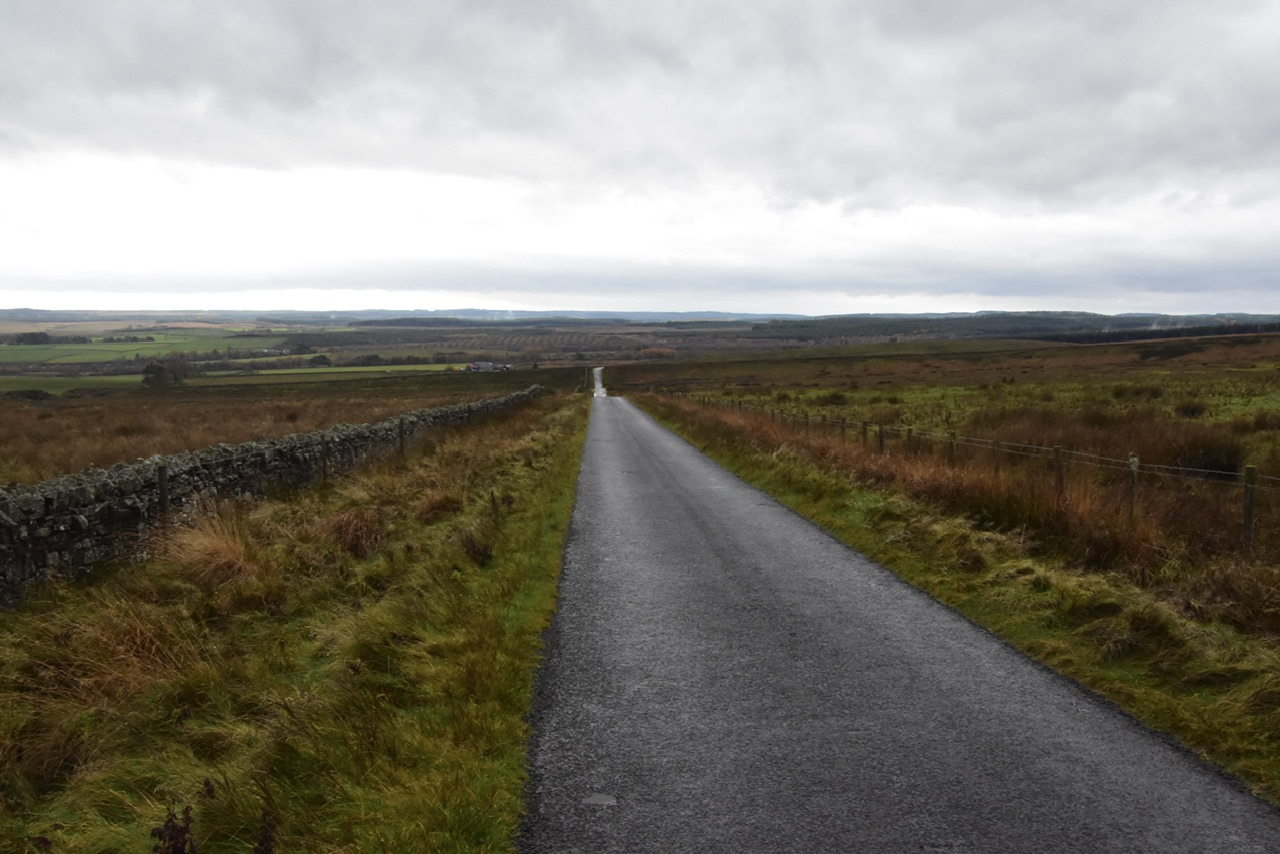
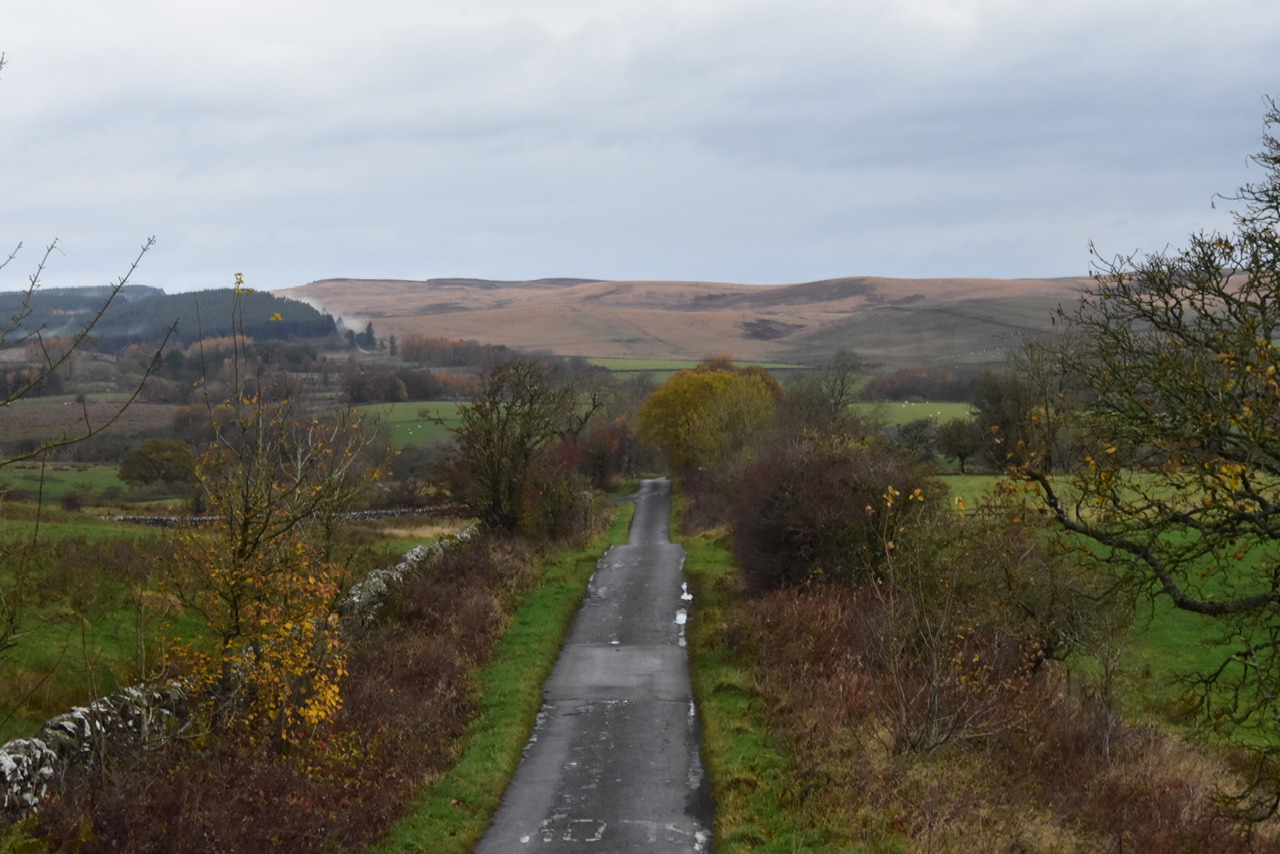
It rained all morning. And was still raining when I caught the noon bus to Bellingham to walk back. I’ve decided against unknown footpaths – and definitely not those marked with “Ford” on the OS map – so, after going inside St Cuthbert’s Church (thick slate roof which must weigh a ton), I walked back to Wark on minor roads.

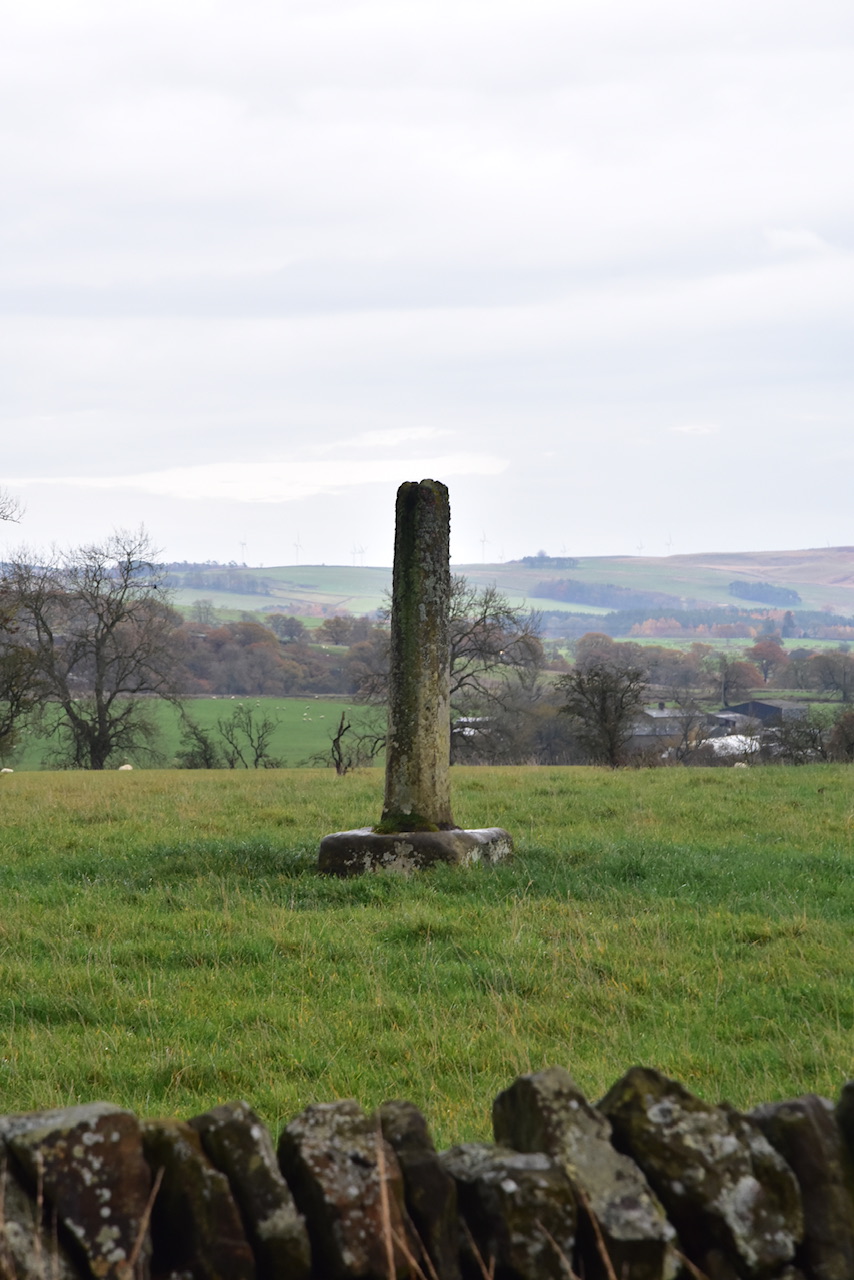
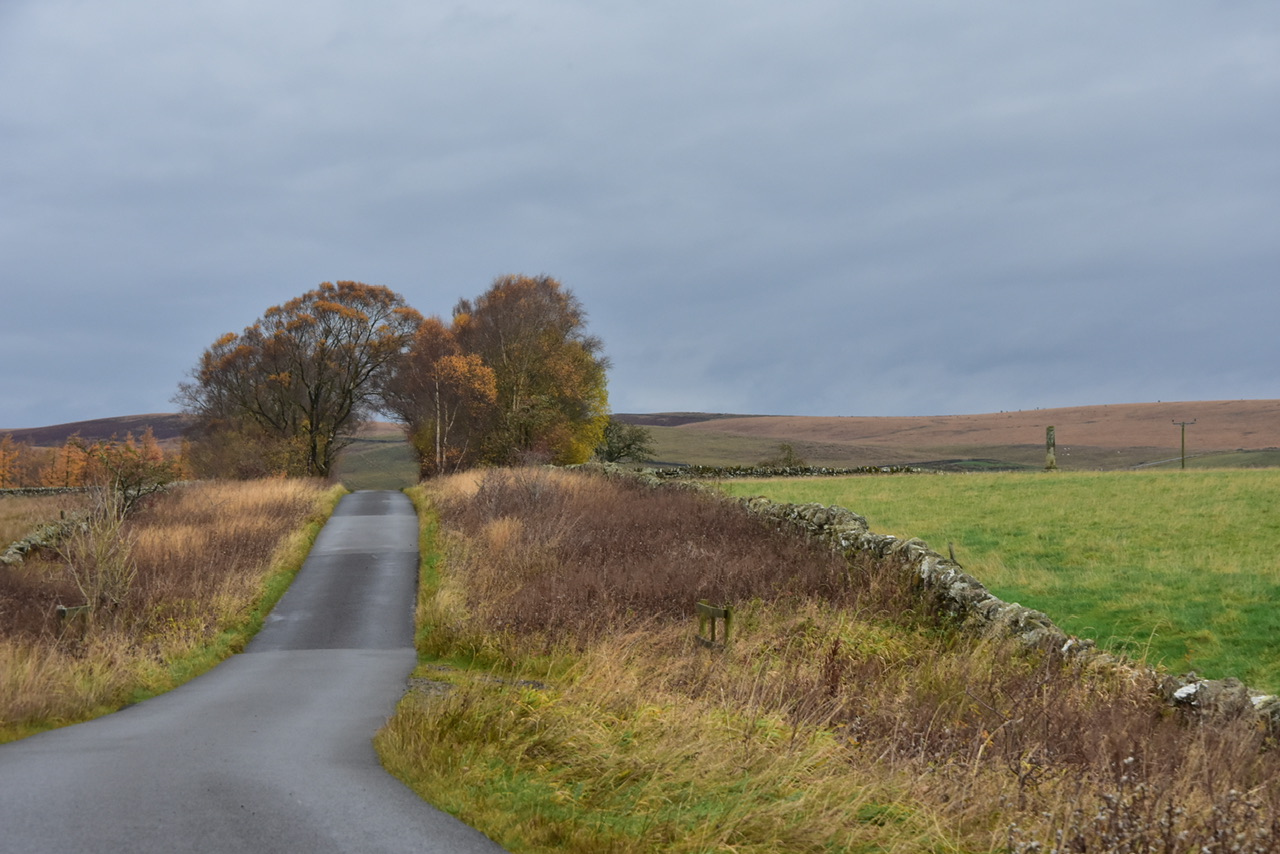
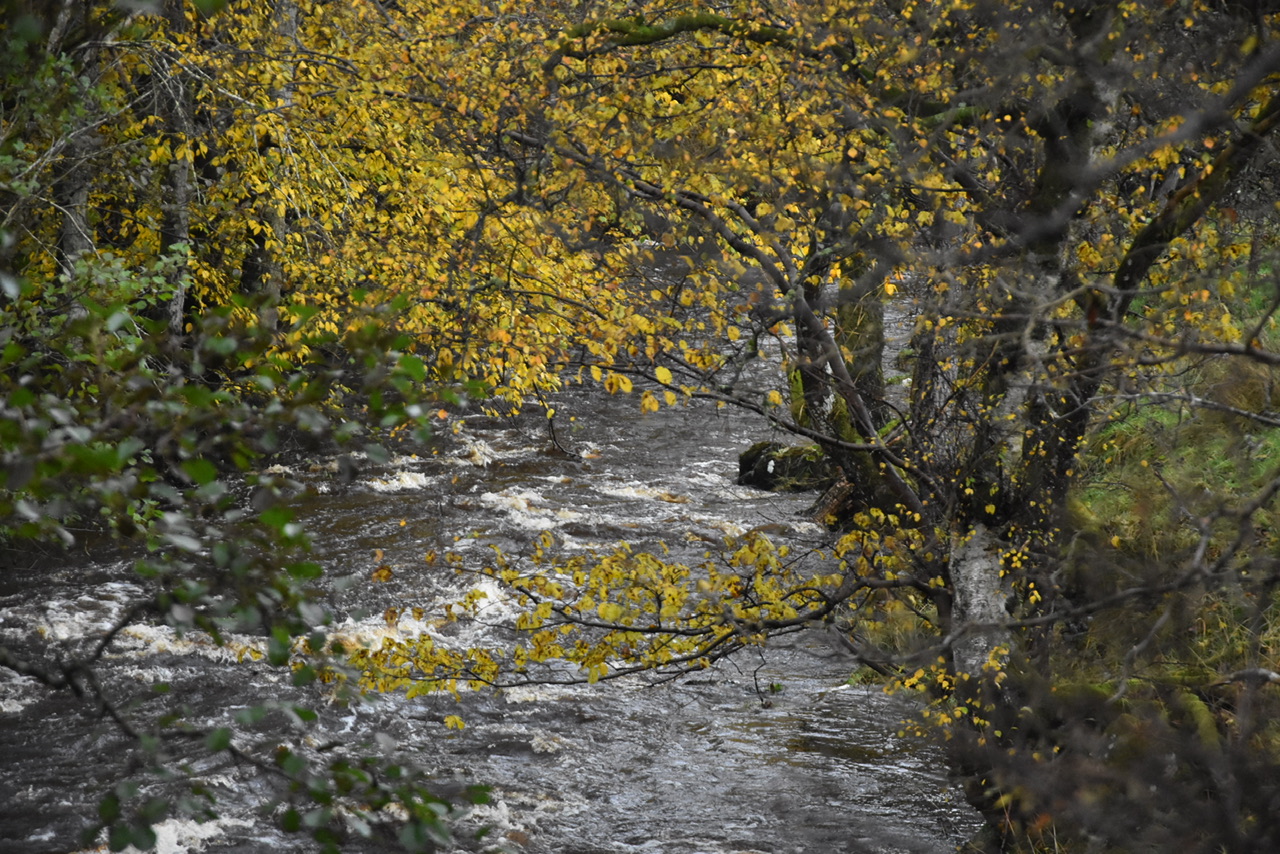
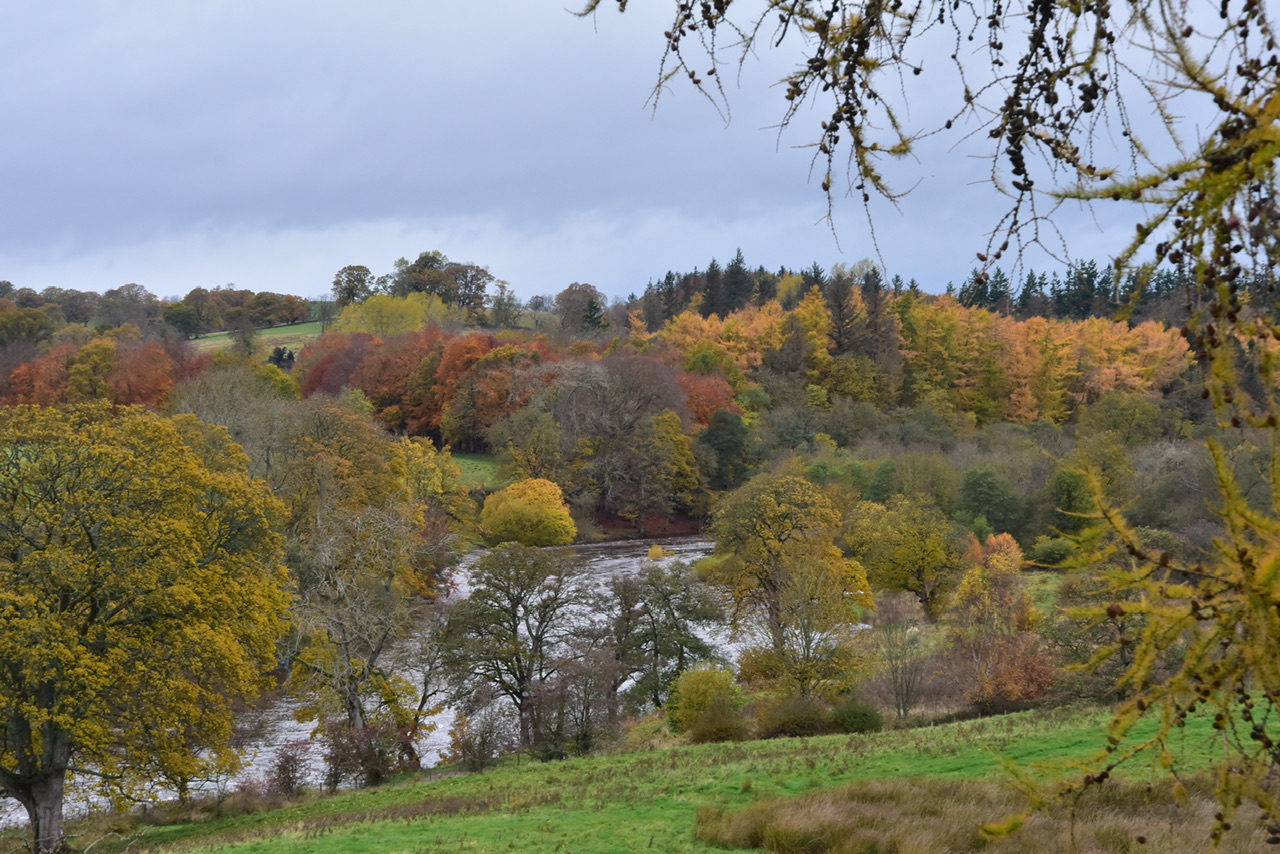
It didn’t rain, it was mild, there was little wind, and even in the gloom there was an autumnal glow. What’s not to like? Just after my lunch stop I saw something marked as a “Cross” in Gothic letters on the map. Streams were fast-flowing and traffic was very light. I was glad to have been active and interested in my surroundings on so unpromising a day; as I walked along I listed to myself all the reasons that I actually enjoy this.

Wark

With the derailment at Shap, I had to come to Wark via Leeds and Newcastle, which gave me the opportunity to have a cup of coffee amongst the Burmantofts splendour of The Centurion bar on Newcastle station. I’ve come for walking and star-gazing, but the weather may rain on both those ambitions.

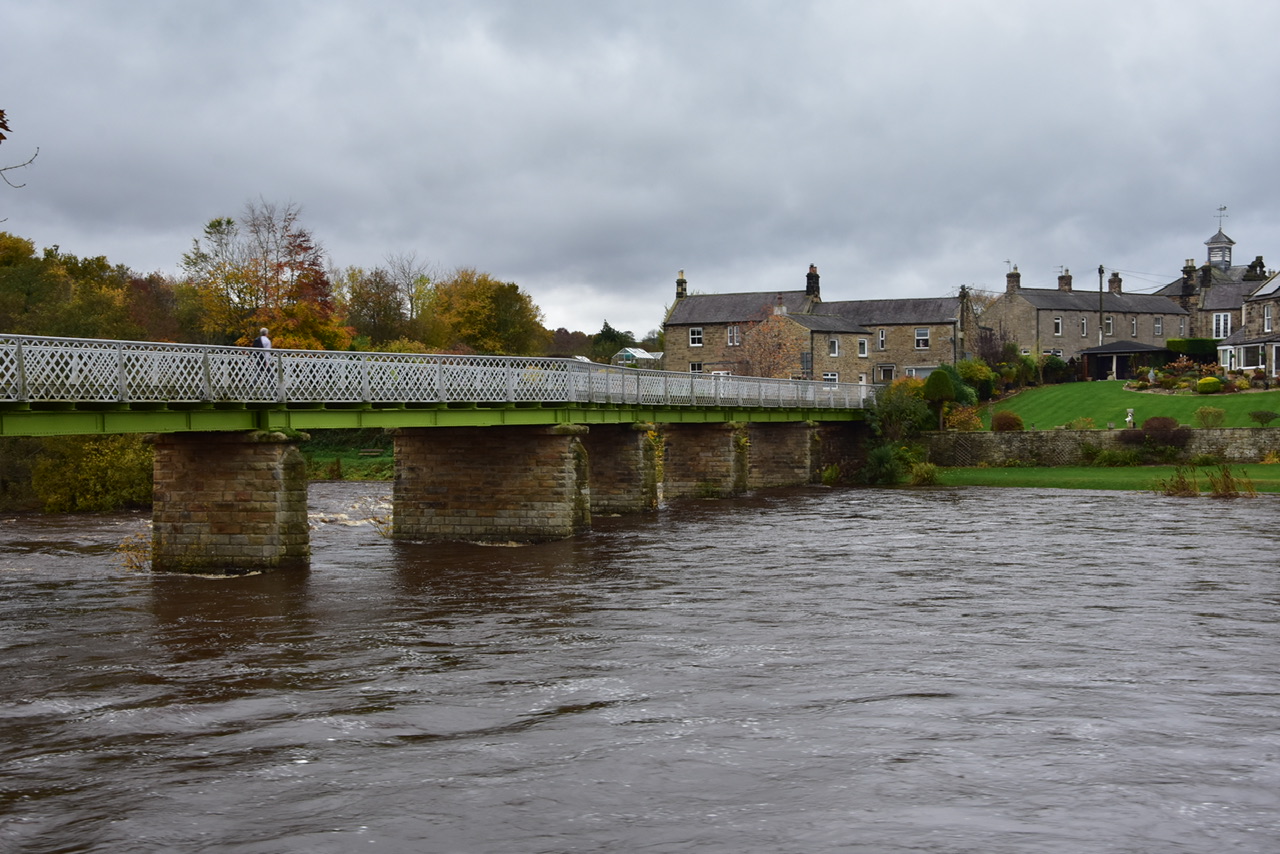
I arrived shortly after 2, dumped my case and set off to explore Wark and look at the Tyne (high and fast-flowing). I picked up a leaflet at reception and ended up doing a circuit on minor roads with only a camera, an umbrella and a torch. Fortunately the weather stayed dry and I got back before dark, having discovered another disused railway line (the North British Railway). It feels satisfying to be exploring somewhere new.

Sizergh Castle

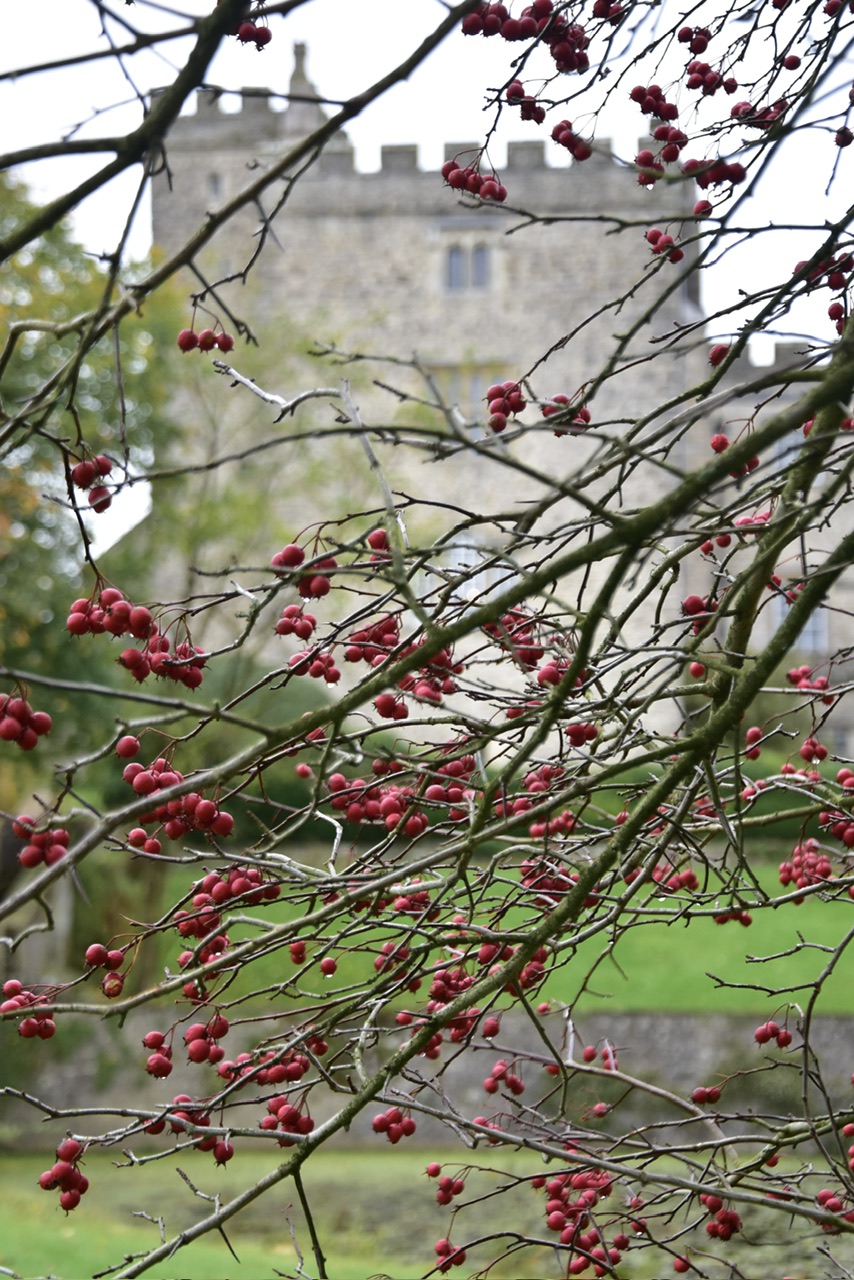
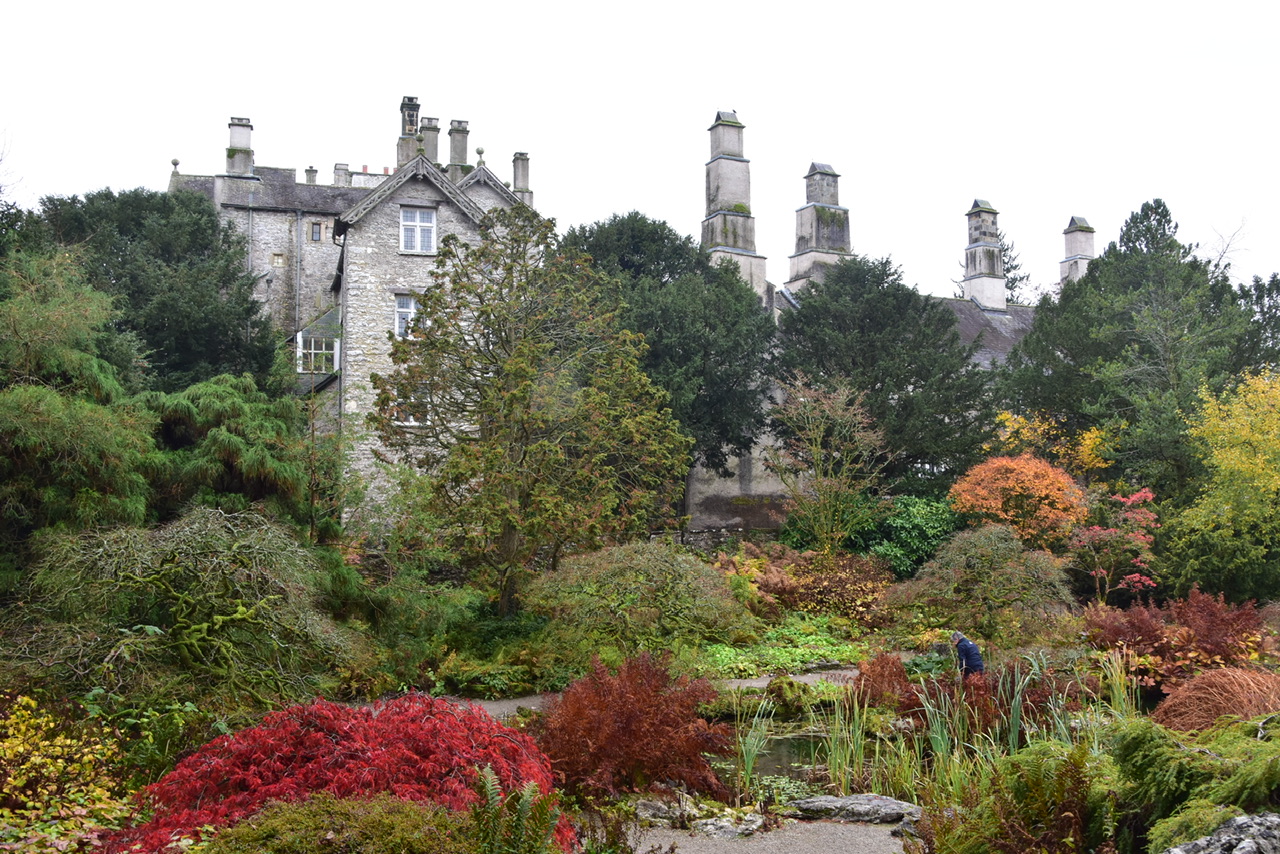
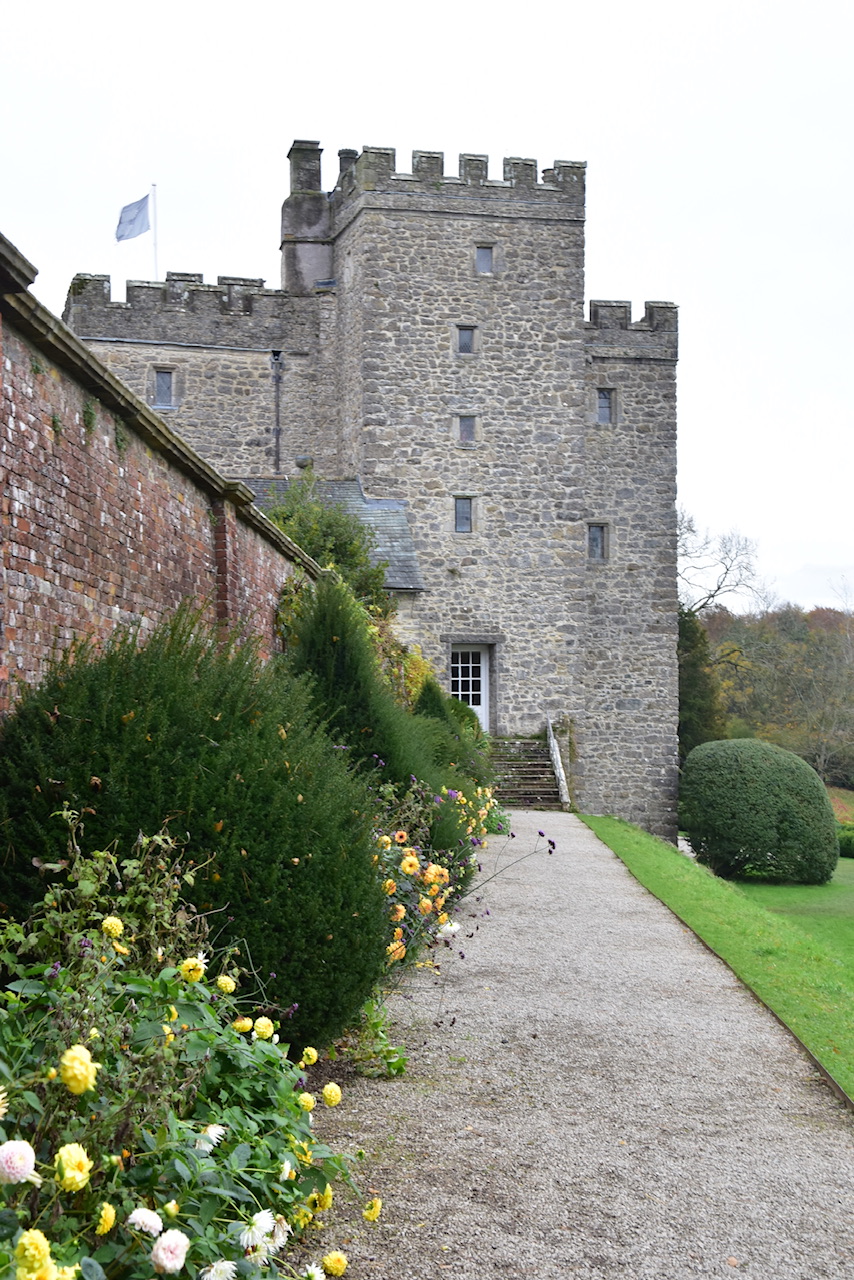
I almost went to Sizergh on Monday, but the castle itself was closed and that was what I have been meaning to visit. It closes for the season at the end of this week, so – even though it’s half term – today was my only chance unless I was going to let the wish dangle for another couple of years.

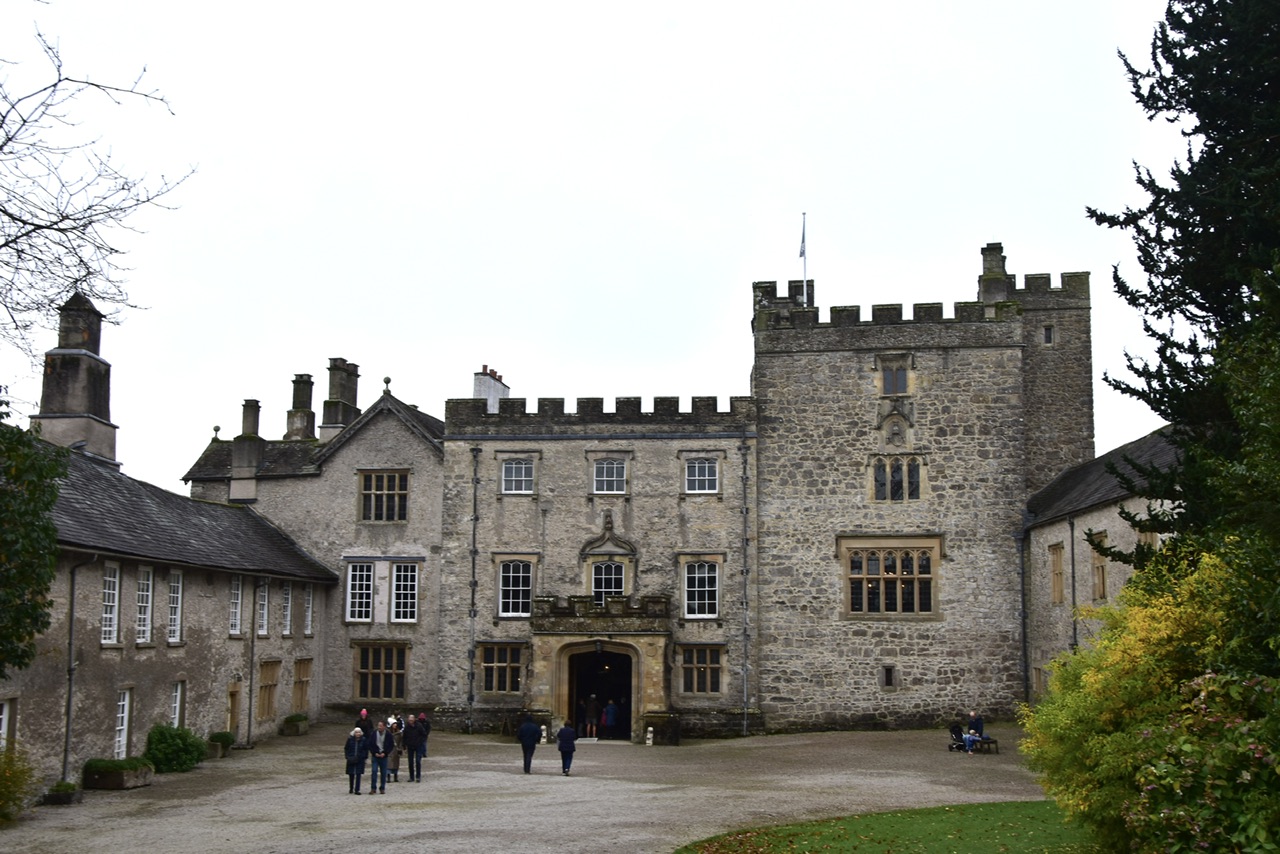
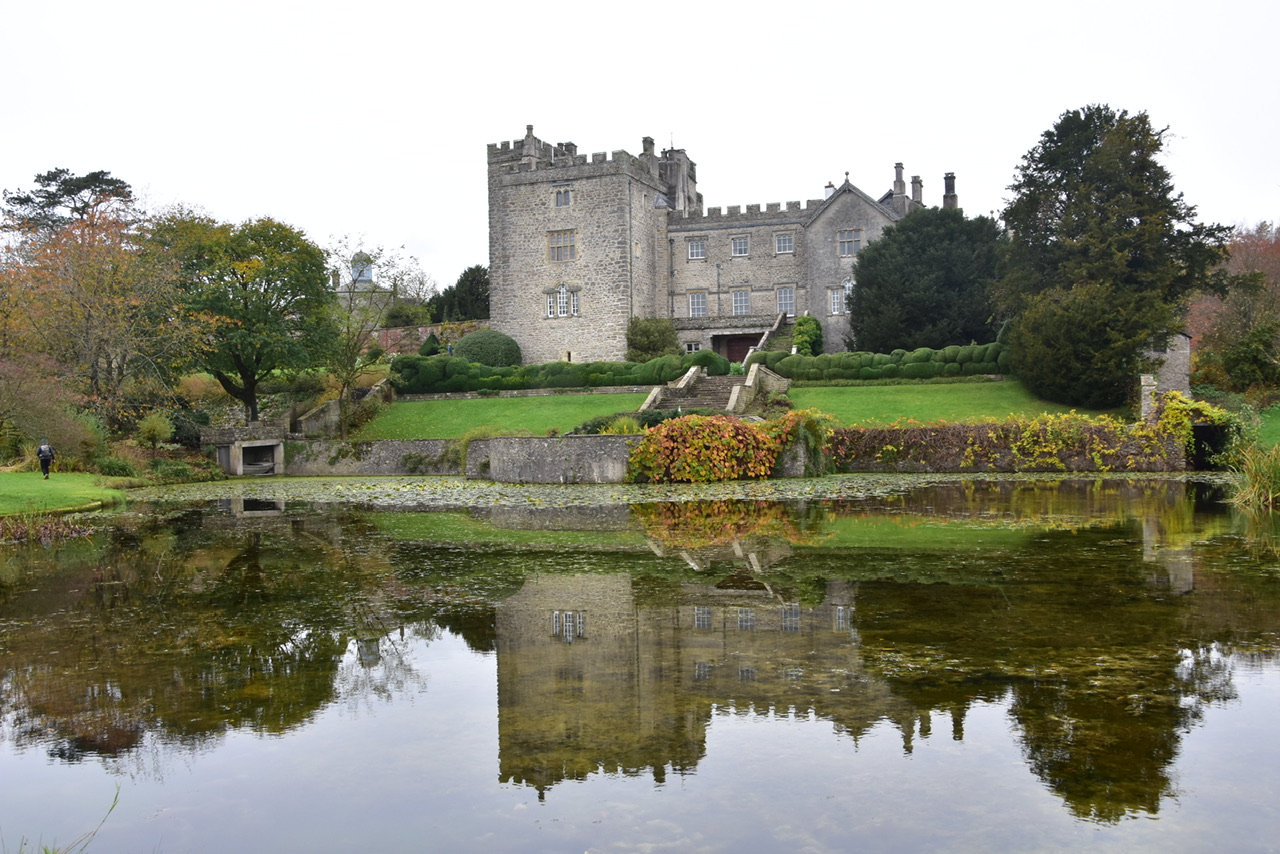
I should have chosen my time better, but heigh ho. (The kids were fine; it was the adults I could have done without!) Sizergh Castle is a pele tower with a later Tudor house. The Strickland family have lived there for centuries and given their name to a few pubs and streets. The castle is quite small and most of the visitable rooms are panelled in what is now very dark wood. The panels of the inlaid chamber were sold to the V&A at the end of the 19th century, but they have found their way back. Some wonderful plasterwork ceilings and lots of portraits – in some cases blurring time by showing side by side the grandparents as young people and their grandchildren as elderly, as if illustrating Einstein’s theory of relativity and Burnt Norton simultaneously.

Grange to Levens

As I listened to the heavy rain last night, I wondered if my plan of walking over two limestone (slippery when wet) outcrops from Grange to Kendal was a sensible one. But I’d set my alarm, checked the bus timetable and had my sandwiches, so I wasn’t going to be put off.

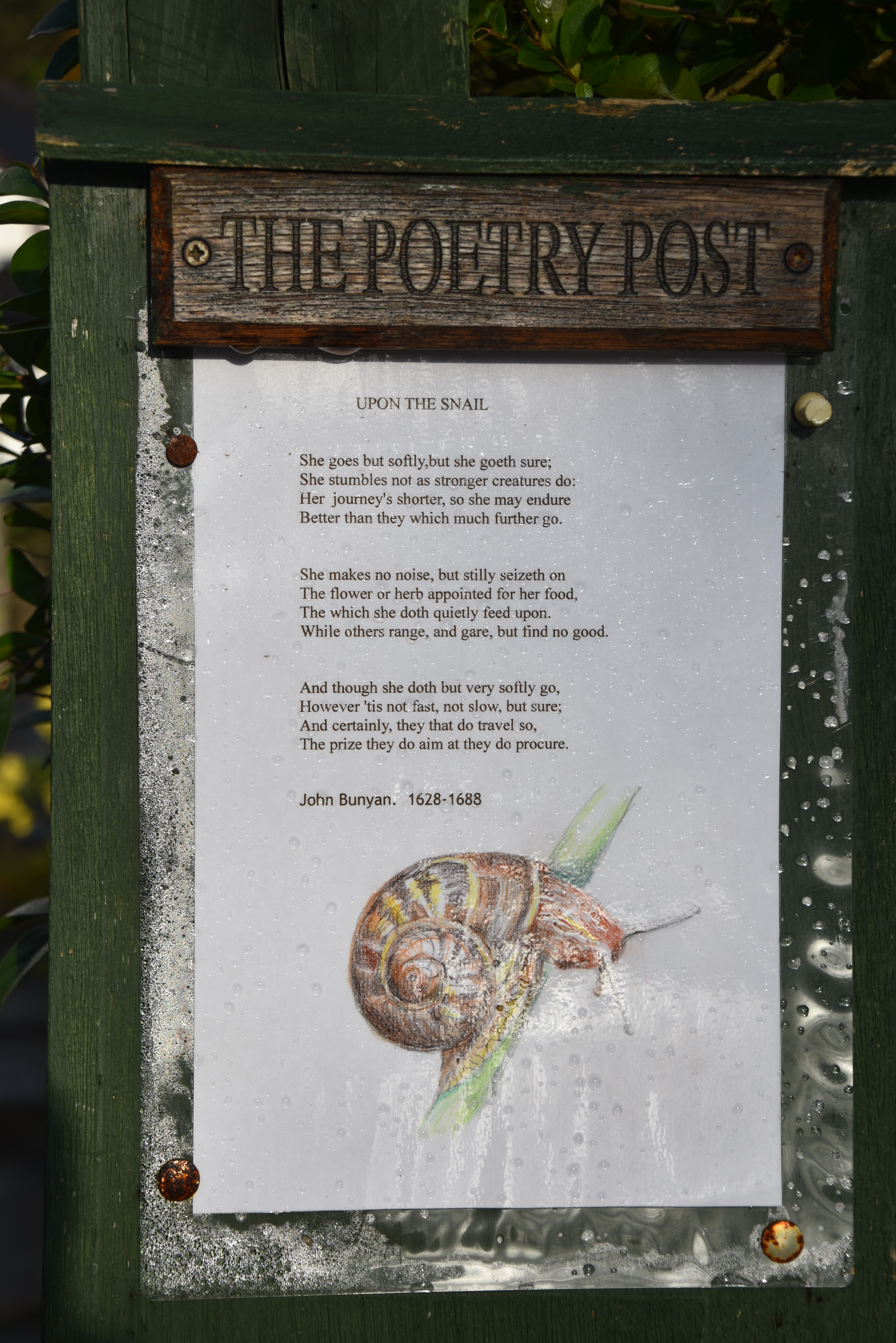
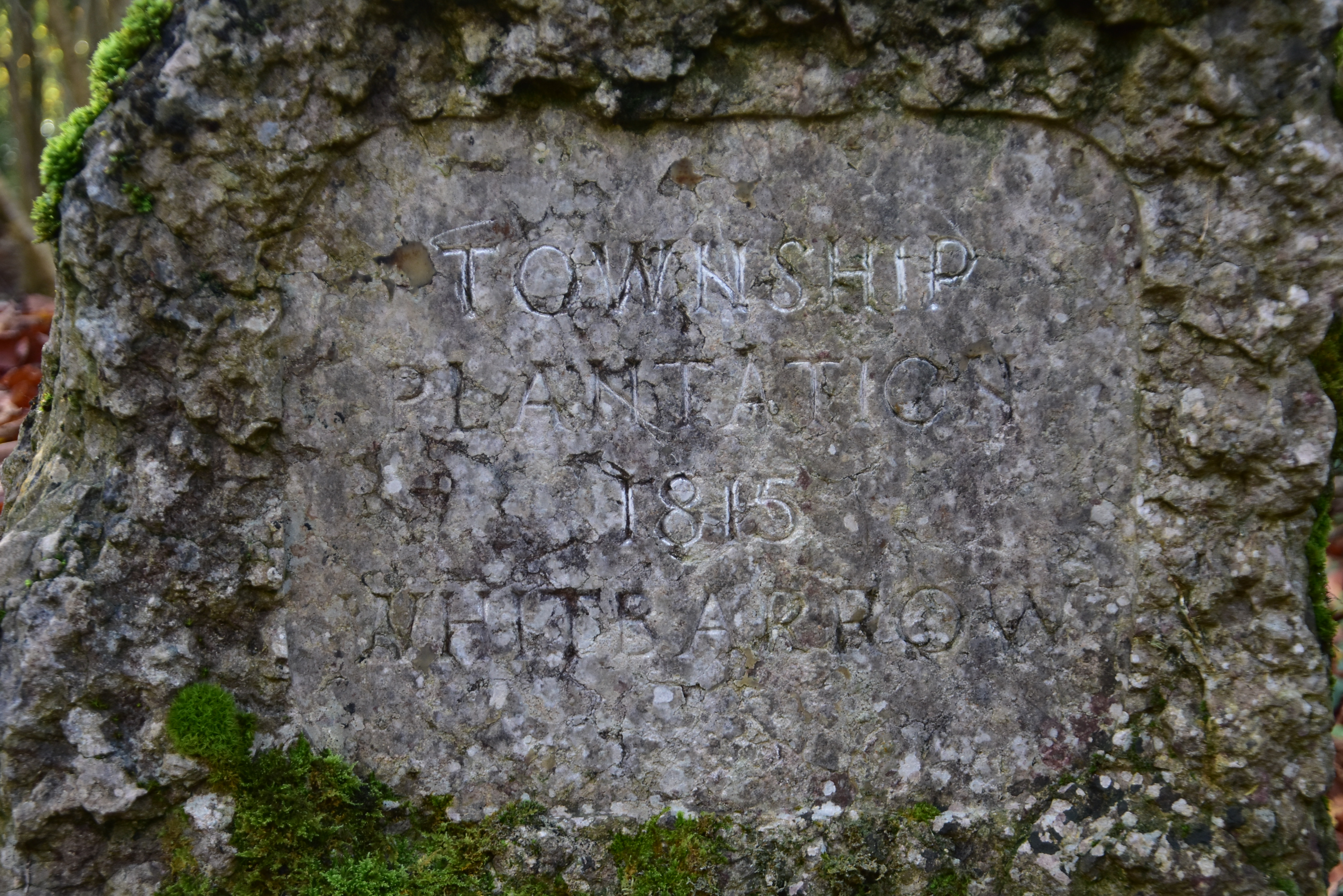
At Grange-over-Sands I checked the poetry post – again while en route for a bakewell slice – and decided to let that be my guide. So my route skirted the foot of Whitbarrow Scar and avoided Scout Scar completely by turning south at Levens through Brigsteer Woods. A good, circumspect walk: “not fast, not slow, but sure”.