Each time the train stops at Keighley and I notice the platform for the Worth Valley Railway I think that one day I will travel on it. Today was that day.
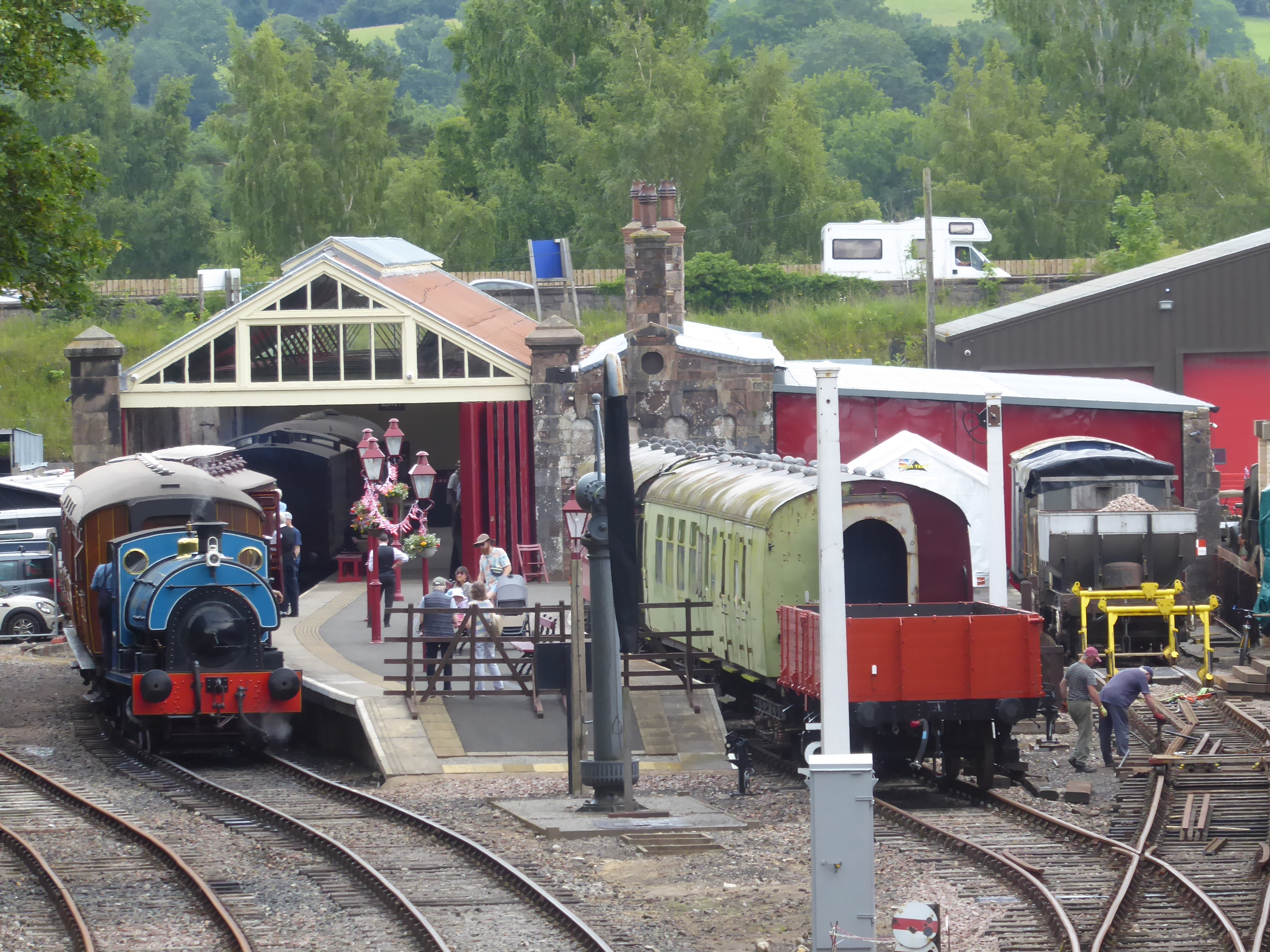
I set off disproportionally early to be on time for the 11 a.m. steam train from Keighley to Oxenhope – but it meant I could have a second (and totally unnecessary) breakfast in Leeds. At first I thought the steam locomotive at Keighley rather puny – until I realised that I am used to the big engines that occasionally still go up the main line to Carlisle. This one was pulling a few carriages up a short valley: it really didn’t need to be the Flying Scotsman. The average age of the passengers was rather lower than I am used to, and excitement levels were high amongst the under-7s and over-70s. The well-stuffed seats combined a fusty smell with discomfort, which, together with door handles only on the outside, took me back a few decades.
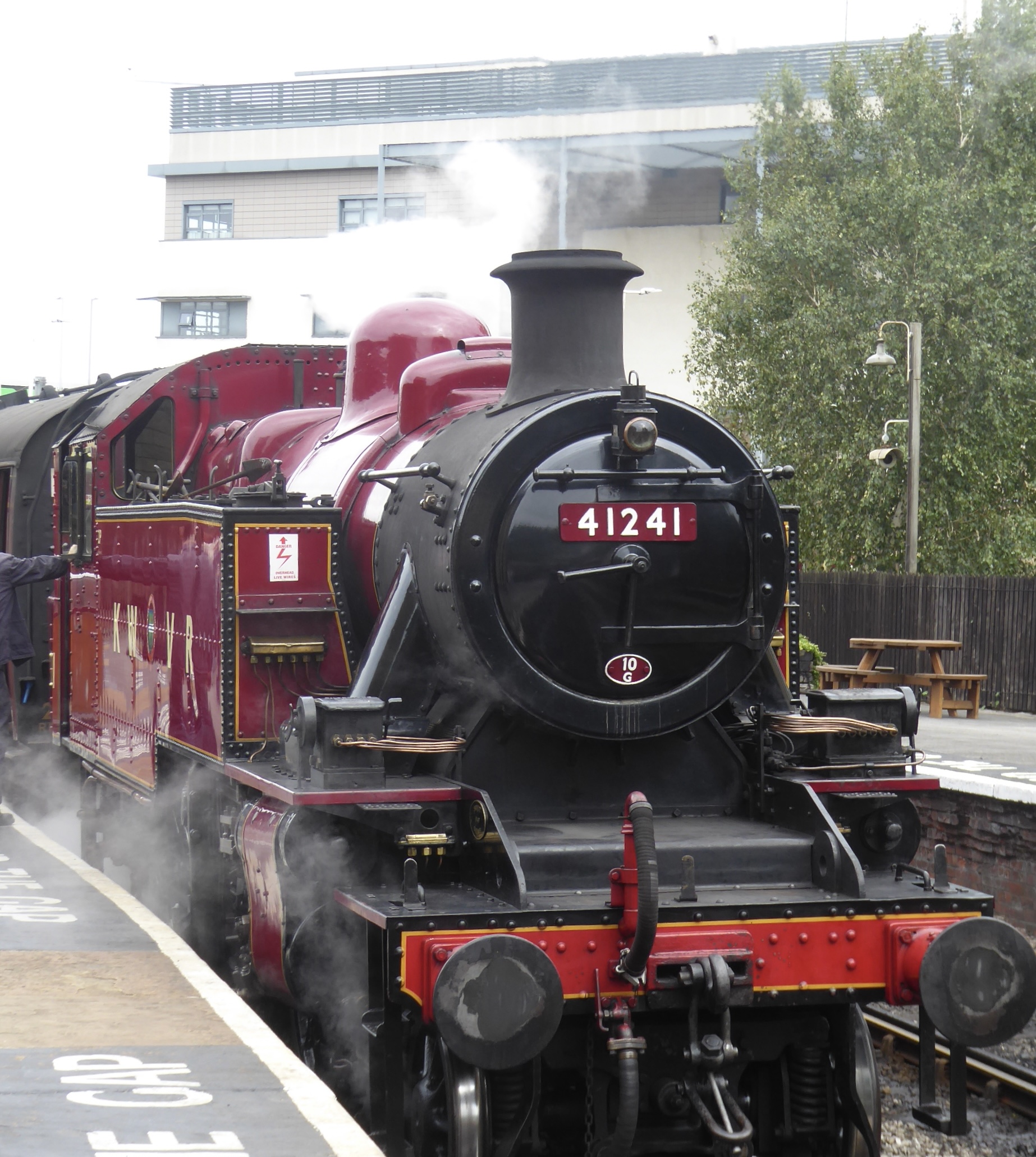
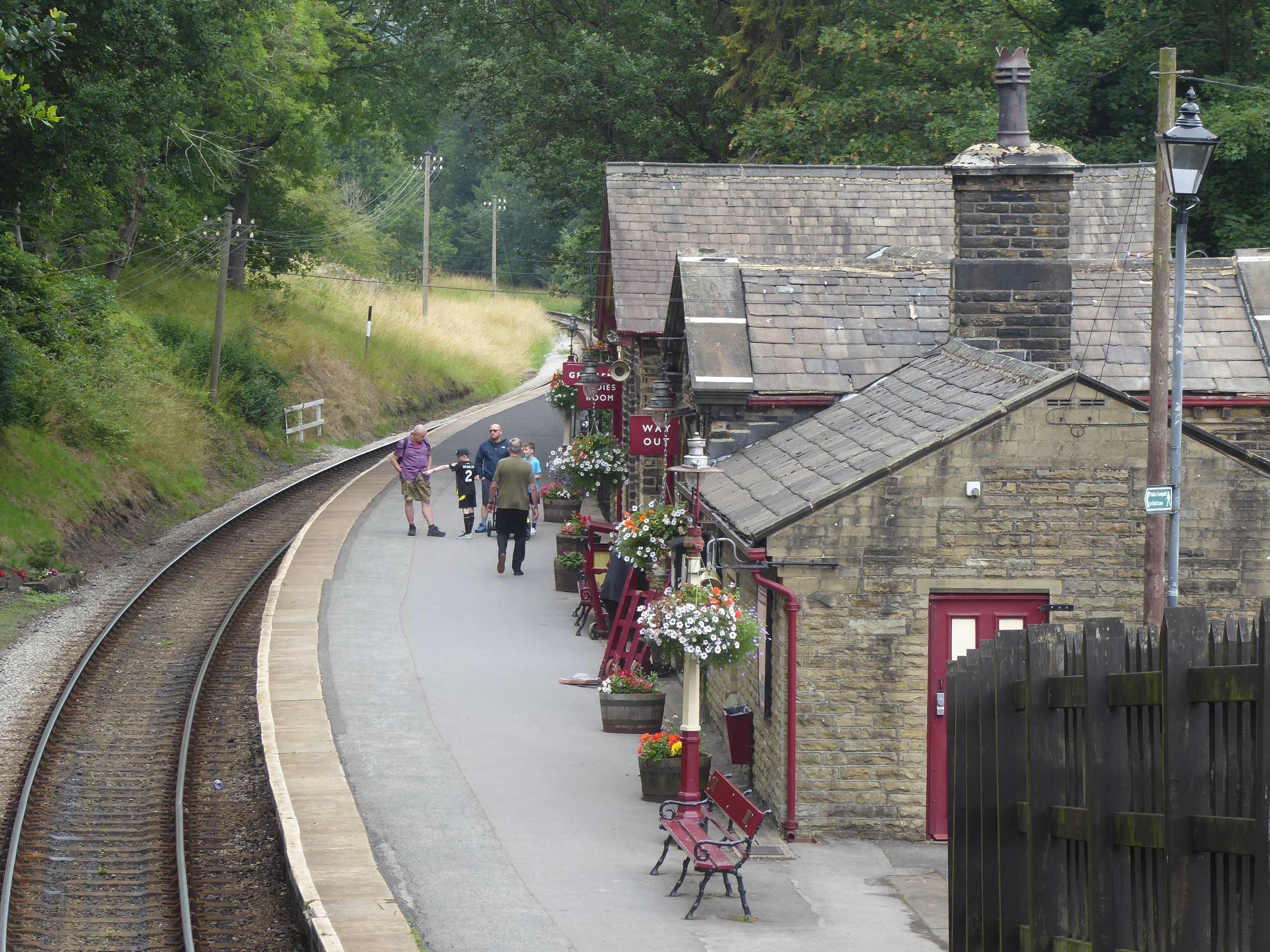
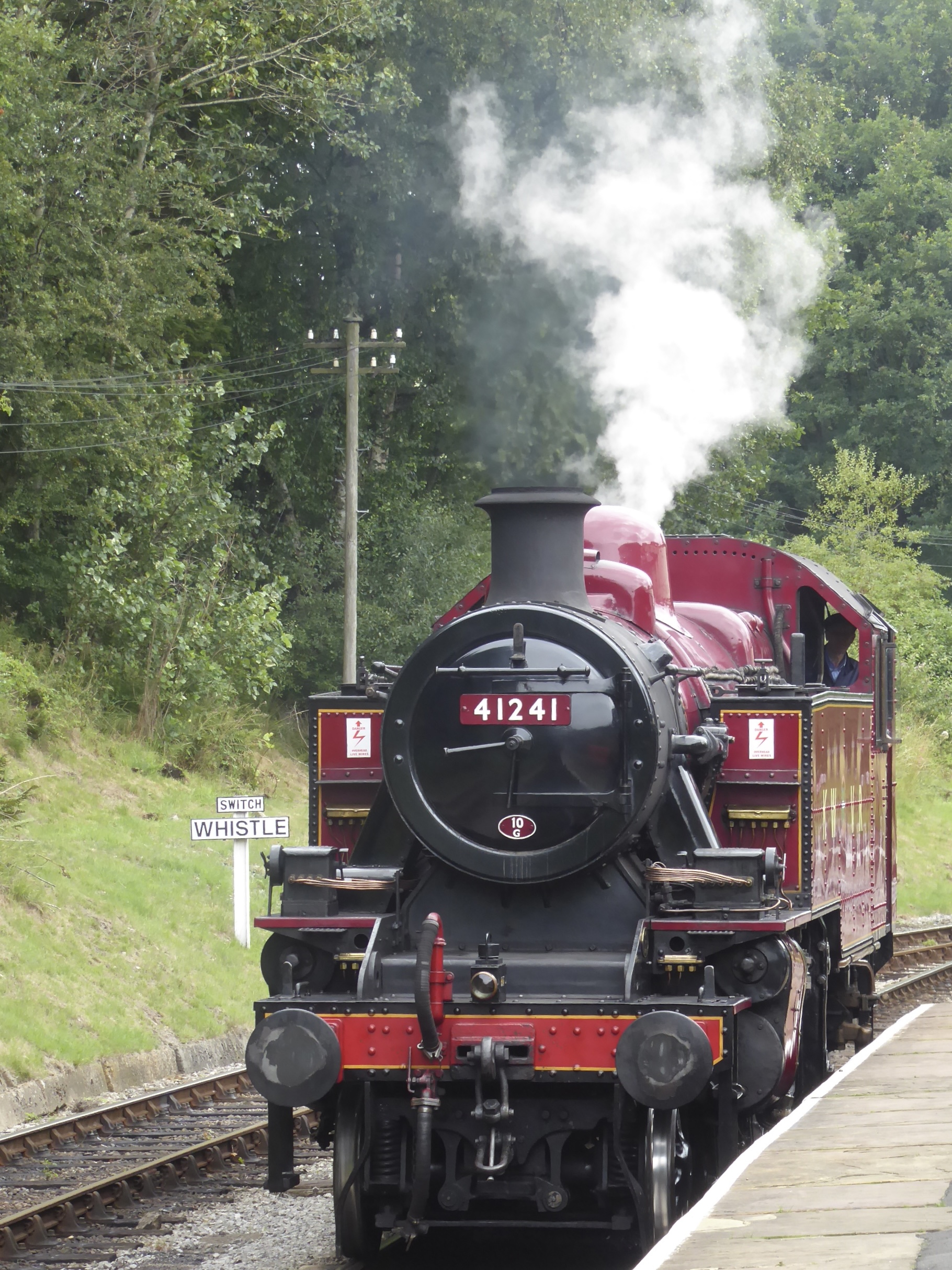
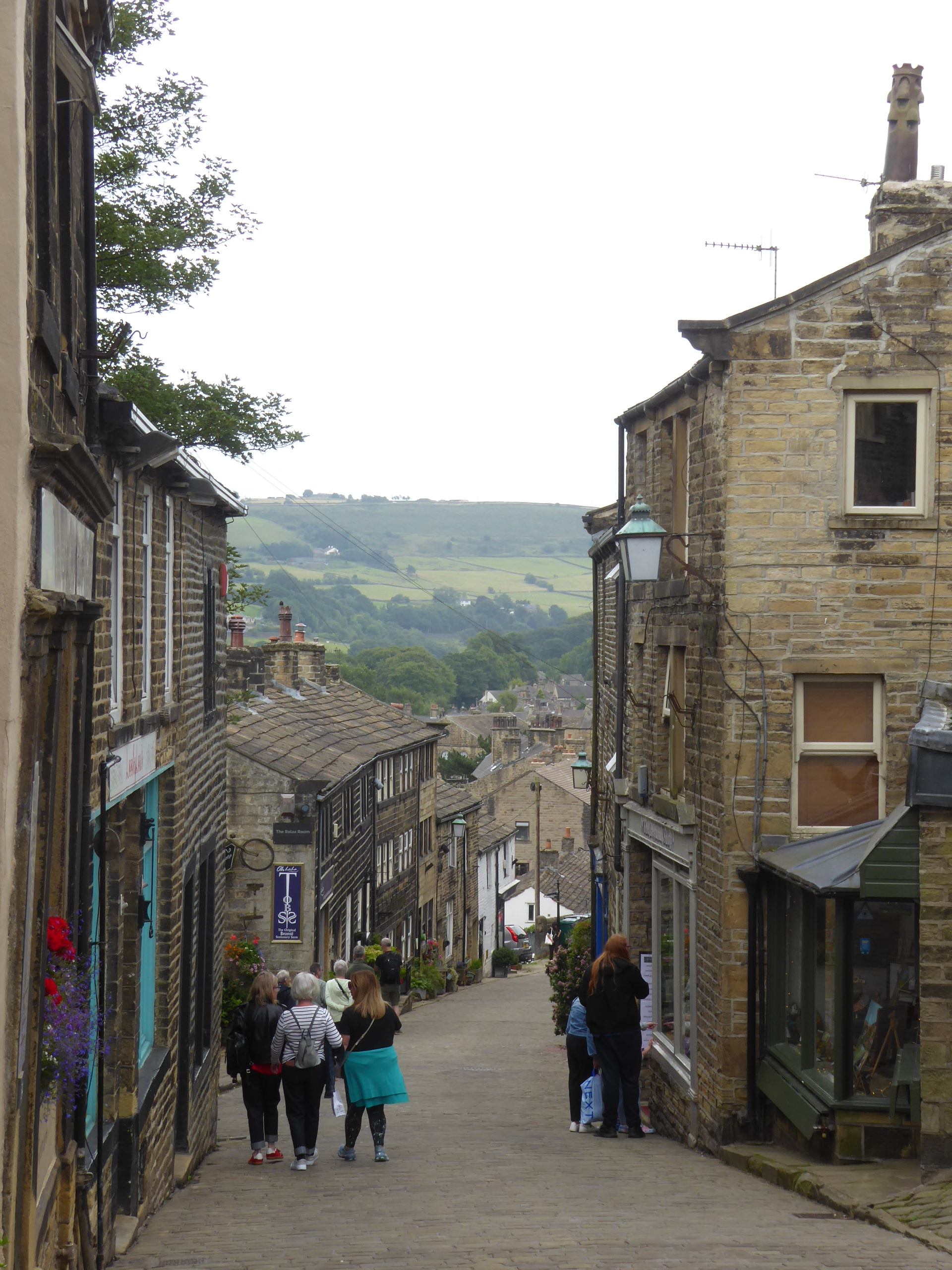
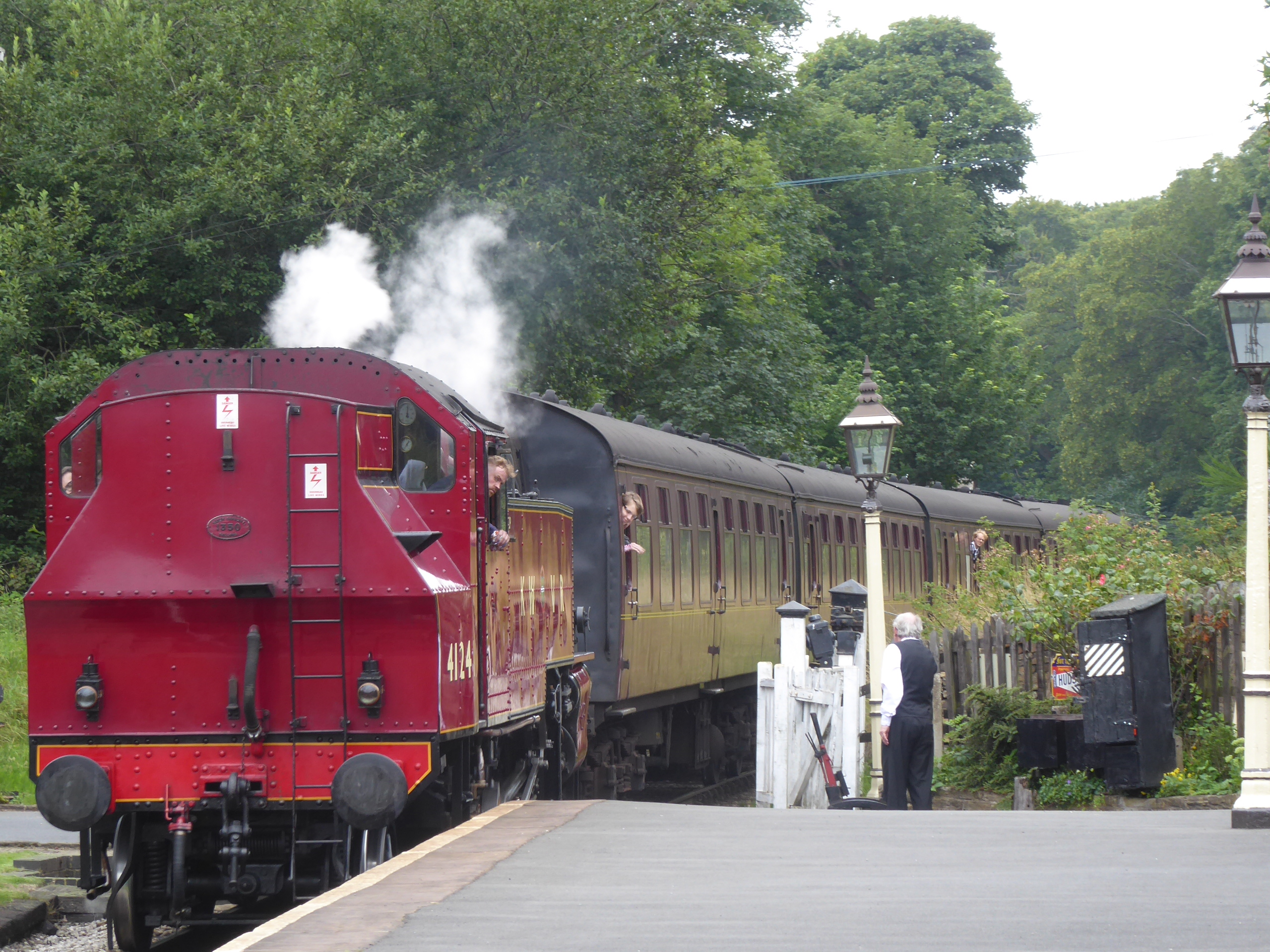
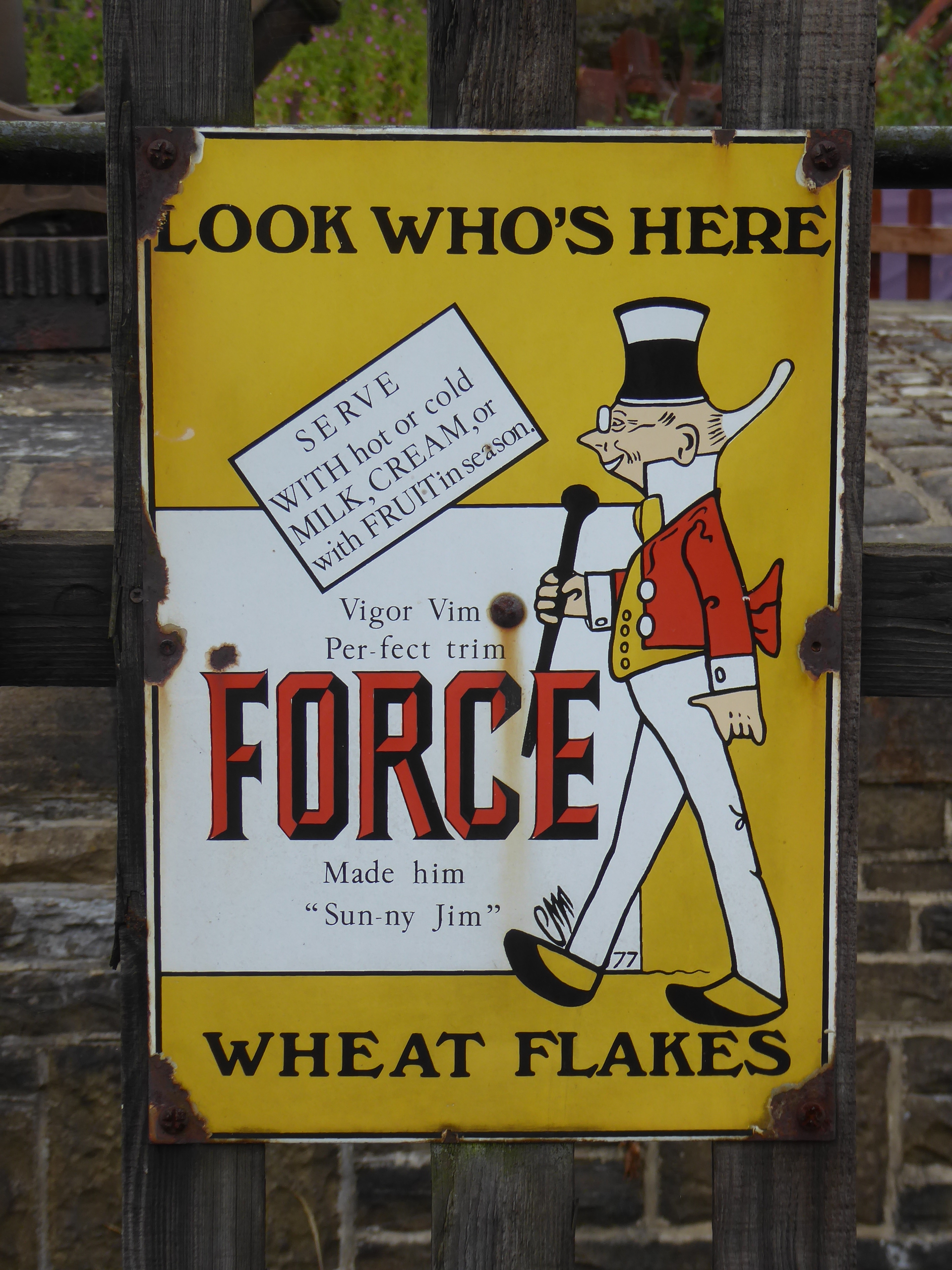
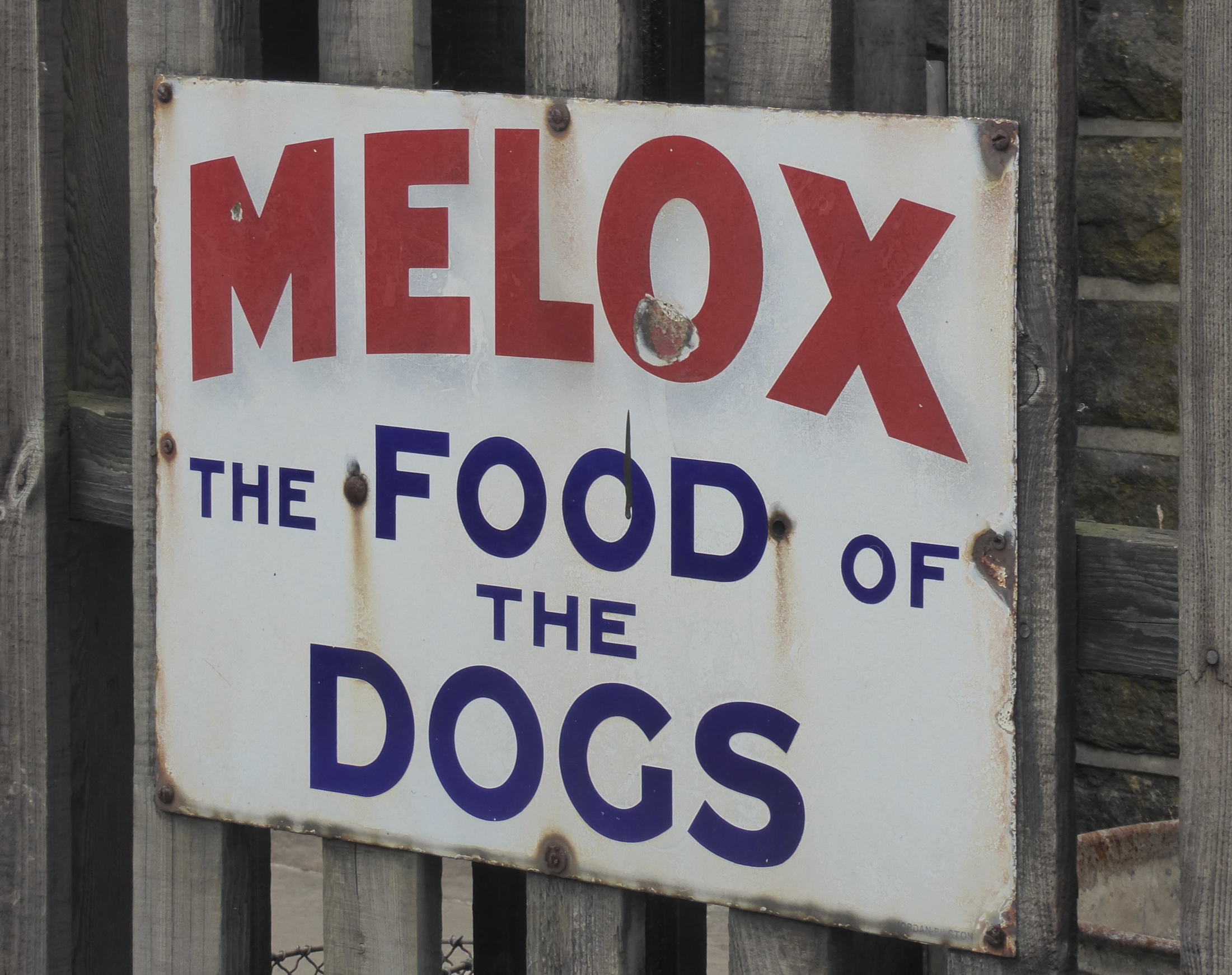
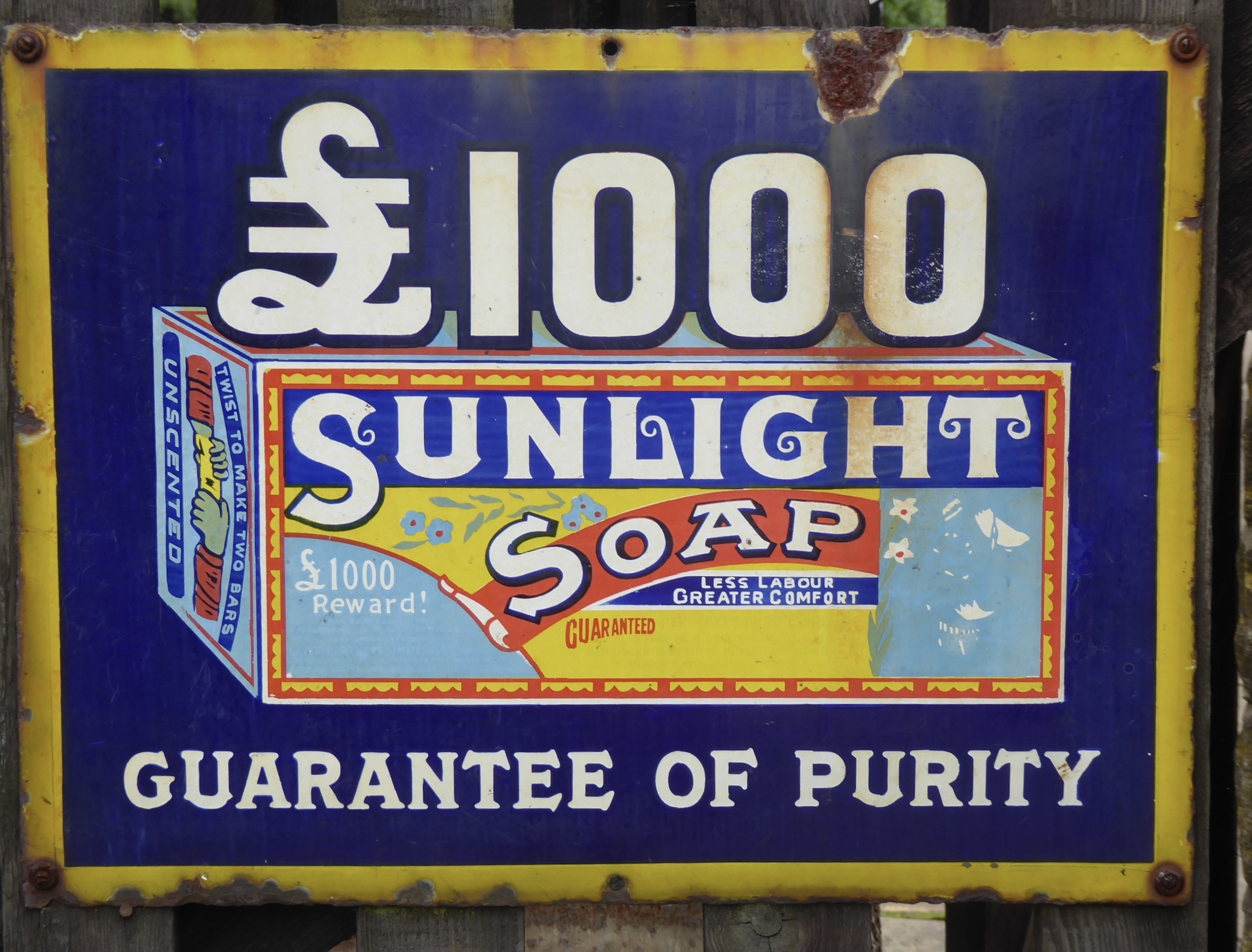
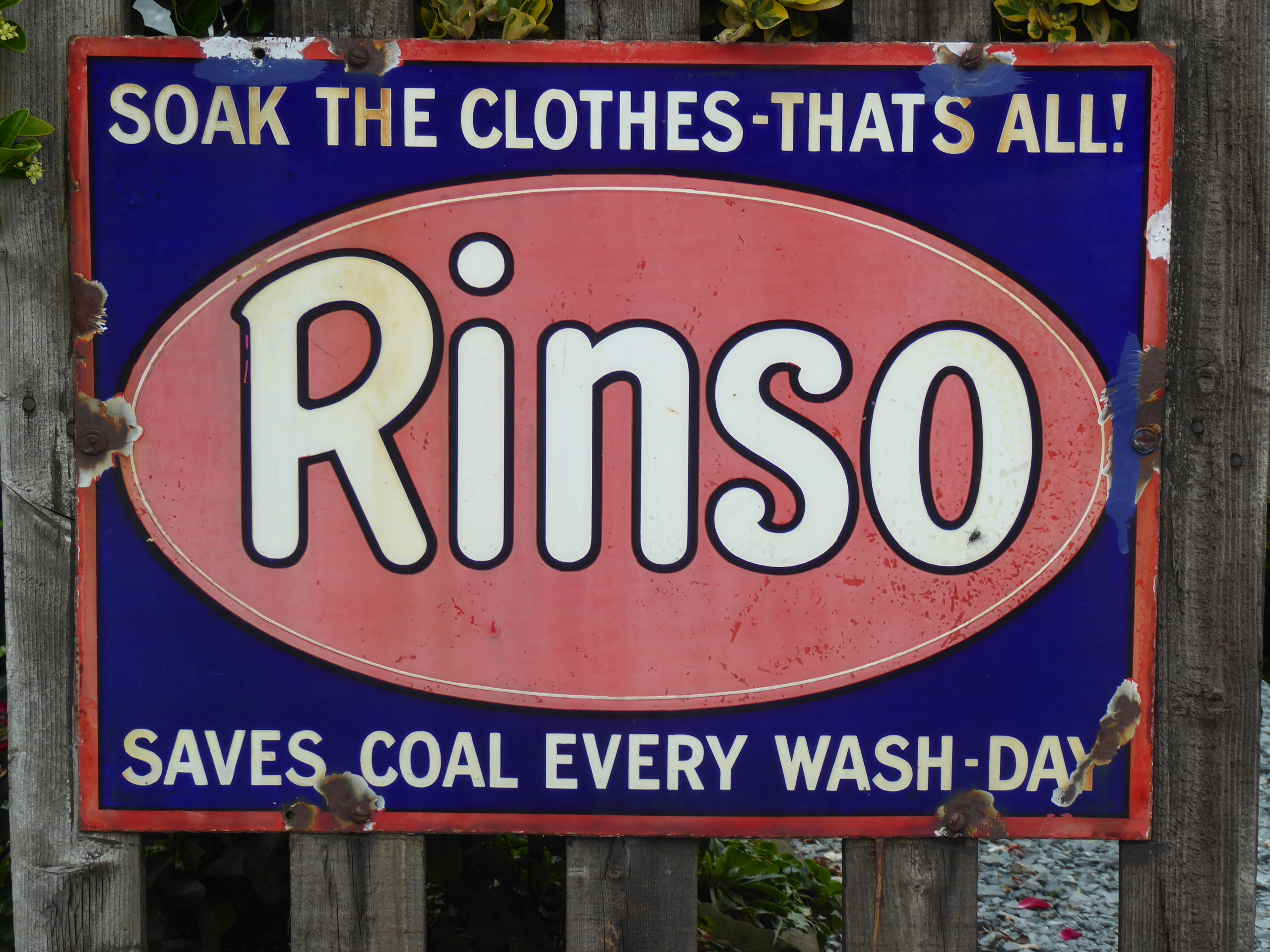
I hadn’t done much planning – a mixture of carelessness and a wish to give serendipity a chance – so it occurred to me too late that I could have had a good walk from Oxenhope to Oakworth if only I had worn my boots. Instead, I simply returned to Haworth from Oxenhope (locomotive going backwards) and went up the hill for a coffee. I then followed part of The Railway Children Walk to Oakworth, which was the station for the film – passing over the tunnel where the schoolboy broke his leg. Lots of memories of Bernard Cribbens at the level crossing and “Daddy, my Daddy” on the platform. The advertisements on the platform amused me enormously and set me thinking of “Murder Must Advertise” and the slogans that the copywriters came up with. Melox is definitely my favourite. I also realised how industrial the valley had been (wool, textiles, coal): stations had their goods platforms, and Oakthorpe had a crane for unloading stone.
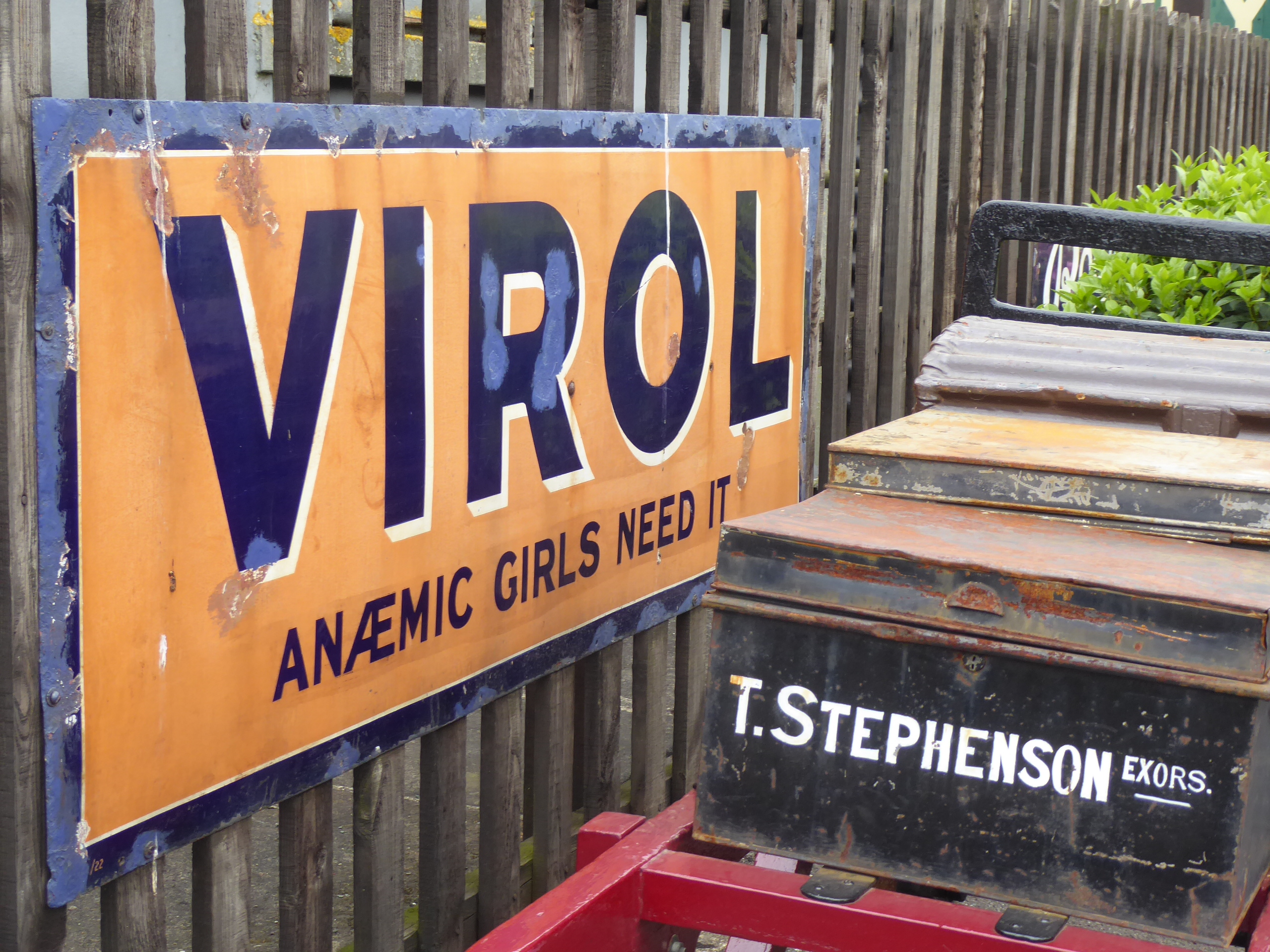
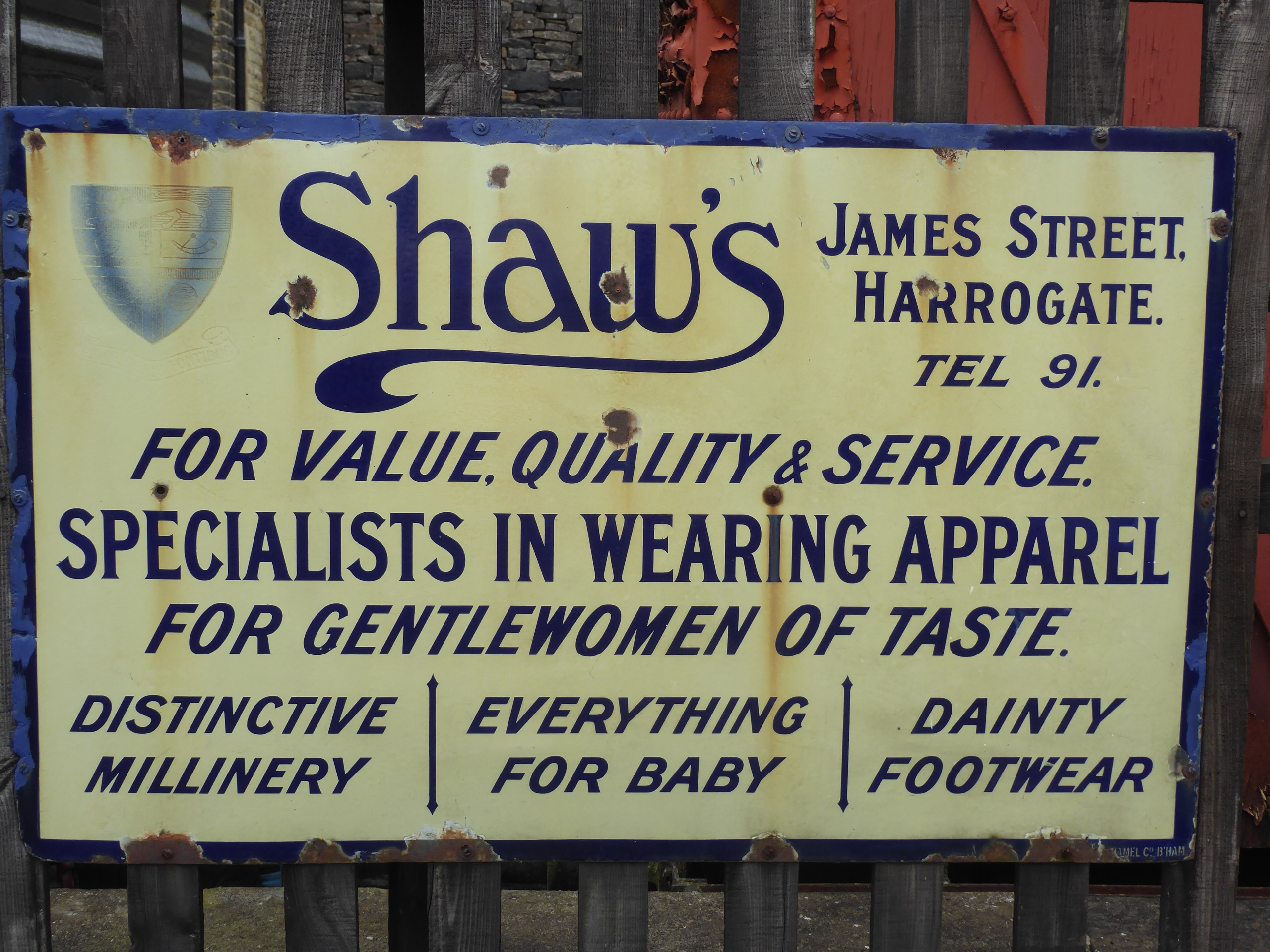
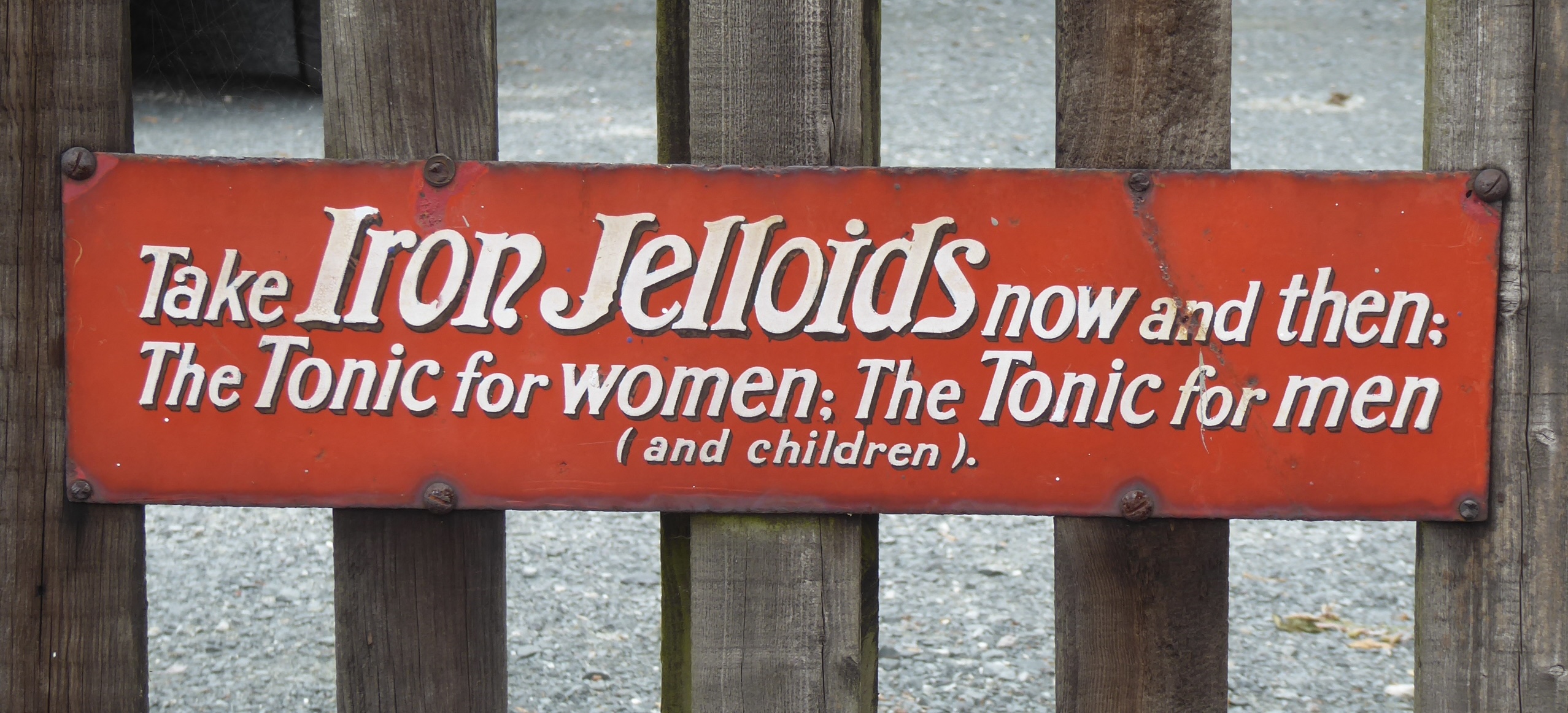
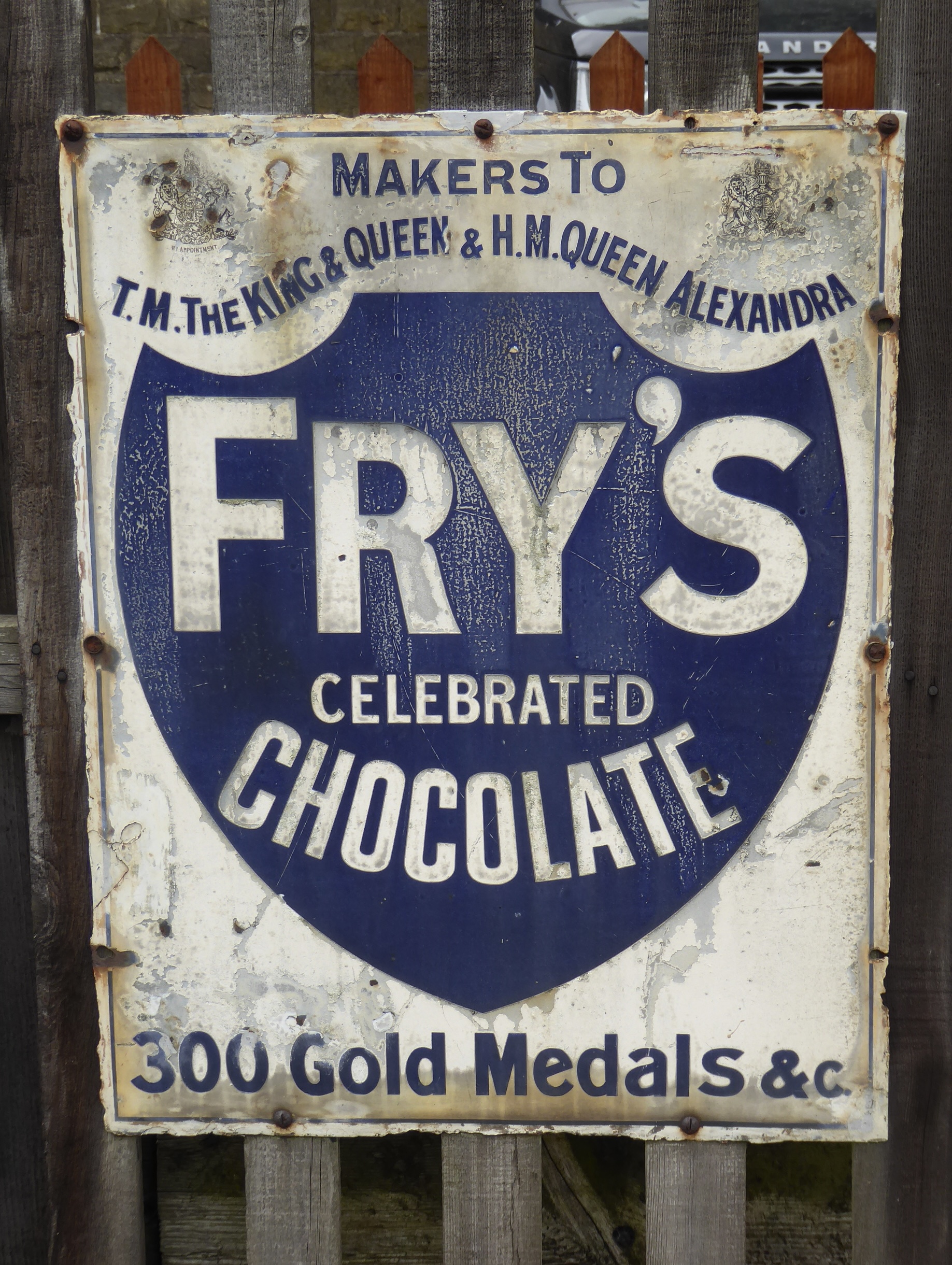
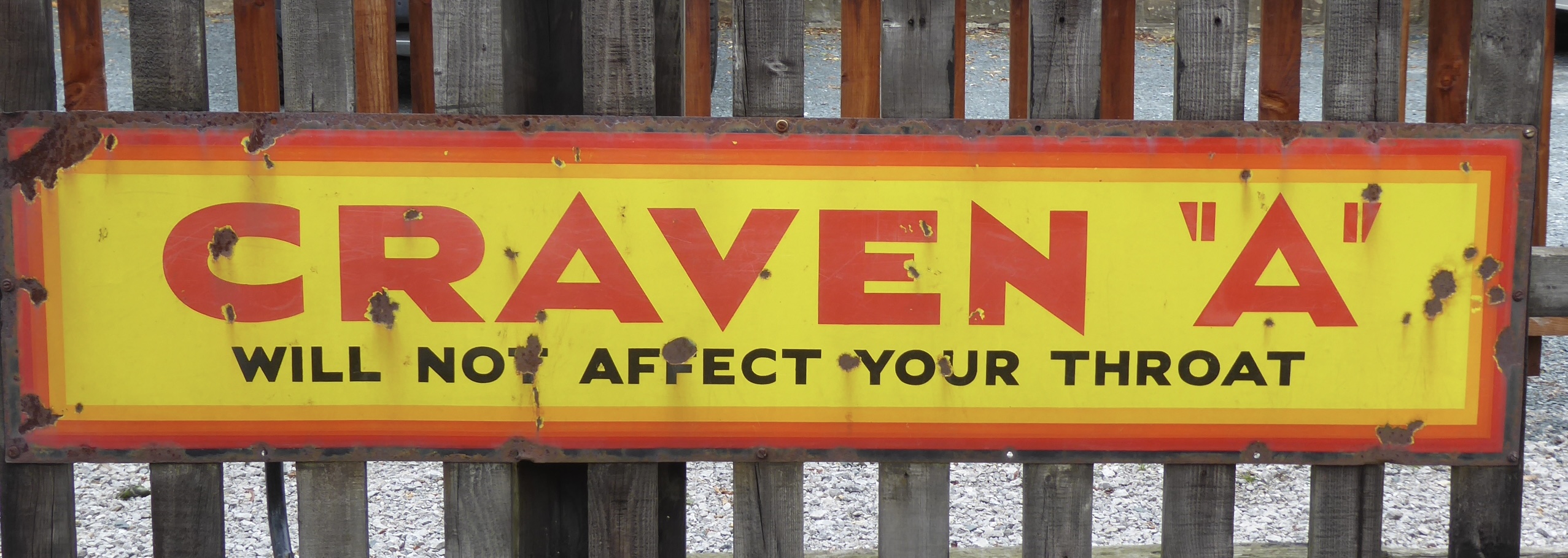
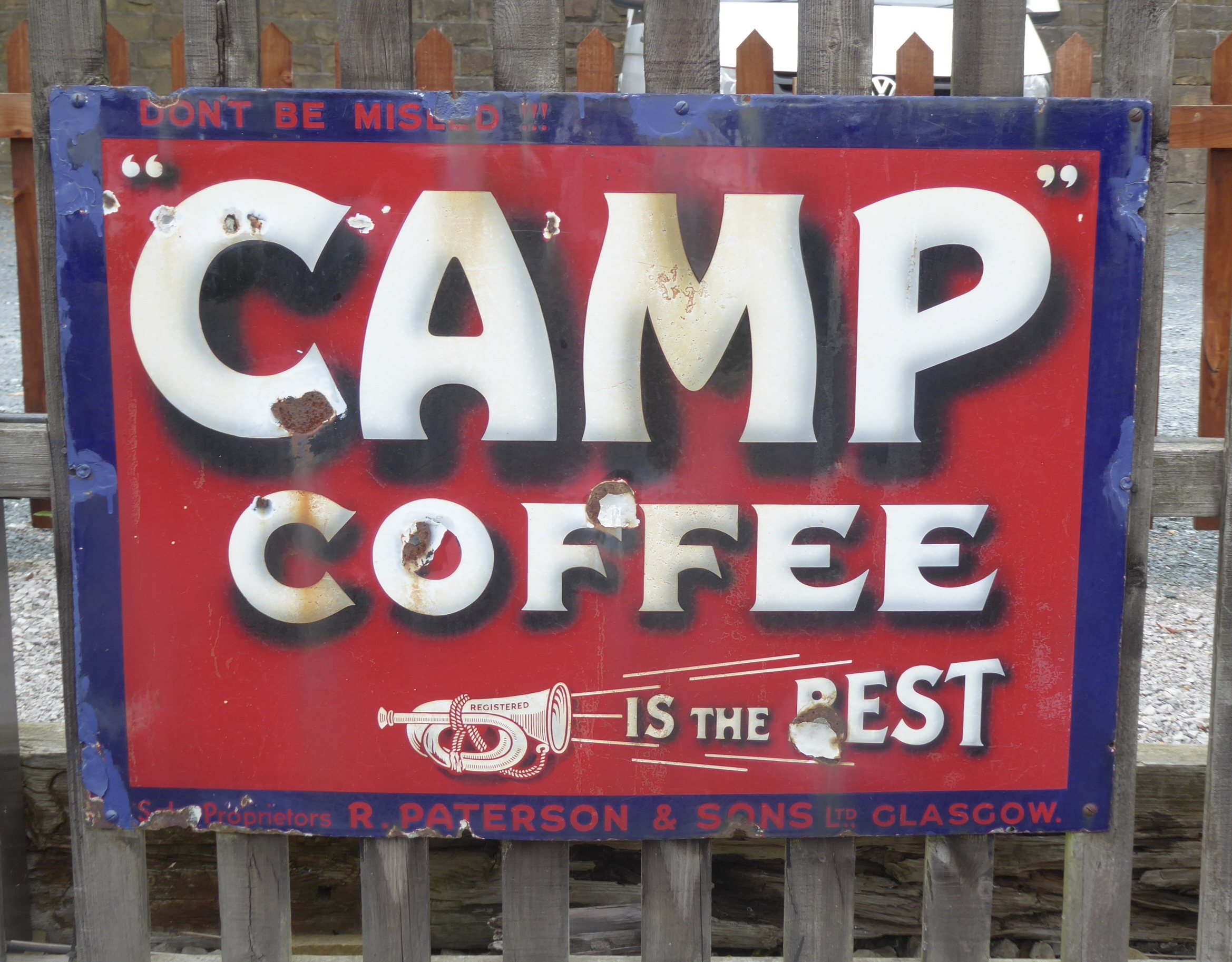
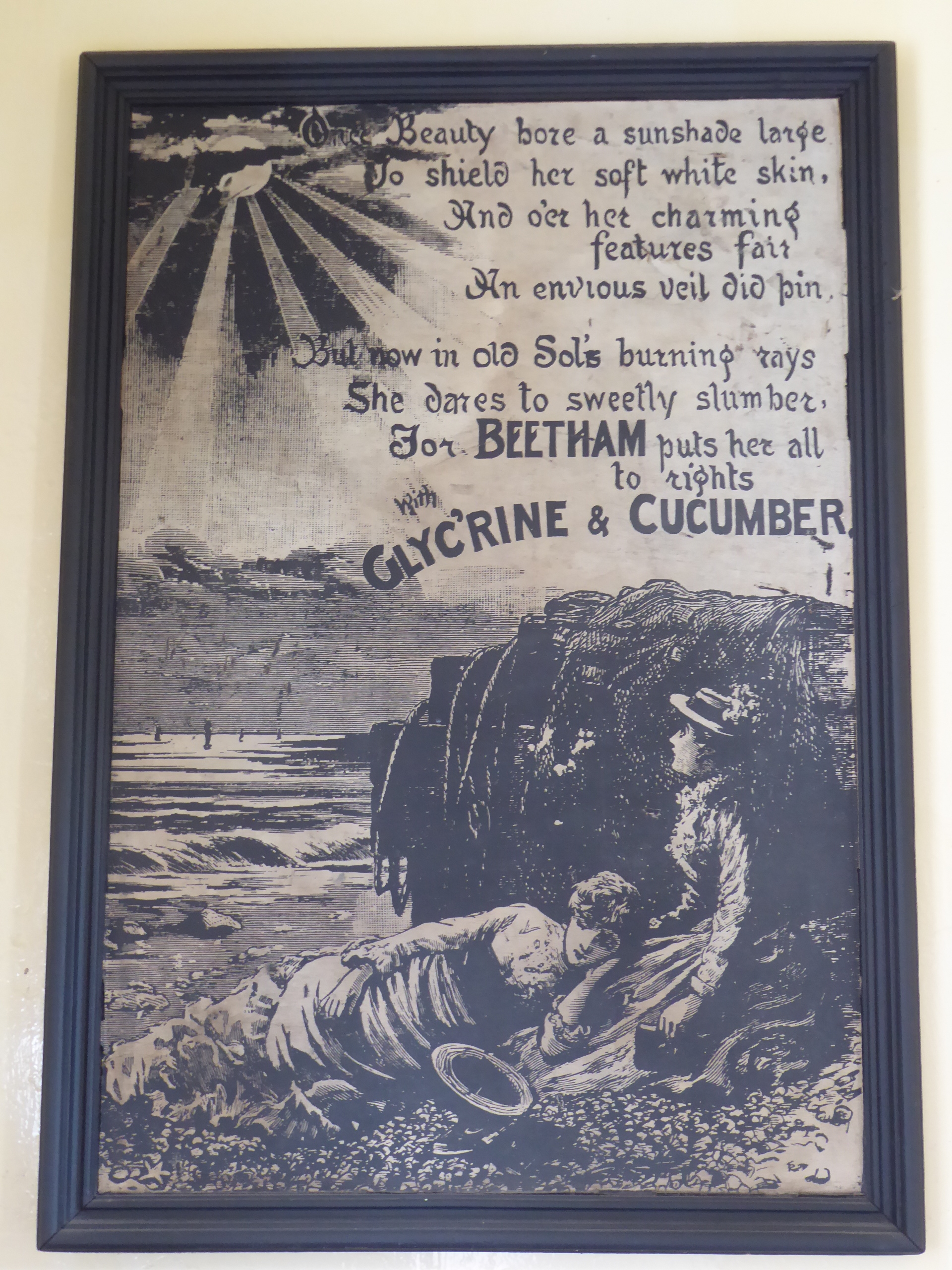
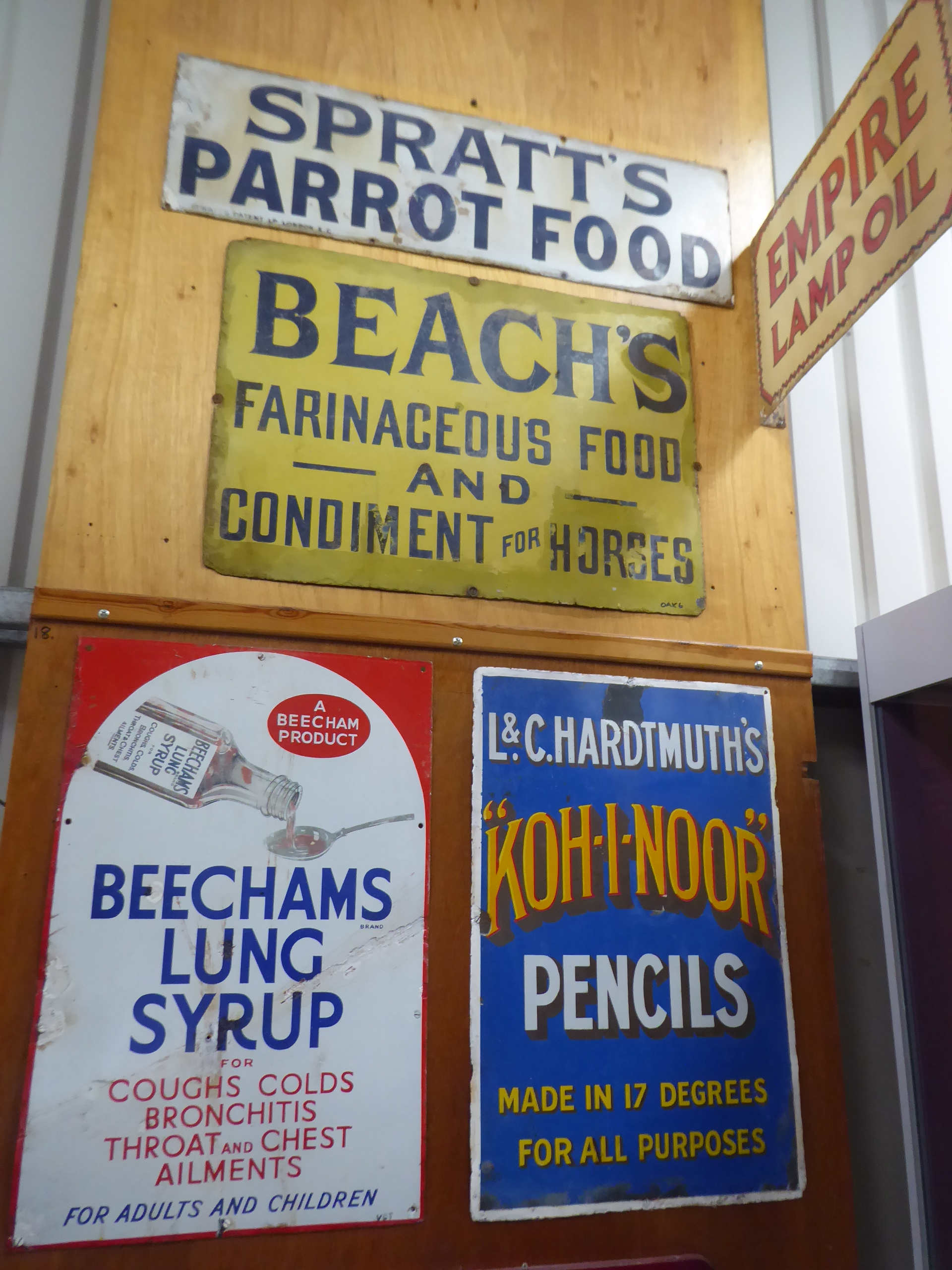
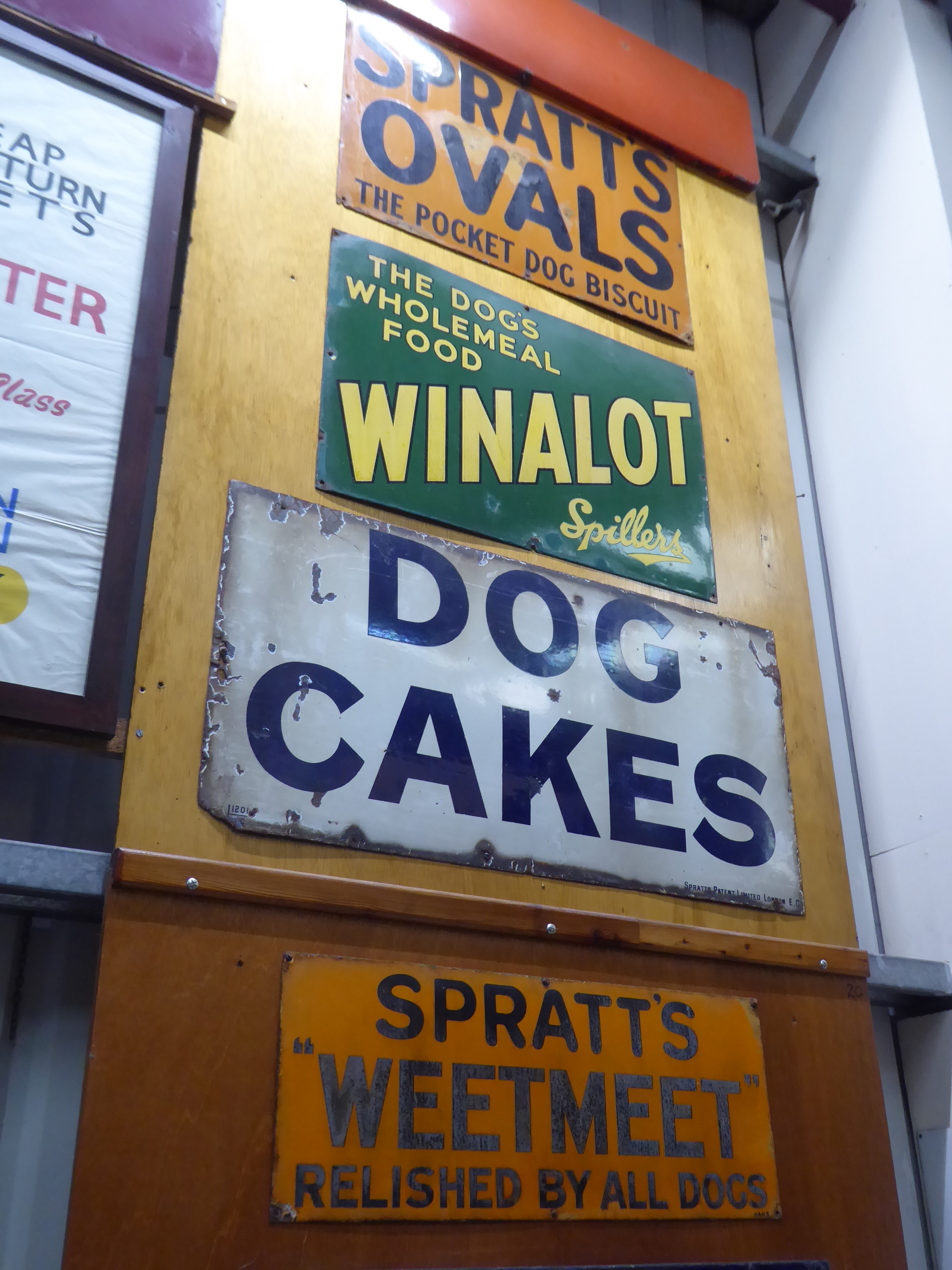
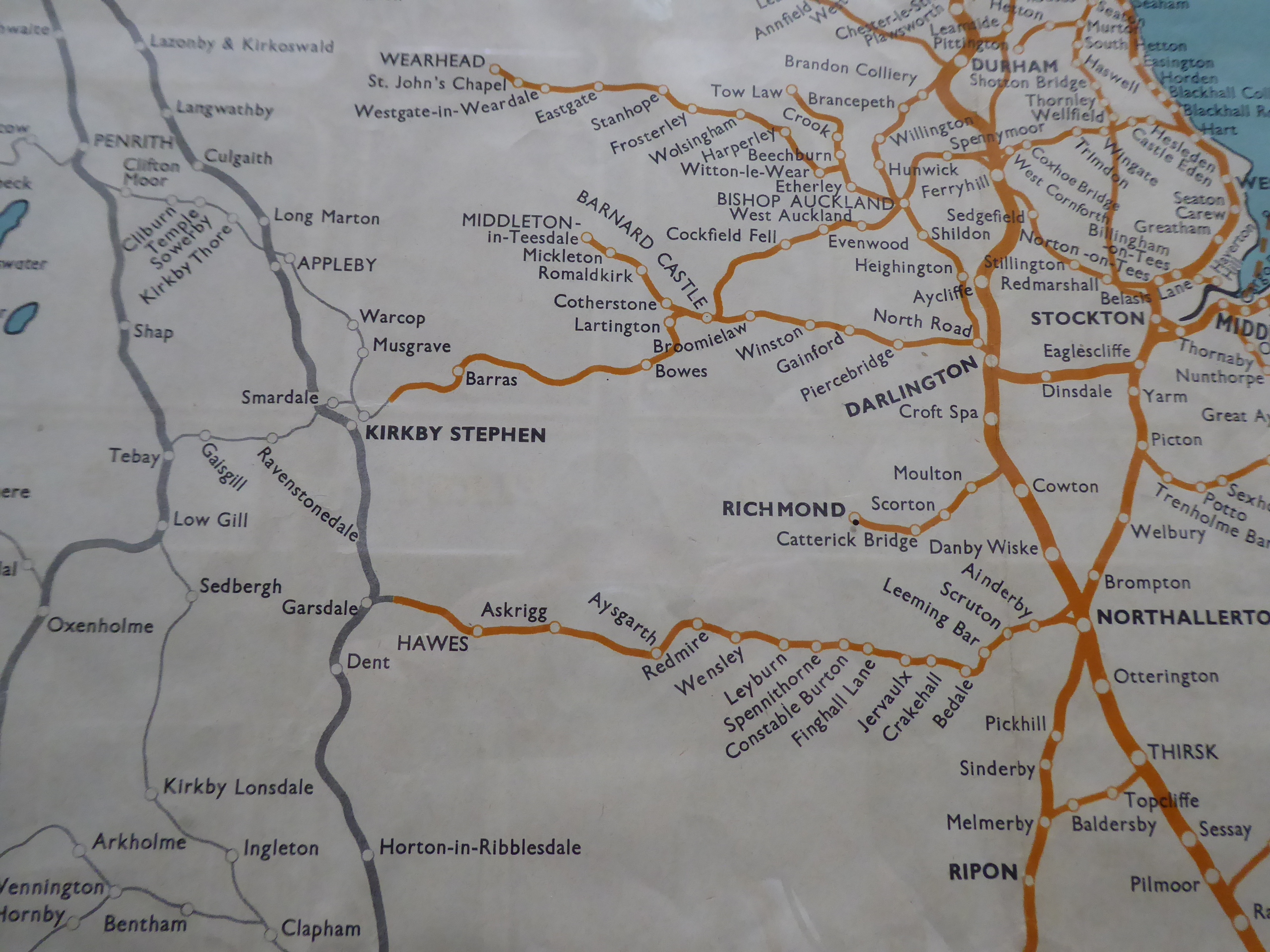
I then caught the train as far as Ingrow to look at the locomotive and carriage museums -unexpectedly interesting, comparing the varieties of third-class and first-class comfort over the years, looking wistfully at maps of old cross-Pennine railway lines. Then back to Keighley, which left me time for a very late (and by now totally necessary) lunch in Leeds.
 Old Shoe Box