A one-day course on poetry today; I came out with the determination to read more poetry.
Ah well, we shall see.

A one-day course on poetry today; I came out with the determination to read more poetry.
Ah well, we shall see.
Cycling to Liverpool Street Station early this morning, I realised that the Brompton was in its natural habitat amongst its peers carrying their riders to work. But not me. I was leaving sweltering London behind to visit the Fry Gallery in Saffron Walden and its exhibition of Great Bardfield artists (Edward Bawden, Eric Ravilious et al).
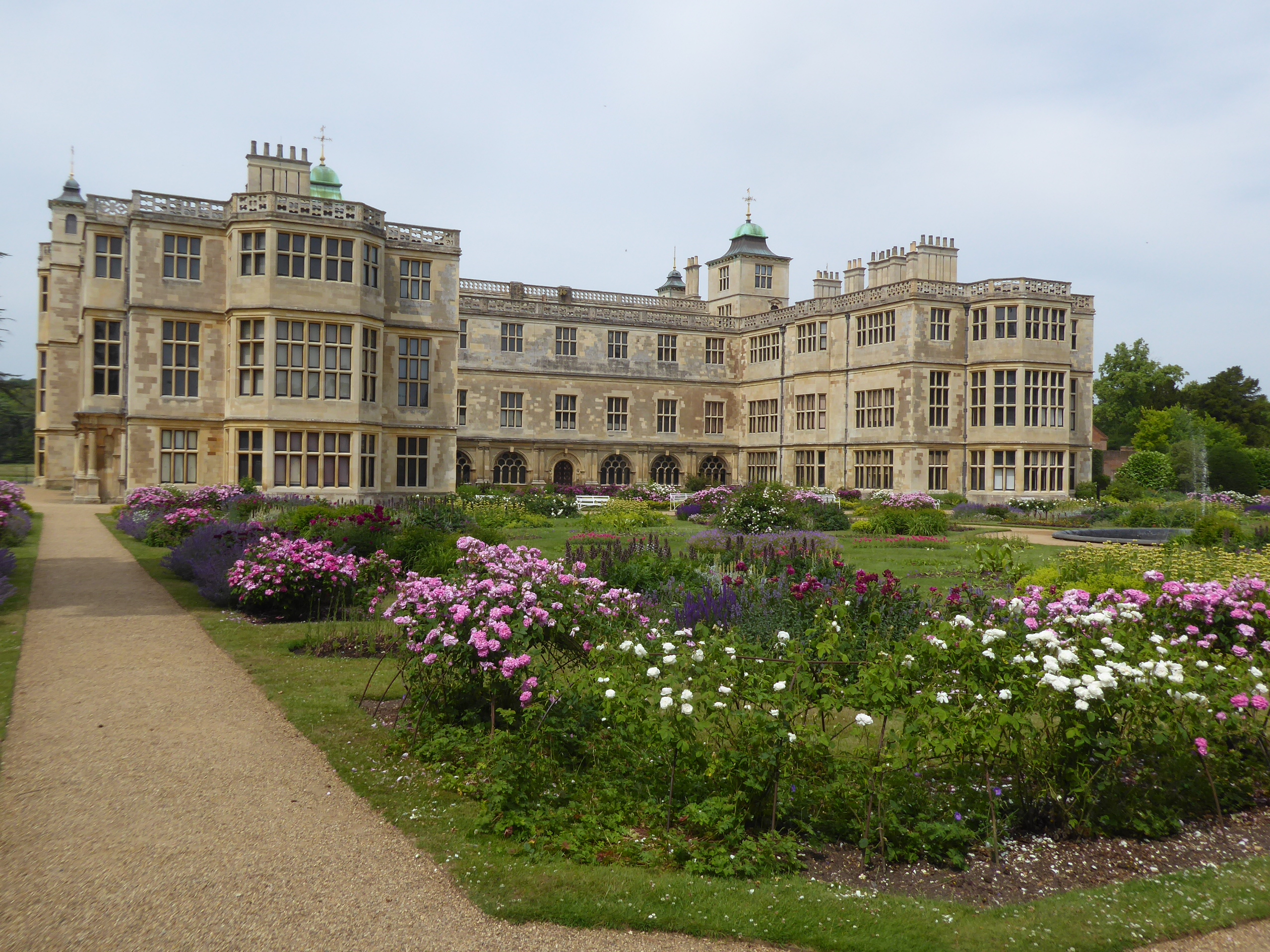
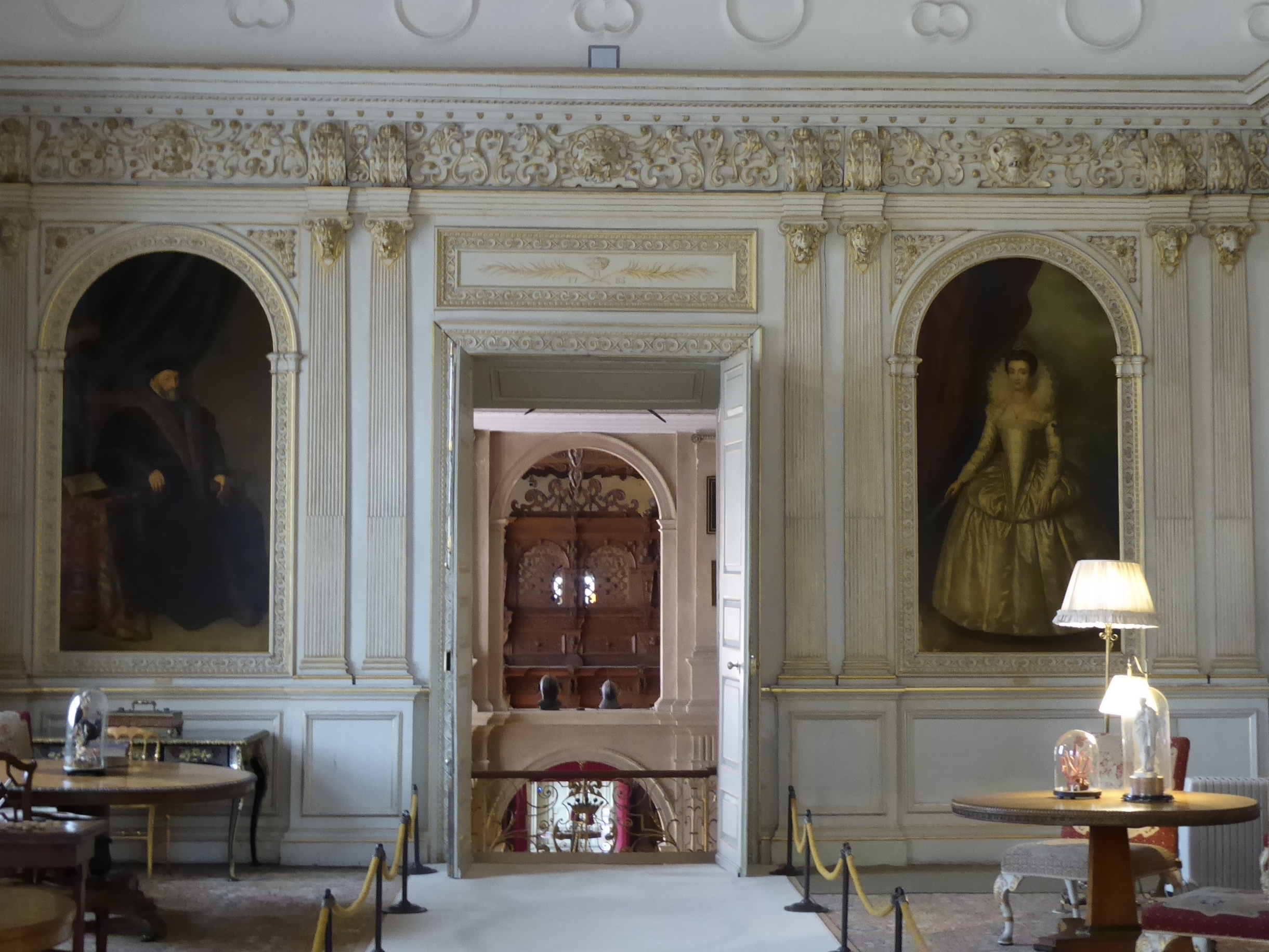
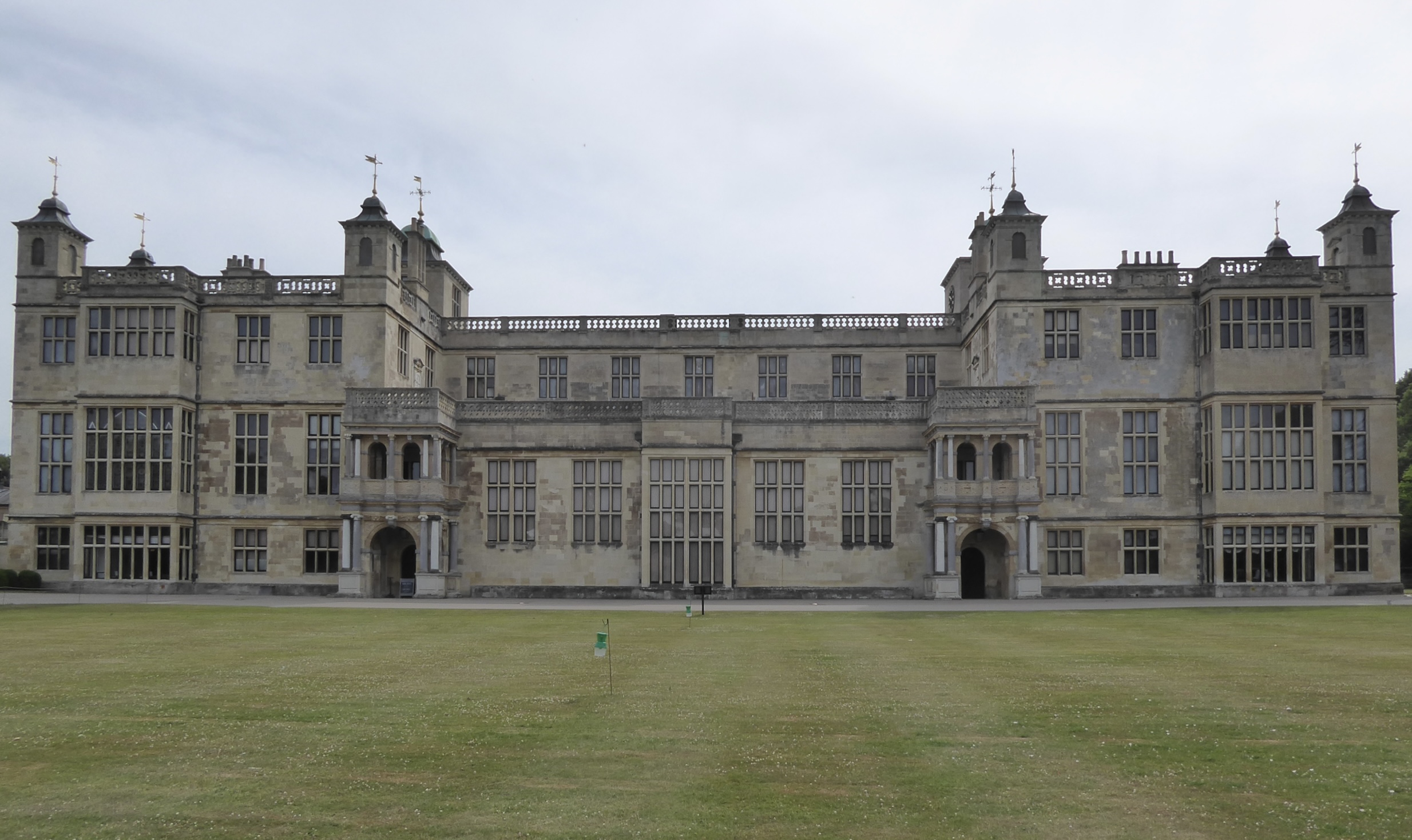
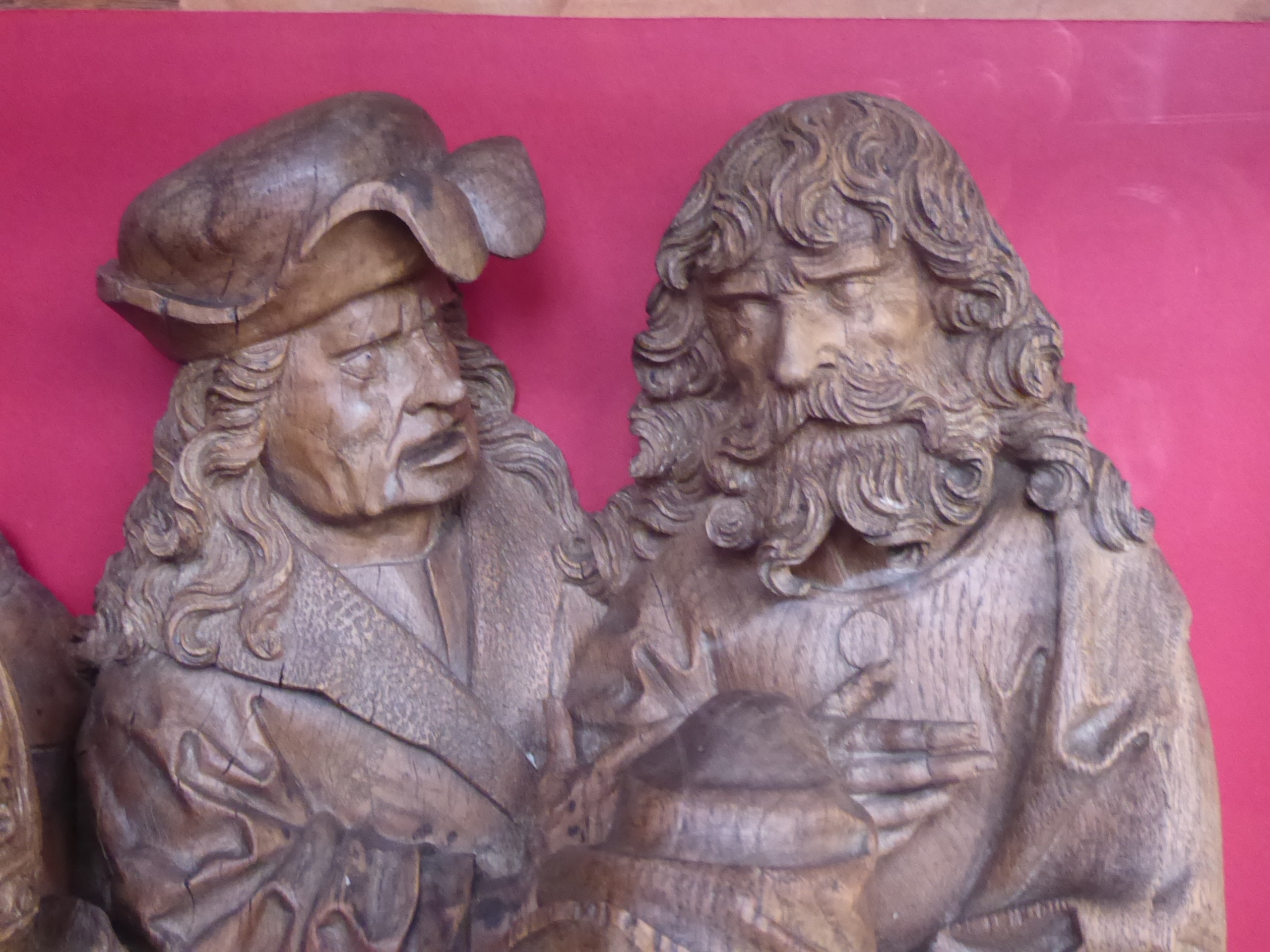
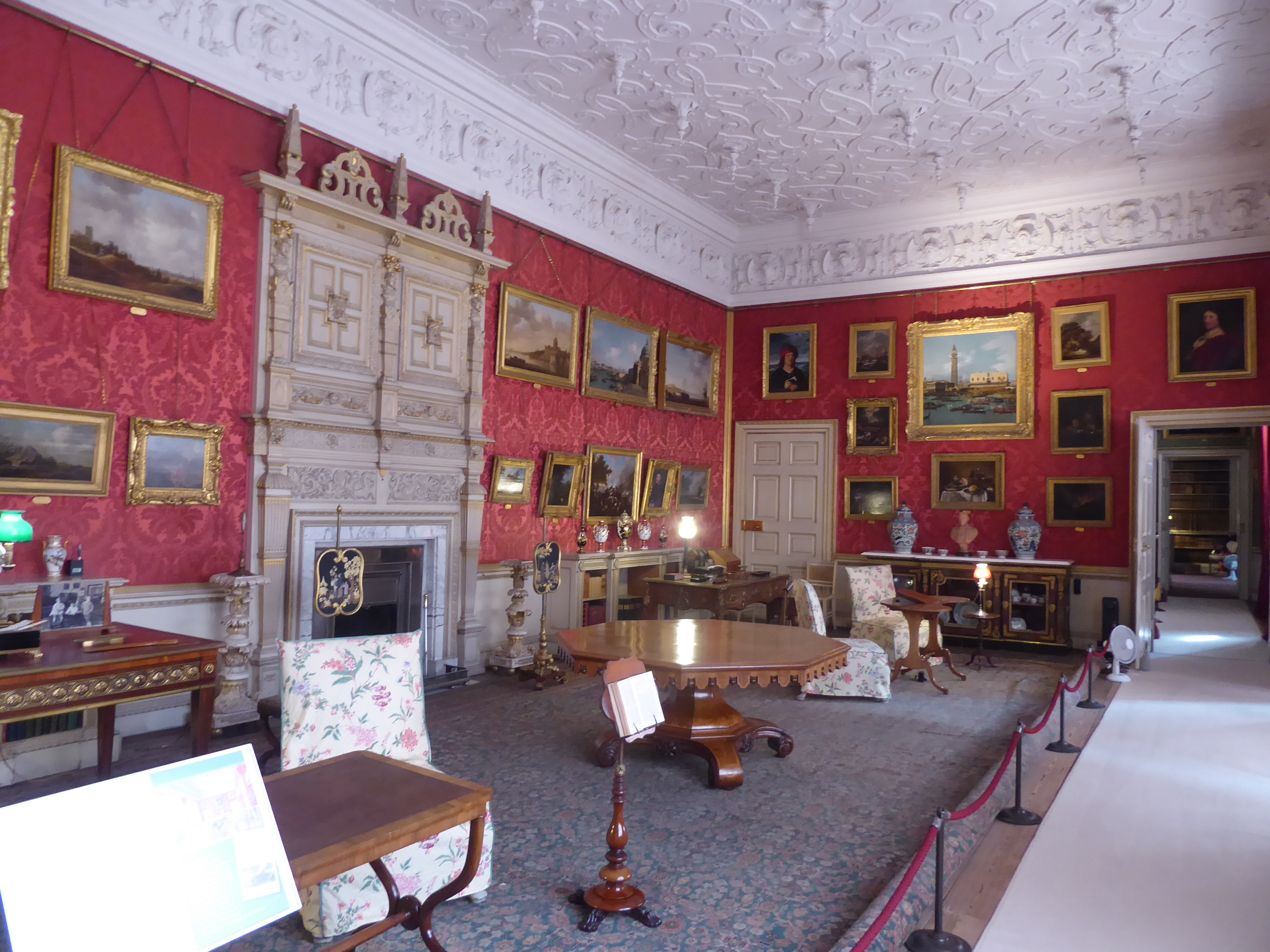
Since the gallery didn’t open until 2 p.m. I looked for something to do before that and discovered Audley End House nearby. It’s basically a Jacobean house that was once much larger and grander, built on the site of a dissolved abbey. The Duke of Suffolk embezzled state funds for it, Charles II once owned it (handy for Newmarket), John Vanbrugh and Robert Adam worked on it at various stages, Capability Brown got fired . . . the usual sort of thing. Over the centuries it has been much reduced and altered, and its current incarnation is early 19th century. So, symmetry everywhere, the deception assisted by false doors and concealed doors. A great hall with an astonishing oak screen that rises to the second floor. Family portraits everywhere plus an art collection by “follower of X” and “school of Y”. An incredible collection of taxidermy, including more kinds of owl than I knew existed and an albatross. A library that basically stored all that an English aristocrat needed to know at that time: rows and rows of records of State Trials of the late seventeenth century; antiquities of Canterbury; Dugdale’s Baronage of Englands Vol I, II etc etc – and, nice touch, a row of Walter Scott novels on an easy-to-reach shelf. The room and bed decorated specially for George III . . . who never visited. A chapel with a separate staircase and wooden seats for the servants, and a fire and padded seats/kneelers for the family. I found it fascinating and bizarre.
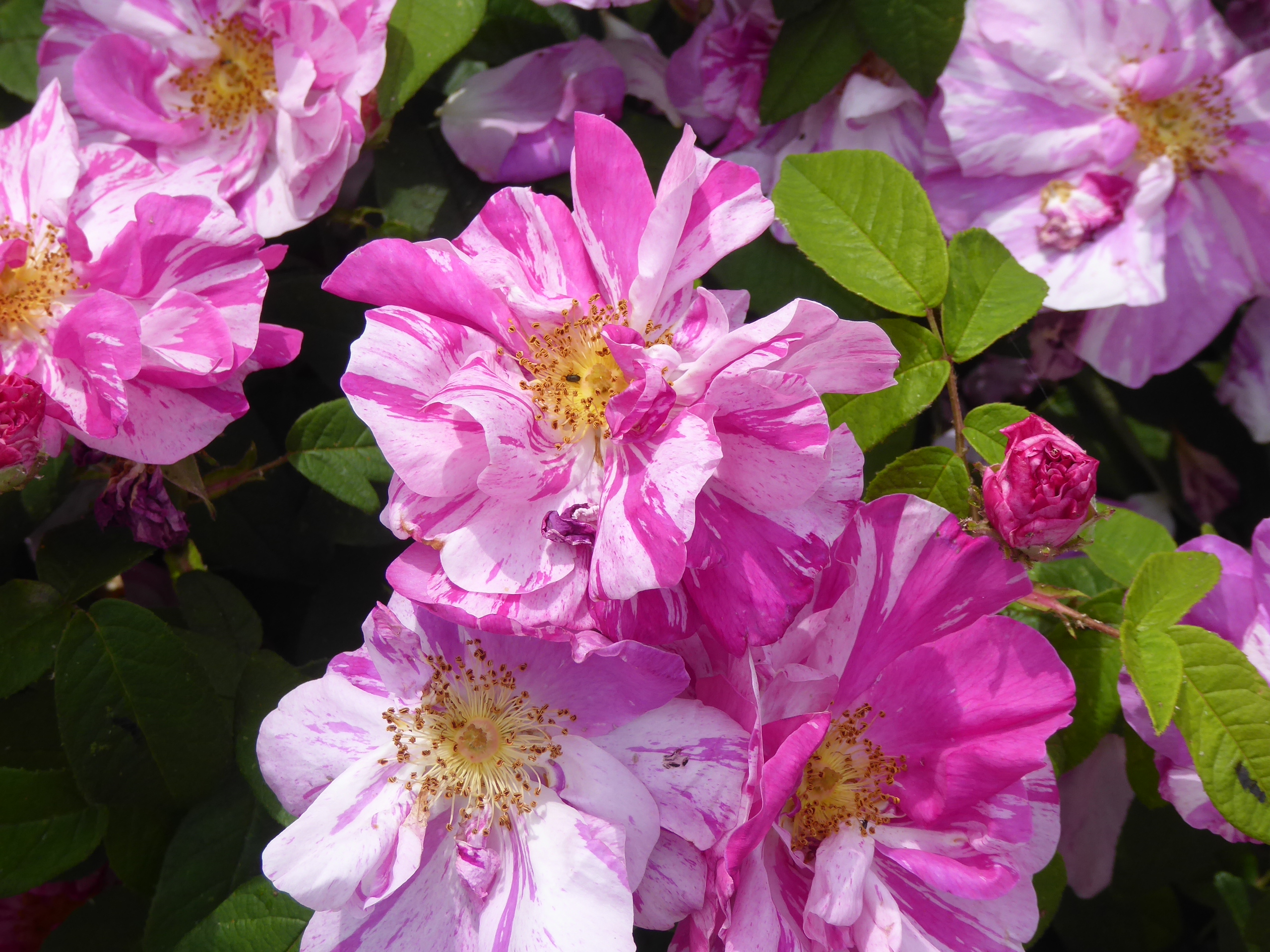
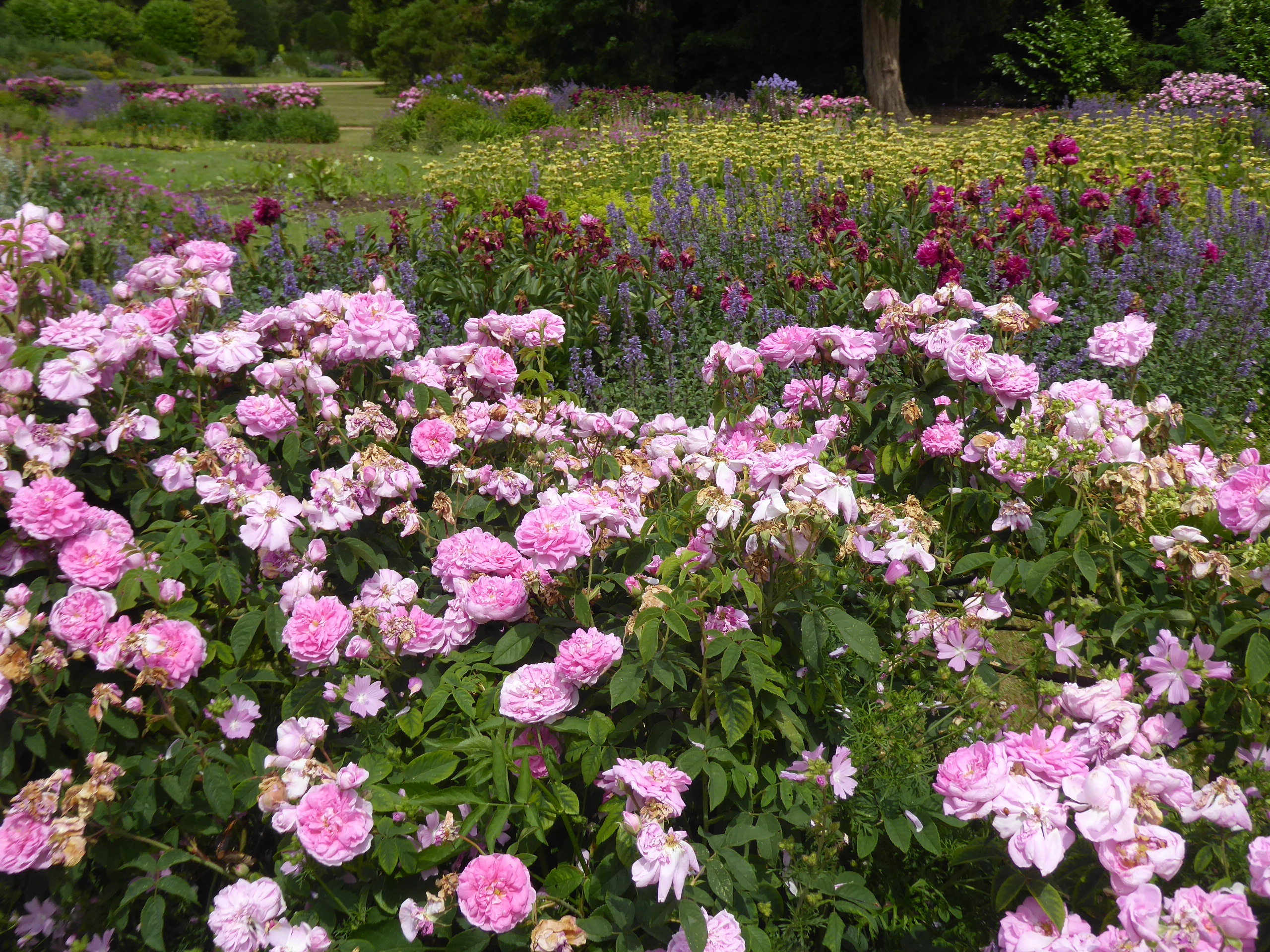
The parterre was lovely, and I saw it at its best. Had I not already been converted to roses, this would have done it.
Then to Saffron Walden for lunch. I ate in the main square in what I guess was once a Victorian-era bank. The great thing was that it was like a small version of Audley End: neo-Elizabethan with decorated stonework and mullioned windows, and inside I sat beneath a white ceiling plastered in Tudor style.
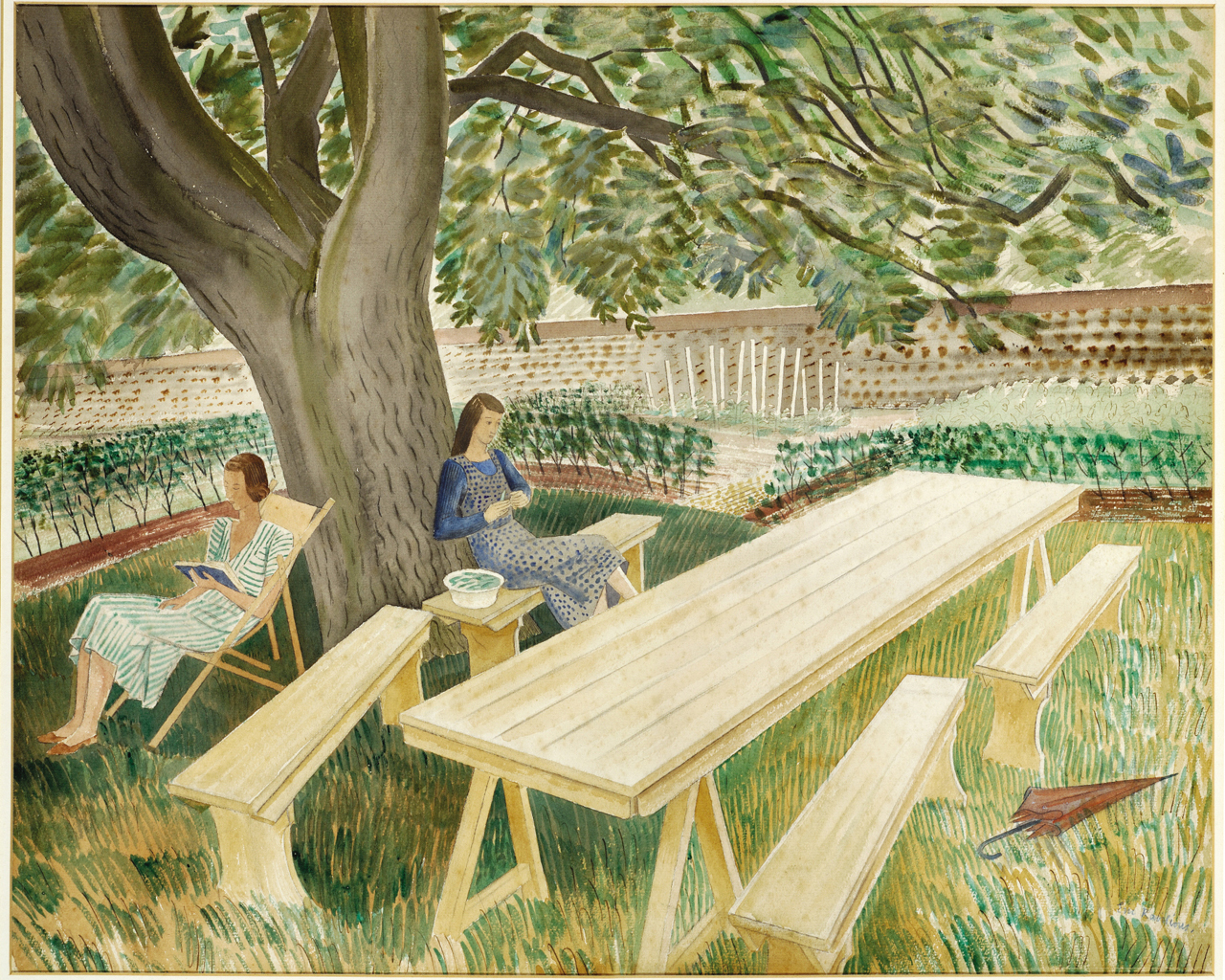
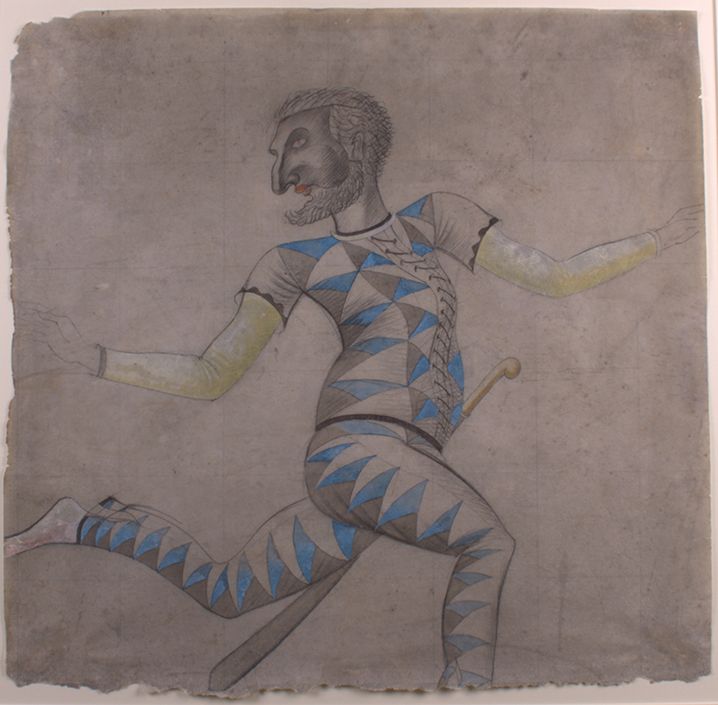
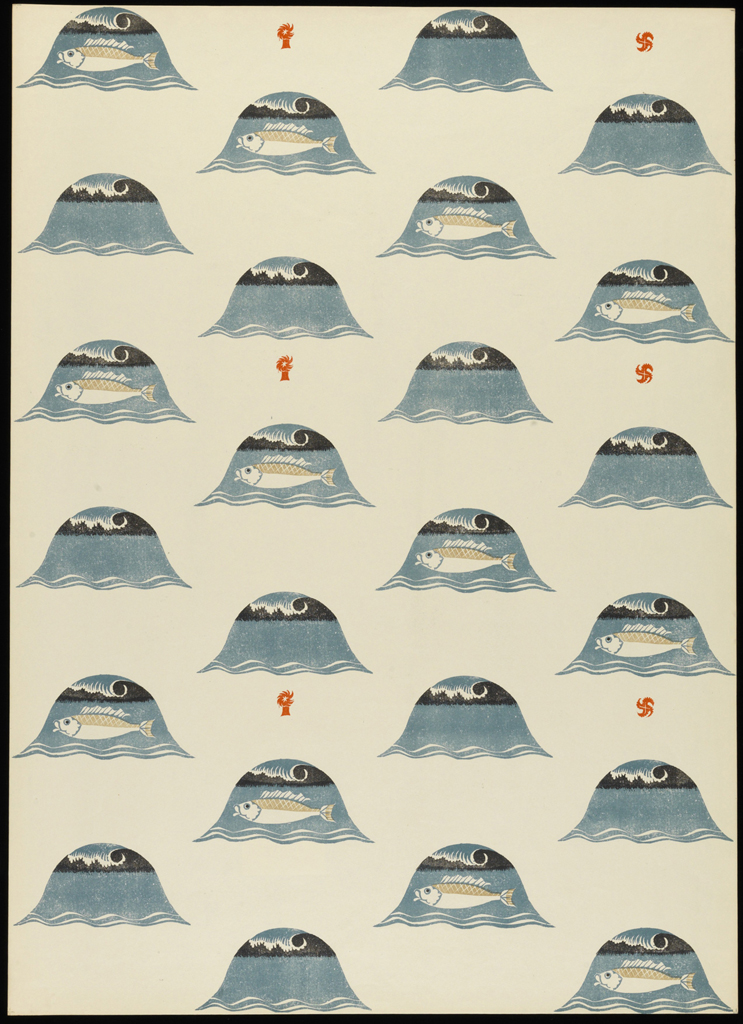
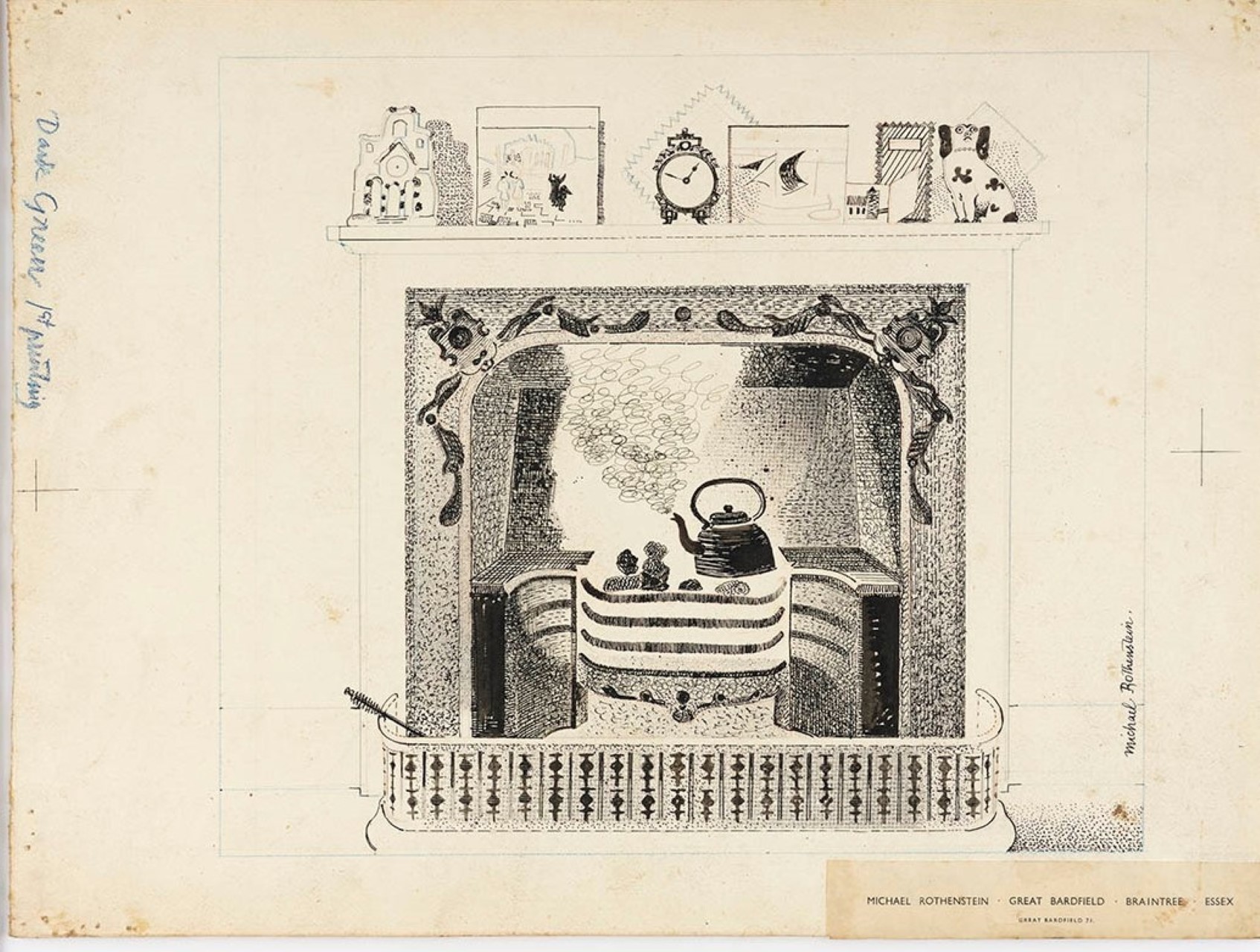
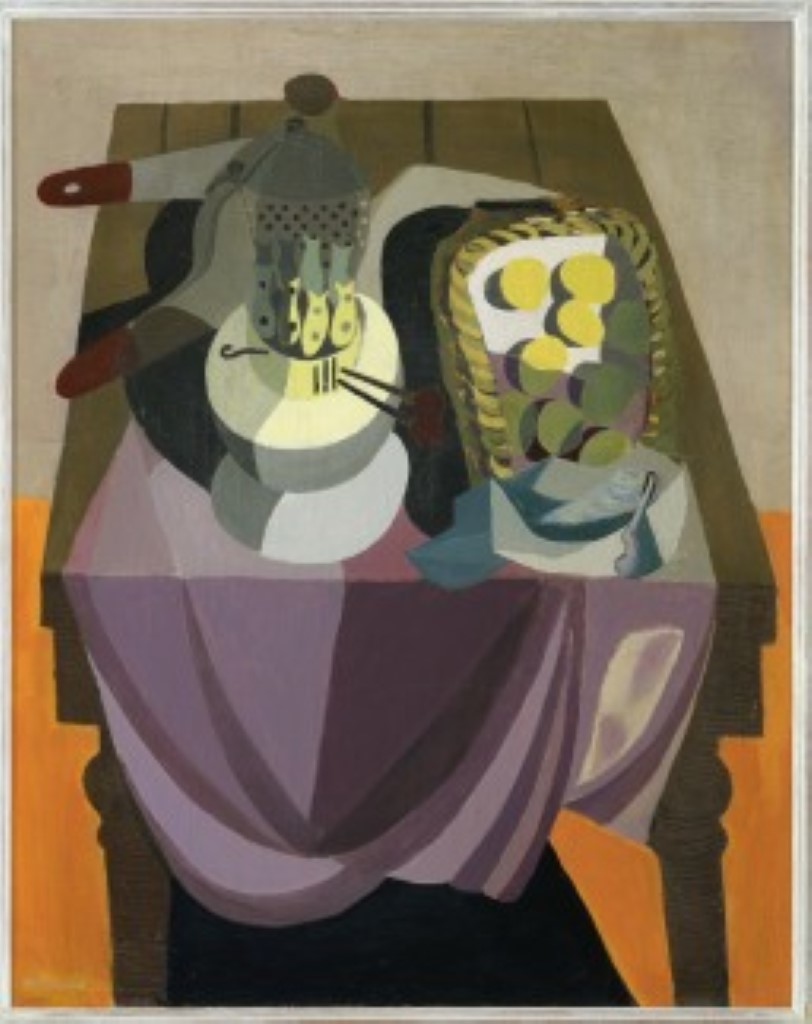
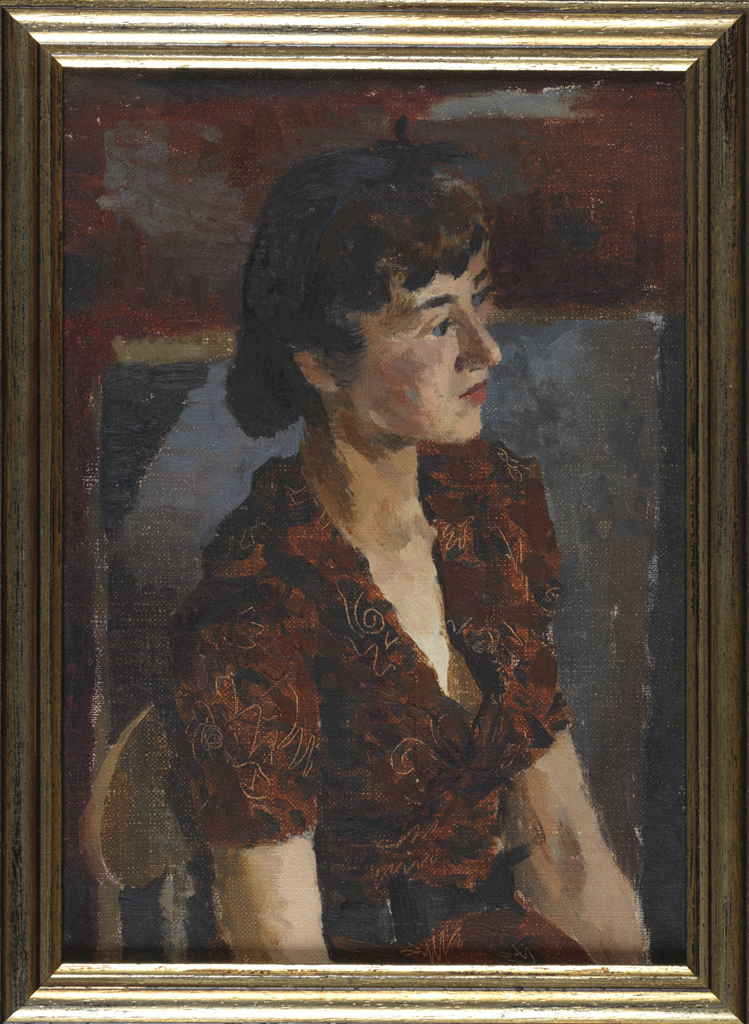
I walked past the castle to the gallery. Saffron Walden is very quaint, but with the heat and the Brompton I wasn’t in a frame of mind to take photos. The gallery is small and filled to the brim with delightful images and objects but after the space of Audley End, it seemed very cramped and the exhibits seemed cosily domestic.
London in the upper twenties is fairly horrible, but nobody forced me to come so I shan’t complain.
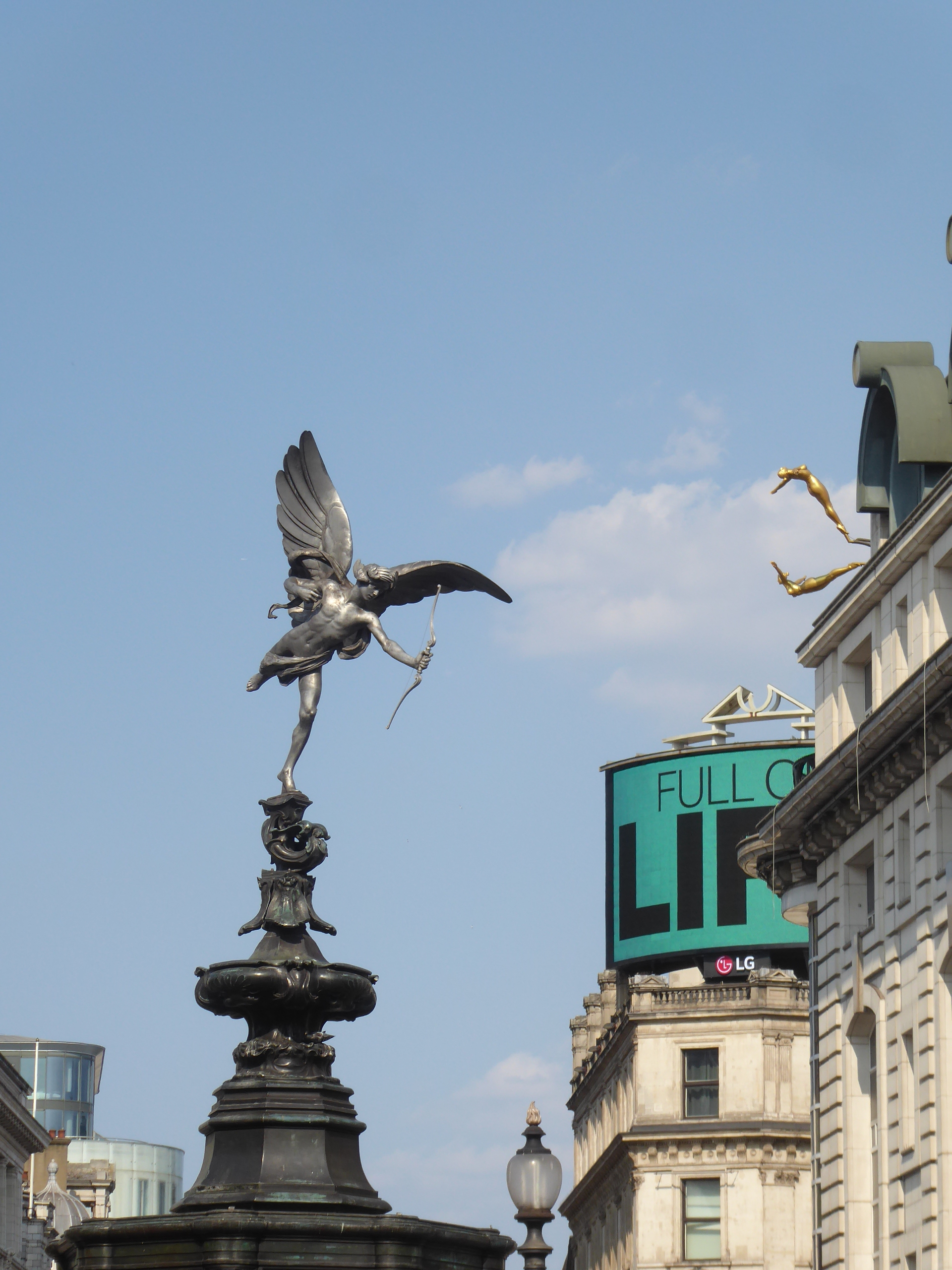
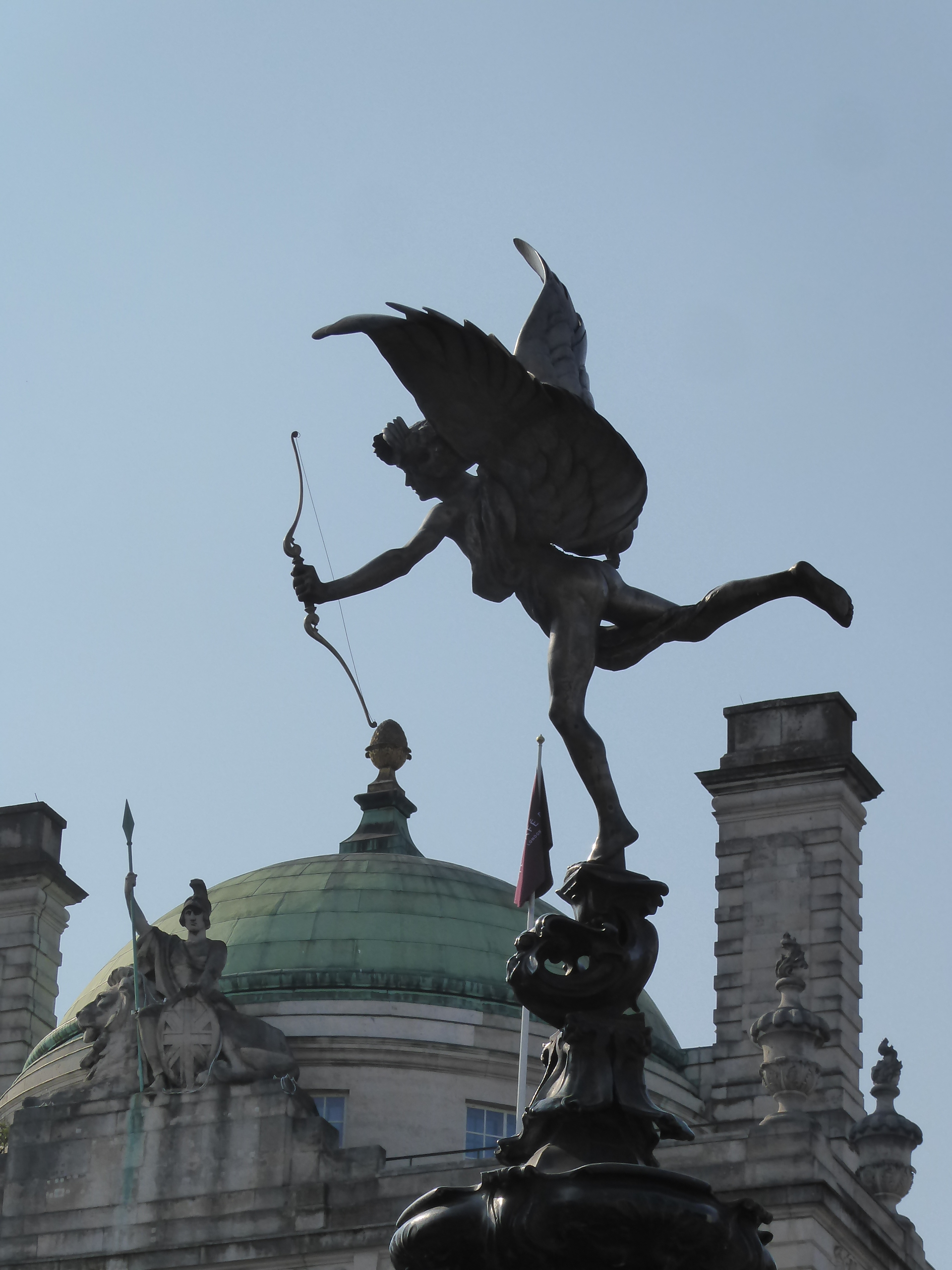
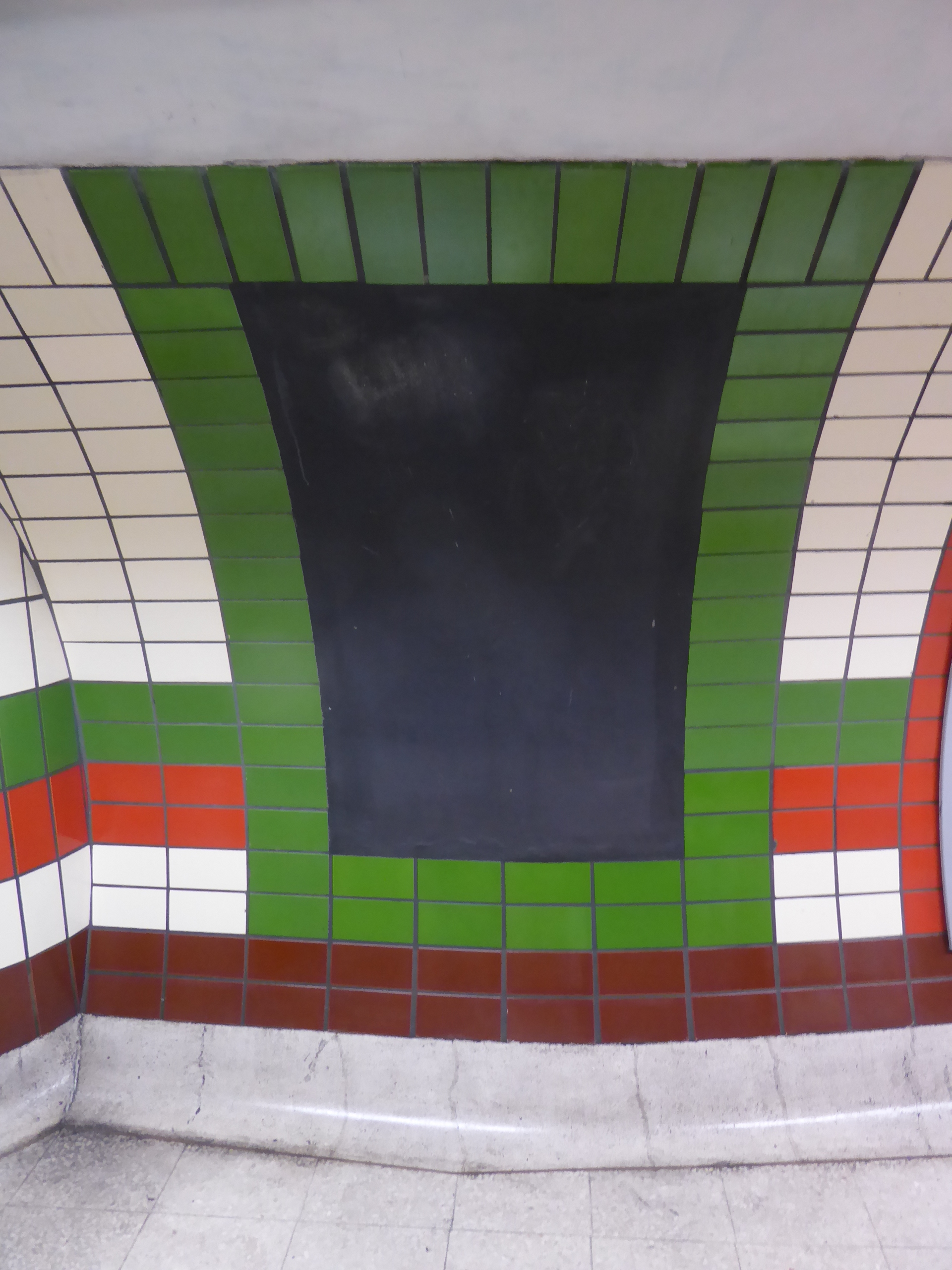
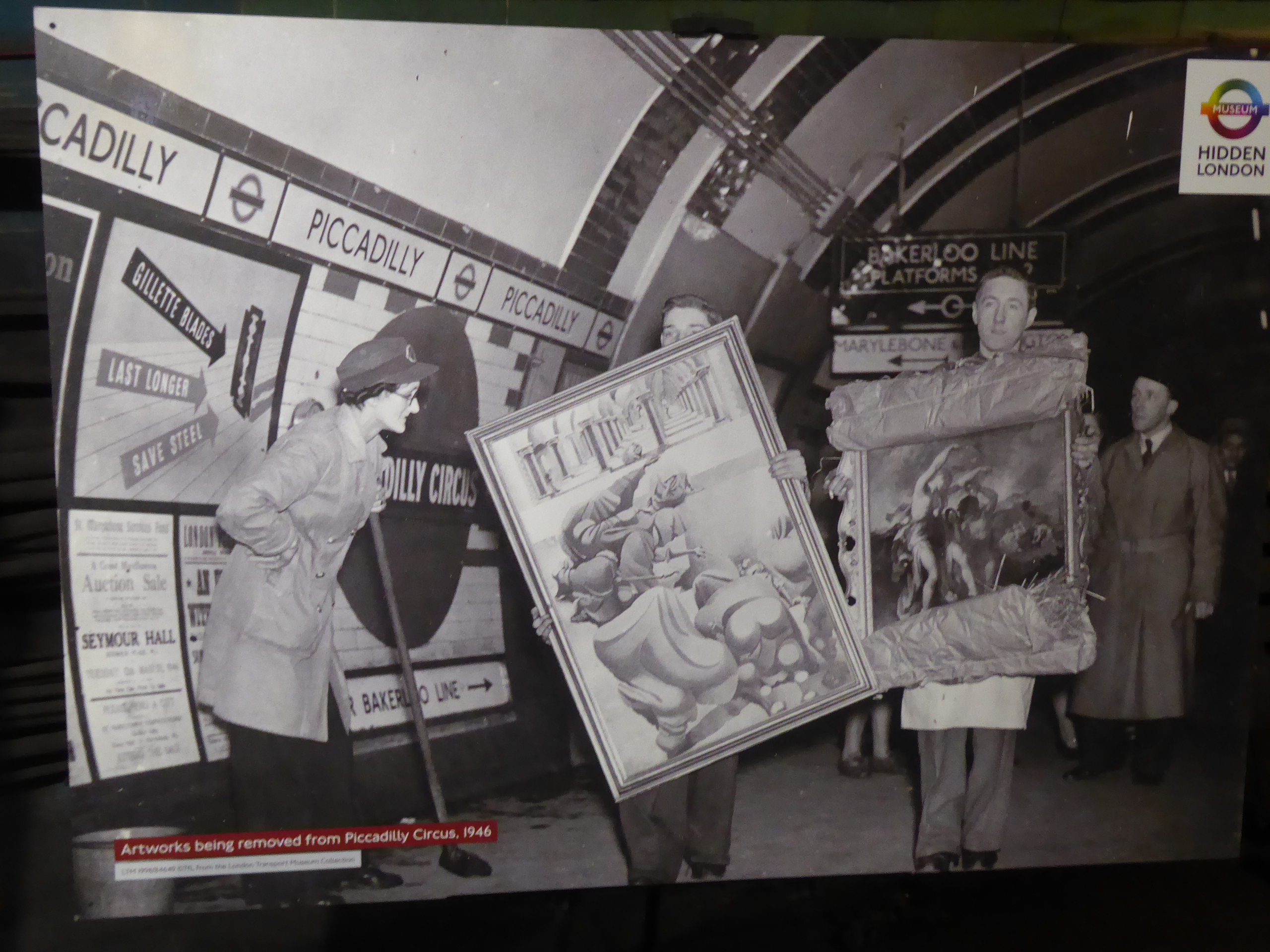
One of the things I decided to do while I am here was take a Hidden London tour of Piccadilly Circus. It wasn’t quite what I expected: I wanted more about the architects and the design and less about the Underground being used as a wartime bomb shelter. However the guides were very good and informative and it gave me the push to find out more. Basically, Piccadilly Circus tube station was designed by Leslie Green – he of the oxblood-red glazed tiles – and opened in 1906. It was served by 8 lifts, but it was quickly discovered they could not cope with the increasing number of people using the station so it was redesigned to accommodate escalators. Charles Holden was commissioned by Frank Pick; the new station opened in 1928. The circular booking hall was below a vast steel roof that took the weight of all the traffic above. No expense had been spared: Travertine marble and scagliola columns. Despite the closure of so many of the little shops in the hall and modern changes, it’s still impressive.
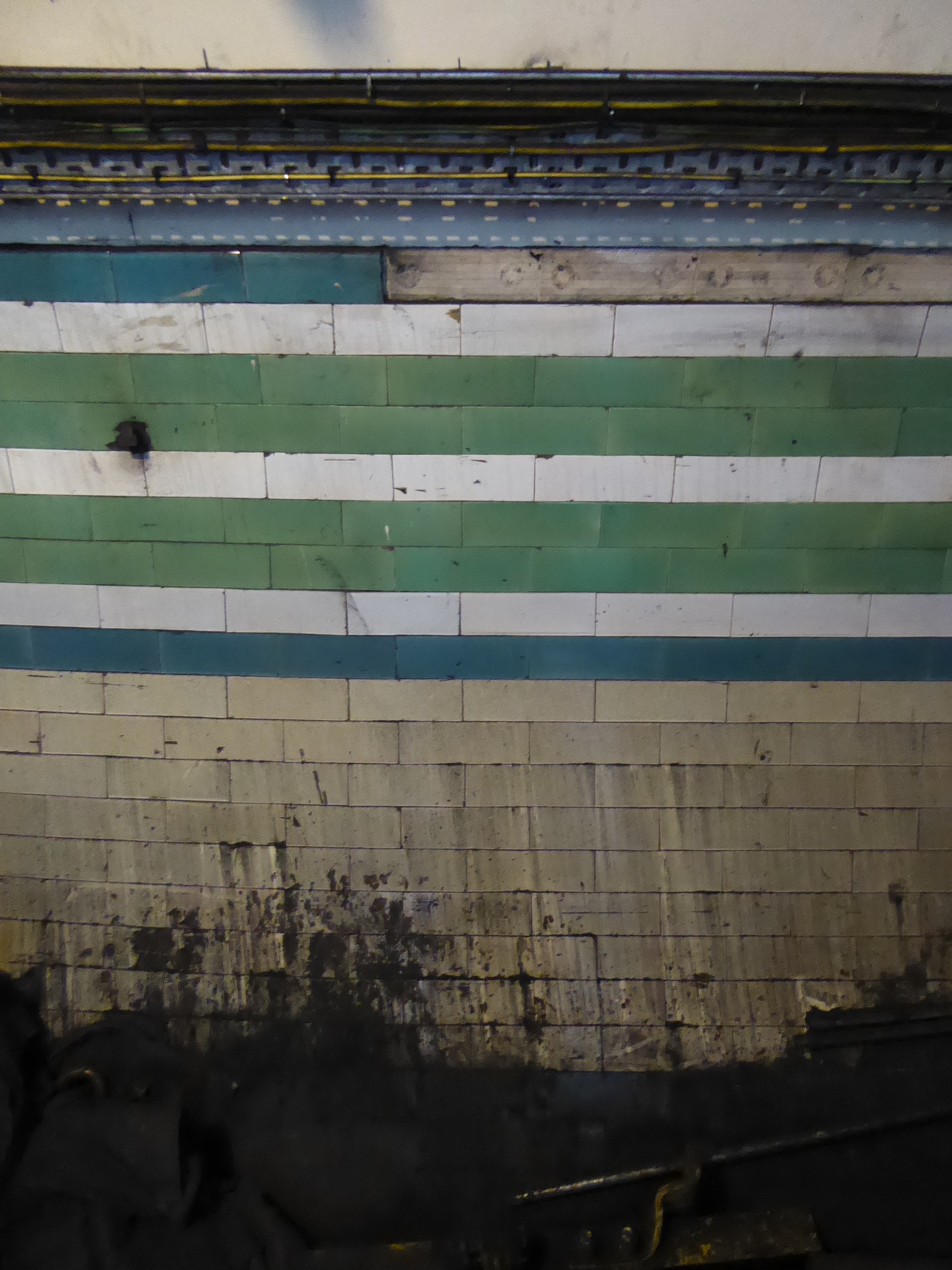
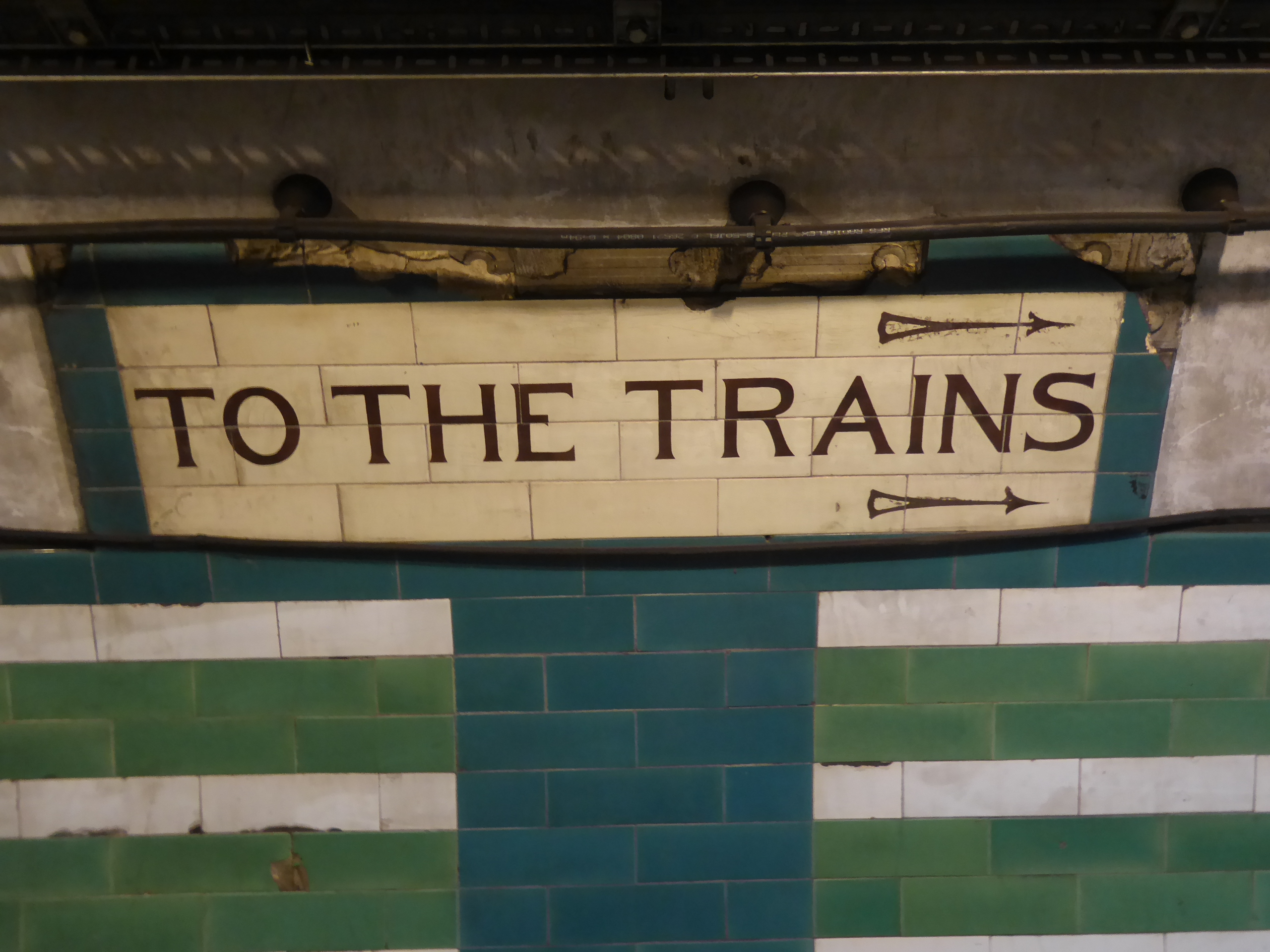
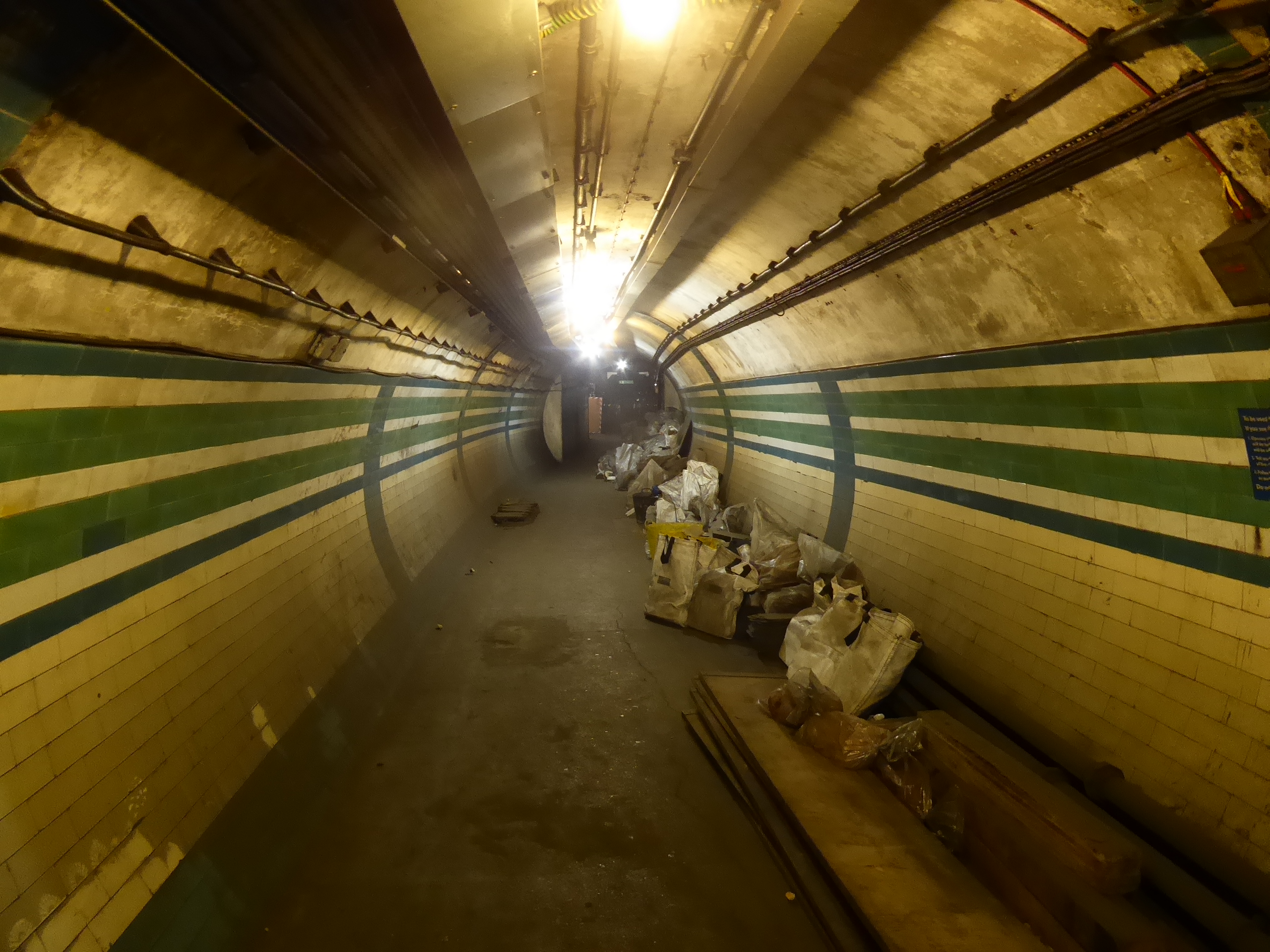
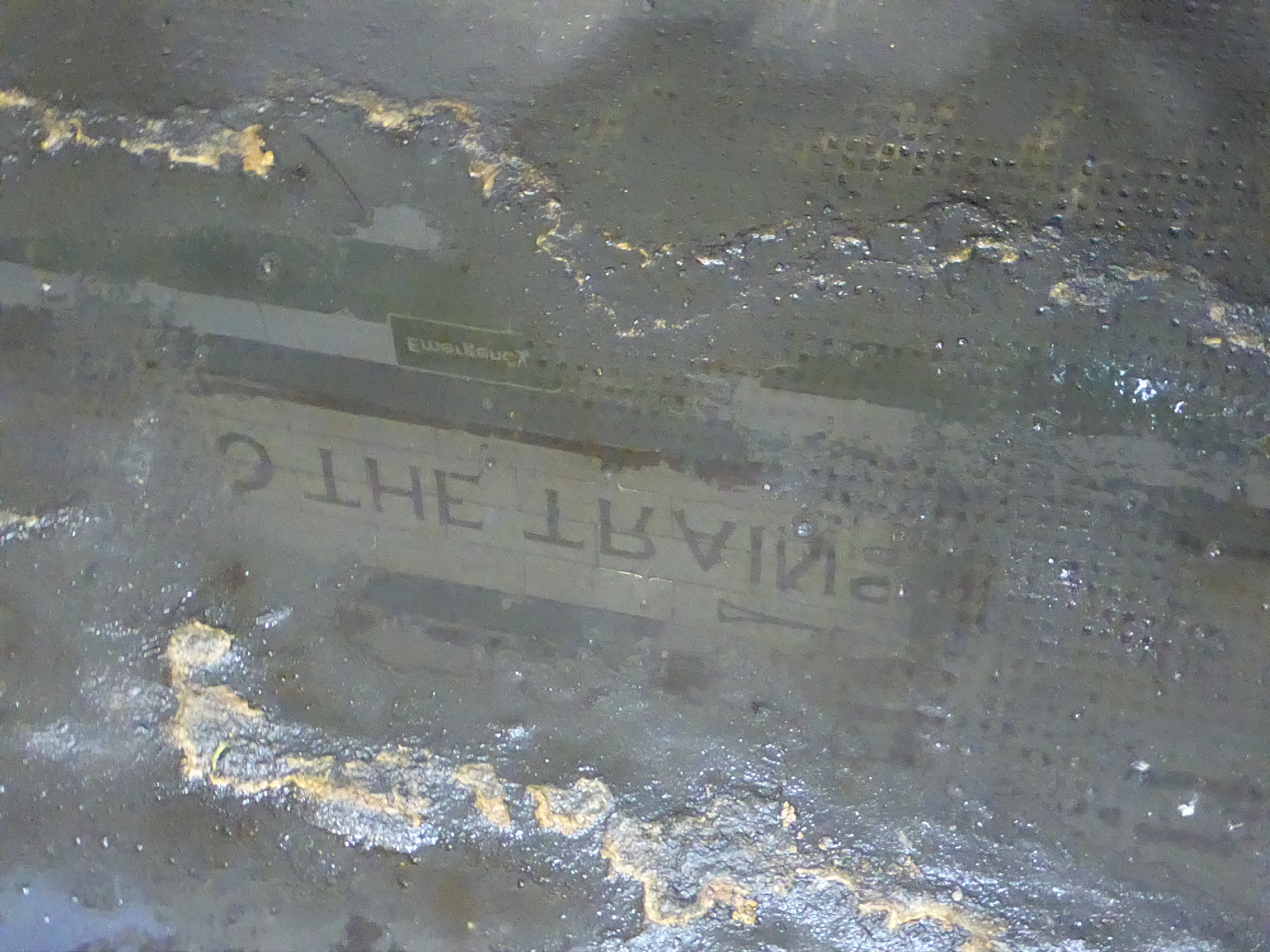
We were taken through disused tunnels serving the defunct lift shafts – authentic and dirty, with traces of Green’s original tiles and signs. The gentle shades made the modern tiling look horribly garish. The thought of crowded humanity sheltering in the tunnels during wartime nights was chastening. Artworks were also stored in the tunnels: one of the paintings in the photograph of artworks being taken out of storage was by Edward Burra; I was thinking of going to see the current exhibition of his work.
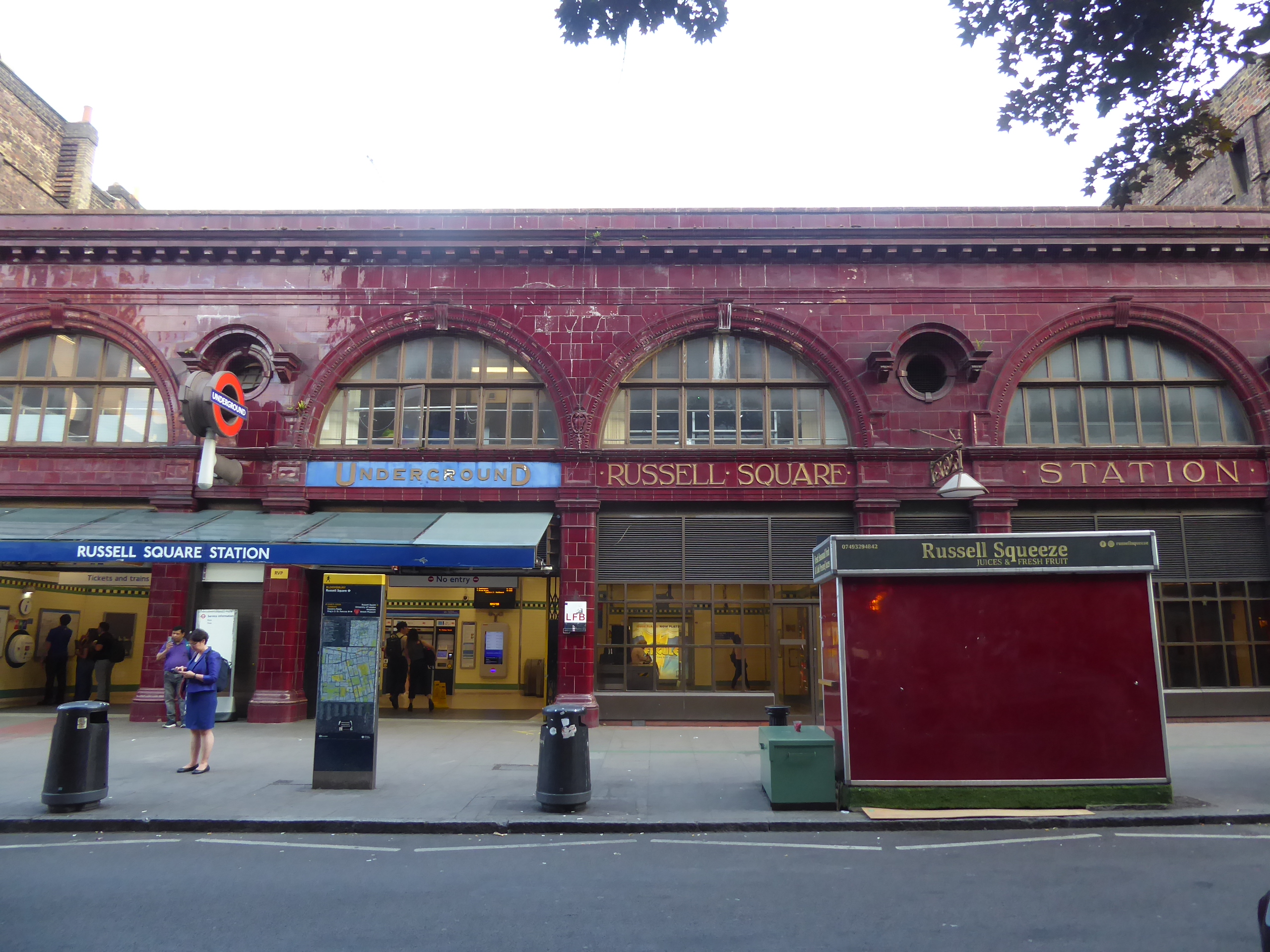
On my way back, I stopped at another of Green’s stations: Russell Square.
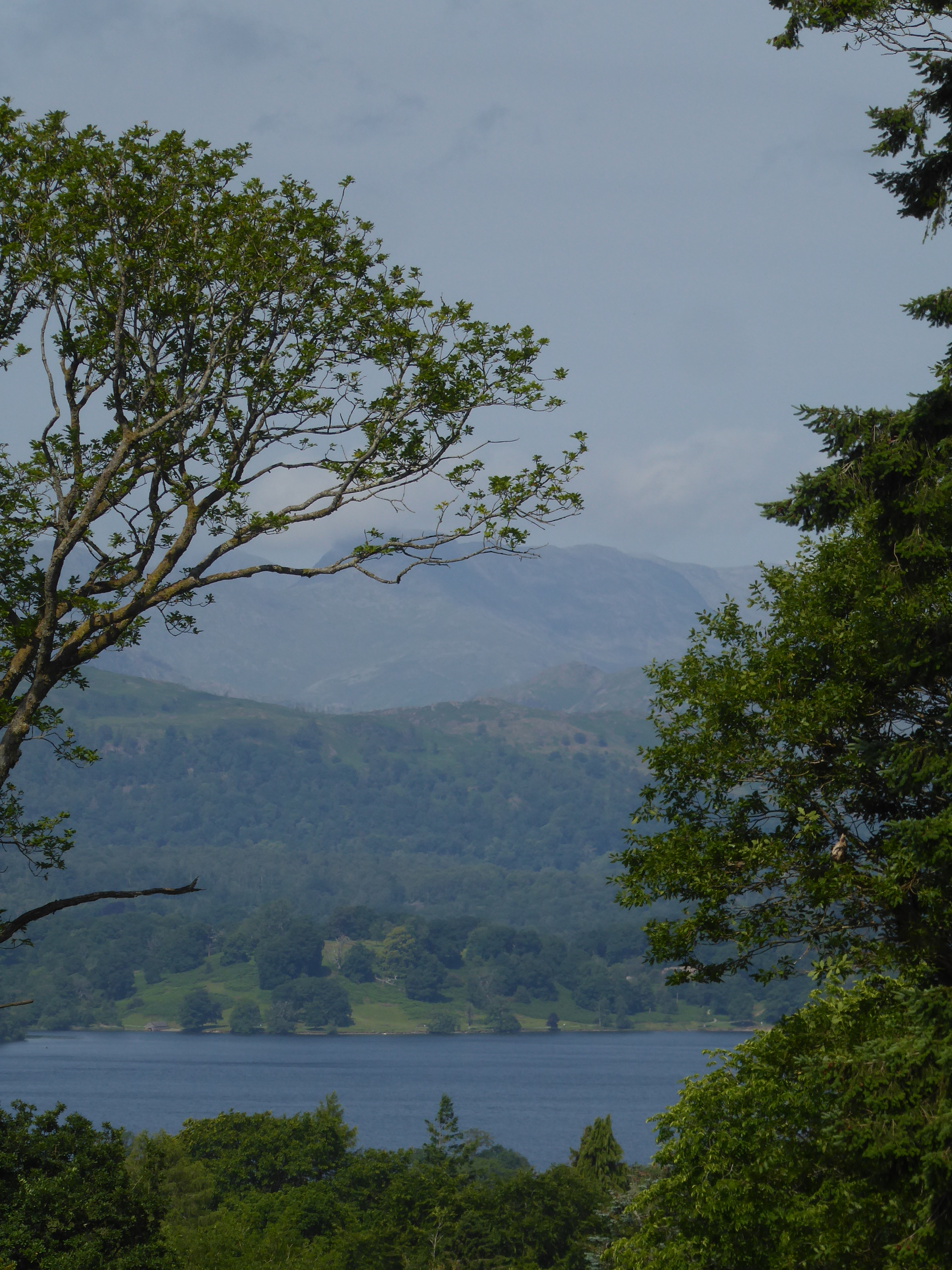
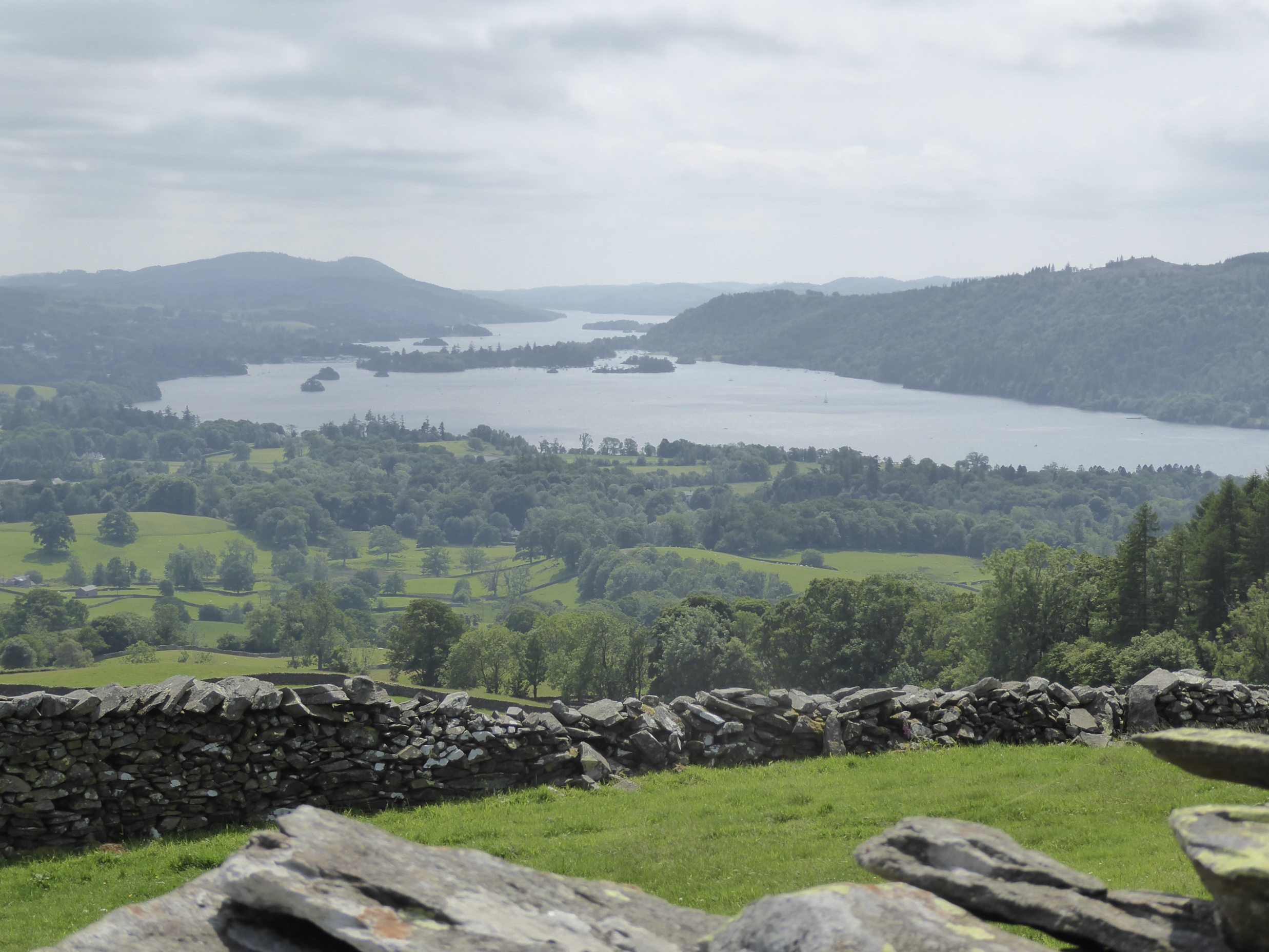
A beautiful day for a walk from Windermere to Ambleside.
I caught the train from Leeds to Ilkley to walk over the moor. I definitely needed a hat – it was hot and sunny, and on such a day the moor seemed entirely benign. Even (whisper it) a bit dull, which was fine by unadventurous me: fairly featureless and the paths were wide and even paved at times. Grouse shooting is no longer permitted on Ilkley Moor, but it’s different on the southern side, so the paths were even wider. Finding my way was both simple and tricky: paths are clear but unsigned and there are quite a few of them.
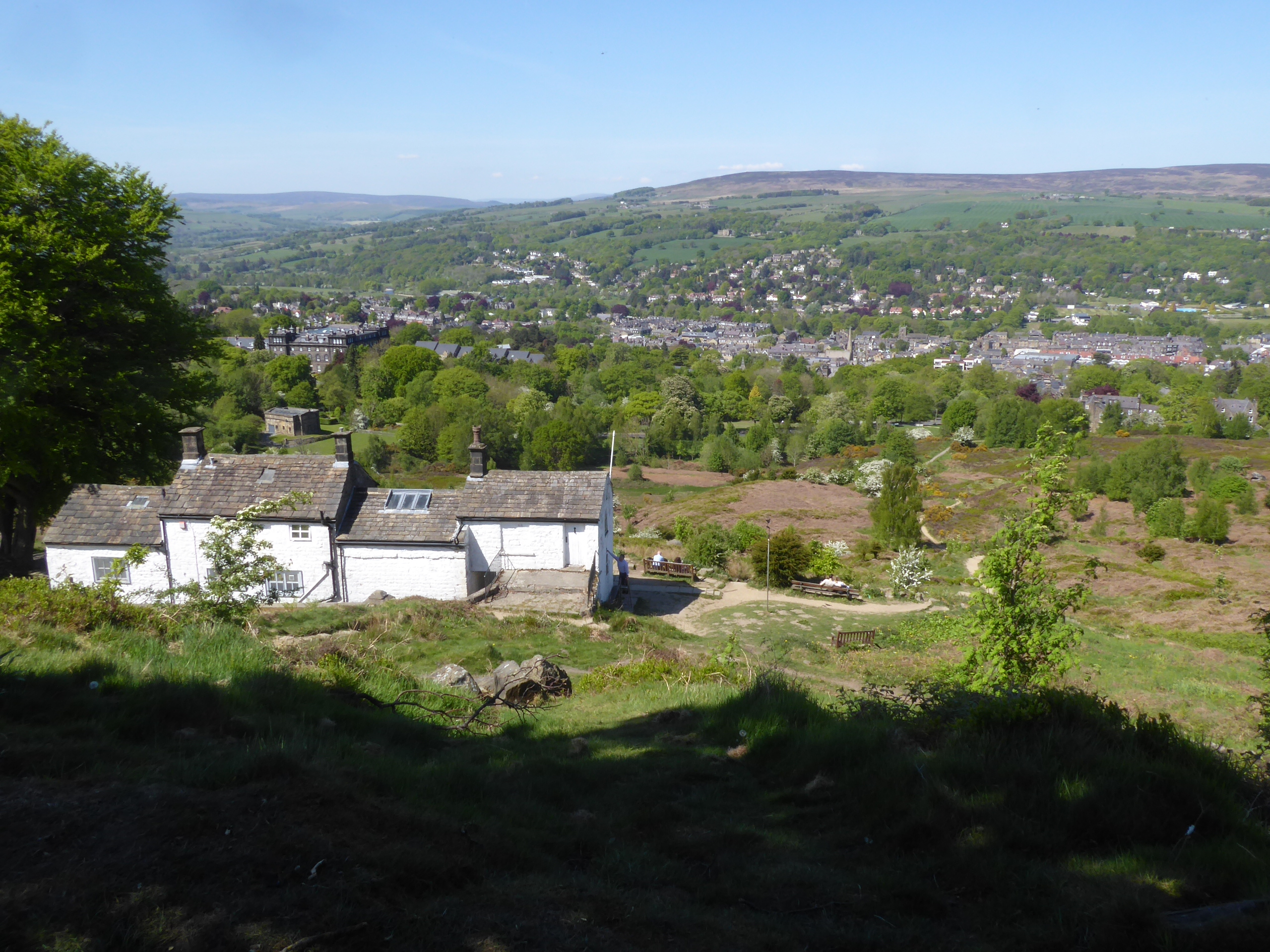
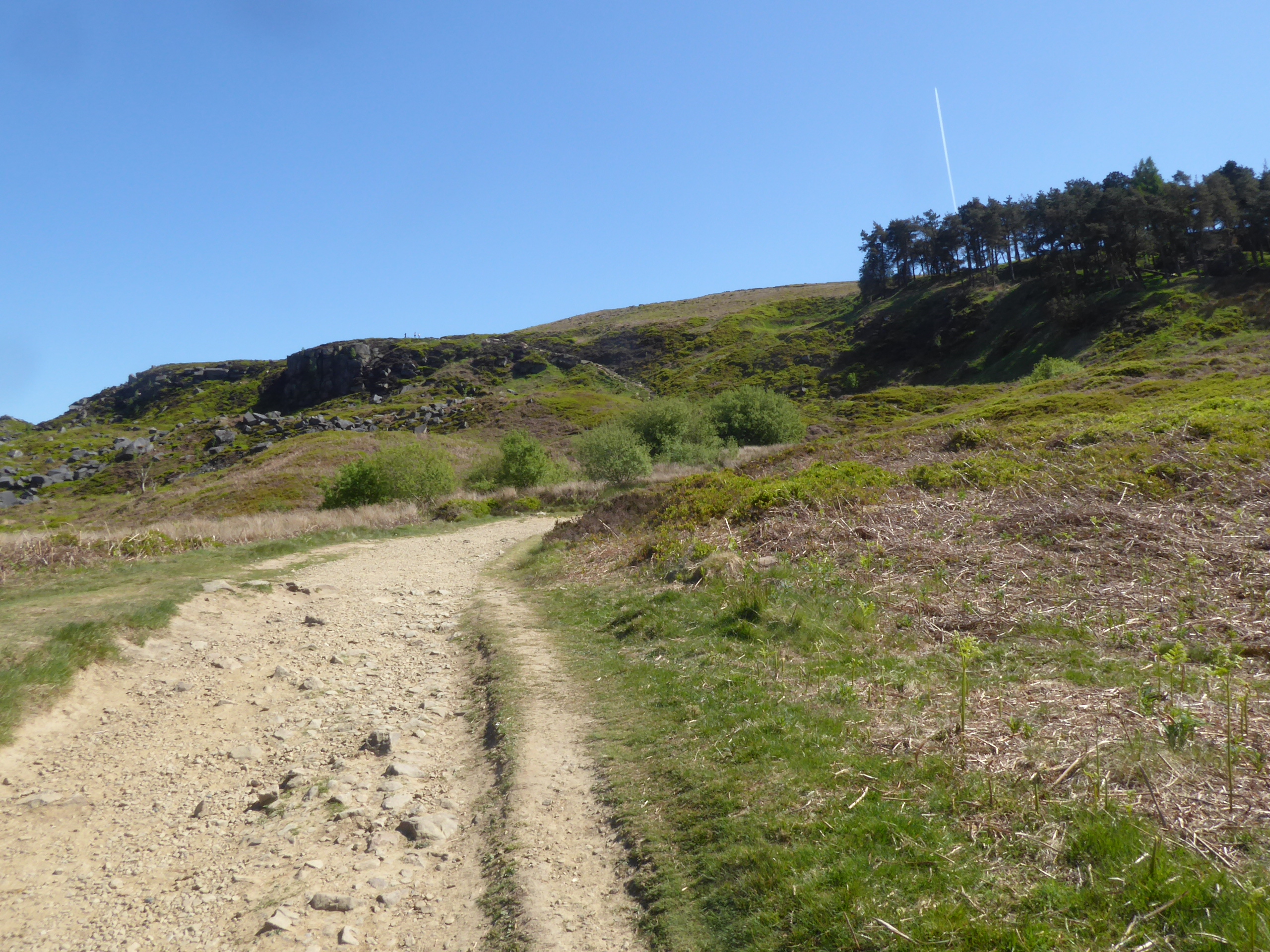
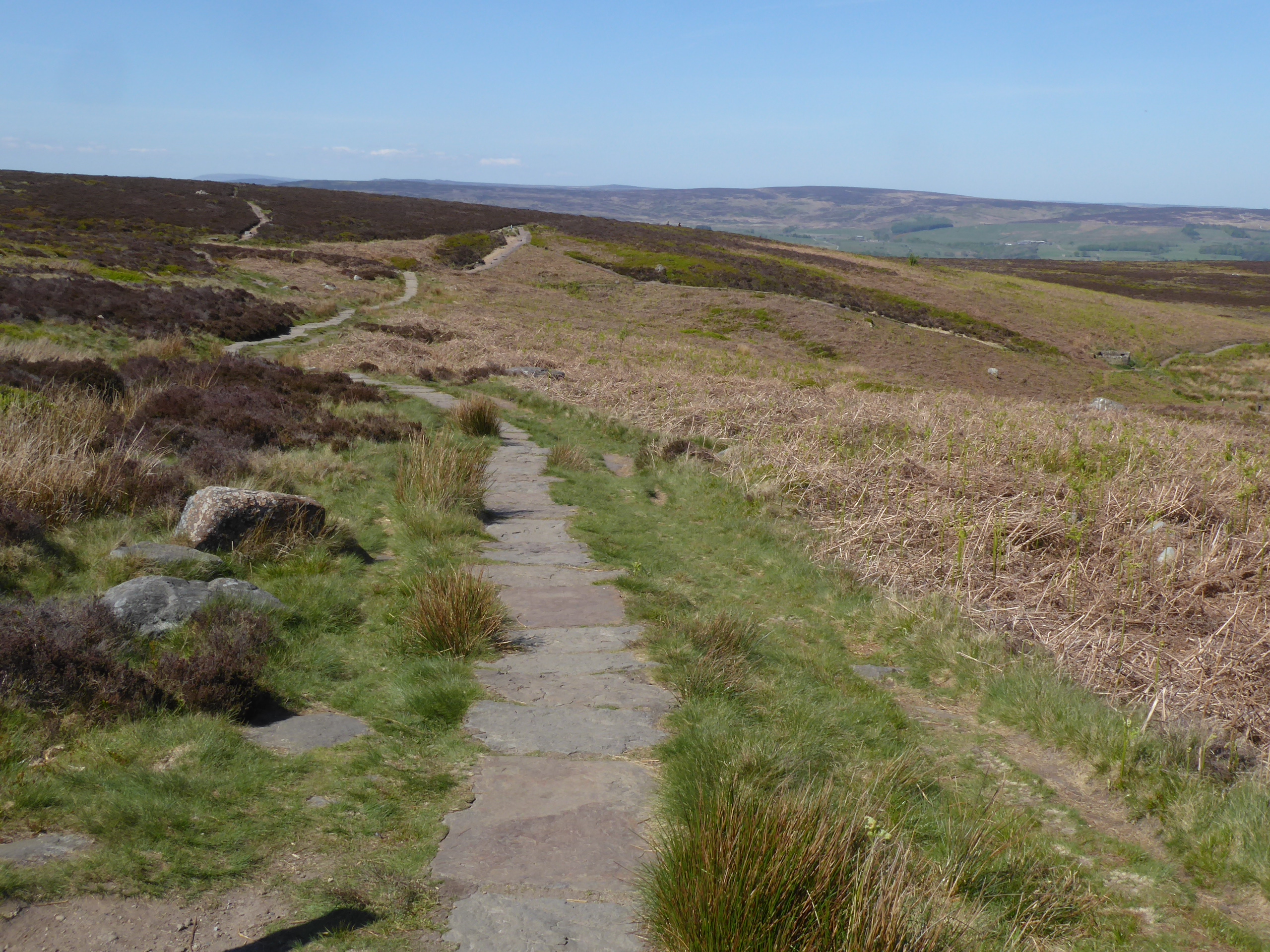
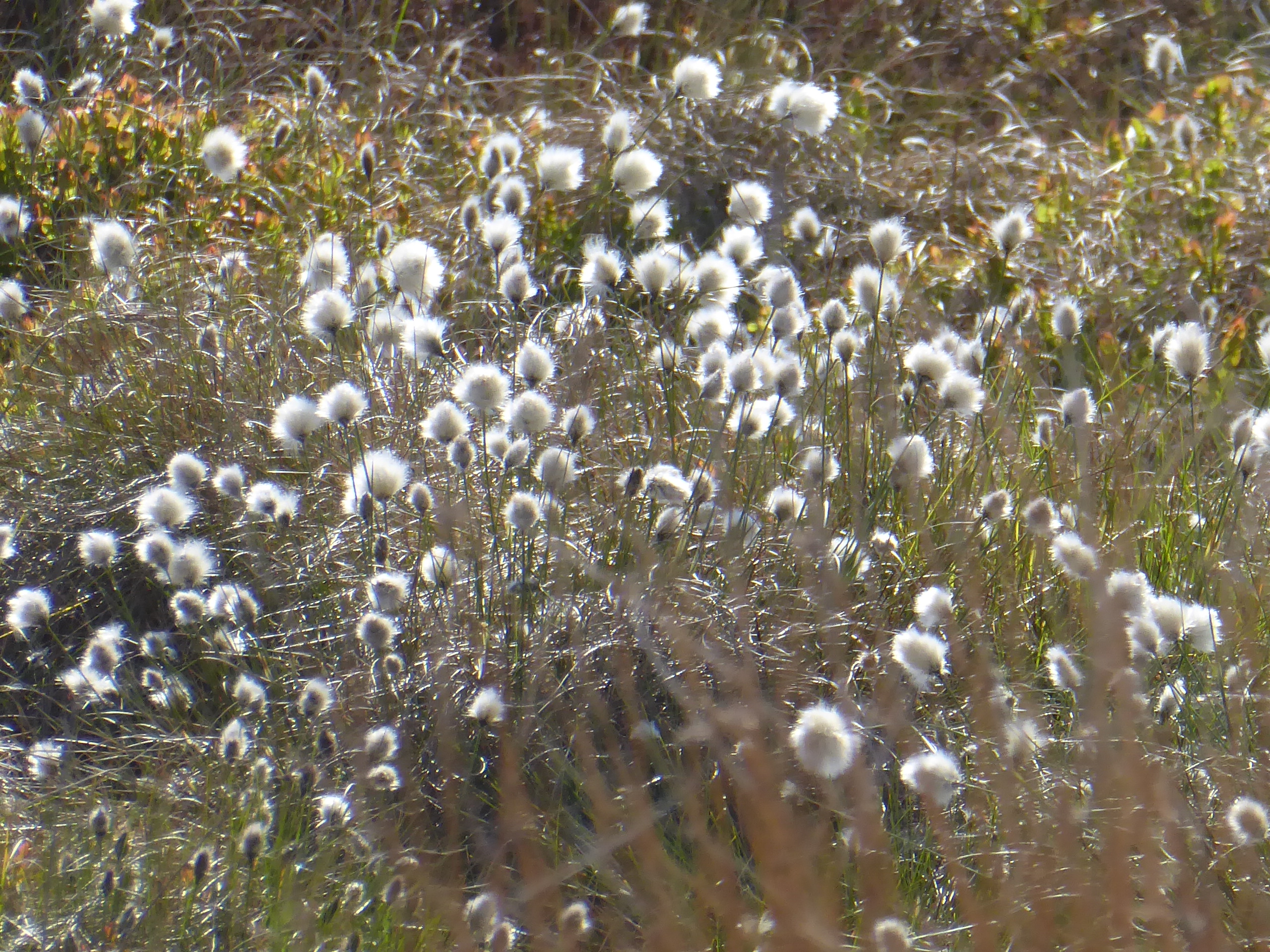
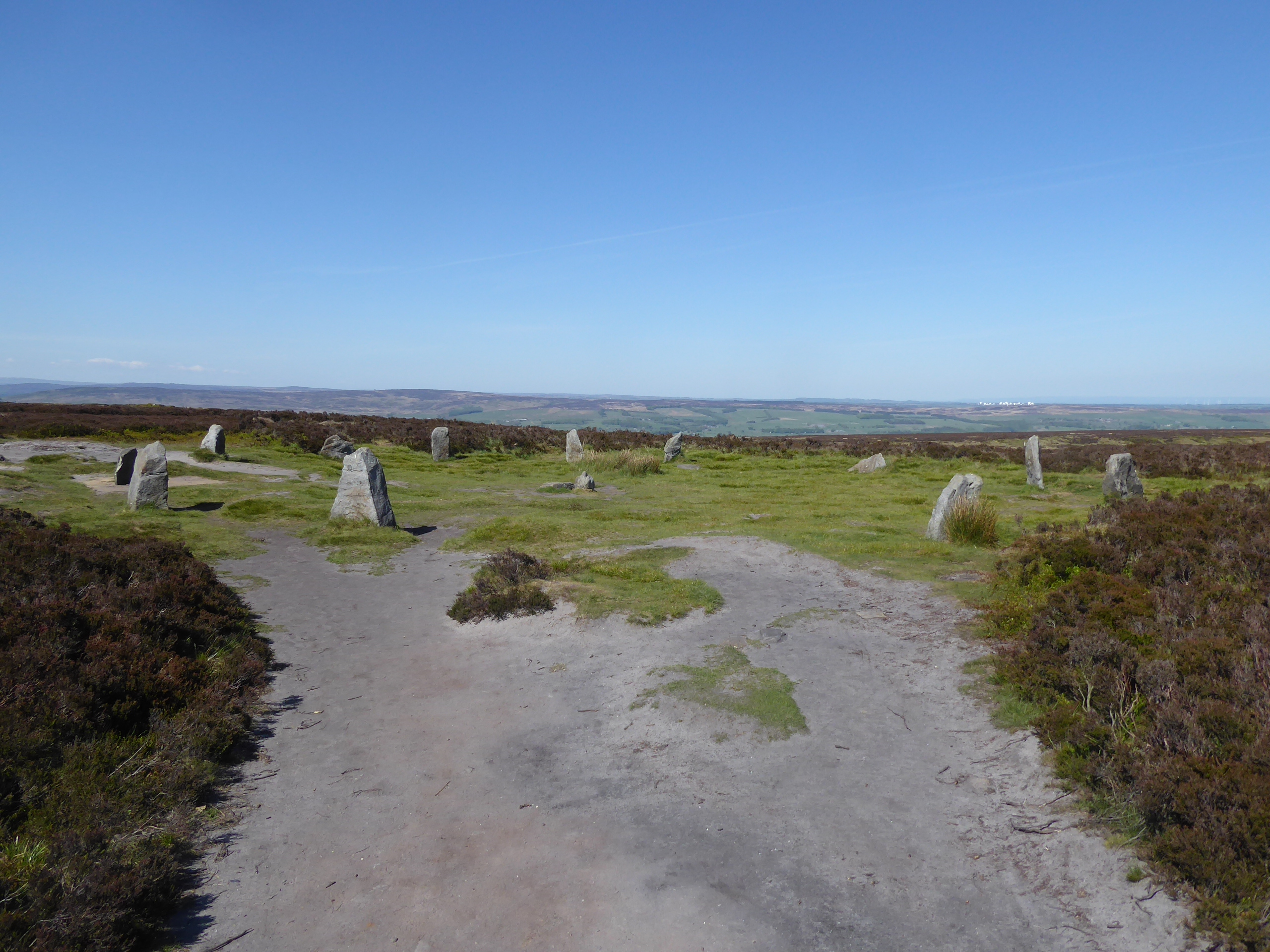
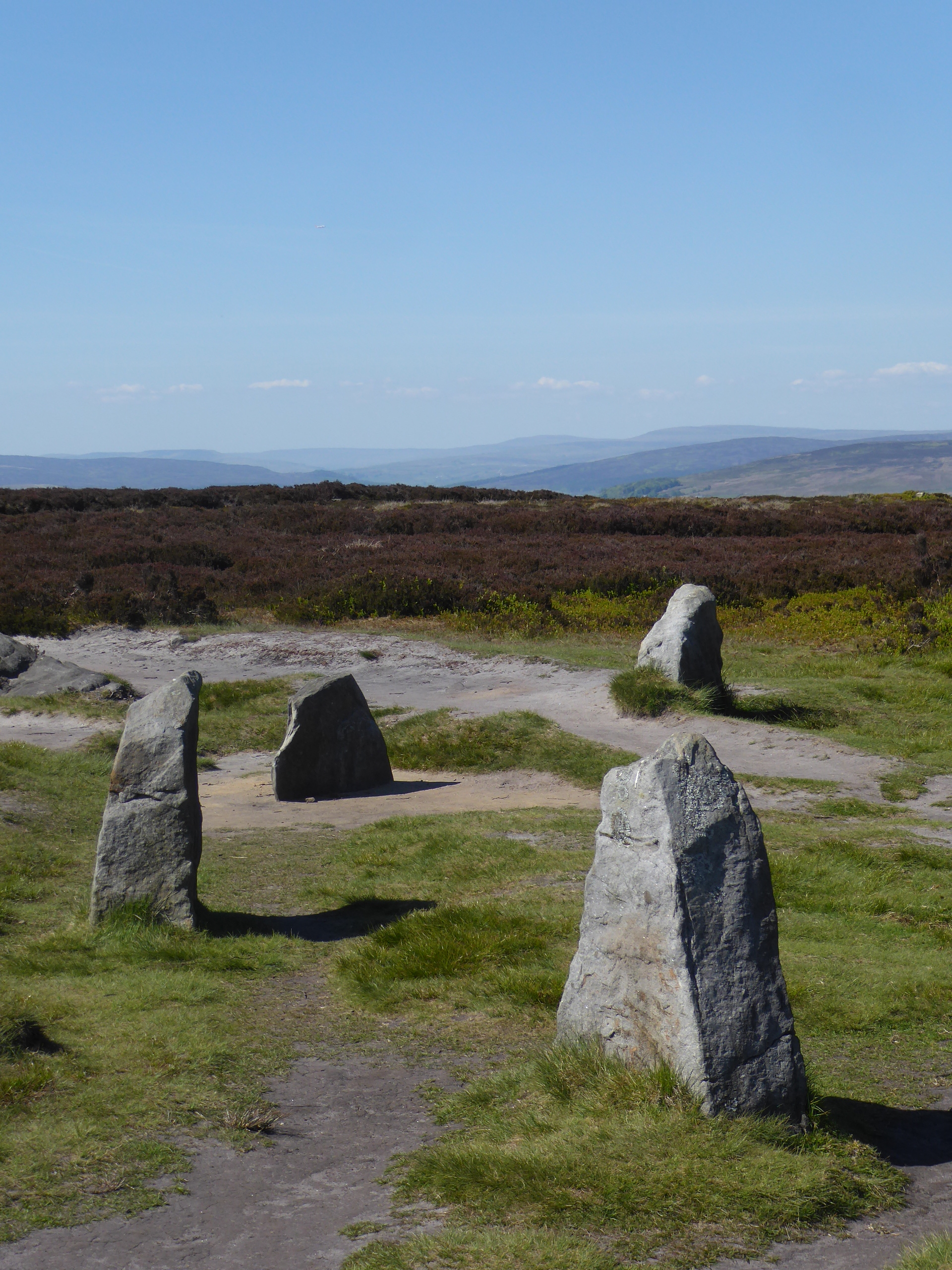
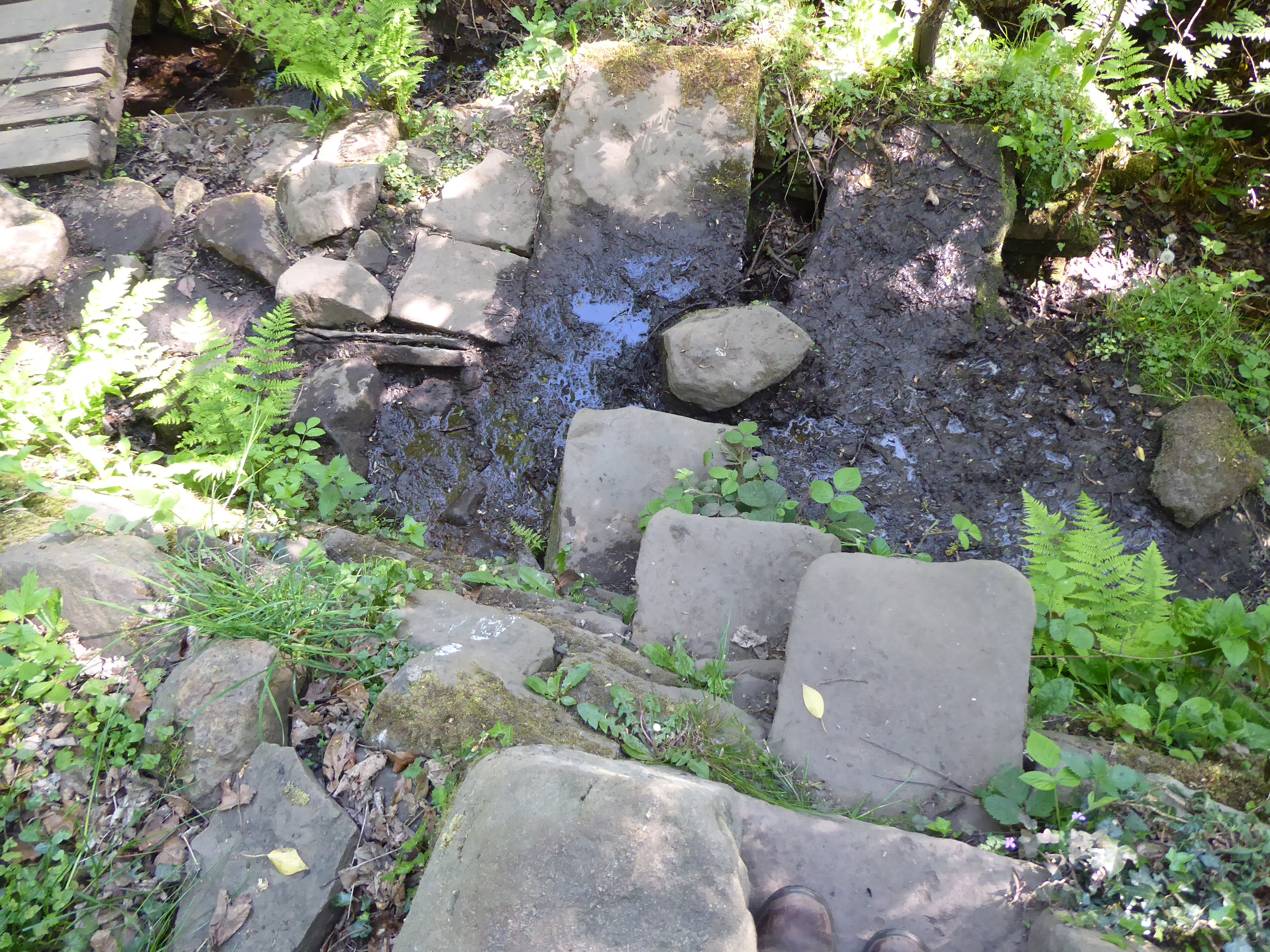
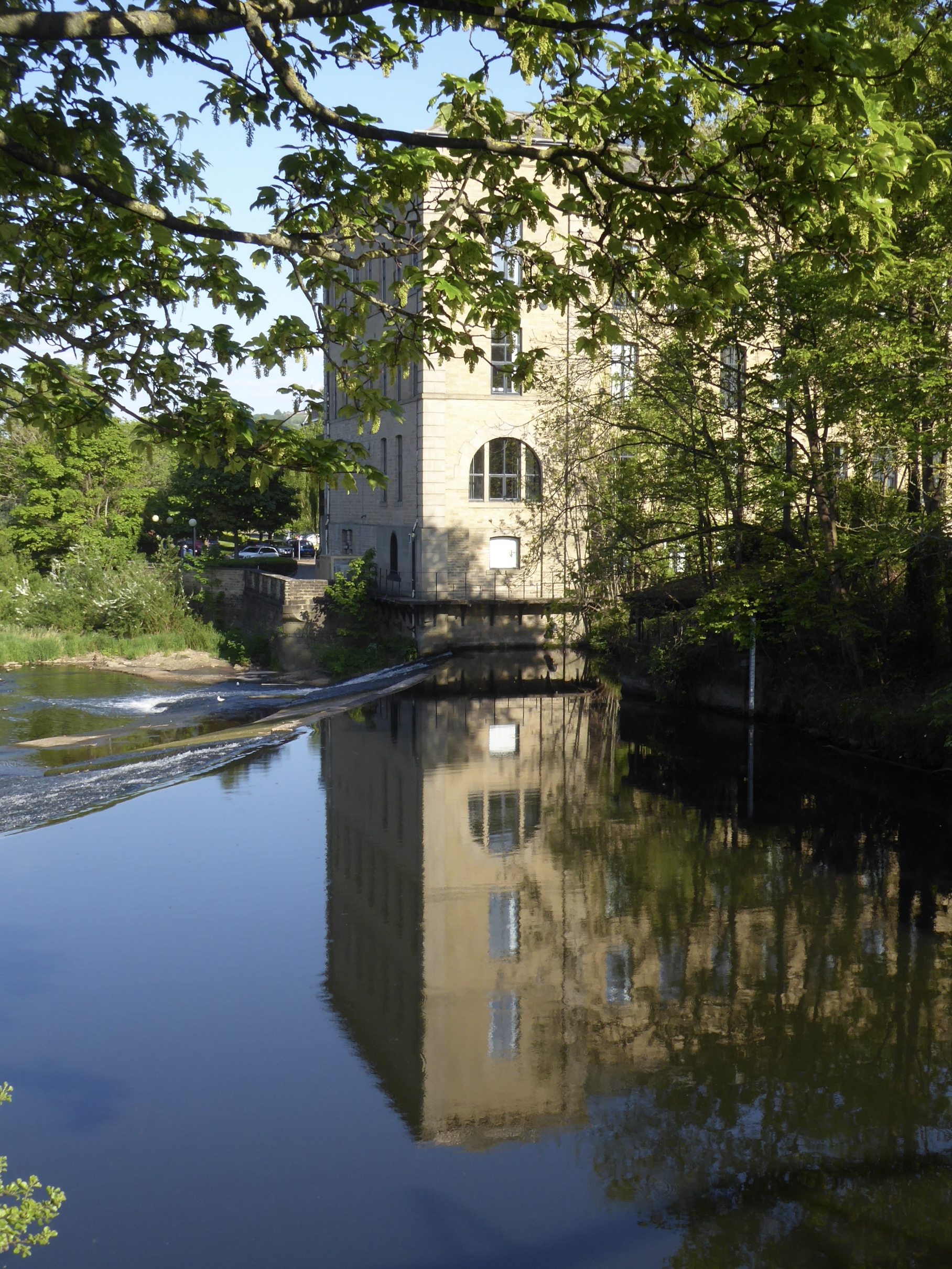
I continued south to the River Aire and Saltaire railway station. In the late afternoon sunshine there was a Yorkshire version of the passegieta in the park and around the cricket field.
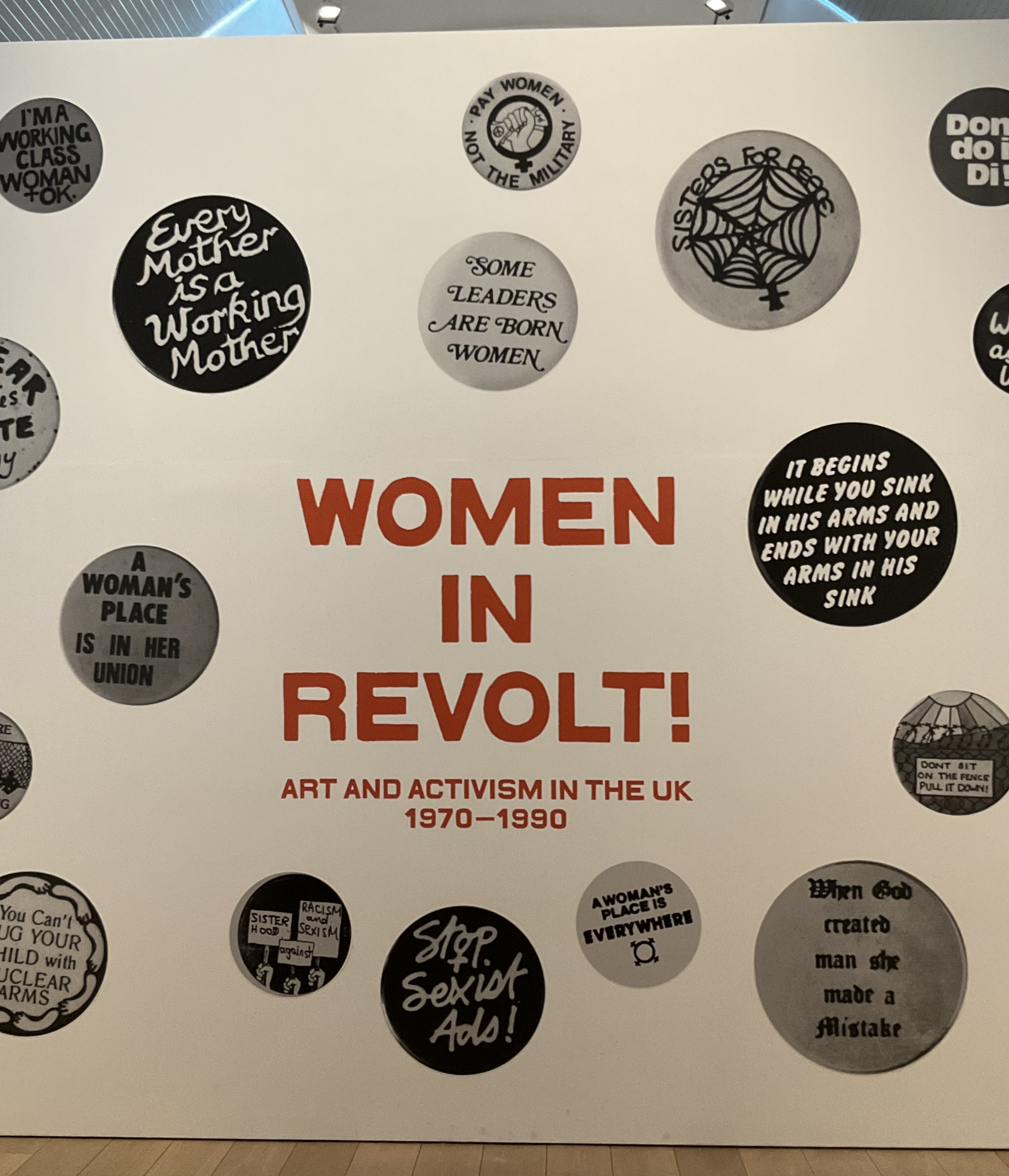
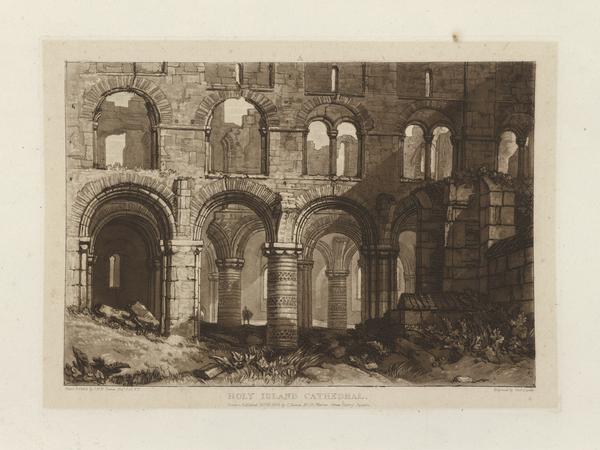
I was in Manchester for the day and went to the Whitworth Gallery and thus saw two contrasting exhibitions. One was Women in Revolt, which I found interesting – probably not entirely for the expected reasons. Since I do recall the 1970s and 1980s, many of the events and social attitudes were familiar to me. The artwork was punchy rather than classy – reflecting the anger of that time and the everyday media that the artists/activists used (e.g. collage, fabric). At this remove it’s easy to forget how outlandish some of the demands for female equality seemed at the time to “ordinary people” – equal pay, professional opportunities, childcare, the assumption of being taken seriously. My aunts, for example, were ambivalent to, if not dismissive of, female equality. How far we have come! No, what did catch my attention was a film of ordinary women in the street, accosted by a male television journalist and asked what problems they encountered as women in the 1970s. It was almost a Socratic dialogue: he hectoring and various shes pondering his questions, totally media-unsavvy, and giving hesitant answers about things they perhaps hadn’t considered before. There was a polite bewilderment at being asked to examine their lives, rather than the redundant-heavy easy flow of words that a vox pop today might elicit. The exhibition assumed a natural relationship between 1970s feminism and other progressive attitudes – the relationship not embraced by women in power at that time like Margaret Thatcher.
And then Turner’s prints. The Whitworth had emptied all its shelves and backs of cupboards for this. They were rather lovely, and I was impressed by the quality of the mezzotints. A very different experience.
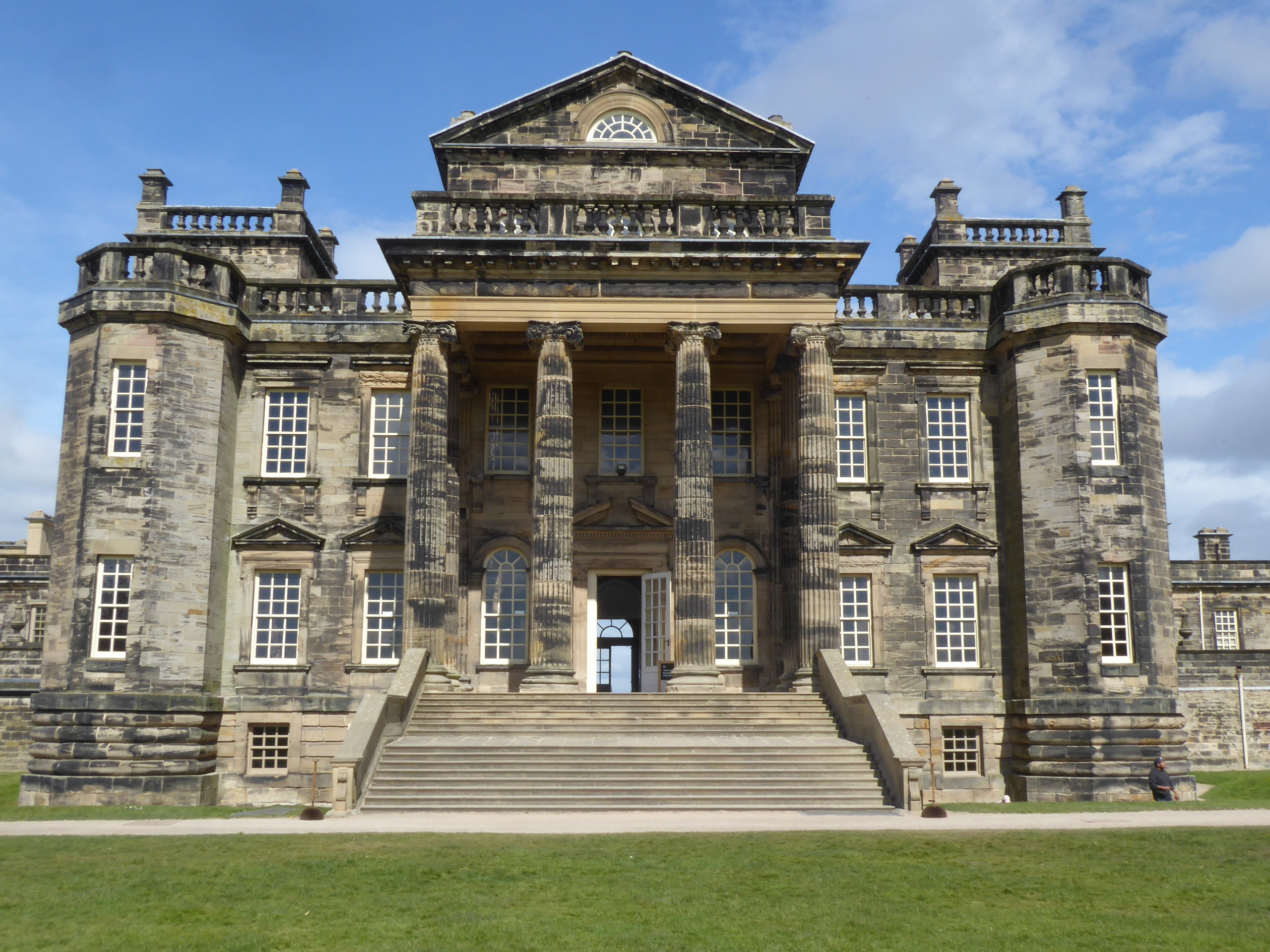
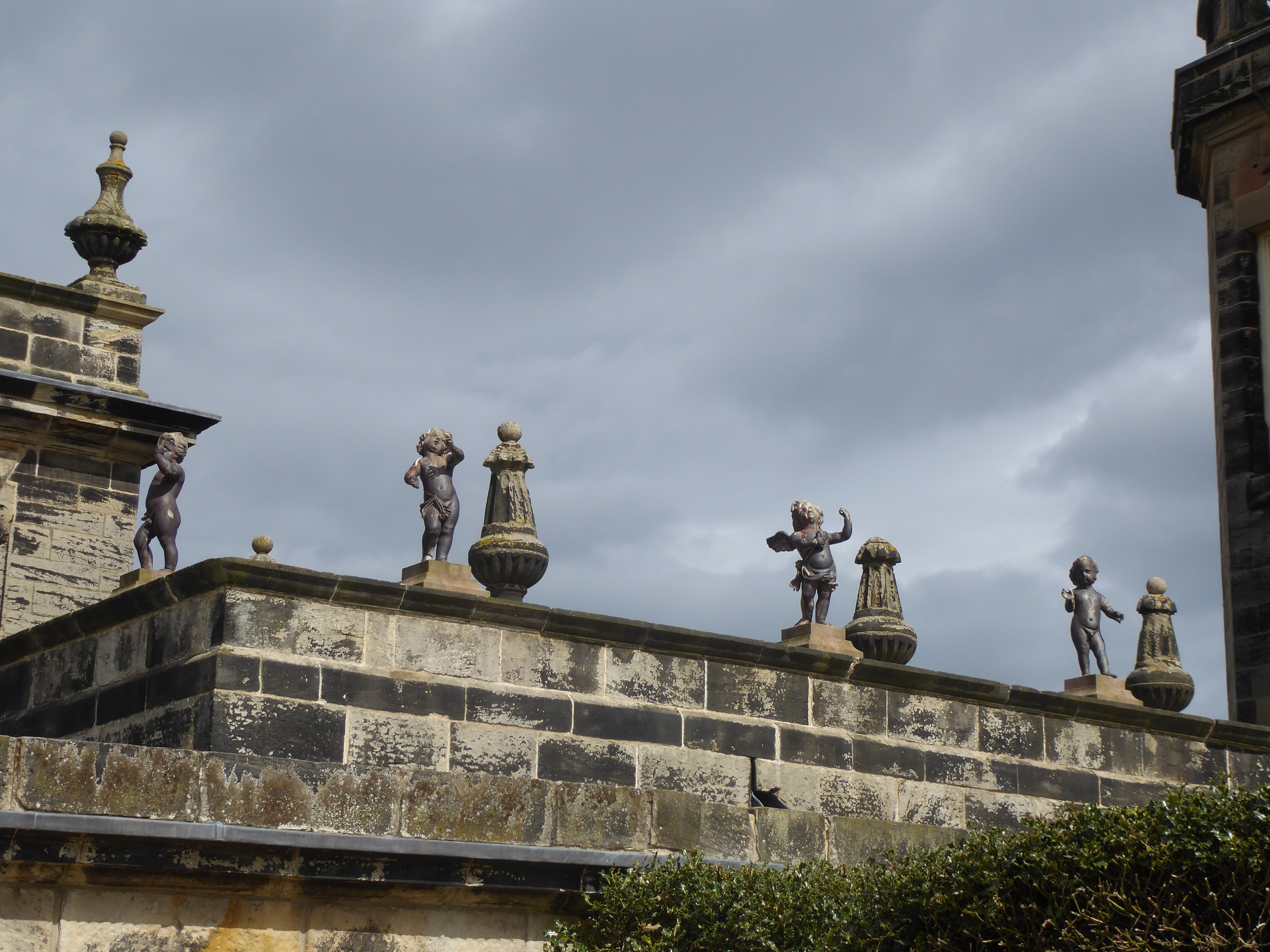
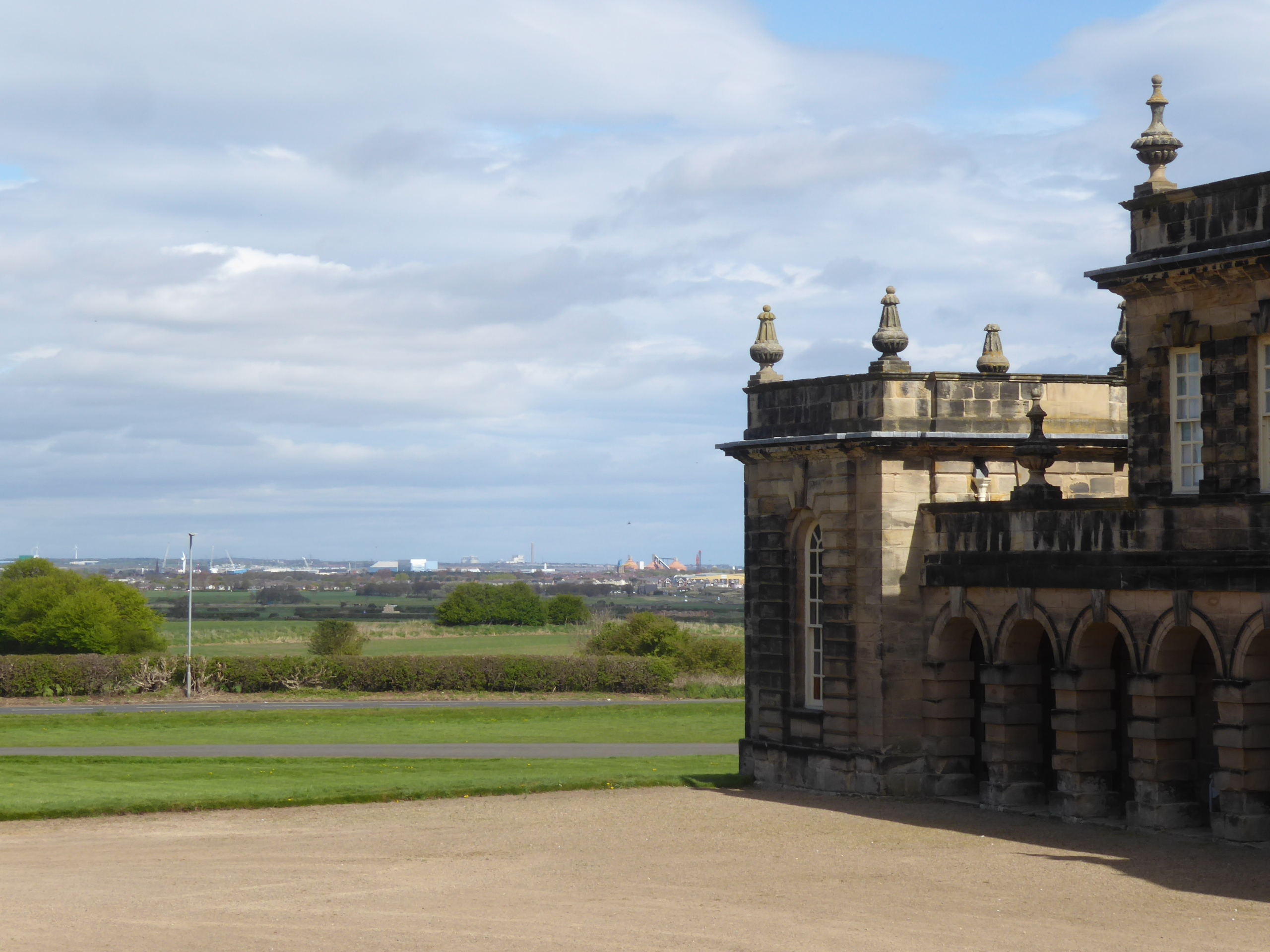
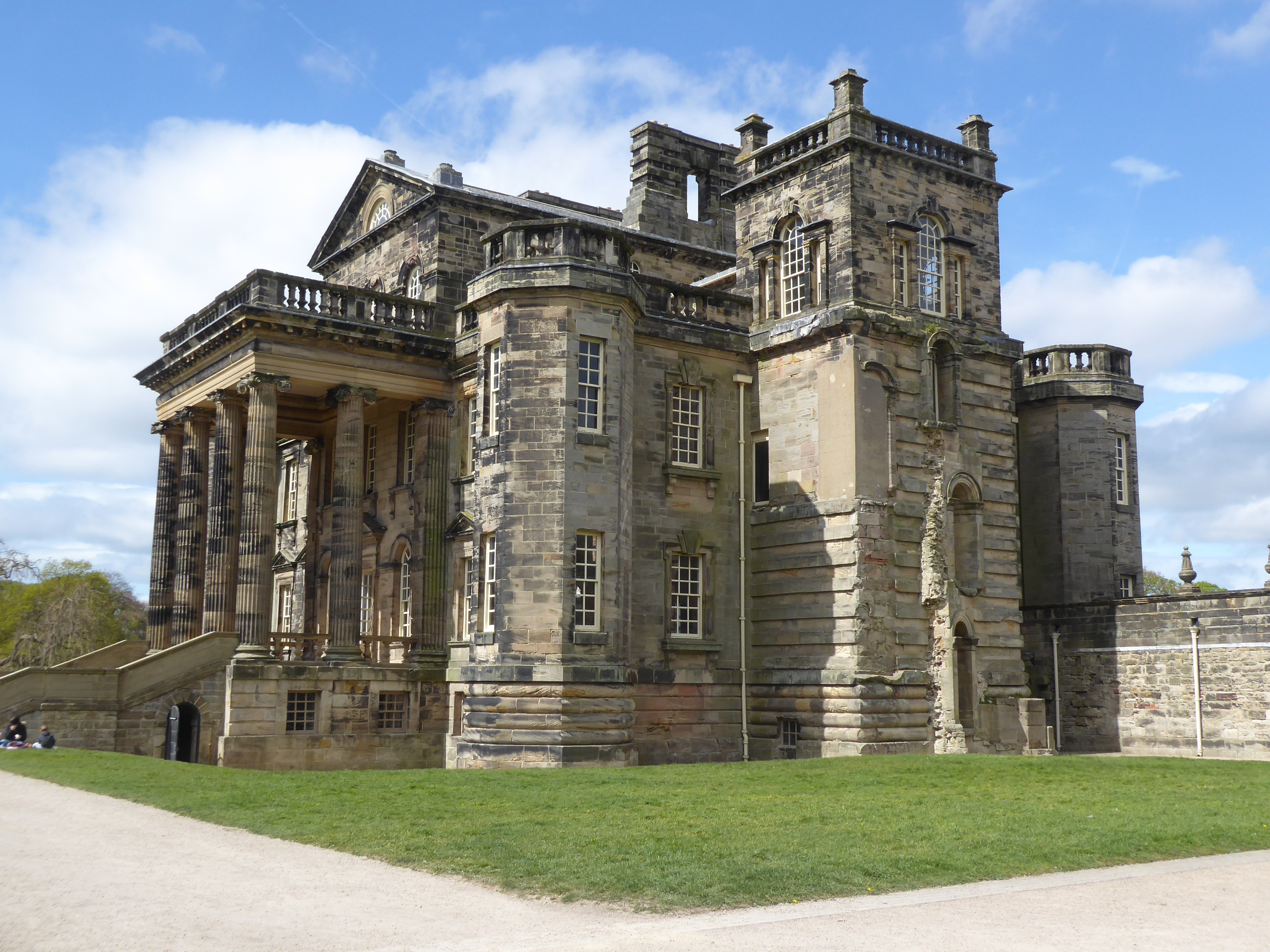
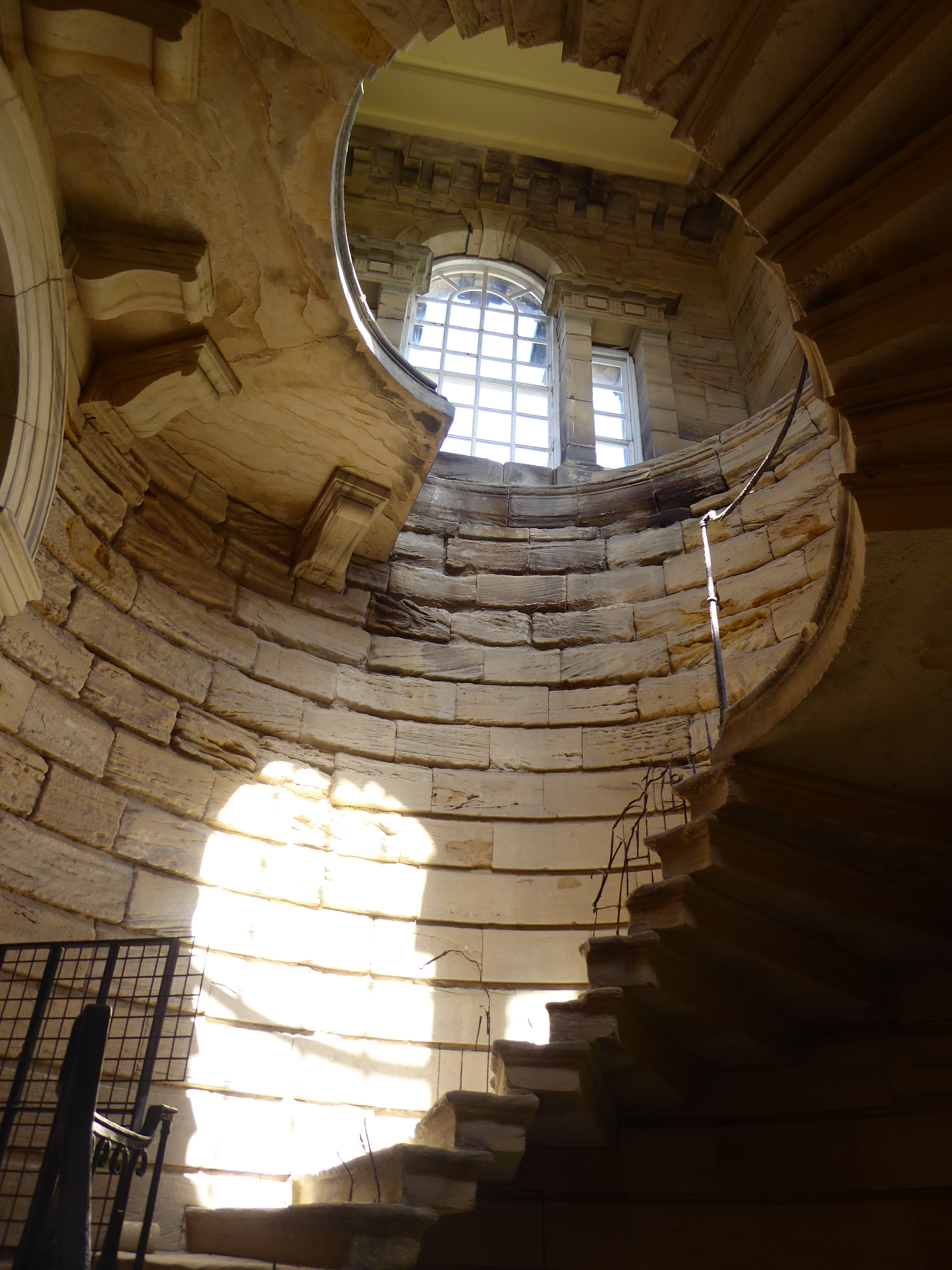
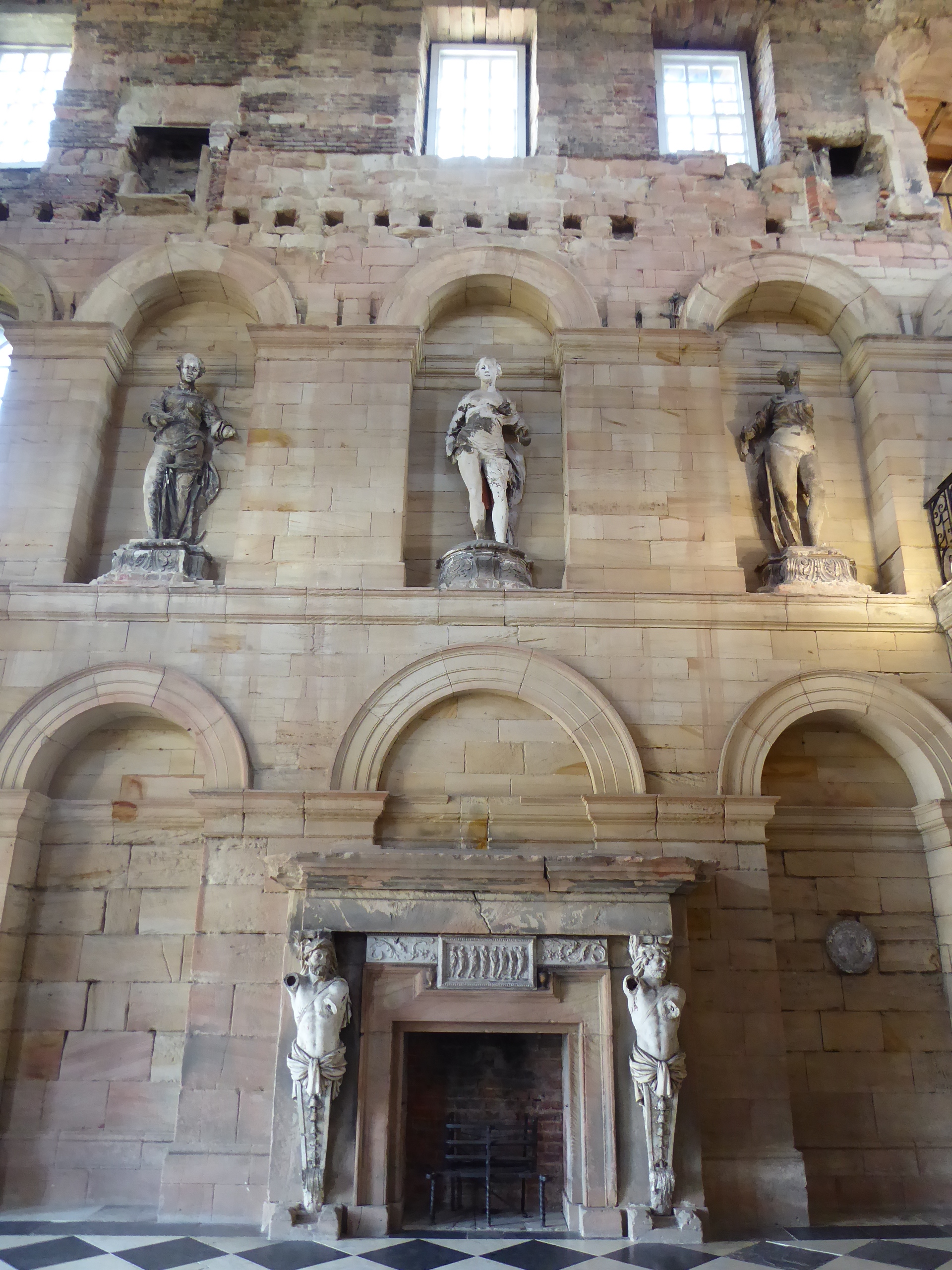
The Ashington train again, but this time only as far as Seaton Delaval and the Hall. Designed by Sir John Vanbrugh and built 1718-28. In 1822 a fire destroyed the south-east wing and gutted the central hall – the corps de logis. (I was confused about this, since both wings seemed intact, but a guide explained to me that the destroyed south-east wing was a later addition.) A great shame, priceless masterpiece, yada yada yada . . . but actually the damage to the showpiece central hall makes it all the more marvellous. Pipistrelle bats hibernate in the upper storeys. You can see which pilasters were made of stone. The eighteenth-century brickwork contrasted with the essential patching up of the nineteenth. Its ruin has been arrested, its proportions and exterior still dominate, and the interior has an air halfway between Ozymandias and poignancy. The family wealth (my inner Marxist asks the question) originally came from salt, glass (from the lovely sandy beaches) and coal.
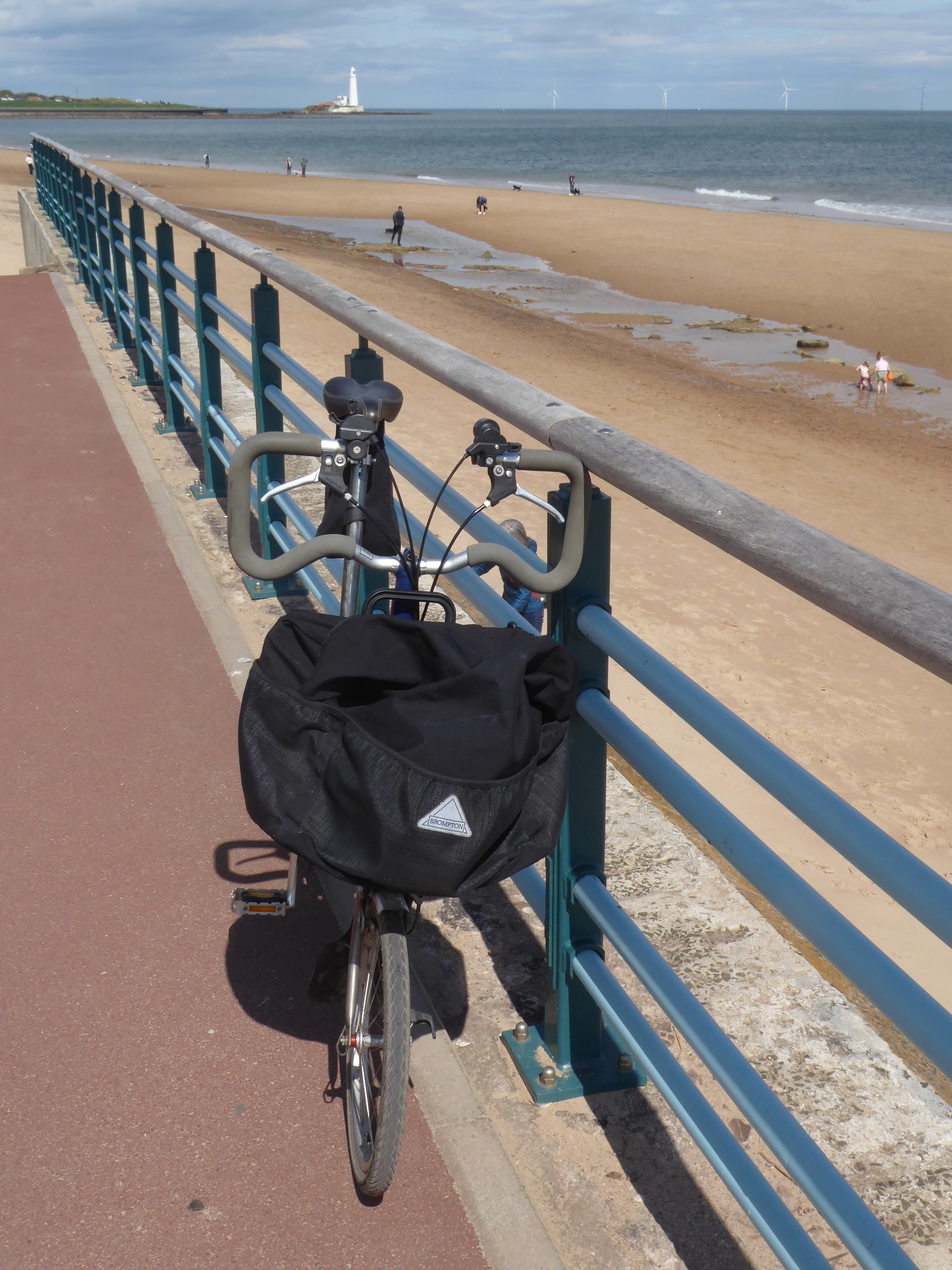
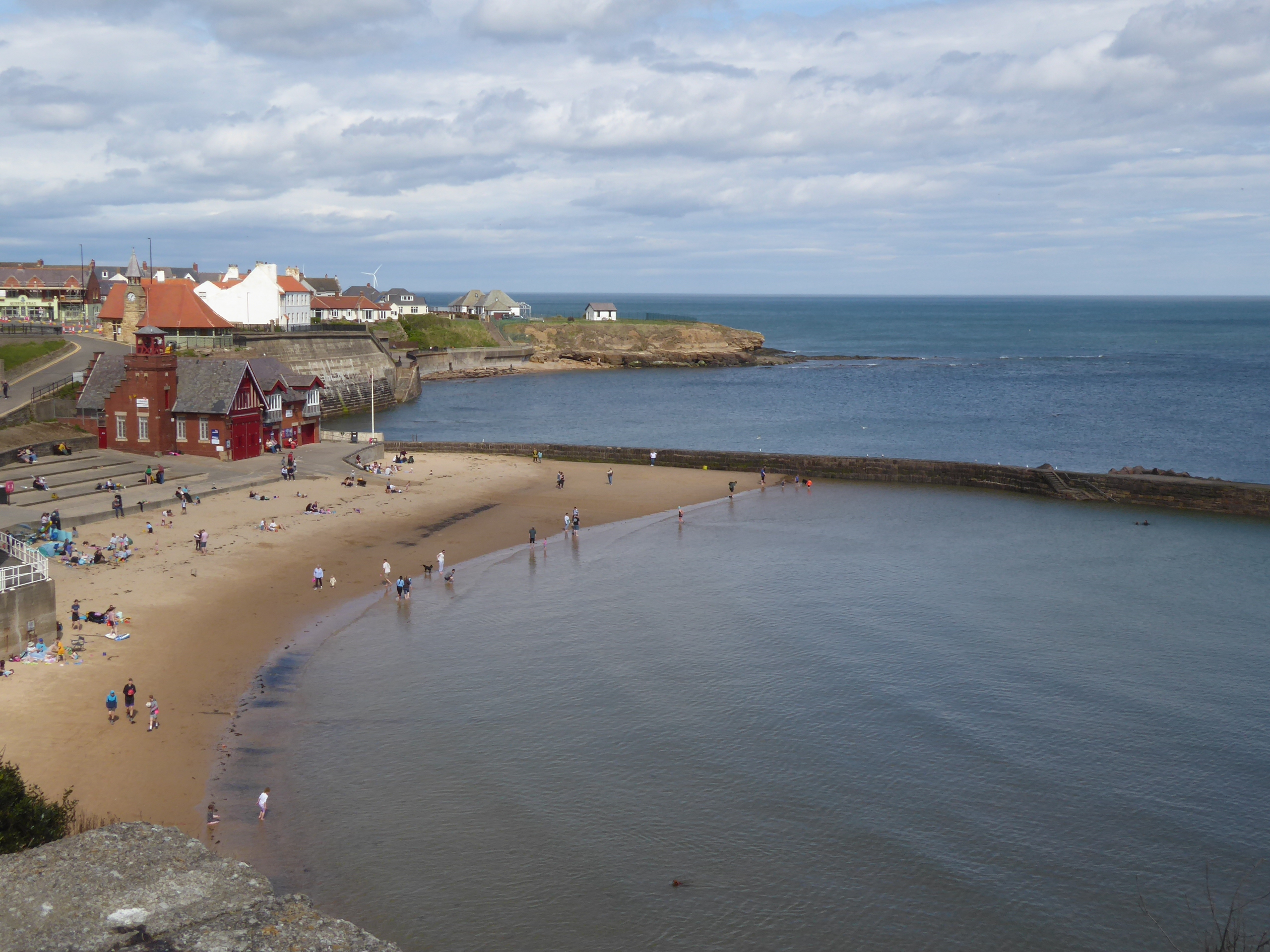
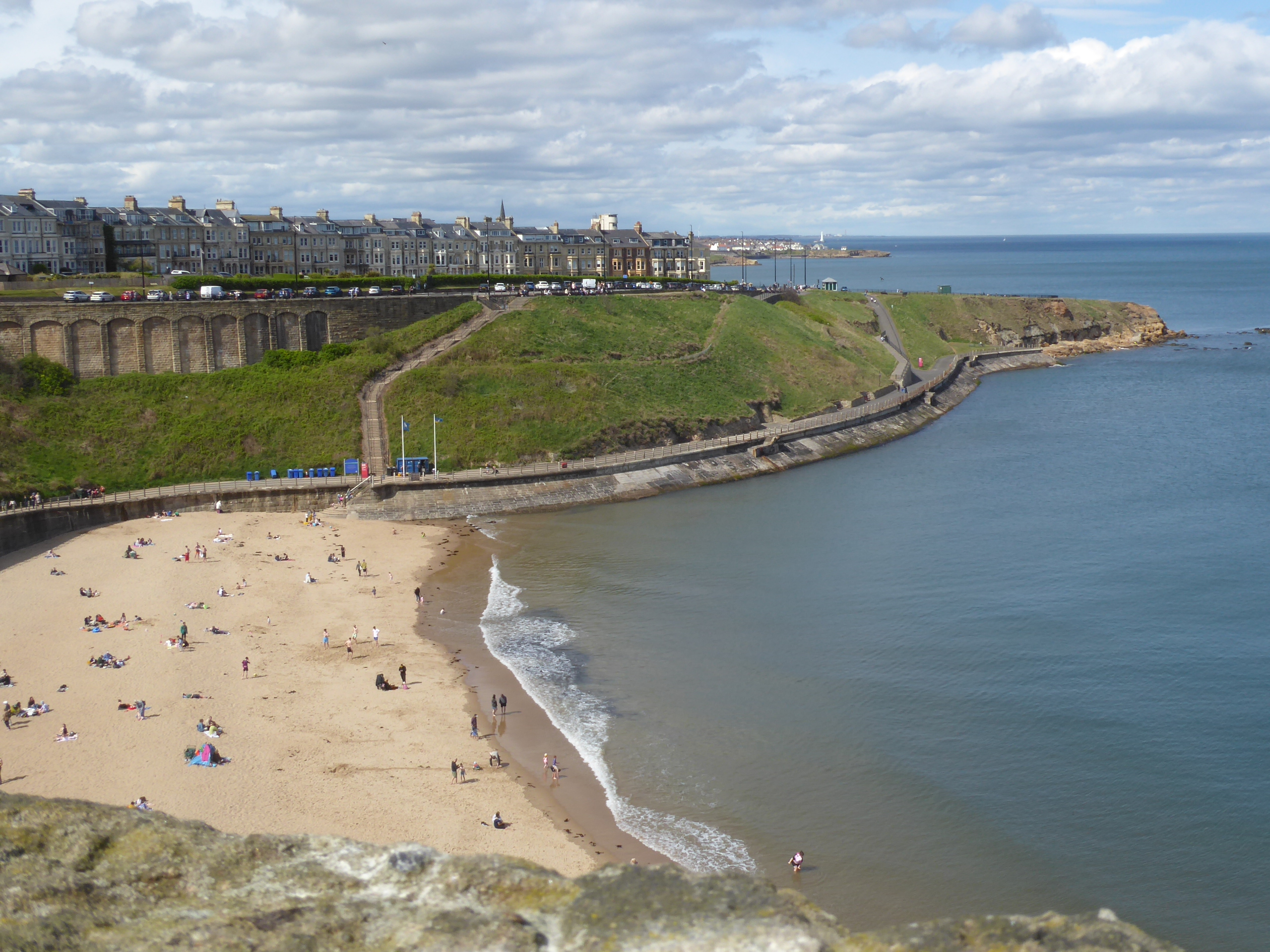
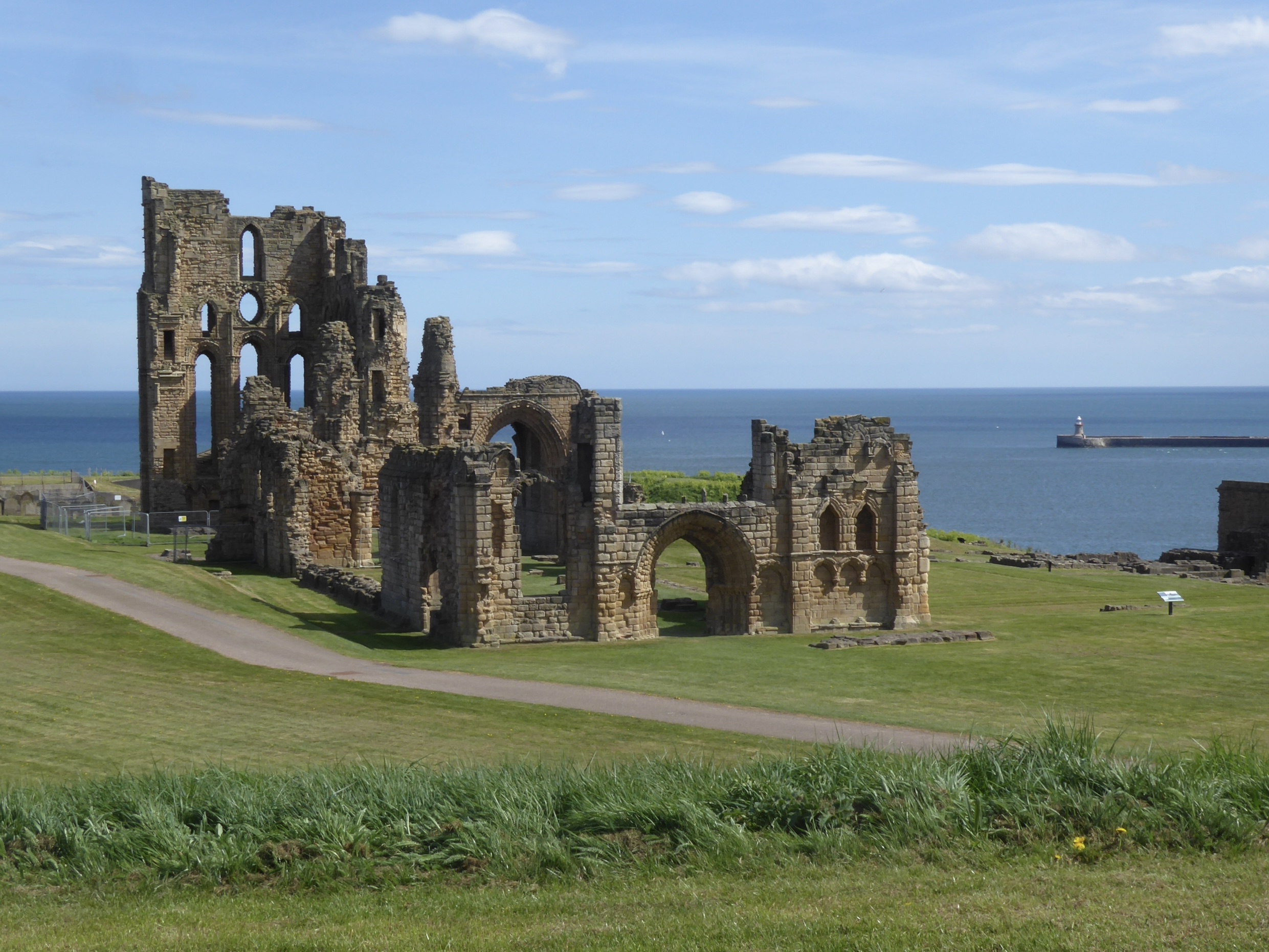
Then back to the Brompton and a ride to Seaton Sluice and southwards along the coast through Whitley Bay and Cullercoats to Tynemouth. I stopped to admire the Spanish City and remembered how my Newcastle-bred mother used to refer to Whitley Bay as some kind of childhood Nirvana. At Cullercoats I recognised the bay and Watch House from Robert Jopling’s paintings. And the outline of Tynemouth priory looked uncannily familiar until I remembered an evening ferry from Newcastle to Ijmuiden years ago. Then the metro back to Monument and I was in the big city once again.
 Old Shoe Box