Kirkcudbright 2

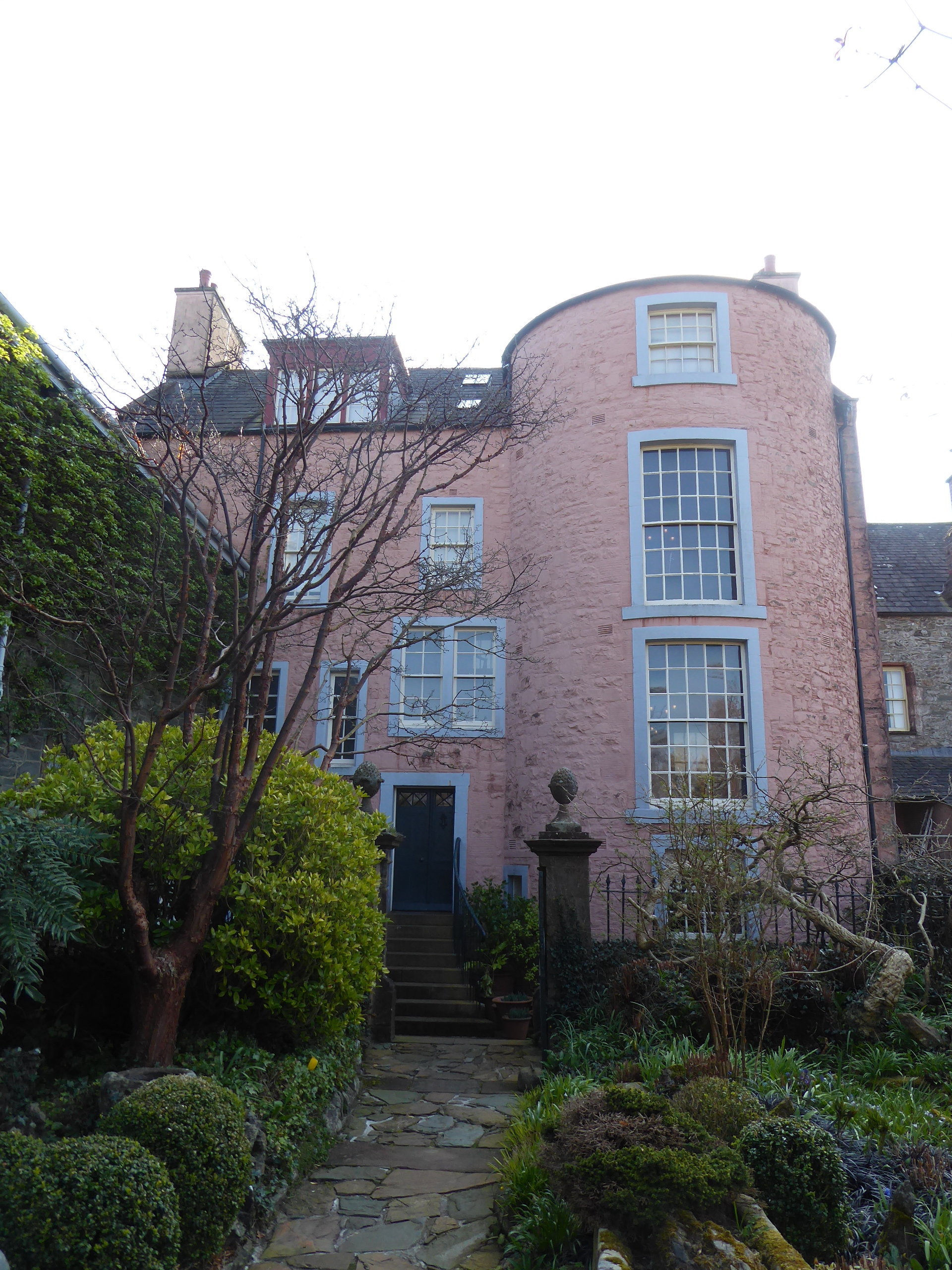
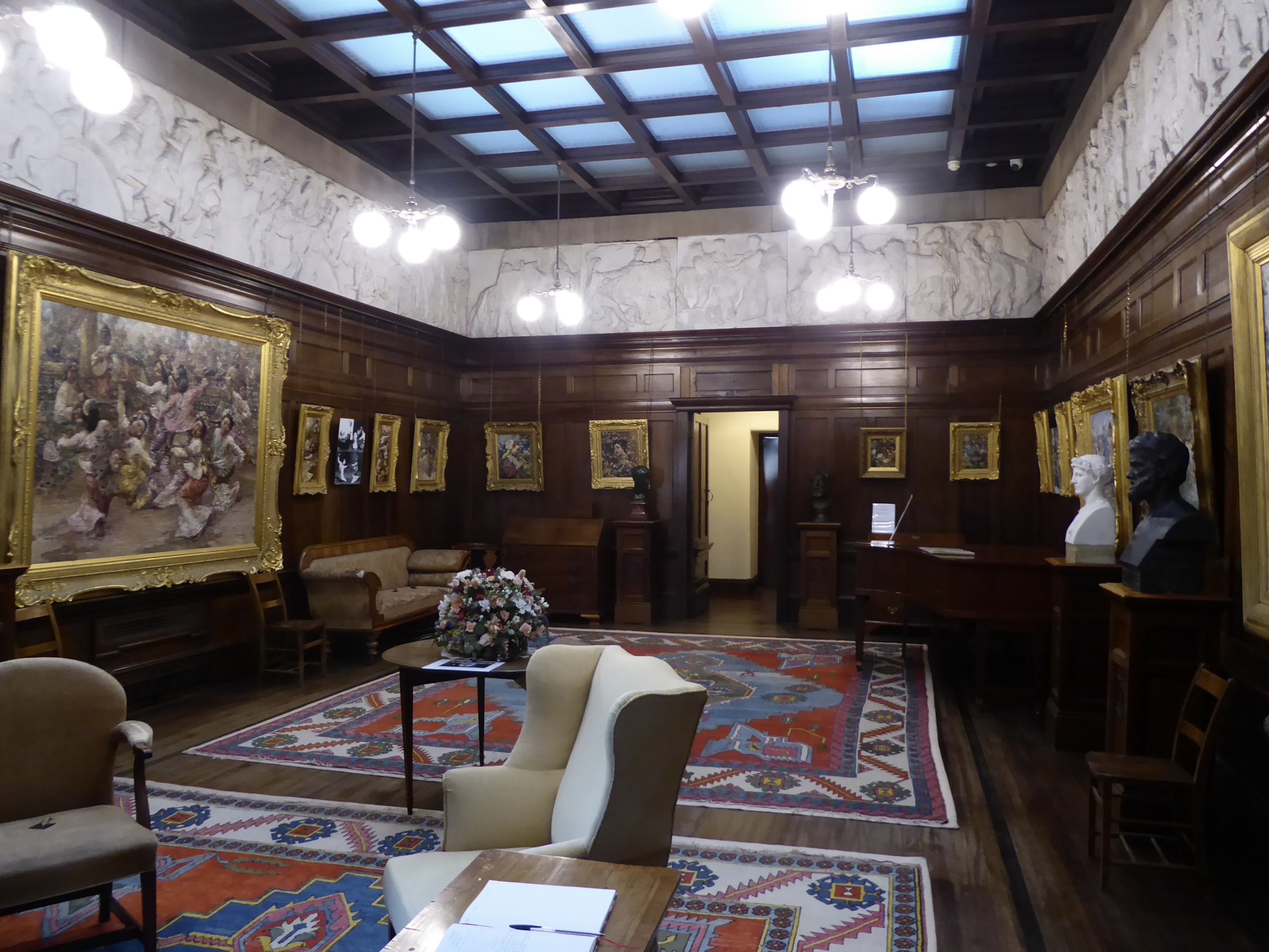
I started with Broughton House, the home of E A Hornel from 1901 until his death. I still don’t care for his work, but it was an interesting visit for the insight it gave into how an artist works. Hornel often used photographs, paying local girls to adopt certain poses which he then copied in his paintings. (A momentary eyebrow-raising here, but they were chaperoned.) The same face cropped up again and again – a local woman not unlike the eastern women who featured so much in Hornel’s work after his first visit to Japan. For all their colour, there was a certain monotony about the paintings on display: the same blobs of background, the same emphasis on face, the same girls. However even a successful artist has a living to earn:

The man who works because he is in the mood may expect failure. I work always. One who enthuses over his work will always find something to do. The real mood or inspiration comes oftener through work than by waiting. Everyone recognises the great importance of inspiration; but the talk of waiting for it is unfortunately so often the excuse for idleness.

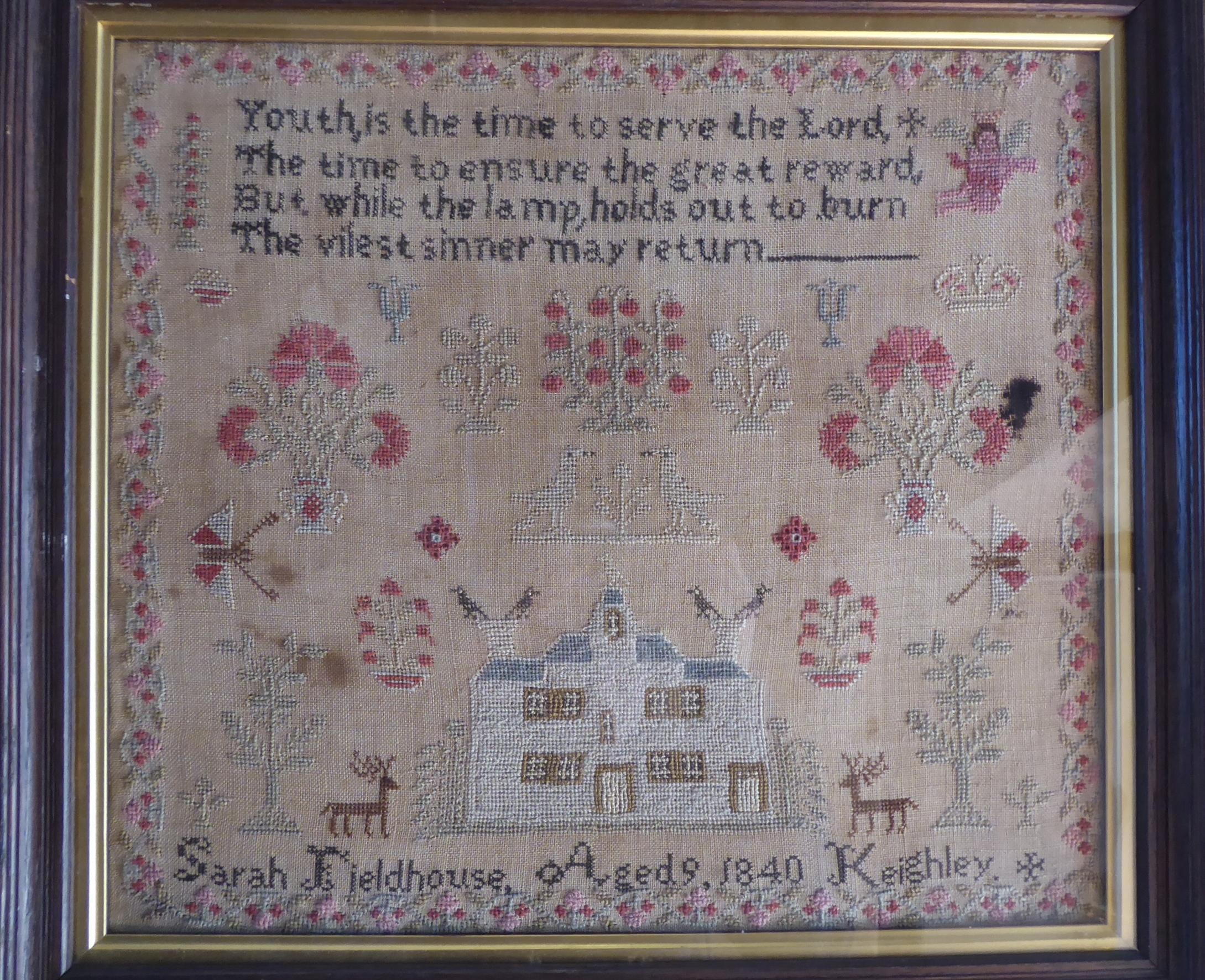
As usual, lesser thoughts would intrude. How dirty the photographed girls’ fingernails and bare feet were. (Well, doh . . . obviously!) Did the gas for the early gas mantels come from the gasworks that Lord Peter Wimsey passes in Five Red Herrings? The collection of samplers . . . how did the religious homilies work on the minds of the little girls who made them? Having casts of the Parthenon friezes in your gallery – no false modesty there!

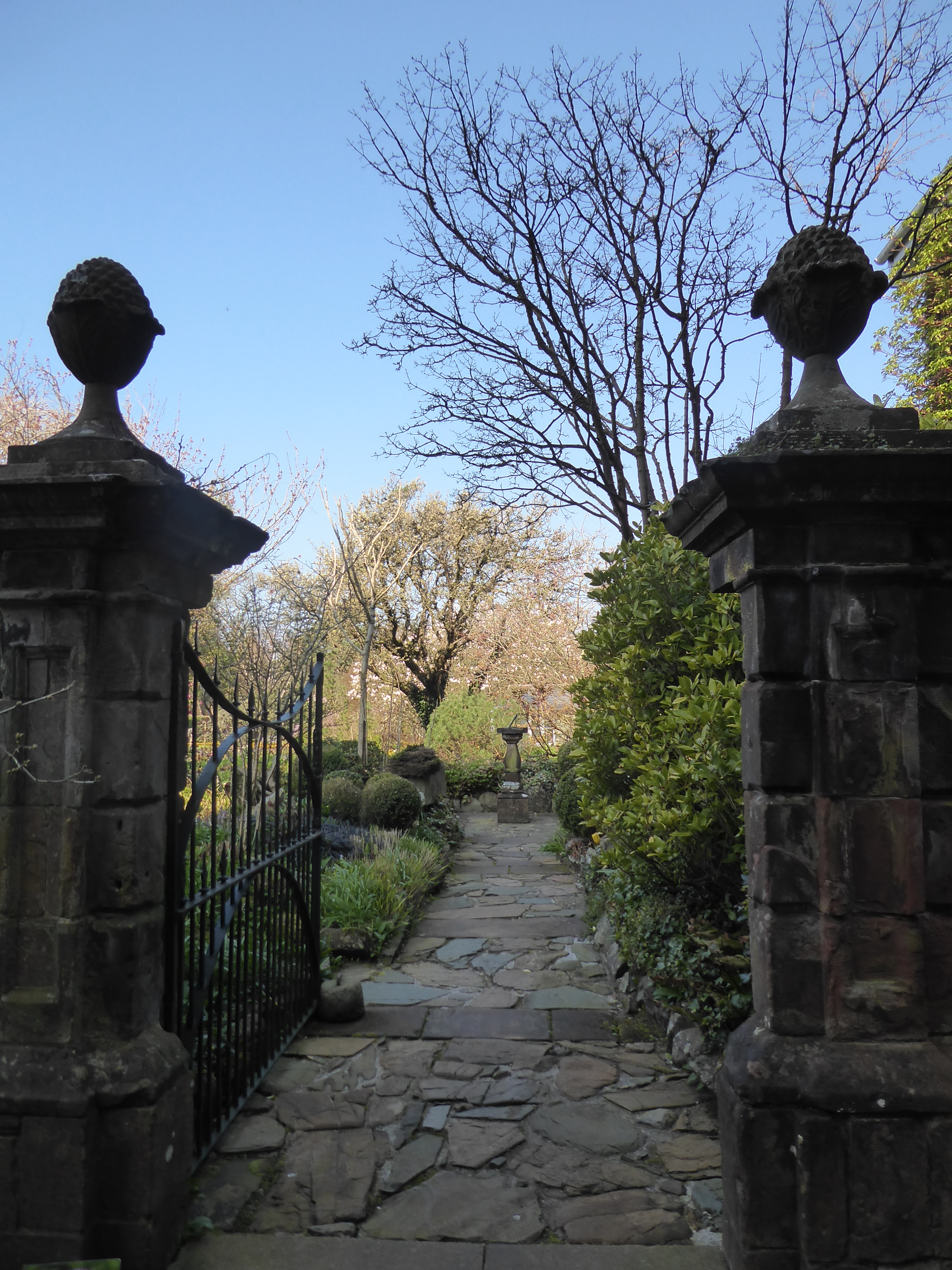
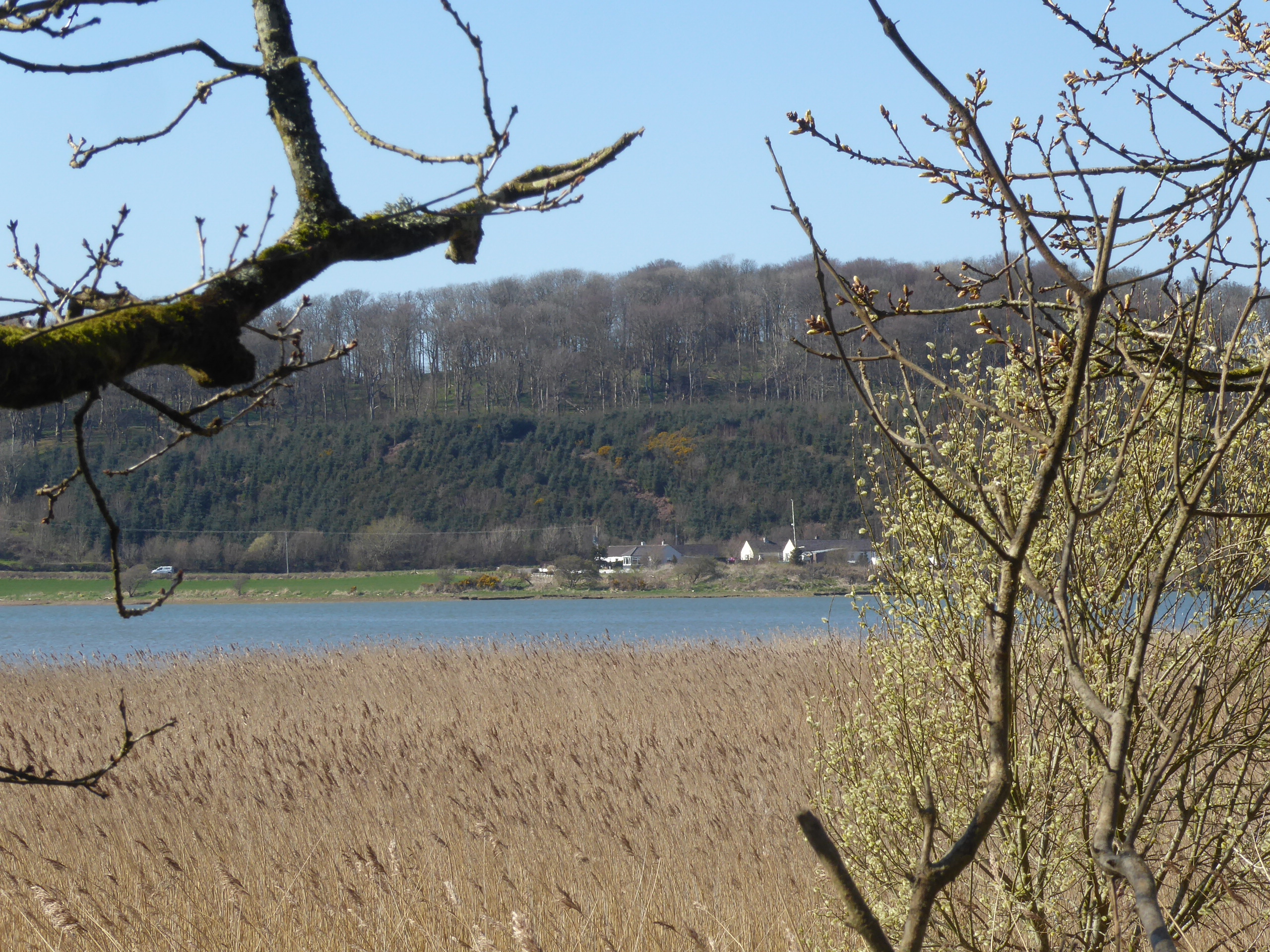
Hornel’s long garden, leading down to the estuary, was, of course, lovely.
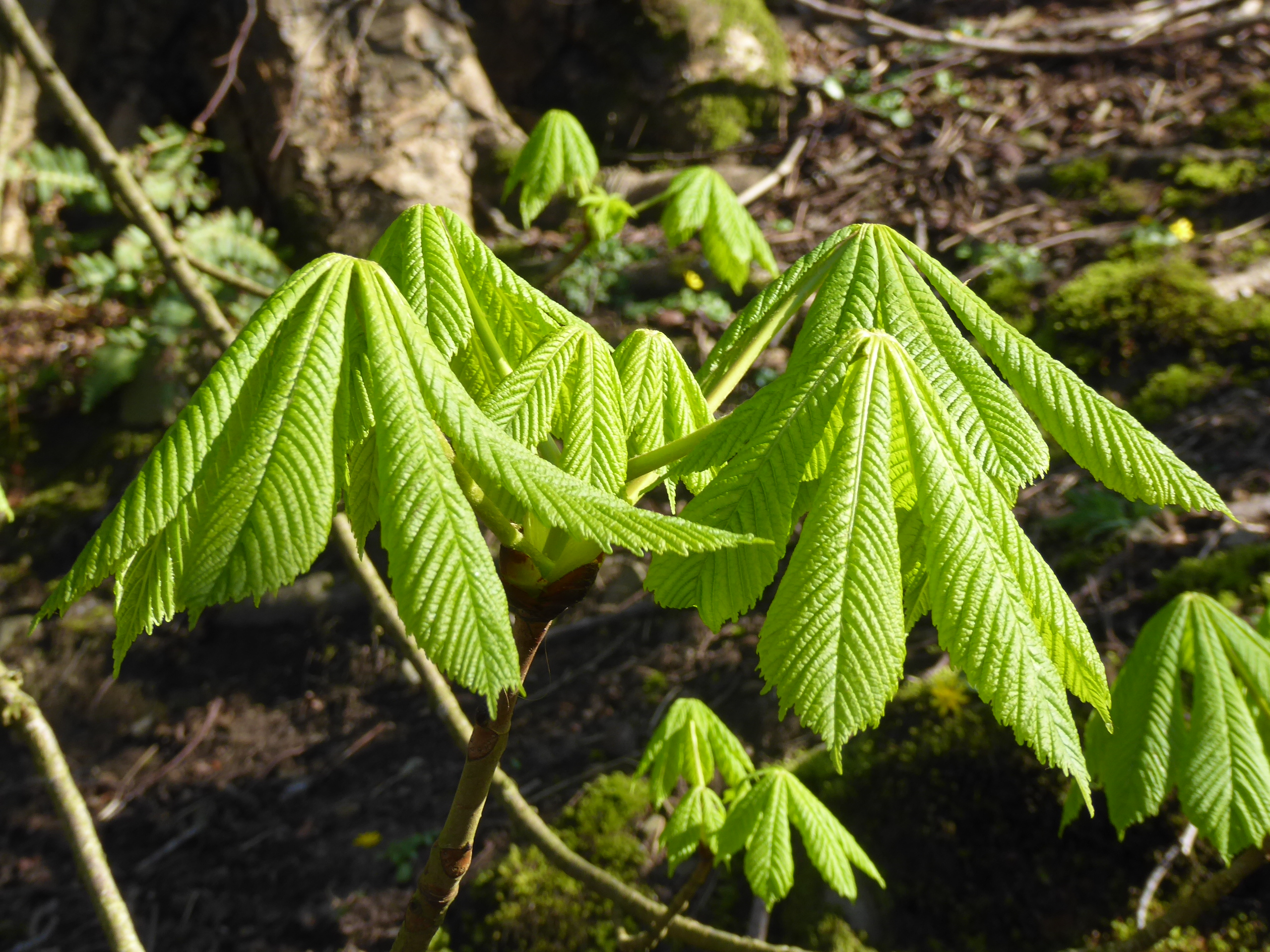
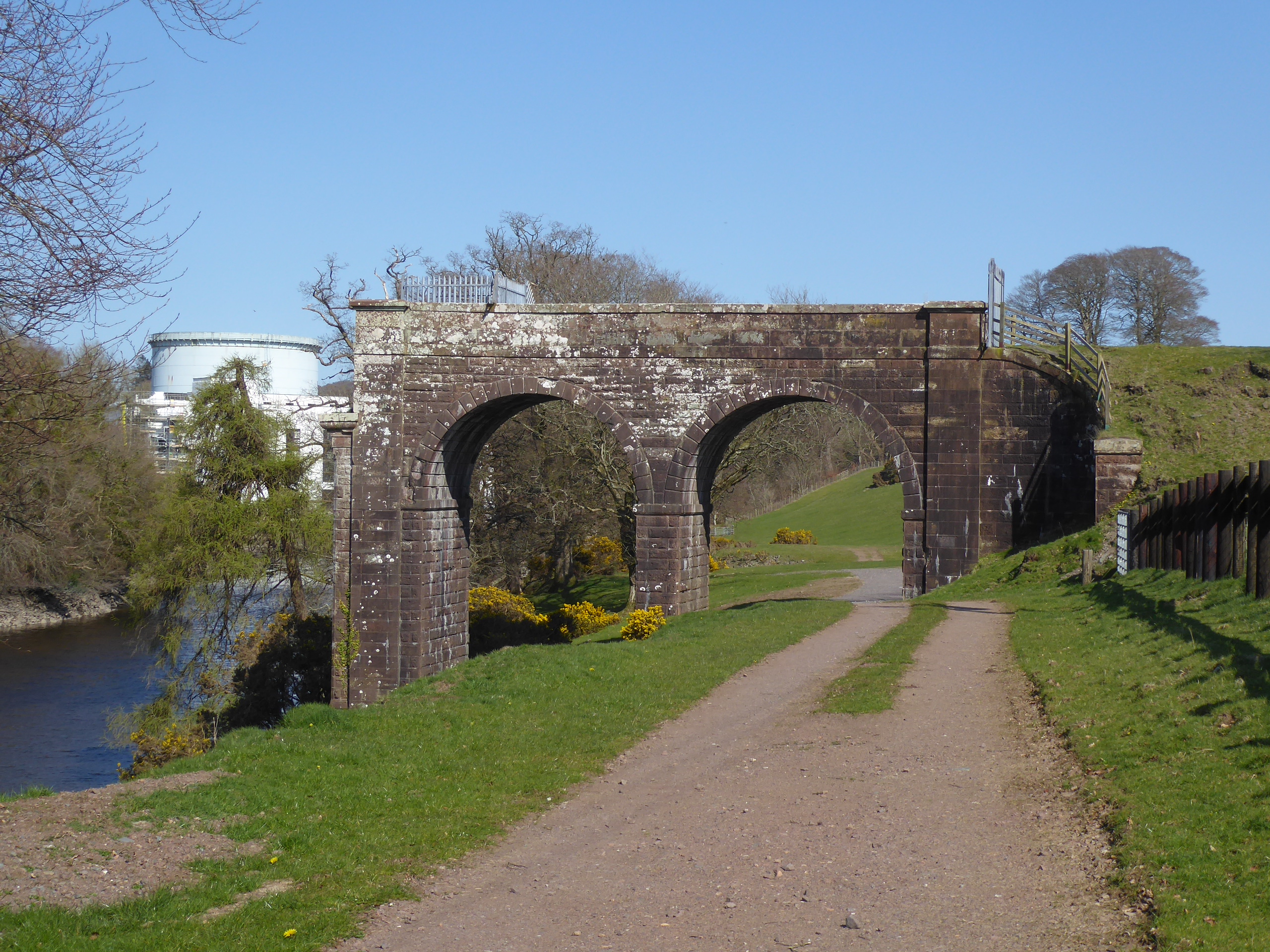
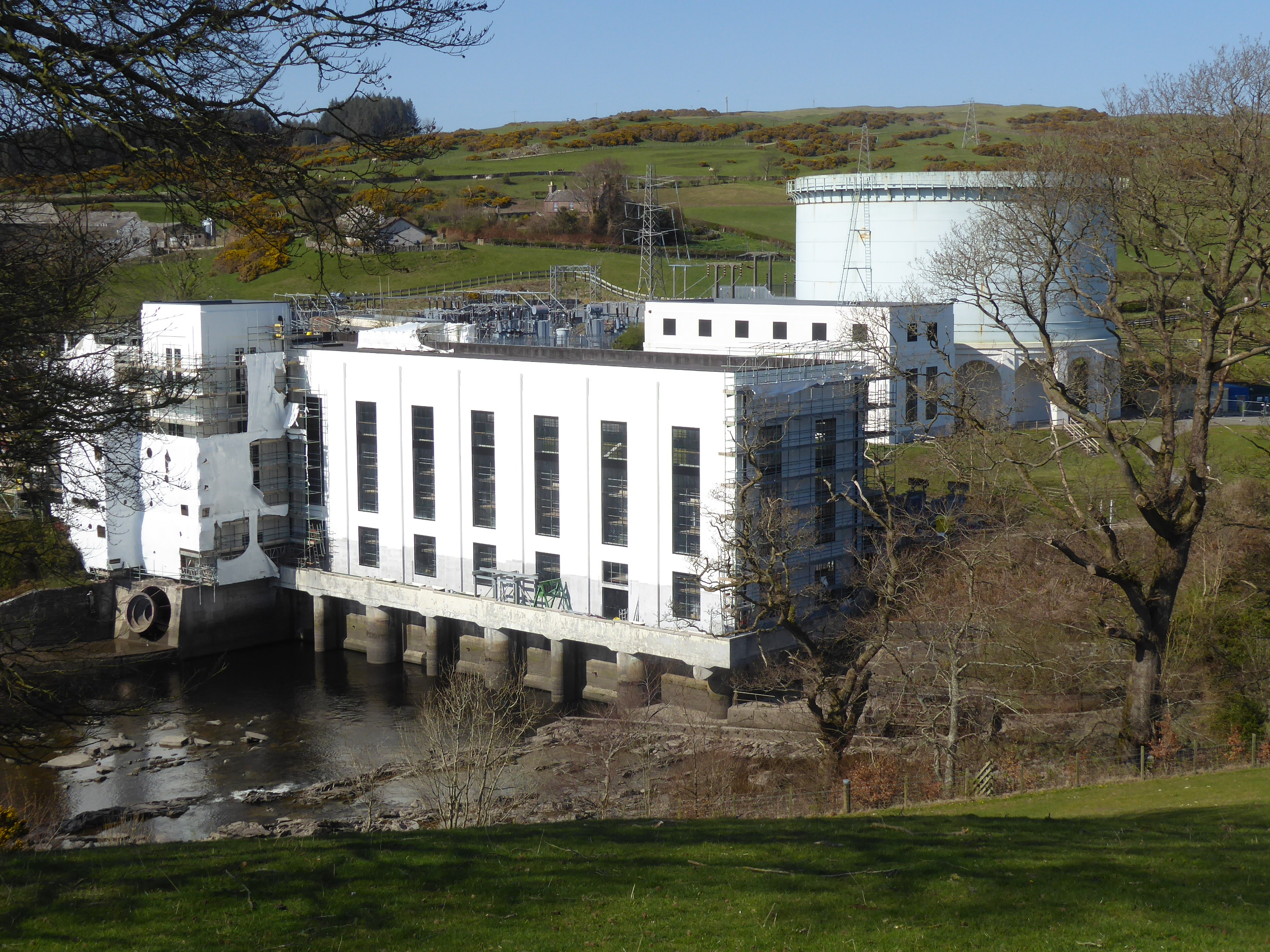
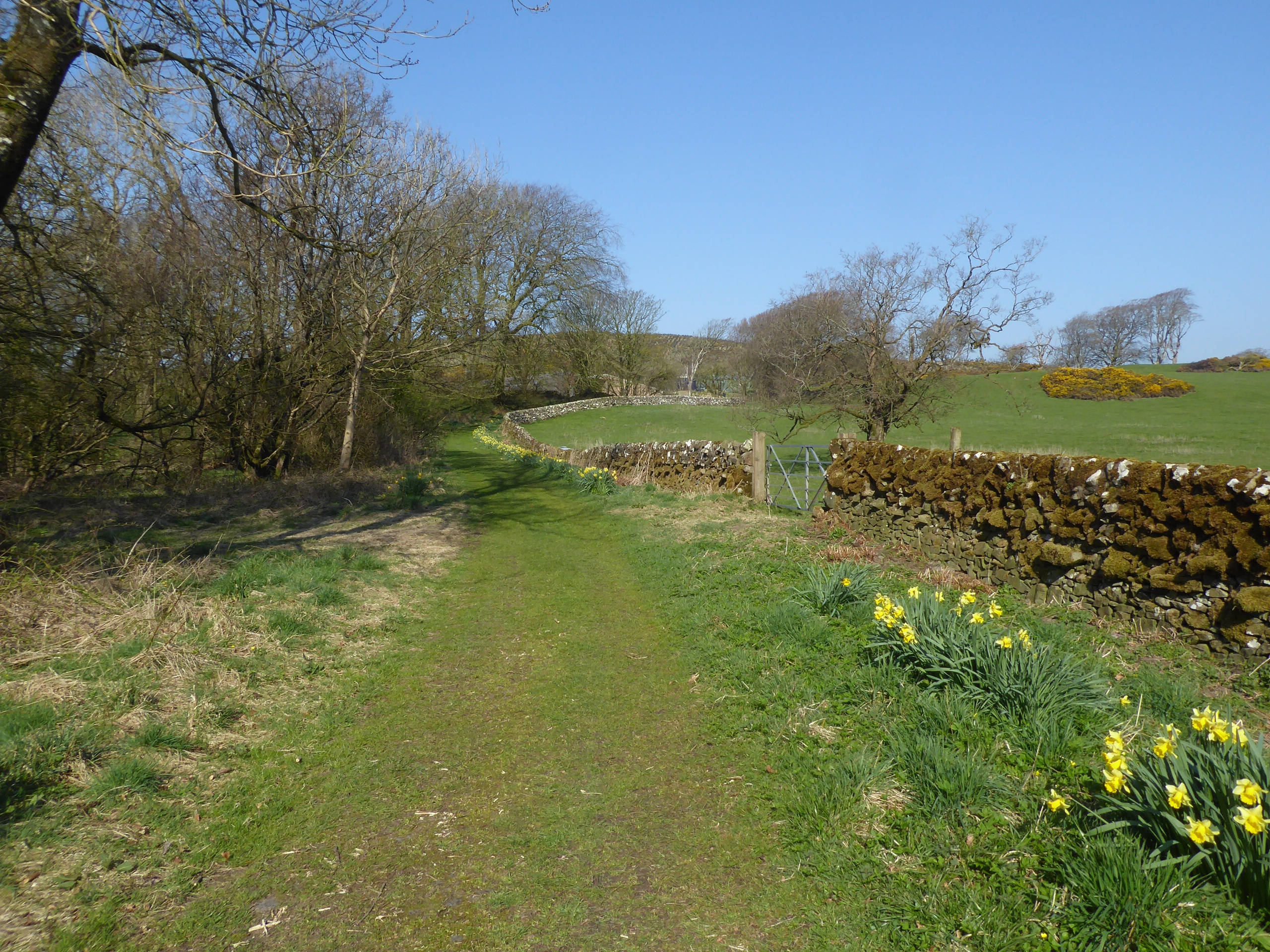
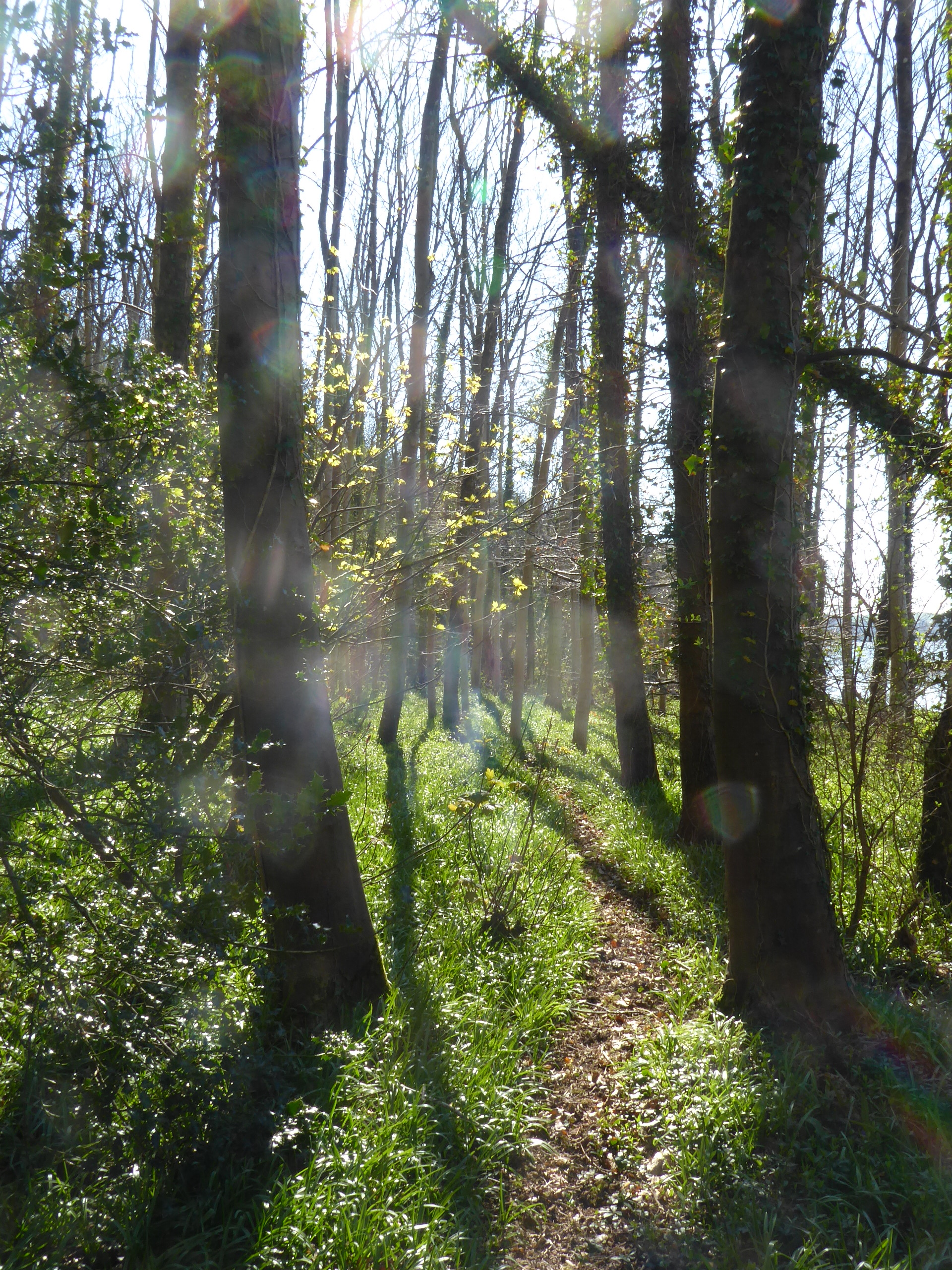
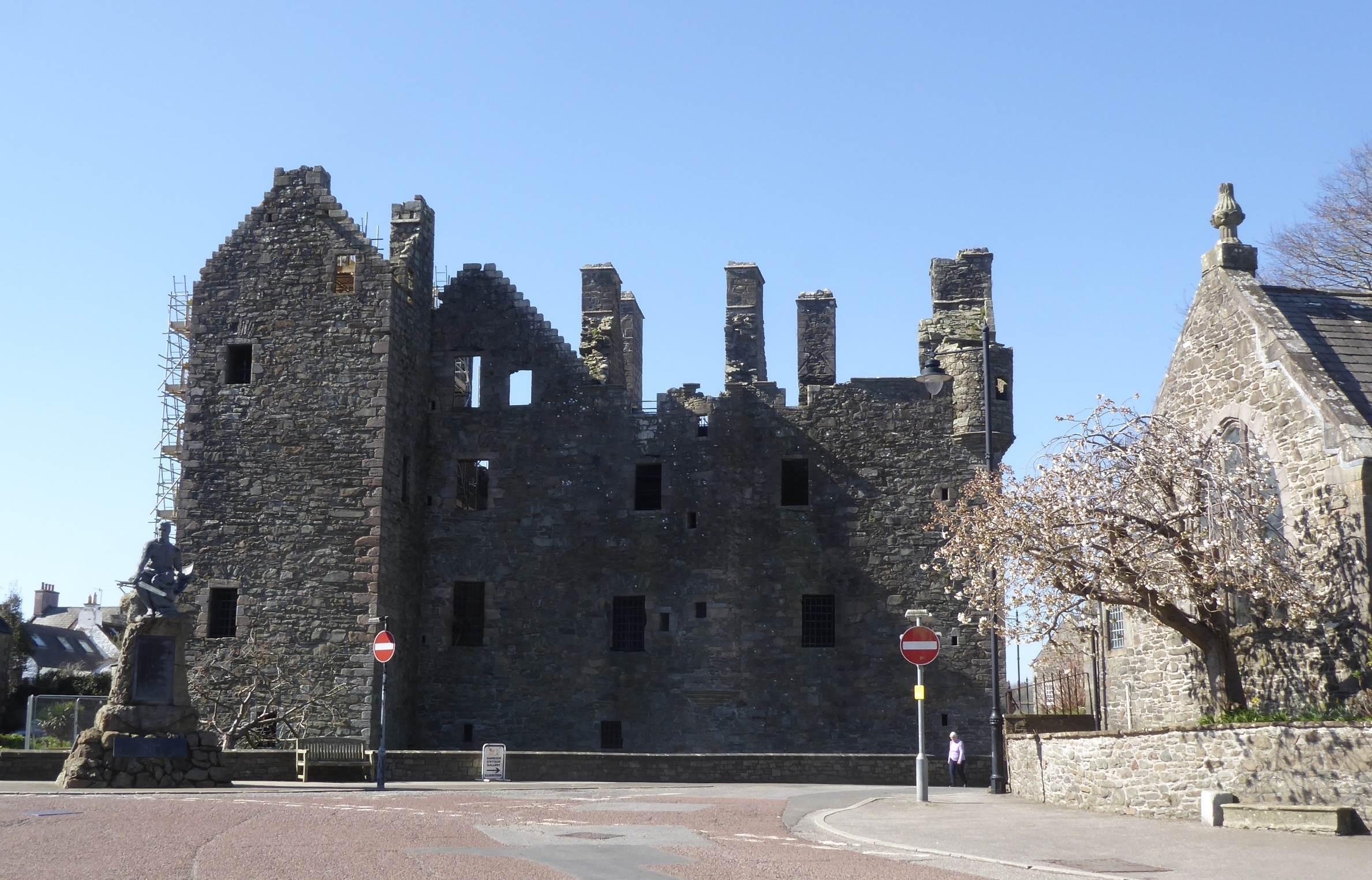
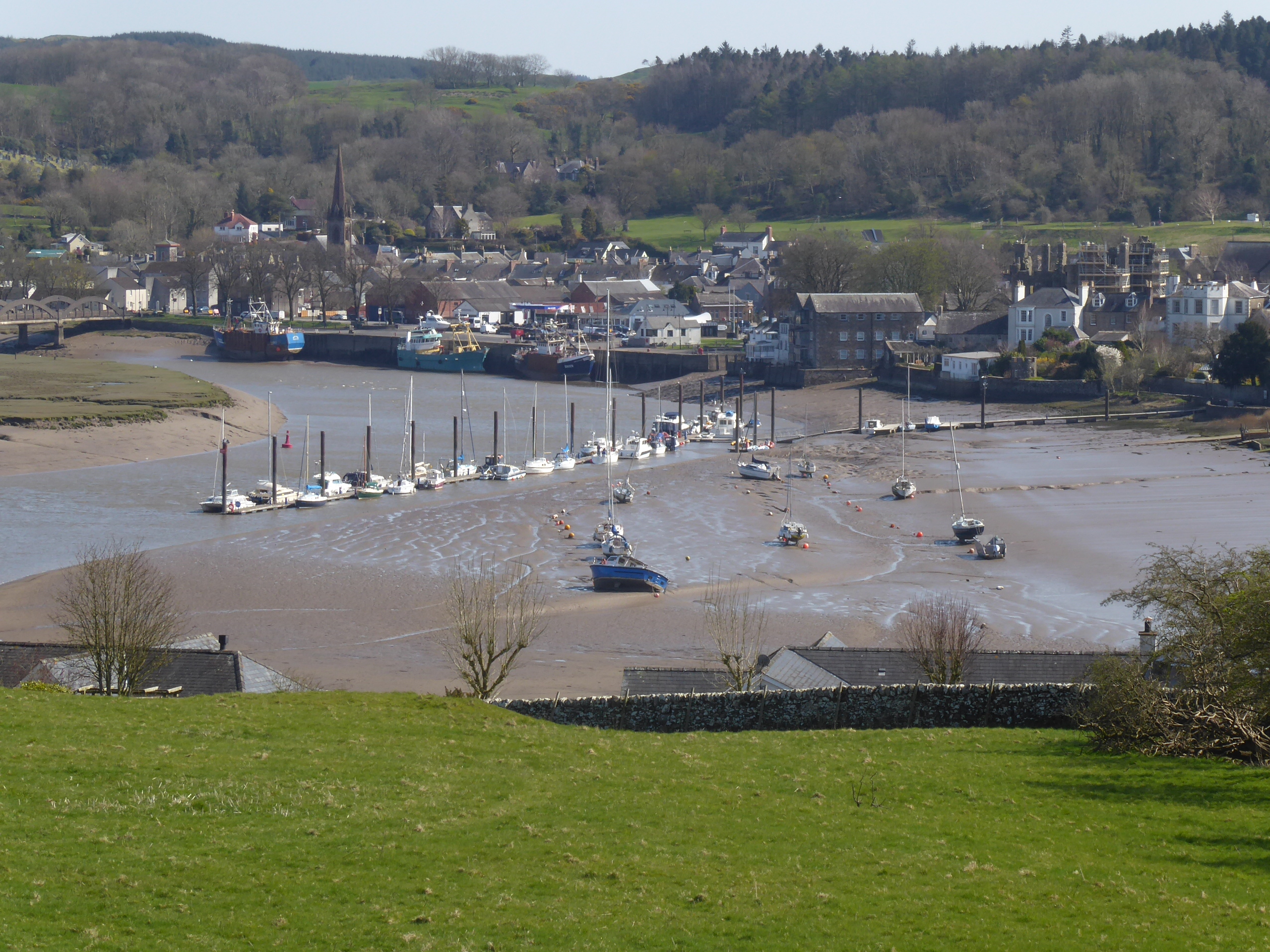
After that I walked over the bridge (currently closed; was it the one that Wimsey drove over to Gatehouse of Fleet?) to get a view of Kirkcudbright from the other side. My plan of following a path marked on the map was abandoned after the second deliberate blockage (how does one go walking in Scotland?). I headed grumpily back to town and walked upstream towards Tongland, muttering darkly about being corralled on pavements and boring paths. However it grew on me with the spring freshness of horse chestnut leaves and the glittering sun. (The weather has been glorious.) And then at Tongland I discovered the truncated bridge of a disused railway line, a modernist power station and the earthworks of an ancient fort. How much more could I wish for?
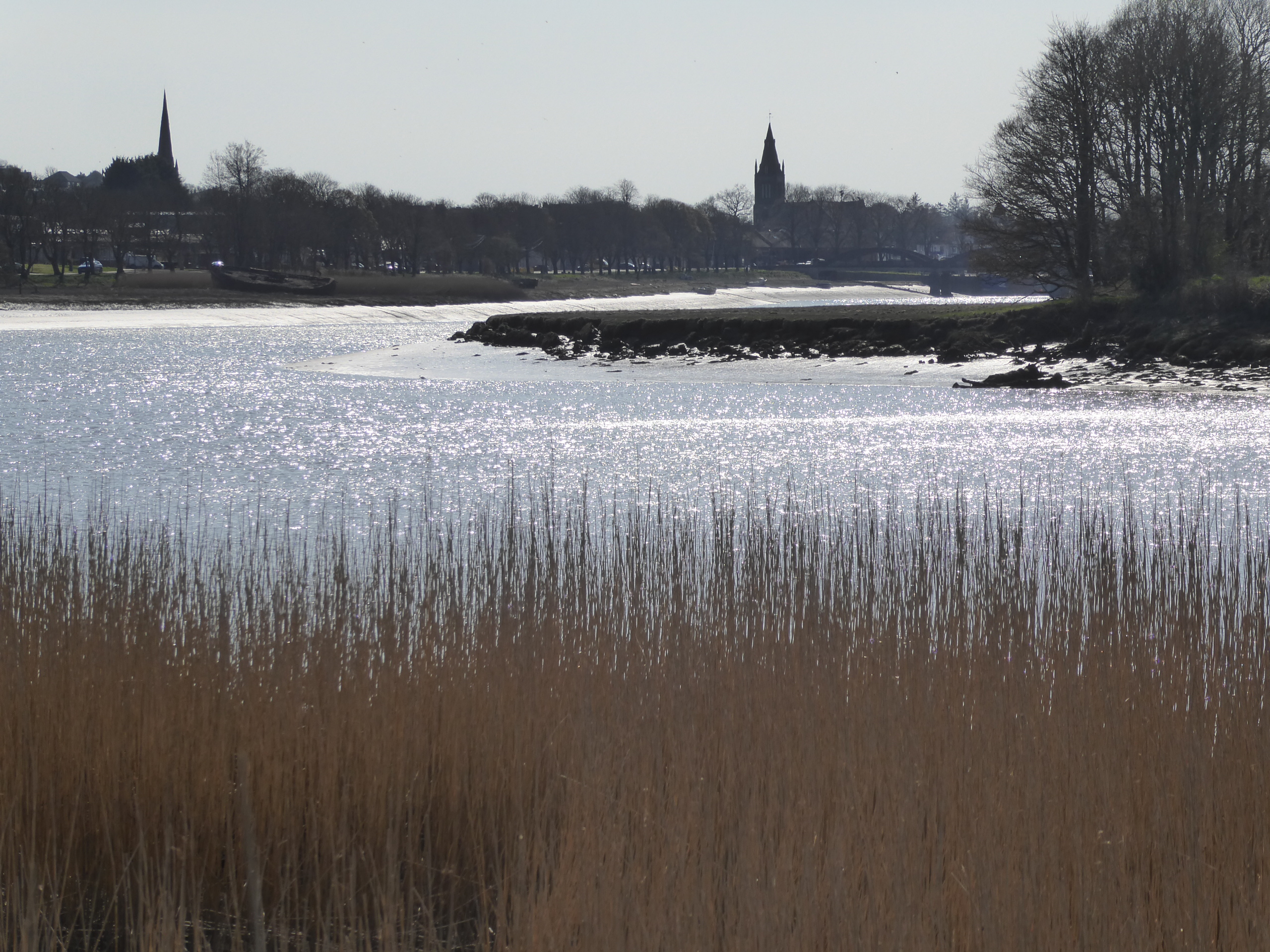
Dundrennan to Kirkcudbright

Kippers for breakfast. I am in Scotland after all.

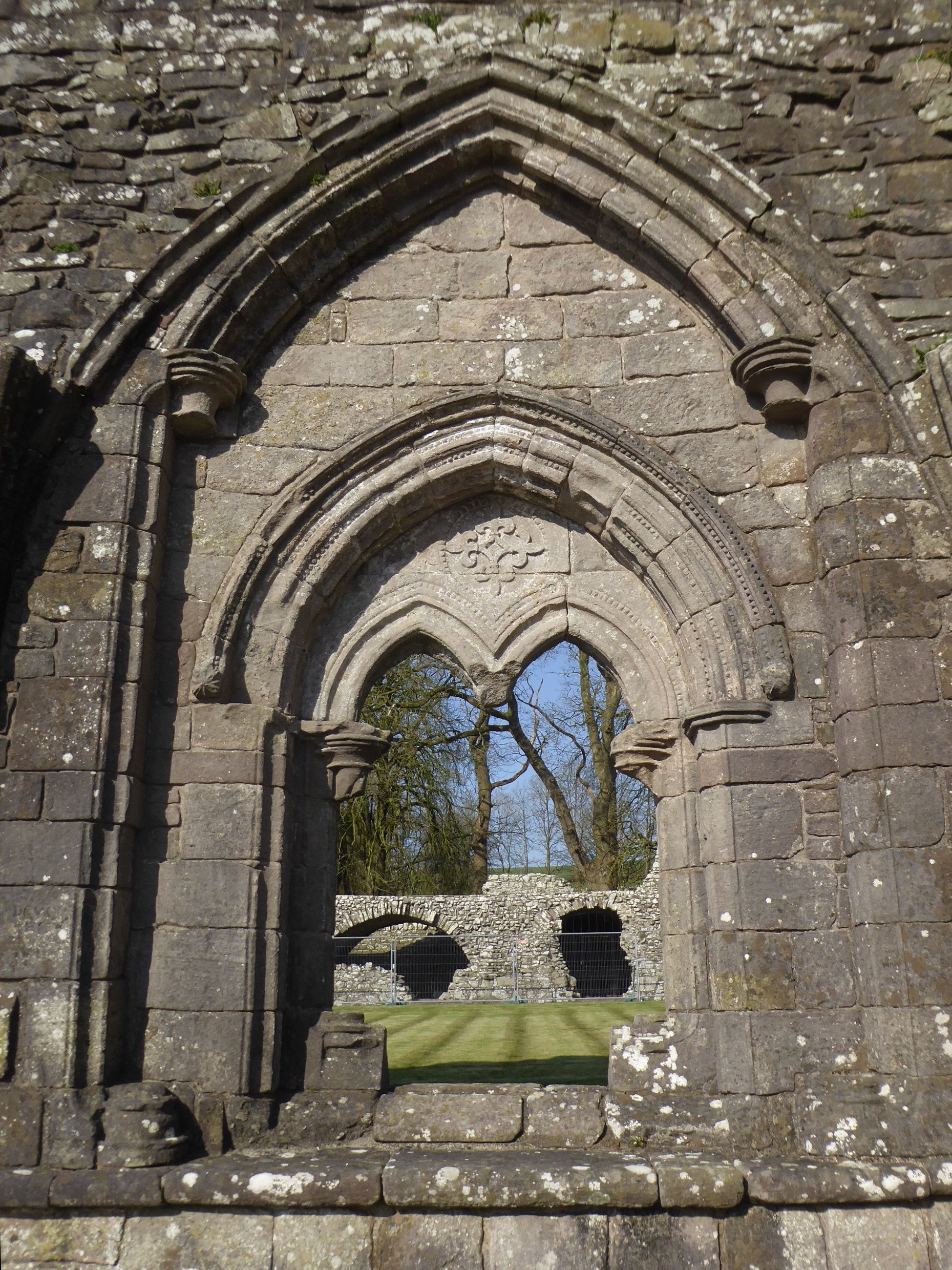
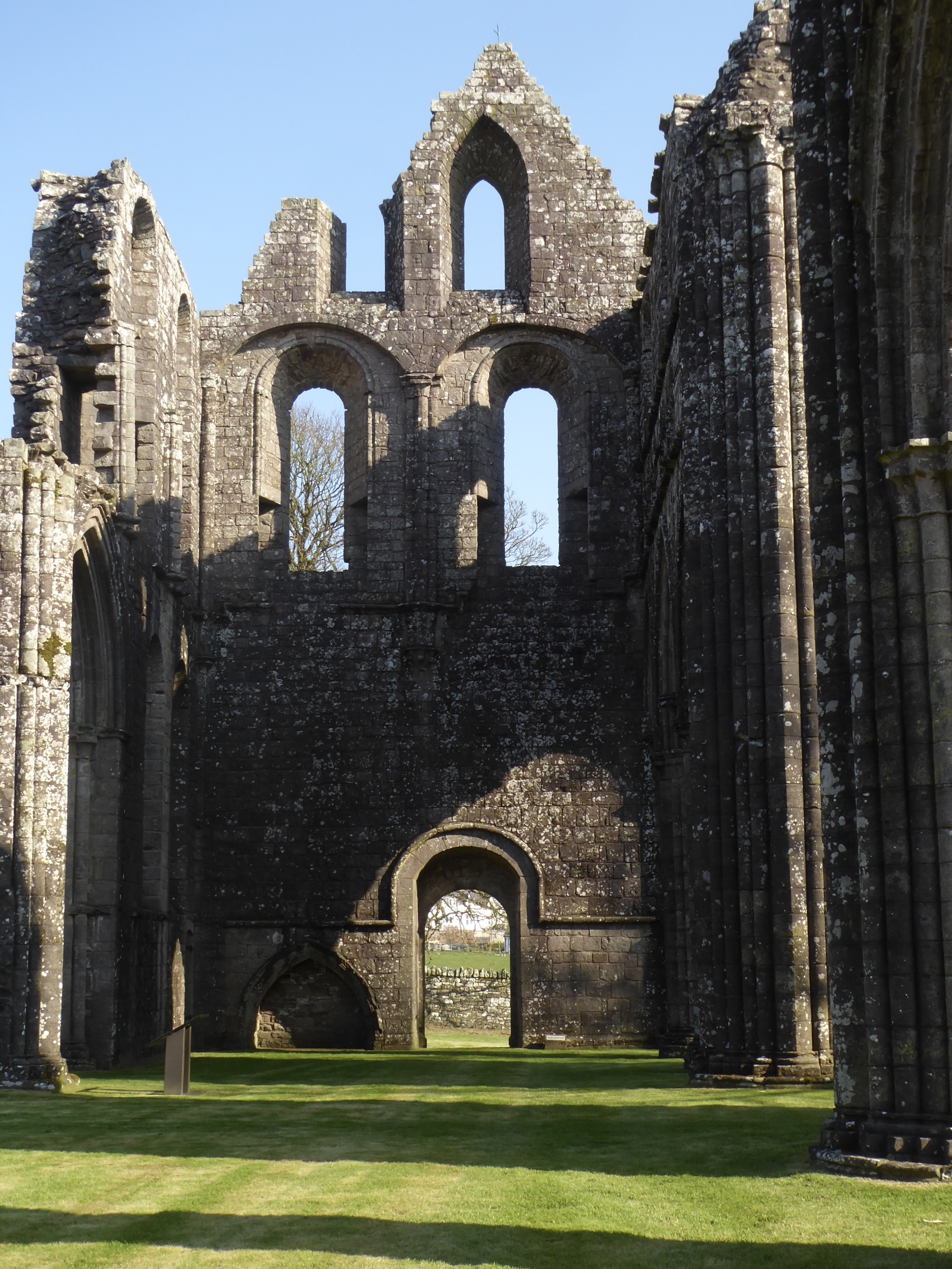
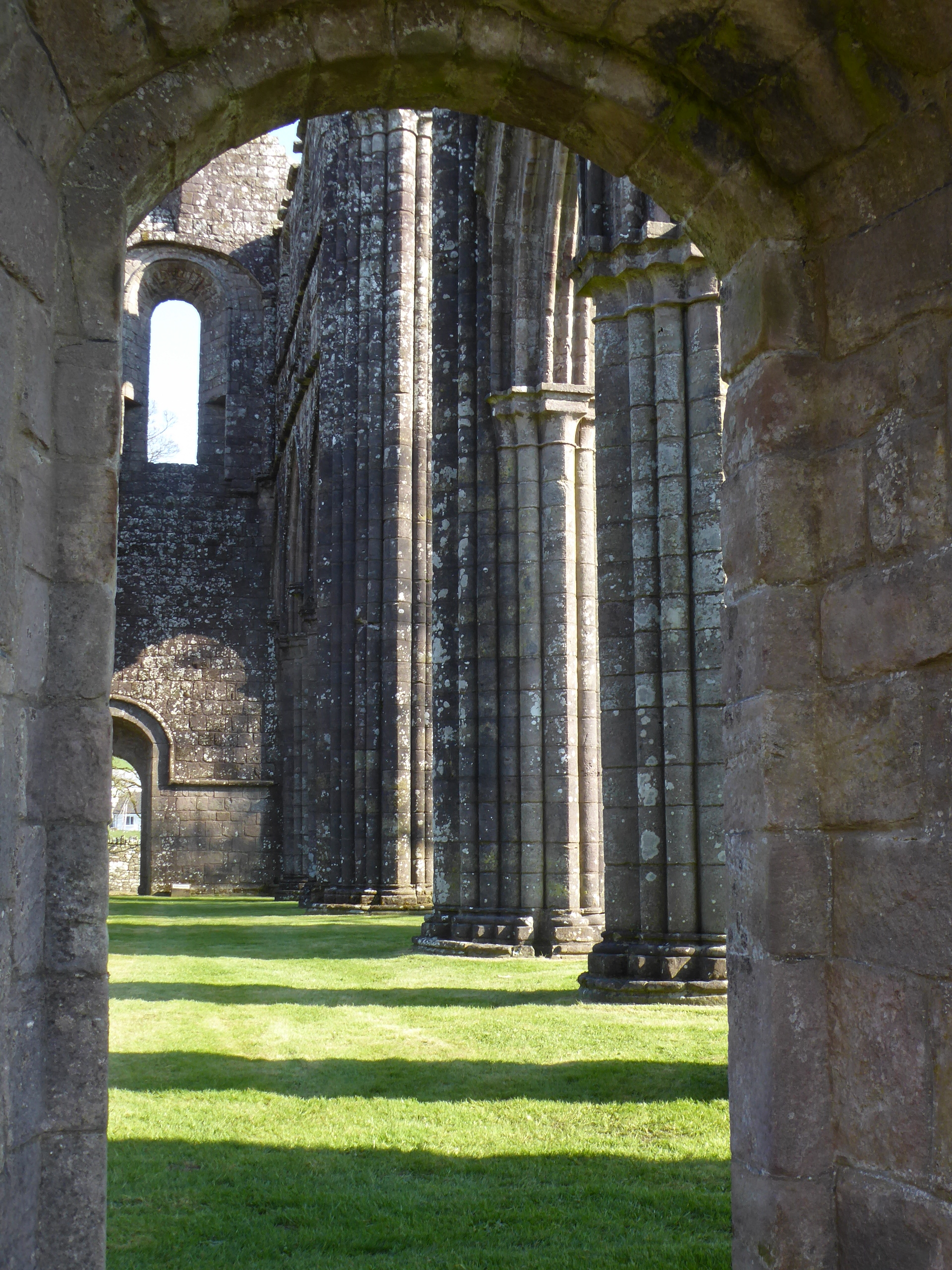
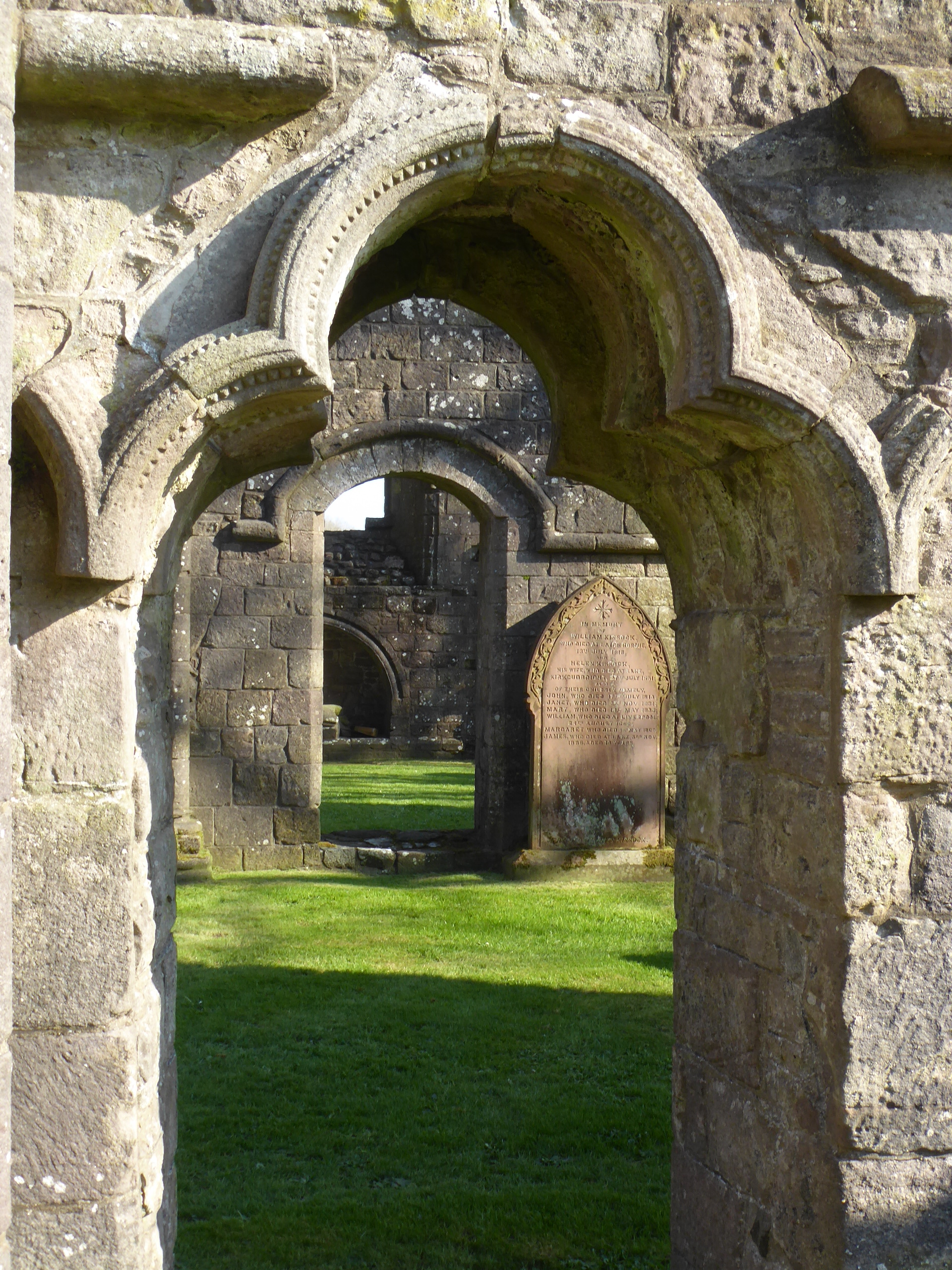
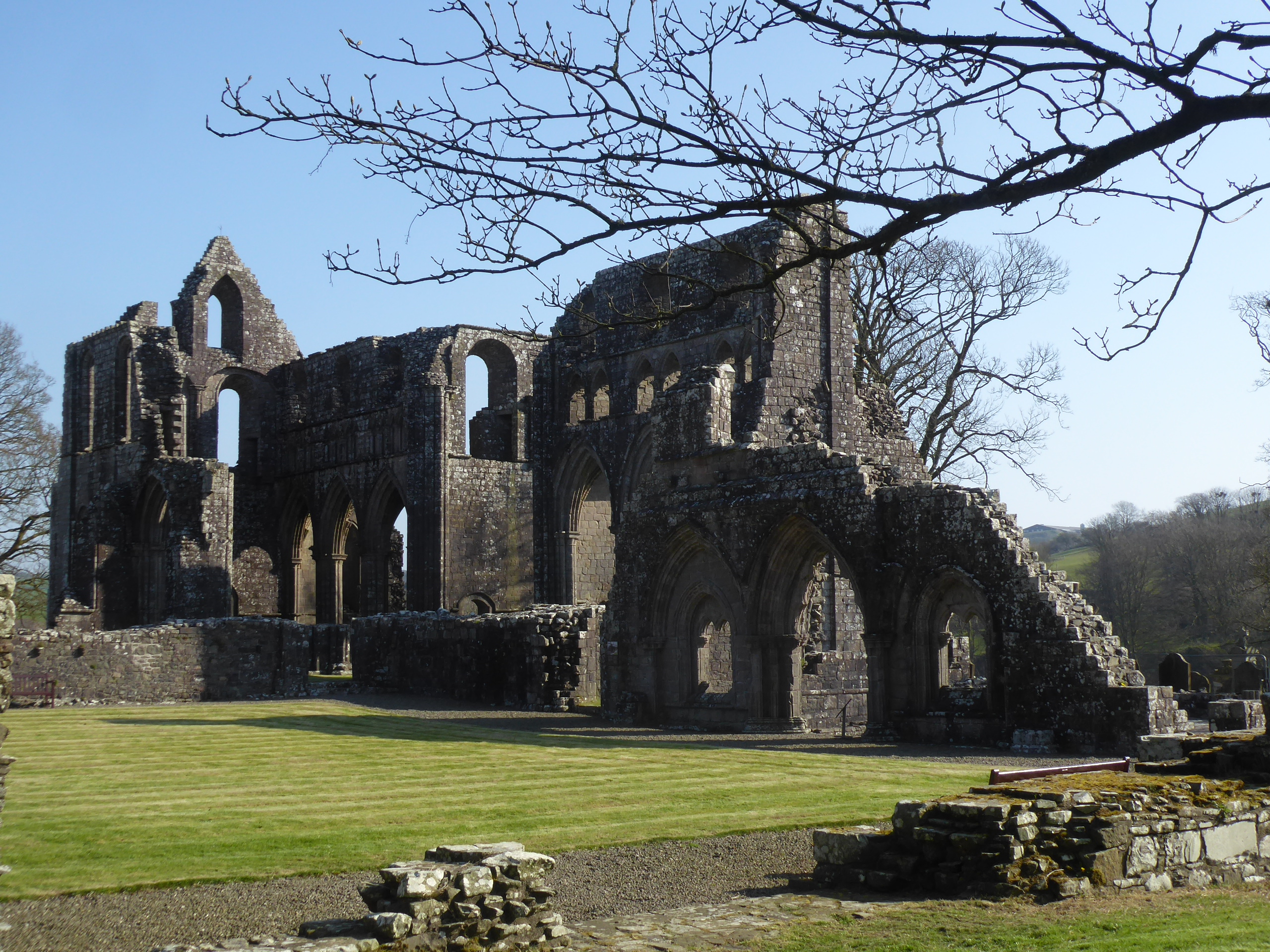
Then I caught the bus to Dundrennan; the driver stopped practically outside the ruined abbey for me. Even without his help, I couldn’t have missed it since Dundrennan village is tiny. Twelfth century, Cistercian, probably founded by monks from Rievaulx Abbey (one of these days . . .), a mixture of Romanesque and Early English Gothic. The transepts dominate, but the paved chapter house is also impressive. It’s only just opened for the season and I was the sole visitor. The staff (volunteers?) were tidying the grounds – including one young woman who put me in mind of Psyche’s tasks as she seemed to pick over the gravel.

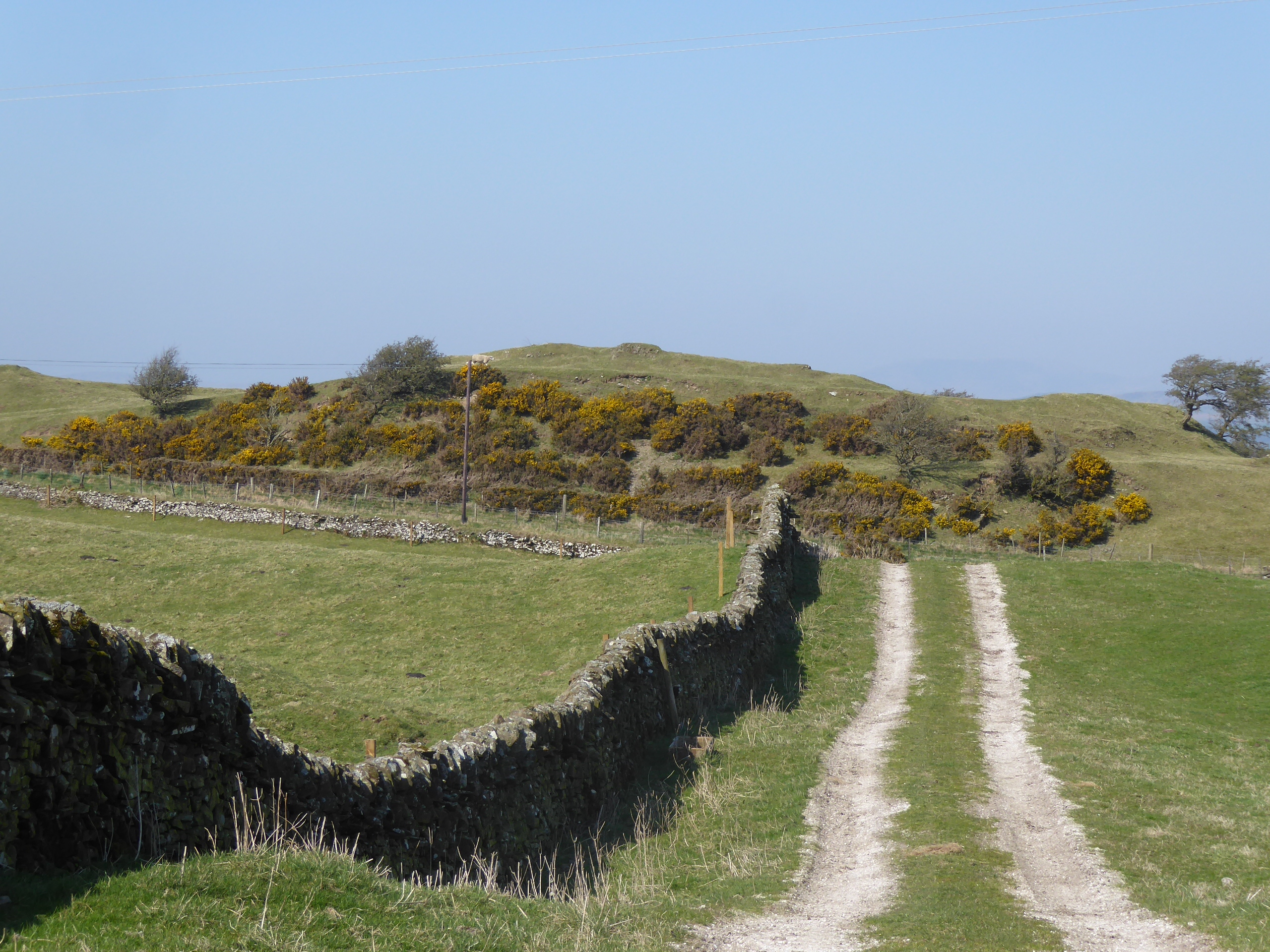
And then the walk back to Kirkcudbright without the aid of public footpath signposts and little yellow arrows. OMG! On the map I found a path leading in my direction, but there was a small gap with no paths and only (impassable?) field boundaries until another useful path. I didn’t know what to expect but I gave it a go; the paths were mostly tracks broad enough for vehicles and easy to spot, but the “gap” in my route was blocked by stone walls. I found a low point and got over it without dislodging anything, but it taught me that I’d rather not try this again.

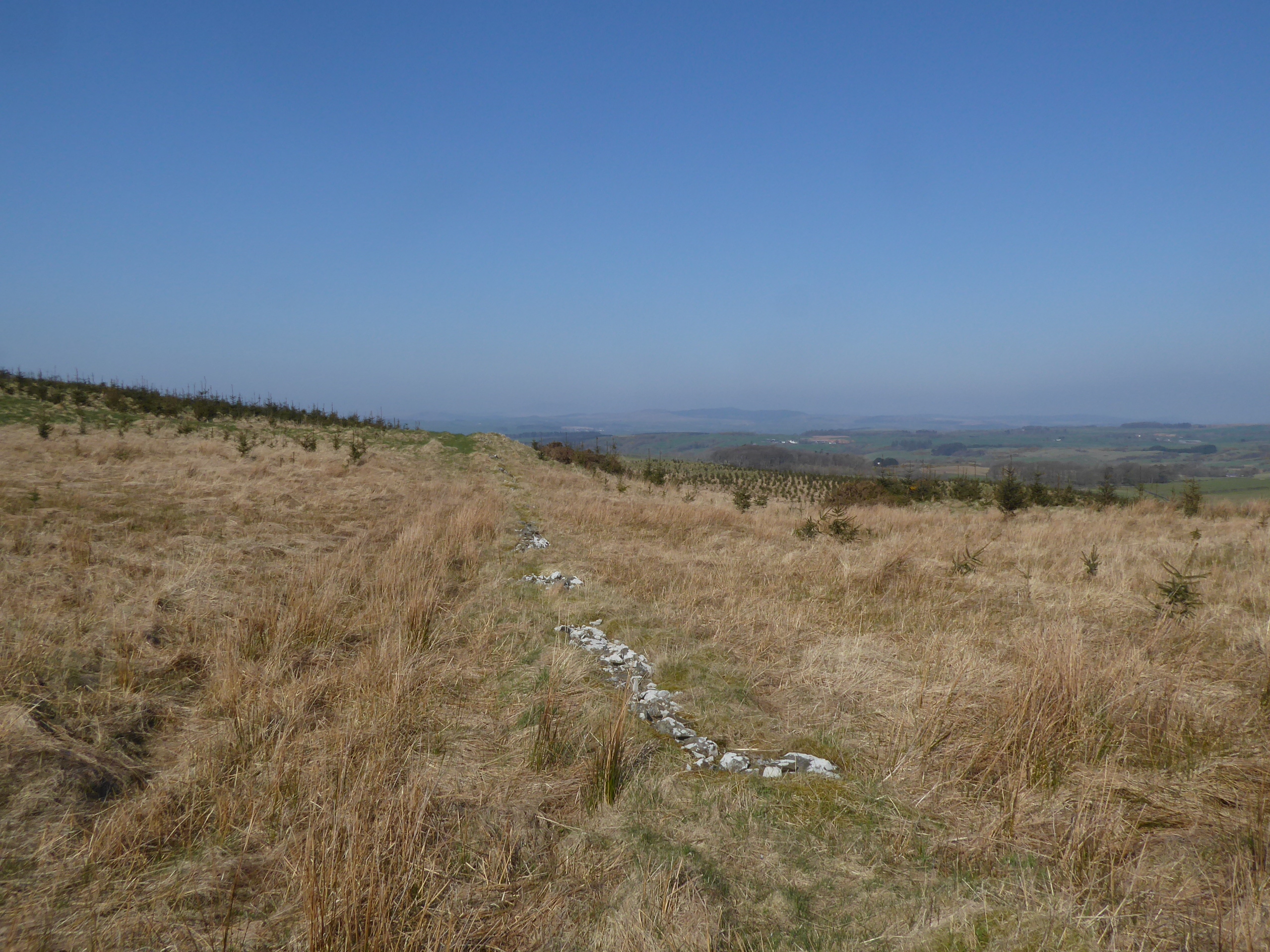
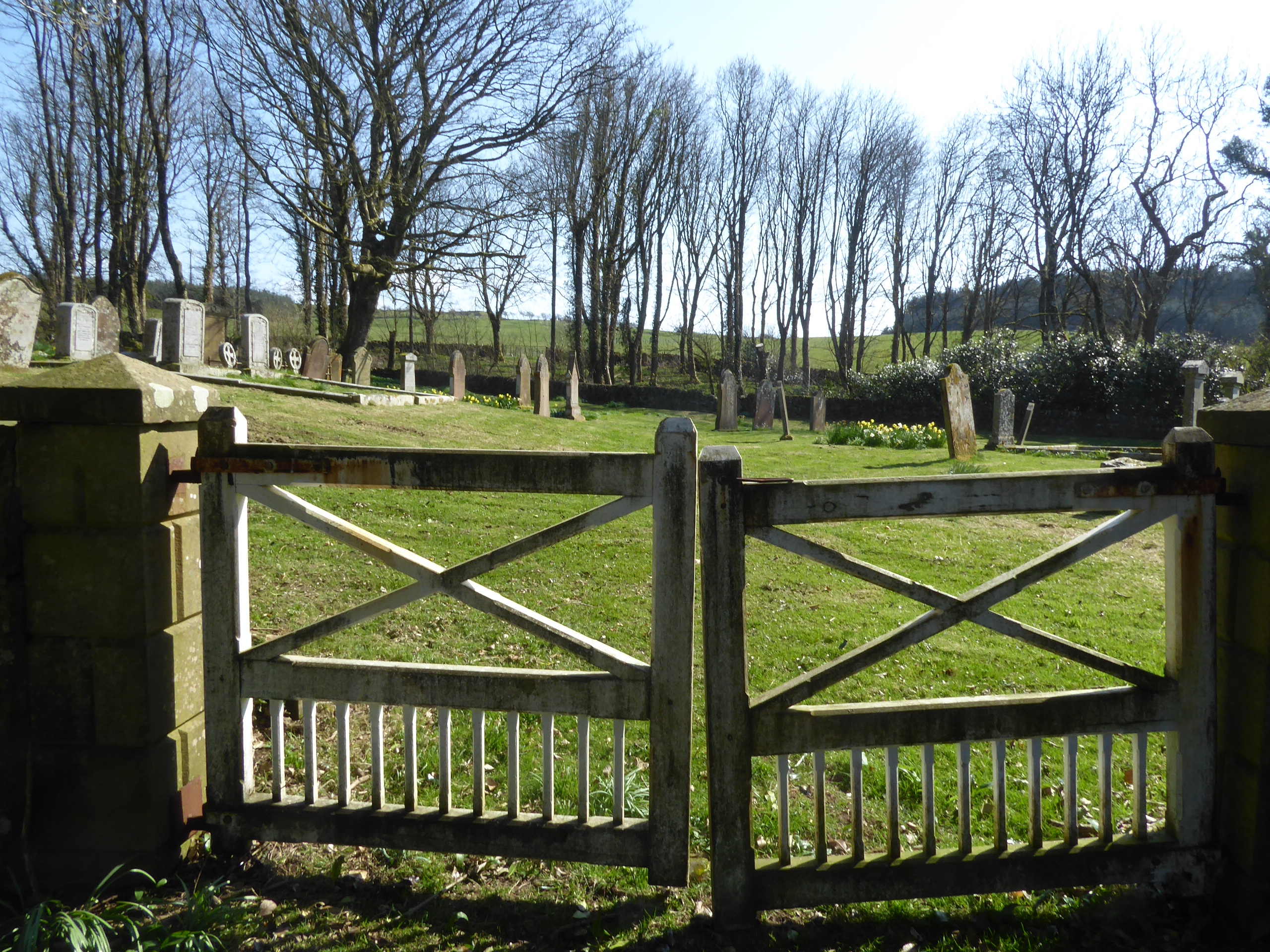
It was a good walk, taking in lots of little sites in Gothic script on the OS map: a hut circle (?) a dun (?) and a “settlement”, which was now a mass of gorse bushes. Somewhere I disturbed a couple of pigs behind a fence: they ran towards me making noises like a Dr Who monster. I found the site of St Michael’s Church, with only the graveyard still there. The latest tombstone I saw was from the 1970s.

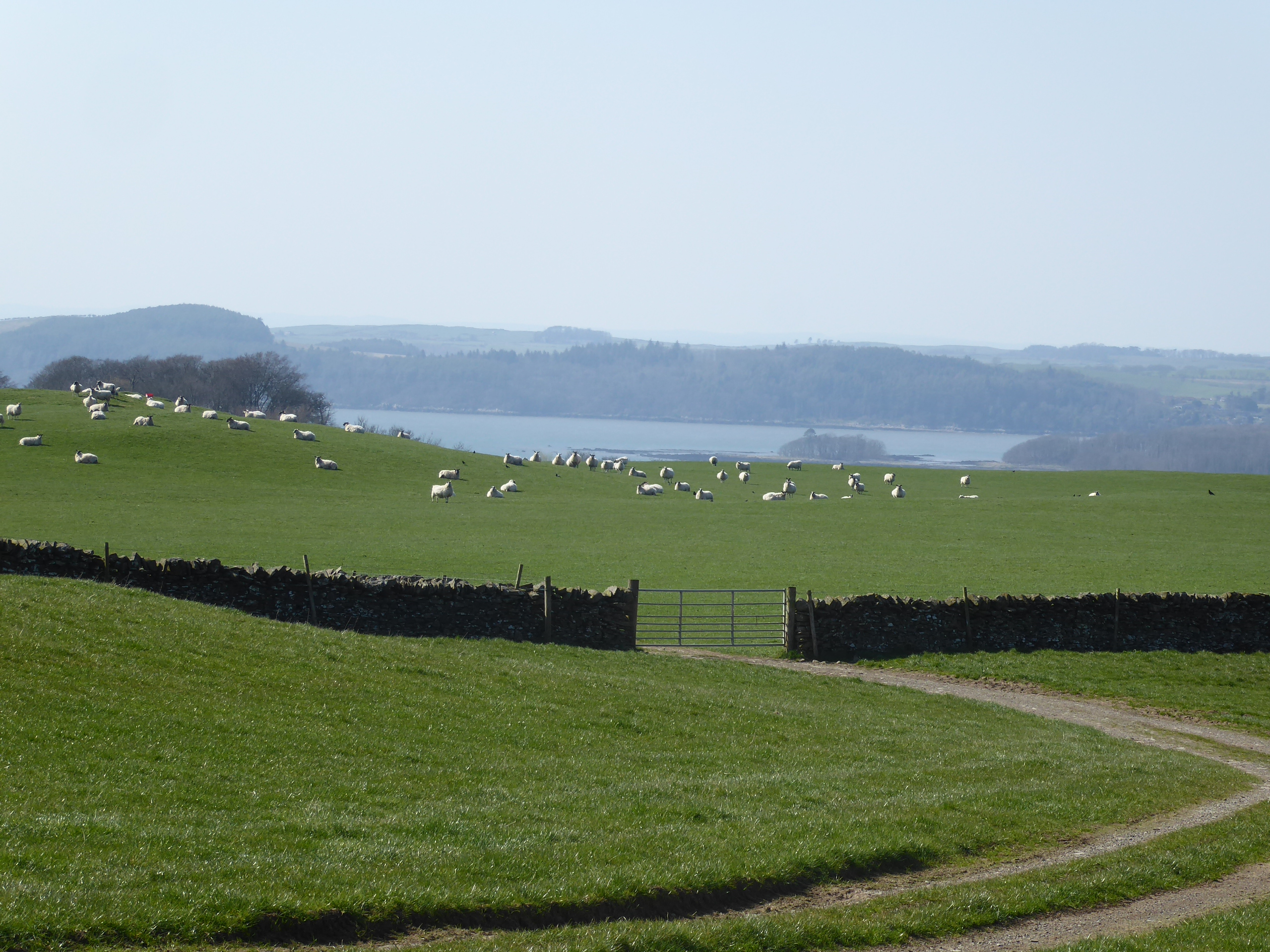
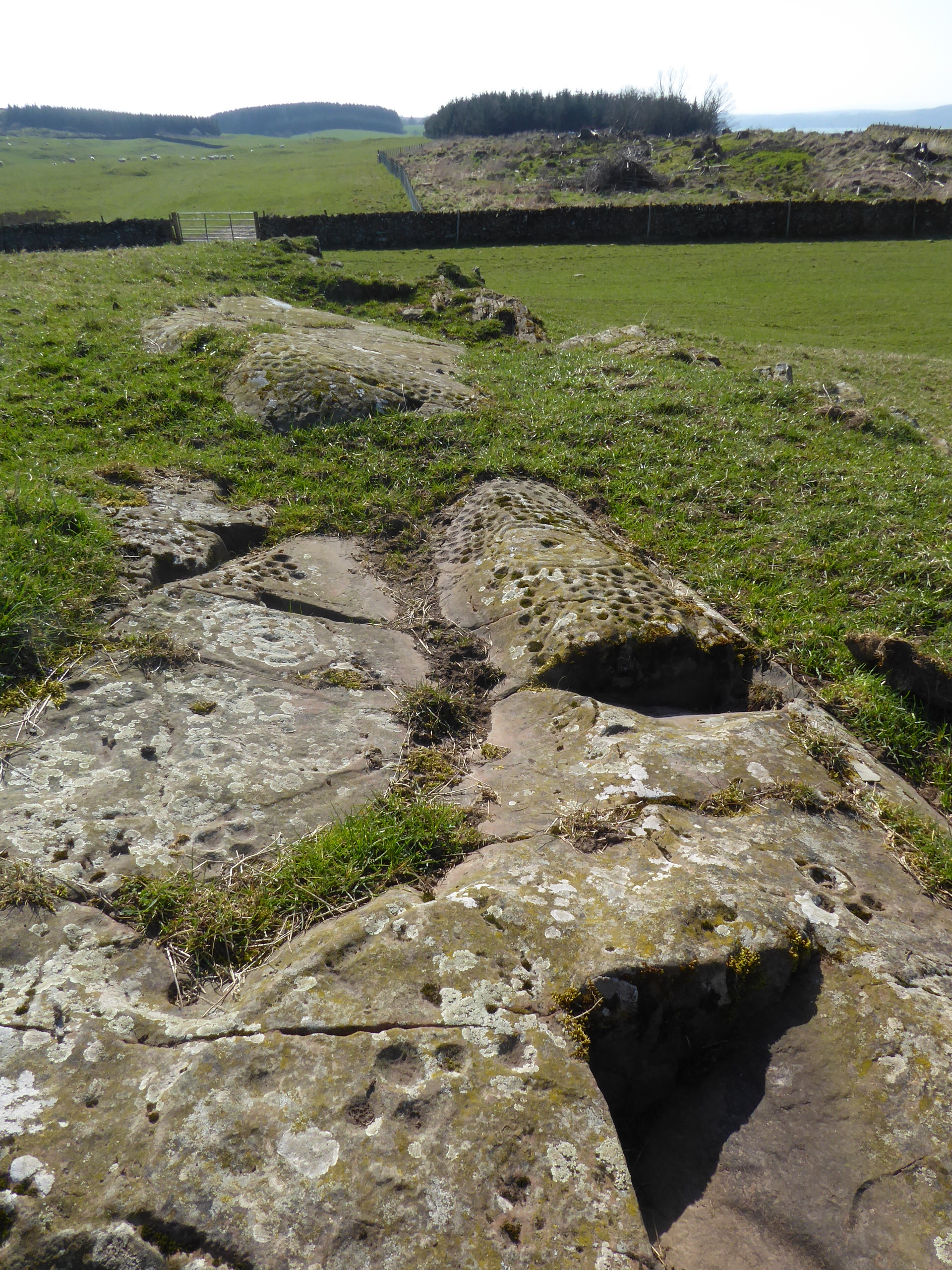
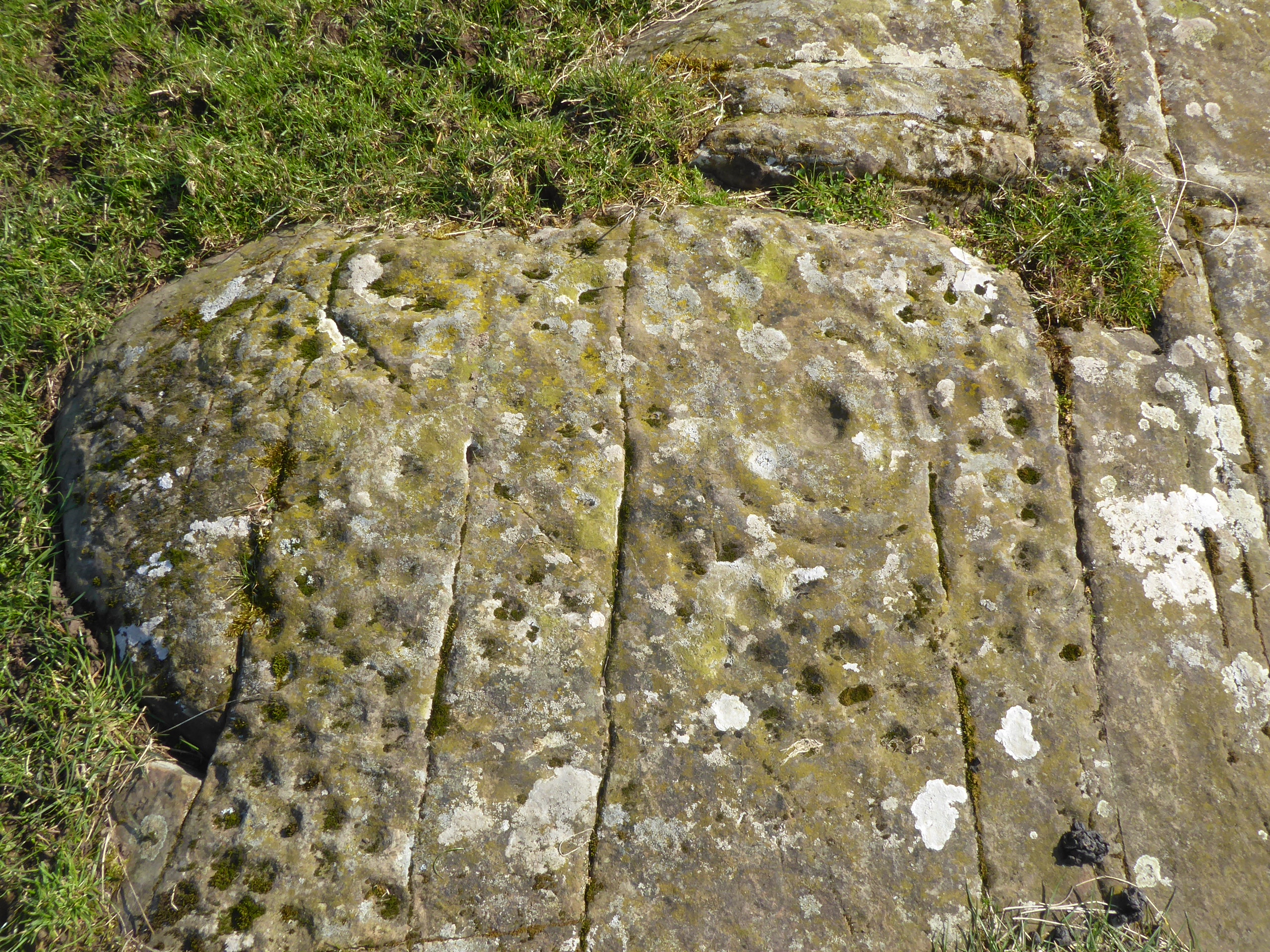
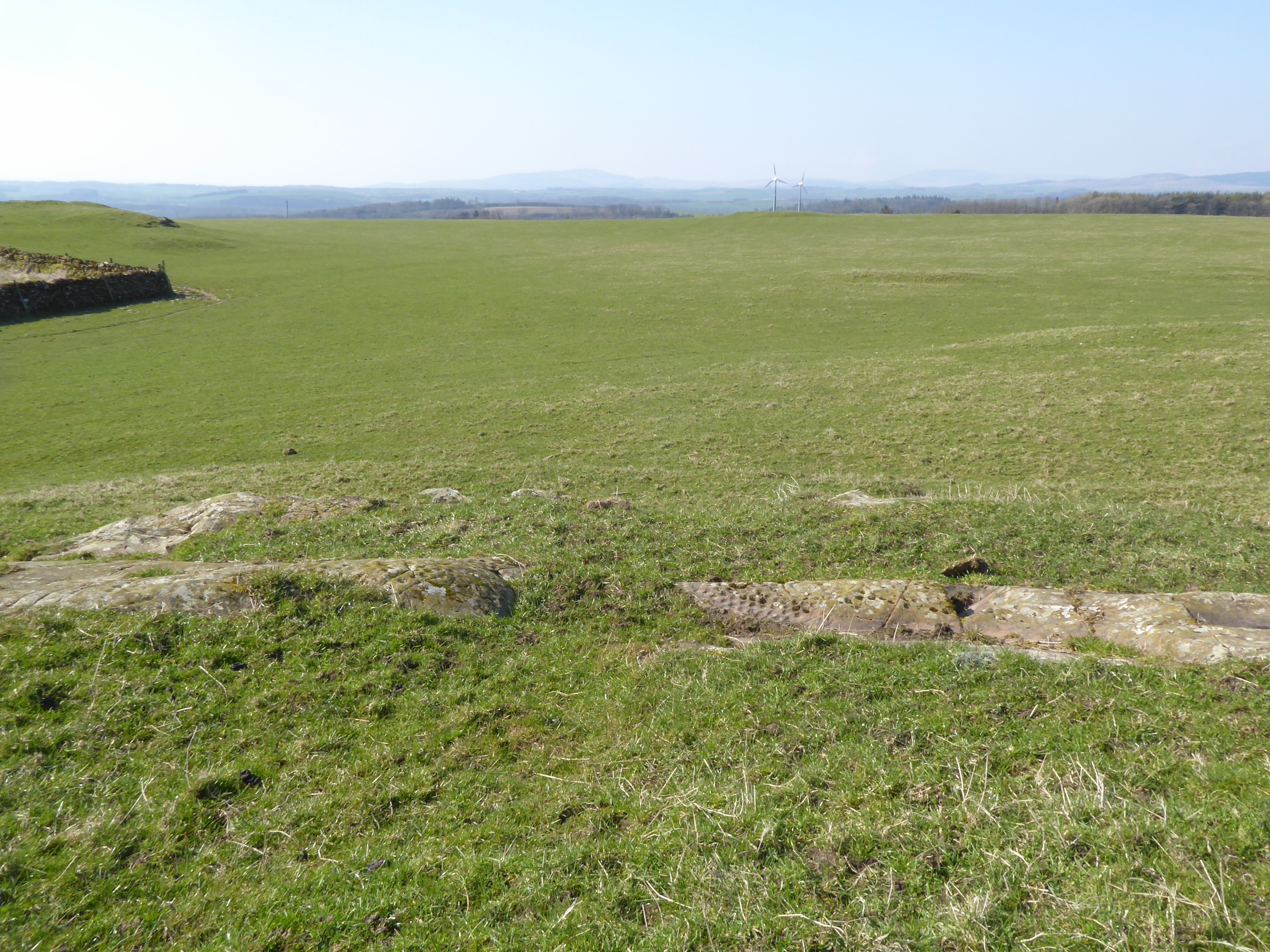
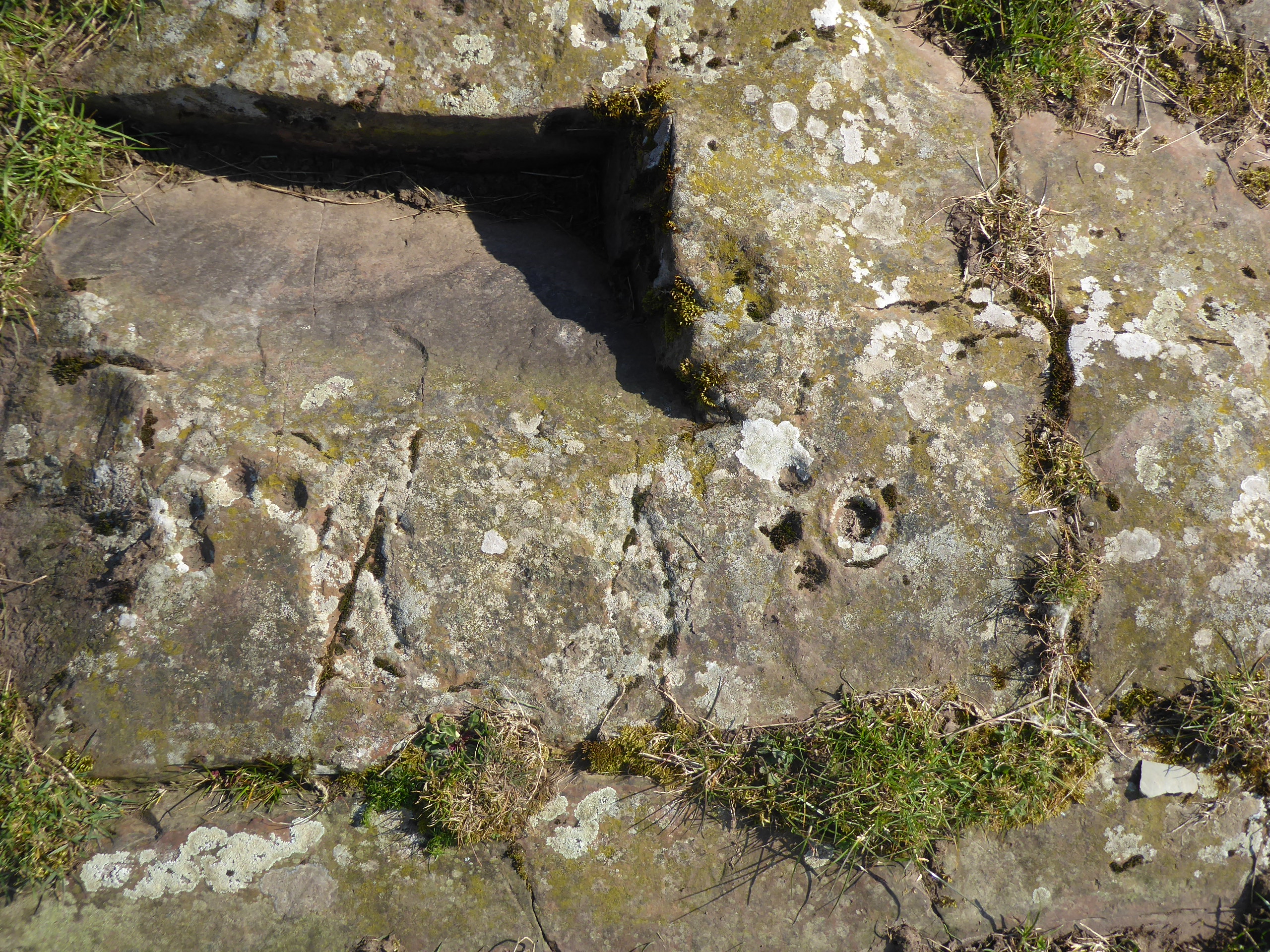
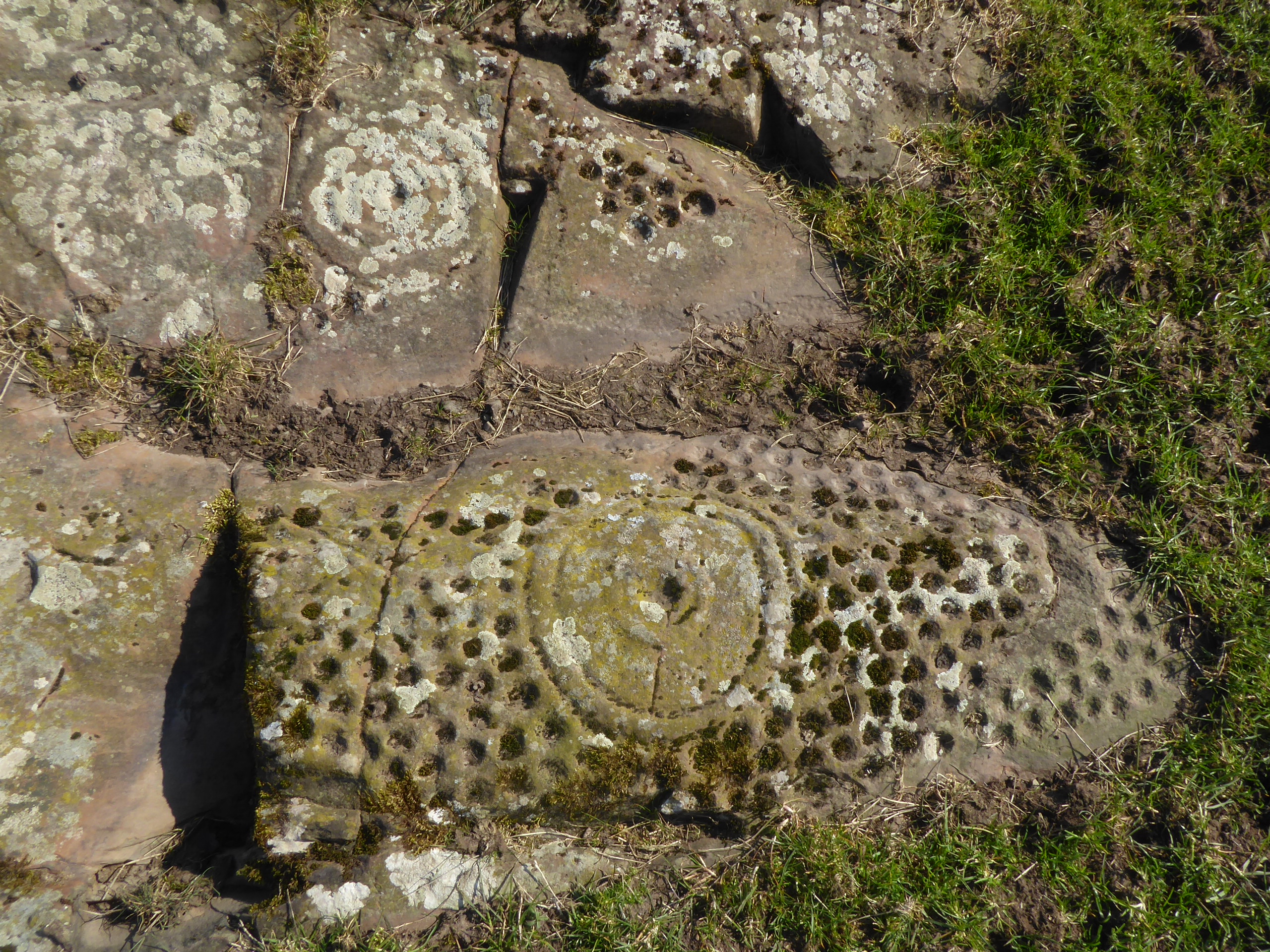
What I increasingly wanted to see however as I passed tantalisingly close to them was whatever was meant by “cup and ring marked rock”. Each time they seemed to be somewhere unreachable, but at High Banks (wonderful view) I persevered . . . and found some. (I realised afterwards that I’d seen a much simpler version on the main stone at Long Meg and her Daughters.) These were really quite something – and in a lovely location looking westwards over the estuary.

I suppose, all in all, it was quite a day of discovering human activity in the landscape – all the way from the abbey to settlements to rock art.

Kirkcudbright

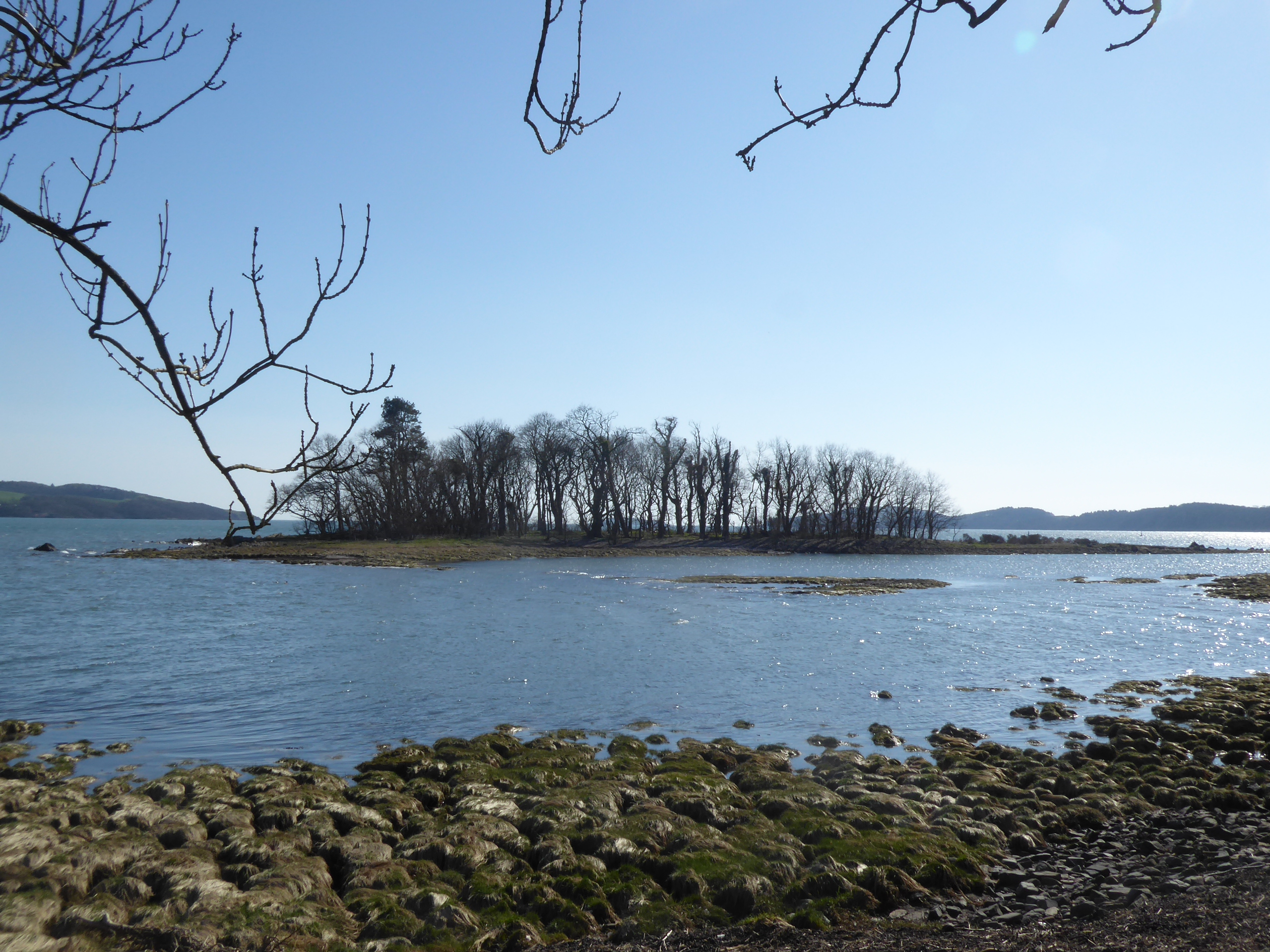
The beautiful weather has prompted me to come to Kirkcudbright. Beyond Dumfries everything was new to me, so I travelled with a sense of trepidation as well as excitement. Kirkcudbright is lovely, and I’m glad I’m visiting out of season. I arrived early enough to have time to walk around St Mary’s Isle (actually a dewdrop of a peninsula) – pleasant but unexciting and I’ve seen my first bluebells.

I can see that walking is not going to be easy here – which sounds silly when you consider Scotland’s right to roam. The problem is that I want a route – not a vast expanse to wander across ENE until grid ref such-and-such then NNE for a further mile. Basically I want public footpaths! Tomorrow I intend catching the bus to Dundrennan, so walking back to Kirkcudbright will be interesting.

I started re-reading Five Red Herrings over dinner.

Glasgow

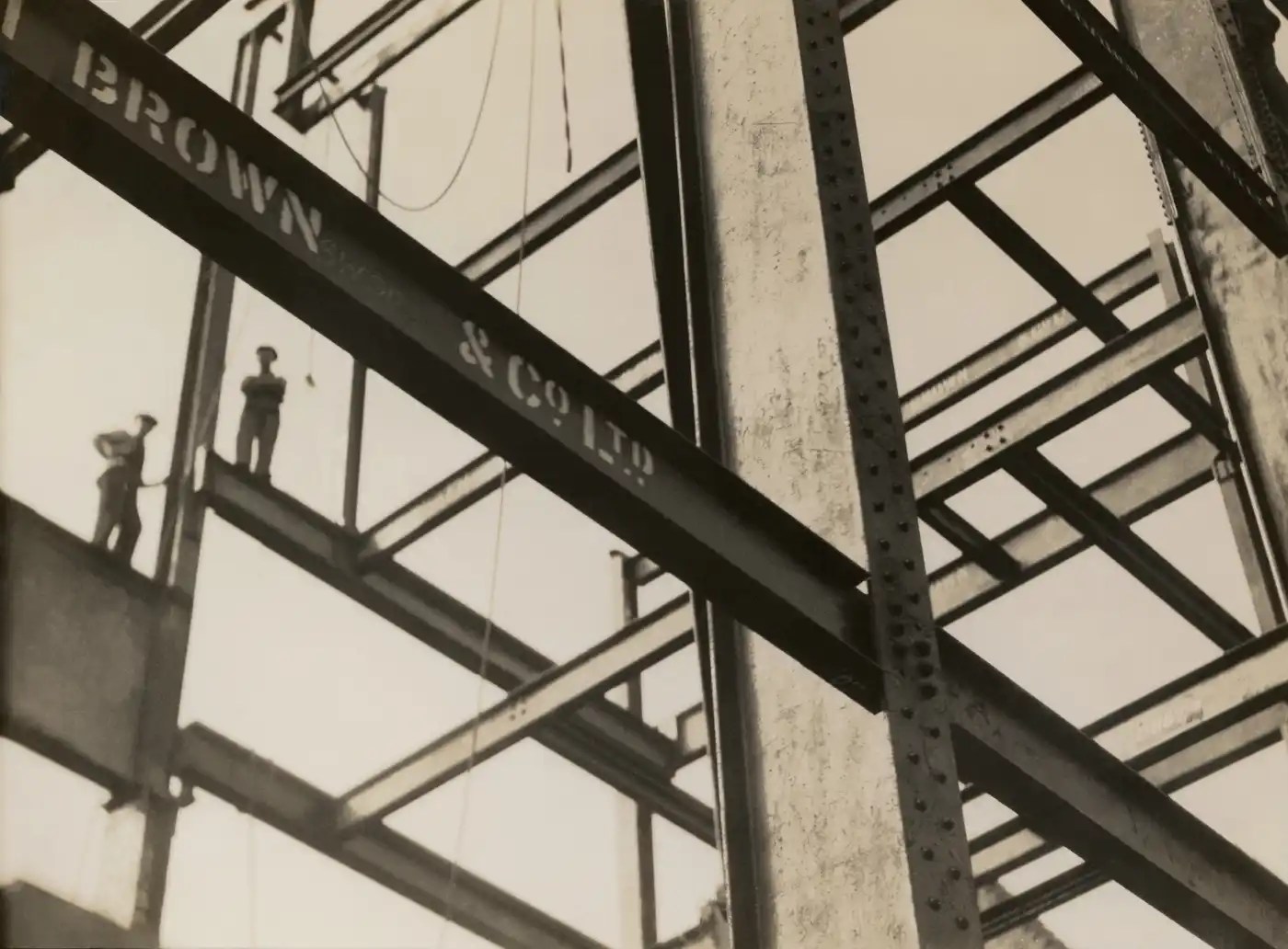
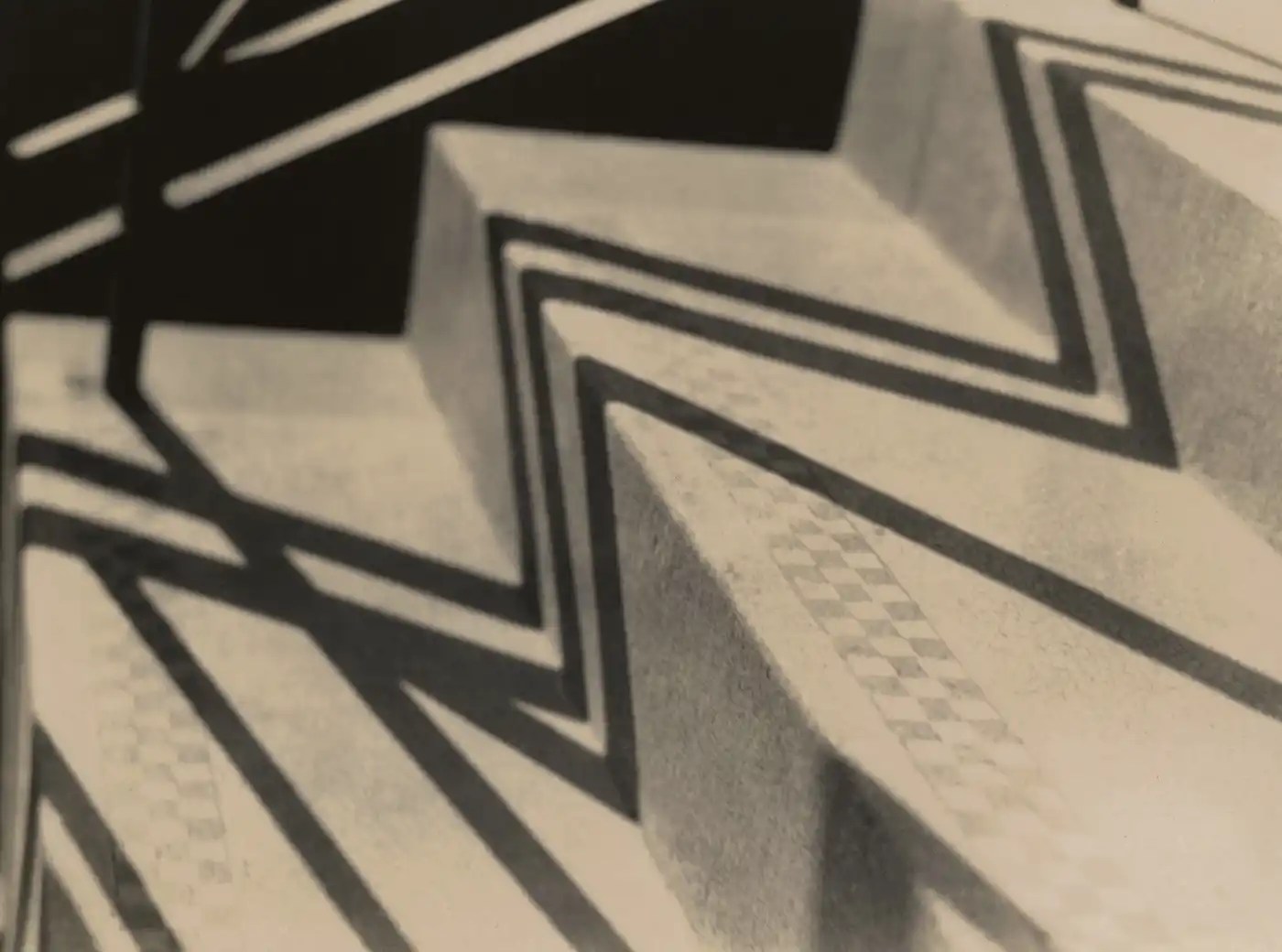
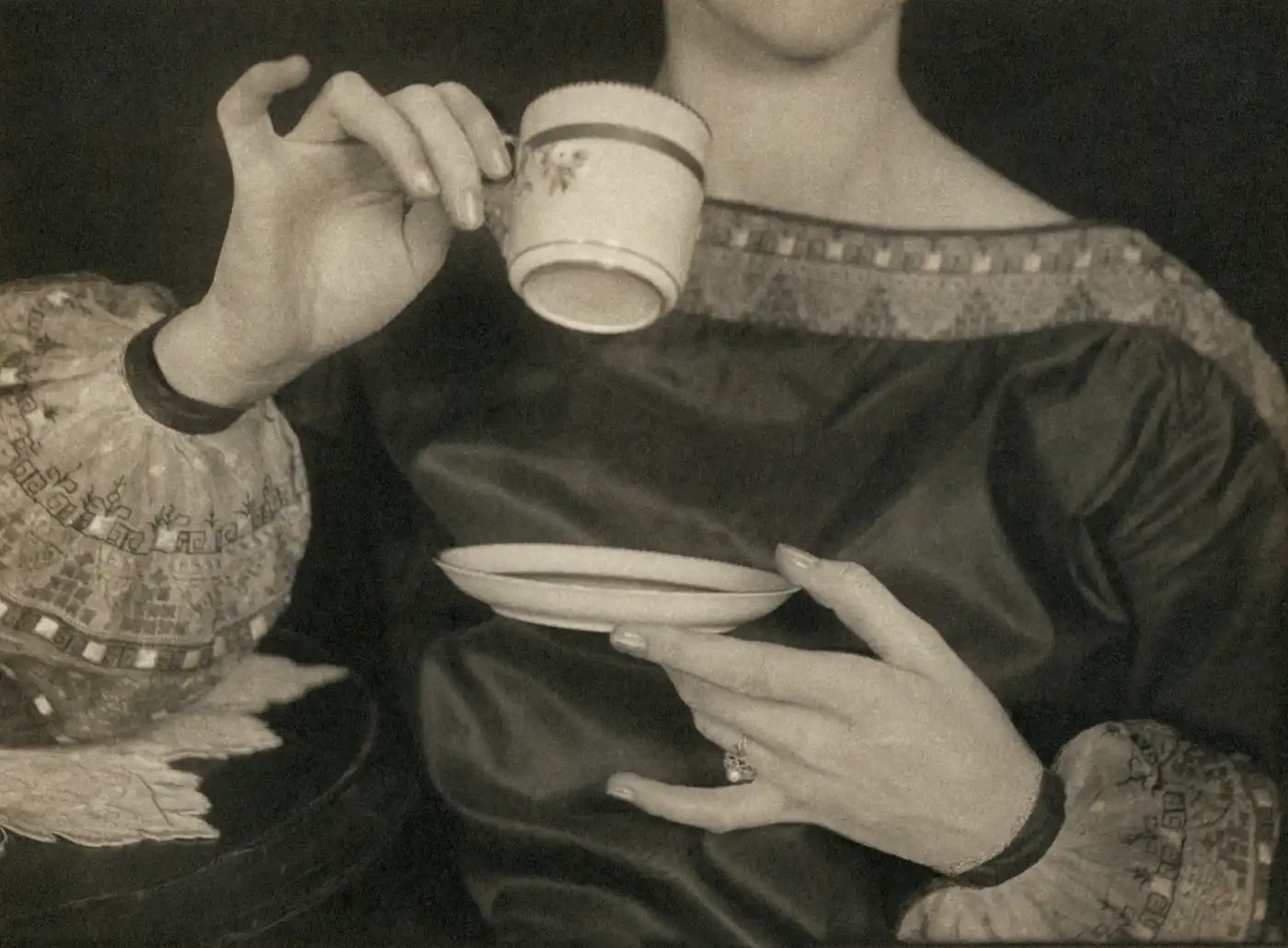
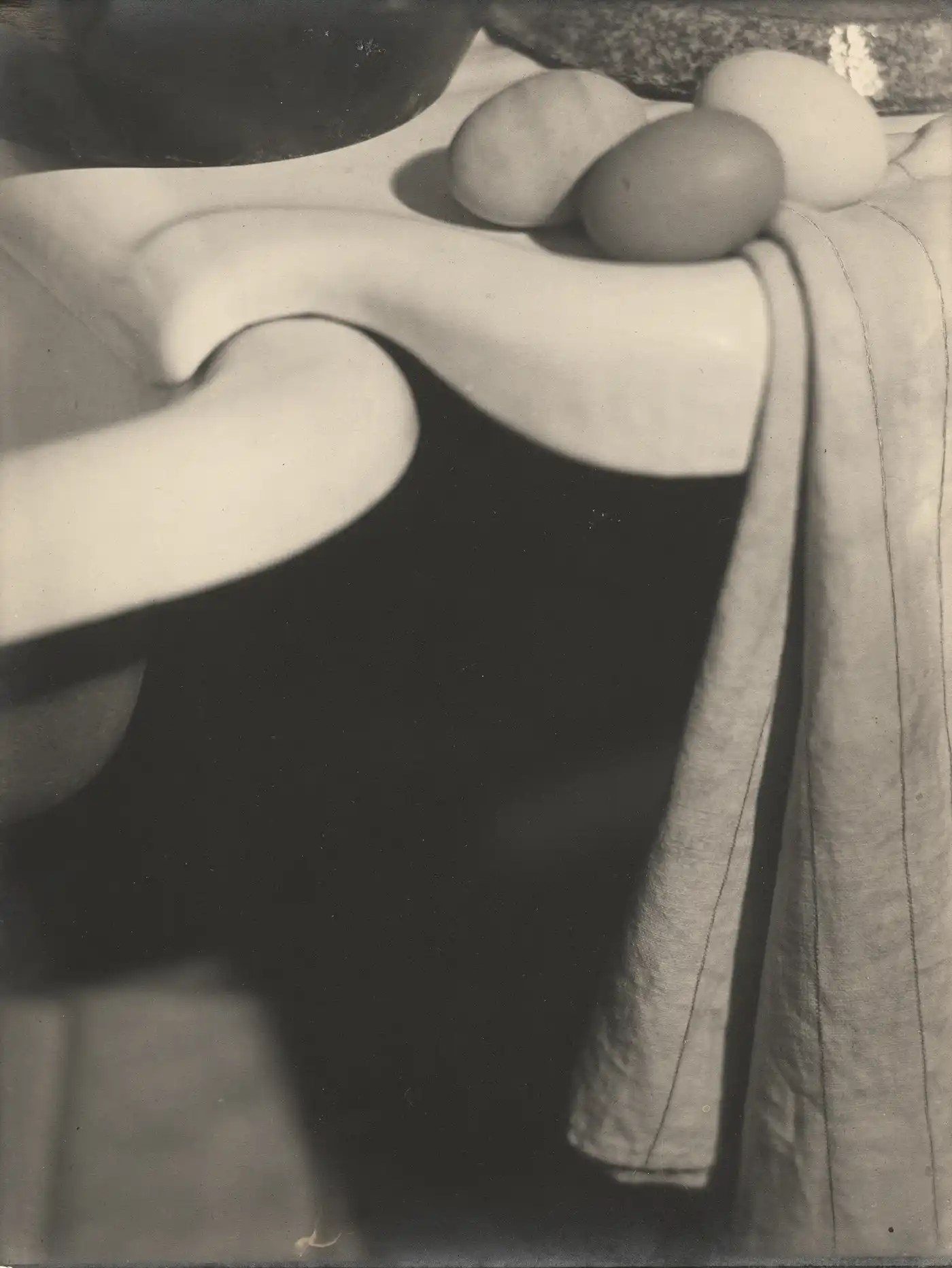
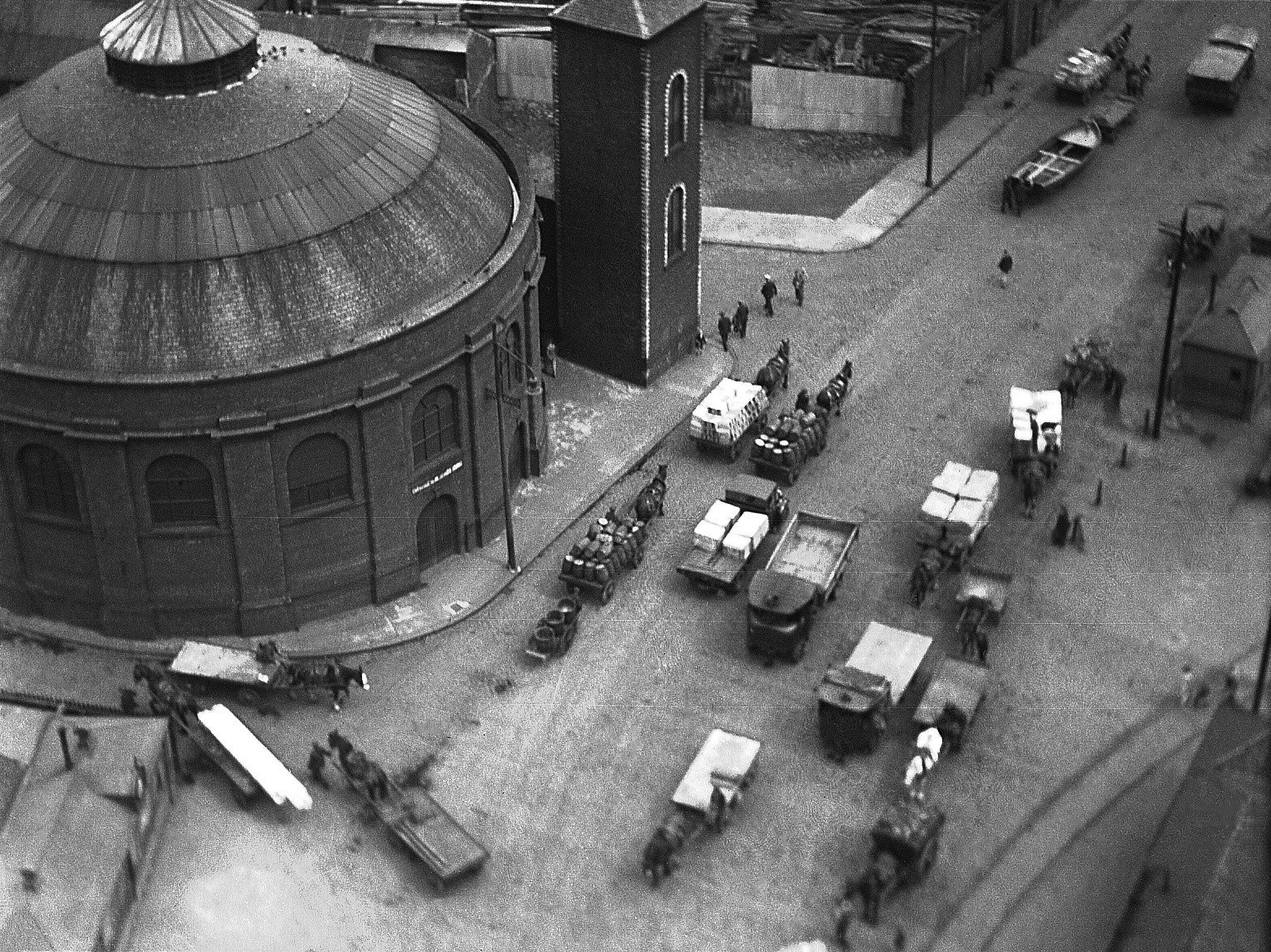
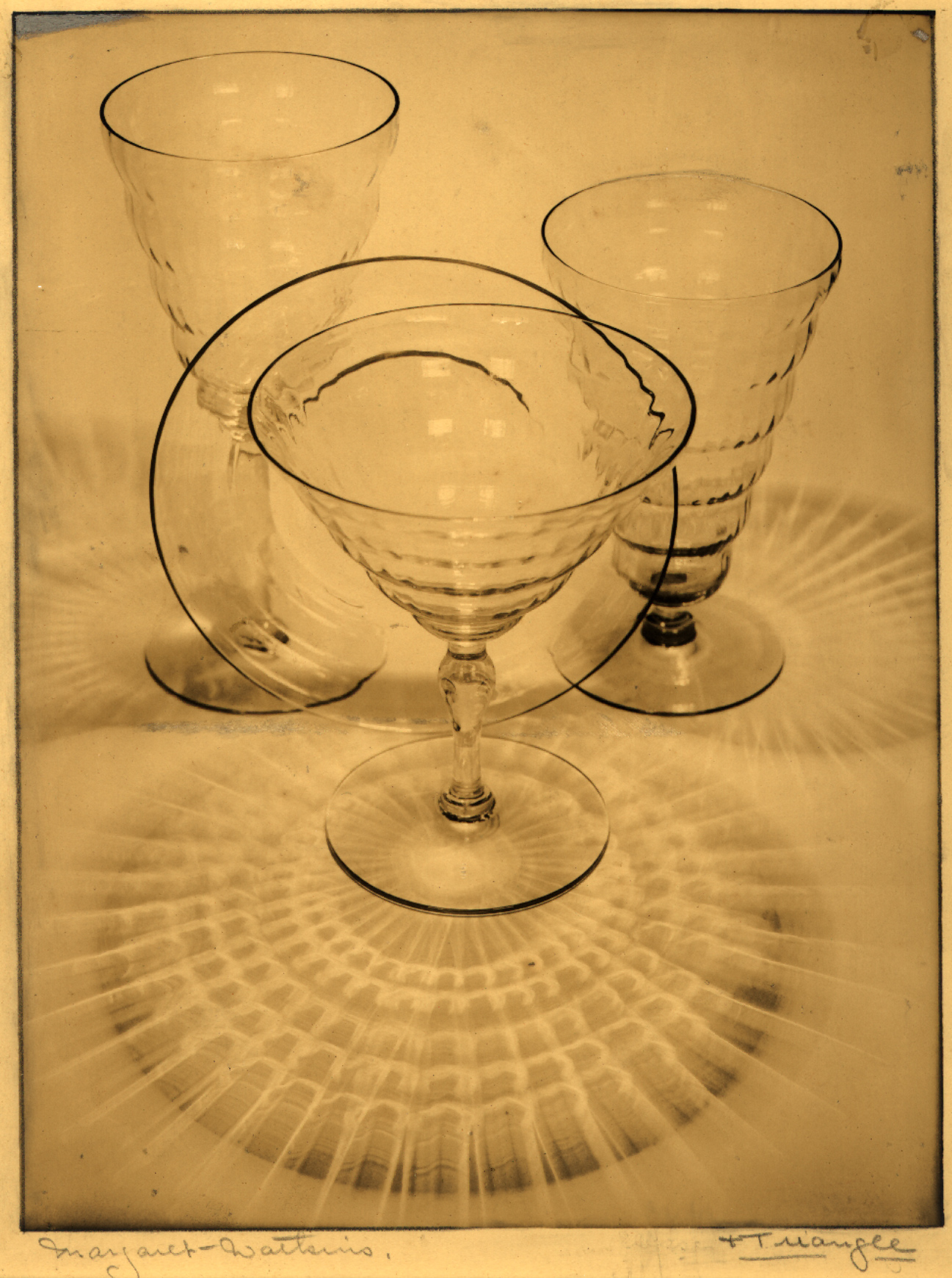
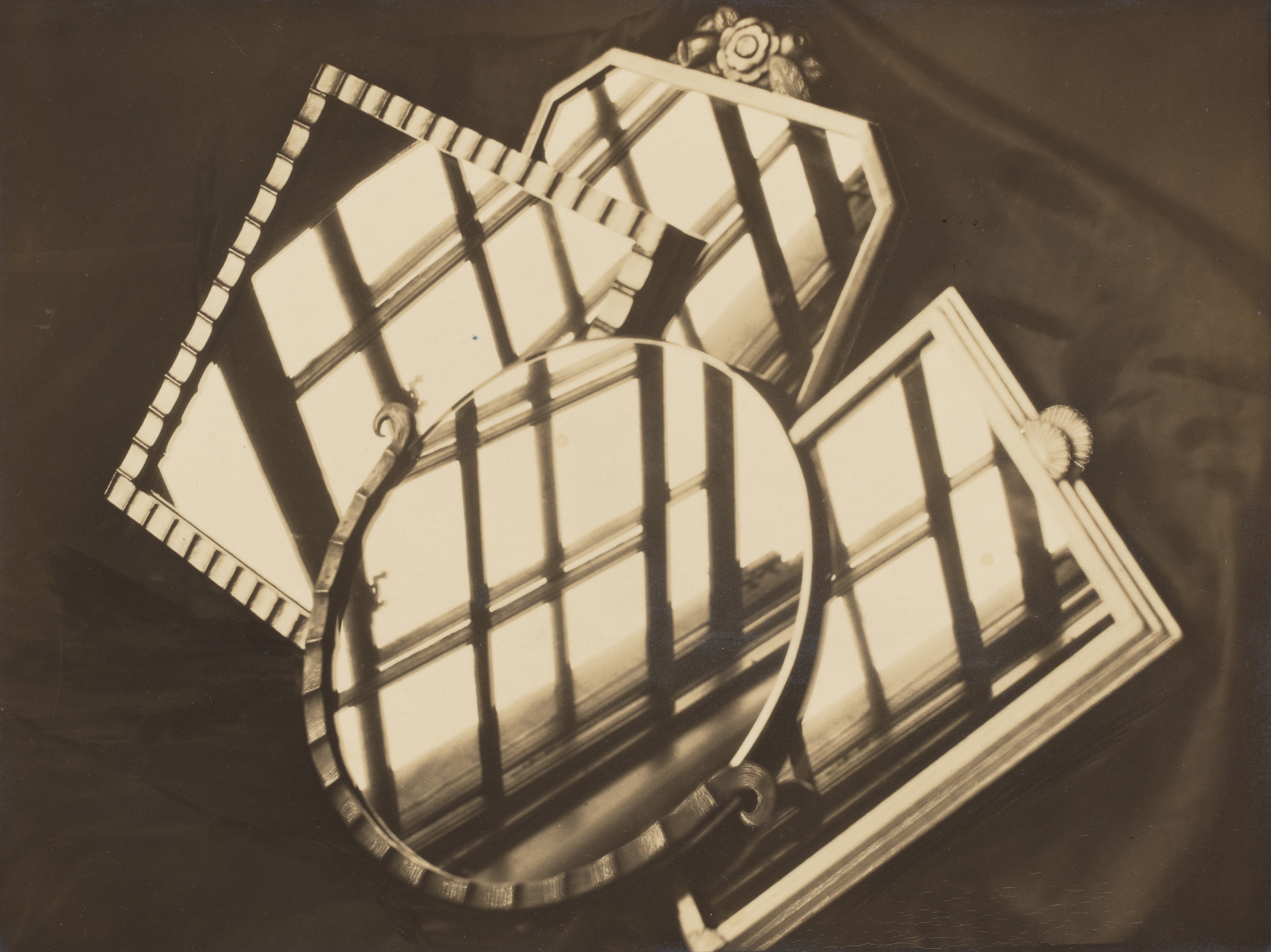
A few weeks ago I read about Margaret Watkins (1884-1969), a Canadian photographer who lived, worked and taught for several years in New York before travelling to Glasgow and getting stuck on the flypaper of domesticity. In New York she found success in advertising and in offering a new kind of abstract “kitchen sink” composition. The three eggs was the photograph that gripped me: the curves, the dark space – just wonderful. Strong geometry and sometimes a painterly style. (The dainty tea cup photograph is advertising cuticle cream.)

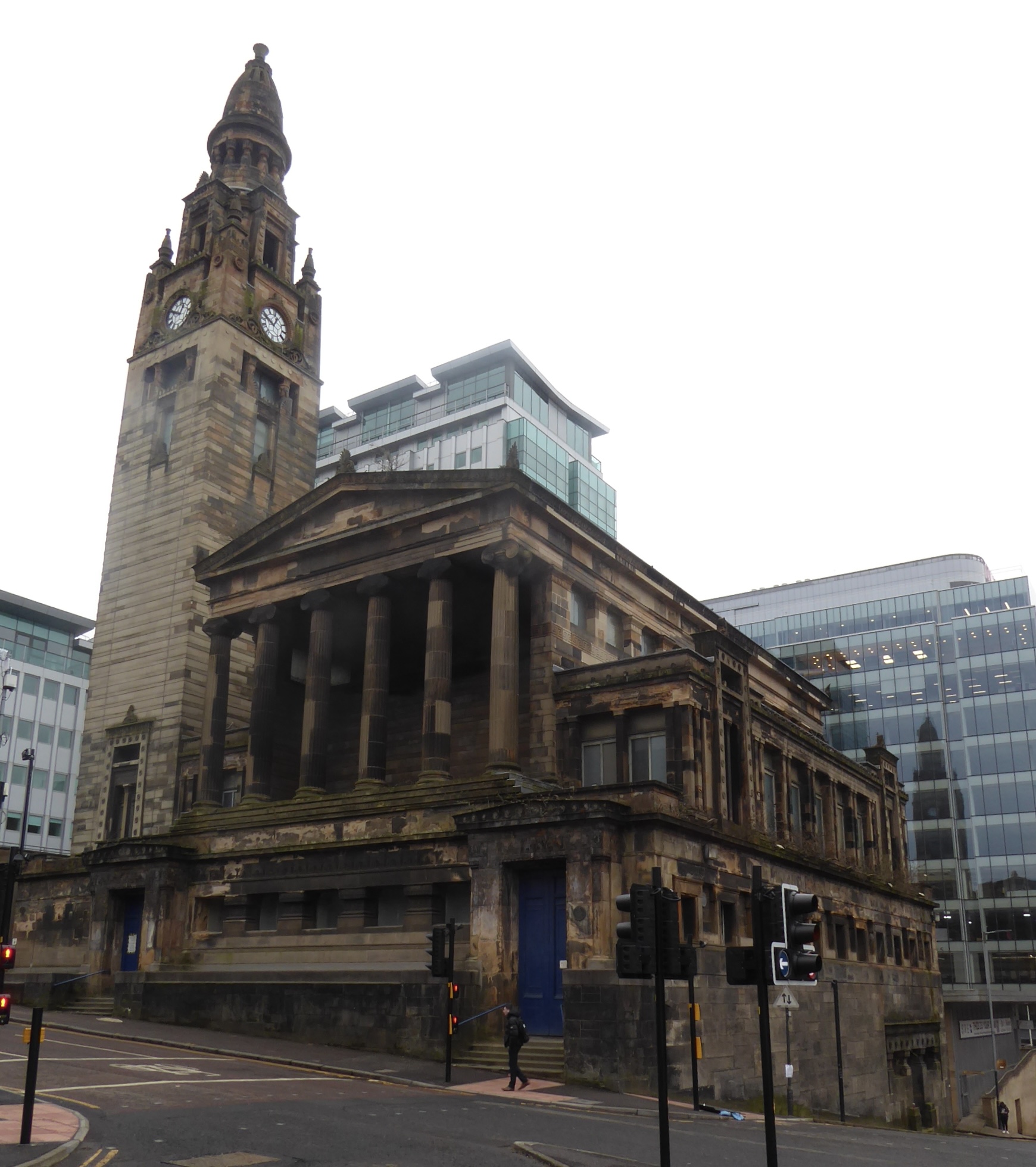
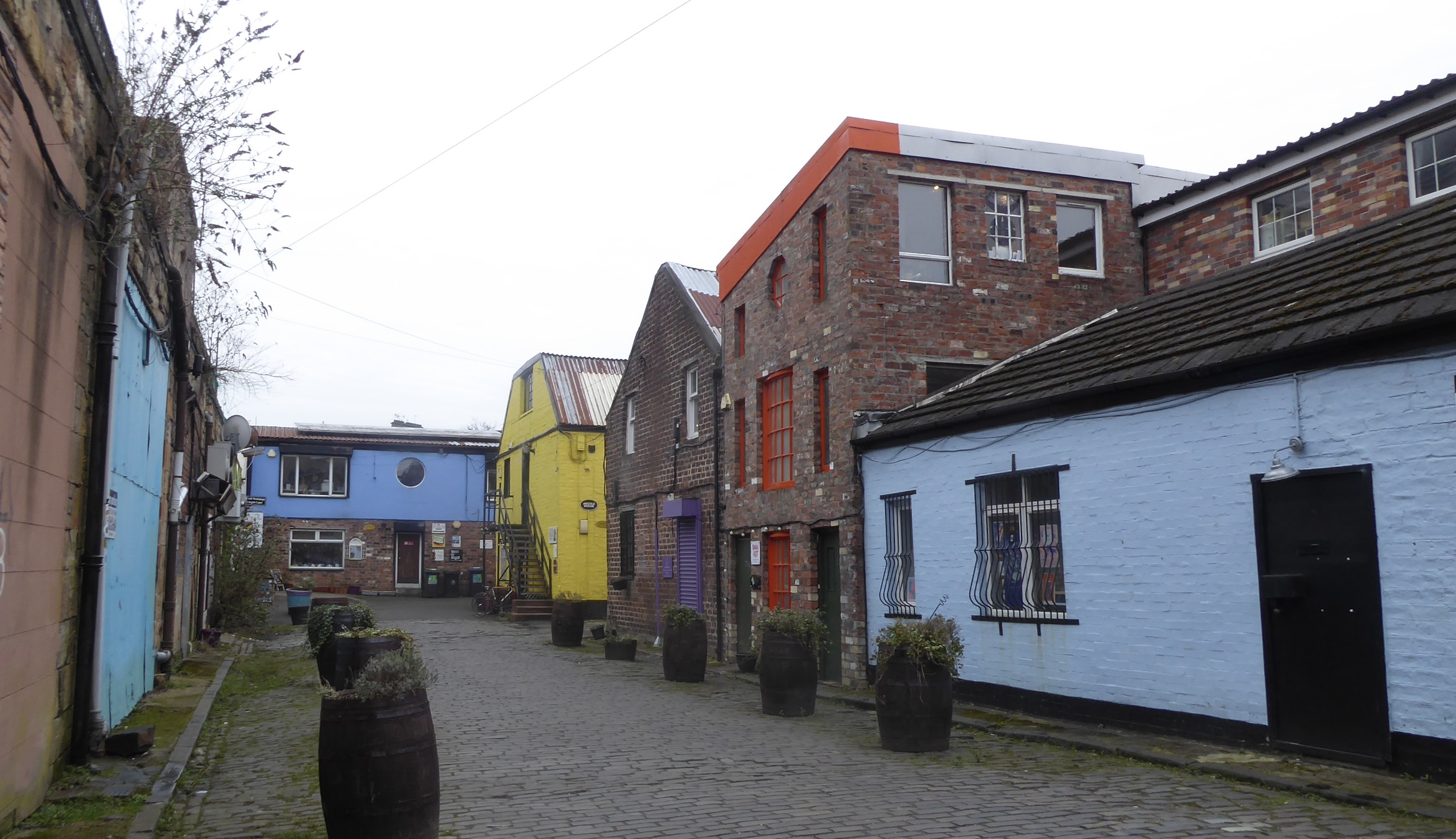
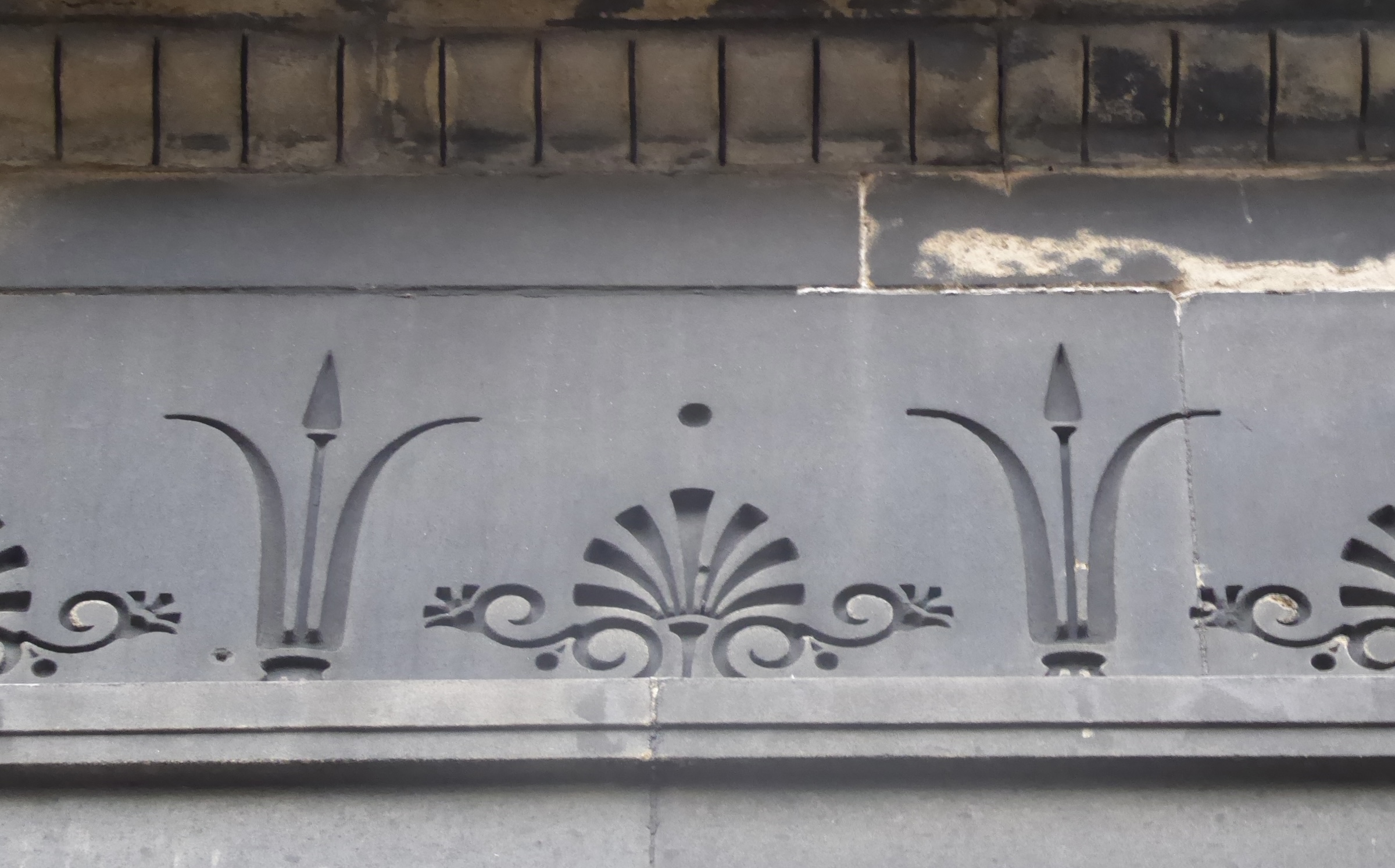
So off I went to Glasgow on a freezing day trip to visit the Hidden Lane Gallery off Argyll Street. En route I discovered – and was taken aback by – the City Free Church. I didn’t think Presbyterians went in for that kind of thing. It’s by Alexander Thomson and is currently unused – and what would you use if for now?
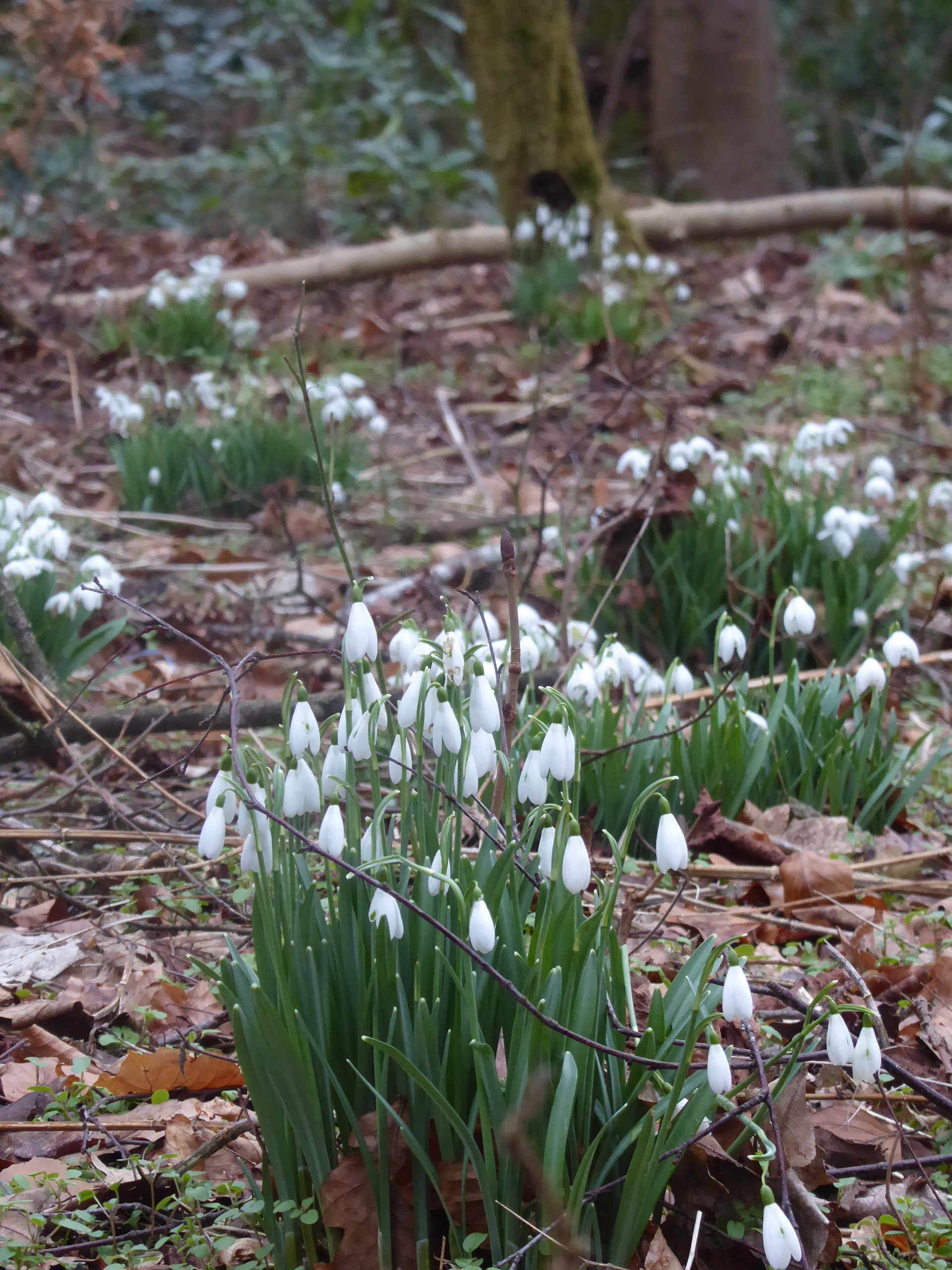

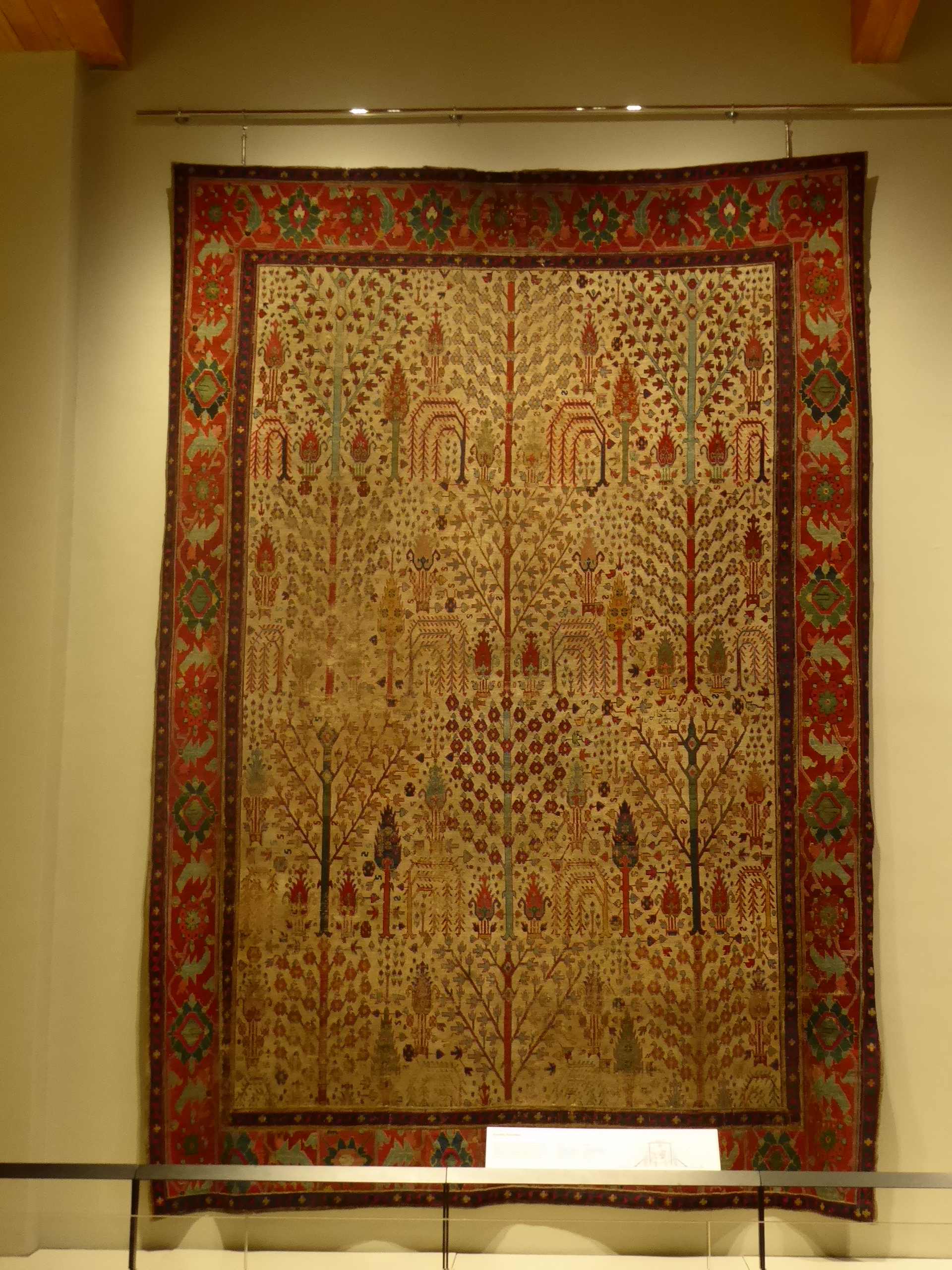
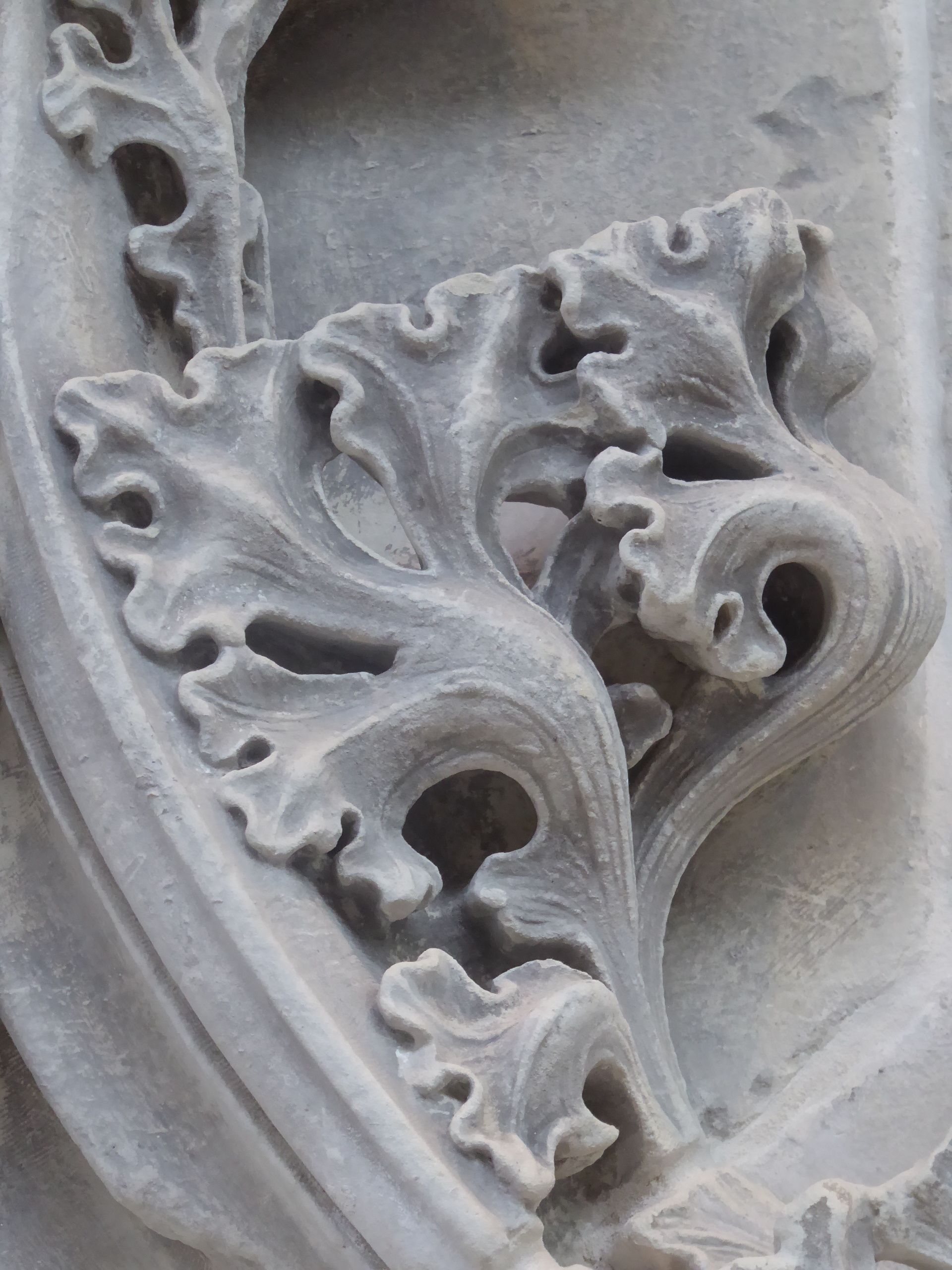
A quick visit to the Burrell Collection afterwards, where my steal would have been a Persian rug to bring the garden indoors in winter. I realise from my choice of photos here that I am longing for spring and the sense of nature re-awakening.