Salisbury and Old Sarum

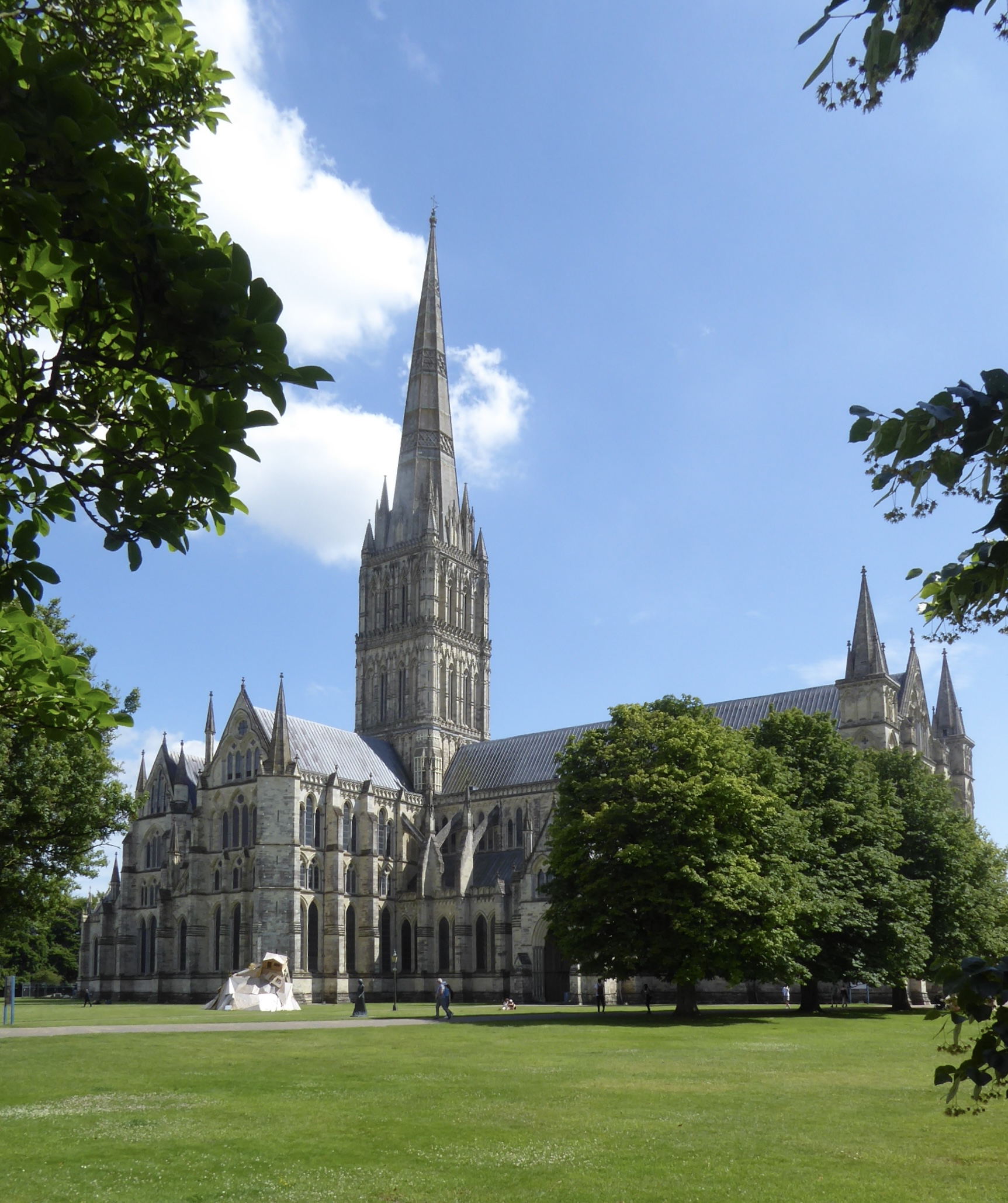
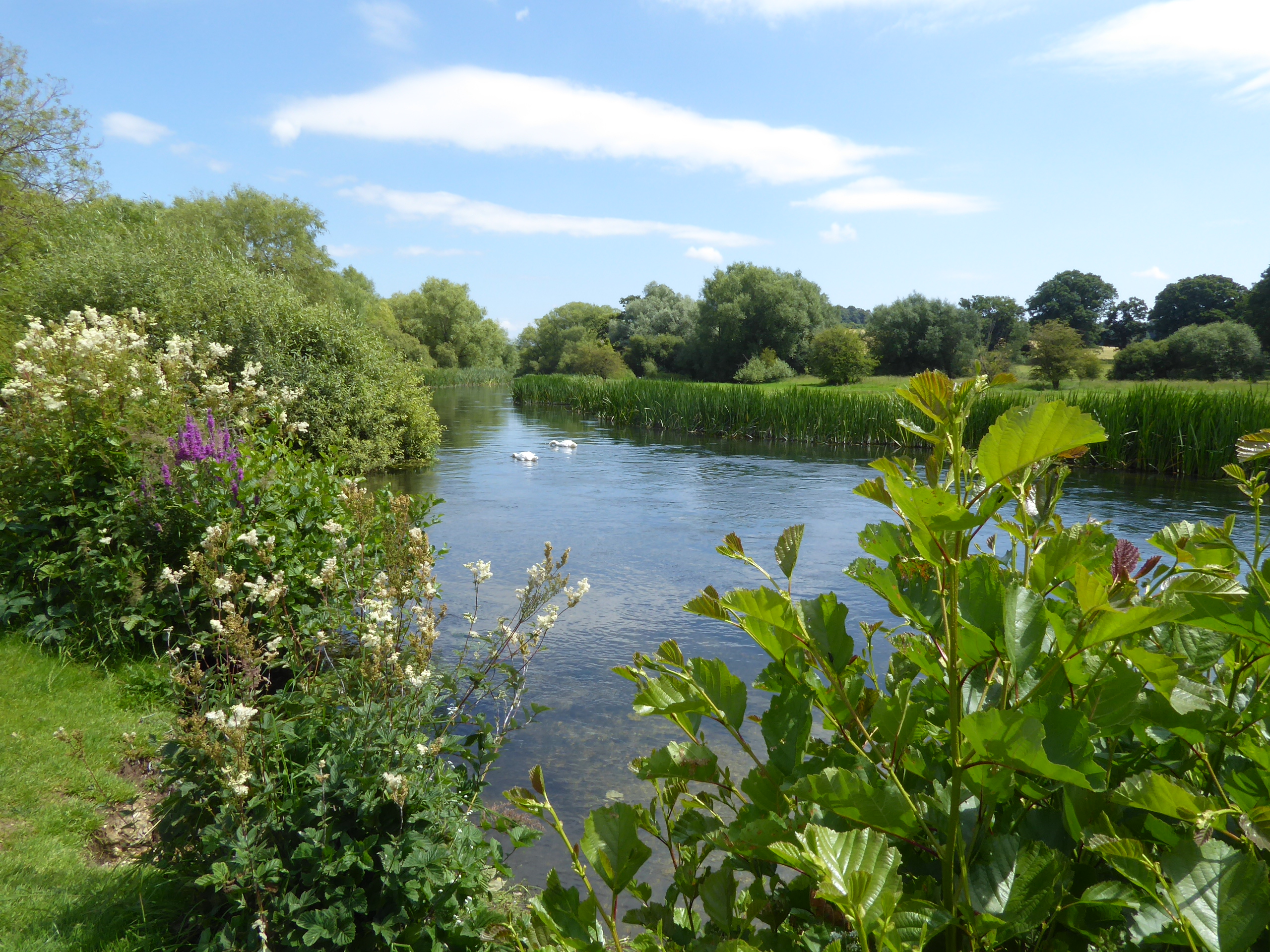
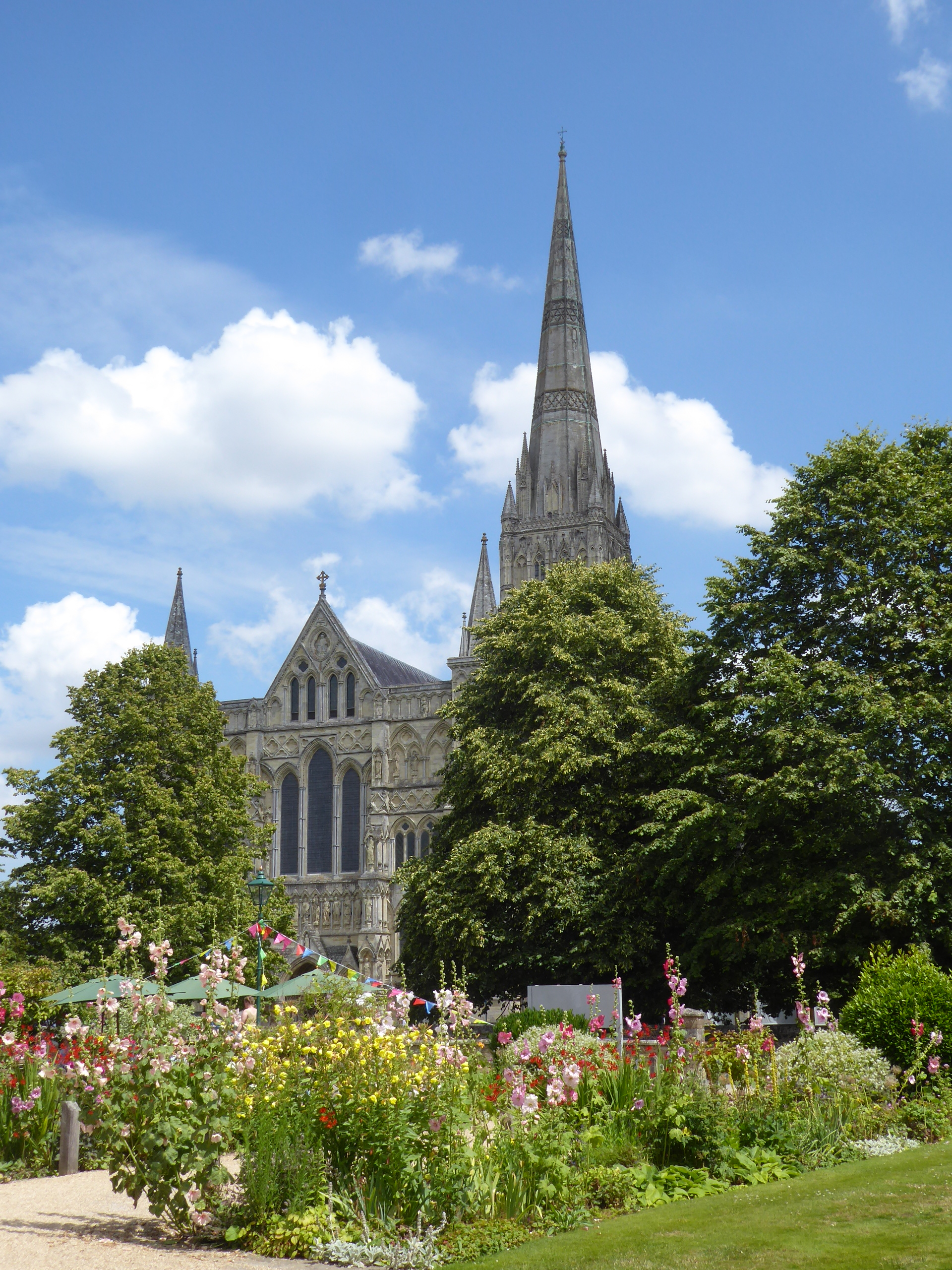
The coach drove us through chocolate-box England to an inn beside a chalk stream for lunch and then on to Salisbury: hollyhocks and thatched roofs en route to an Early English Gothic cathedral that has been on my “to visit” list for years. What could be nicer?
Our destination was the Wessex Galleries of the Salisbury Museum: more artefacts from under the ground. As a devourer of detective stories, I likened them to a traditional country house murder: clues and red herrings throughout but no big dénouement in the drawing room to give the single correct account. Archaeologists are scientists, not Hercule Poirot: they offered possible explanations but then offered an alternative. Thus the grave of the Amesbury Archer: he was not from Amesbury and he may not have been an archer. He grew up in central Europe and had a limp: the arrowhead buried with him might be the red herring which has given him his name, and the portable anvil, perhaps marking him as an early metalworker, might be the real clue.

Yet another significant amateur archaeologist’s name to remember (if not necessarily in the correct order): Lieutenant-General Augustus Henry Lane Fox Pitt-Rivers, who excavated with great method and founded a couple of museums.

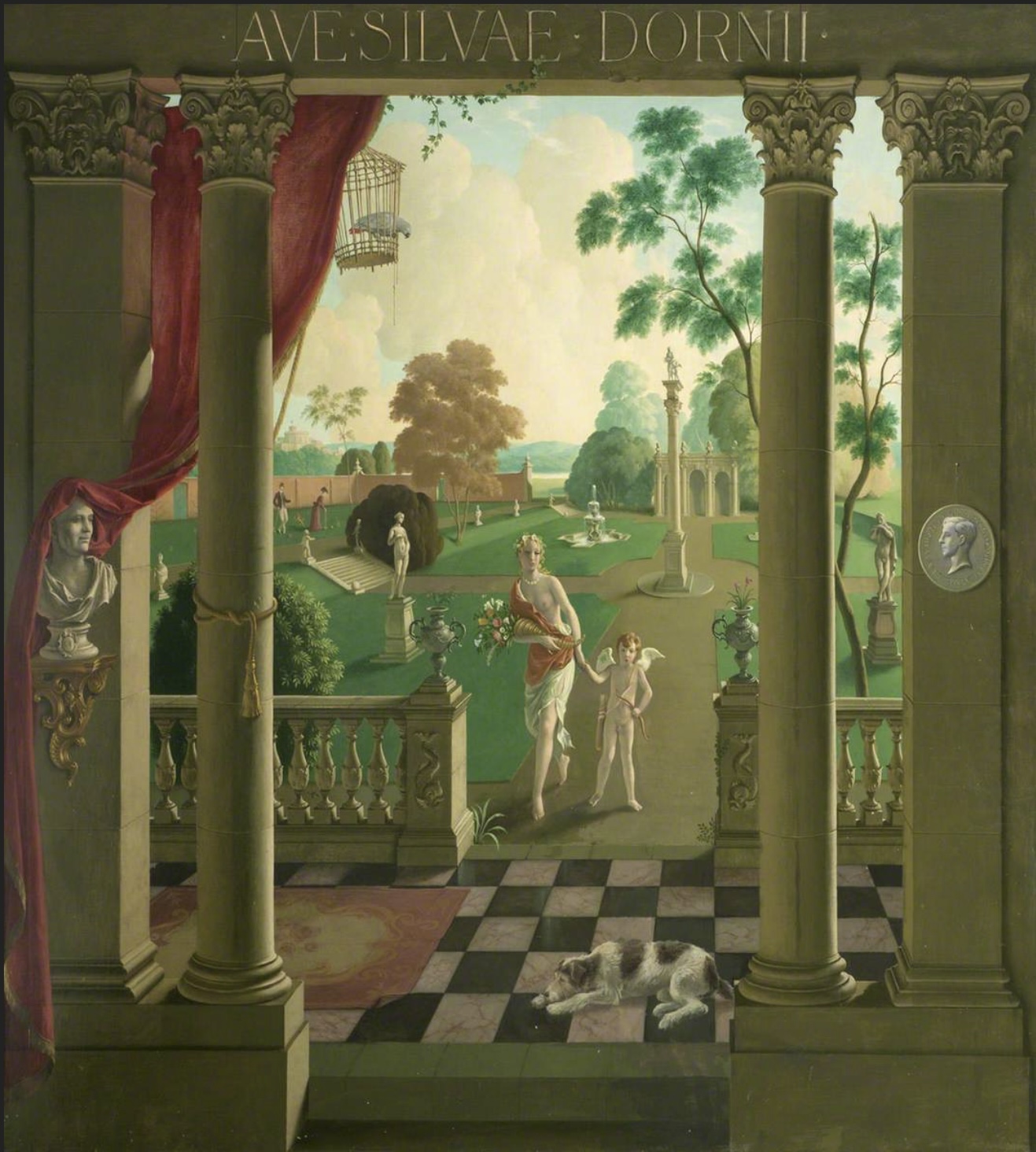
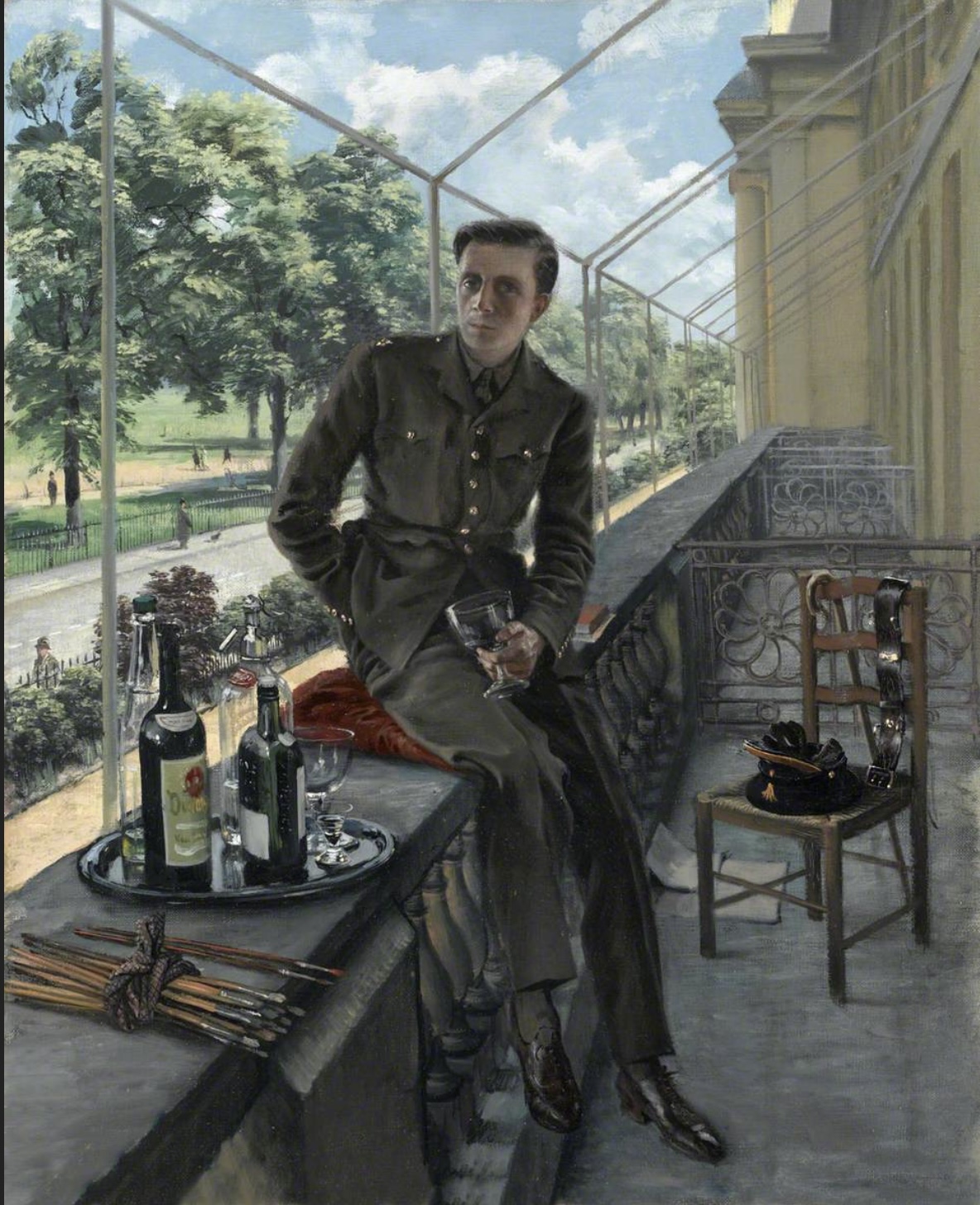
I fast-forwarded to the twentieth century with the museum’s small exhibition on Rex Whistler. I’d come across him in the Tate restaurant and at Haddon Hall. Whistler had a gift for befriending wealthy people, who then commissioned his murals. Everything was lightweight and frivolous – the stage designs, portraits of his friends against their country houses, even his 1940 self-portrait looking very relaxed and debonair in his brand-new Welsh Guards uniform. But he had volunteered, not been conscripted; he became a tank commander and was killed in action in 1944. With that snuffing out of the “bright young thing”, I had to re-adjust my ideas. Lightweight, frivolous and brave.
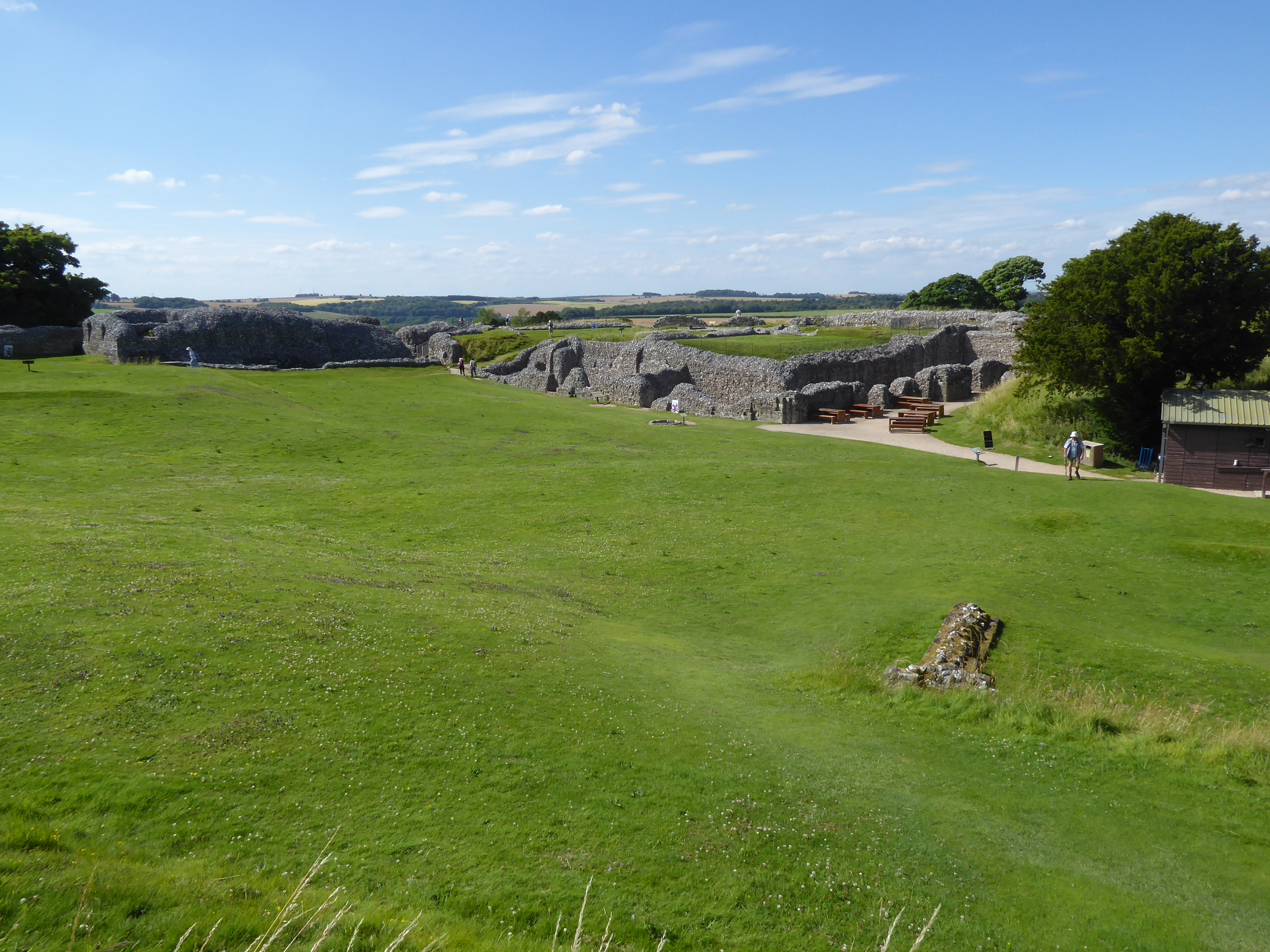
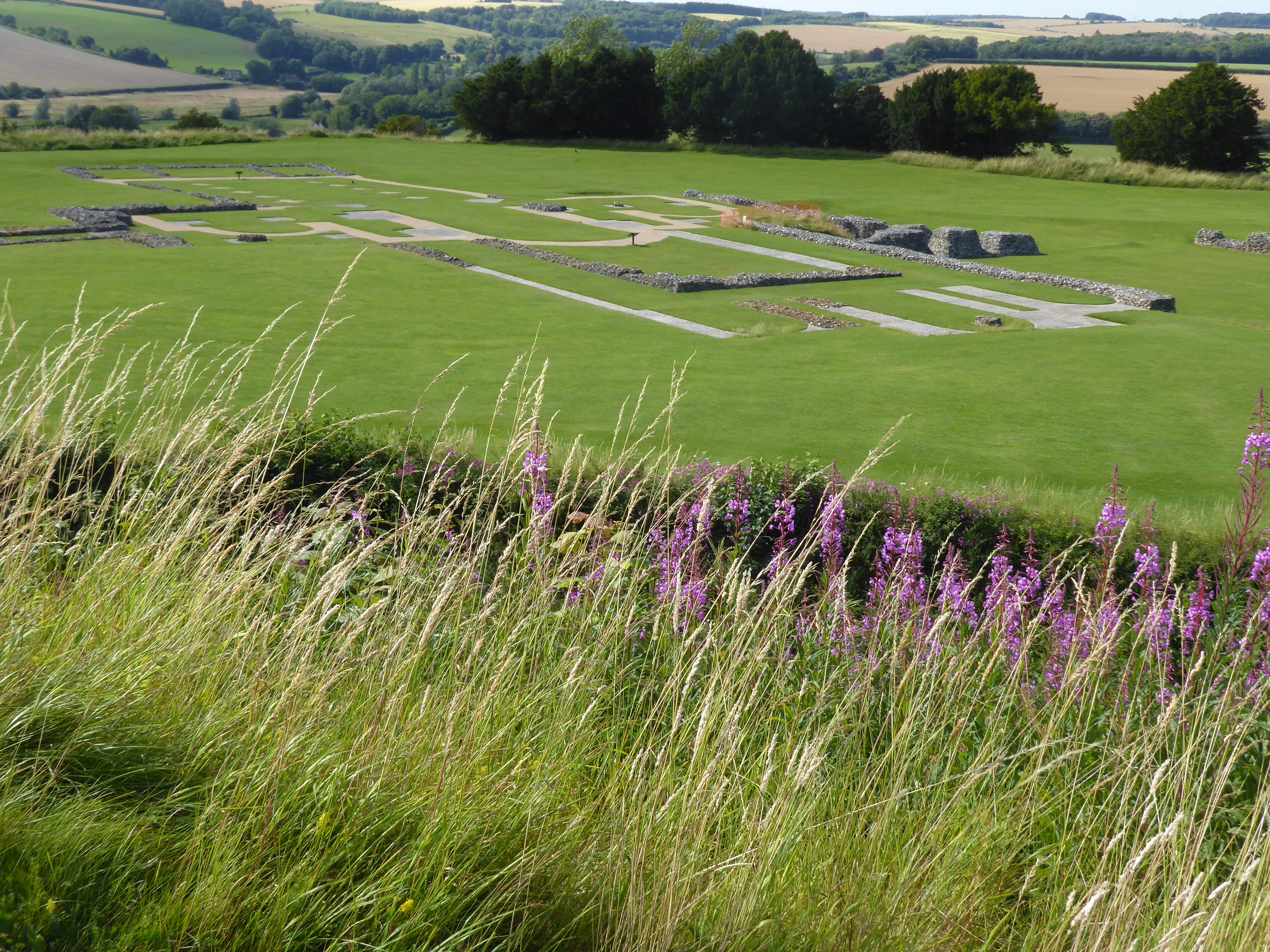
Then to Old Sarum. Formerly a complete town, formerly a rotten borough, now just a ruined castle on a mound and the outline of a very small cathedral that was left when the clergy, fed up with the army and the administration, picked up their skirts and headed down to the water meadows to found the new town.
Stonehenge

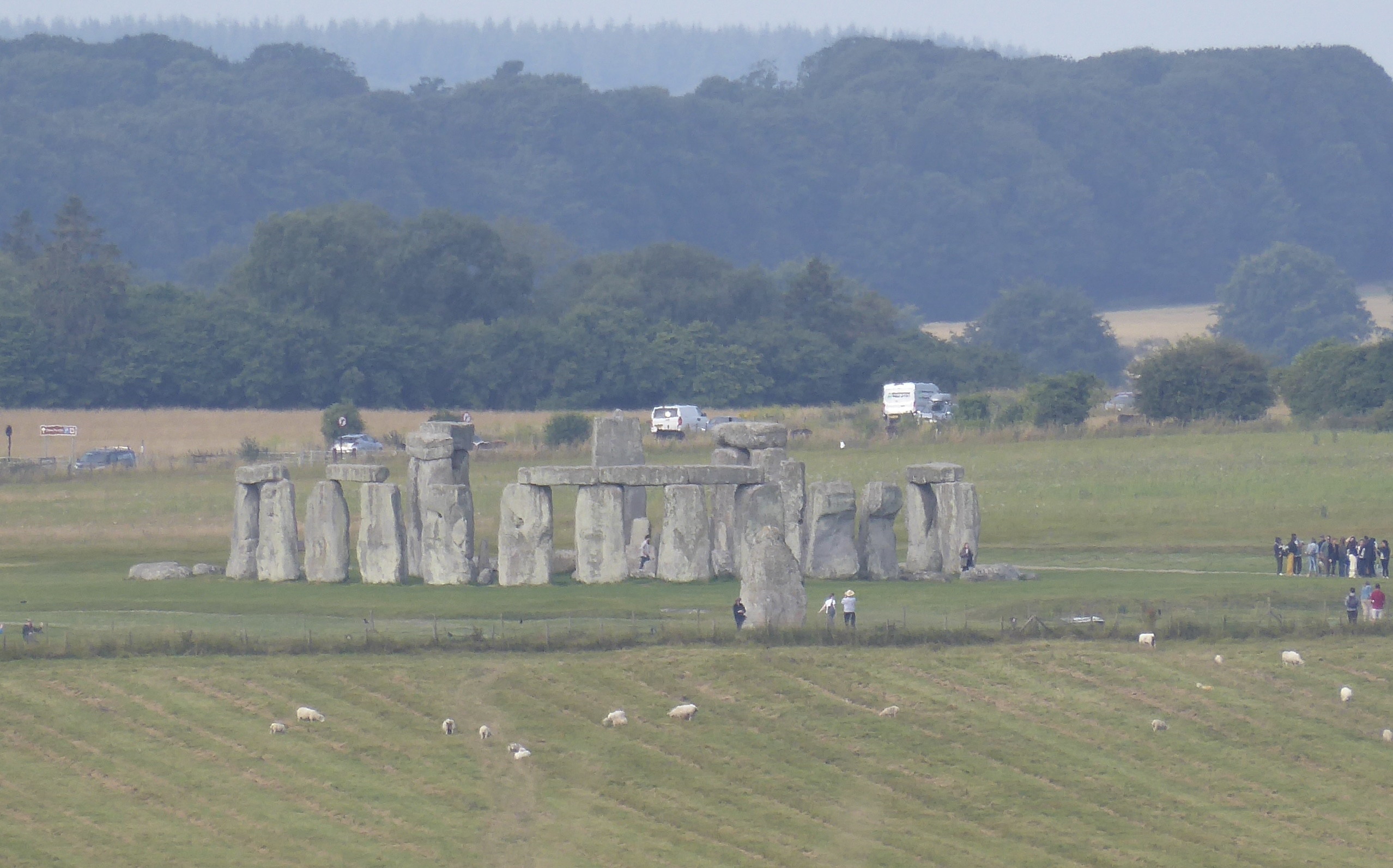
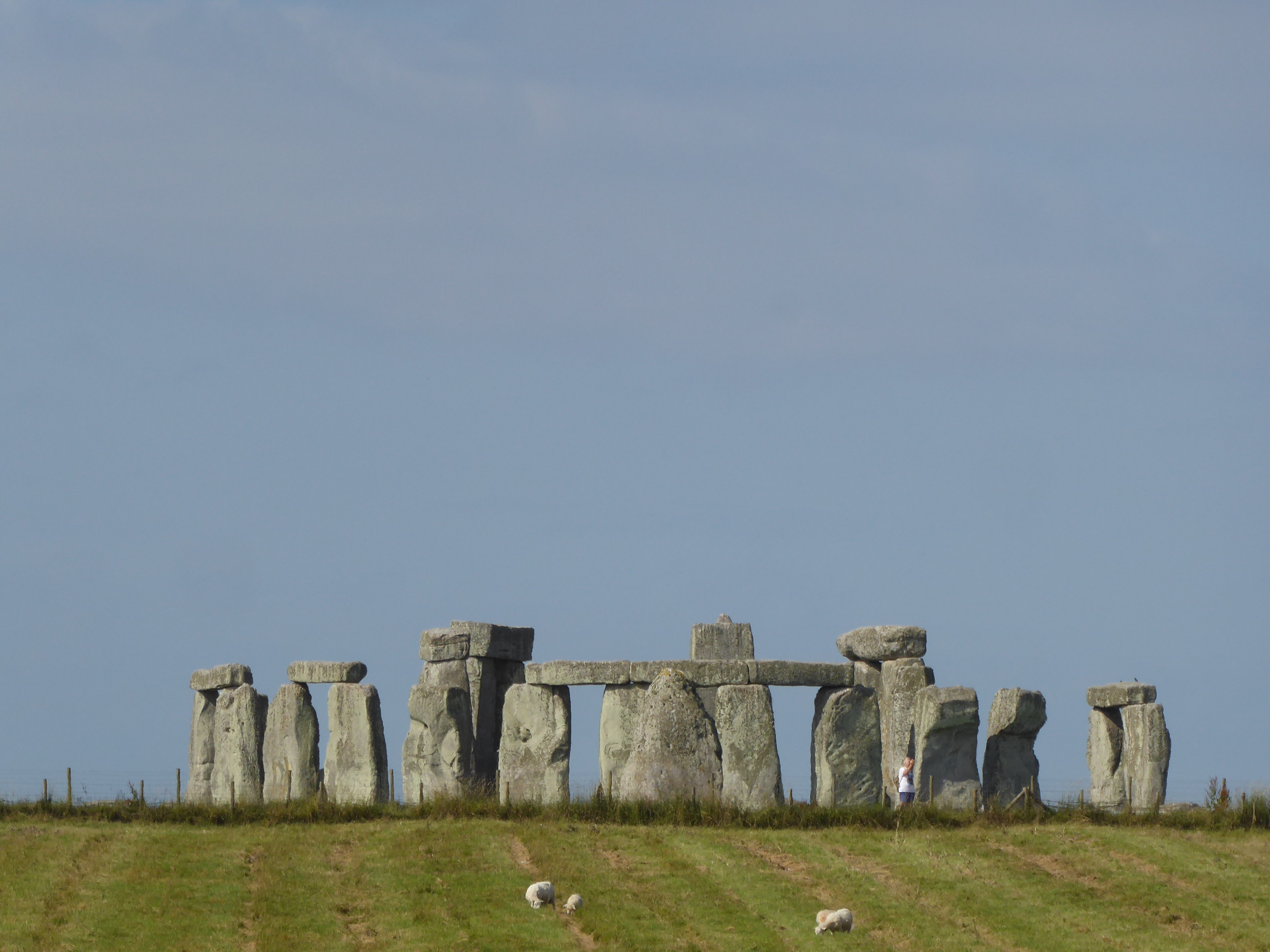
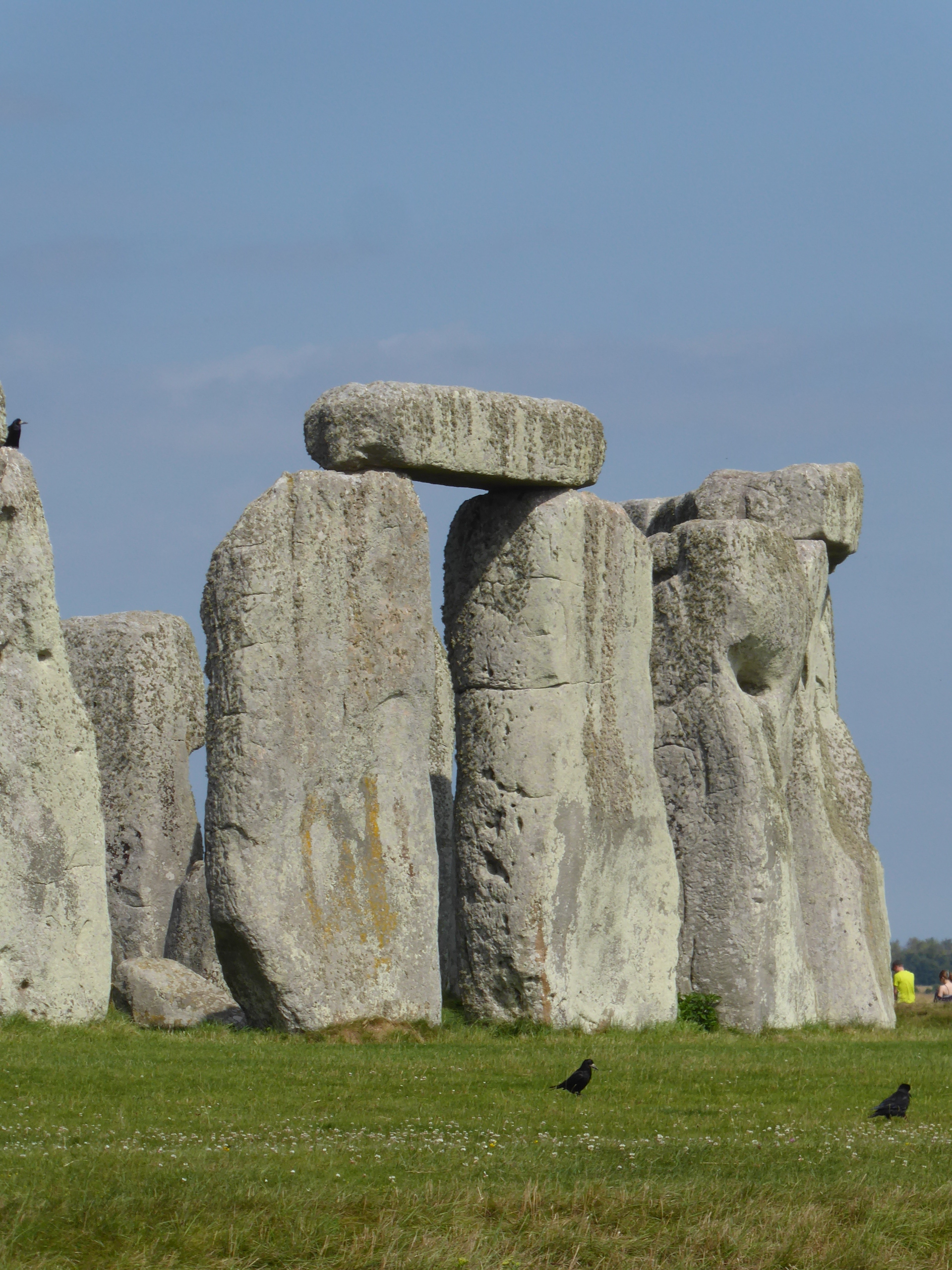
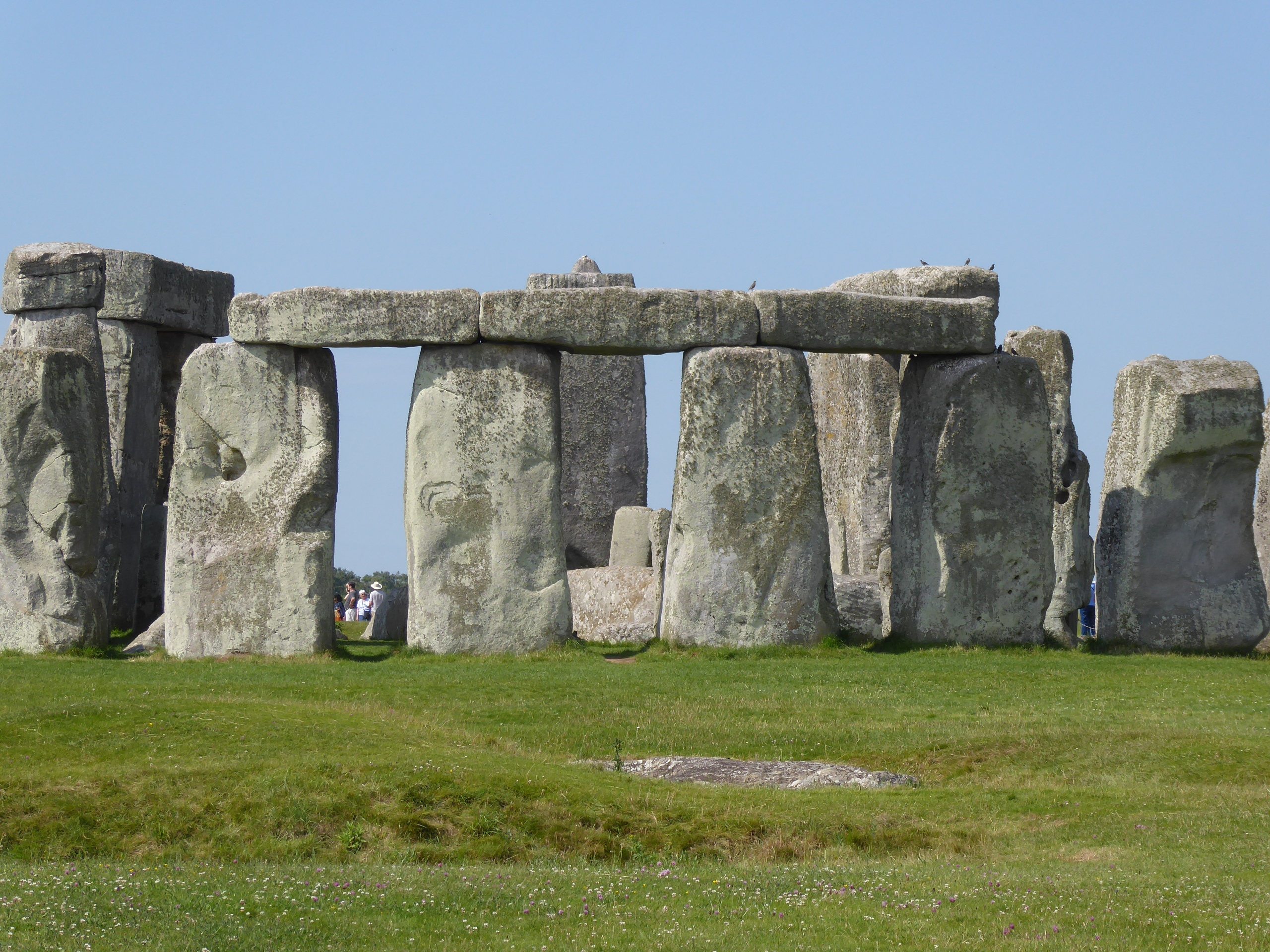
And so, finally, to Stonehenge.

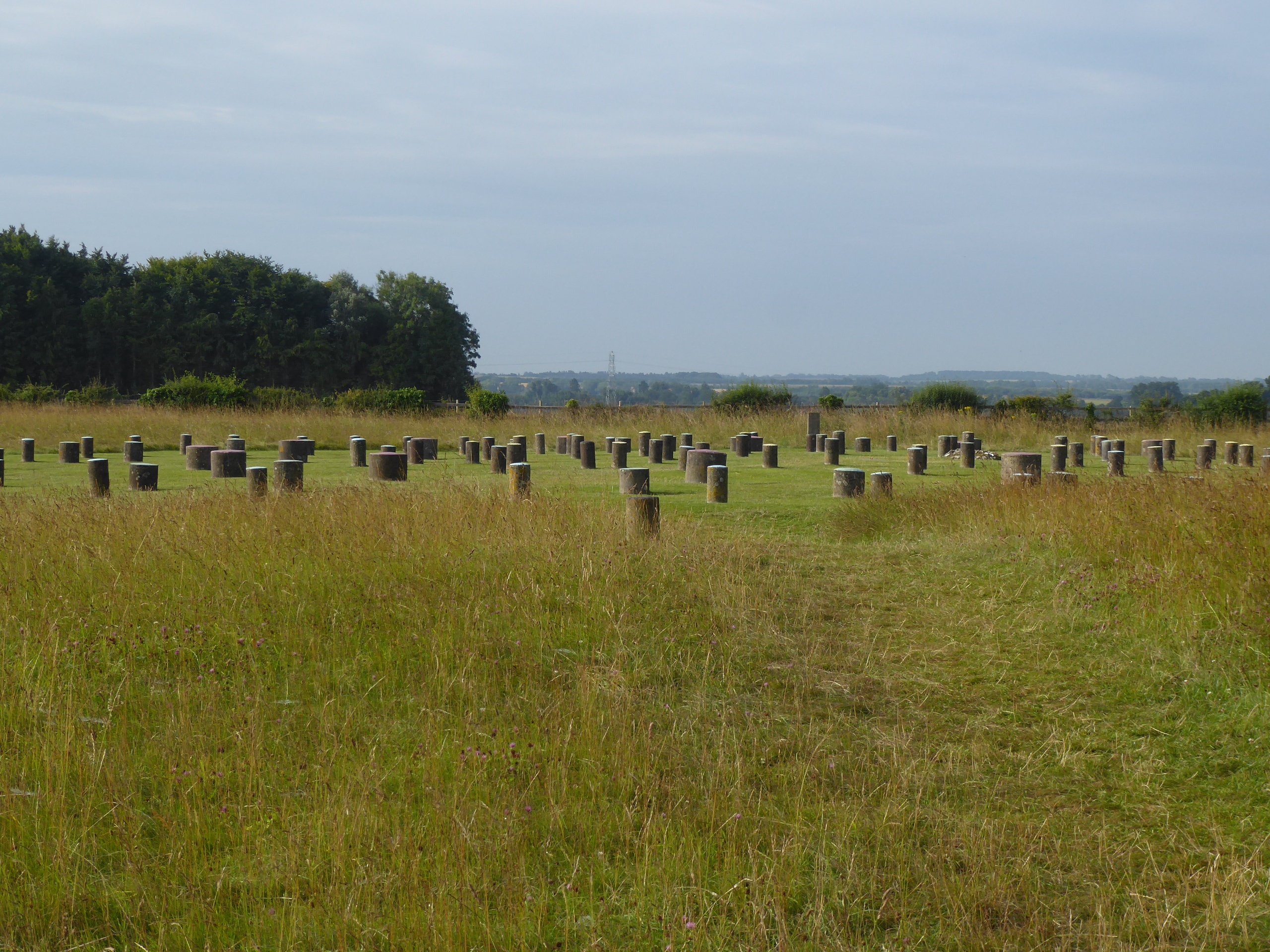
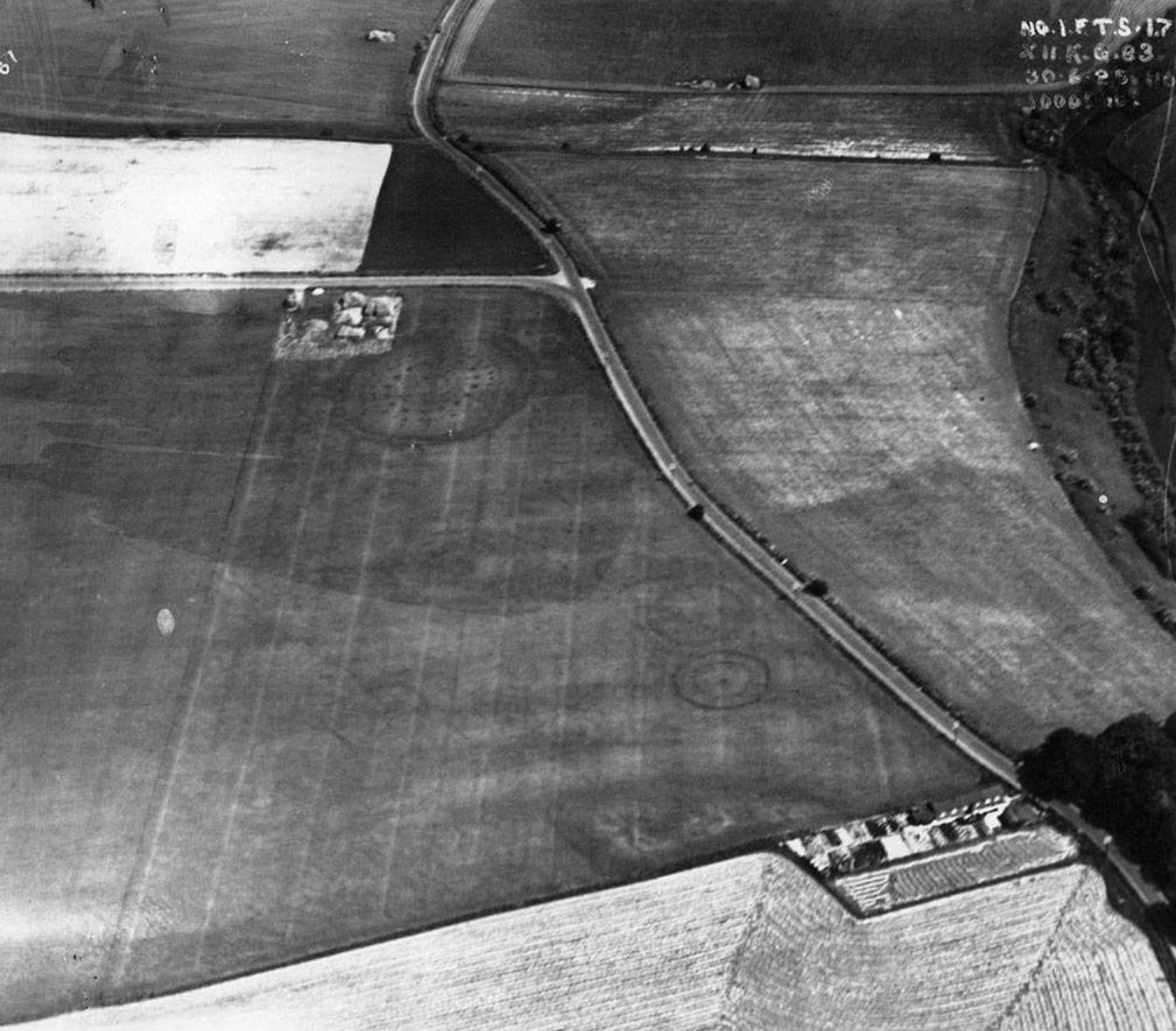
But Woodhenge first. Constructed 2500 BC, it was six ripples of wooden posts only discovered by aerial photography in 1925. The concrete blocks mark the sites of the timbers. It’s right beside Durrington Walls – another enormous circular earthwork – and surrounded by dozens of long barrows. They really are everywhere you look as you approach Stonehenge.

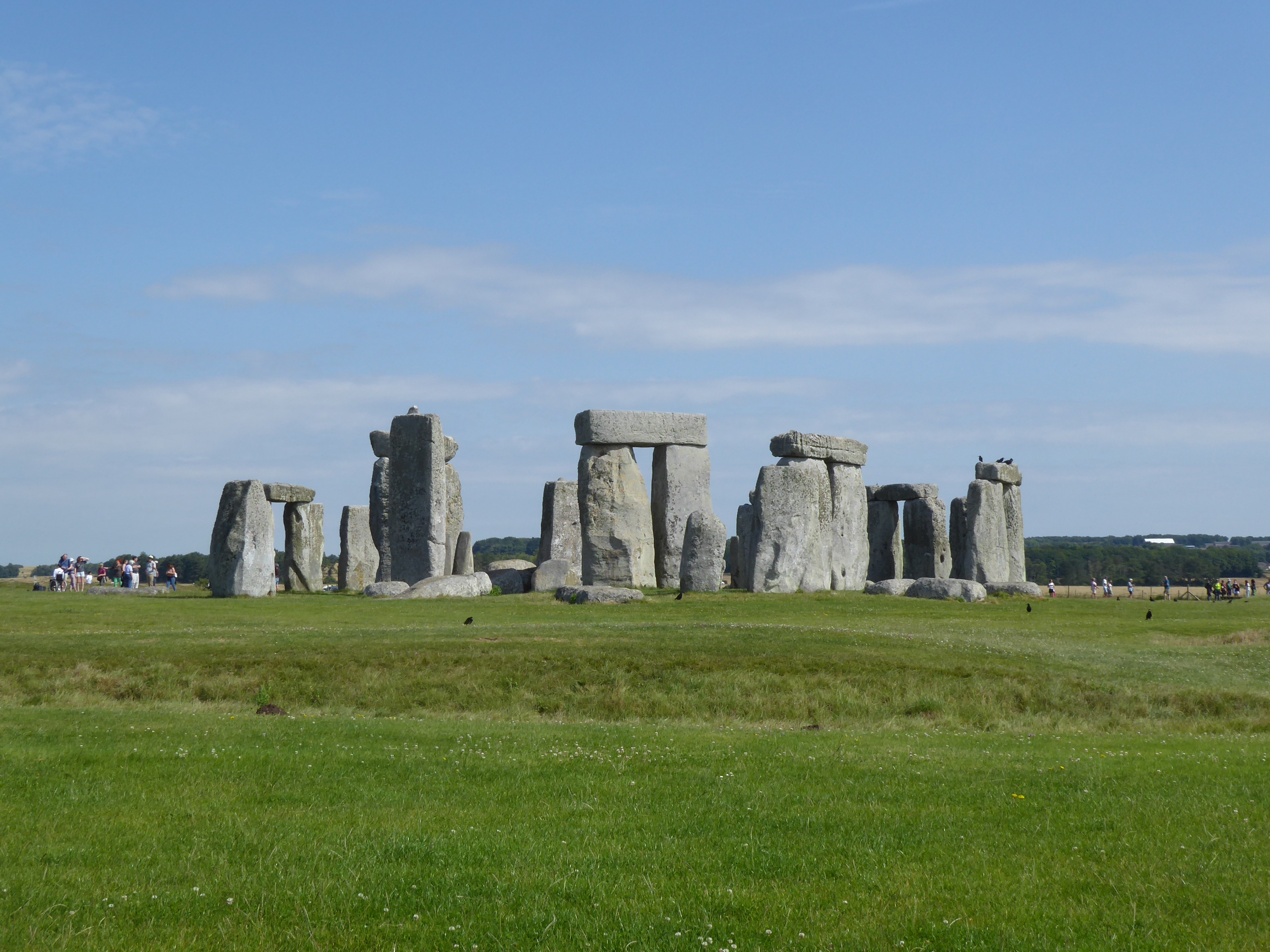
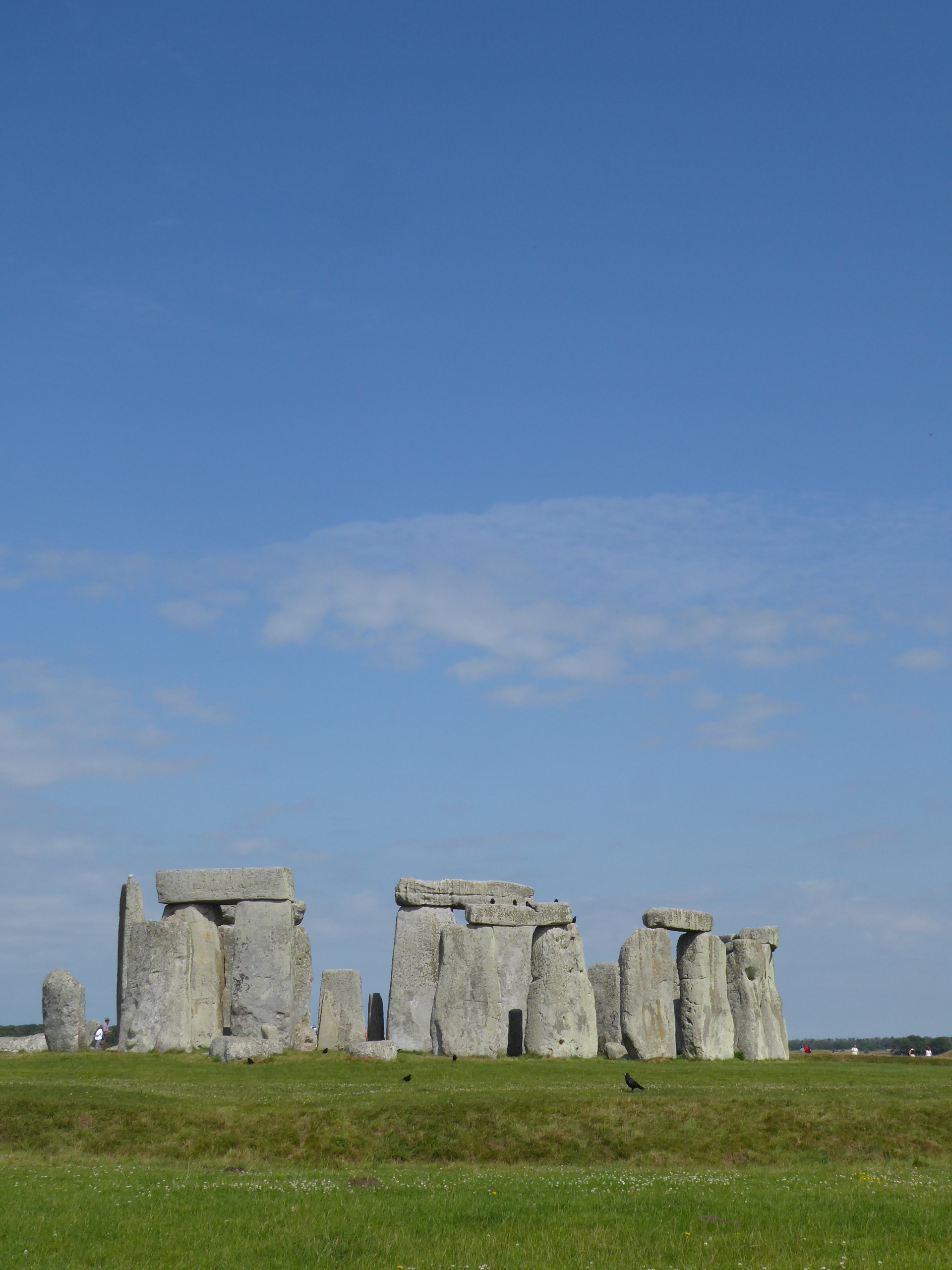
Beside the army camp, along the disused military railway lined with apple trees, to the Cursus (William Stukeley thought it was a Roman racetrack) and then up to Stonehenge along the course of The Avenue. My first sight was magical – and then I noticed all the lorries flowing along behind it. Neolithic meets Anthropocene. Heigh ho.

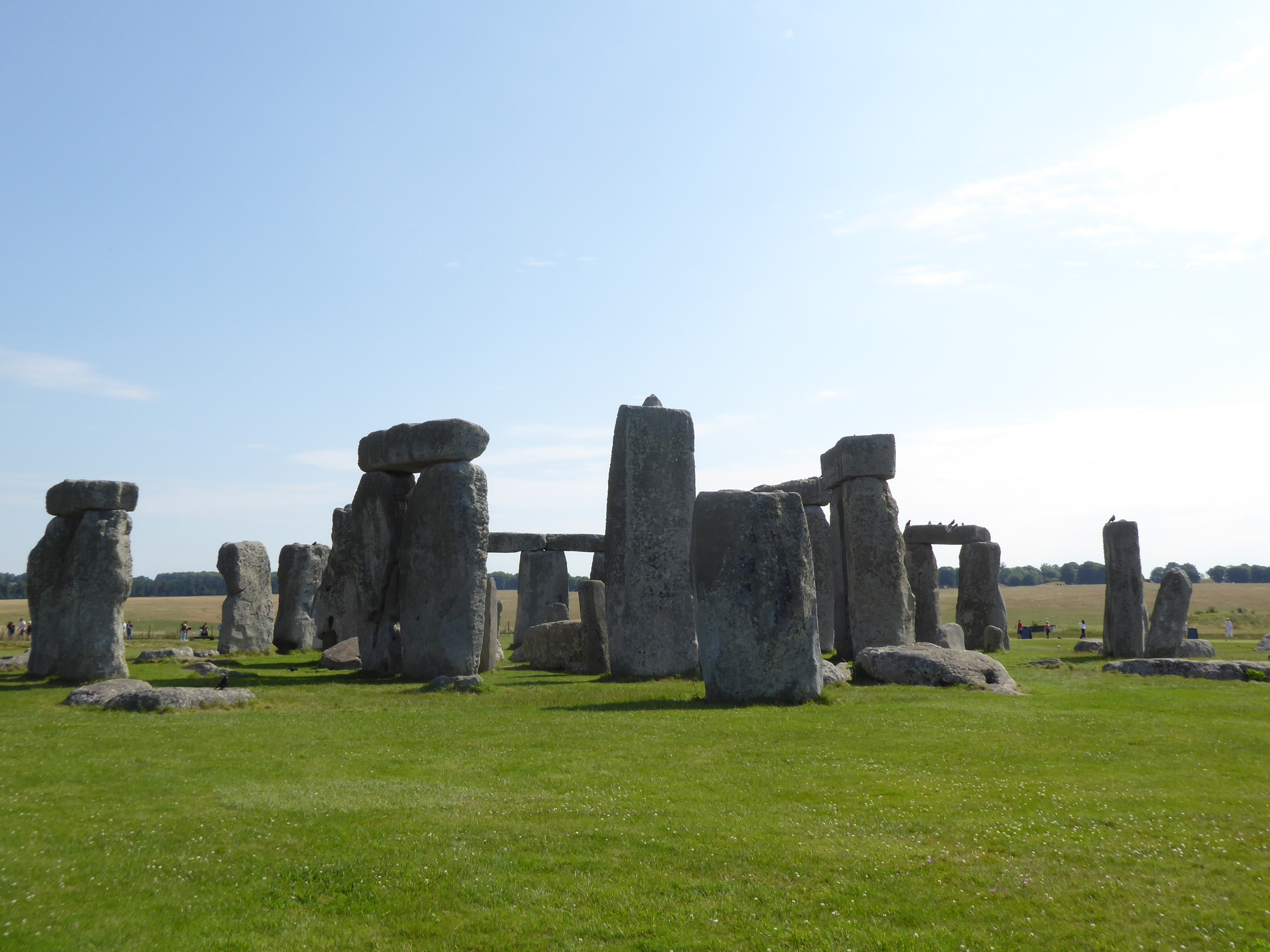
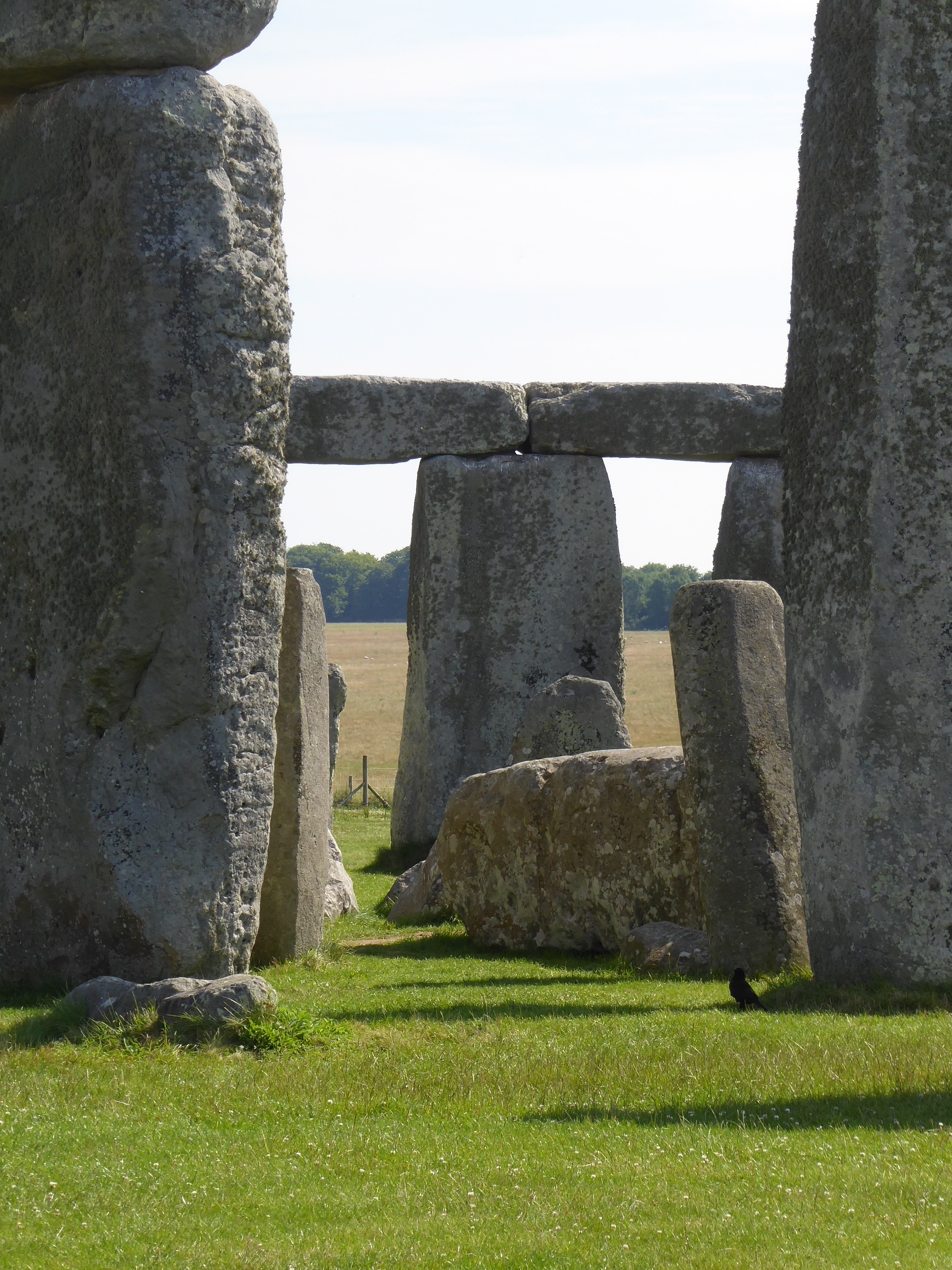
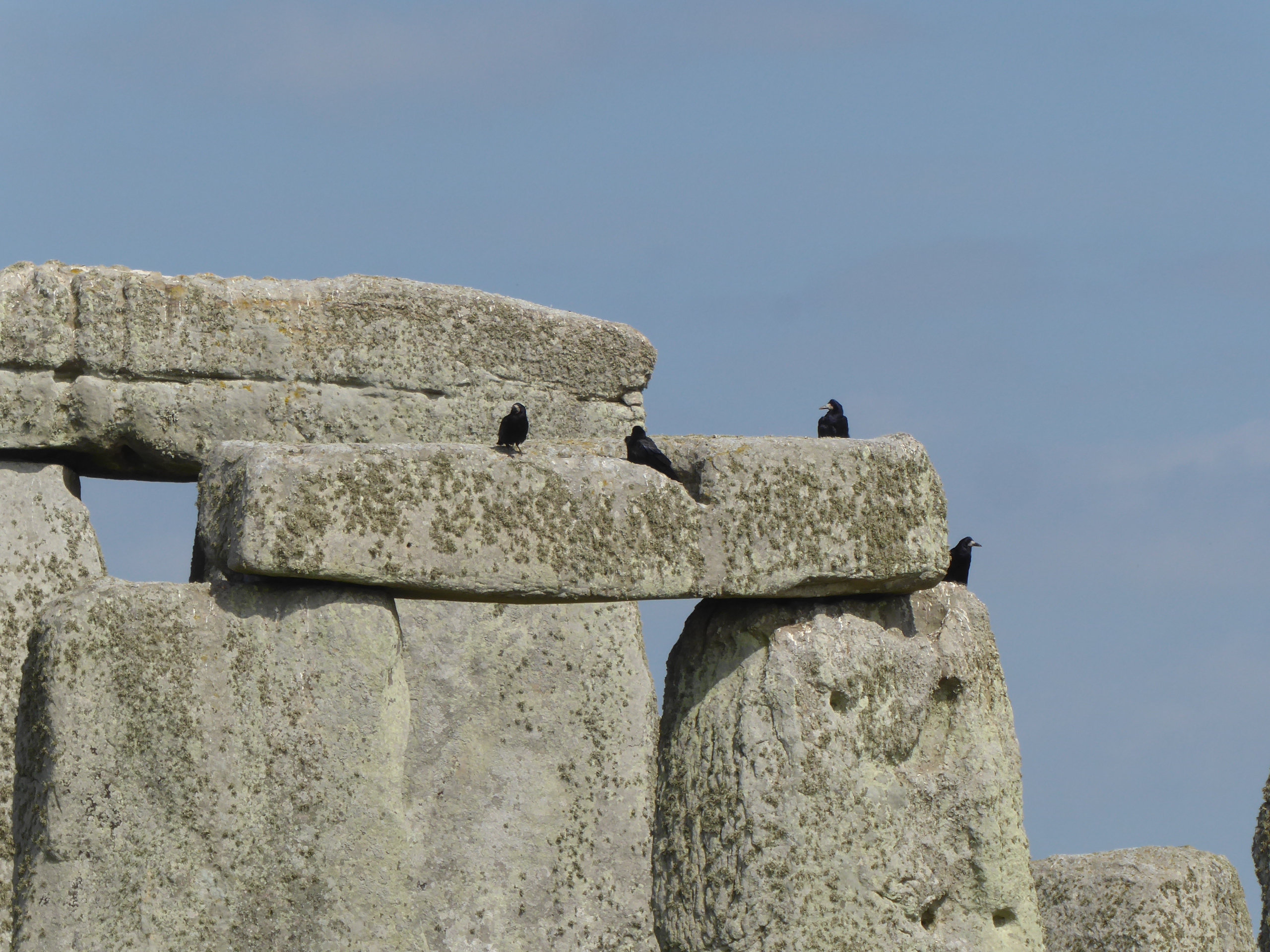
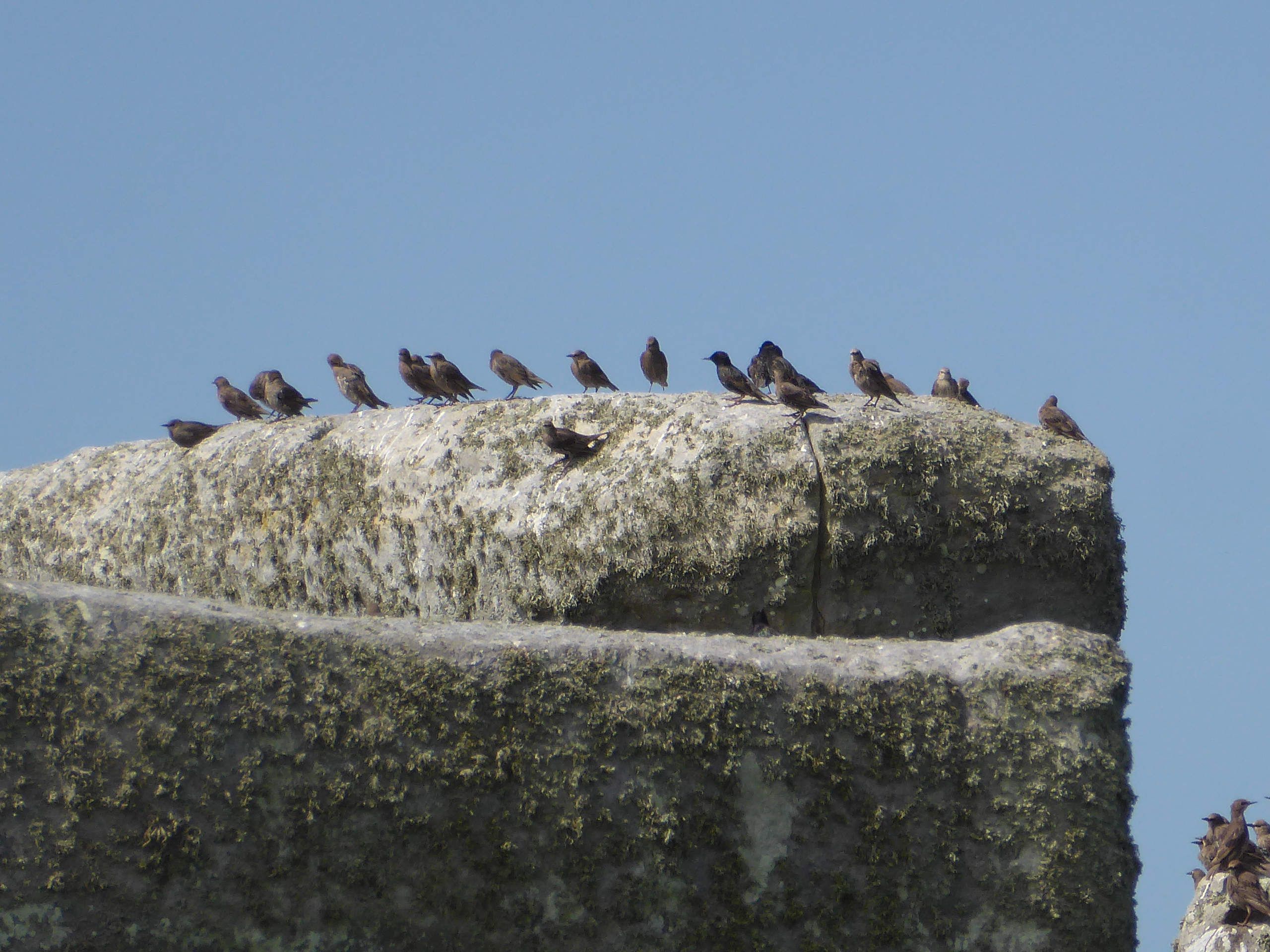
Not for the first time I listened to stuff about ditch first and stones later, the tongue and groove joints, conjecture on how the sarsens were moved to the site and raised into position, bluestones, Preseli Hills, cups on the lintels fitting over the bobbles on the uprights, increasing size of the trilithons, completed or never completed, summer/winter solstice alignment, etc – all the while taking far too many photographs and watching rooks and starlings going where we could not. (Given the crowds of visitors, it’s very good to have the car park and visitor centre so far from the stones themselves.)

As I said, I took too many photographs. My favourite view was approaching the stones from The Avenue when they were isolated from their earthly surroundings and appeared only as an outline against the sky. The bright sunshine was perfect for dramatic shadows on the pale stone. It was interesting to see, as we walked anticlockwise around the circle, how the first impression of a fallen jumble of blocks morphed into the finished design as we approached the heel stone. It was as if we had stood still before a turntable and some giant hand had assembled the blocks while we watched.

The visitor centre was interesting. I had turned my nose up at the thought of visiting their idea of a neolithic village (a bit too toytownish), but actually it gave me food for thought. A reminder to self that first instincts can be rubbish. How do you make things when all you have are stones, wood and bone? Plus furs and sinews and things like that, I suppose. A mattress of woven osiers on legs looked reasonably comfortable, and I was rather charmed by the sparrows living in the underside of the thatched roofs . . . until I thought of the downsides.

So that was Stonehenge on a baking hot day with tourists arriving en masse, but I wouldn’t have missed it for the world. (And am very glad that someone else did all the organising so that I could arrive on foot.)

Avebury

Avebury adds an extra layer of history: how modern archaeology developed. Alexander Keillor – heir to a Dundee marmalade fortune, WWI pilot, immensely wealthy – surveyed Wiltshire from the air in 1922 and bought some of the county to examine it more closely.

All this from bitter oranges.

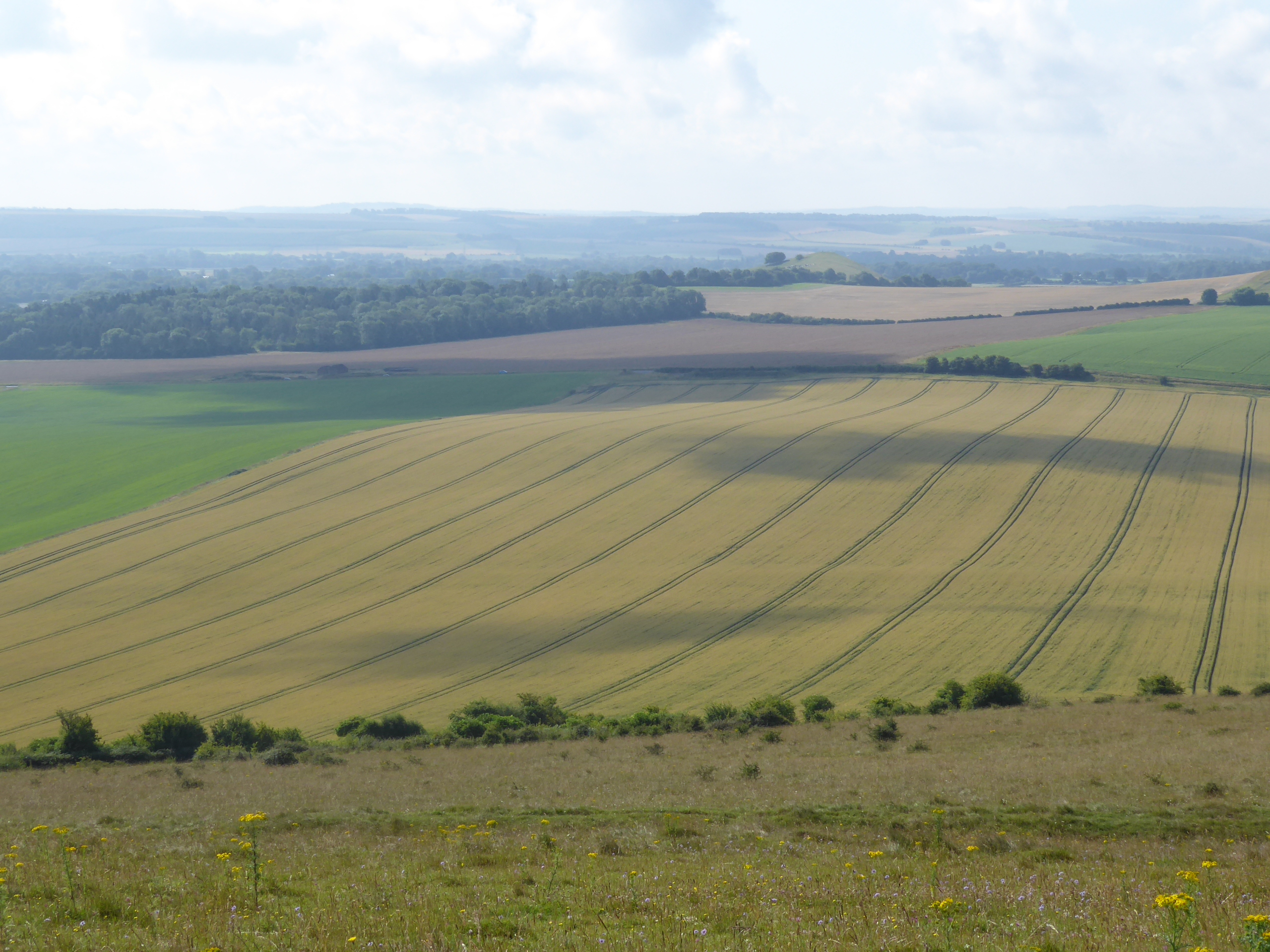
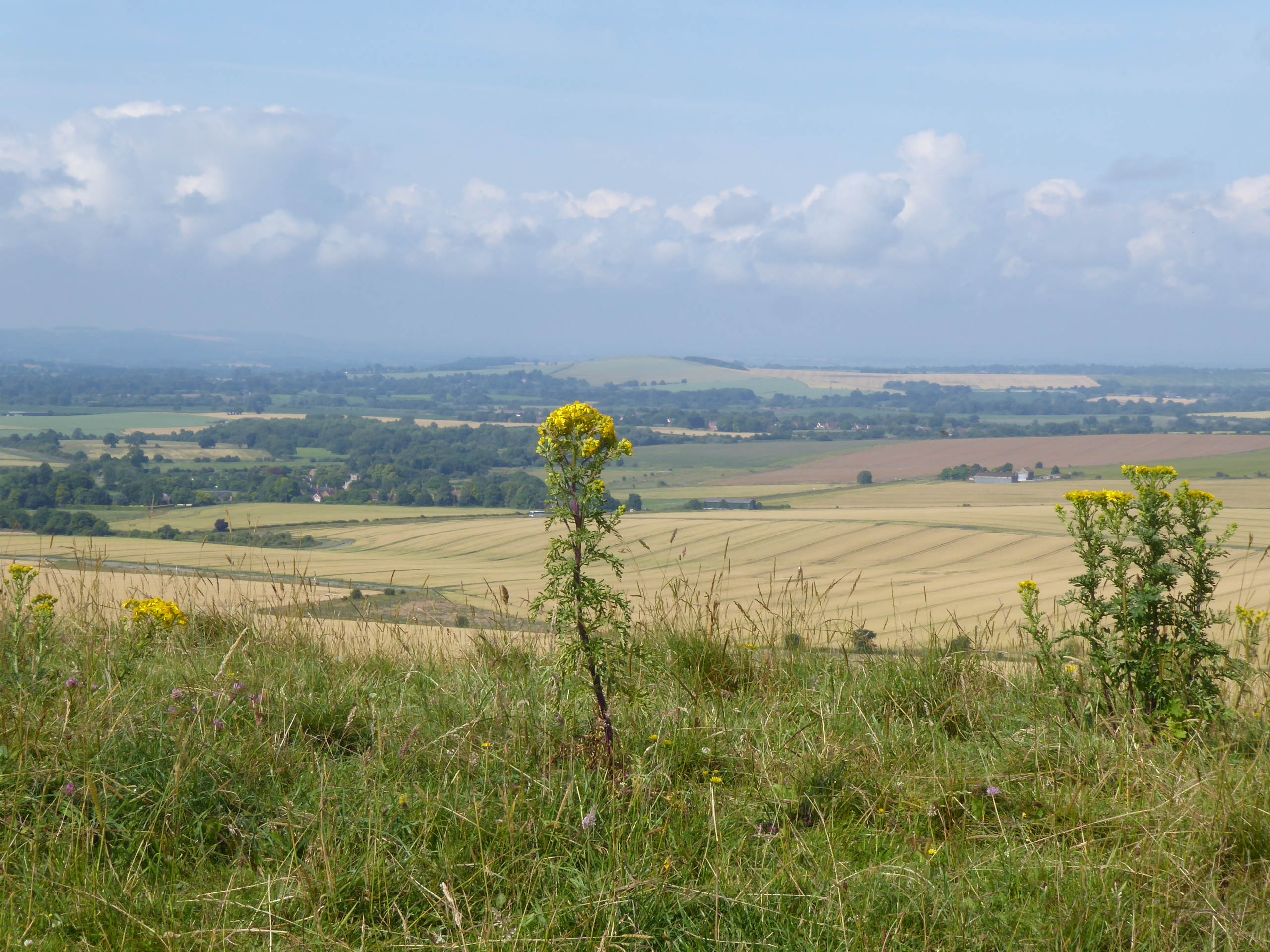
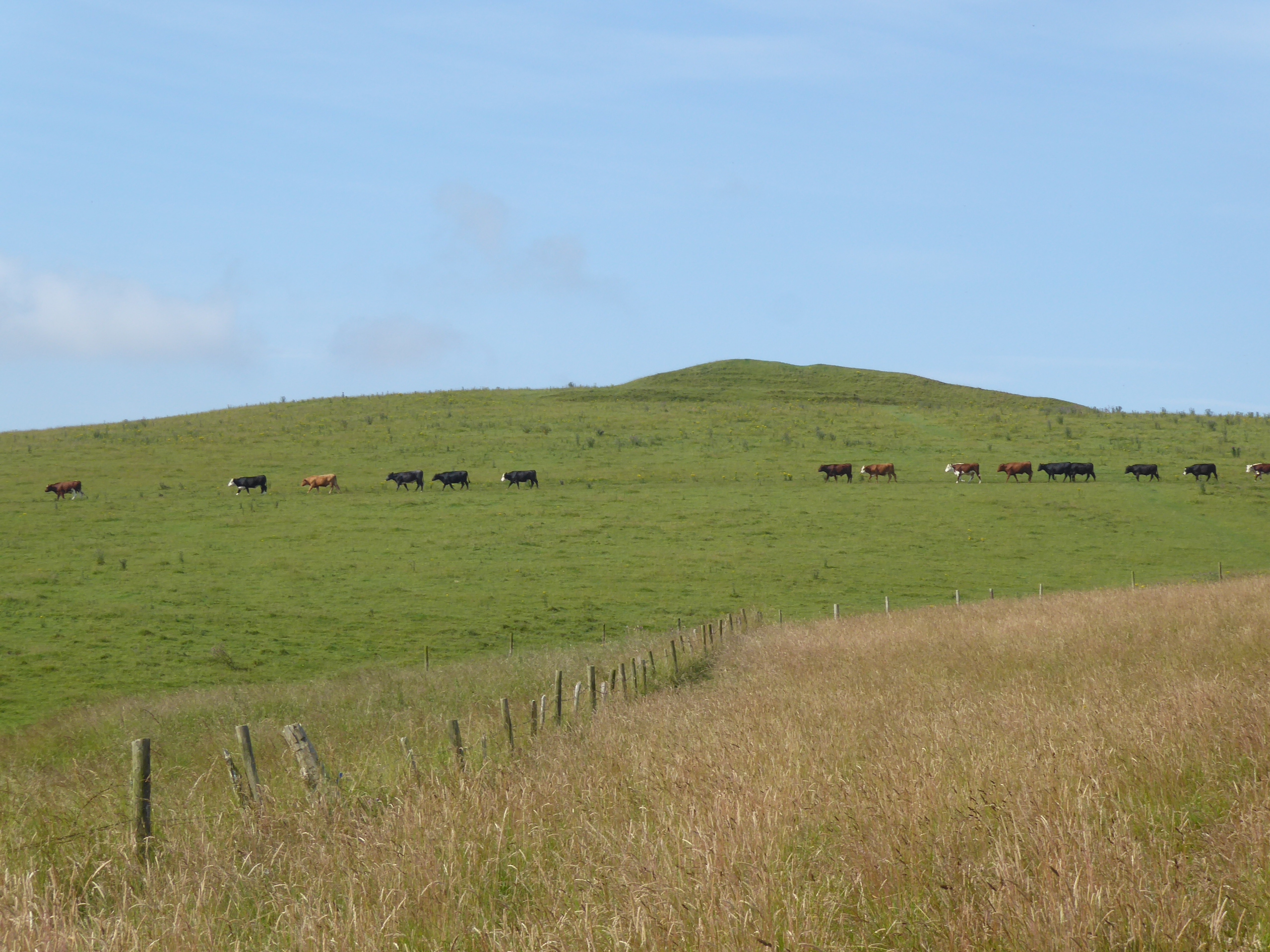
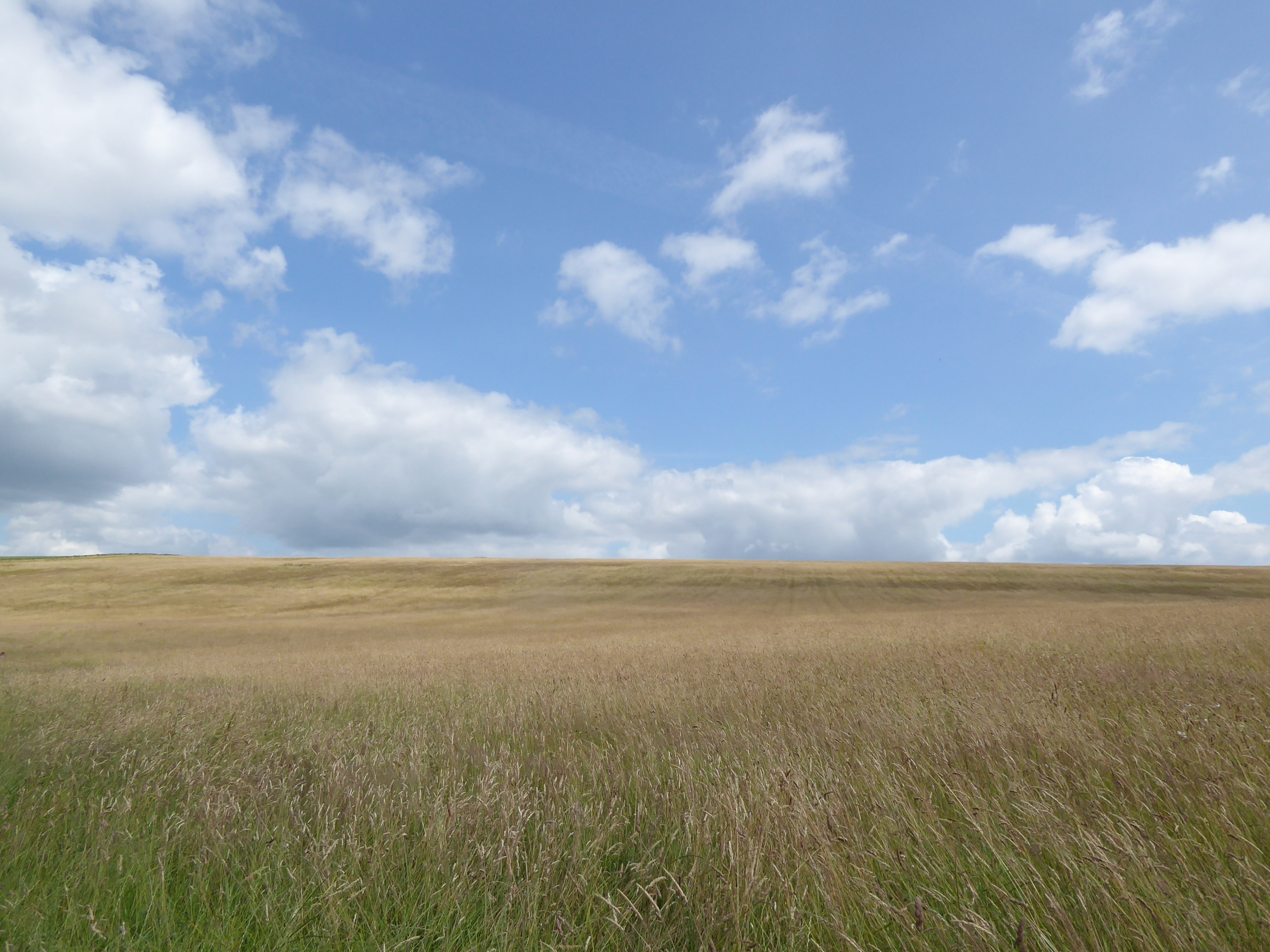
But first we had to get to Avebury. We started at the Neolithic chambered long barrow of Adam’s Grave. From here the view was pure Eric Ravilious; I love his work, but never before have I felt that connection with it. The long barrow was sealed up with stones after use; it has been excavated but the holes have healed over.

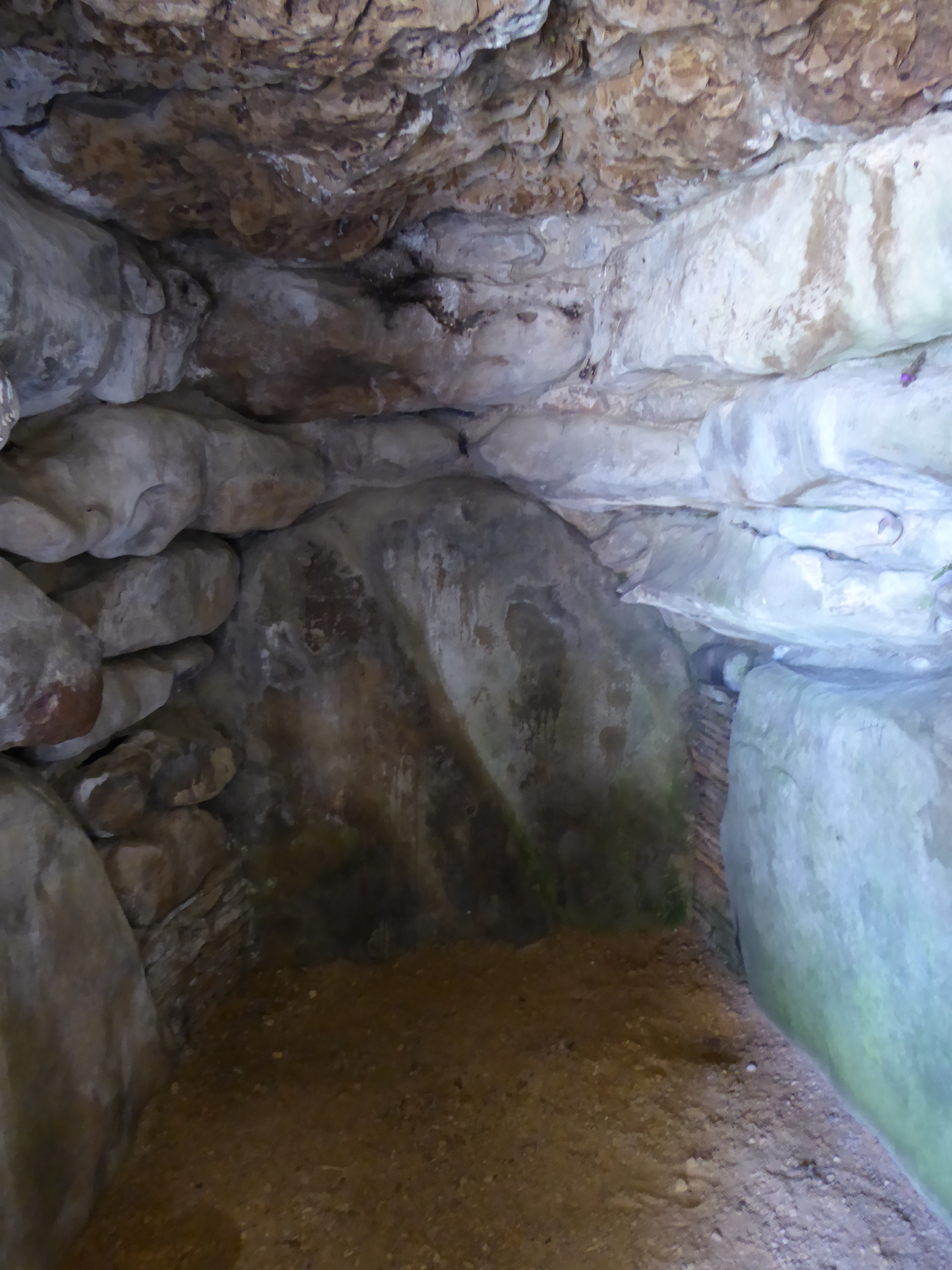
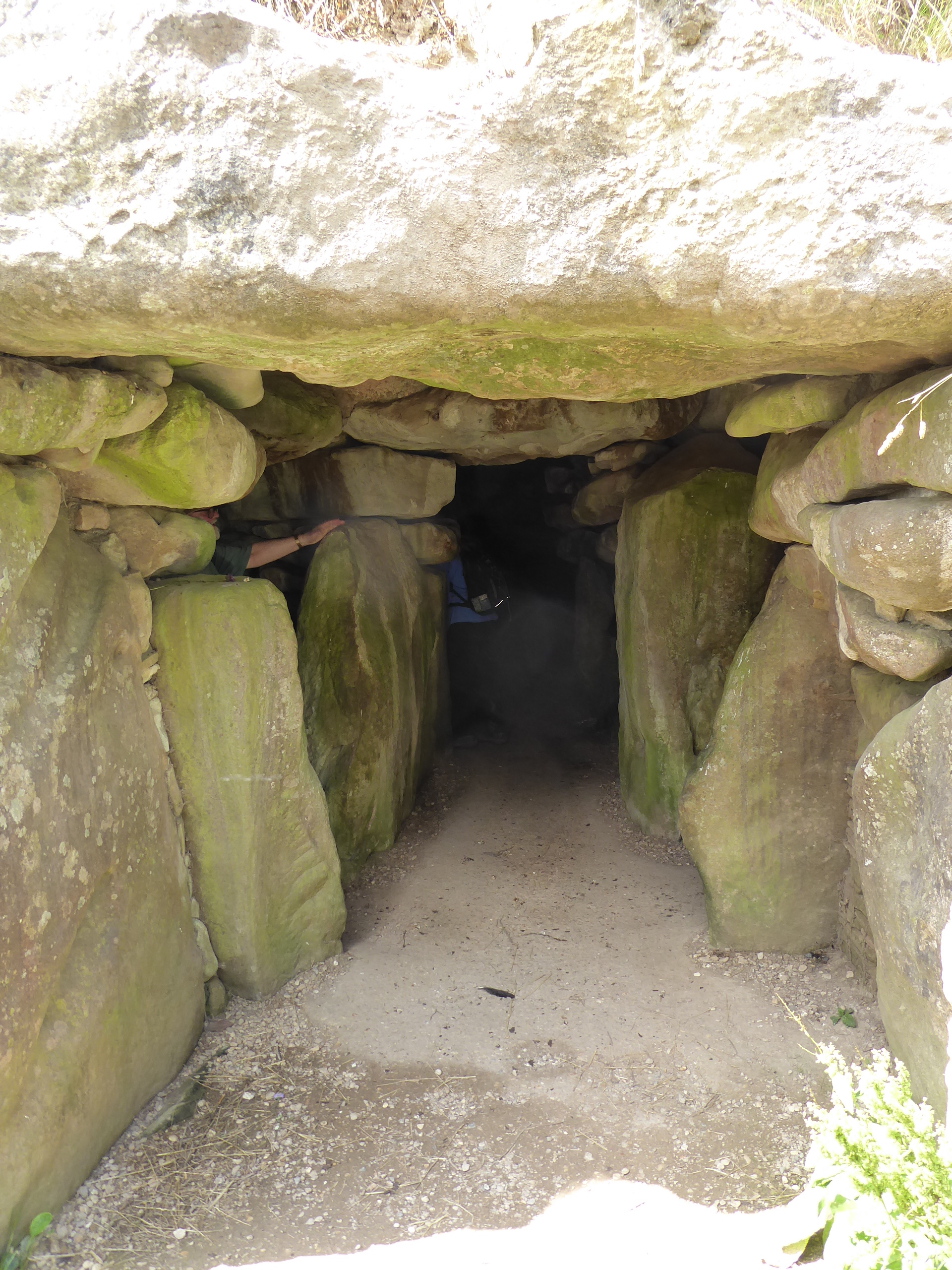
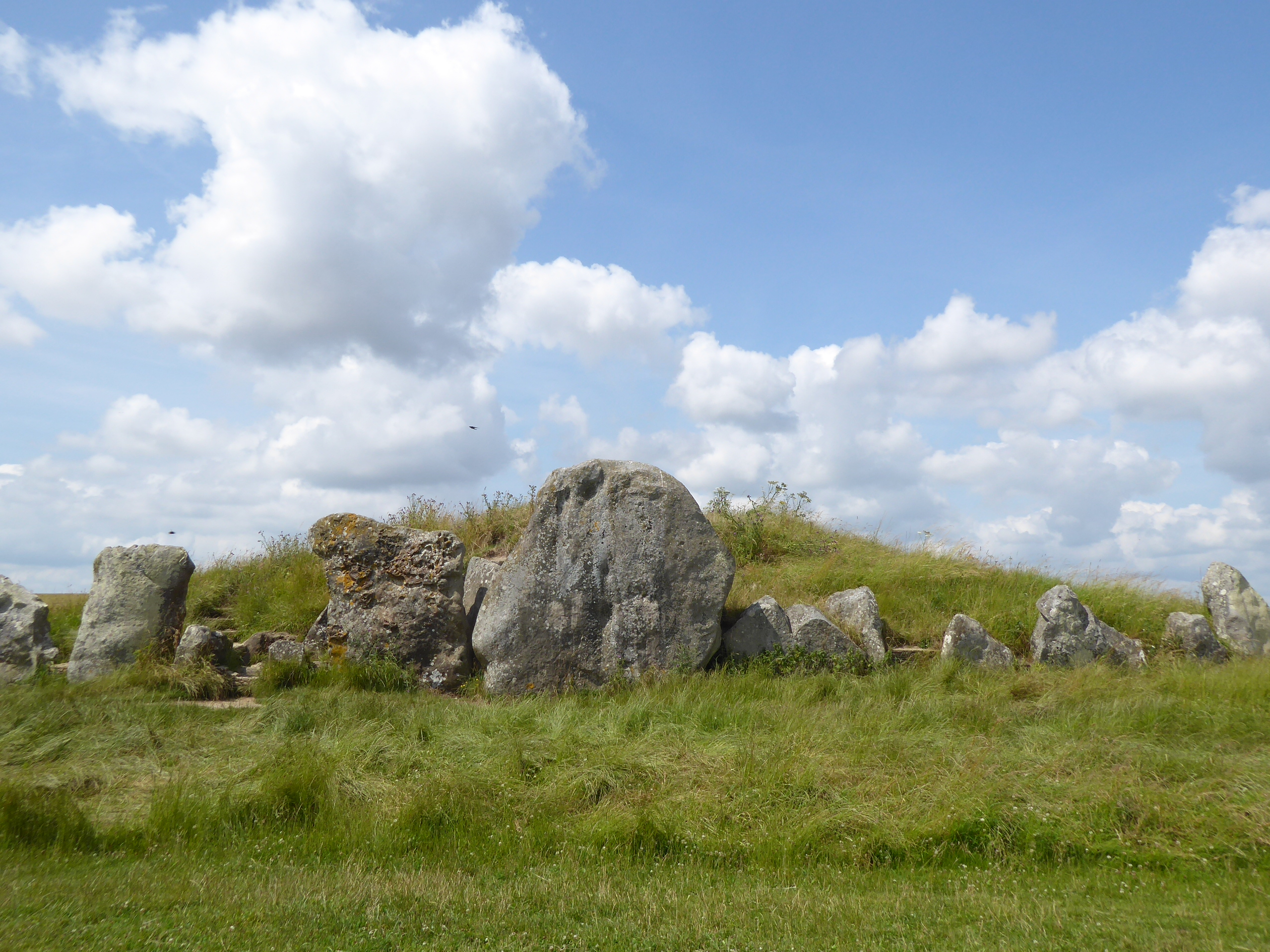
From there we walked past East Kennet long barrow (unexcavated) to West Kennet (my favourite of the day). Our guide explained how sarsen stones were used for the walls and corbelled, or jettied out, to support the roof. Bones, partly cremated, were placed there and added to, along with some grave goods like arrow heads. In the Early Bronze Age the tomb was sealed with giant sarsen stones. Today it’s possible to go inside and explore the now-empty chambers – an astonishing place.

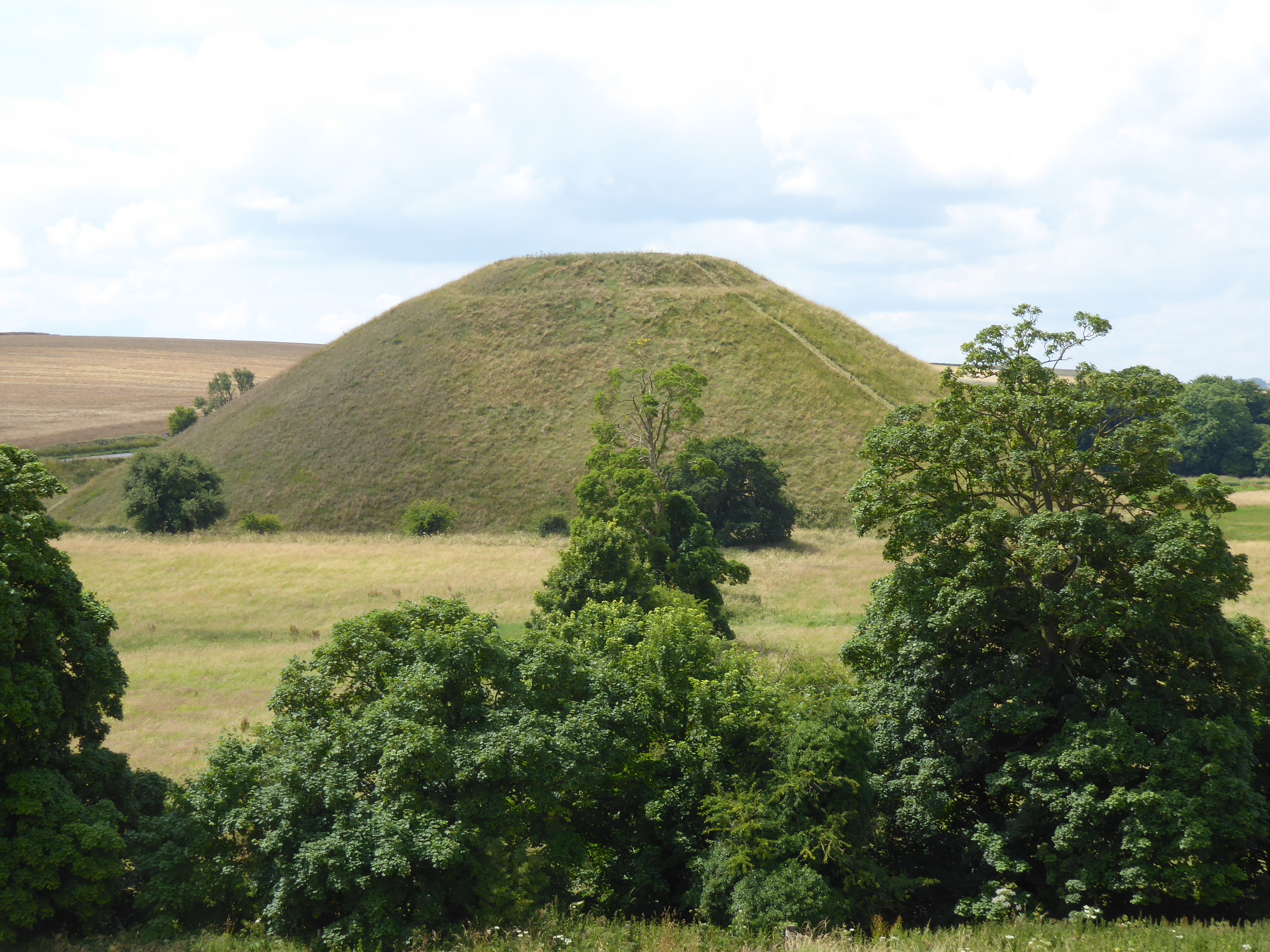
Next was Silbury Hill – an artificial conical chalk mound (which I’d seen from the Swindon-Devizes bus a couple of days before). It was completed around 2400 BC and has nothing inside. It’s just there.

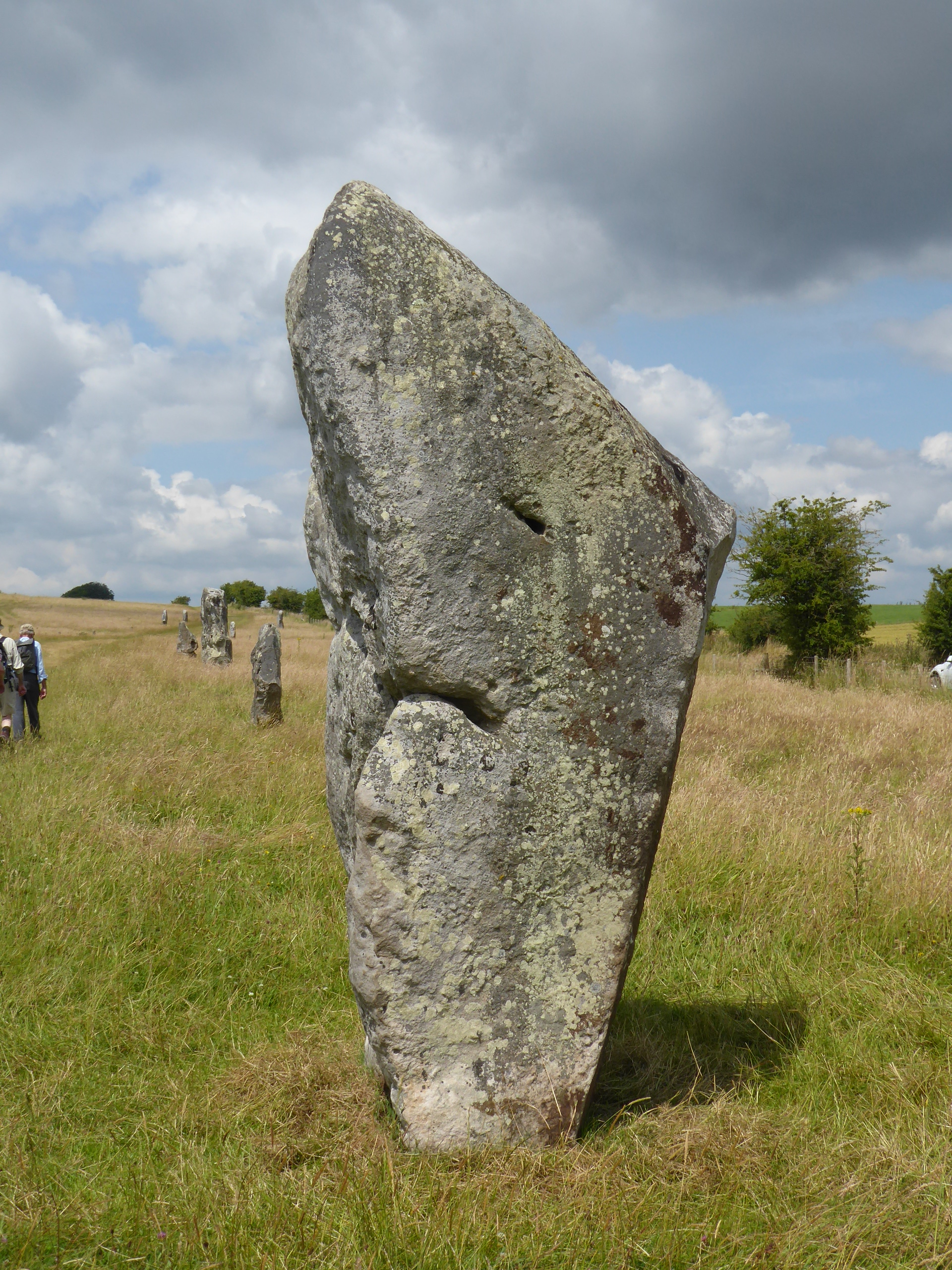
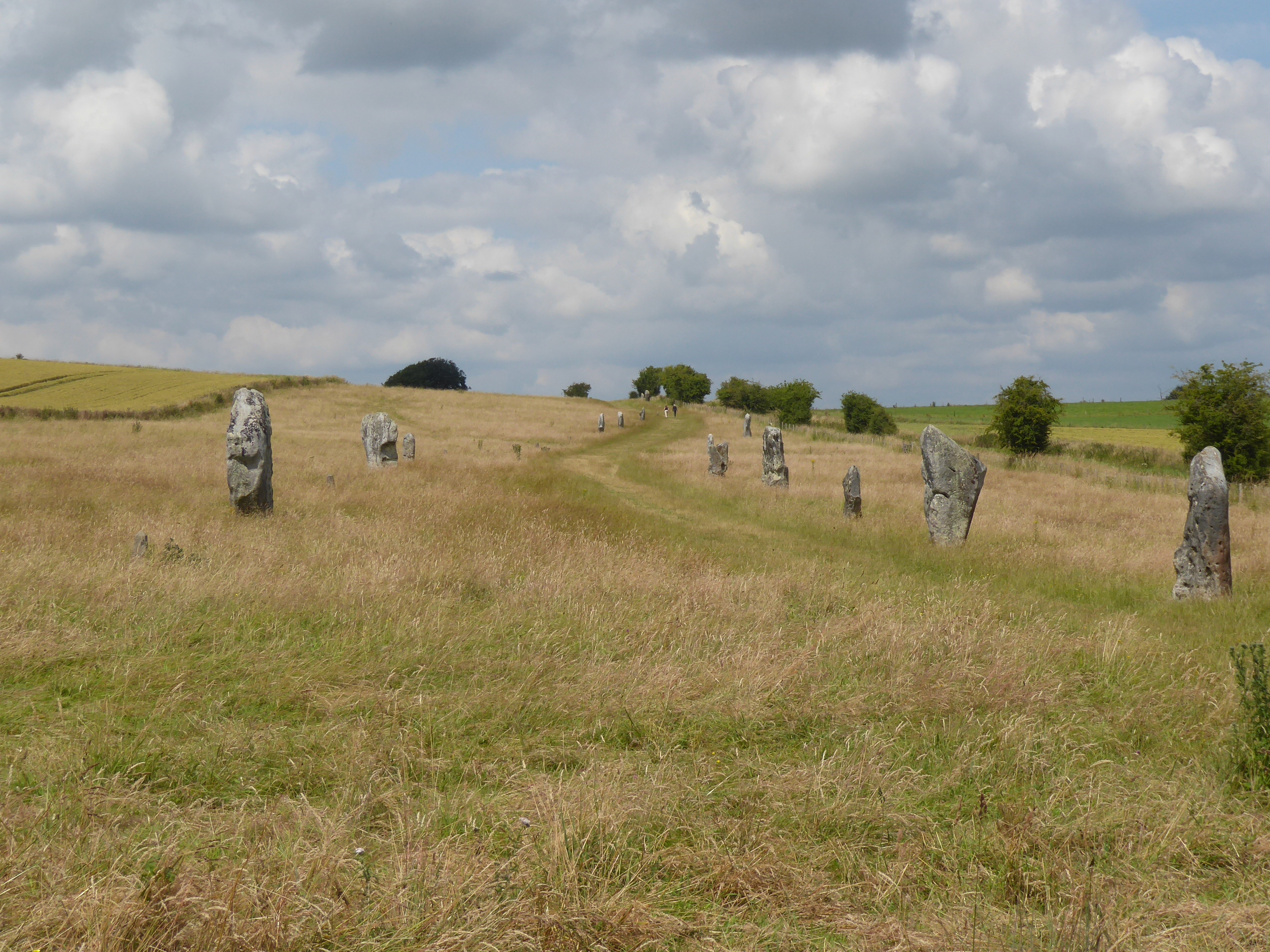
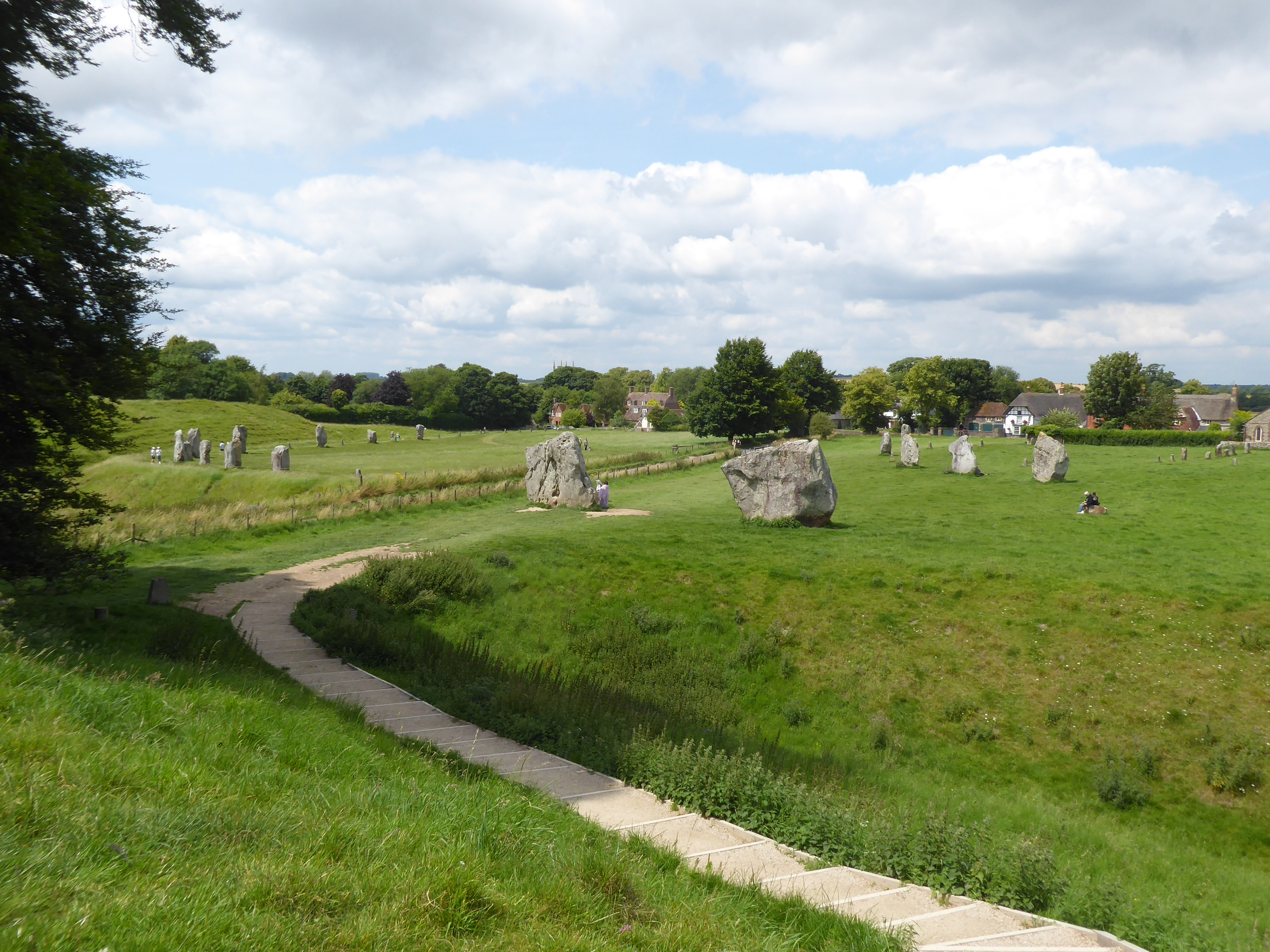
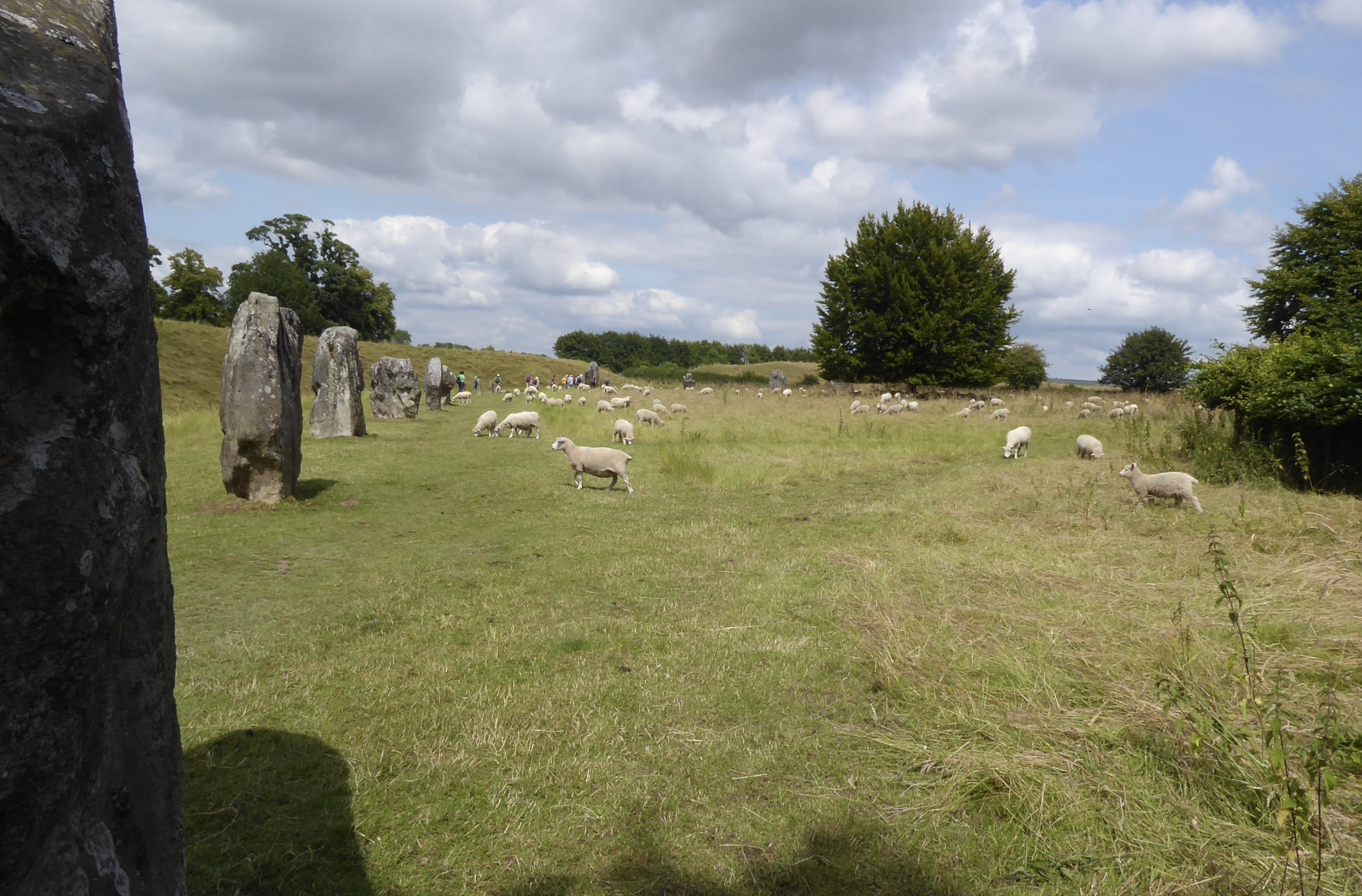
After that we came to the West Kennet avenue – a double row of standing stones leading to Avebury and its stone circles. Avebury is a Neolithic henge (a ditch) with a large outer circle containing two smaller circles – one north, one south – constructed over several centuries. In historical times it was ignored or partially destroyed; John Aubrey and William Stukeley recorded what they saw in the 17th and 18th centuries, but it was Keiller who reconstructed what he could find – re-erected stones now buried under the earth and placing concrete posts to mark sites of missing stones.

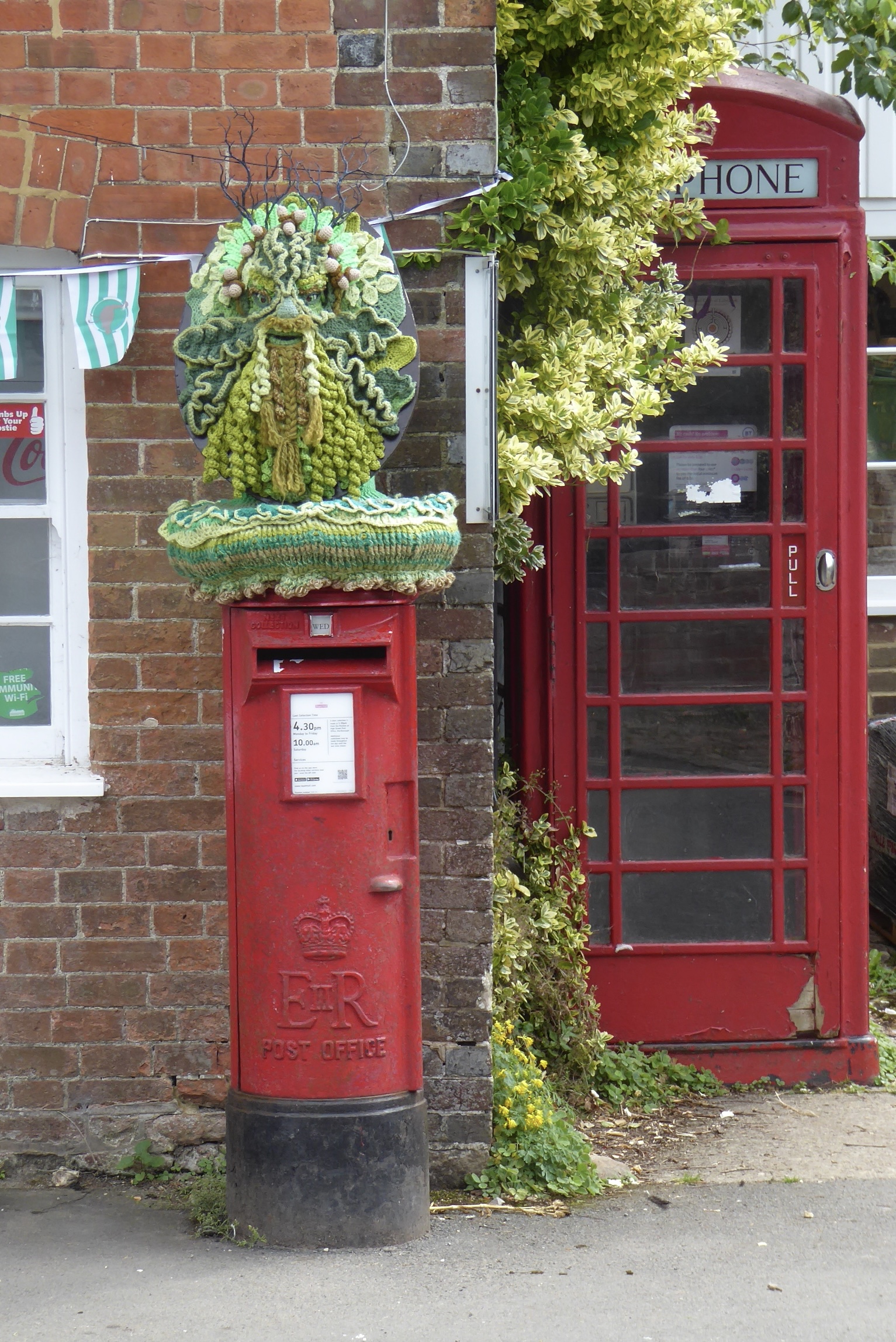
There was, inevitably, a hippyish vibe in some areas – the woolliness of it all delightfully embodied on top of the pillar box.

My head was rather spinning with all the information and sights. Ditches and mounds constructed with nothing more than antler picks and the ox-scapula shovels. All this major construction work going on in a small area – albeit over several hundred years. One can only assume they had a lot of time and muscle power available.

The day wasn’t quite over, for we had an evening tour of the Wiltshire Museum – a charming place that still had the aura of its antiquarian beginnings. It contains finds from several of the excavated long barrows – including the Bush Barrow contents which I saw at the British Museum. It has gold – and also a 6,000-year-old jadeite axe that came from a boulder in the Dolomites – so even more mind-boggling.

Devizes

Fifty-odd years ago Devizes was our stopping point on camping holiday trips to the West Country – only because it had public toilets. I think I had a flash of recognition as the bus came to an open green; for a moment I felt myself raising my sleepy nine-year-old head from the back seat of the Renault 4 to see where we were.

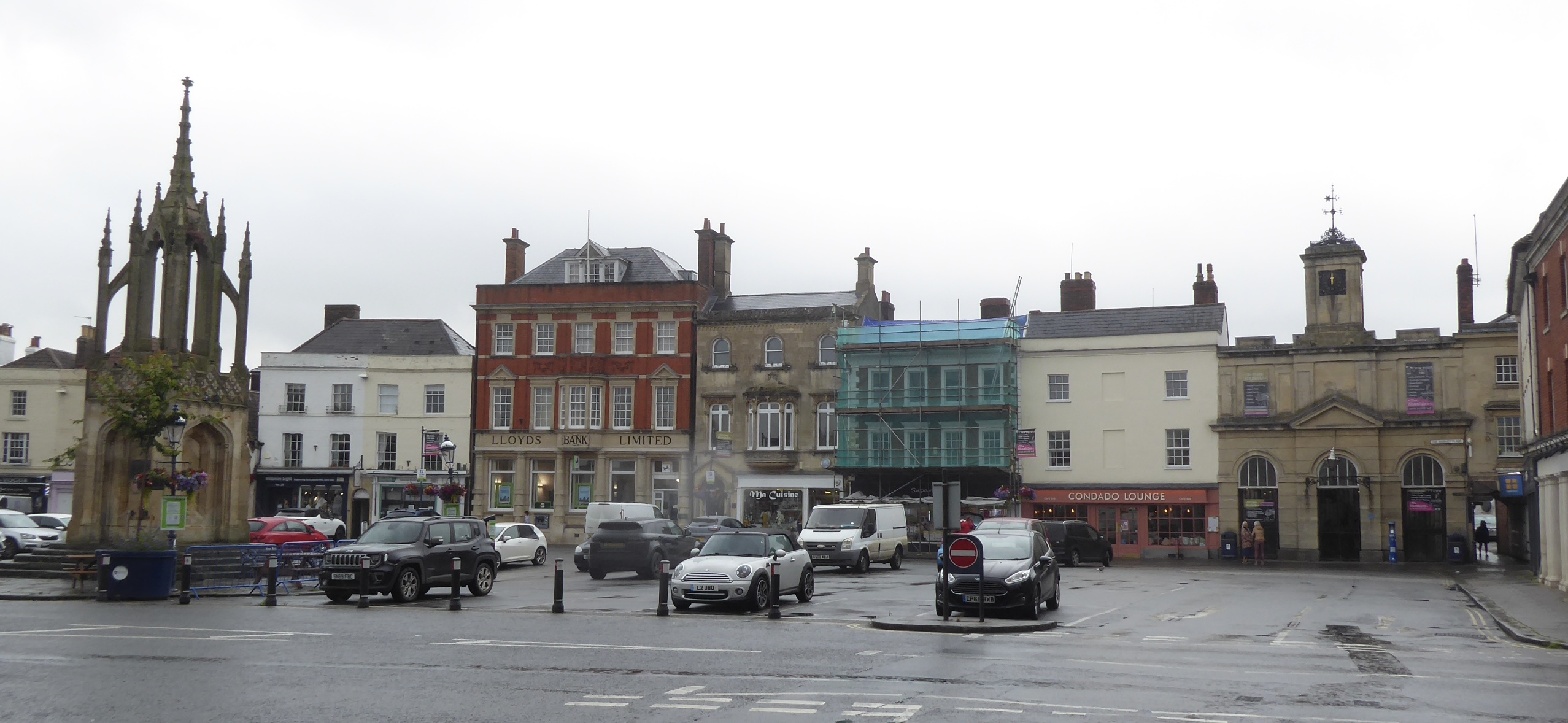
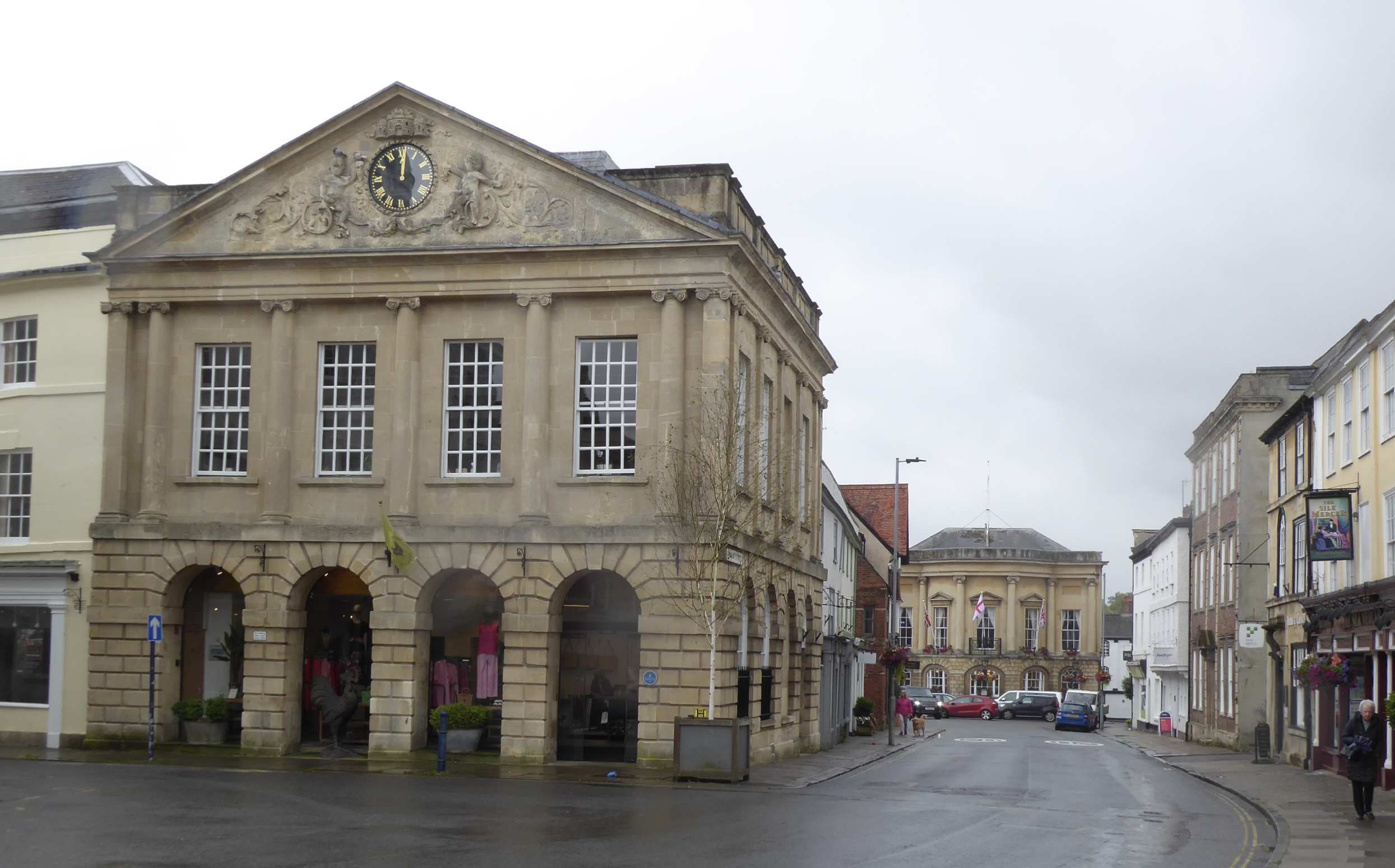
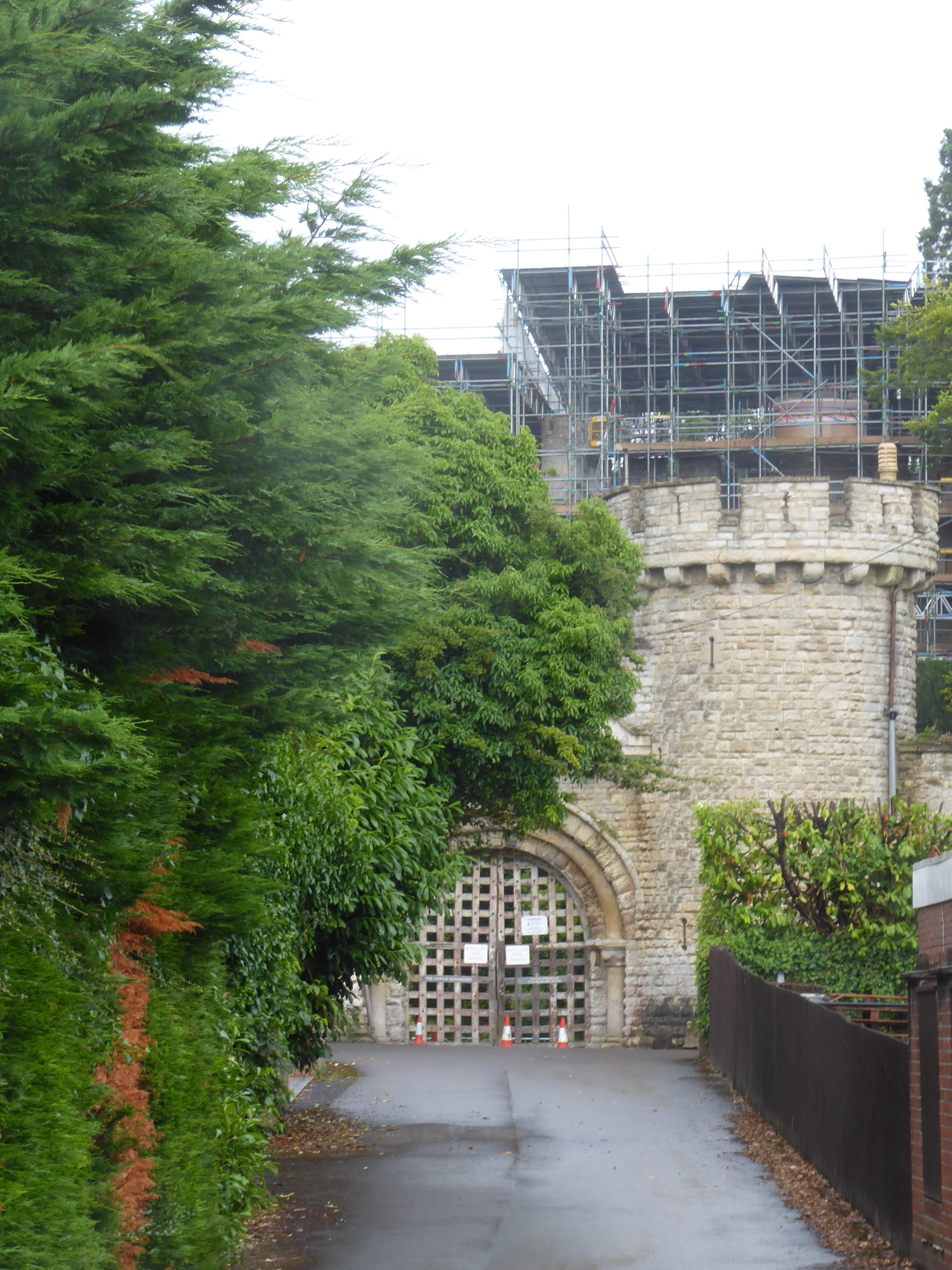
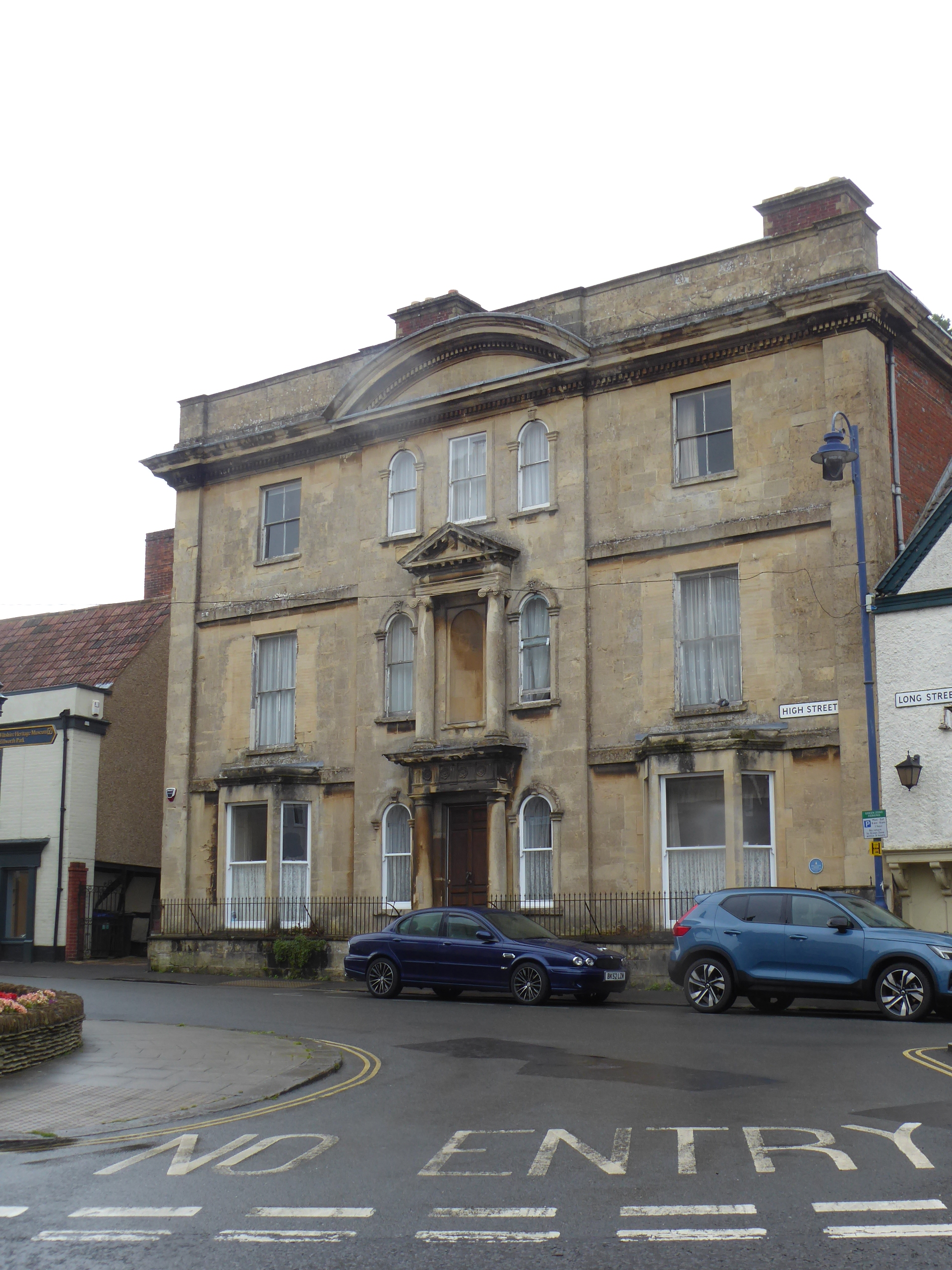
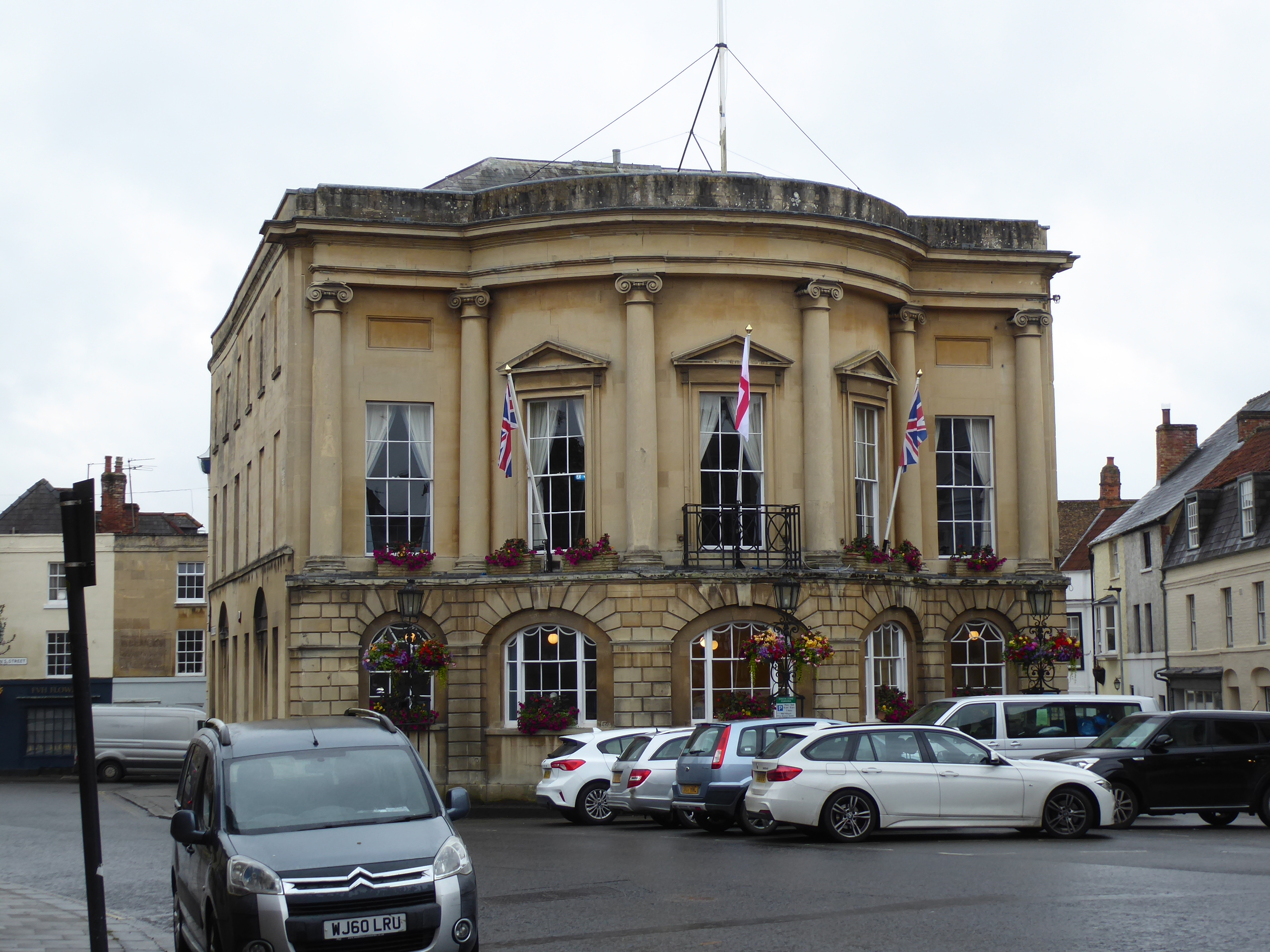
The bus from Swindon passed through Avebury, so from the upper deck I had a good view of the ripples of stones. Devizes itself – in 2024 rather than in a mist of childhood impressions – is handsome and a bit shabby. Time is nibbling away at its soft stone and the modern world is taking great bites out of it.

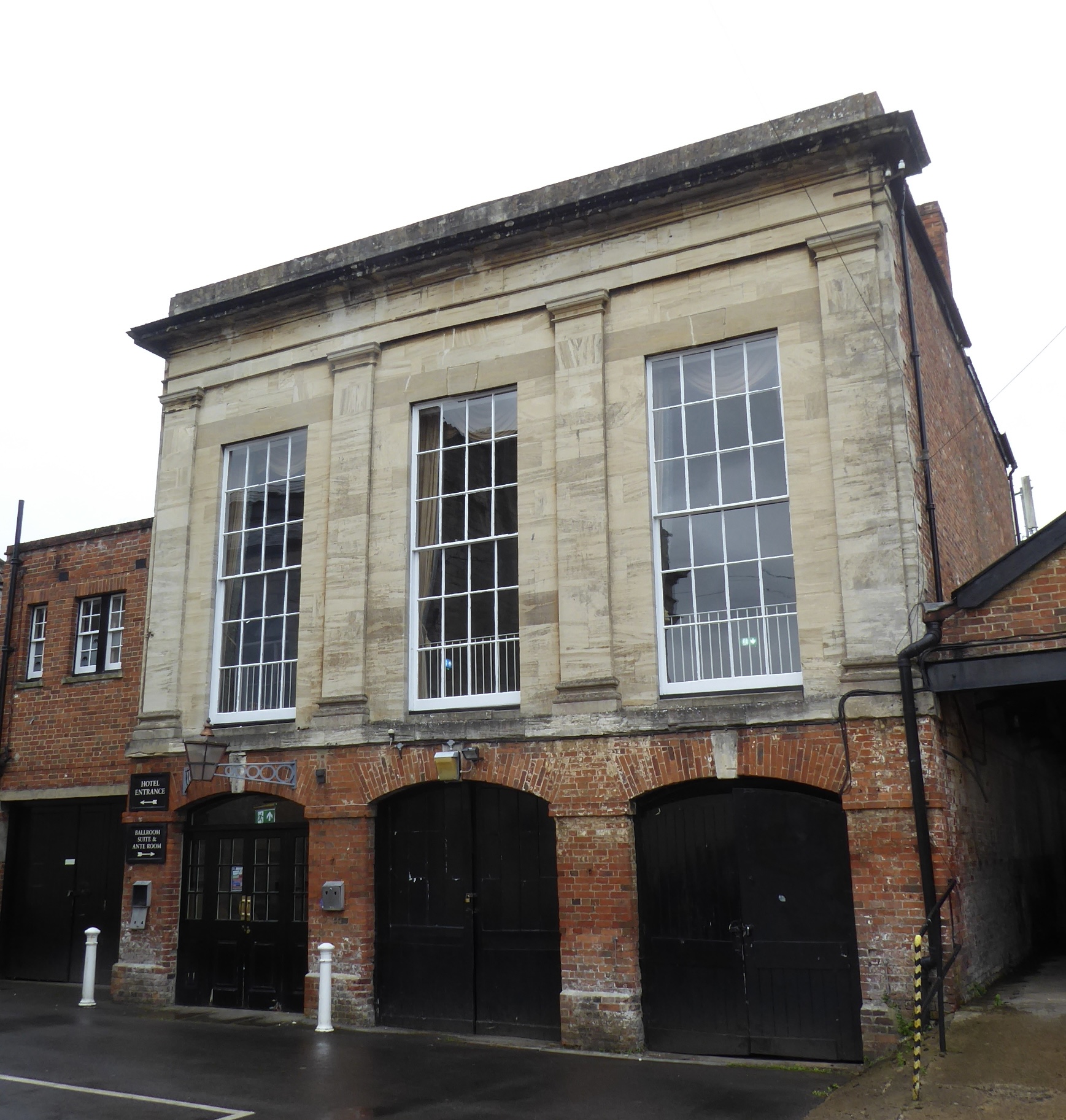
I am currently listening to a reading of ‘Cranford” on the radio; I had forgotten how delightfully gentle and kindly its tone is. Anyway, the hotel here has a wonderful extension at the back – a kind of Georgian assembly room – which immediately made me think of Cranford’s decaying assembly room, built on the coaching inn, where Signor Brunoni performs his magic show. (And where the old Cranford ladies momentarily relive past balls and assemblies as they re-enter it for the first time in decades.)

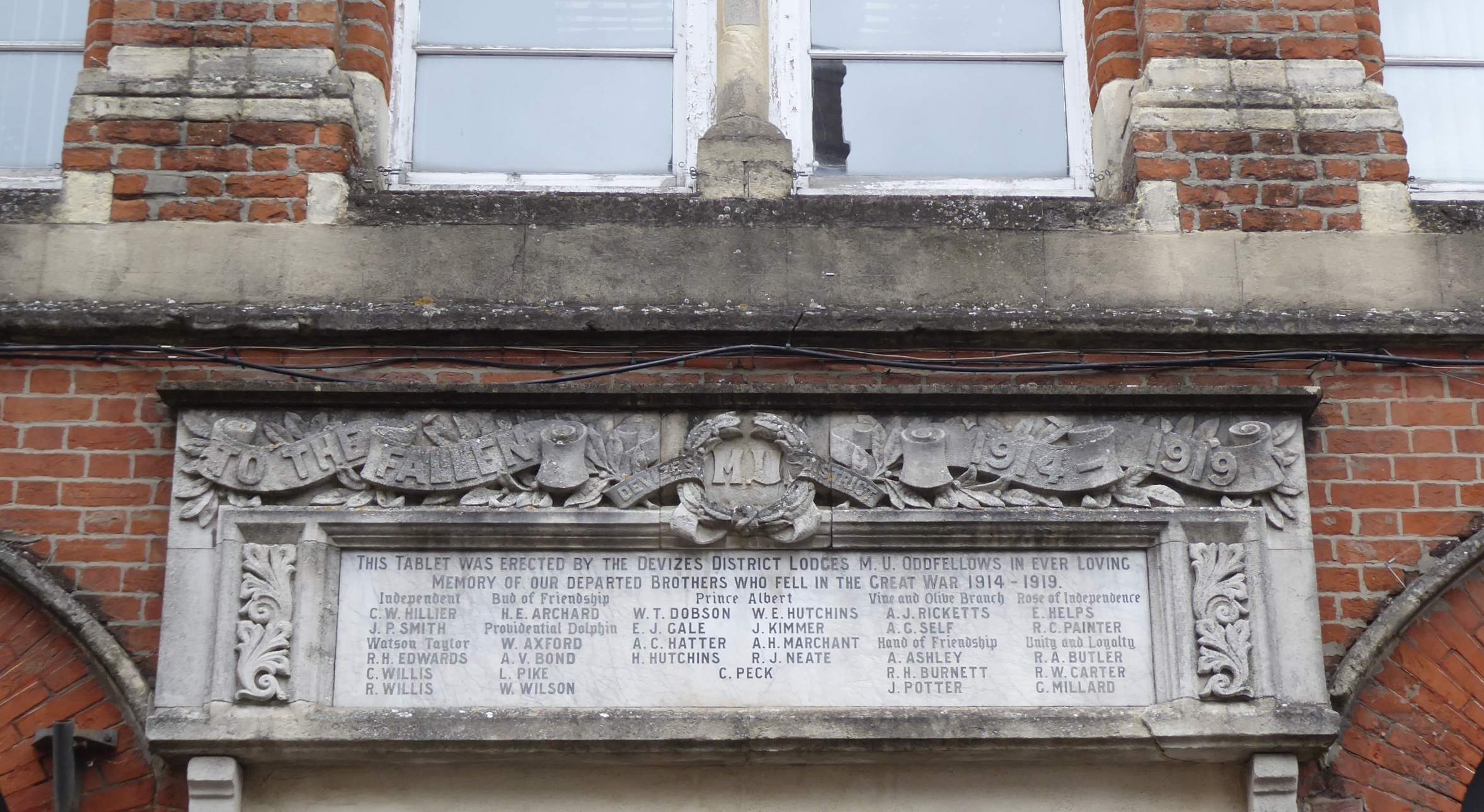
(“Providential Dolphin”? Some kind of masonic lodge . . . but “Providential Dolphin”!!)*

It’s intriguing to travel in parts of the country that I’m unacquainted with. To encounter the change in accent, geography, vernacular architecture. Also to find myself in unfamiliar territory: how are the trains formed, where is the bus station, how friendly are the natives? (The answer is generally “very”.) And also to discover the levelling-out similarities from one end of the country to the other.

Things to remember:

  • Discovery of fossilised skull of Taung Child (Australopithecus africanus) in South Africa in 1924 proposed as the “missing link” between apes and humans.
  • The (misleading) idea that humans developed bigger brains before becoming bipedal held sway until the 1960s.
  • All dates and divisions are very open to revision with new information and theories, but here goes:
  • Last common ancestor 7-4 million years ago.
  • 4-2 million years ago Australopithecus africanus (Lucy, found in the Rift Valley, with 40% of her skeleton).
  • 2m – 300,000 years ago modern humans developed. Homo habilis.
  • Homo erectus, 2m years ago, bipedal, bigger brain. Survived till ca 40,000 years ago. Did they have hunting and fire?
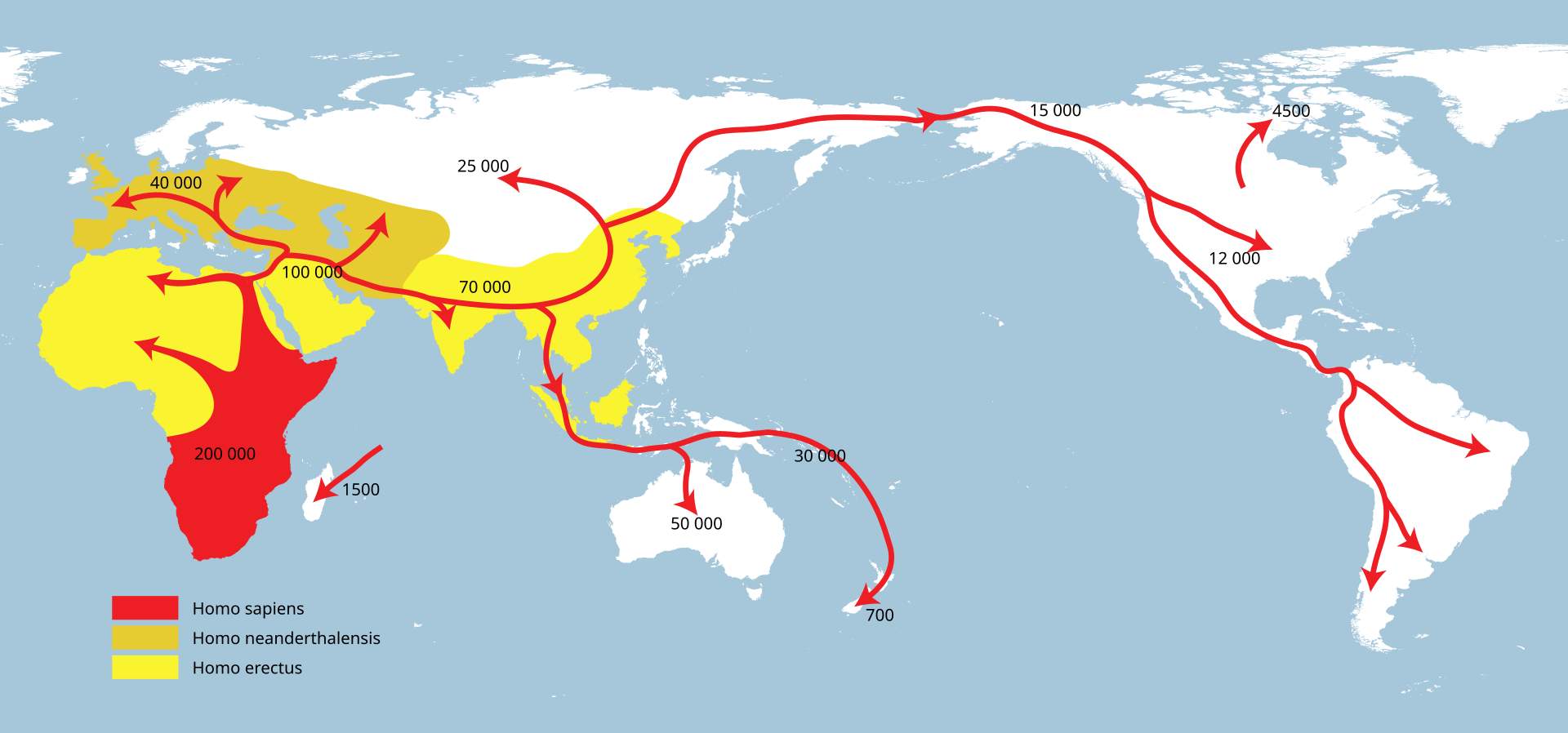
  • Palaeontologists have lots of bones that look different, but hard to say if they come from different species.
  • Homo heidelbergensis in UK 50,000 years ago? Ice Age, so land bridge to continental Europe.
  • Pits of bones found in caves in Atapuerca, Spain. Cannibalism?
  • Ca 35,000 years ago Neanderthals died out. Did they have language and art?
  • Denisovans discovered in 2010 in China, but no skulls yet.
  • We were “us” 200,000-300,000 years ago and migrated from Aftica.
  • Indigenous Australians (arrived from SE Asia 50-65,000 years ago during last interglacial) have lots of Denisovan but no Neanderthal.
  • End of last Ice Age 12,000-11,000 years ago.

* Later I saw an inn in Devizes called the Dolphin.