York

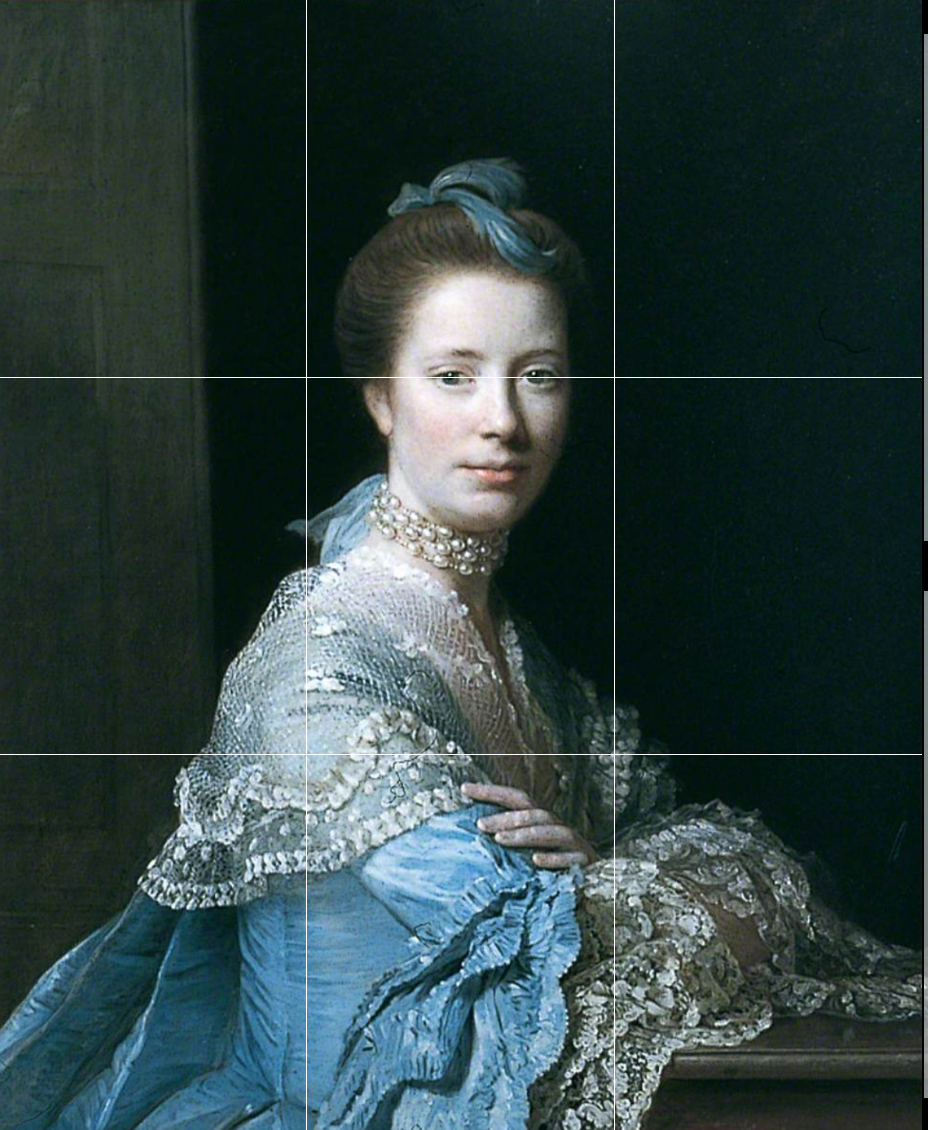
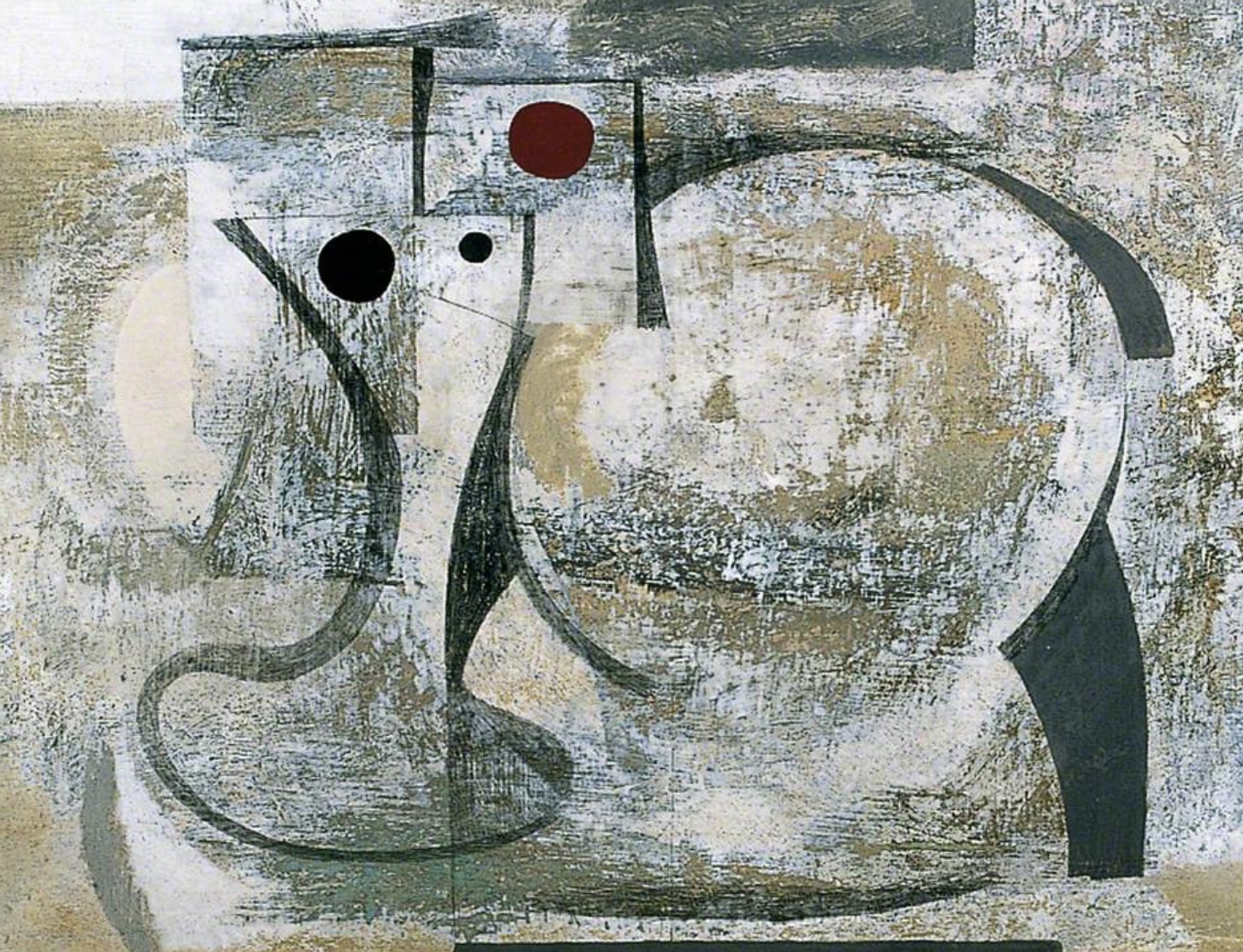
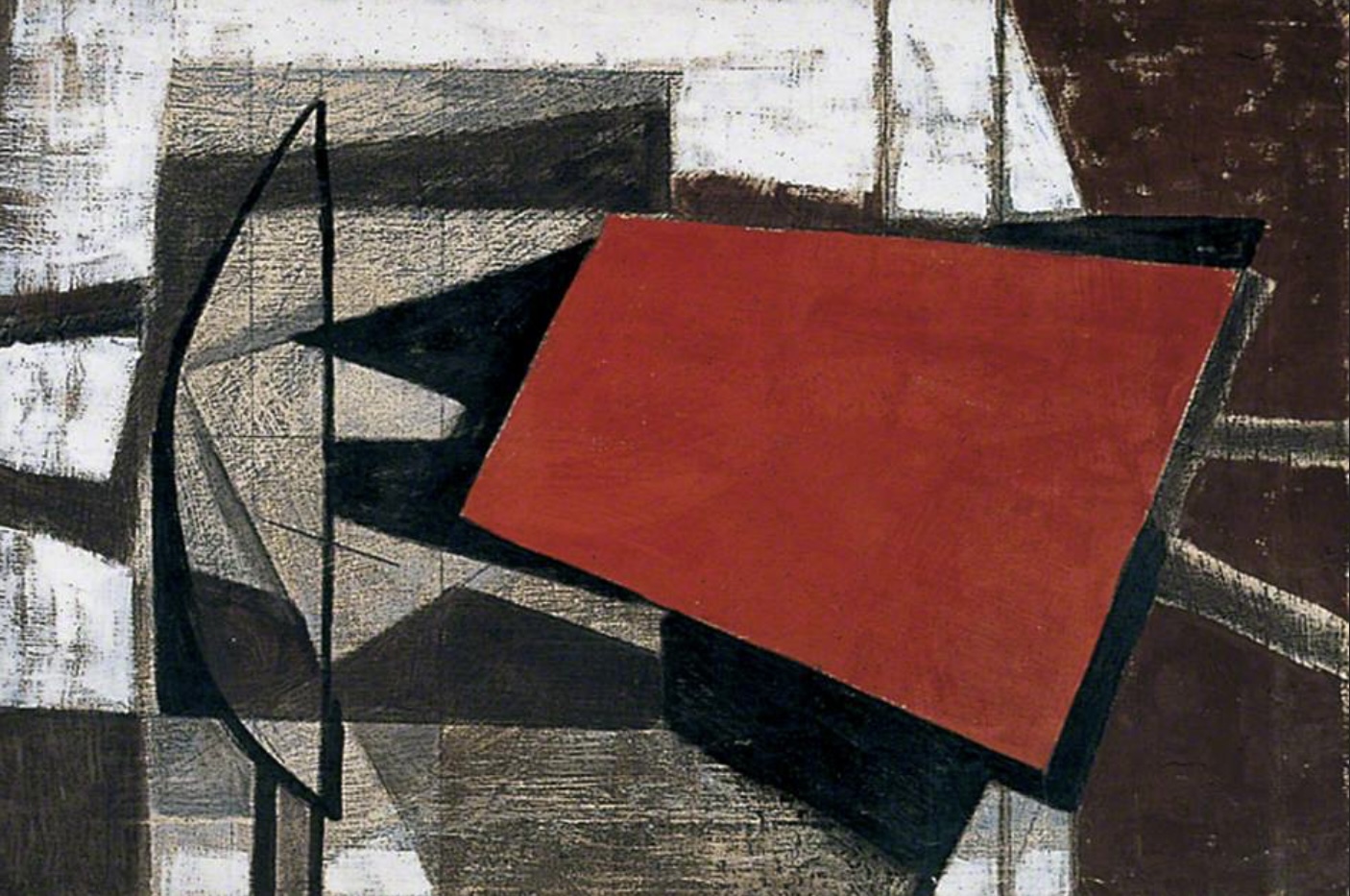
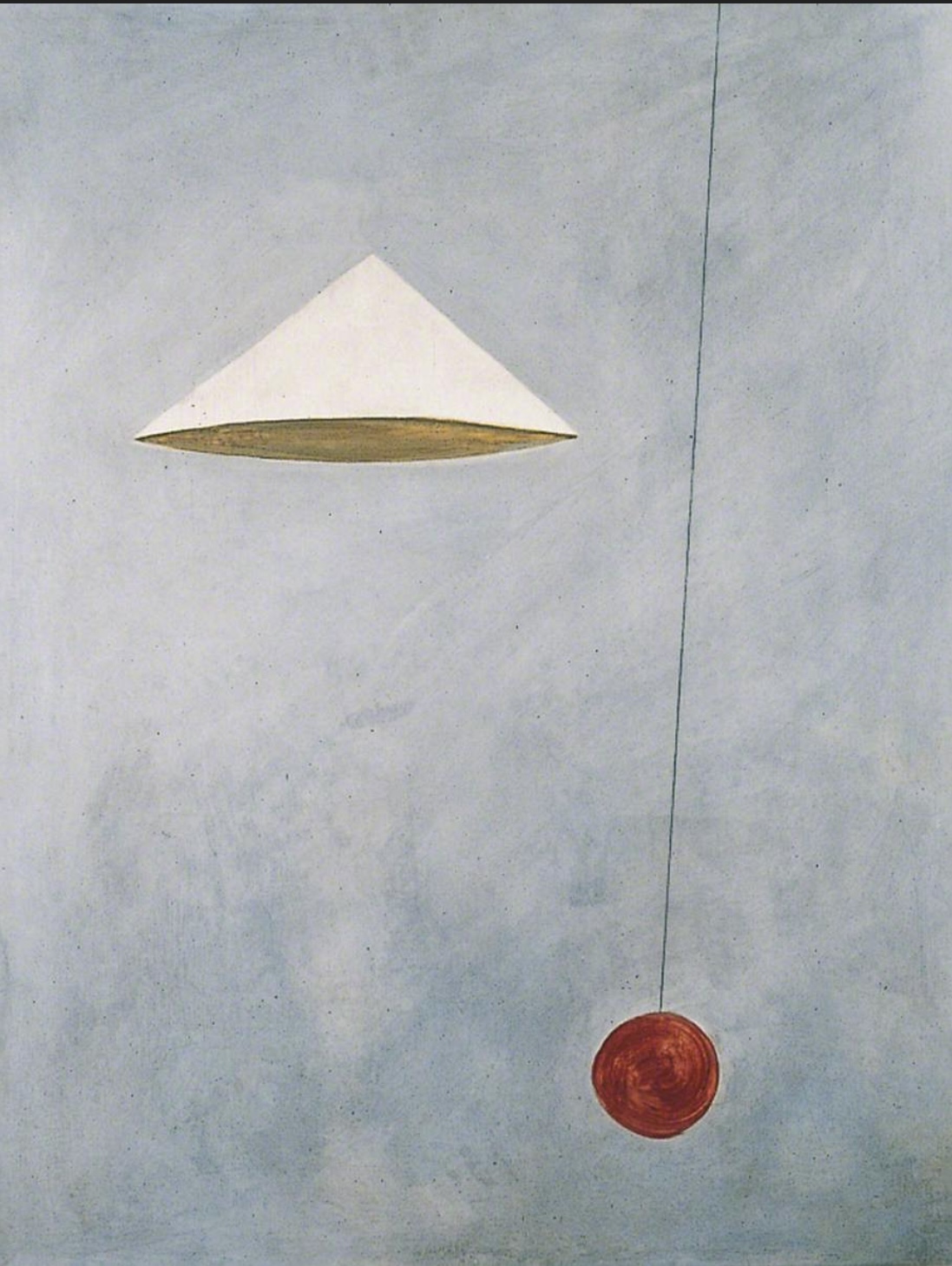
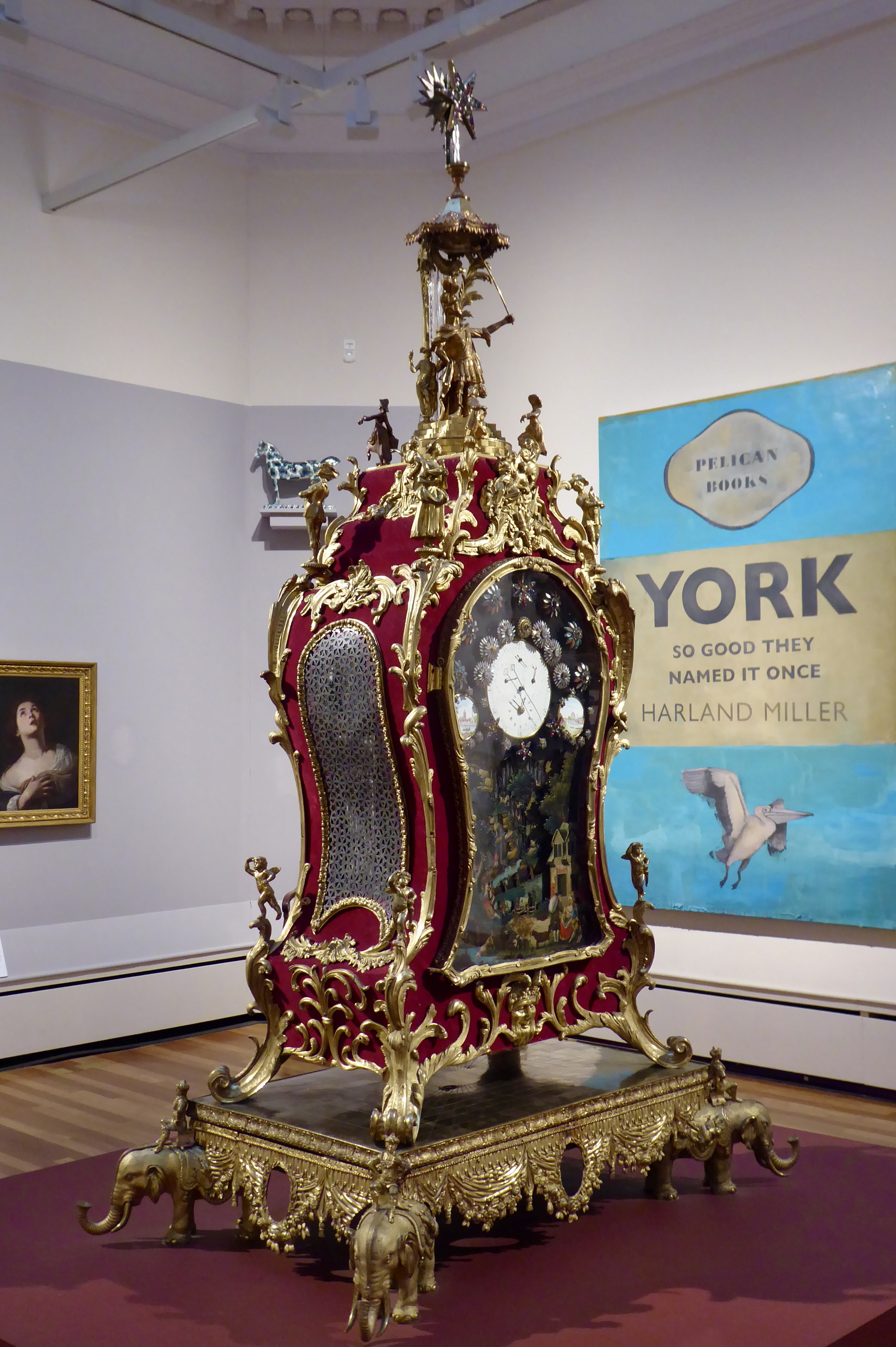
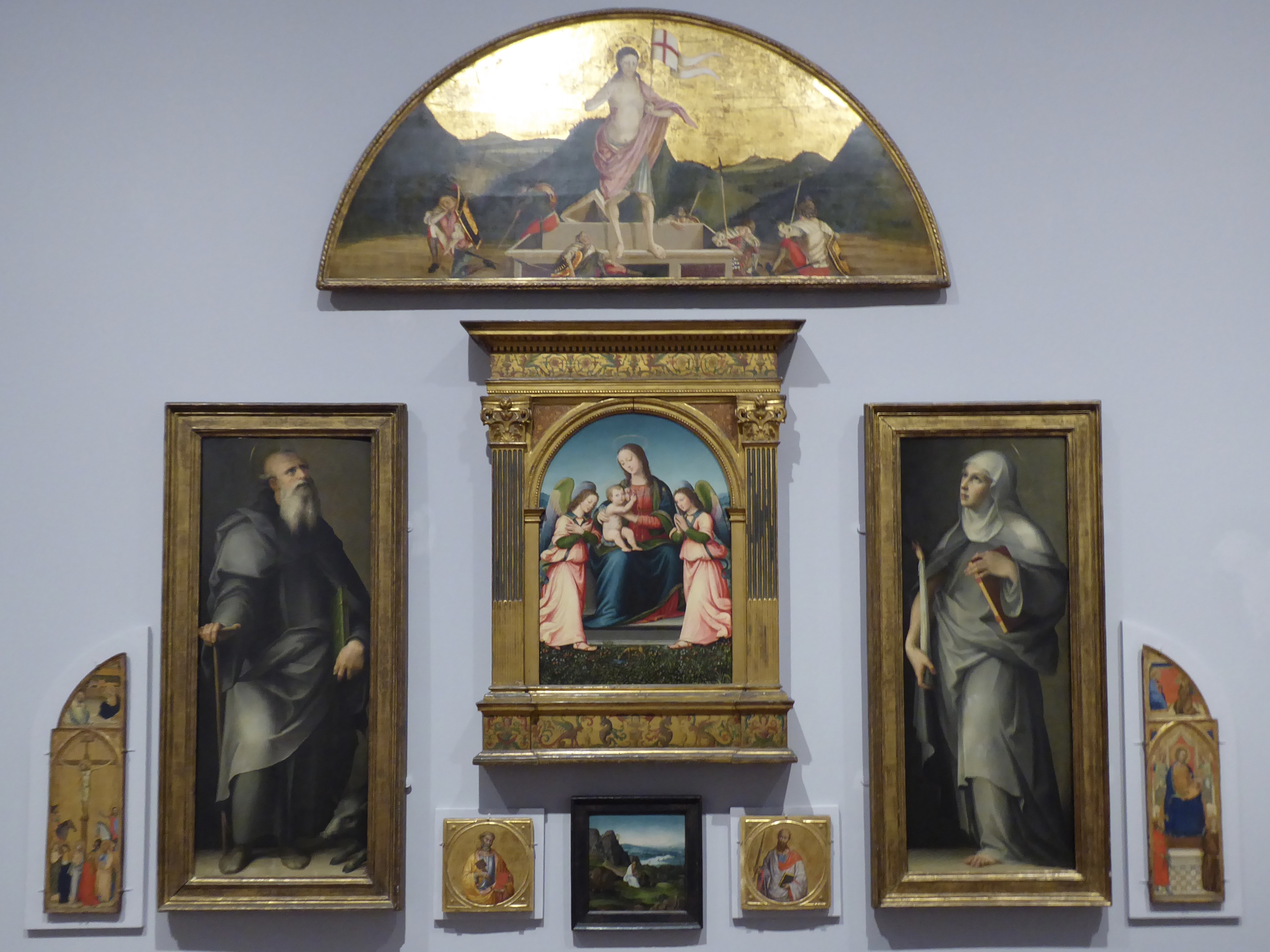
Winter drags on, cold and damp. I headed to York to visit the art gallery for a second time, this time lingering in front of the non-working automaton clock (possibly by the designer of the silver swan in the Bowes Museum). It needs to be wound up regularly to work properly, but it fell victim to Covid lockdowns. I thought how you really would want to have your portrait painted by Allan Ramsey if you were an eighteenth-century bigwig – and then noticed, as I cropped the image, how neatly it was arranged on a grid. What to do with your bits and pieces of medieval religious art: arrange them as a polyptych. There were three abstract paintings hung together and I entertained myself by wondering why I admired one and not the other.
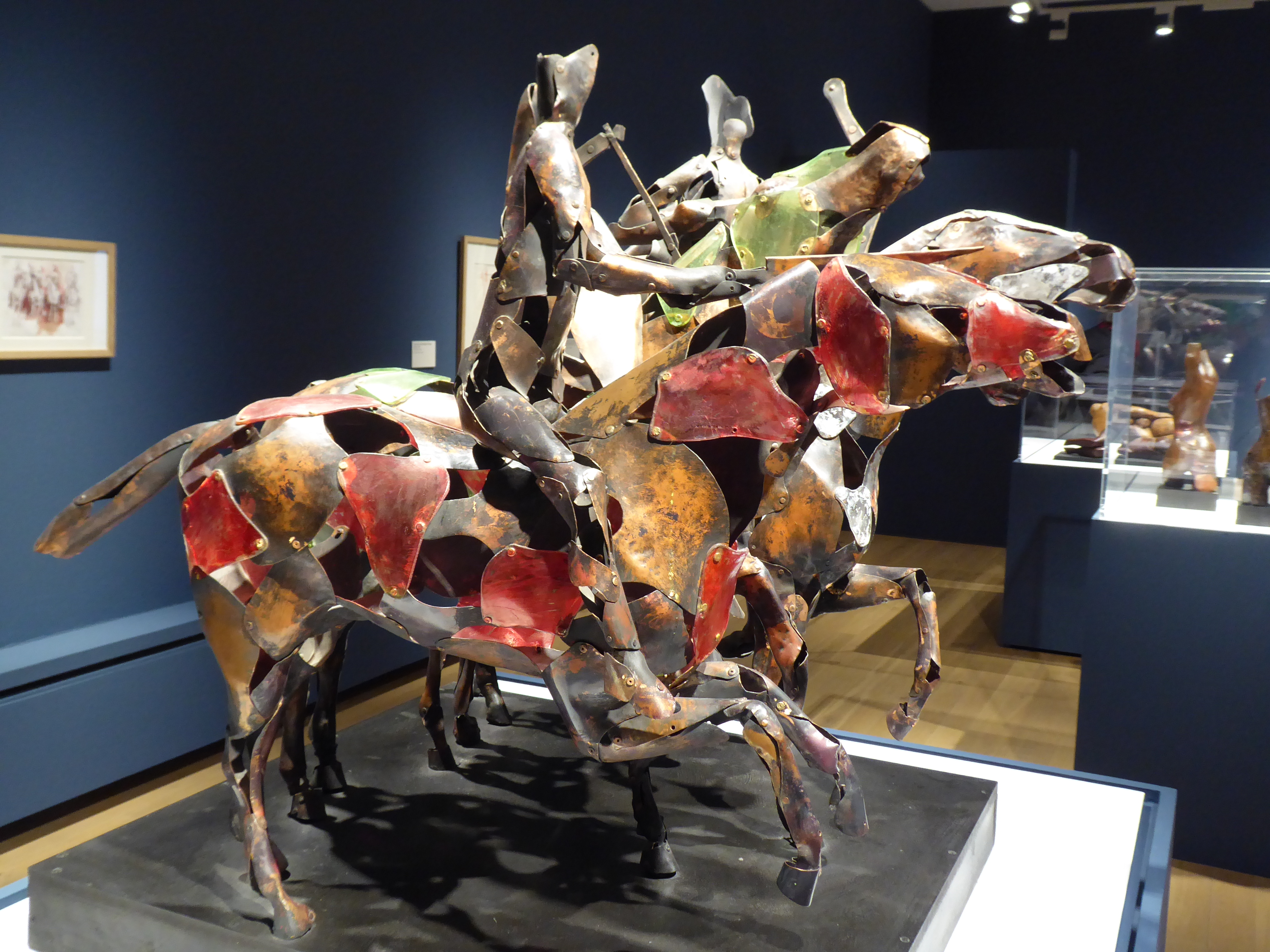
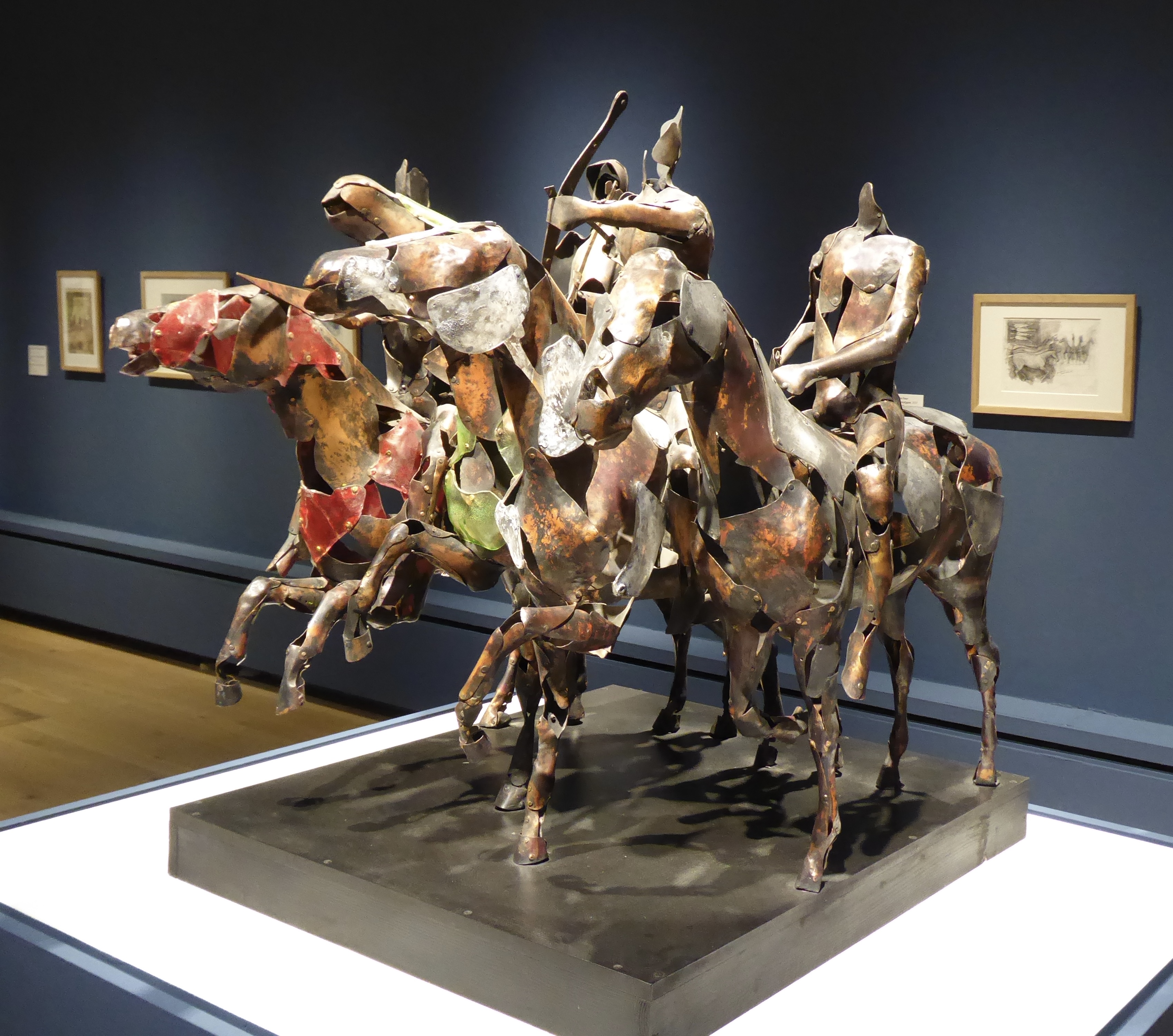
The best bit was stumbling across an exhibition of works by someone I had never heard of before: Harold Gosney, now a very old man, who seems to have been creating all his life. There was a sense of integrity and coherence in his work. His sculptures of horses from patches of metal and perspex somehow married physical grace and power with the inorganic materials.
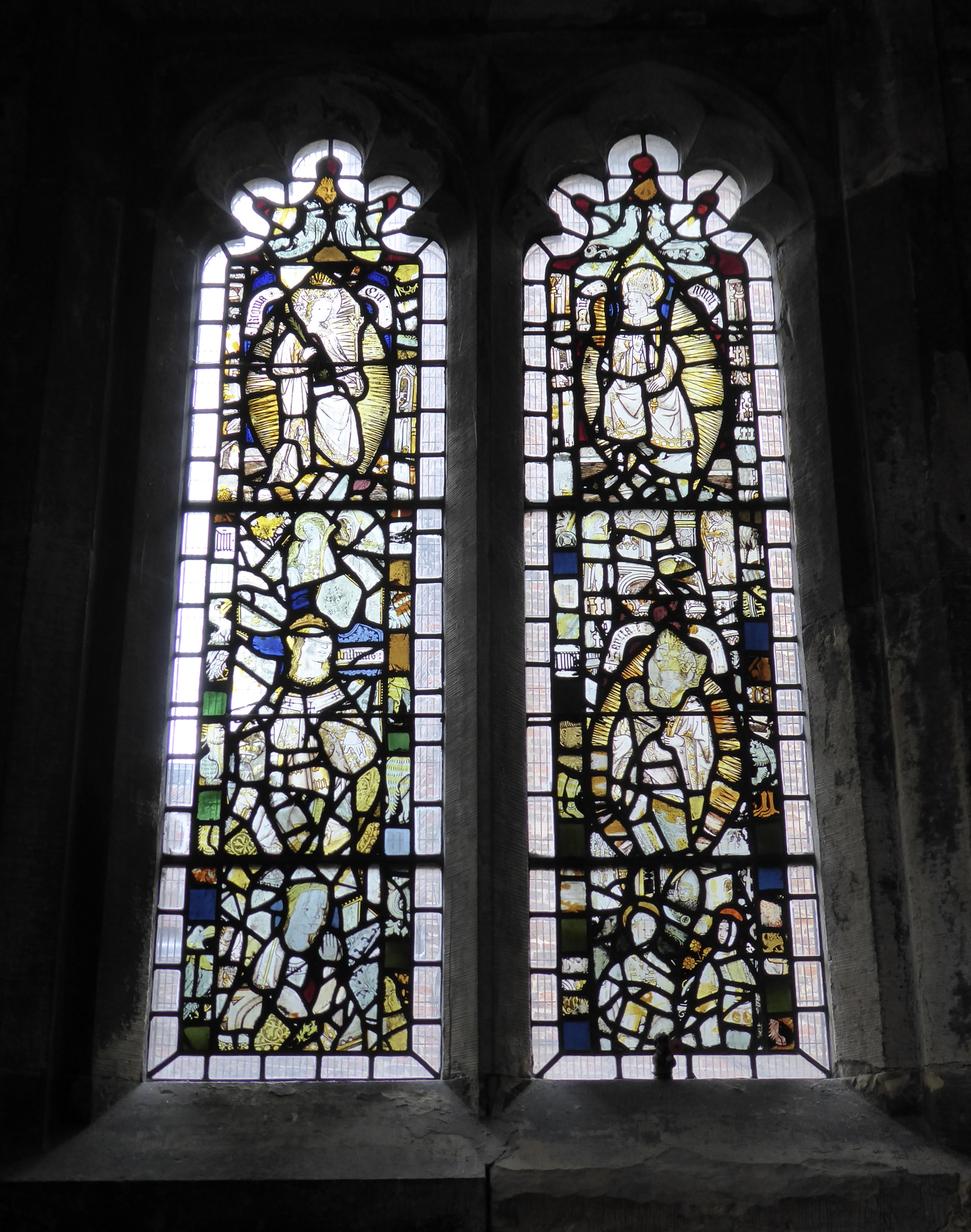
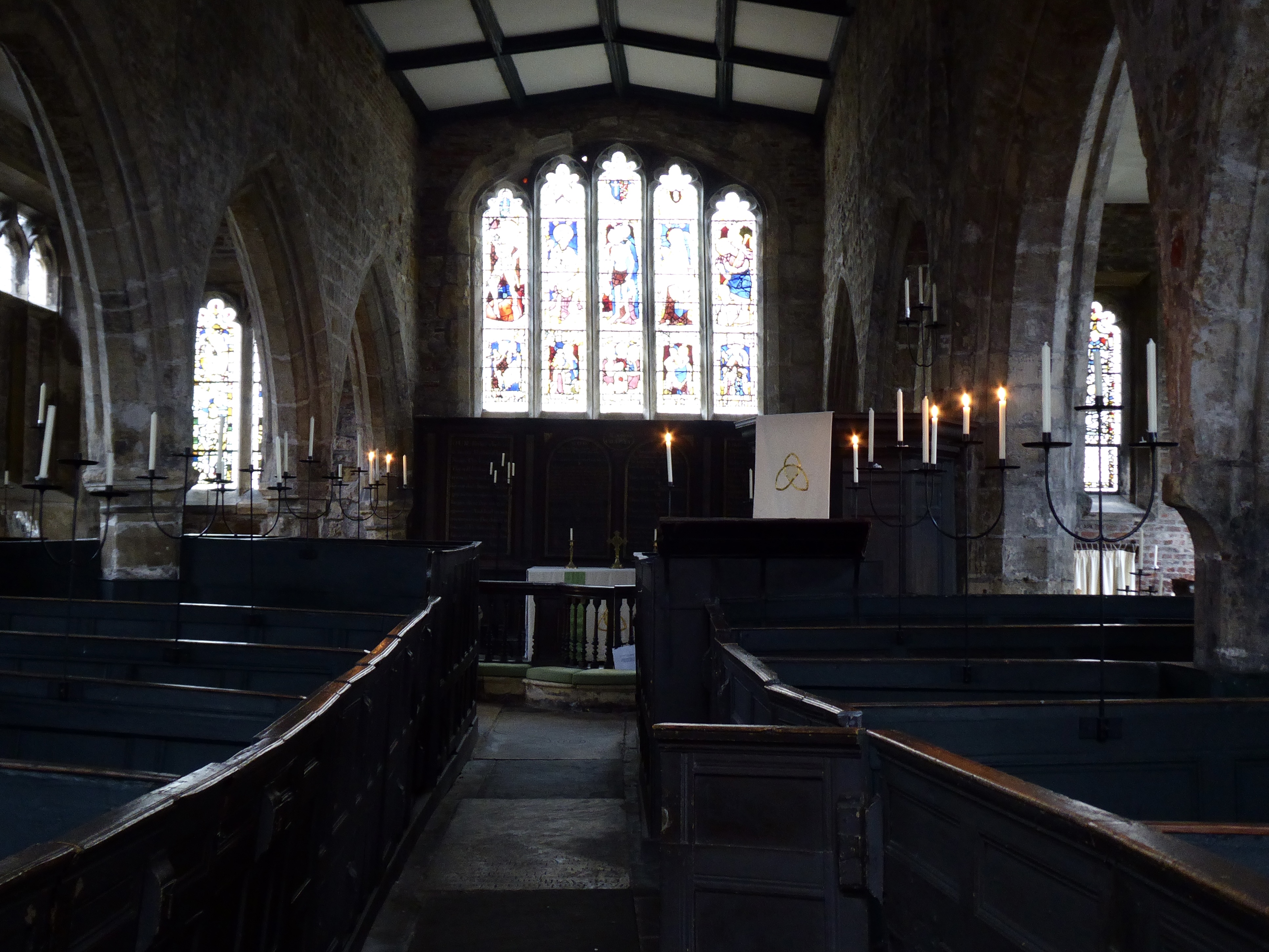
I had time to look for the redundant Holy Trinity Church in Goodramgate. Many centuries of building in one small church, box pews (how did they affect the congregation’s experience of services?), some 15th-century stained glass, and a squint between the small chapel and the main altar.
York

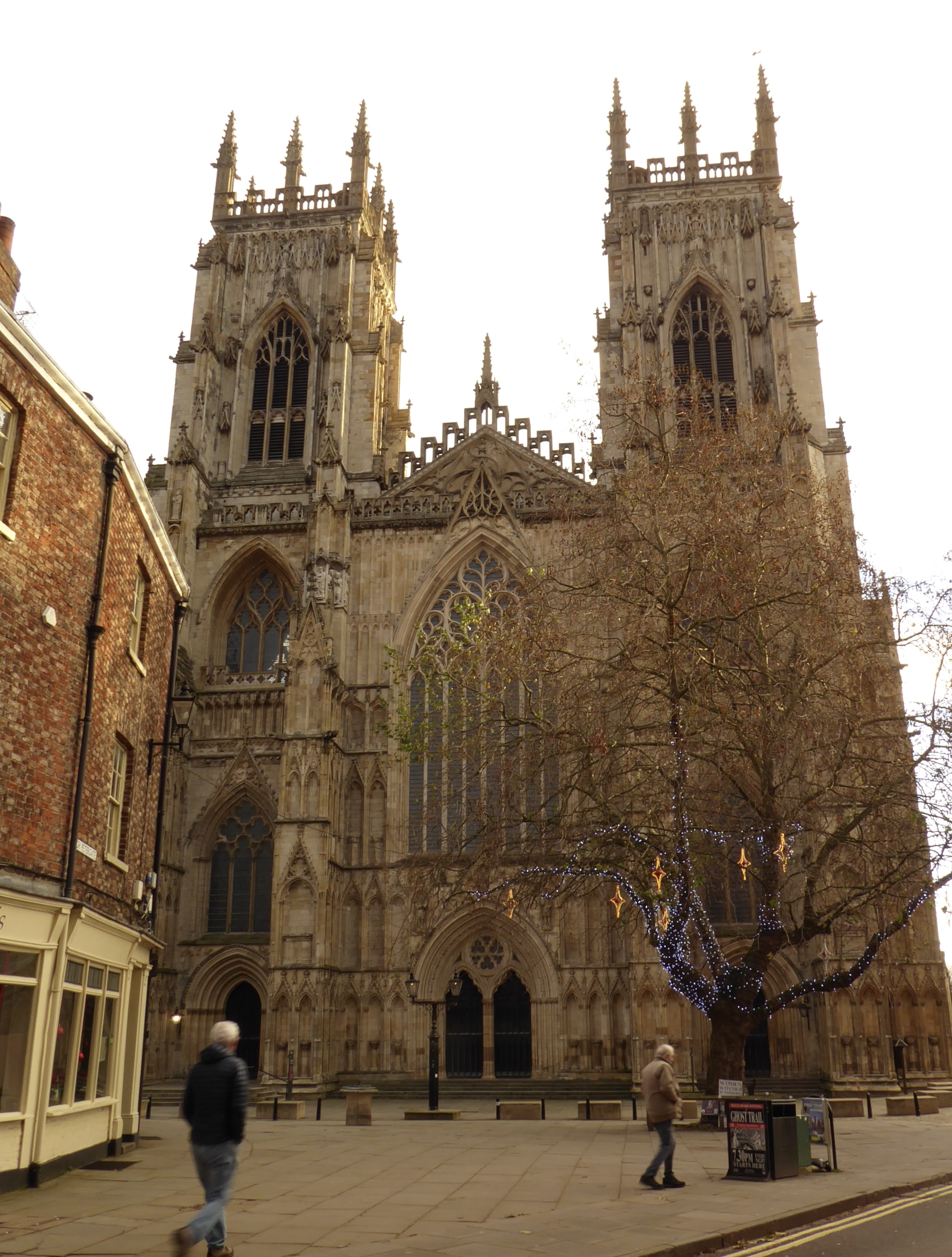
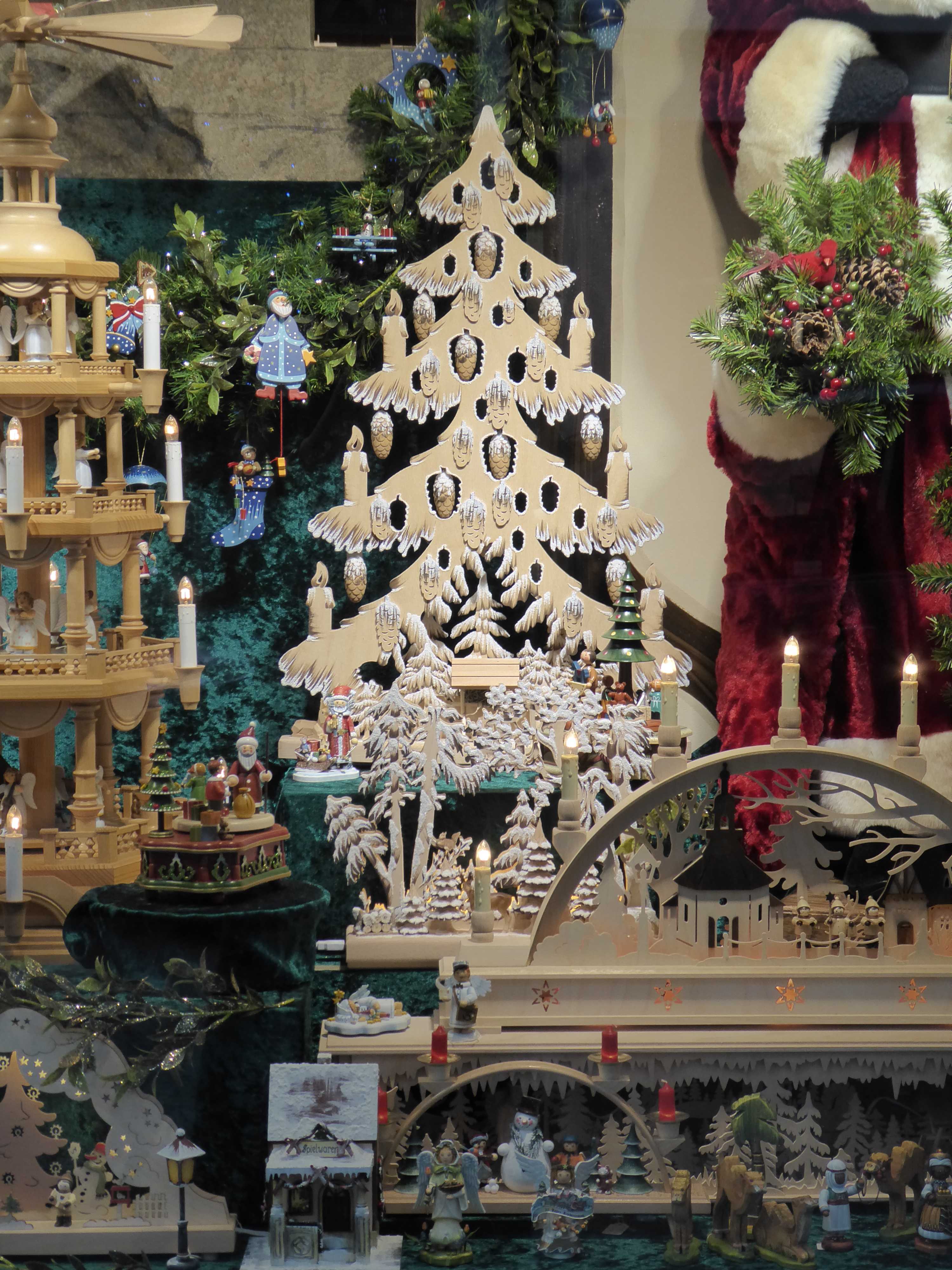
A flying visit to York from Leeds. I more or less remembered how to get to the Minster, and I noted that even at 9.05 a.m. there was a queue outside Betty’s. On the way back I stopped to photograph a charming shop window.
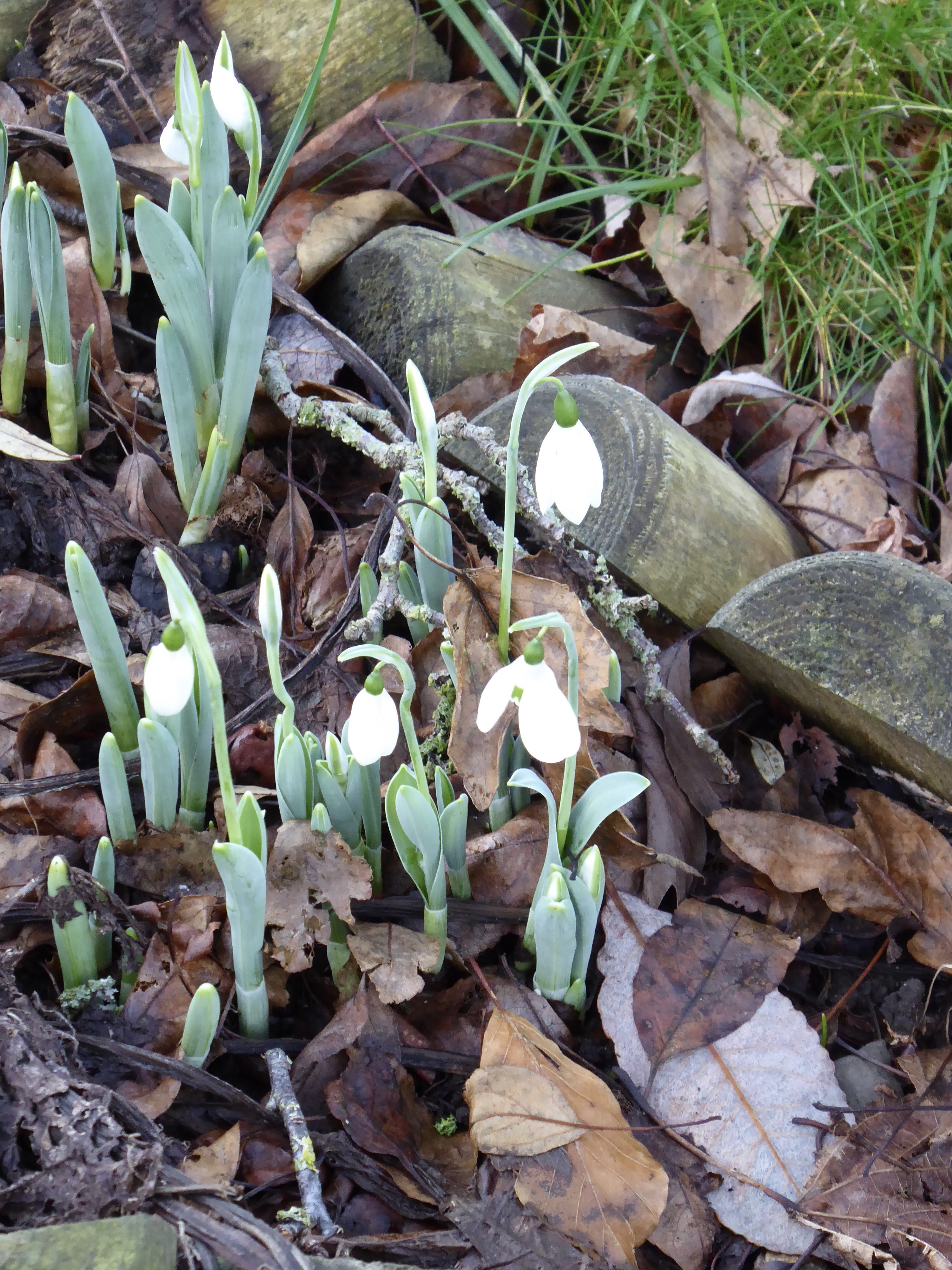
In other news, snowdrops are flowering in the front garden.

Saltaire

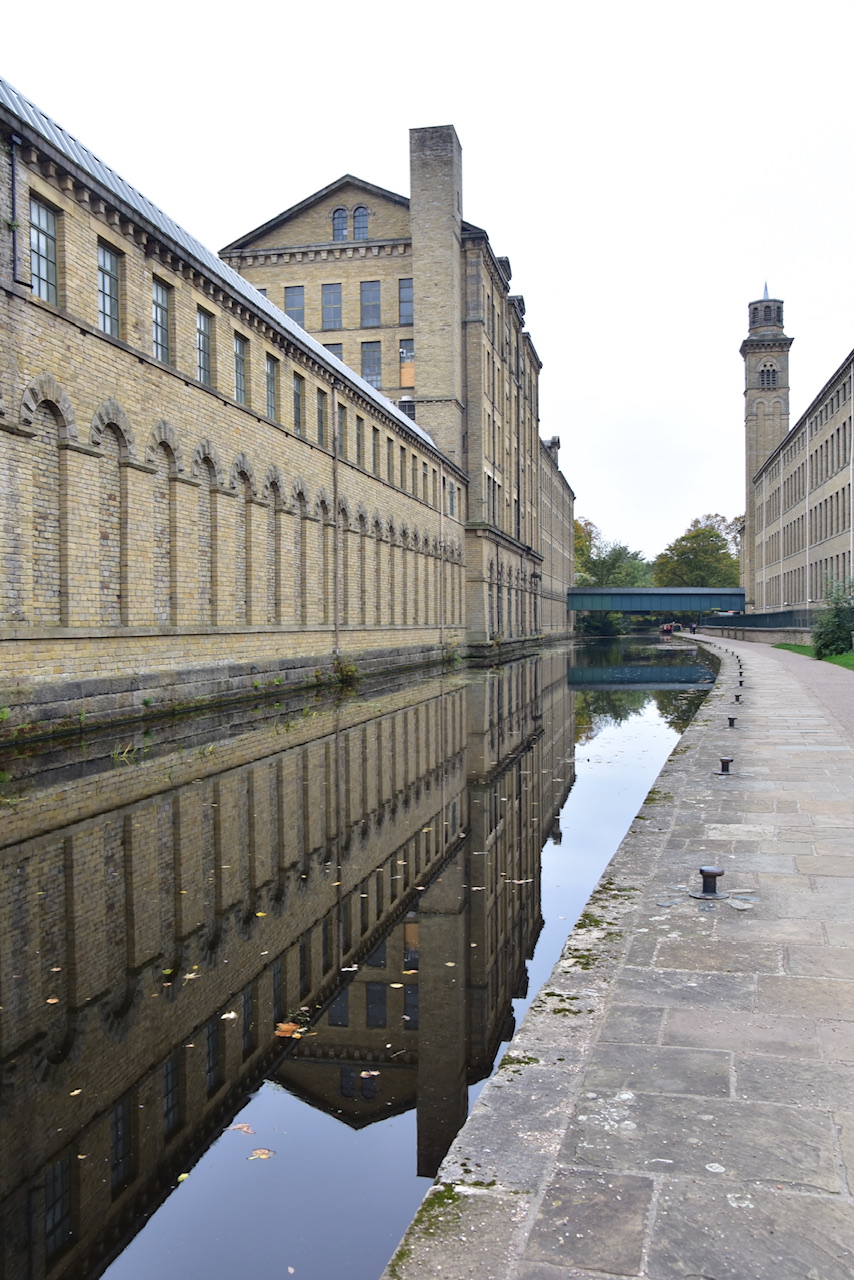
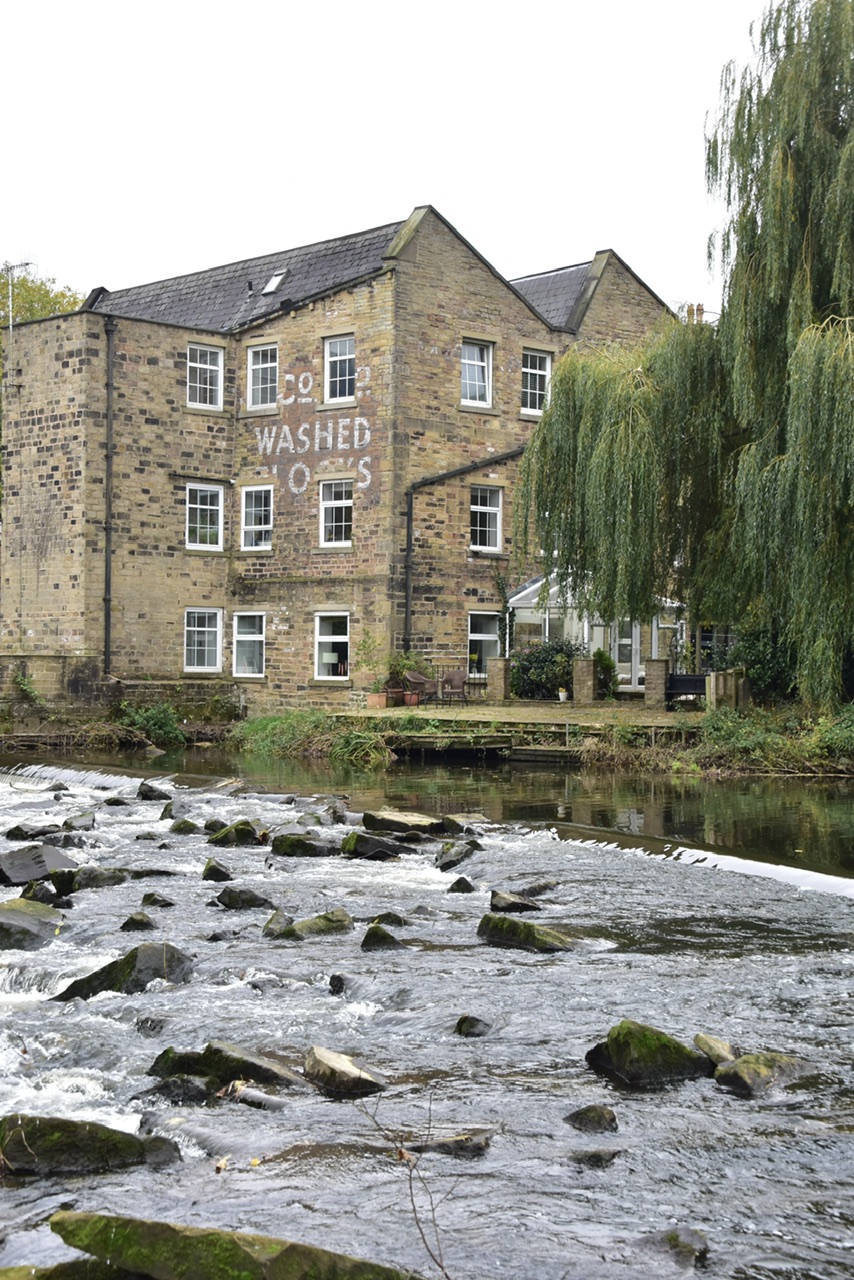
Leeds, Shipley, Saltaire, a walk around Shipley Glen and along the Aire and the canal – then back to Saltaire, Shipley, Leeds. A lovely day, and I discovered the Shipley tramway. It was so short a line that I couldn’t imagine its purpose. I have since discovered that it is a funicular tramway built simply, in bygone times, to take people to funfair attractions at the top of the hill.

Ferens art gallery

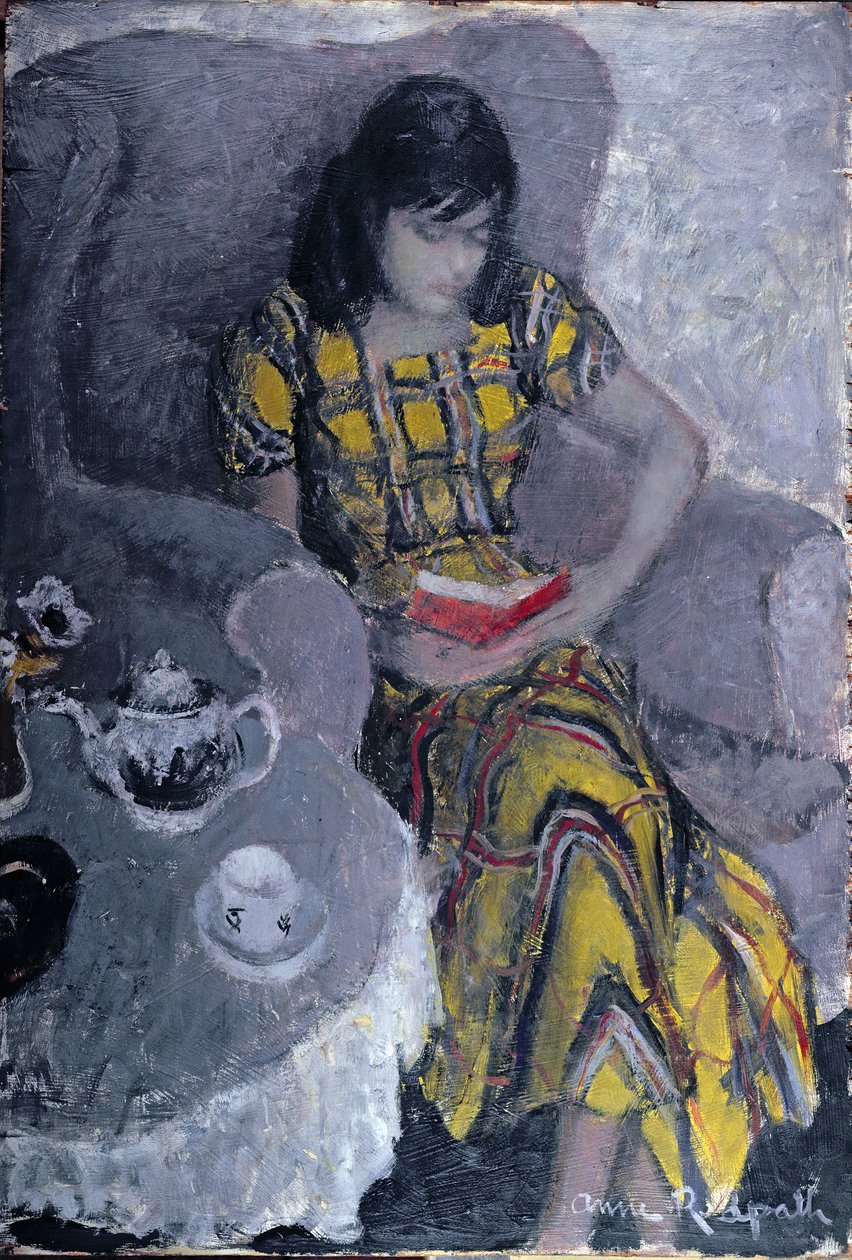
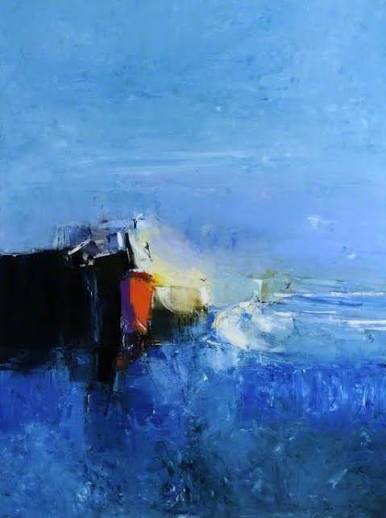
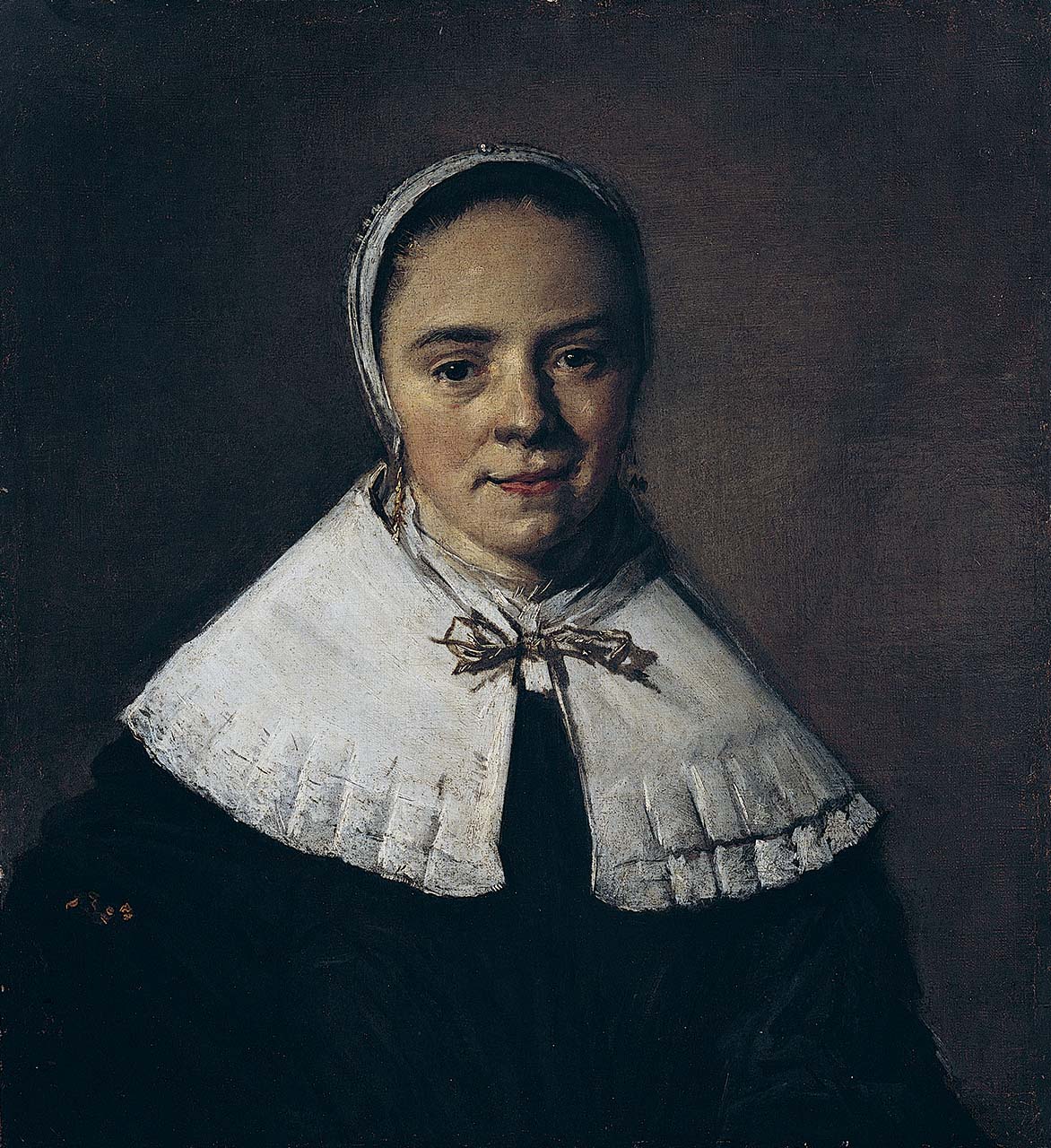
A fleeting visit to Ferens art gallery, where I looked at some old favourites. The Blue Seascape is one I hadn’t seen before. I was wondering, though, if a stormy sea could ever be that blue. “Eileen Reading” has the air of a Gwen John painting in its indistinctness.

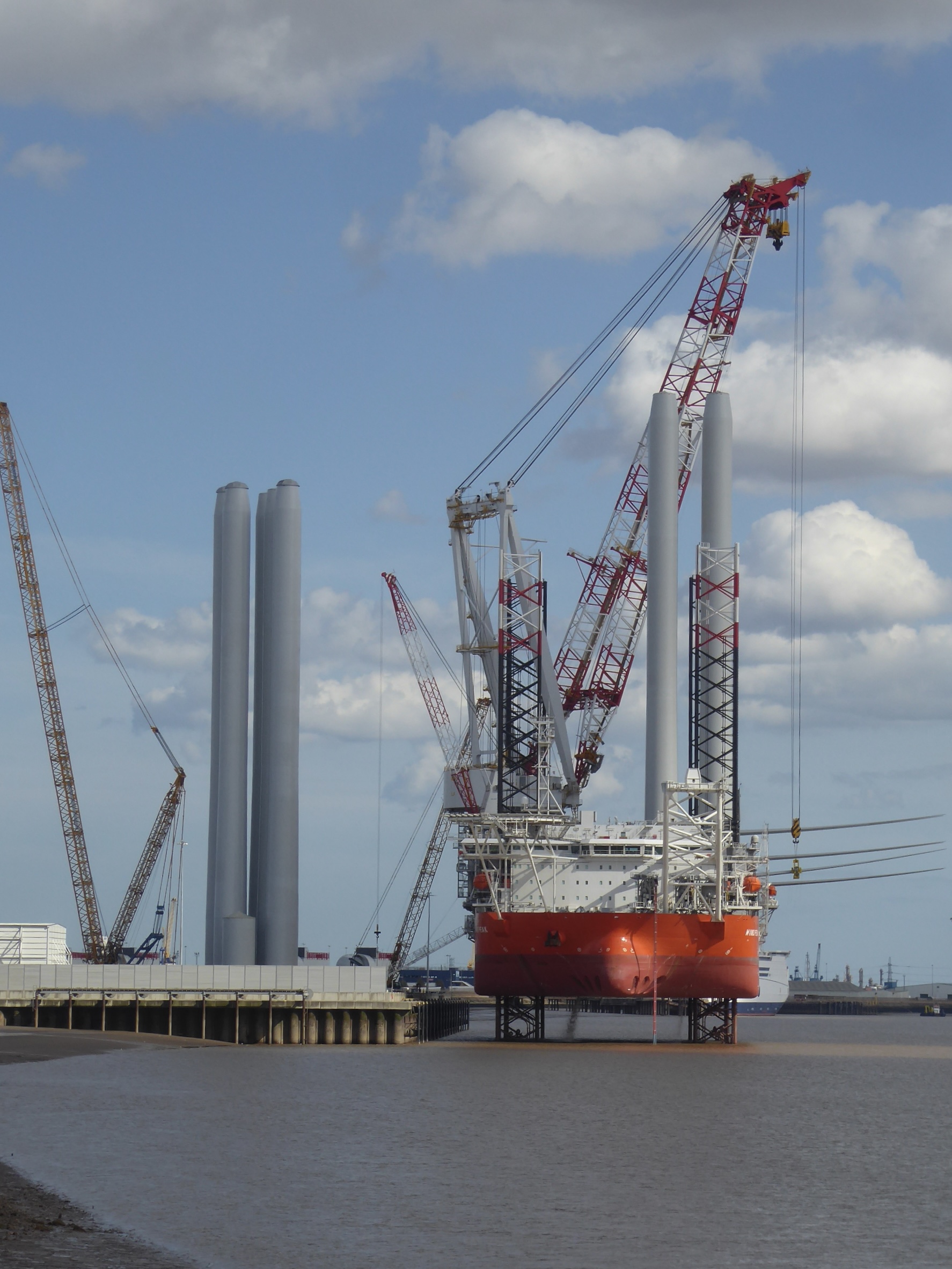
And then the normal ride to the docks, where we passed wind turbine shafts being loaded onto something or other (did it have its own engine or would it be towed?) presumably to be installed offshore.

Ilkley to Skipton

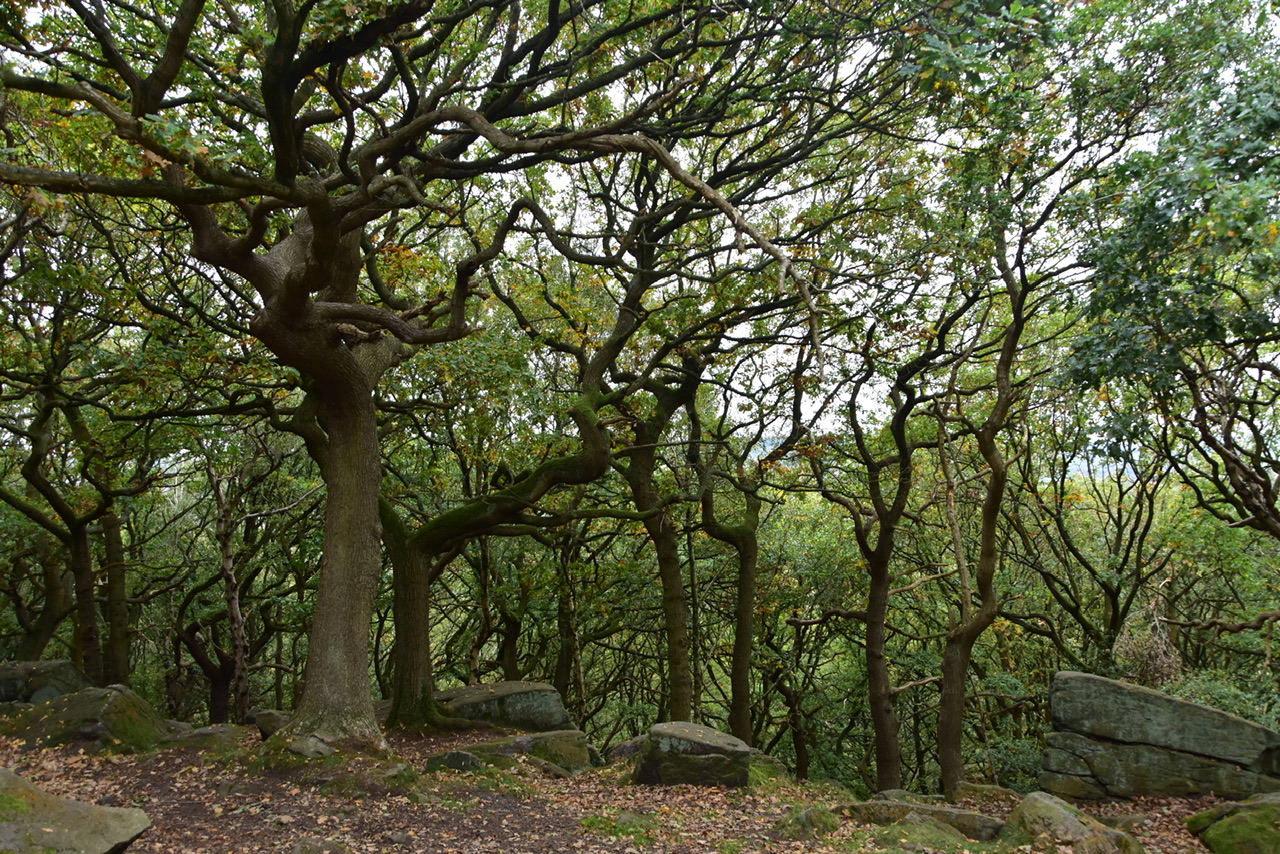
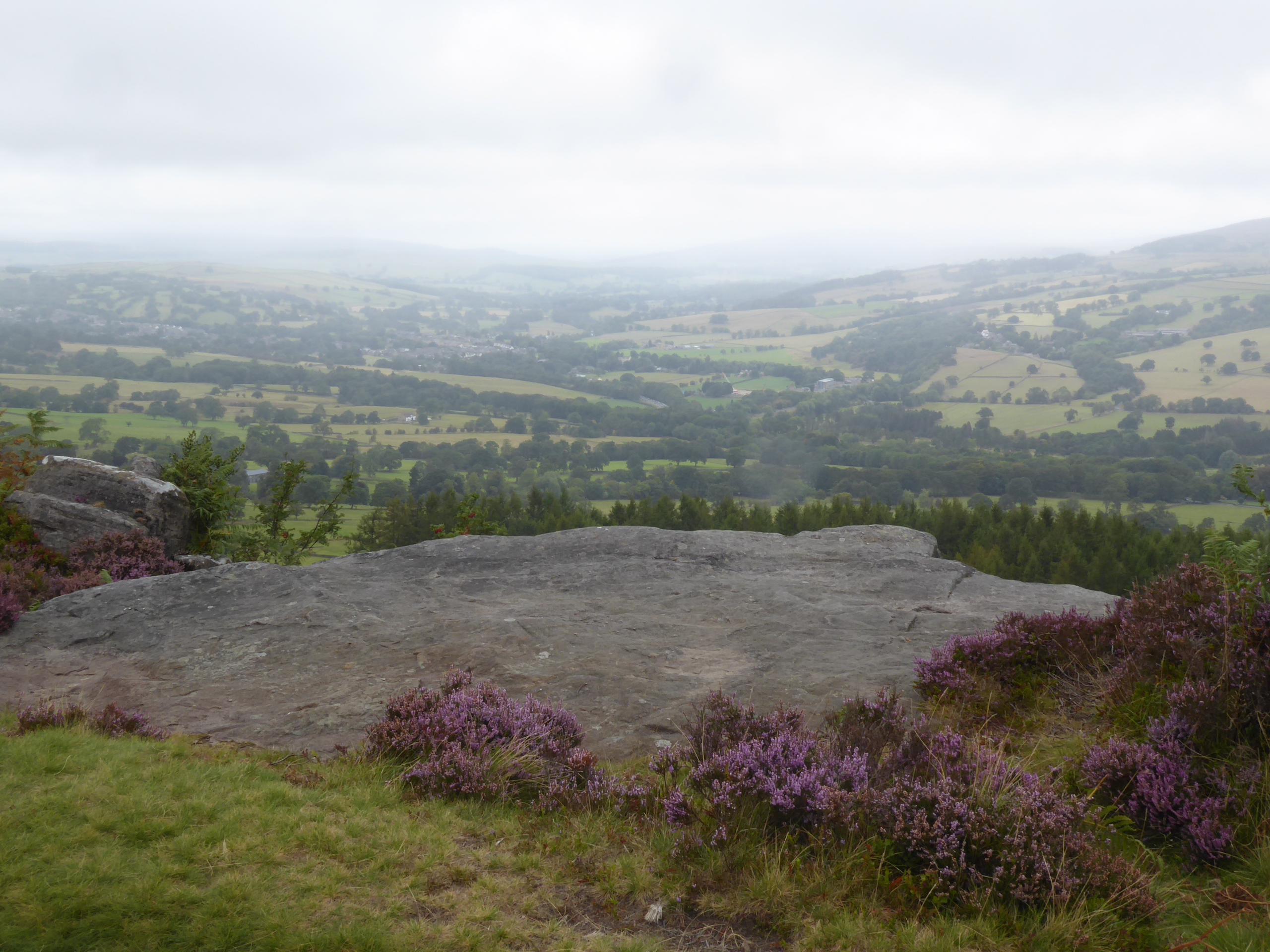
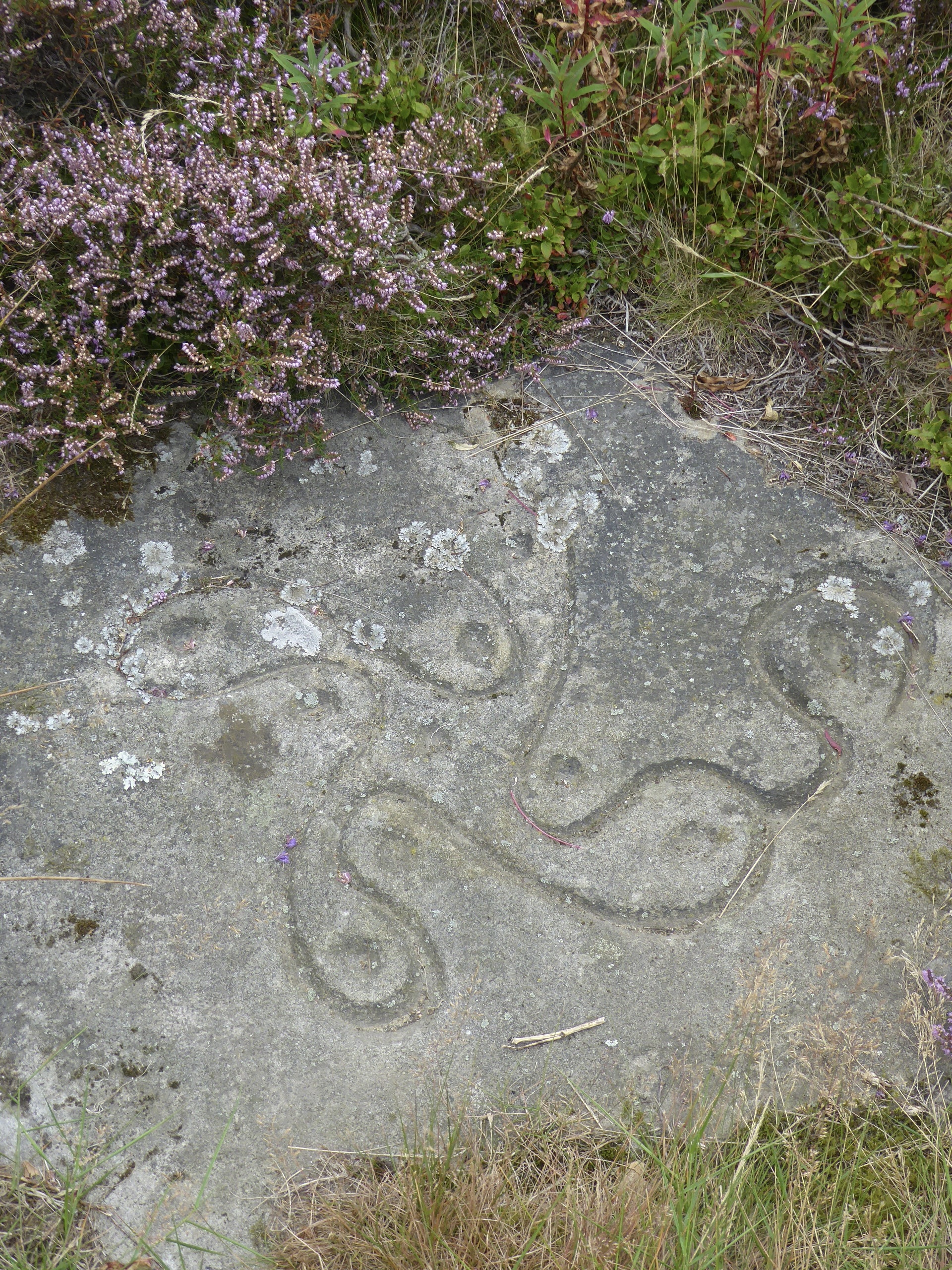
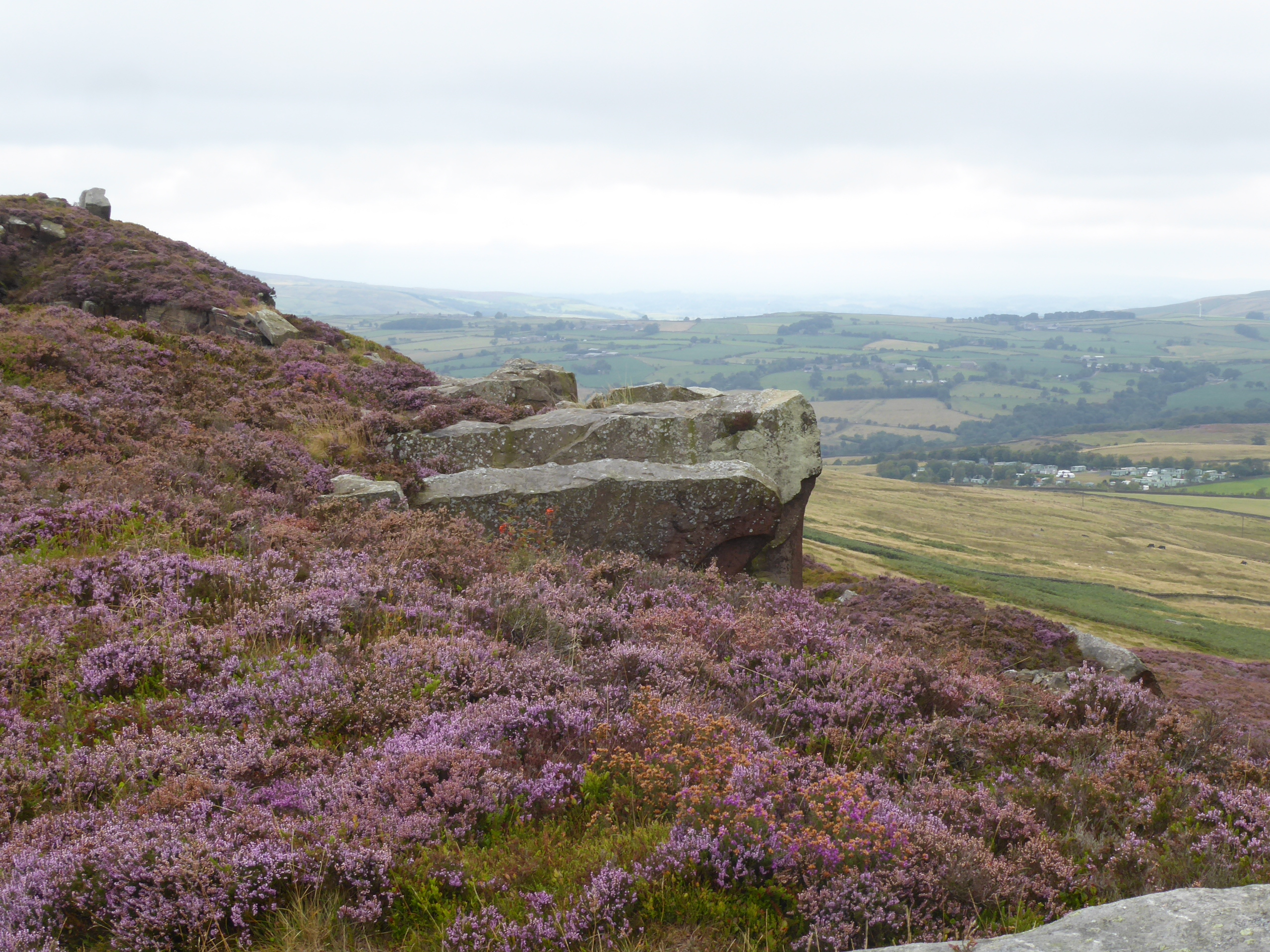
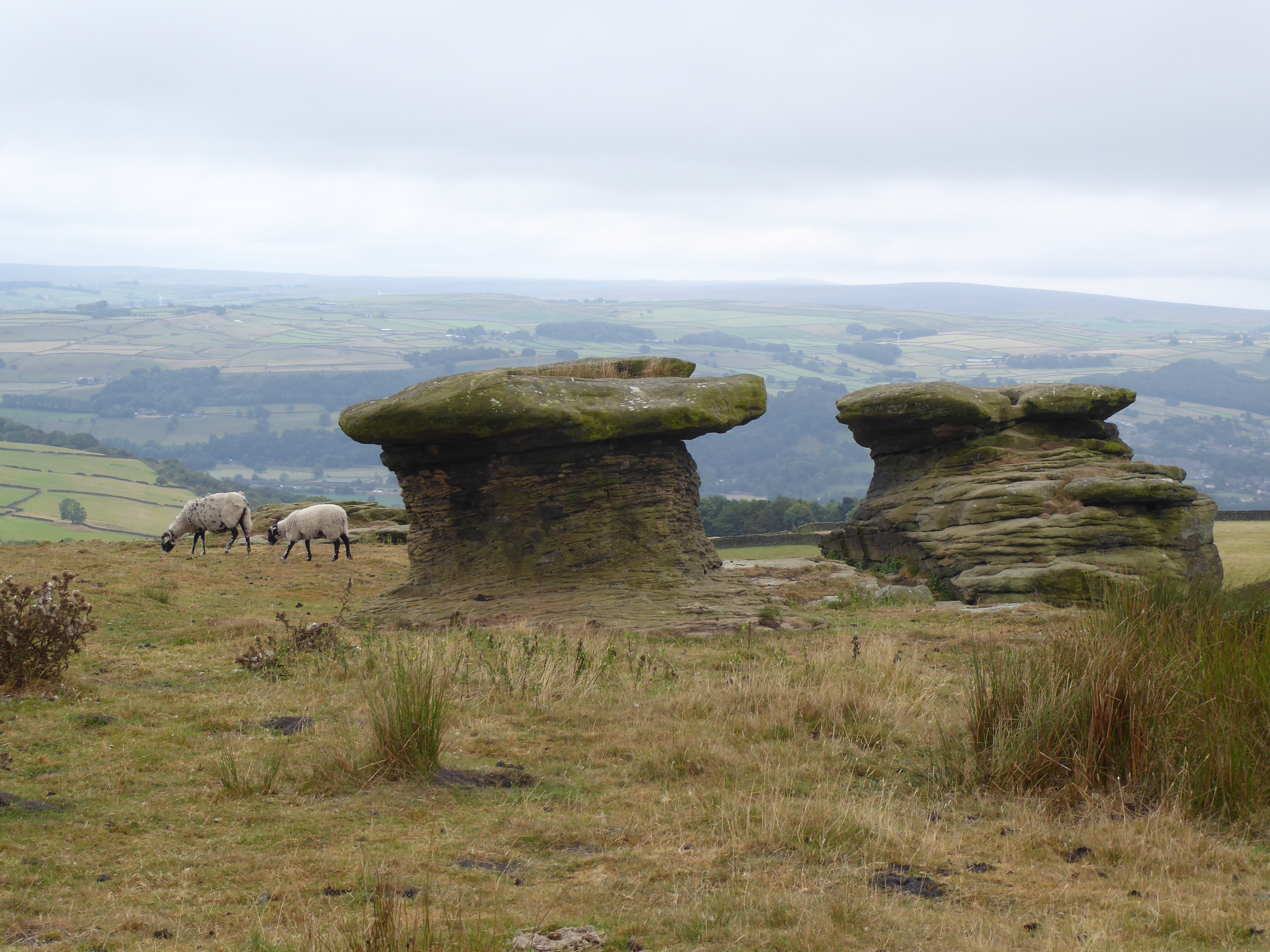
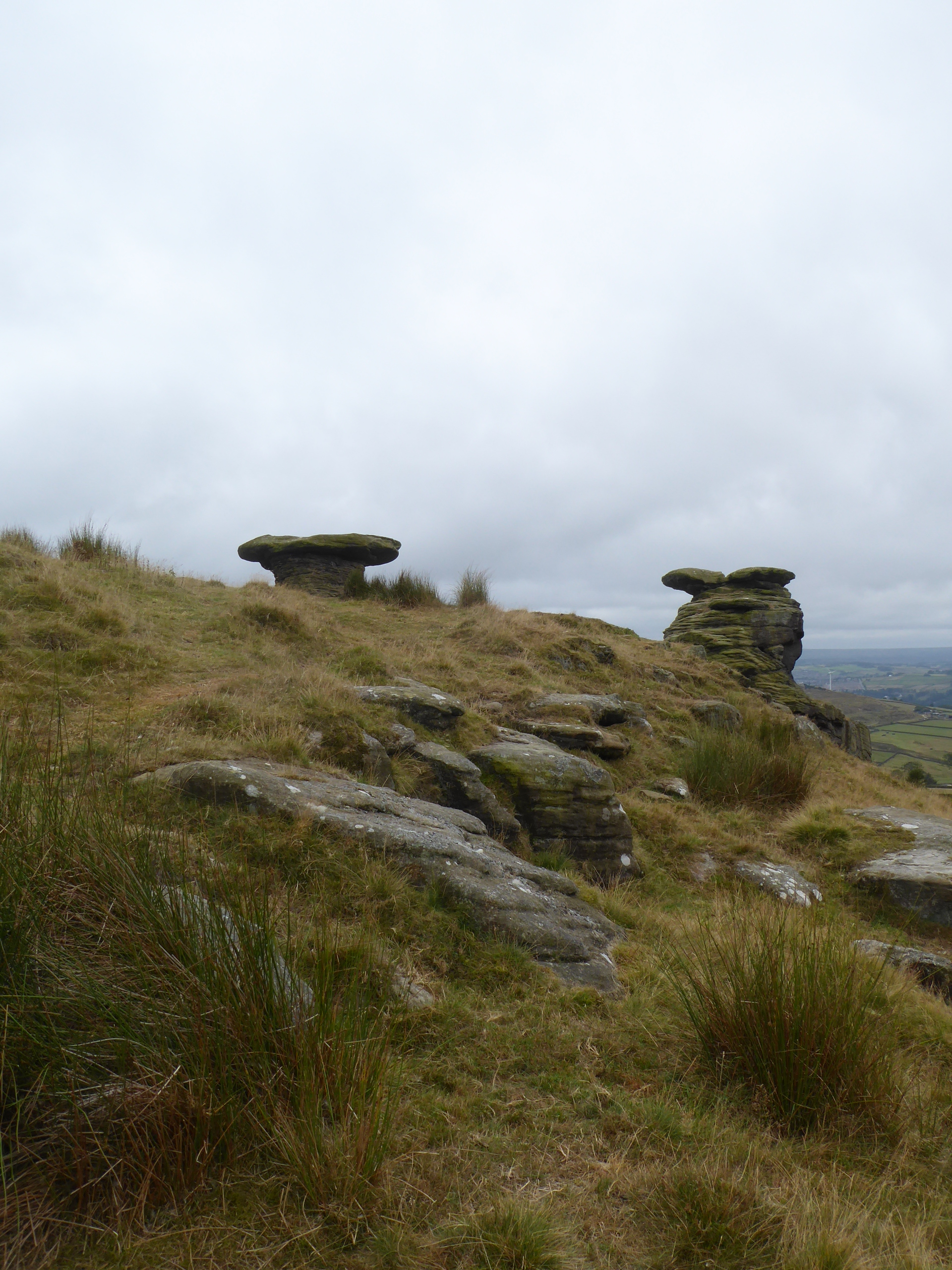
I fancied a long walk, and Ilkley to Skipton fitted the bill. The weather was grey and even mizzly at times, so I stayed cool and had the wind behind me. I walked along the low northern edge of the moor, noting the “swastika stone” and admiring the millstone outcrops. To avoid the steep descent towards Addingham, I turned south to find the Doubler stones – wind-eroded sandstone pillars topped with harder gritstone. I looped round to Addingham and then picked up the direct path to Skipton and the train back to Leeds.

Ribblehead

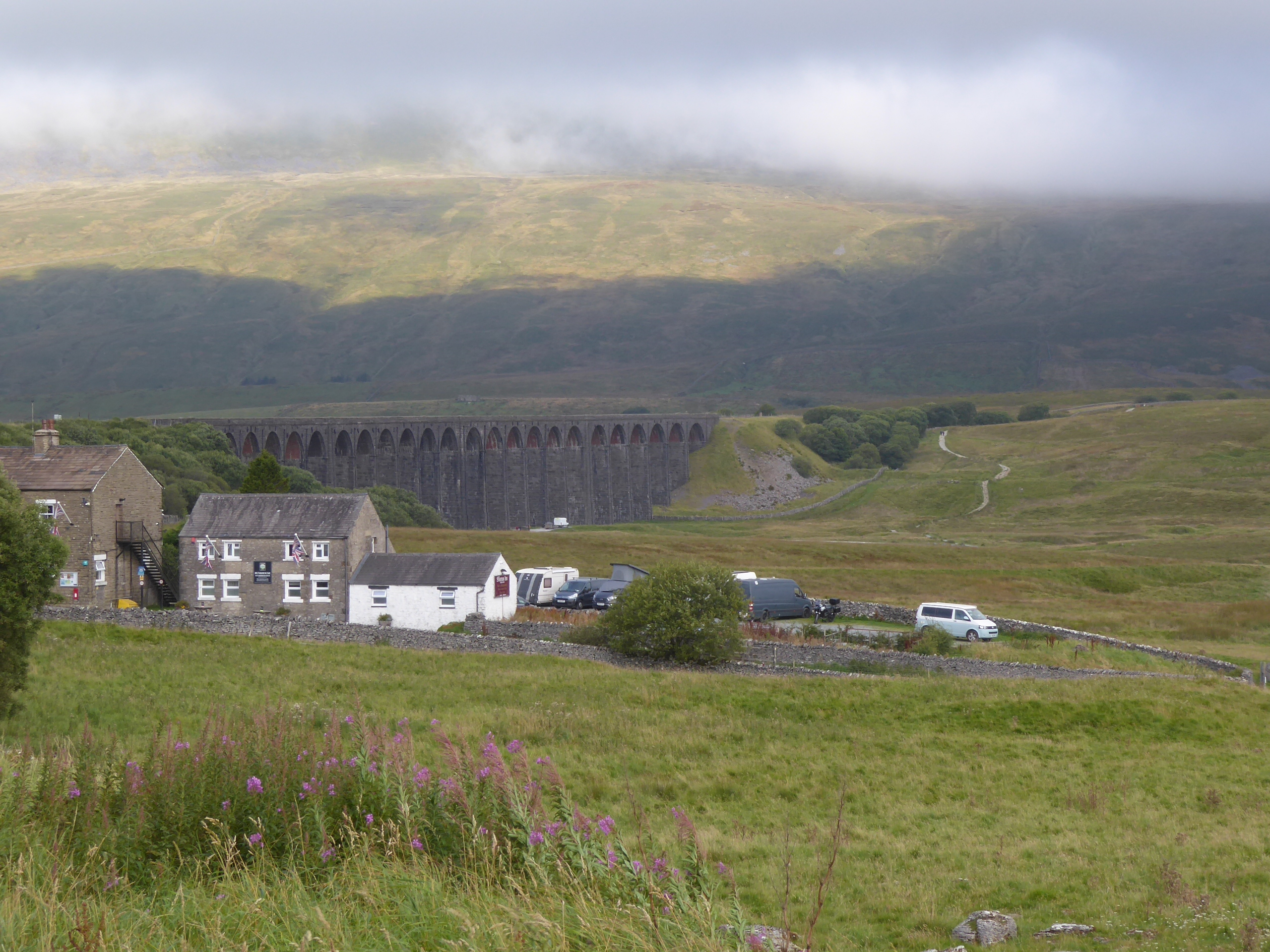
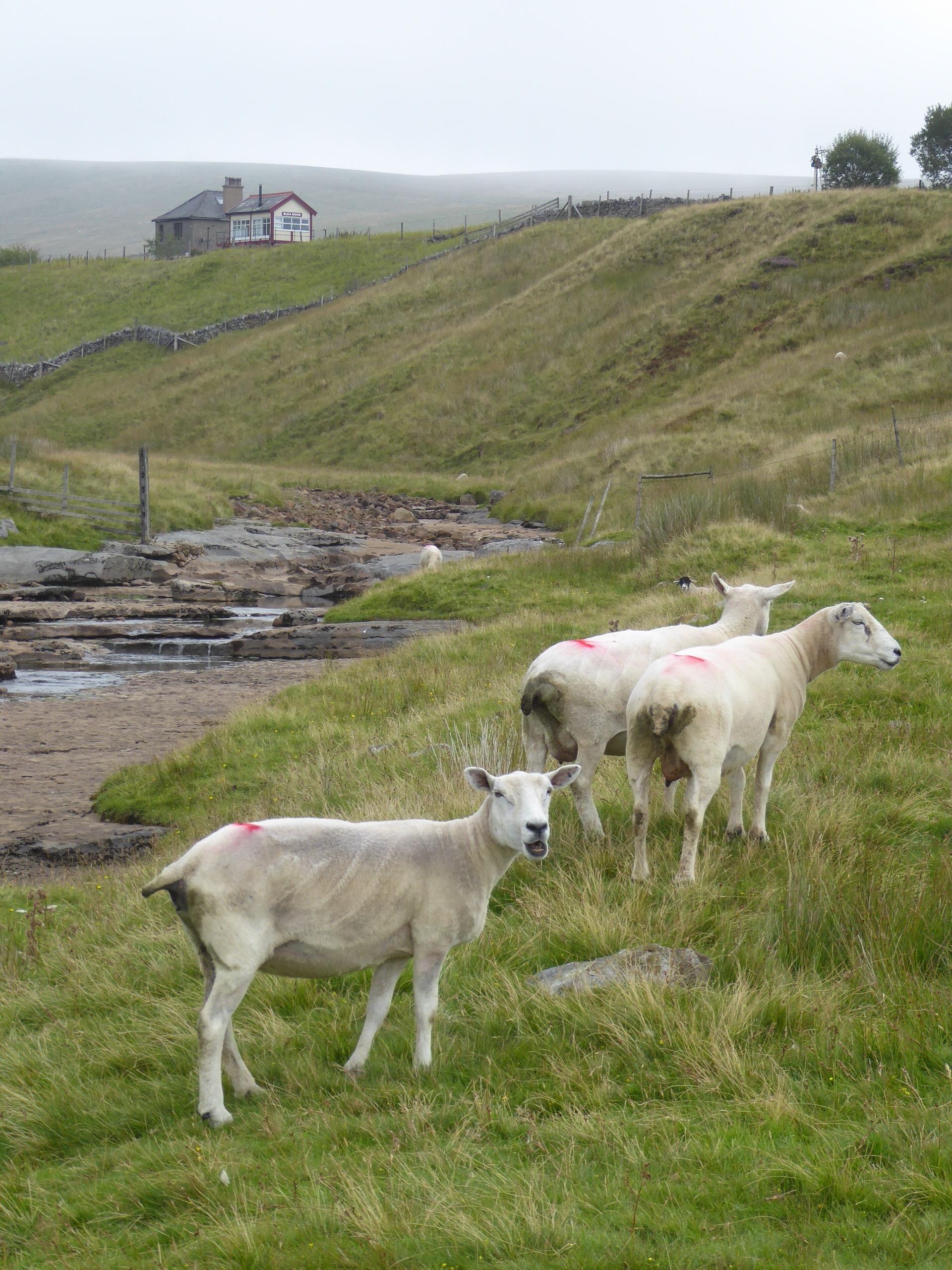
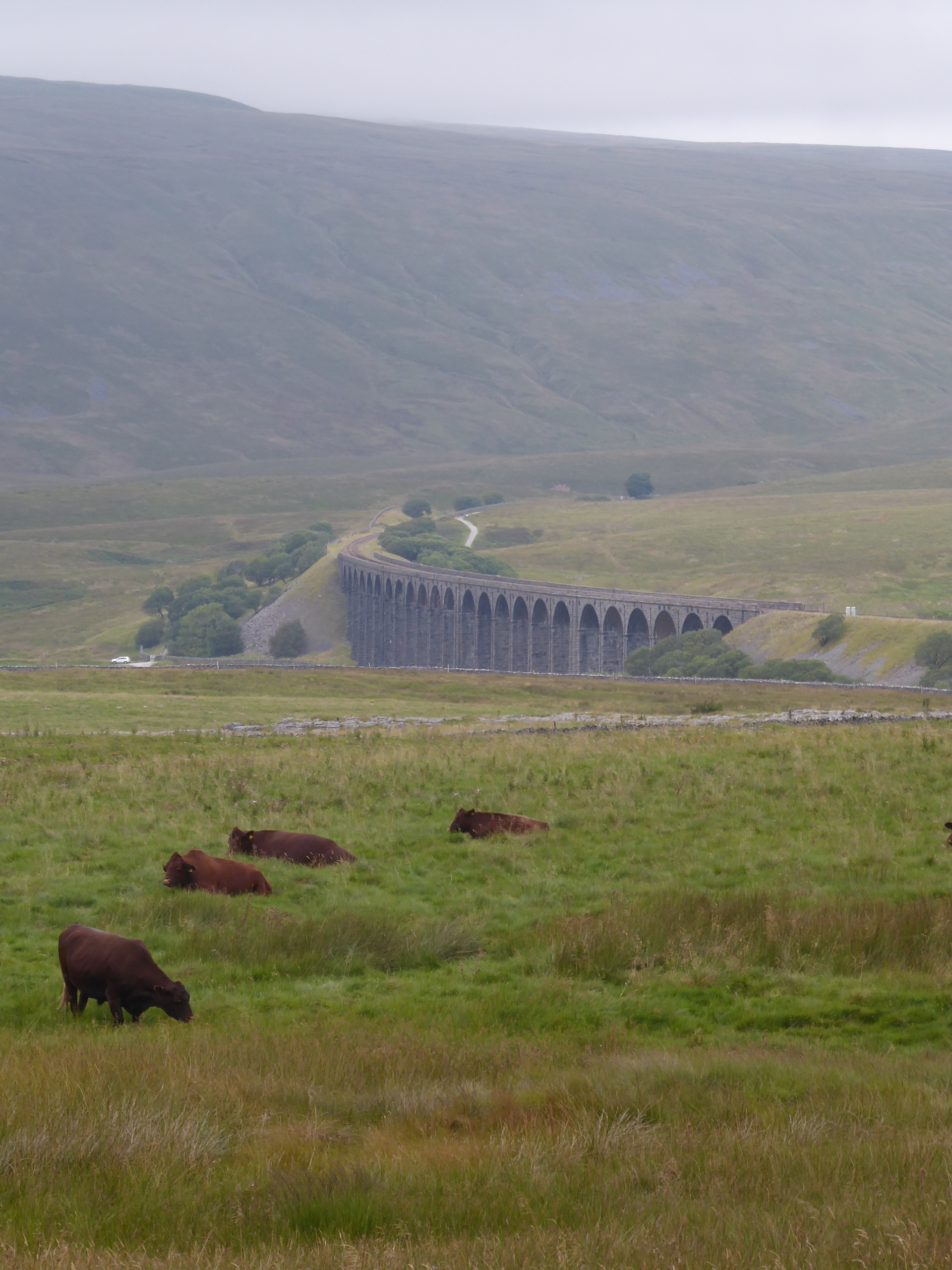
A enjoyable tour around the Ribblehead viaduct (built 1870-75). It was one of those walks where you cannot escape evidence of humans even though you seem to be miles from anywhere: not just the railway line but the denuded slopes, quarries and livestock. Not that I am complaining if it means passable paths.

Worth Valley

Each time the train stops at Keighley and I notice the platform for the Worth Valley Railway I think that one day I will travel on it. Today was that day.

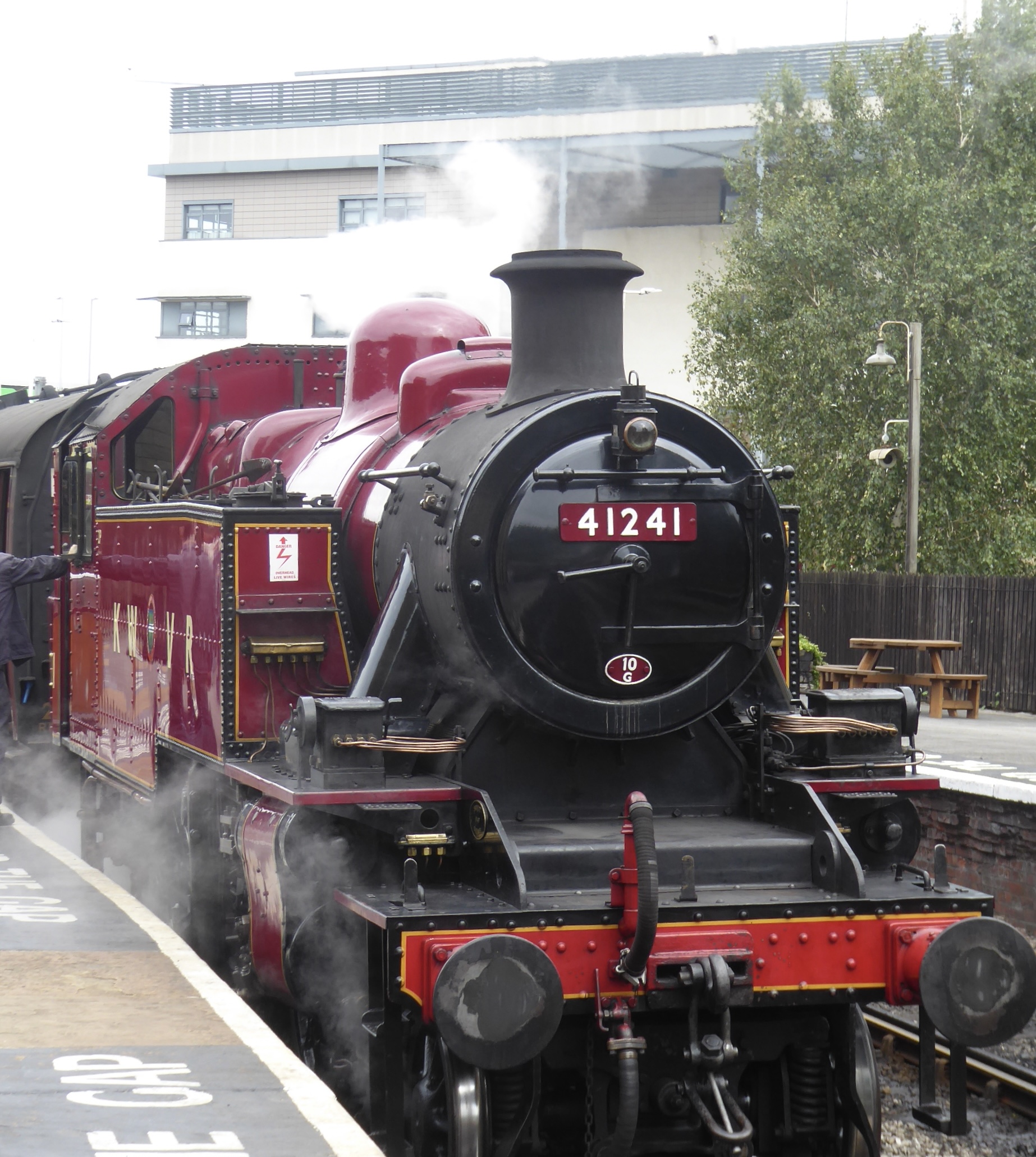
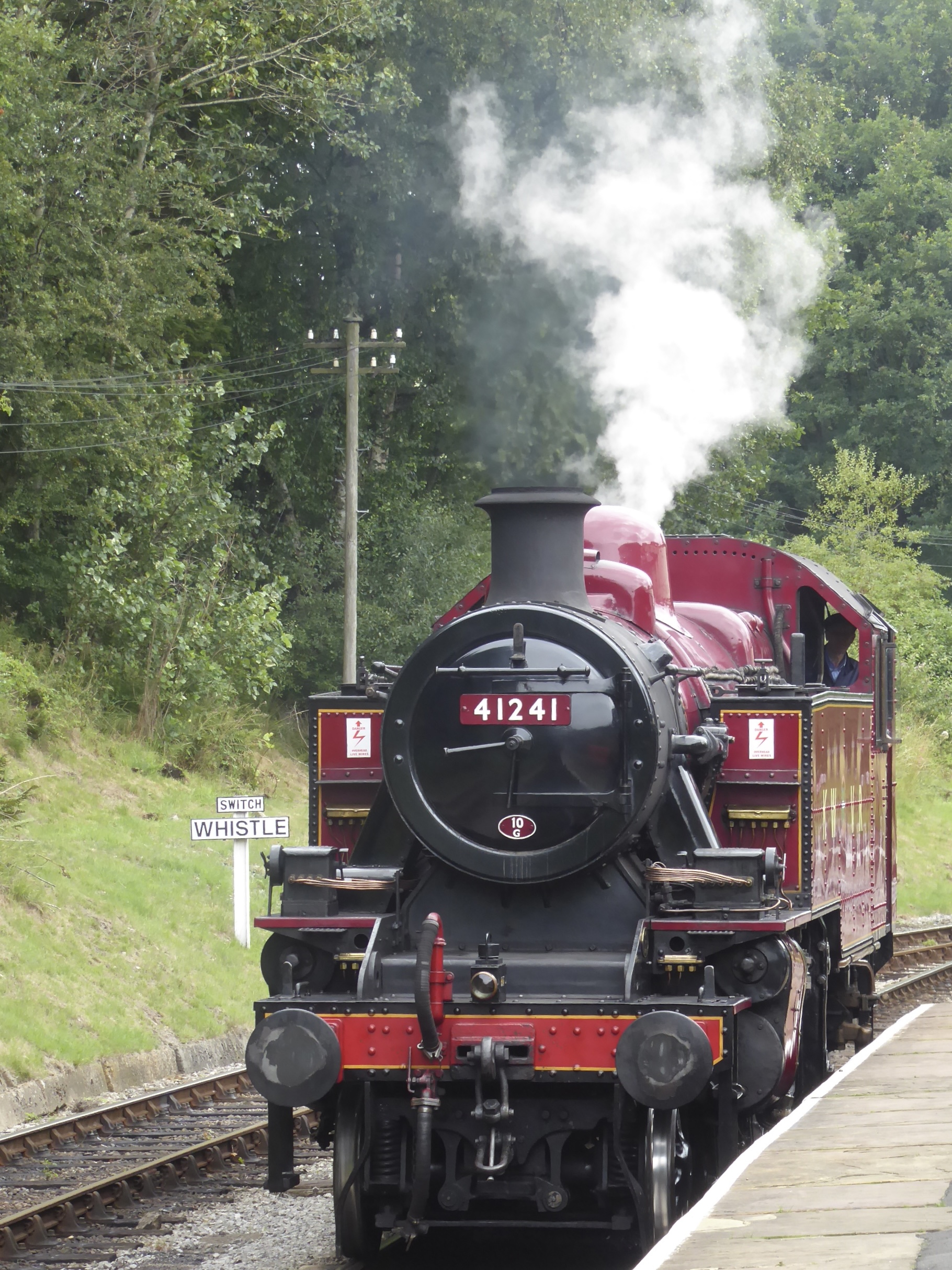
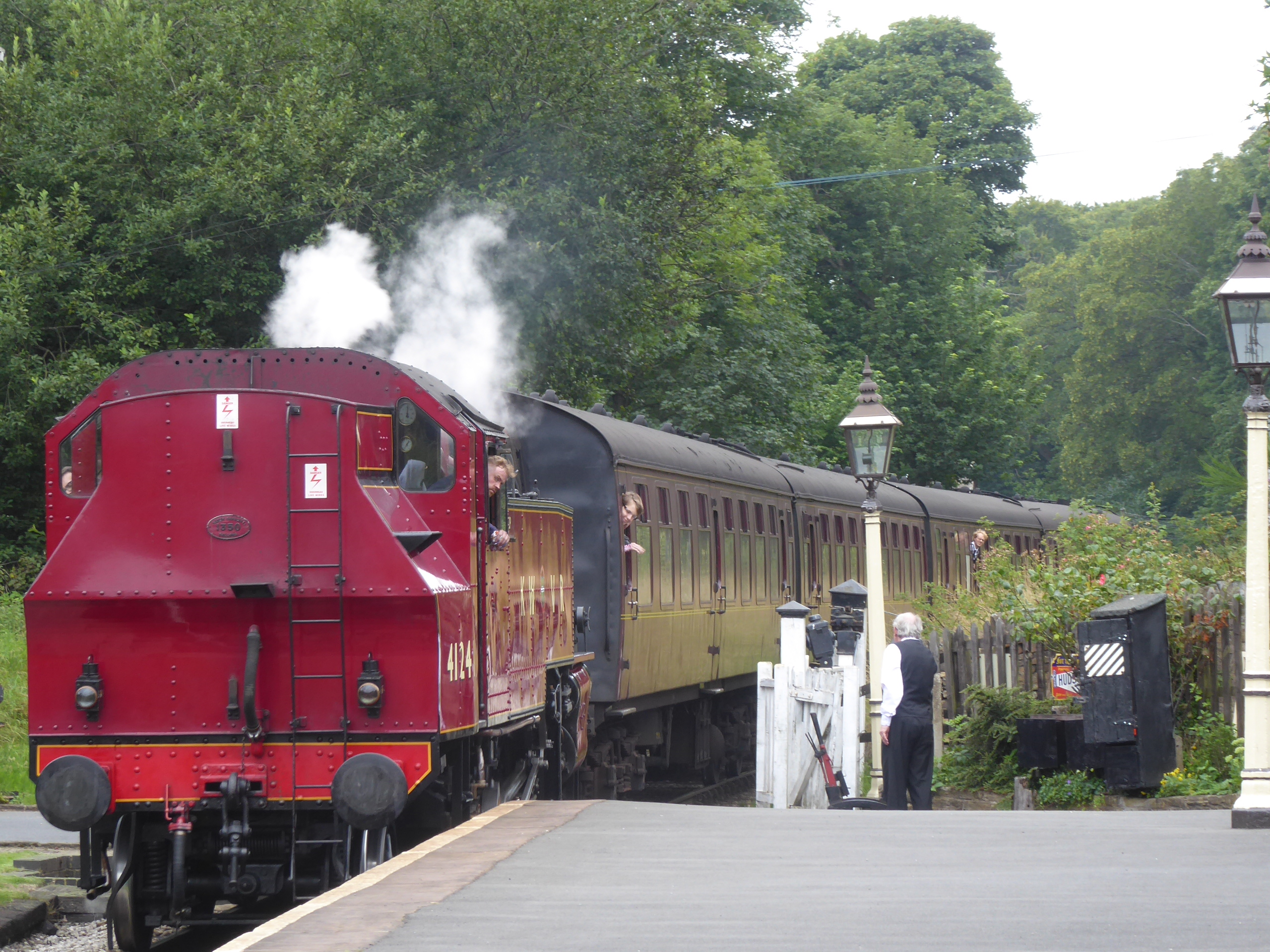
I set off disproportionally early to be on time for the 11 a.m. steam train from Keighley to Oxenhope – but it meant I could have a second (and totally unnecessary) breakfast in Leeds. At first I thought the steam locomotive at Keighley rather puny – until I realised that I am used to the big engines that occasionally still go up the main line to Carlisle. This one was pulling a few carriages up a short valley: it really didn’t need to be the Flying Scotsman. The average age of the passengers was rather lower than I am used to, and excitement levels were high amongst the under-7s and over-70s. The well-stuffed seats combined a fusty smell with discomfort, which, together with door handles only on the outside, took me back a few decades.

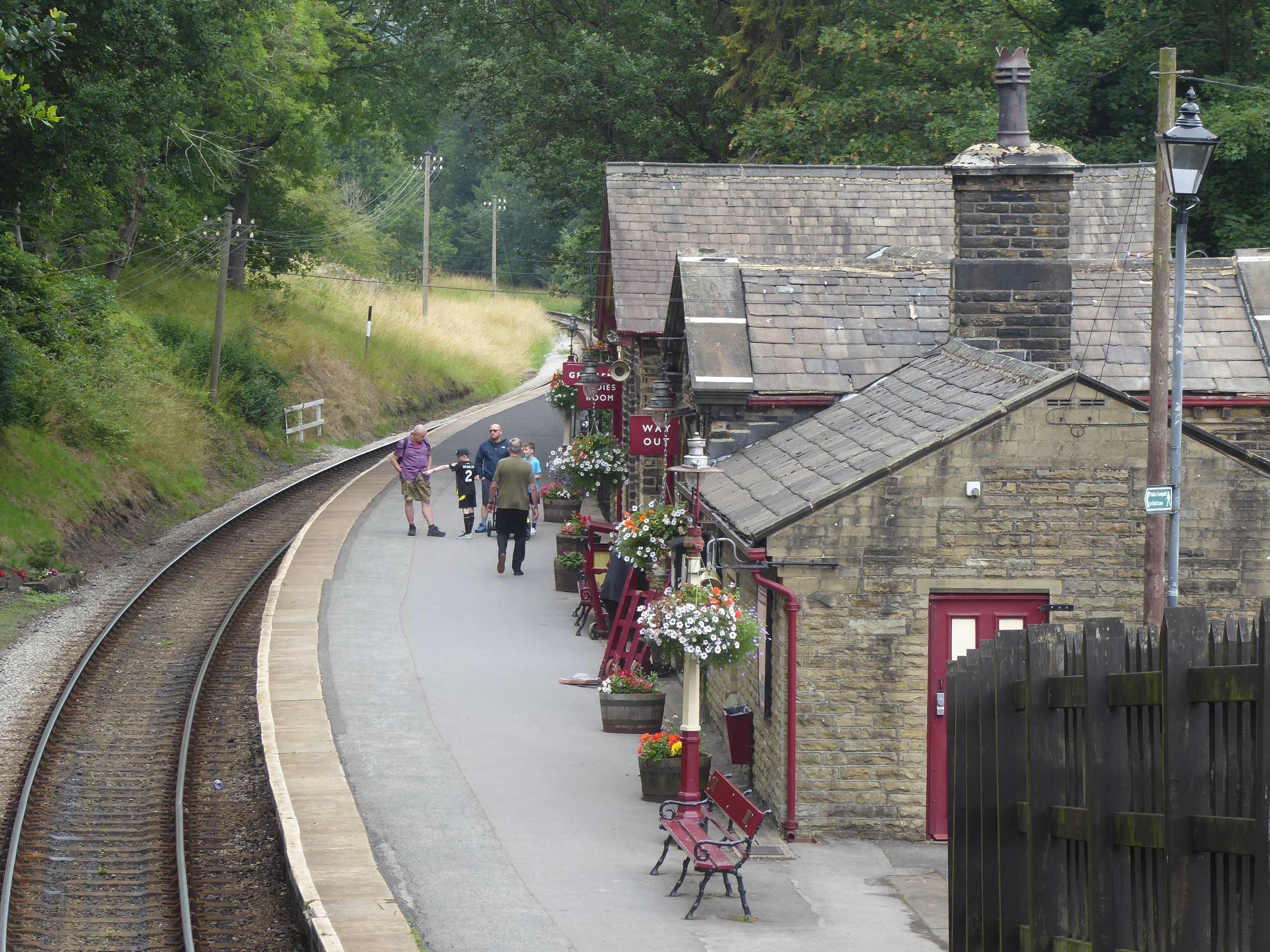
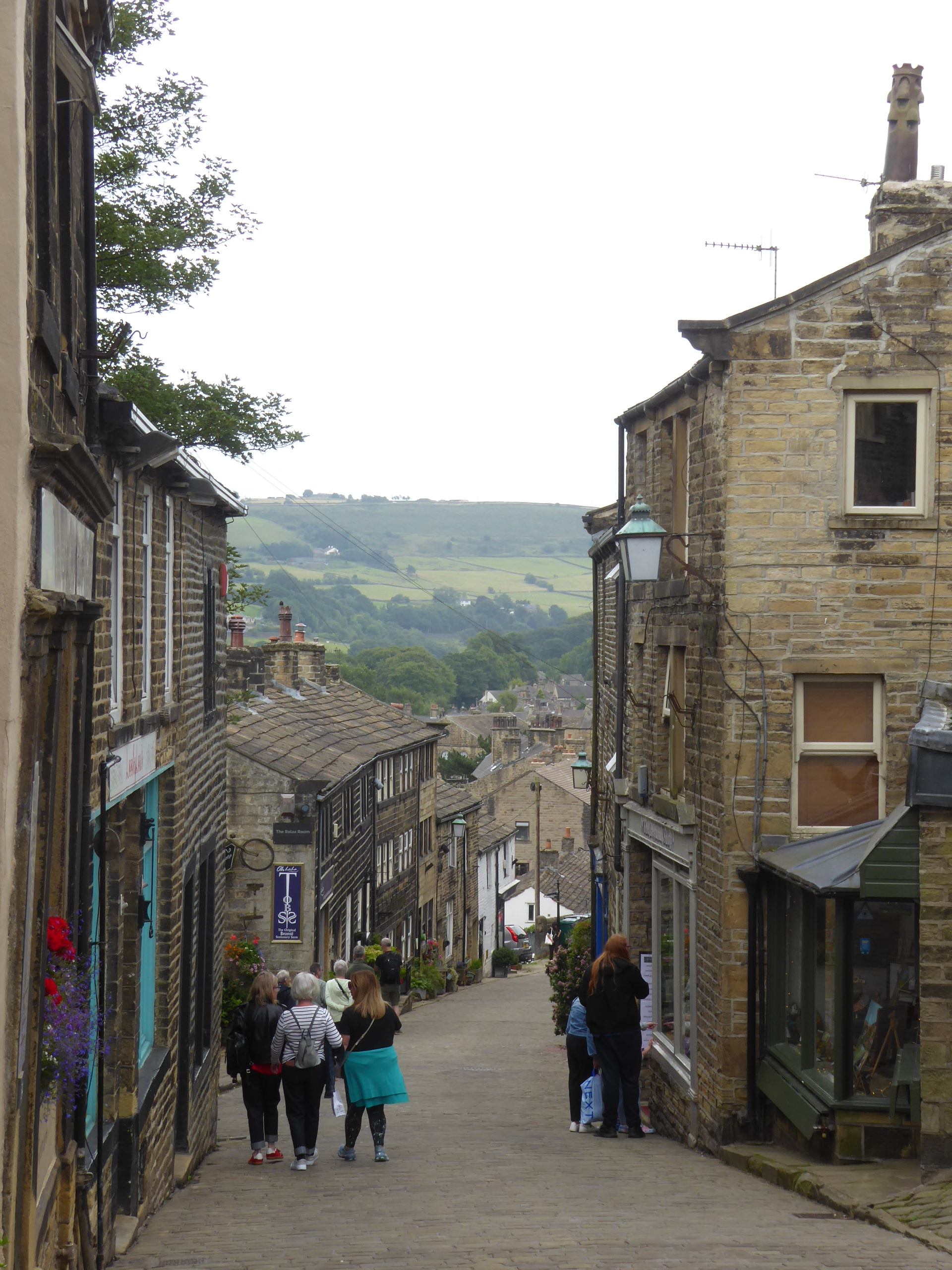
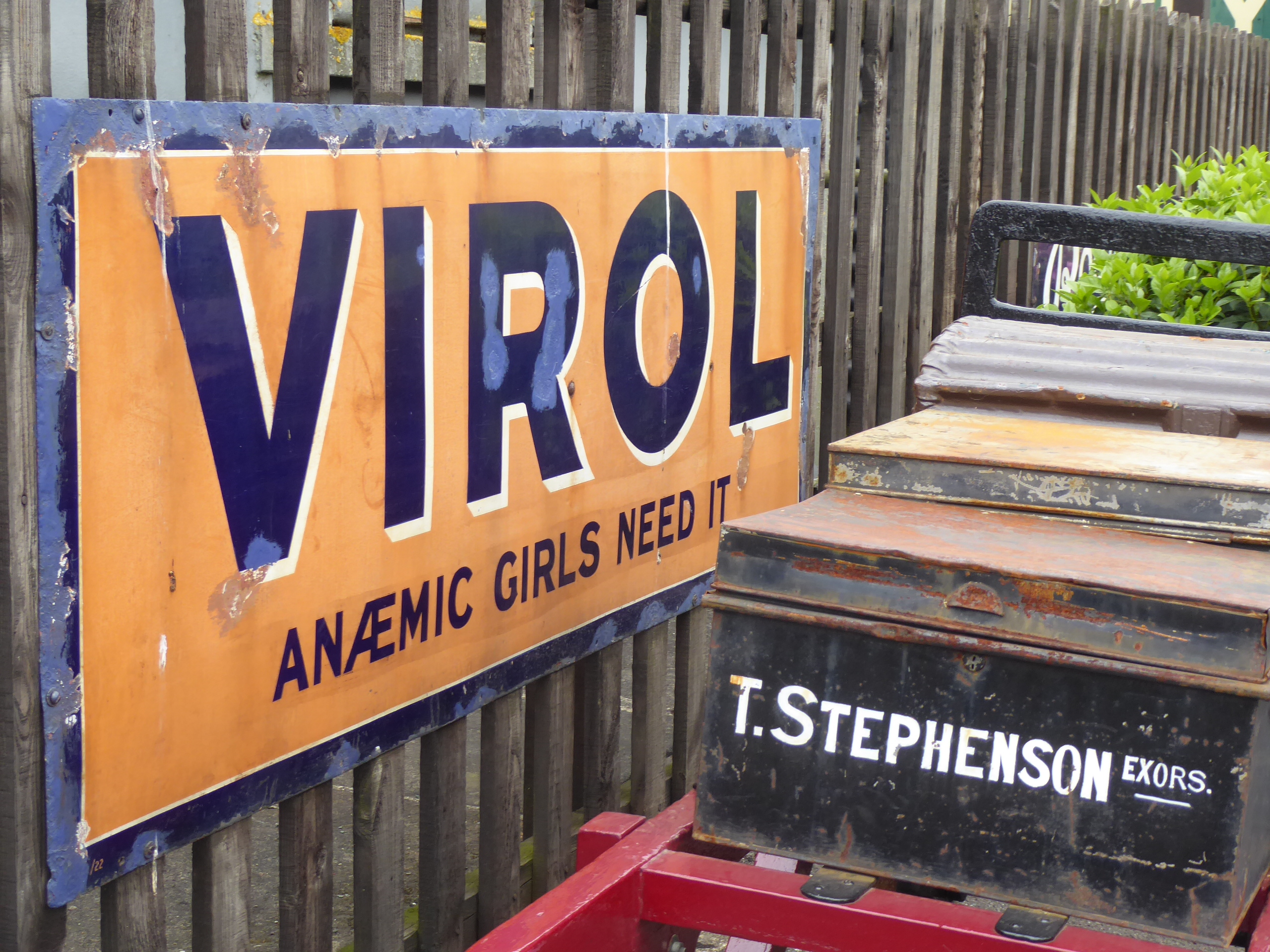
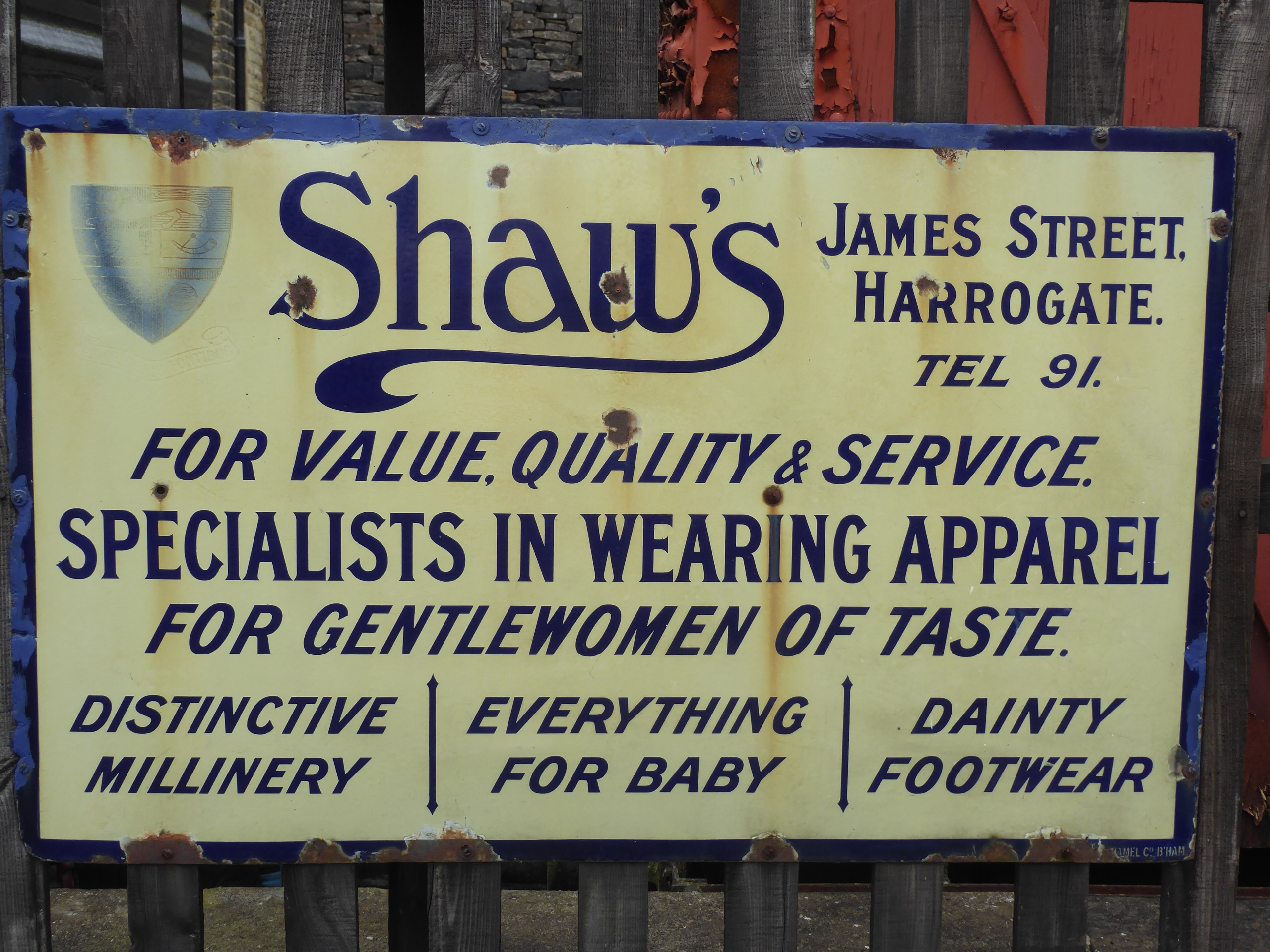
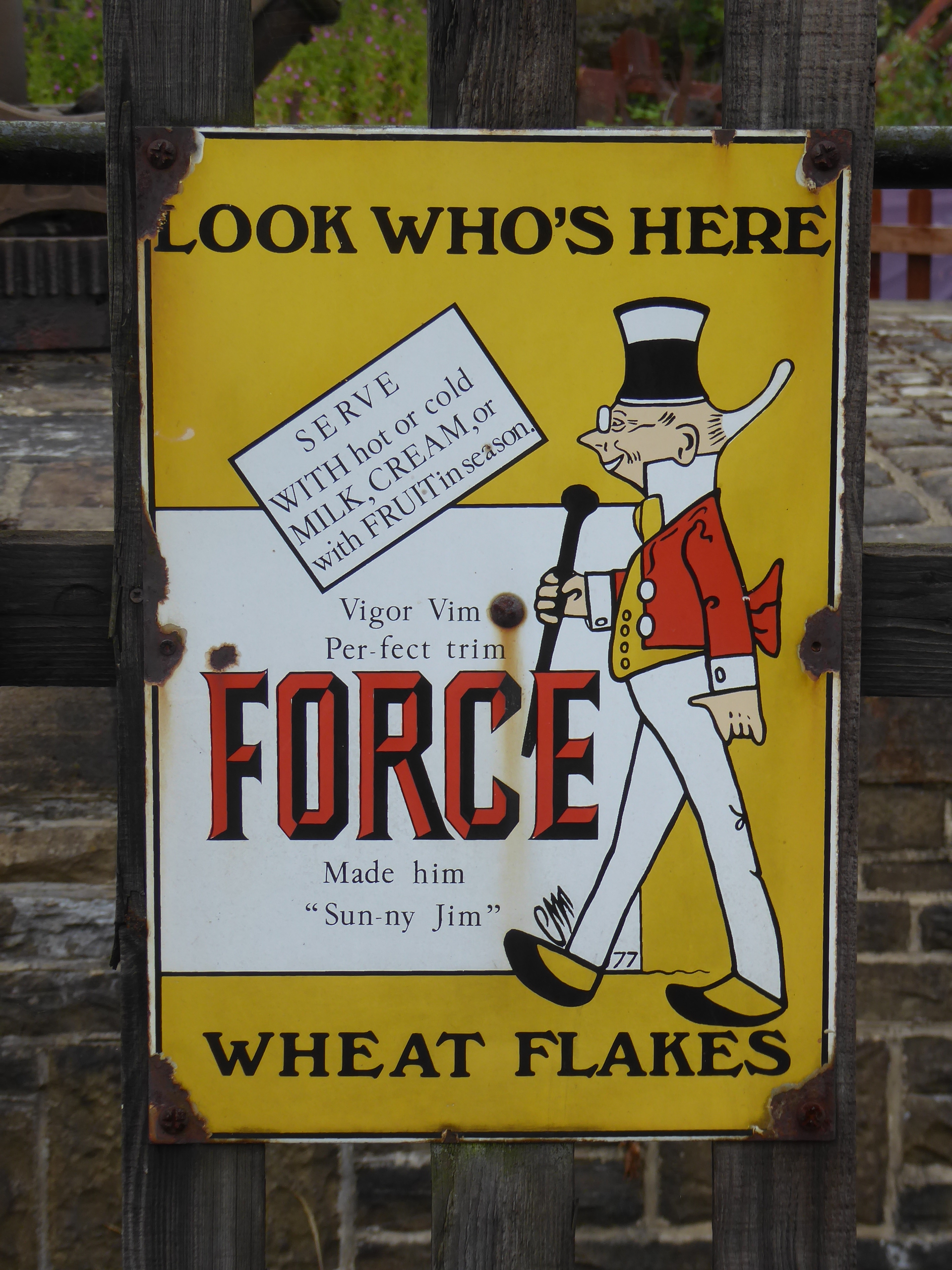
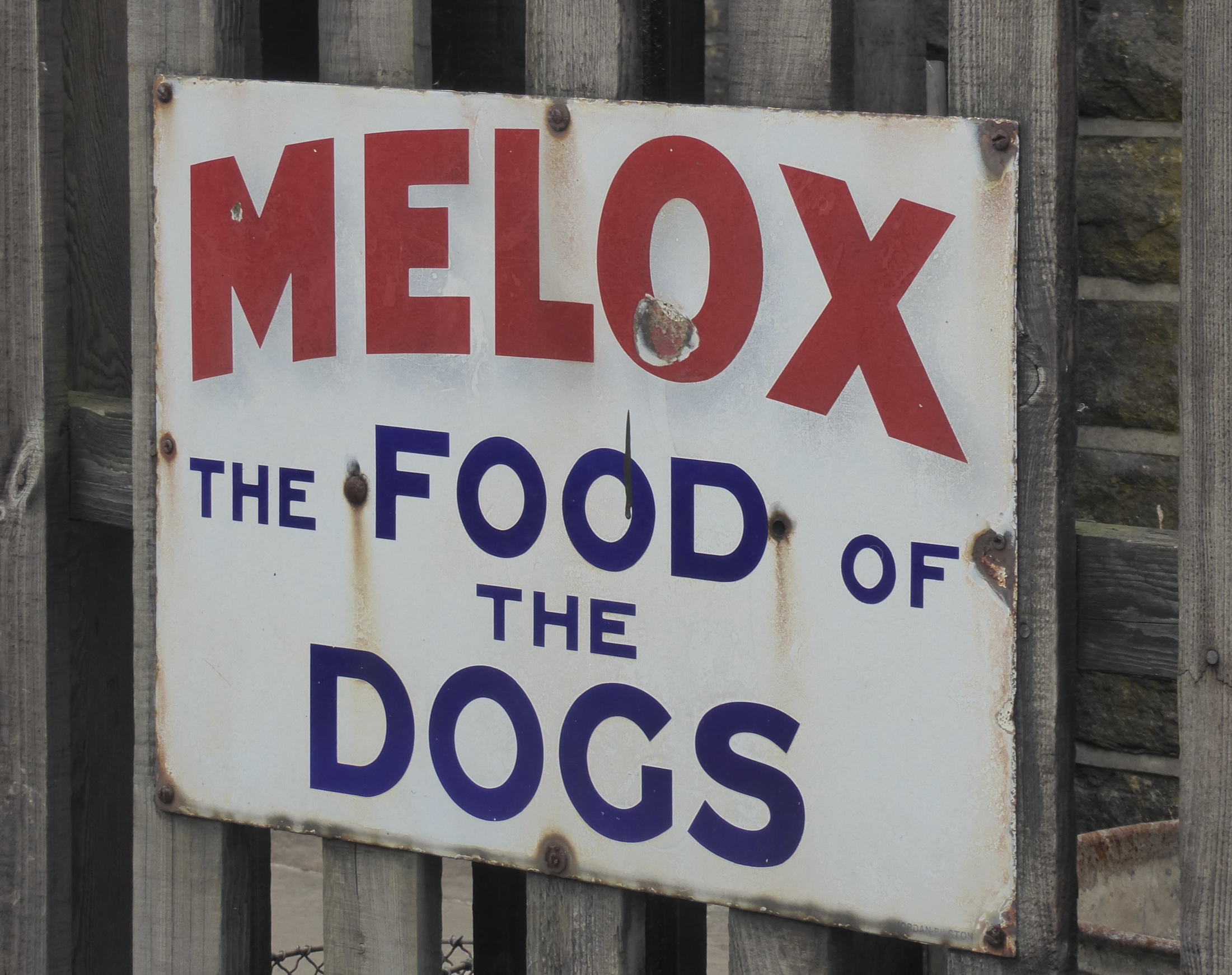
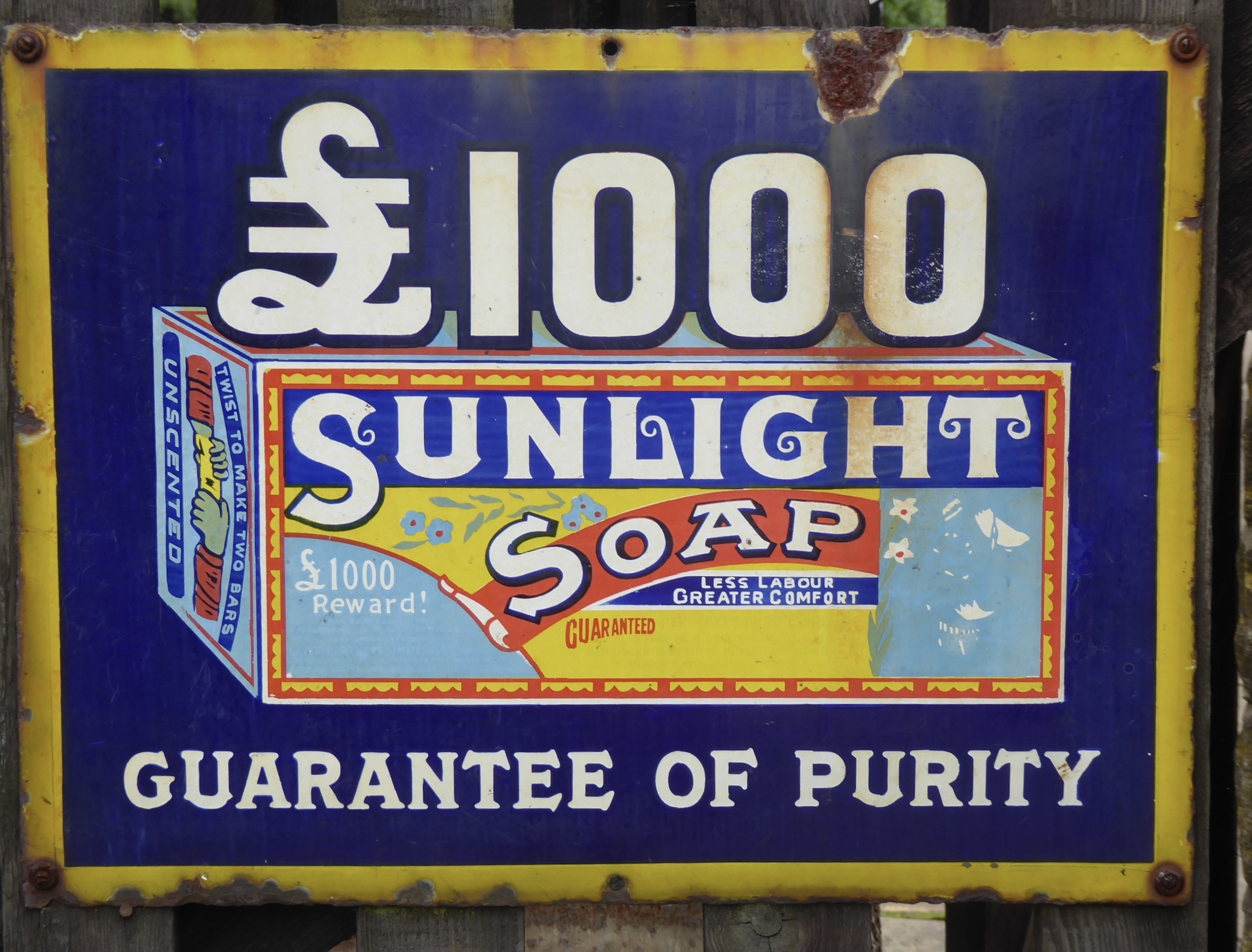
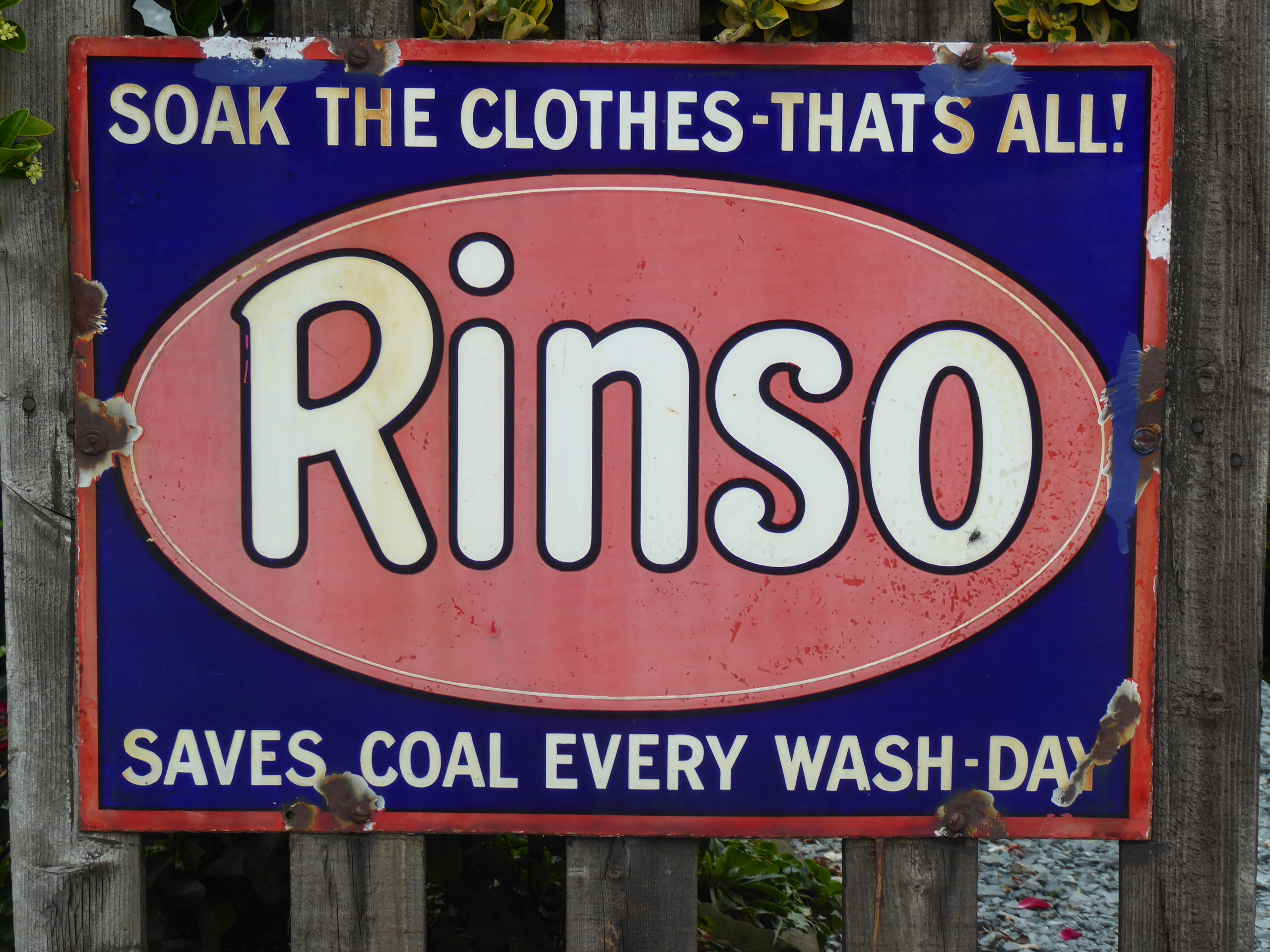
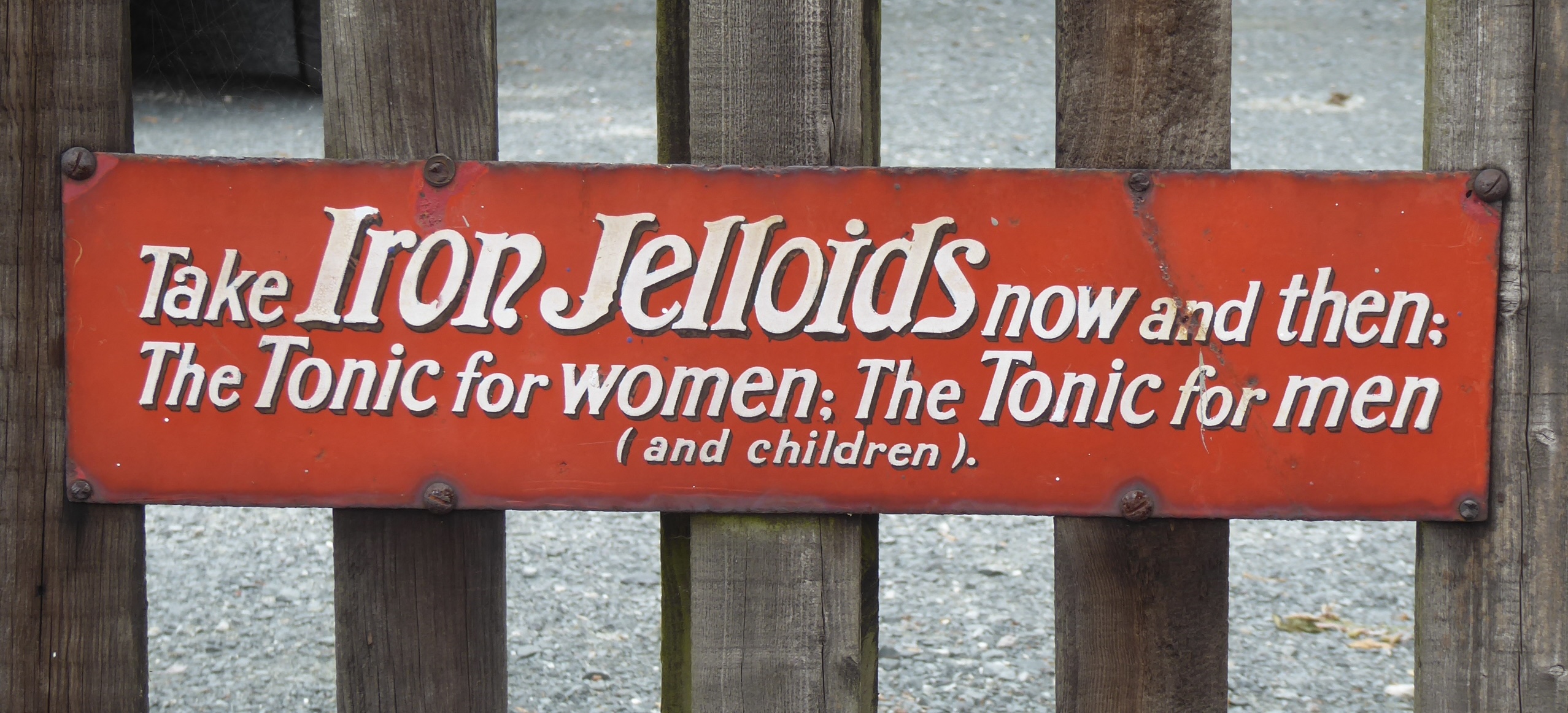
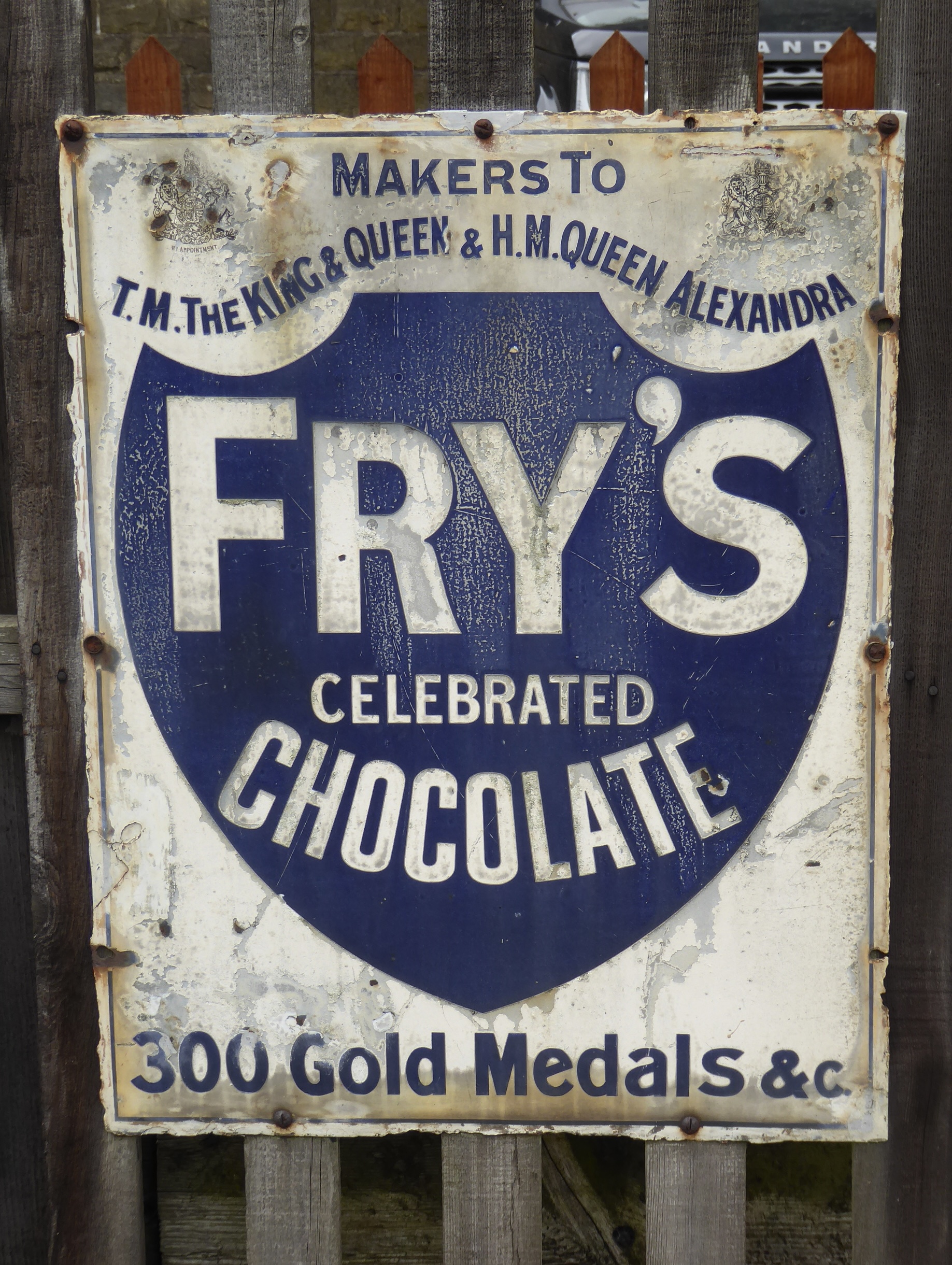
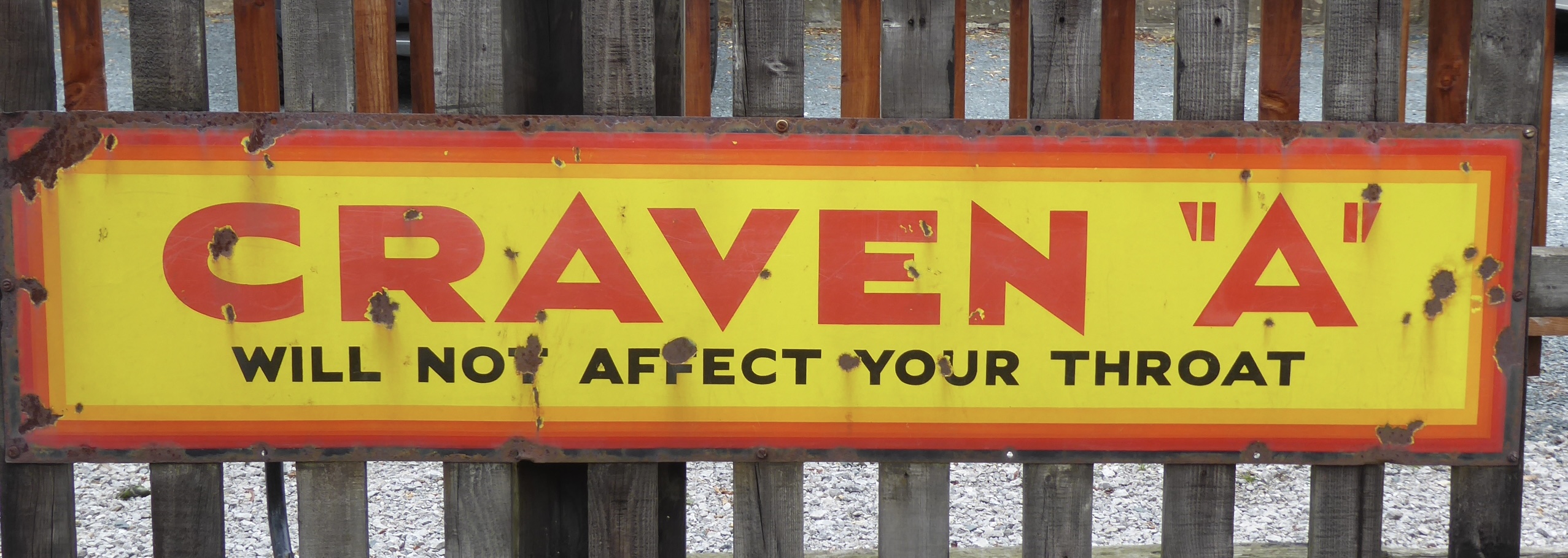
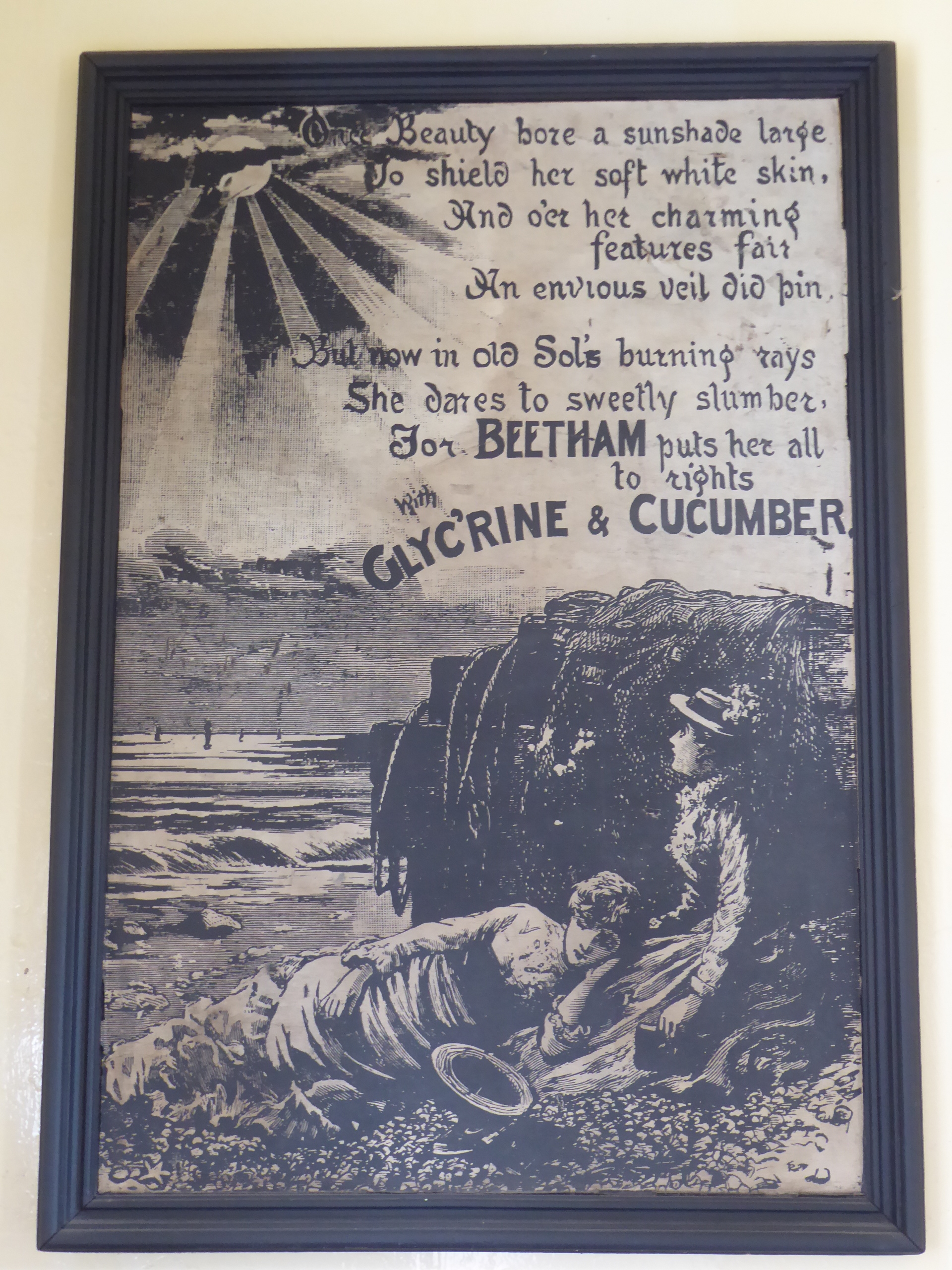
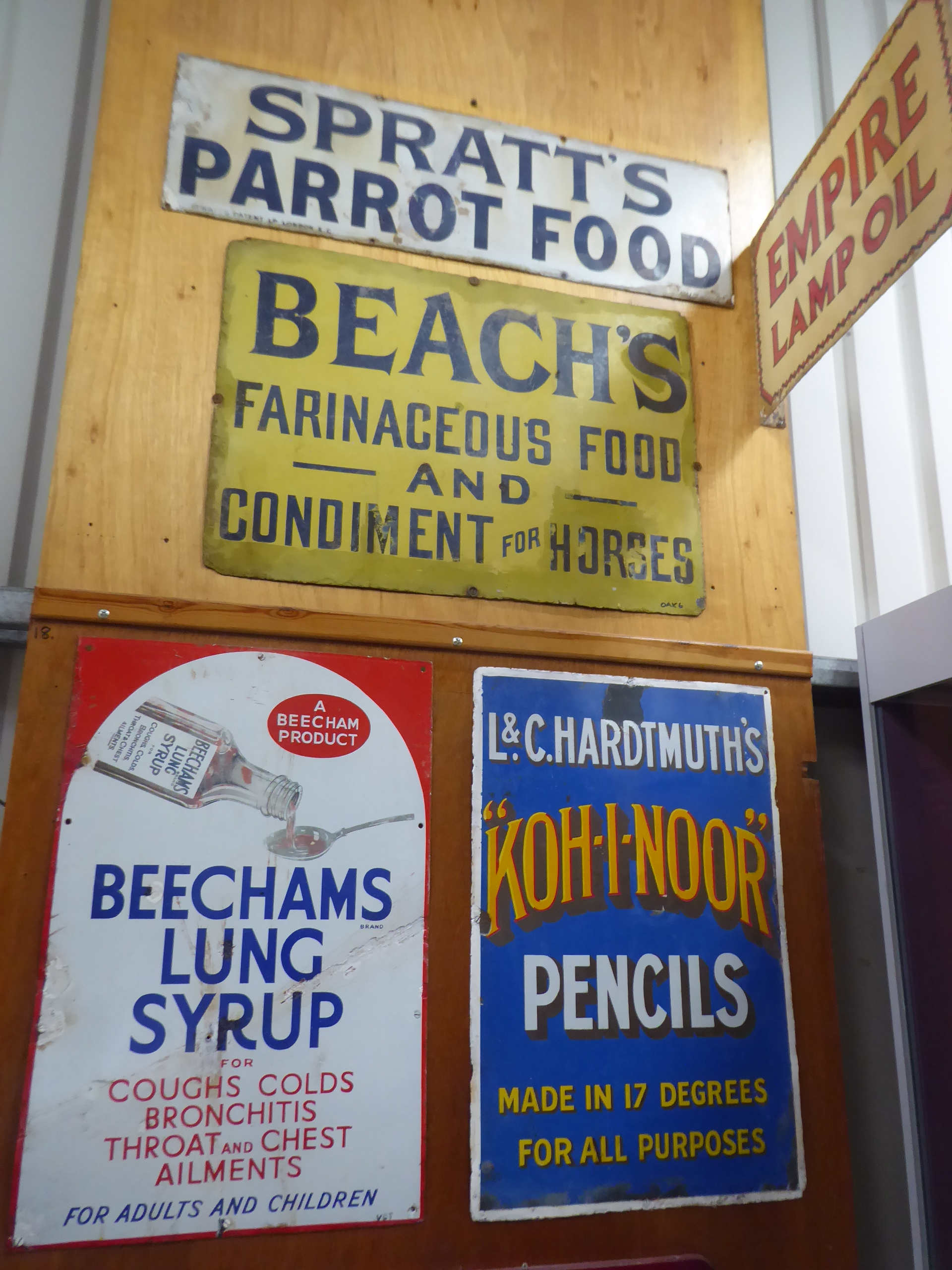
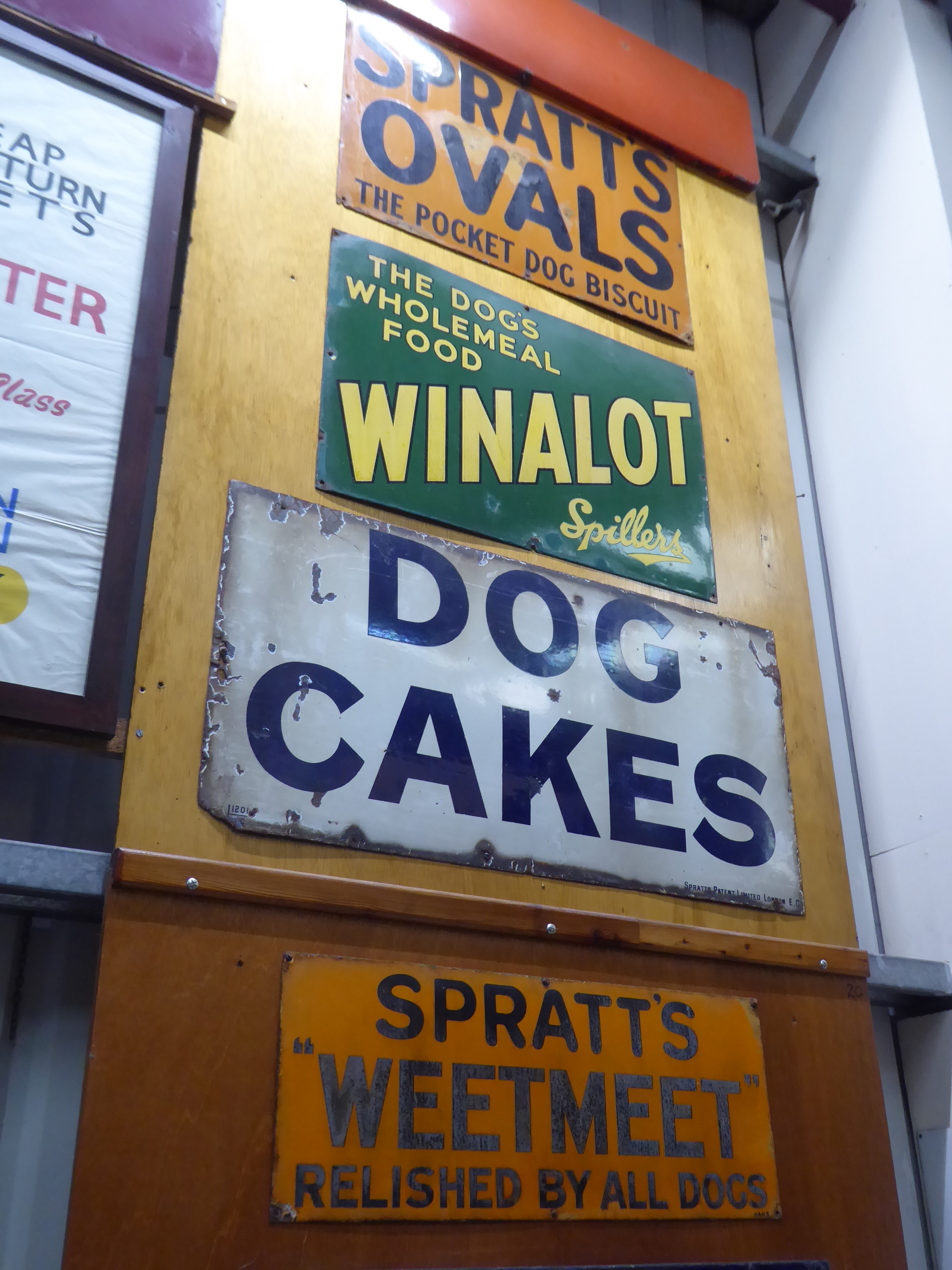
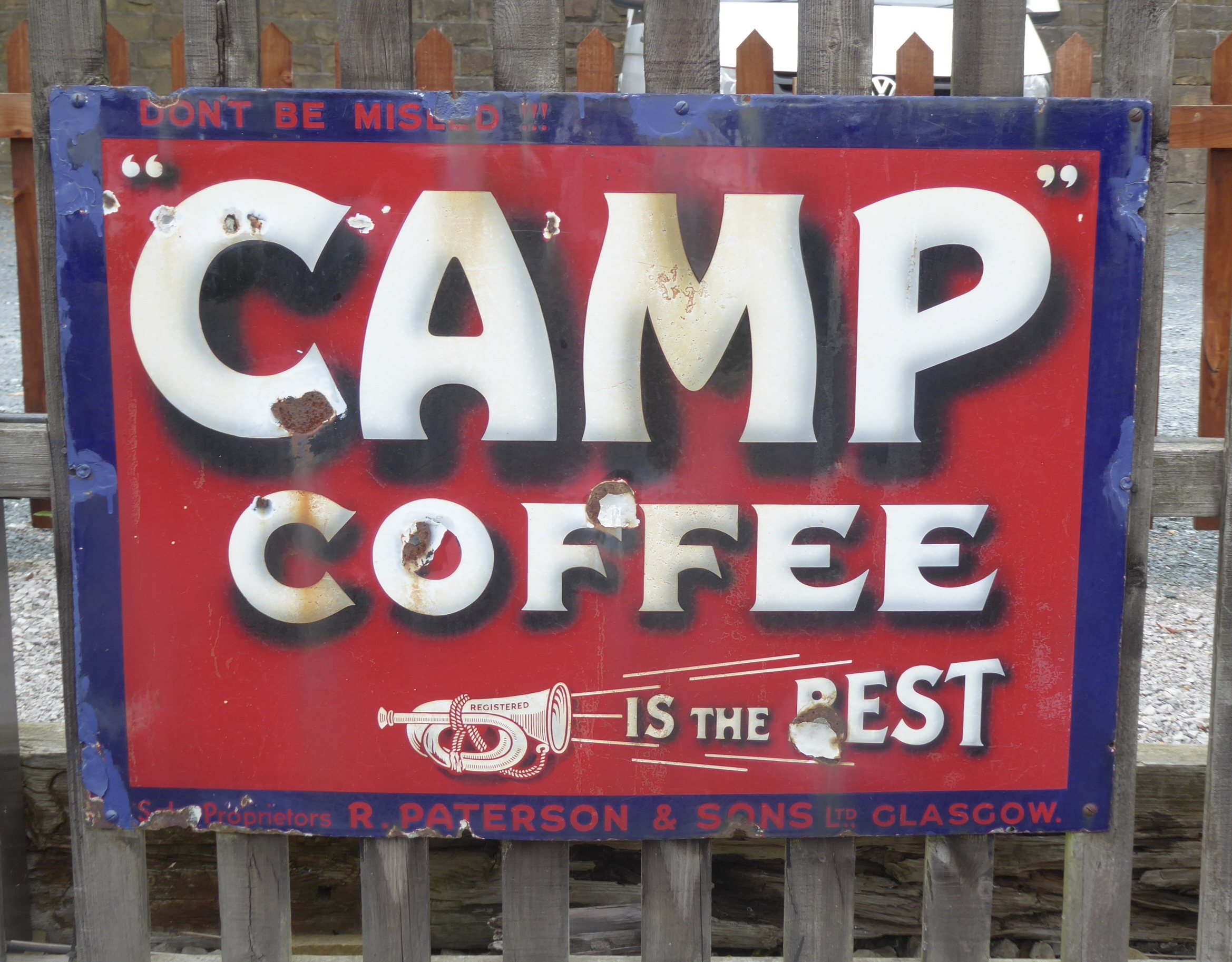
I hadn’t done much planning – a mixture of carelessness and a wish to give serendipity a chance – so it occurred to me too late that I could have had a good walk from Oxenhope to Oakworth if only I had worn my boots. Instead, I simply returned to Haworth from Oxenhope (locomotive going backwards) and went up the hill for a coffee. I then followed part of The Railway Children Walk to Oakworth, which was the station for the film – passing over the tunnel where the schoolboy broke his leg. Lots of memories of Bernard Cribbens at the level crossing and “Daddy, my Daddy” on the platform. The advertisements on the platform amused me enormously and set me thinking of “Murder Must Advertise” and the slogans that the copywriters came up with. Melox is definitely my favourite. I also realised how industrial the valley had been (wool, textiles, coal): stations had their goods platforms, and Oakthorpe had a crane for unloading stone.

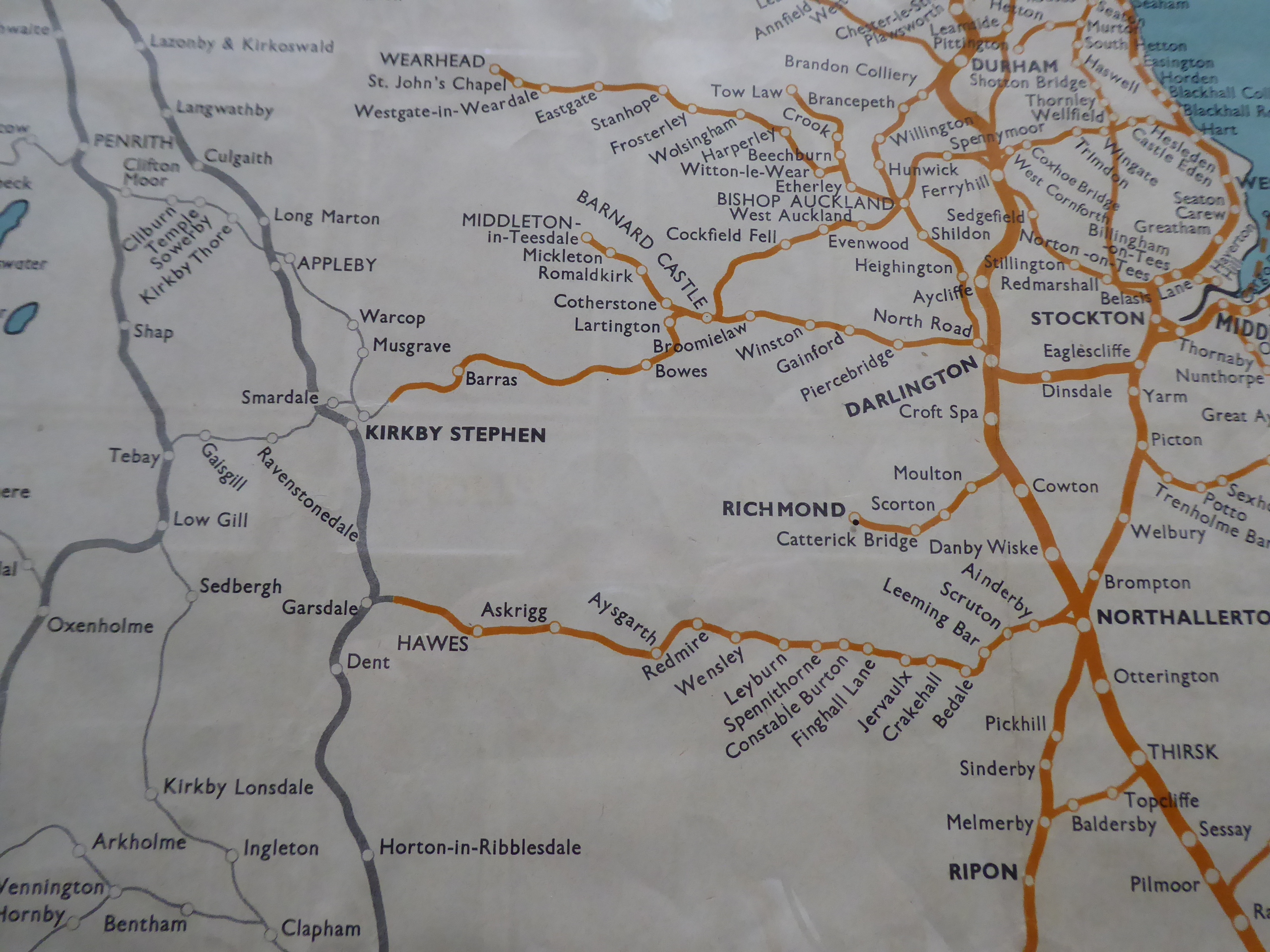
I then caught the train as far as Ingrow to look at the locomotive and carriage museums -unexpectedly interesting, comparing the varieties of third-class and first-class comfort over the years, looking wistfully at maps of old cross-Pennine railway lines. Then back to Keighley, which left me time for a very late (and by now totally necessary) lunch in Leeds.