Clapham to Giggleswick

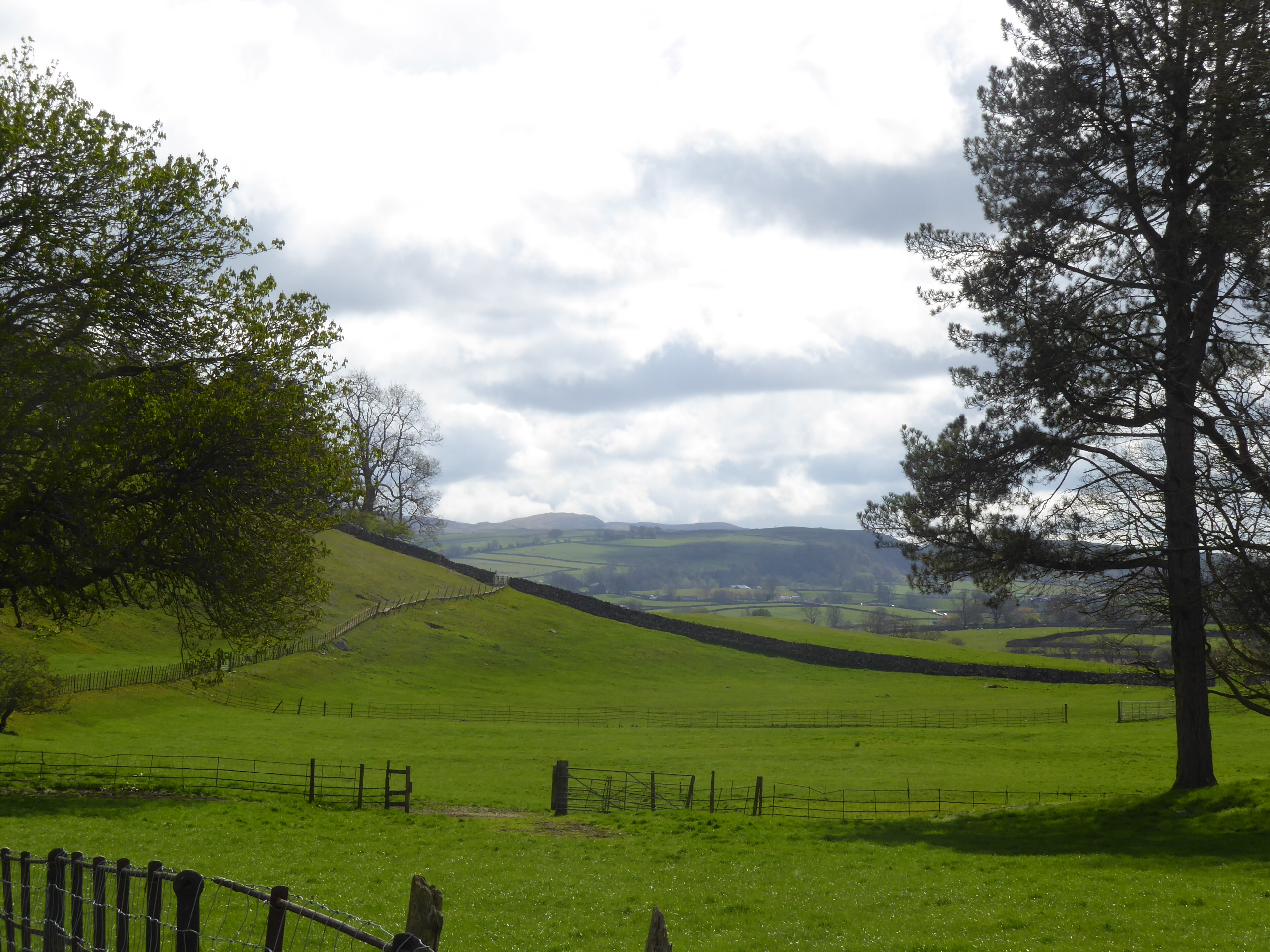
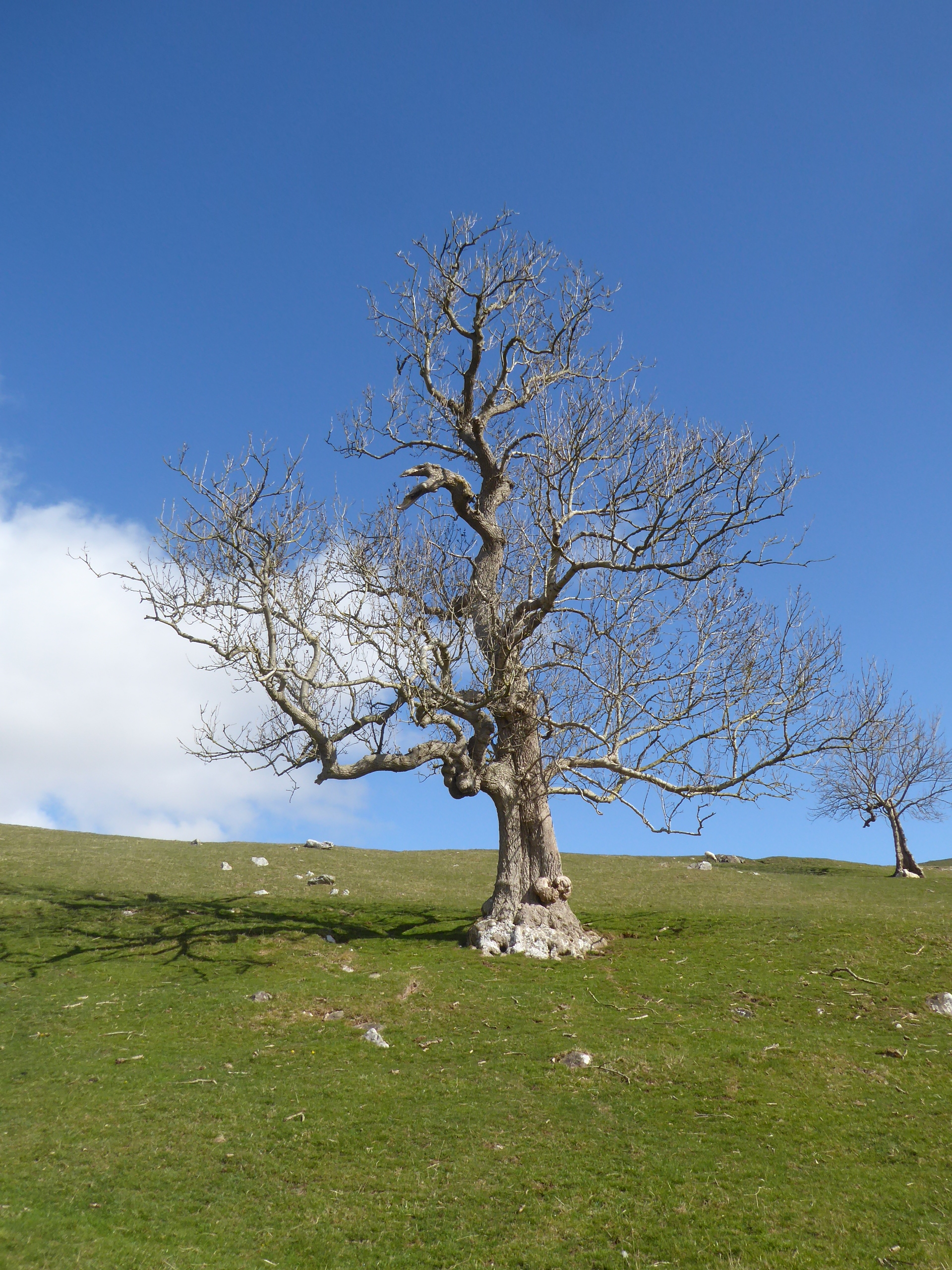
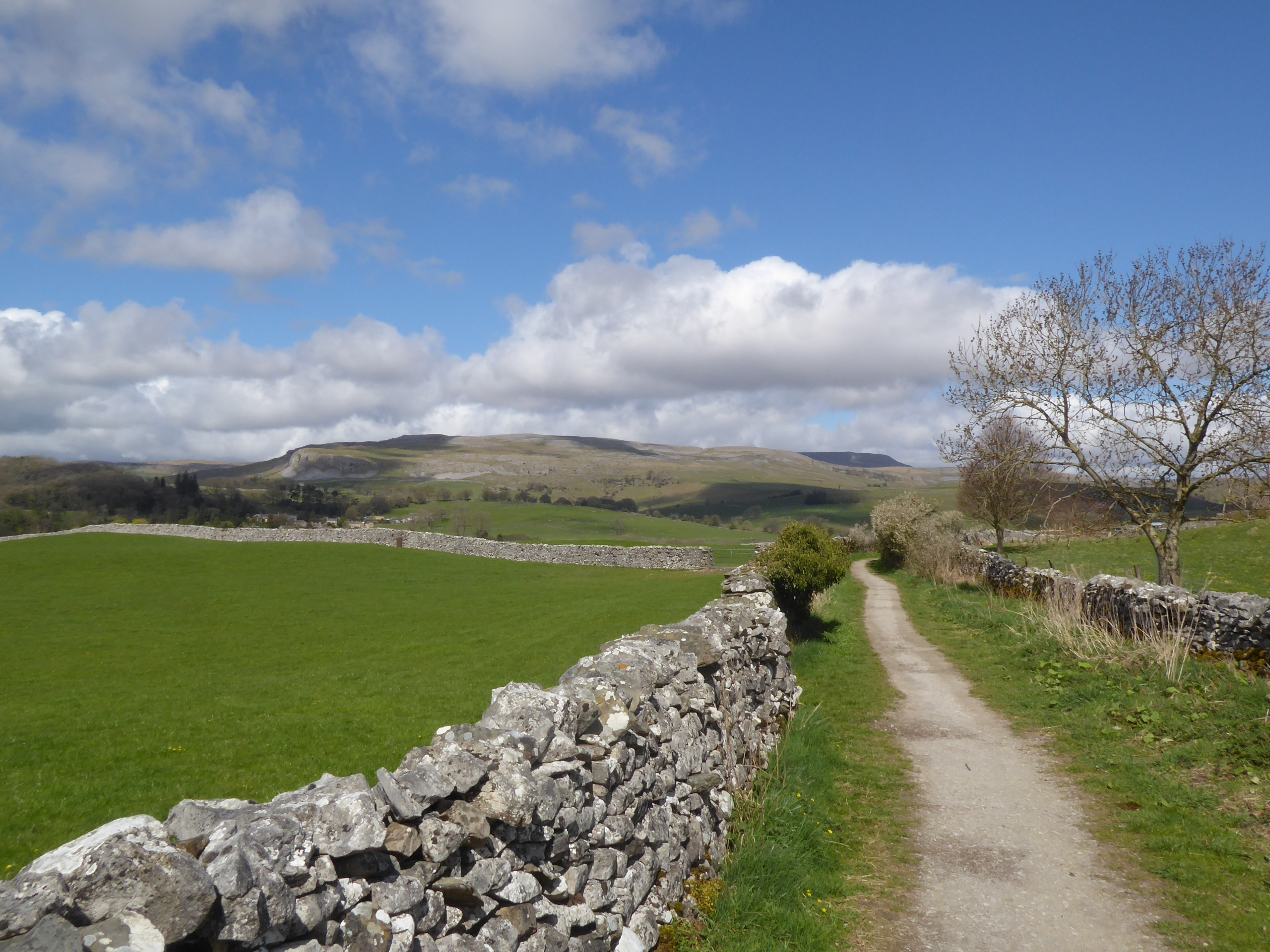
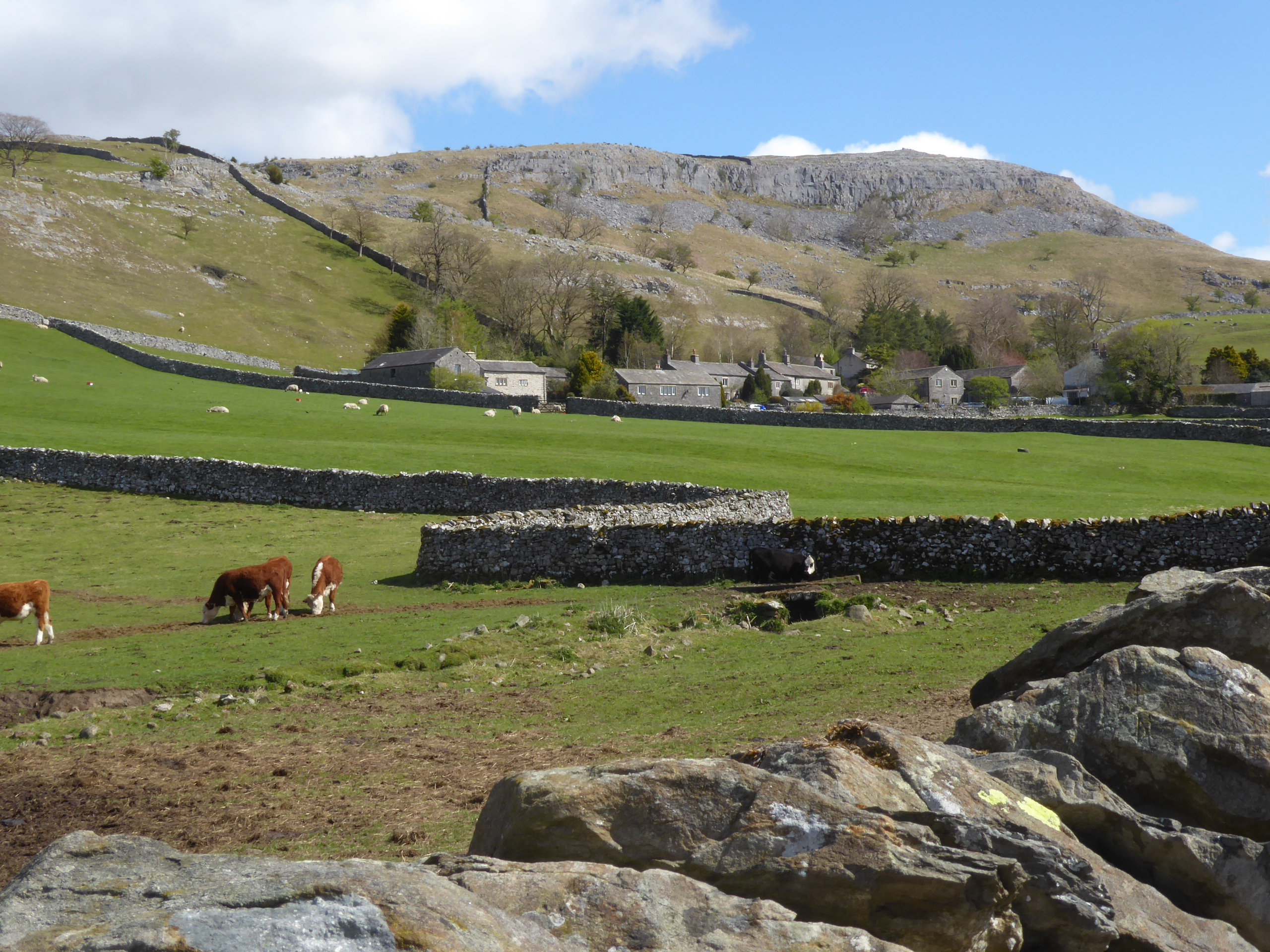
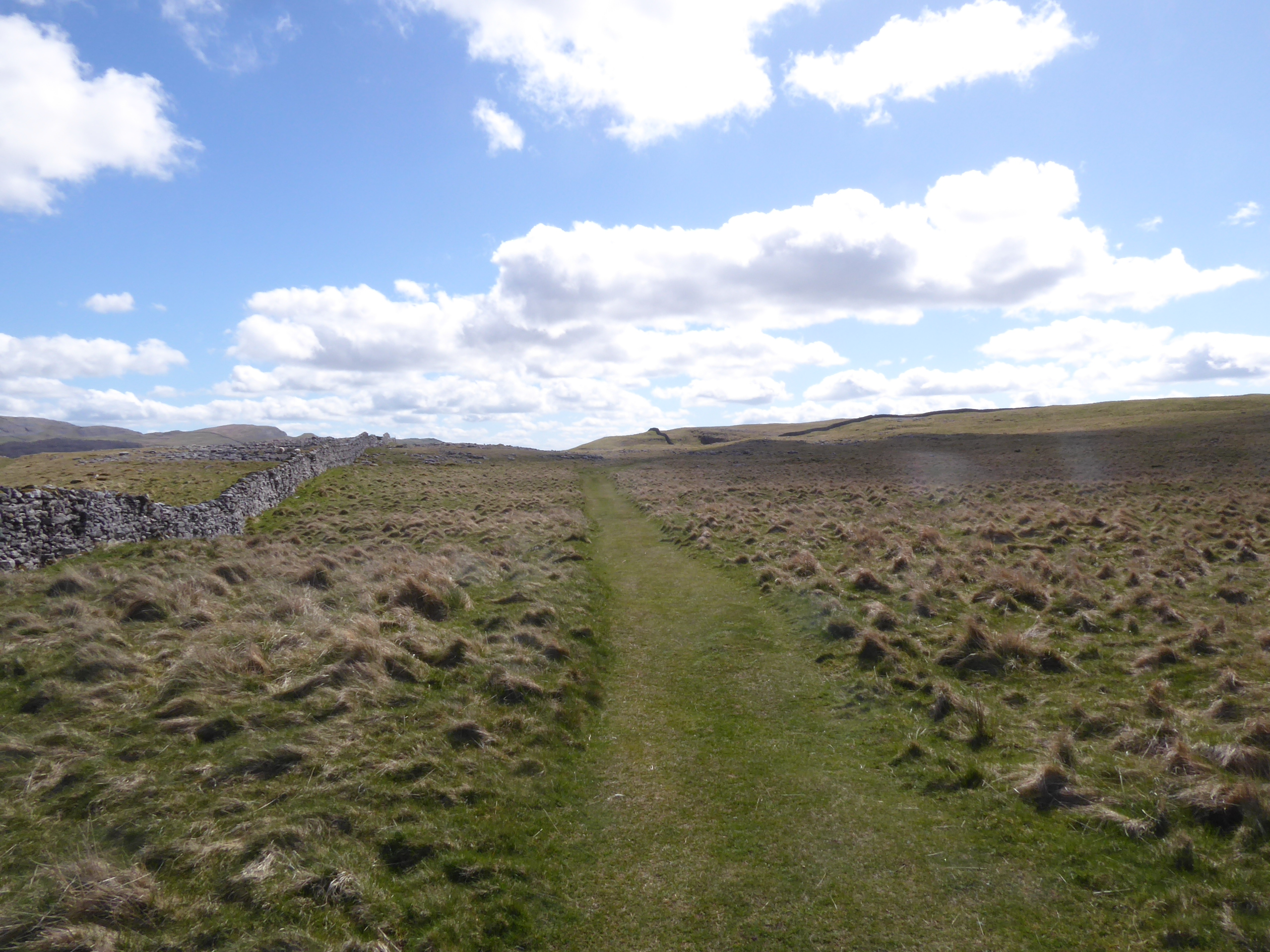
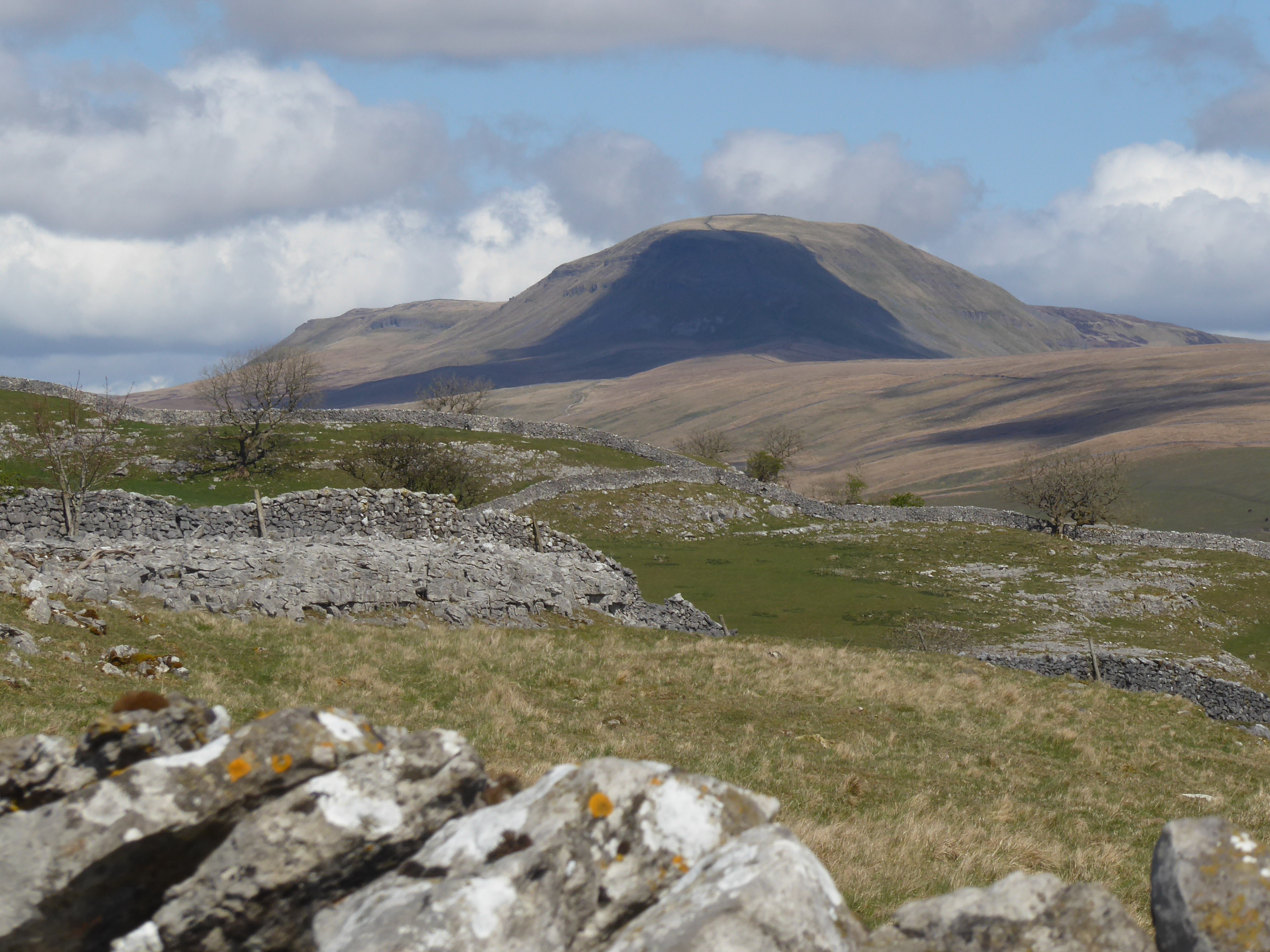
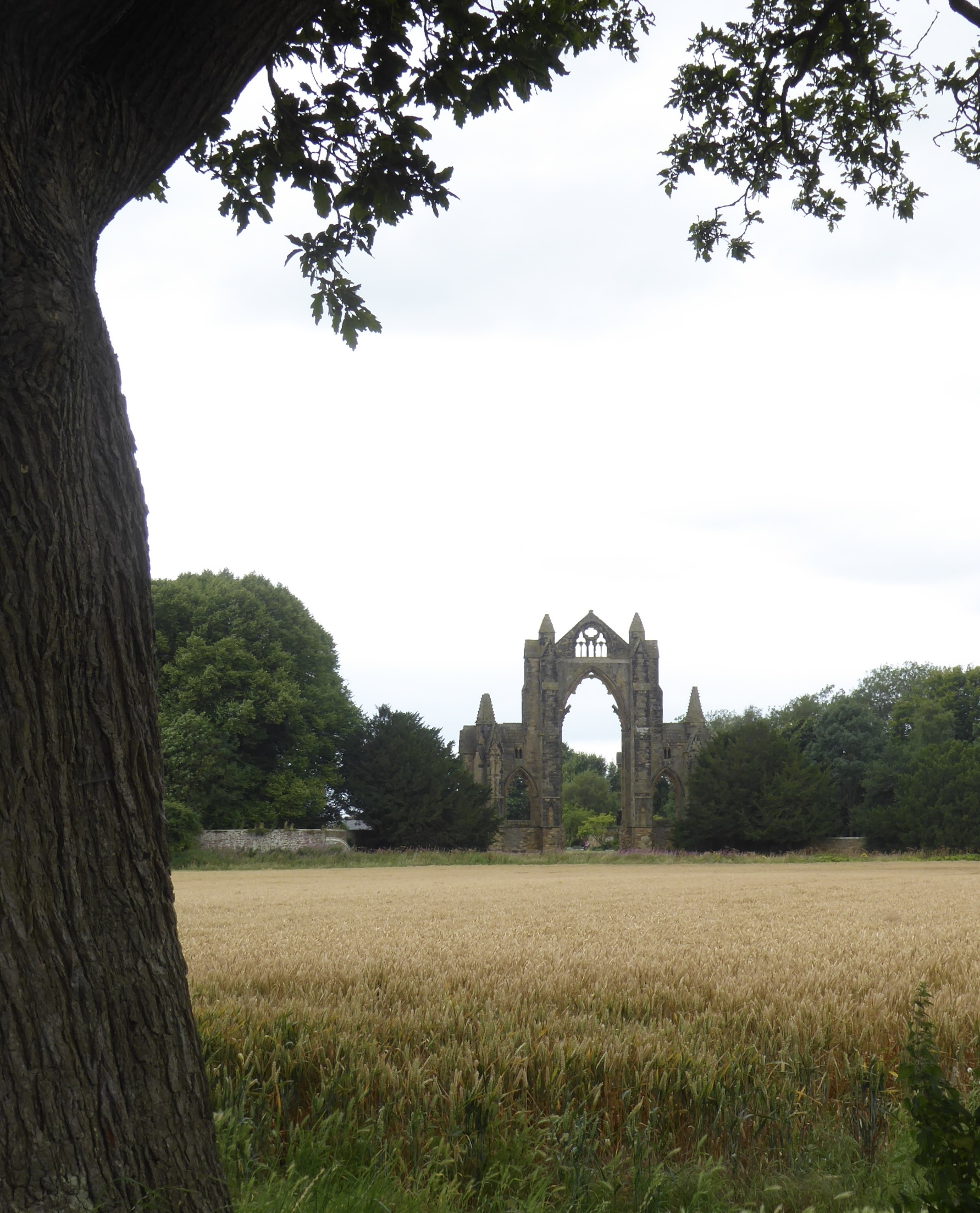
A walk from one railway station to another, via Austwick, Feizor and Settle. Although I’ve walked this way before, it’s been a while and I’d forgotten how different the landscape and paths are here.

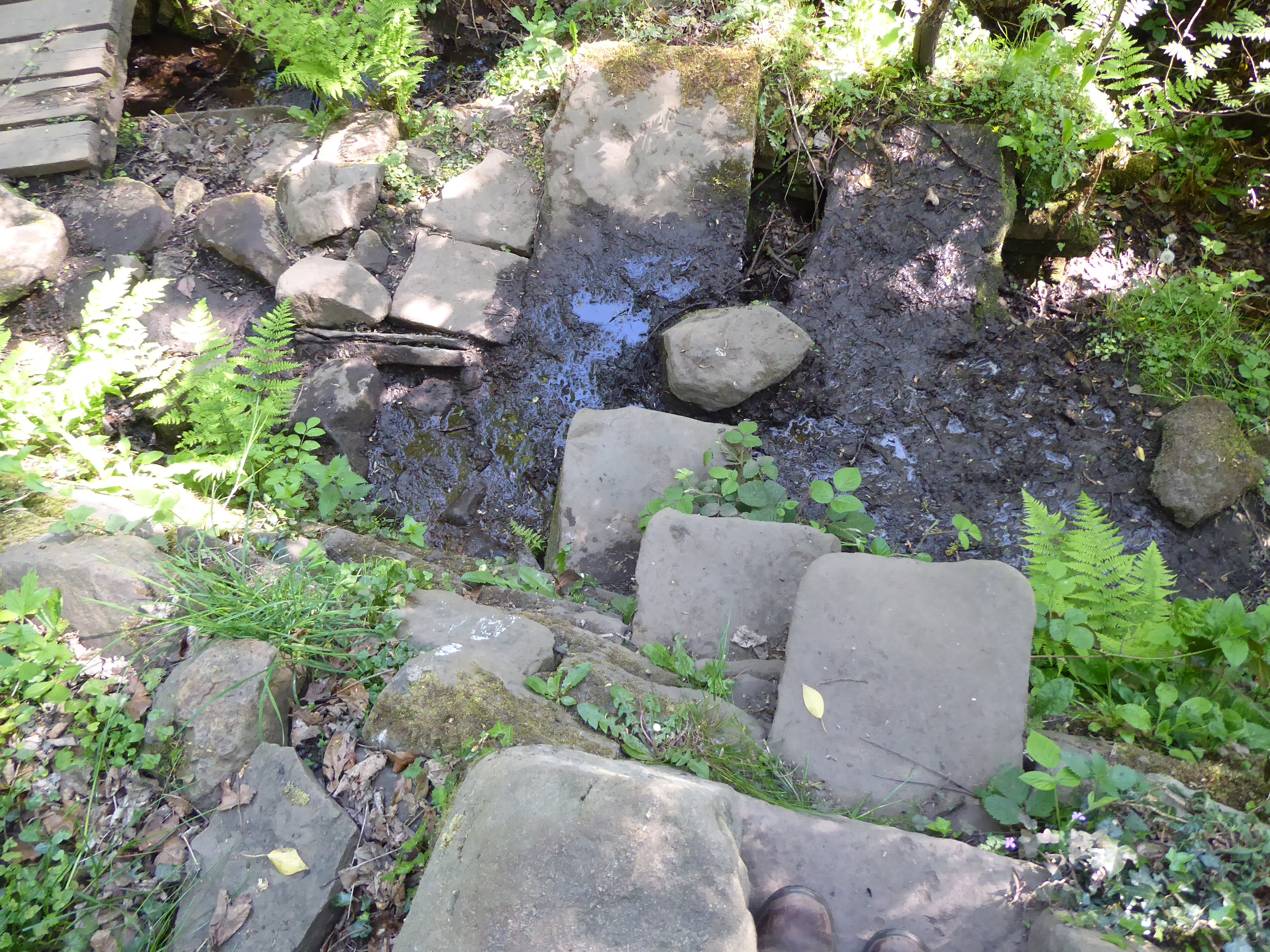
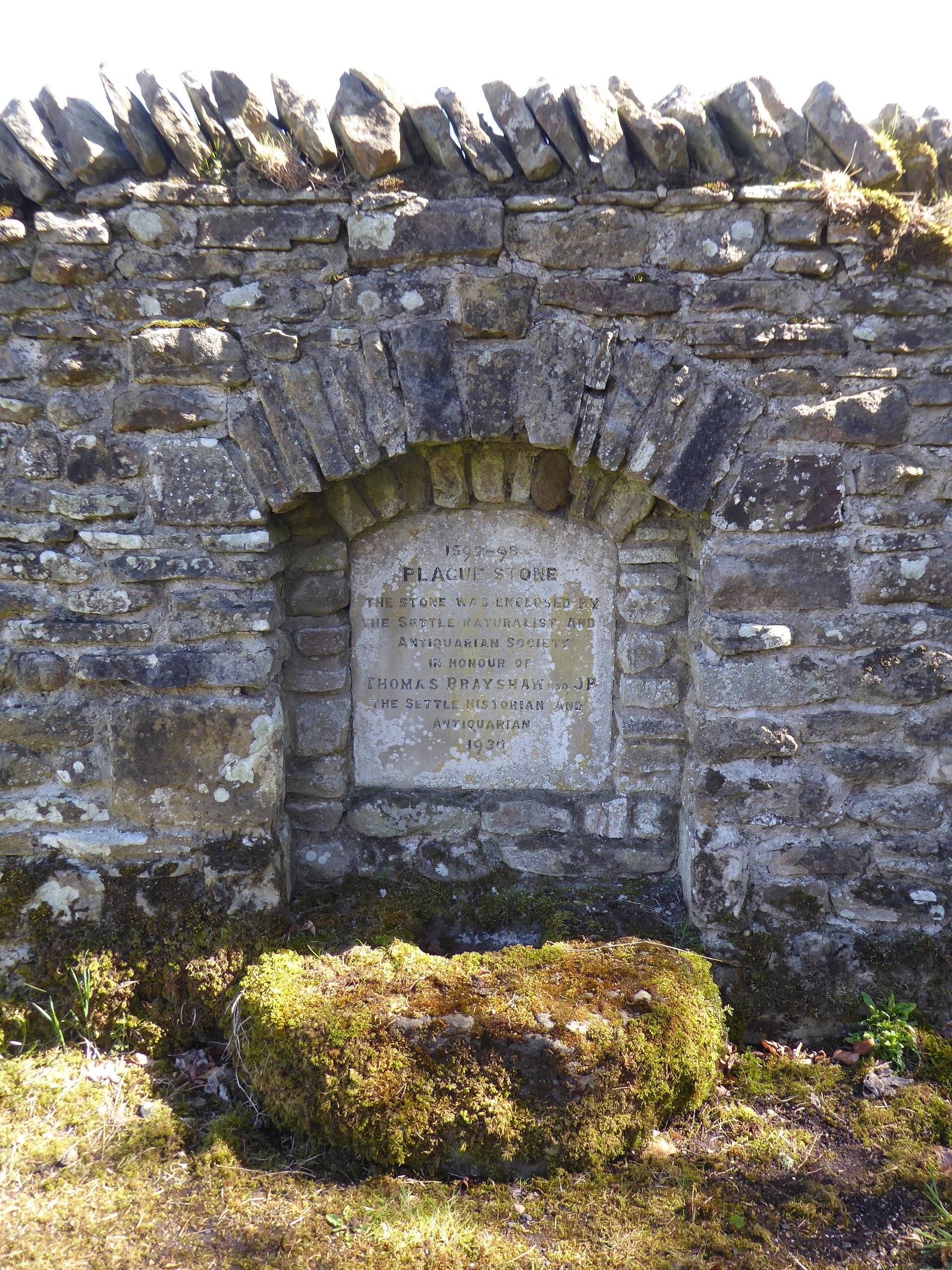
I’d also forgotten what a plague stone was: so, once again – a stone at a parish boundary with a hollow to be filled with vinegar or water, which, it was hoped, would disinfect the coins used to pay for essential goods.

Brontë Parsonage

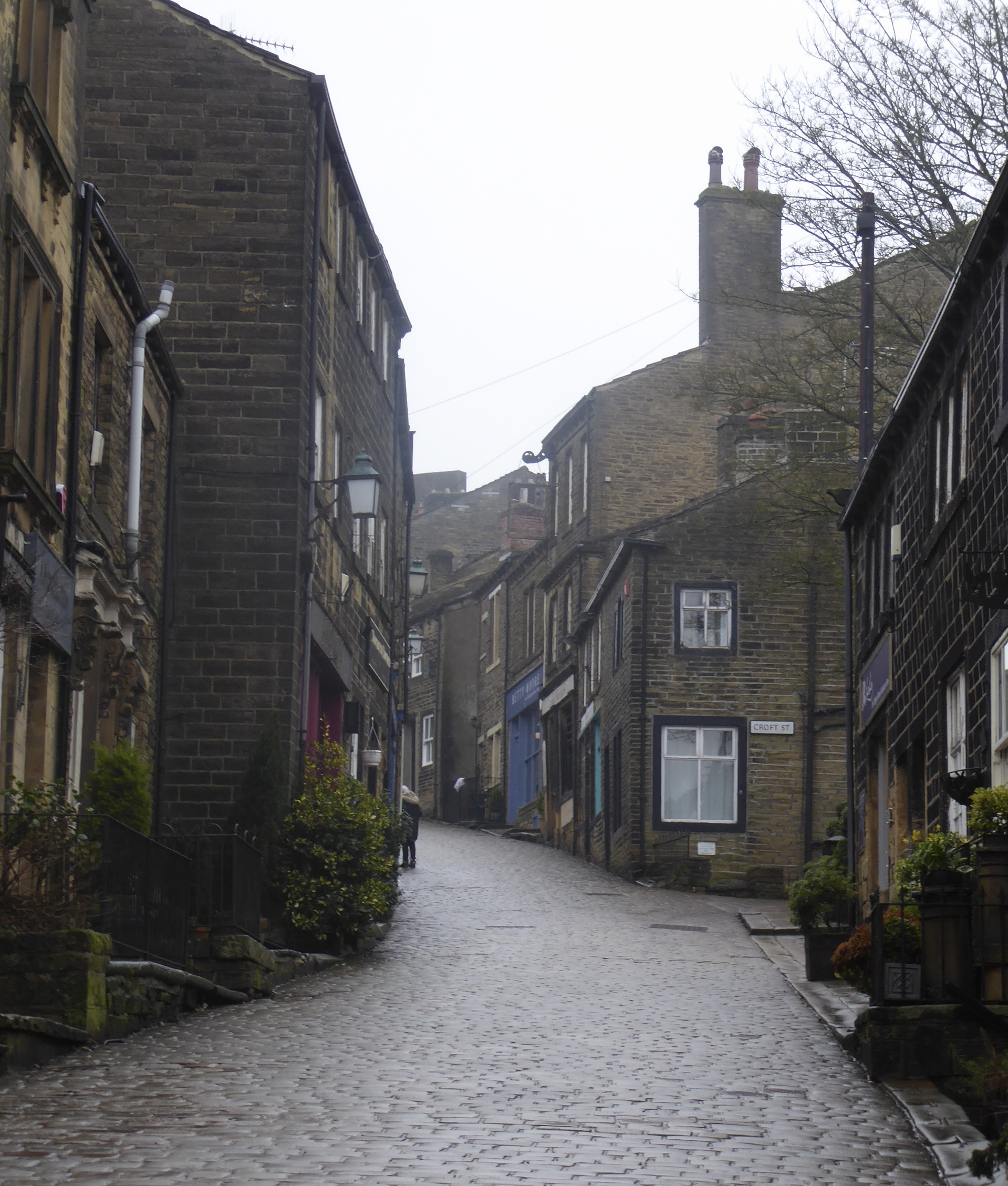
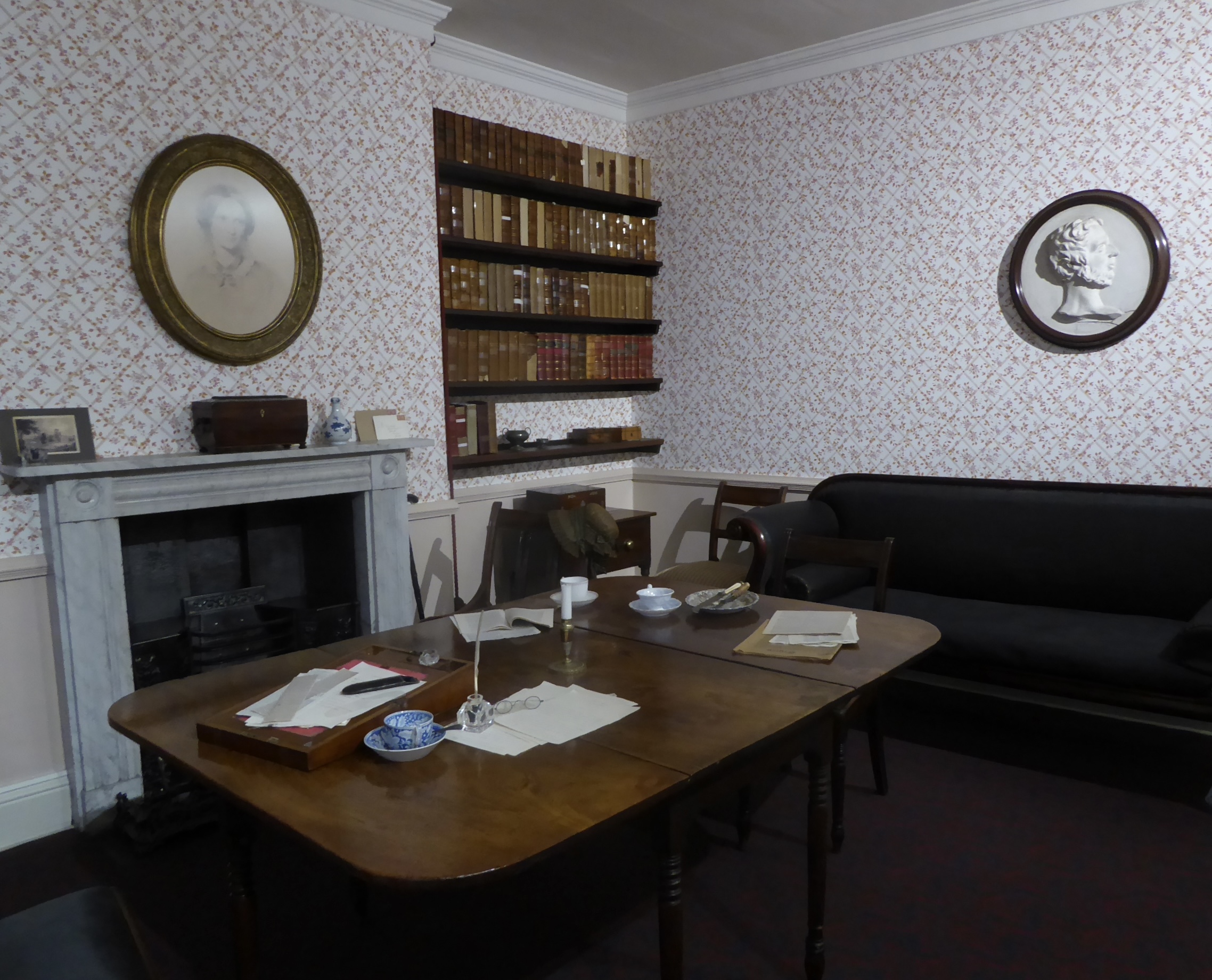
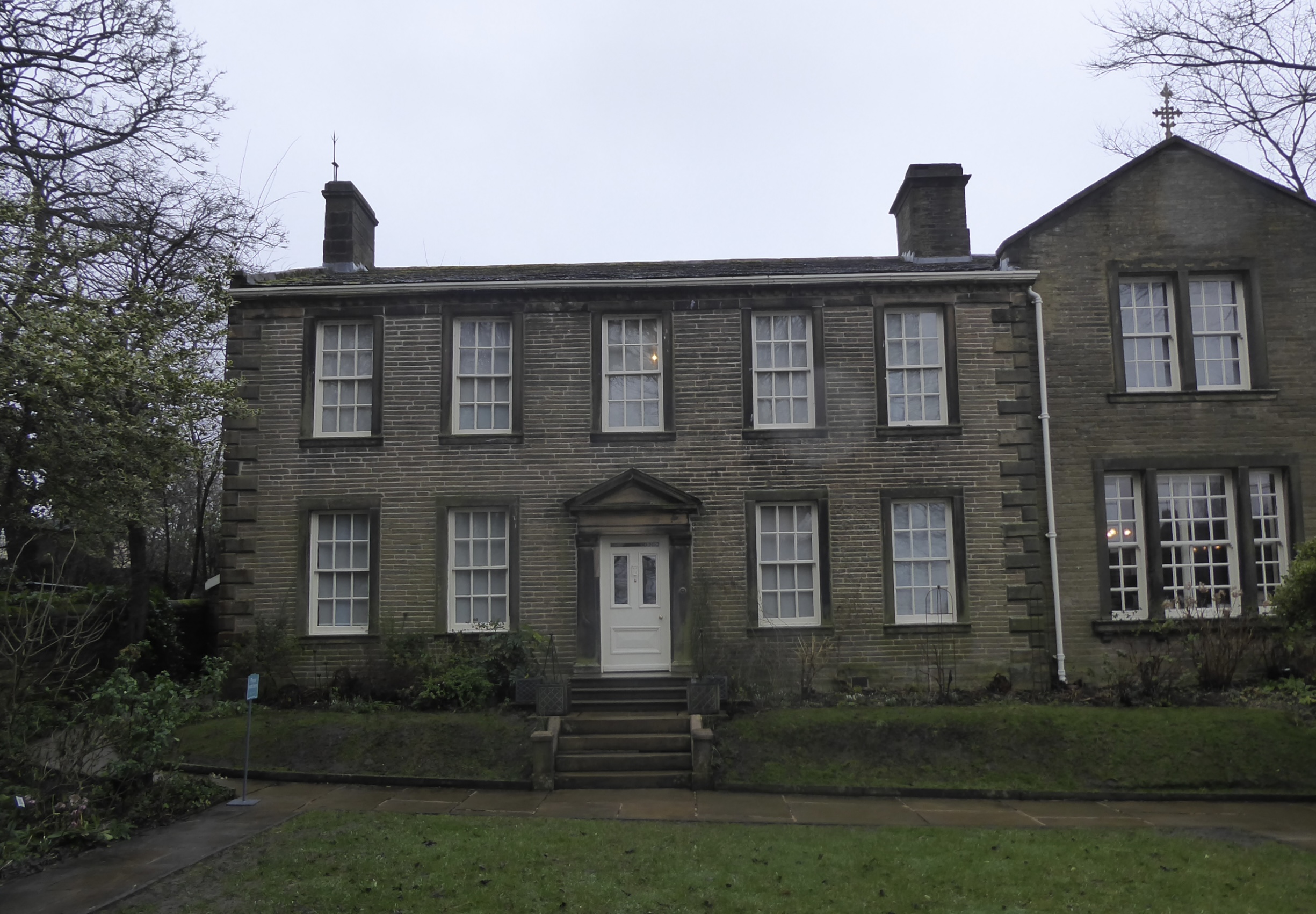
If I am to visit a tourist honeypot, then a cold, grey, damp day in February is my preference. (“There was no possibility of taking a walk that day” – pah!) Ease of getting there and a mild curiosity took me to Haworth, and, once there, it was interesting to have a sense of the physicality of the sisters’ lives. The house was a good size – but one room was reserved for their father’s study, and at one point they were a family of eight plus a servant. The church and churchyard tombstones a constant view from the front. That hill and the demands it made on tubercular lungs. The Sunday School over the way founded by their father and where they taught. The pub where Branwell drank a stone’s throw away, the stationer’s where they bought paper. They wrote with quills – of course! But it had never occurred to me. The tiny handwriting I had wondered at – but of course! Every bit of paper had to be bought and they were not rich. The table that they walked around in long dresses discussing their work.

I thought too of how, at an impressionable age, you can learn something from even a rubbish teacher (yes, Dolly Duncan, I mean you). The cupboard in her room full of copies of Jane Eyre and a lesson about the family – which may well have culminated in us having to draw the parsonage – when I first learned how to pronounce Keighley. The 50-odd years melted away.

Brough to Hull

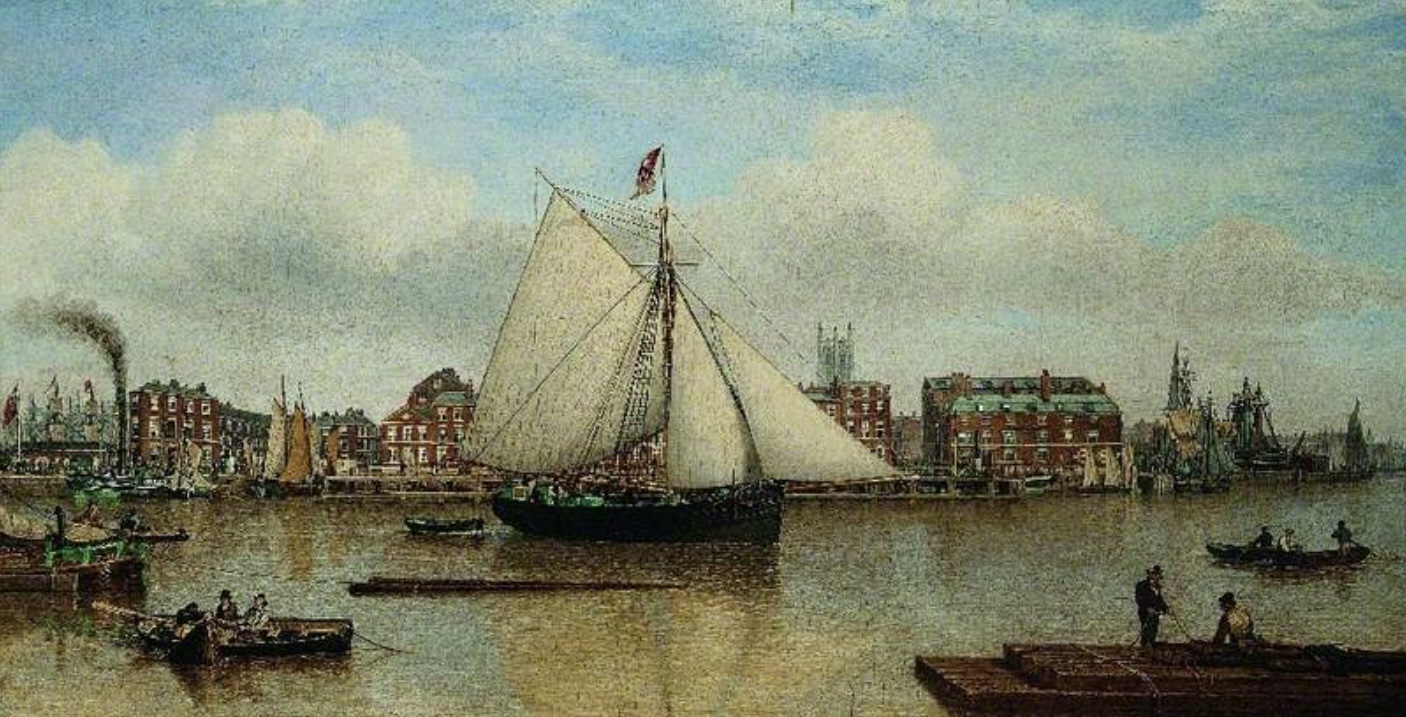
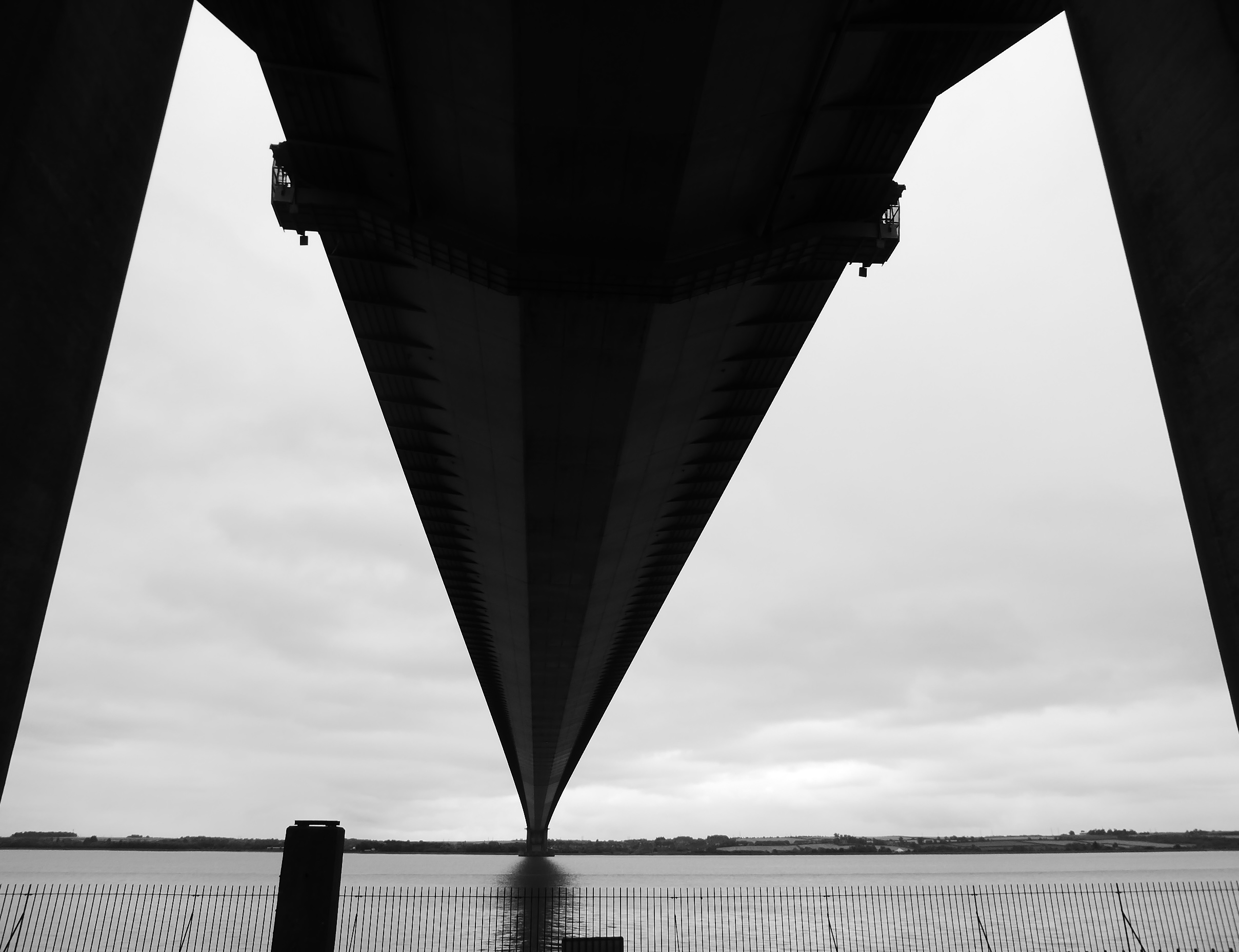
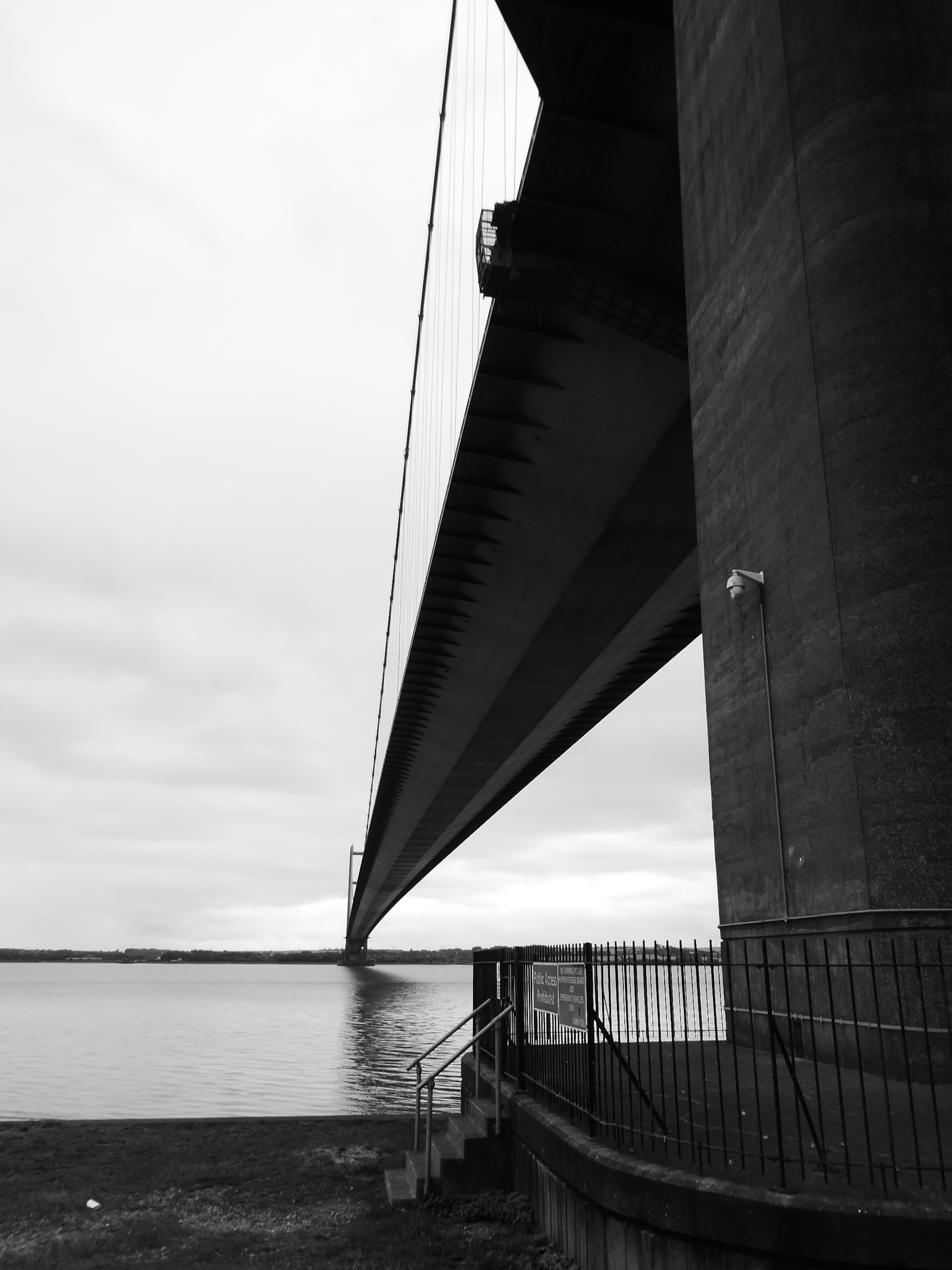
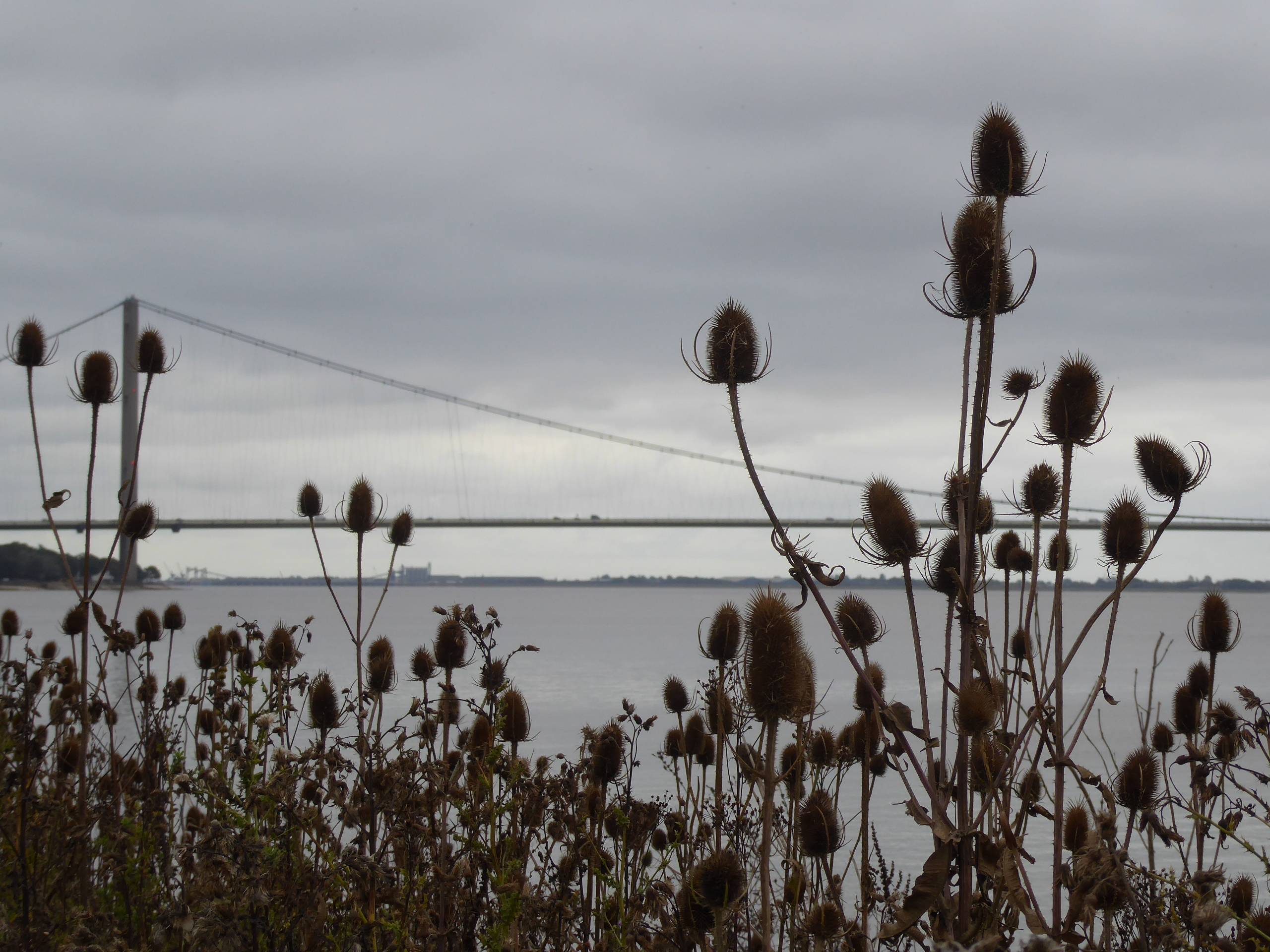
This time we got off the train at Brough and cycled into Hull; I really didn’t want to cycle in and out of Hull again. Great views of the Humber bridge – and I had time to go into the Ferens art gallery and look at a painting by John Hunt of the waterfront in 1837. I got sidetracked by the steam packet on the far left: this went from Hull to Gainsborough, so of course I wondered how on earth it got to a landlocked town. Up the Humber and then up the Trent is the answer.

Staithes

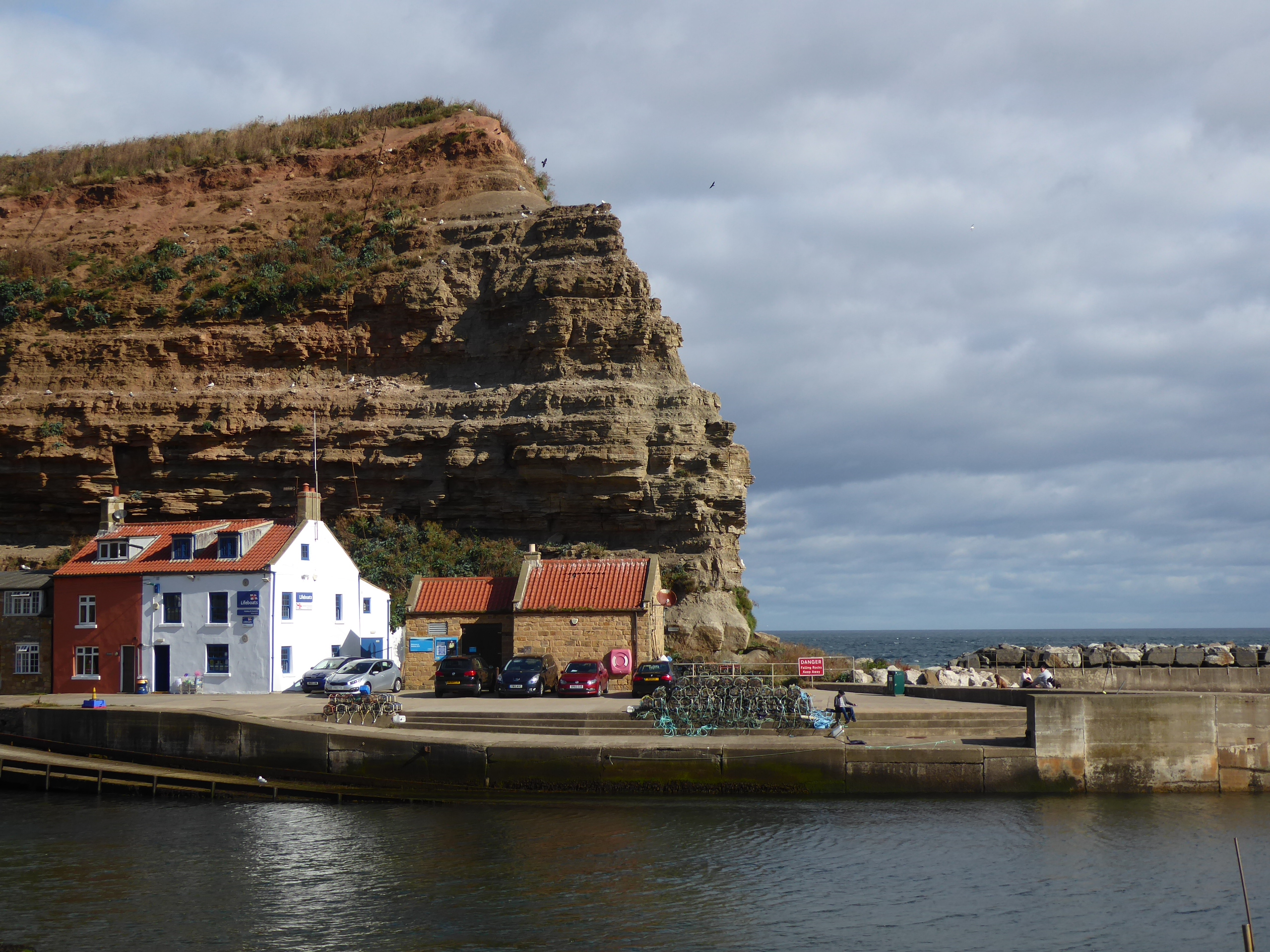
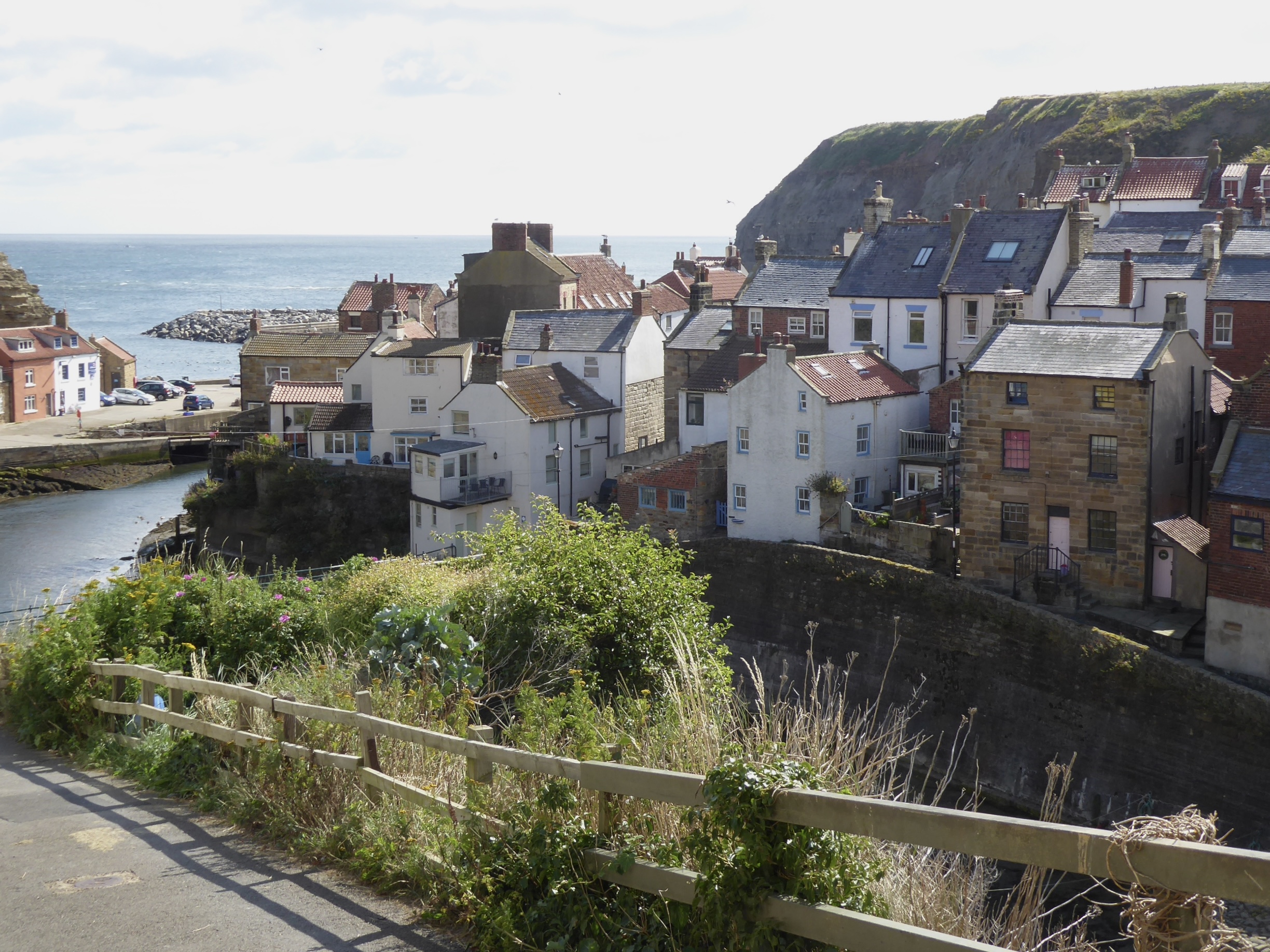
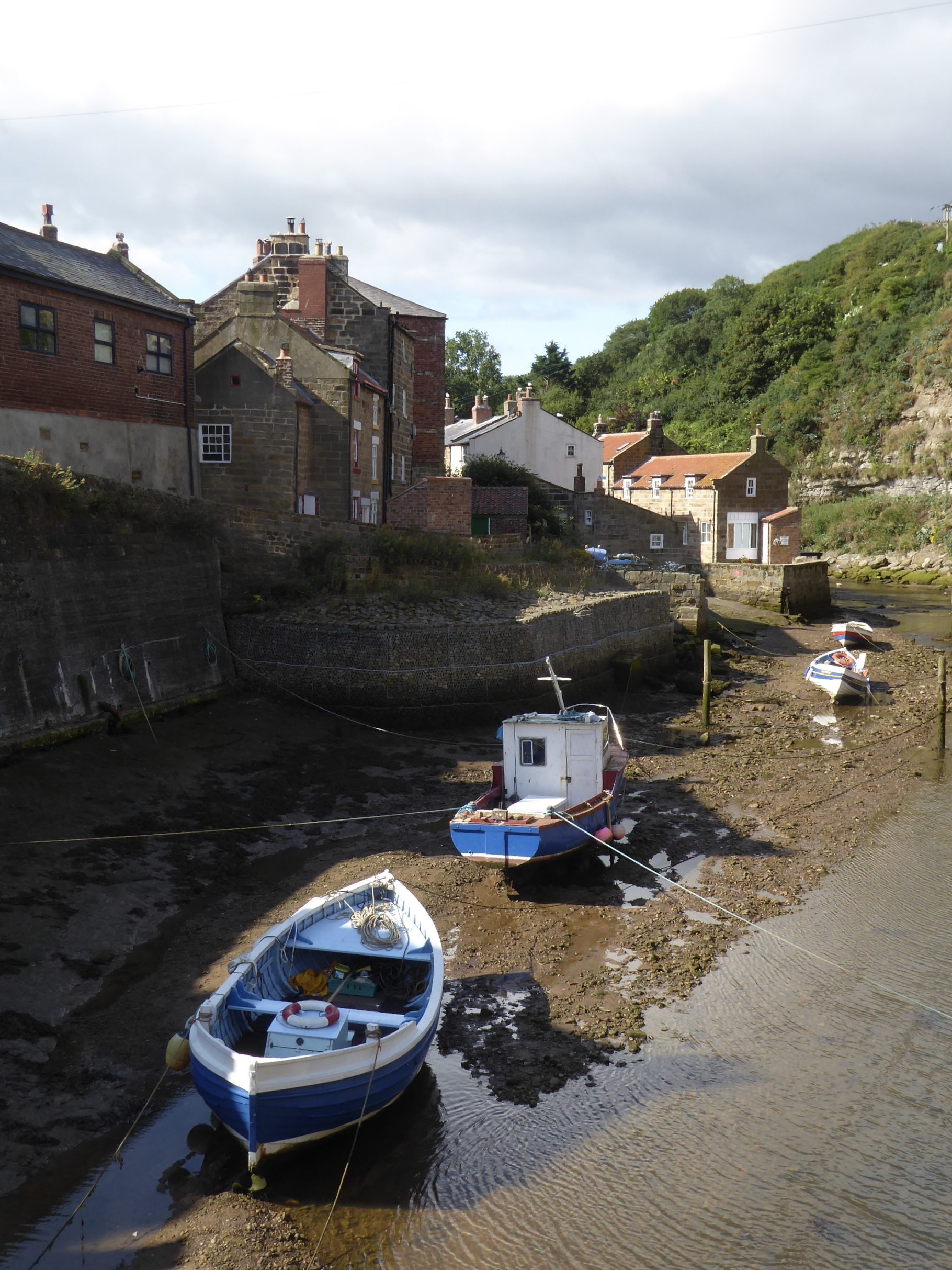
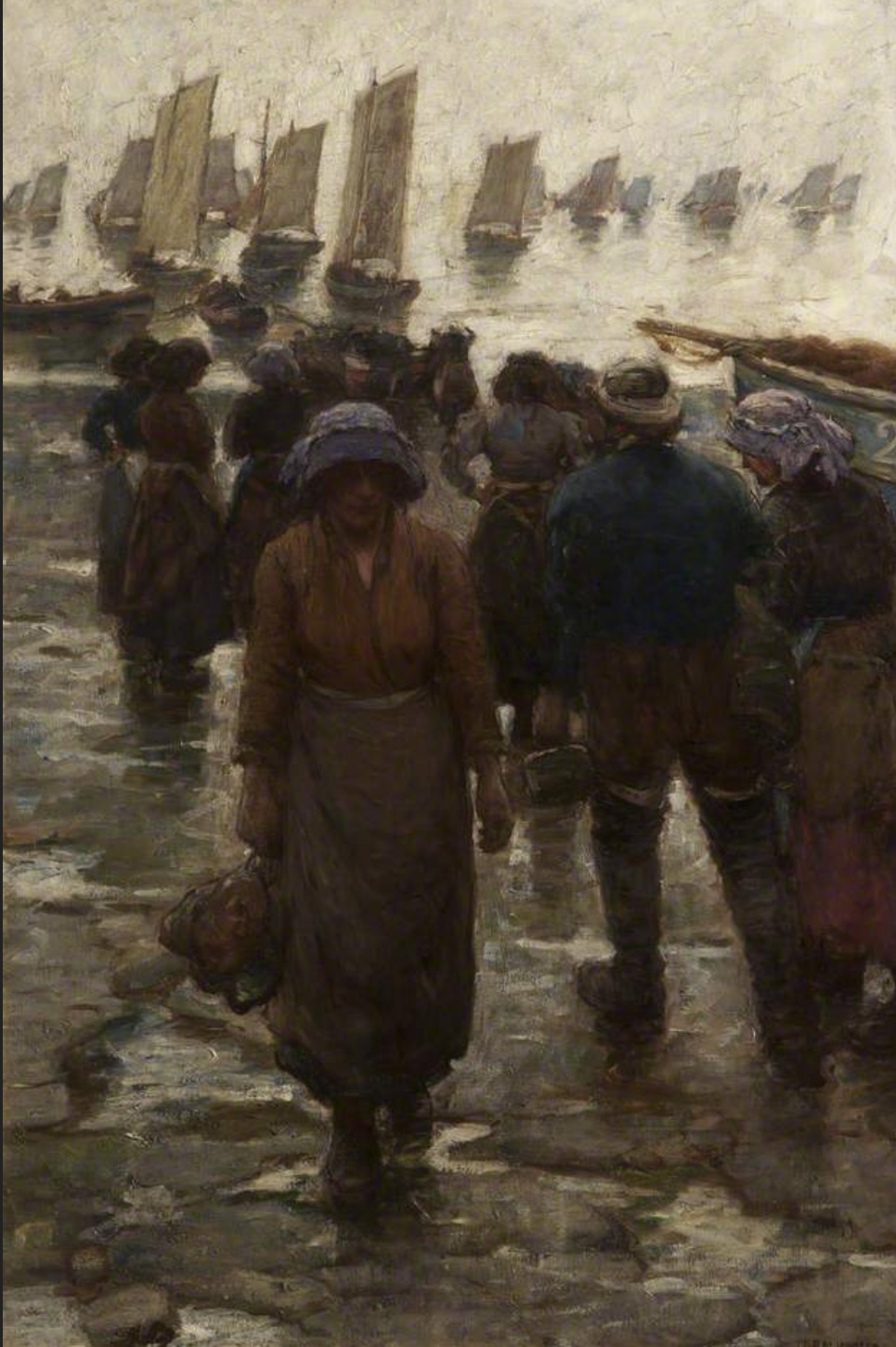
We caught the bus to Staithes and arrived at 9 a.m. I had thought that a bit early, but it was actually sensible. Staithes is so picturesque – and this is the holiday season after all – that it quickly began to get busy. At the end of the nineteenth century it was popular with plein air artists, known as the Staithes School. Laura Knight lived here for a number of years both before and after her marriage, learning her trade and often burning her drawings to keep warm.

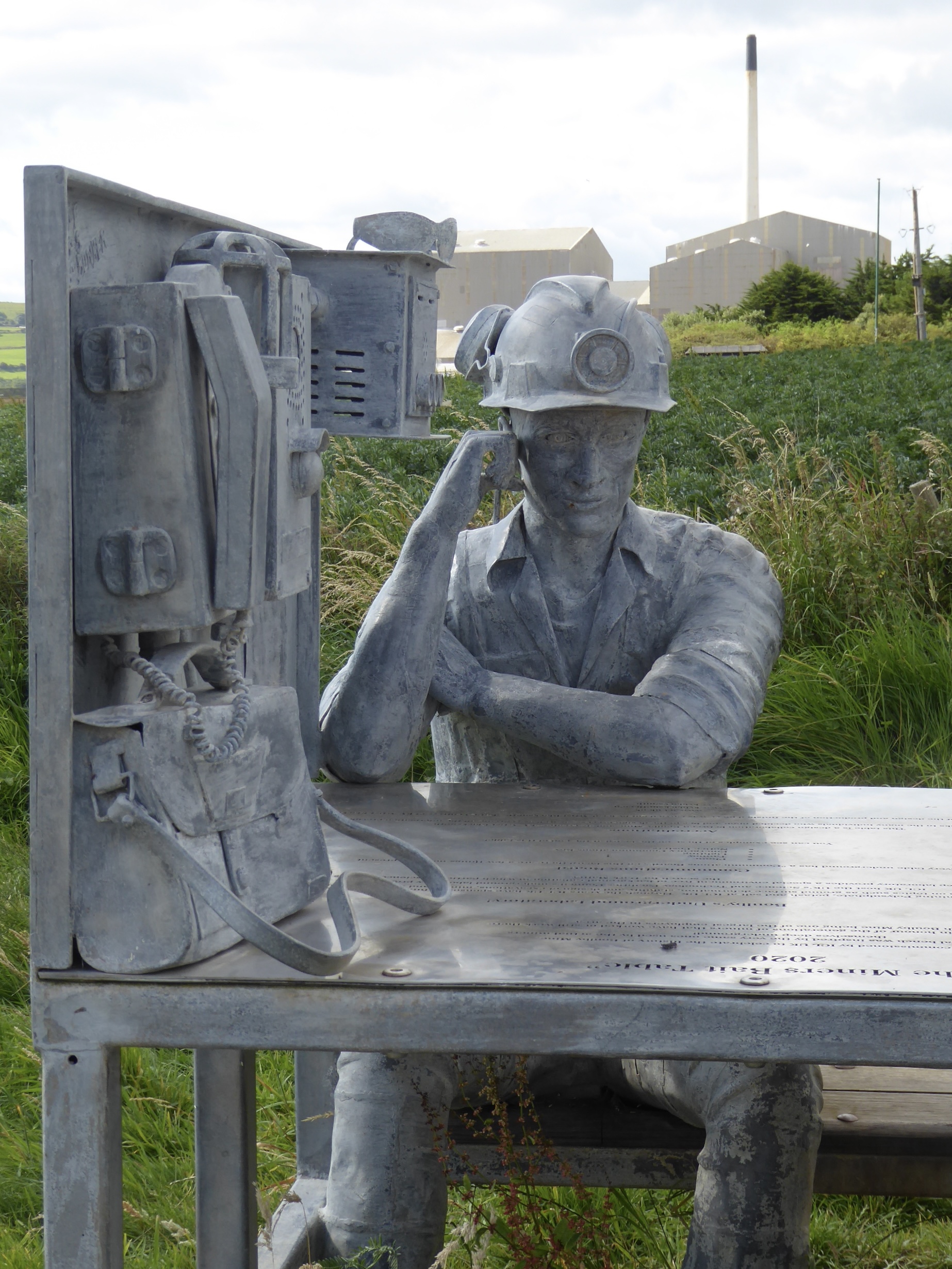
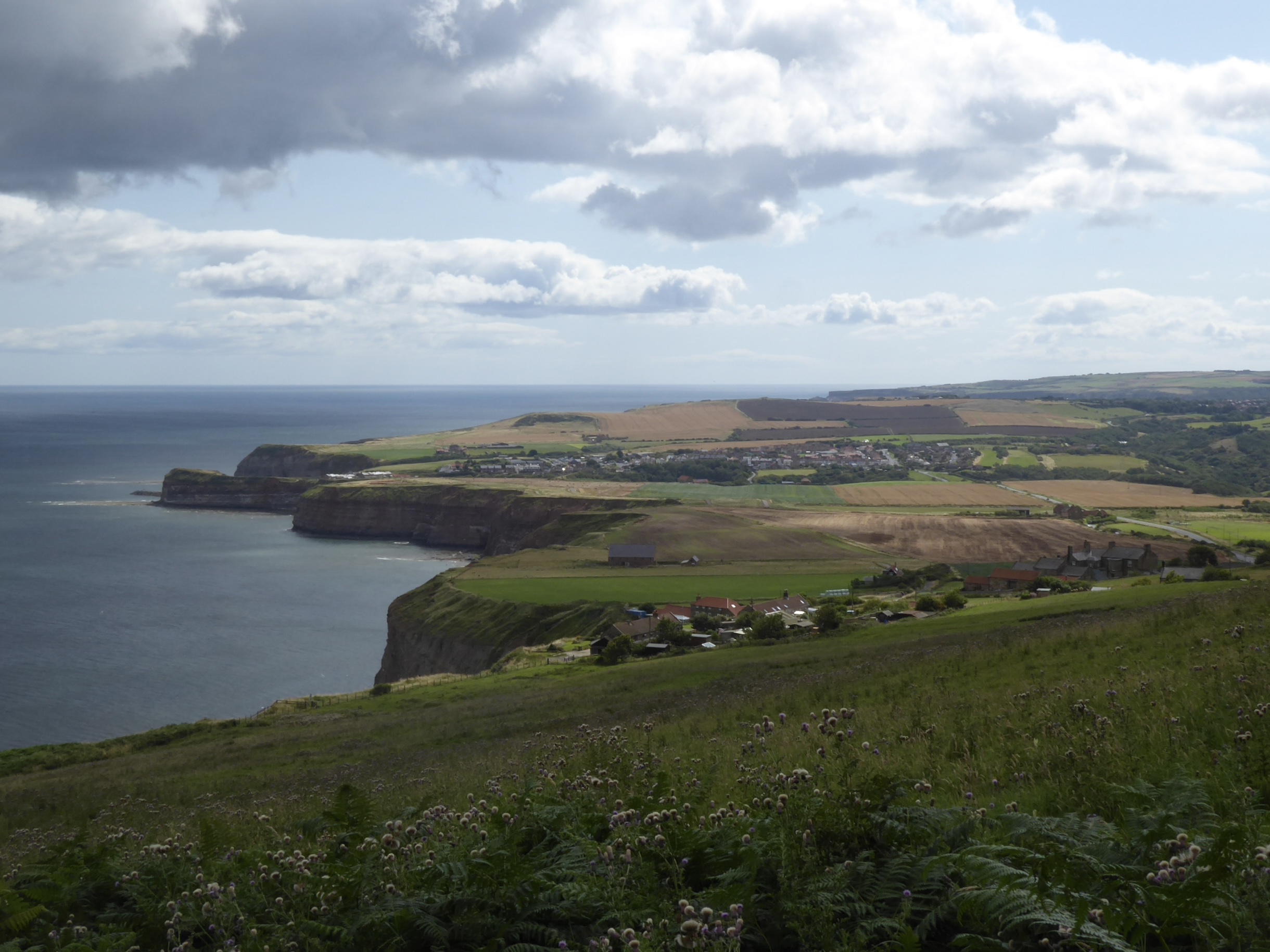
And then the long walk along the coast into a headwind back to Saltburn. En route we passed Boulby mine, which is not just a mine but also an underground laboratory. I shall think of it as a British mini-CERN.

Saltburn to Skinningrove

A walk from Saltburn to Skinningrove – one I’ve done before, but not in summer. They’re almost identical in terms of geography, but Saltburn is the holiday resort and Skinningrove is the left-behind industrial site. Its beach was every bit as enticing as Saltburn’s nonetheless.