Saltburn

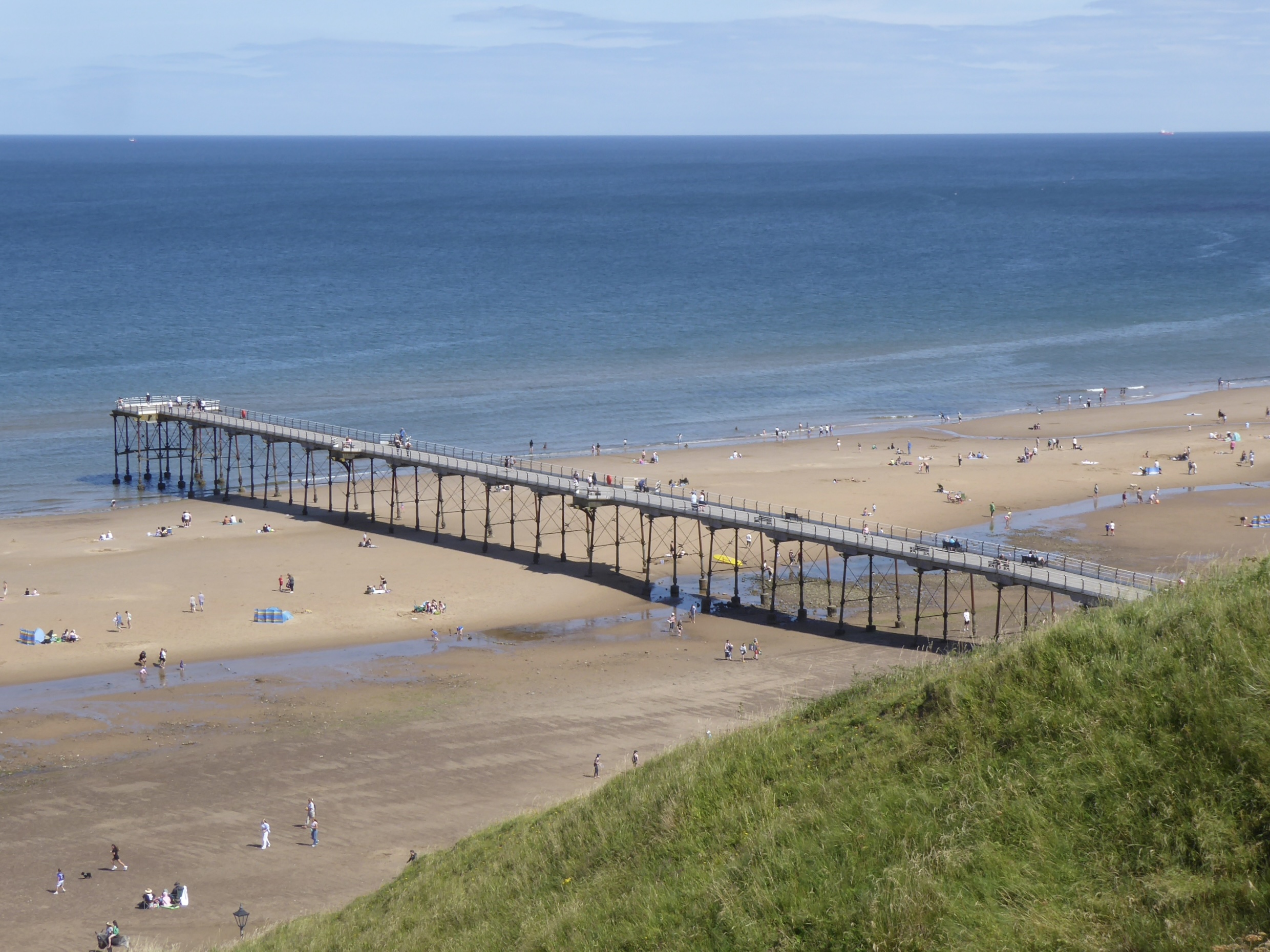
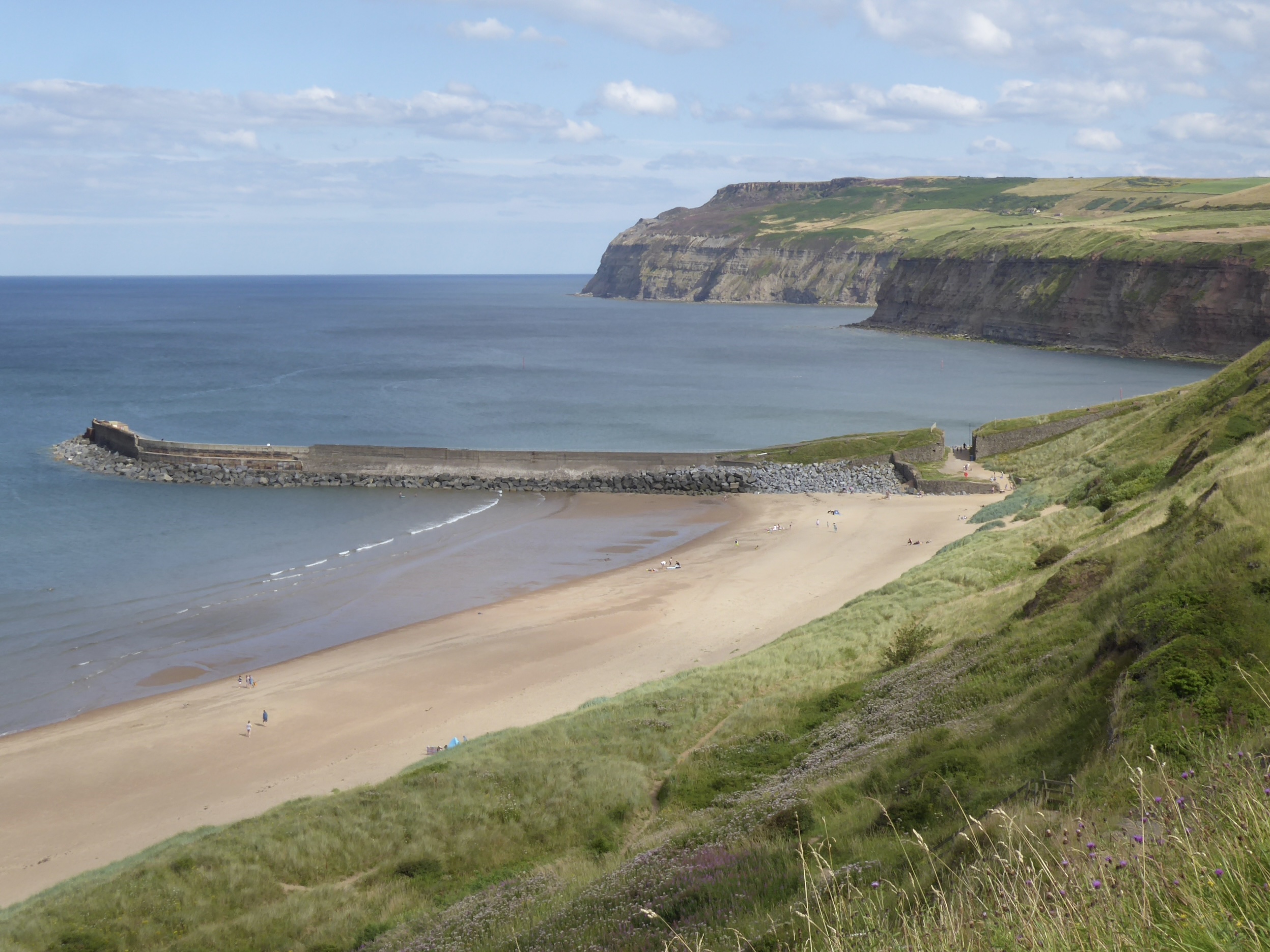
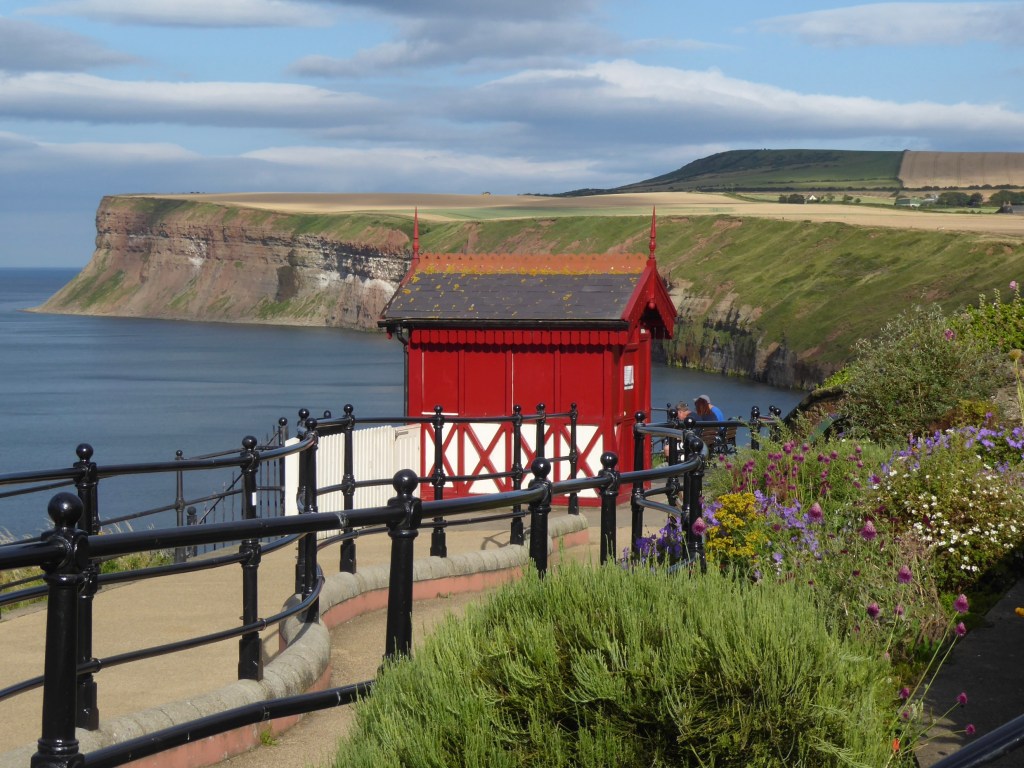
Back to Saltburn – this time in brilliant sunshine and peak holiday season. Still wonderful. The colours are so different.

I have been doing a little homework for tomorrow’s “guided tour” for someone who’s never visited before. Clifftop tram, obvs – water-powered funicular, sadly not working at present. Precious stone/jewel street names (Amber, Coral, Emerald, etc) on a grid pattern. Like Arnside and Grange-over-Sands, transformed from a backwater into a Victorian holiday resort by the arrival of the railway. Built and promoted by the Pease family of Darlington – Quakers with a finger in every pie. (Originally there was no alcohol.) Built on land bought from the Earl of Zetland. I was told by someone I got talking to in a café that the railway line used to continue beyond the station right up to the Zetland Hotel on the edge – a proper railway hotel. A wave in the direction of the beckside gardens, a mention of Convalescent Street . . . and I am ready for my Blue Badge.

York art gallery

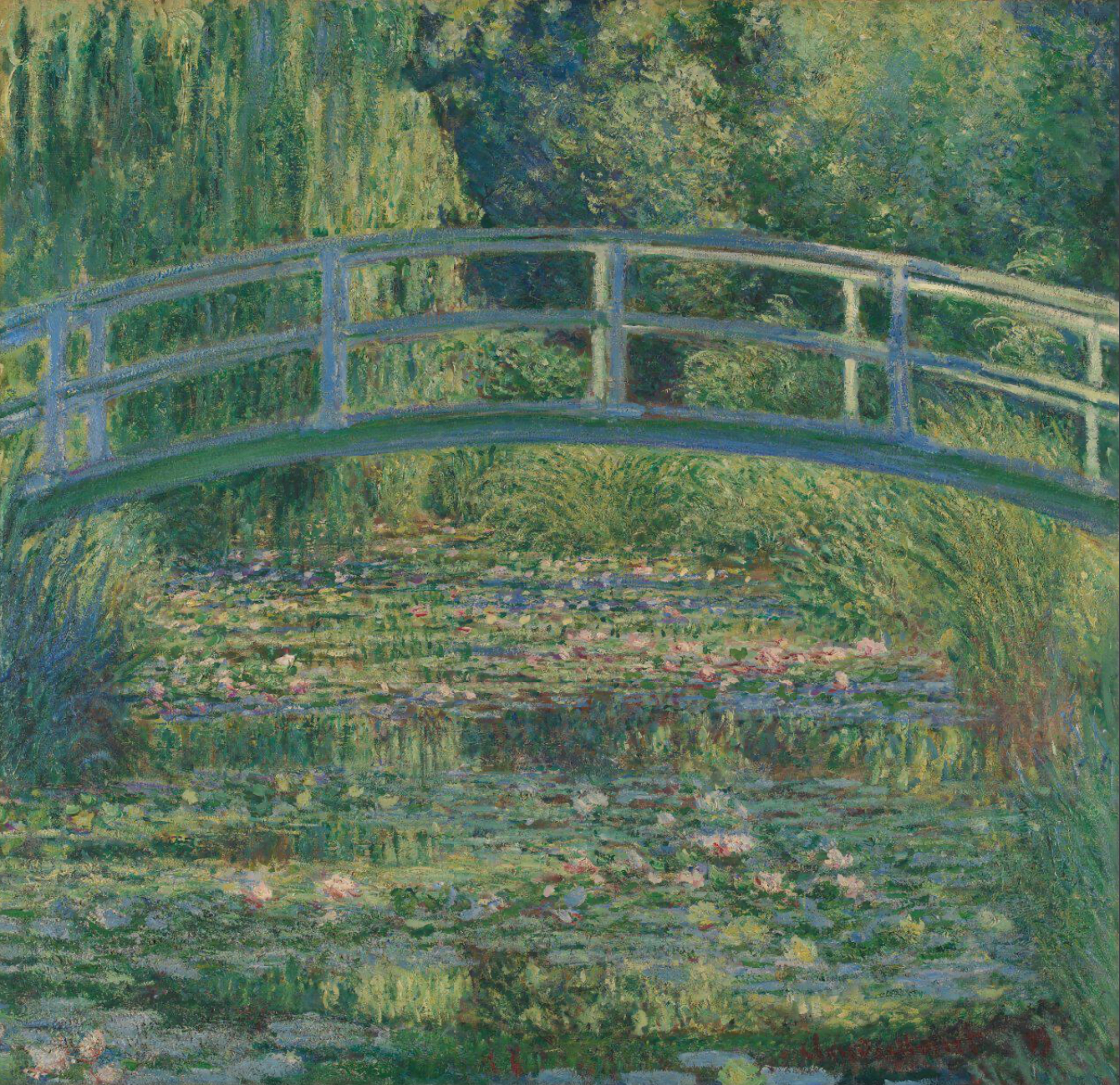
The National Gallery is currently lending some of its big names to smaller art galleries, so York has one of Monet’s lily ponds – and hence a hook on which to hang a whole exhibition. Firstly Monet’s precursors: plein air painting, Barbizon, Camille Corot, Théodore Rousseau, François Daubigny, Eugène Boudin, more Japanese woodblock prints (particularly influential in the practice of depicting the same scene under different light and weather conditions). Then those who, in turn, were influenced by Monet like Wynford Dewhurst (one work borrowed from Bradford!) and Thomas Meteyard.

It was great to see up close the blobs of paint that so beautifully represented the lilies; it overcame the sensation of familiarity that you can’t help but feel when seeing such a famous painting and made it exciting again.

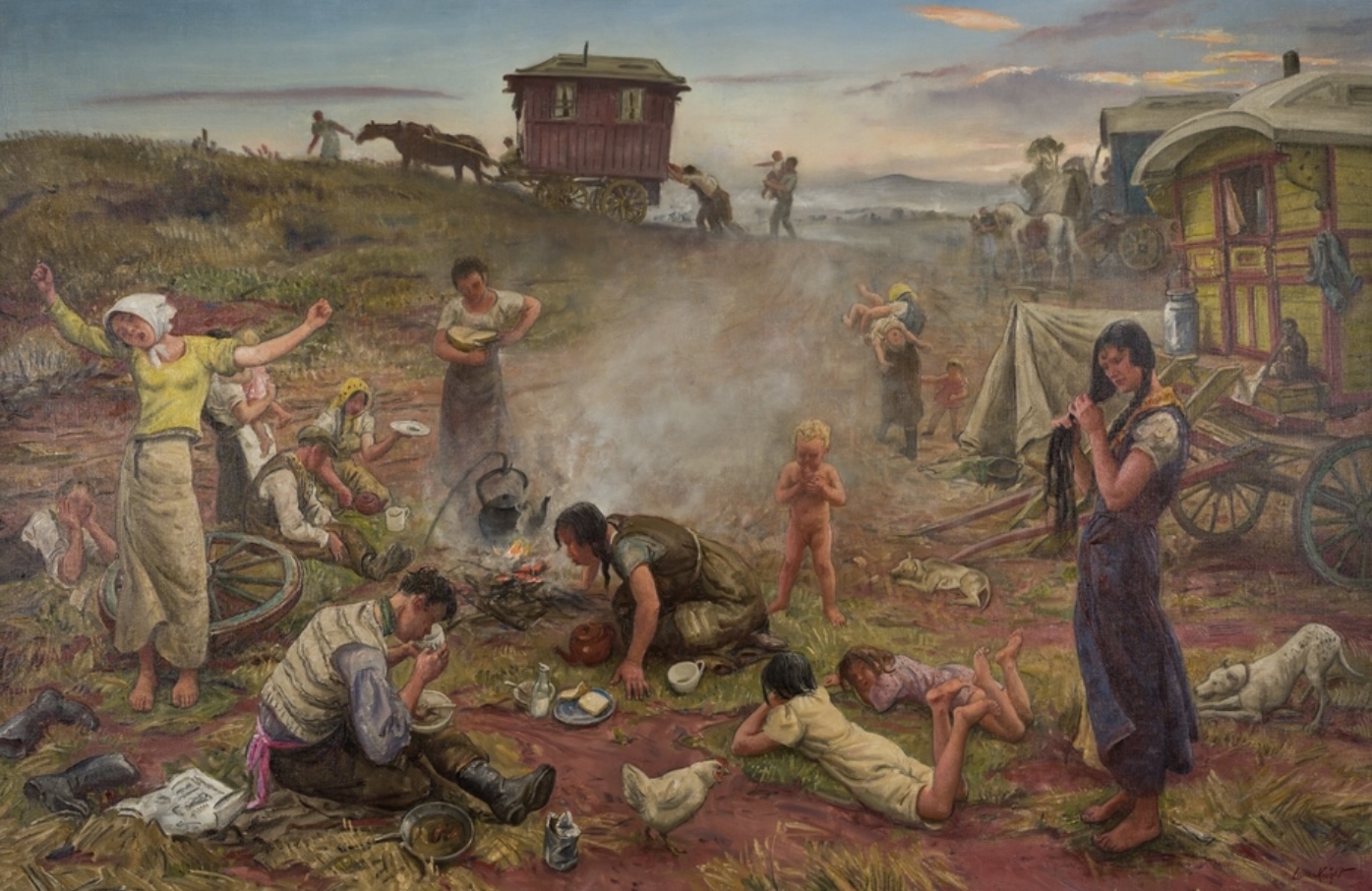
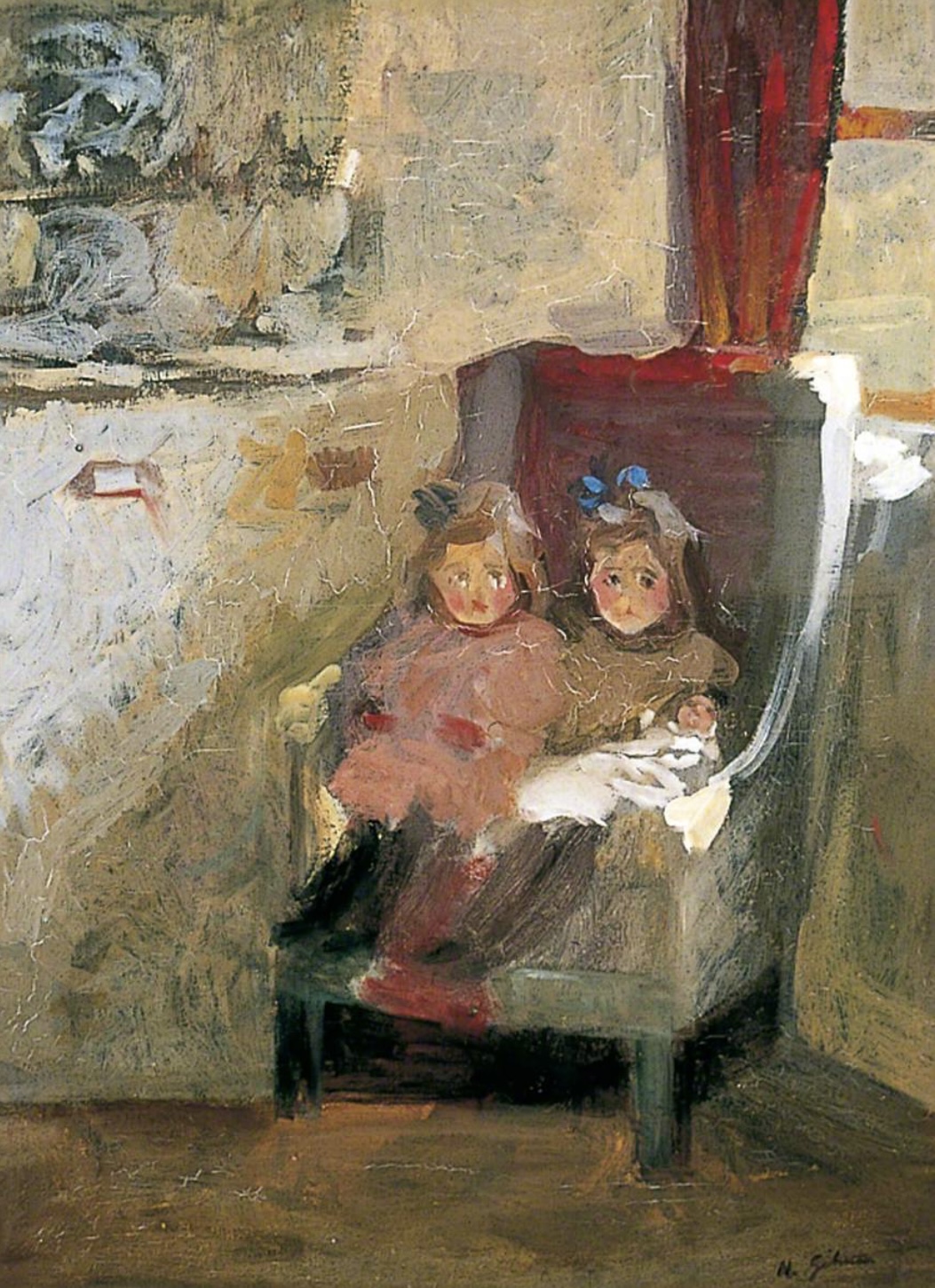
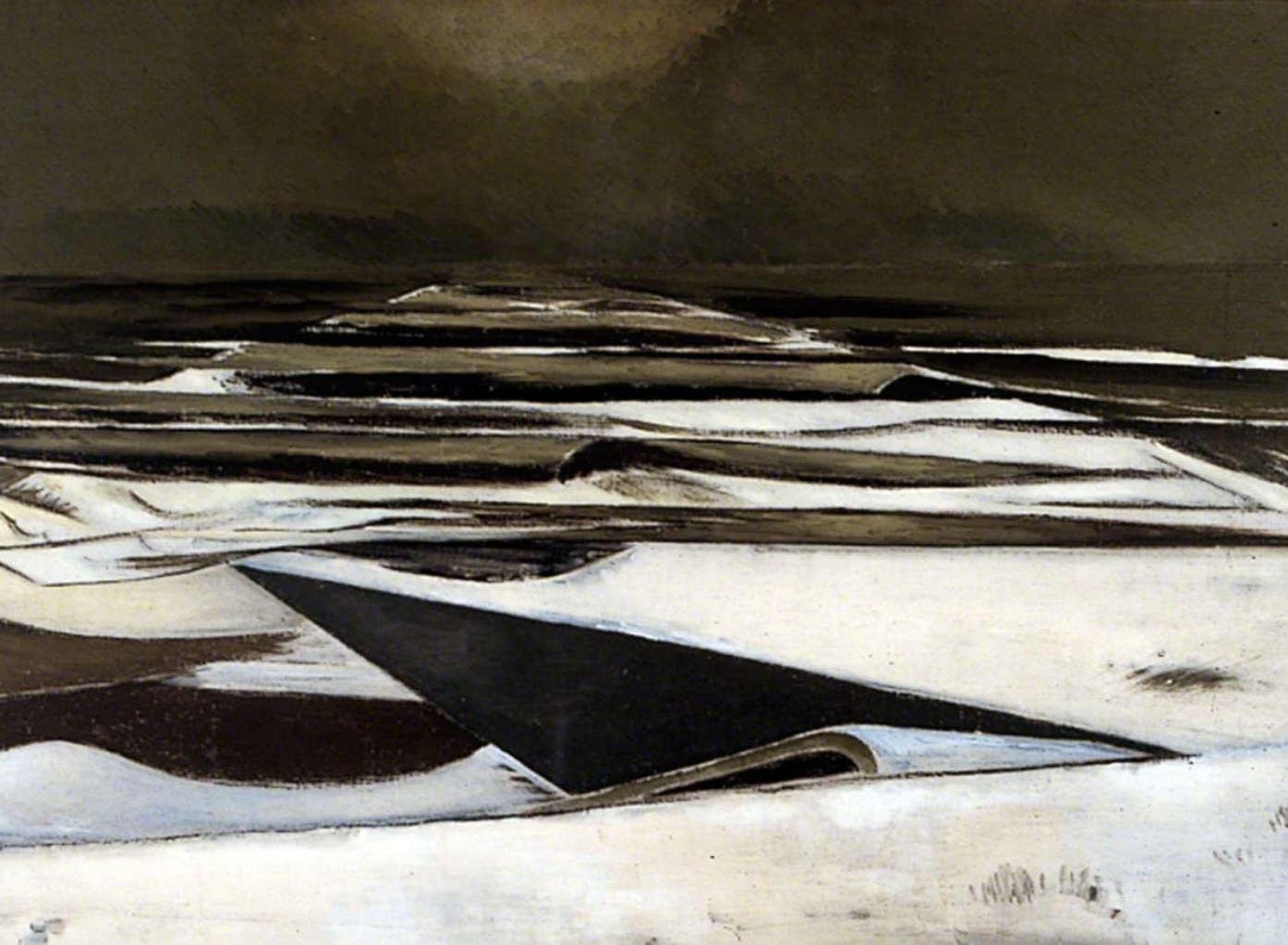
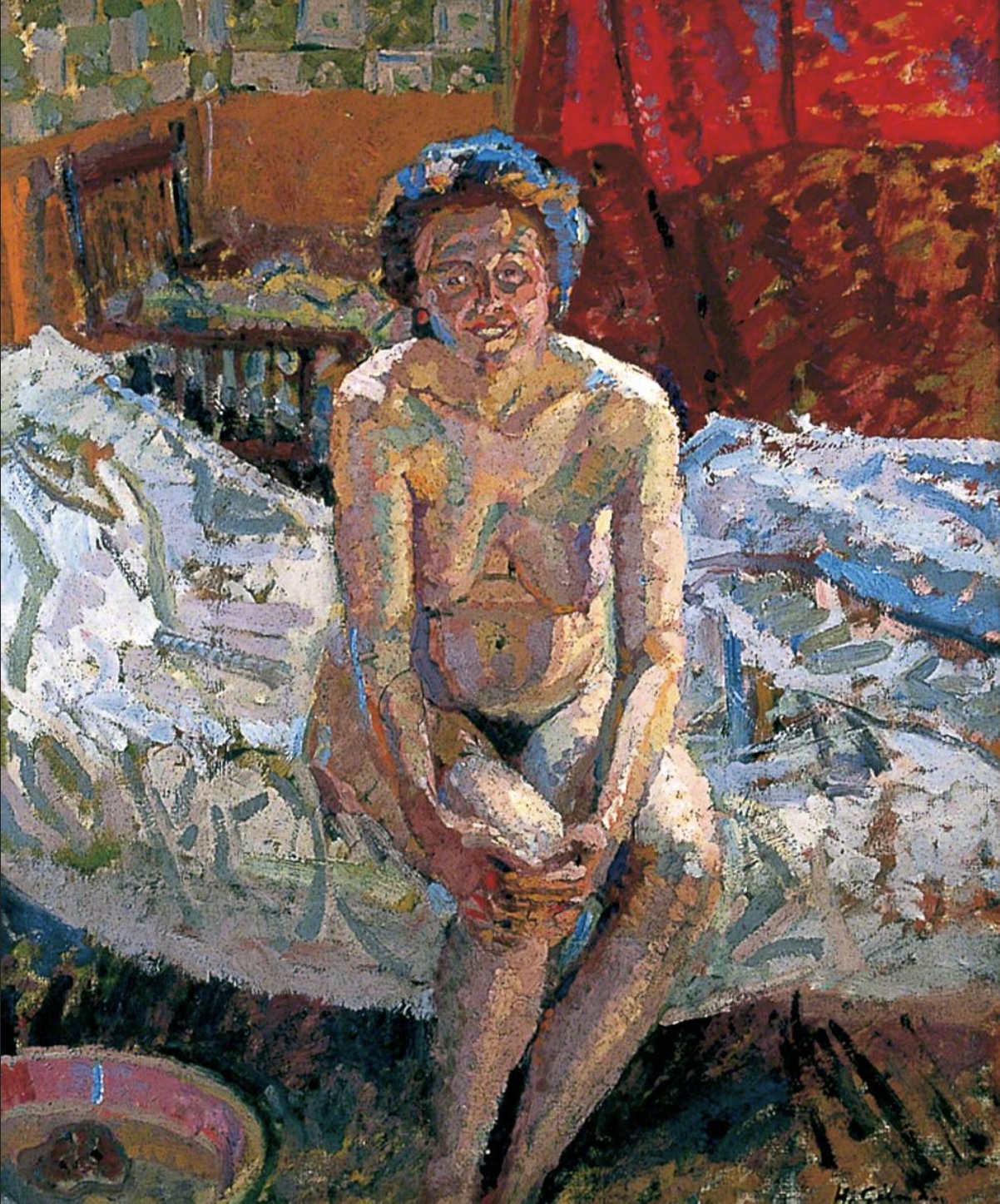
And then to the rest of the gallery, which taught me that I really don’t like the muddy tones of Walter Sickert and Harold Gilman* and I’ve had my fill for now of Gwen John’s stasis and meticulousness. Ethel Walker was there, along with Laura Knight, Paul Nash, Stanley Spencer and rather too many by local boy, William Etty, in a very pleasant gallery space.

* although the online reproductions are more colourful than the paintings on the wall.
Cartwright Hall

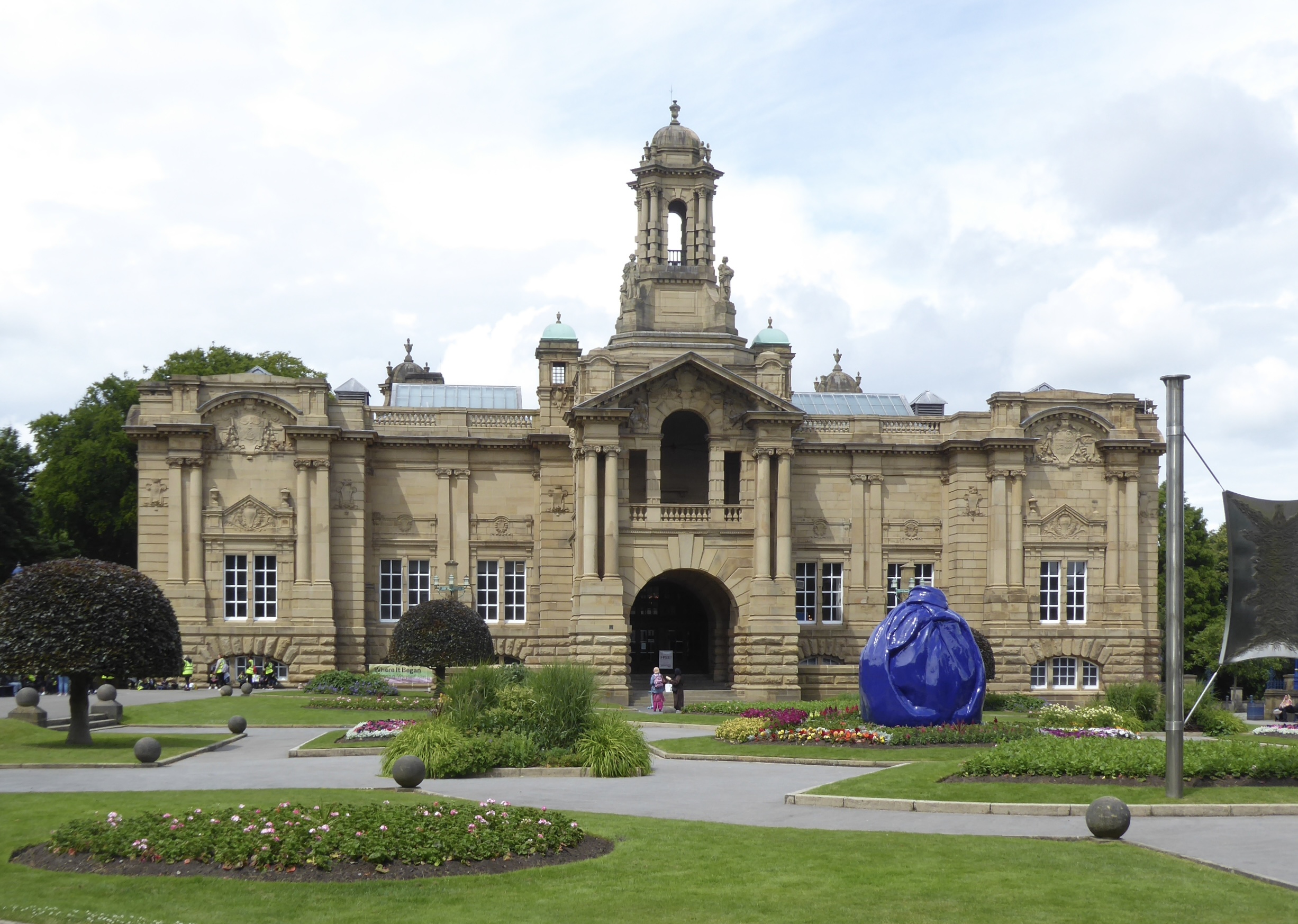
Bradford will be the 2025 City of Culture, so Cartwright Hall – in a lovely park in Frizinghall – is looking its best. It was built on land and money donated by a local textile manufacturer and is a mixture of “the usual suspects” (e.g. Clausen, Spencer, Hillier) and South Asian exhibits. At present there is an exhibition by Osman Yousefzada looking at migration, identity and community. Lots of wrapped objects, including the statue on the parterre in front, to echo the packages people make to carry around. I had a flashback to the mother in “Tokyo Story” making up and unpacking her little bundle.

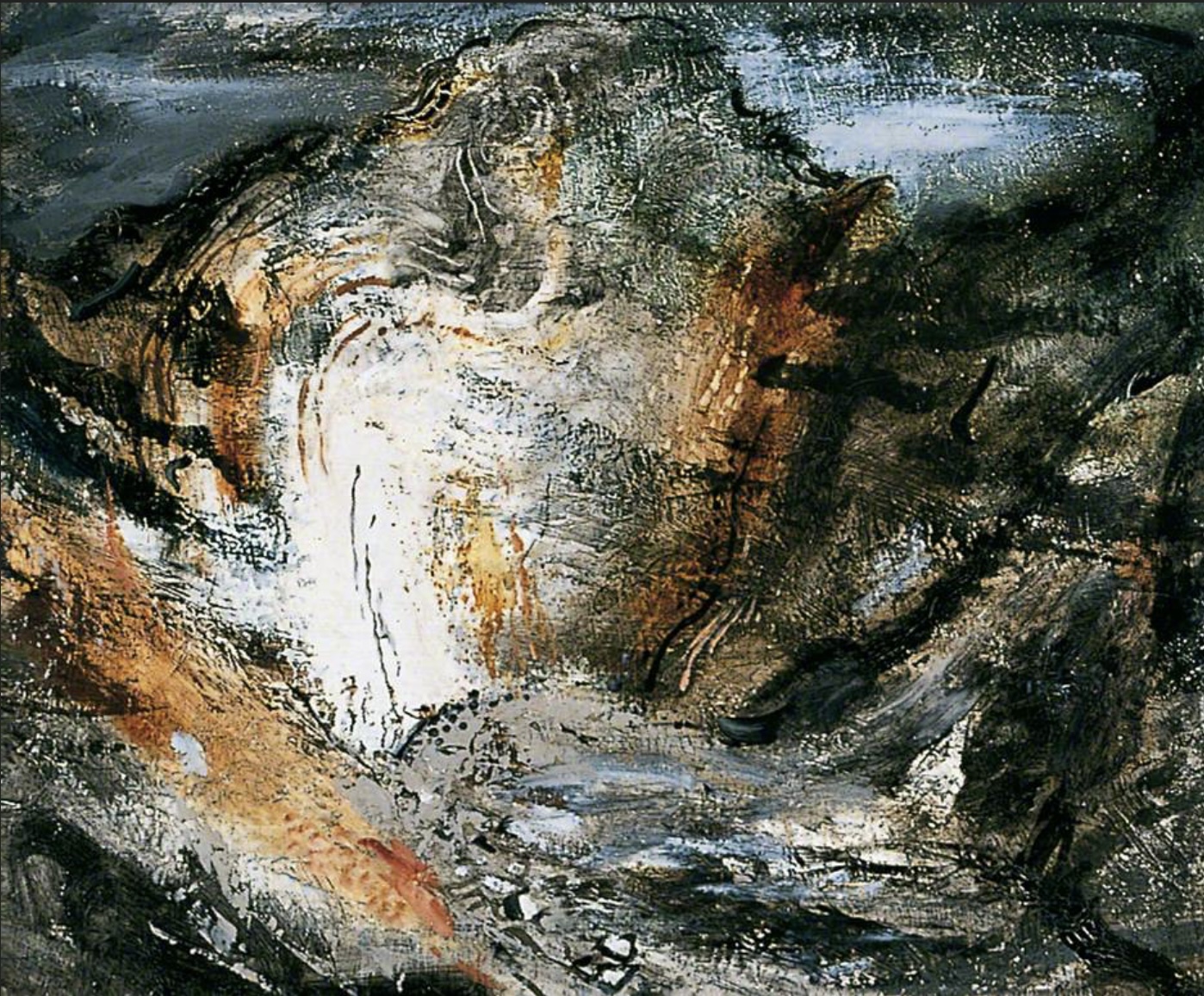
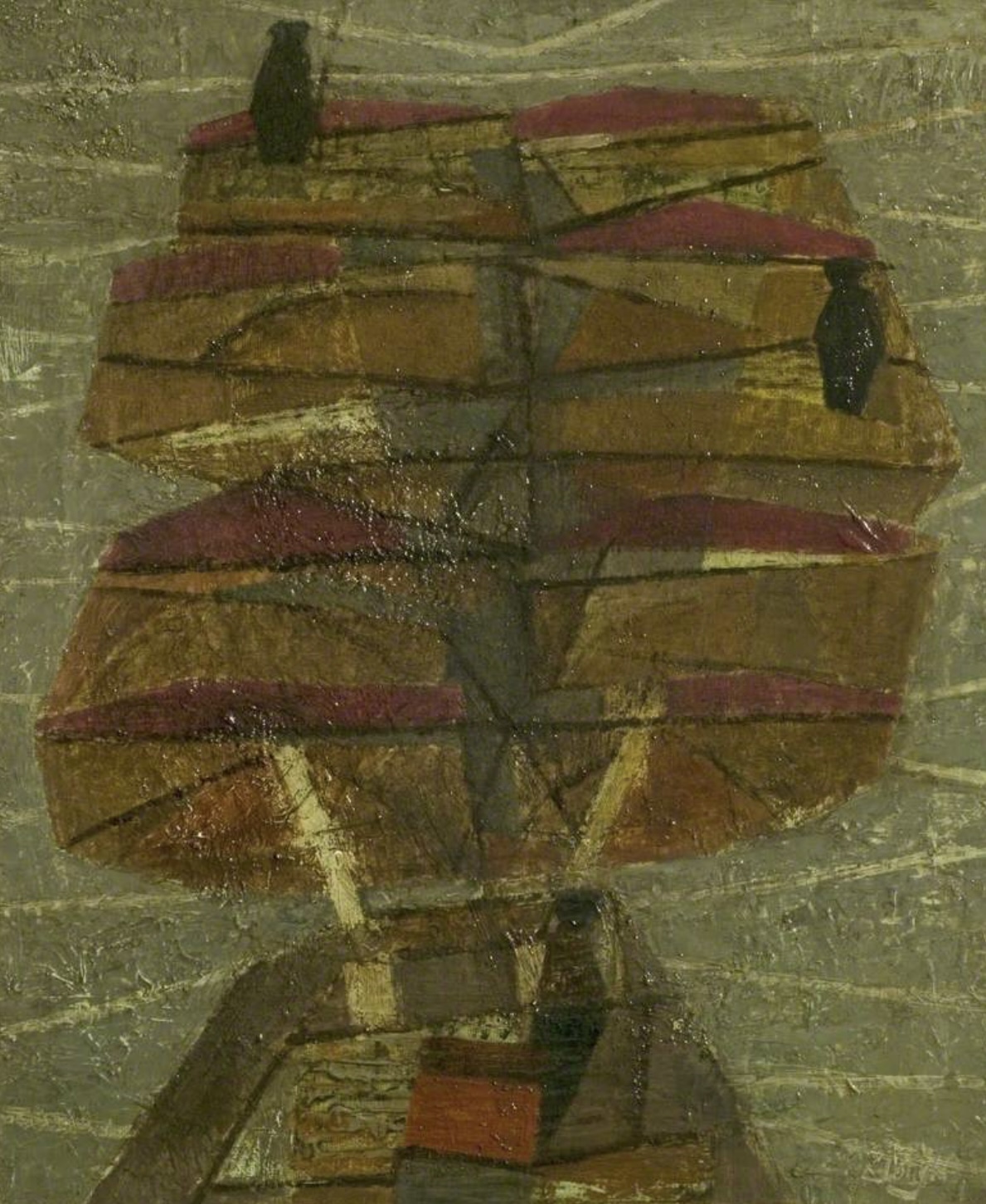
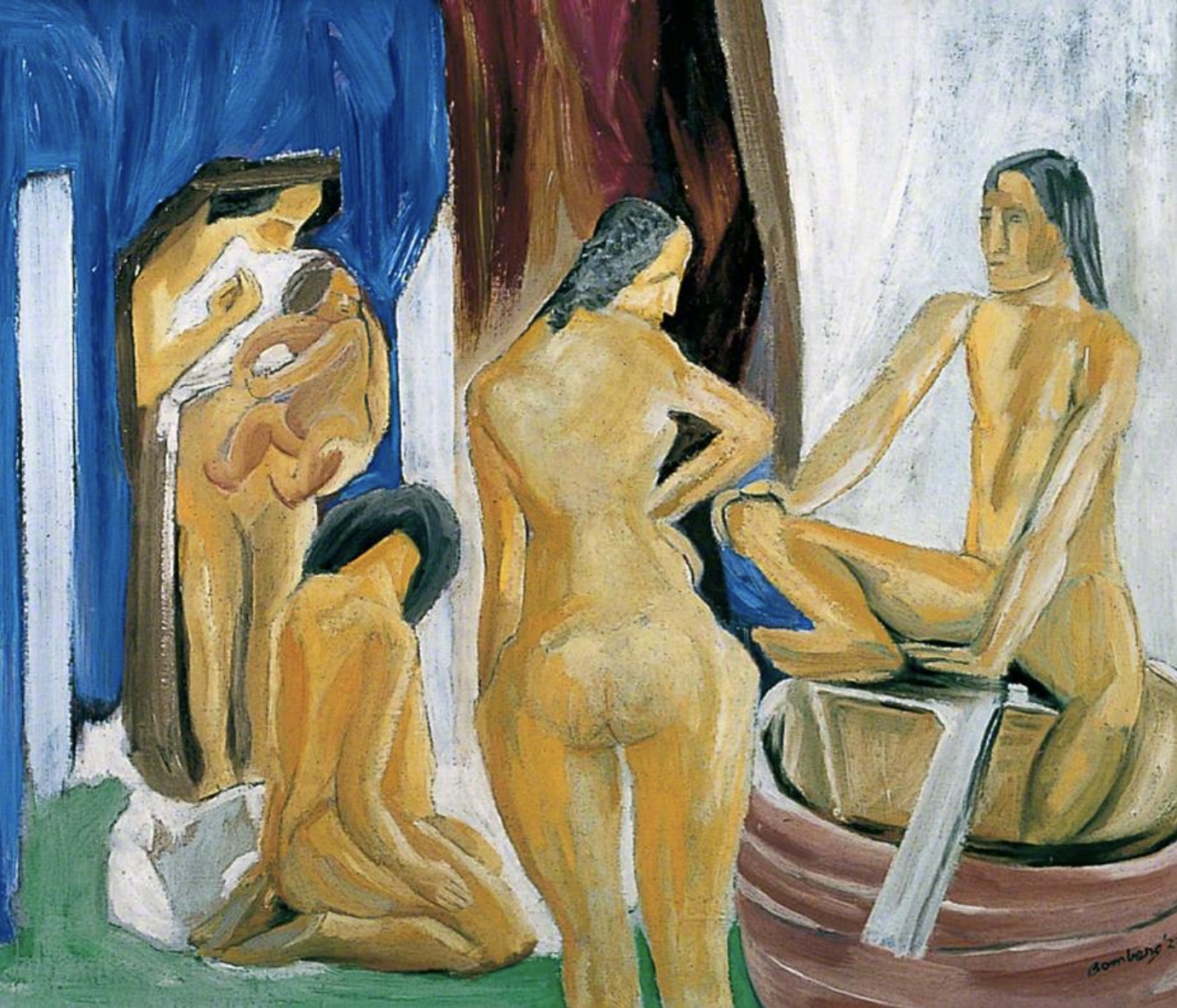
Amongst the familiar (and sometimes rather dull) Victorian paintings there were little jolts to the eye like “Exodus Lahore” by Sylvat Aziz – more difficult to parse at first than, say, yet another massacre of the innocents, but that brought home to me the limits of my cultural grasp.

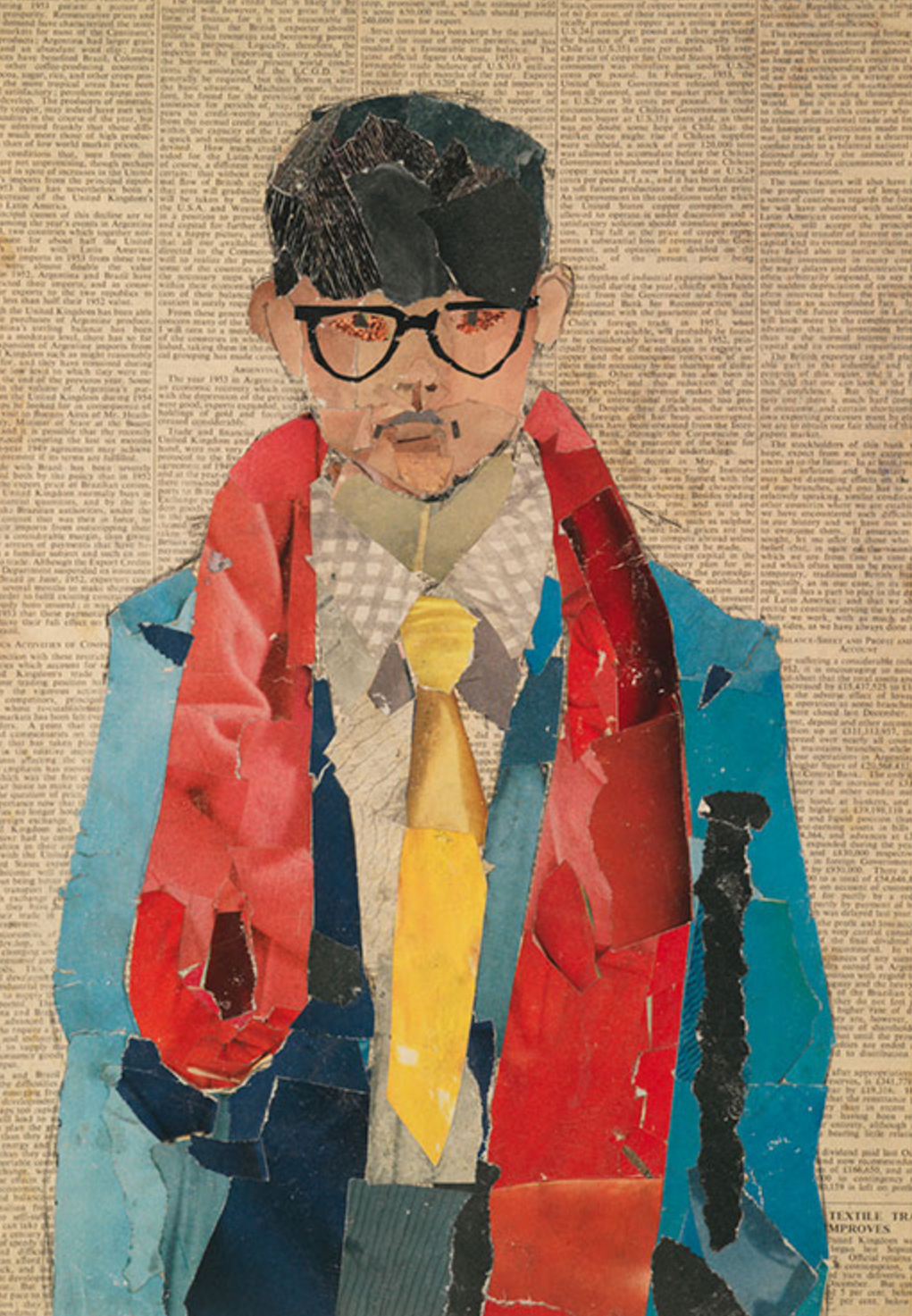
There was also a gallery of work by David Hockney. Once again I wandered round rather uninterested but was suddenly hooked by something – this time a delightful collage self-portrait that made me smile and embodied perfectly his unflagging creativity.

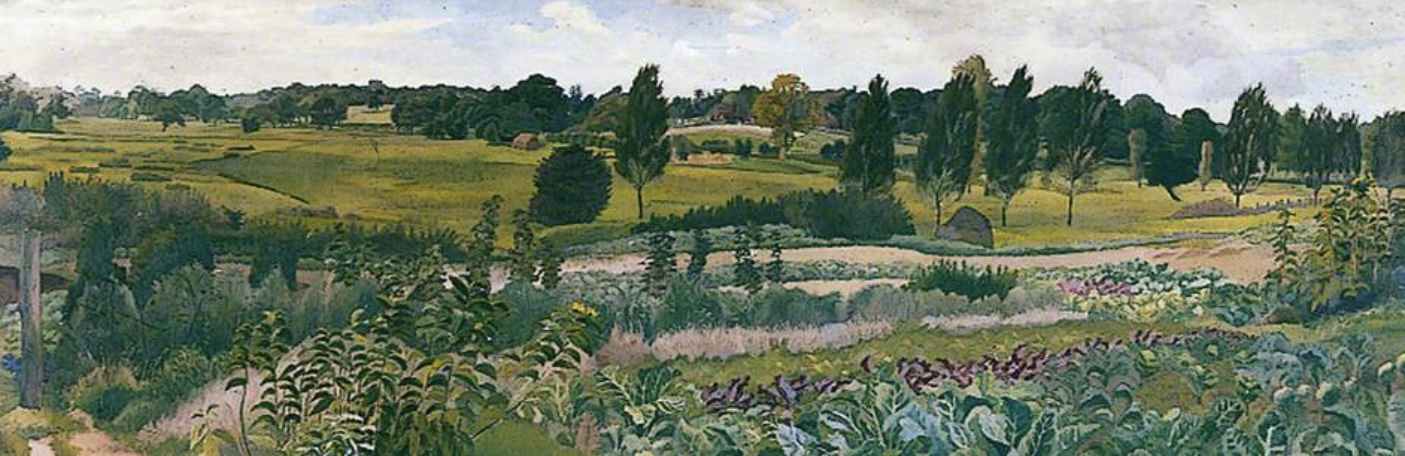
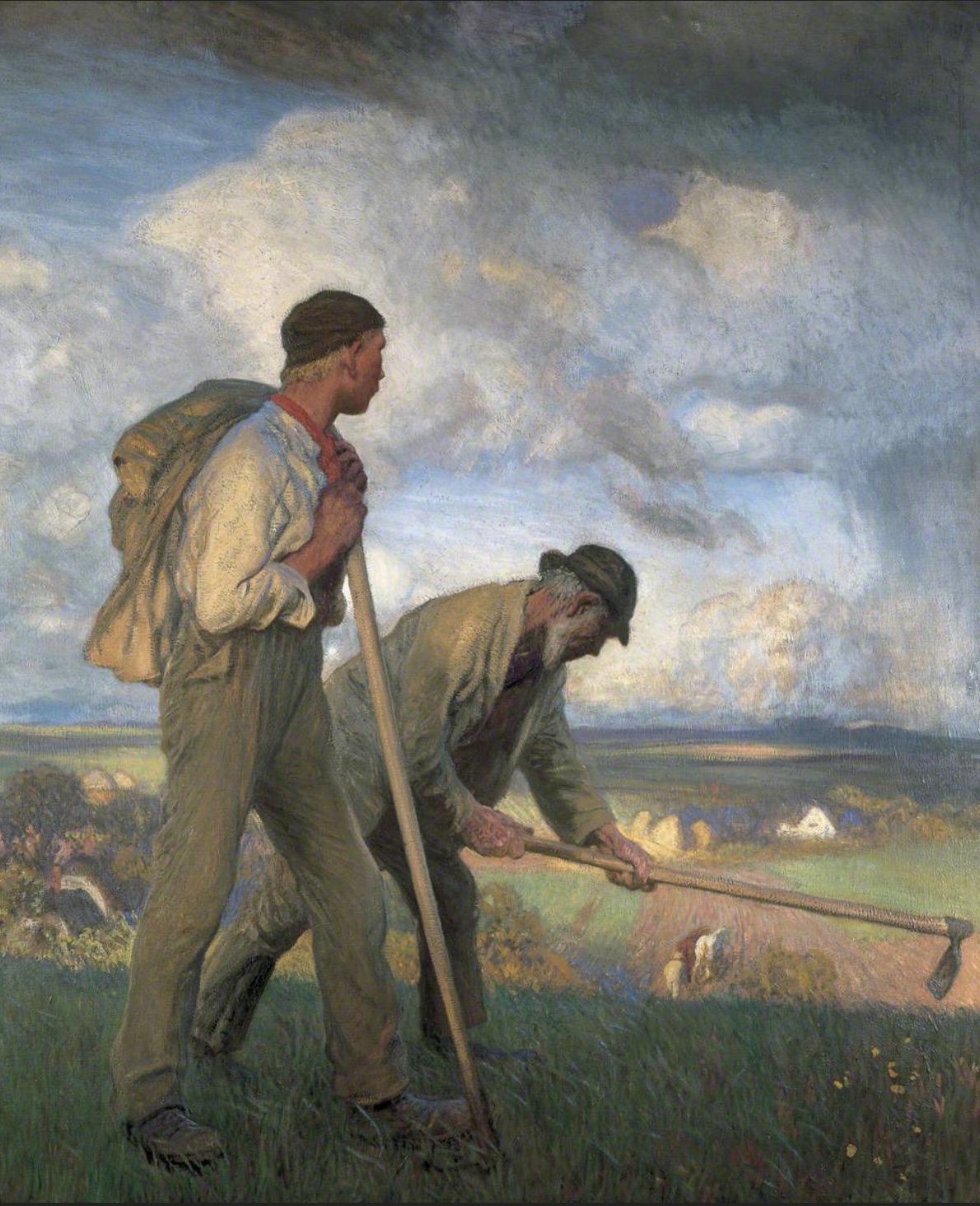
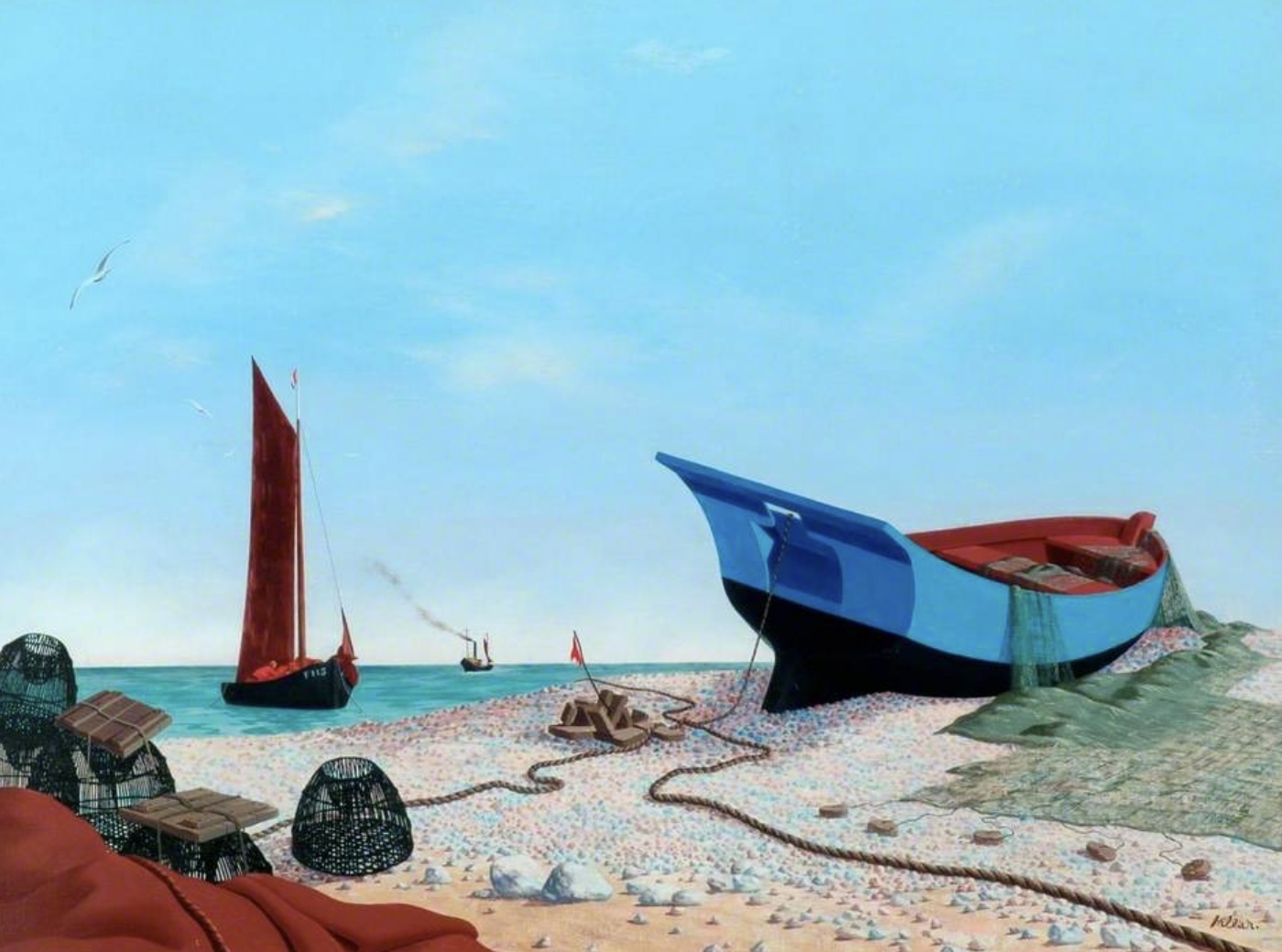
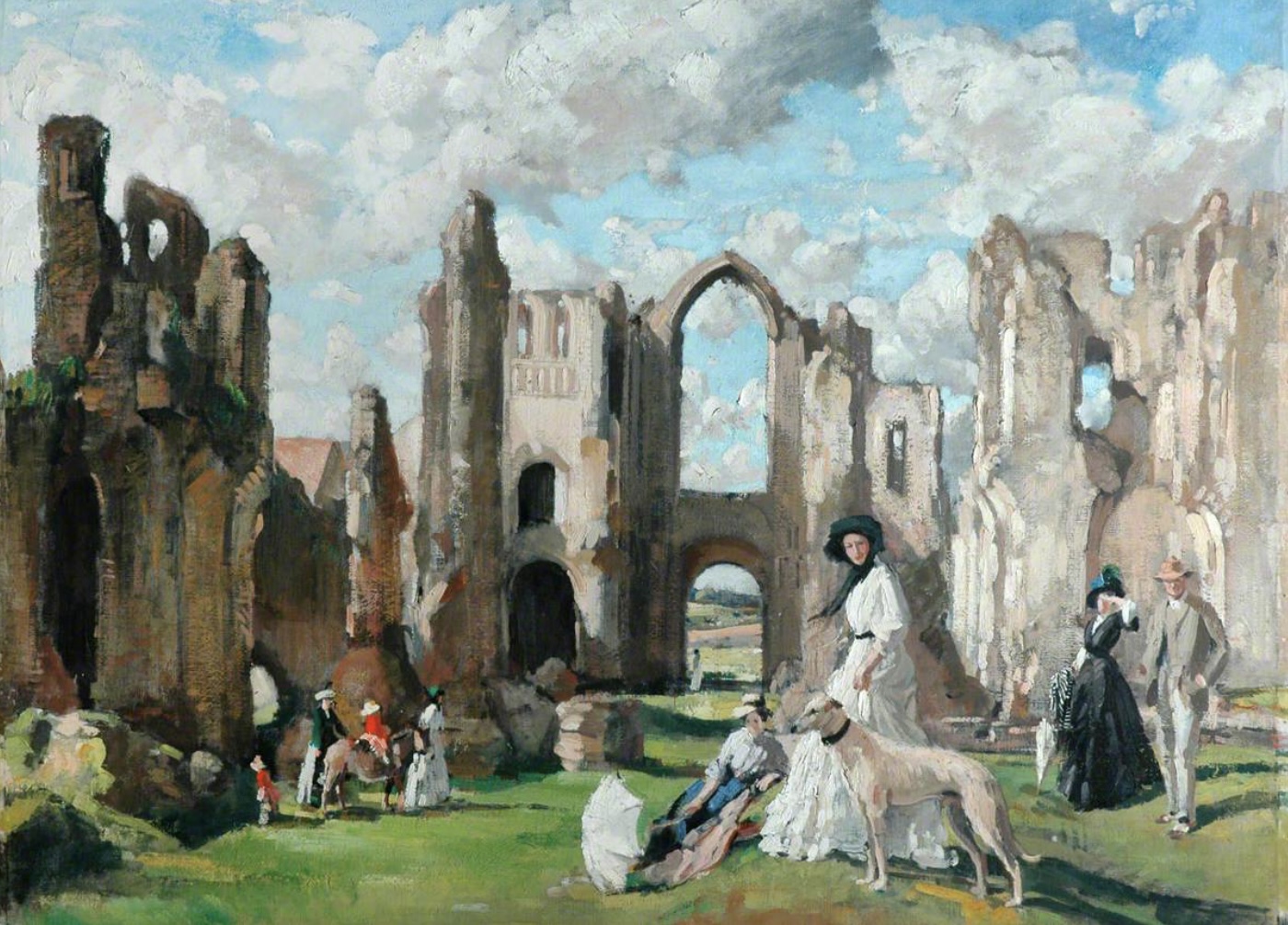
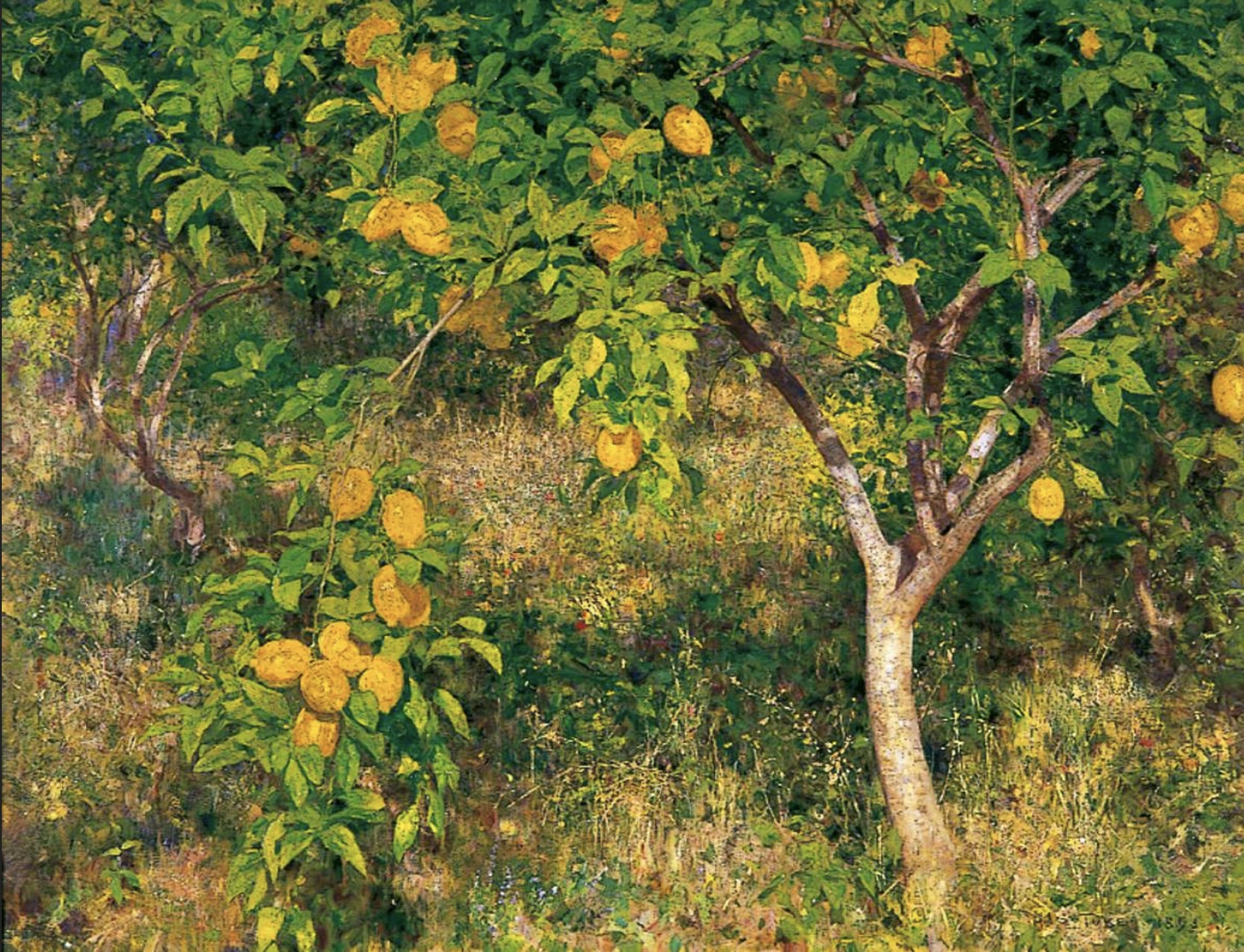
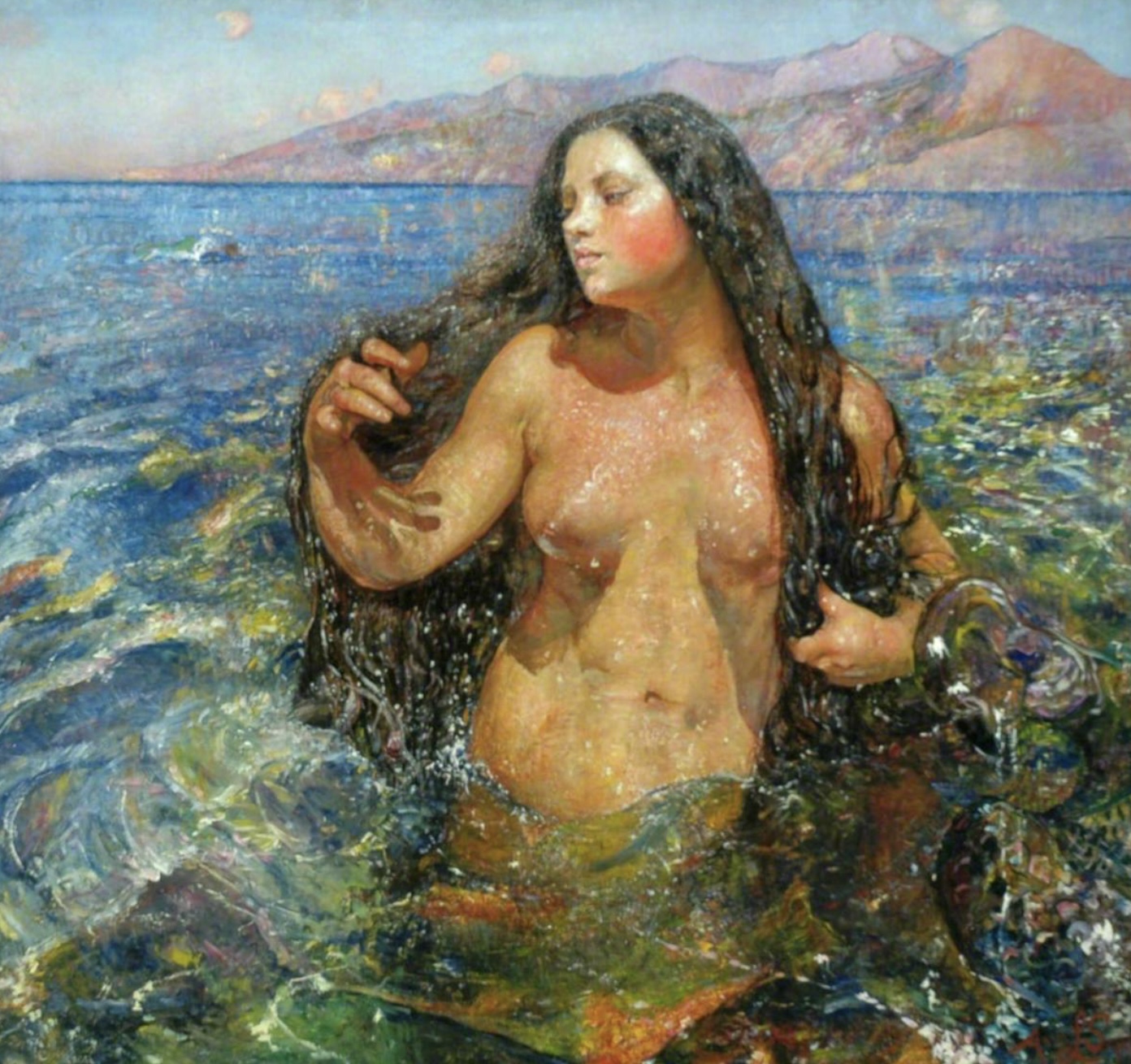
Flicking through the ArtUK website afterwards, I had a glimpse of the lending of artworks around galleries: I had seen the Connard last month in Southport, the Tuke last year in Newcastle and the Swynnerton either in Manchester or London.

Hull and Hedon

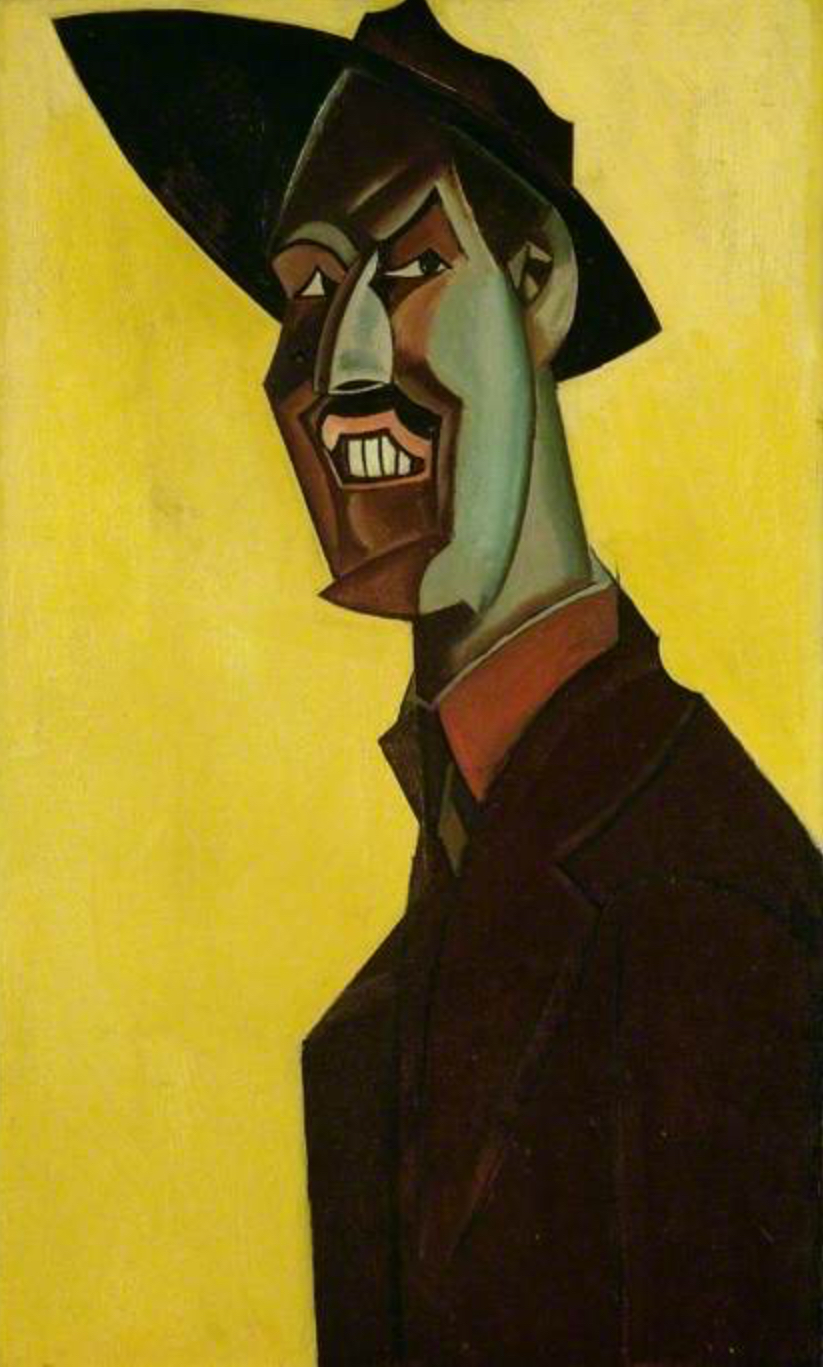
A quick visit to the Ferens art gallery this morning. An upstairs gallery had been dedicated as “the calm gallery” – art as an aid to mindfulness. Unfortunately they’d stuck an inflatable artwork in the middle of it; like a garish bouncy castle, it required air to be constantly pumped into it so the noise level meant there was no chance of hearing yourself think. As for the rest – the little time I had made me focus on just a few paintings that caught my eye. “Sunlight and Shadow” was so simple – geese for goodness sake! – and effective. And Wyndham Lewis’s sinister self-portrait has its home here.

And then more Hullish cycling – this time along the dock road, the A1033, mercifully furnished with a scrappy two-way cycle path. Where was all the traffic going to? Unlike Redcar, there was certainly still industry around – Siemens making wind turbine blades and Saltend Chemical “Park” – but beyond that I had no idea. We finally left that world behind by turning off to the village of Paull beside the estuary. It seemed like another world! Then inland to Hedon again (once a port) and finally to the ferry.

Beverley

Hull today. I noticed from the train how threadbare trackside trees looked now that ash die-back is so established. After a second breakfast we cycled to Beverley and back. I’ve now cycled as much of Hull as I ever want to. On the map it has lots of cycle infrastructure, but in reality it’s bitty, contorted and comes from the age when cyclists were grateful for anything. It was more enjoyable to abandon the signed Sustrans routes and just use minor roads with their fringes of cow parsley and comfrey.

And Hull, outside its centre, is . . . well, not very inspiring. I did discover past traces of prosperity and elegance in West Hull when we came across the (restored) fountain on The Boulevard – tree-lined with traces of Victorian respectability in the old Sunday School, villas and chapels. The smell of joints undermined the vibe somewhat.