Wark

With the derailment at Shap, I had to come to Wark via Leeds and Newcastle, which gave me the opportunity to have a cup of coffee amongst the Burmantofts splendour of The Centurion bar on Newcastle station. I’ve come for walking and star-gazing, but the weather may rain on both those ambitions.

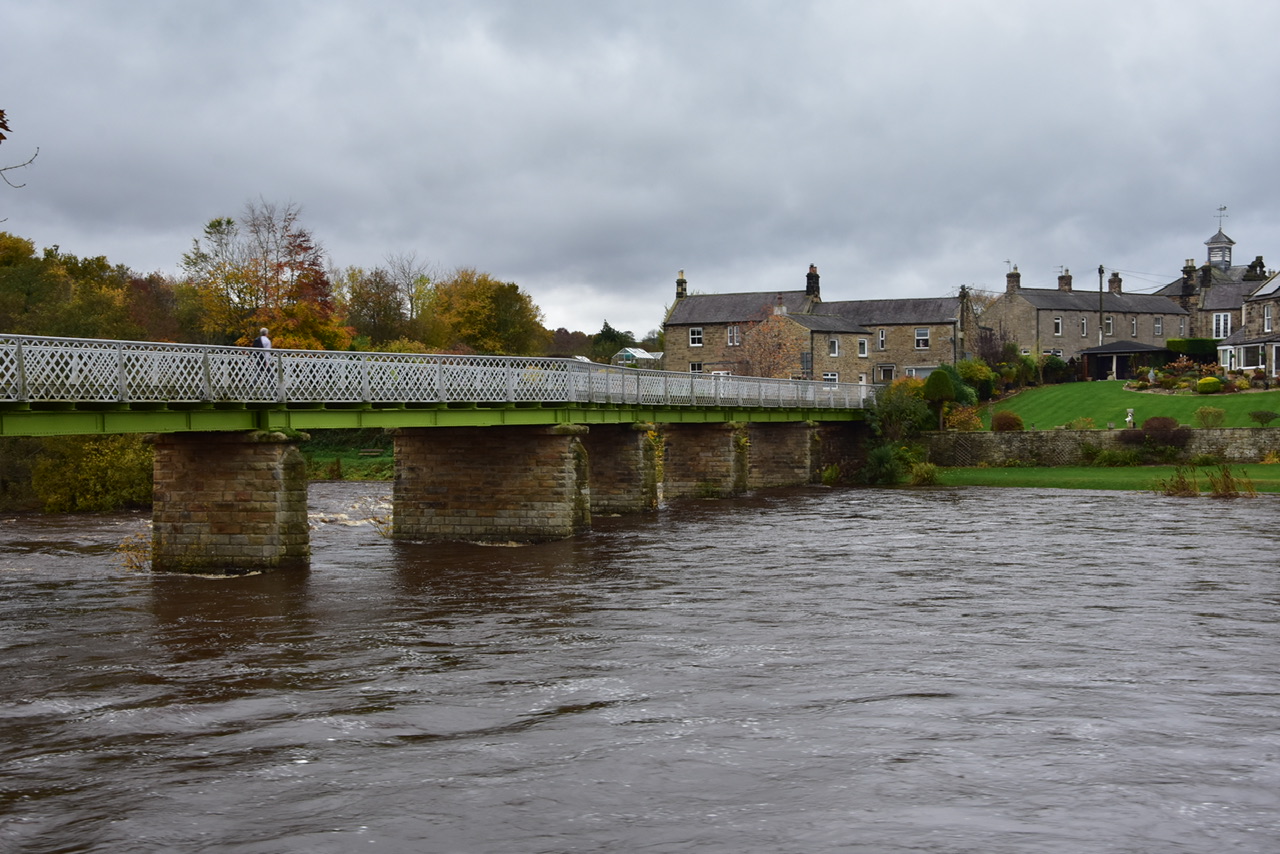
I arrived shortly after 2, dumped my case and set off to explore Wark and look at the Tyne (high and fast-flowing). I picked up a leaflet at reception and ended up doing a circuit on minor roads with only a camera, an umbrella and a torch. Fortunately the weather stayed dry and I got back before dark, having discovered another disused railway line (the North British Railway). It feels satisfying to be exploring somewhere new.
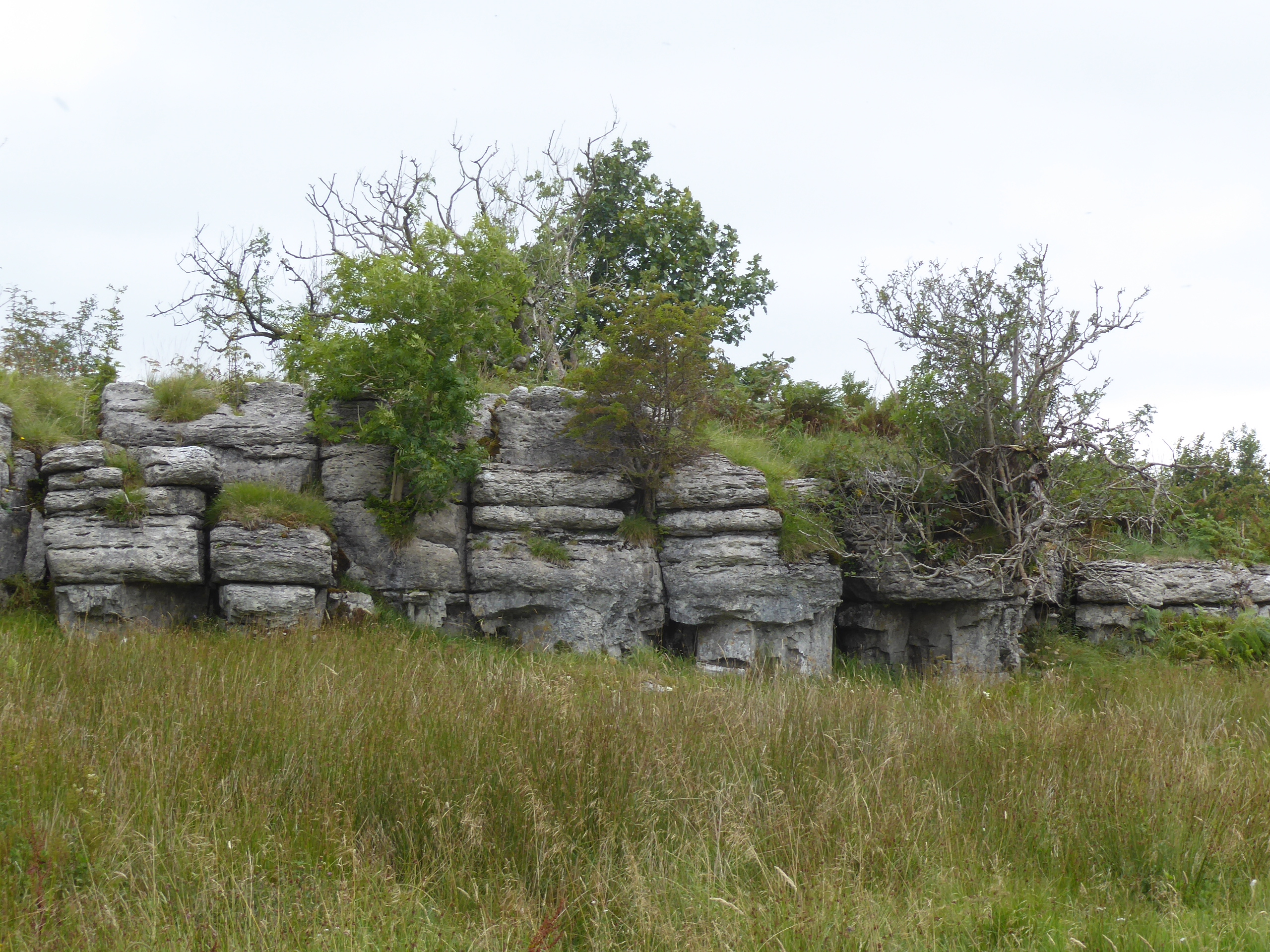
Grange to Levens

As I listened to the heavy rain last night, I wondered if my plan of walking over two limestone (slippery when wet) outcrops from Grange to Kendal was a sensible one. But I’d set my alarm, checked the bus timetable and had my sandwiches, so I wasn’t going to be put off.

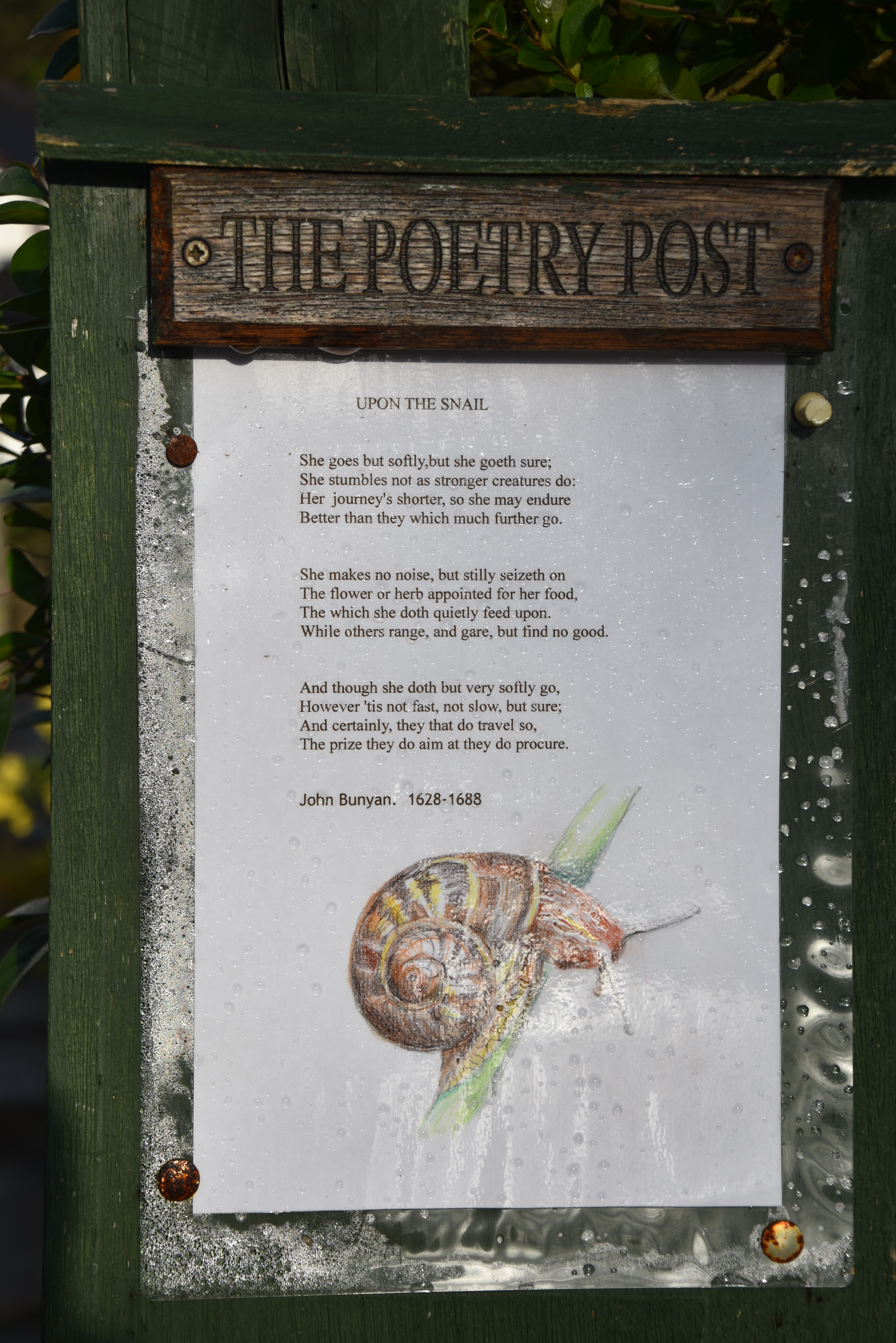
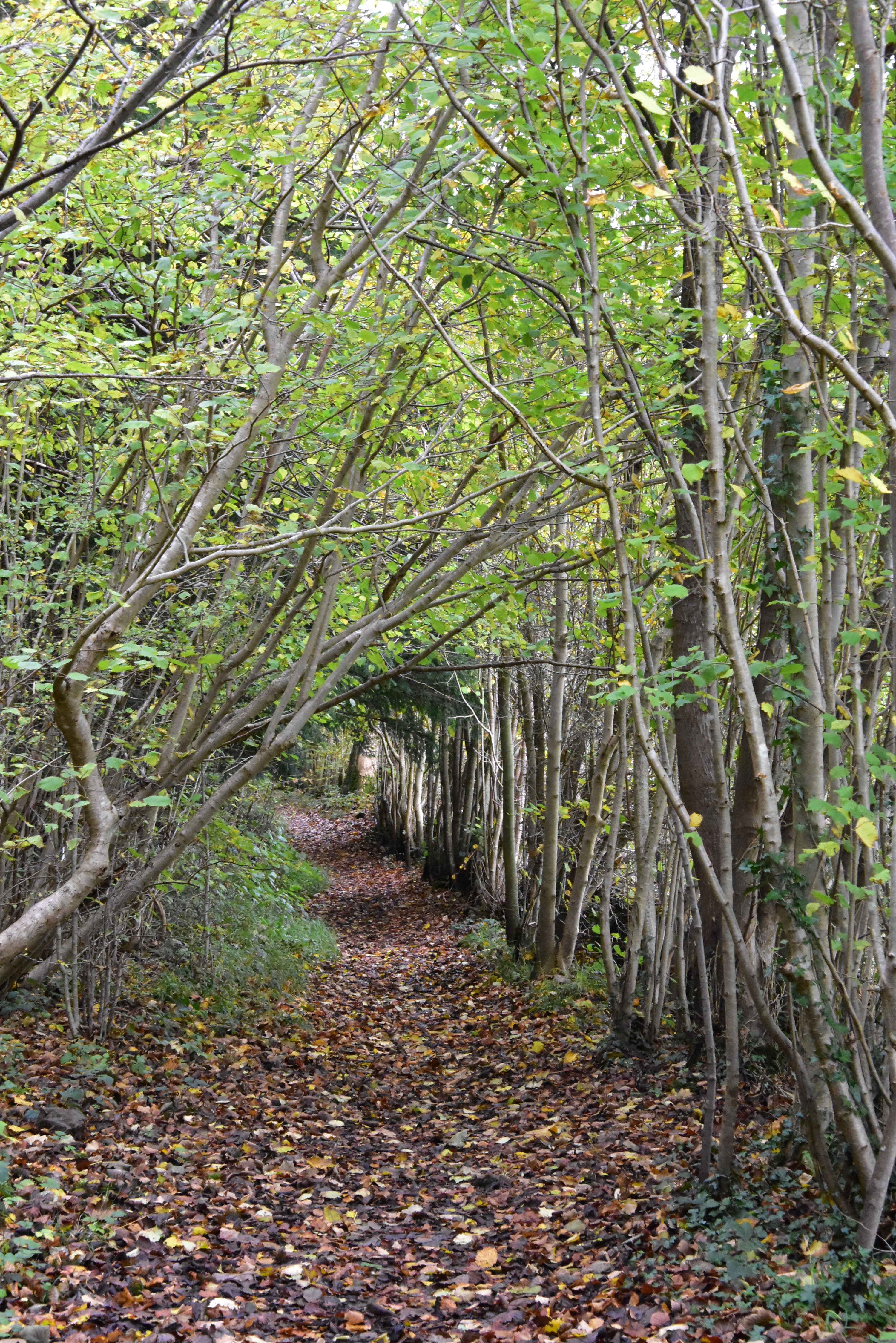
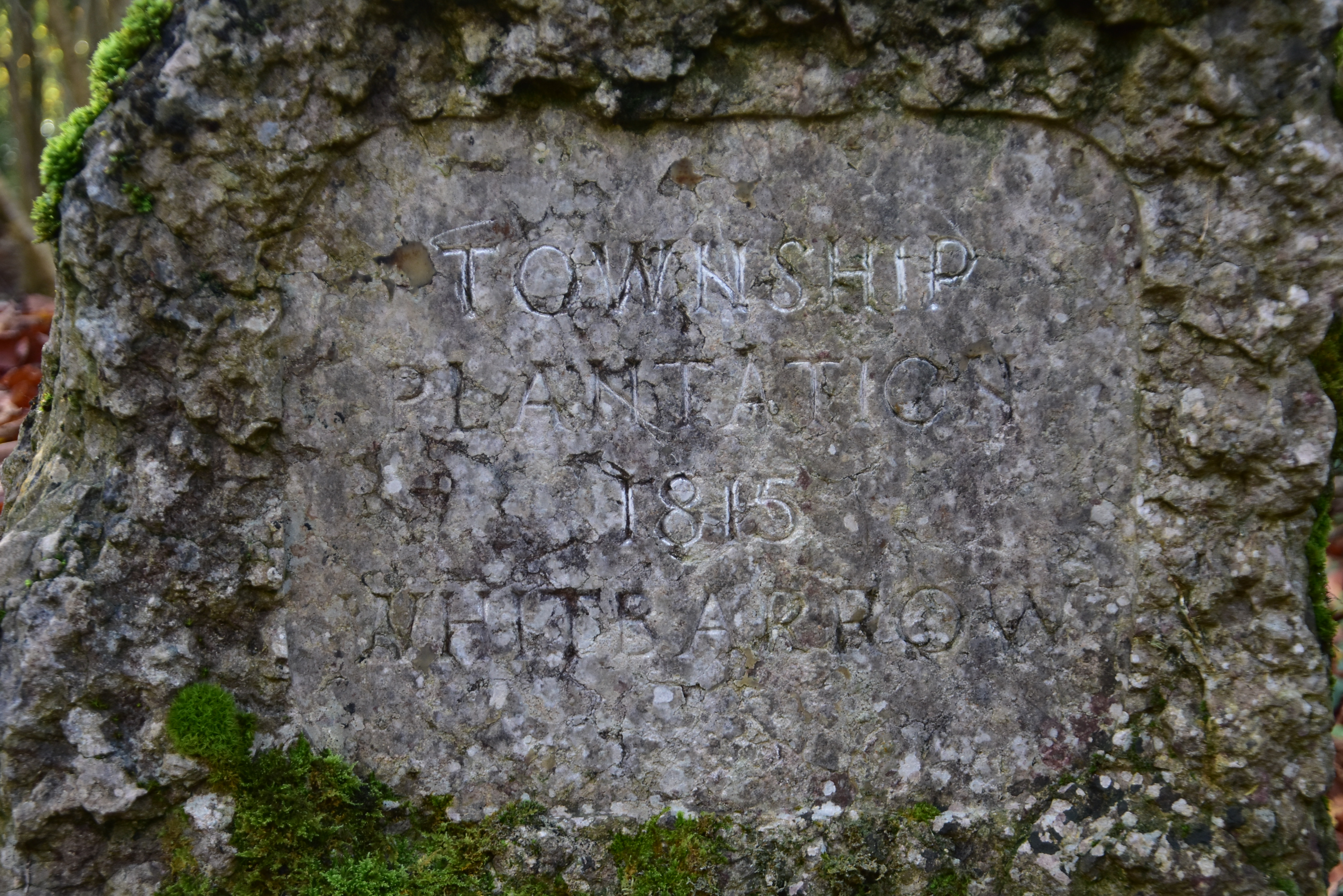
At Grange-over-Sands I checked the poetry post – again while en route for a bakewell slice – and decided to let that be my guide. So my route skirted the foot of Whitbarrow Scar and avoided Scout Scar completely by turning south at Levens through Brigsteer Woods. A good, circumspect walk: “not fast, not slow, but sure”.

Ilkley to Skipton

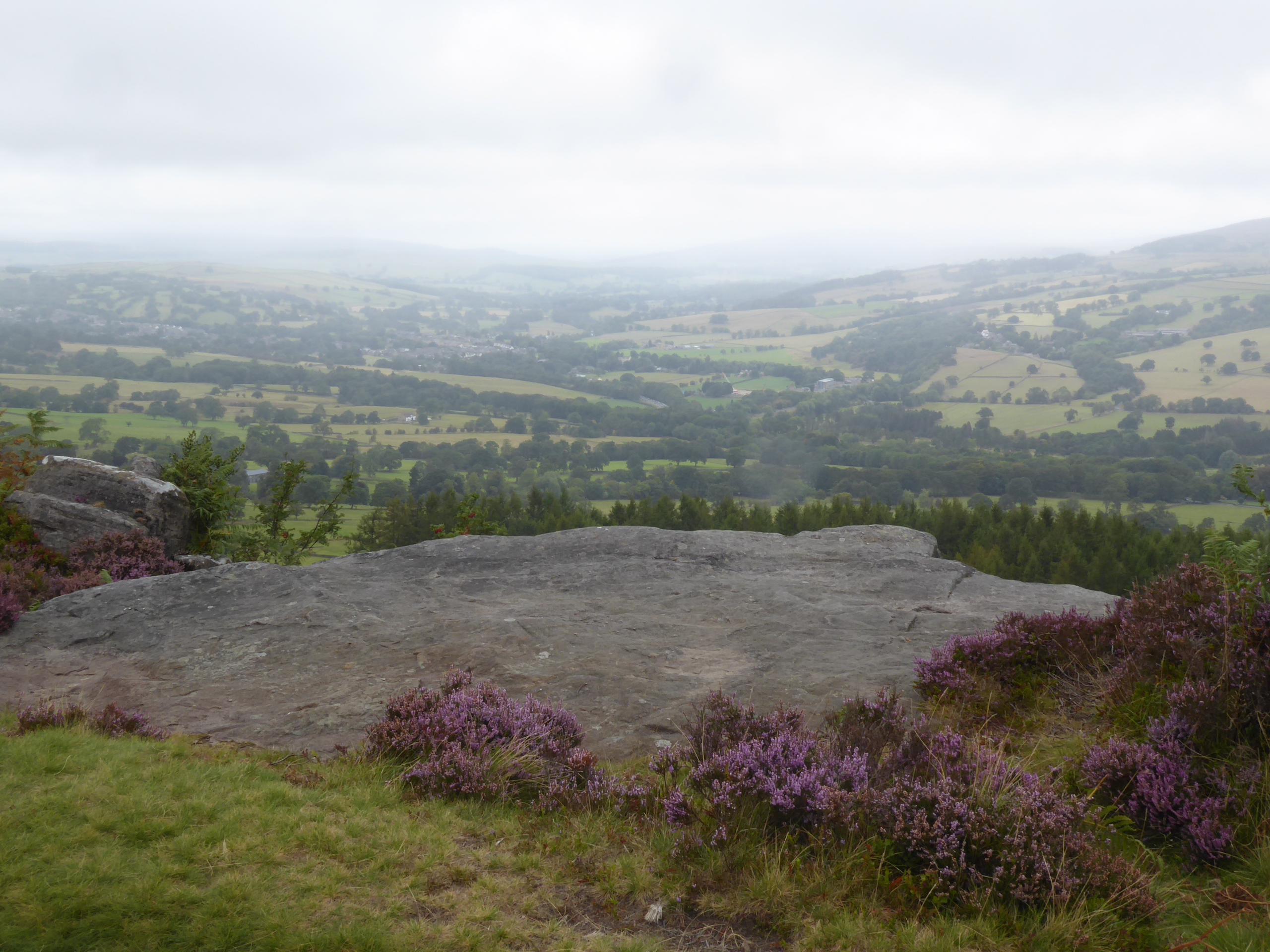
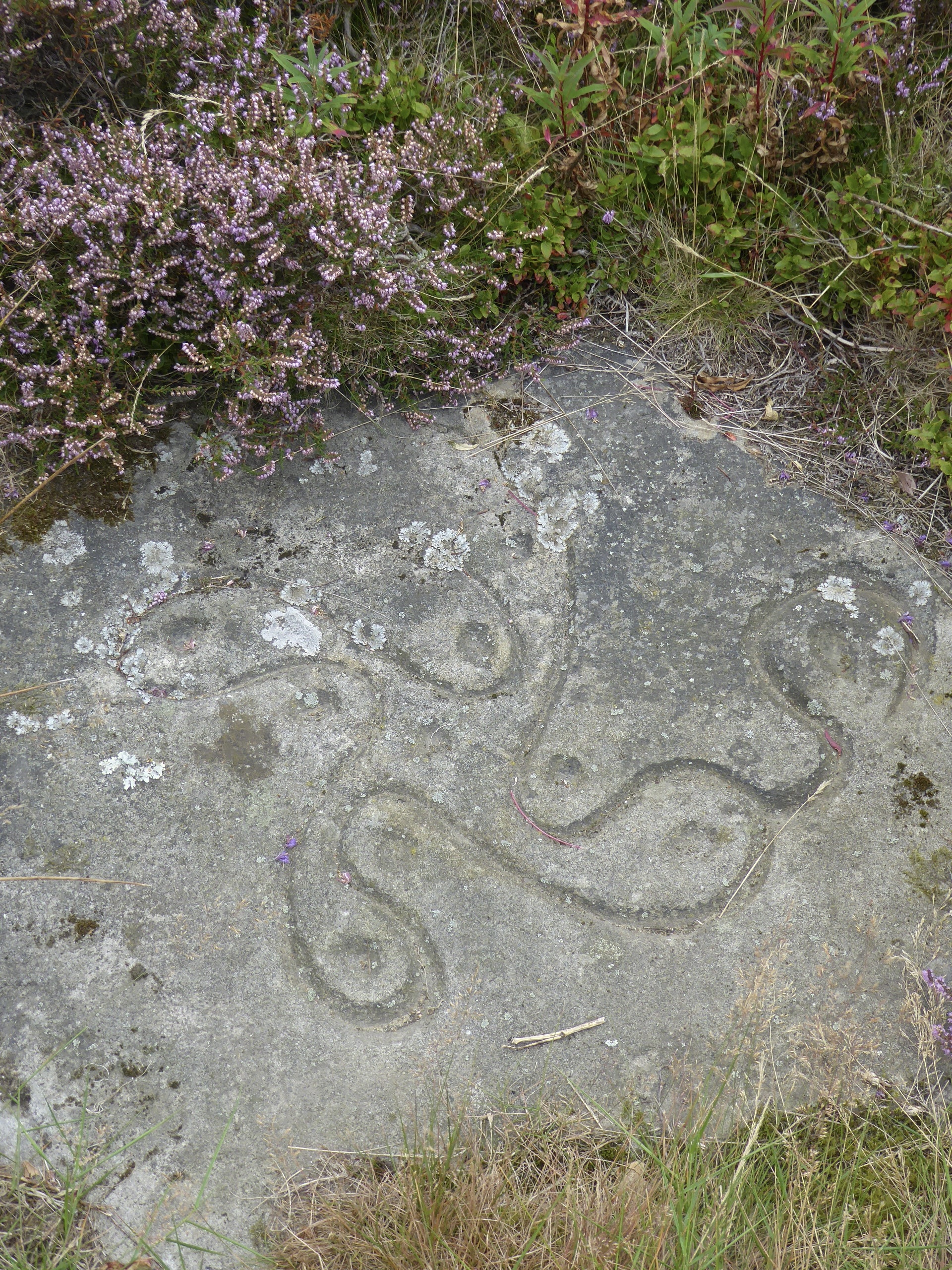
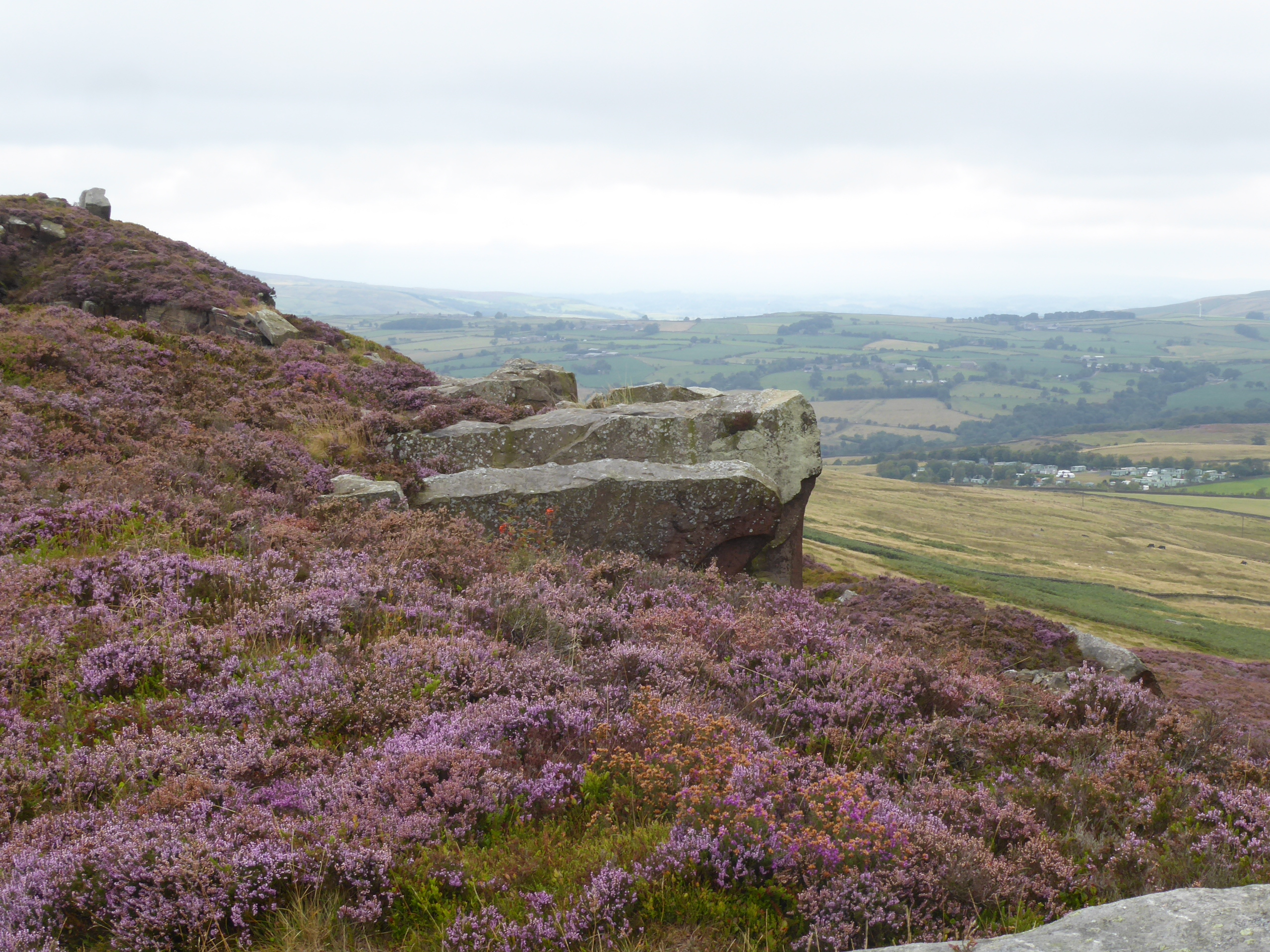
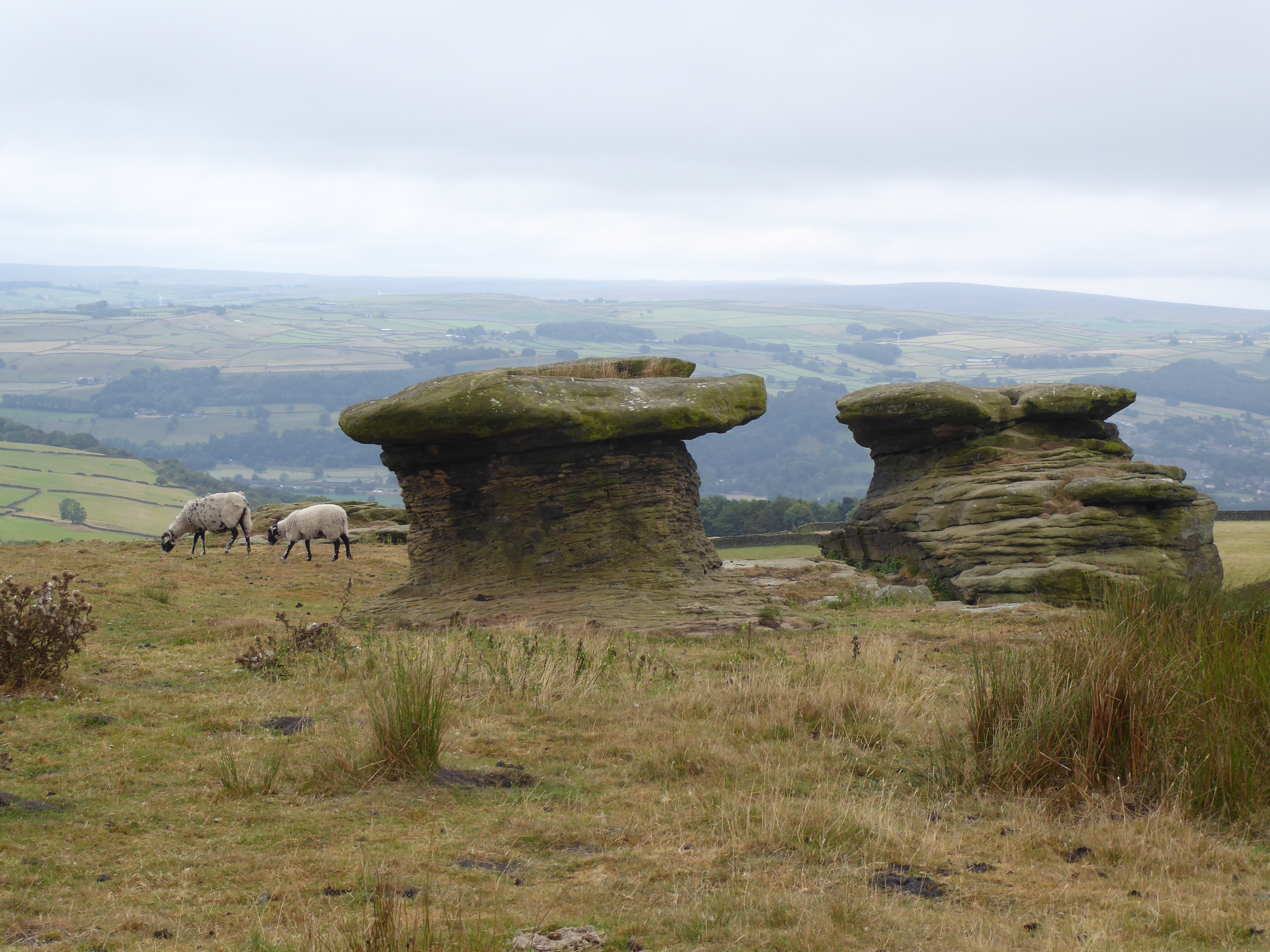
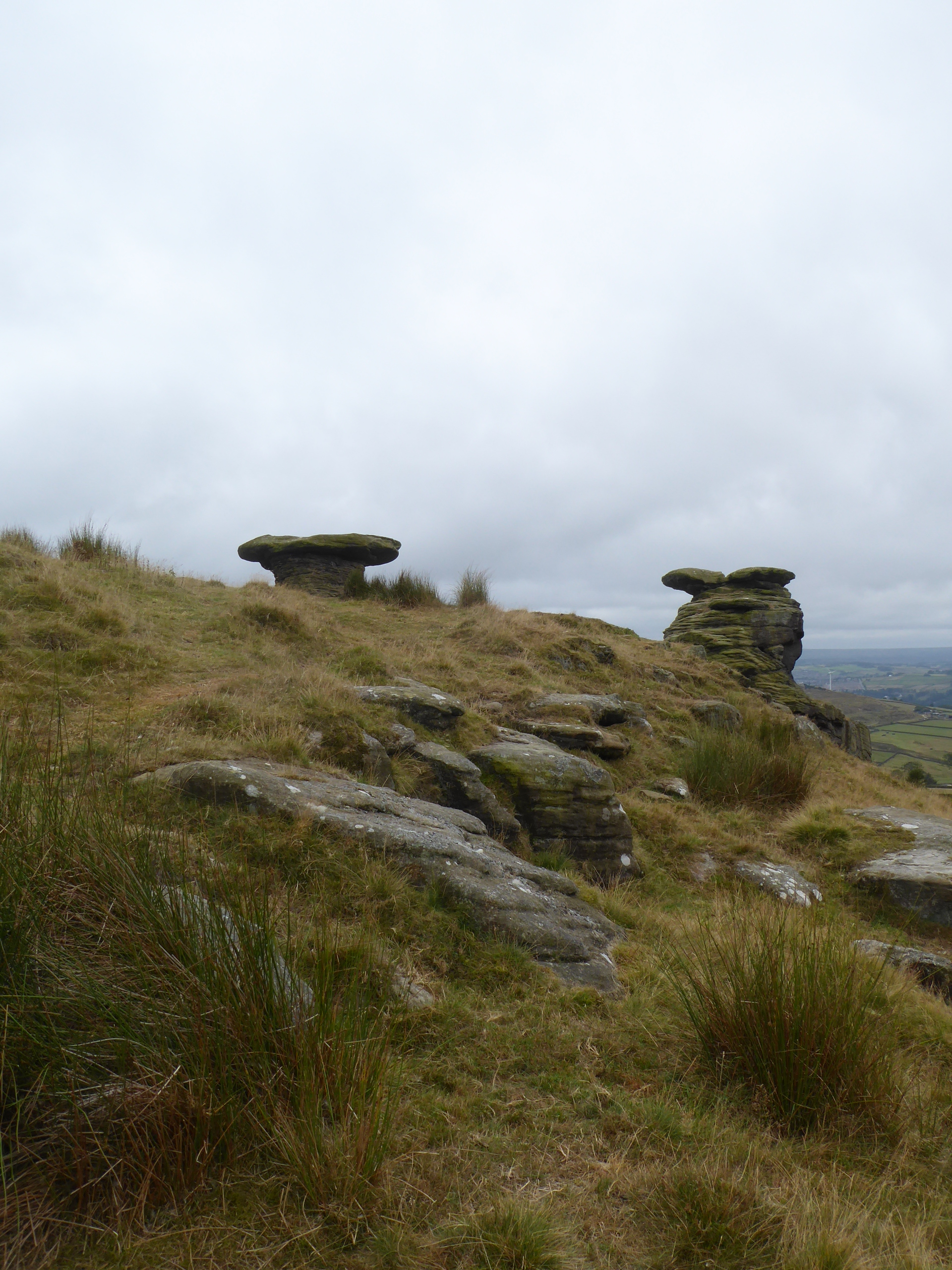
I fancied a long walk, and Ilkley to Skipton fitted the bill. The weather was grey and even mizzly at times, so I stayed cool and had the wind behind me. I walked along the low northern edge of the moor, noting the “swastika stone” and admiring the millstone outcrops. To avoid the steep descent towards Addingham, I turned south to find the Doubler stones – wind-eroded sandstone pillars topped with harder gritstone. I looped round to Addingham and then picked up the direct path to Skipton and the train back to Leeds.

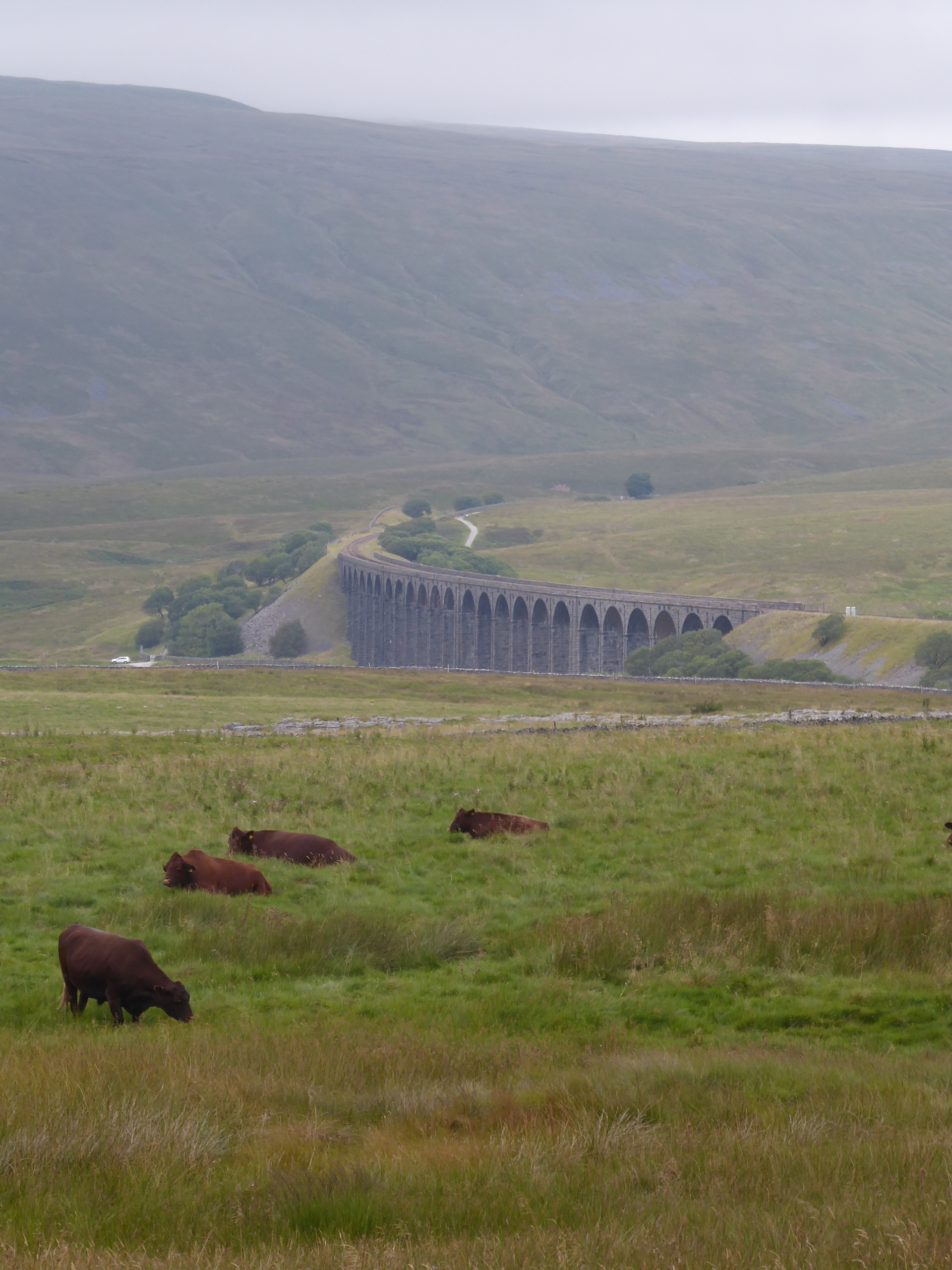
Ribblehead

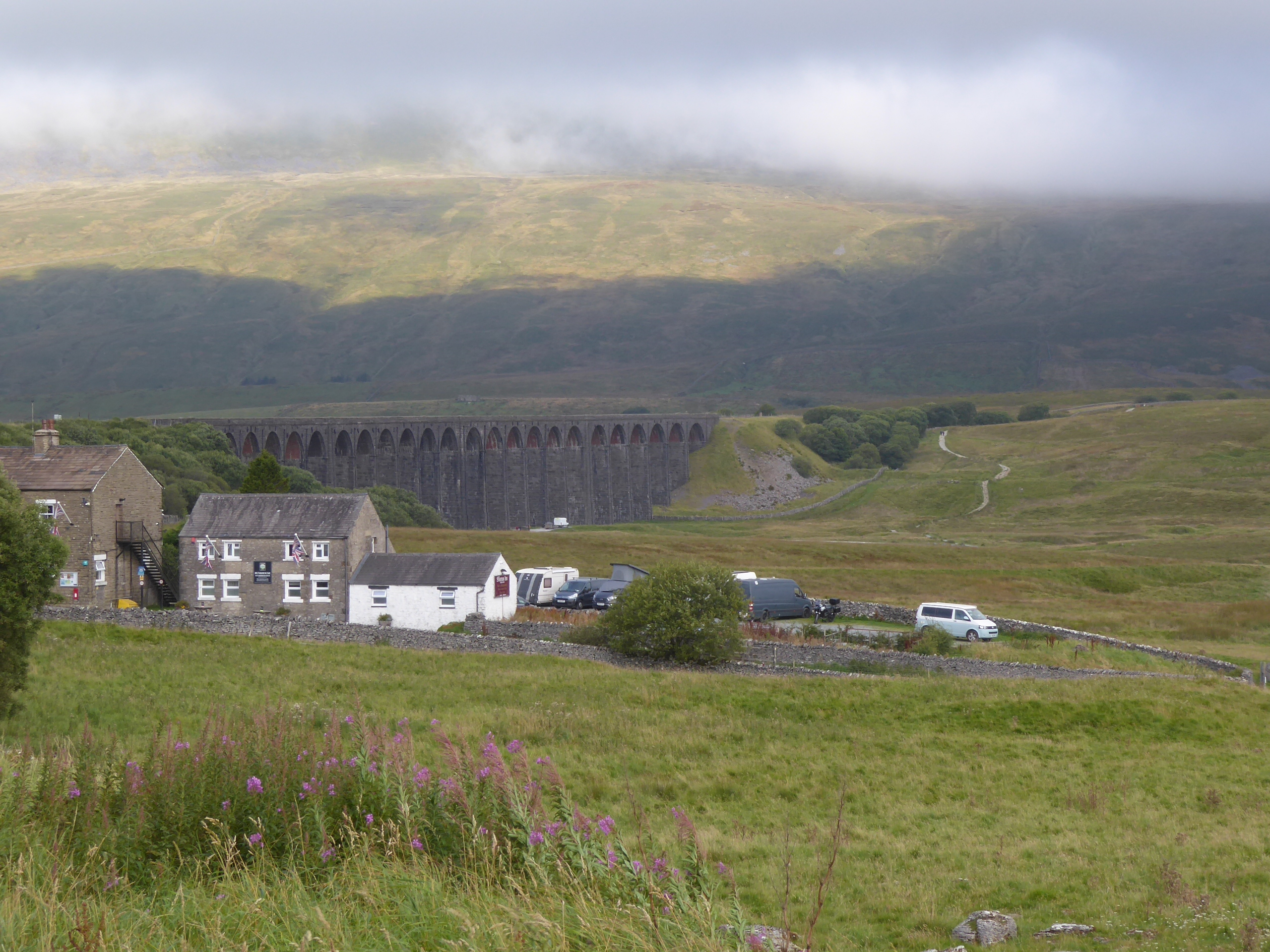
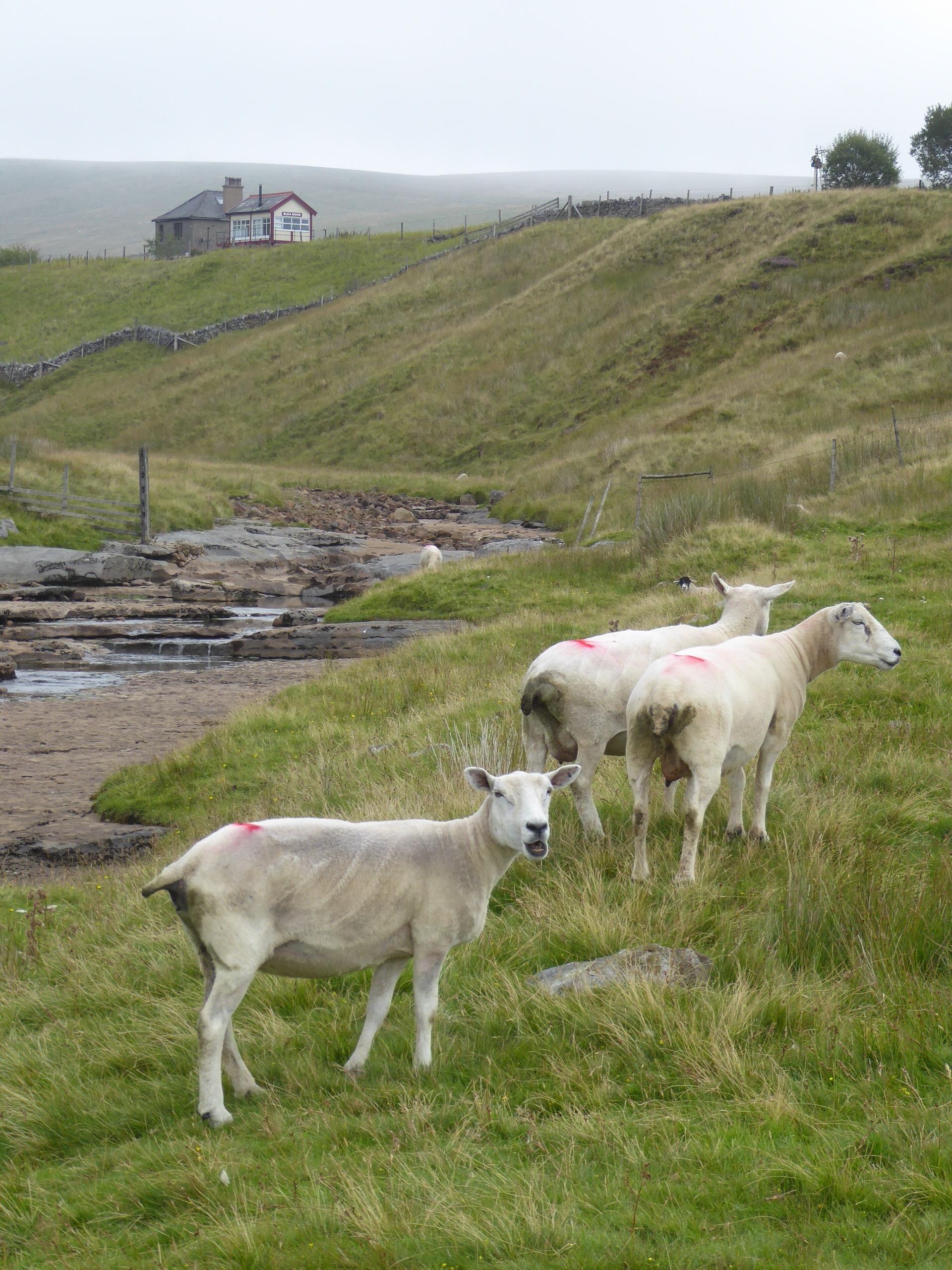
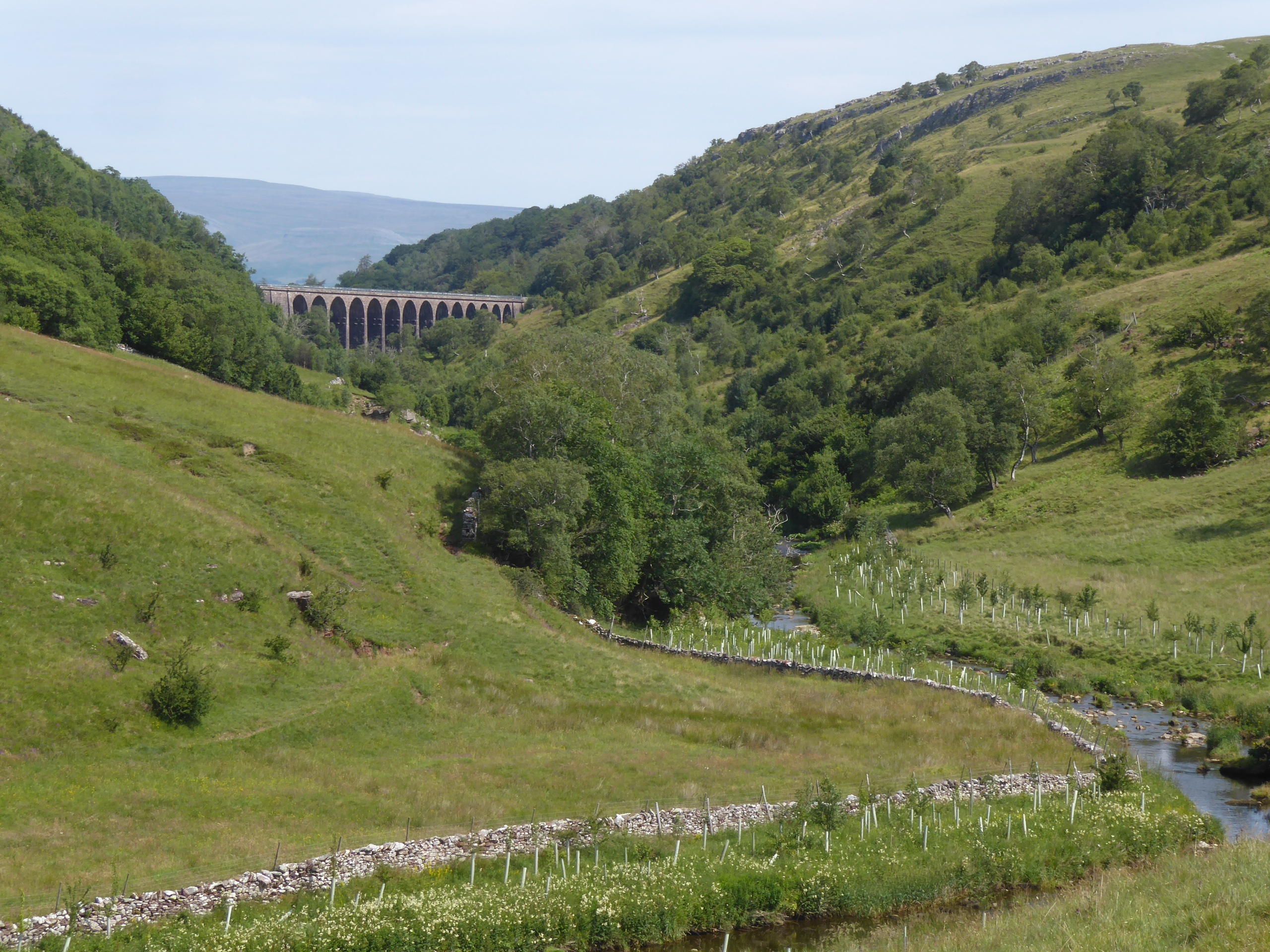
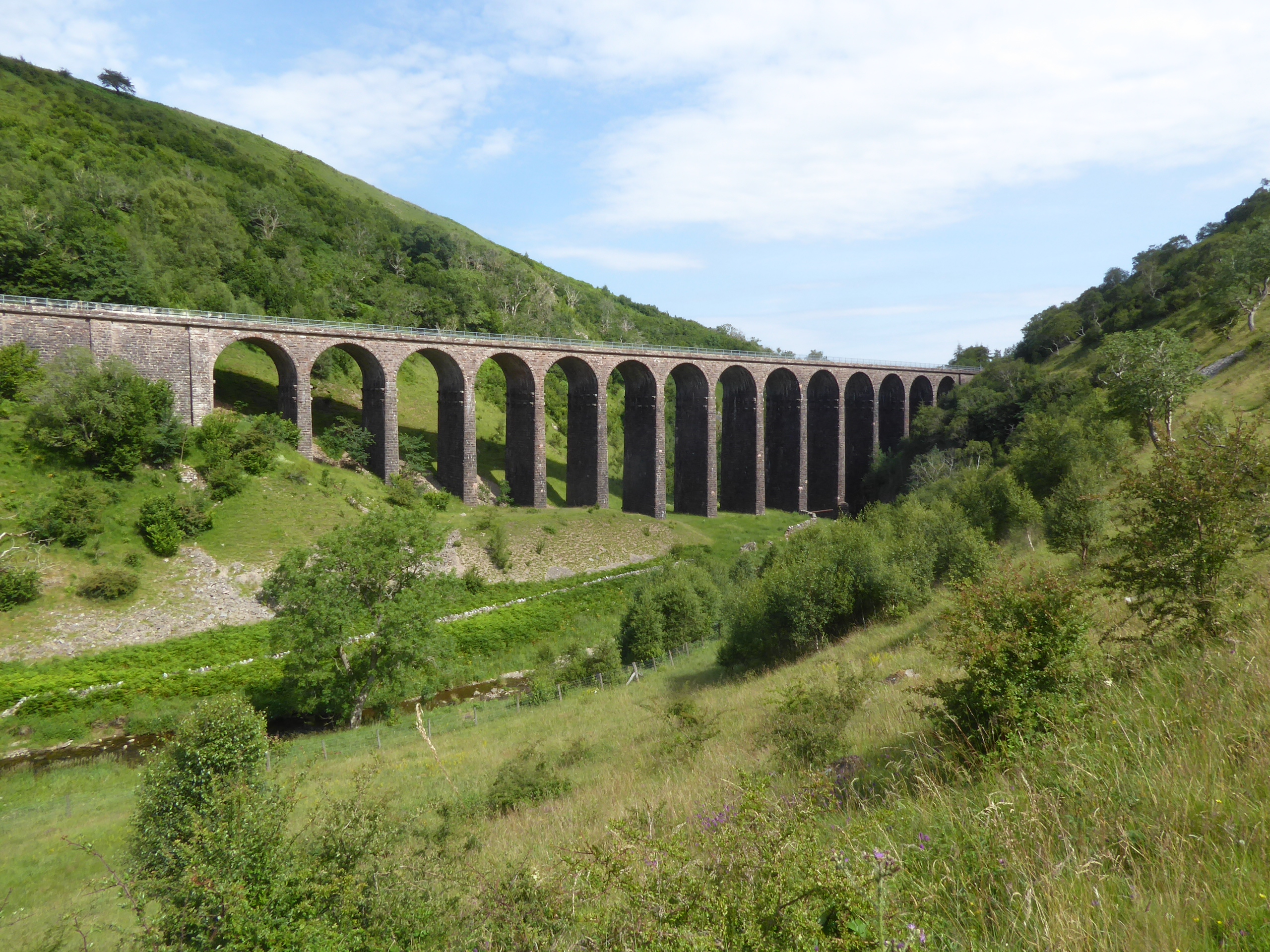
A enjoyable tour around the Ribblehead viaduct (built 1870-75). It was one of those walks where you cannot escape evidence of humans even though you seem to be miles from anywhere: not just the railway line but the denuded slopes, quarries and livestock. Not that I am complaining if it means passable paths.

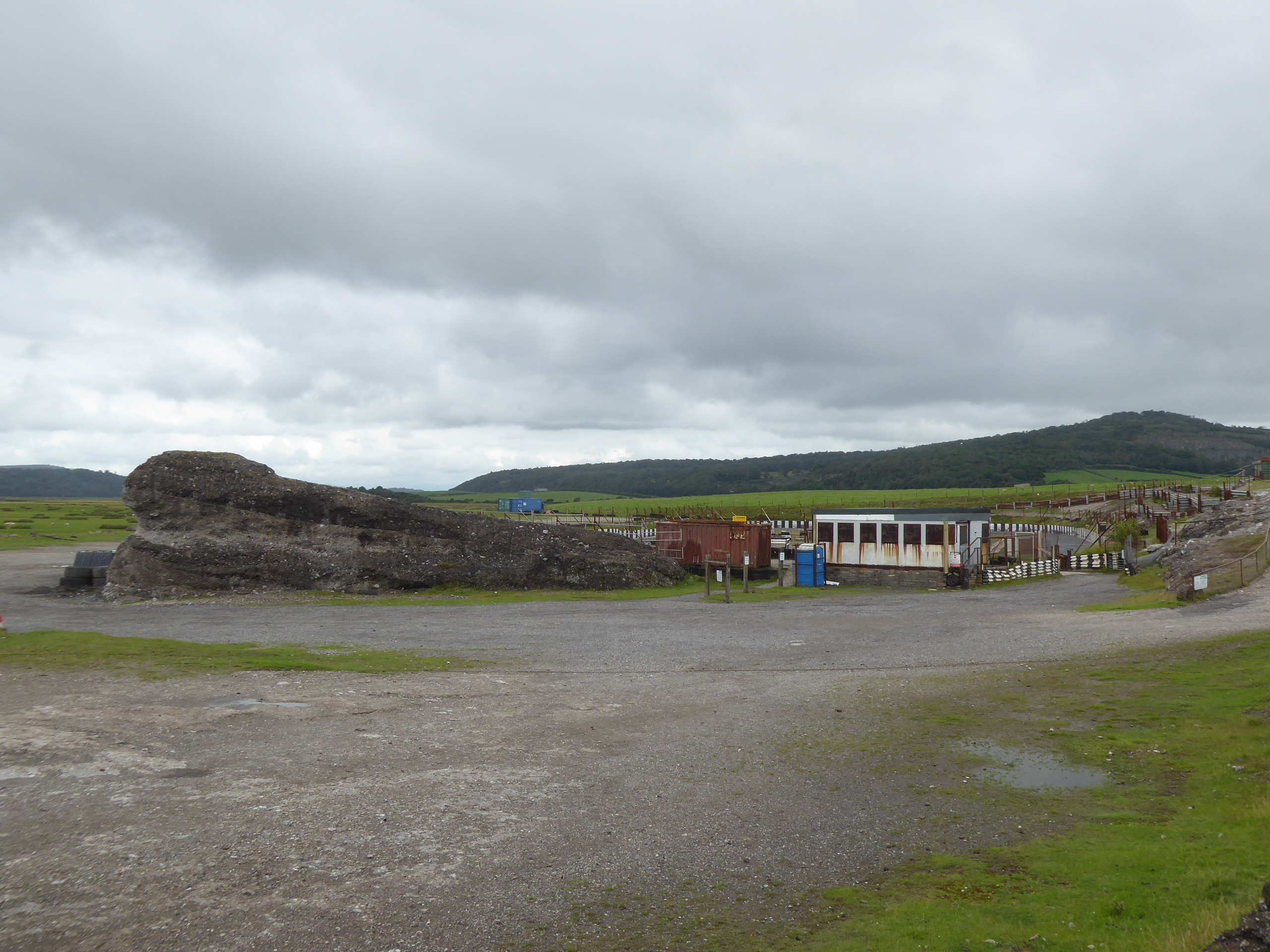
Slagheaps

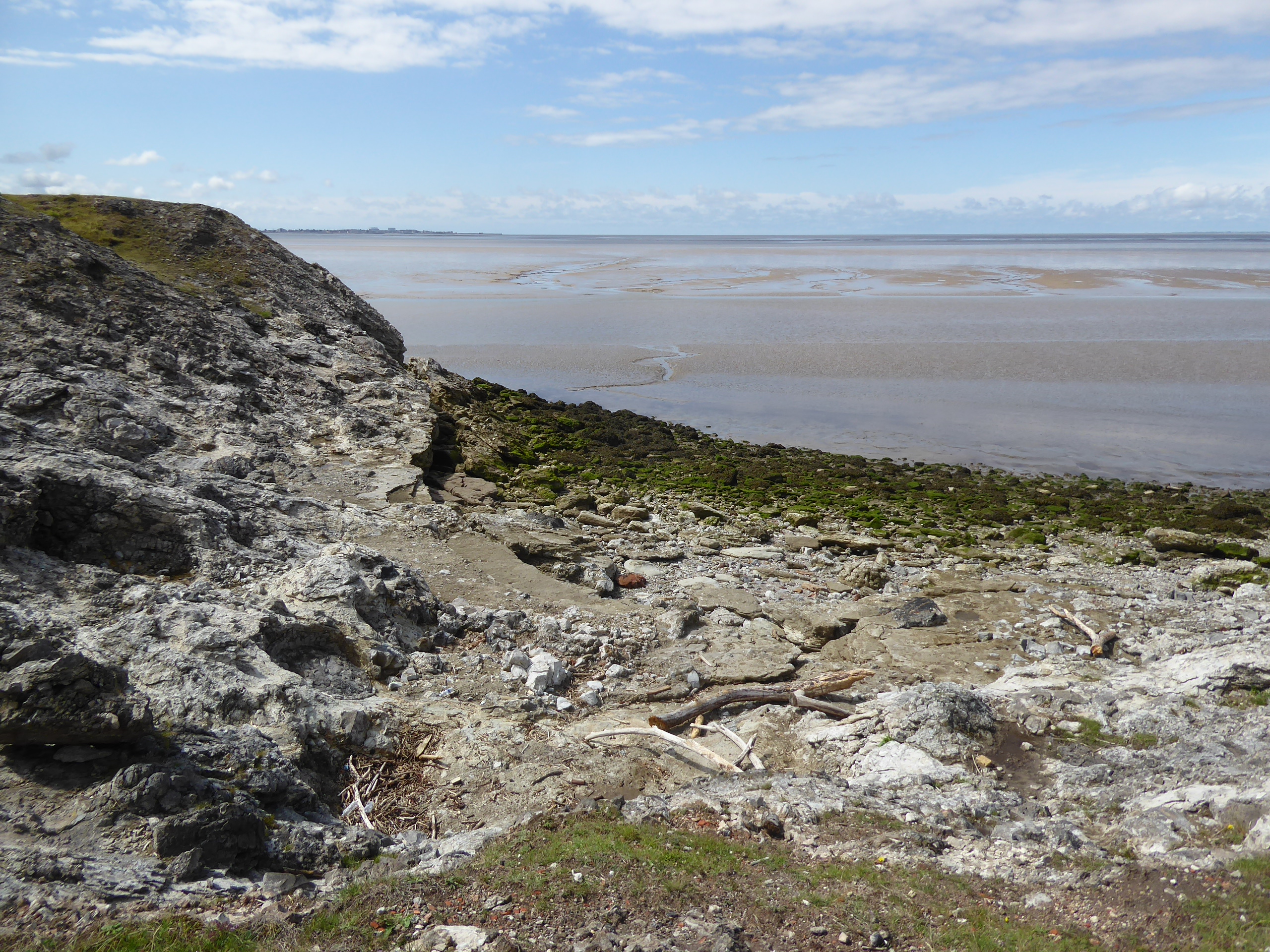
Who would have thought slagheaps could be so interesting? From the train I’ve often noticed what I thought of (but without really thinking) as a broken wall – but it’s actually a line of slag heaps.

There was once an ironworks nearby, using limestone from local quarries to smelt iron ore from Furness, and the red-hot waste was taken along a single-track railway line and dumped in a long line beside the estuary. The works have been closed for a century and the slagheaps have become part of the landscape, protecting the low-lying land and providing a home to limestone-loving plants. I knew nothing about this, so it was all fascinating. I added even more to my mental maps by seeing the stock car track that I’d sometimes hear as I cycled that way. From the noise I’d imagined it was something on the lines of a speedway – but, no, it’s just an oversized Scalextric track.

Warcop

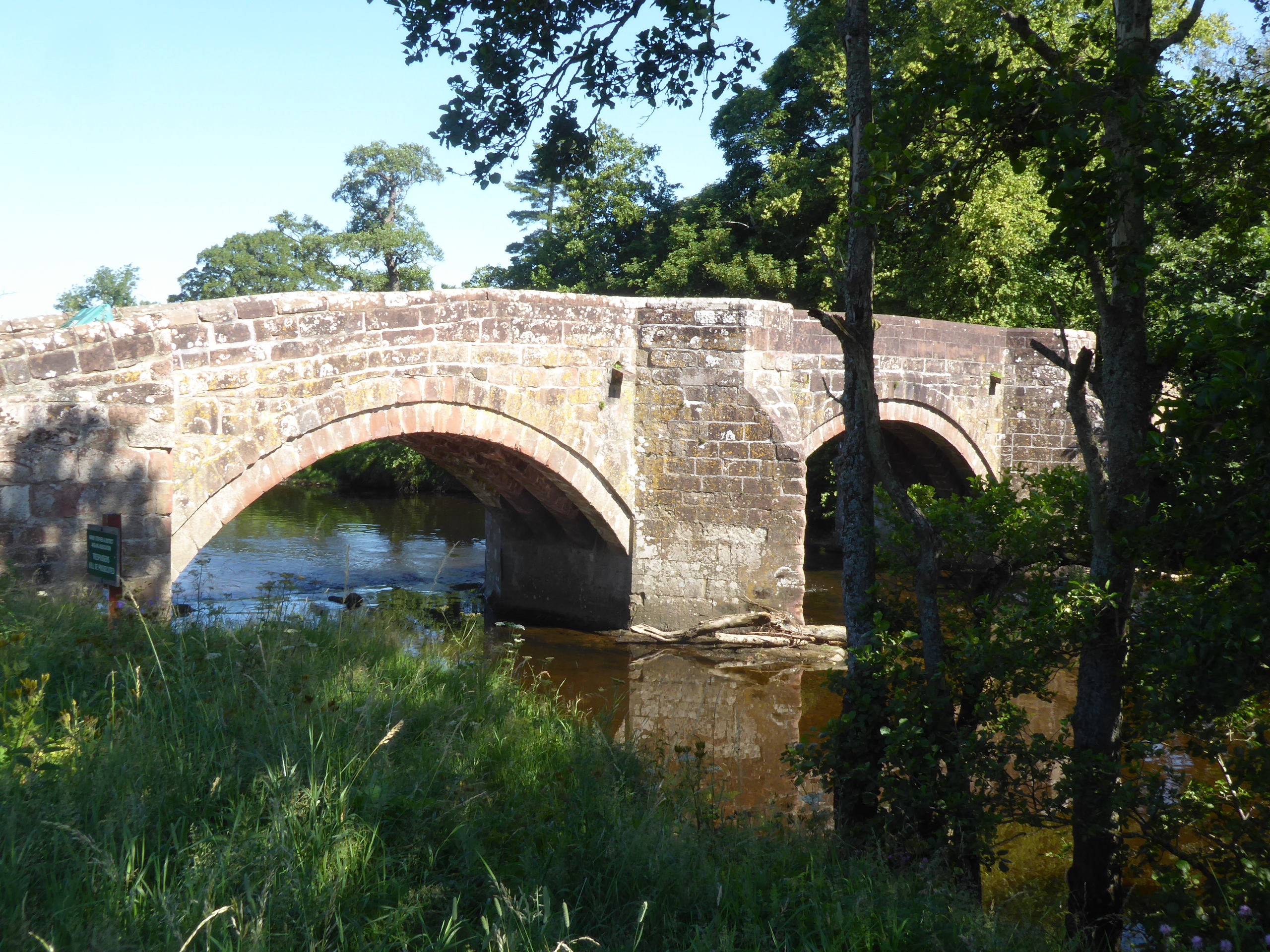
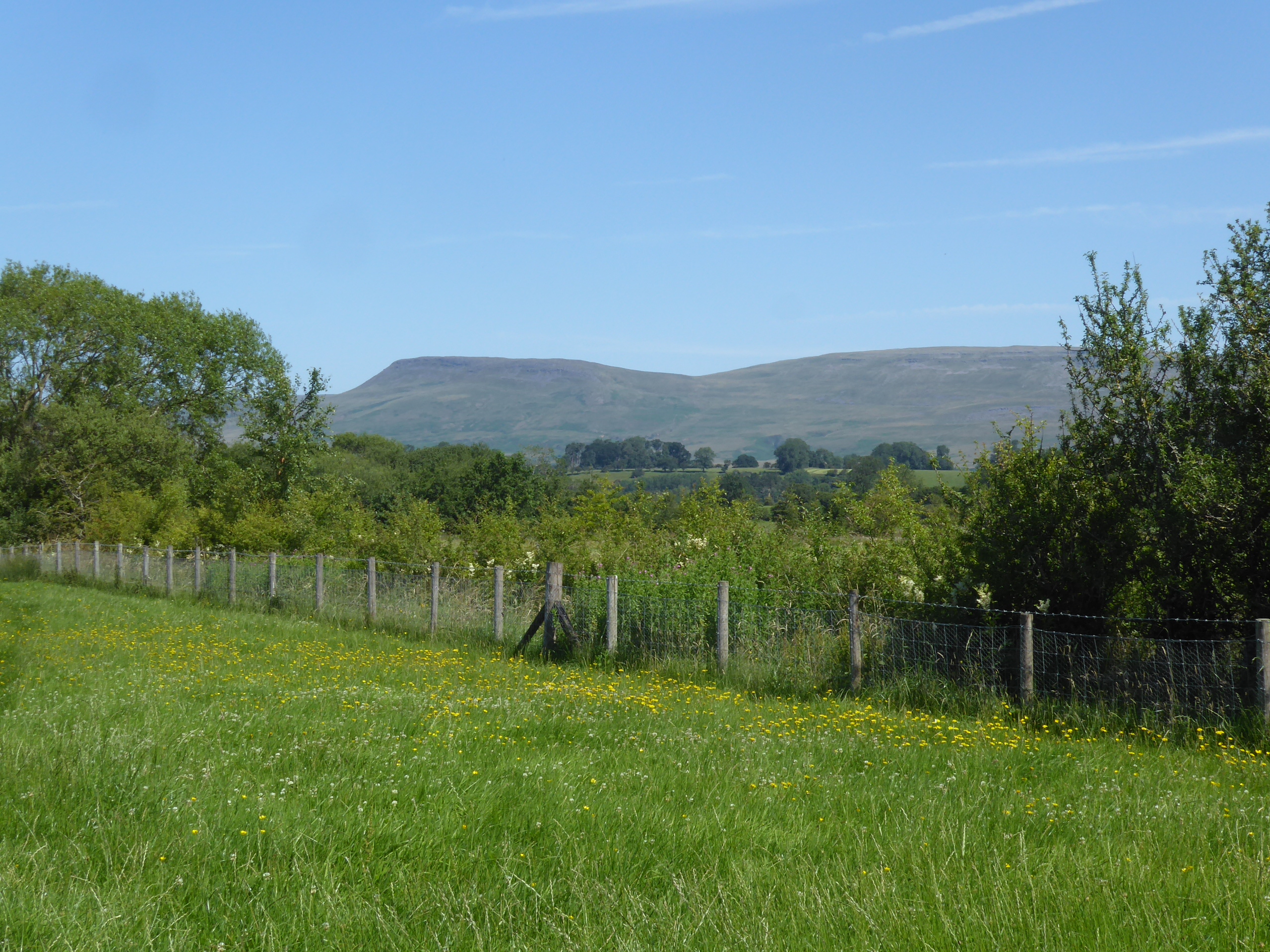
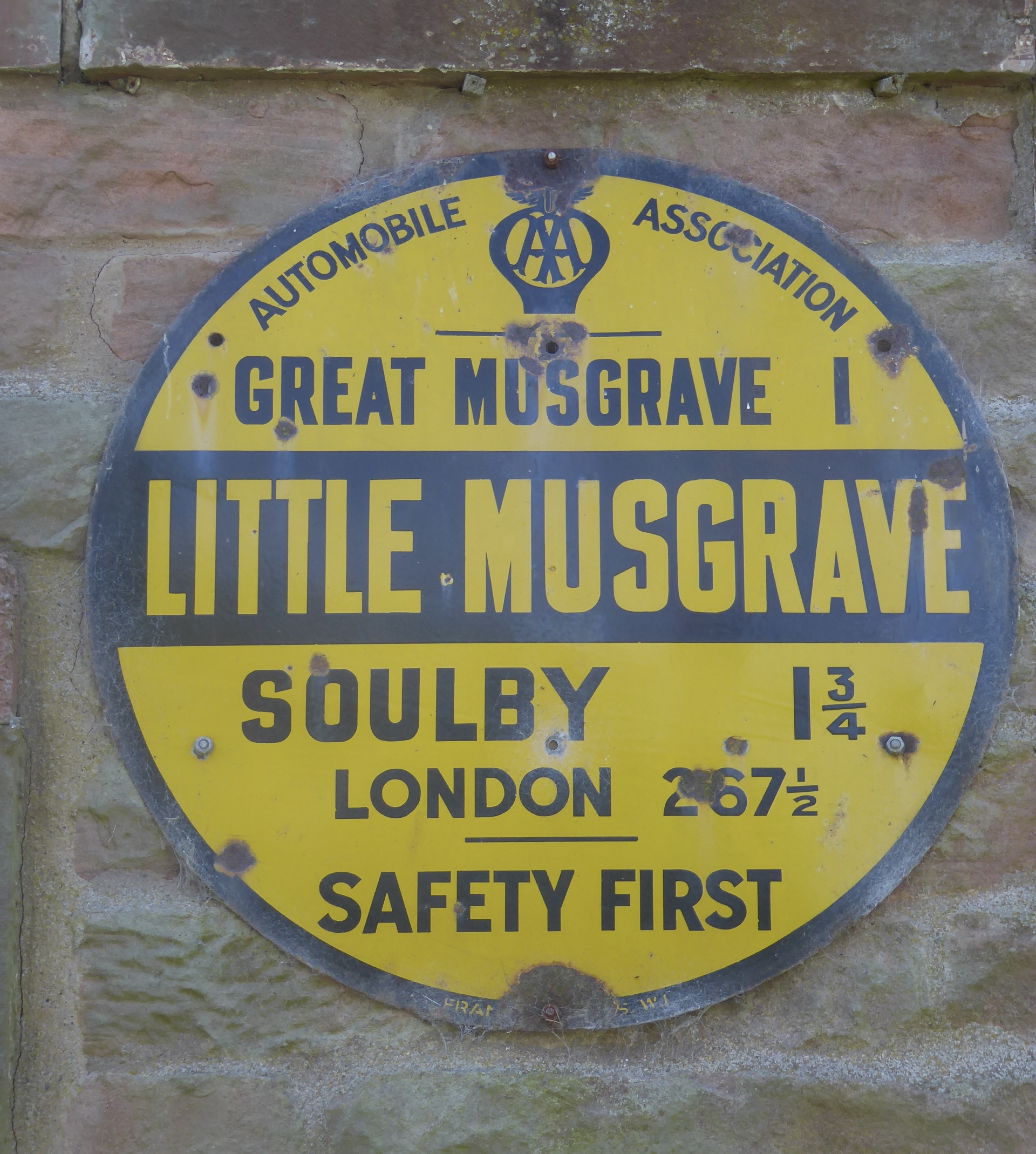
Bus to Warcop on this blisteringly hot day. The plan was to follow the Pennine Journey path to Brough and back to Kirkby Stephen, but progress was inevitably slow. At Little Musgrave we changed to a more direct route – the right decision. I’m disappointed that I didn’t spot the disused railway line over Scandal Beck, but I was restored by seeing children swimming in the river with obvious pleasure. I felt very envious!

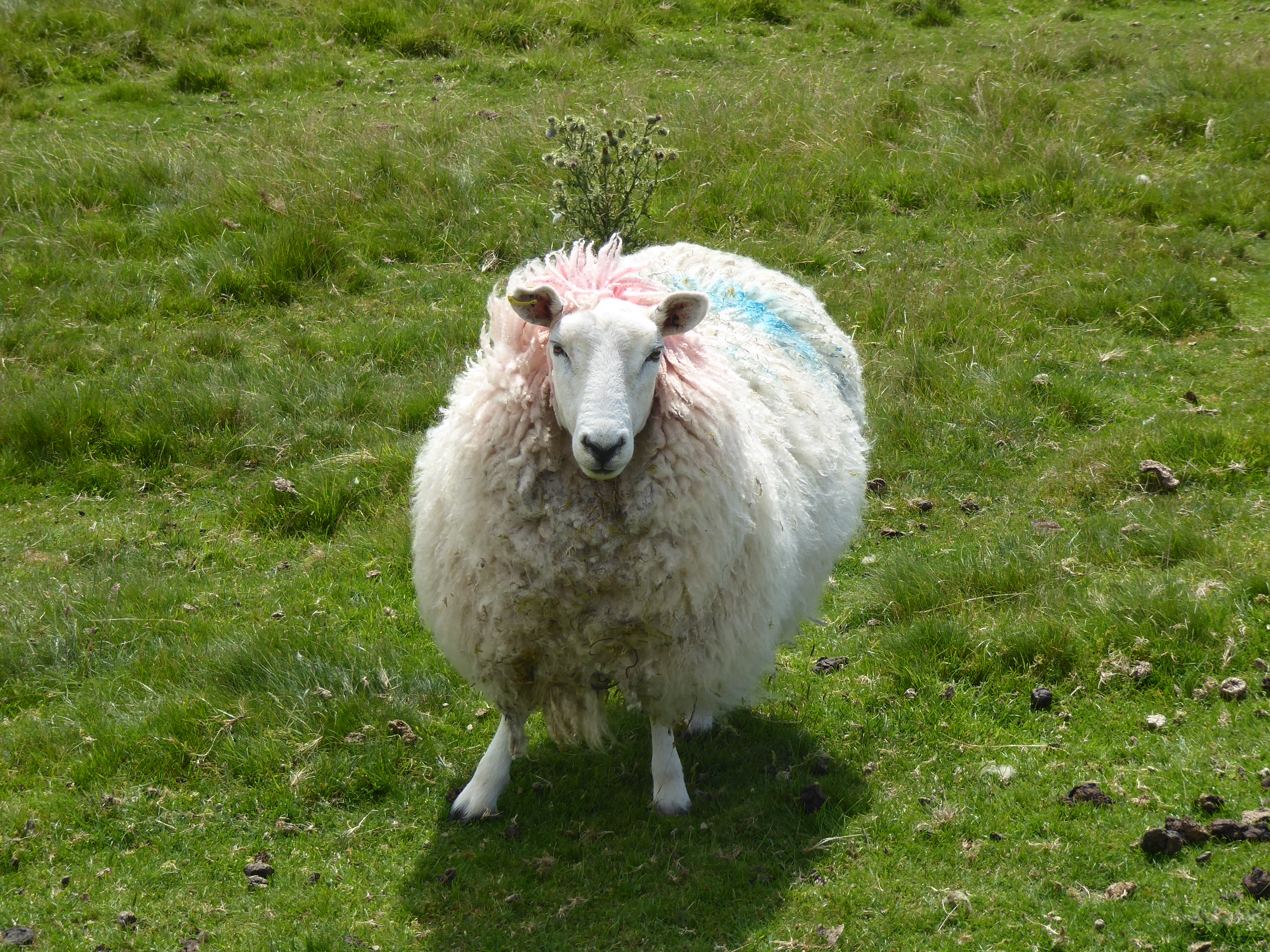
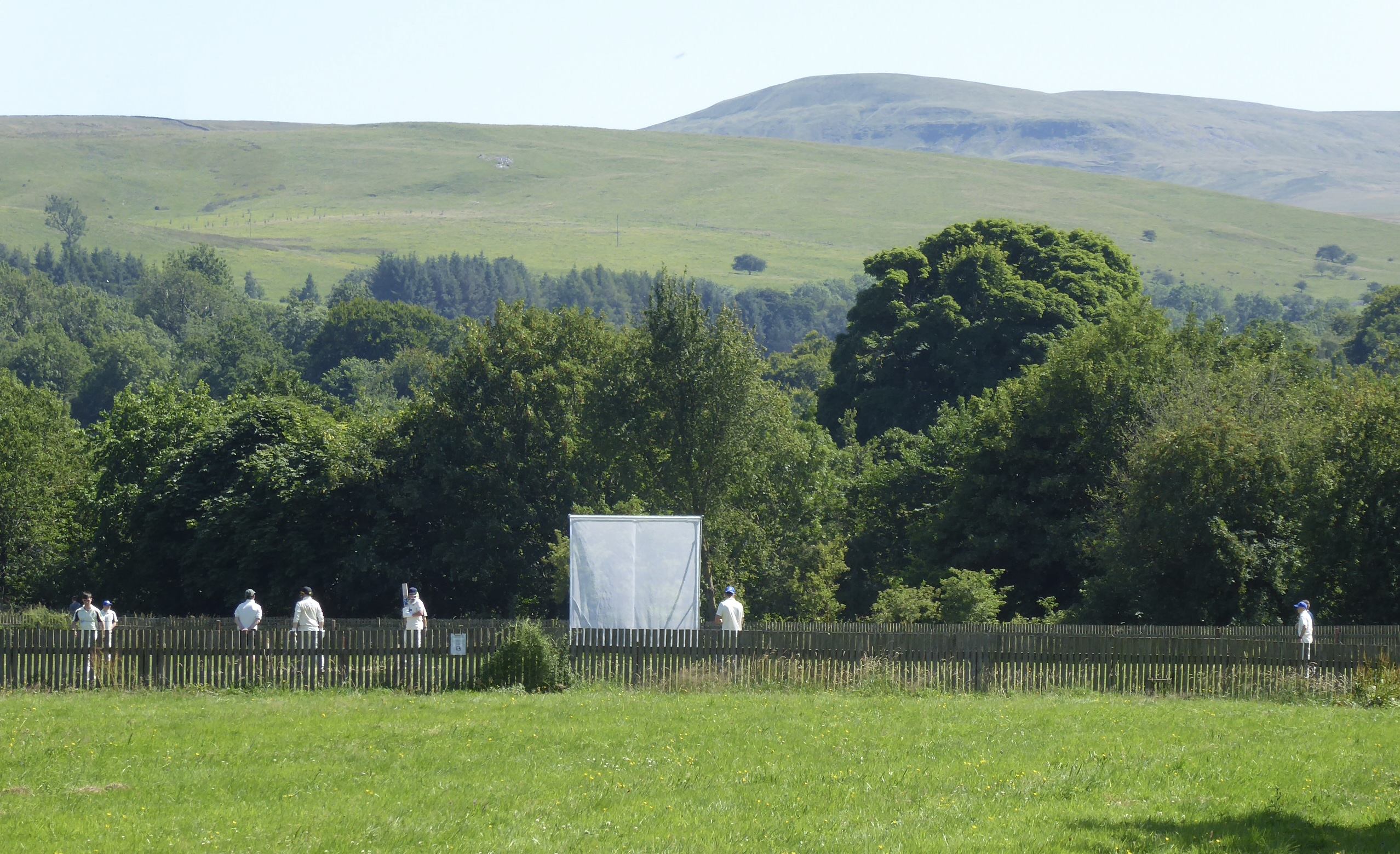
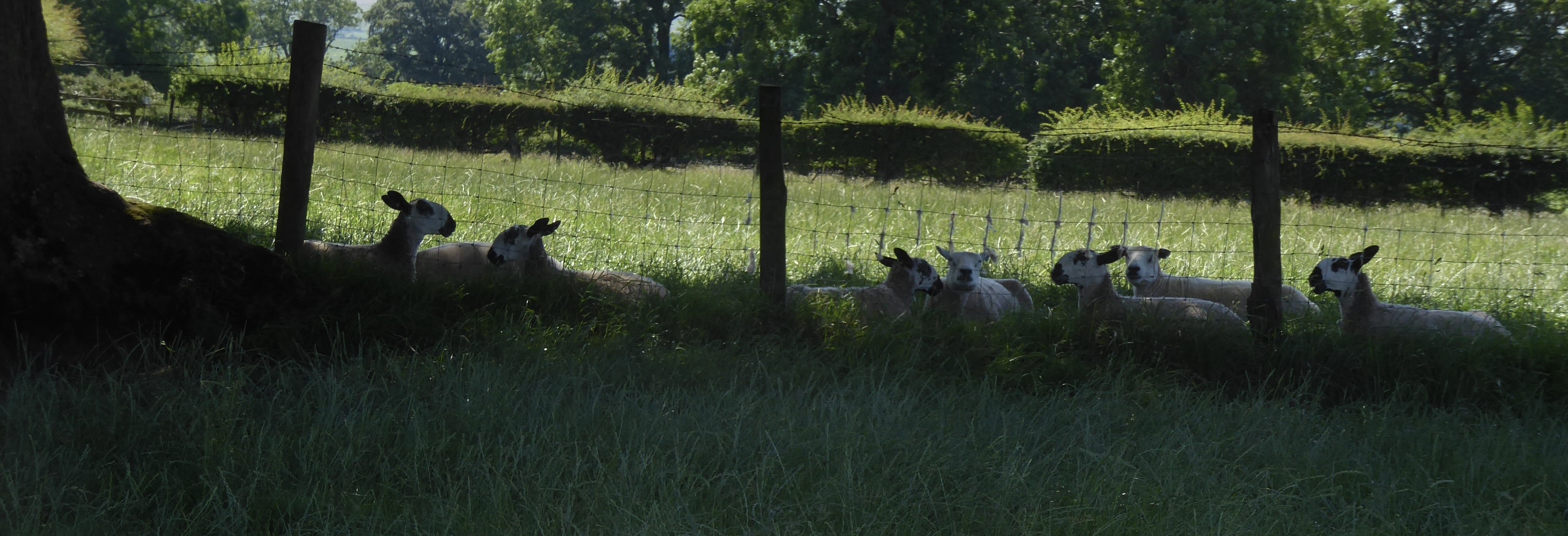
It was a day for seeking shade: I liked the silhouette of sheep’s ears as they sheltered under a tree. The cricketers at Kirkby Stephen had no such luxury.