The Green Ray (1986)

Director Éric Rohmer with Marie Rivière

A film that was by turns boring, intriguing, excruciating and very French. “Excruciating” because it reminded you of how awful being young can be – uncertainty, boredom, dissatisfaction, the feeling that things should be progressing along a certain path but aren’t. Delphine’s summer holiday plans are disrupted at the final moment and she has to find somewhere else to go instead. Her engagement has ended and her friends nag her to find someone else. She tries Cherbourg, the Alps and Biarritz and is disconsolate in all those places. Finally there is what seems to be a fairy-tale ending – engineered by Delphine’s moment of decision combined with her “personal superstition”.

It was a film of observation: there was no analysis or judgment. Delphine is often in tears and her well-meaning friends describe her as depressed, but it’s presented as part of life. The film was semi-improvised – sometimes jarringly so, when characters seemed to be responding to an interviewer rather than just talking. Delphine had three or four major speeches when she tried to explain herself – her vegetarianism, her sense of not fitting in, and her refusal to accept one-night stands in place of romance. These – along with the pick-up scene – made the film feel quite different, its diffuse feeling suddenly coming into focus.
A Most Wanted Man (2014)

Director Anton Corbijn with Philip Seymour Hoffman

An intricate, classily-shot spy film set in Hamburg from a John le Carré novel, reeking of cynicism and cigarettes. It kept me engaged while I watched it and I only picked holes in it afterwards.

Hoffman is a dishevelled, disenchanted spy in charge of a small counter-terrorist unit. He plays the role well, even if the German accent does sound unaccountably Irish at times. A slow-moving, tightly woven plot with some threadbare patches; a few ends – like motives – are left hanging. Why is Gunther so keen to add yet another mole to his network of informers? What’s the purpose of an endless chain of double agents? Perhaps the Americans are right in taking the brutal step of removing the questionable philanthropist rather than allowing more funds to trickle through to Al Qaeda. And le Carré wishful thinking blended well with Hollywood norms: all the women were beautiful and soignée and nearly all the men were nothing to write home about.

Maassluis to Europoort

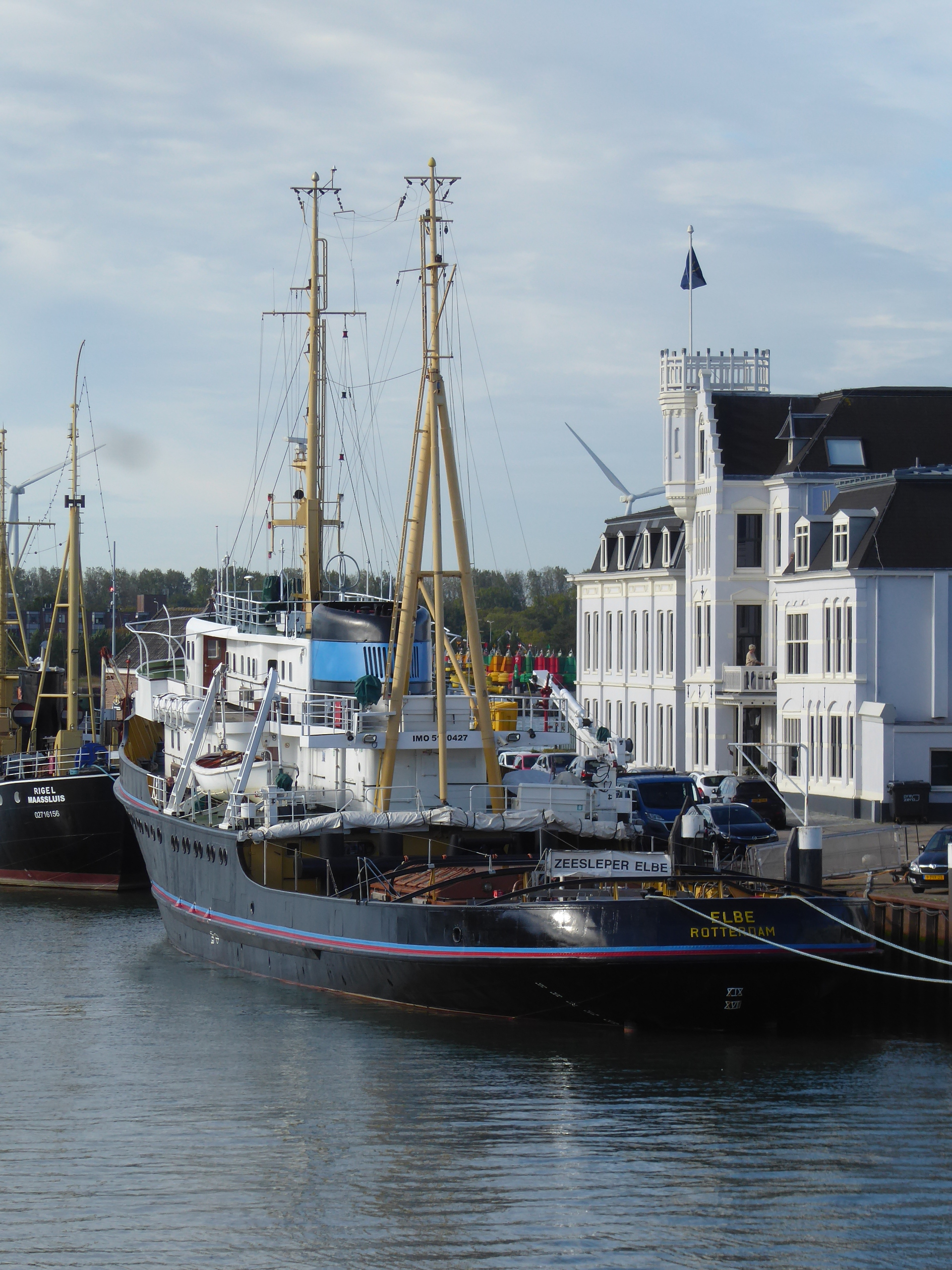
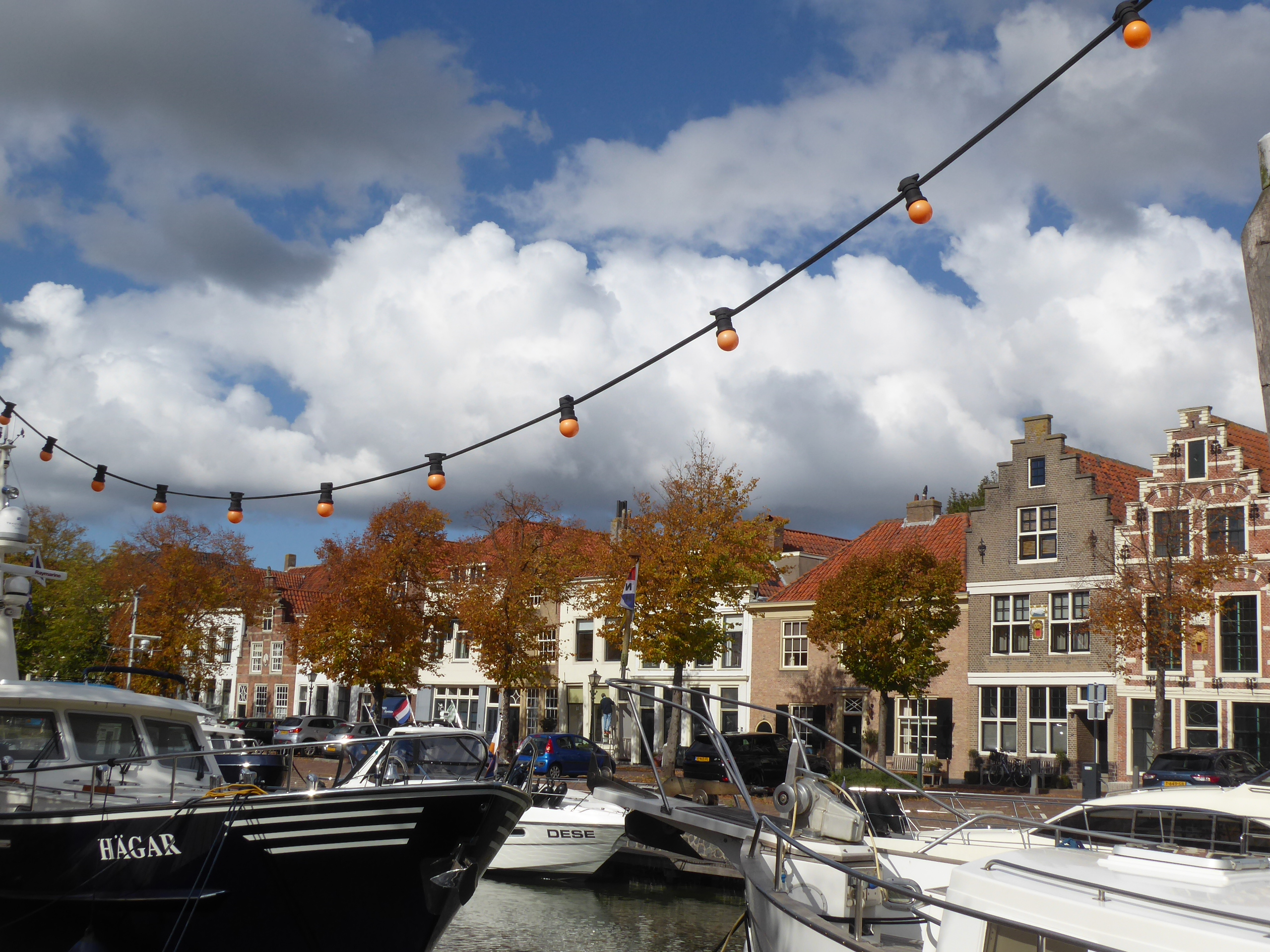
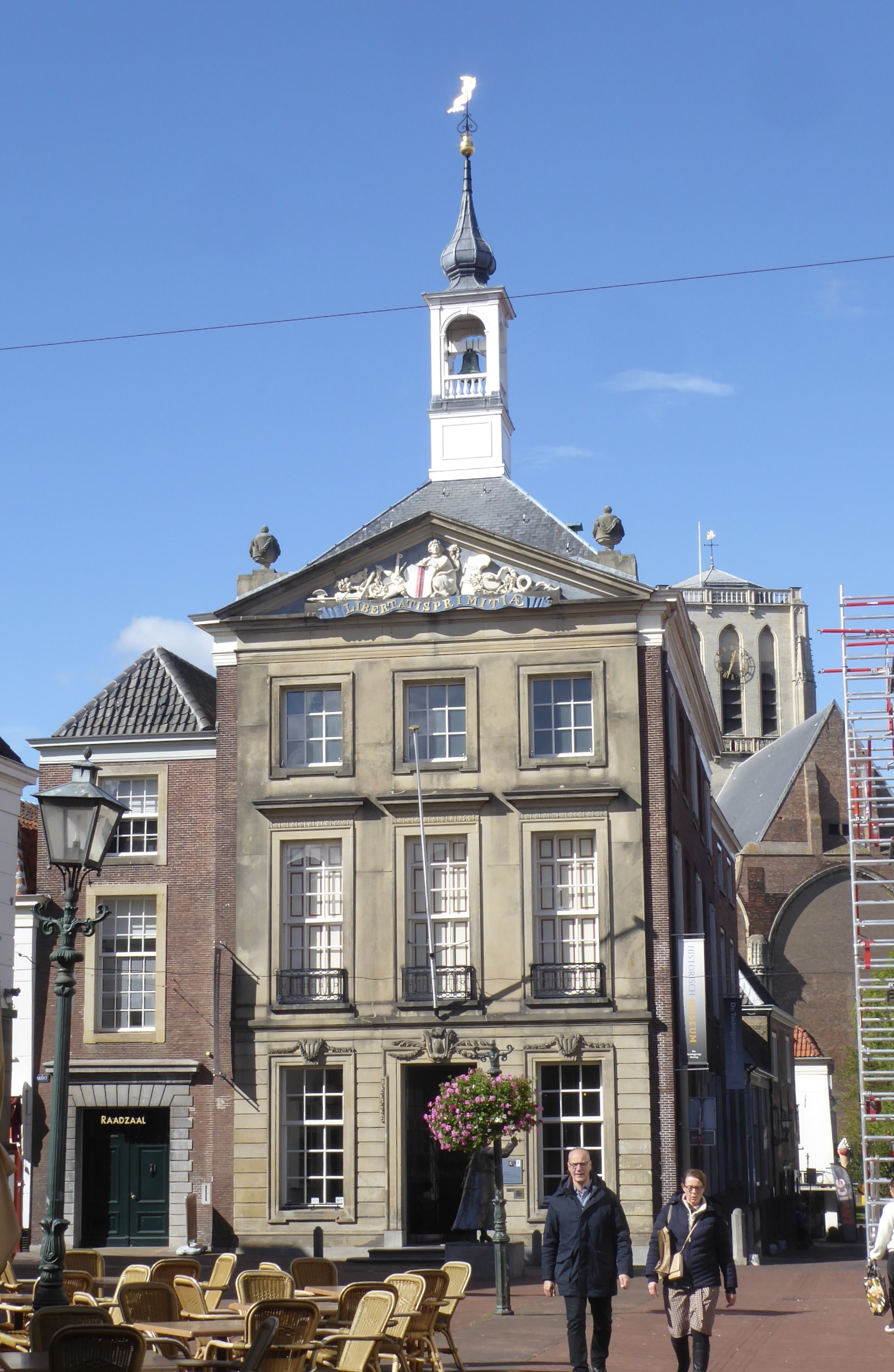
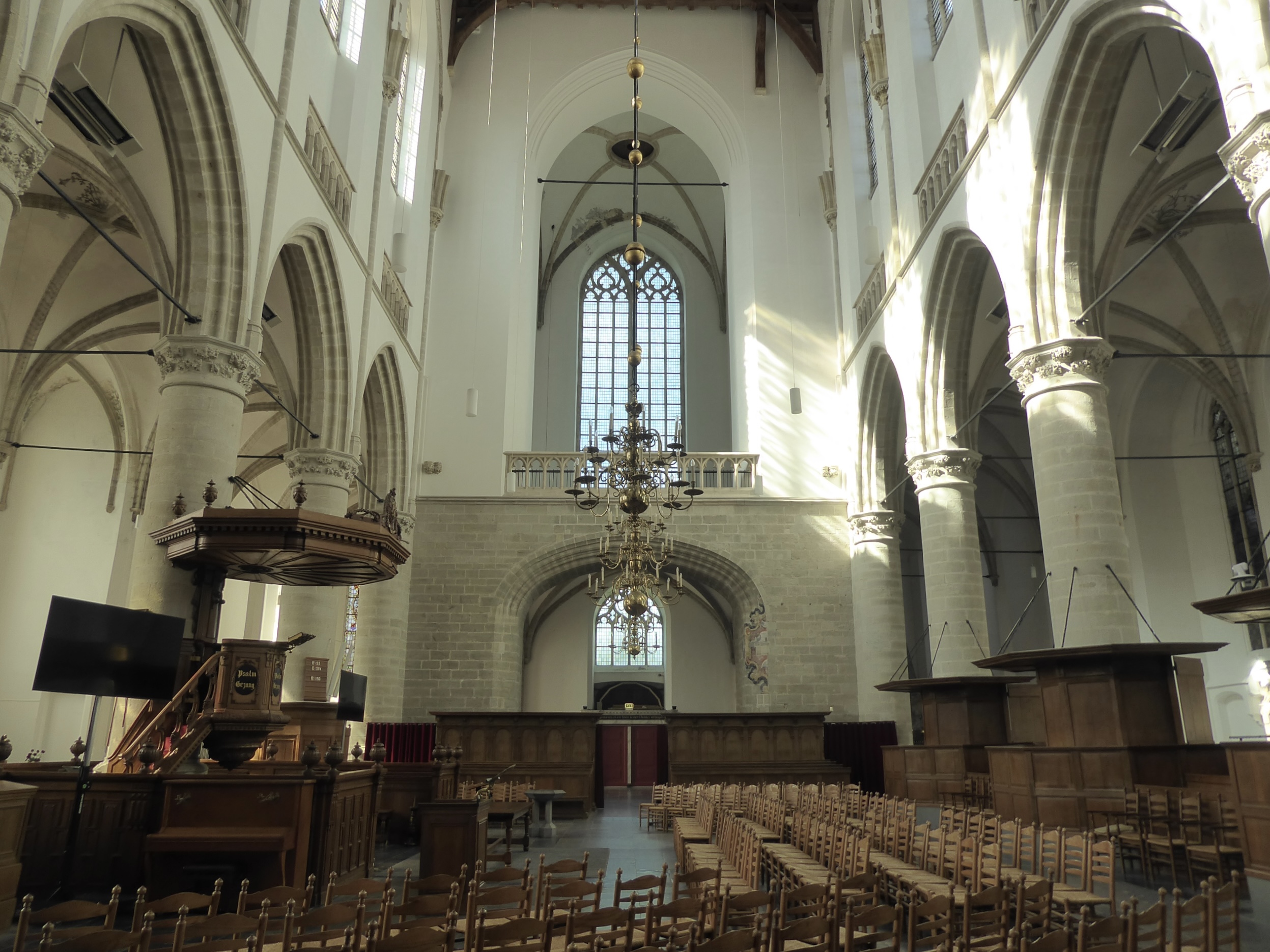
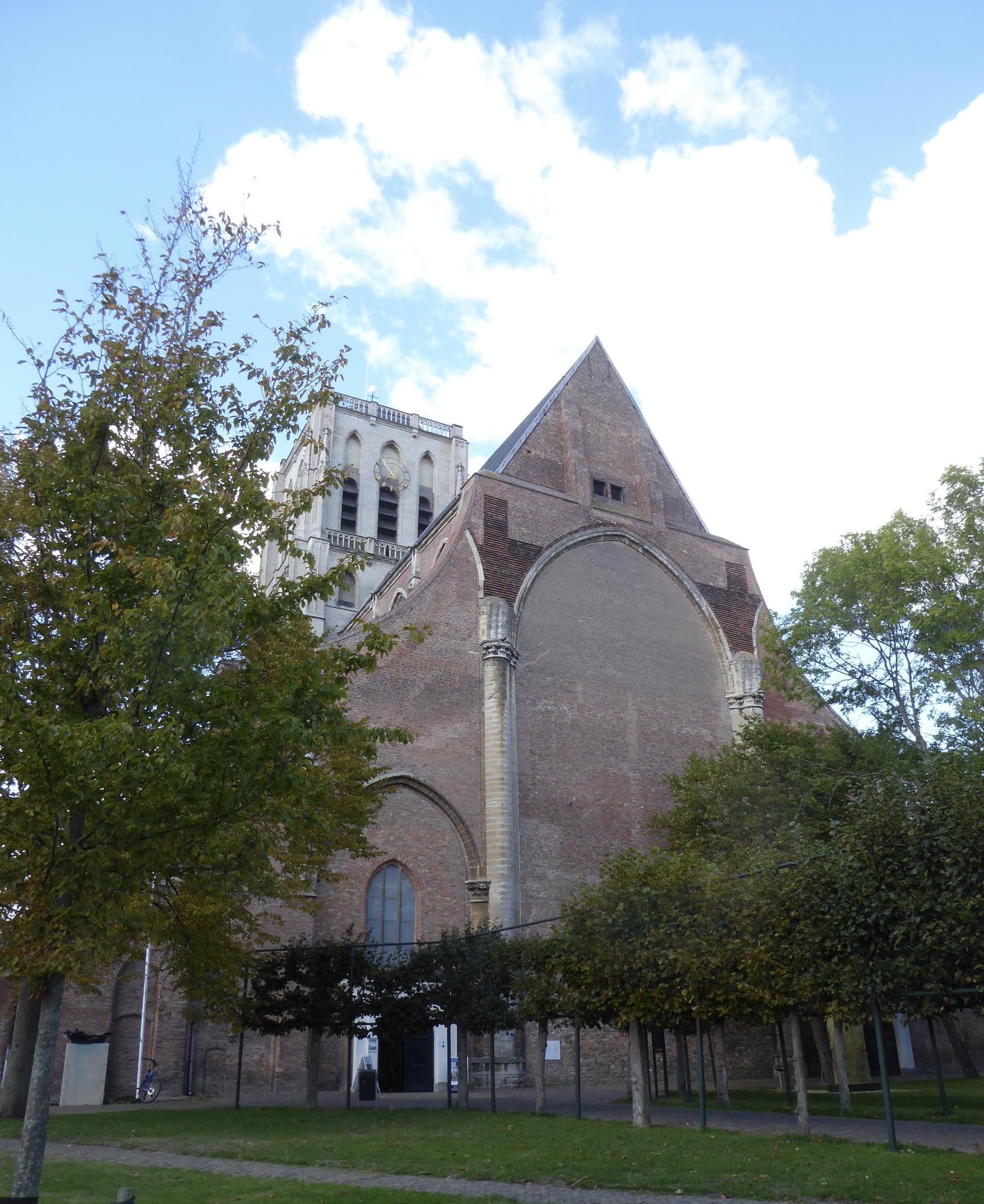
The usual route through Brielle back to Europoort. After years of alternating between “German” and “French” pronunciations I have finally discovered how to pronounce it as the Dutch do. This time I visited St Catherine’s Church: I was drawn there by wondering if it was unfinished or half-demolished (the former). I was rewarded for my curiosity by discovering that from the church tower the future Mary II waved off her husband, the future William III, as he set off to overthrow James II. (Sadly, time did not allow me to retrace her steps.)

Doesburg to Arnhem

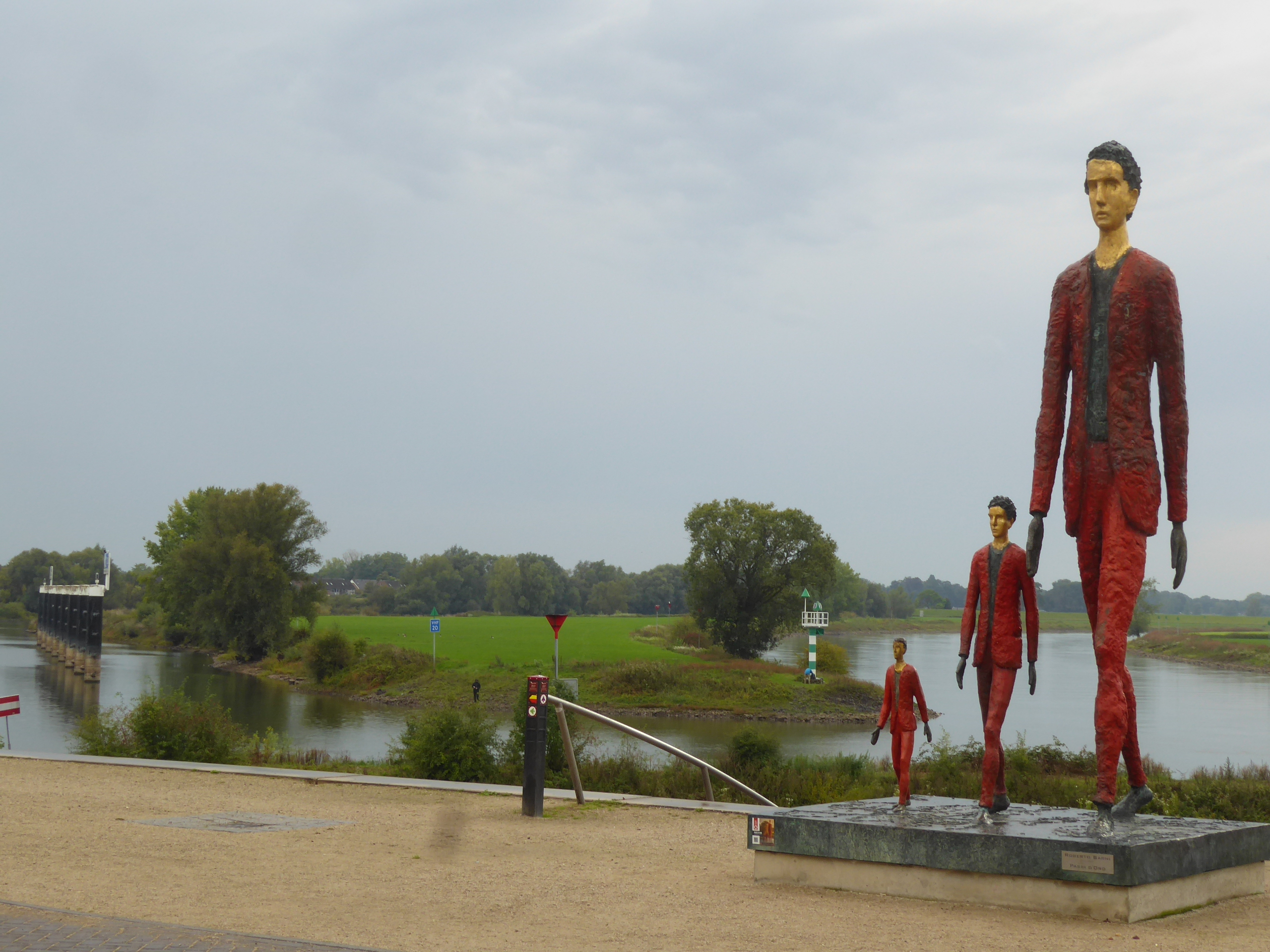
We crossed the Ijssel, headed into the Veluwezoom National Park – and promptly got separated. We have a protocol which has worked well enough in the past – go back to the last point we saw each other and use our phones. Problems this time: one phone (no, not mine) was dead . . . and, actually, what happens if you have two different memories of where you last saw each other? We were waiting for each other in different places. In the end I flagged down passing cyclists and sent them forth to look out for a lost tourer. After almost an hour we were reunited thanks to Roberto, a racing cyclist who had turned round and halved his pace to return the missing sheep to the fold. Swallowing annoyance, I reflected on the helpfulness I had encountered. I had stopped several people, obliged them to speak to me in a foreign language and burdened them with a plea for assistance.

Needless to say, the phone was recharged as soon as we reached Arnhem.

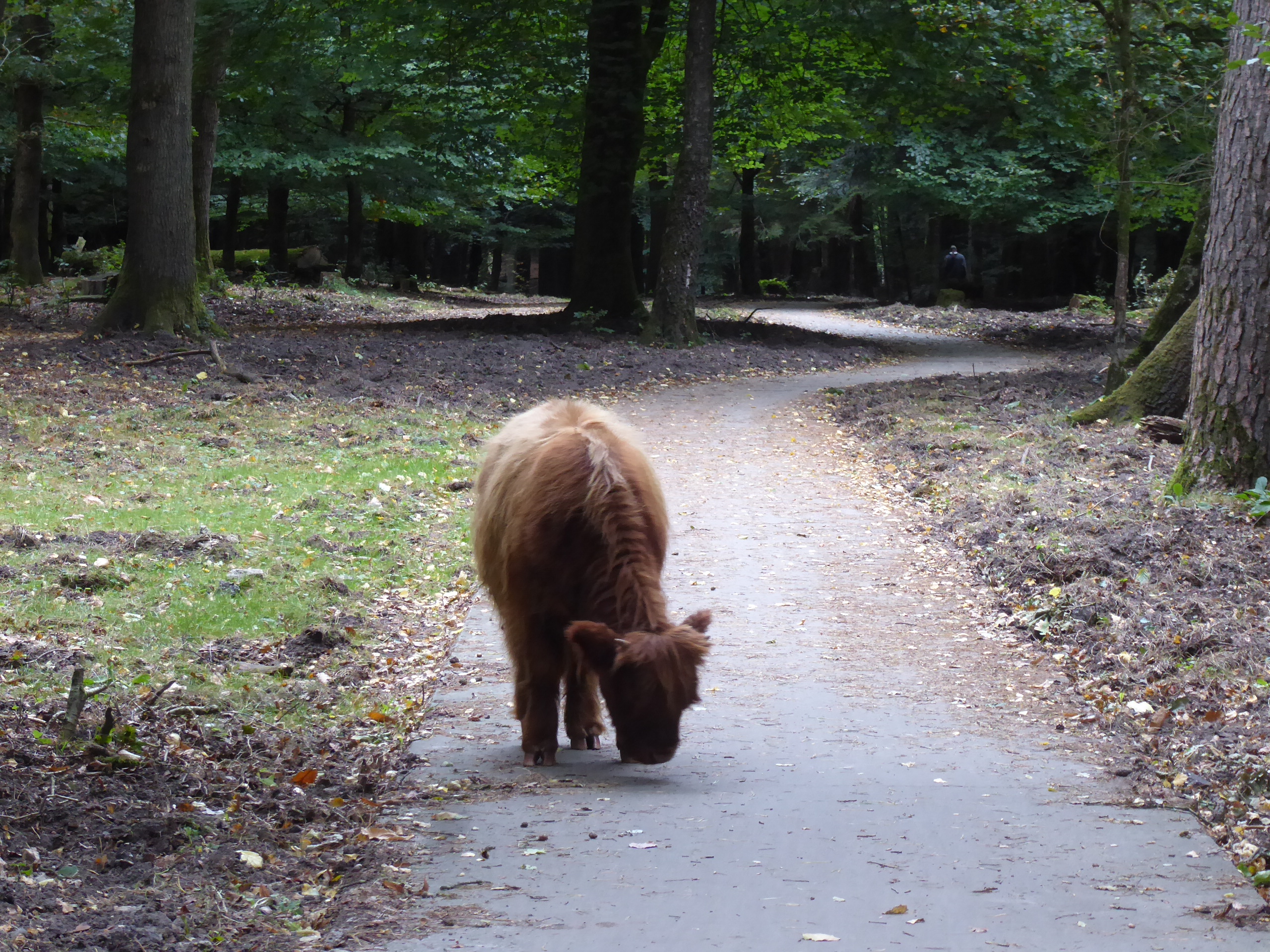
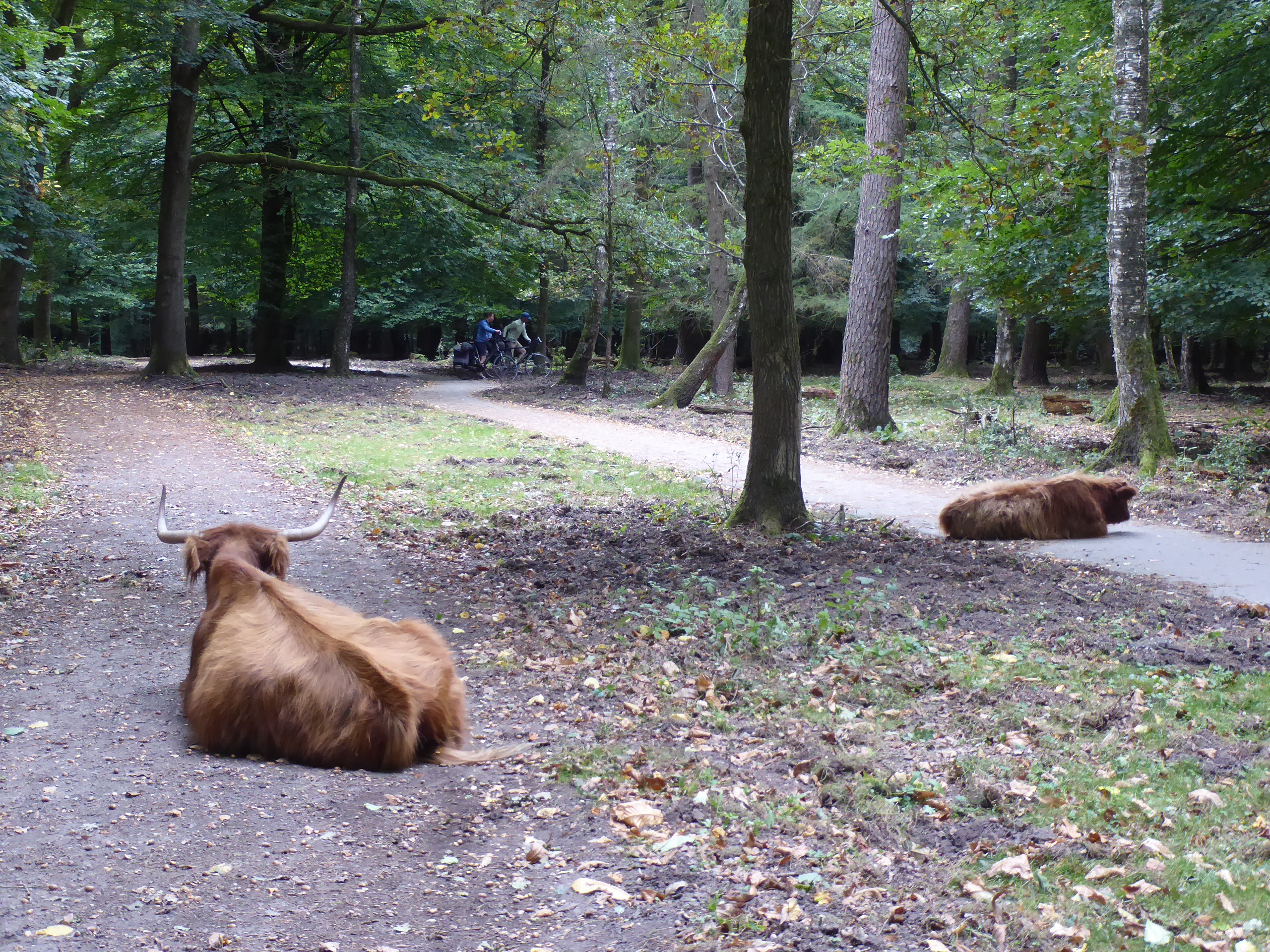
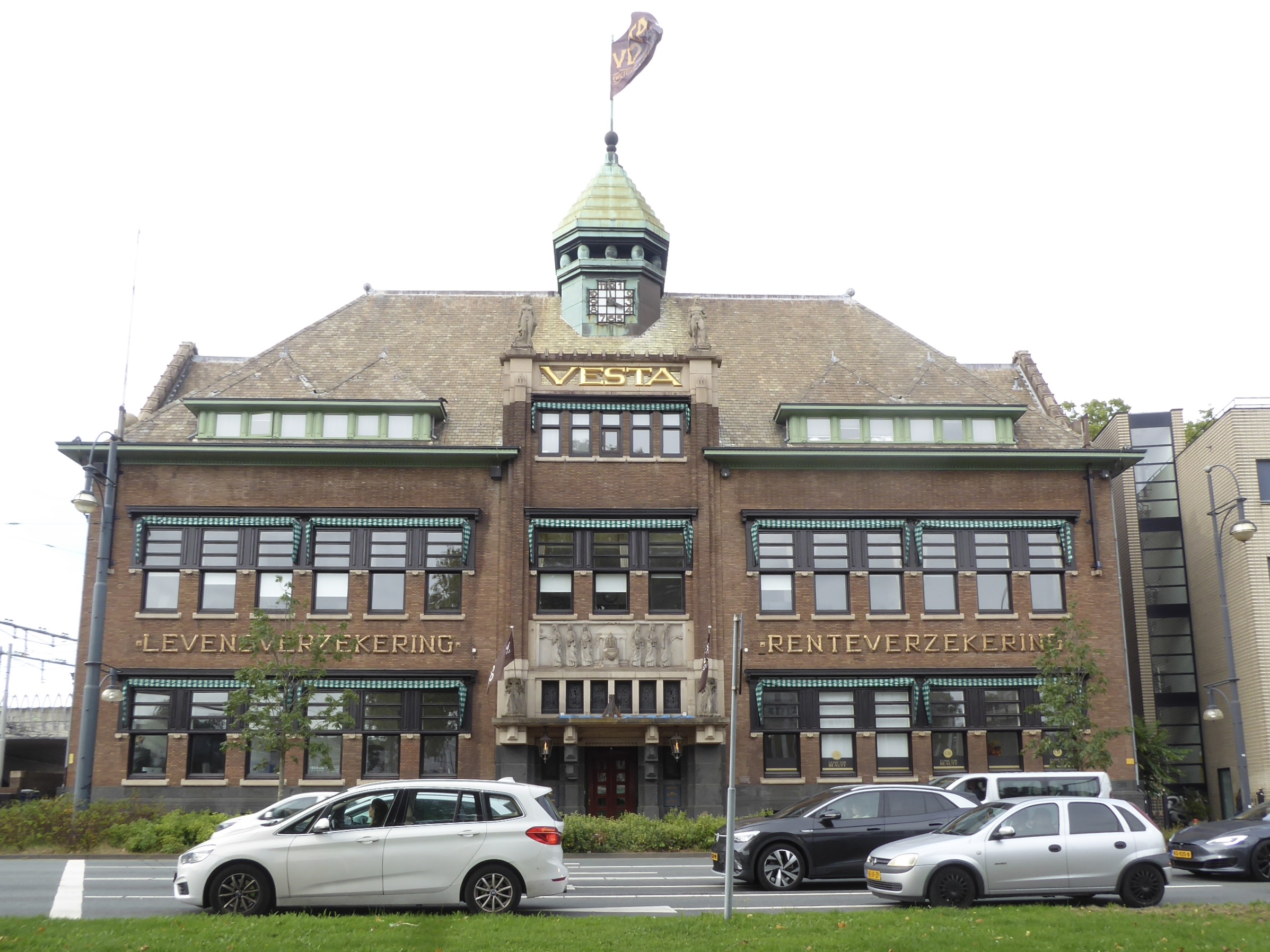
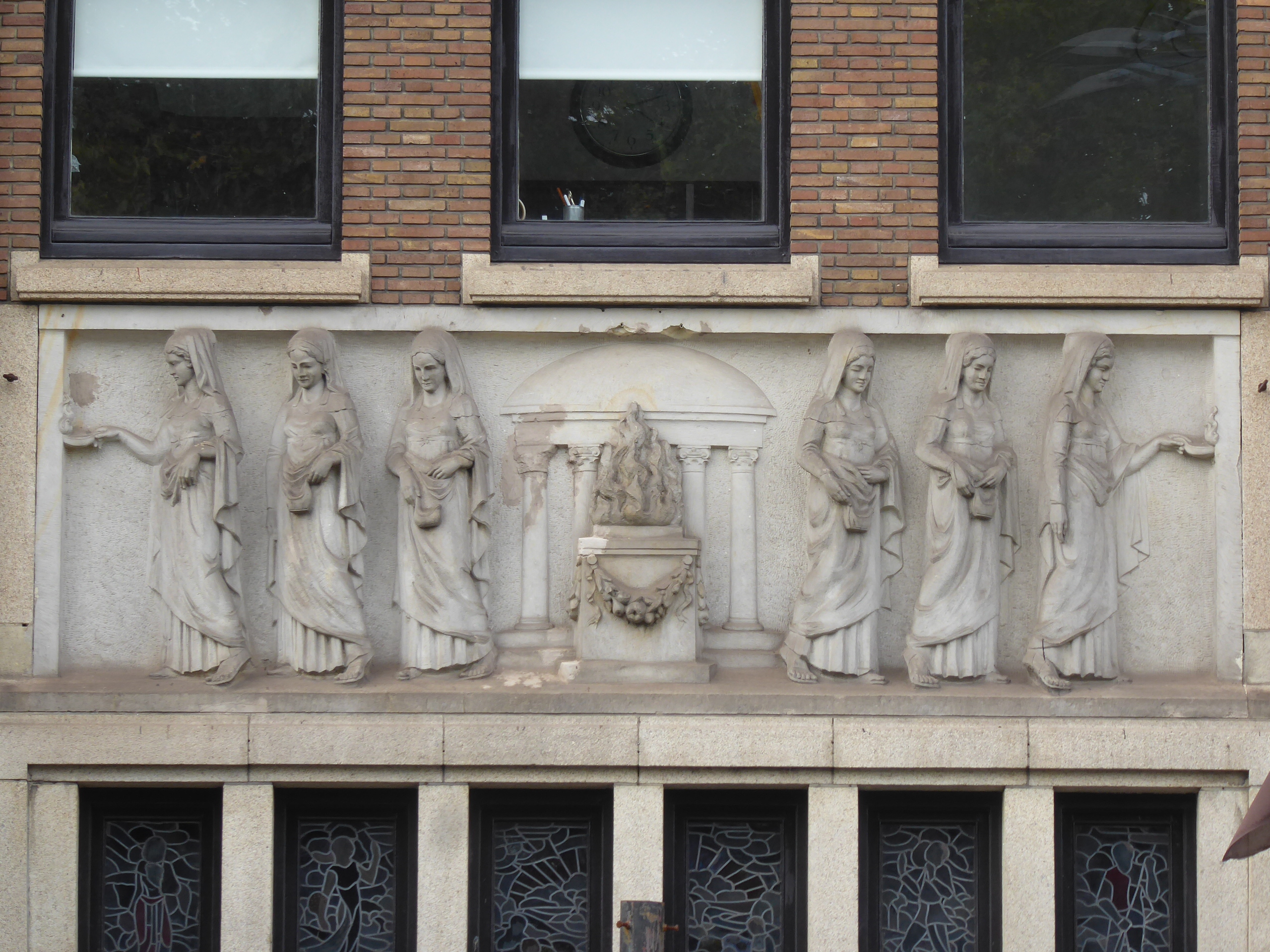
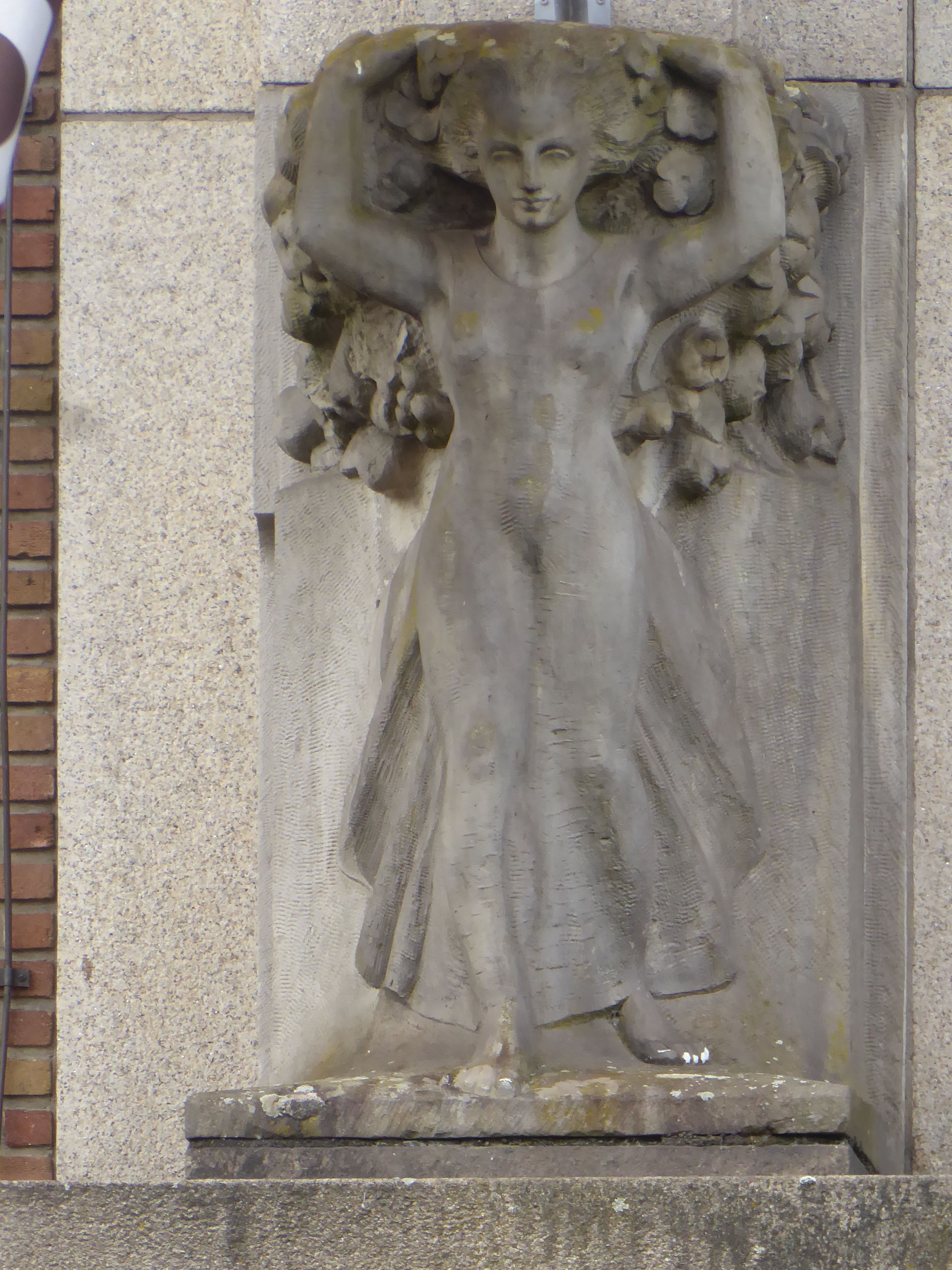
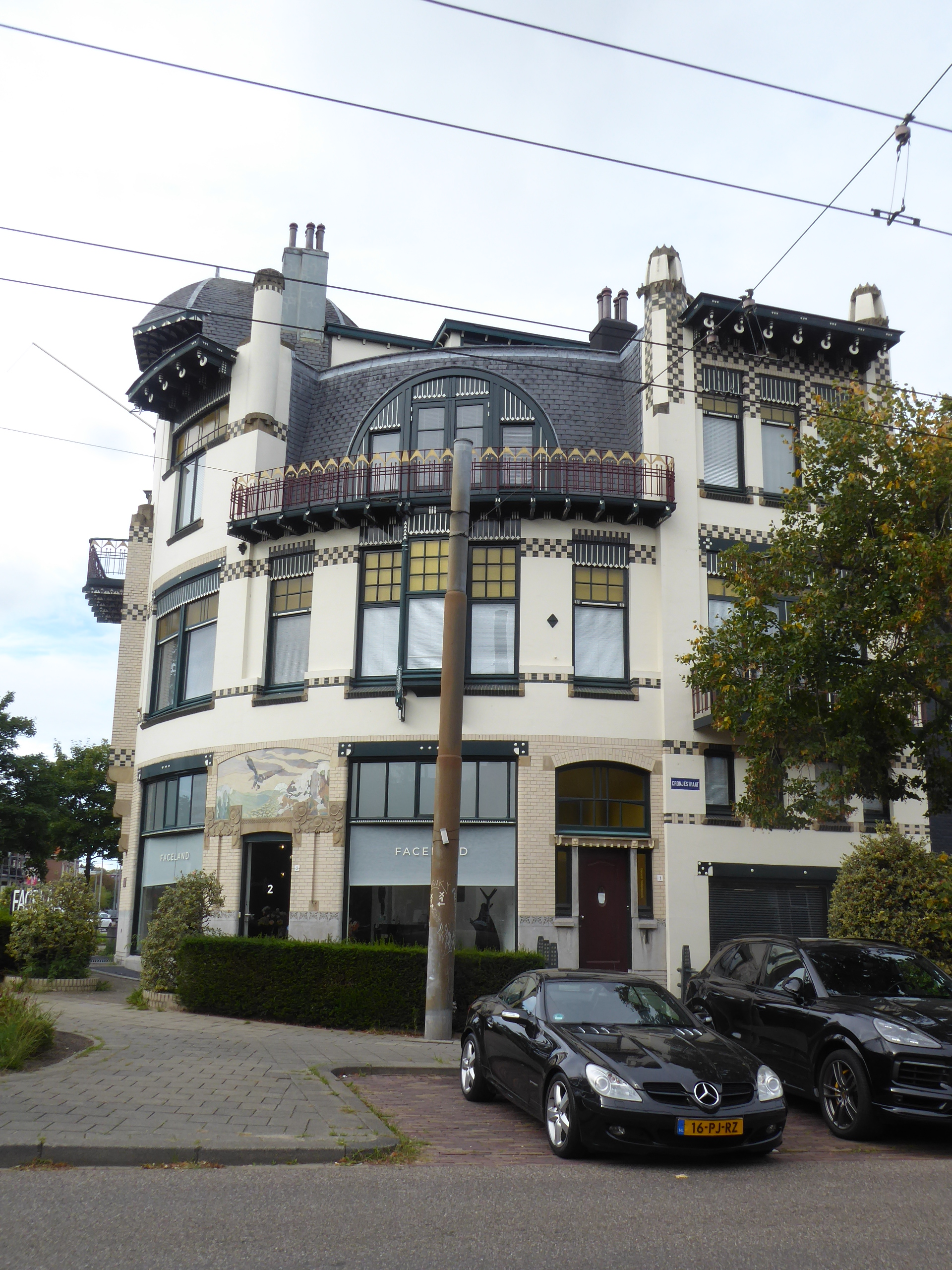
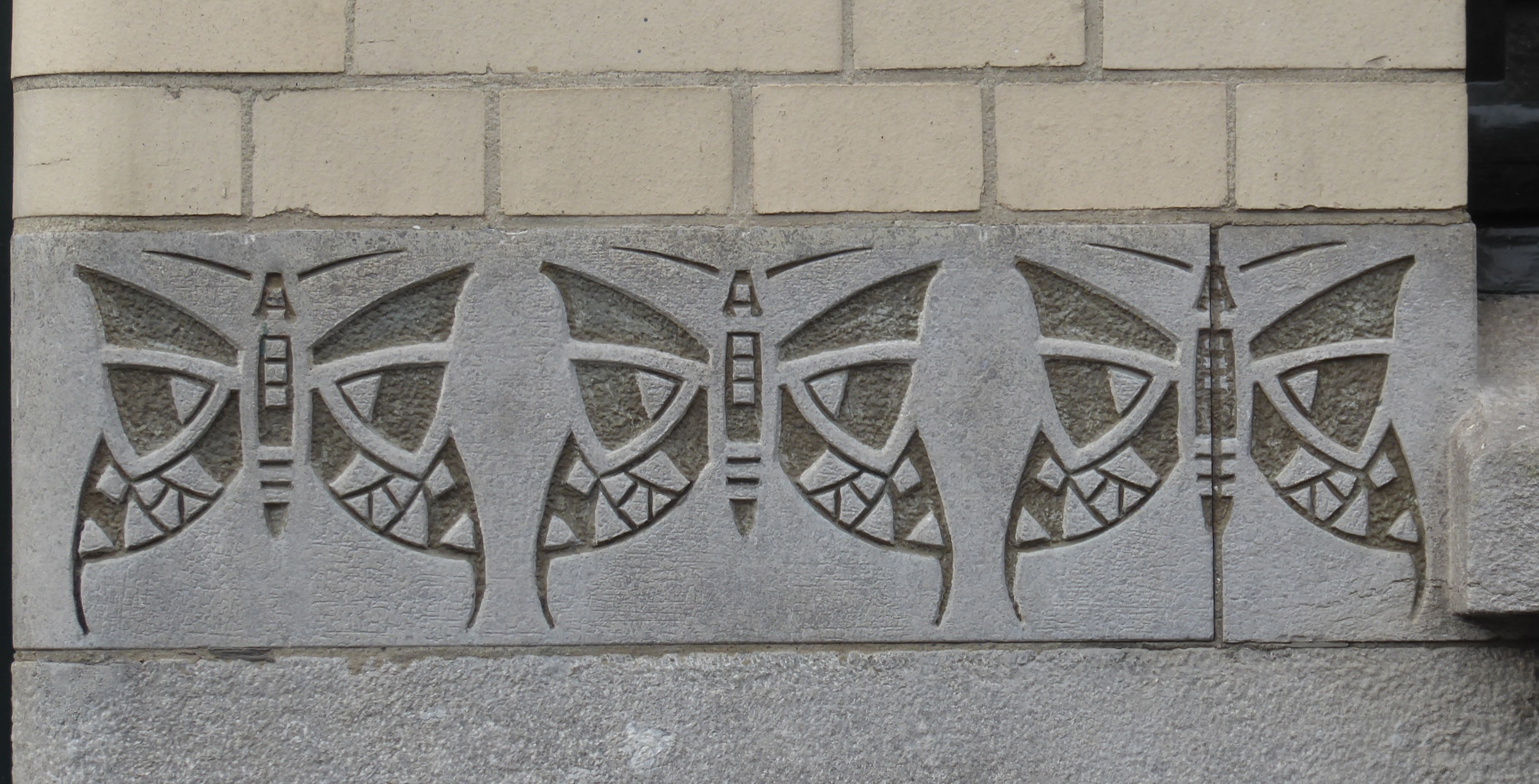
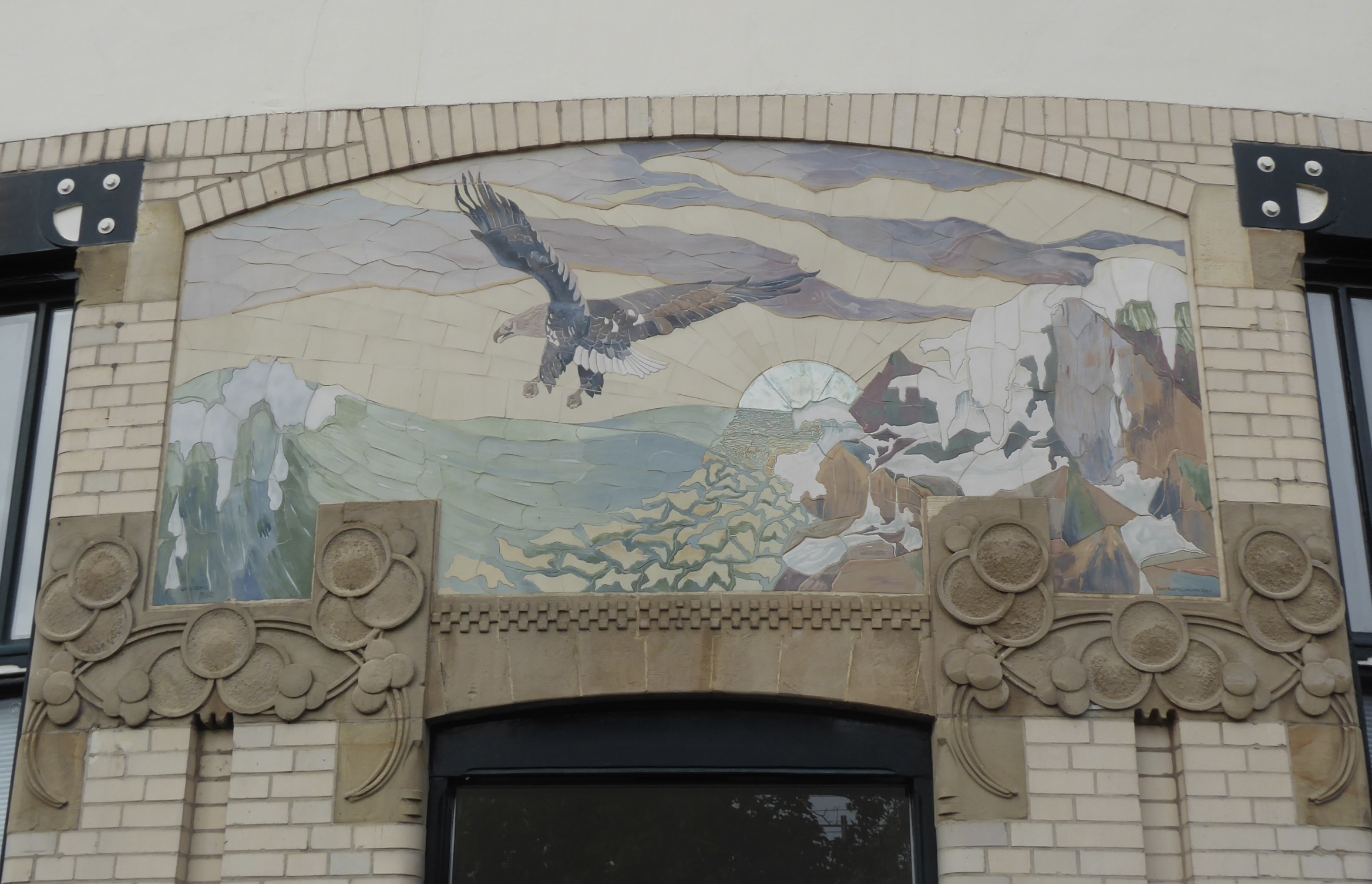
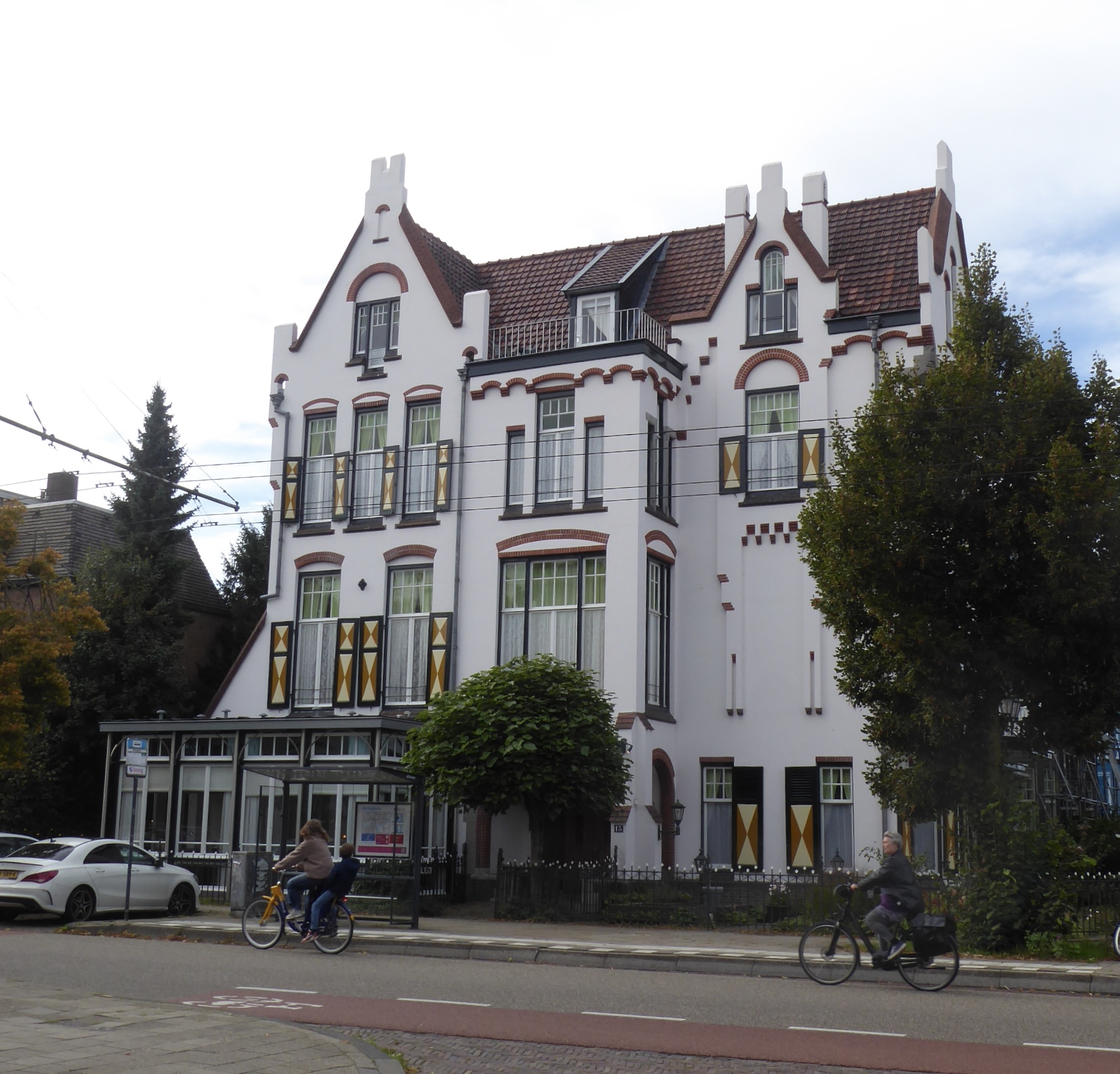
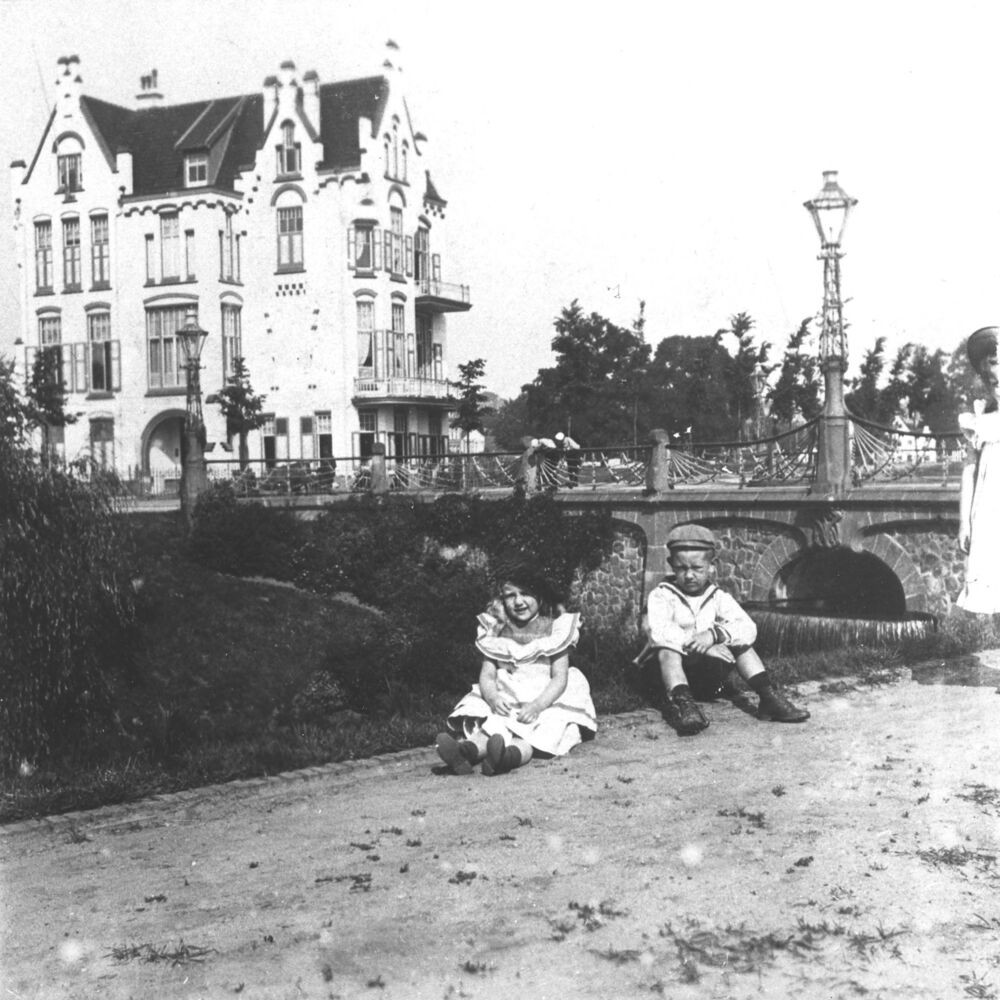
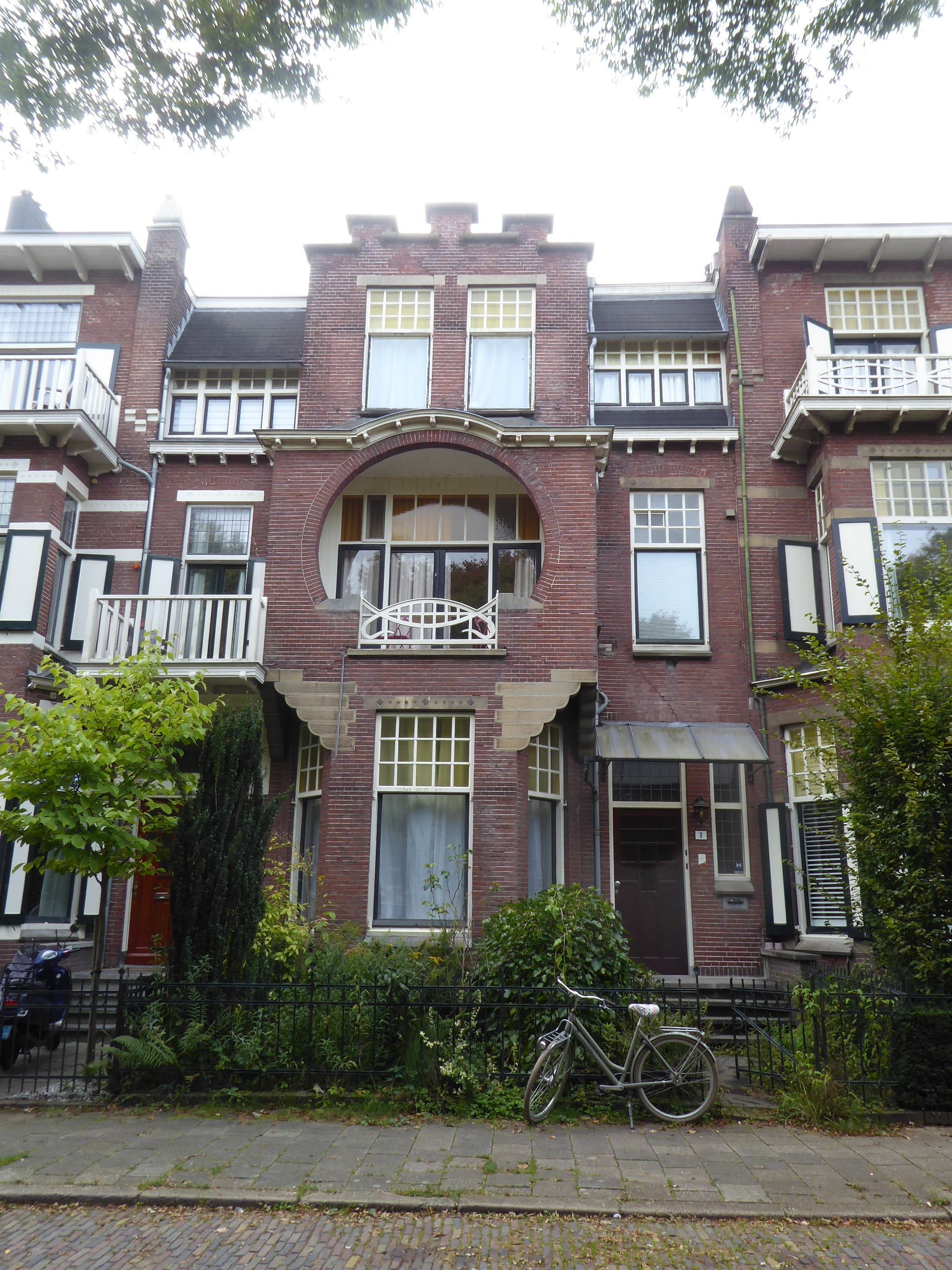
It was a lovely ride through undulating woods on serpentine cyclepaths. In some places Highland cattle roamed freely and rather hogged the paths. Our route into Arnhem was largely downhill through pleasant residential streets of traditional-style 20th-century buildings. Shortly before the station we came to a block of rather interesting buildings which I walked back to look at afterwards. I learned afterwards that they were all by local architect, Willem Diehl.

Ruurlo to Doesburg

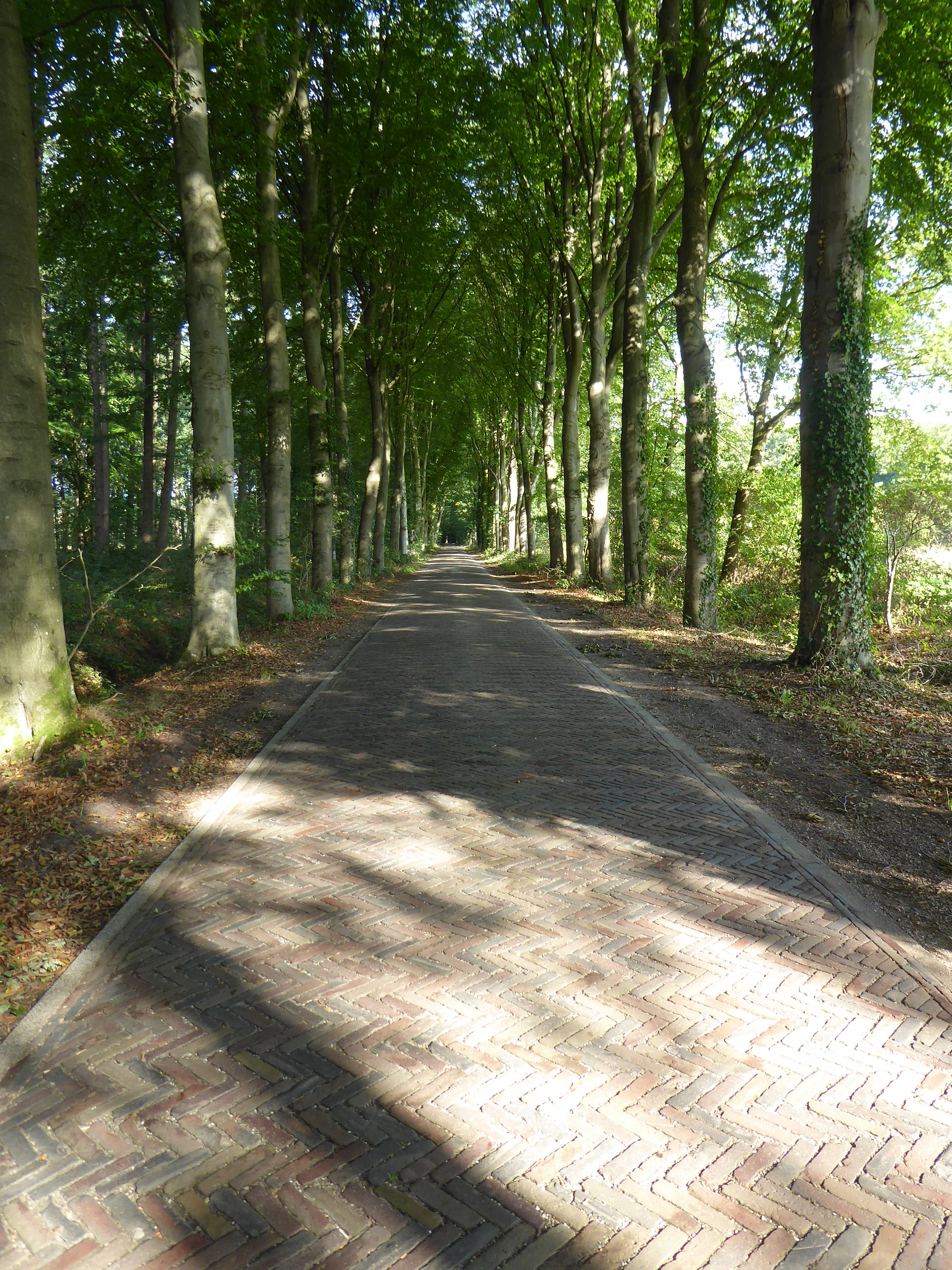
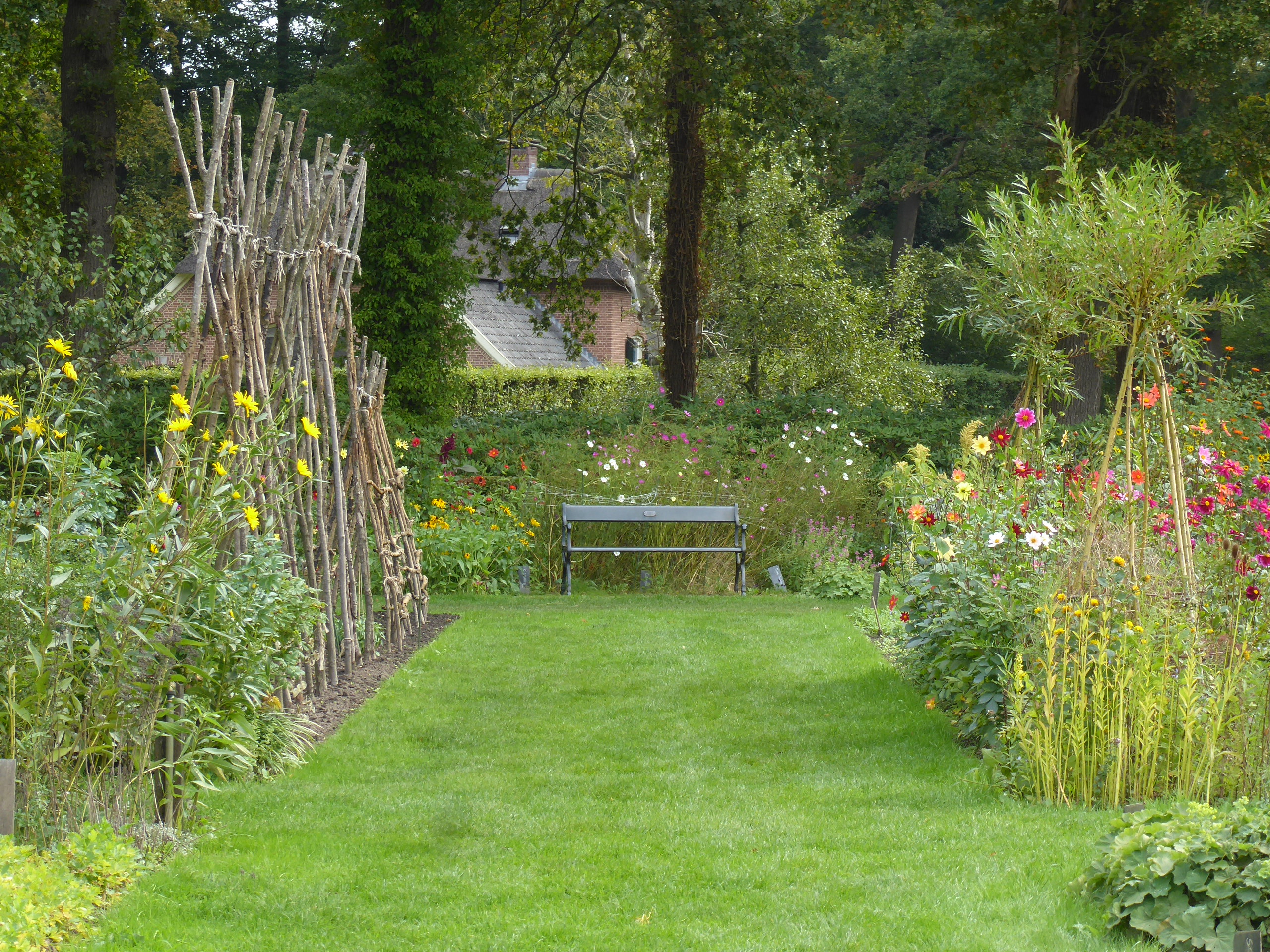
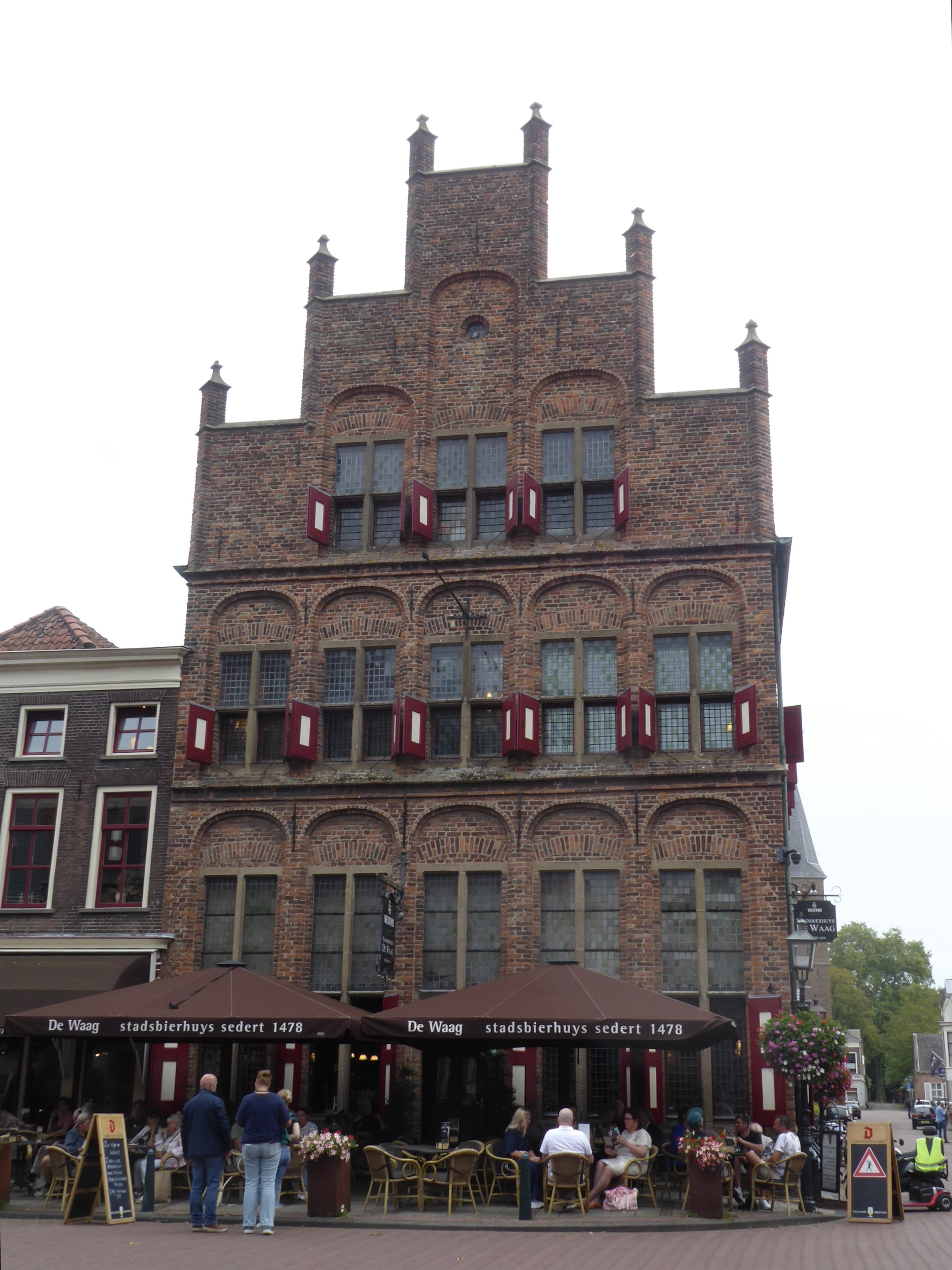
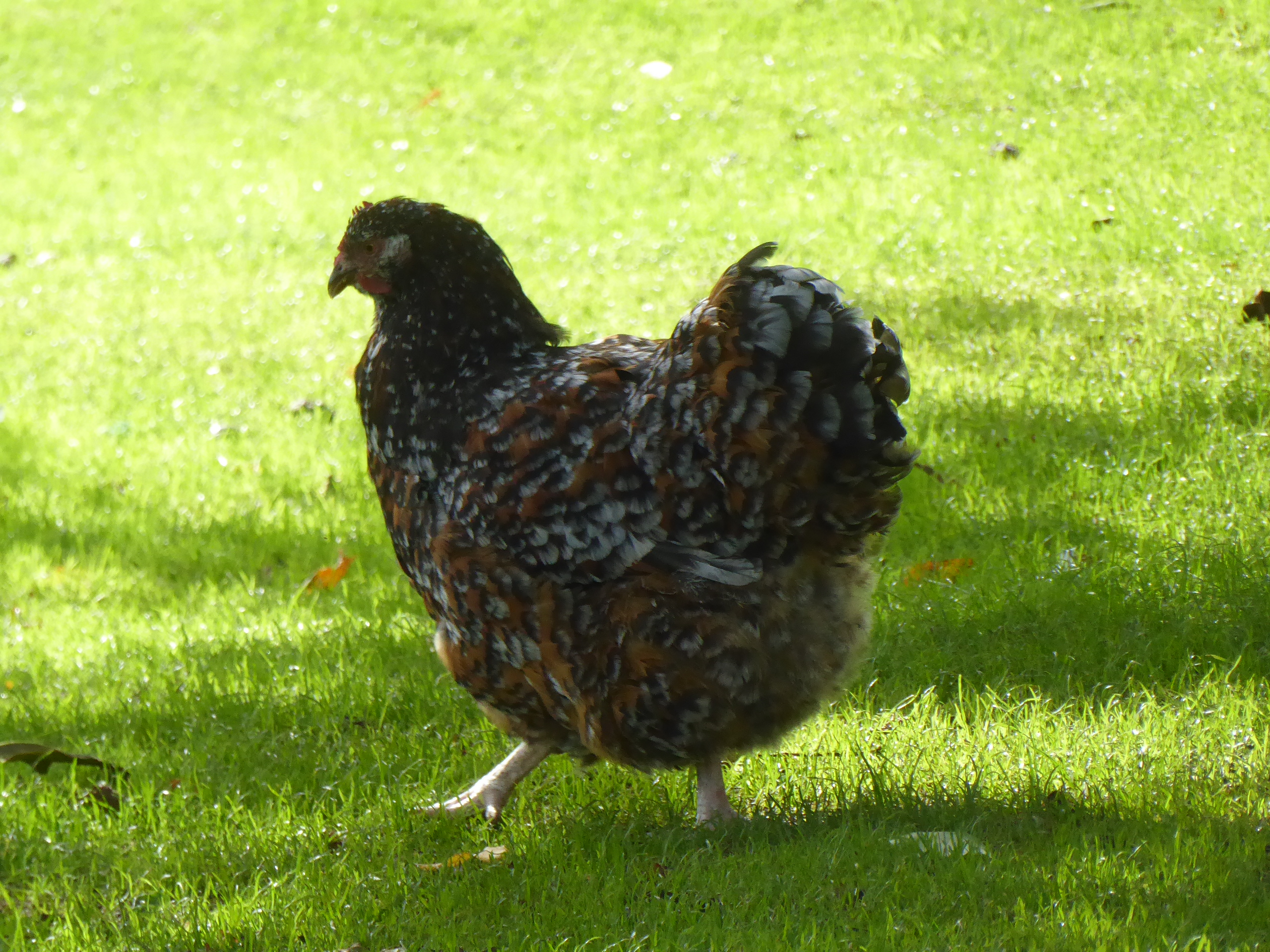
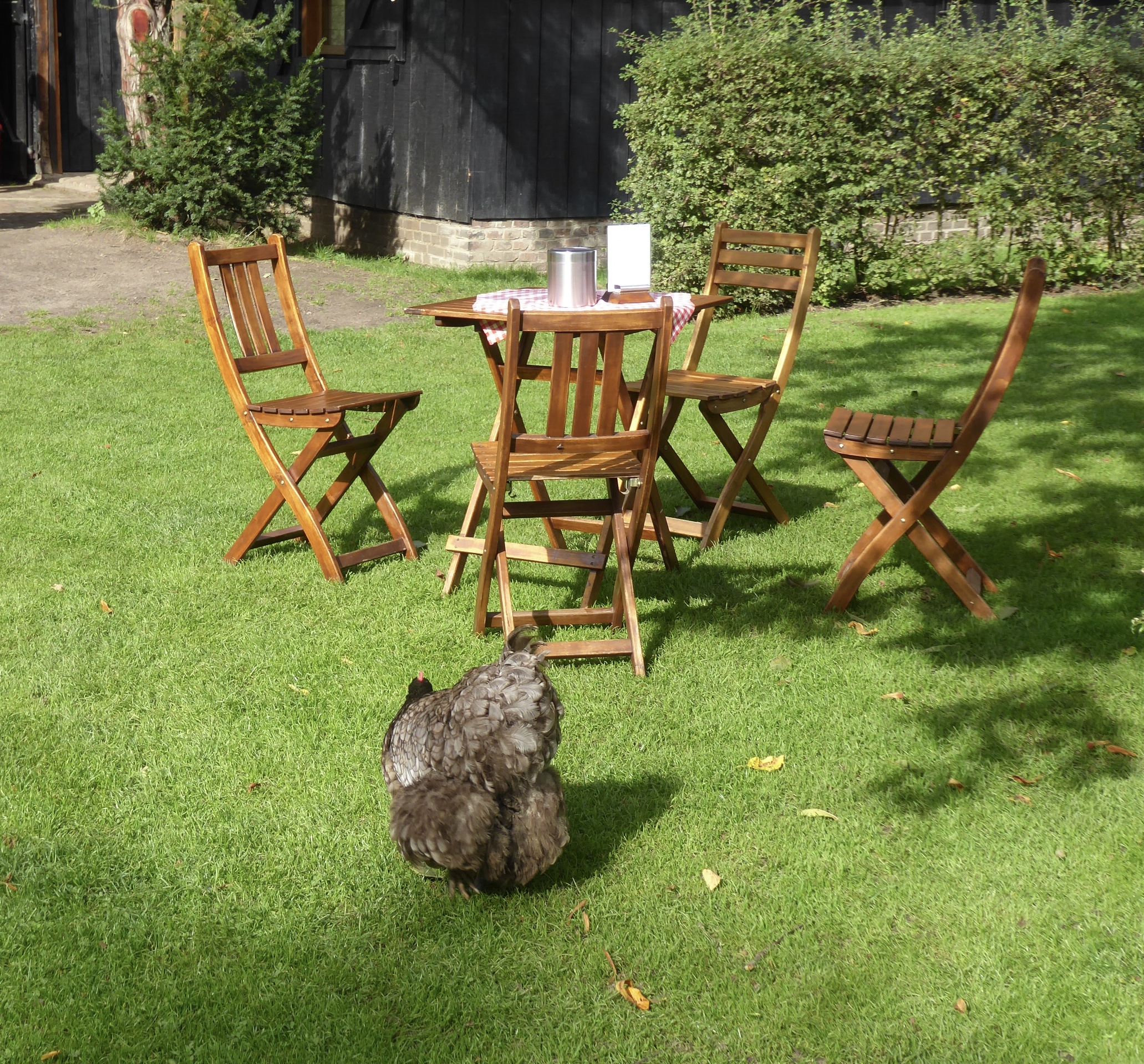
A sunny start and a pleasant first half. The day before yesterday I was growing tired of the German section of the Europa-Radweg R1 – pointlessly indirect and without the regular pleasures of the 100 Schlösser Route. I realised – after yesterday’s fat, fluffy hens – that it lacked the opportunity for serendipity. Here in the Netherlands it’s a different story: today it was the herringbone setts that pleased me plus a great little café stop in a place with a lovely garden. Then Bronkhorst near the River Ijssel; it started to rain so there was no chance of stopping to take photos, but it looked very pretty. And touristy . . . but, really, there is no hope nowadays of keeping delightful places totally hidden. The section to Doesburg was a bit dull, but Doesburg itself – a Hansa town – is great. It is at the confluence of the Ijssel and Oude Ijssel – the latter fed by the Bocholter Aa.

Vreden to Ruurlo

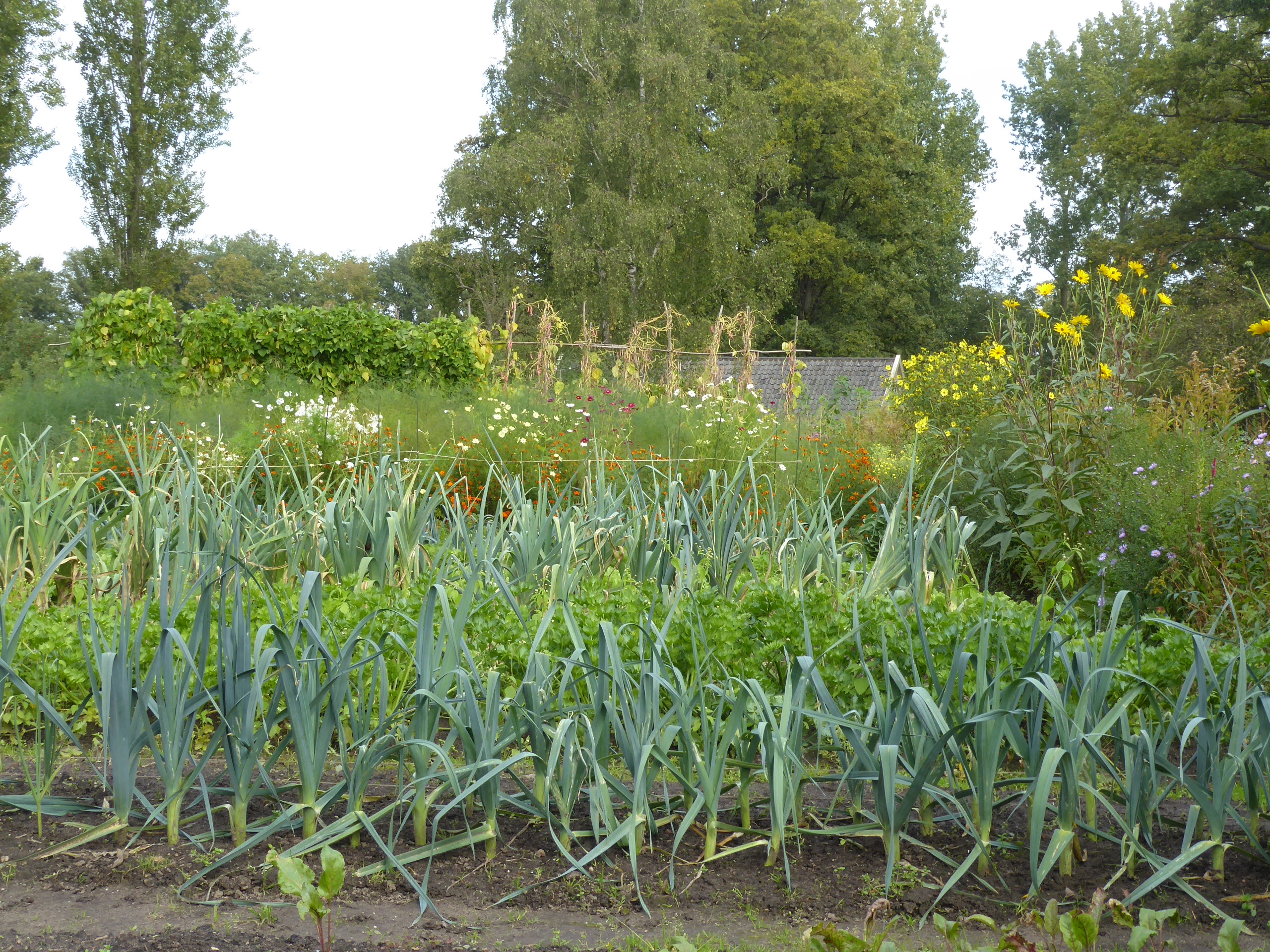
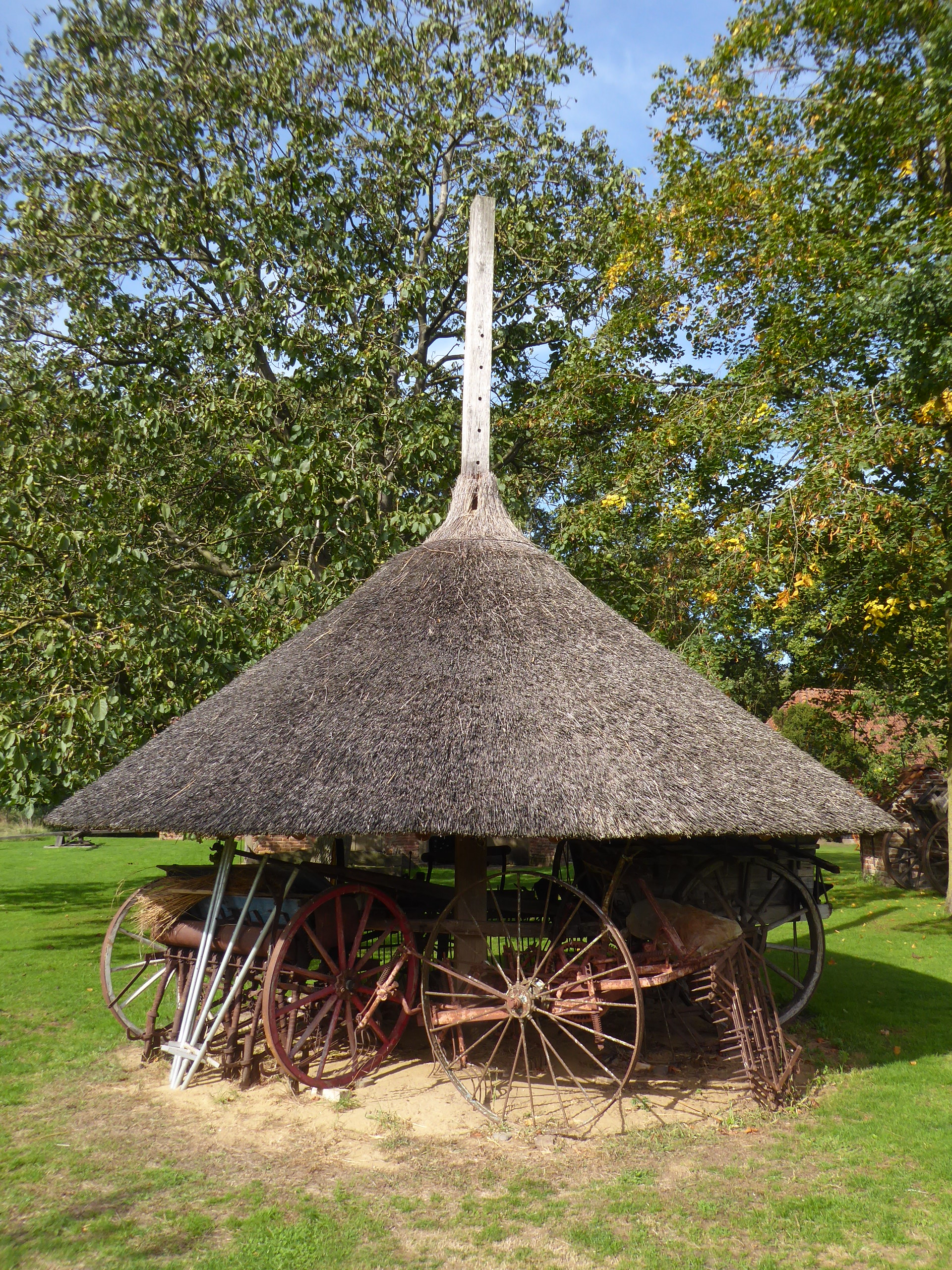
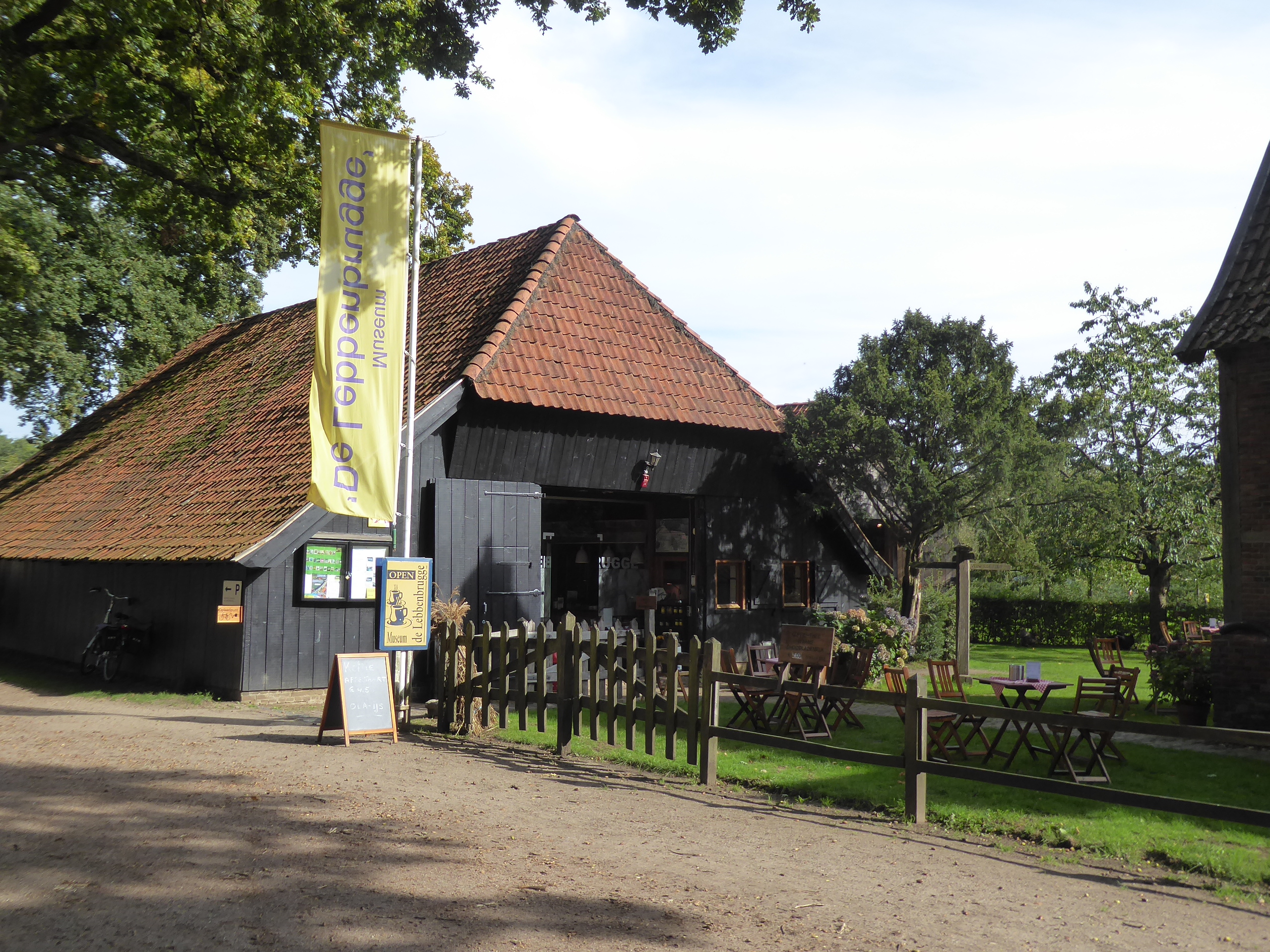
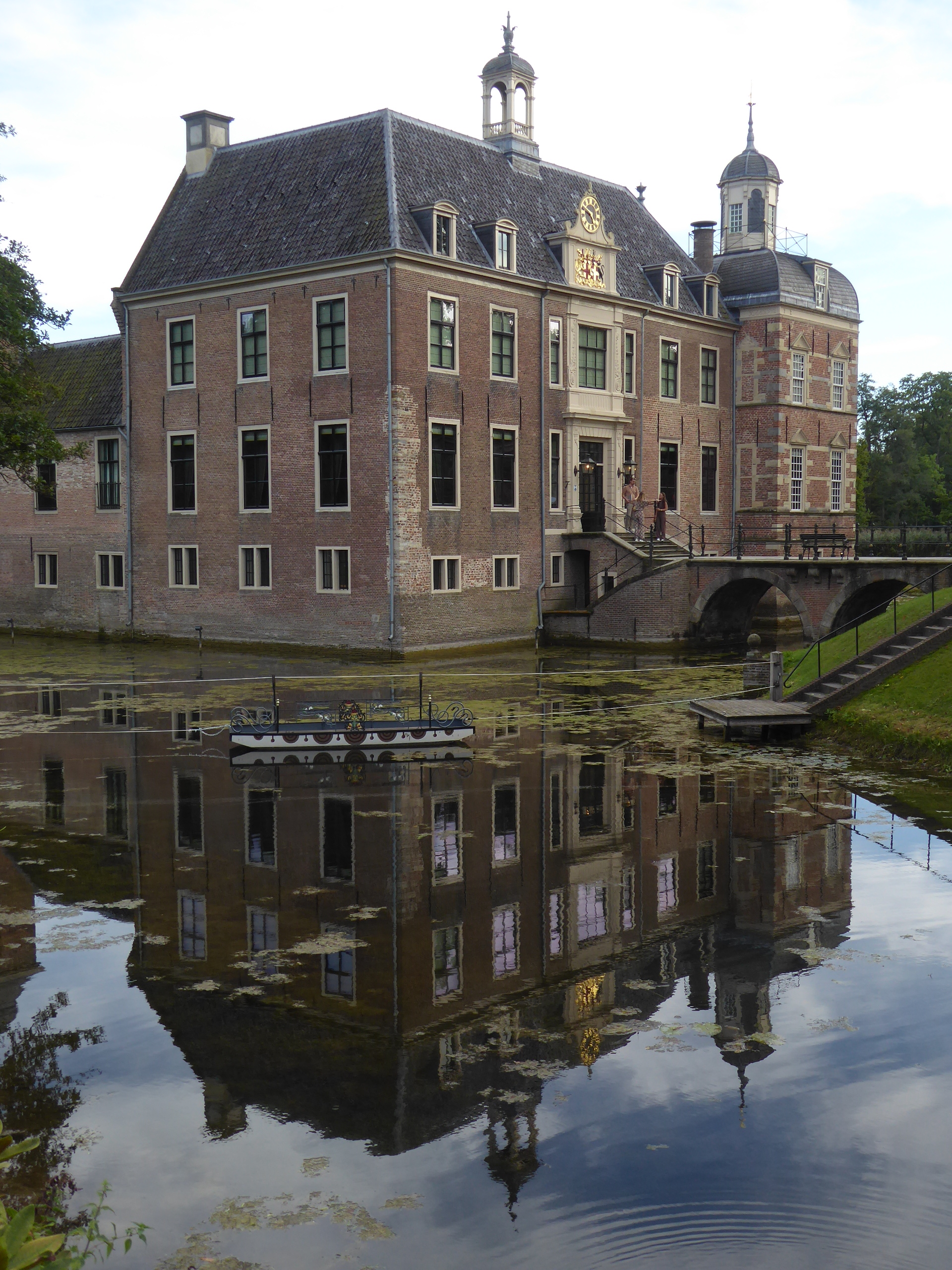
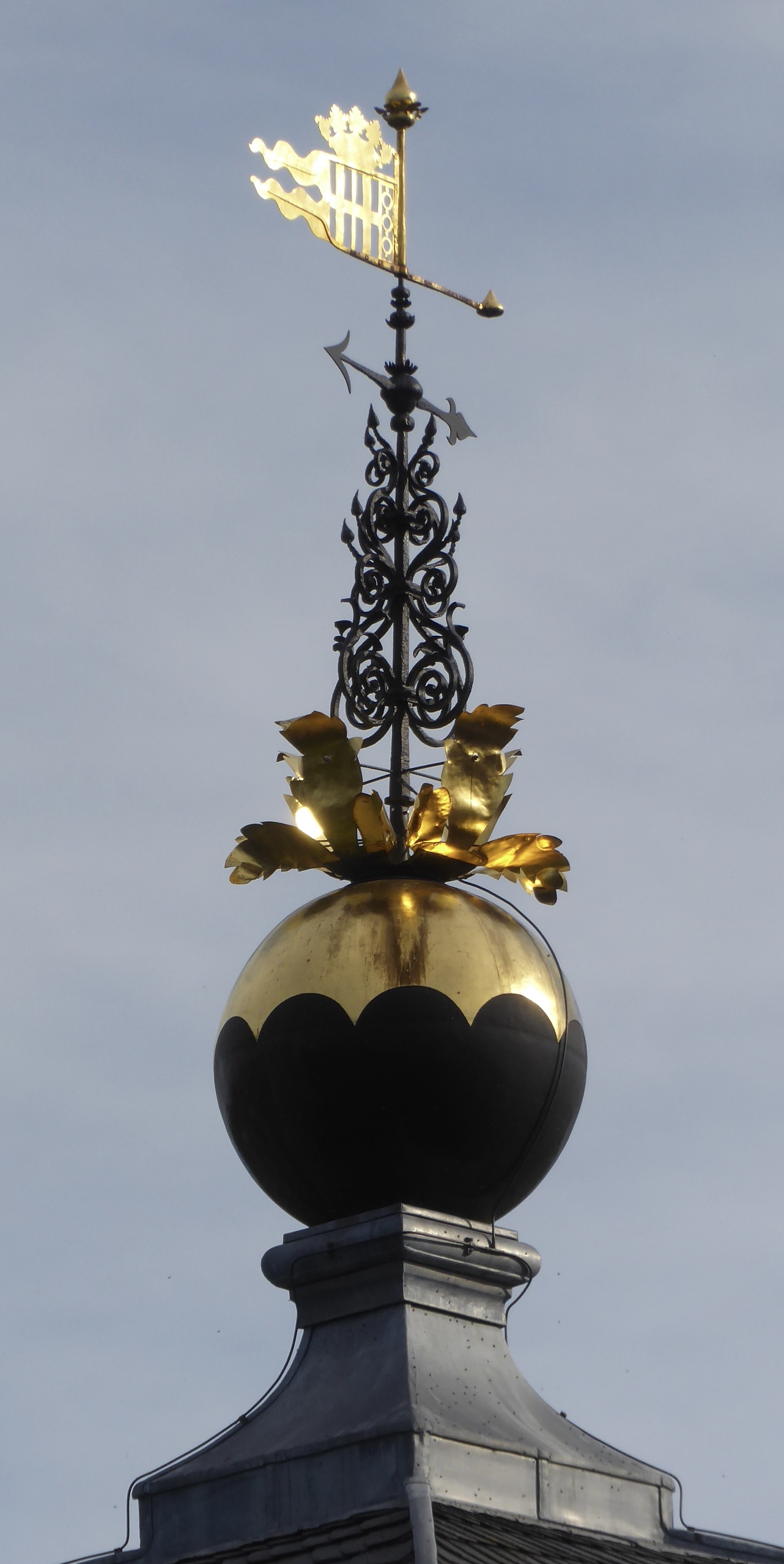
Suddenly the sun is shining and yesterday’s irritatingly roundabout route is today’s pleasant pootling. We have left Germany behind, and this little corner of the Netherlands is charming. Tree-lined roads and unexpected discoveries – like today’s agricultural museum which also offered Koffie en Appelgebak along with hens to hoover up the crumbs. Ruurlo has a castle which houses the Museum of Modern Realism – an art gallery rather than a philosophical institution, I have discovered.

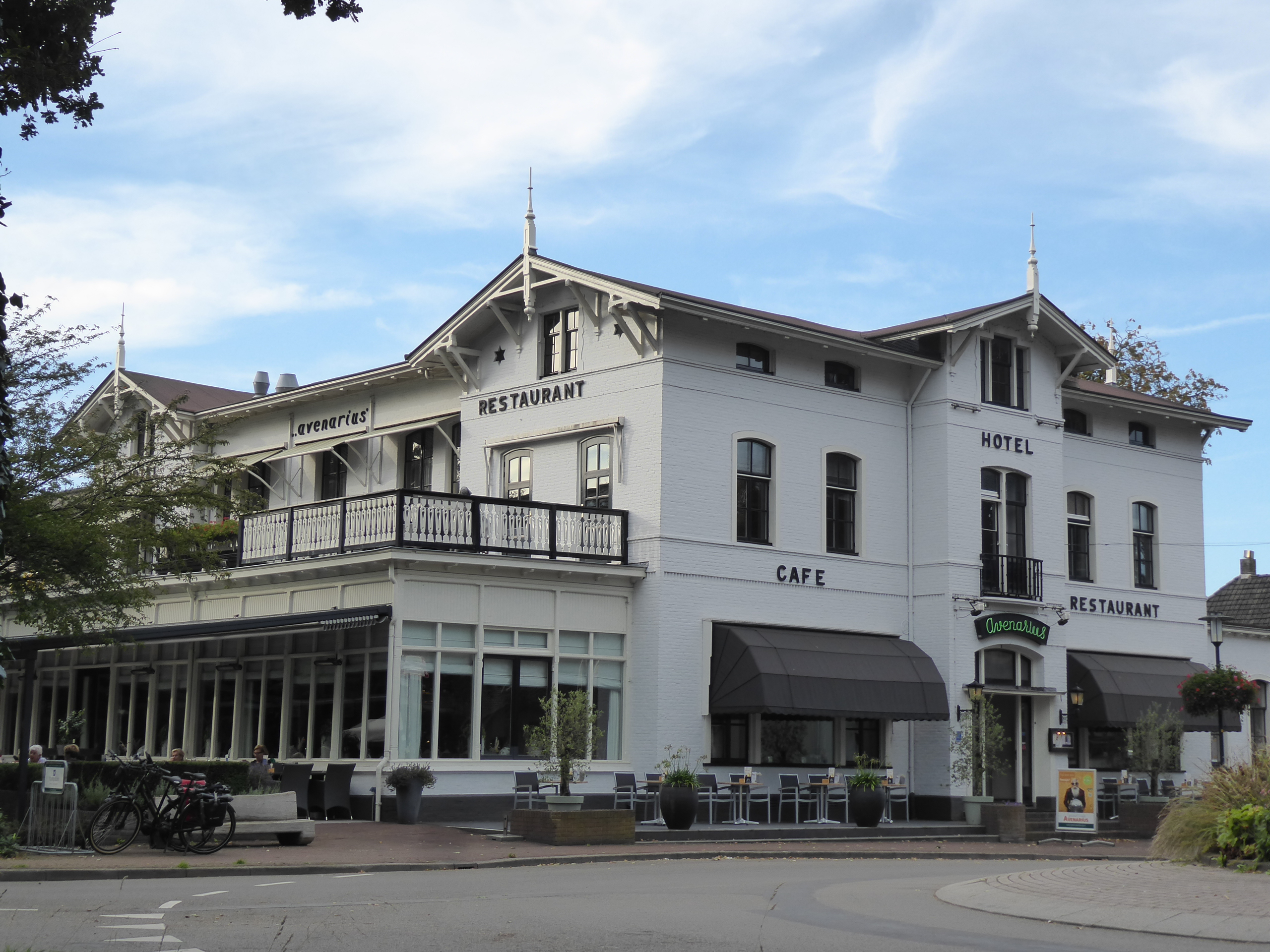
And tonight we are staying in one of those late 19th-century/early 20th-century brick-built Dutch buildings that I love.