British Library

Yesterday’s visit to the British Museum altered my focus today. I’d intended to see the exhibition on medieval women at the British Library, but now I was bursting to see a separate exhibition of some of the artefacts taken from the Library Cave at Dunhuang. I managed half an hour before a school group arrived and it was utterly fascinating.

How come I’ve never heard of Dunhuang?! But in a way I find my ignorance inspirational: there may be heaps of other wonderful serendipitous discoveries still to come my way.

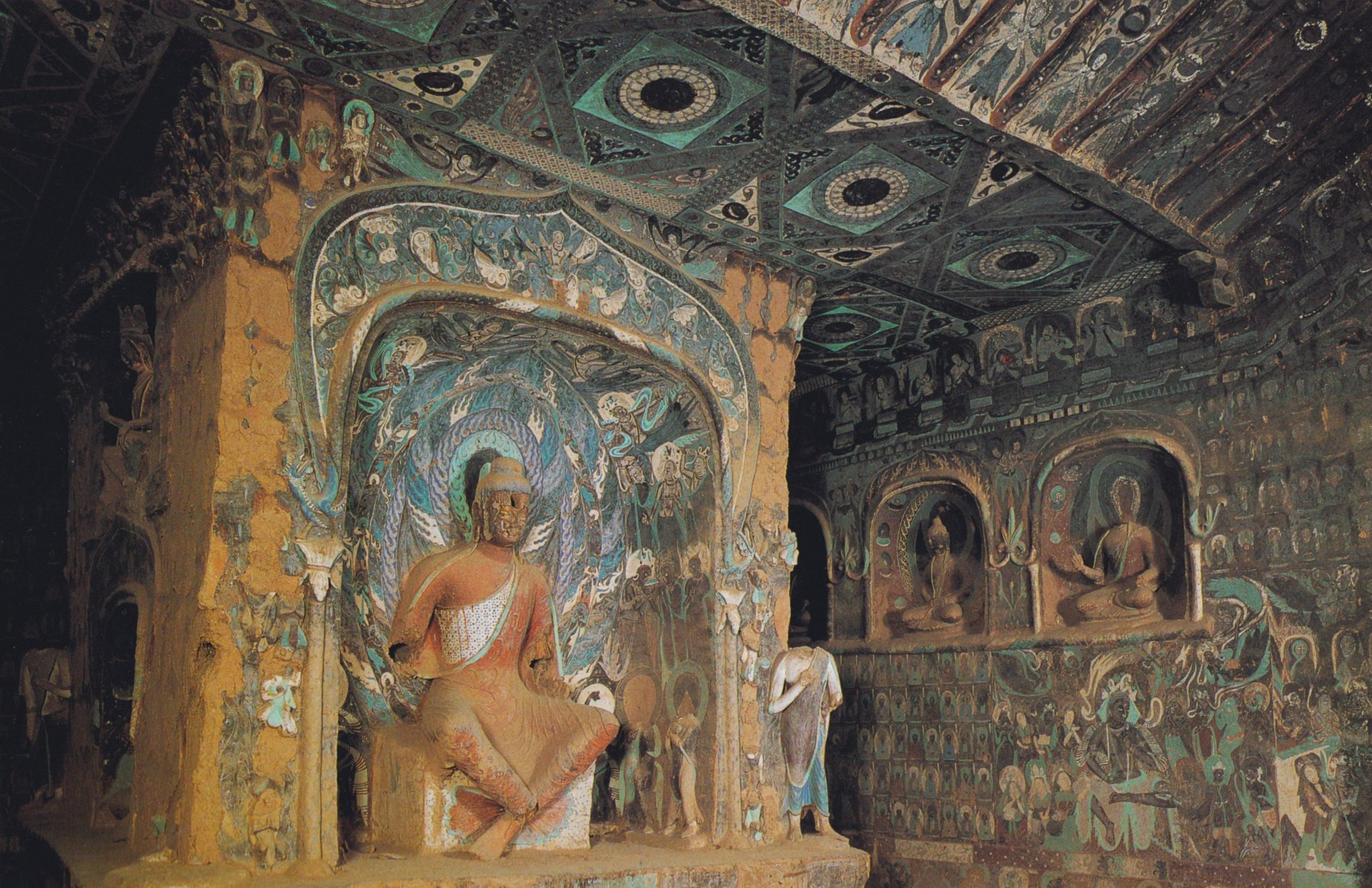
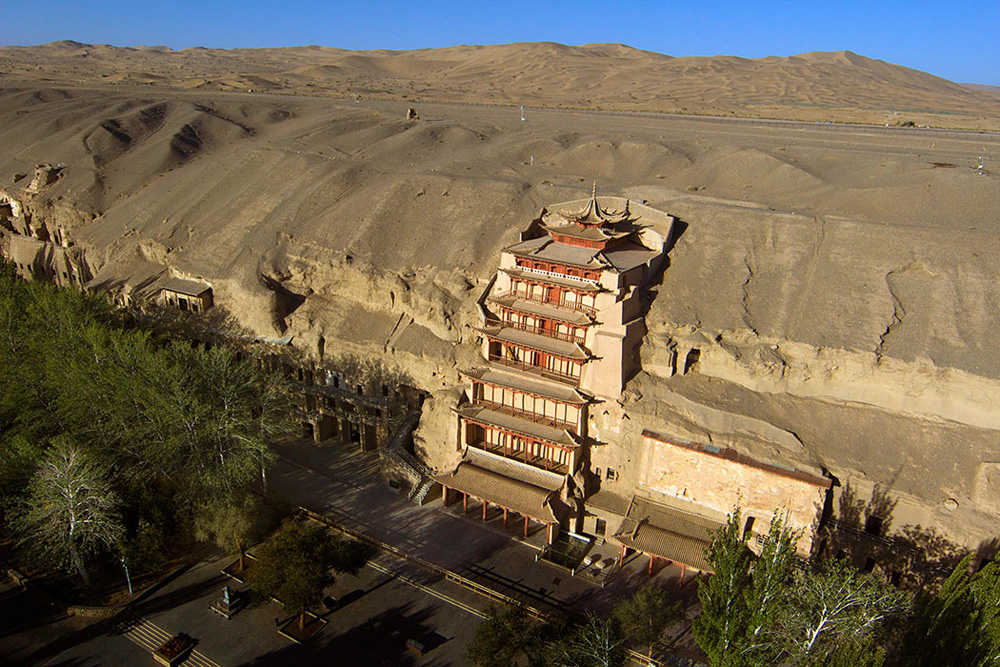
So: Dunhuang is an oasis town, once a garrison on the edge of the empire controlled by the Han dynasty. It has several Buddhist cave sites around, including the Mogao Caves (first caves dug out around 366 and more over the next thousand years), which look utterly amazing. The only – comparatively puny – comparison I could pull out from my own experience was Mystras or the monasteries of the Meteora.
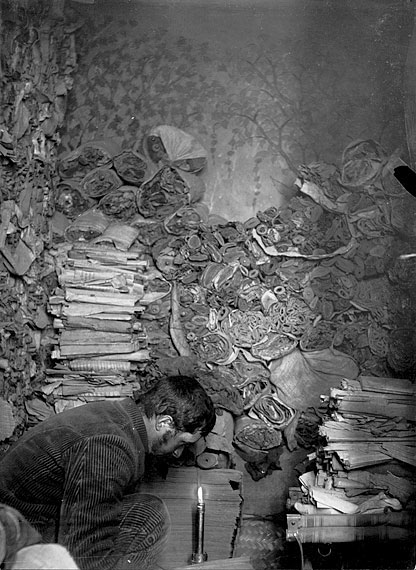
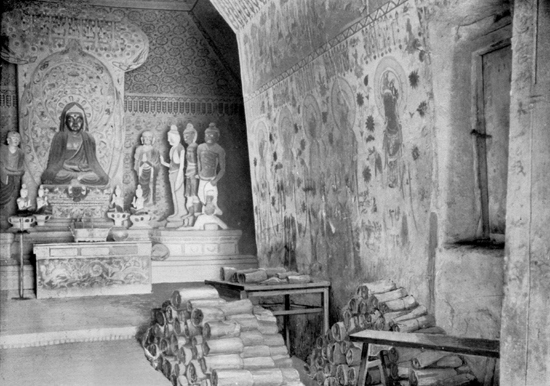
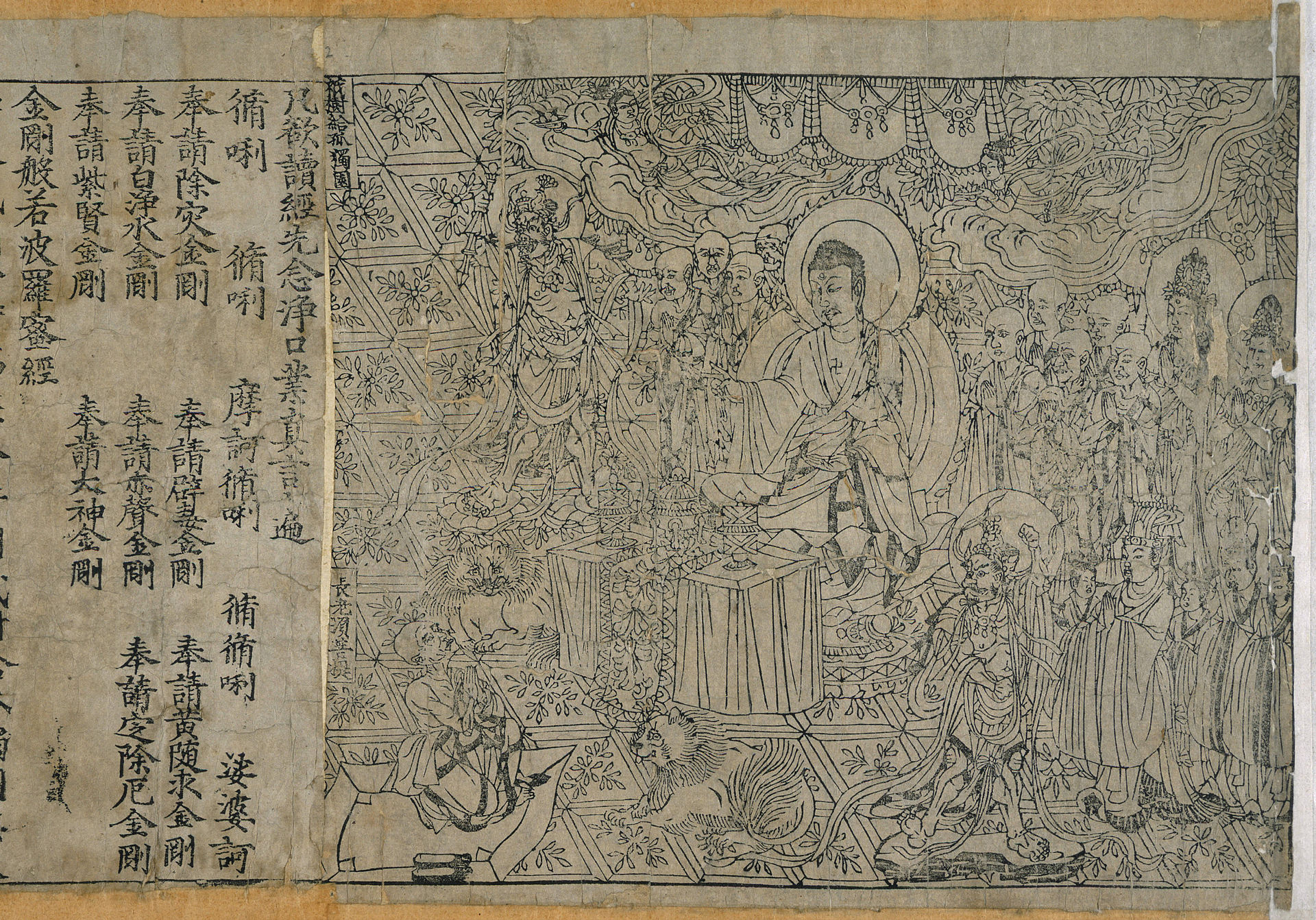
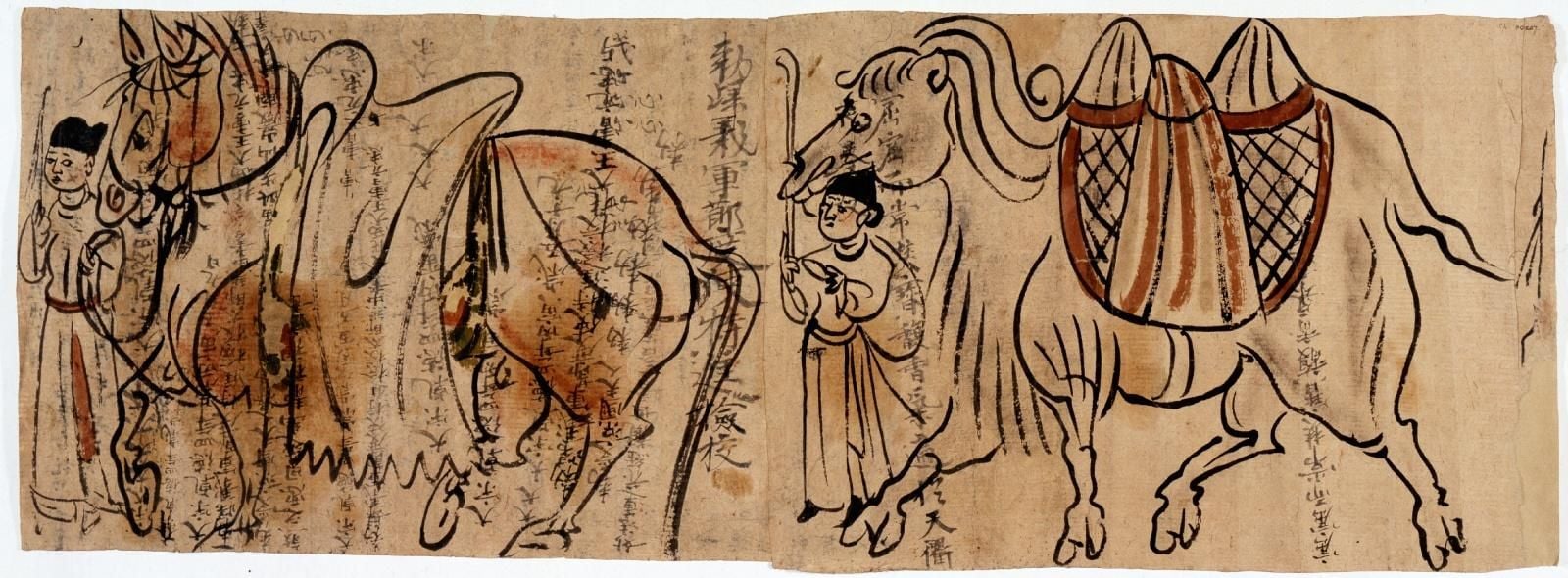
The Library Cave (cave number 17 of more than 700 caves) was discovered by a Taoist priest, Wang Yuanlu, in 1900. It contained some 50,000 documents of all kinds, both religious and secular, dating between 406 and 1002. Marc Aurel Stein, a Hungarian-British archaeologist (whose life story sounds fascinating), acquired many of them and brought them to Britain. This included – deep breath to take it in – the Diamond Sutra, the oldest complete printed book with a date in the world.

Which I took a photo of.

There were phrase books (crucial at this multi-lingual crossroads), Tibetan sutras copied out by local scribes (which gave an impression of what work was to be had), artists’ designs, letters between merchants and families, woodblock prints, almanacs, etc etc. Unable to understand a word, I focussed on the charm of the pieces: the holes in the much-folded letter from a merchant, the concertina-ing of a bilingual manuscript which could be read horizontally or vertically depending on the language.
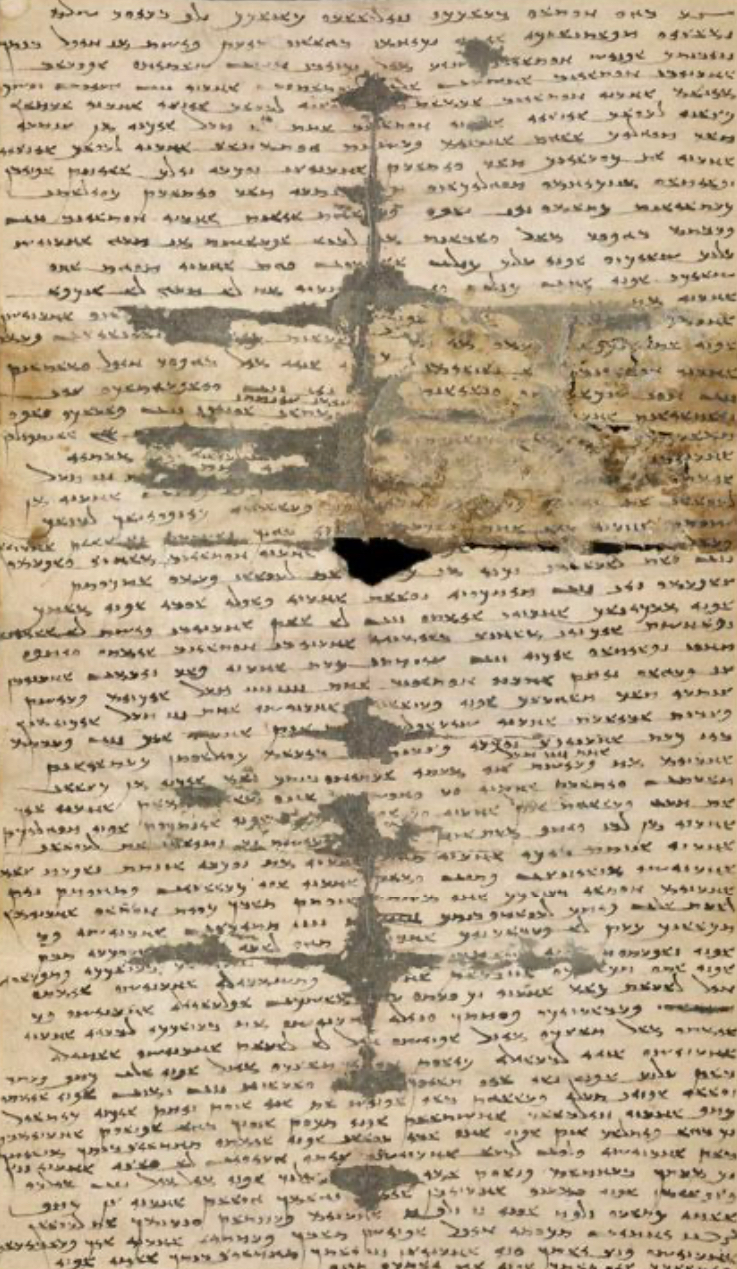
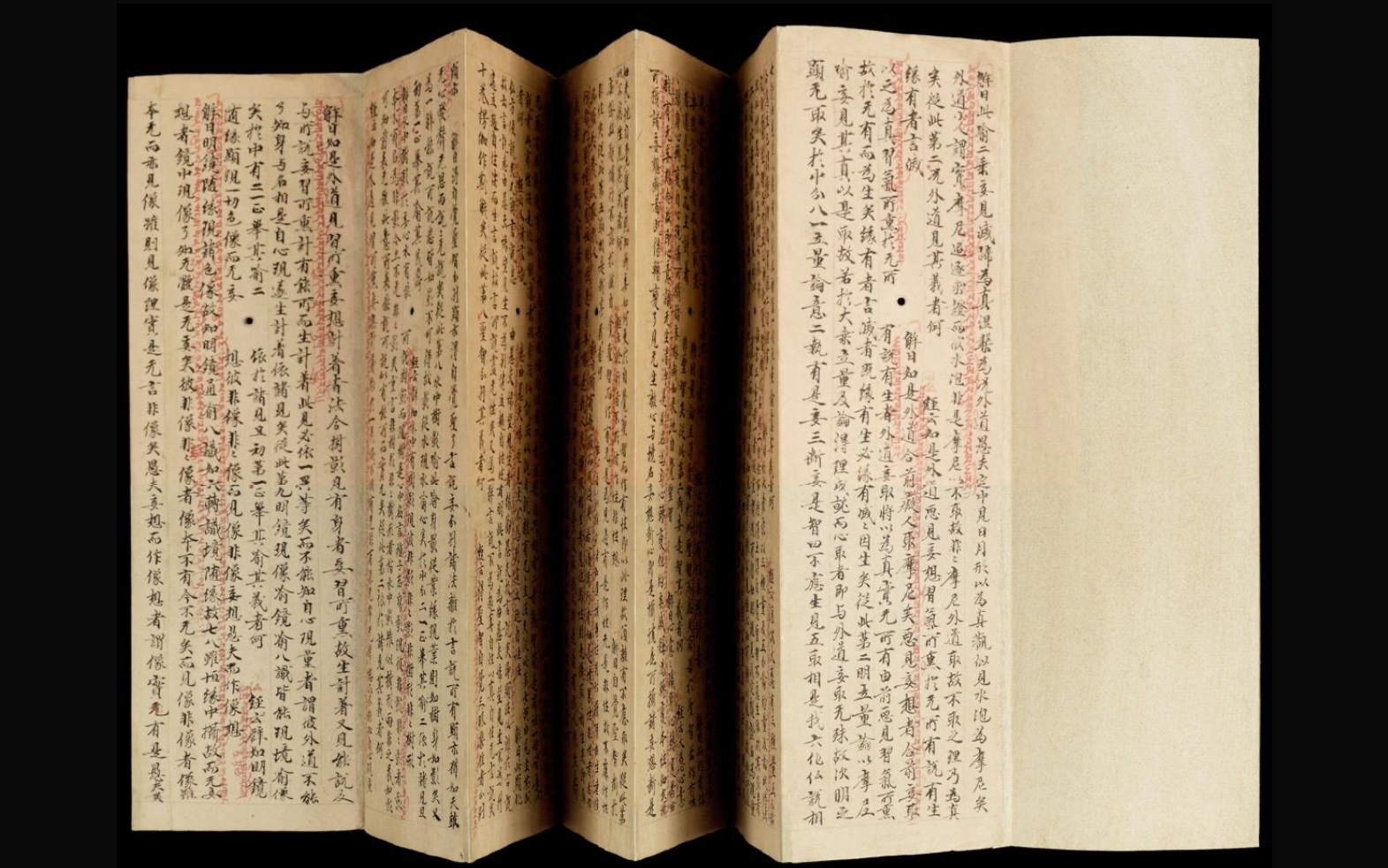
The exhibition underlined what I had grasped yesterday: that goods are not the only things to travel along trade routes. Religions, ideas and practices are just as significant.

After this, the exhibition on medieval women in their own words seemed dull and predictable. My only amusement at the time was in discovering that a charm made from weasel testicles was considered a contraceptive. I appreciate the scholarship that goes into all this, but, really, Jane Austen put the words into Anne Elliot’s mouth over 200 years ago:

Men have had every advantage of us in telling their own story. Education has been theirs in so much higher a degree; the pen has been in their hands.

On reflection, that is a very unfair and sweeping judgement, for it did contain some astounding items: a letter dictated by Joan of Arc and signed by her, for example. And the thread of religious mysticism kept me wondering: was Margery Kempe unusually pious, a charlatan, or had she found her own way to escape the bonds of a medieval woman’s life?
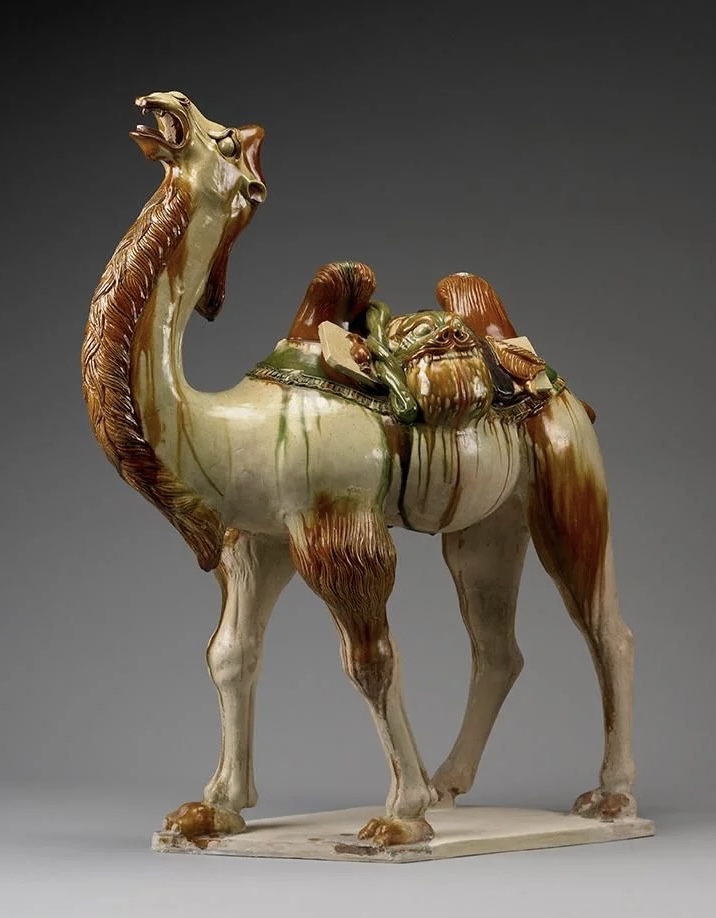
Silk Roads

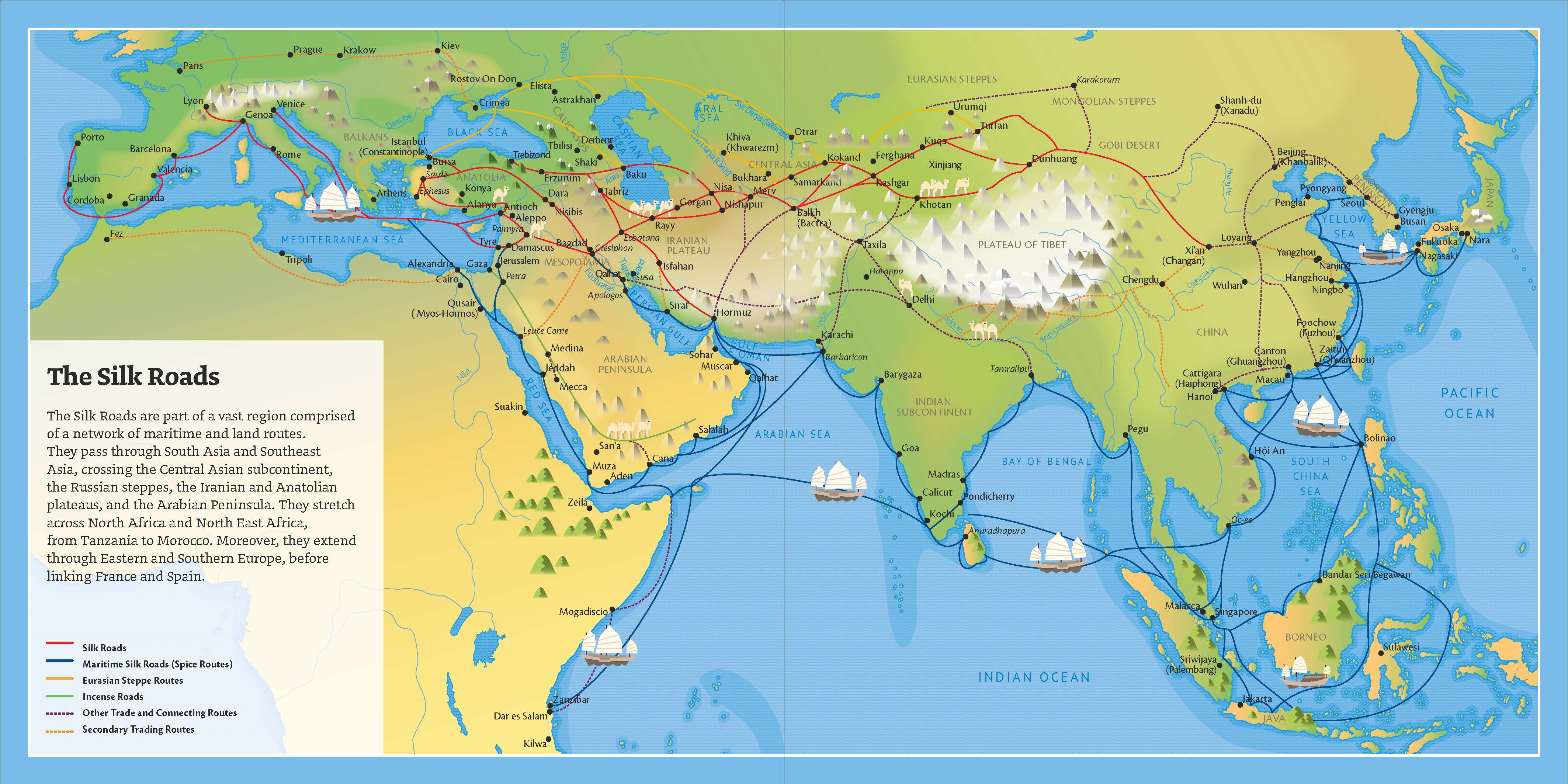
My geography failed me completely here. I doubt I could pin Japan on a map, let alone Korea or Uzbekistan. I realised how completely flummoxed I was at having no Eurocentric compass to orient myself at the start of the exhibition as it began with China and dynasties I had never heard of. I encountered lots of new information, which is still sinking in; it may be a while before the dust settles to reveal coherent thoughts.

Λοιπόν. This exhibition at the British Museum focused on trade routes between Asia, Europe and Africa between 500 and 1000 along which silks, spices, luxury and everyday goods, and ideas passed. It began with a bronze figure of the Buddha – made in Pakistan in the late 500s and excavated in Sweden amongst buildings dating from the 800s.

First: the developing links between China (Chang’an), Korea (Unified Silla) and Japan; in the Nara period (700s), rulers in Japan adopted elements of the Tang dynasty and adapted the Chinese writing system for their own language. Buddhism spread eastwards from India at this time to become the dominant religion. Silk was used as currency in China, and it was one of the luxury items in demand along the trade routes.

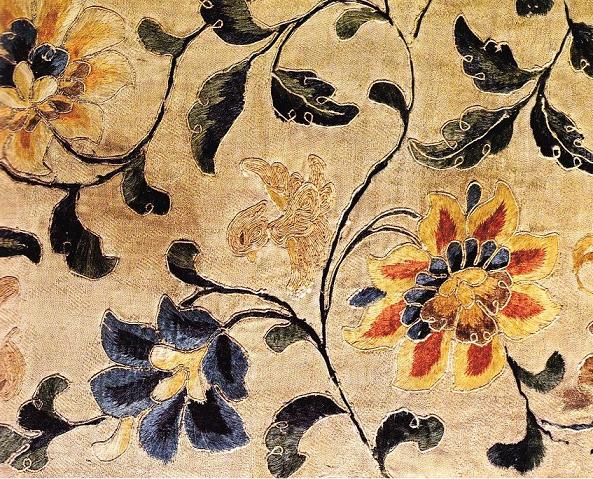
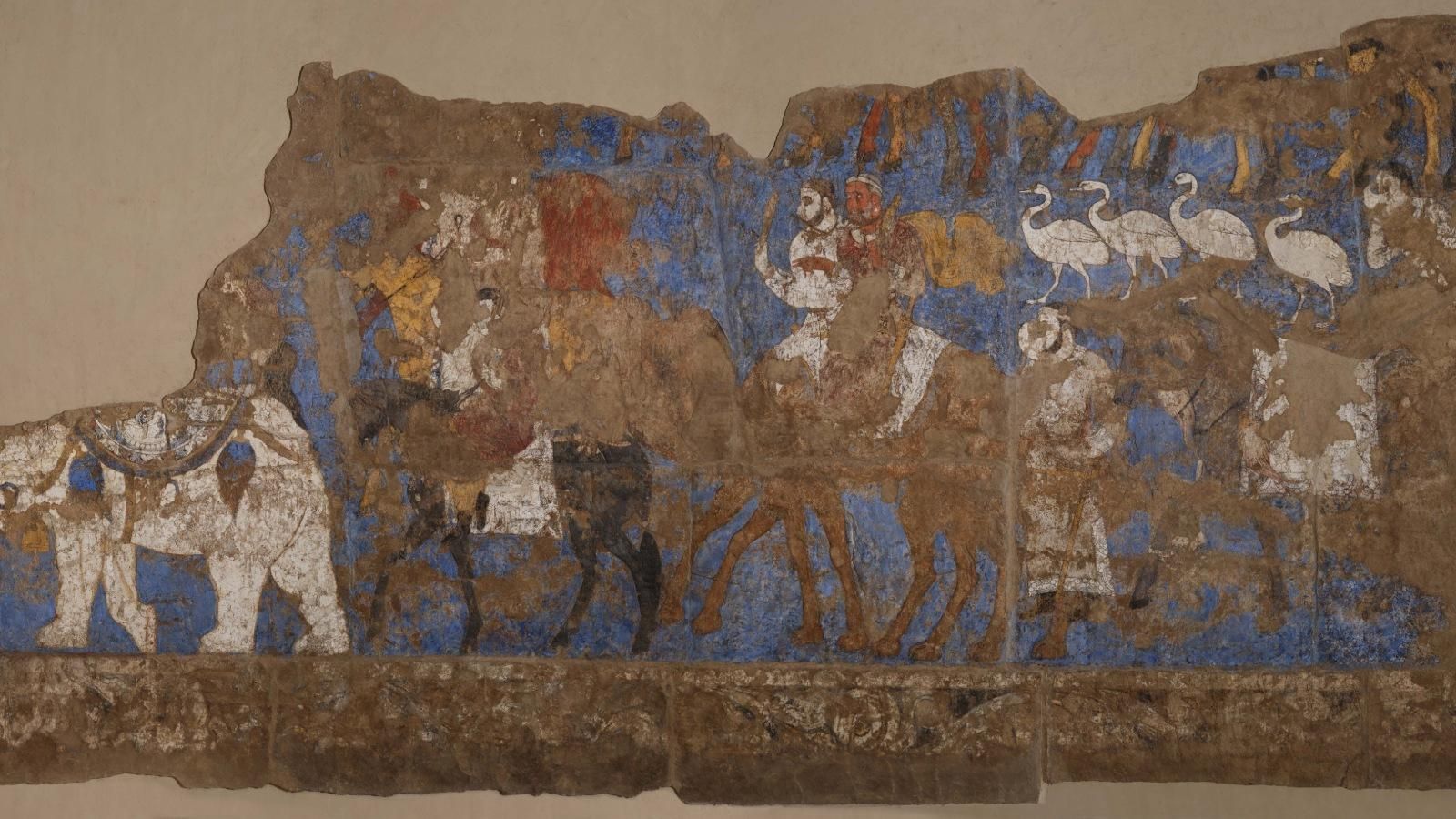
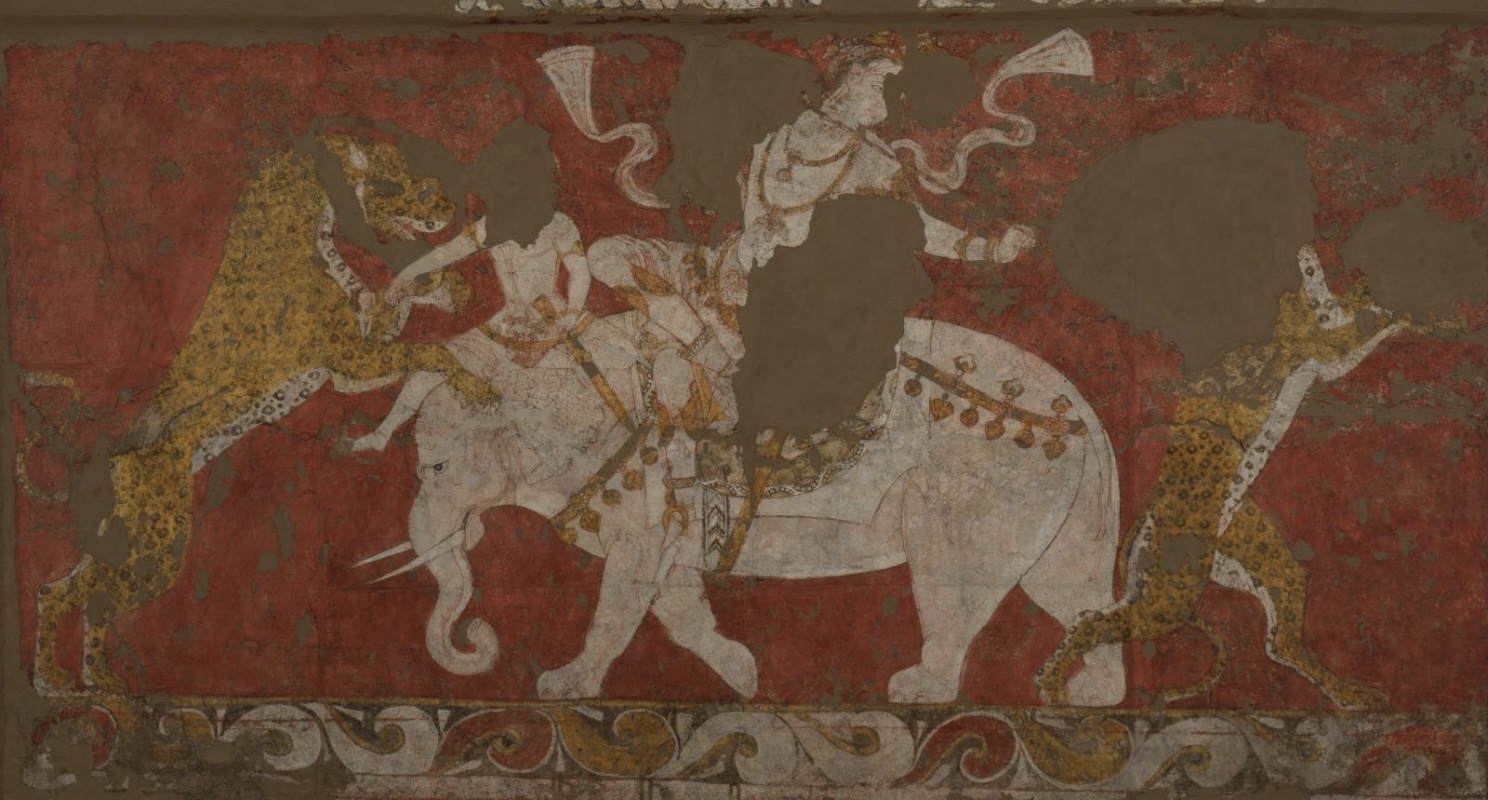
I found out about Dunhuang, a garrison town, where in 1900 a sealed “library cave” was discovered, containing manuscripts, textiles, paintings and other objects. Empires and peoples I had never heard of were represented by wonderful objects: the Sogdians, for example, and a mural from Samarkand showing a Sogdian ruler and his entourage, or one of an elephant from the Bukhara region.

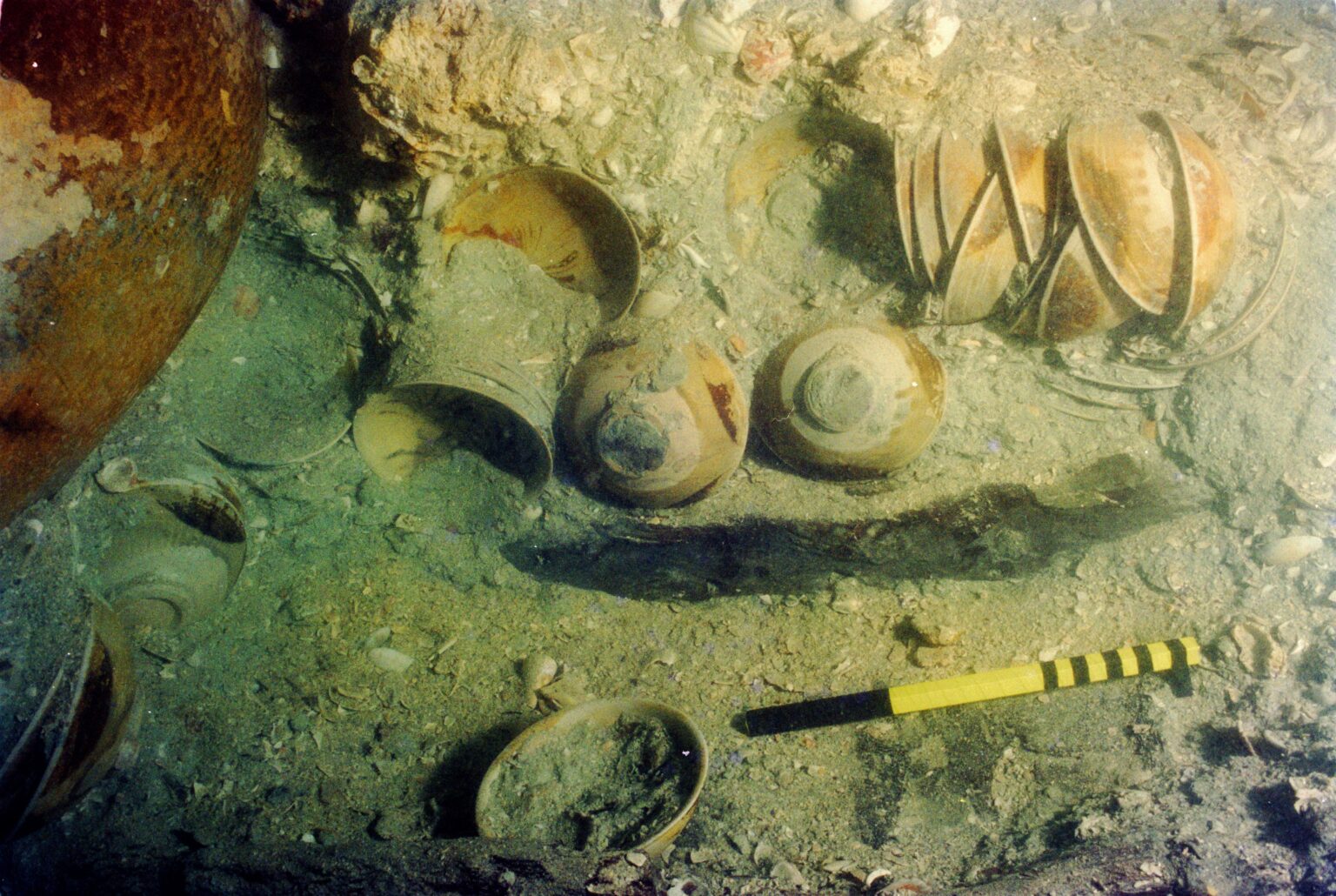
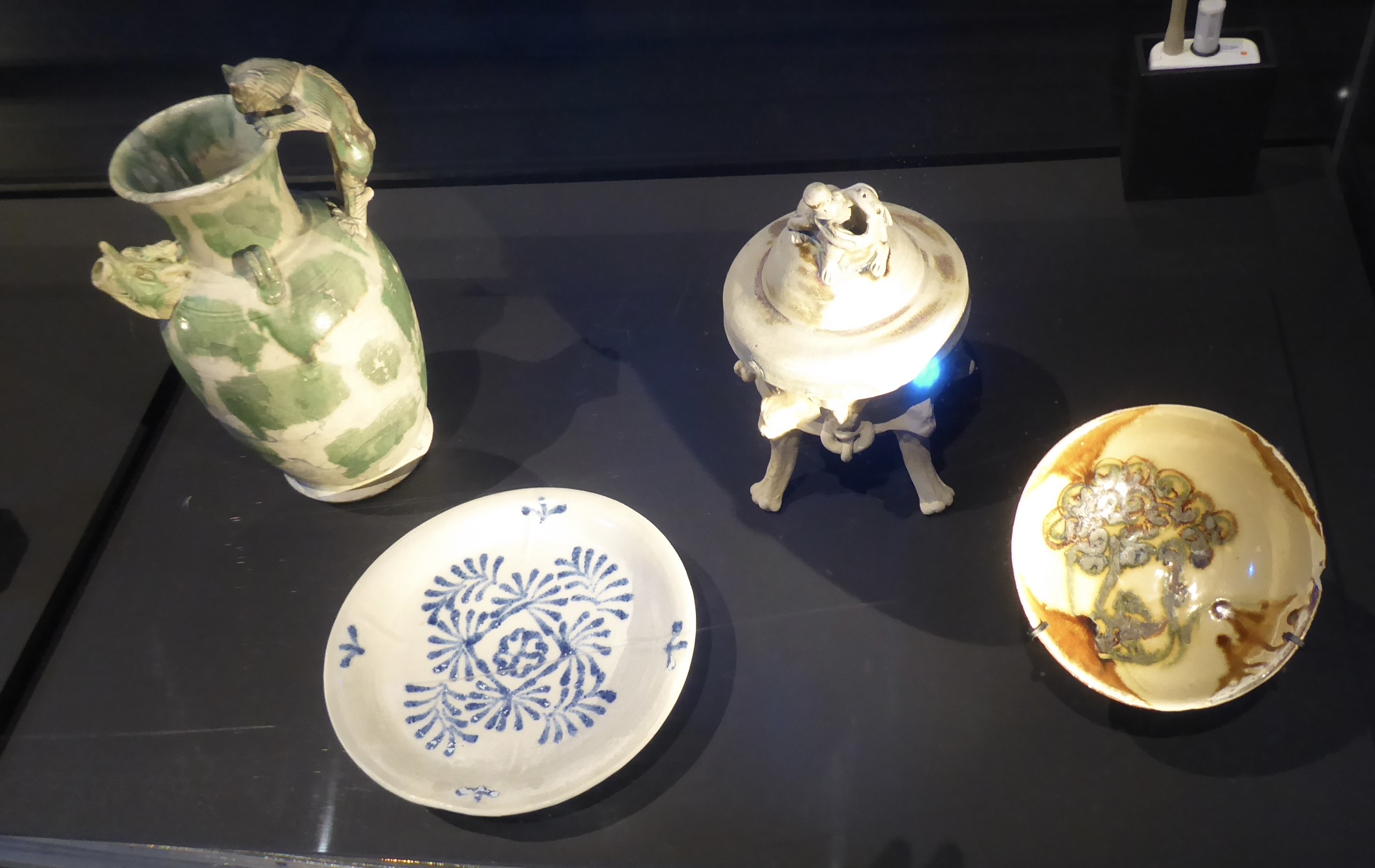
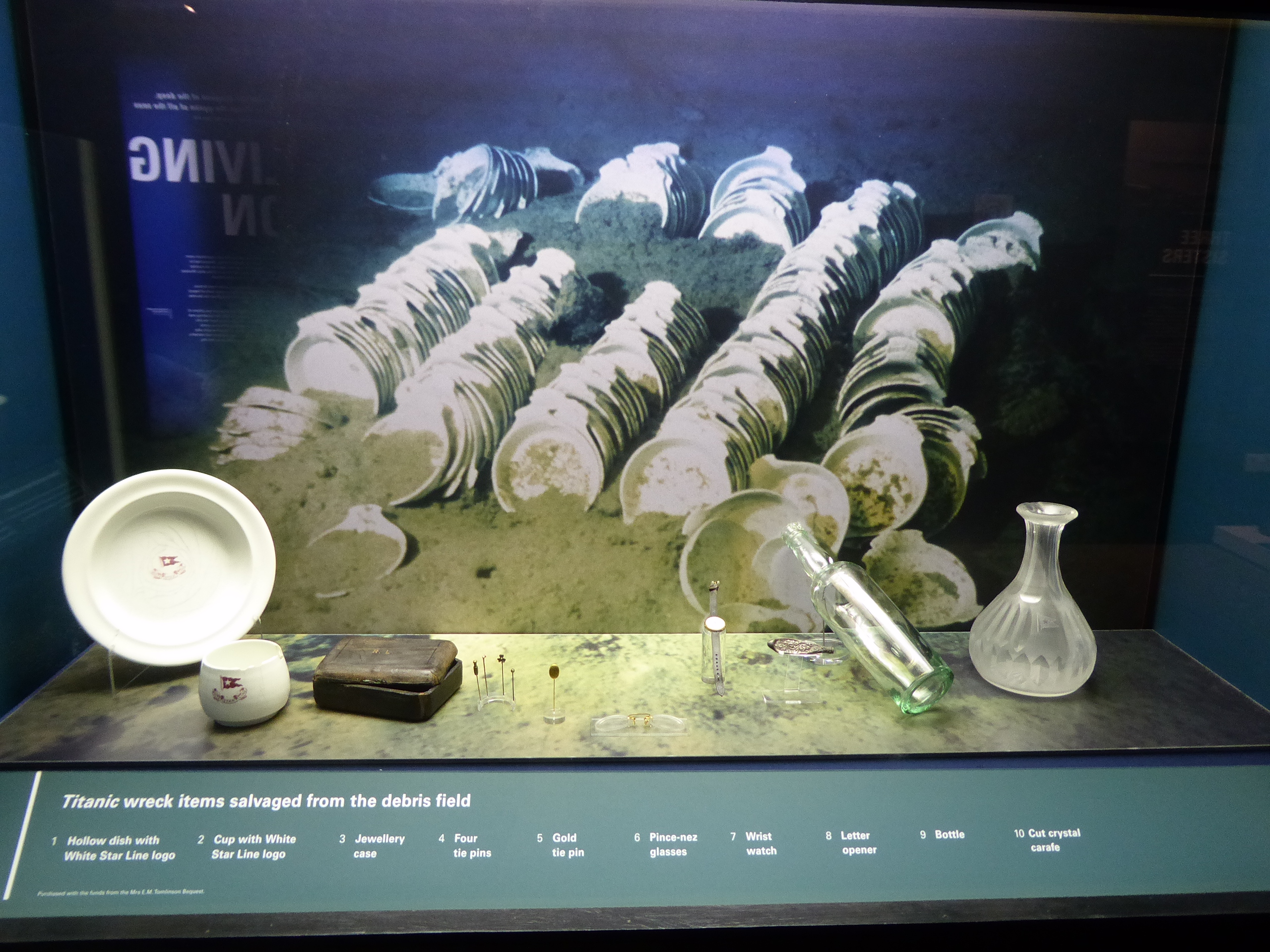
The Belitung shipwreck was fascinating and mind-boggling. In 1998 a shipwreck was discovered off Belitung Island in Indonesia; a vessel from the early 800s en route from China to perhaps the Arabian peninsula, containing over 60,000 items – mostly Chinese ceramics. (The photographs of crockery on the sea bed reminded me of the Titanic last month.) I could happily find a home for the pretty blue and white dish – which makes clear how the very human pleasure of acquiring attractive objects as well as the essential stuff like salt drove so much global trade.

Ideas, religions, technological knowledge and languages travelled along the routes. There was a concertina of a Buddhist sutra in both Chinese and Sanskrit and a fragment of New Persian text written in Hebrew script; I had to think hard about those. Religions that travelled along the route: not just the dominant Buddhism of this time but also Hinduism, Manichaeism and Zoroastrianism, meeting up with local deities and religious practices, and, later, Islam through conquest.

Such a sense of human activity over so many centuries! Some of it illustrated our worst tendencies: the never-ending desire for more and more luxurious goods and the trading of people as well as commodities.

By the time the silk routes reached the shores of Europe, my sense of wonder diminished: it was all rather familiar. On reflection, I realised how thoroughly and unusually immersed I had been in an exhibition that barely touched on Europe or parts of the world colonised by Europeans. It doesn’t often happen, and it did make me very aware of my ignorance and lack of a compass as I venture into new territory.

After lunch I returned to more familiar territory: a small exhibition of prints and drawings that Max Beckmann had given to Marie-Louise von Motesiczky.

Charles Dickens Museum

My mistake: I went to the museum hoping to see the copy of David Copperfield that accompanied Scott and his men on the Terra Nova expedition, but that’s not until February.

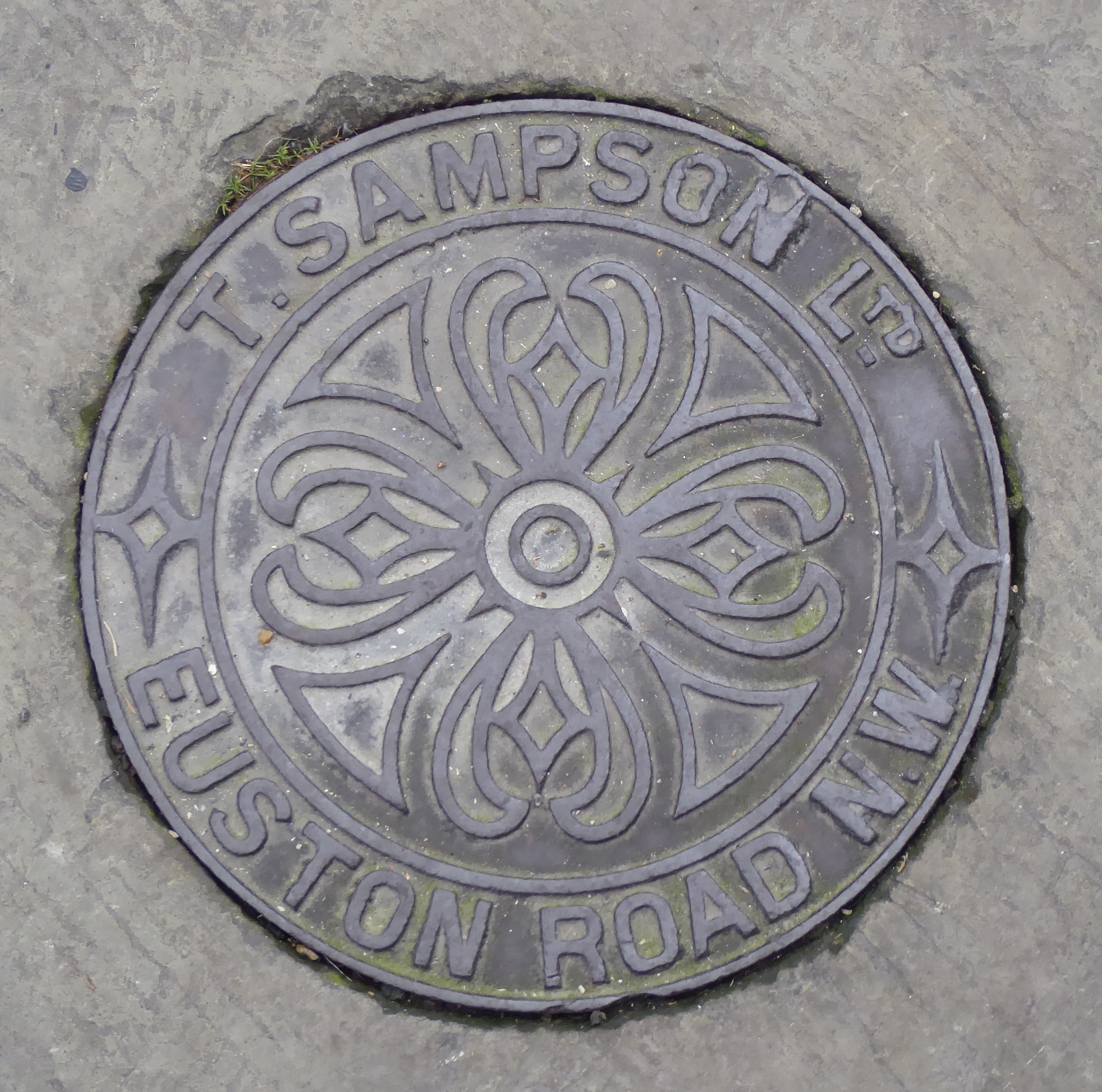
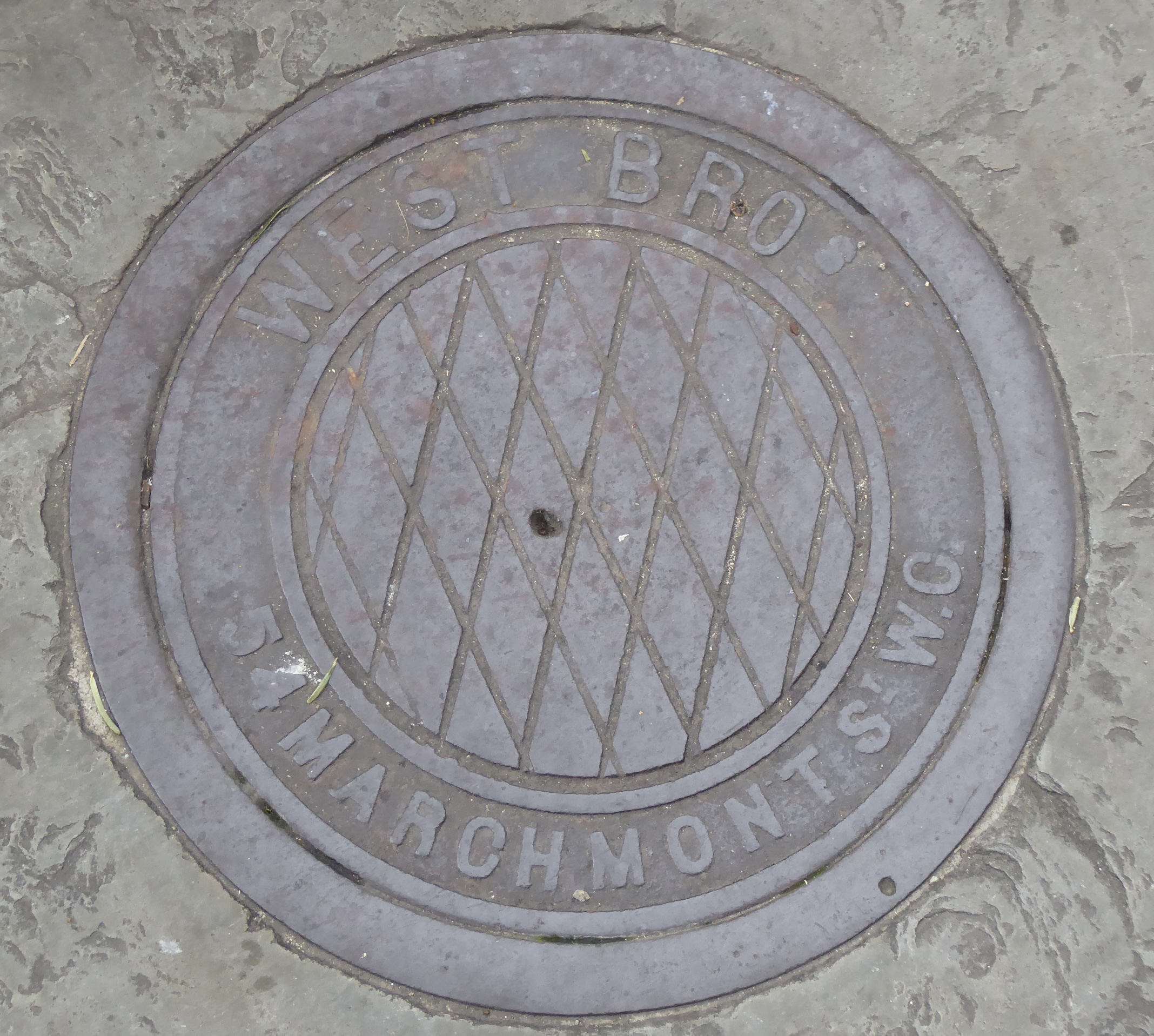
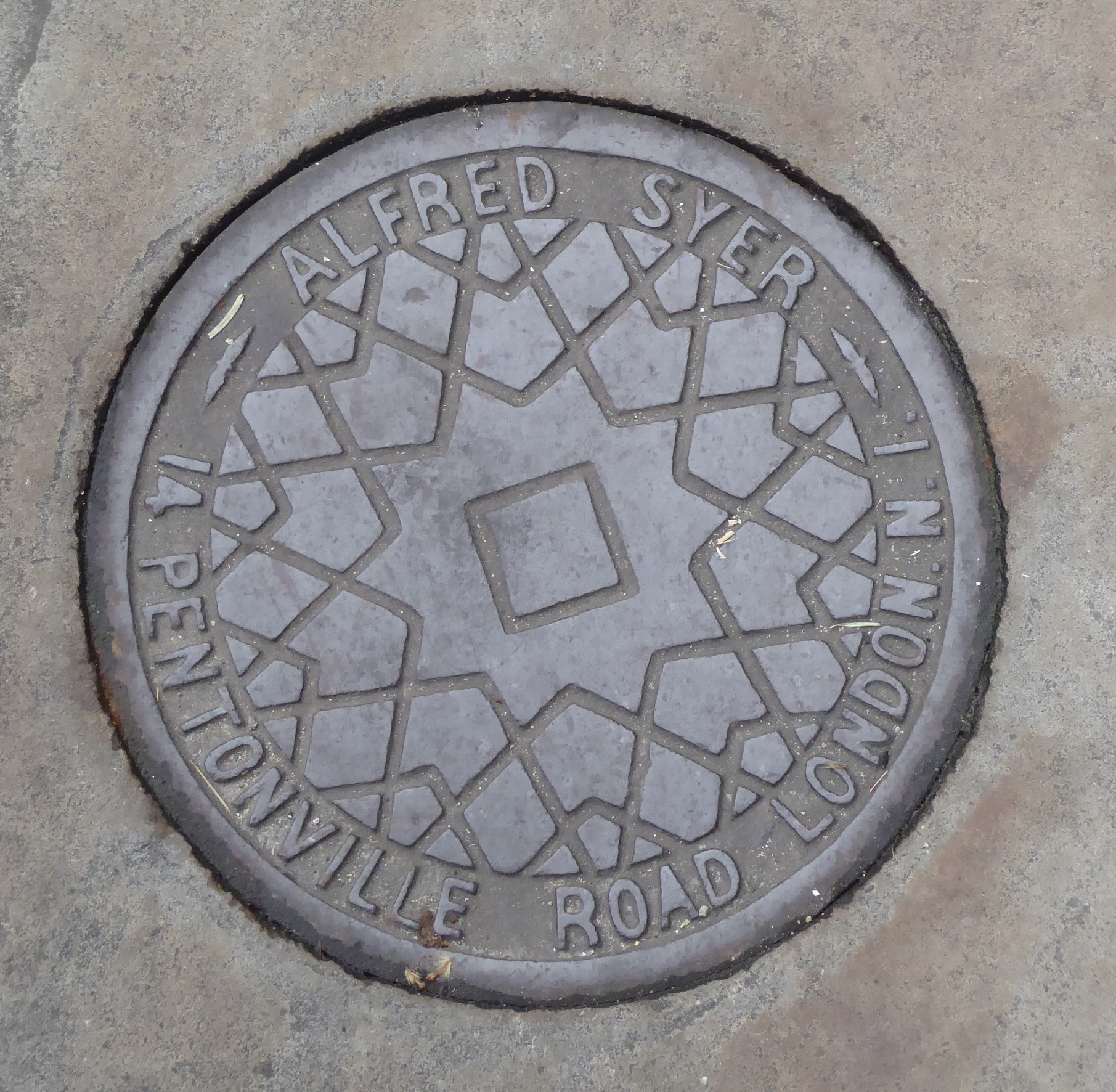
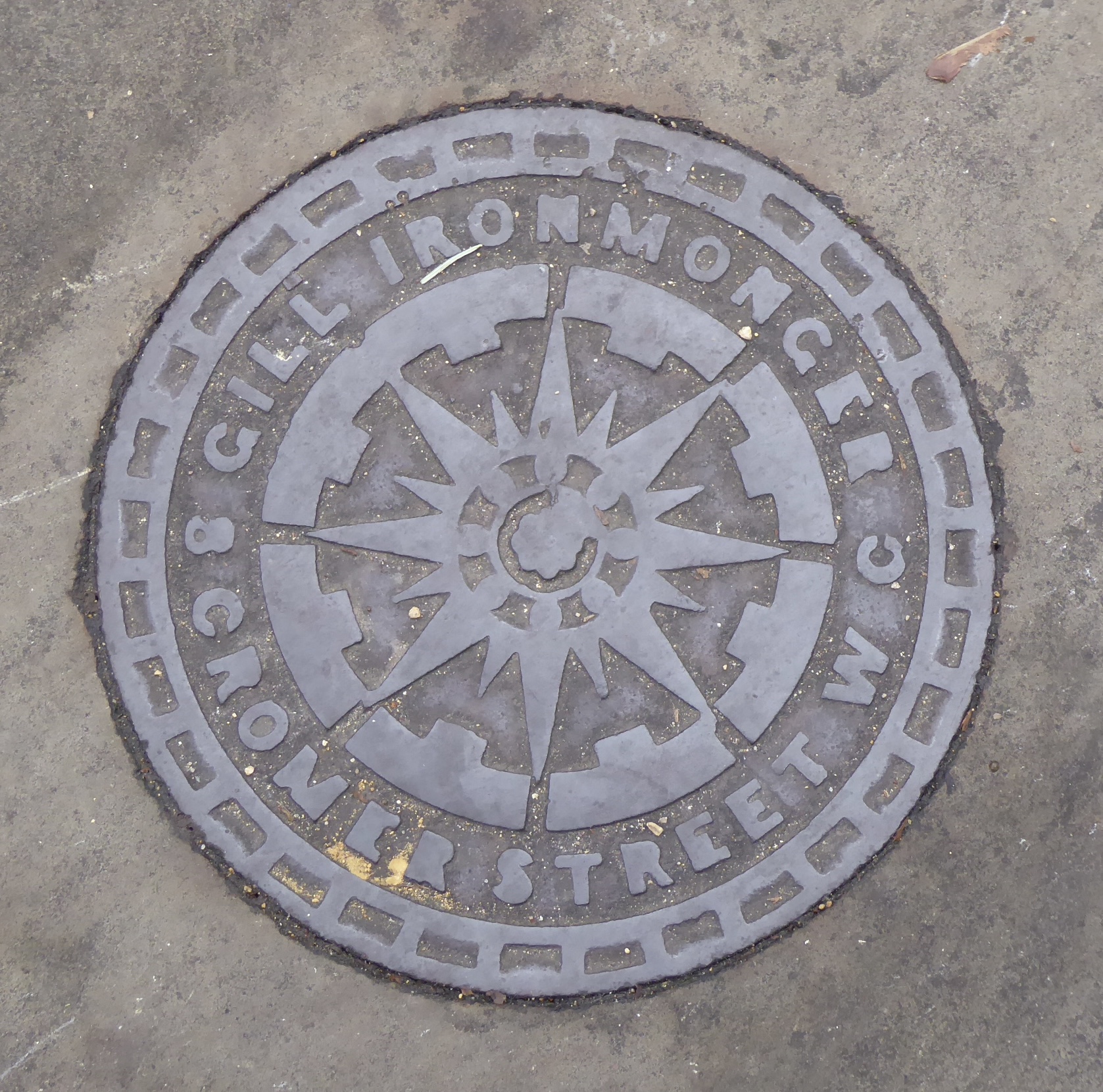
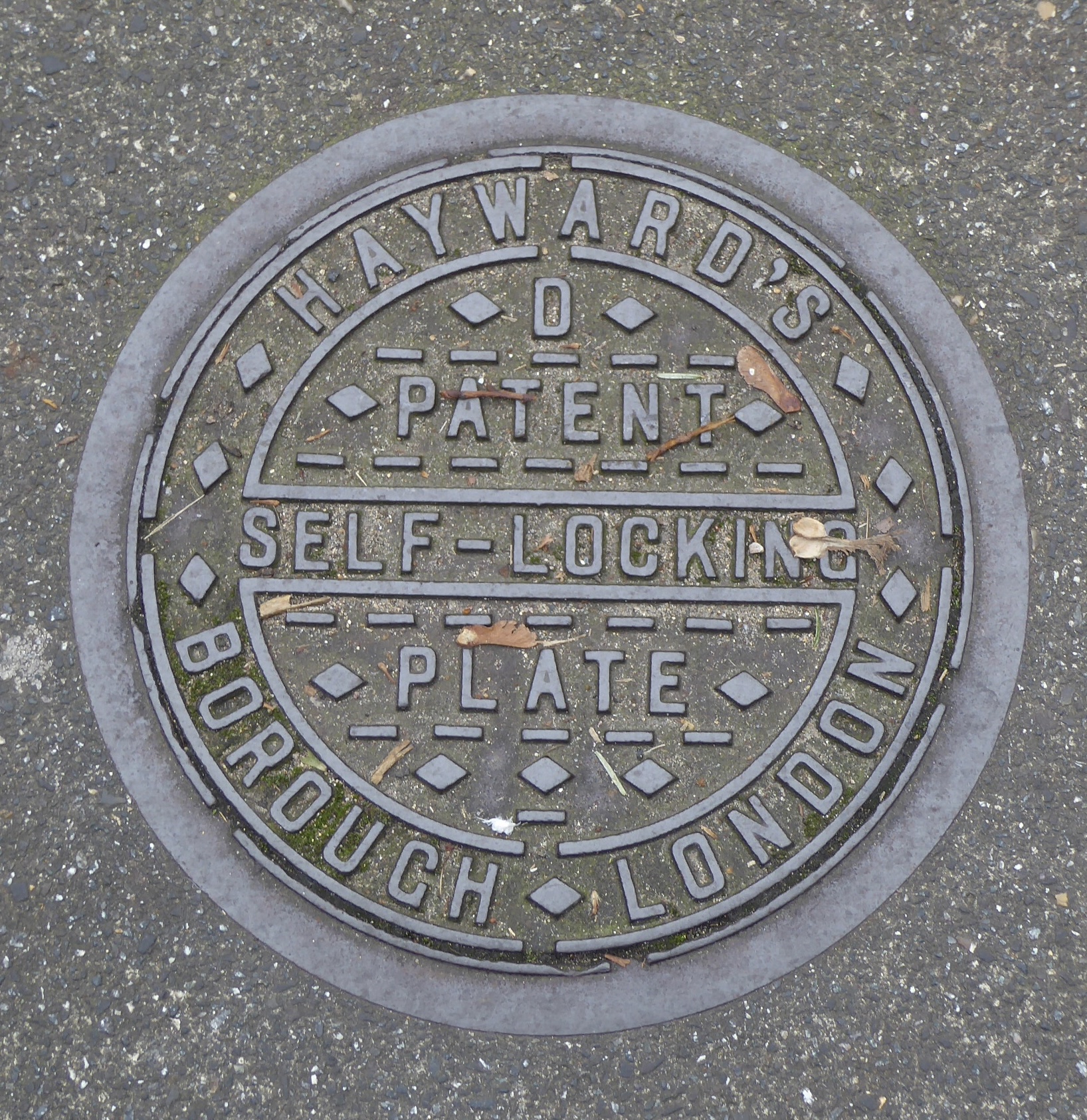
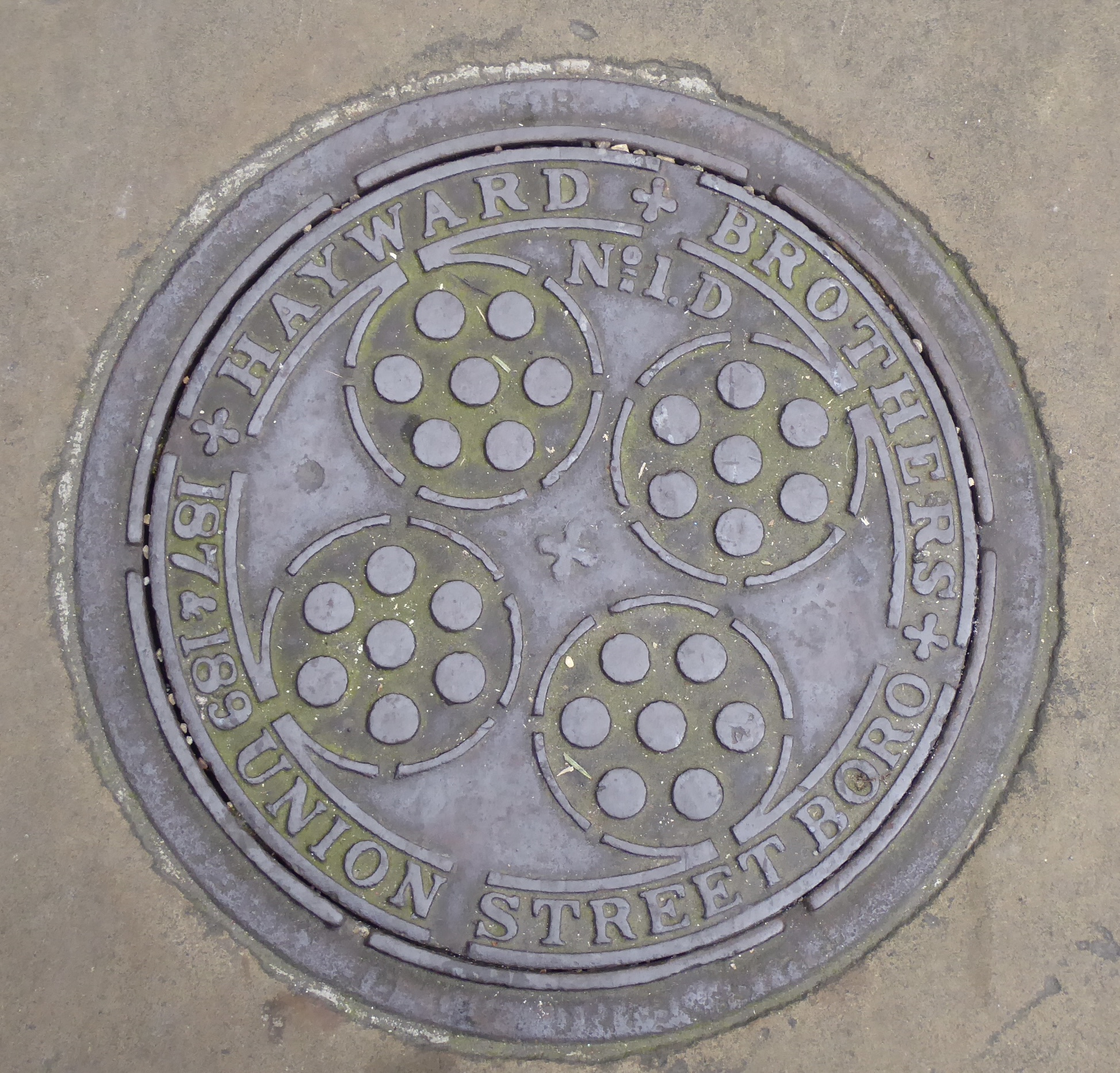
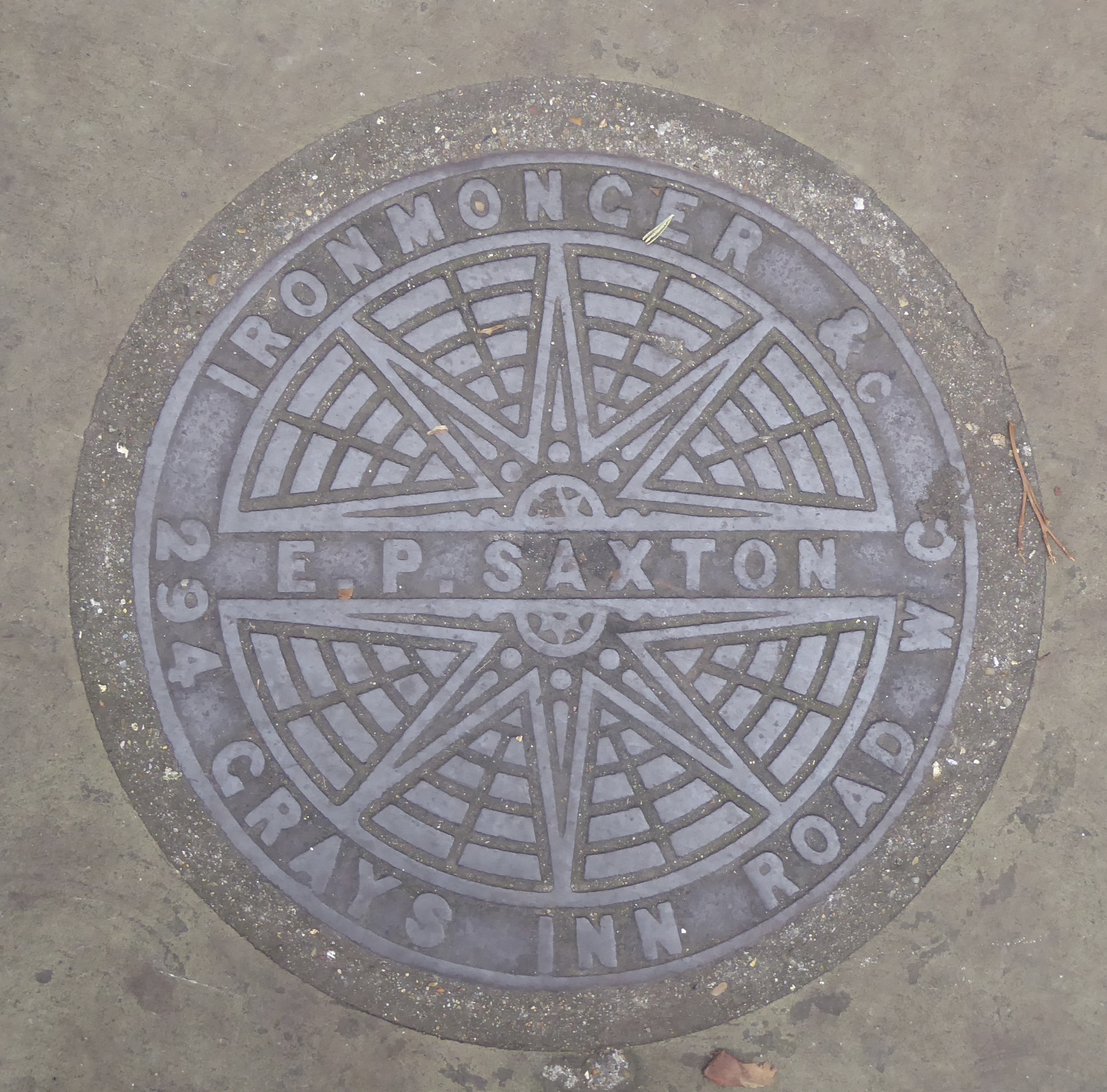
No matter: I was able to photograph some of the coal hole covers I’d noticed before in Doughty Street.

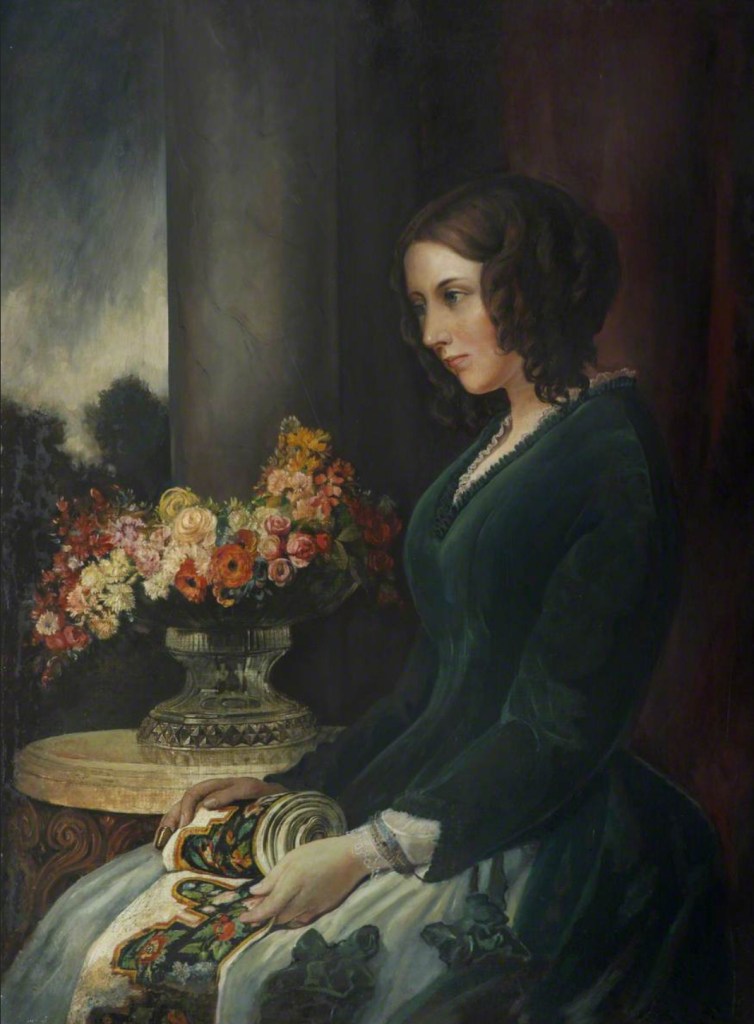
The museum was quite interesting. Dickens and his wife lived there from 1837-39; they arrived with one child and left with three. It’s an early-Victorian middle-class house with a few items of furniture that came from Dickens’s final home in Gads Hill. I confess that what really grabbed me was a portrait of Catherine Dickens with an overmantel in her lap. In a display case below her was an overmantel that she embroidered some years later – which sent me back to Tirzah Garwood and her endless creations. The difference was that Garwood made her own designs and sold her work, but the image of two women across a century with hands forever at work remained with me.

Catherine Dickens (1815–1879) by Daniel Maclise, 1847, oil on canvas

Tirzah Garwood

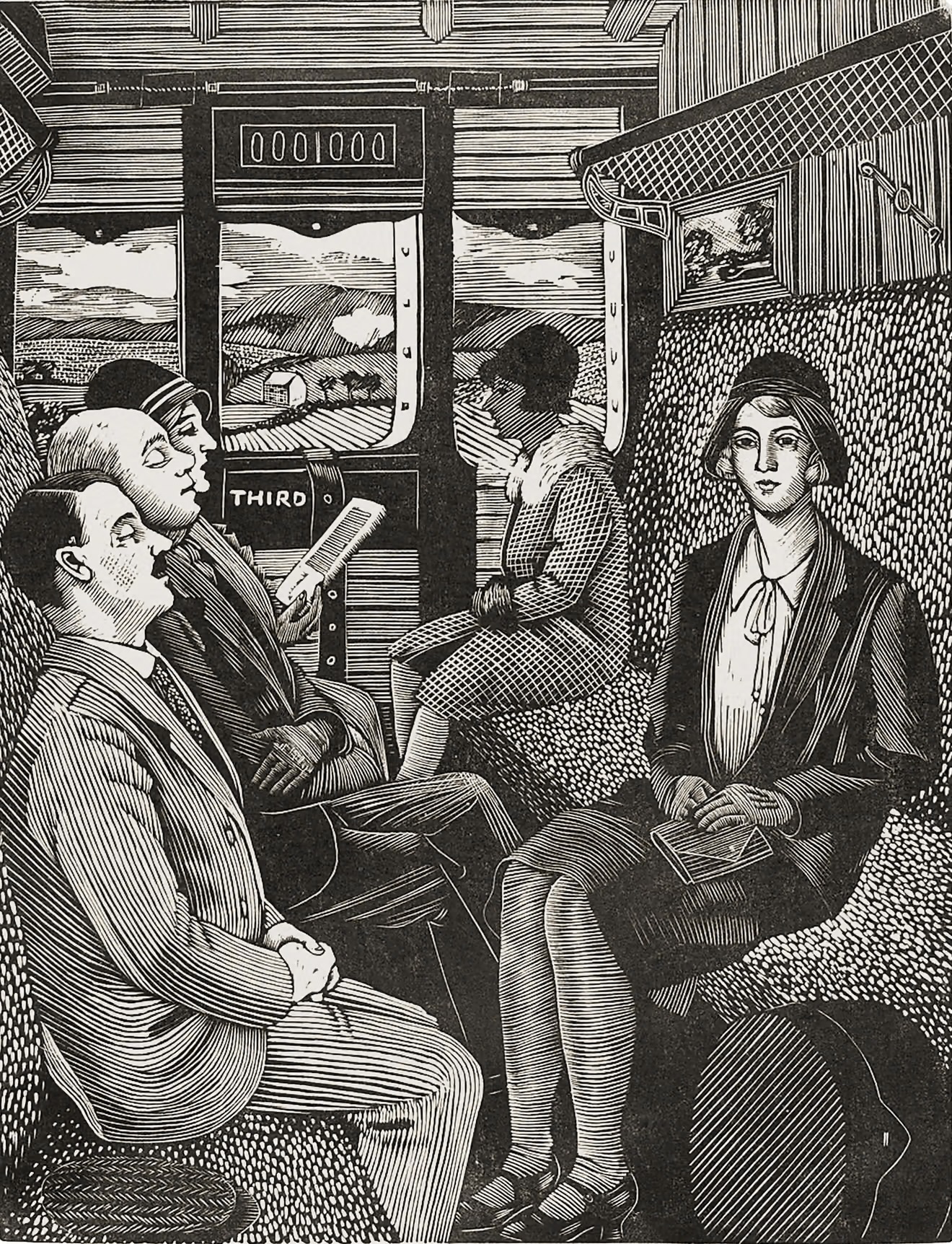
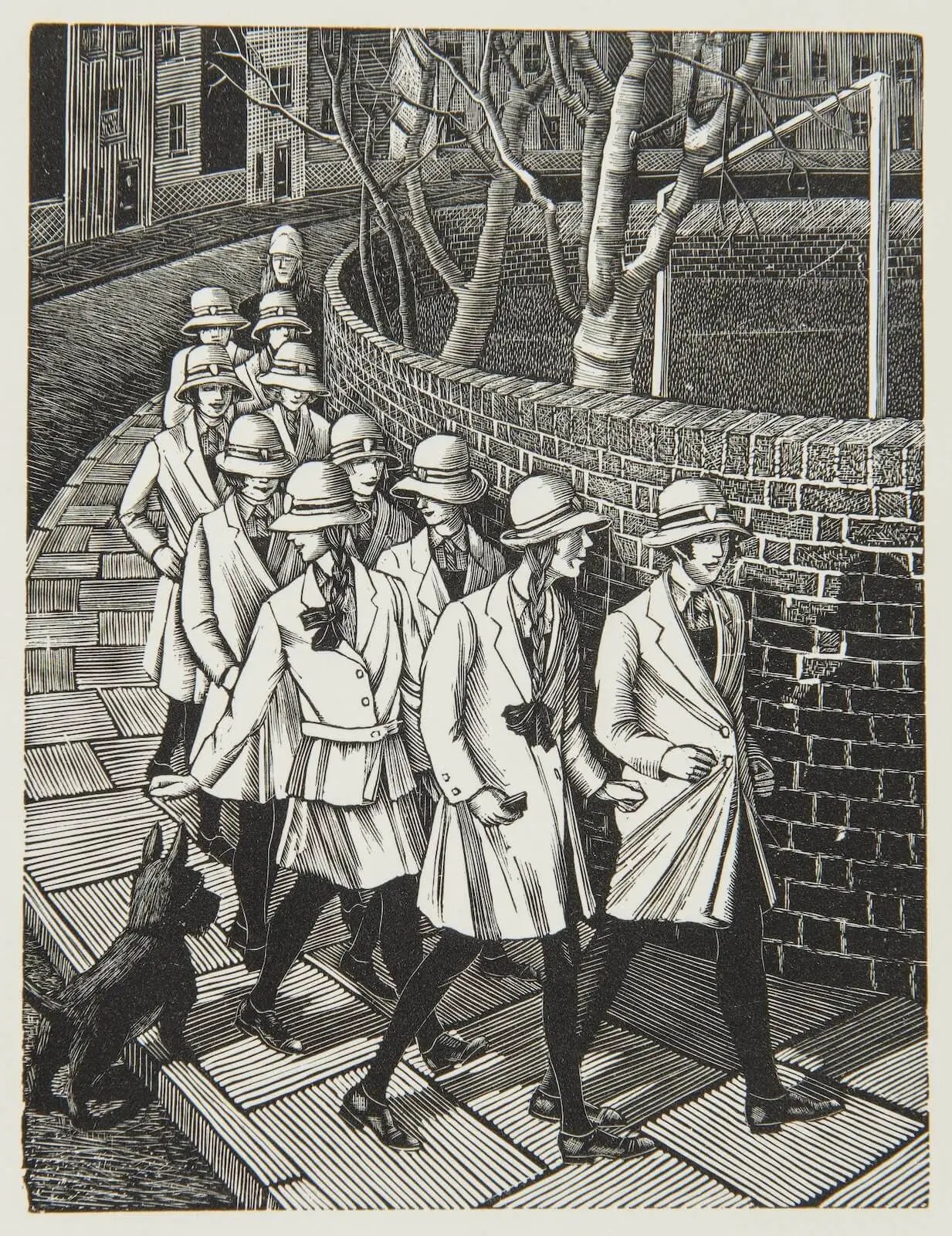
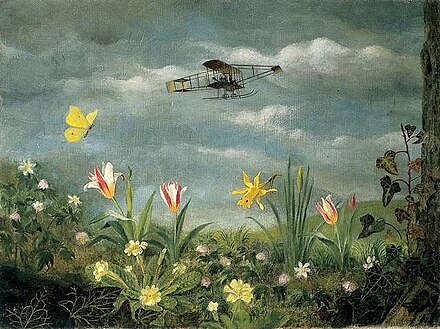
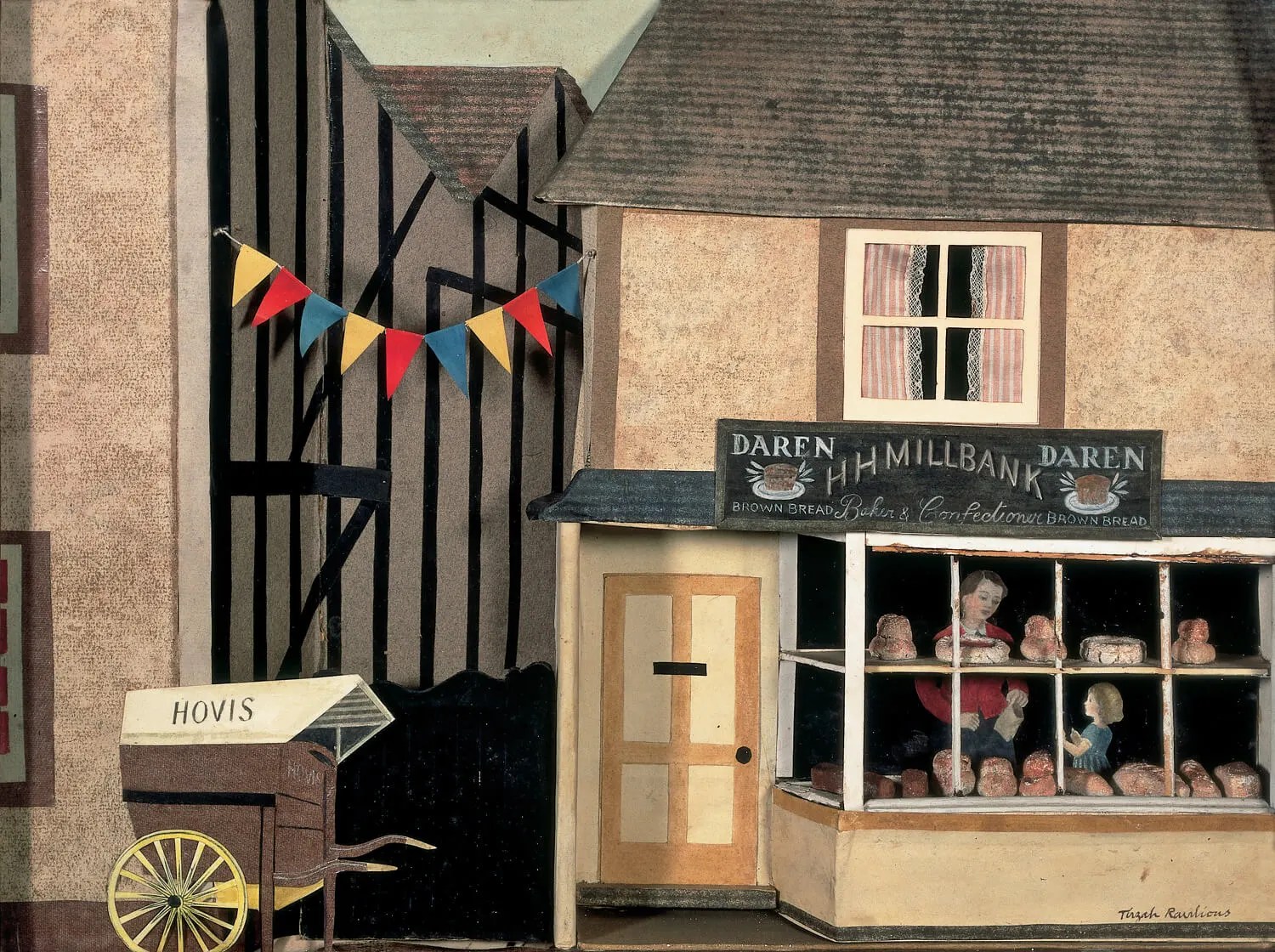
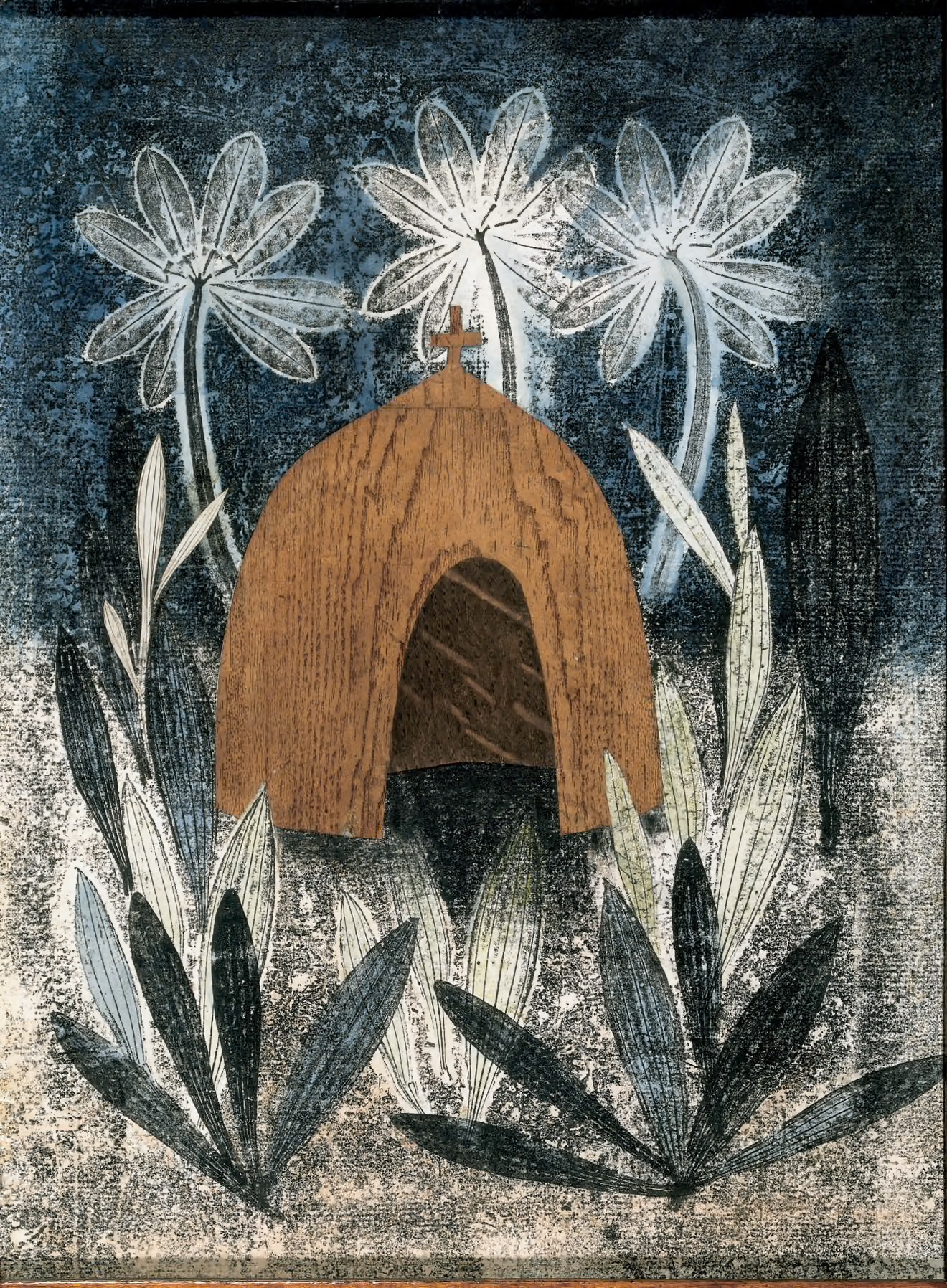
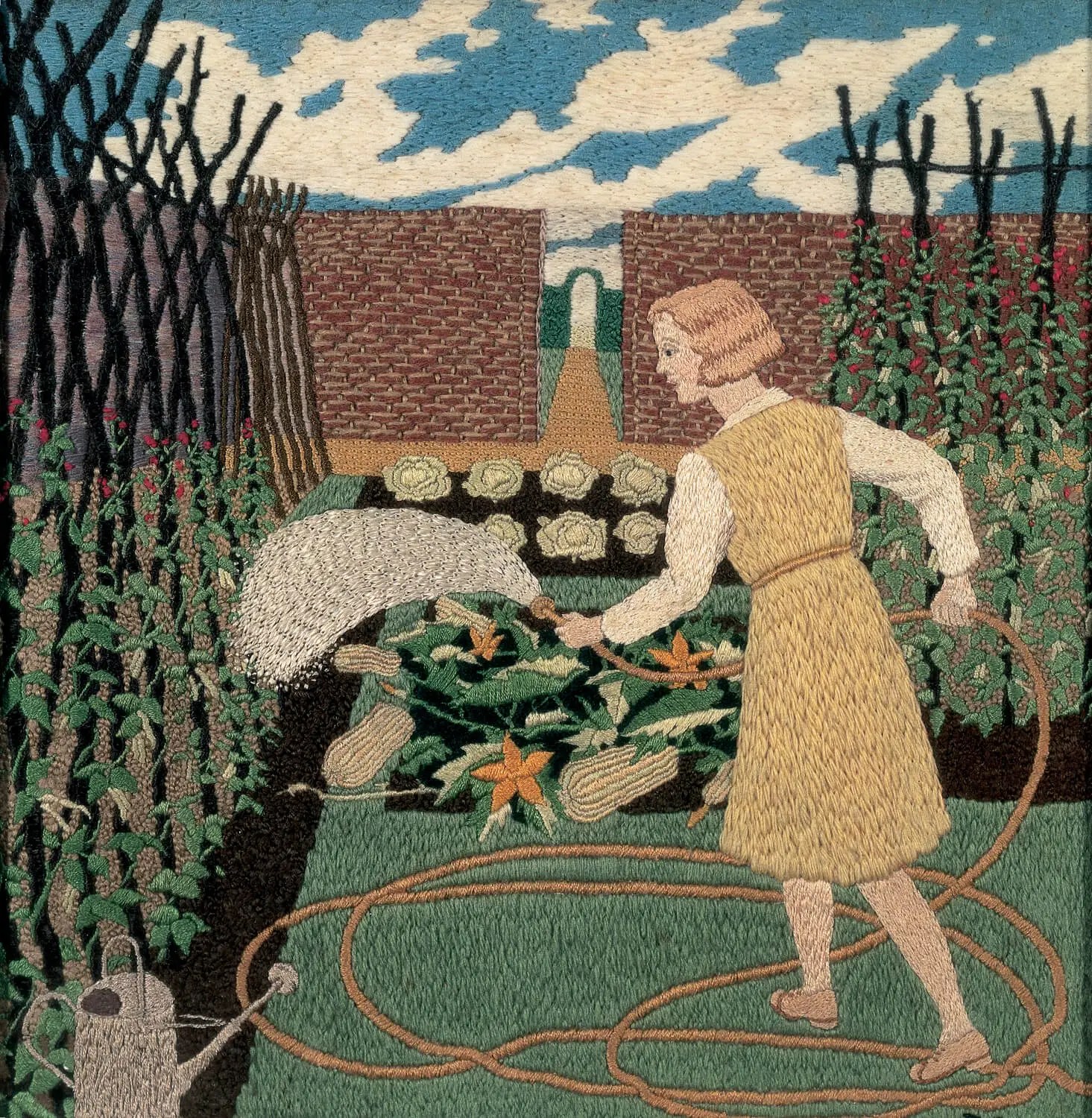
To Dulwich Picture Gallery for a delightful exhibition. Everything made me smile, despite the sadness of Garwood’s early death. Basic facts: her dates are 1908-51; she was married to Eric Ravilious, had three children and was widowed in 1942; she was treated for breast cancer in 1942, which later recurred and killed her shortly after her second marriage.

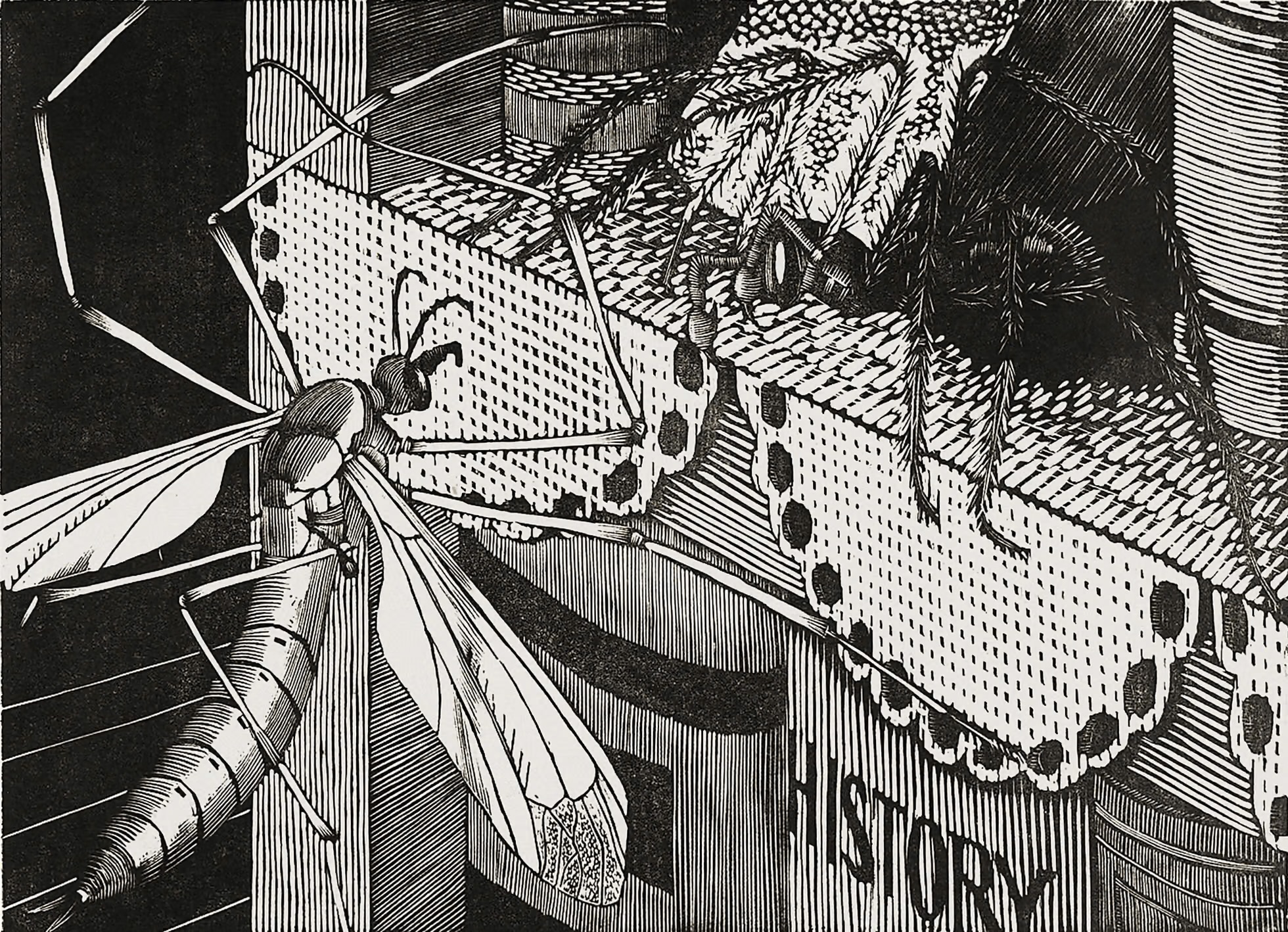
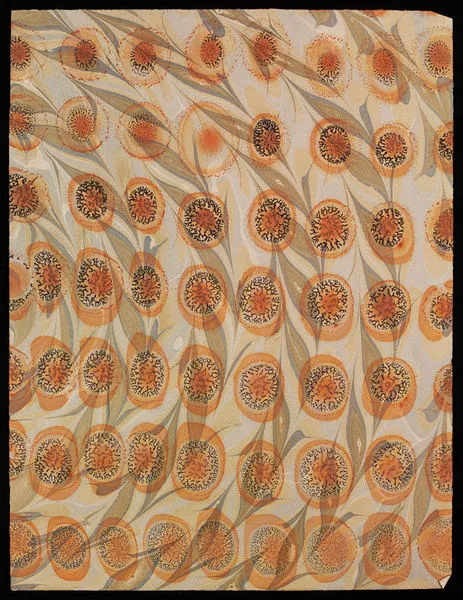
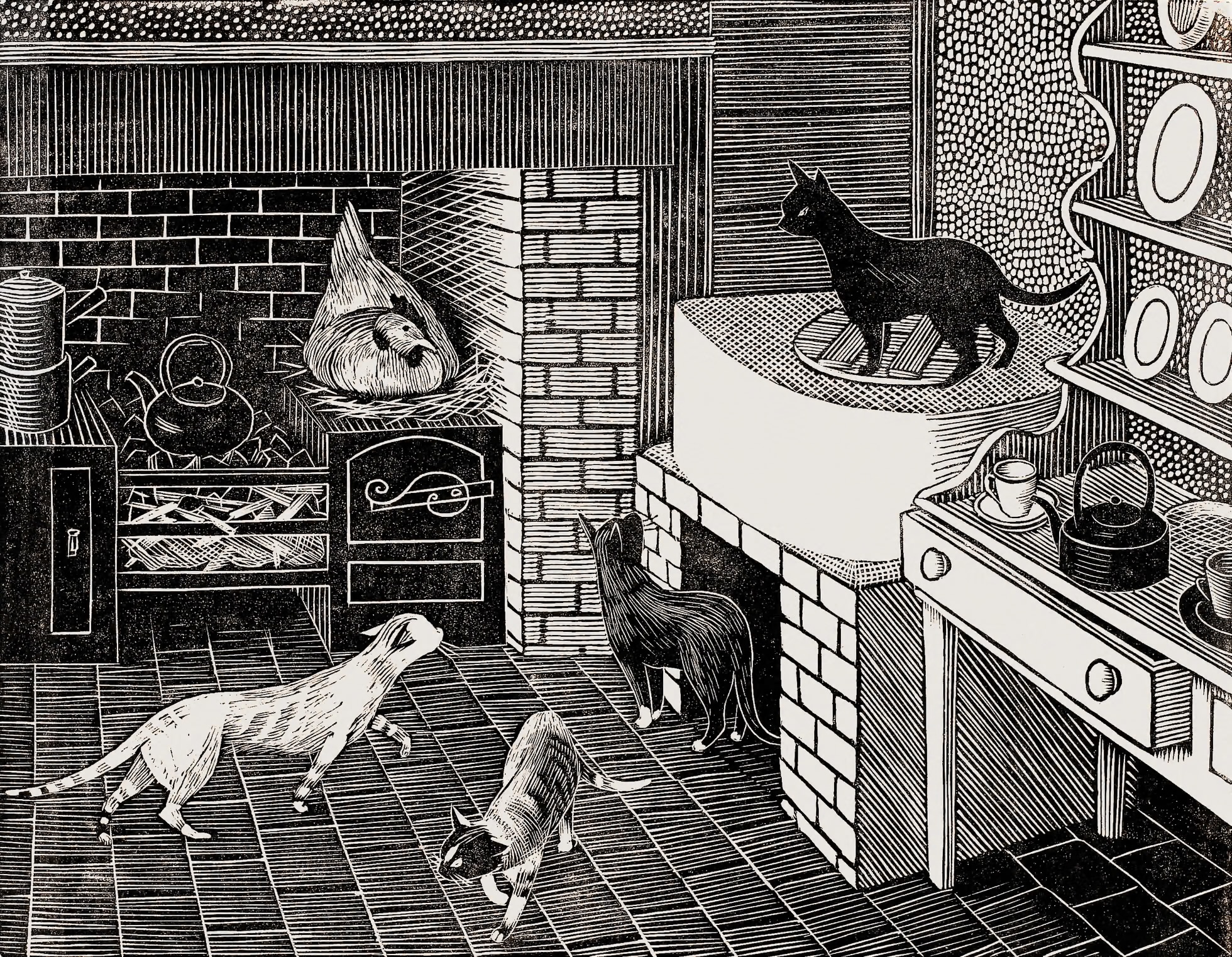
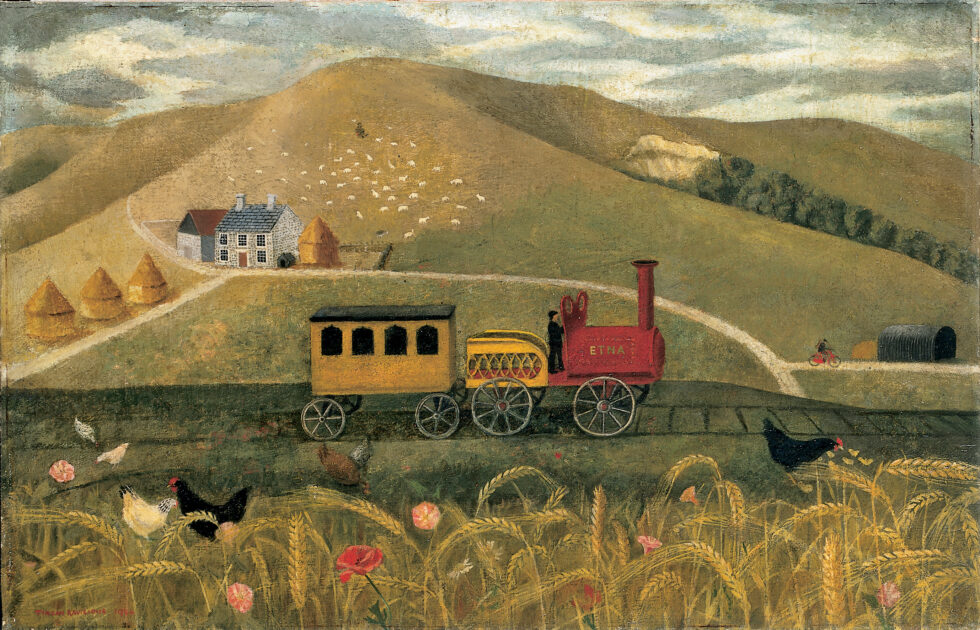
I liked everything: the early woodcuts, the marbled papers she made and sold to publishers and upmarket shops, the embroideries (reminiscent of Marian Stoll), the Camberwick Green shops and houses, and the later Max-Ernst-meets-Douanier-Rousseau oils. There were also some works by Ravilious – including a large watercolour of chalk land which, ironically, would have been my steal from the exhibition – which brought out Garwood’s focus on people and the traditional female spheres of home, children and neighbourhood. She made things for people – a quilt for a friend, items for sale, illustrations in letters – and, from her work, I came away with a very positive impression of the woman: generous, fun, kind, endlessly creative. In contrast, I have no particular sense of the personality of Ravilious (or Gerrit Dou or Rembrandt or any other of the male artists in the gallery). That says something about the curating of the exhibition – and rather more about making art when you are also tied to your roles of a wife, mother and housewife.

(Yes, I do realise that on the plus side the confines of her life meant that she didn’t have the freedom to become a war artist and to die on a mission over Iceland.)

The Spirit of the Beehive (1973)

Director Victor Erice

A very slow, painterly film that grew on me. I kept having the feeling that I had seen certain scenes before – perhaps I watched it decades ago on BBC2? – but, if so, it was in the days when such films left me baffled rather than intrigued.

The title was a bit of a stumbling block. I am accultured to think of the beehive as something positive: co-operation and industry for the common good, just like the stone beehive carved above the old Co-op store front that I passed on my way home. It’s an image reinforced by modern use of the bee – the symbol of the regeneration of Manchester, or pollinators essential for life. And yet in the film the beehive seems to have a more malign connotation. The unthinking, unreflecting hive-mind that keeps on doing the same thing endlessly, ruled over by a queen and her army. Or a dictator and his army; thus I realised I had to rethink my interpretation of what a beehive may represent. An interview with the director was enlightening.

It’s set in 1940 in an isolated village on the central plain. A family: large house, parents who barely communicate, two little girls whom we first see watching “Frankenstein” in the village hall. Ana is enthralled by it, and, in a world between reality and imagination fuelled by her sister’s ideas, she seeks out her own spirit friend.

There’s little dialogue, and, as far as I recall, the camerawork is static and lingering. Scenes are more like tableaux vivants. There’s a sense of oppression and menace – the little girls lingering by the train tracks for example – which is only lightened by Ana’s imagination and the occasional kindness of adults. But Ana’s imagination – growing out of the heavy silences and fuelled by a celluloid monster – is somewhat macabre.

Perhaps the scene where the father lifts bee frames out of the hive to examine them has its parallel in the negatives that a film maker holds up to the light. It’s the kind of film that has an afterlife in your own imagination.

Birds in the sunshine

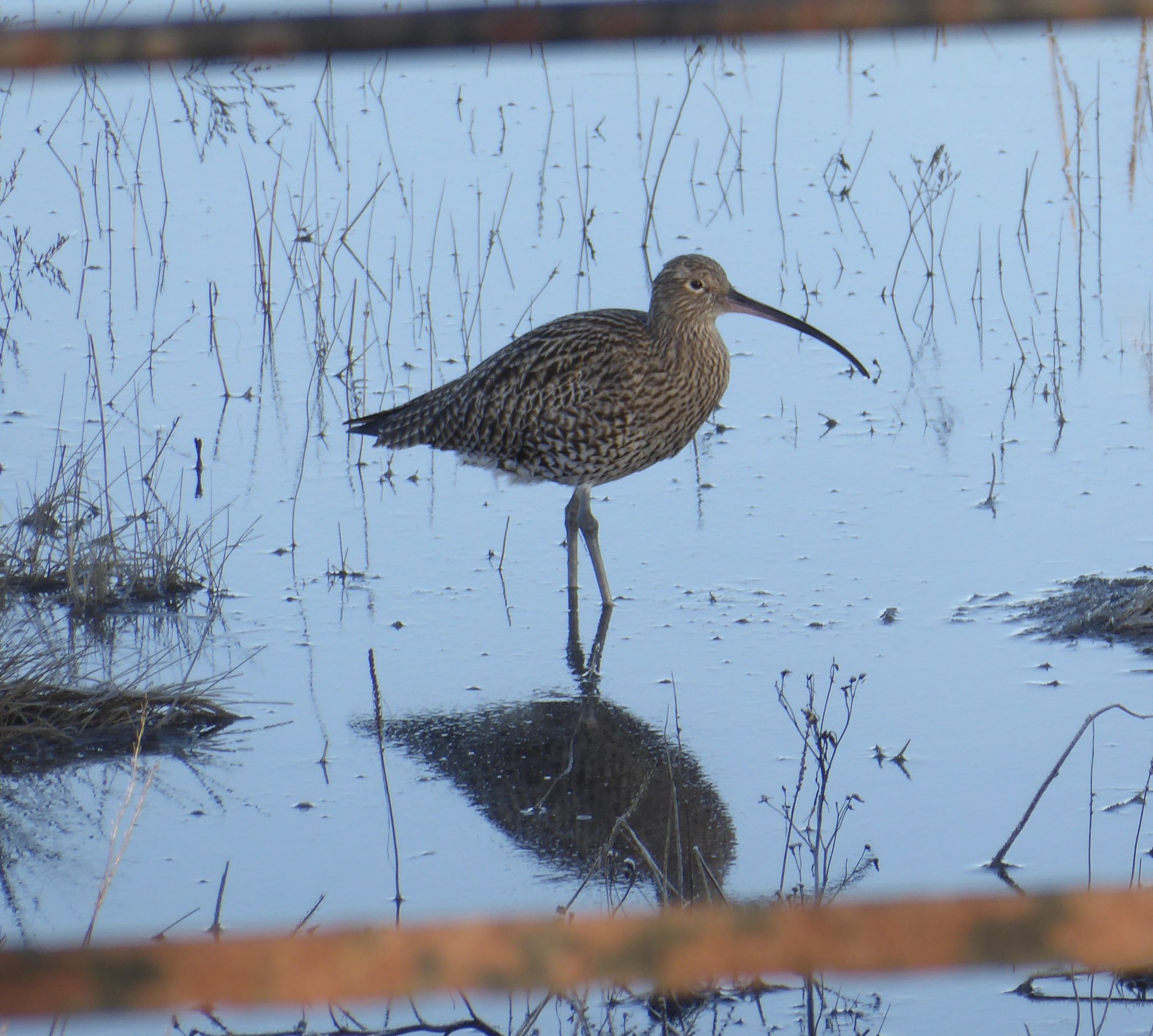
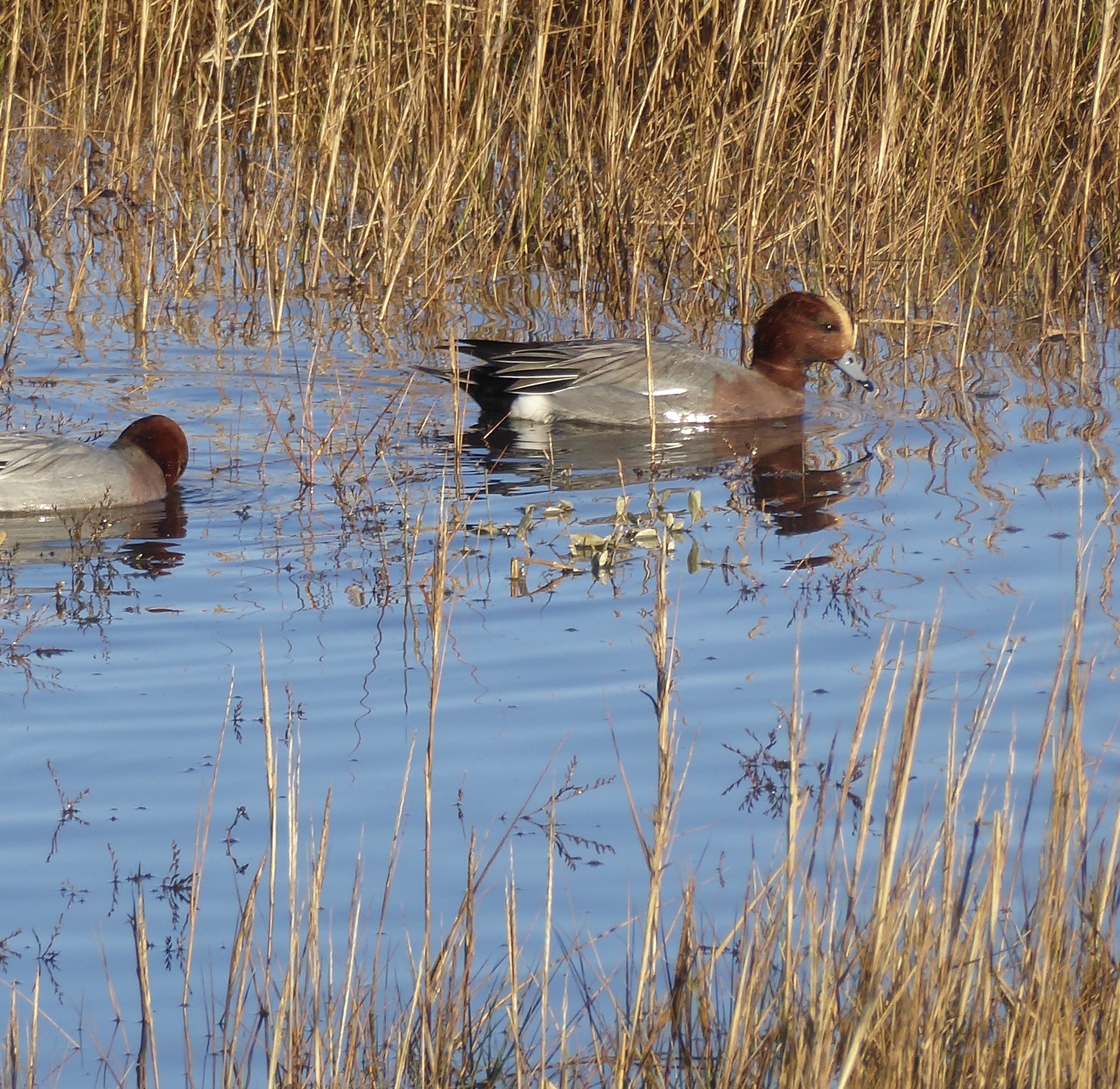
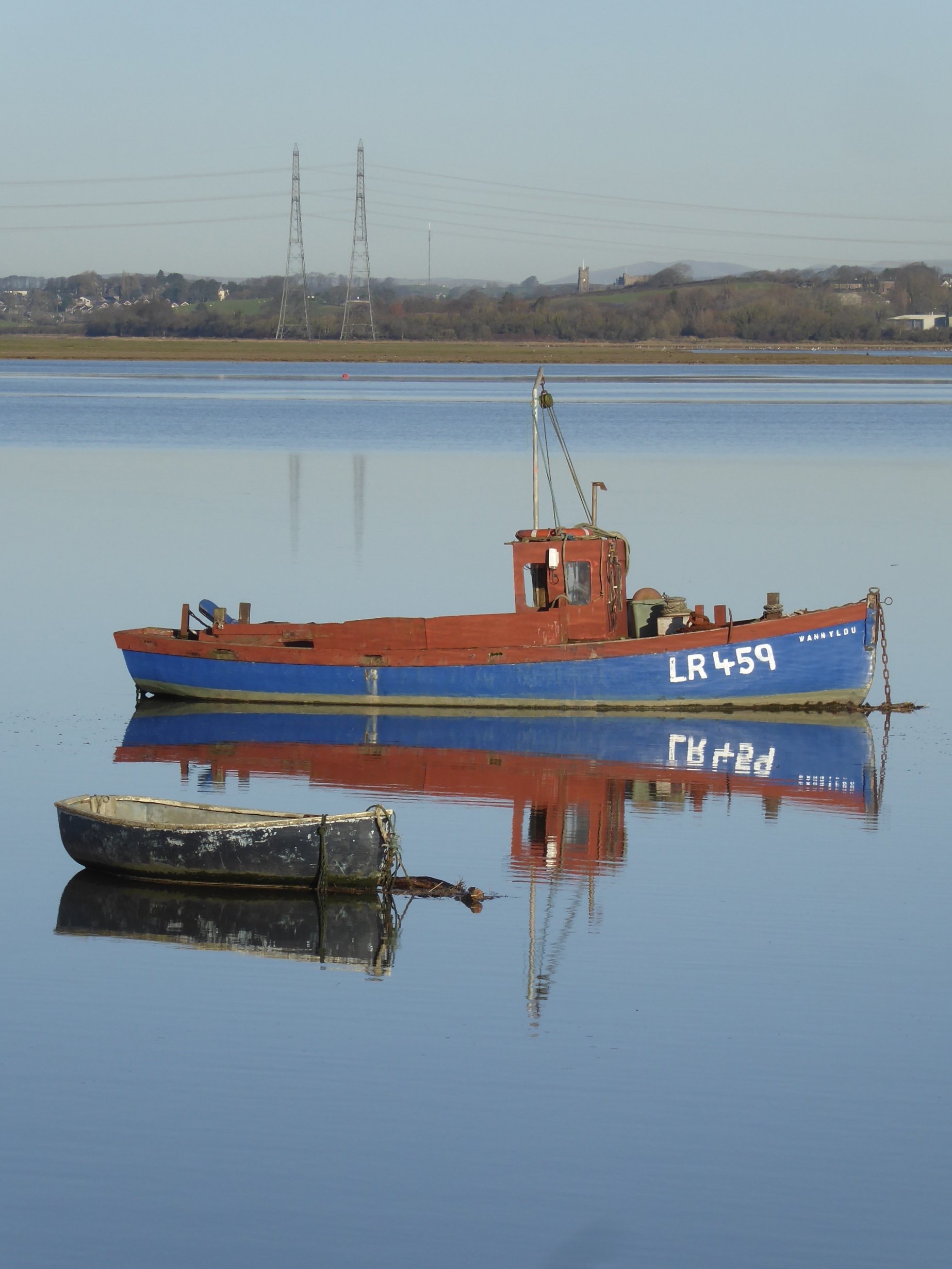
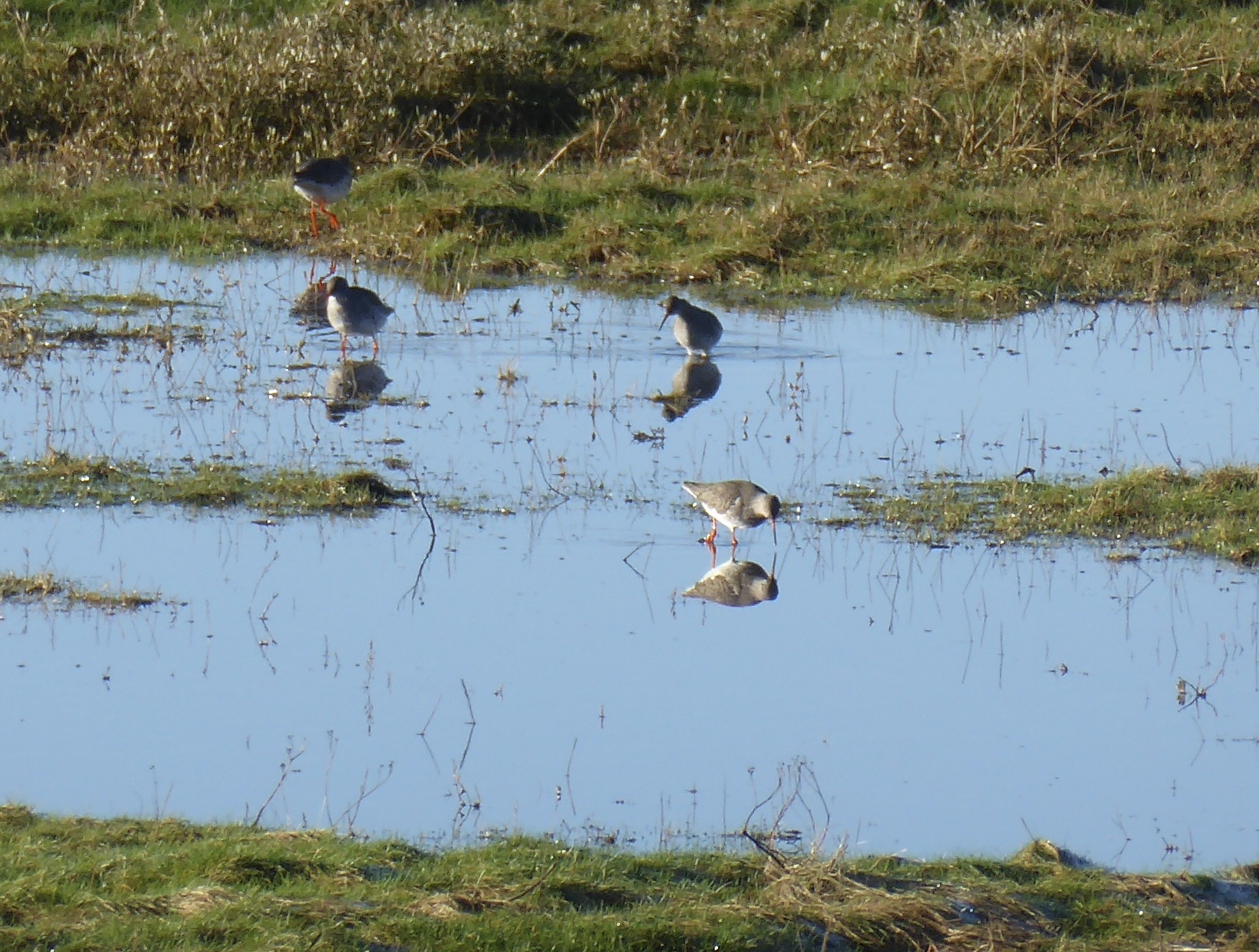
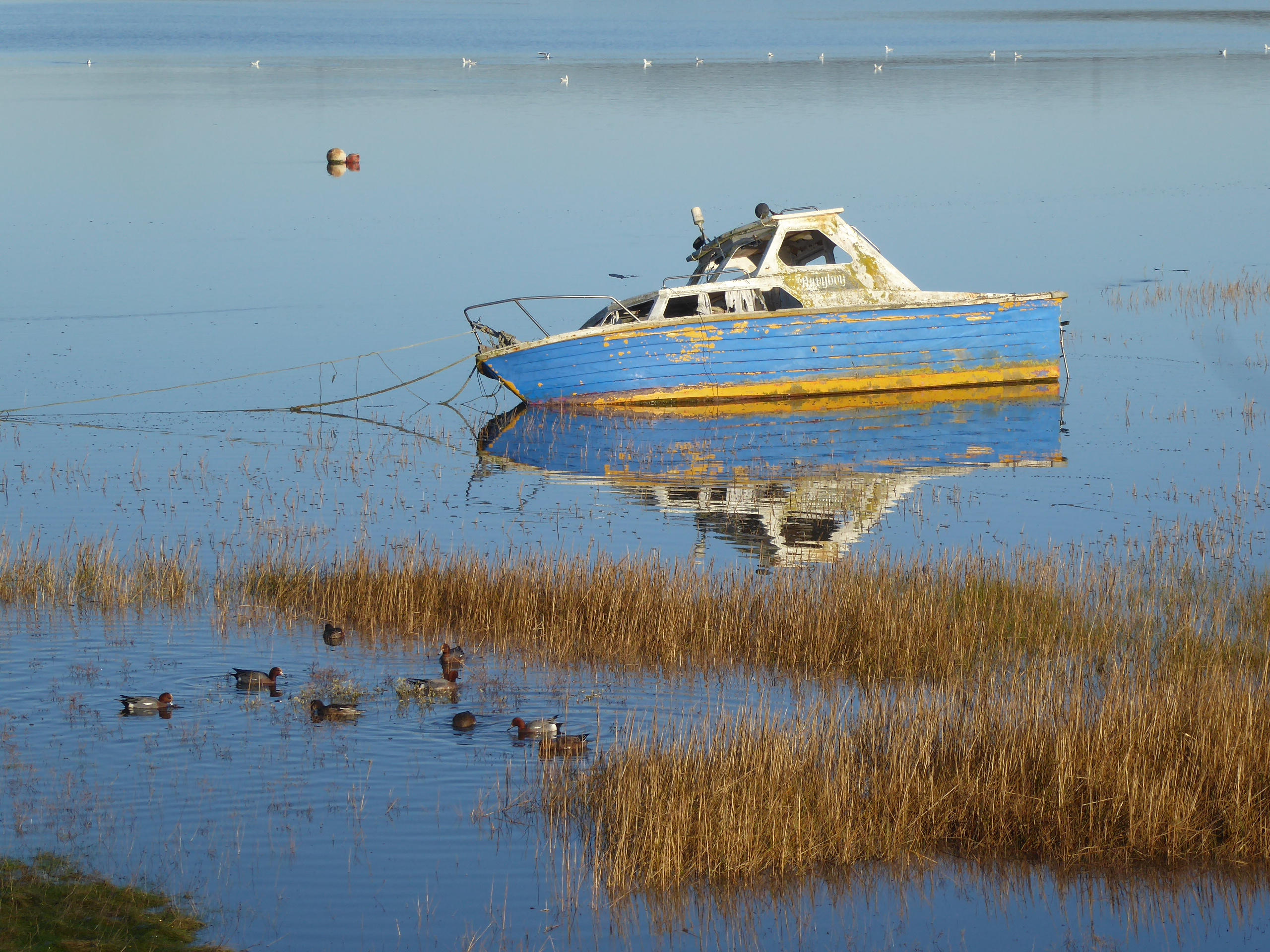
After ten – ten! – days of damp gloom, the sun has finally returned. Unfortunately it also brought icy pavements and coincided with a train strike, so my little outing today was very circumspect: a walk along the estuary. I revelled in the light and the reflections. All around I heard wigeons whistling, redshanks peep-peeping and the rising trill of curlews. On my return, I learned that a kingfisher has been sighted near the canal again.

Finally the New Year has begun!

Liverpool 2

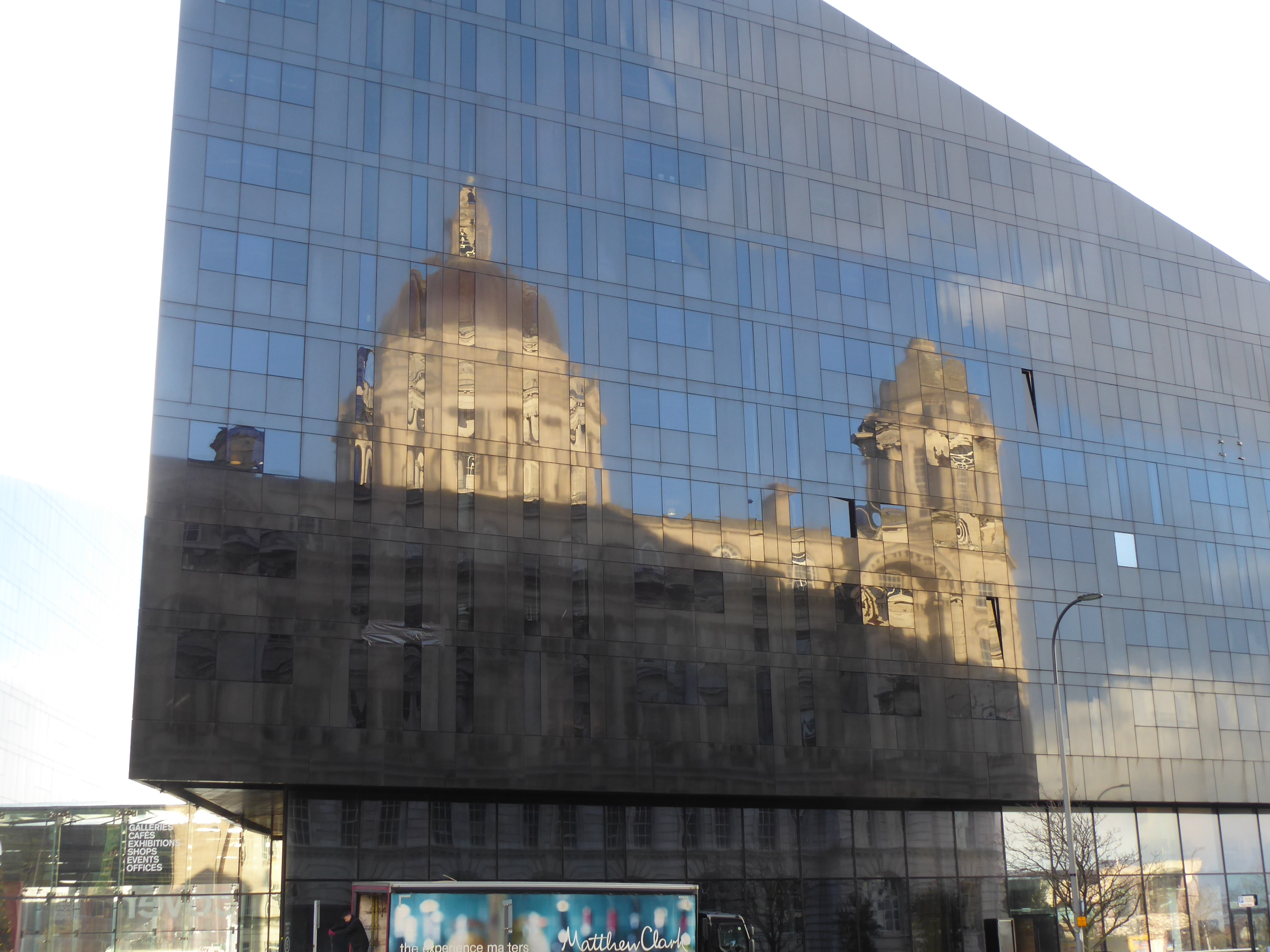
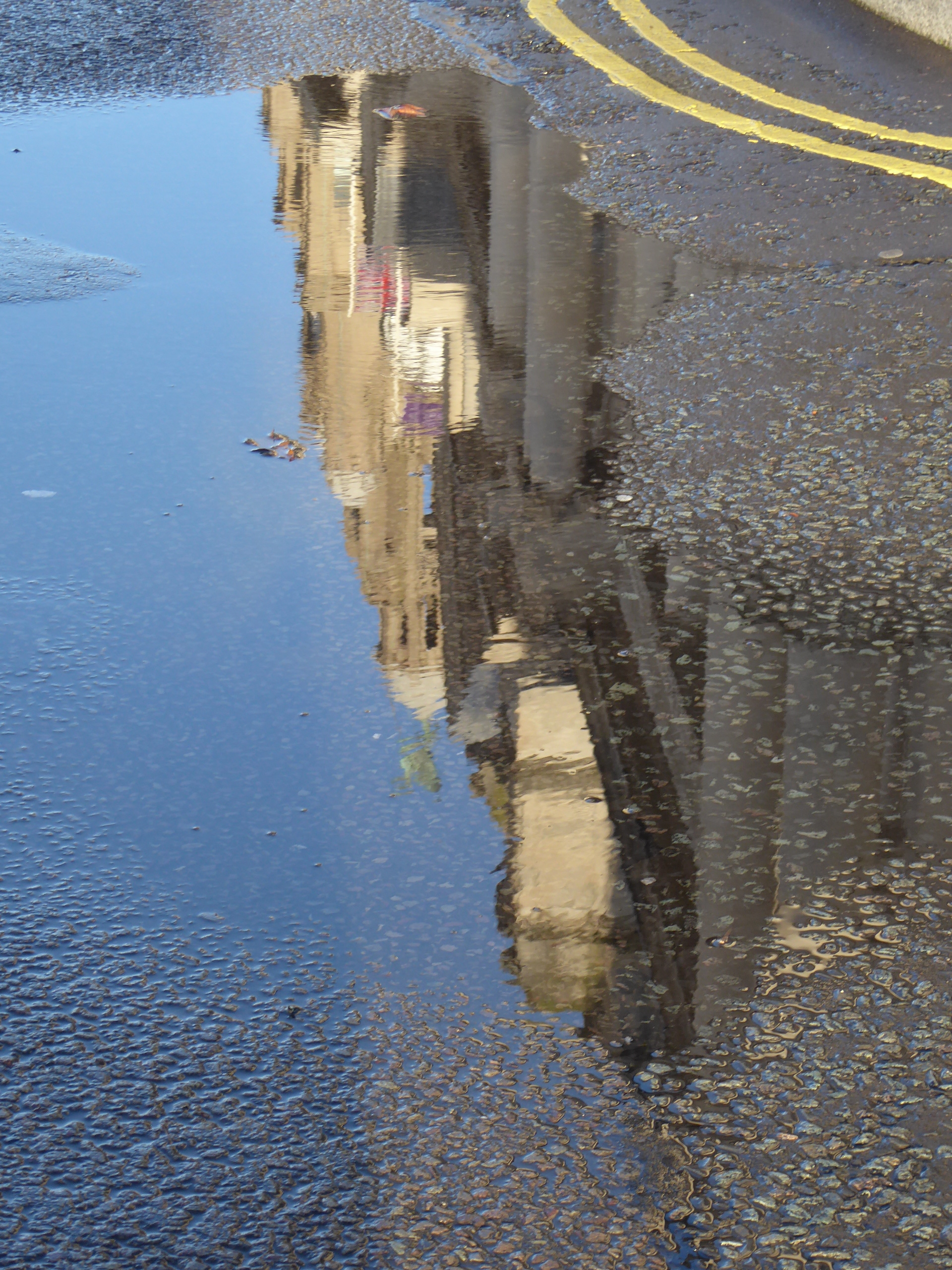
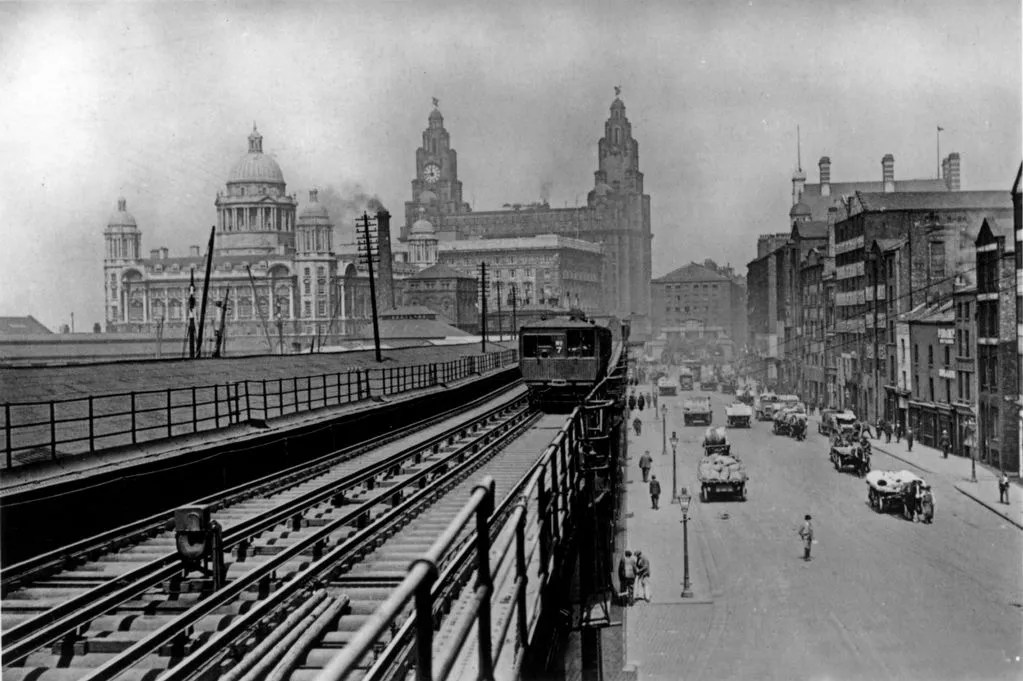
The Mersey wind cuts with a sharp knife: I tucked everything around me as I headed down to the river. The open views of the famous riverside buildings have been redacted by the big blots of modern buildings – but the latter do provide good reflections. Having watched Terence Davies’s “Of Time and the City” a couple of weeks ago, I remembered the overhead railway, and reflected that the waterfront has probably never presented a perfect view. (But the Cunard Building tried hard!)

To the Maritime Museum, where I found myself unexpectedly interested by the history of Liverpool’s docks. More expectedly, I was very taken by the glamour of interwar ocean liners. The Titanic exhibition I largely swerved because of school groups, but the photograph of a rack of plates, still on the sea bed and half-covered by sand, was surprisingly moving. A modern Vanitas.