Saffron Walden

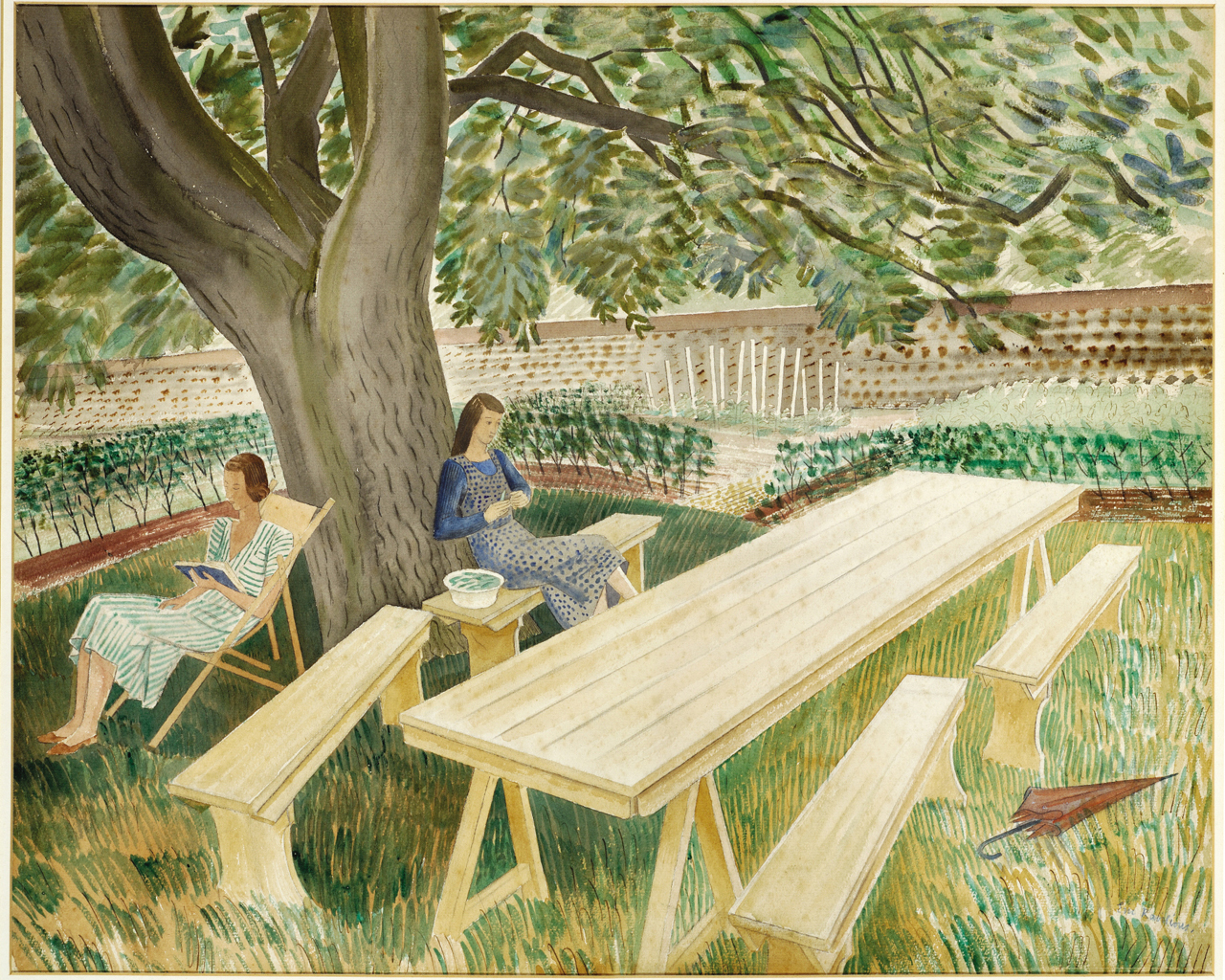
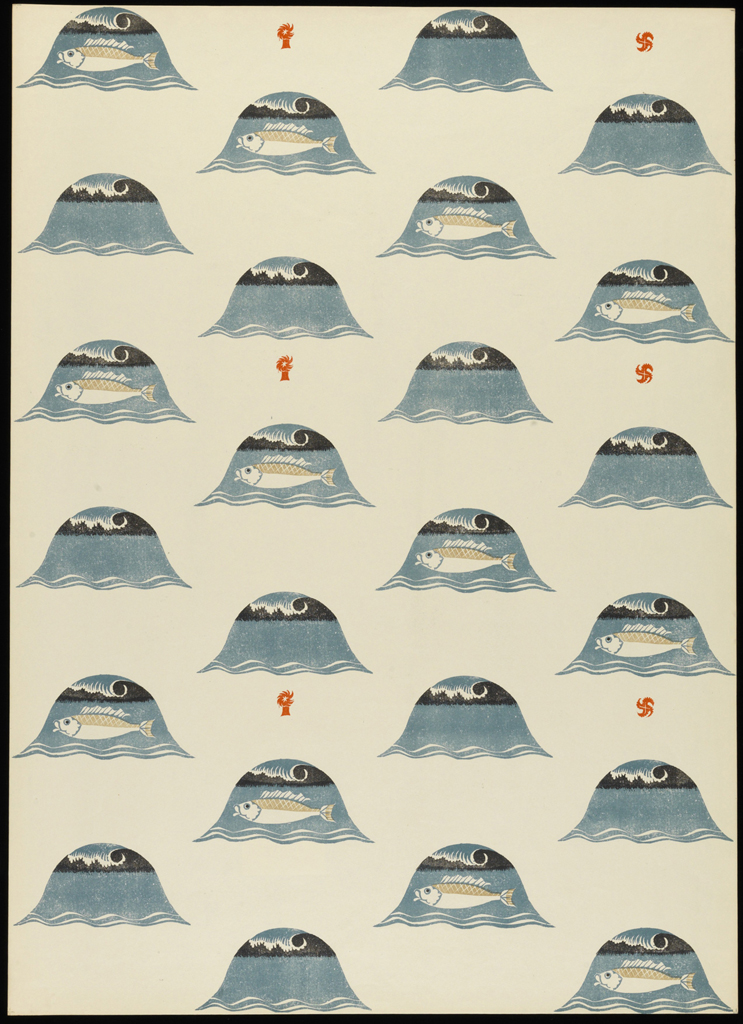
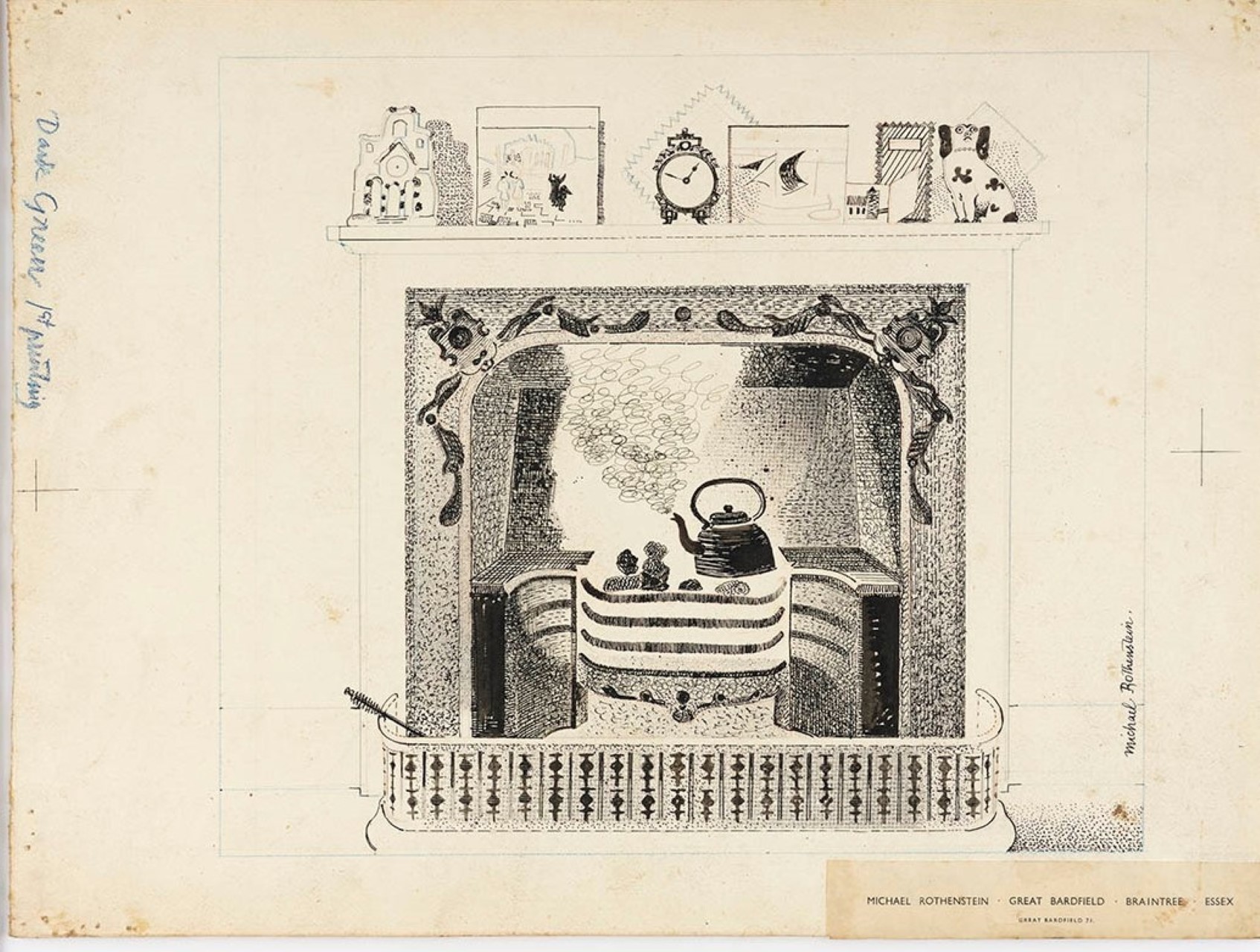
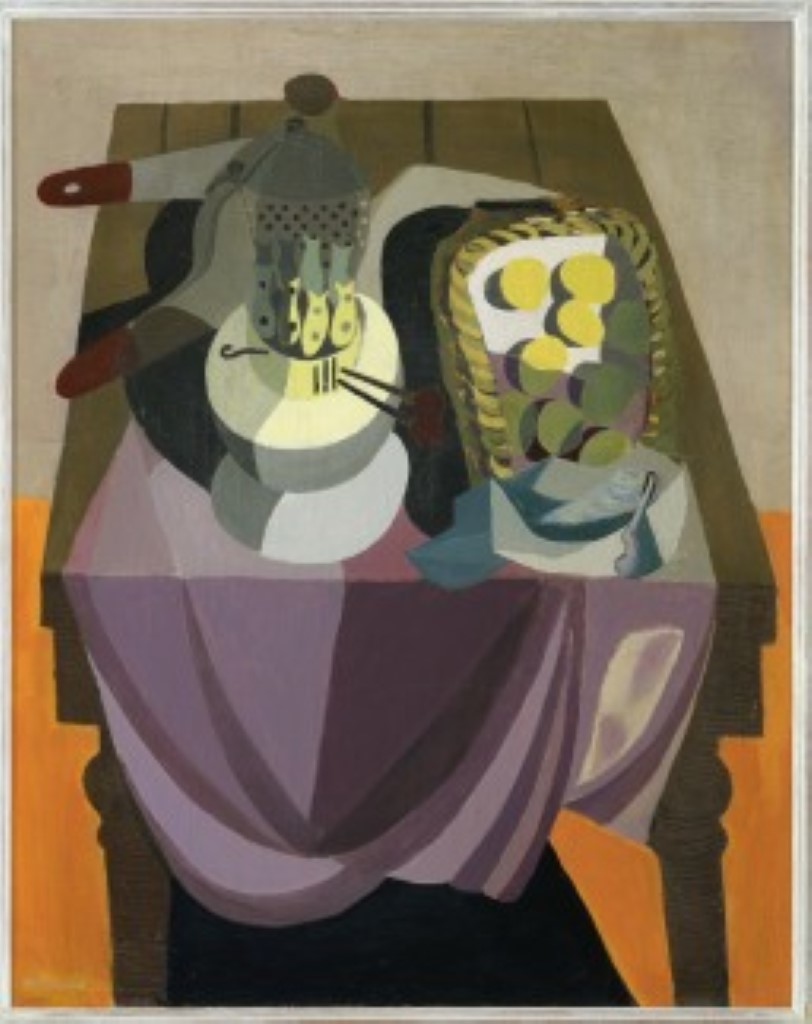
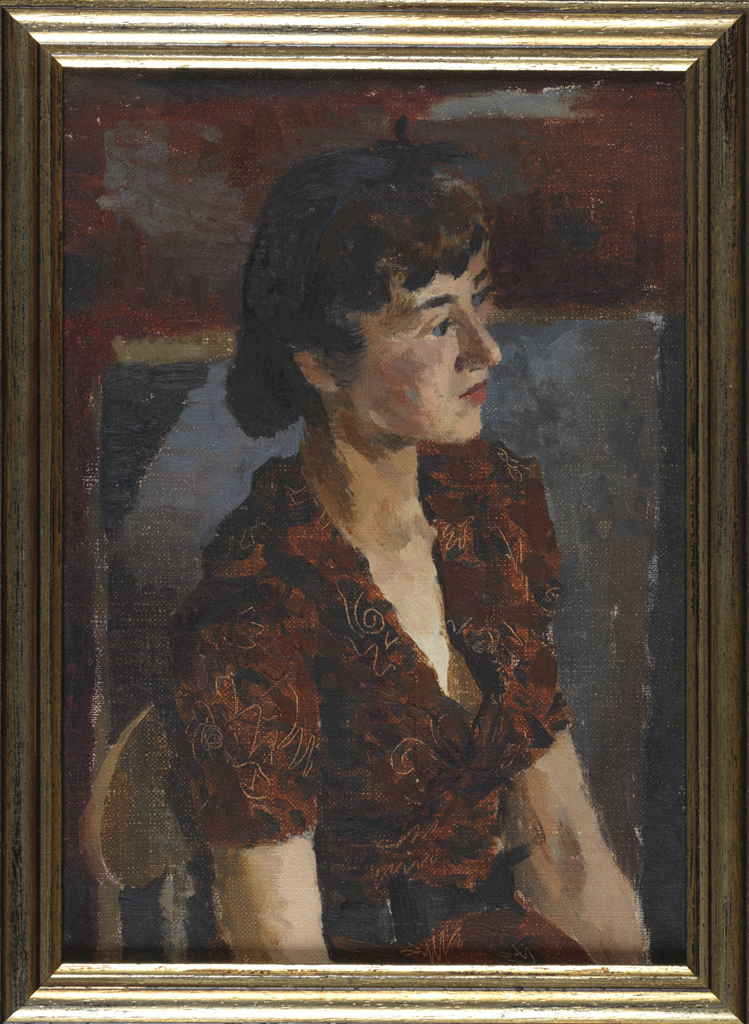
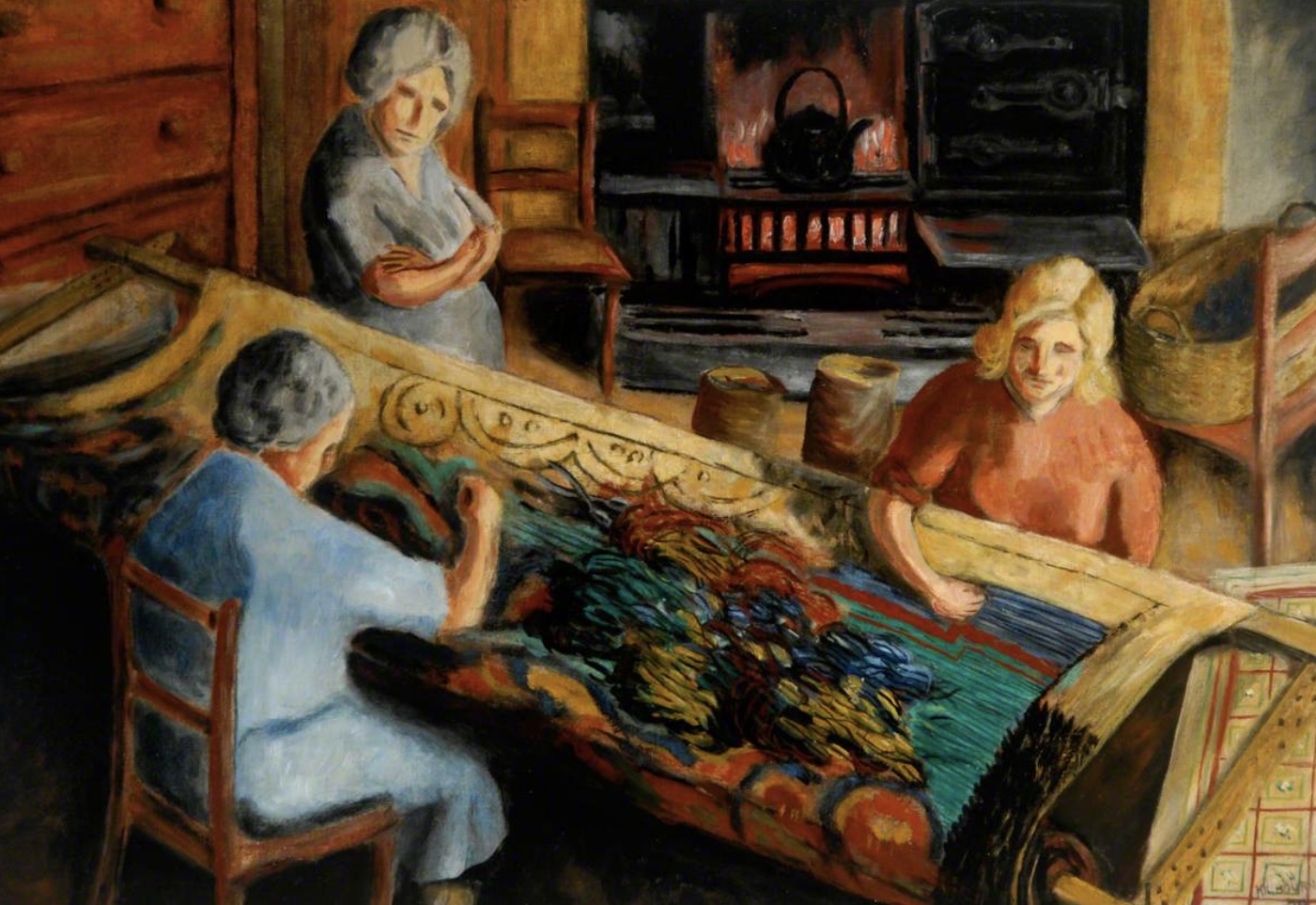
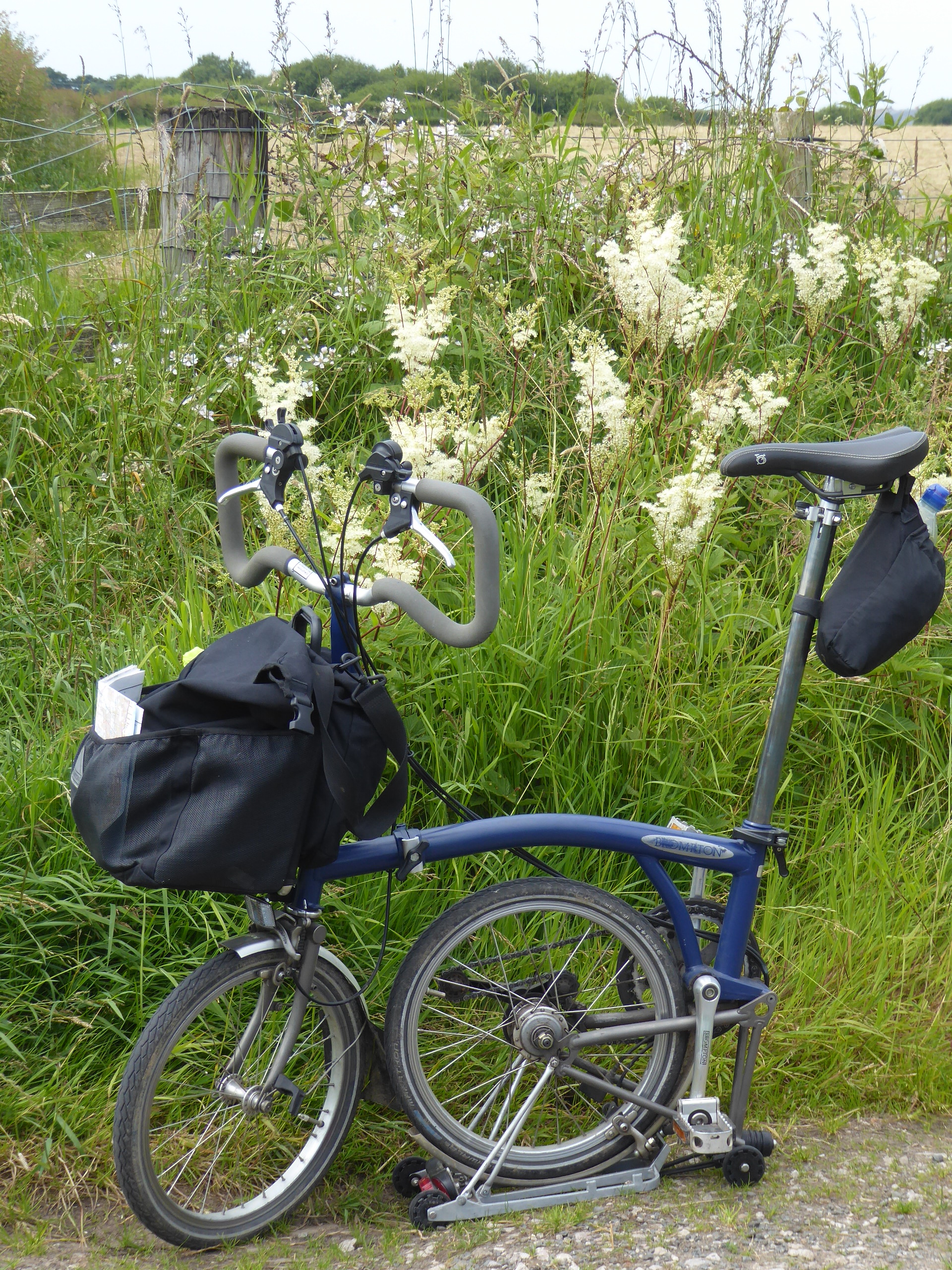
Cycling to Liverpool Street Station early this morning, I realised that the Brompton was in its natural habitat amongst its peers carrying their riders to work. But not me. I was leaving sweltering London behind to visit the Fry Gallery in Saffron Walden and its exhibition of Great Bardfield artists (Edward Bawden, Eric Ravilious et al).

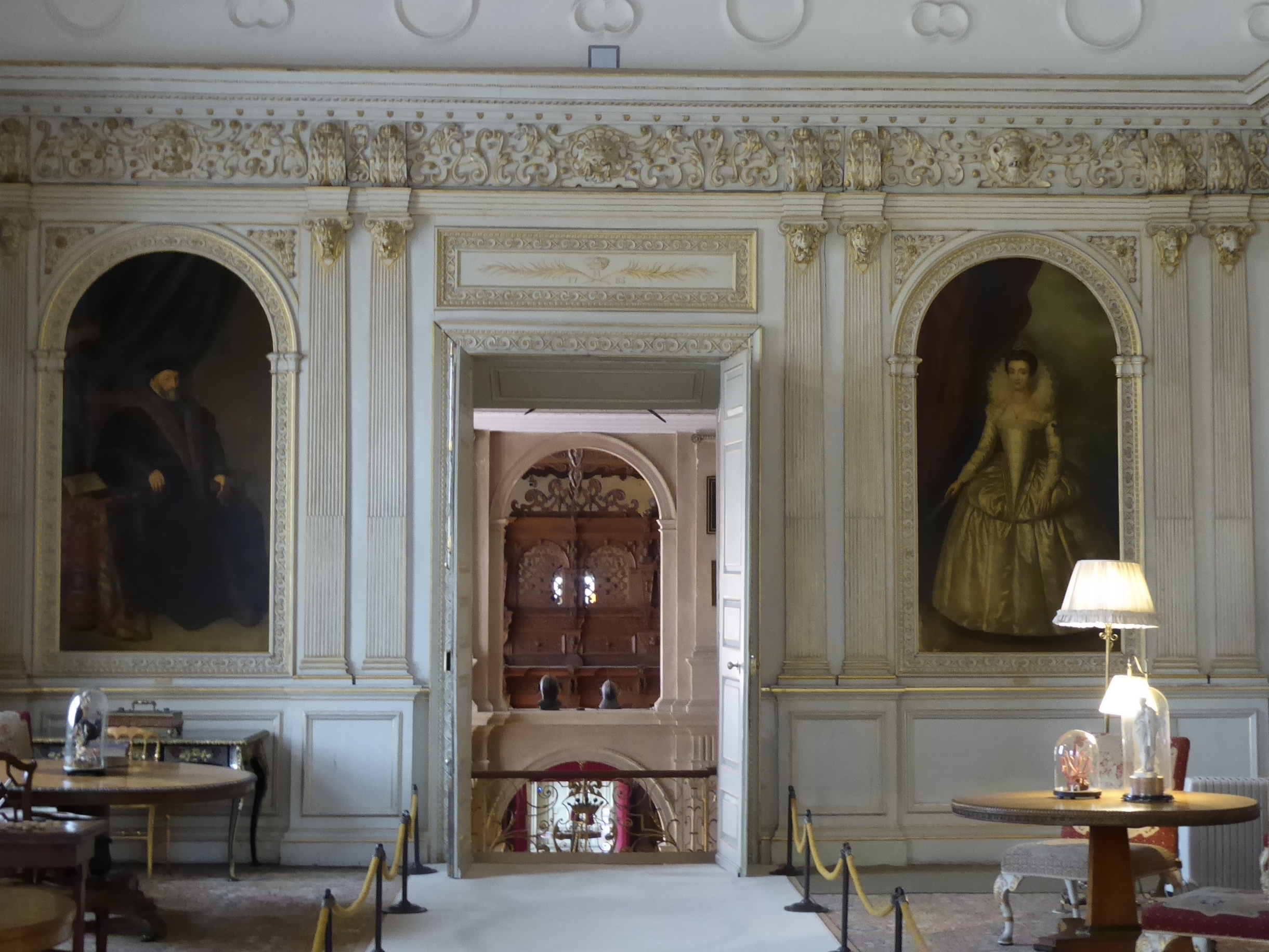
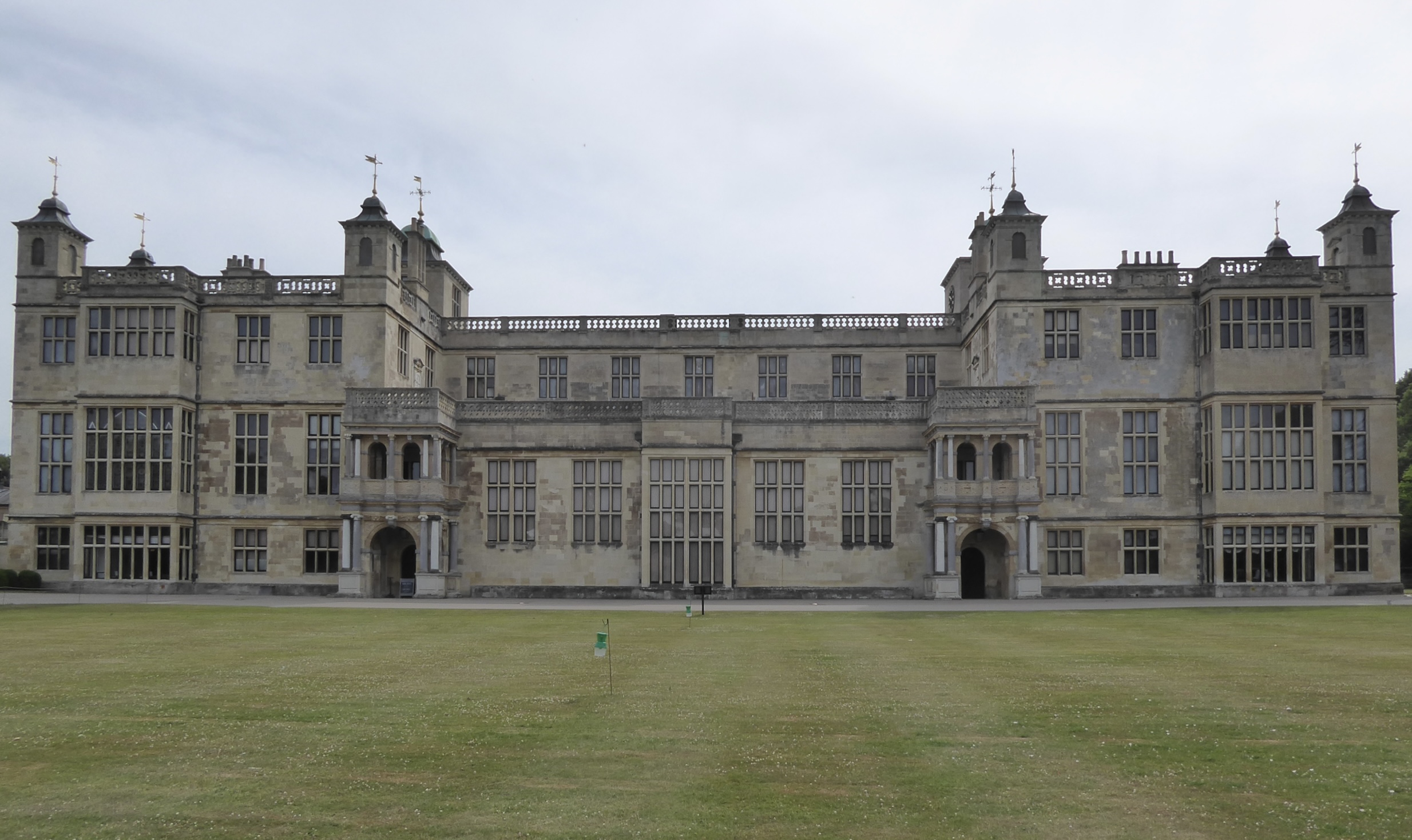
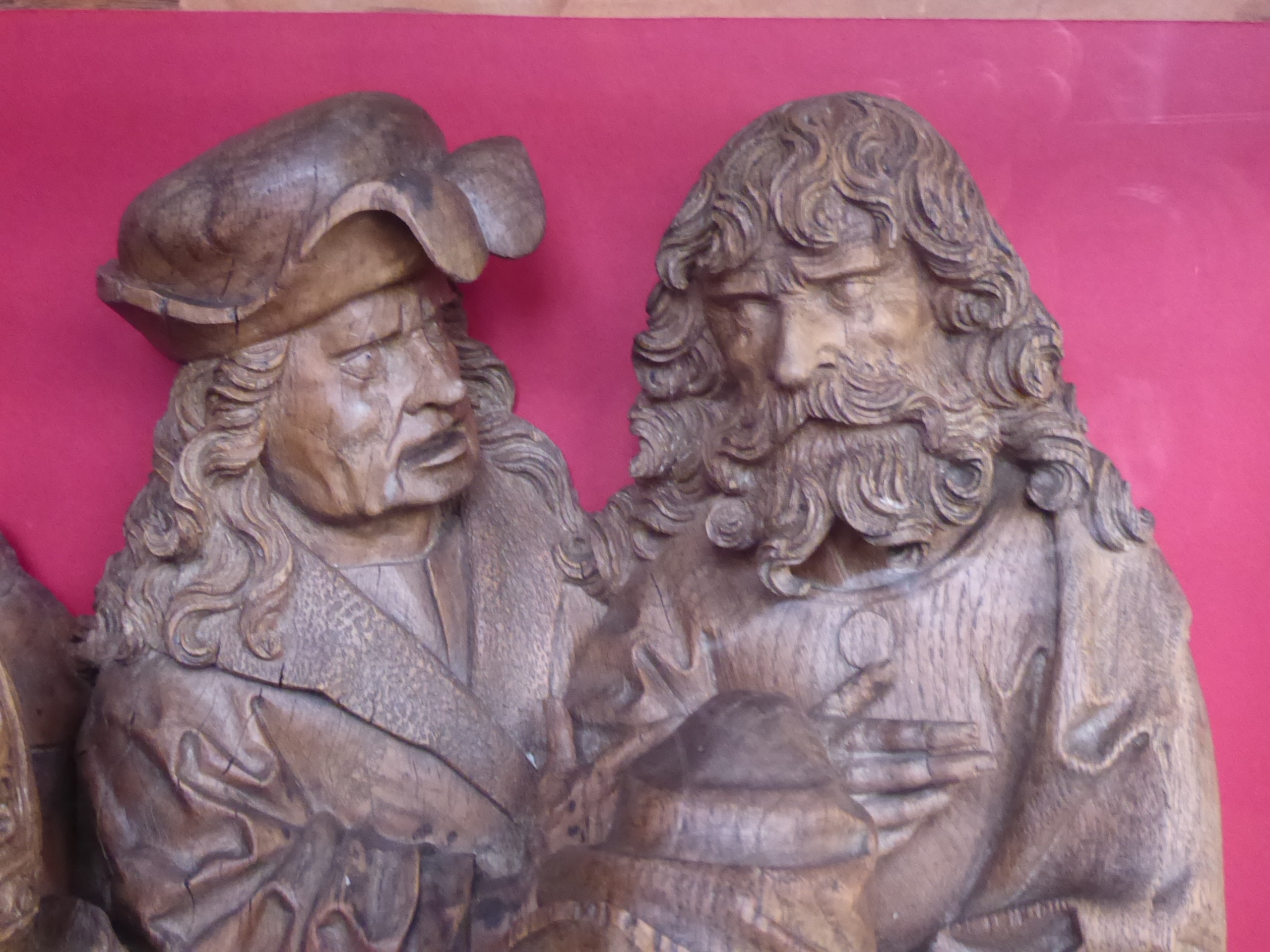
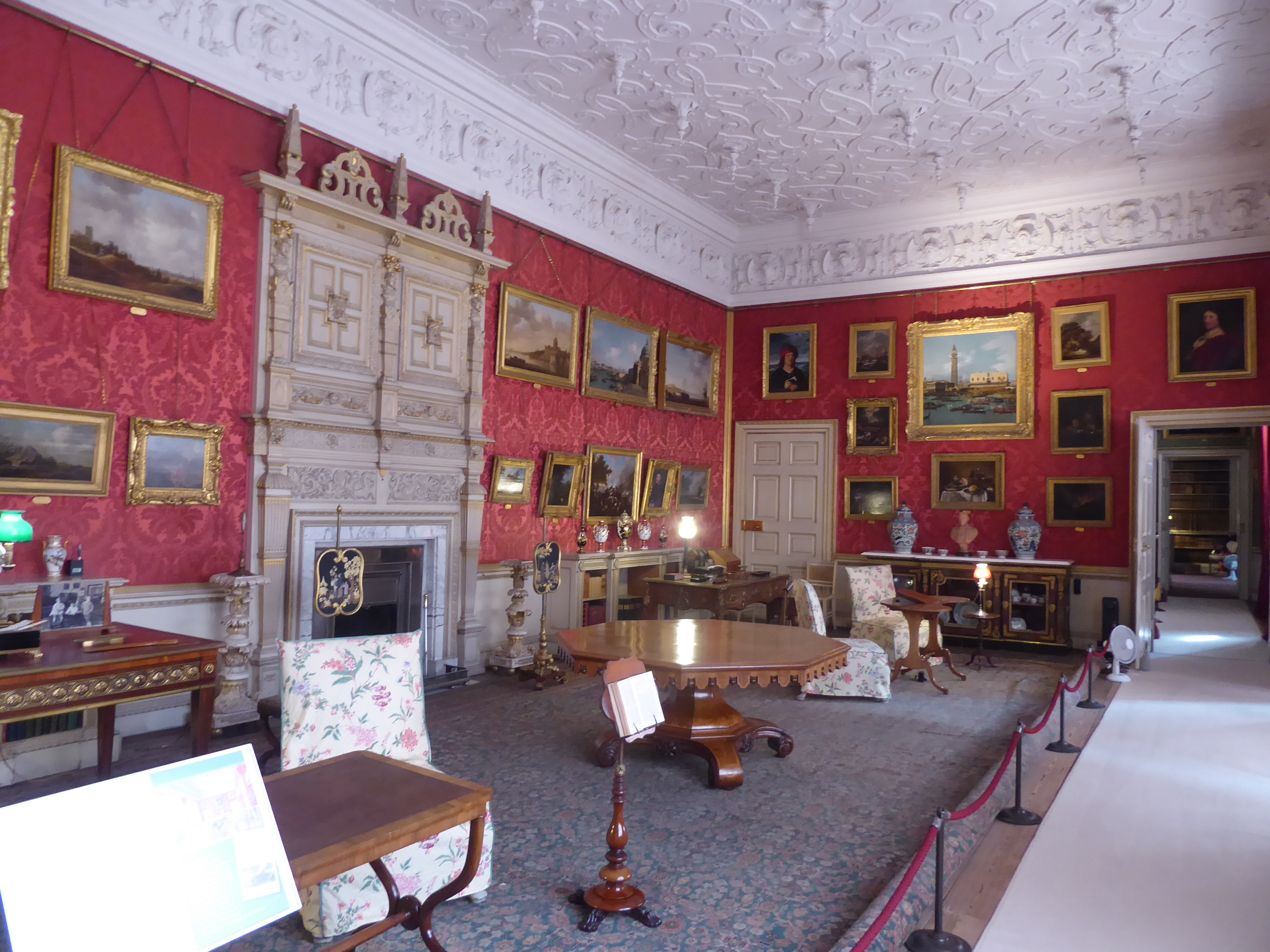
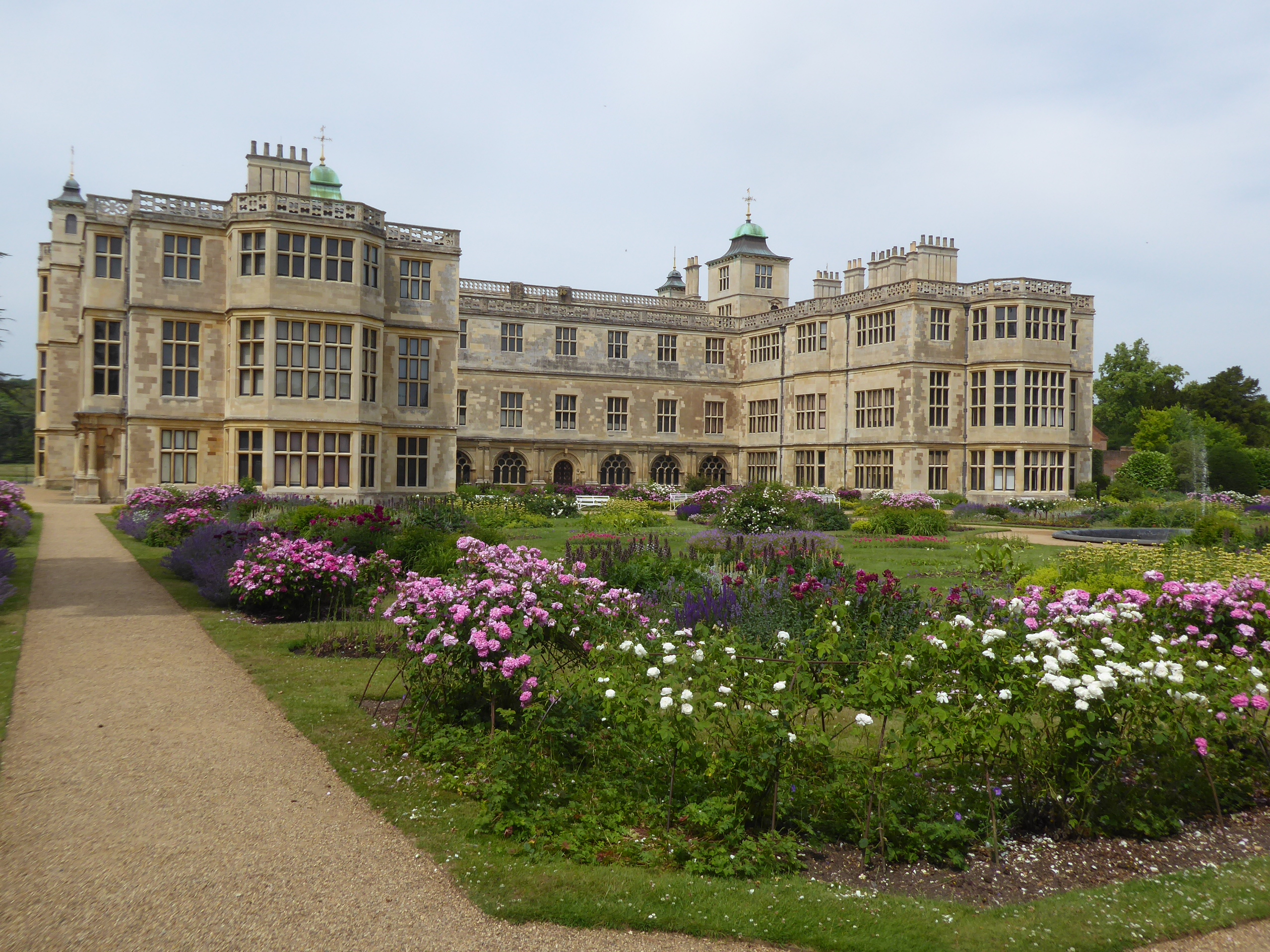
Since the gallery didn’t open until 2 p.m. I looked for something to do before that and discovered Audley End House nearby. It’s basically a Jacobean house that was once much larger and grander, built on the site of a dissolved abbey. The Duke of Suffolk embezzled state funds for it, Charles II once owned it (handy for Newmarket), John Vanbrugh and Robert Adam worked on it at various stages, Capability Brown got fired . . . the usual sort of thing. Over the centuries it has been much reduced and altered, and its current incarnation is early 19th century. So, symmetry everywhere, the deception assisted by false doors and concealed doors. A great hall with an astonishing oak screen that rises to the second floor. Family portraits everywhere plus an art collection by “follower of X” and “school of Y”. An incredible collection of taxidermy, including more kinds of owl than I knew existed and an albatross. A library that basically stored all that an English aristocrat needed to know at that time: rows and rows of records of State Trials of the late seventeenth century; antiquities of Canterbury; Dugdale’s Baronage of Englands Vol I, II etc etc – and, nice touch, a row of Walter Scott novels on an easy-to-reach shelf. The room and bed decorated specially for George III . . . who never visited. A chapel with a separate staircase and wooden seats for the servants, and a fire and padded seats/kneelers for the family. I found it fascinating and bizarre.

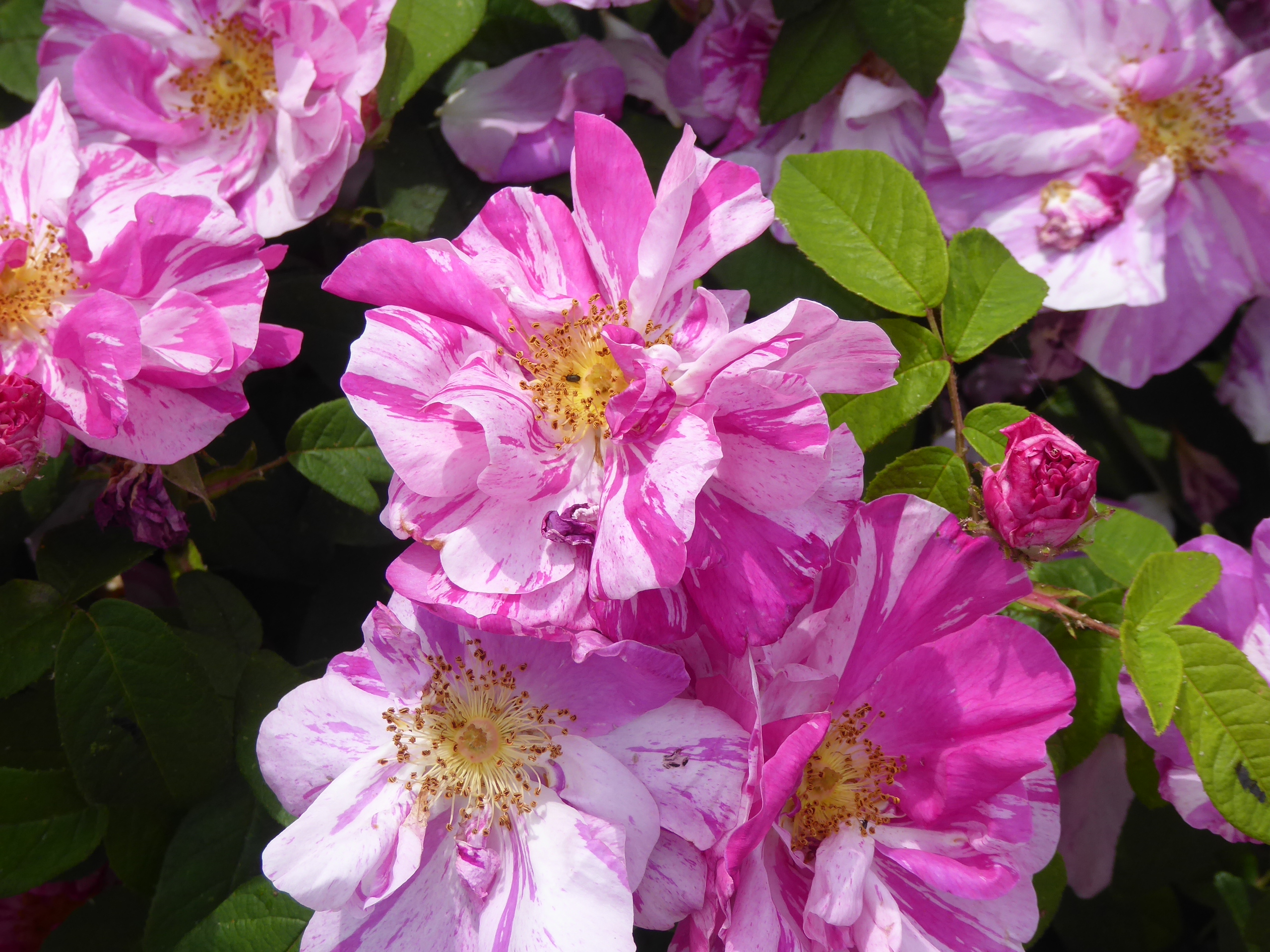
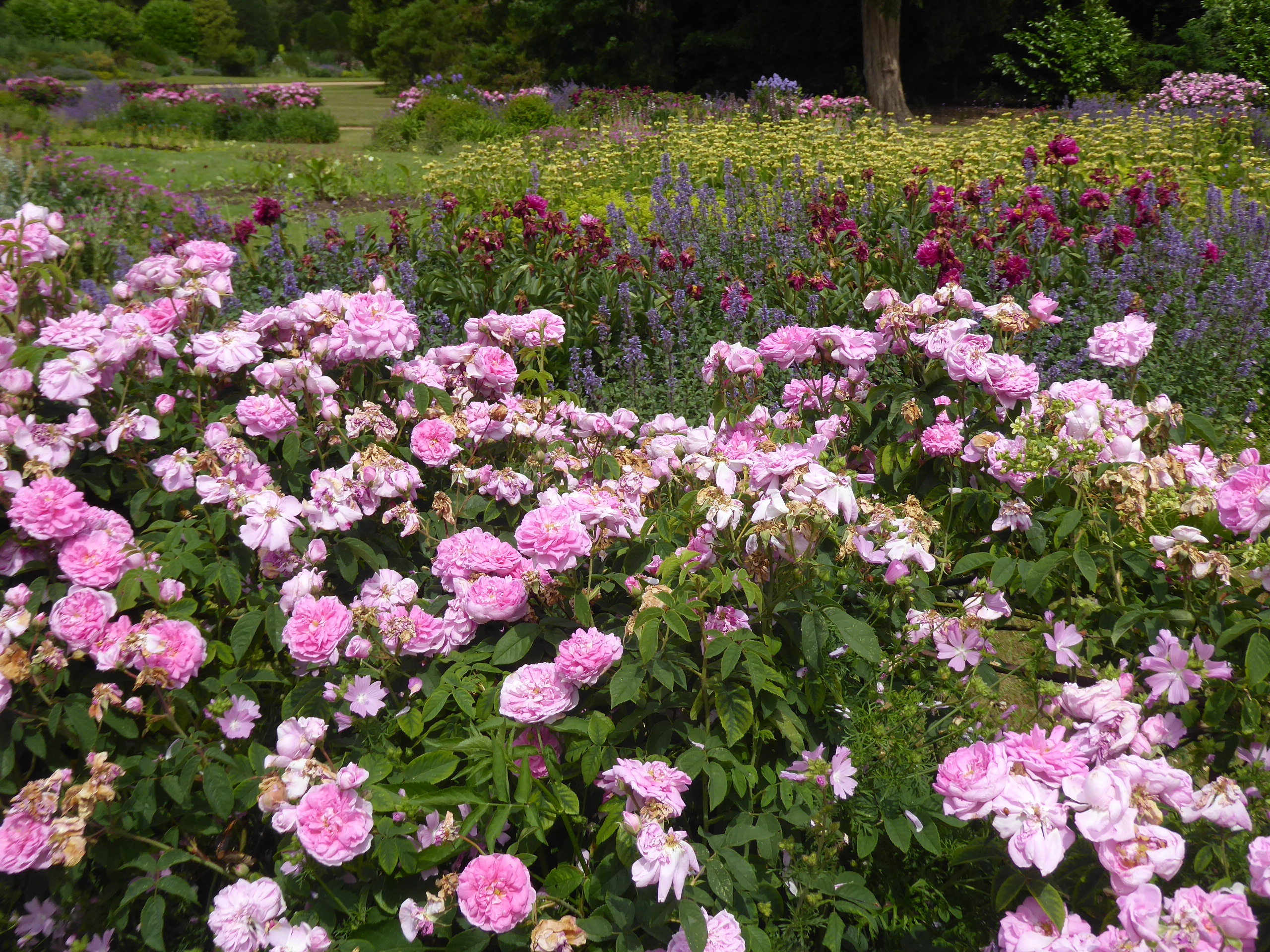
The parterre was lovely, and I saw it at its best. Had I not already been converted to roses, this would have done it.

Then to Saffron Walden for lunch. I ate in the main square in what I guess was once a Victorian-era bank. The great thing was that it was like a small version of Audley End: neo-Elizabethan with decorated stonework and mullioned windows, and inside I sat beneath a white ceiling plastered in Tudor style.

I walked past the castle to the gallery. Saffron Walden is very quaint, but with the heat and the Brompton I wasn’t in a frame of mind to take photos. The gallery is small and filled to the brim with delightful images and objects but after the space of Audley End, it seemed very cramped and the exhibits seemed cosily domestic.

Seaton Delaval to Tynemouth

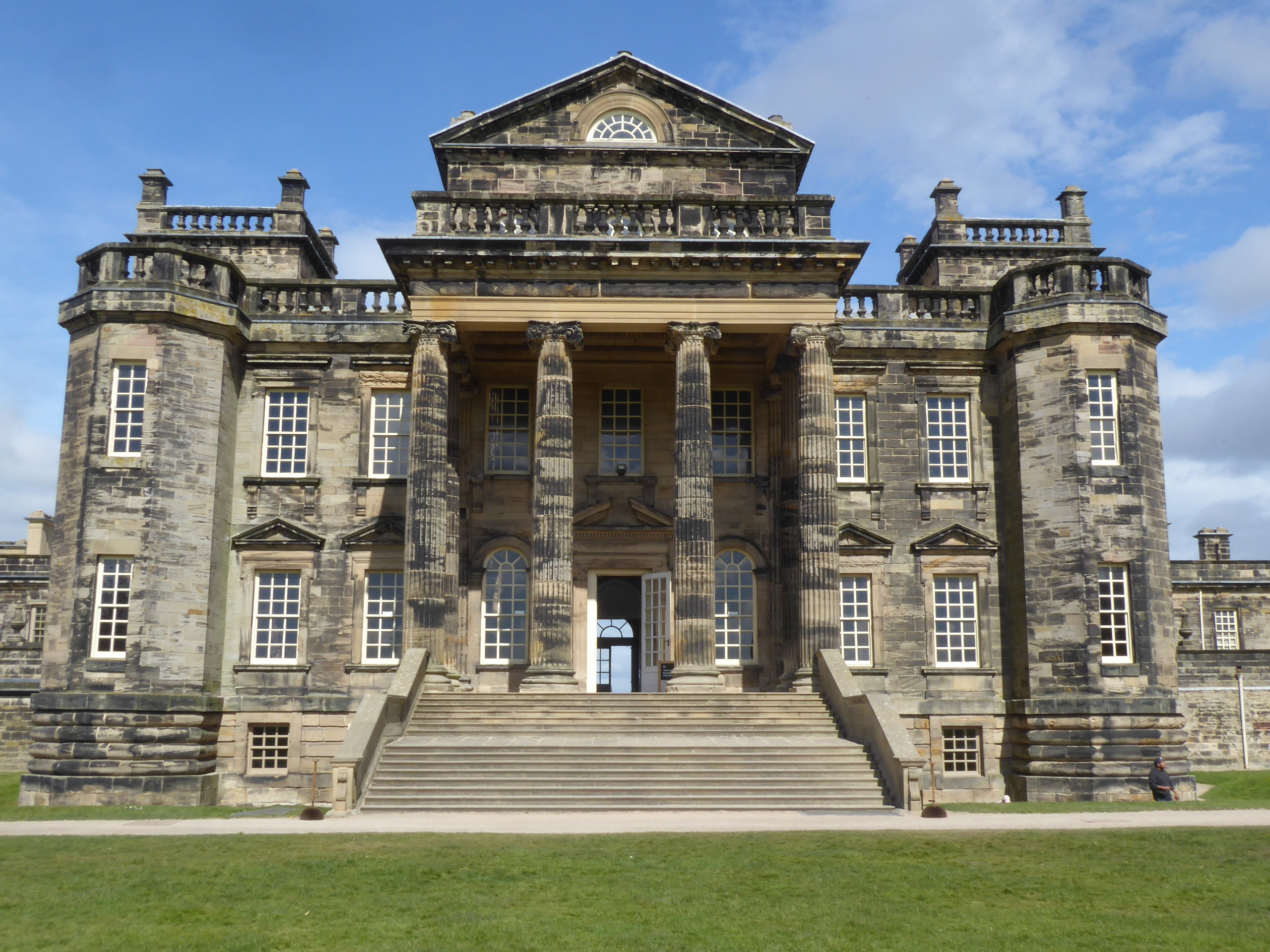
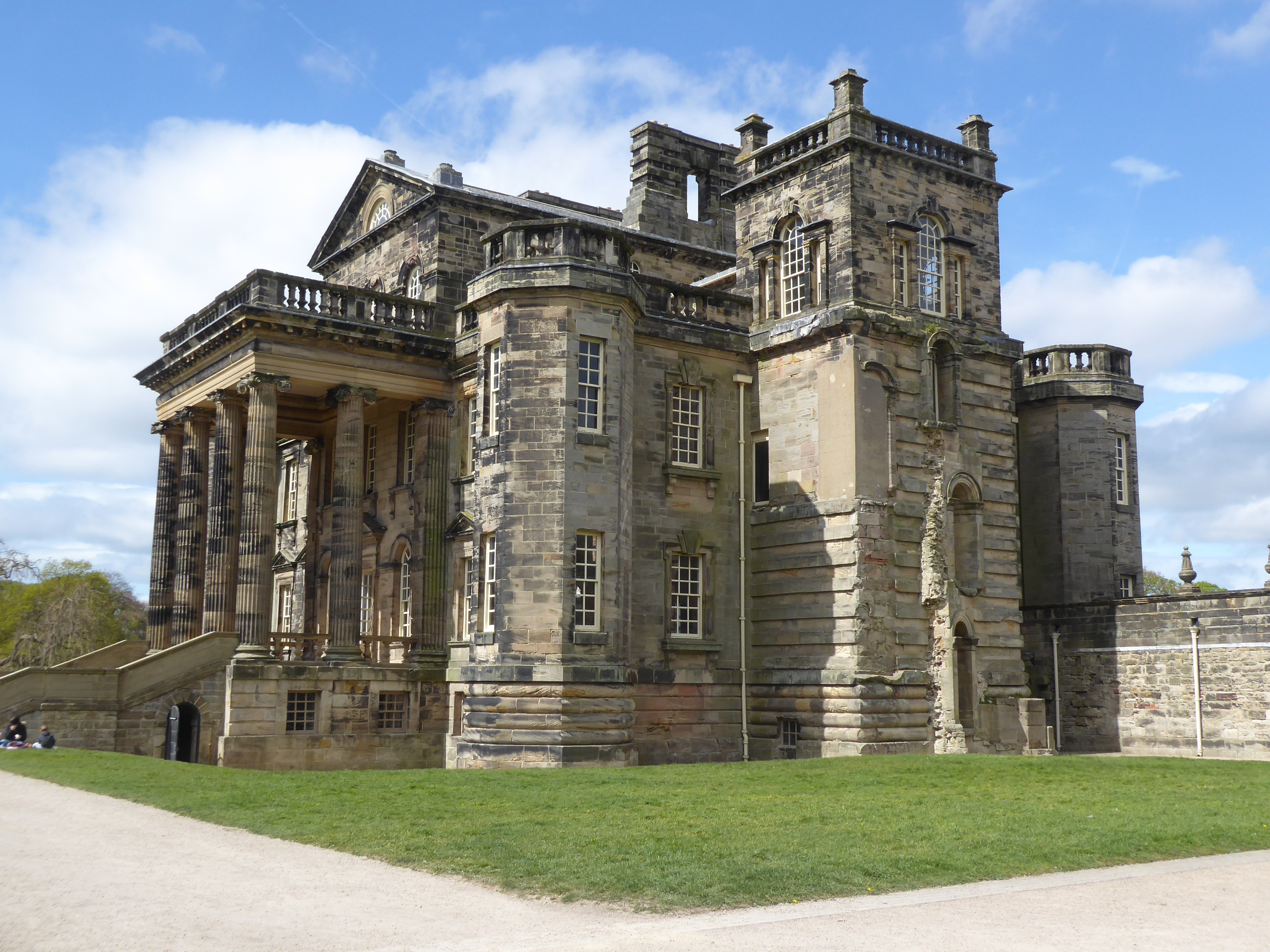
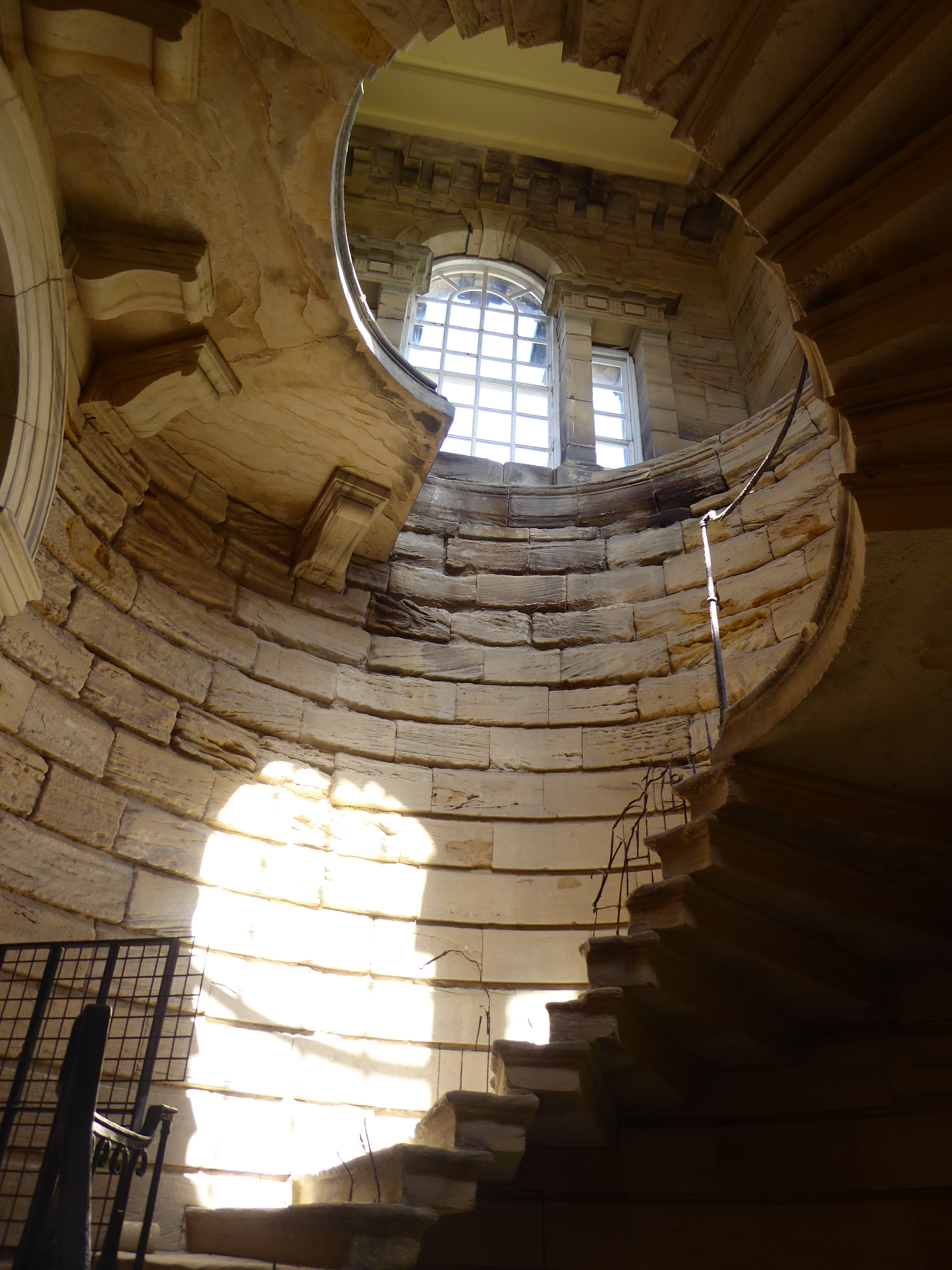
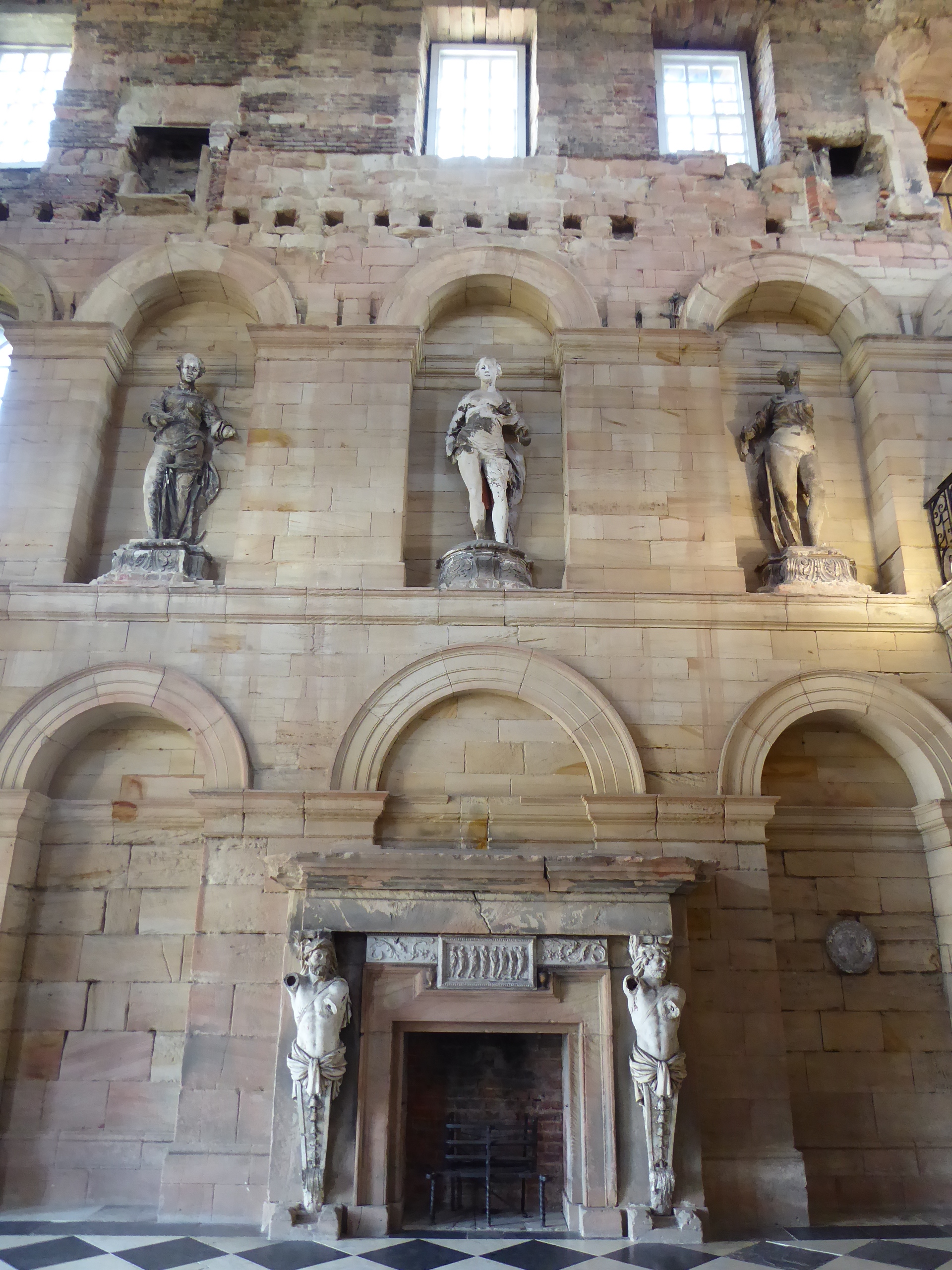
The Ashington train again, but this time only as far as Seaton Delaval and the Hall. Designed by Sir John Vanbrugh and built 1718-28. In 1822 a fire destroyed the south-east wing and gutted the central hall – the corps de logis. (I was confused about this, since both wings seemed intact, but a guide explained to me that the destroyed south-east wing was a later addition.) A great shame, priceless masterpiece, yada yada yada . . . but actually the damage to the showpiece central hall makes it all the more marvellous. Pipistrelle bats hibernate in the upper storeys. You can see which pilasters were made of stone. The eighteenth-century brickwork contrasted with the essential patching up of the nineteenth. Its ruin has been arrested, its proportions and exterior still dominate, and the interior has an air halfway between Ozymandias and poignancy. The family wealth (my inner Marxist asks the question) originally came from salt, glass (from the lovely sandy beaches) and coal.

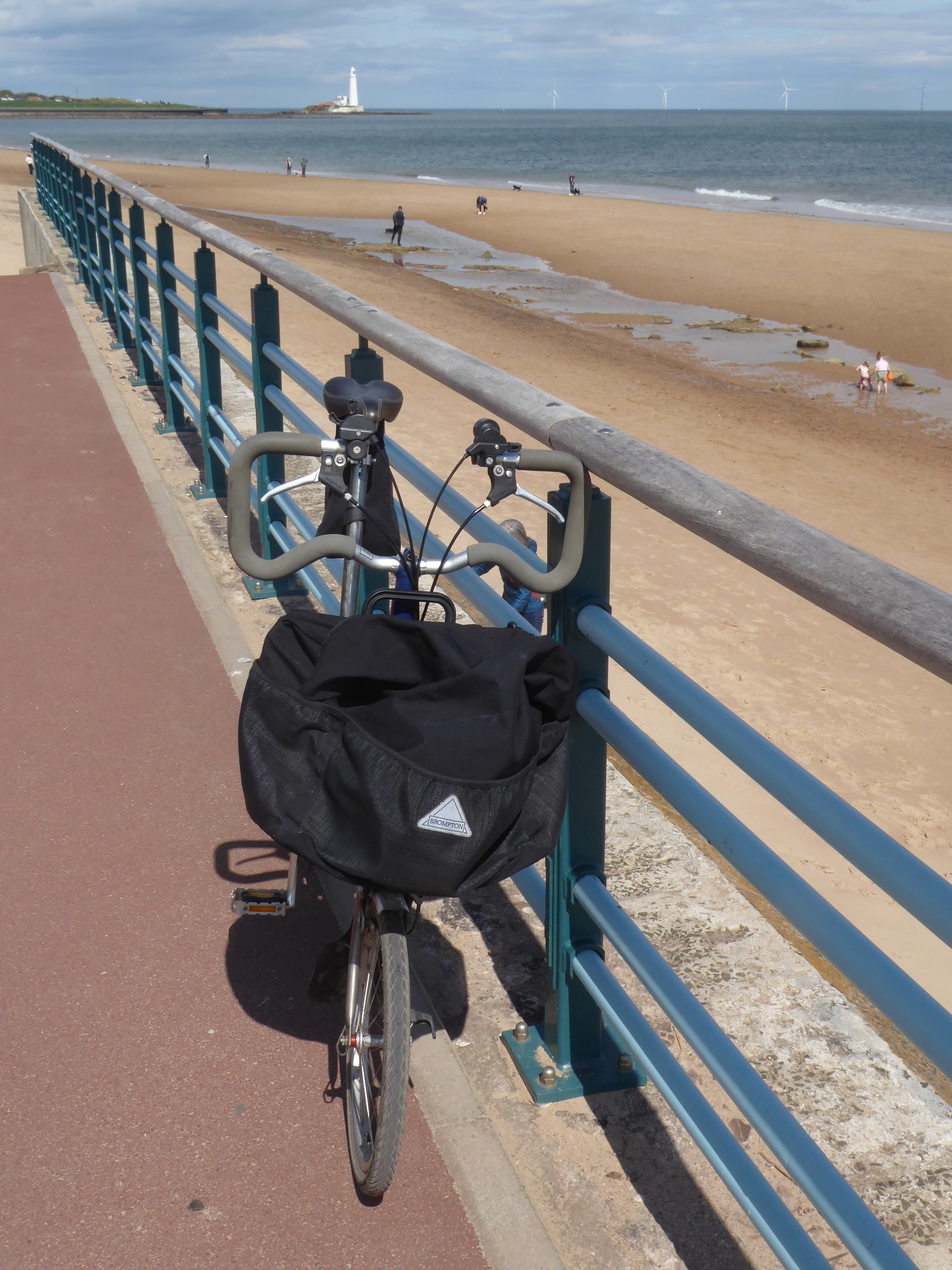
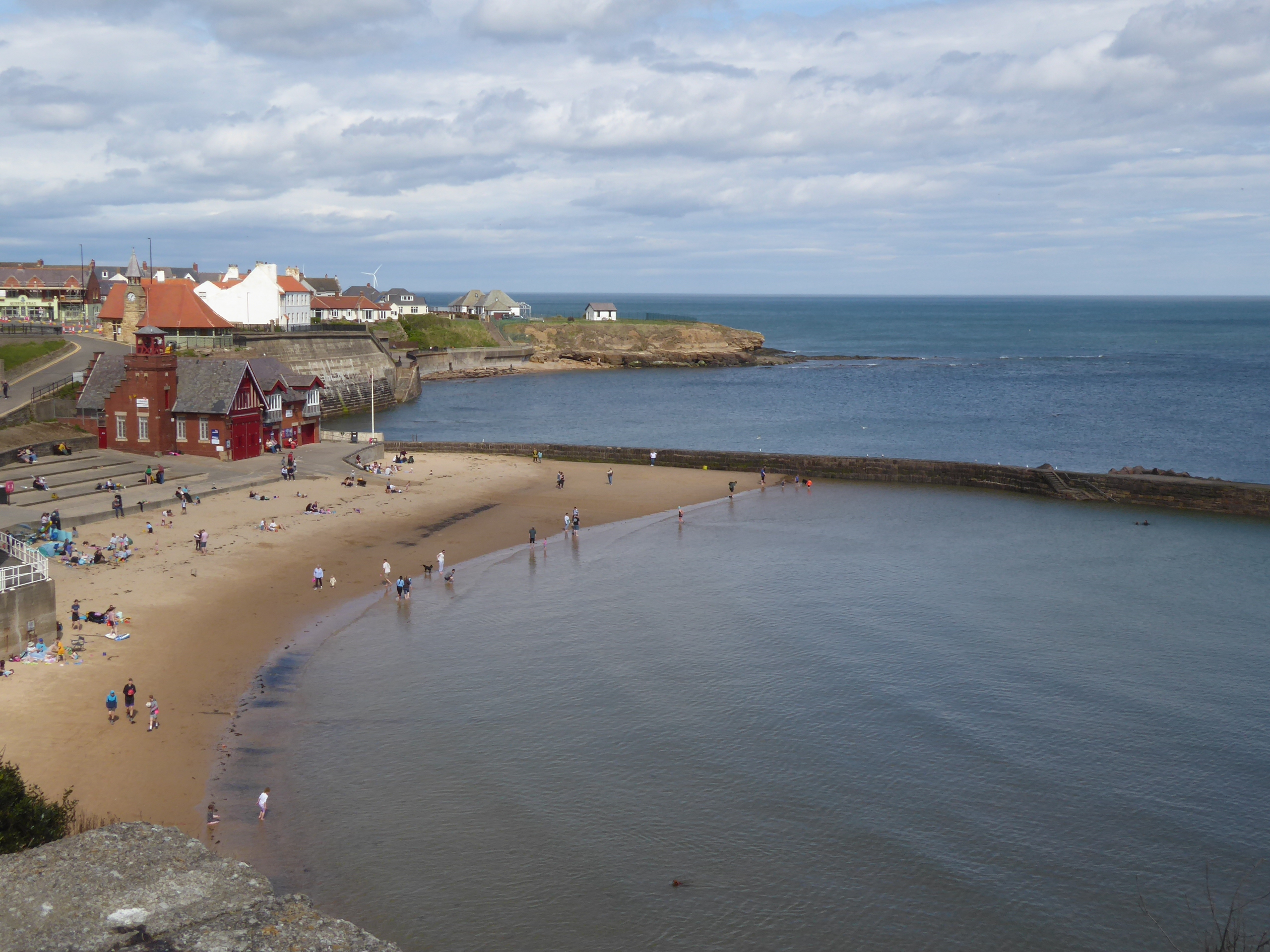
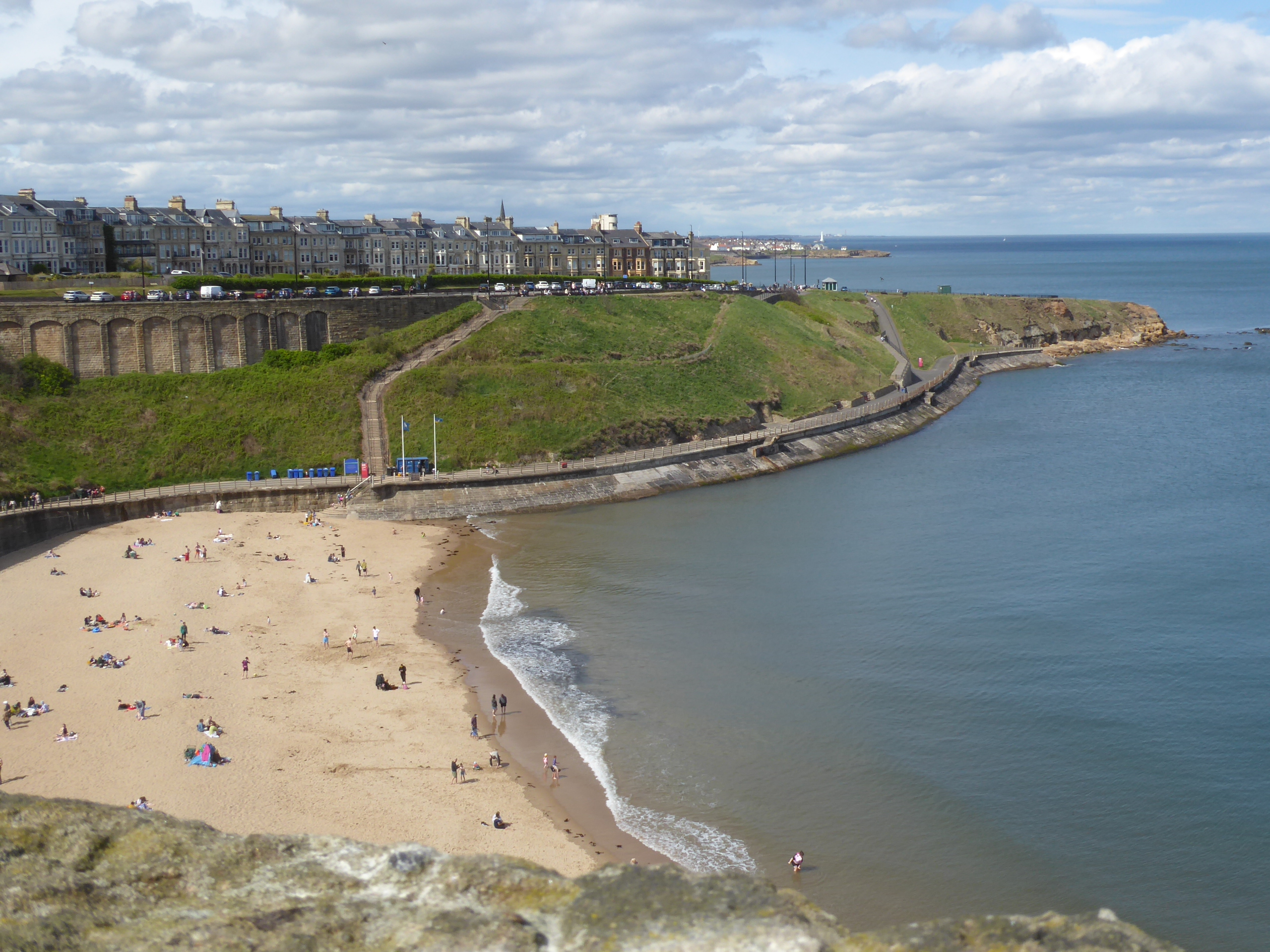
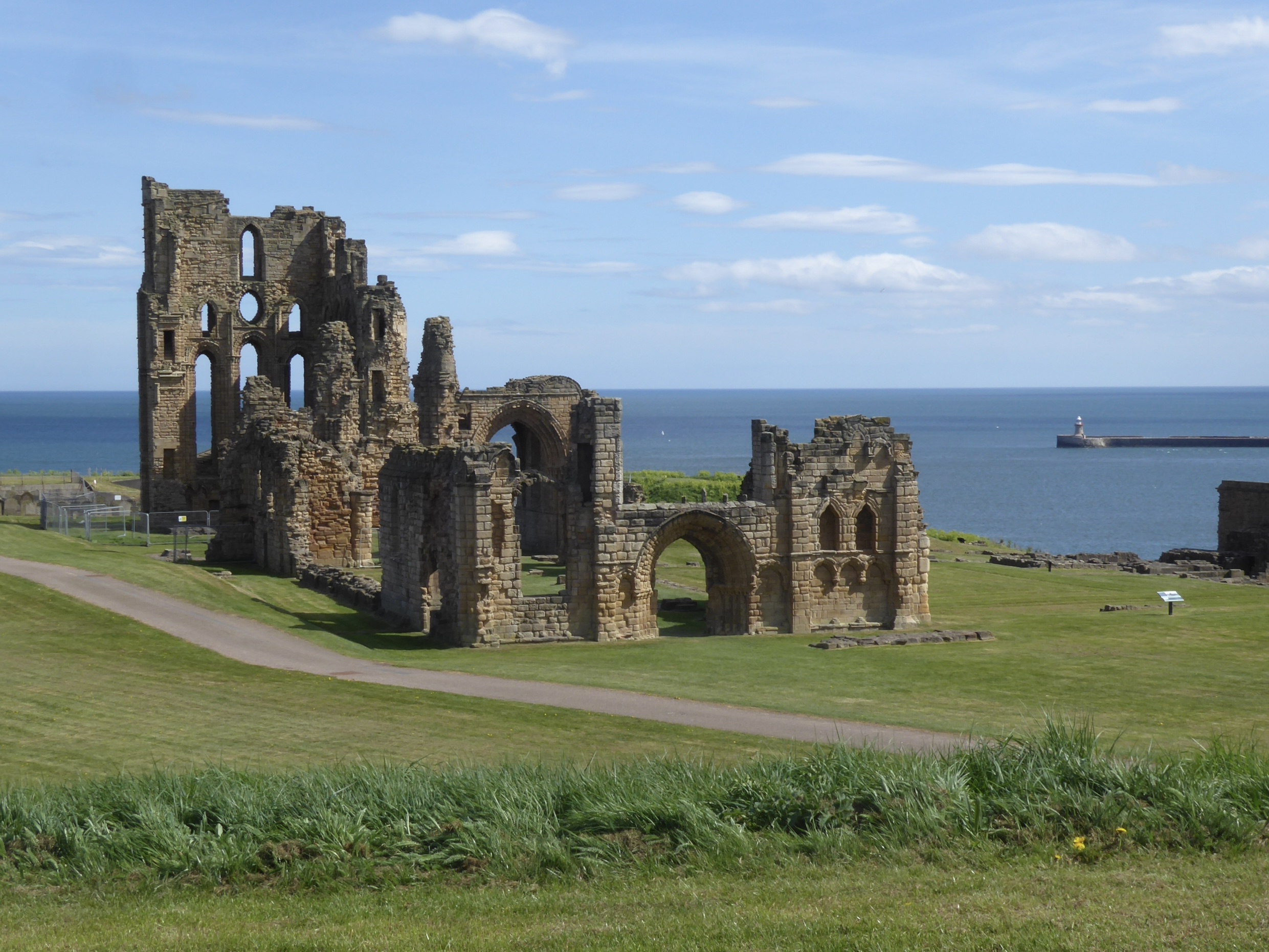
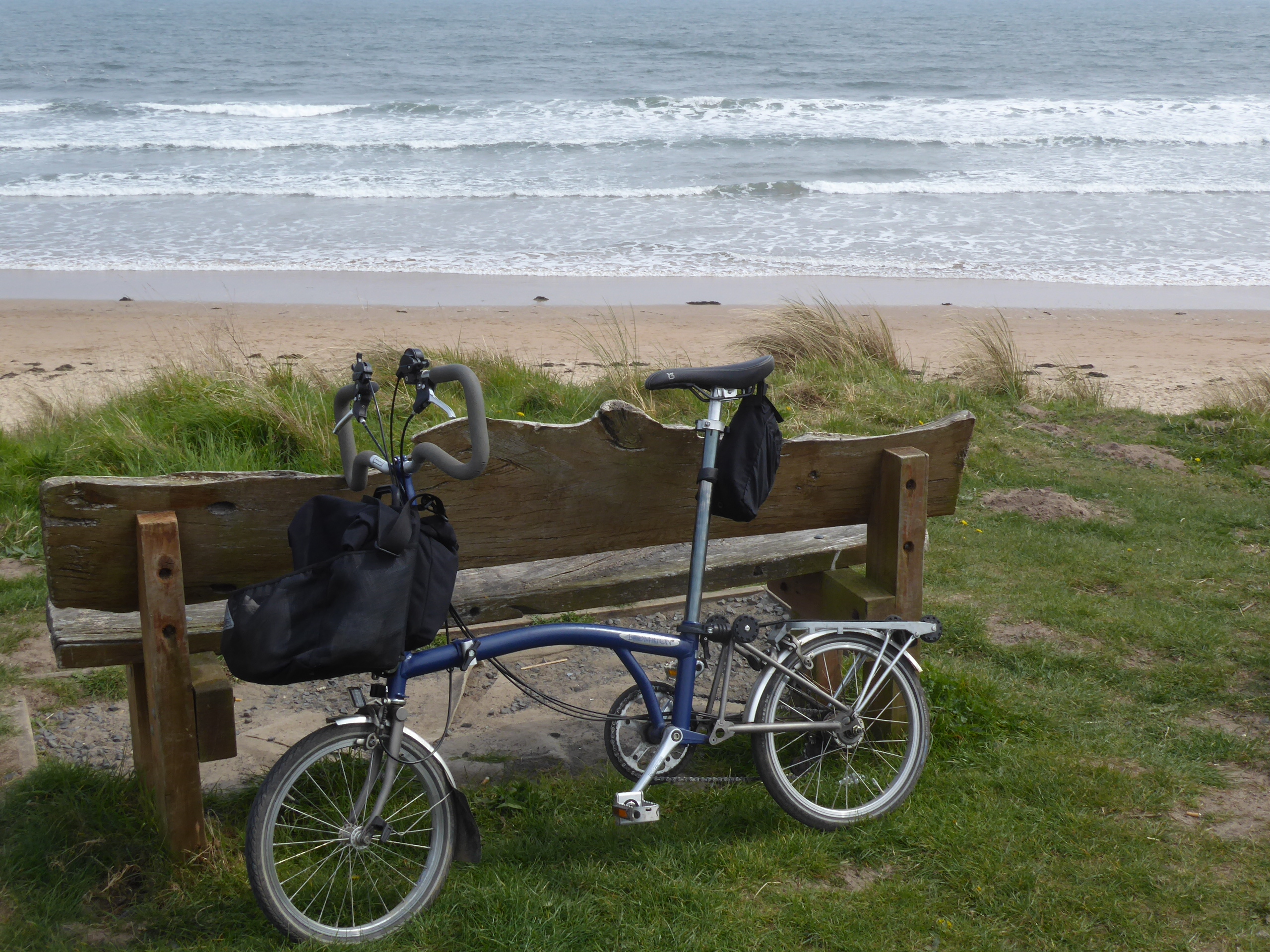
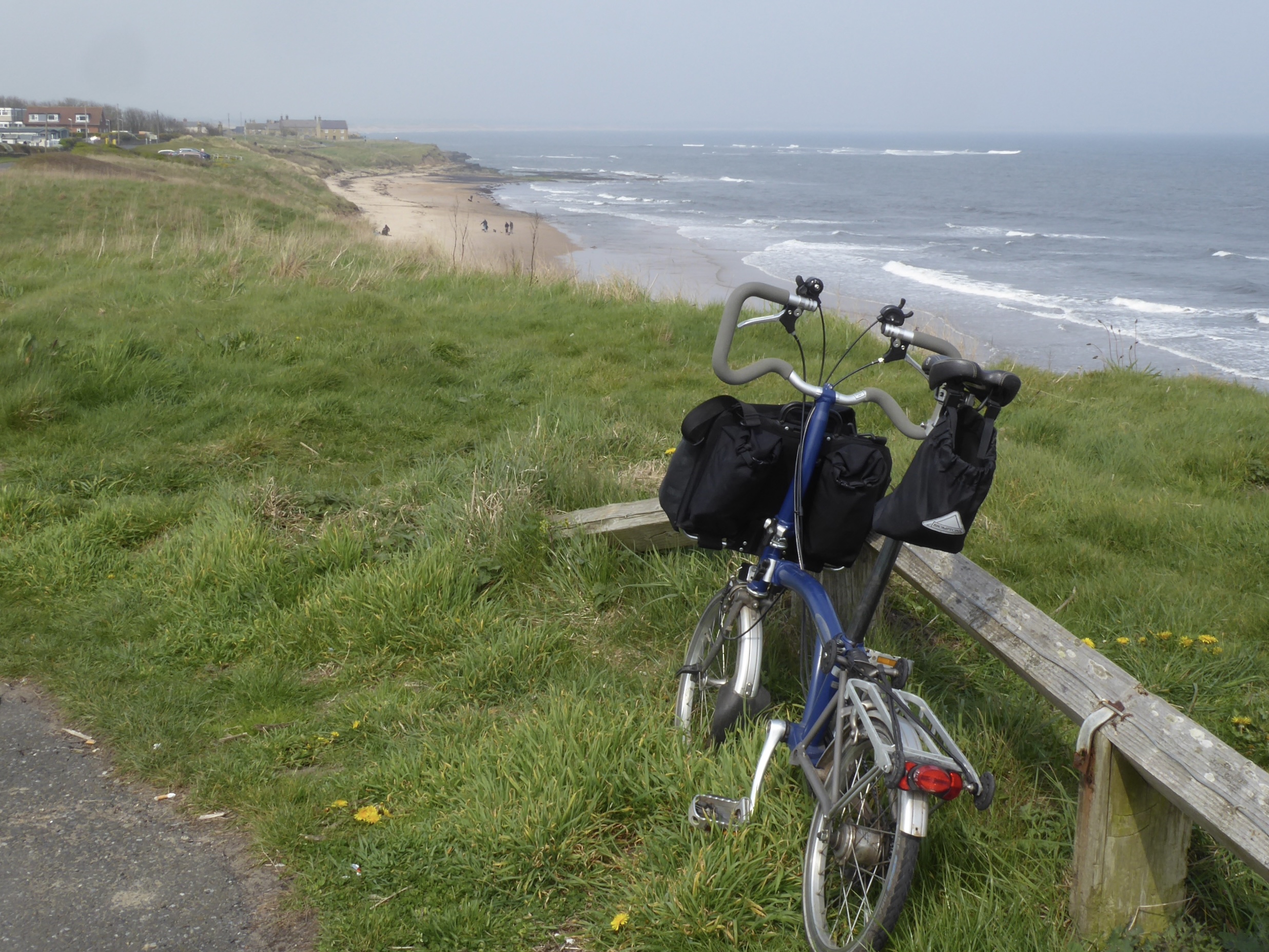
Then back to the Brompton and a ride to Seaton Sluice and southwards along the coast through Whitley Bay and Cullercoats to Tynemouth. I stopped to admire the Spanish City and remembered how my Newcastle-bred mother used to refer to Whitley Bay as some kind of childhood Nirvana. At Cullercoats I recognised the bay and Watch House from Robert Jopling’s paintings. And the outline of Tynemouth priory looked uncannily familiar until I remembered an evening ferry from Newcastle to Ijmuiden years ago. Then the metro back to Monument and I was in the big city once again.

Ashington to Alnmouth

What prompted me to come to Newcastle this time was the re-opening to passenger traffic of the railway line to Ashington – which is the gateway, for me, to see the works of the Pitmen Painters.

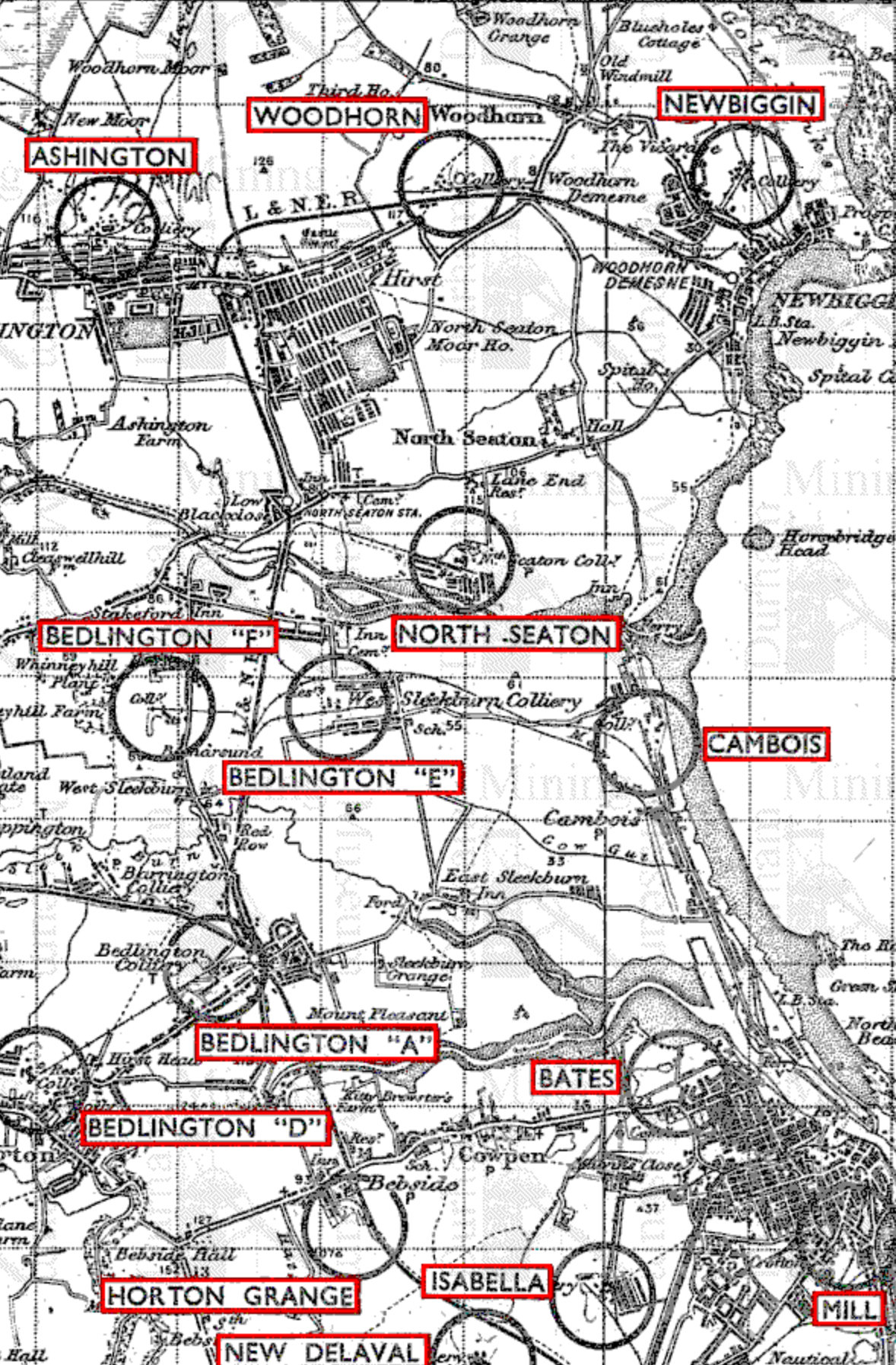
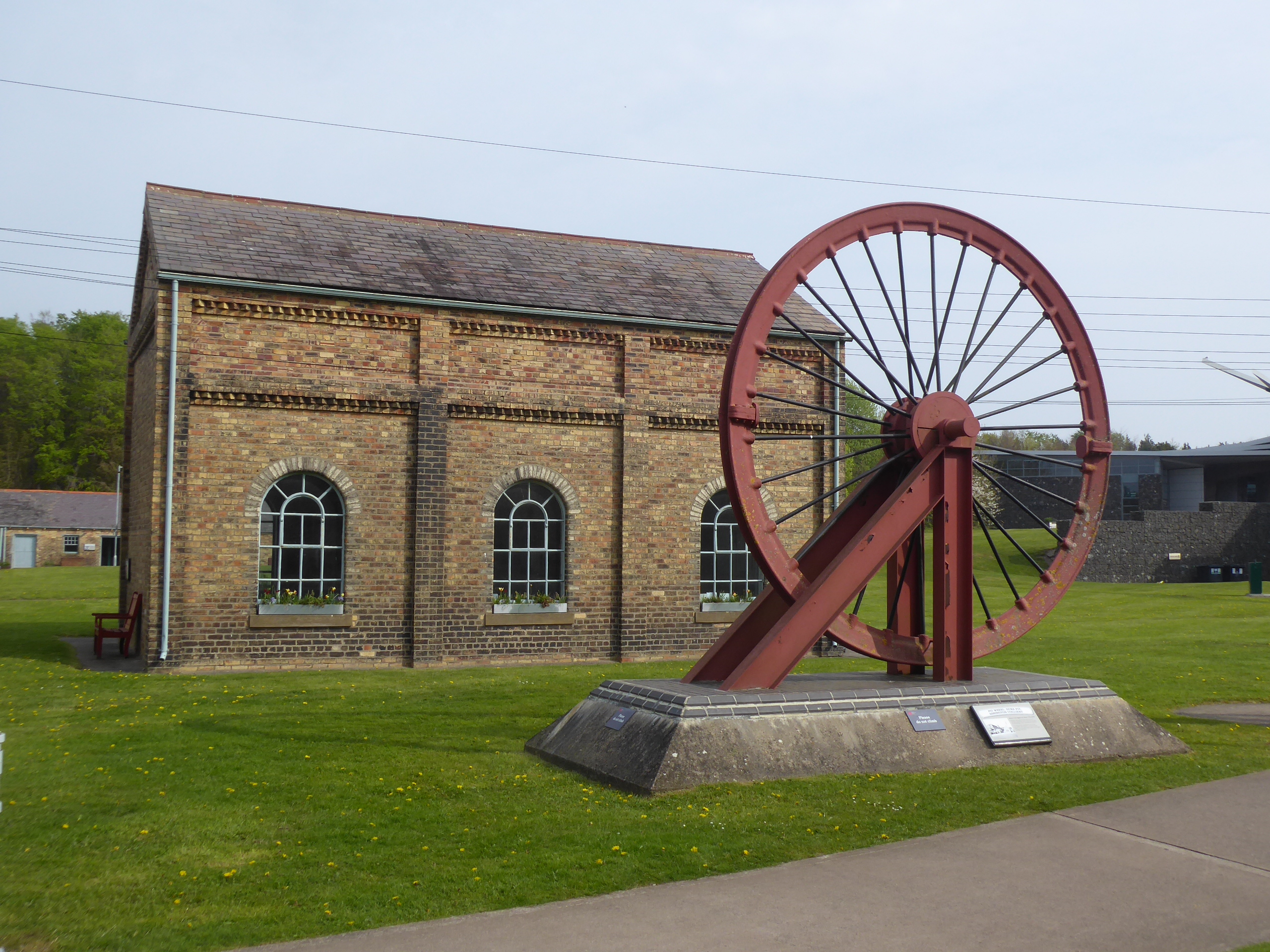
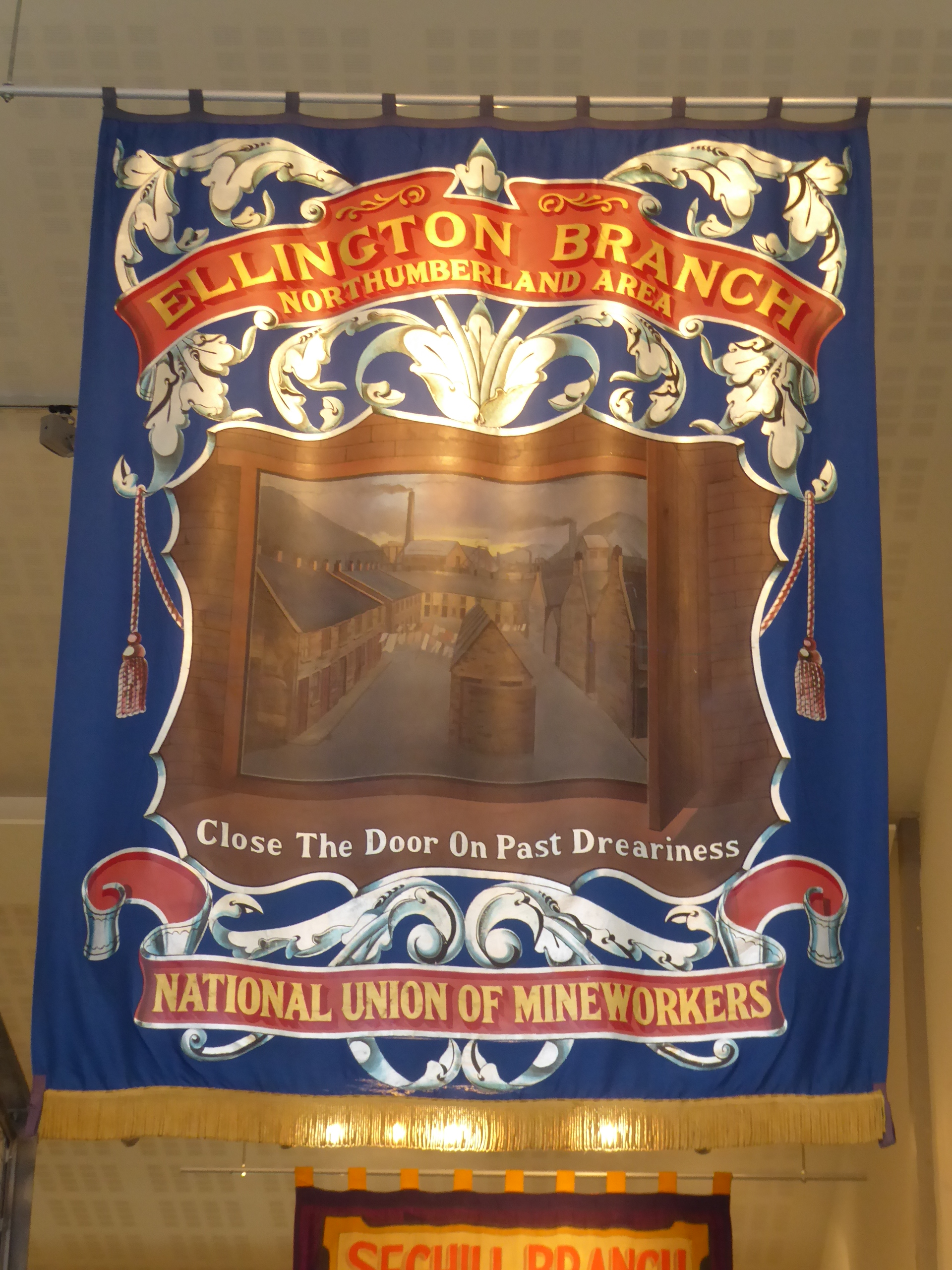
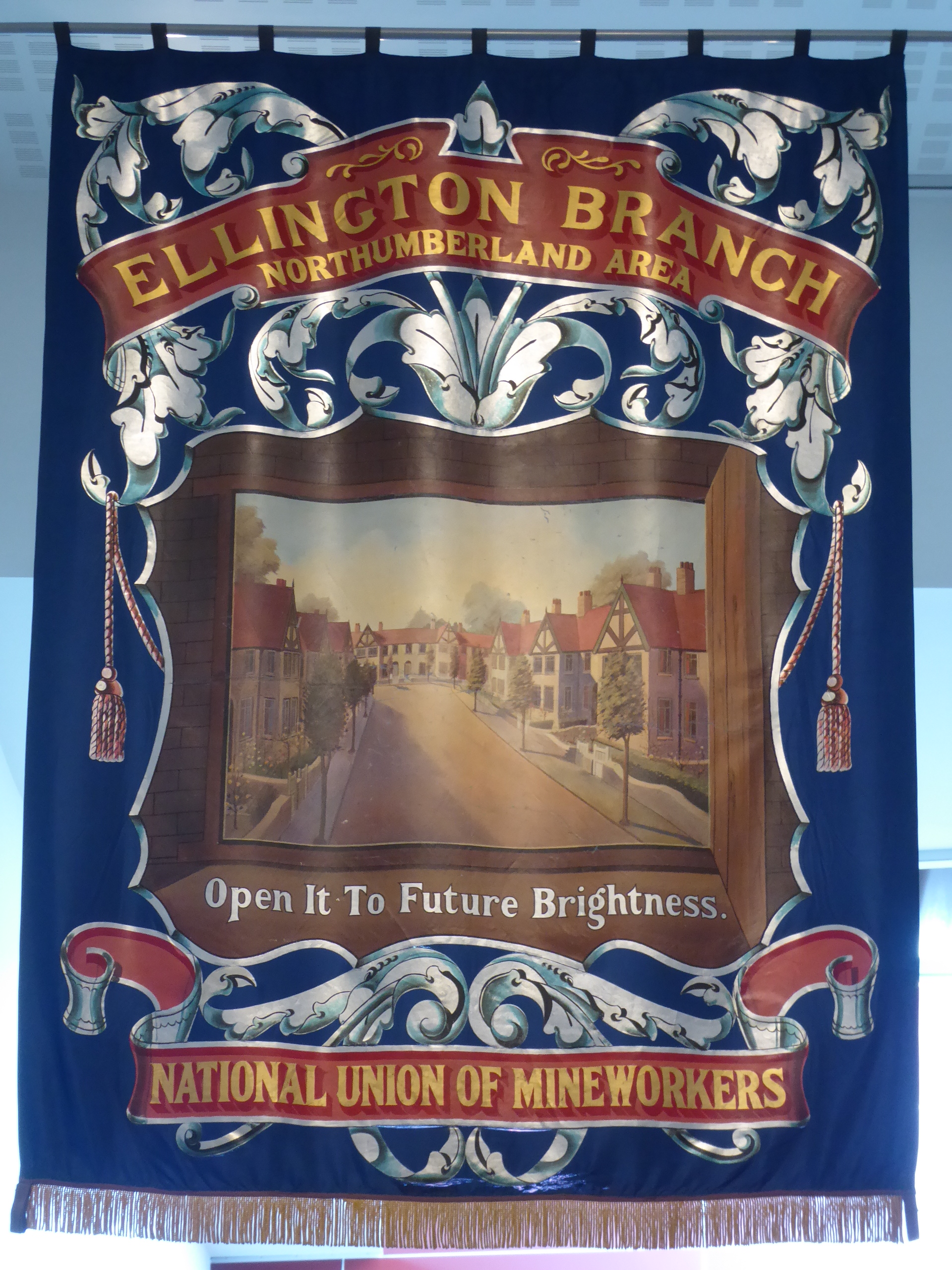
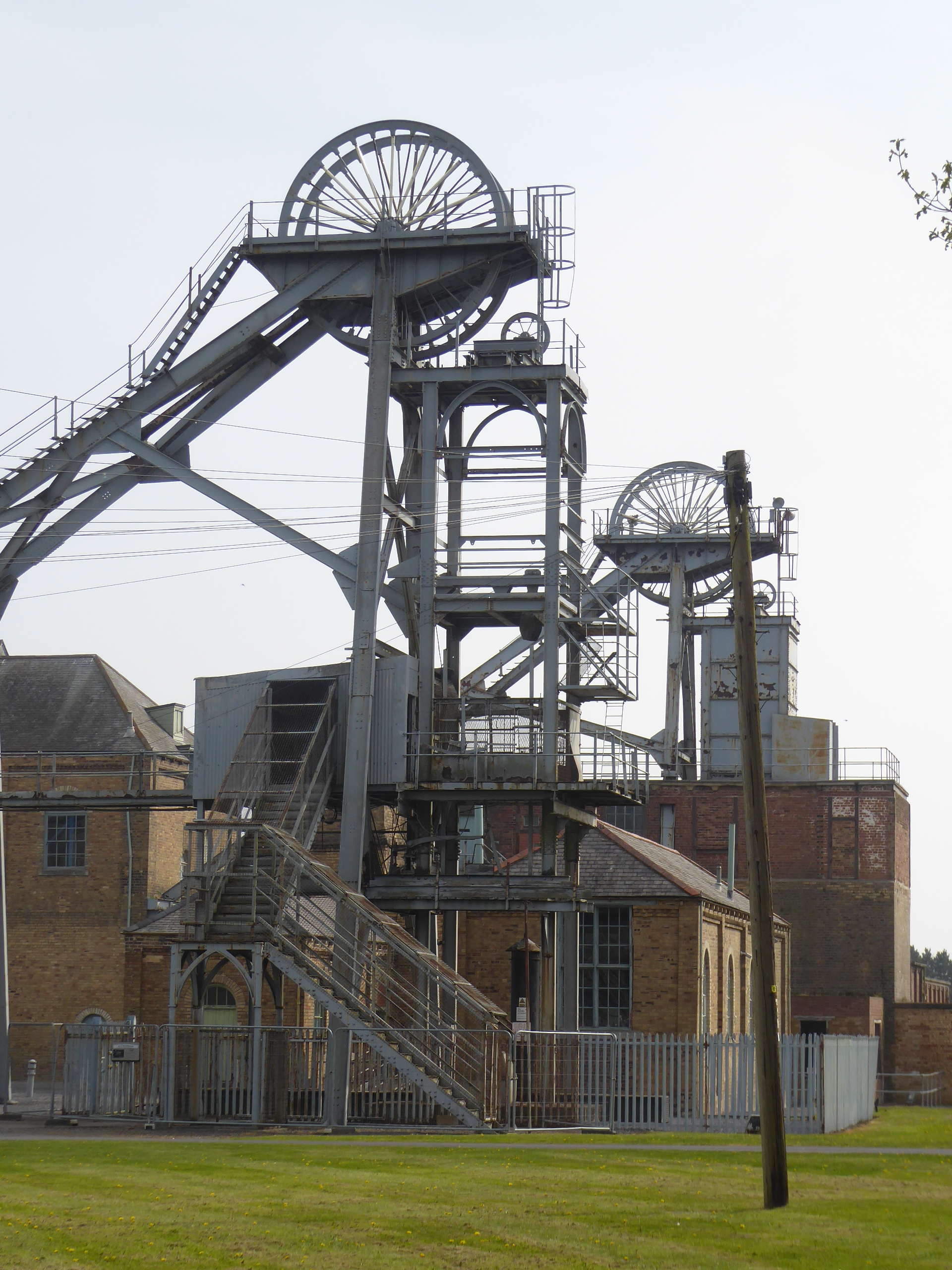
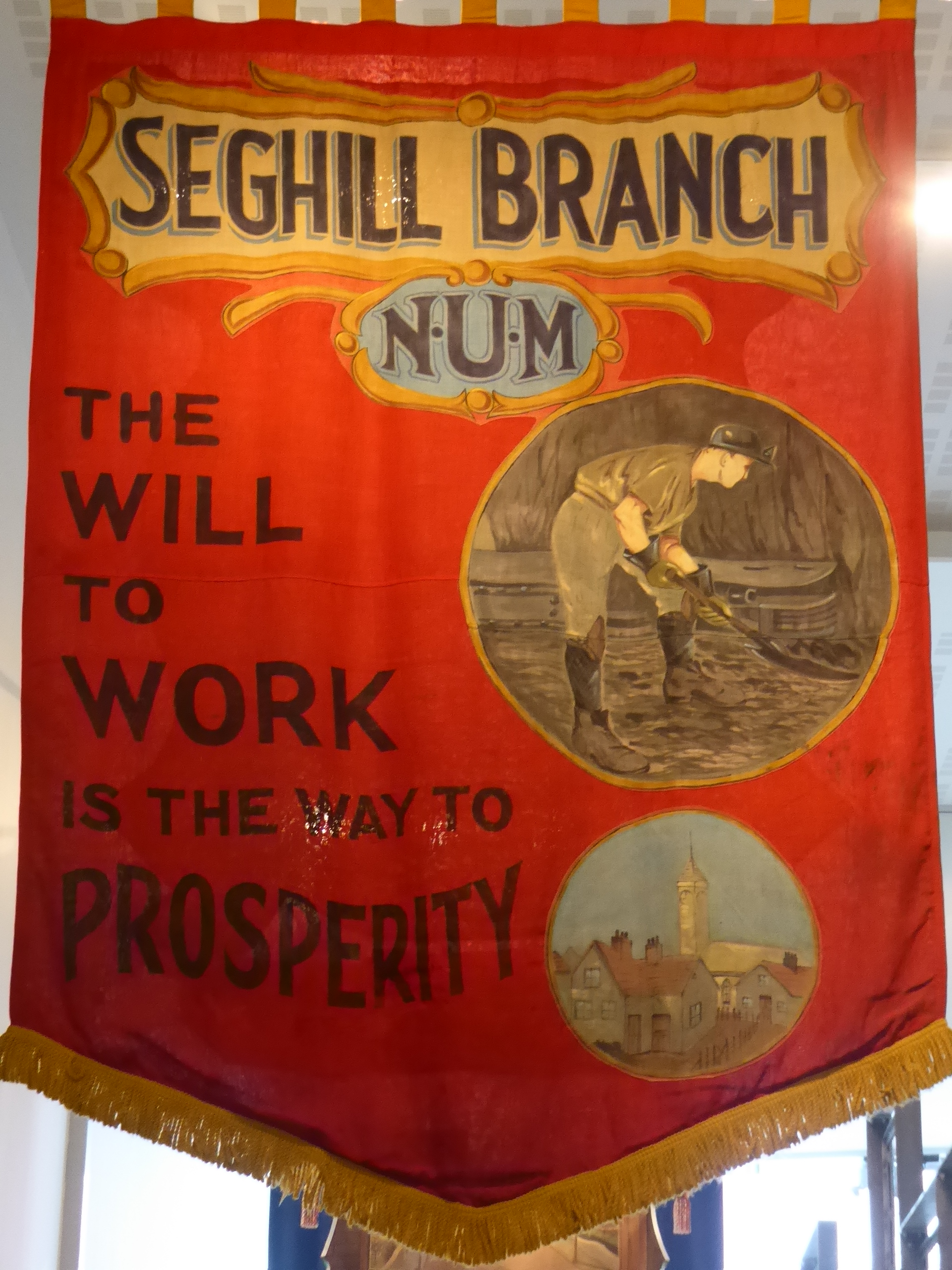
The Brompton and I found the cycle path from Ashington to the Woodhorn Museum. In addition to the gallery, it’s also a mining museum in what was, until 1981, the Woodhorn Colliery. There was once also an Ashington Colliery – a distance that it had taken me ten minutes to cycle slowly – so, of course, I started wondering how cheek-by-jowl collieries were here and found a 1951 map online which gives me an answer. From the train I’d seen a few old spoil heaps, just humps and plains covered by scrubby vegetation, but, as an outsider, I find it hard to imagine what this area was like until fairly recently. The museum is interesting: several of the key buildings remain, along with the pit wheels, and I noted (as with old German mining administration blocks) that even functional buildings can include proportion and decorative elements.

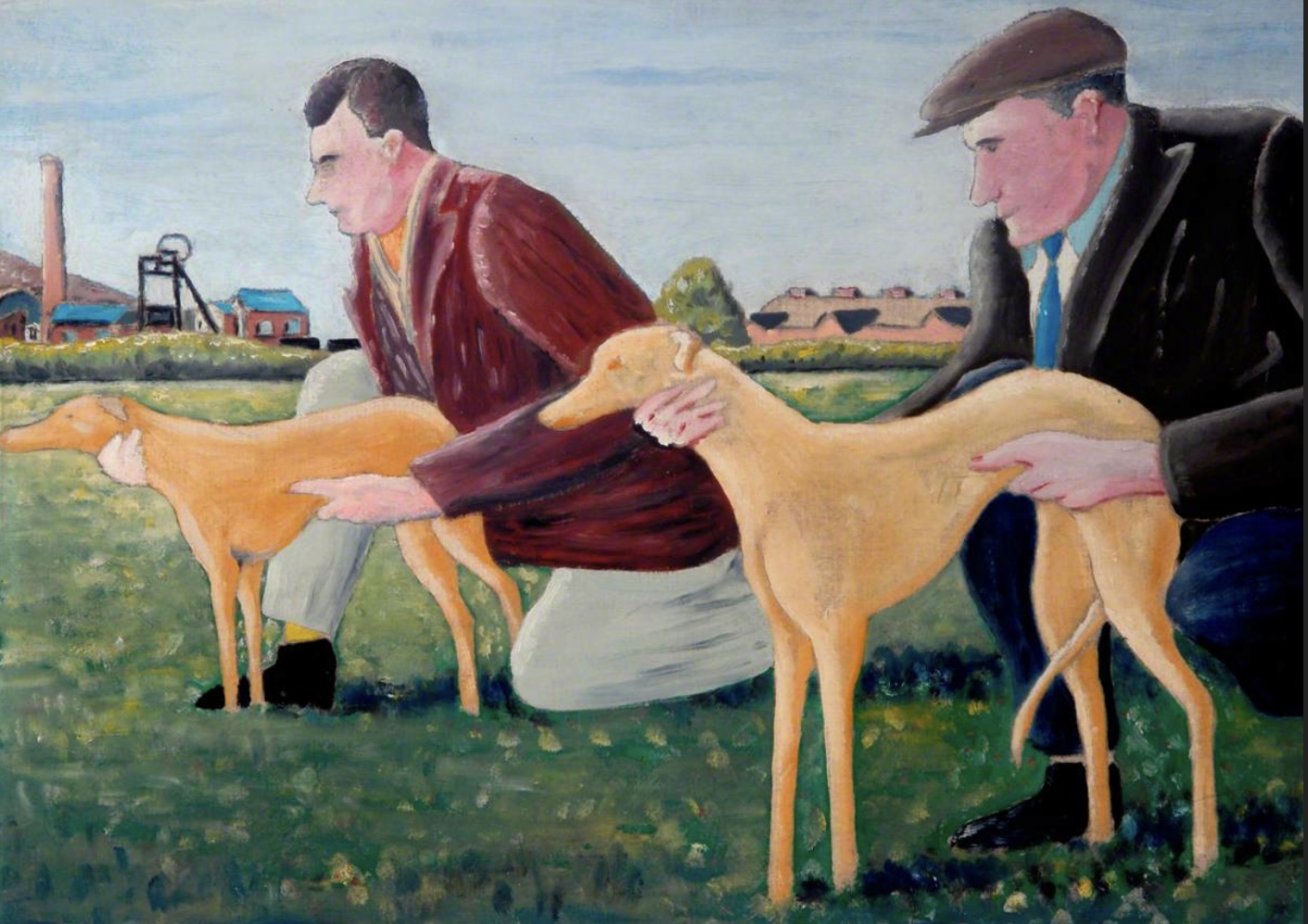
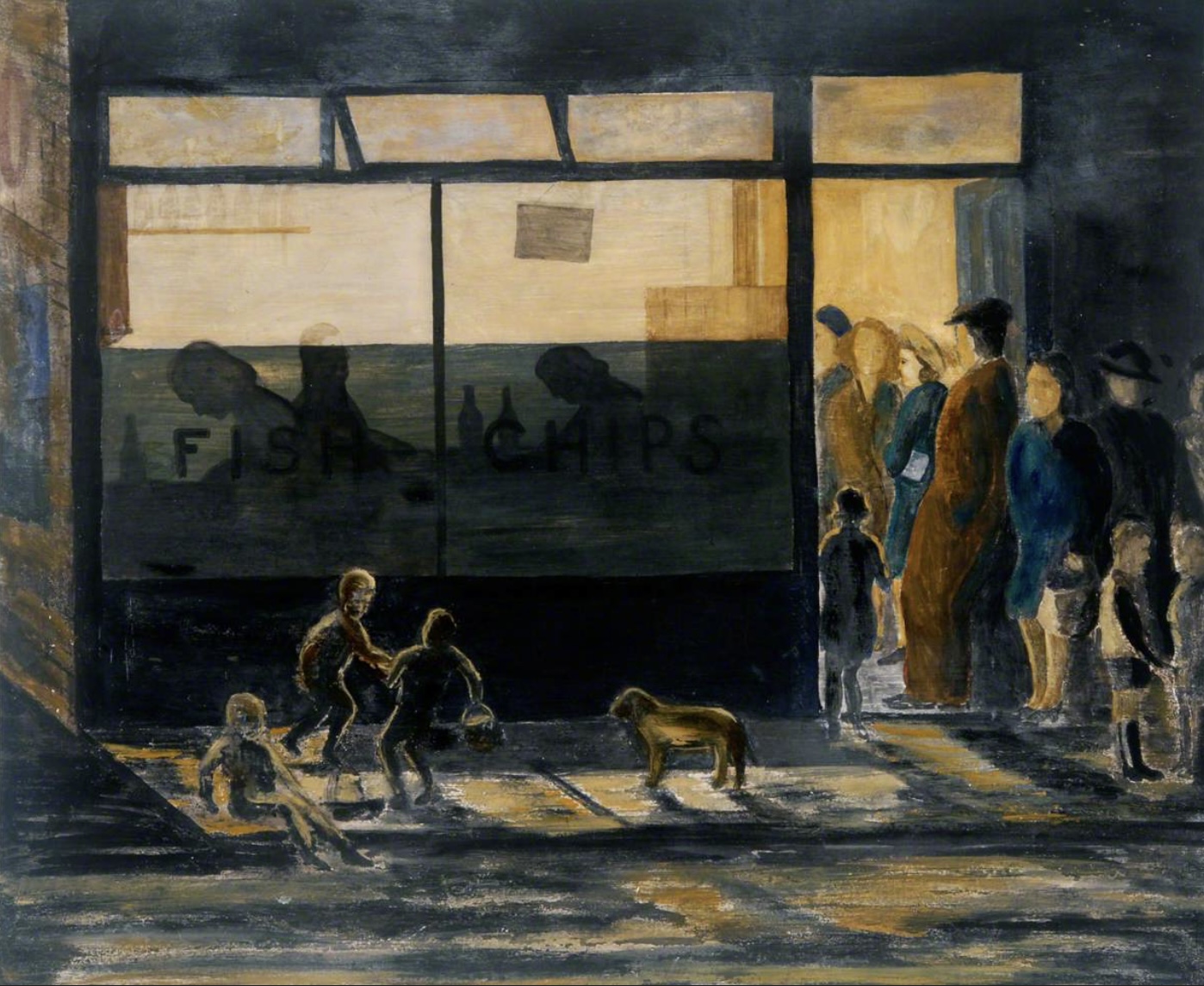
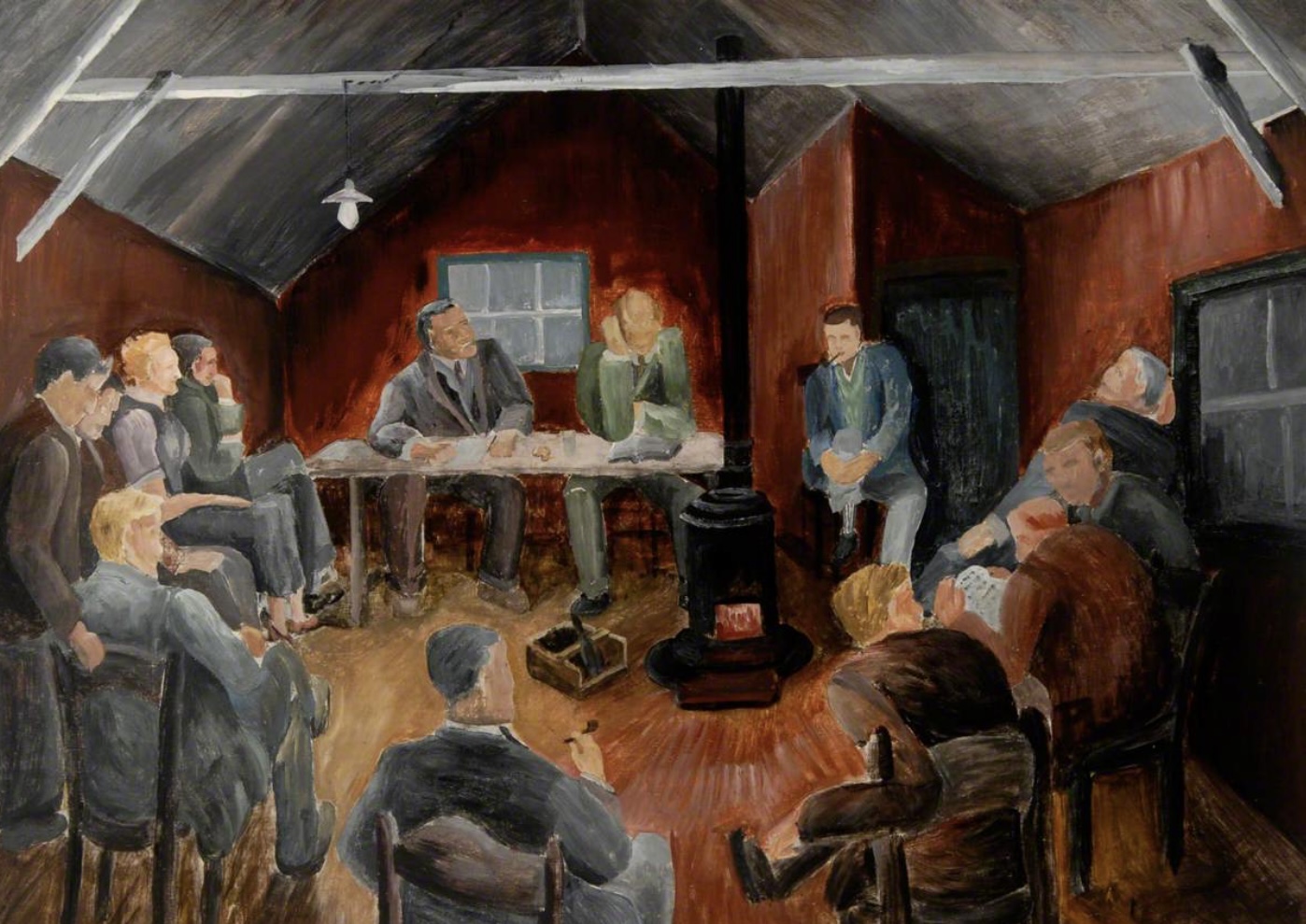
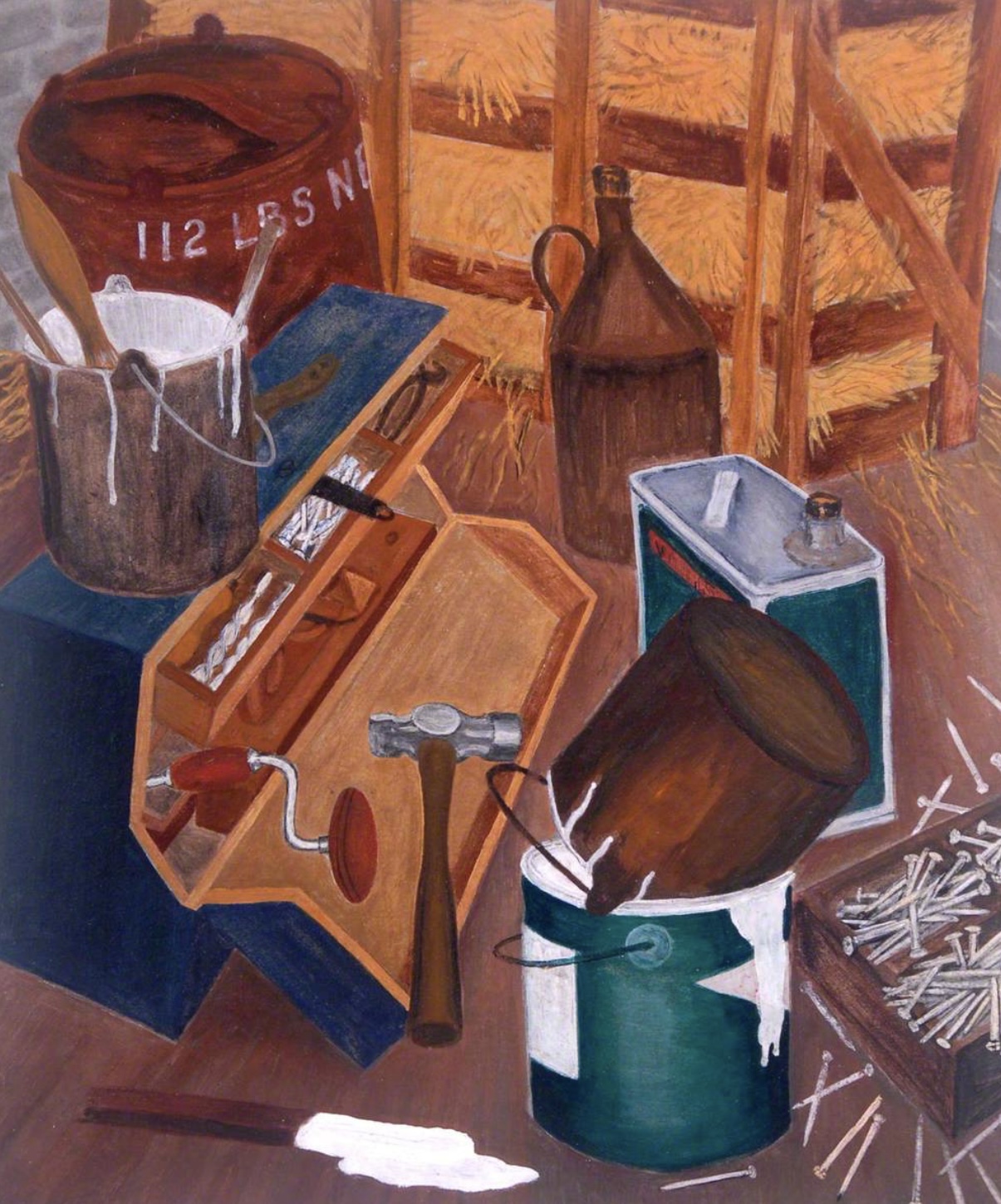
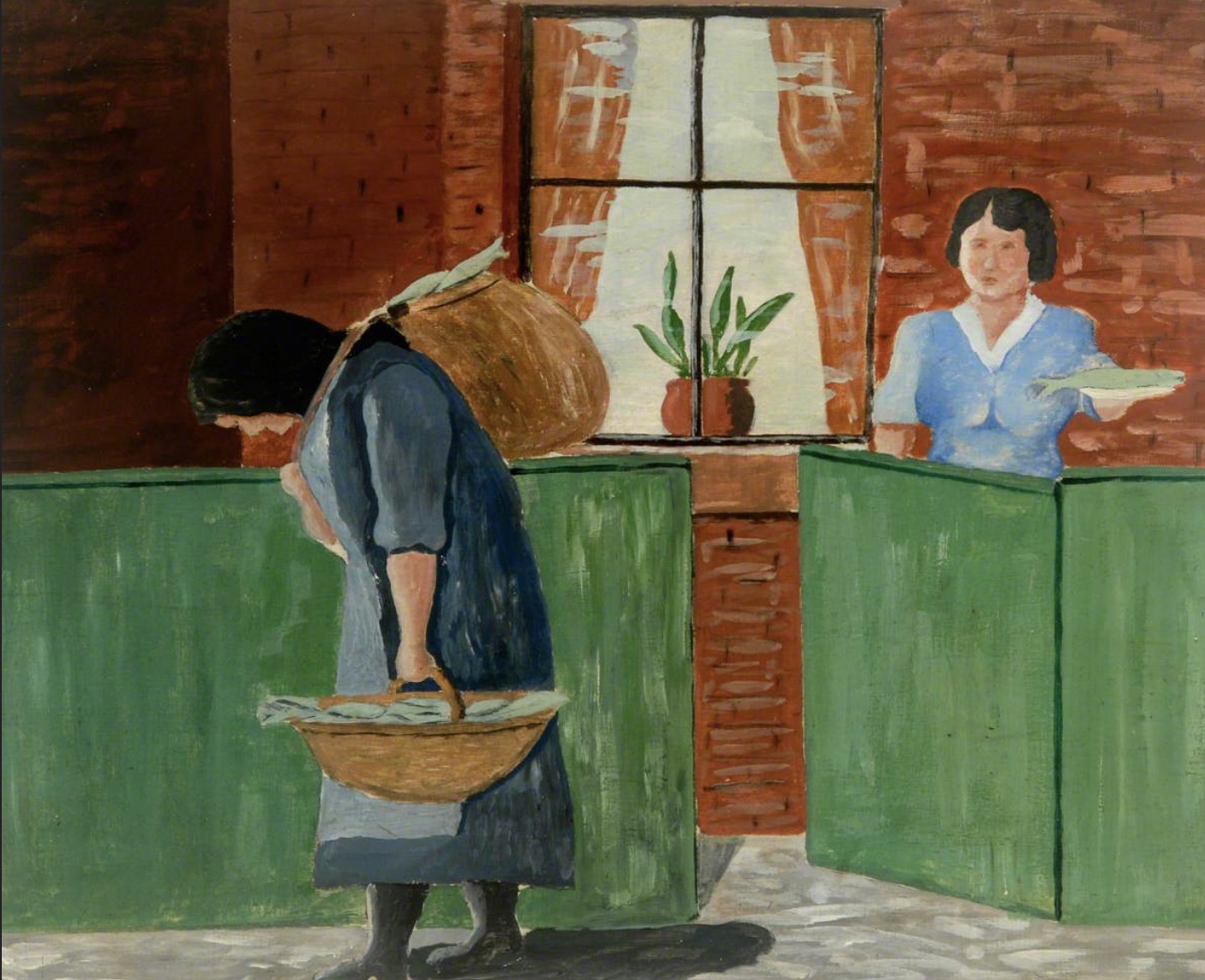
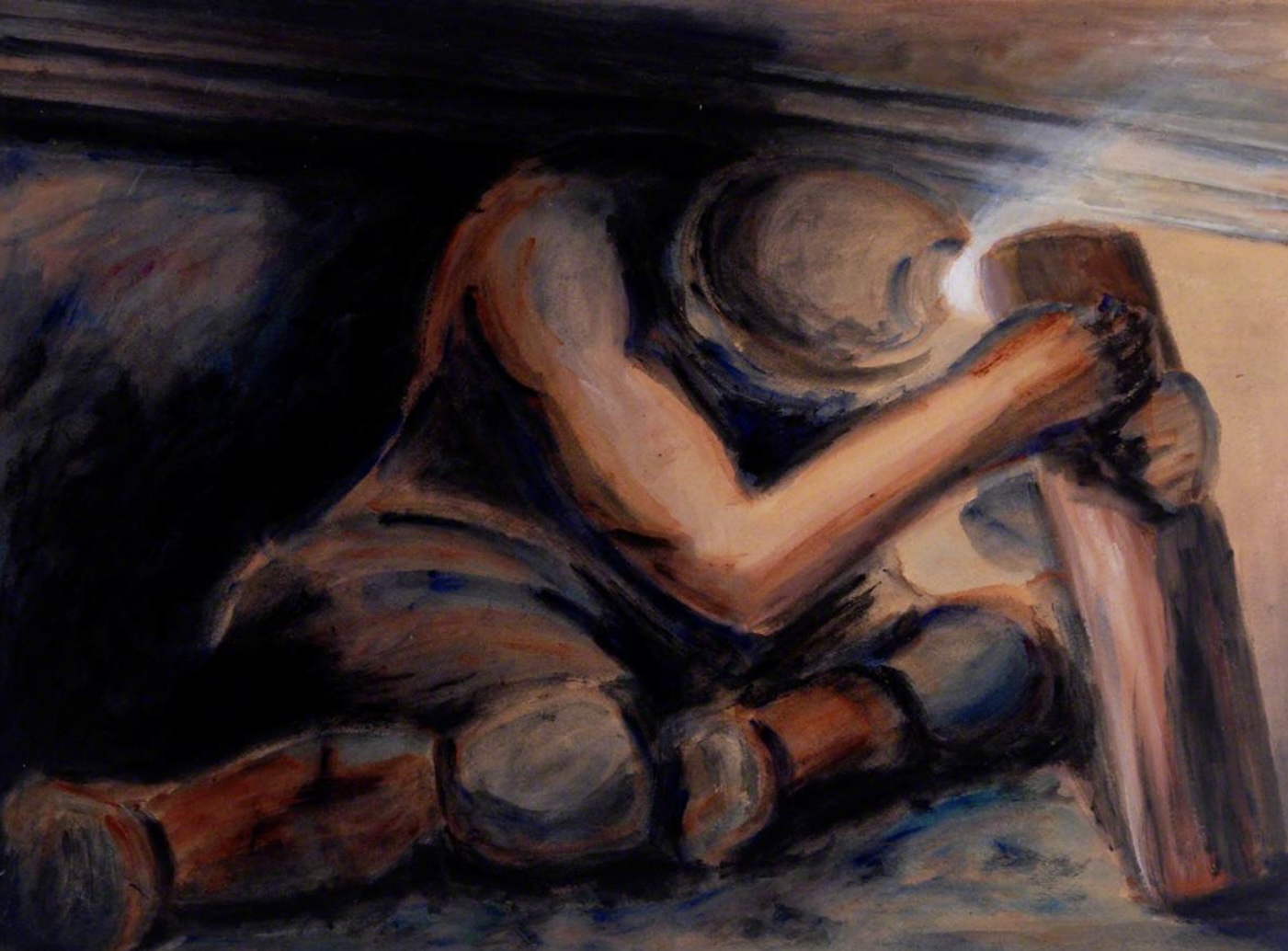
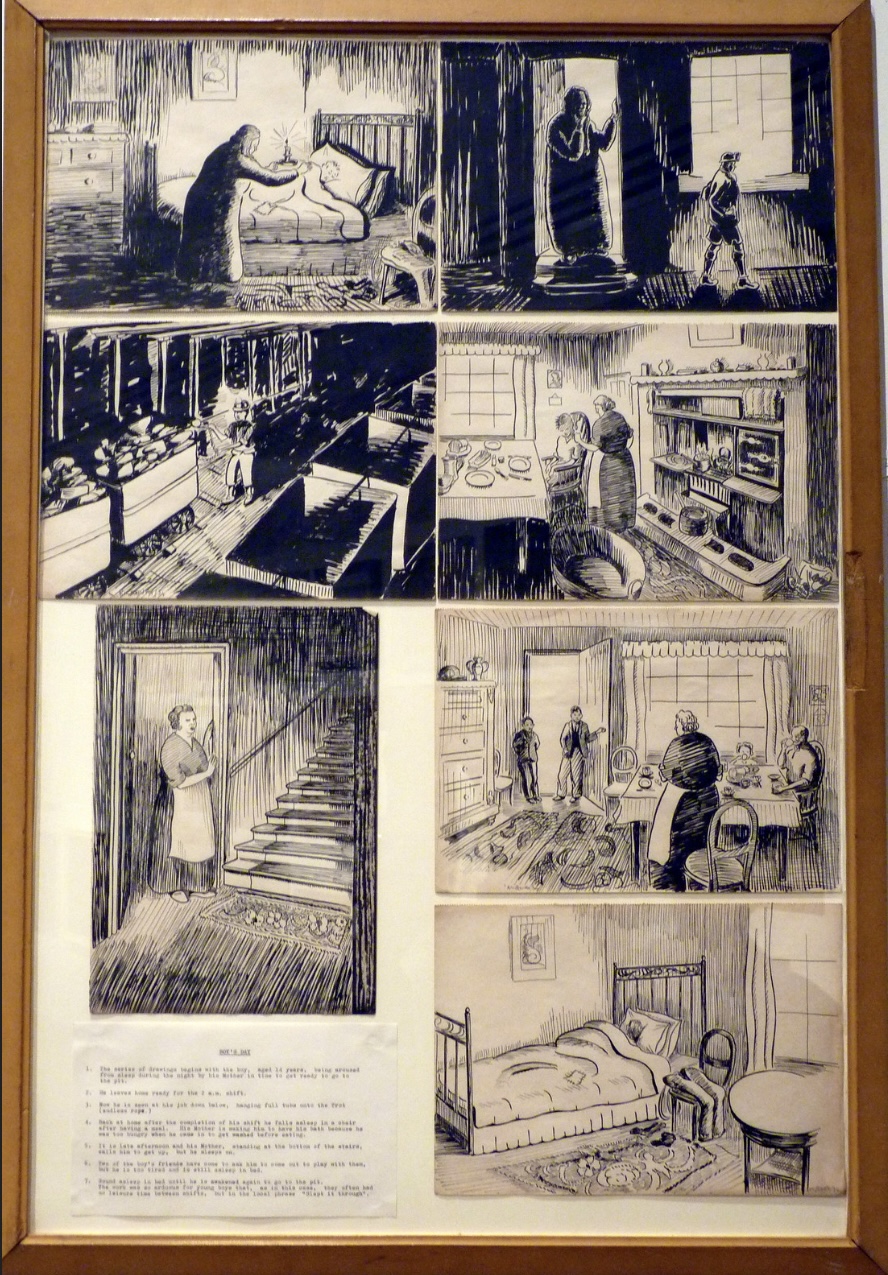
And so to the Pitmen Painters. In 1934 a group of miners, having finished one WEA course, began another on art appreciation under their tutor, Robert Lyon from Armstrong College, Newcastle. (Is that the Cragside and Bamburgh Castle Armstrong?) Lyon considered that his students would learn to appreciate art more effectively by doing it themselves – and so an art group was established in Ashington. They met regularly for fifty years and painted together – mostly scenes from their lives. Their materials were what they could afford, and initially it was Walpamur decorating paint on plywood. I felt rather mean as I reflected that their skills had not developed markedly over the years, but actually I was misreading their work. It was art rooted in their community, from a communal age and a particularly close-knit industry. I had a fleeting sense of recognition as I looked at the paintings – something that took me back to my grandparents – and an awareness of their rootedness. Which I suppose is another word for authenticity.

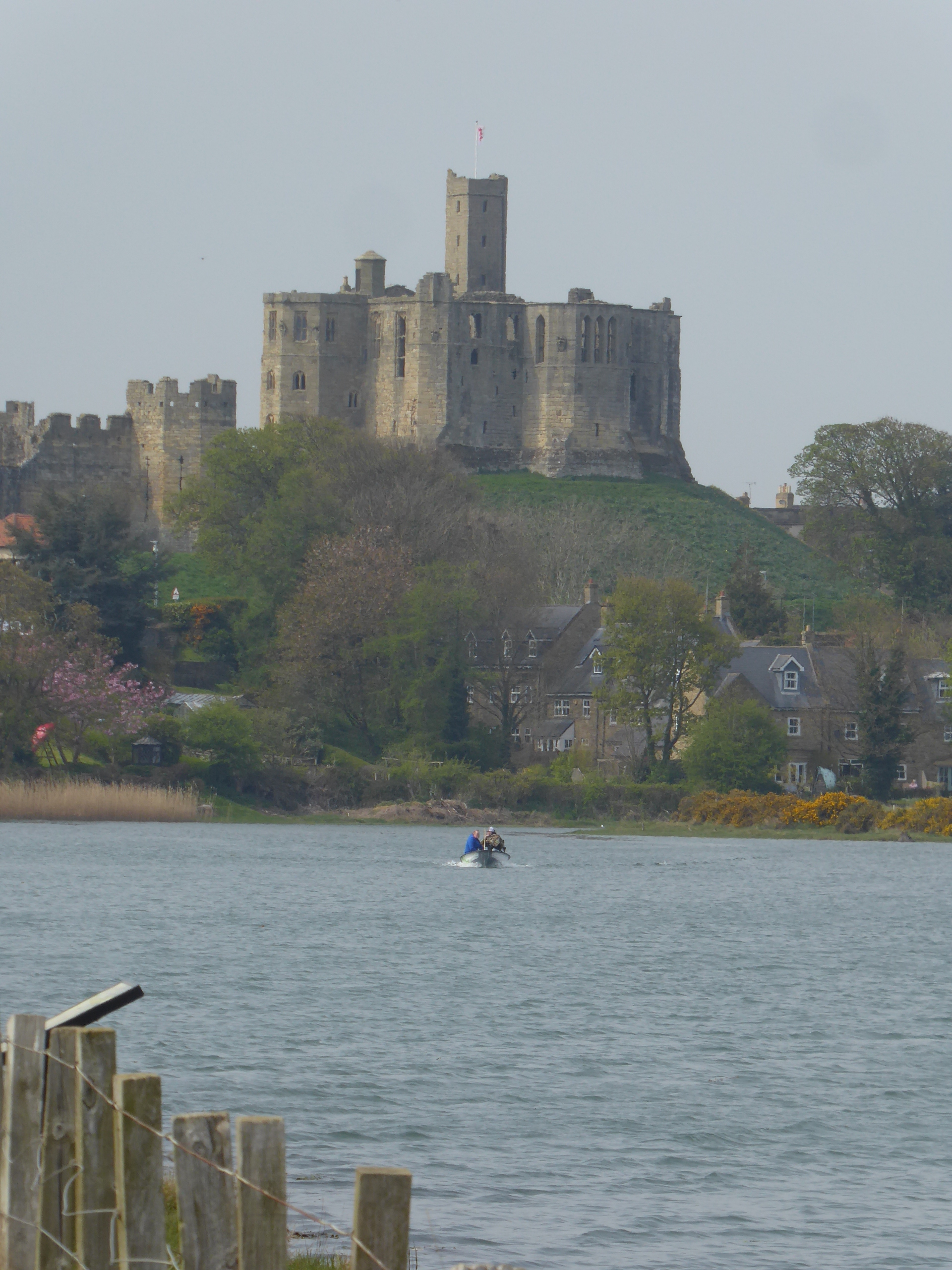
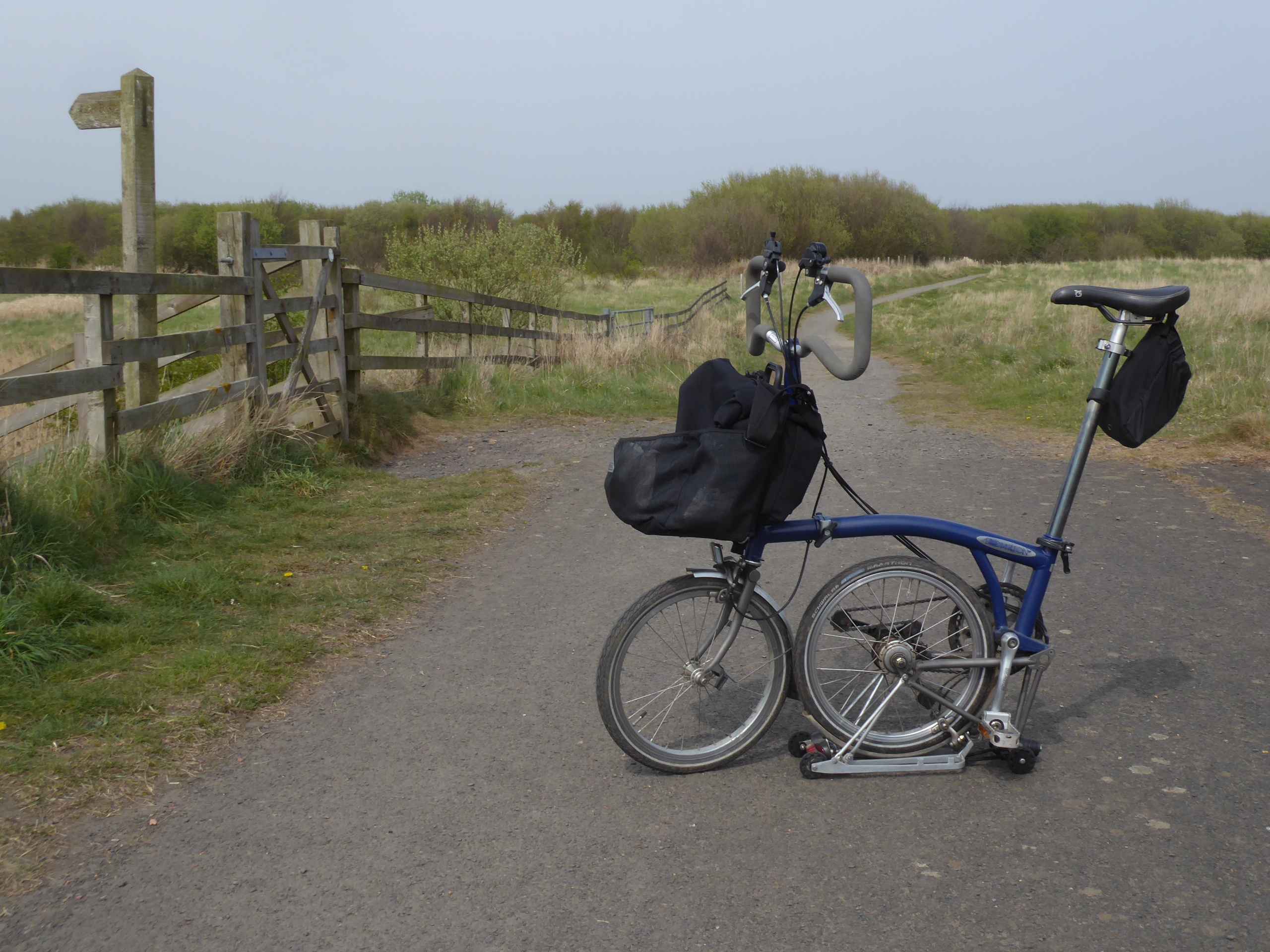
I had decided that I would have a little ride and return to Ashington railway station; the barrier of the River Wansbeck made a ride south look unattractive, so I decided on a little ride north – just a few miles and then turn round. Only the wind was at my back, the weather was so pleasant and the road so quiet that I just kept pedalling, past Druridge Bay, past Amble, past Warkworth Castle . . . until I ended up at Alnmouth once again. I haven’t been there for over twenty years – and now I’ve been there twice in two days.

Grange to Oxenholme

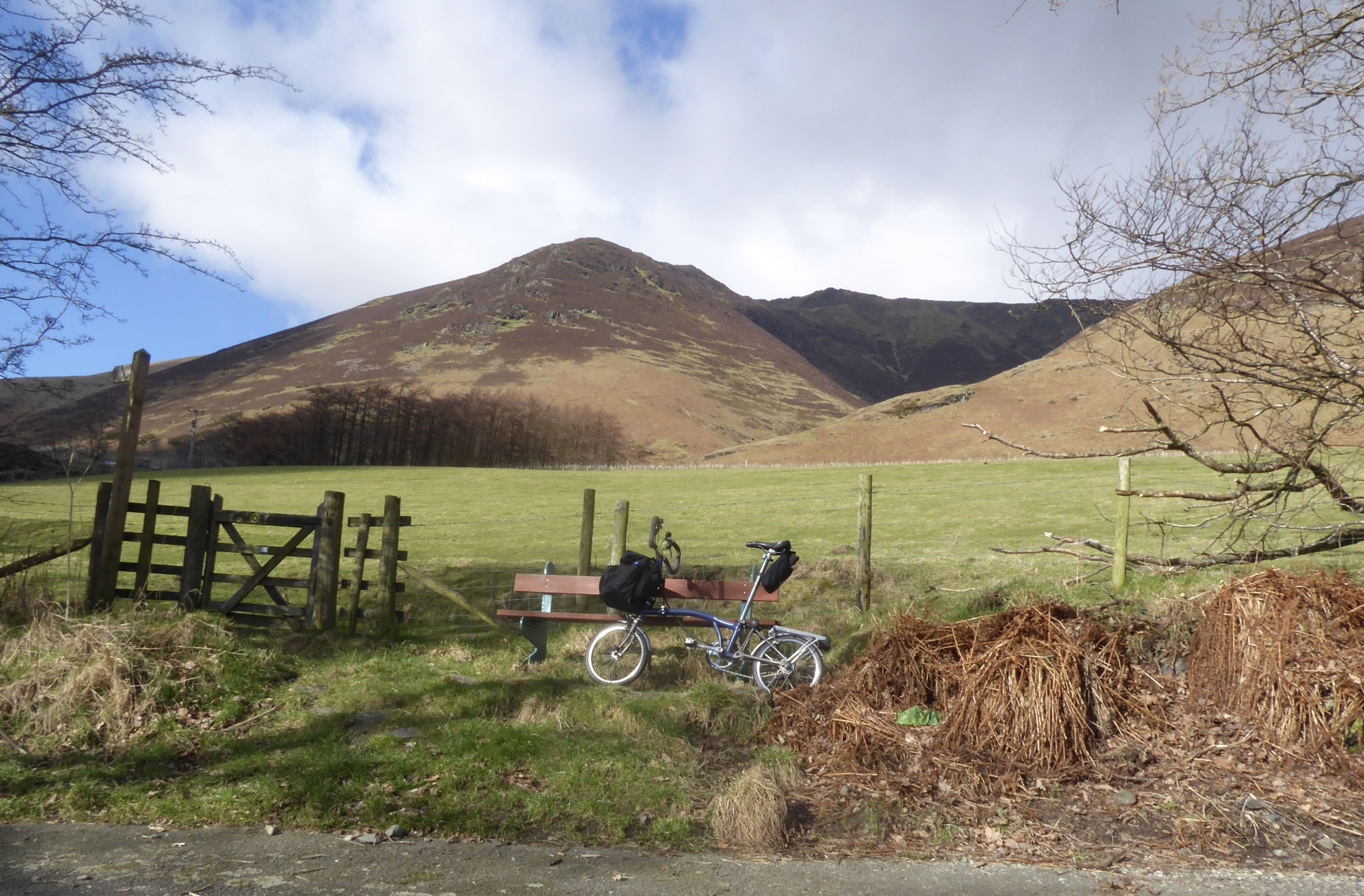
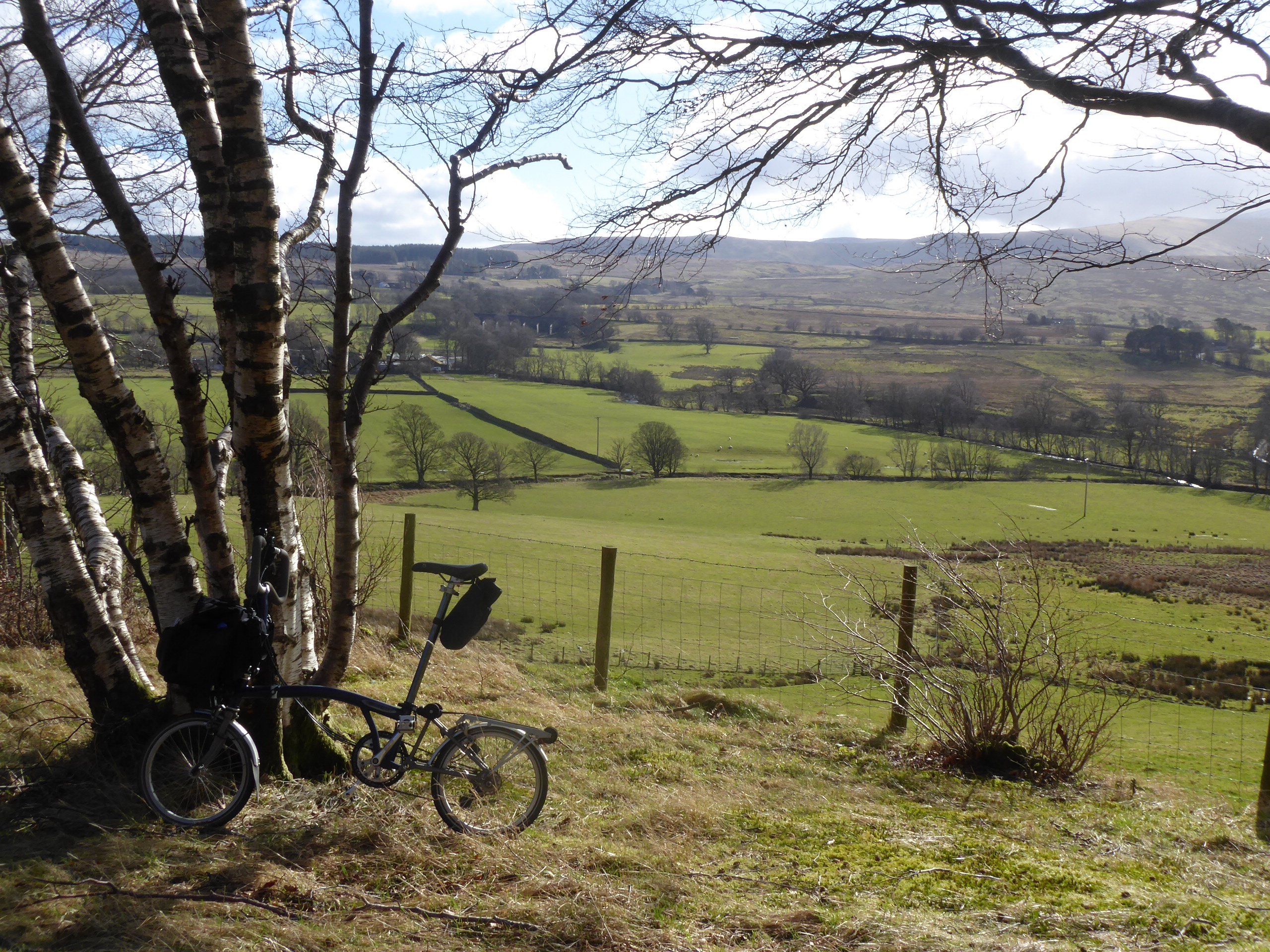
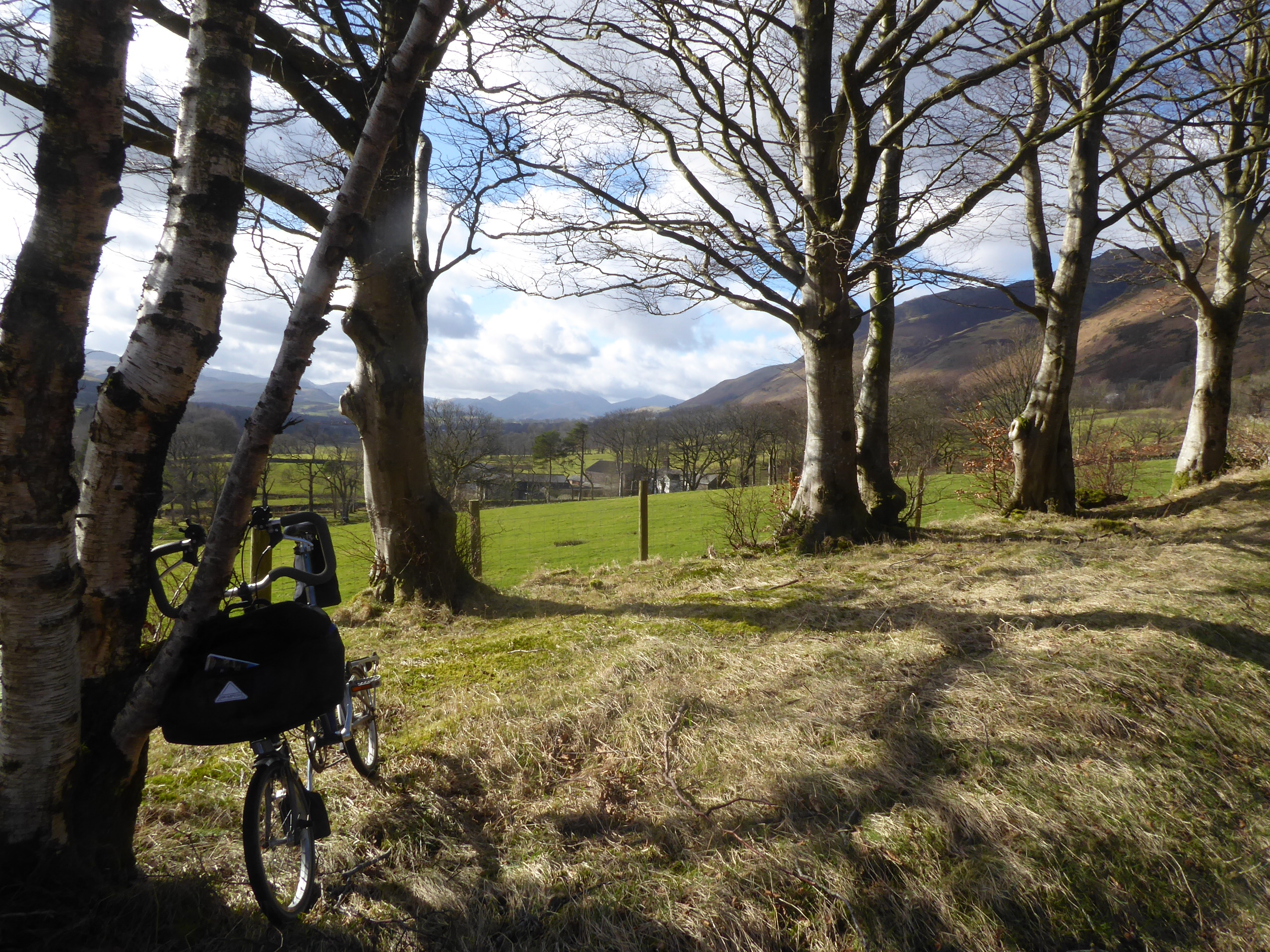
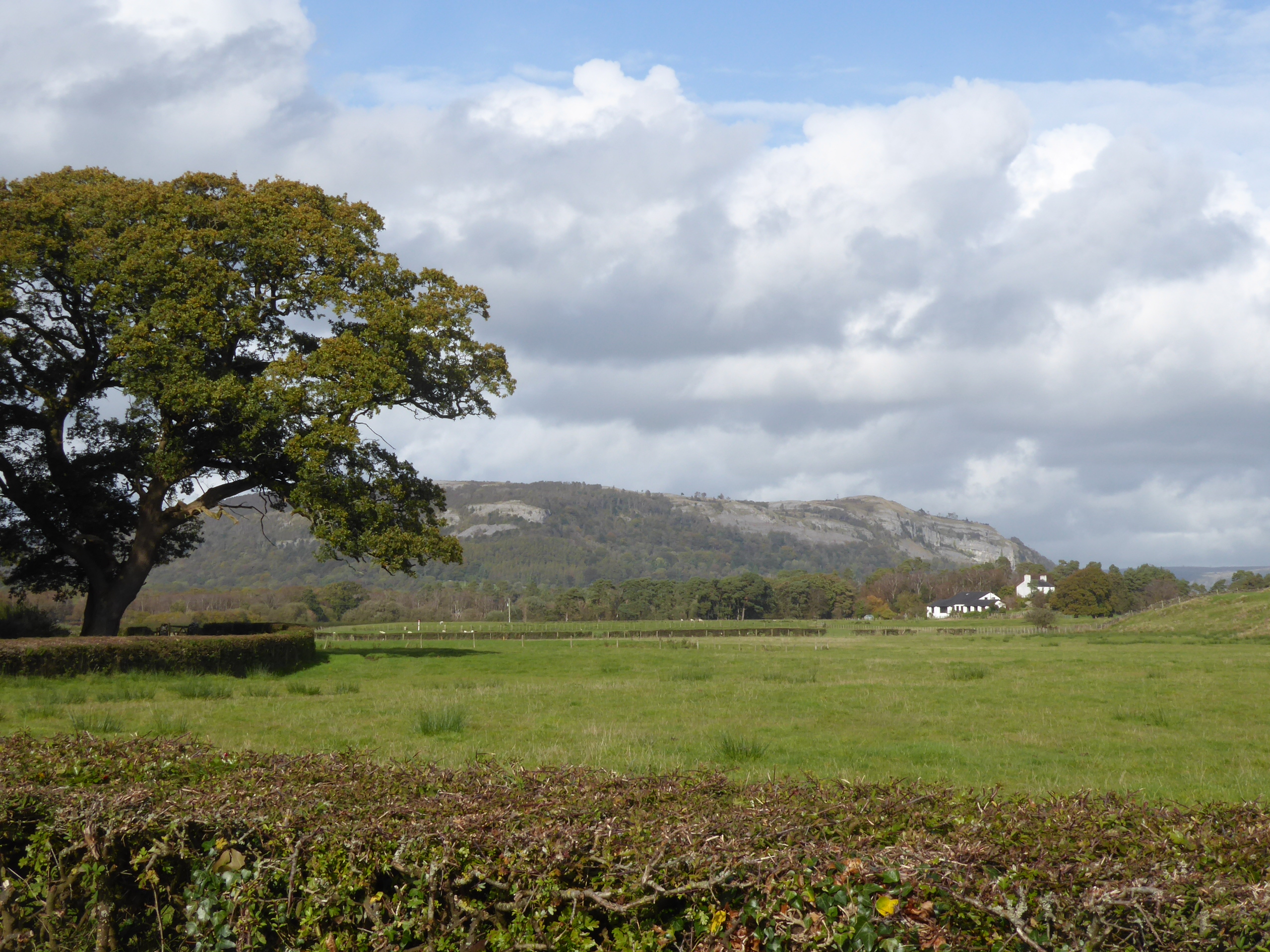
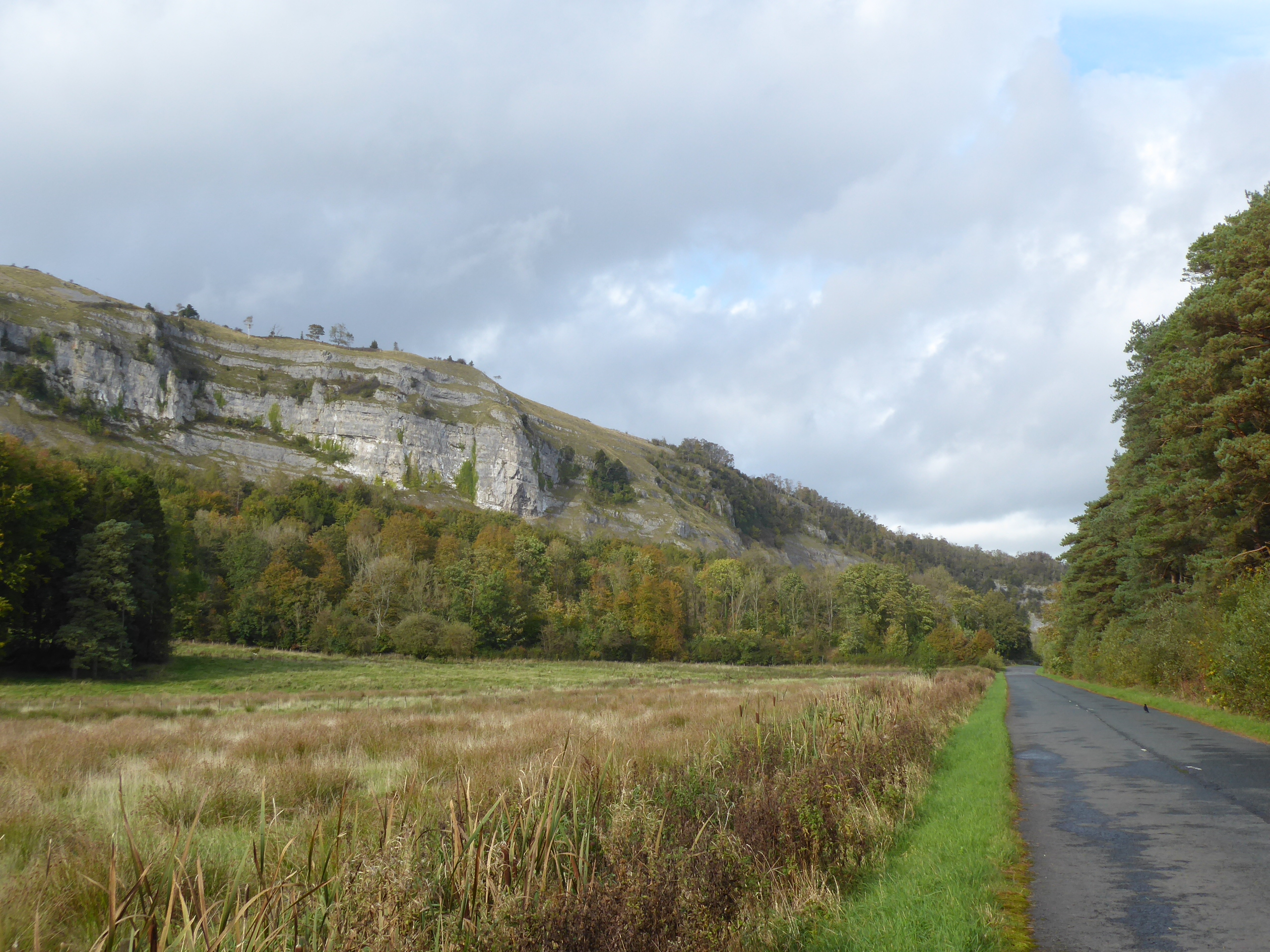
Today promised more sun than rain and it seemed a shame to let my cycling legs rust unburnished, so after lunch the Brompton and I caught a train to Grange-over-Sands and started cycling. First towards Whitbarrow, then towards Levens, and then – having decided on my return station – to Oxenholme over the Helm. Wonderful.

The Fylde by Brompton

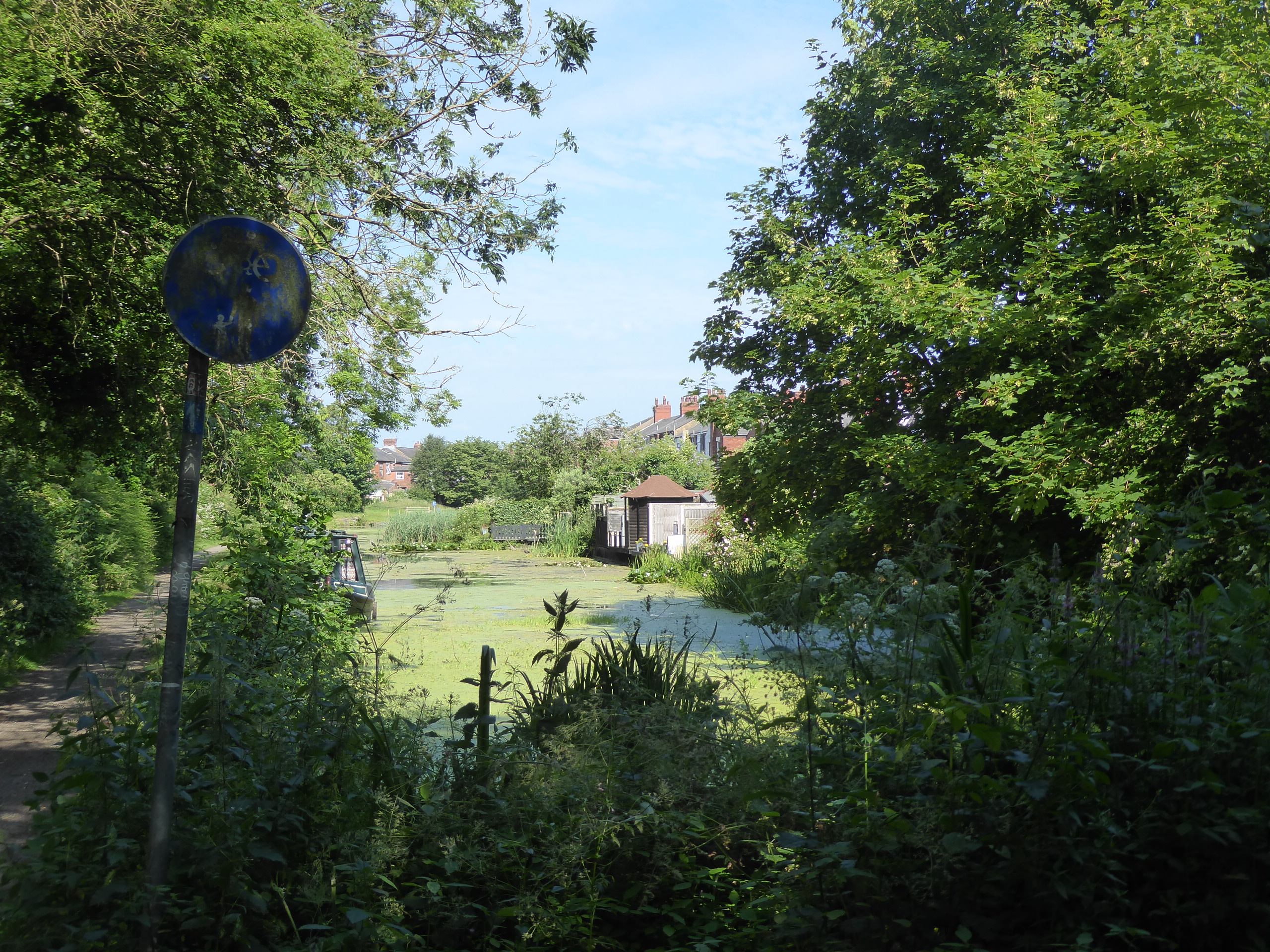
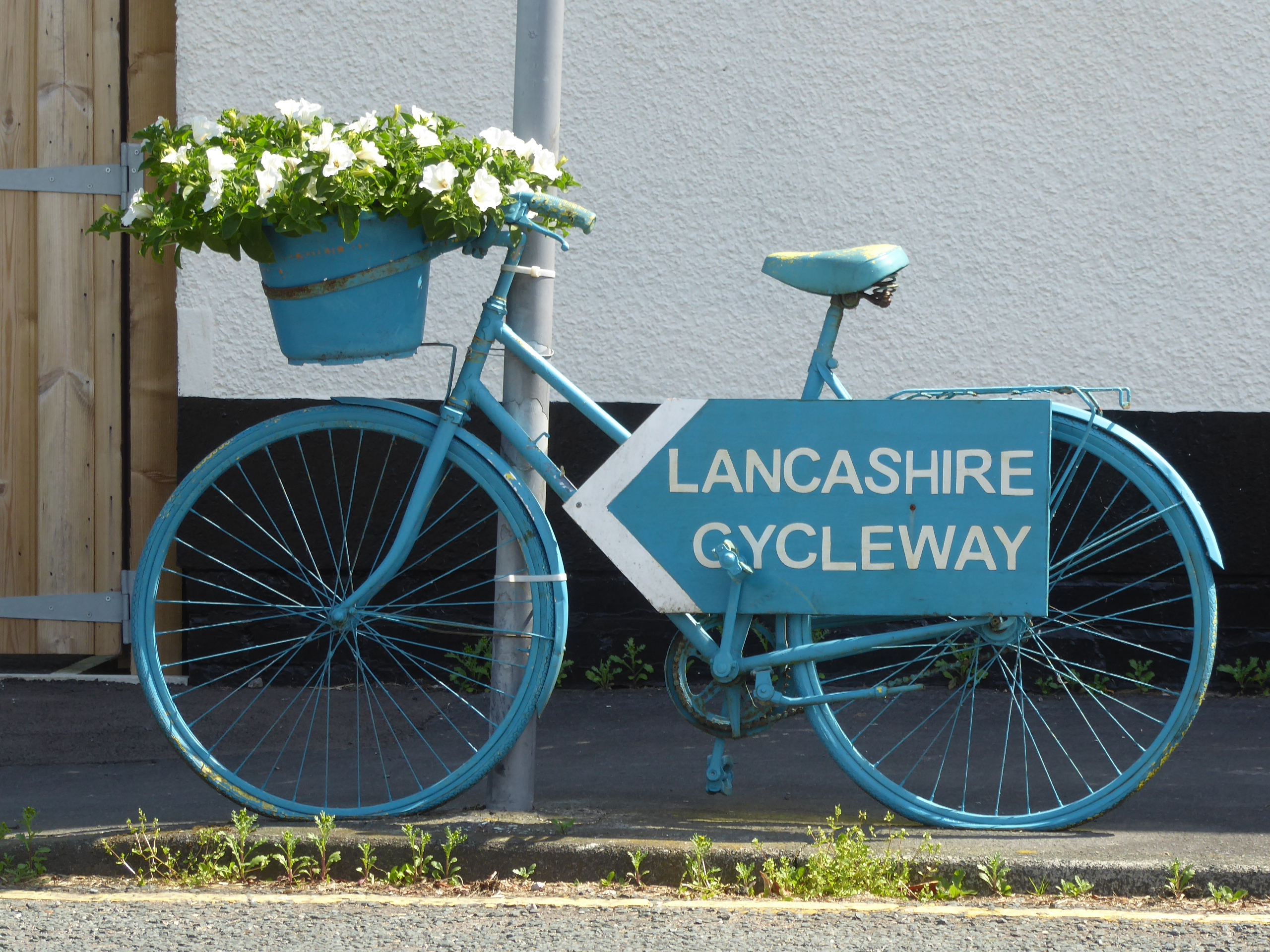
The Brompton and I caught the train to Preston and headed northwards through the Fylde peninsula. A bit unlovely at first: I took a direct route from the station, through old terraces interspersed with garages and workshops, to the start/end of the Lancaster canal to take me out into the countryside. Not scenic countryside: it’s agricultural and flat (although if there is an incline, the Brompton always lets you know about it), but it felt good to be doing this.
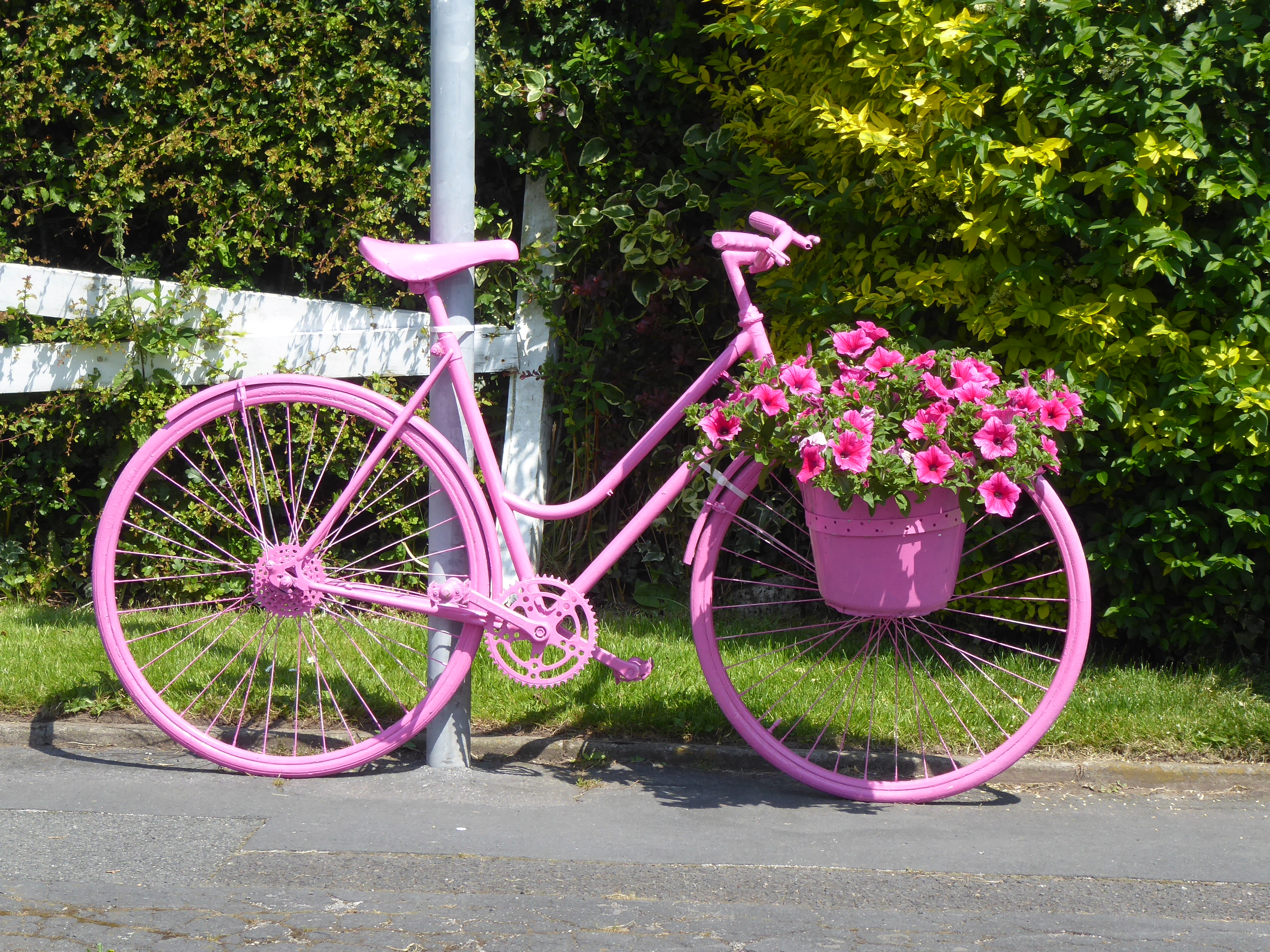
I feared I had suffered a total map-reading breakdown until I realised that my OS map was too old to show the bypass that had come as a surprise. Then to Elswick, which was going for gold in the floral stakes, and Great Eccleston for a café.
Over the toll bridge (20p; I’m sure it was only 10p the last time I passed that way 20 years ago) and then beside the Wyre until I headed north to Knott End, where there was a bus leaving in 5 minutes. A little discourteous to blank Knott End like that, but there’s always another day.