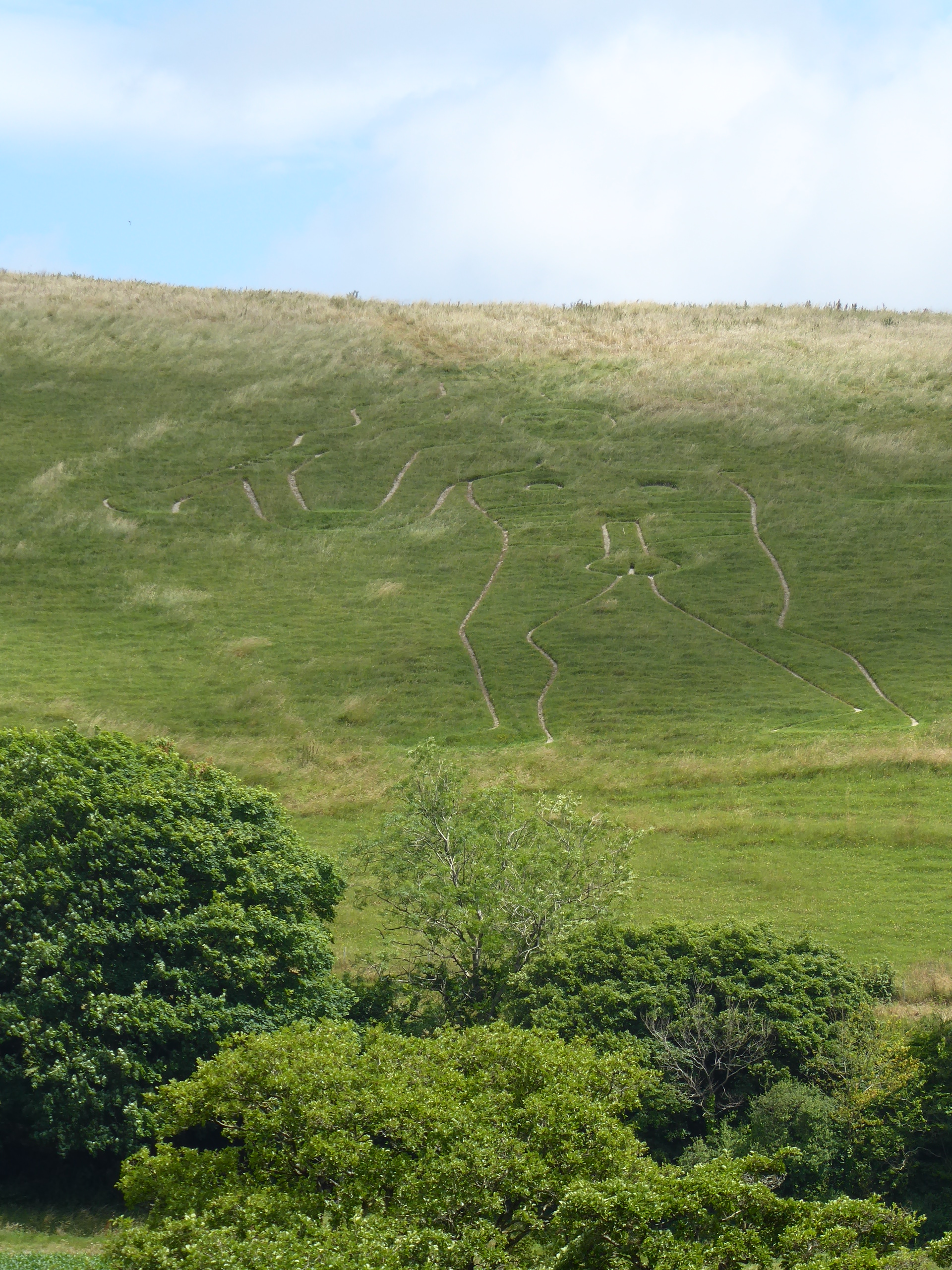
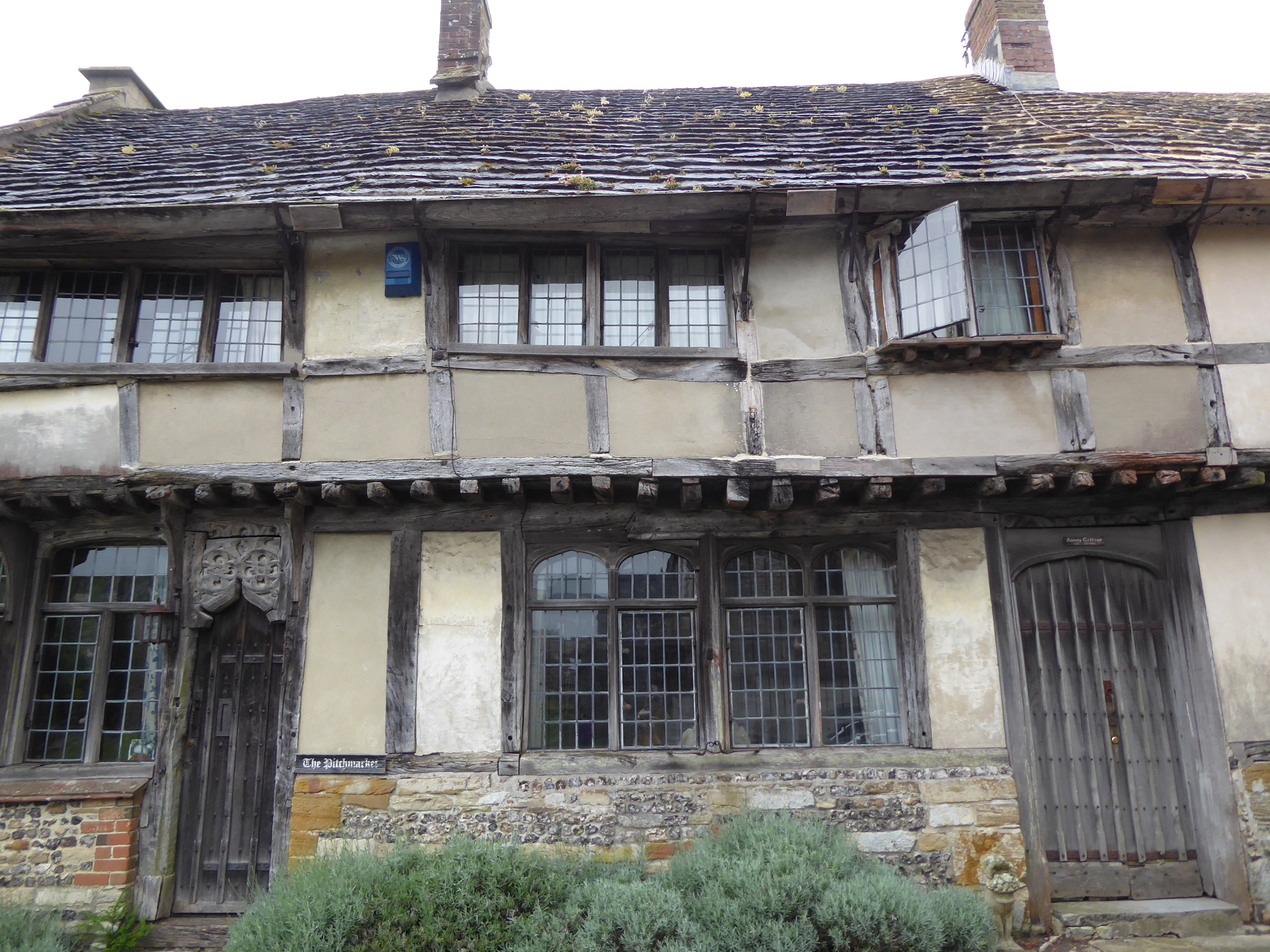
Cerne Abbas is perfectly positioned and very dinky. It even has a “sacred spring” complete with modern pagan offerings (not all biodegradable, which seems very unpagan). The Giant – a geoglyphe possibly 1,000 years old – is certainly gigantic, but his outlines have not been refreshed for several years and he is not as visible as you might think/hope.
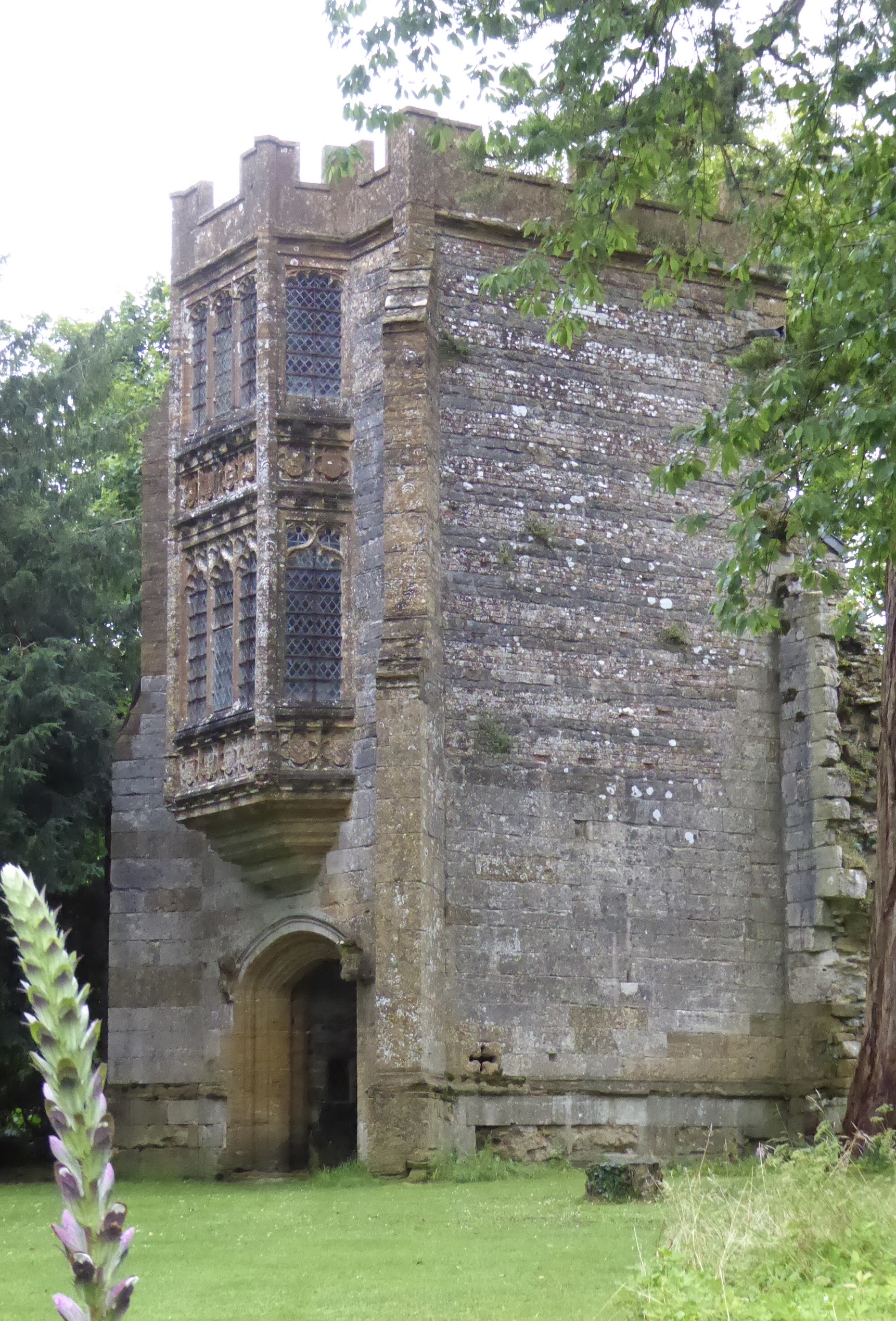
There was an abbey here; only the guest house and gatehouse survive, for the stones were very quickly sold off or repurposed after the dissolution so there are not even any outline foundations remaining. We stopped briefly at two digs beyond the cemetery; parts of the abbey and possibly an earlier Saxon site are being uncovered where they were not supposed to be, so local history guides will have to be rewritten. (Not holding too fast to theories or even knowledge was my take-away from this trip.)
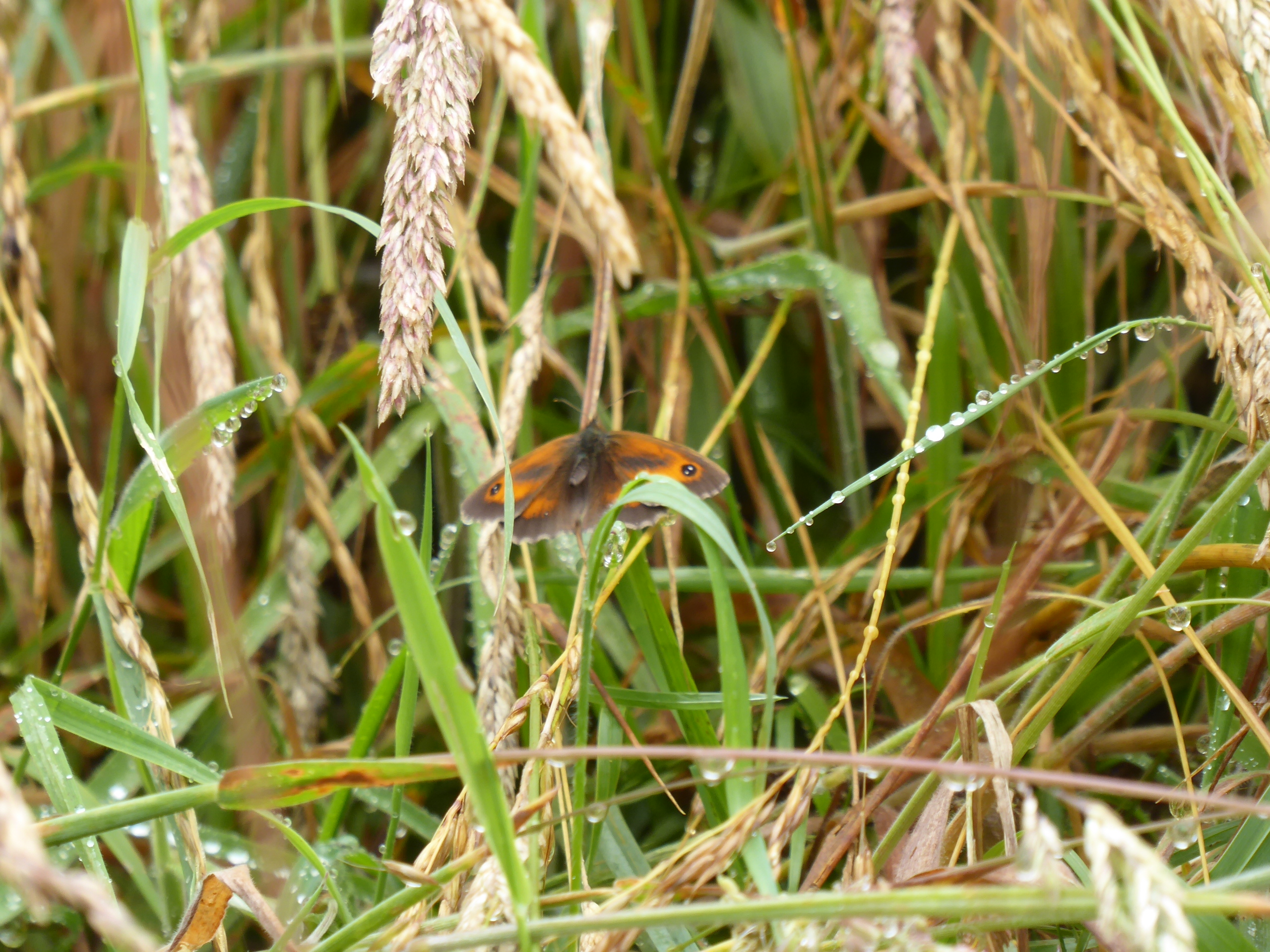
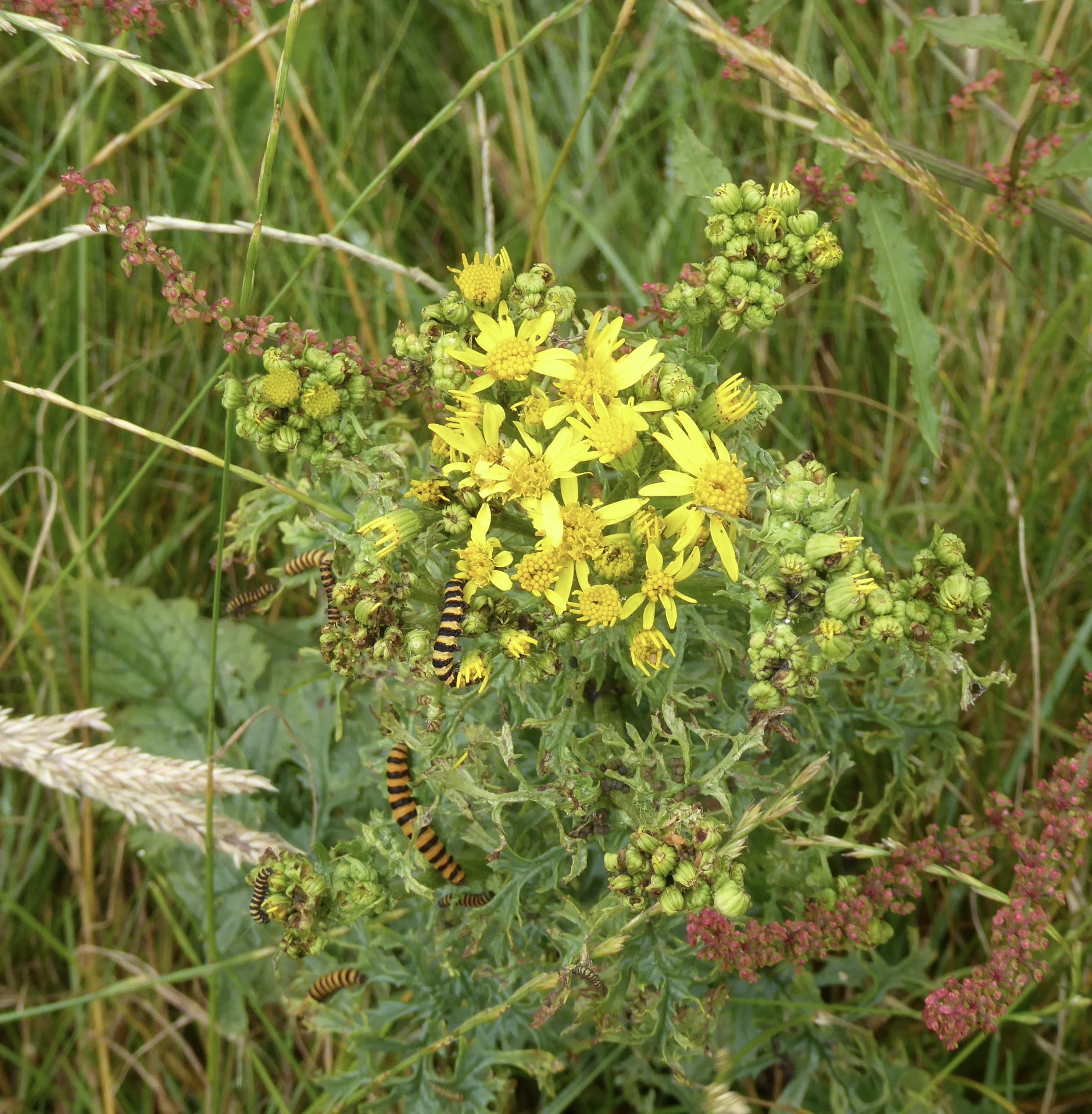
The Trendle is an Iron Age earthwork above the village and the Giant. Perhaps at that time the water table was much higher, so living on the exposed hill rather than the sheltered, boggy valley might have been preferable. It was impossible to discern anything among the long grass: we spotted gatekeepers and cinnabar moth caterpillars instead.
There are “lumps and bumps” everywhere in this area between Wiltshire and Dorset: long barrows, causeway enclosures, hill forts, mounds of earth whose purpose and secrets remain unknown. Some, once upon a time they would have been gleaming white with newly exposed chalk – but the Giant shows what happens when exposed for too long.
 Old Shoe Box