Saffron Walden

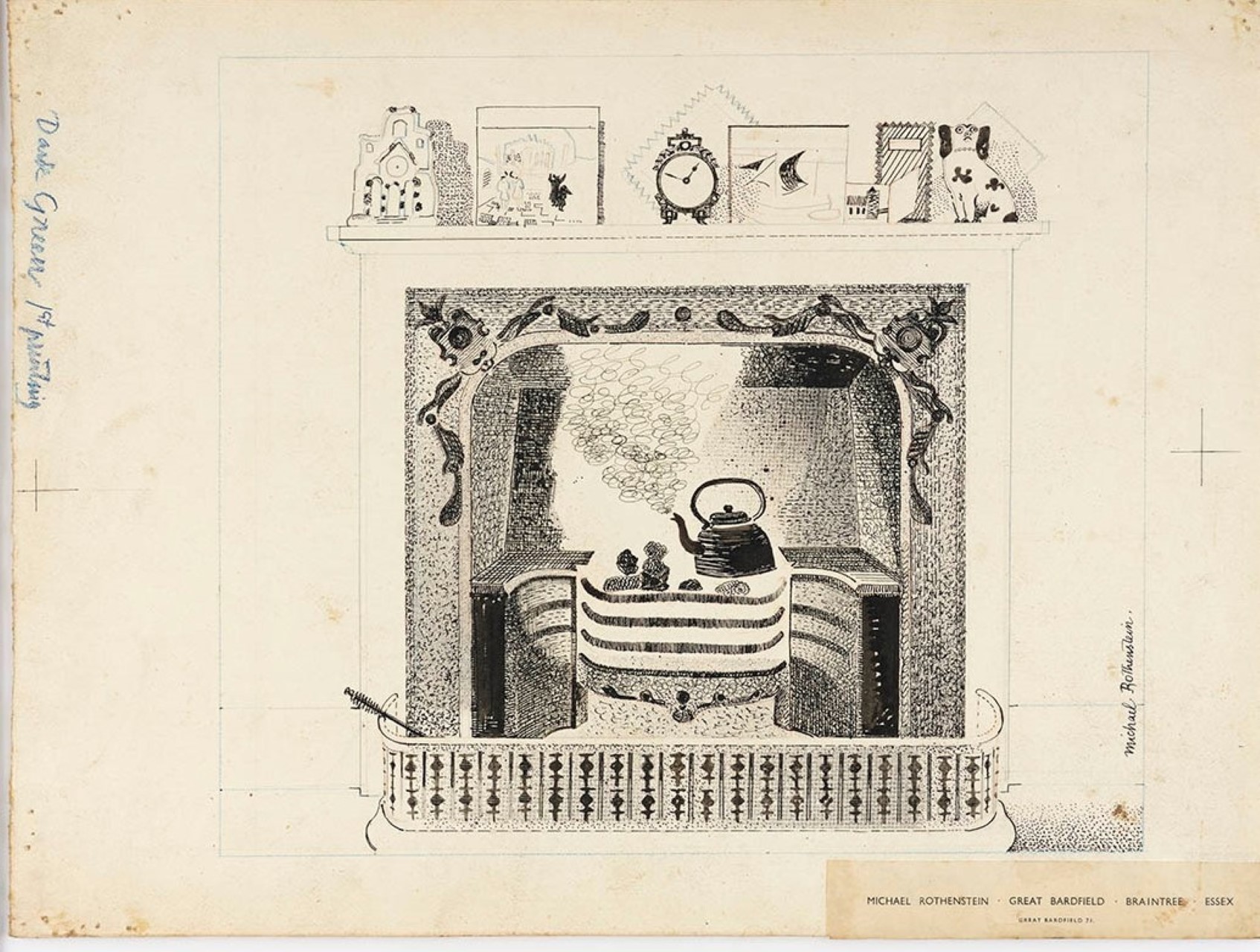
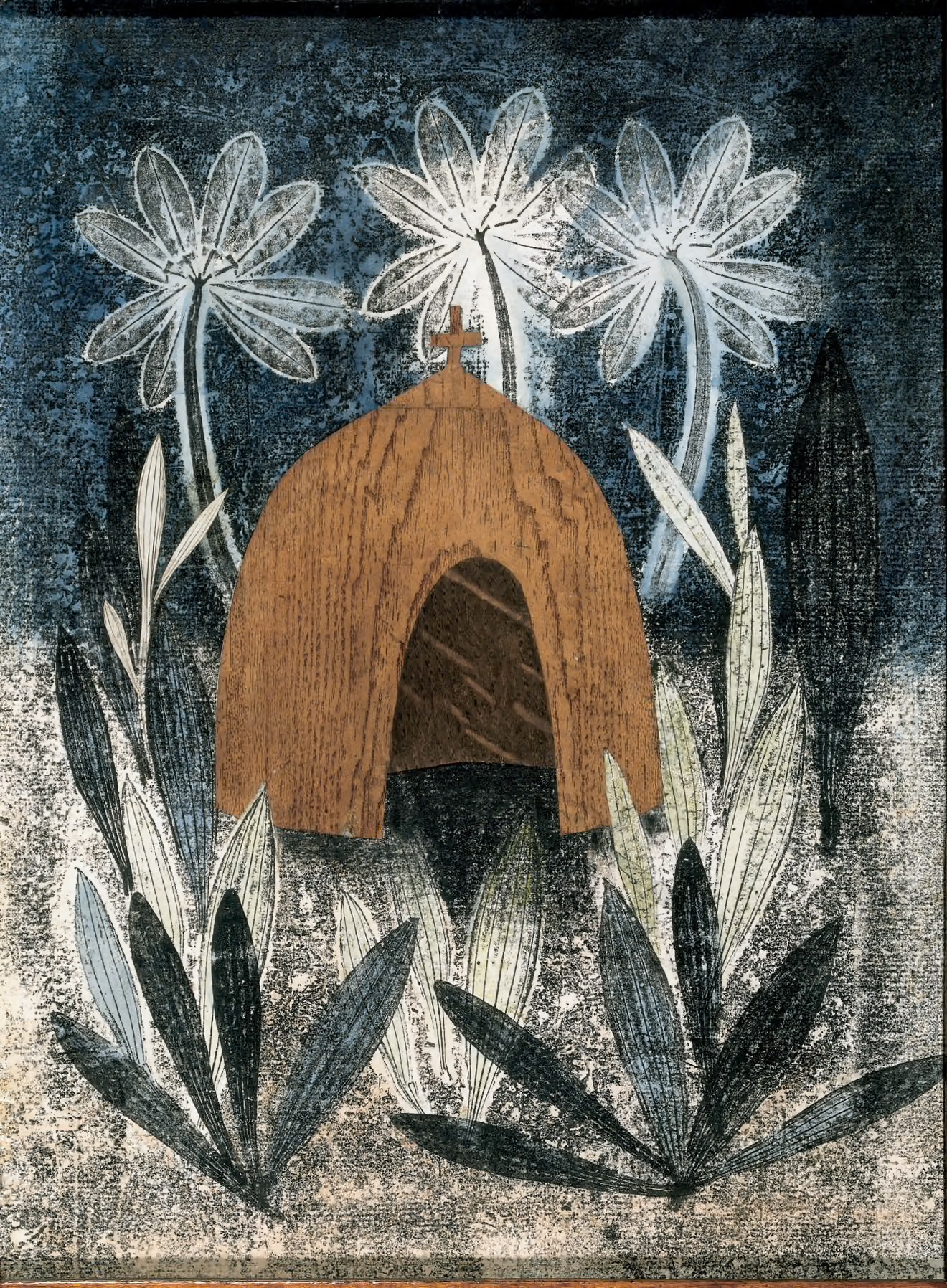
Cycling to Liverpool Street Station early this morning, I realised that the Brompton was in its natural habitat amongst its peers carrying their riders to work. But not me. I was leaving sweltering London behind to visit the Fry Gallery in Saffron Walden and its exhibition of Great Bardfield artists (Edward Bawden, Eric Ravilious et al).

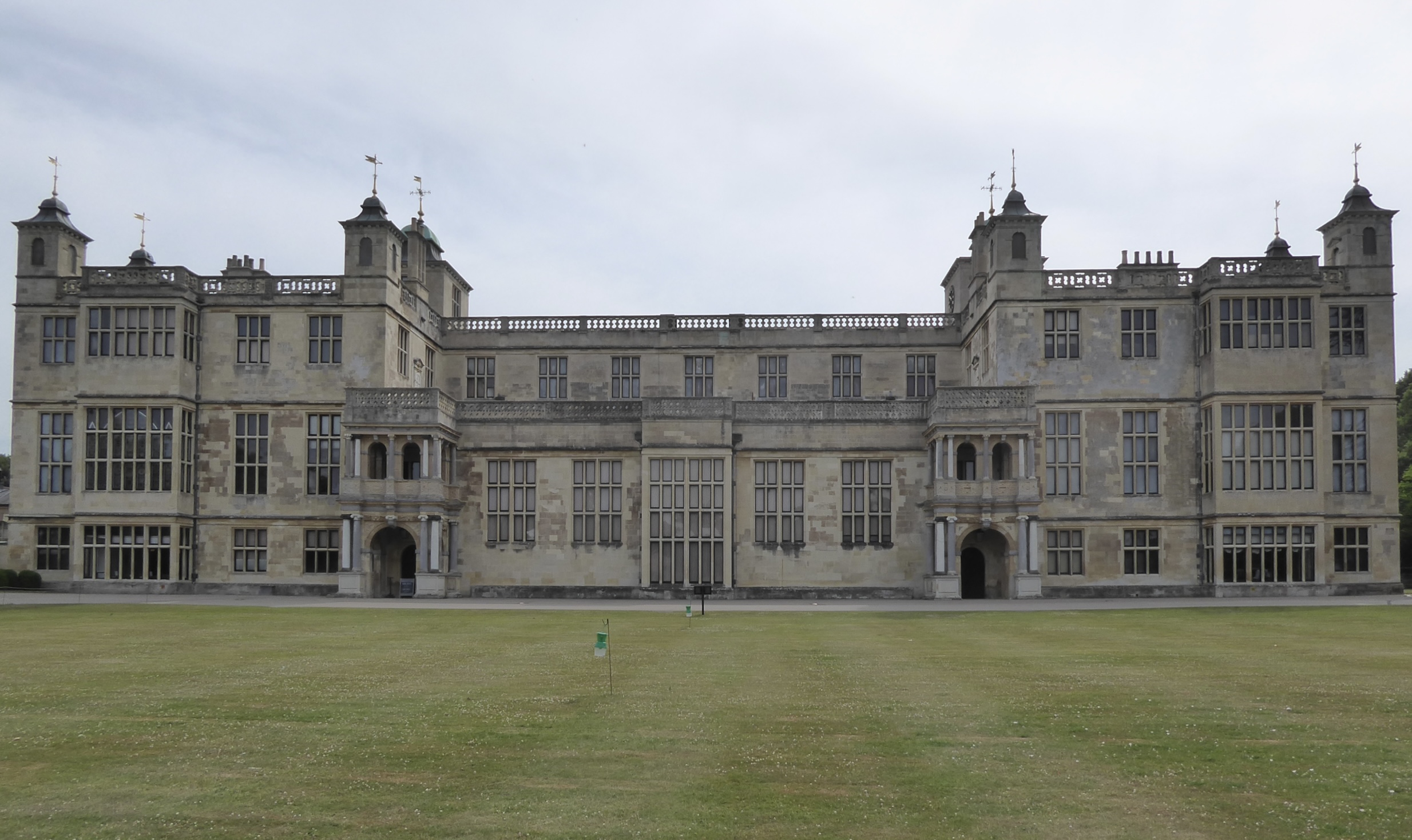
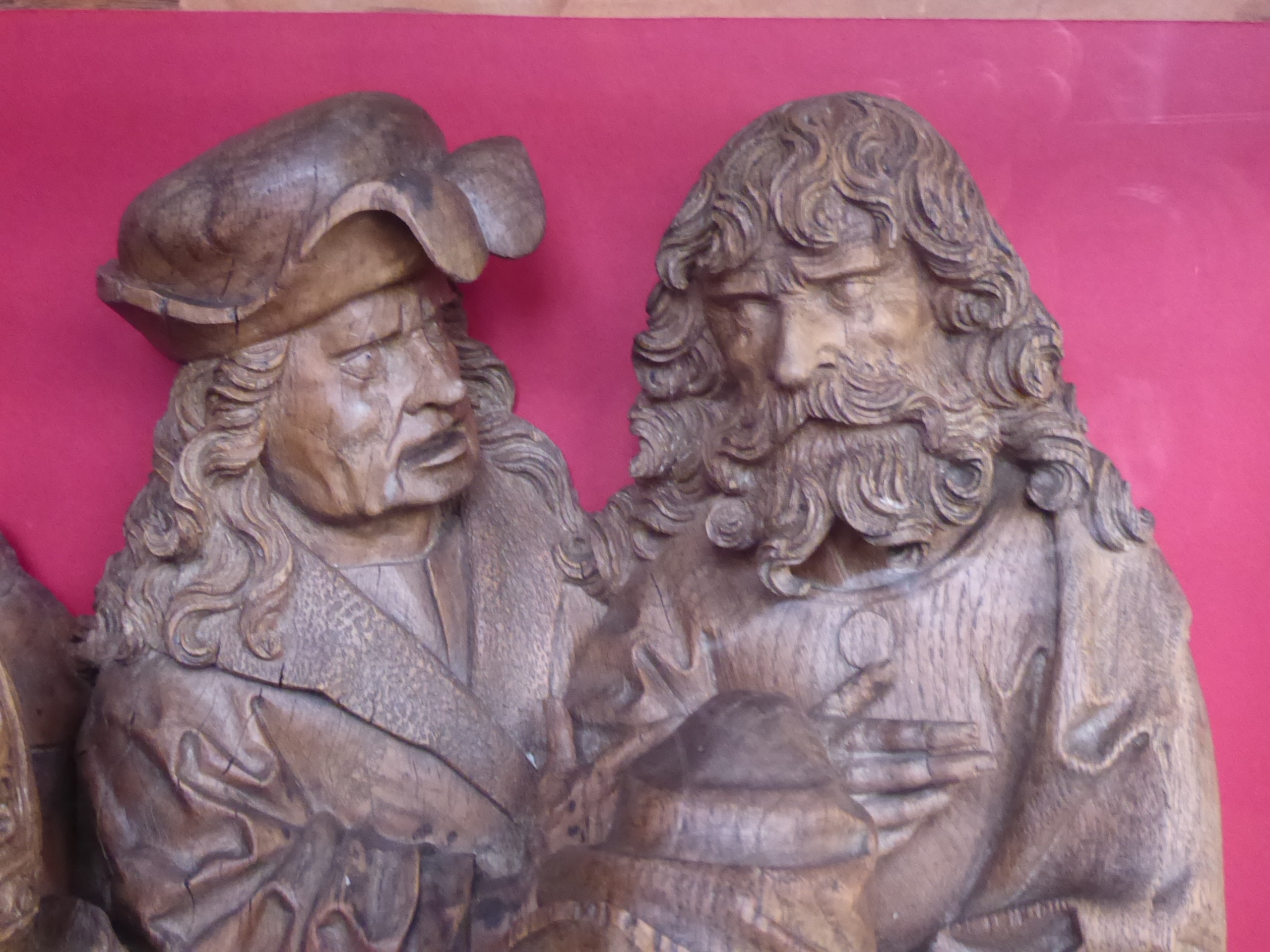
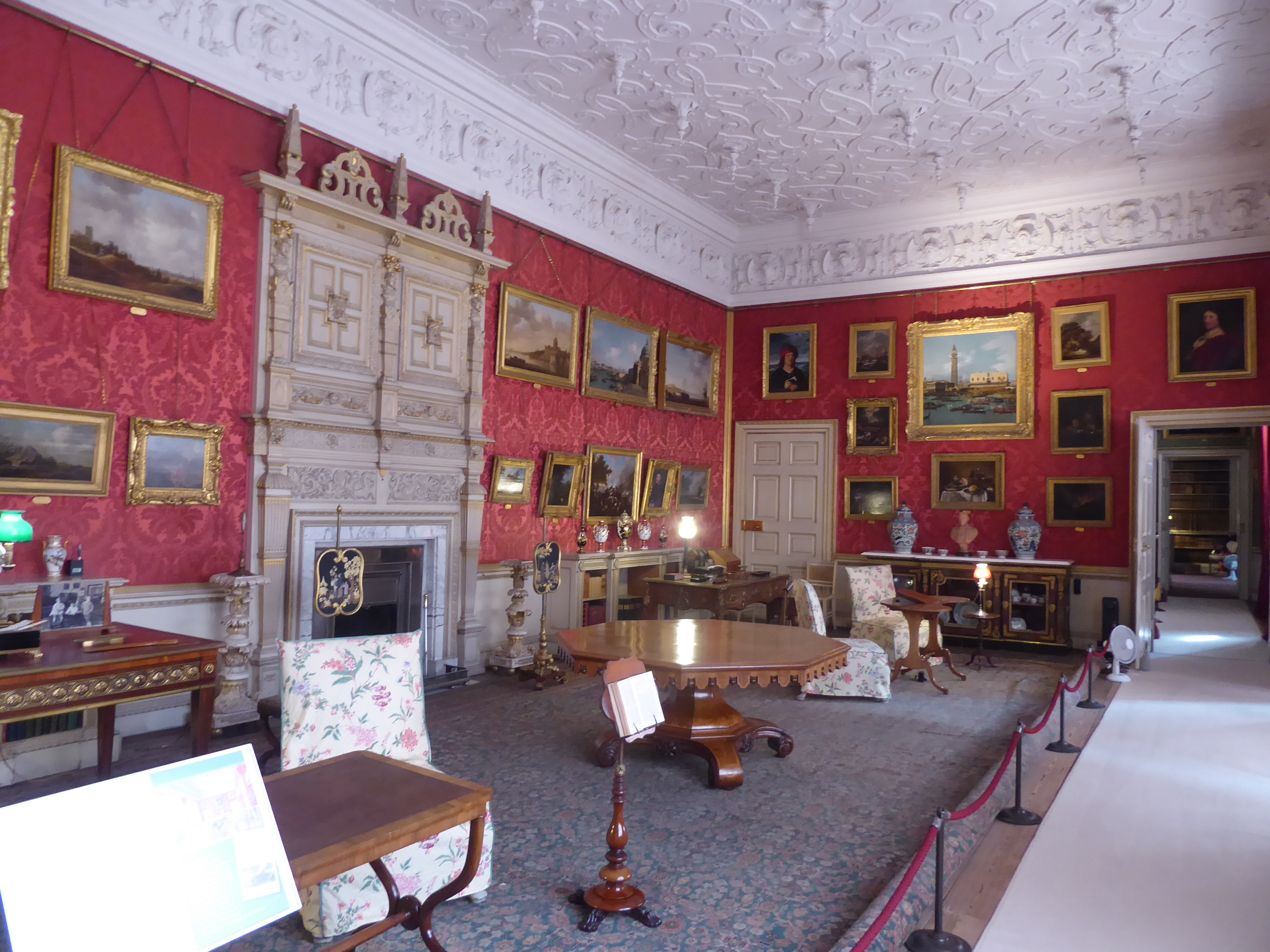
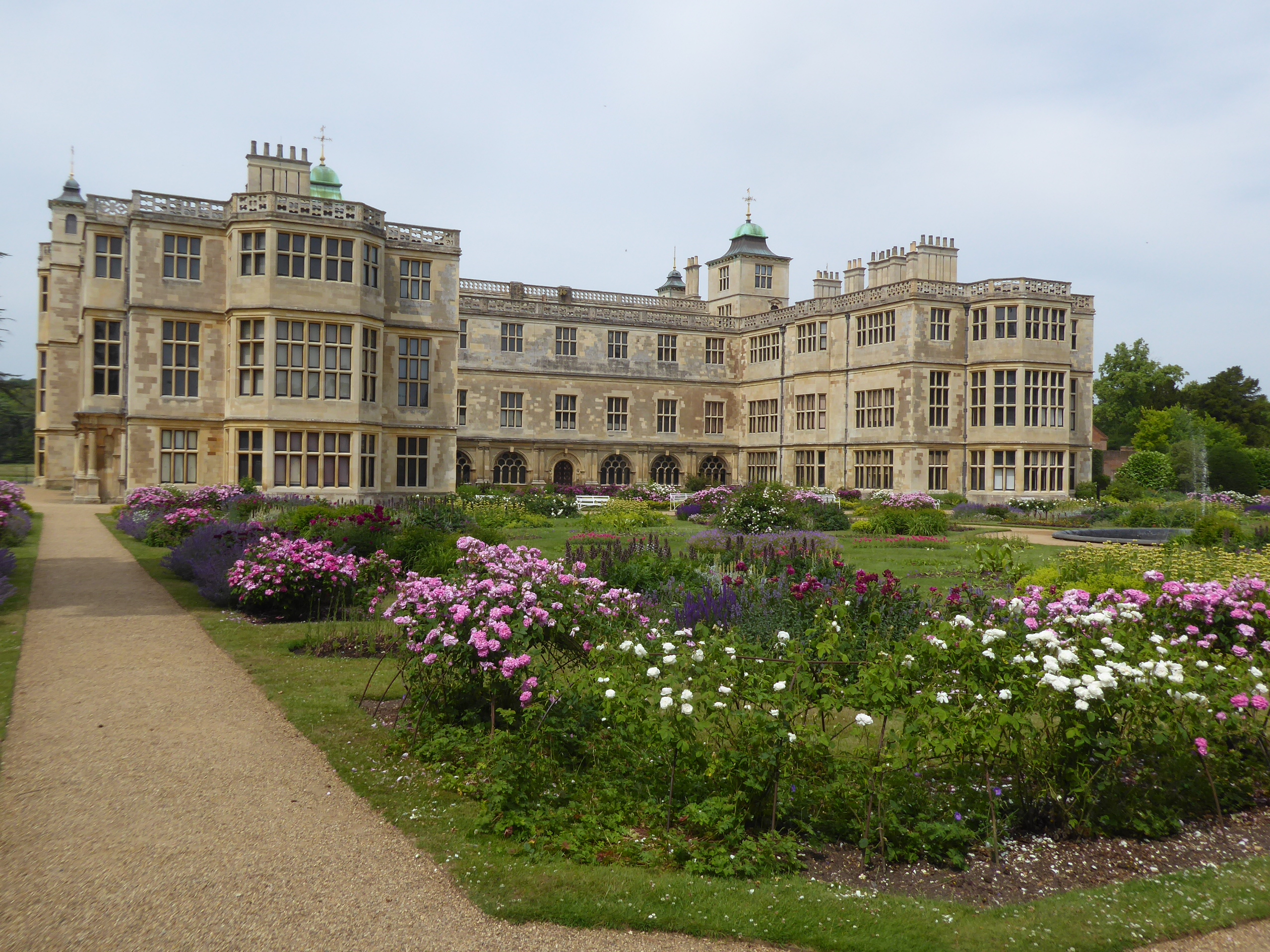
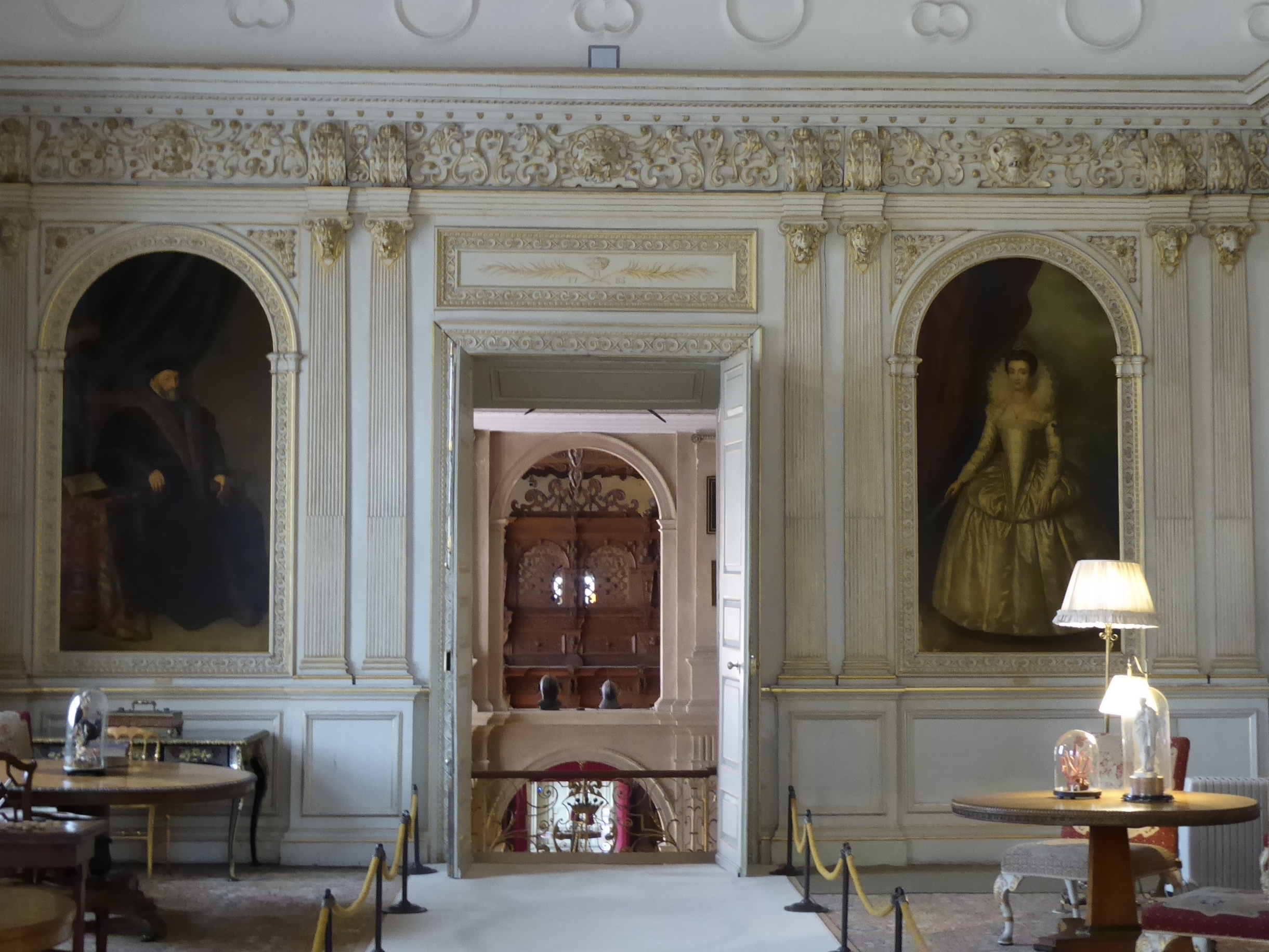
Since the gallery didn’t open until 2 p.m. I looked for something to do before that and discovered Audley End House nearby. It’s basically a Jacobean house that was once much larger and grander, built on the site of a dissolved abbey. The Duke of Suffolk embezzled state funds for it, Charles II once owned it (handy for Newmarket), John Vanbrugh and Robert Adam worked on it at various stages, Capability Brown got fired . . . the usual sort of thing. Over the centuries it has been much reduced and altered, and its current incarnation is early 19th century. So, symmetry everywhere, the deception assisted by false doors and concealed doors. A great hall with an astonishing oak screen that rises to the second floor. Family portraits everywhere plus an art collection by “follower of X” and “school of Y”. An incredible collection of taxidermy, including more kinds of owl than I knew existed and an albatross. A library that basically stored all that an English aristocrat needed to know at that time: rows and rows of records of State Trials of the late seventeenth century; antiquities of Canterbury; Dugdale’s Baronage of Englands Vol I, II etc etc – and, nice touch, a row of Walter Scott novels on an easy-to-reach shelf. The room and bed decorated specially for George III . . . who never visited. A chapel with a separate staircase and wooden seats for the servants, and a fire and padded seats/kneelers for the family. I found it fascinating and bizarre.

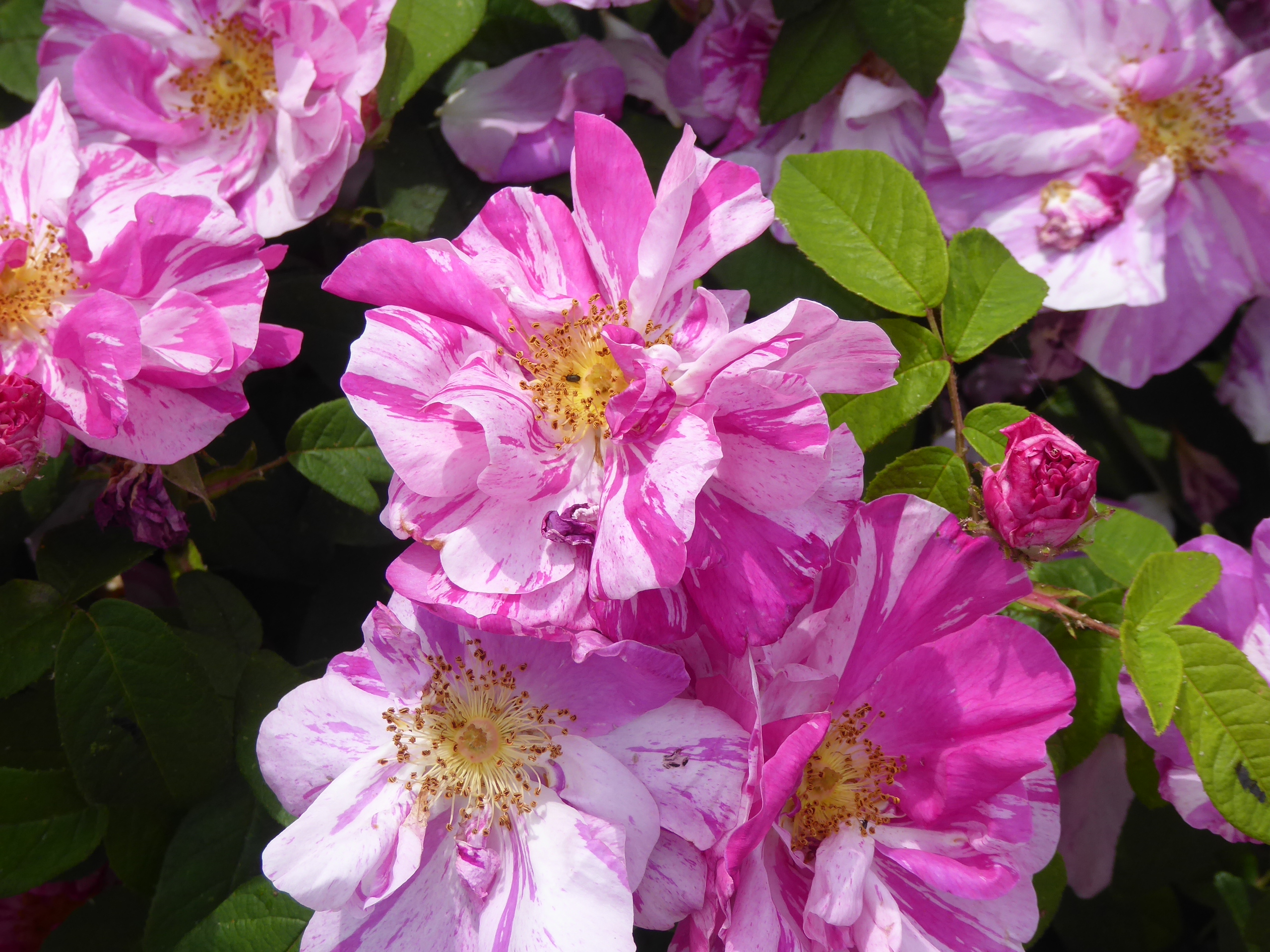
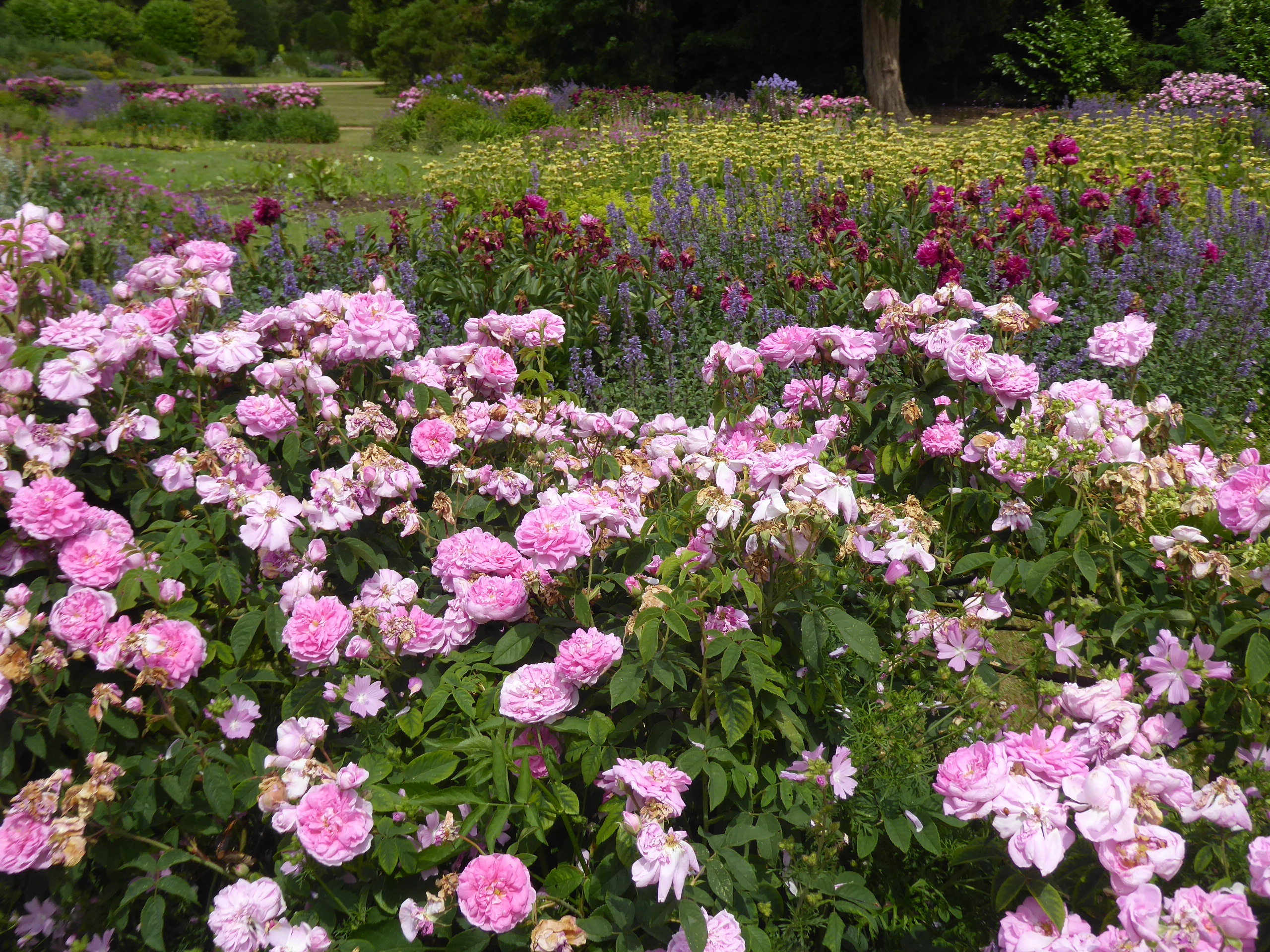
The parterre was lovely, and I saw it at its best. Had I not already been converted to roses, this would have done it.
Then to Saffron Walden for lunch. I ate in the main square in what I guess was once a Victorian-era bank. The great thing was that it was like a small version of Audley End: neo-Elizabethan with decorated stonework and mullioned windows, and inside I sat beneath a white ceiling plastered in Tudor style.
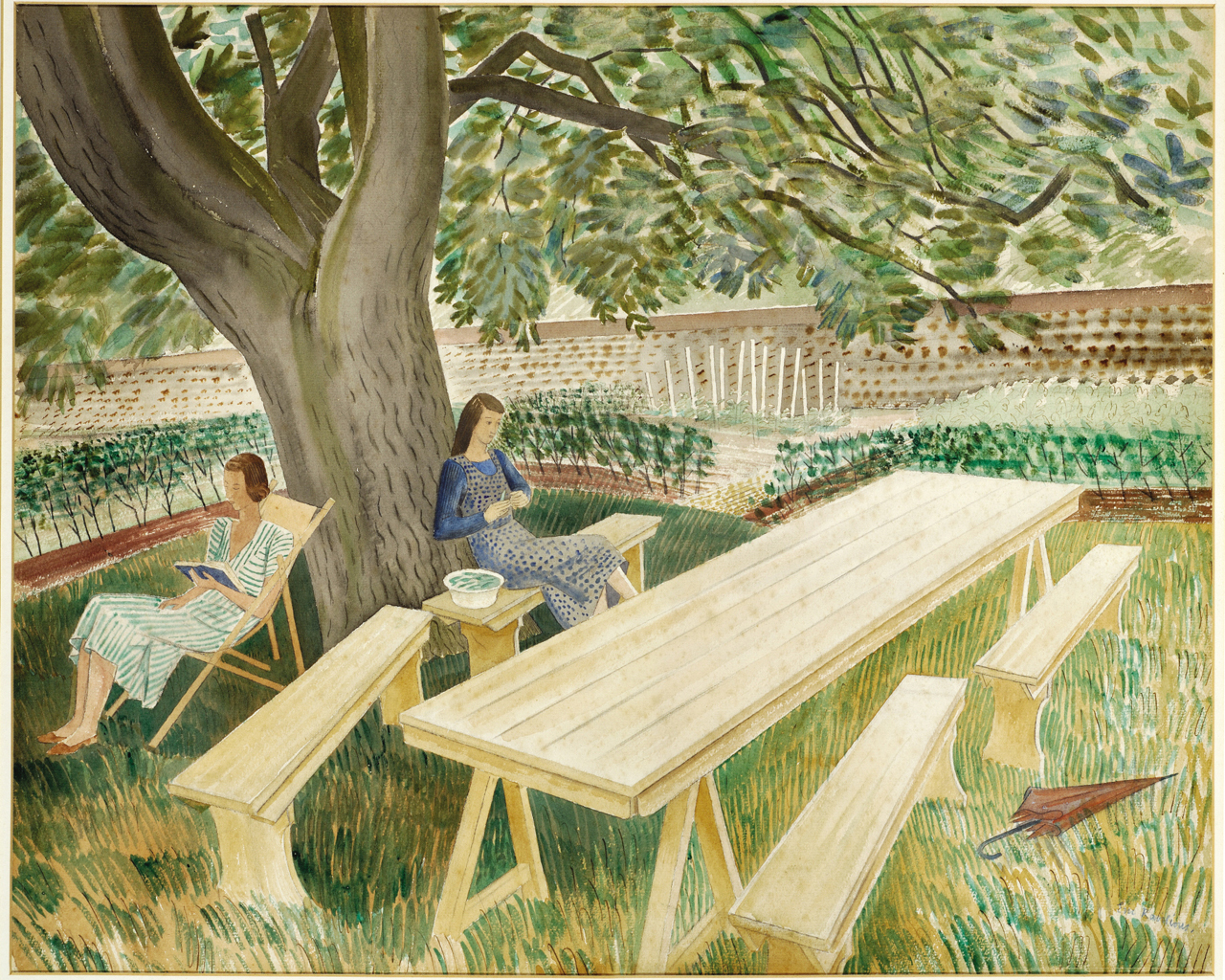
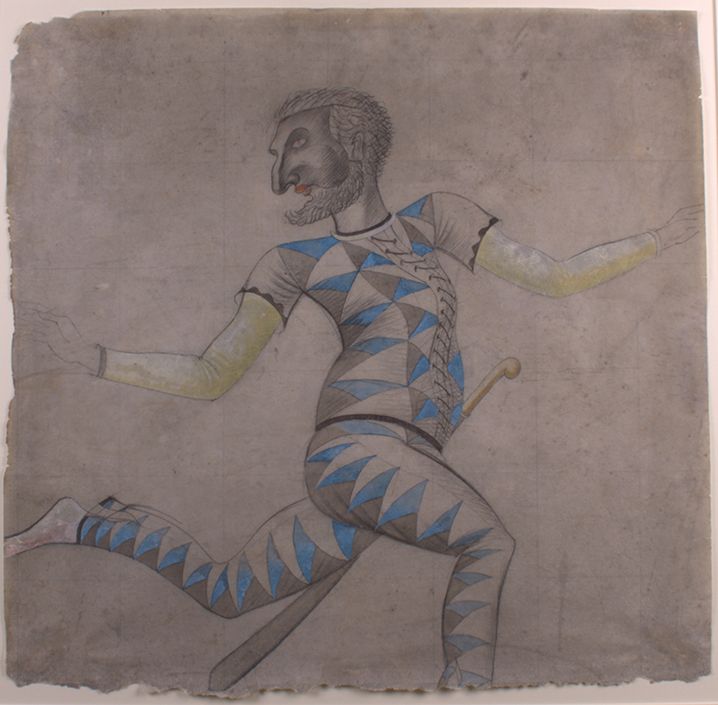
I walked past the castle to the gallery. Saffron Walden is very quaint, but with the heat and the Brompton I wasn’t in a frame of mind to take photos. The gallery is small and filled to the brim with delightful images and objects but after the space of Audley End, it seemed very cramped and the exhibits seemed cosily domestic.
V&A

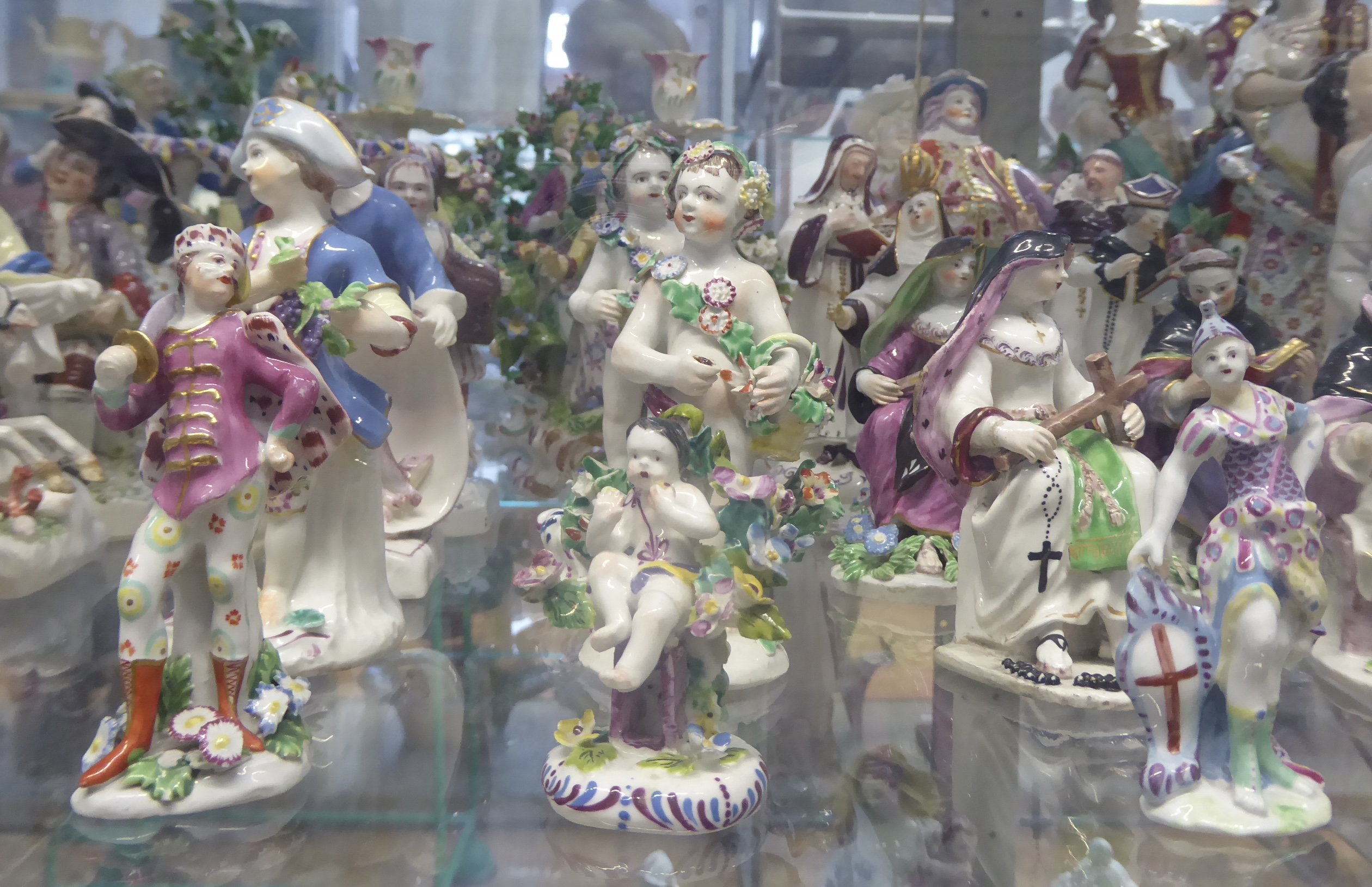
The brilliant sunshine of the last couple of days has been replaced by cold rain, and I went to the V&A simply because I was deterred by the long queue outside the Natural History Museum. It wasn’t second best however: it’s always good to get lost in the V&A for an hour or two. This time it was mostly amongst the ceramics. My goodness, but the museum has so much stuff! And not all of it what one would care to keep. As I looked at the tall glass cabinets of china ornaments I almost expected to see a replica of my parents’ souvenir of Helensburgh or a novelty ashtray.

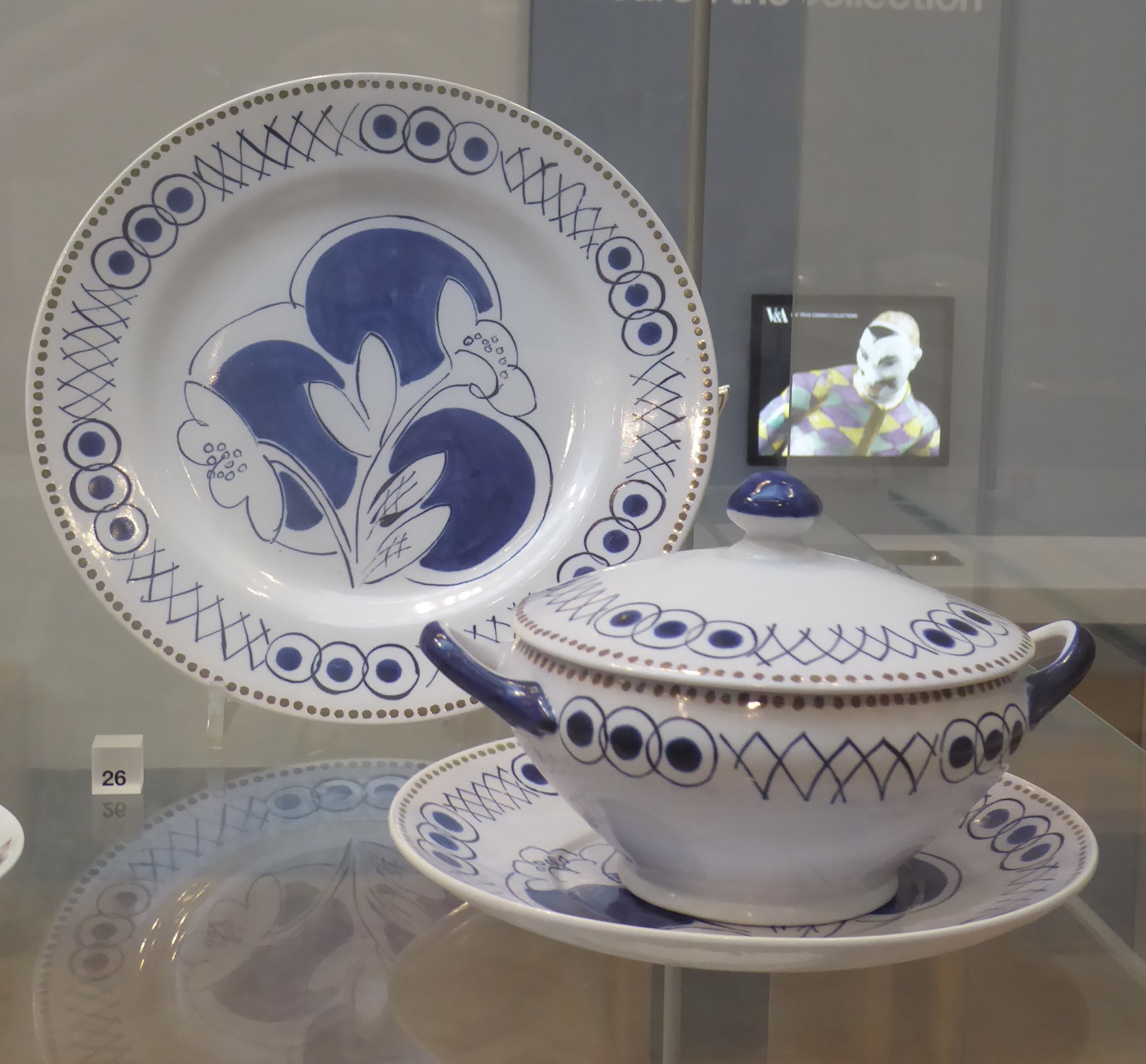
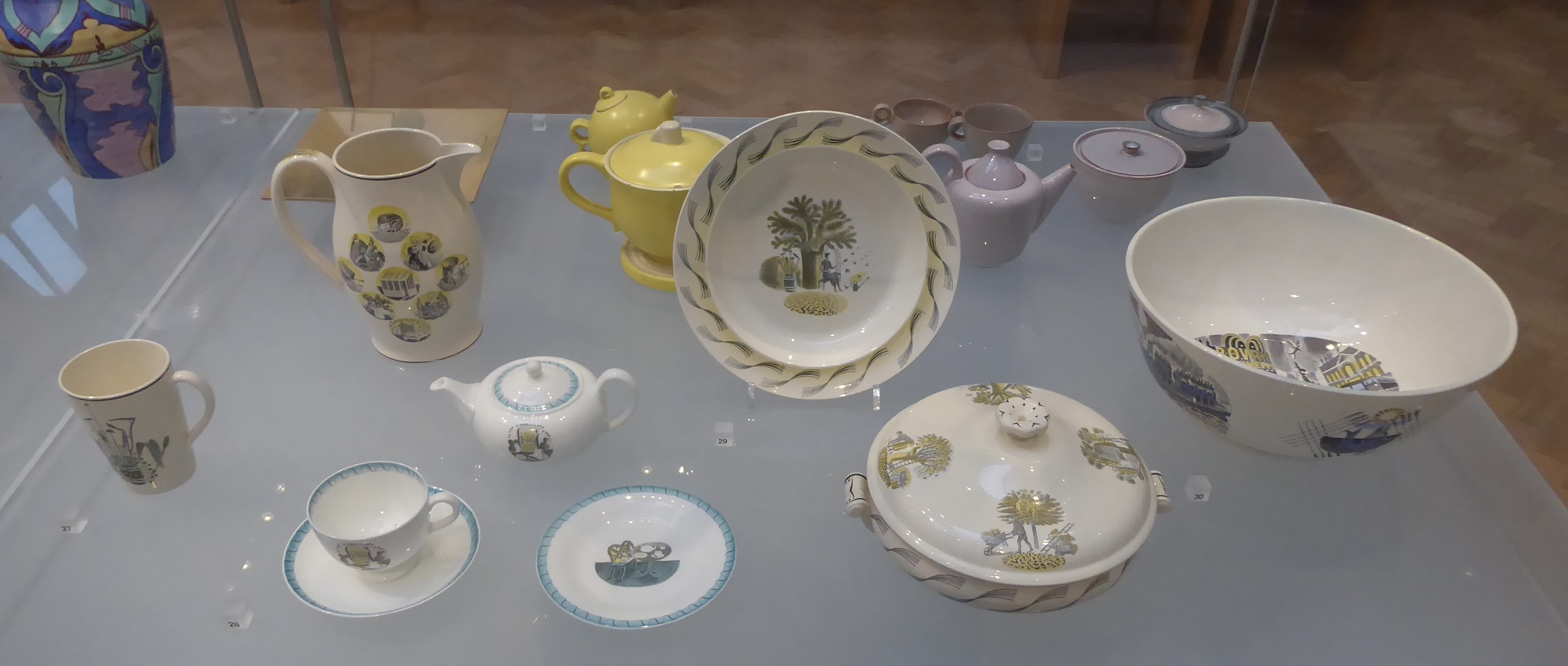
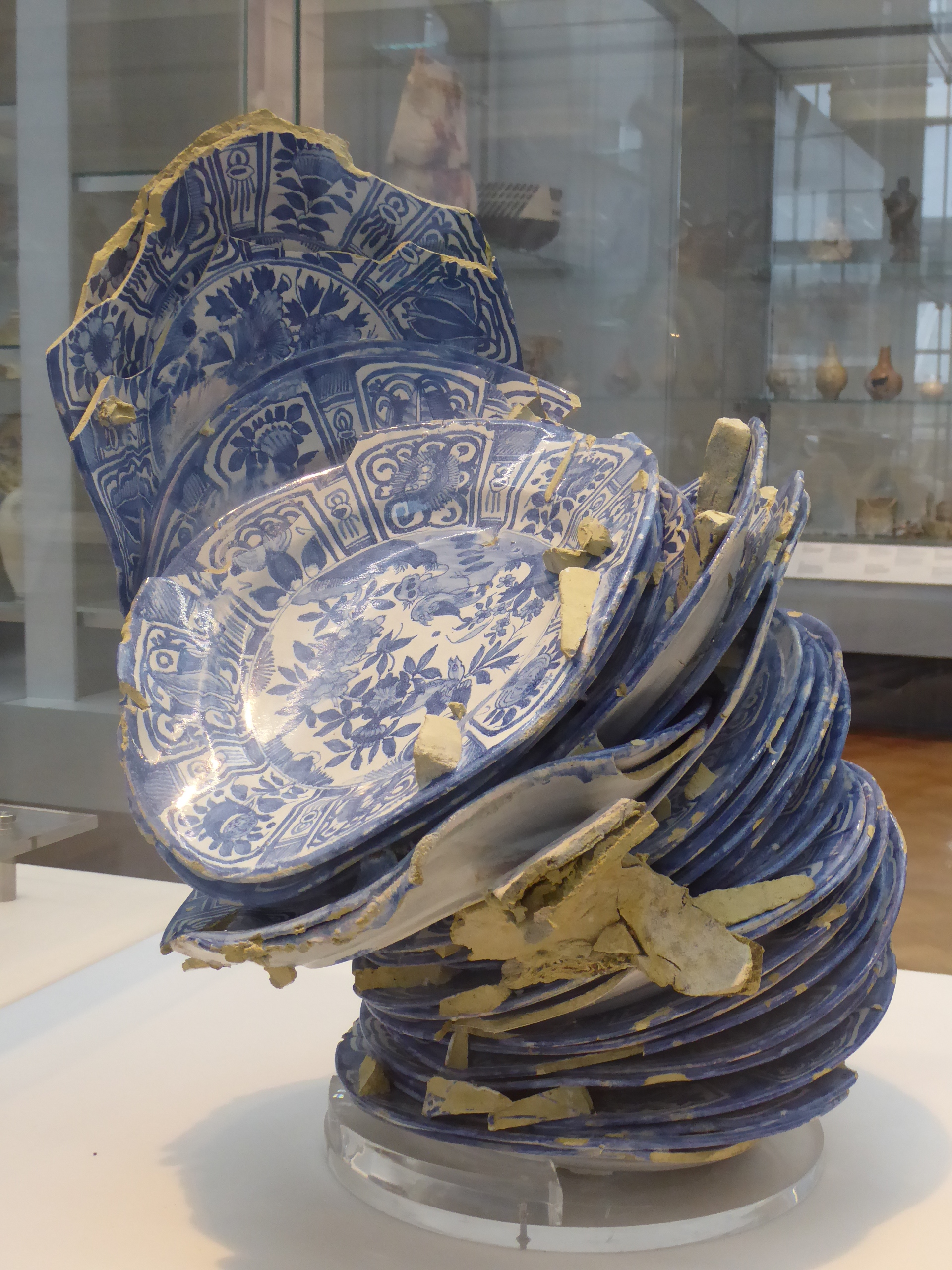
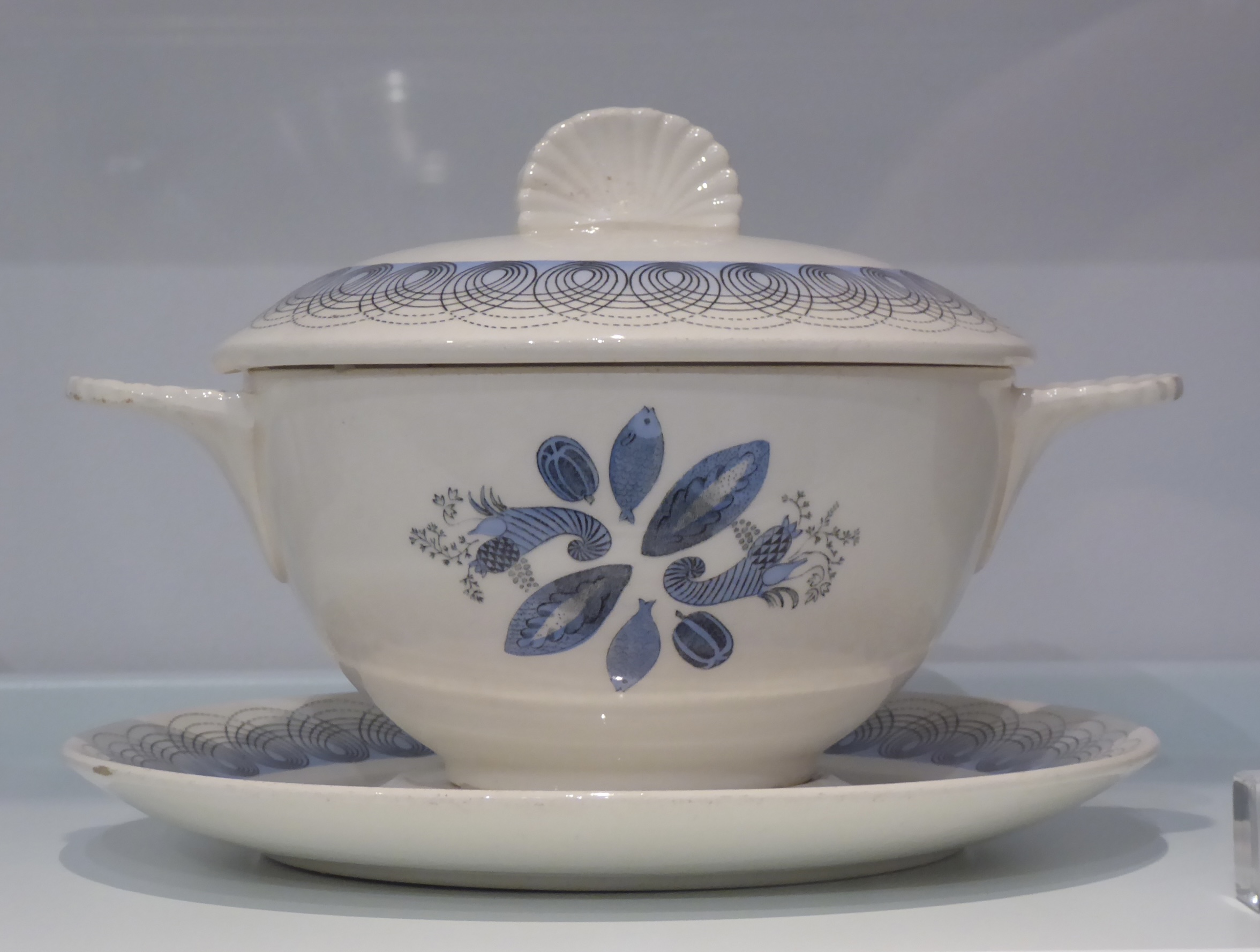
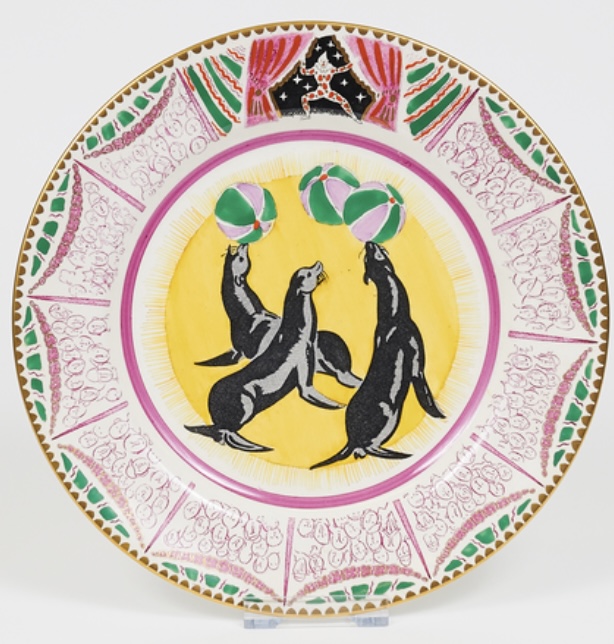
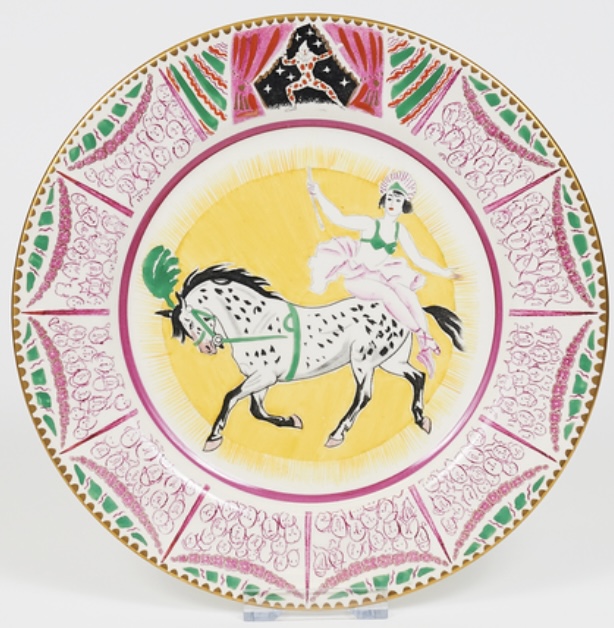
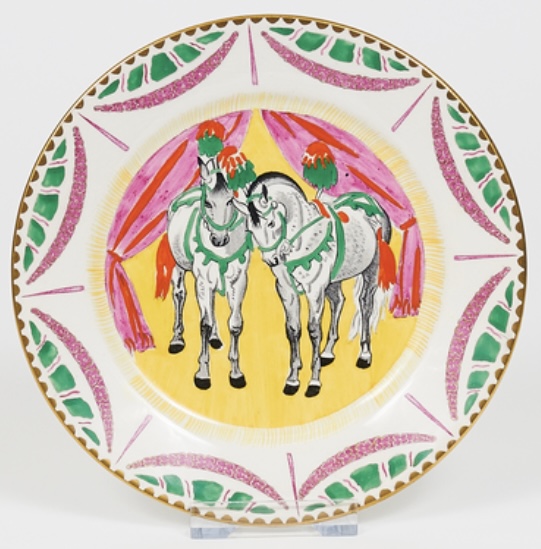
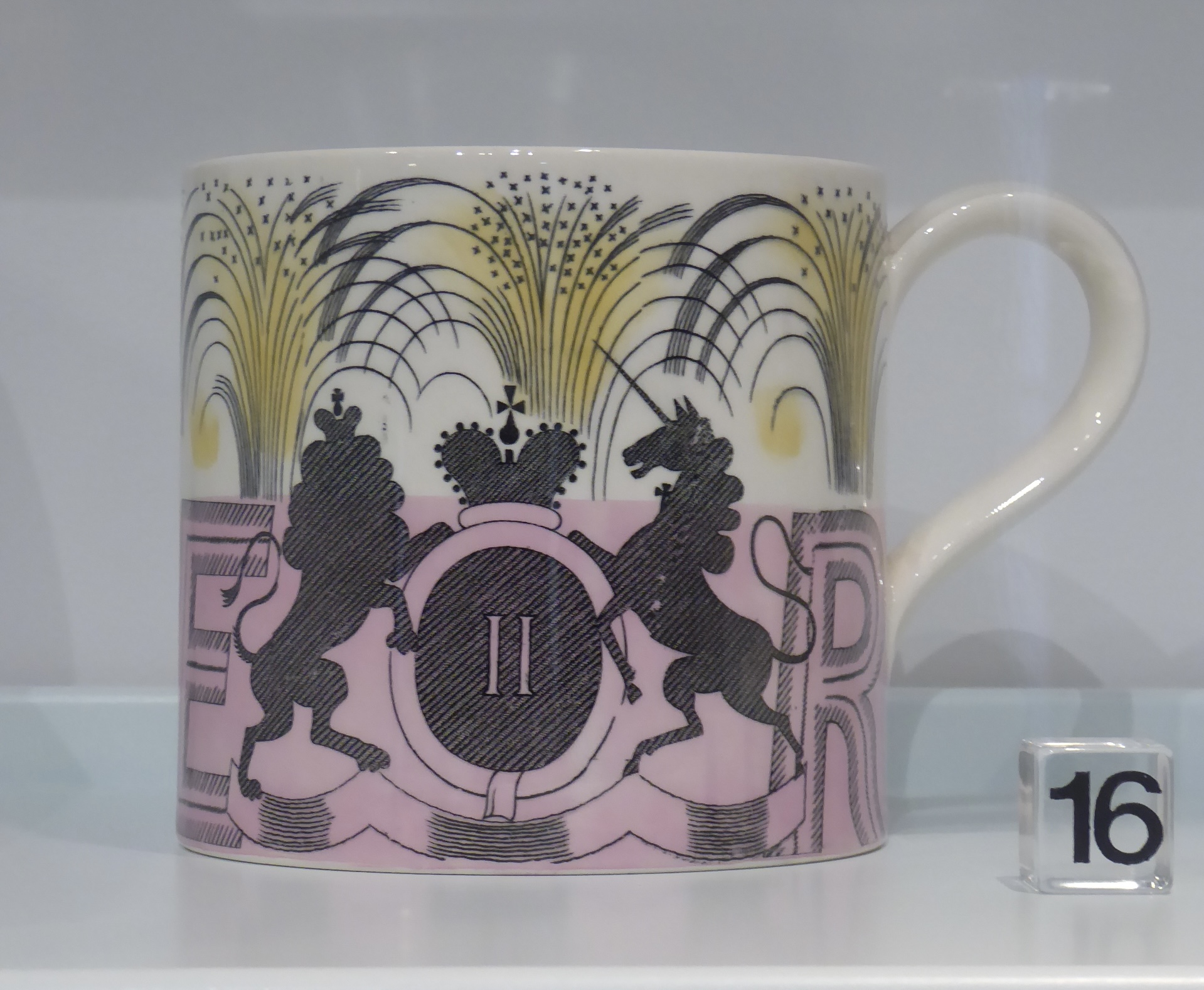
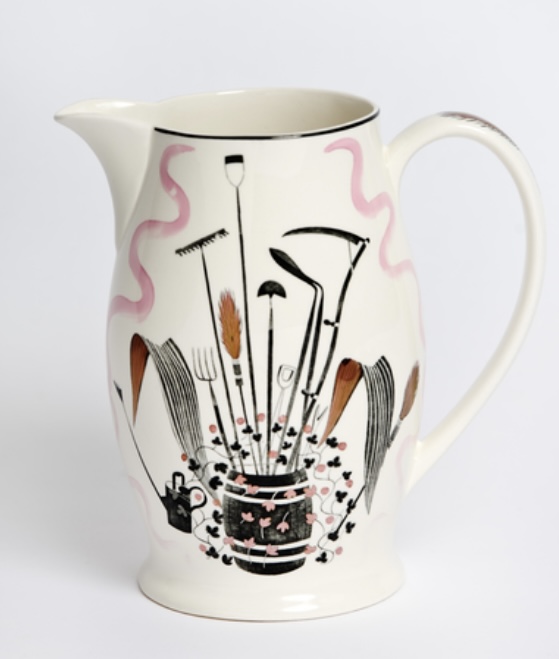
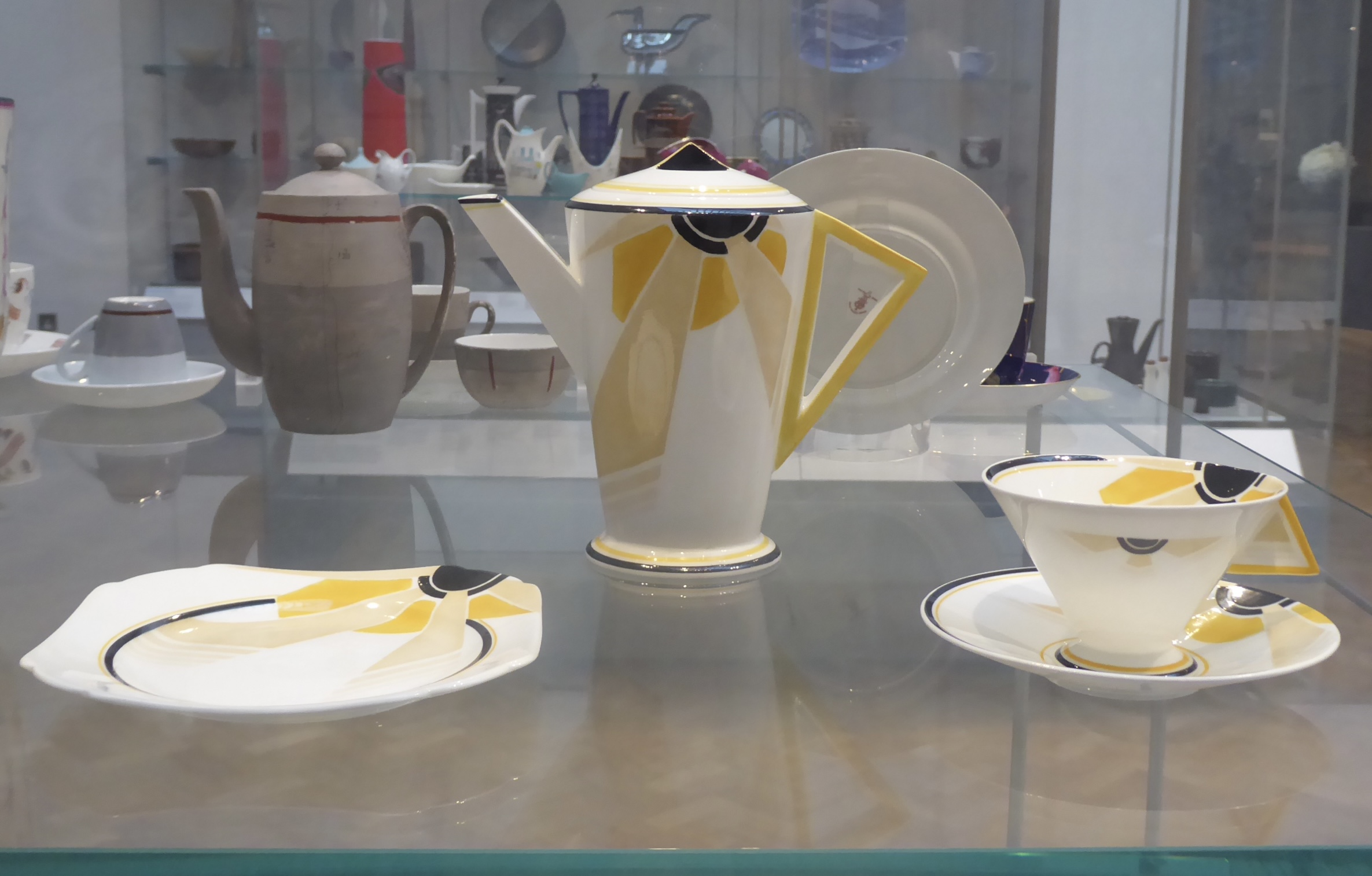
Inevitably I drifted towards what was familiar and ended up in front of tableware designed by Eric Ravilious. There were also designs by Vanessa Bell – looking unstructured beside Ravilious’s neat delicacy. En route I was waylaid by monochrome Chinese pottery (which brought back the Burrell Collection) the composition of different types of earthenware (having forgotten what I picked at the Bowes Museum a couple of years ago) and a pile of misfired Delft plates. I am sure I first learned about these in the Delft museum, but I took no photographs and can’t rely on my memory.

Tirzah Garwood

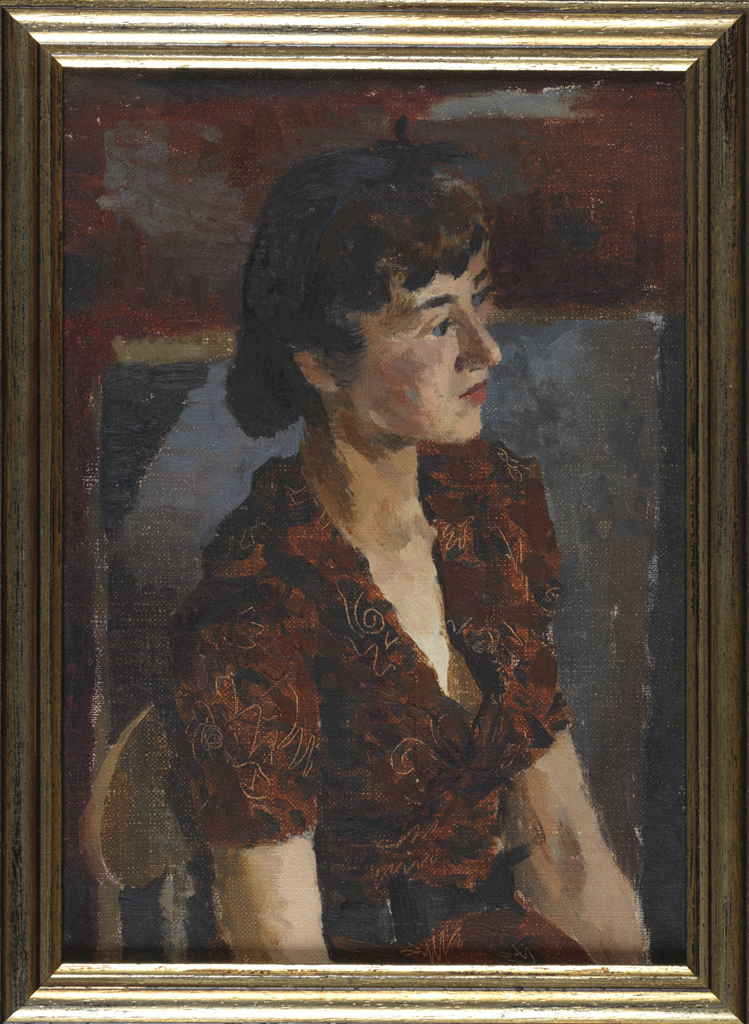
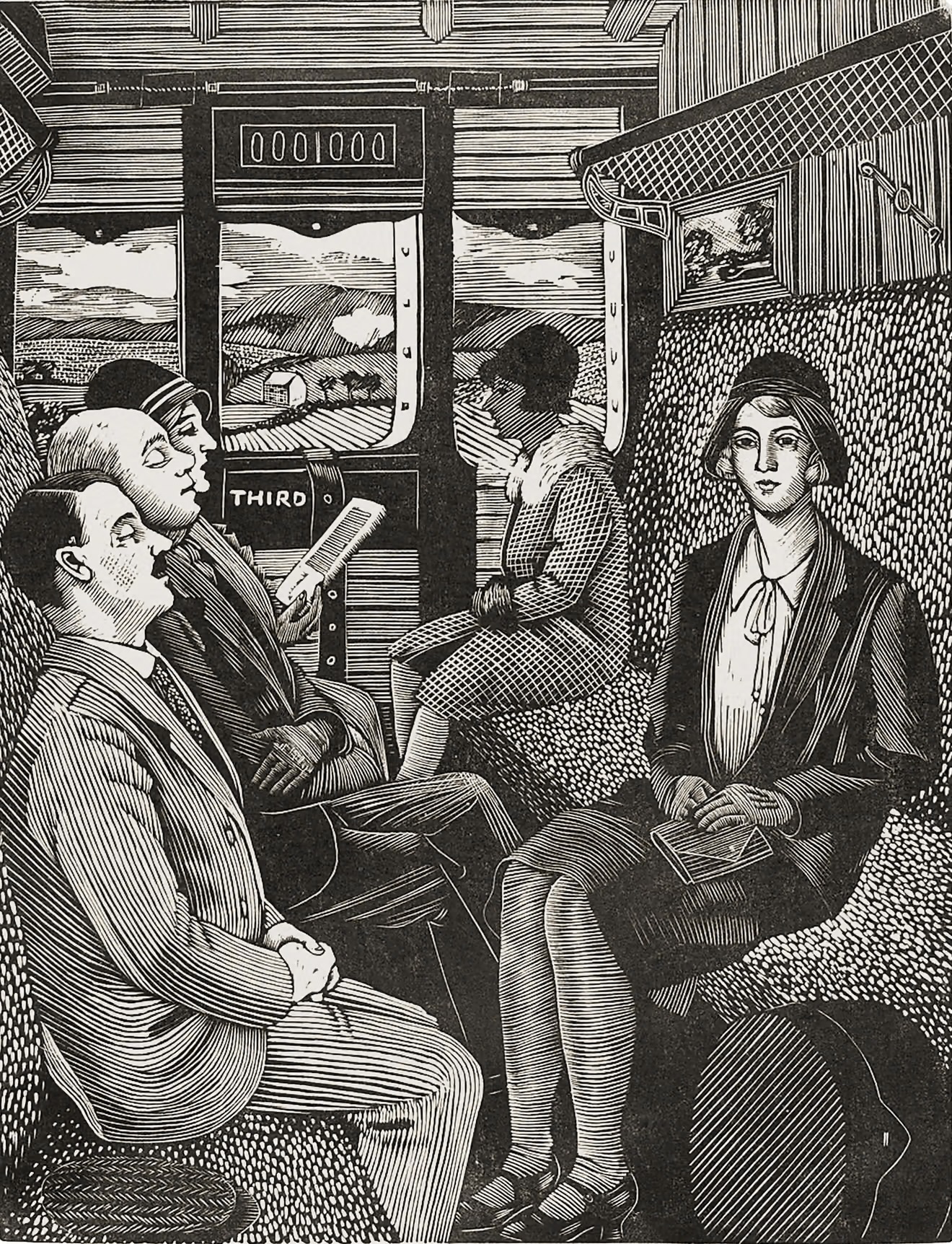
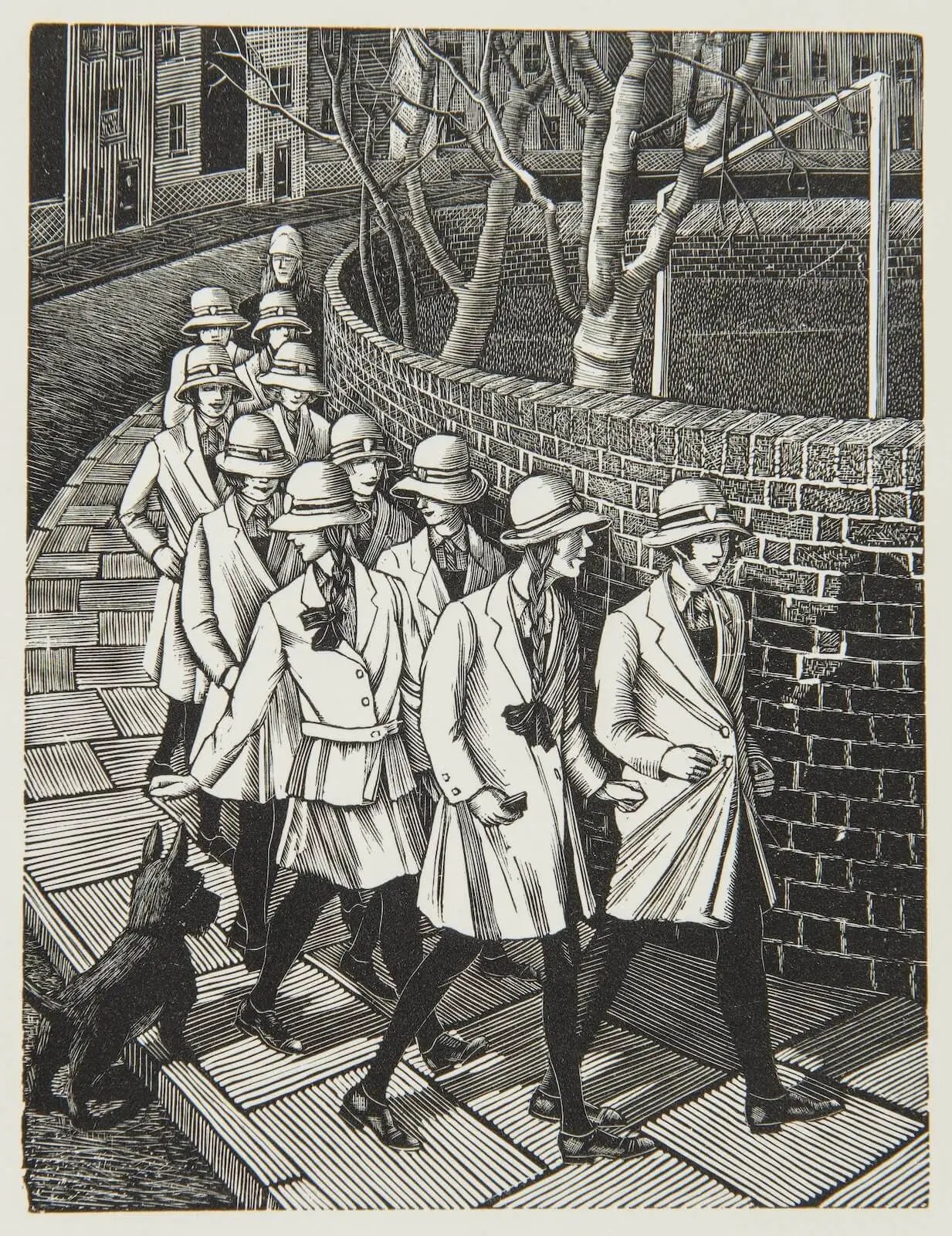
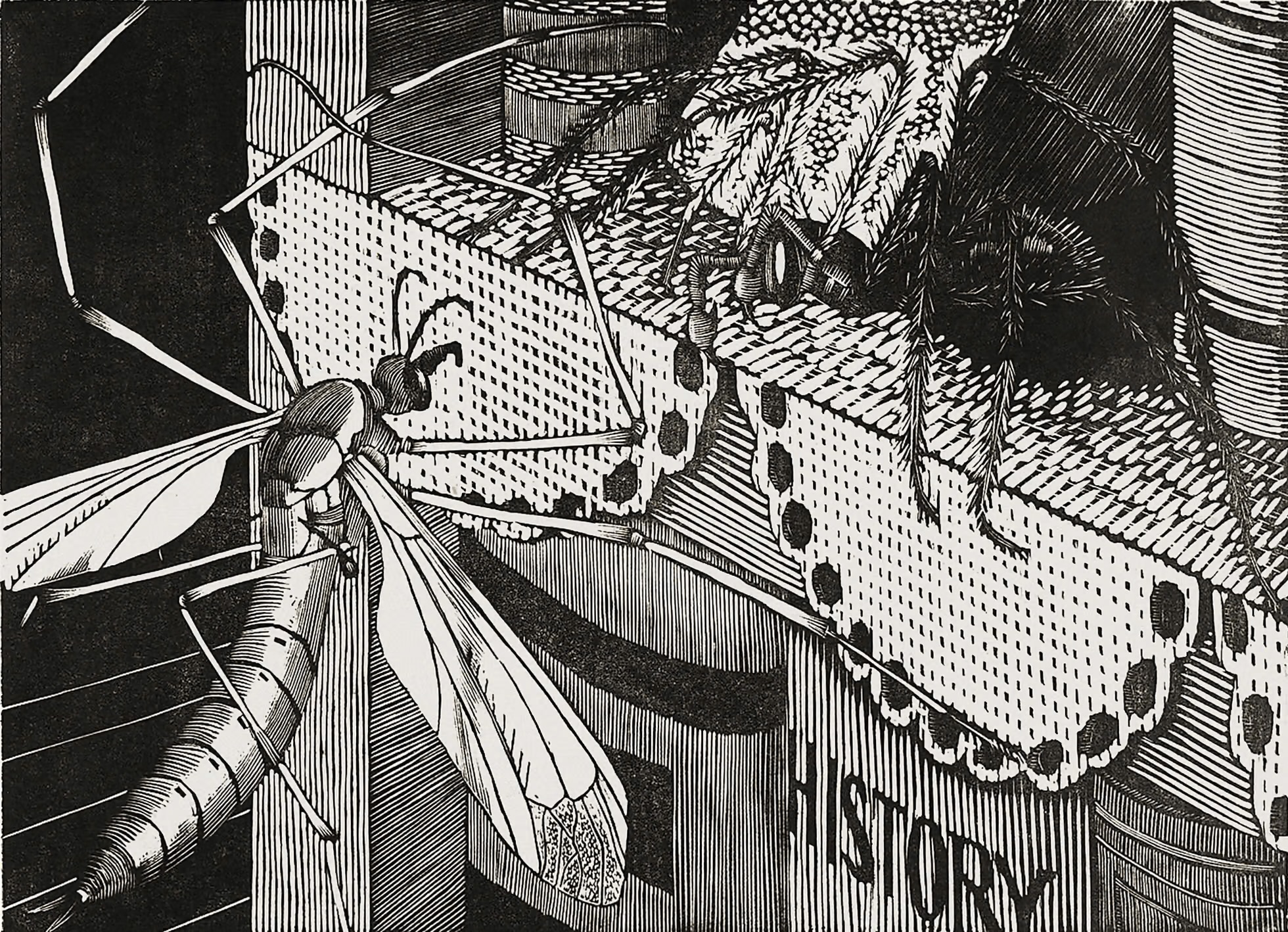
To Dulwich Picture Gallery for a delightful exhibition. Everything made me smile, despite the sadness of Garwood’s early death. Basic facts: her dates are 1908-51; she was married to Eric Ravilious, had three children and was widowed in 1942; she was treated for breast cancer in 1942, which later recurred and killed her shortly after her second marriage.

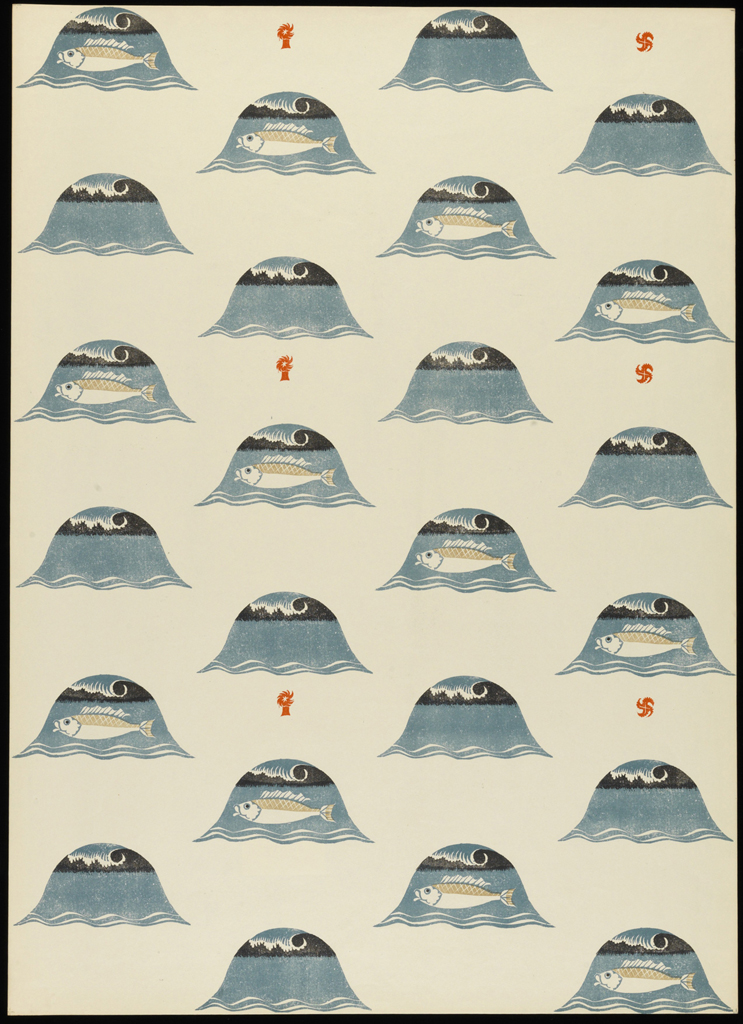
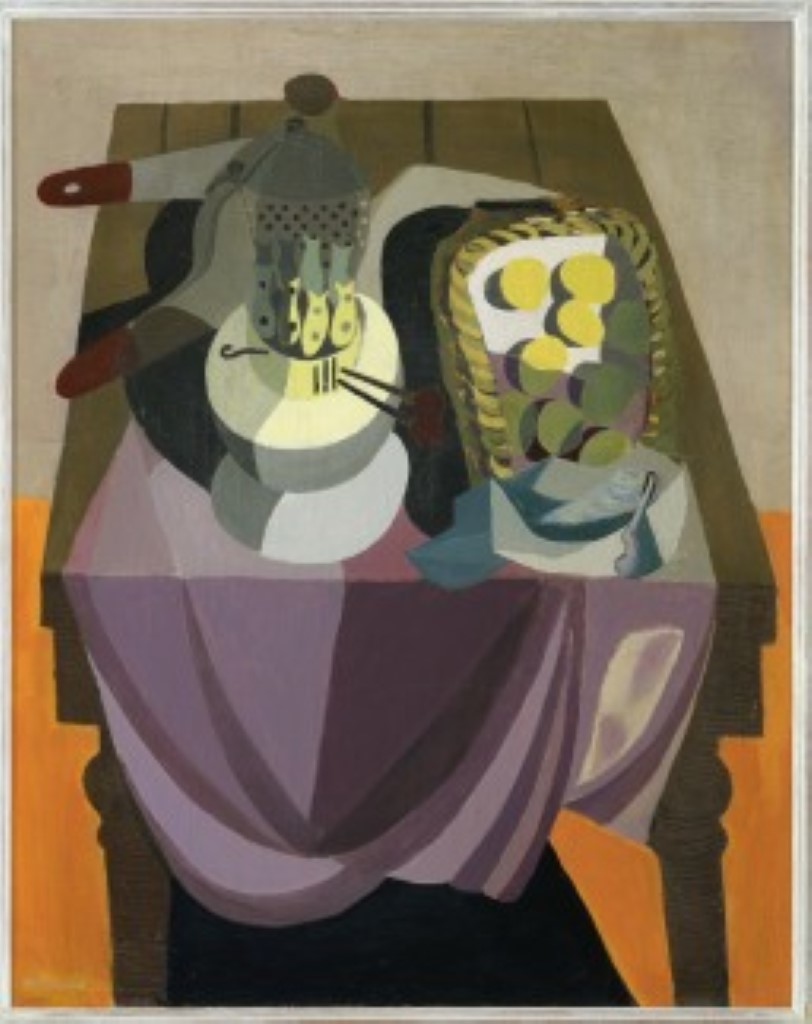
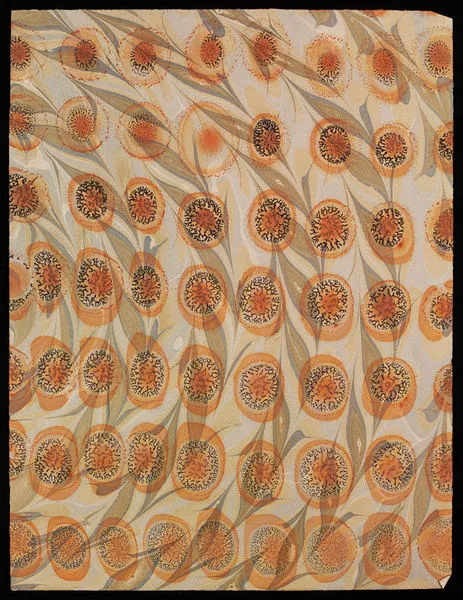
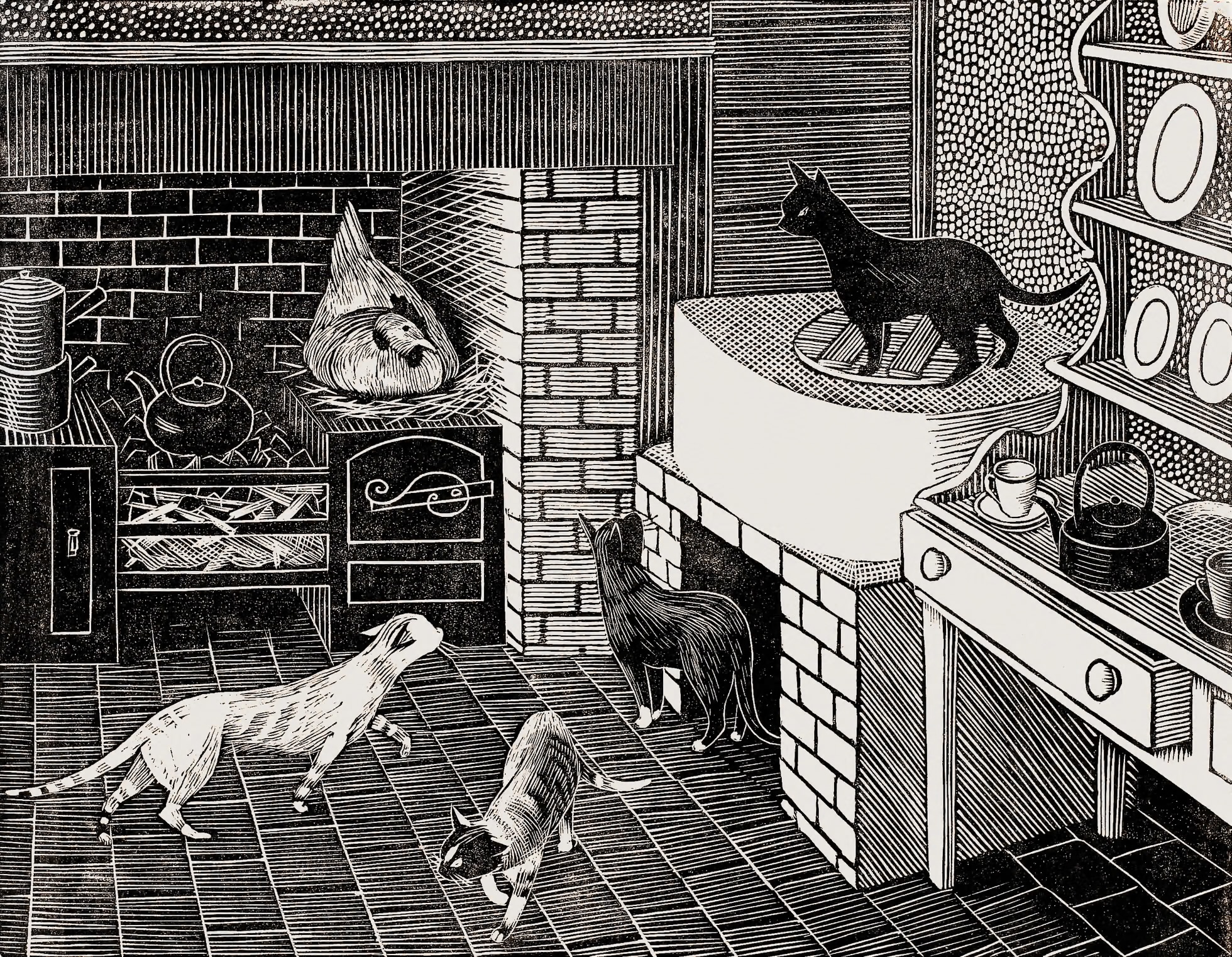
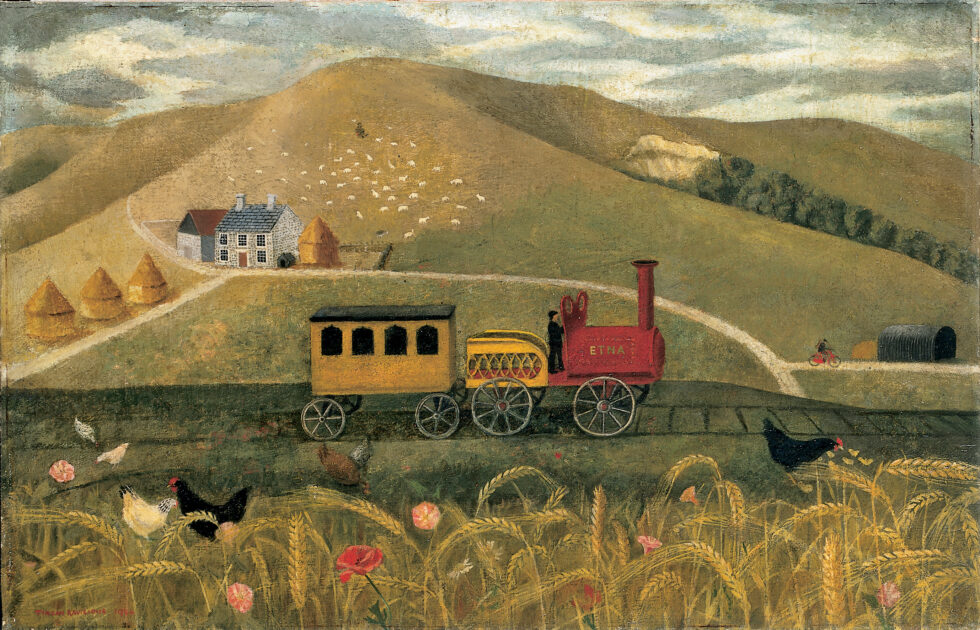
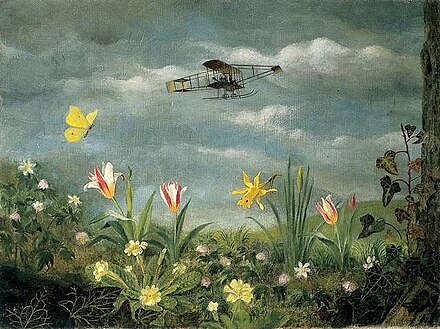
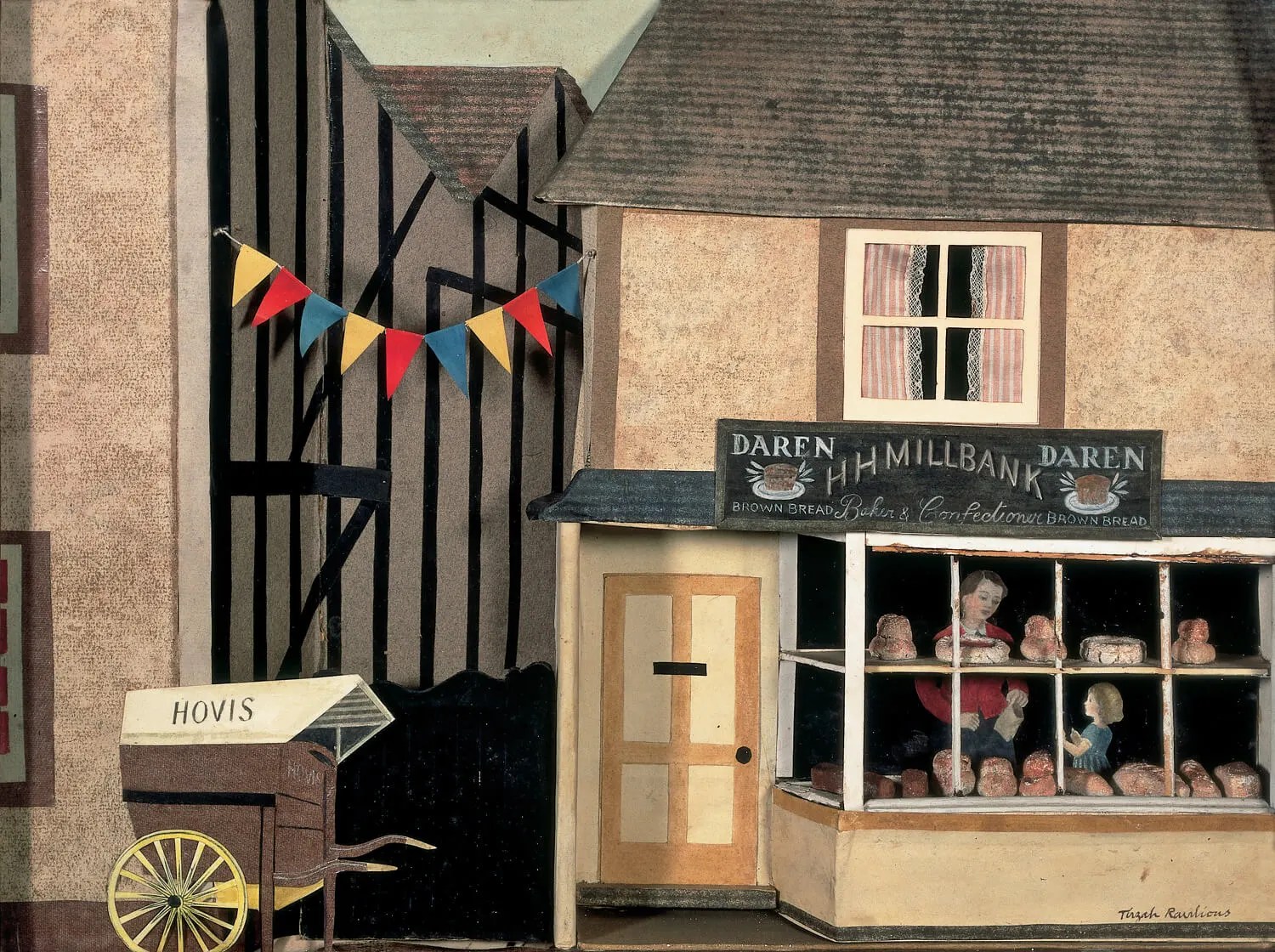
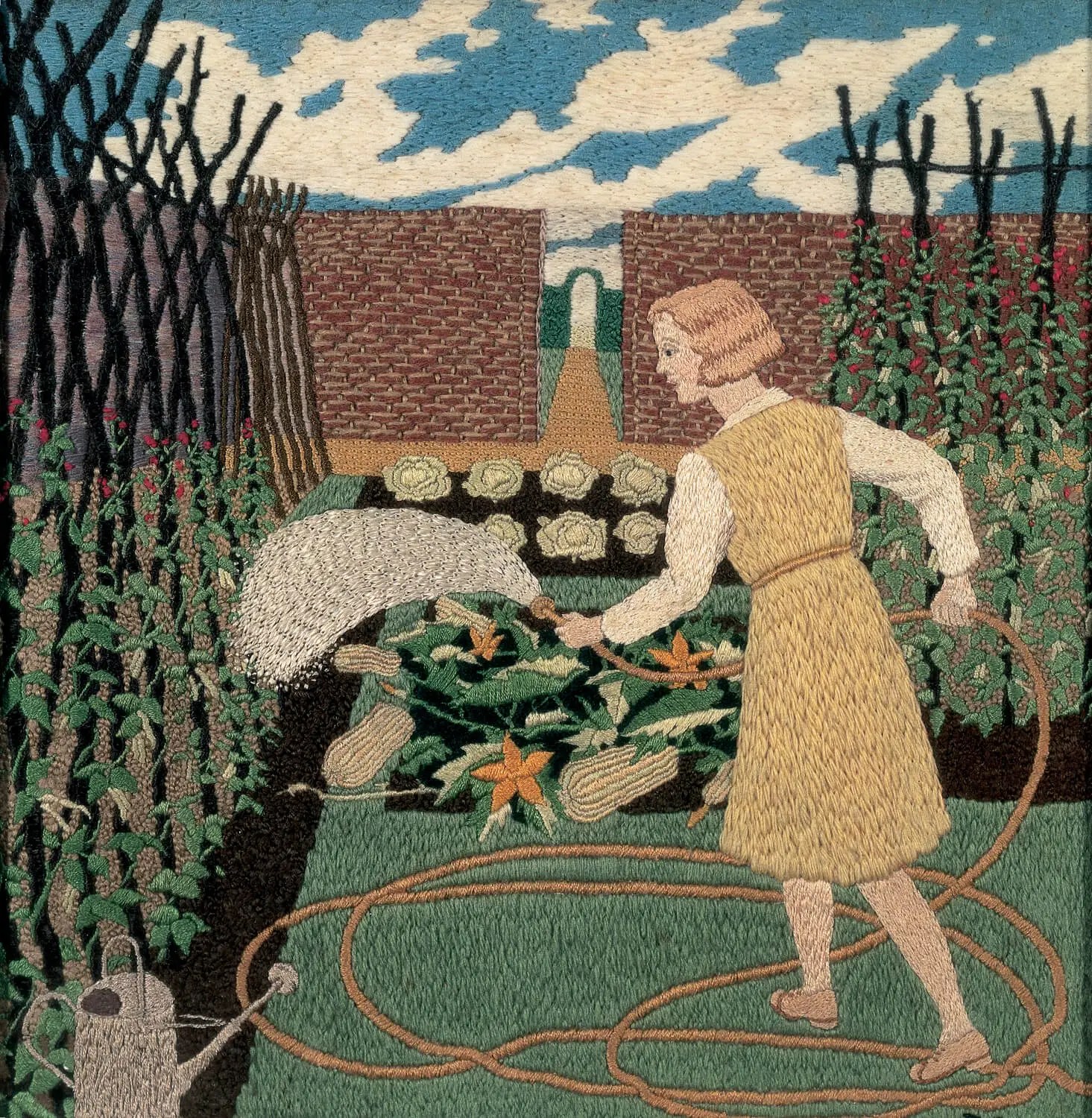
I liked everything: the early woodcuts, the marbled papers she made and sold to publishers and upmarket shops, the embroideries (reminiscent of Marian Stoll), the Camberwick Green shops and houses, and the later Max-Ernst-meets-Douanier-Rousseau oils. There were also some works by Ravilious – including a large watercolour of chalk land which, ironically, would have been my steal from the exhibition – which brought out Garwood’s focus on people and the traditional female spheres of home, children and neighbourhood. She made things for people – a quilt for a friend, items for sale, illustrations in letters – and, from her work, I came away with a very positive impression of the woman: generous, fun, kind, endlessly creative. In contrast, I have no particular sense of the personality of Ravilious (or Gerrit Dou or Rembrandt or any other of the male artists in the gallery). That says something about the curating of the exhibition – and rather more about making art when you are also tied to your roles of a wife, mother and housewife.

(Yes, I do realise that on the plus side the confines of her life meant that she didn’t have the freedom to become a war artist and to die on a mission over Iceland.)

Newcastle

Newcastle really is a handsome city – it announces the fact from the moment you cross the river and curve into the station. Sunshine helps, of course. It’s looking a bit pinched in other ways, but that’s another matter.

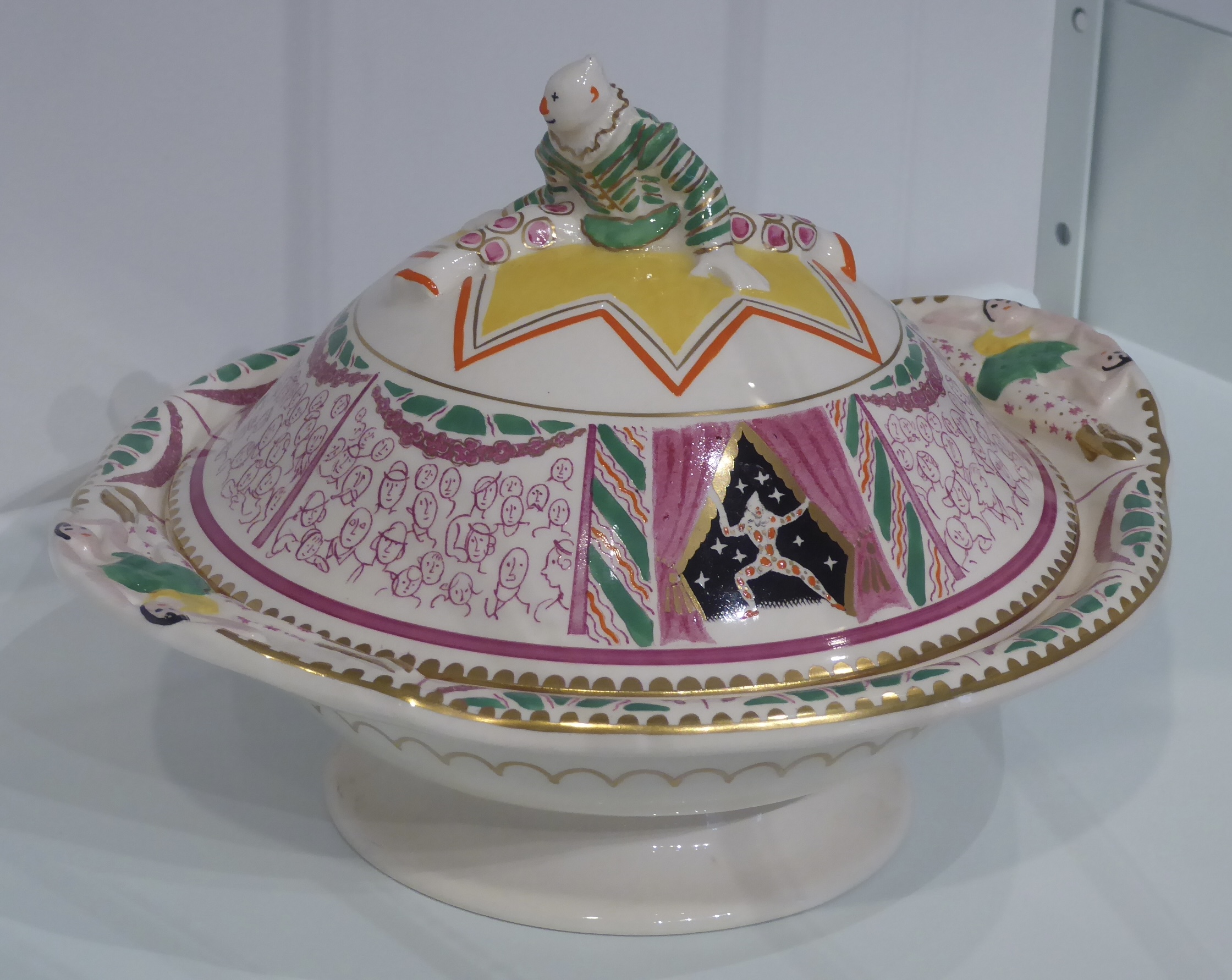
Straight to the Laing and the café, but before I had my coffee I was sidetracked by the corridor display of domestic items: a teapot by Christopher Dresser plus crockery by Laura Knight and Eric Ravilious. His little tureen was a delight.

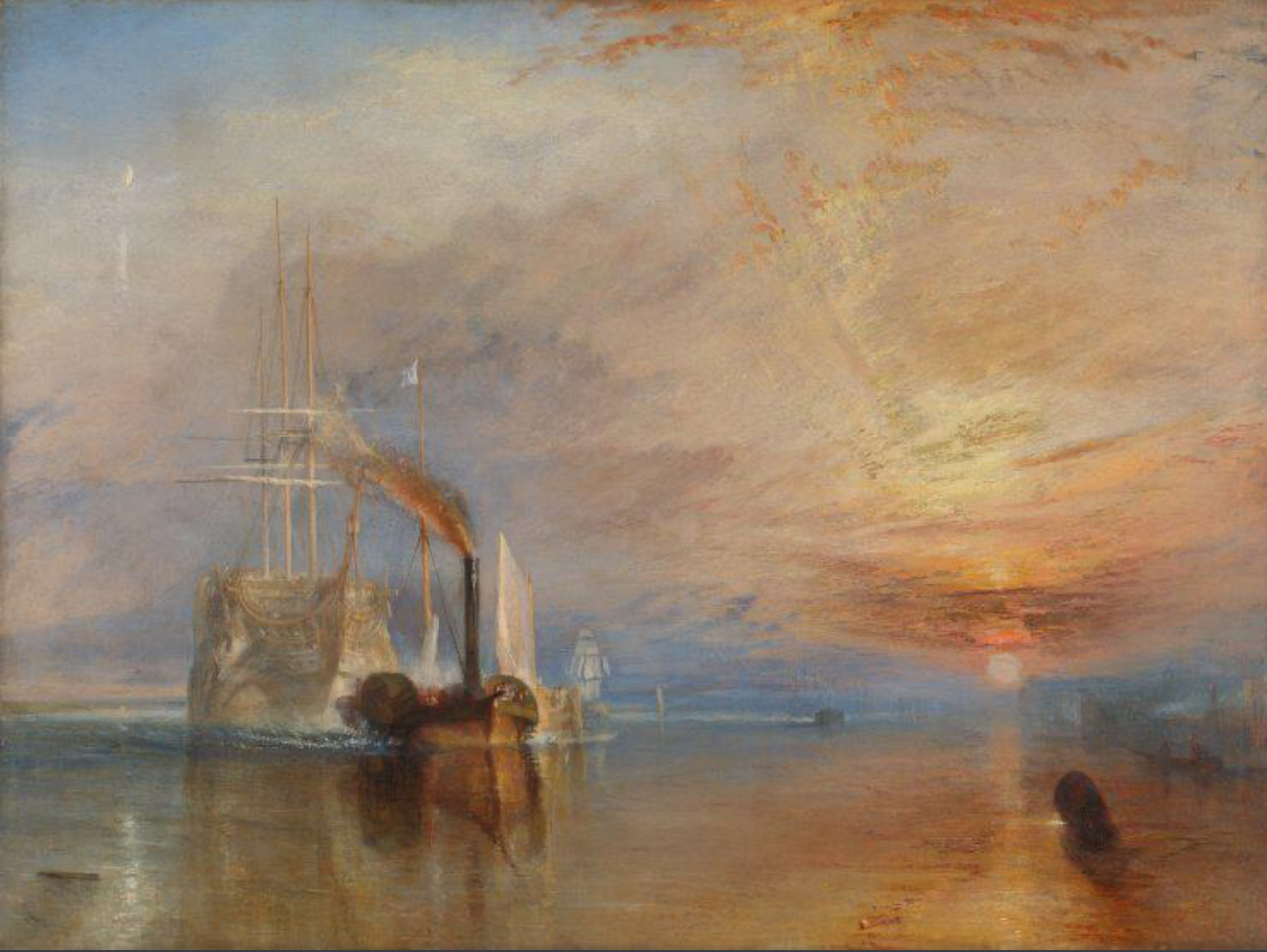
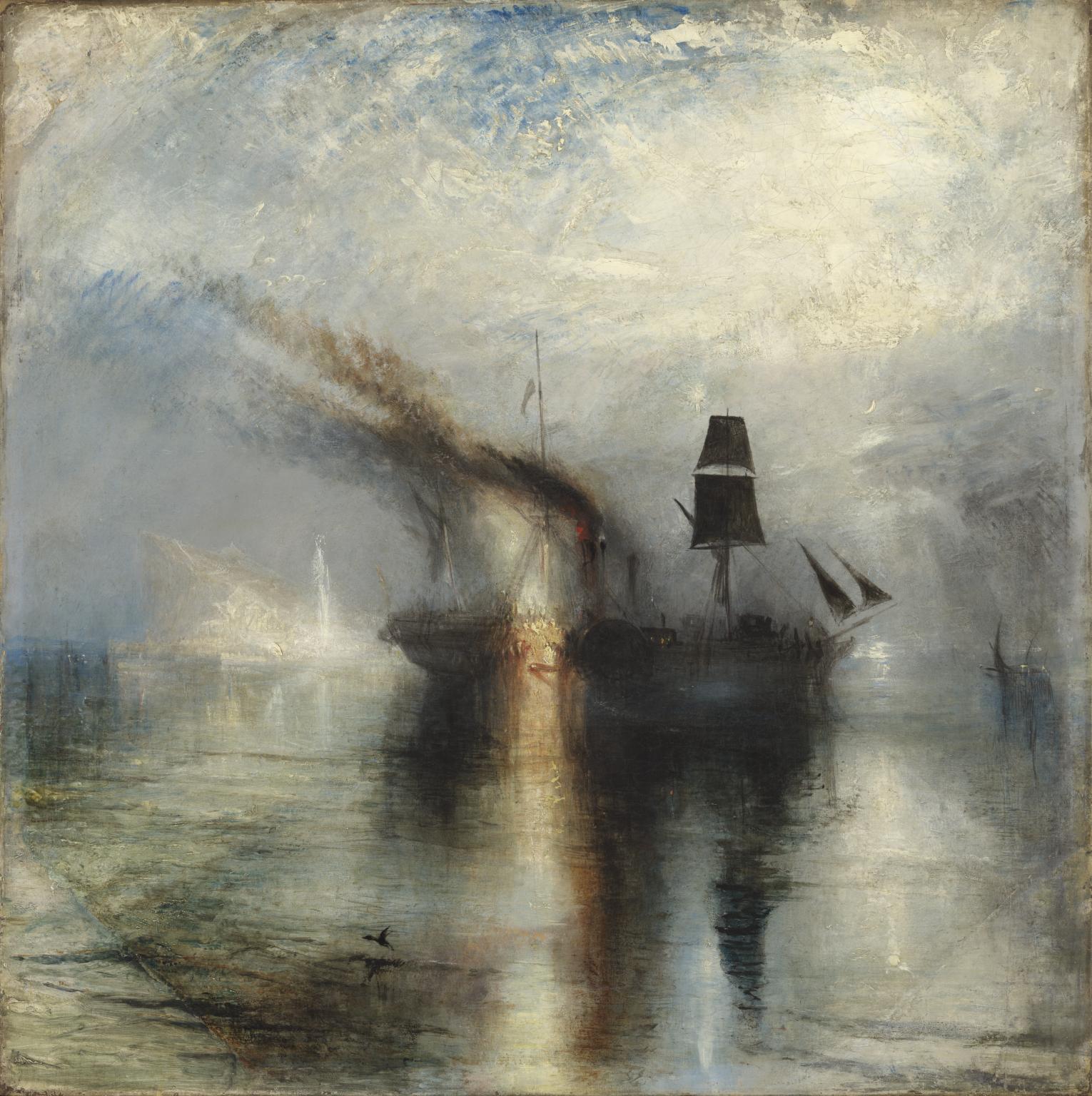
But I wasn’t there for household items. No, I was there to see Turner’s “Fighting Temeraire”, which is on loan from the National Gallery, and the exhibition surrounding it. As I walked round I felt a small surge of horrified interest in how a battle would have been fought by sailing ships atop a wooden crate riddled with gun holes. Lots of Turner’s watercolours, which – since I know one of the scenes he painted – included a great deal of artistic licence. Sometimes his painting are too undefined and blurry for my taste, and I wasn’t expecting that much of the Temeraire. Well, I was wrong. In the flesh, it is amazing. It blazes and shimmers and is utterly beautiful. Lots of artistic licence here too, but there is still pathos in the old ship that helped to defend Britain from Bonaparte’s forces being led to her death by a new-fangled steam tug. “Burial at Sea” next to it was equally breathtaking. It just glowed.

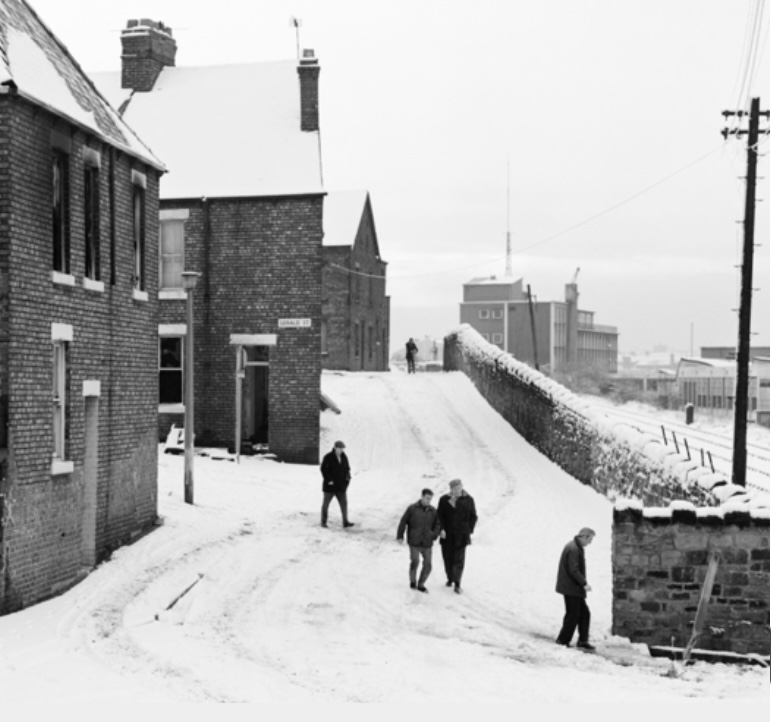
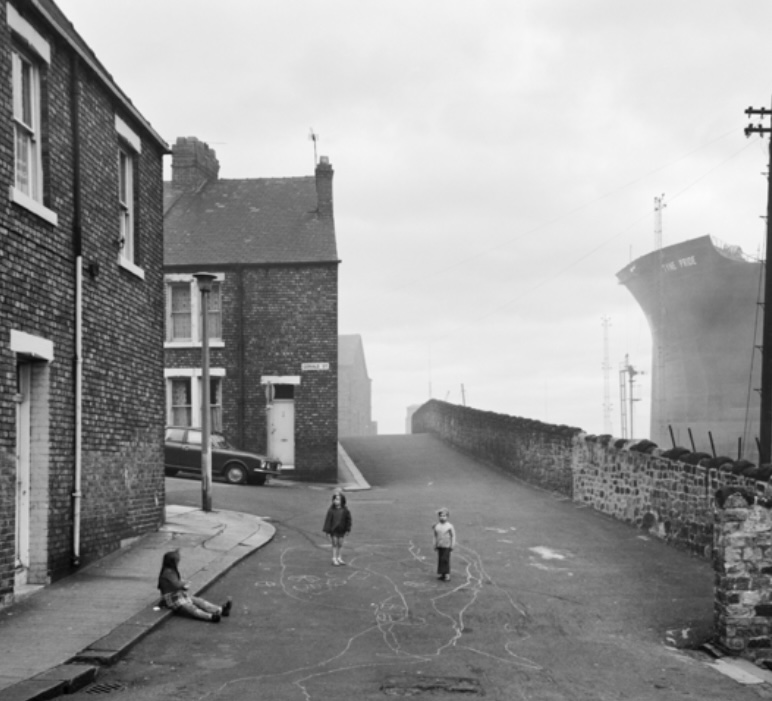
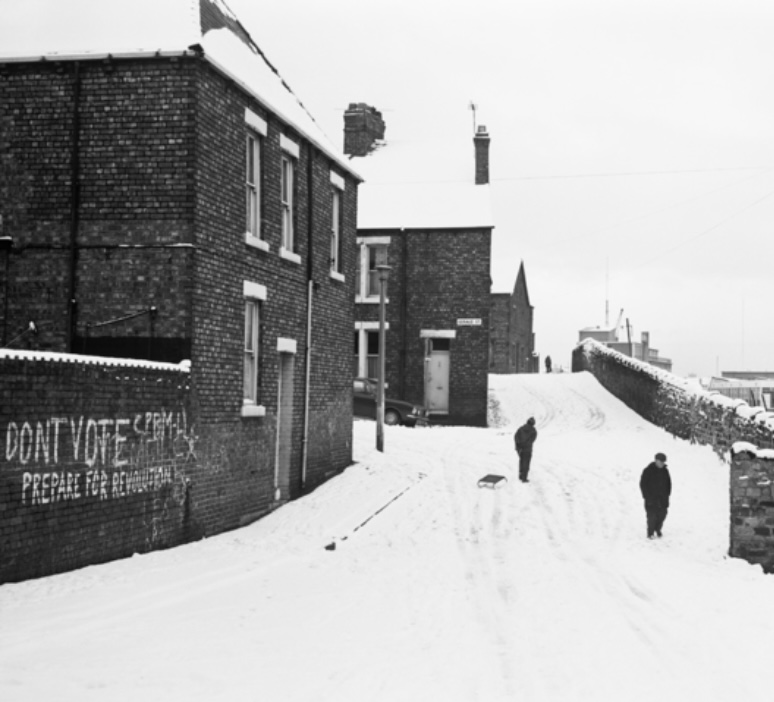
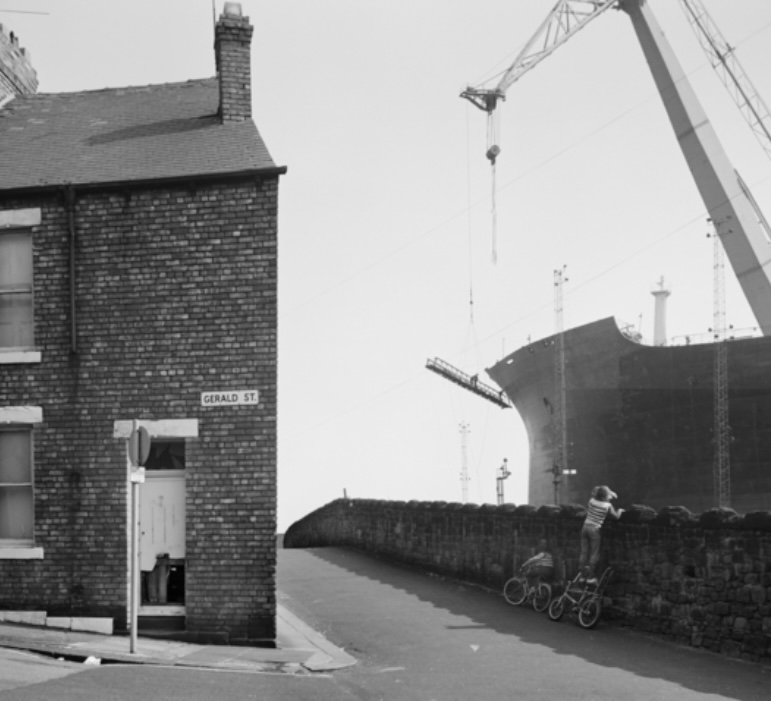
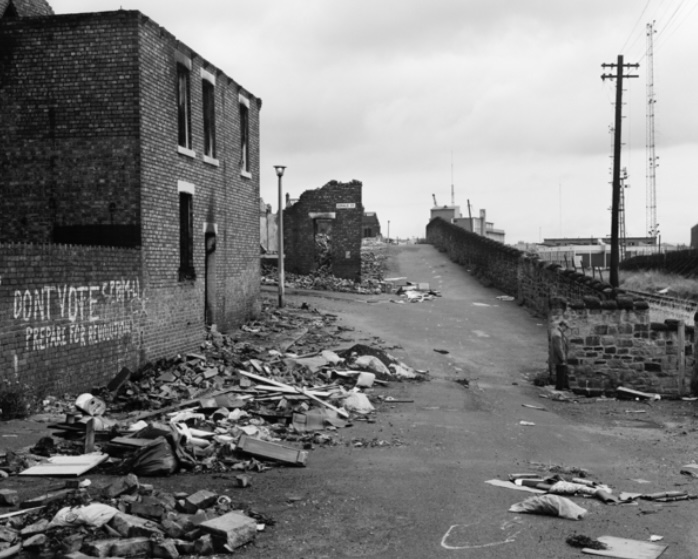
There was more about shipbuilding and industry on the Tyne, including one photograph by Chris Killip. Afterwards I went into his exhibition of “The Last Ships”. His eye is perfect, but it is perhaps the time he spent on the people and the area that was his invisible power. These photographs of the same street over the course of a couple of years in the mid-1970s:

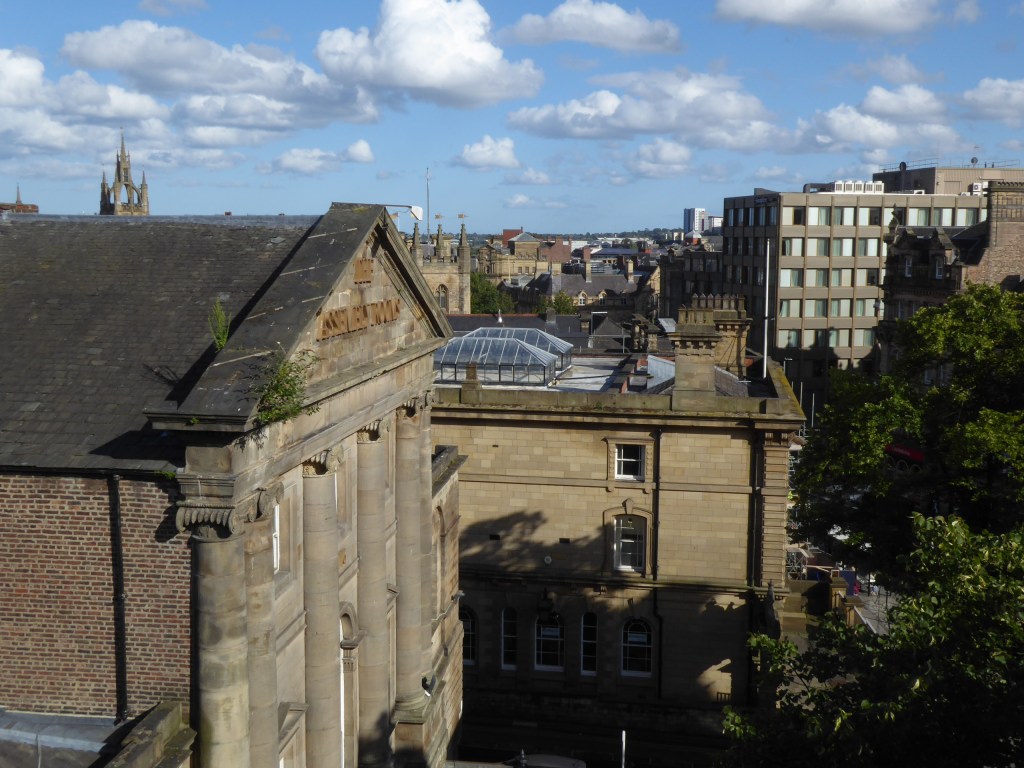
My room is on the fourth floor and I have a perfect view of the Ionic capitals of the old Assembly Rooms. And of the buddleia sprouting from its masonry.