Staveley to Kendal II

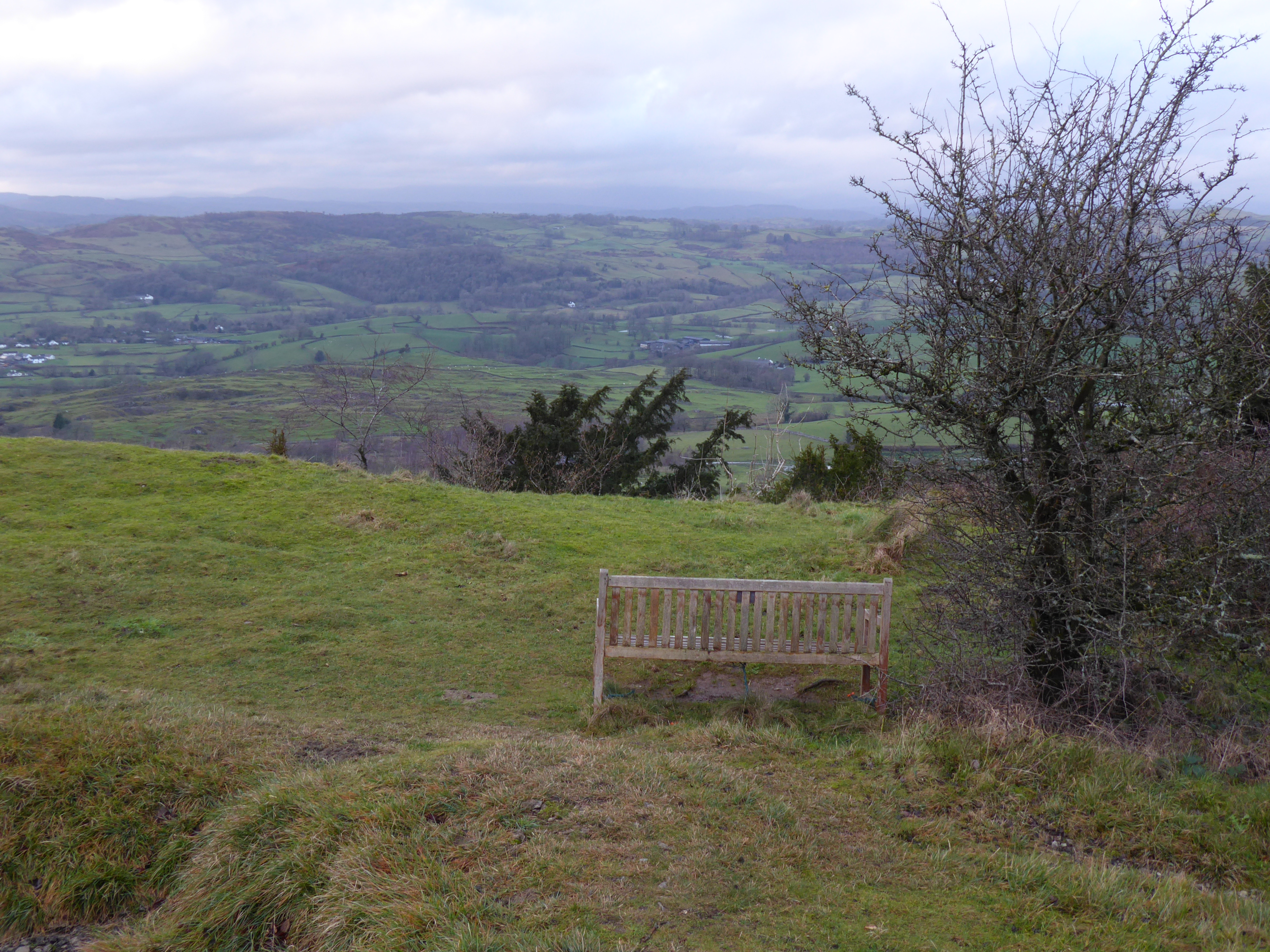
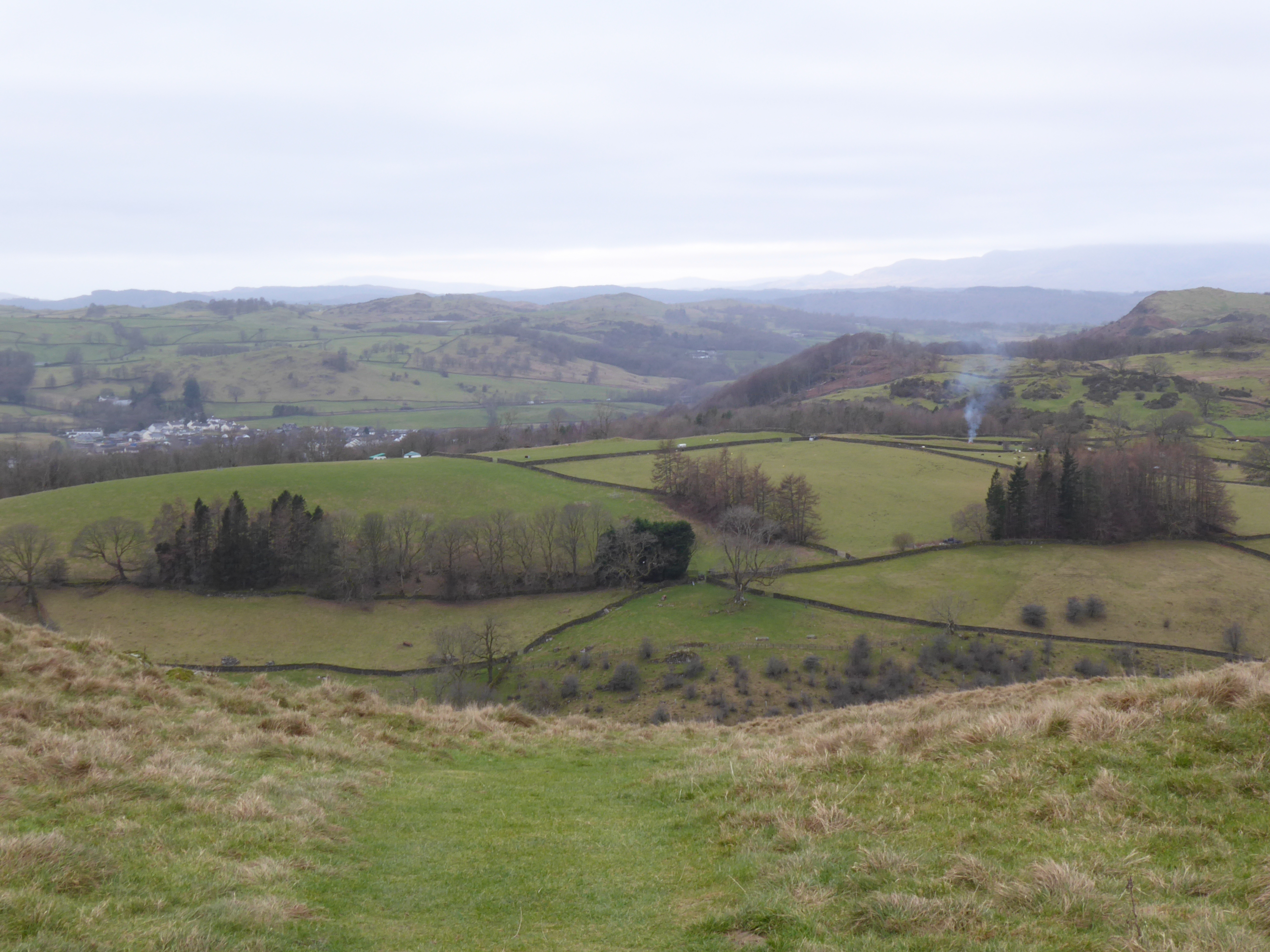
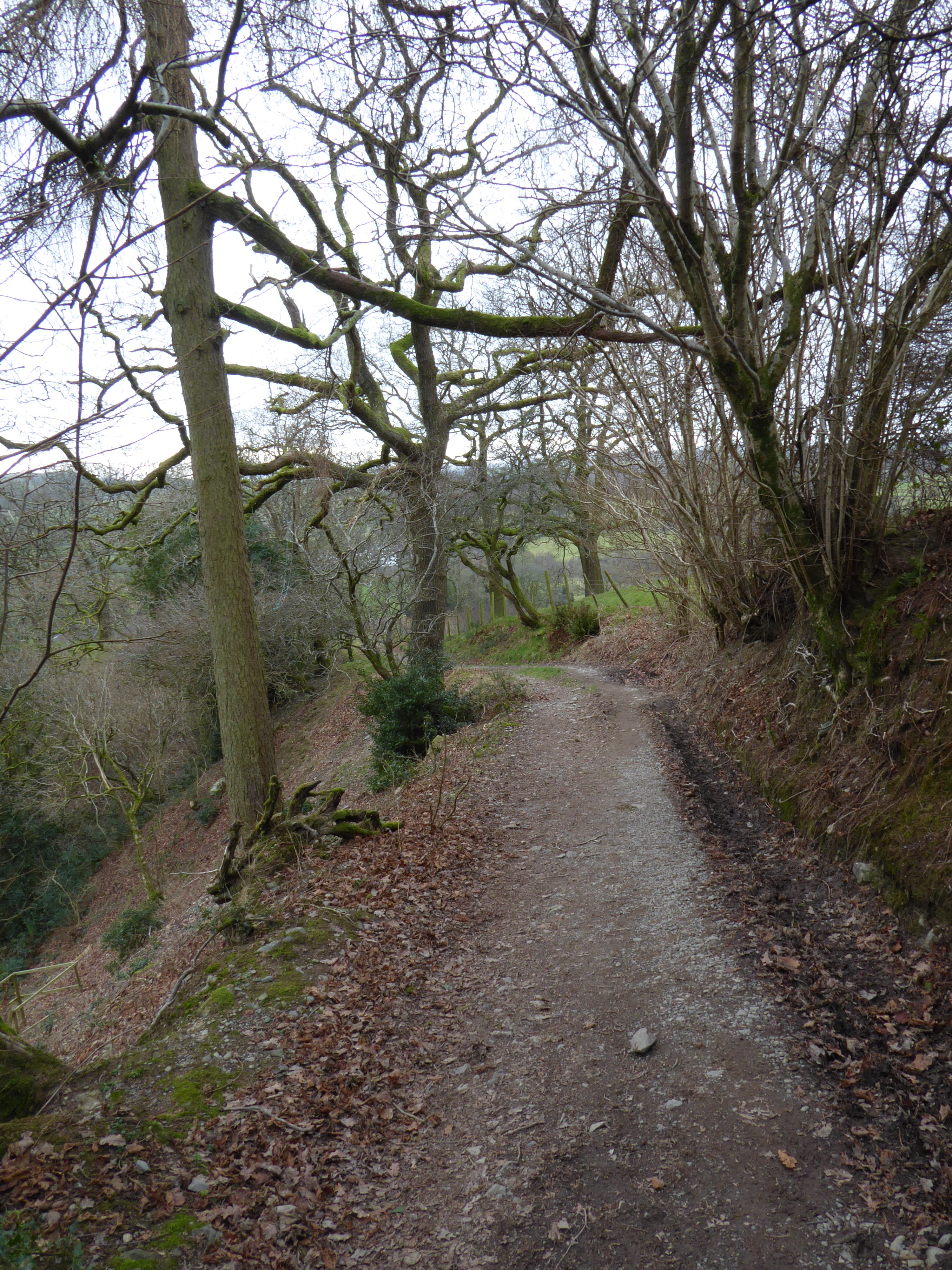
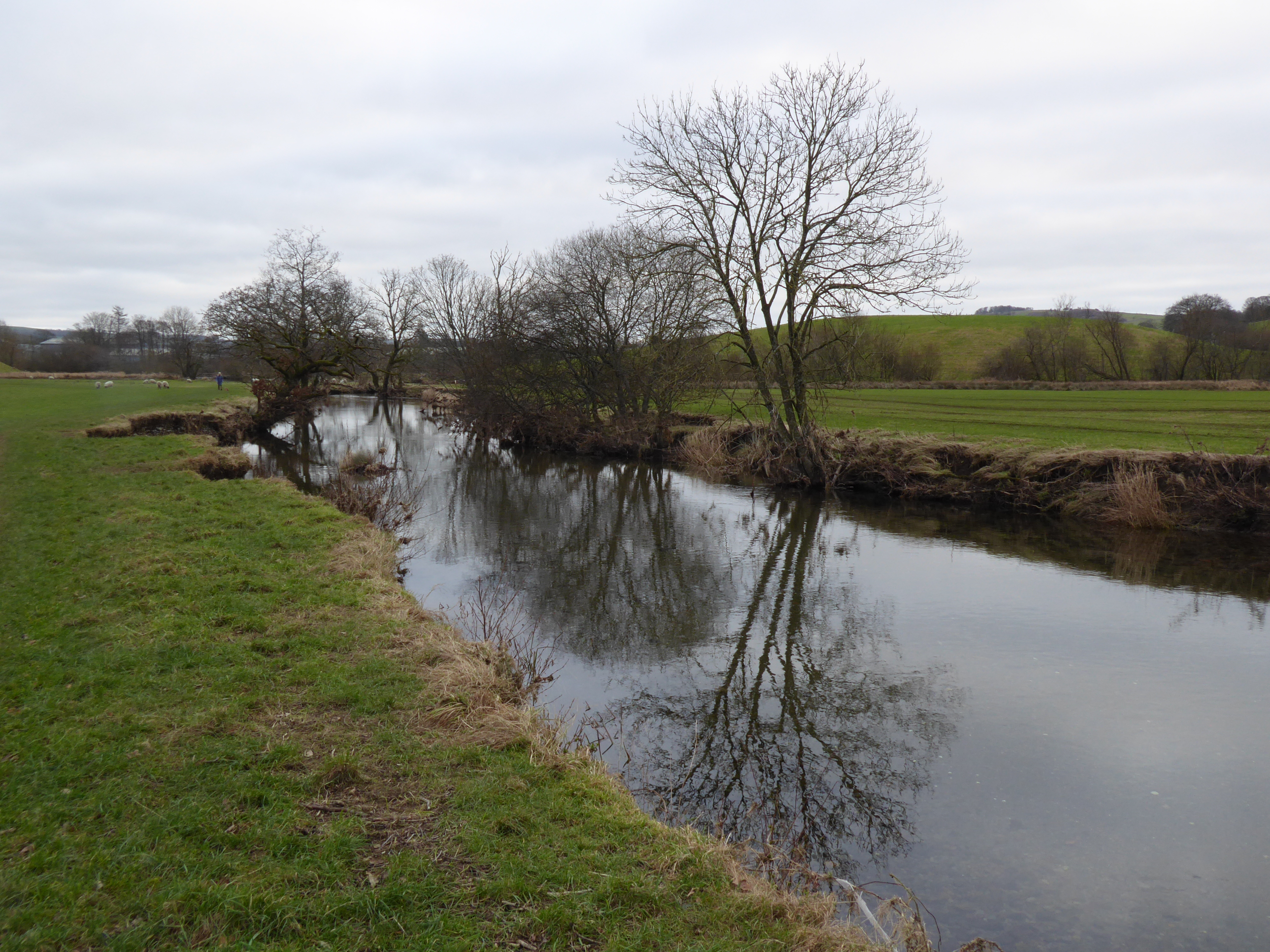
This time I set off north from Staveley rather than south, via Potter Tarn and the River Kent. It was a cold, grey, windless day; mercifully it has been dry for over a week, so there was no slippery mud to contend with on the up/downhill sections.

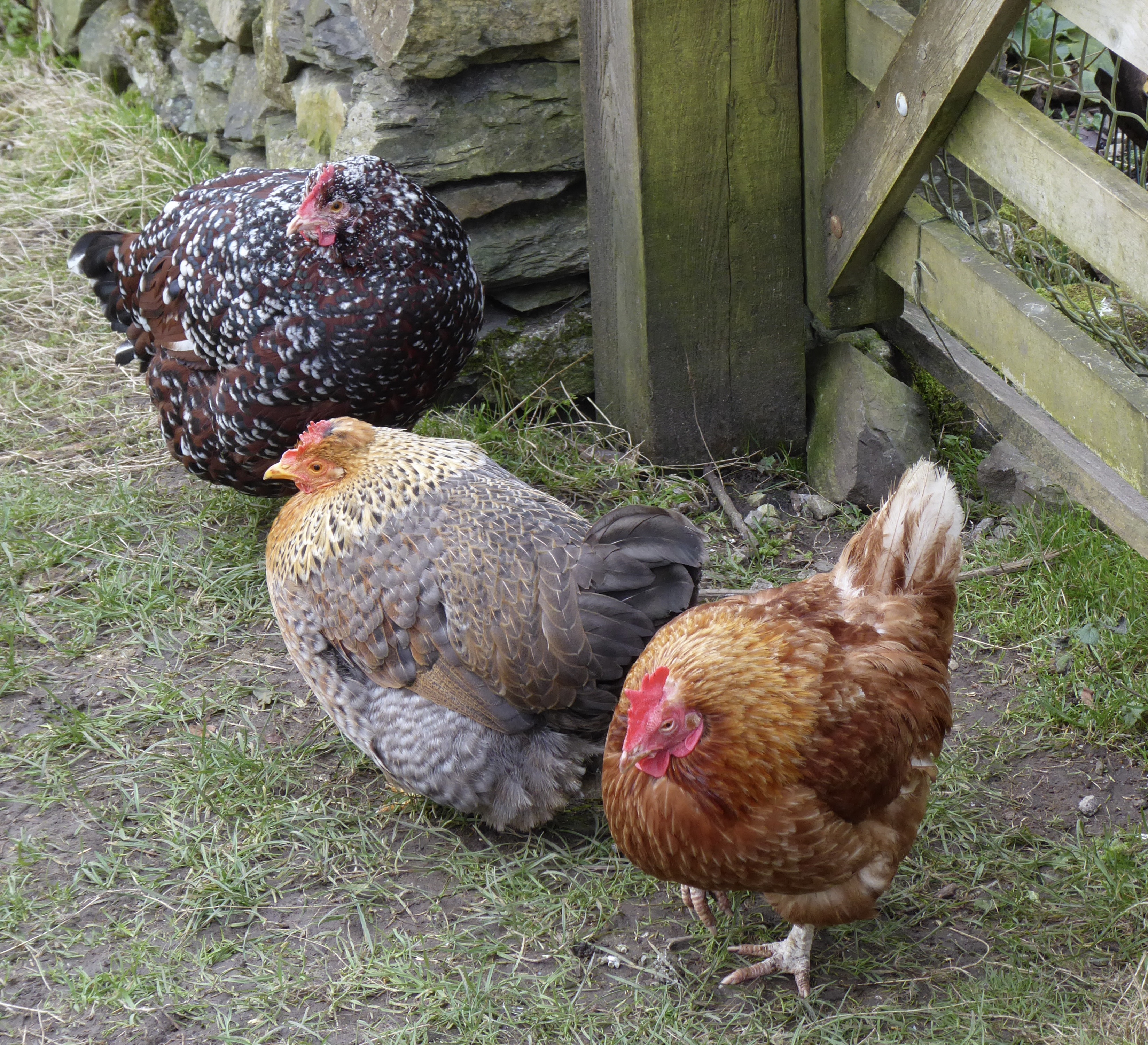
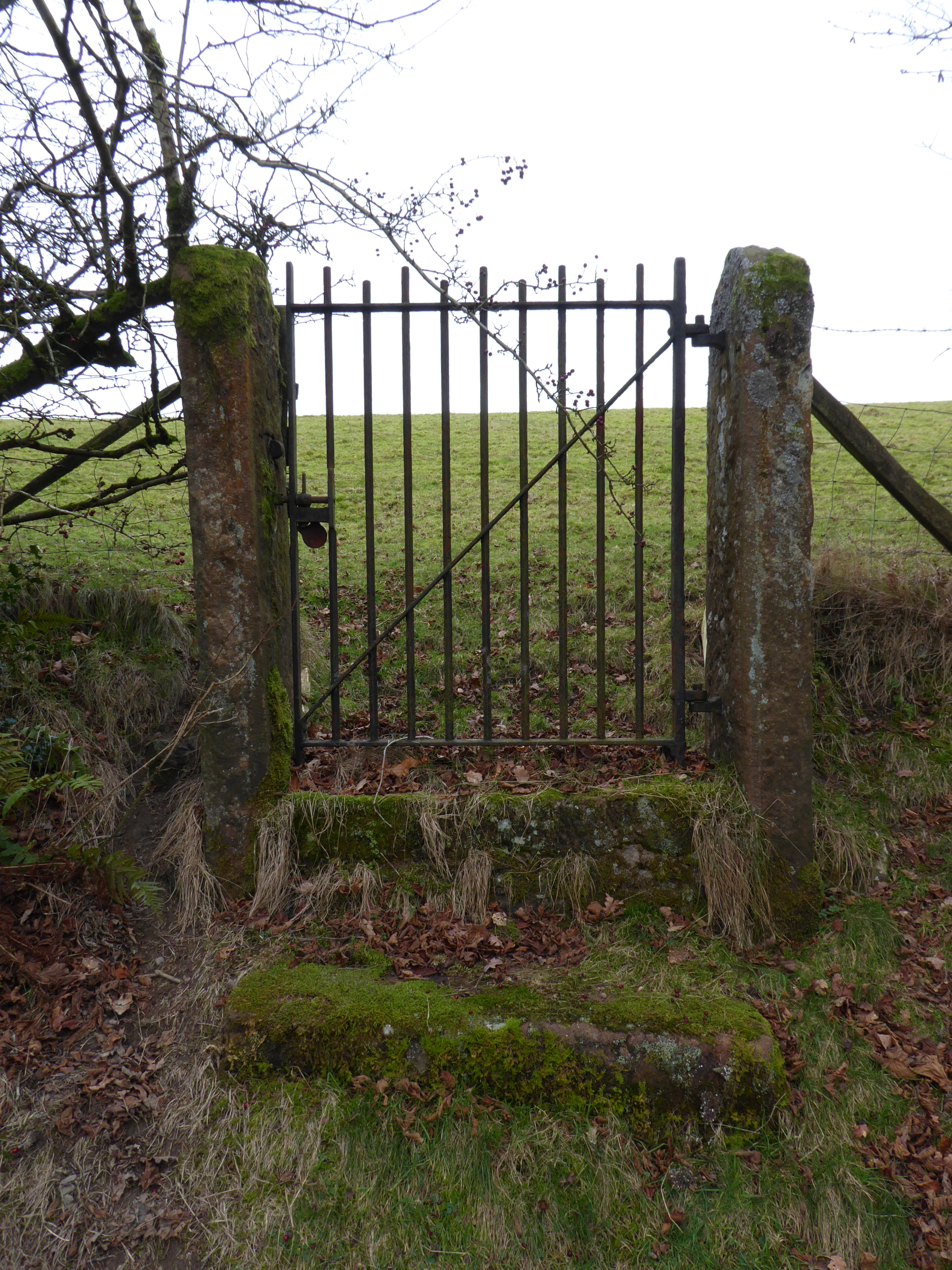
Truth be told, it was quite a dull walk. It sounds great to have views of the Lakeland hills, but – not wishing to sound ungrateful – a grey day highlights the monogreen bareness of the land. Thank goodness for serendipity: hens, another Thirlmere gate (built to enable engineers to maintain the Thirlmere aqueduct) and my first sighting of massed St George’s flags on an estate in Kendal. I’m still thinking about the latter.
Staveley to Kendal

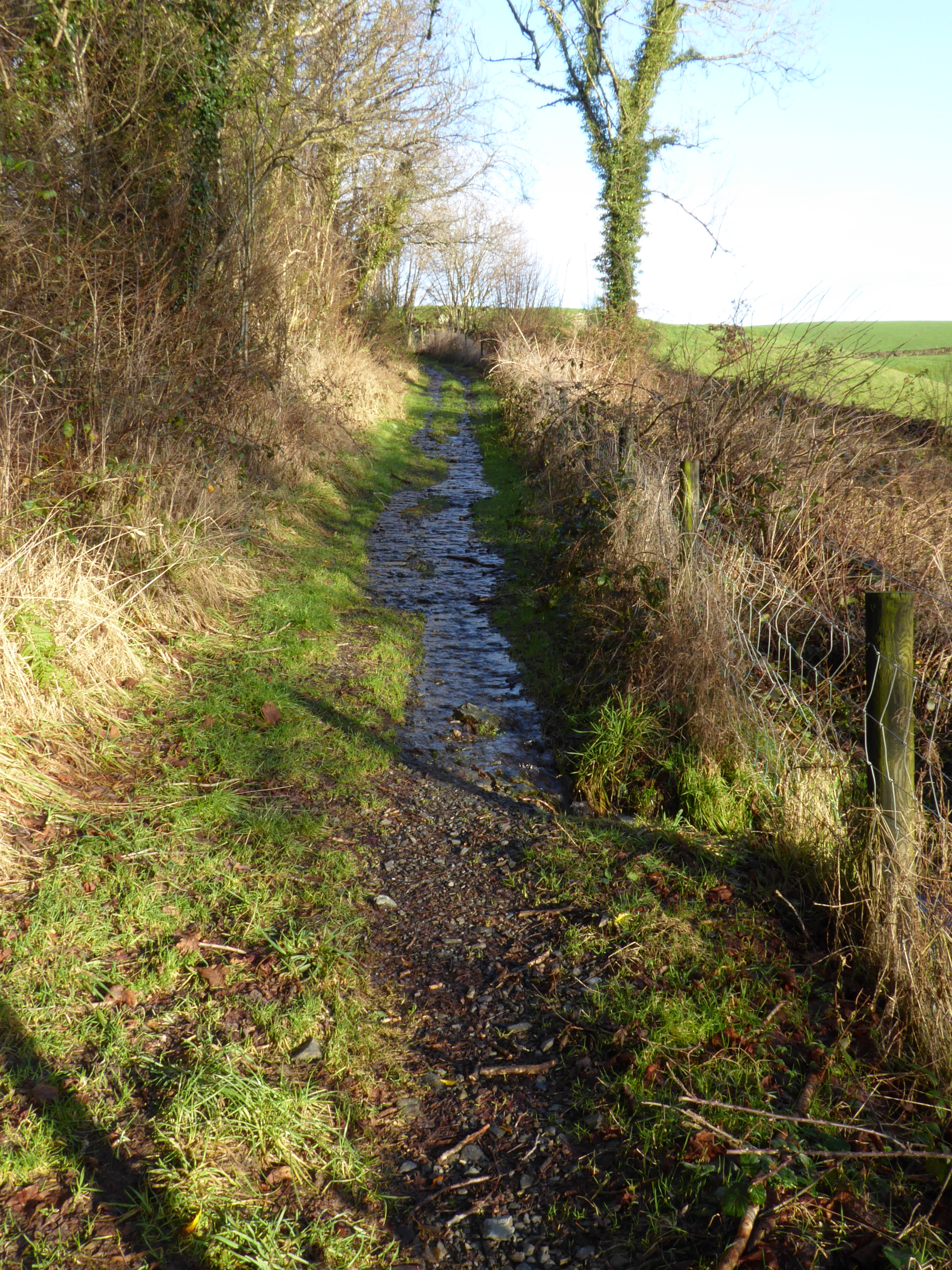
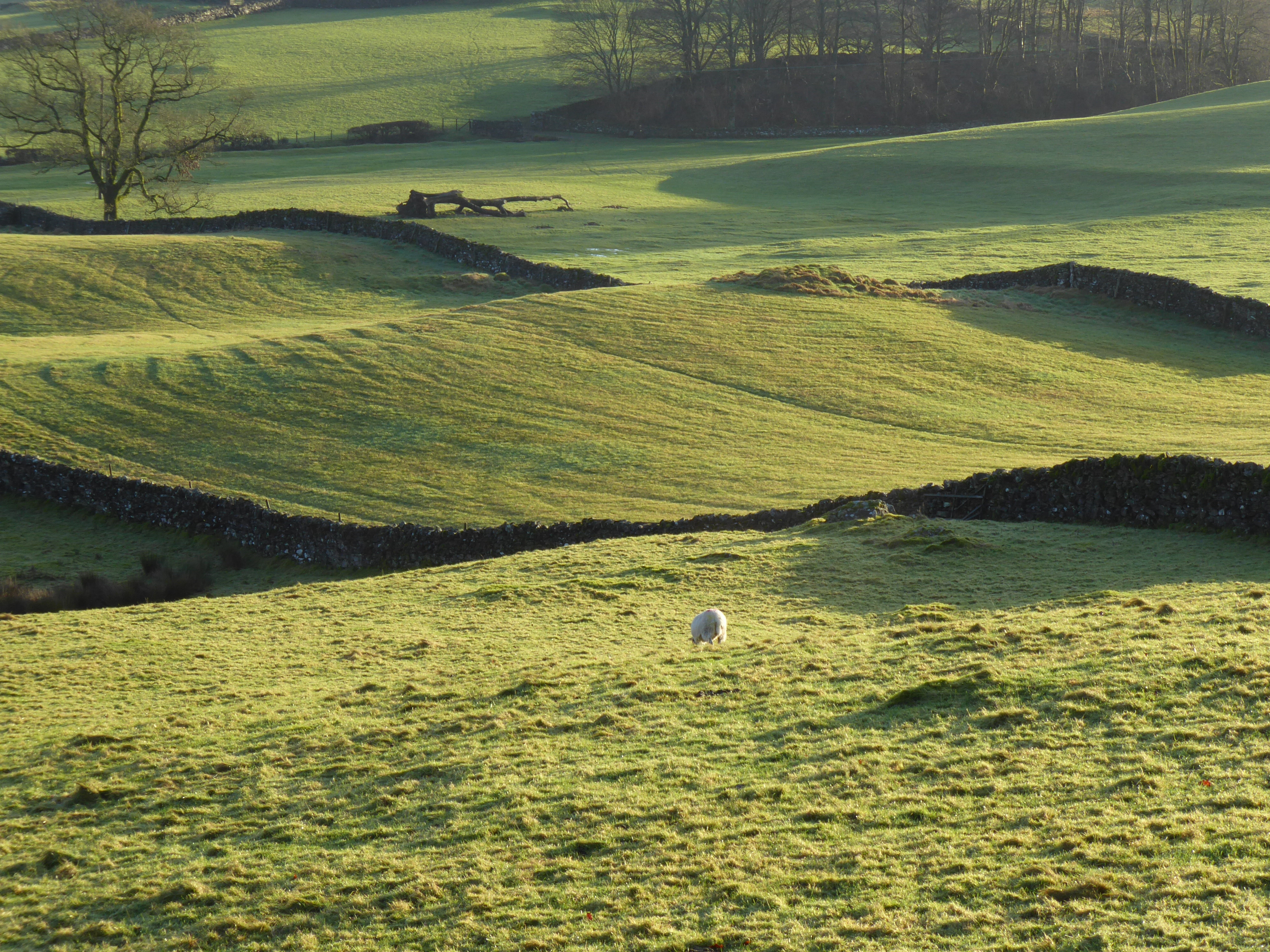
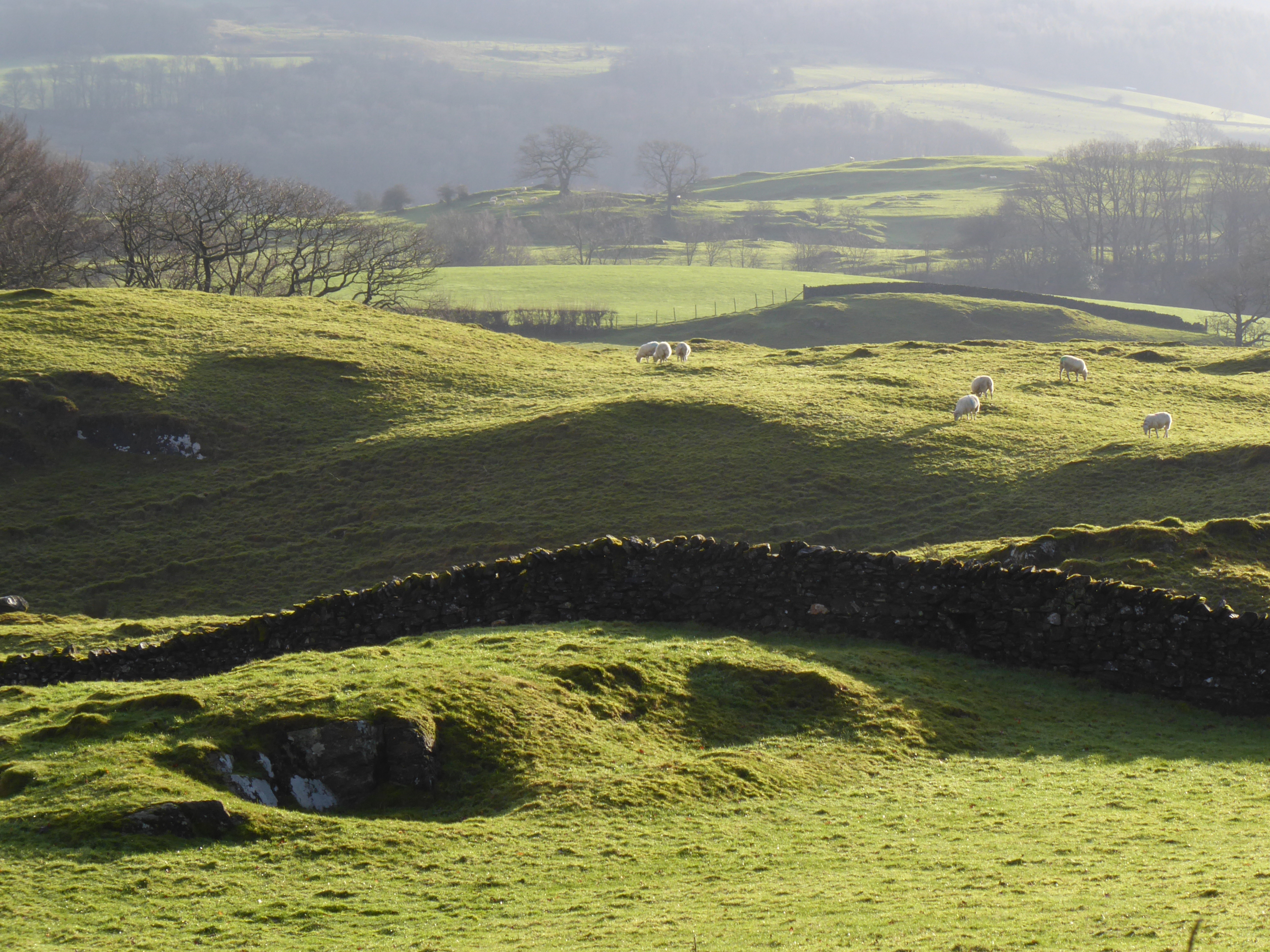
It was a sunny day so I went for a walk. There’s been a lot of rain so I used byways as much as possible – muddy, but less muddy and more easily navigable than the footpath I took south of Staveley. I’ve never splashed mud up to my knees before.

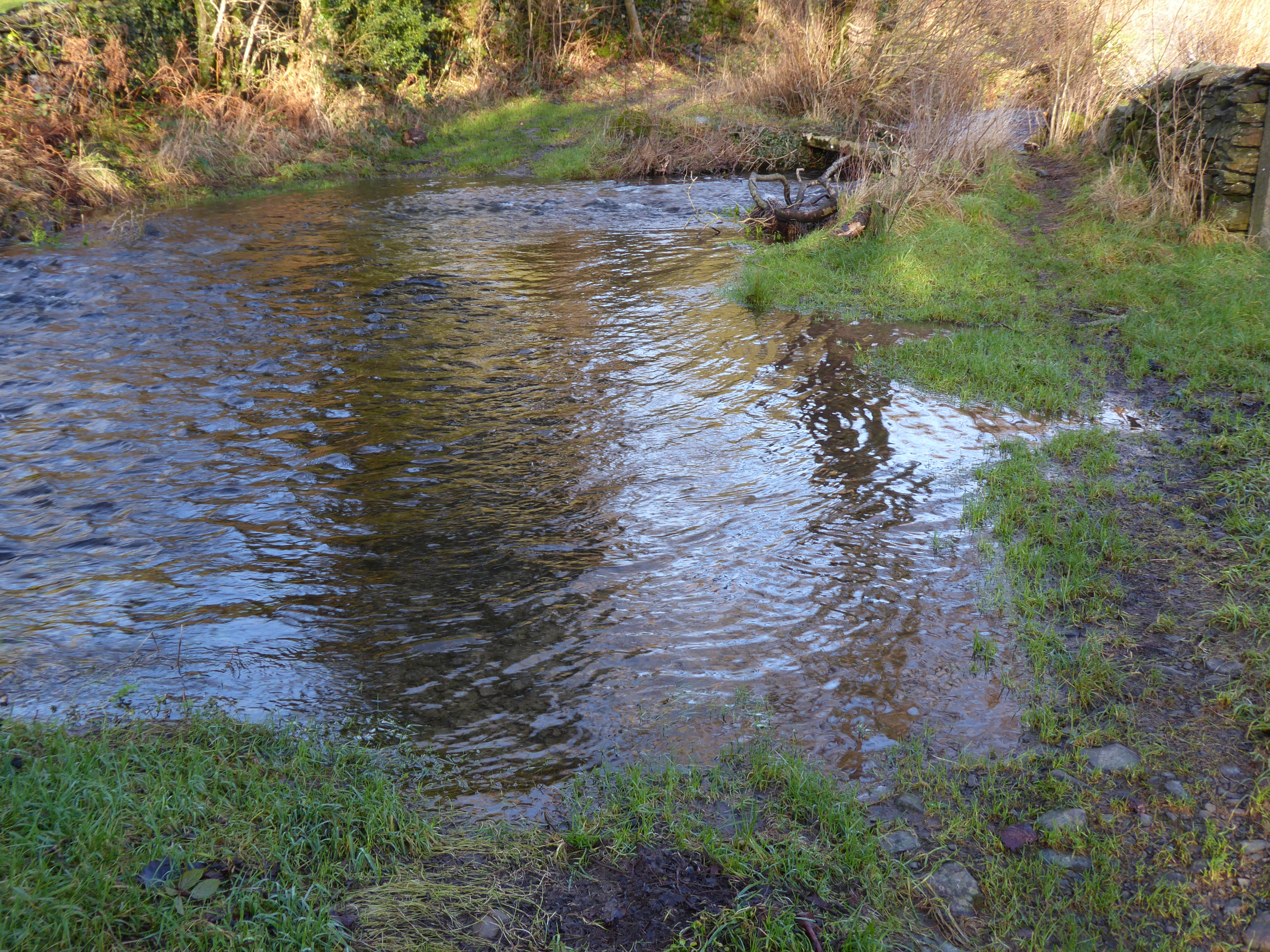
The strong shadows turned the landscape into an abstract work of art. I was rather flummoxed at the ford – until I noticed the little bridge. On Gamblesmire Lane I looked for the bee nest in the hollow tree, but the sun had disappeared by then and there was no sign of bees.

Kendal

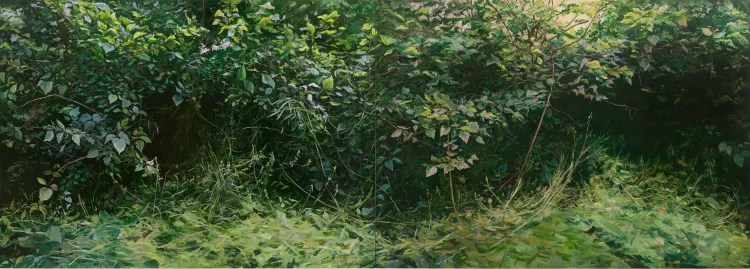
The Verge by James Lane 5, Hannah Brown, 2024, oil on linen

To Abbot Hall for a wander around the “Expanding Landscapes – painting after land art” exhibition. I have – finally! – grasped that I must not expect an immediate “wow” moment – e.g. Dr Pozzi. (Actually, though, there was a “wow” moment – Hannah Brown’s “Verge”, which made me wonder which might lurk in its darkness even while its exuberant growth enchanted me.)

But in general there was no sense of “immediate” in my viewing; I had to read and watch in order to enjoy some of the work. I particularly liked Onya McCausland’s focus on paint colours originally coming from the earth and Jessica Warboys’s river series. It gave depth to paintings that were otherwise a bit underwhelming.

Kendal

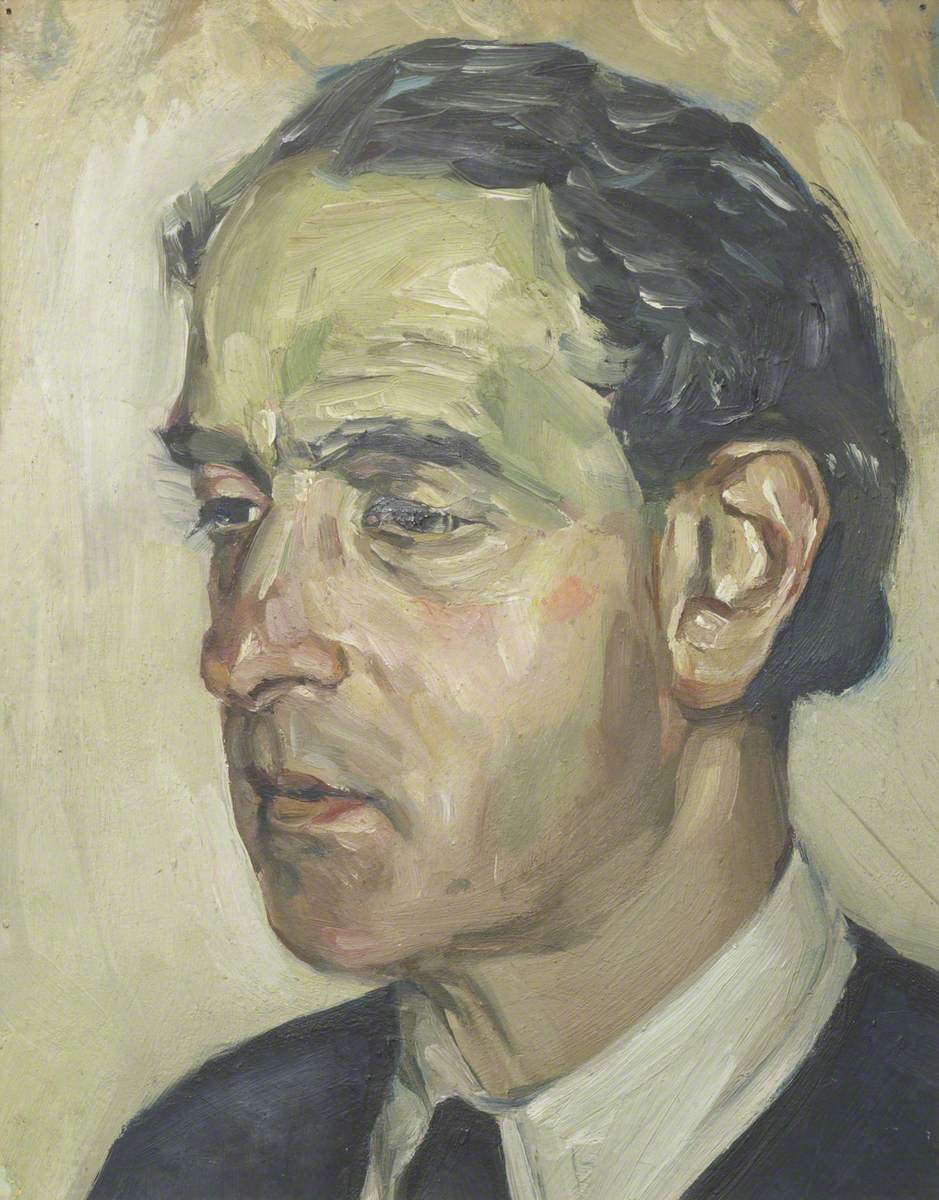
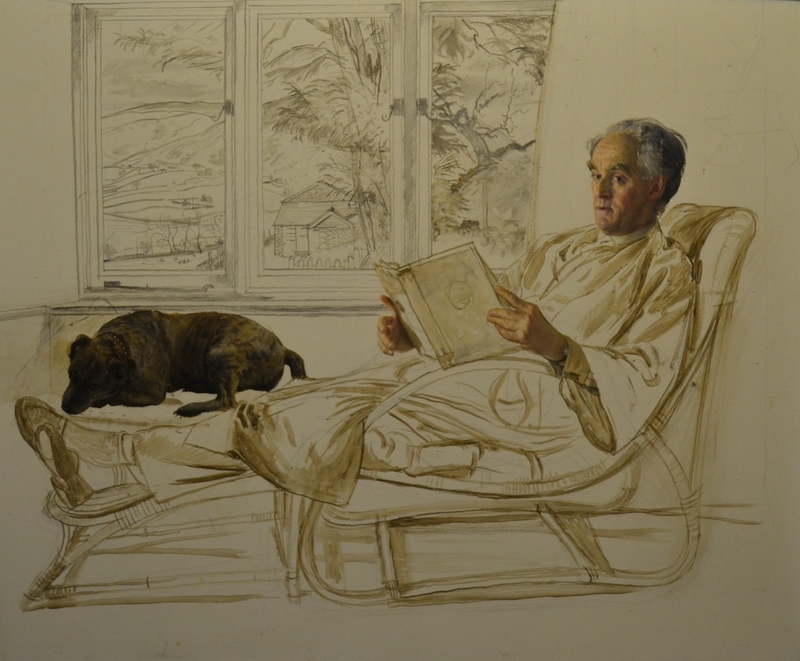
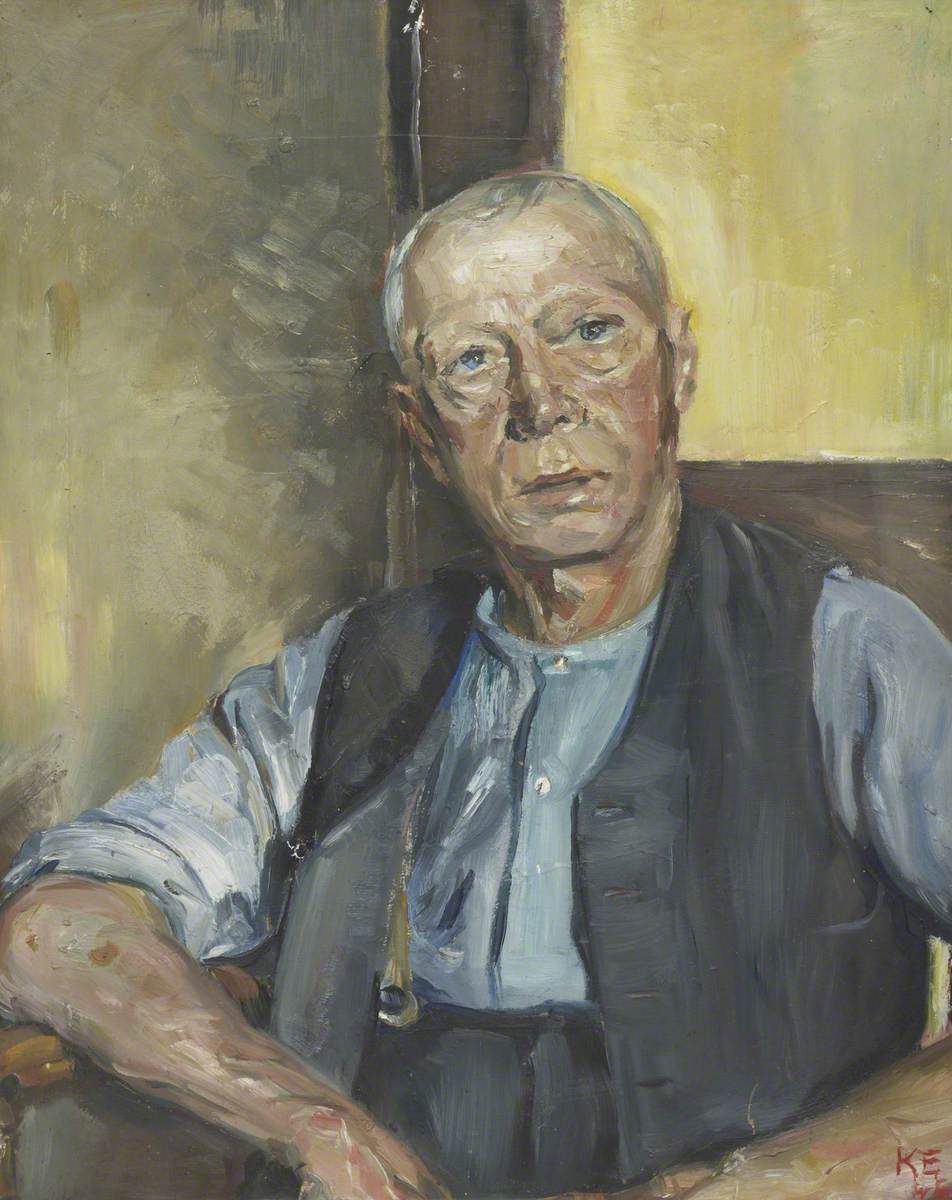
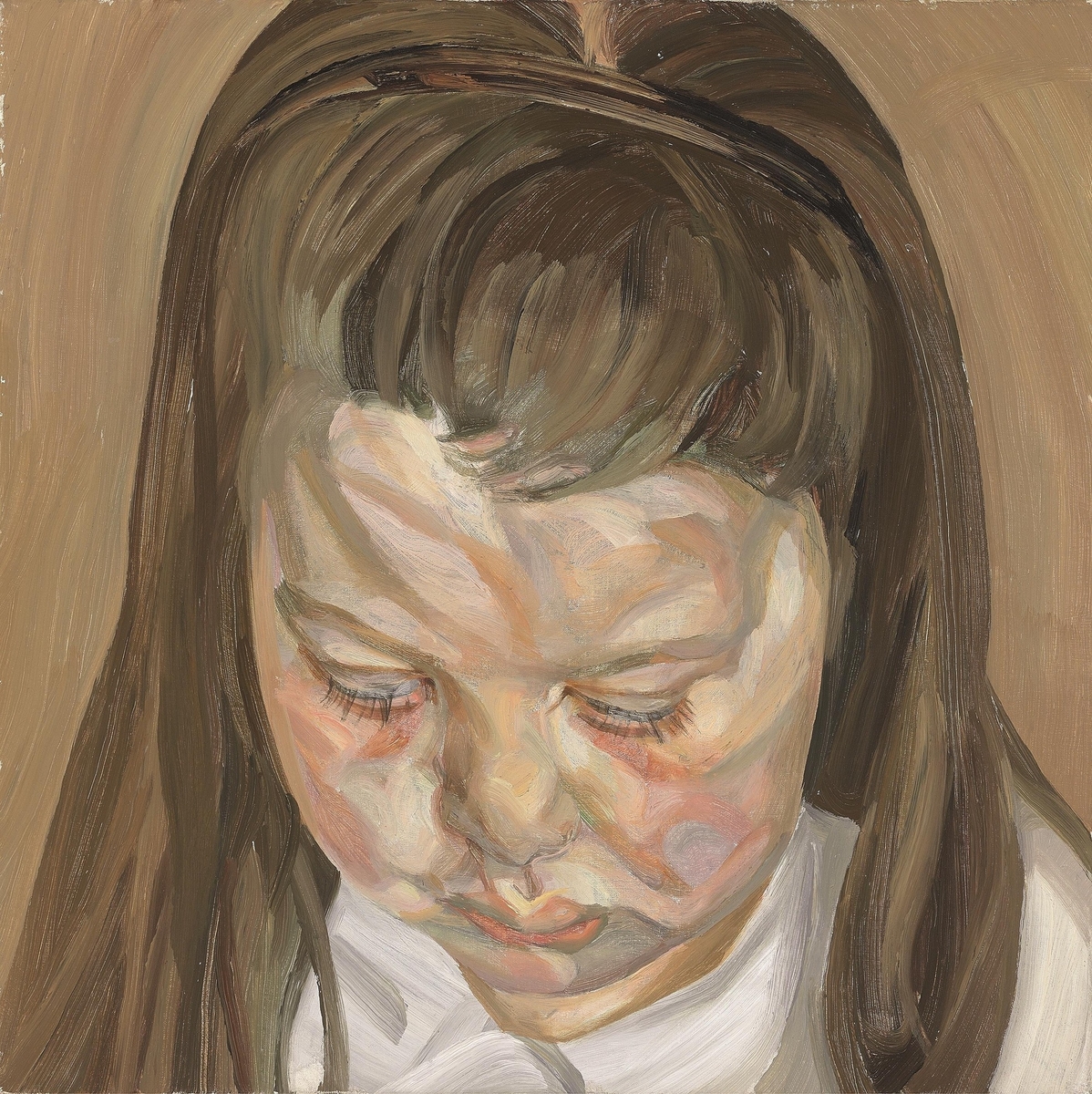
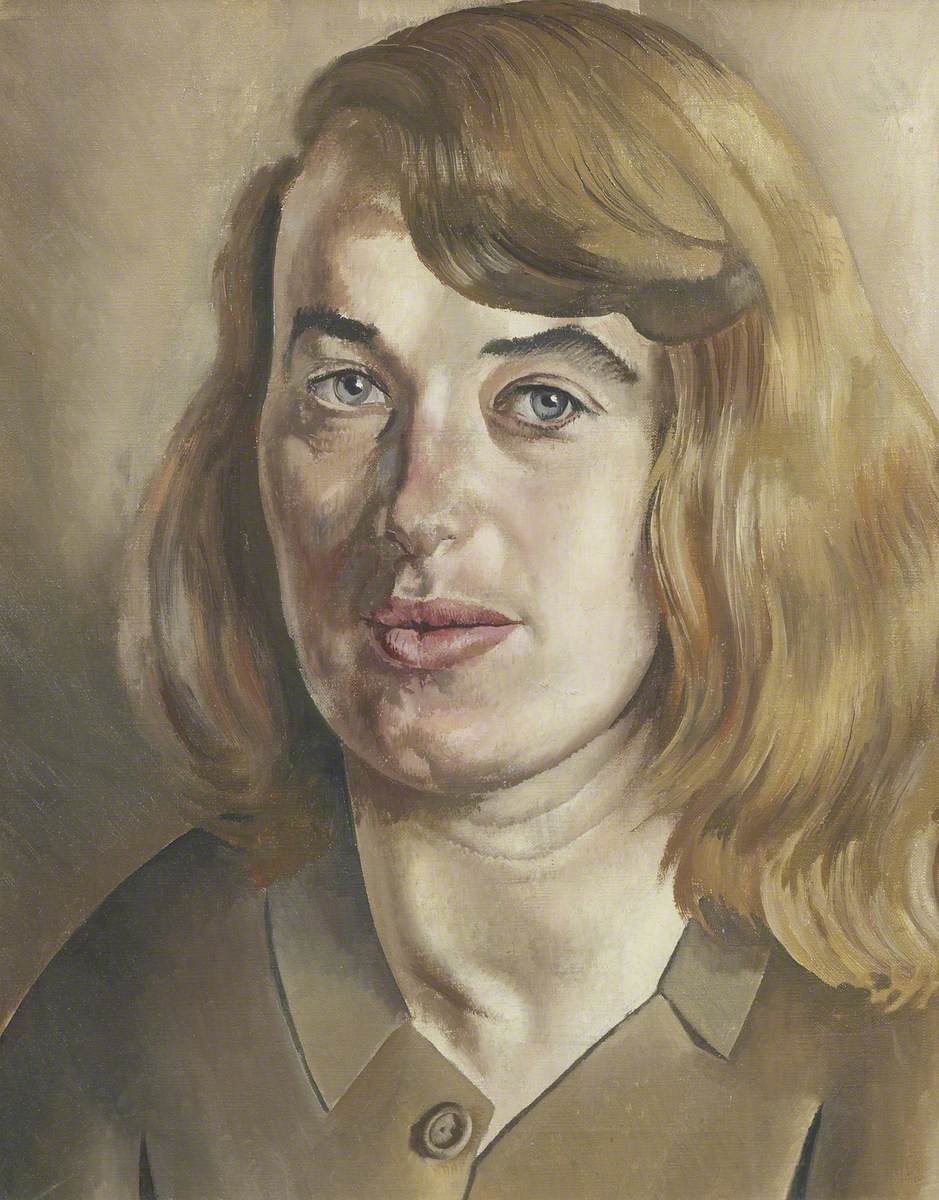
I hadn’t been to Abbot Hall for a while: time to go. There’s an exhibitions of portraits where I enjoyed looking at the way different artists used brushstrokes to represent flesh; there was almost something “paint by numbers”ish about Lucien Freud. I notice that they’re all rather beige.

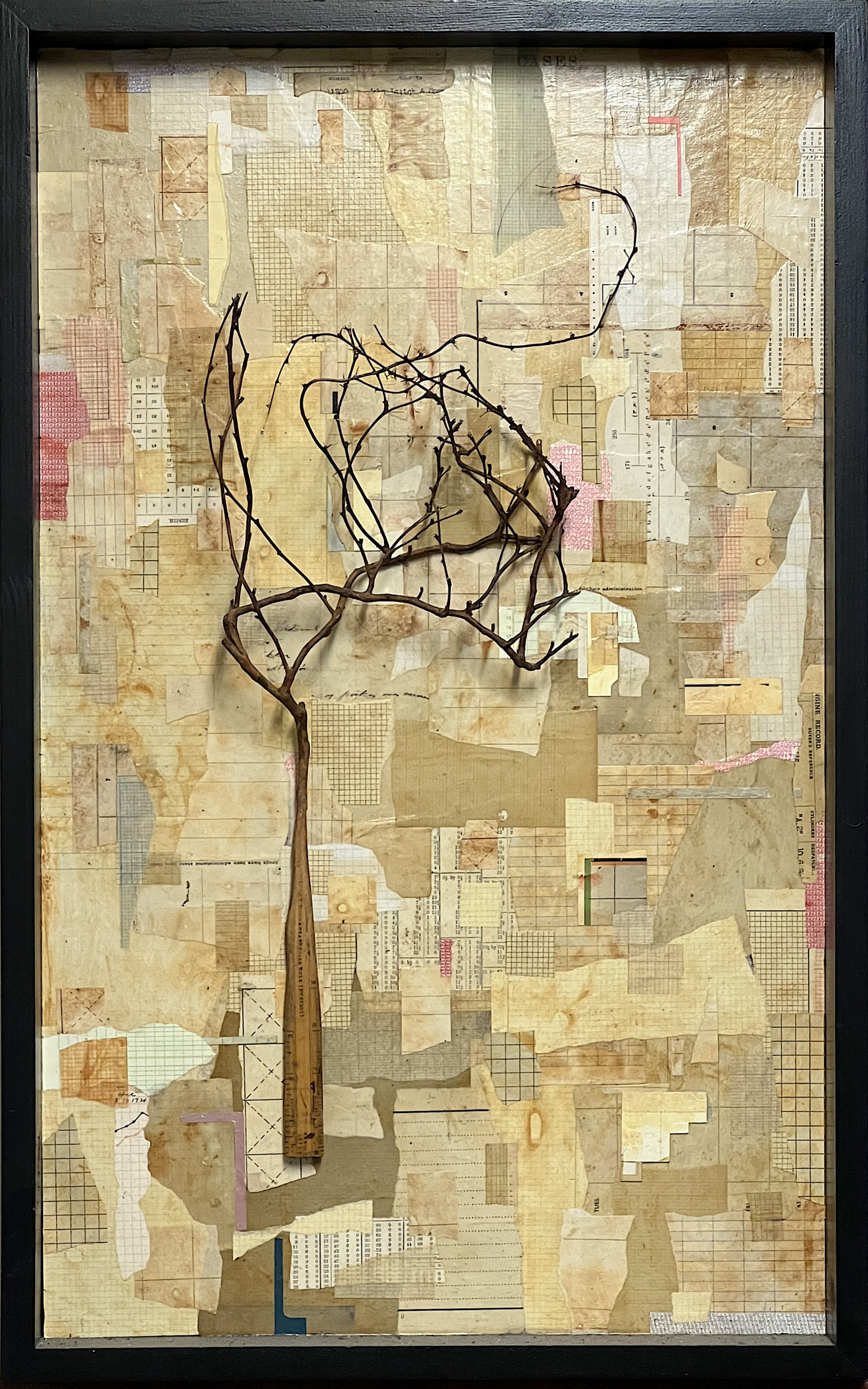
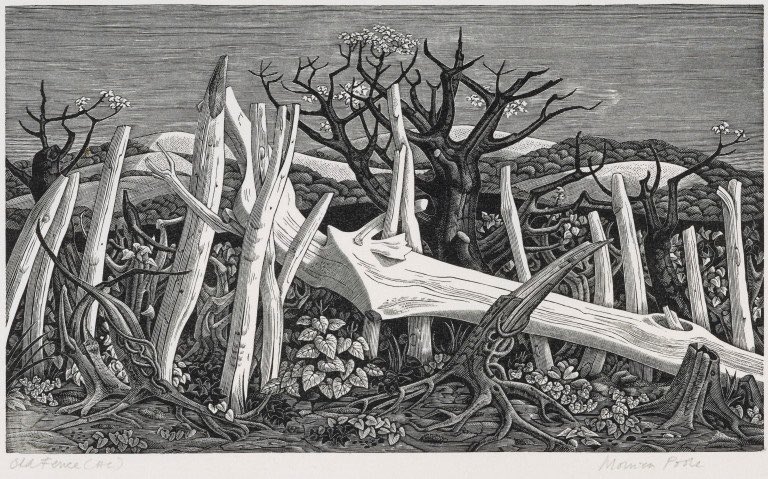
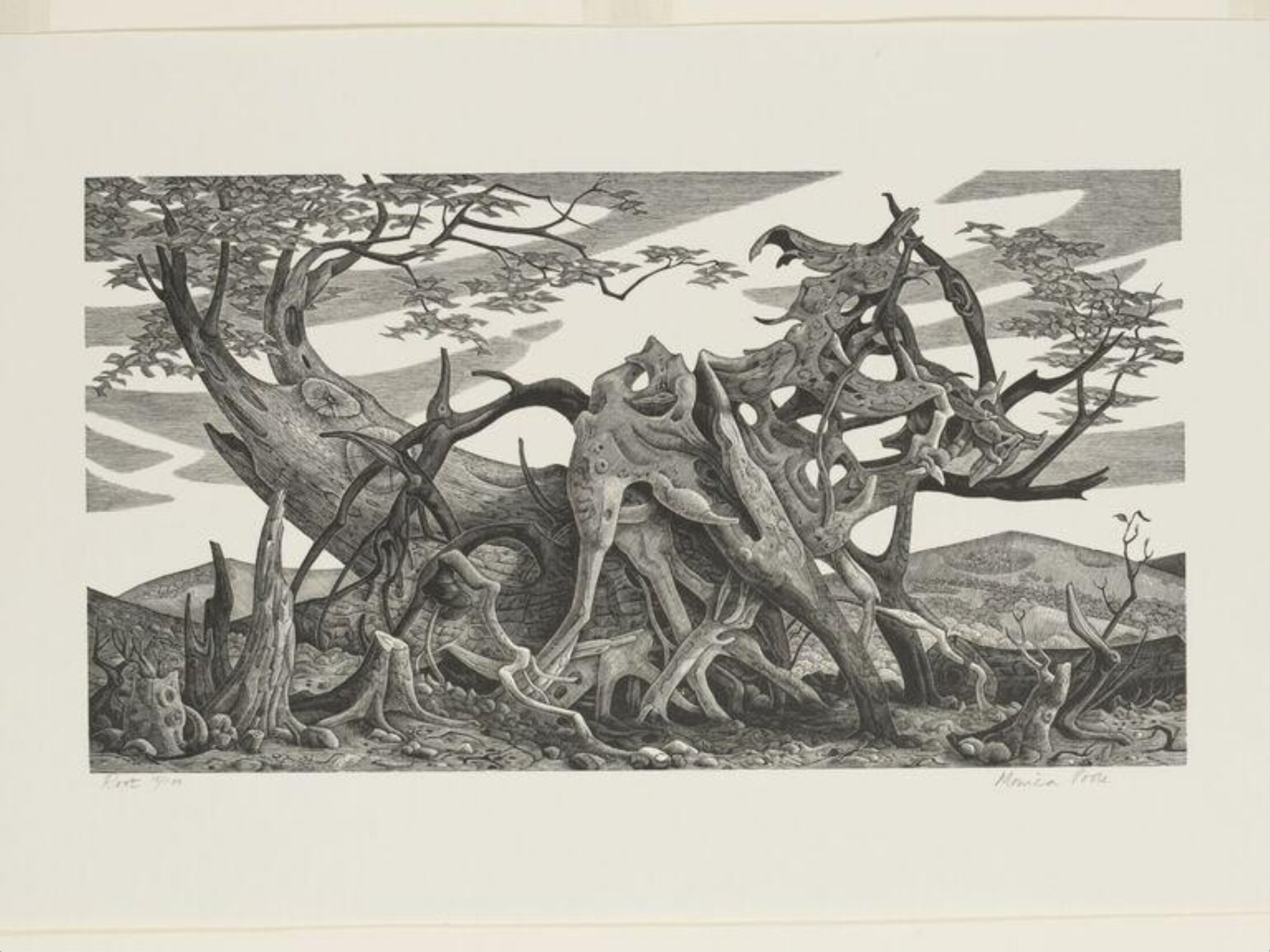
A room of botanical/garden studies (I particularly liked Russell Mills’s collage) and then a history of the Abbot Hall collection from its opening in 1962. There were lots of surprises: a Ferdnand Léger lithograph of “Les Amoureux”, woodcuts by Monica Poole and a watercolour, “Greek Landscape’ by John Craxton,