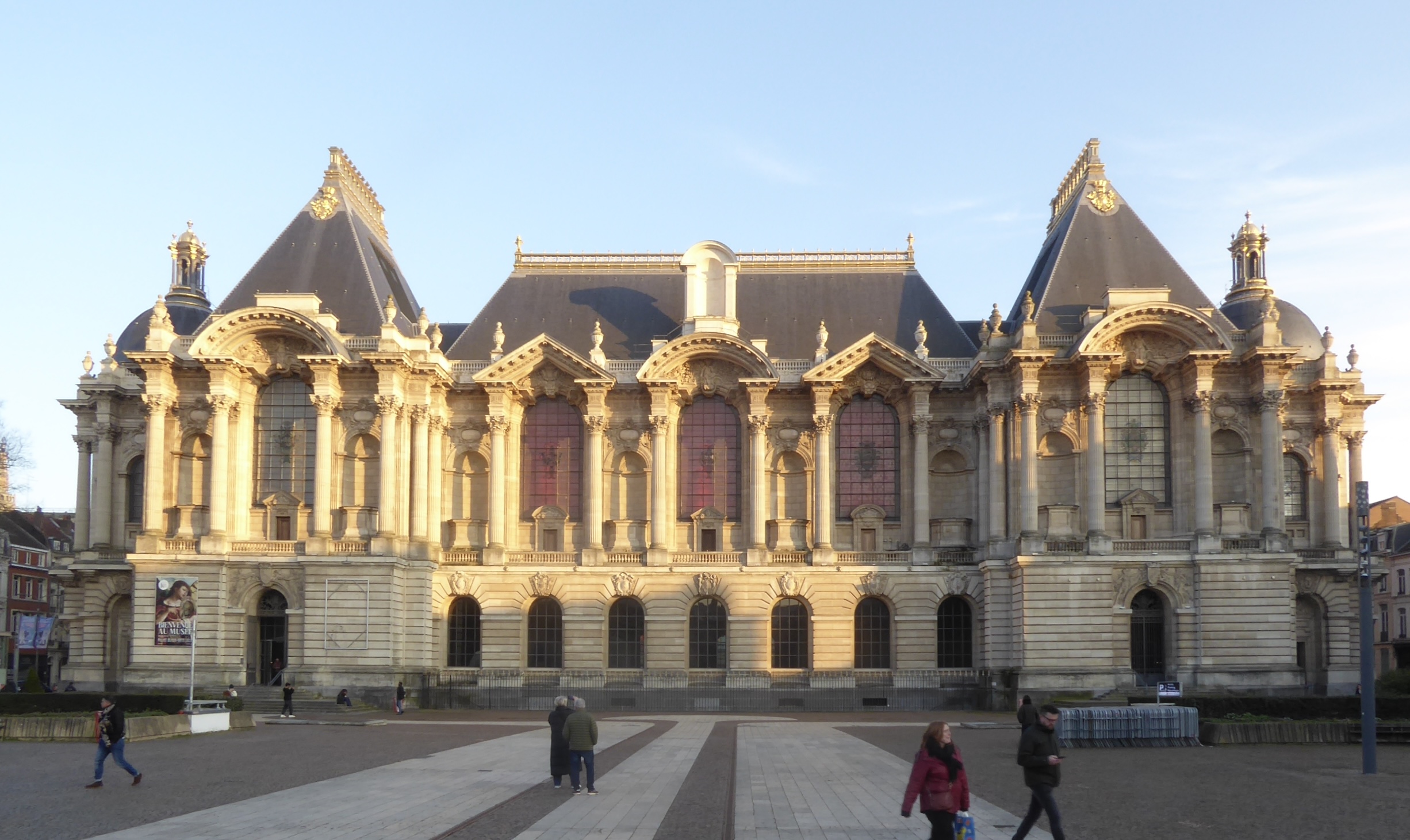
I arrived in Lille in brilliant sunshine and a rather bewildered state of mind. The travel sickness pill I had taken left me feeling detached; moreover I was bothered by not being able to make sense of the French I heard all around me. I’d caught an earlier train in order to visit the Palais des Beaux Arts – but even that just added to the sense of being all at sea.
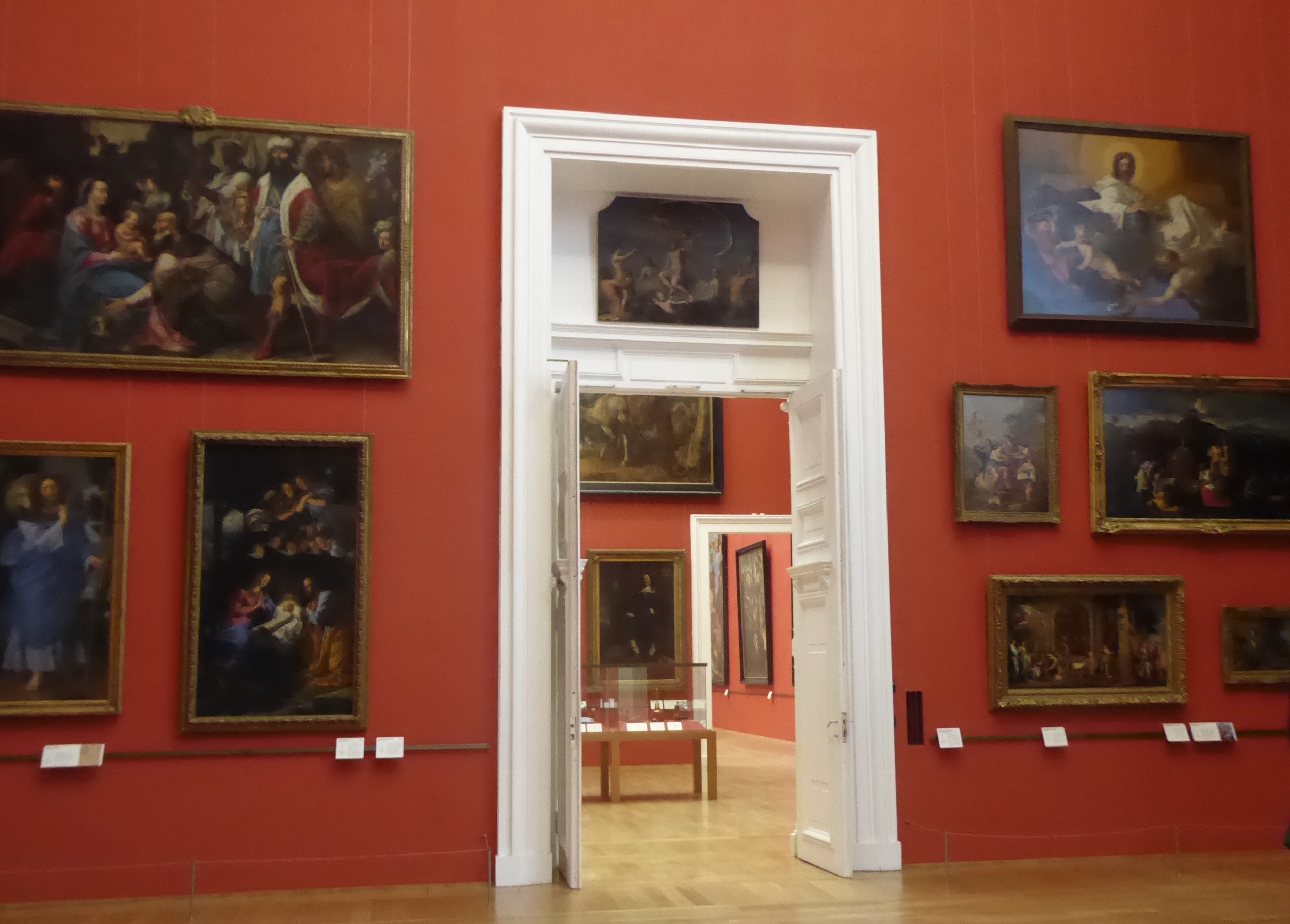
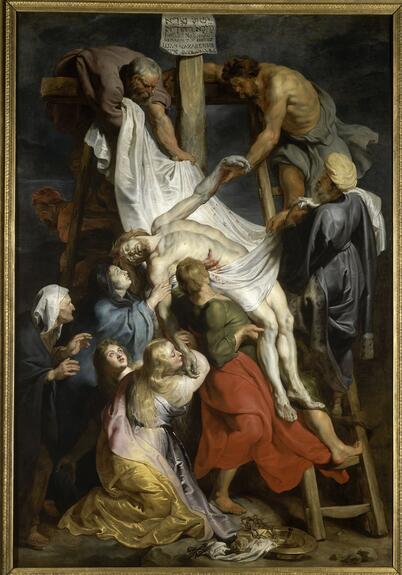
It’s a very imposing building – but one that weighed down on me. Room after room after room, each leading into the other . . . there was way too much stuff! Once again, I realised how artists’ studios churned out paintings to fill churches and to immortalise the wealthy in oils. I quickly decided I did NOT want to see any more putrefying flesh – even painted by Rubens – or horrible mash-ups of Flemish-painter-meets-the-Renaissance. I found it hard to maintain the appetite to take in anything at all.
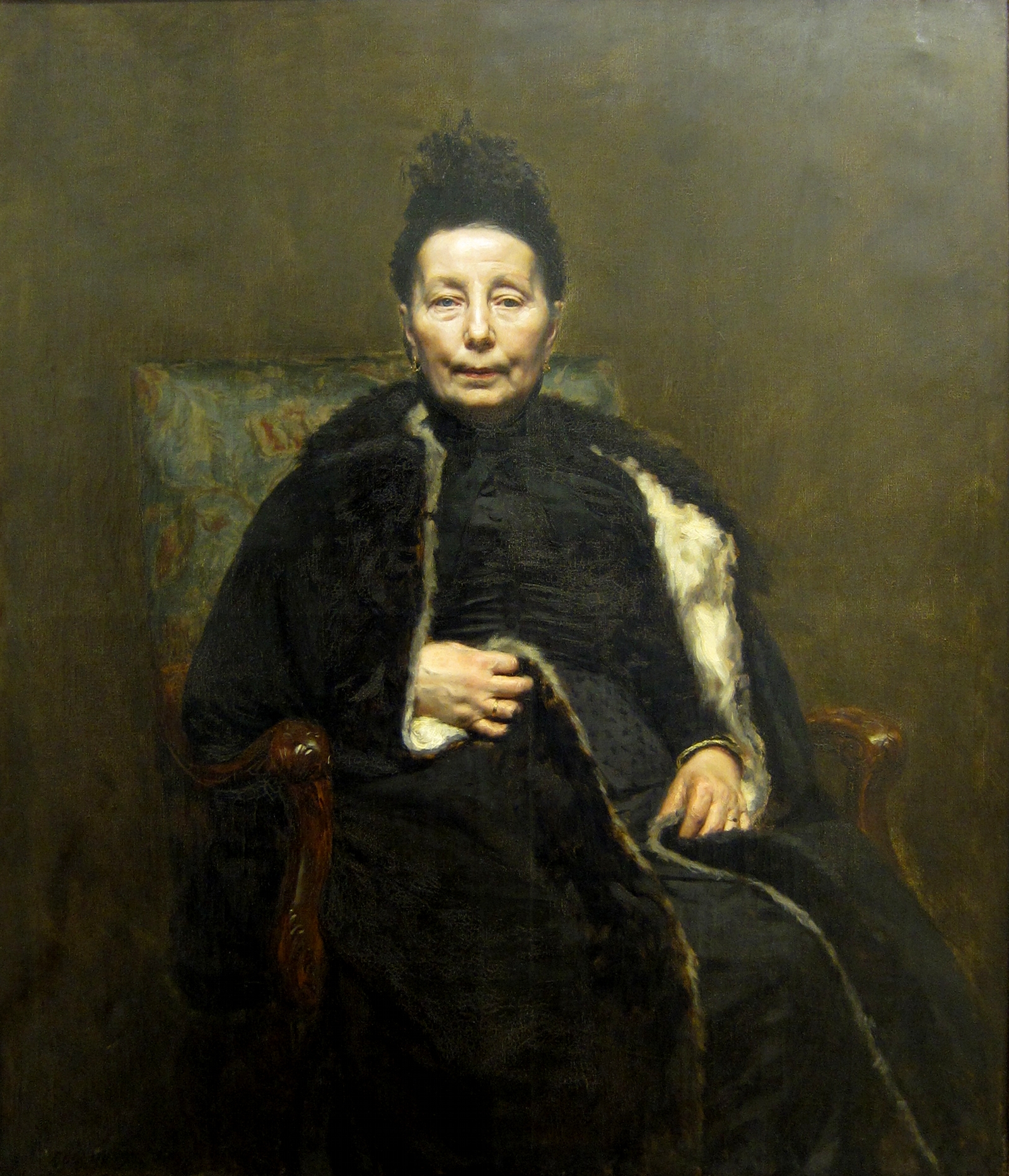
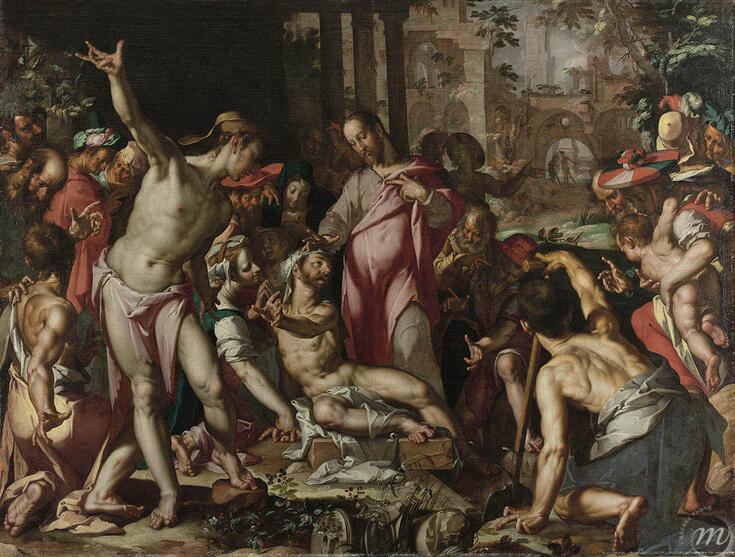
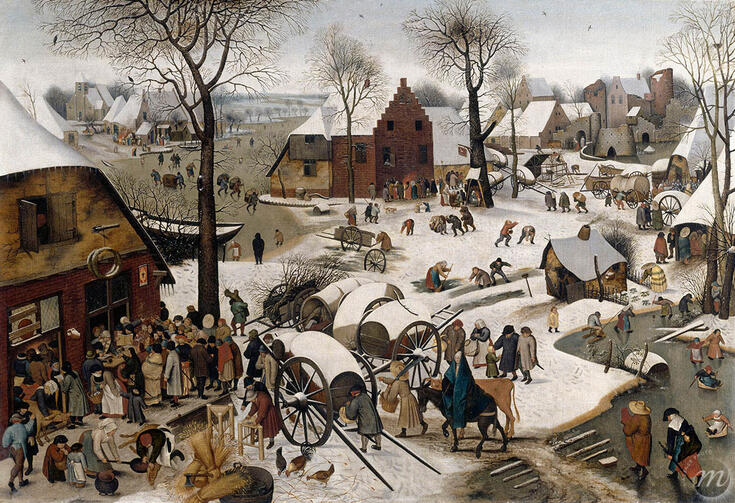
There were a couple of copies of paintings by Brueghel the Elder. Both had religious themes (the census at Bethlehem and John the Baptist preaching) but – in true Brueghel style and exactly as Auden describes it – the titular action is a small part of a much bigger picture that teems with everyday, unimportant people doing everyday, unimportant things. So different from all those depositions and raisings and martyrdoms which completely filled their large frames and which I found so lowering. When I got to the portraits – all so indistinguishable! – I wondered what I should choose to be painted in to signify the 21st-century equivalent of status and piety. Obviously not furs and a rosary; perhaps in cashmere with my ArtFund card between my fingers.
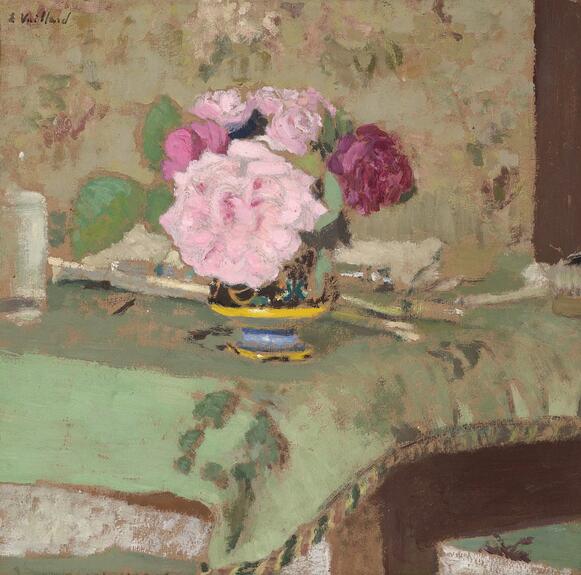
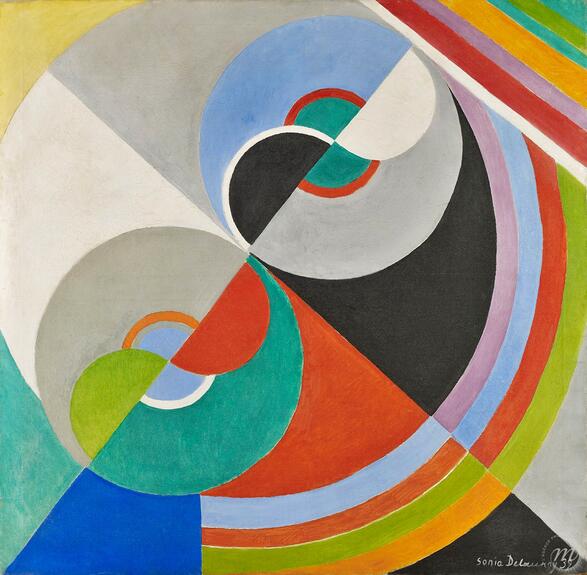
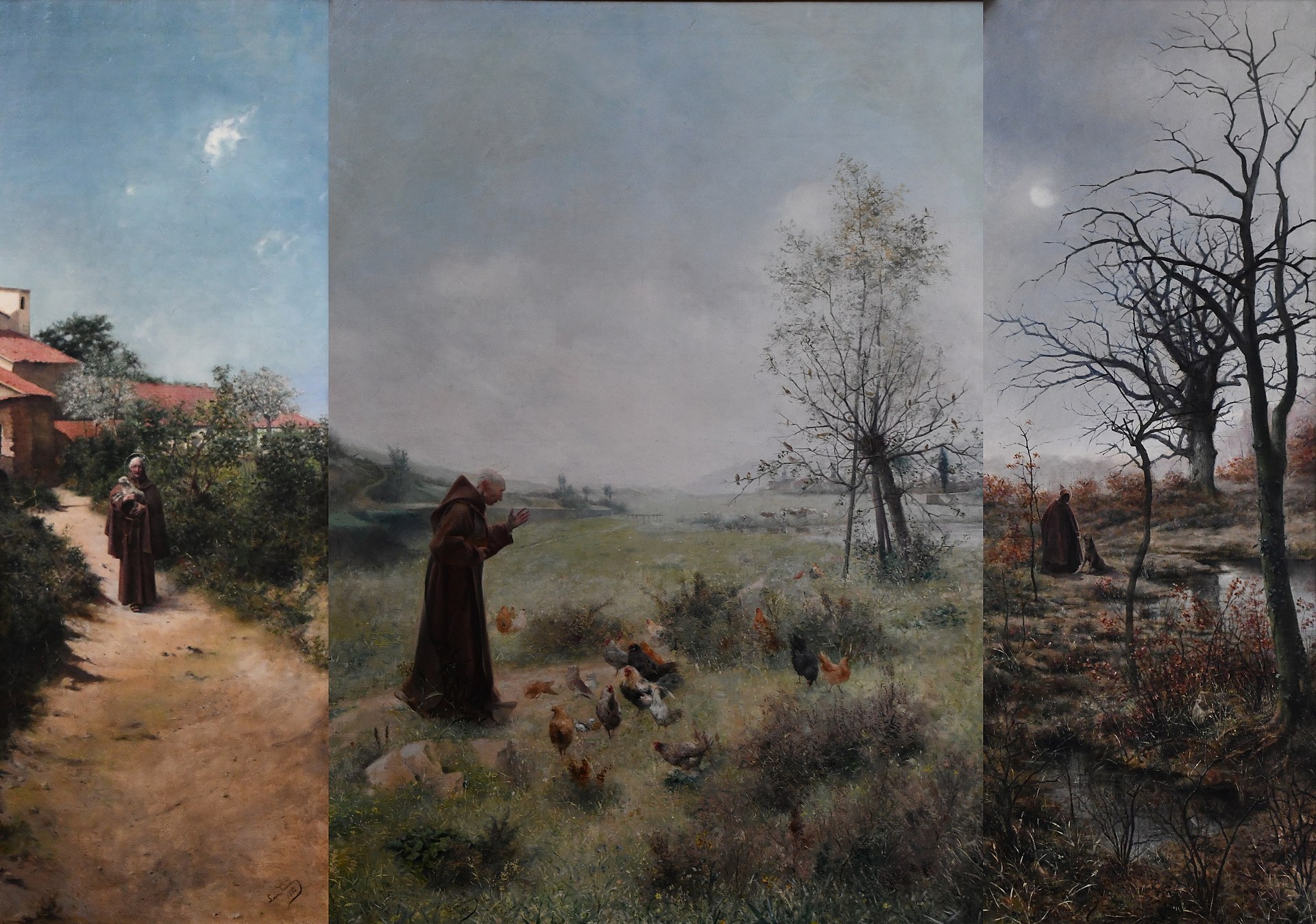
I came across Léon Frédéric again – not quite as weird to my eyes as others of his. St Francis in a Flemish landscape – which brought me back to Brueghel. By the end I was utterly bewildered: the journey from gruesome biblical scenes to abstraction was too much to take in.
Finding somewhere for dinner just added to the confusion. It seemed as if meat was still the only French food on the menu! Pig’s ears, andouillettes, marrow bone . . . But I found something in the end and finished off with lots of cheese.
 Old Shoe Box