Stonehenge

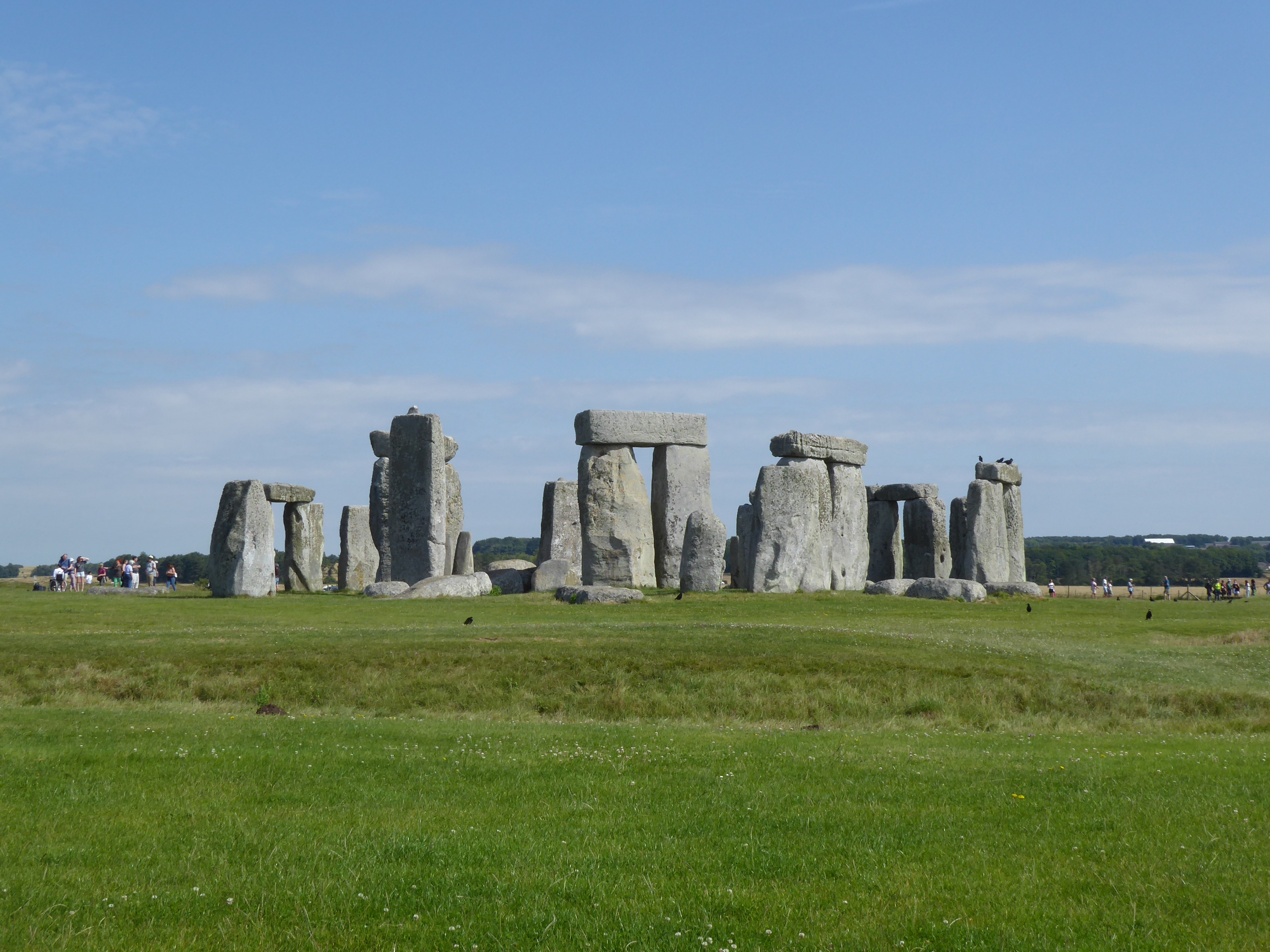
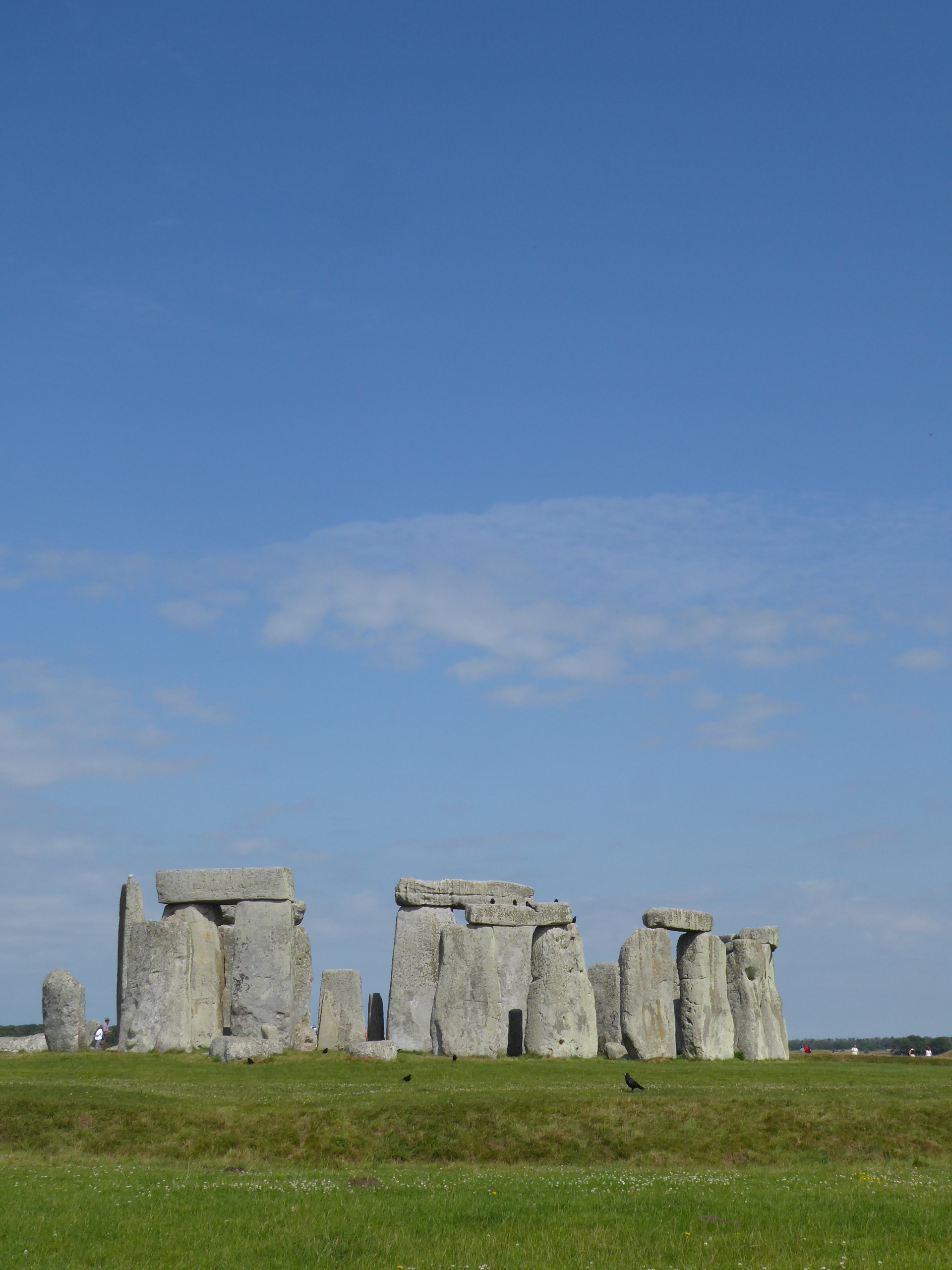
And so, finally, to Stonehenge.

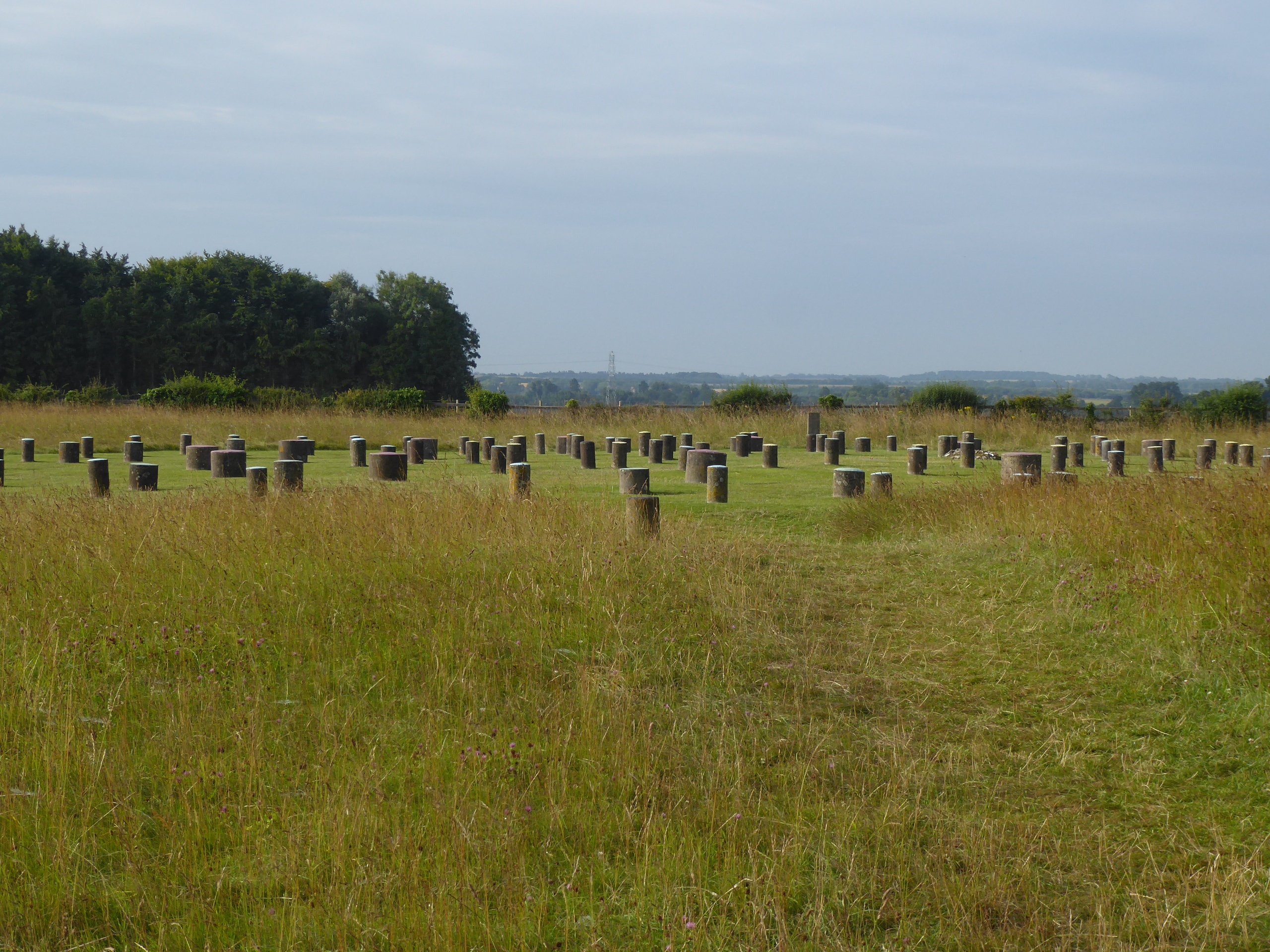
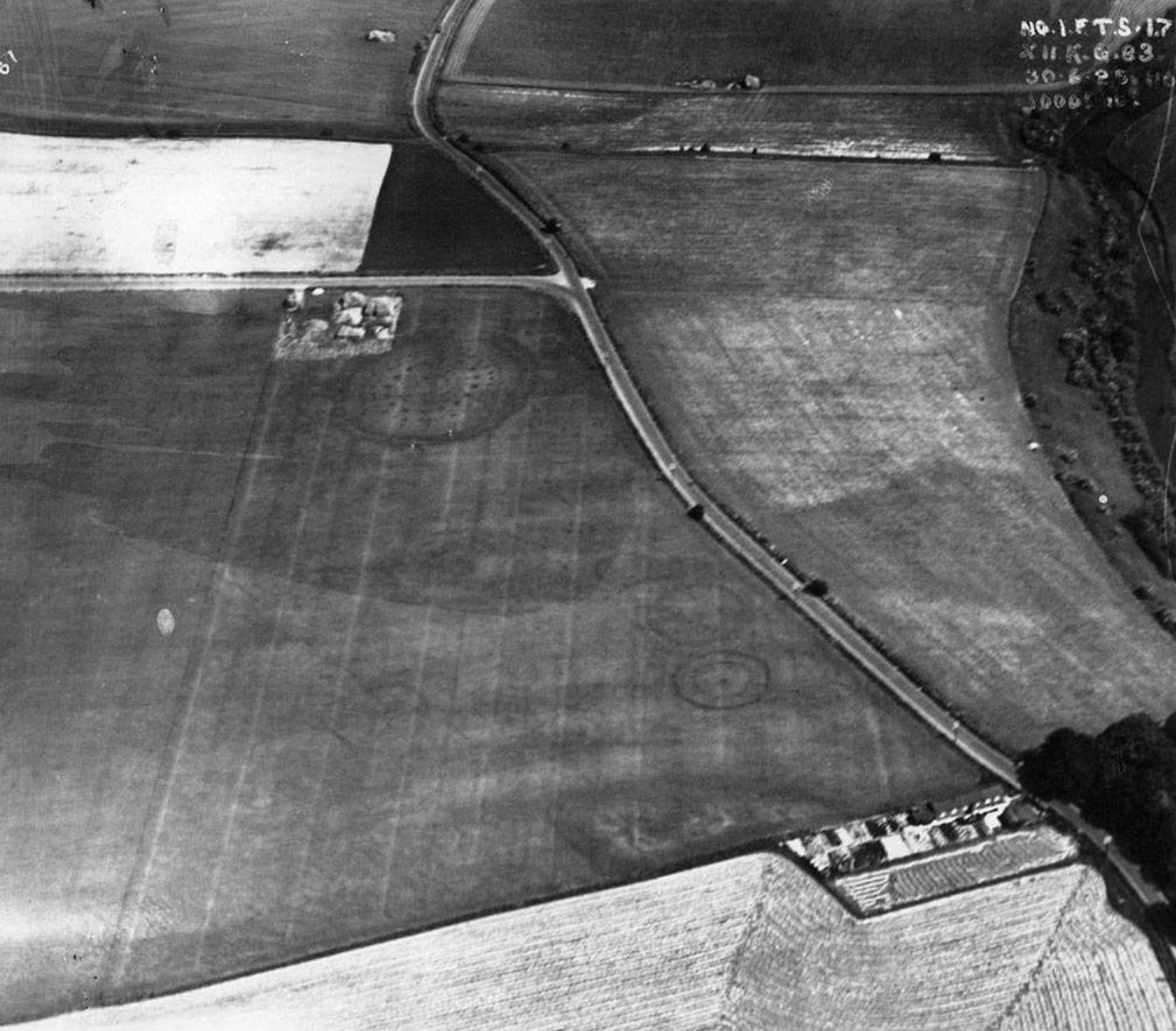
But Woodhenge first. Constructed 2500 BC, it was six ripples of wooden posts only discovered by aerial photography in 1925. The concrete blocks mark the sites of the timbers. It’s right beside Durrington Walls – another enormous circular earthwork – and surrounded by dozens of long barrows. They really are everywhere you look as you approach Stonehenge.
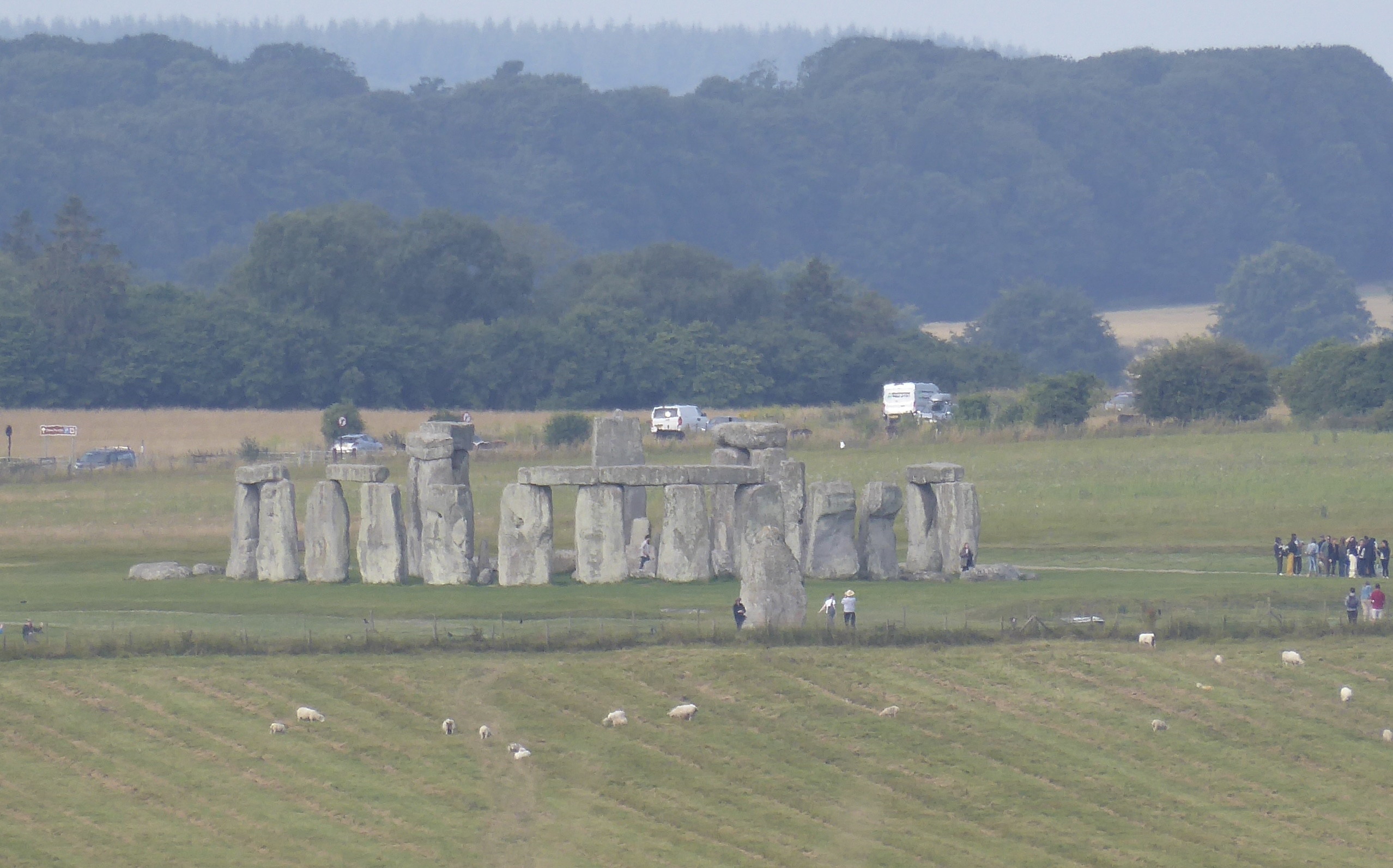
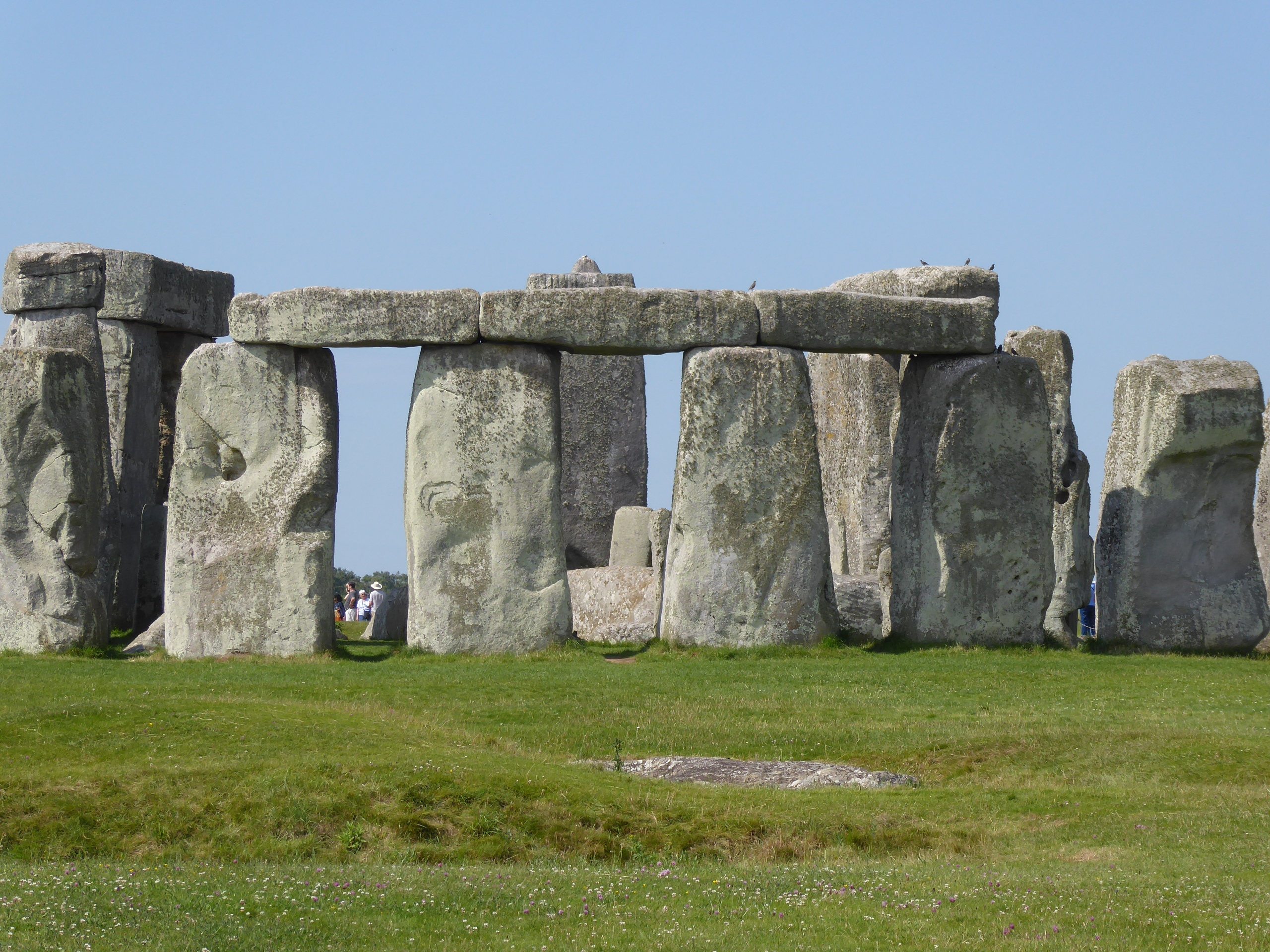
Beside the army camp, along the disused military railway lined with apple trees, to the Cursus (William Stukeley thought it was a Roman racetrack) and then up to Stonehenge along the course of The Avenue. My first sight was magical – and then I noticed all the lorries flowing along behind it. Neolithic meets Anthropocene. Heigh ho.

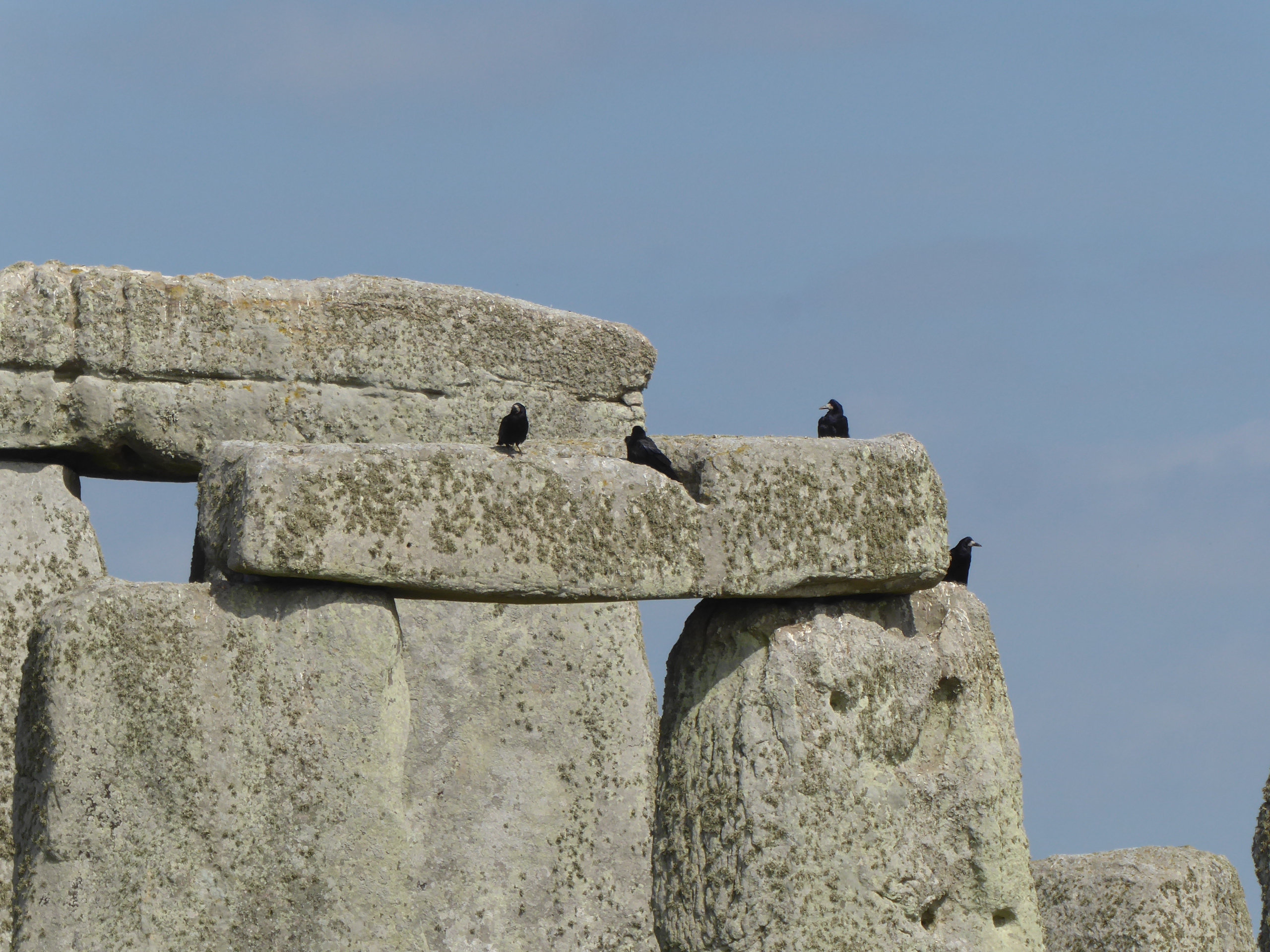
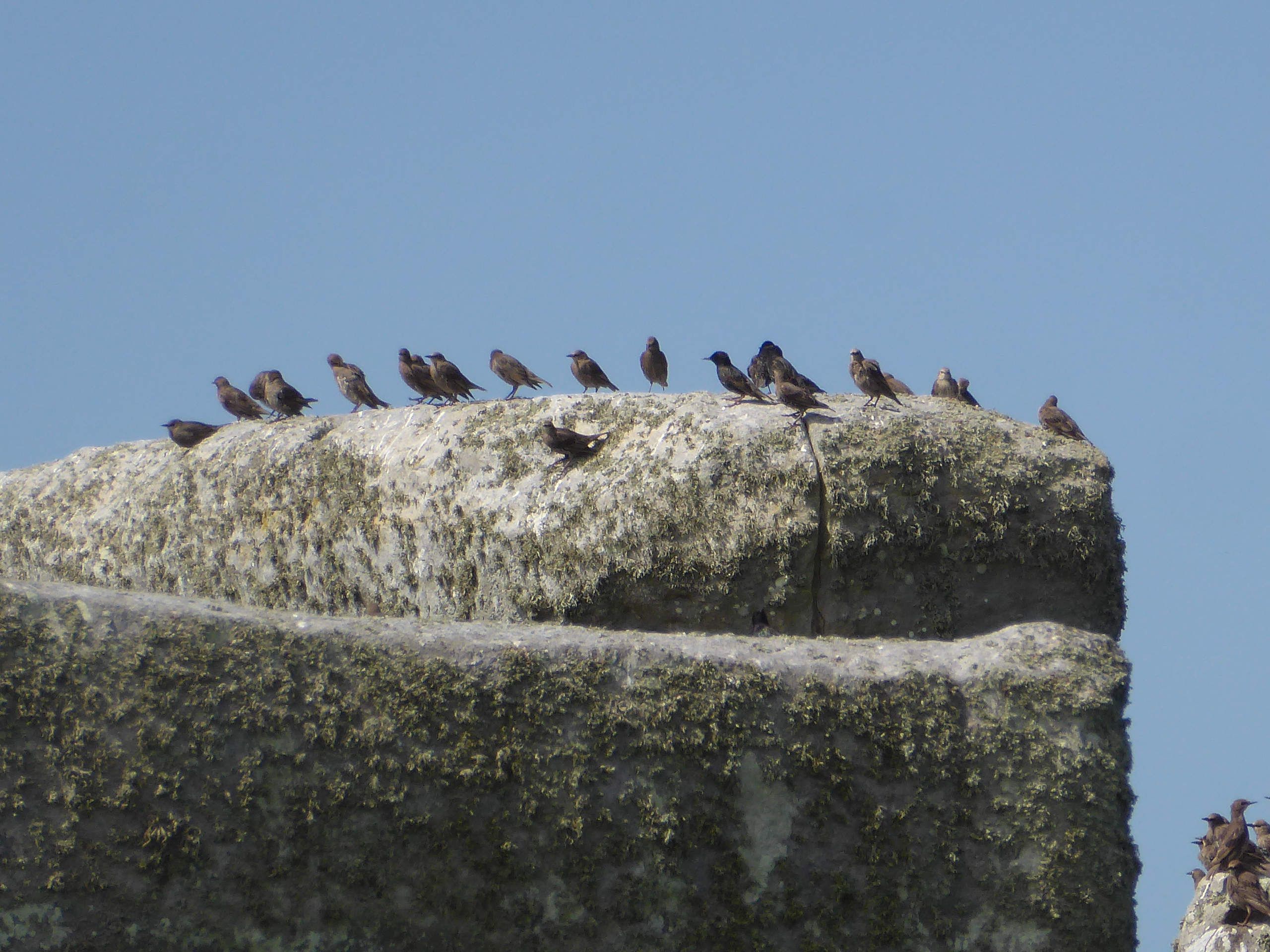
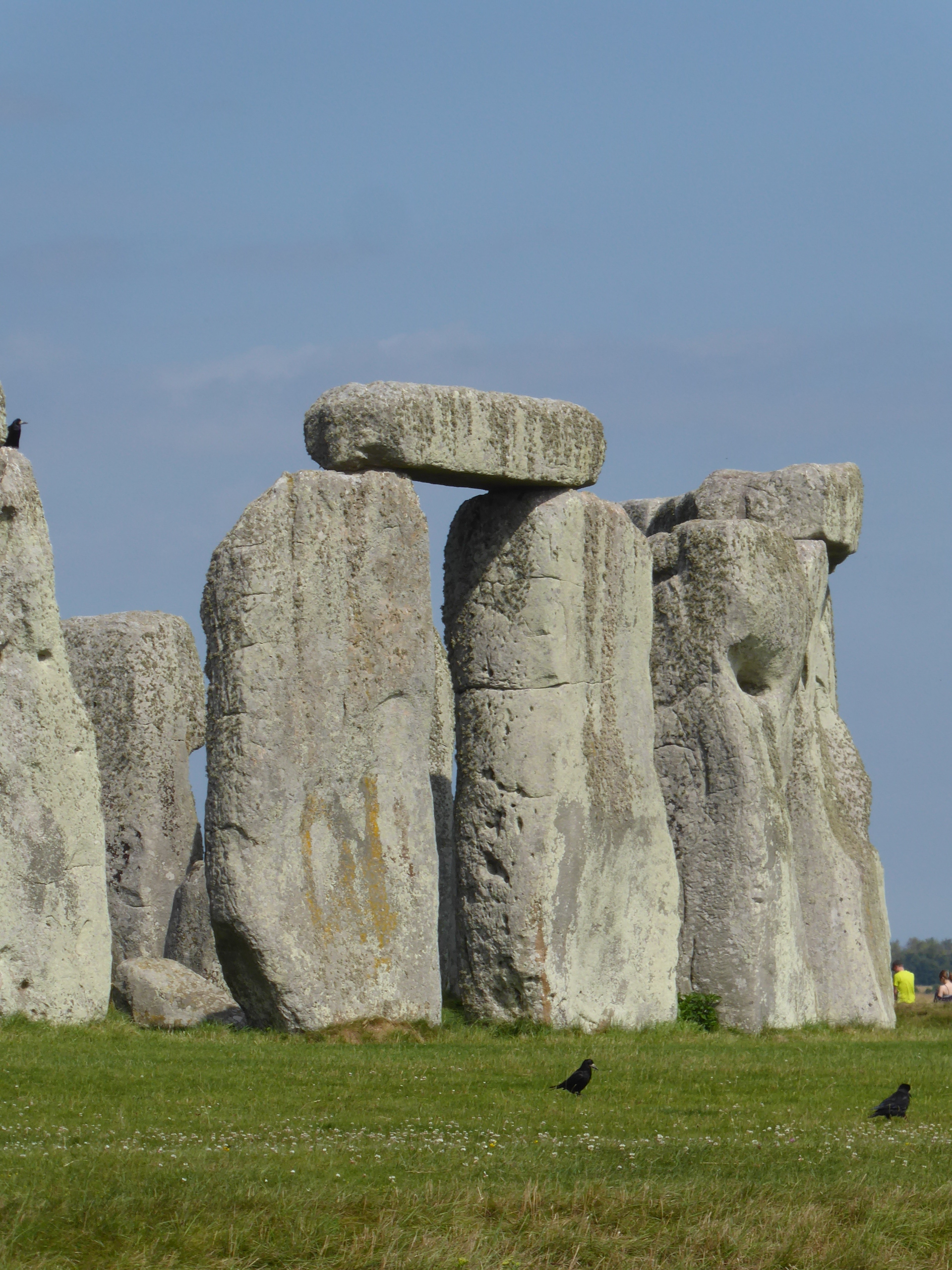
Not for the first time I listened to stuff about ditch first and stones later, the tongue and groove joints, conjecture on how the sarsens were moved to the site and raised into position, bluestones, Preseli Hills, cups on the lintels fitting over the bobbles on the uprights, increasing size of the trilithons, completed or never completed, summer/winter solstice alignment, etc – all the while taking far too many photographs and watching rooks and starlings going where we could not. (Given the crowds of visitors, it’s very good to have the car park and visitor centre so far from the stones themselves.)
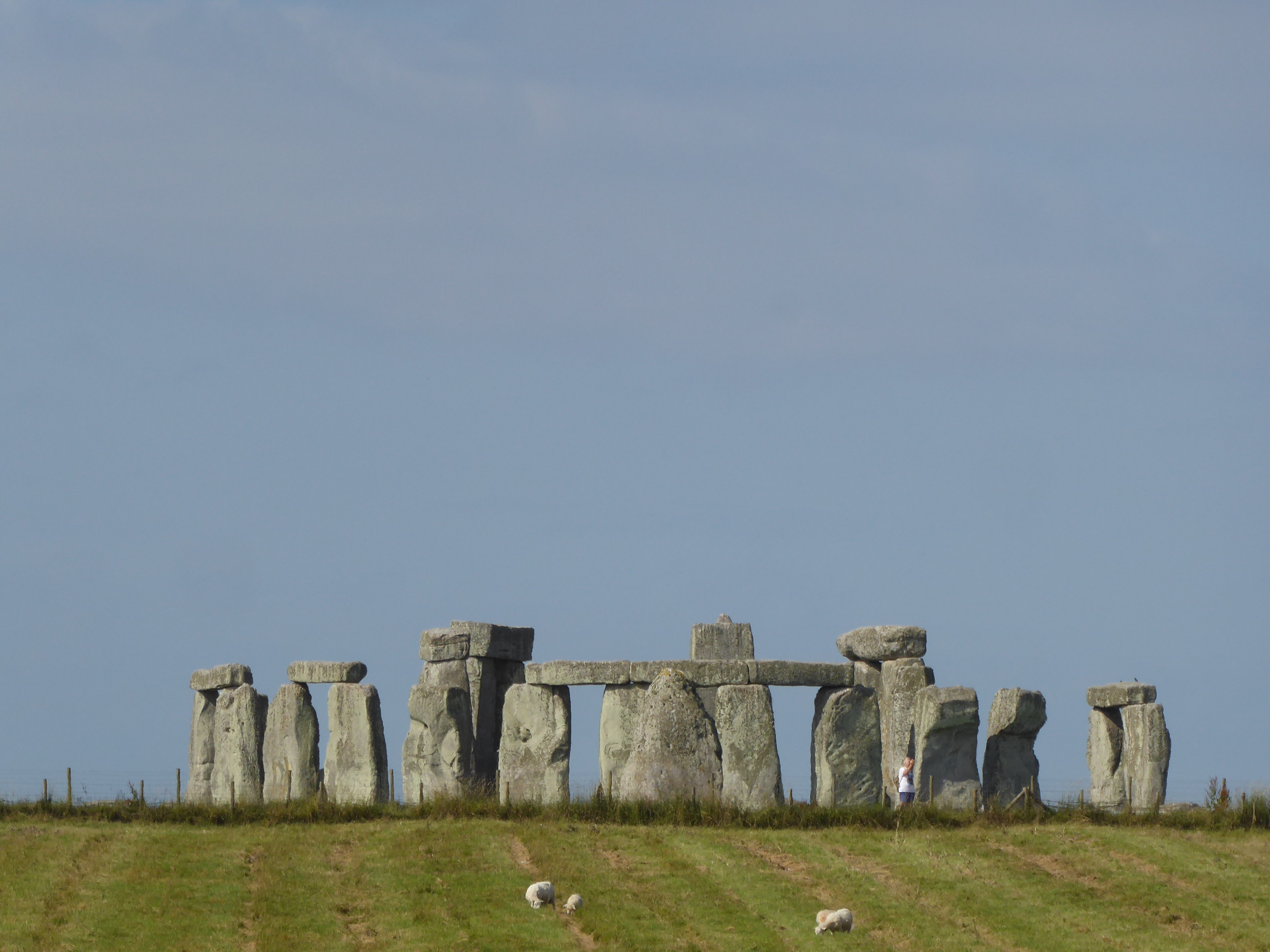
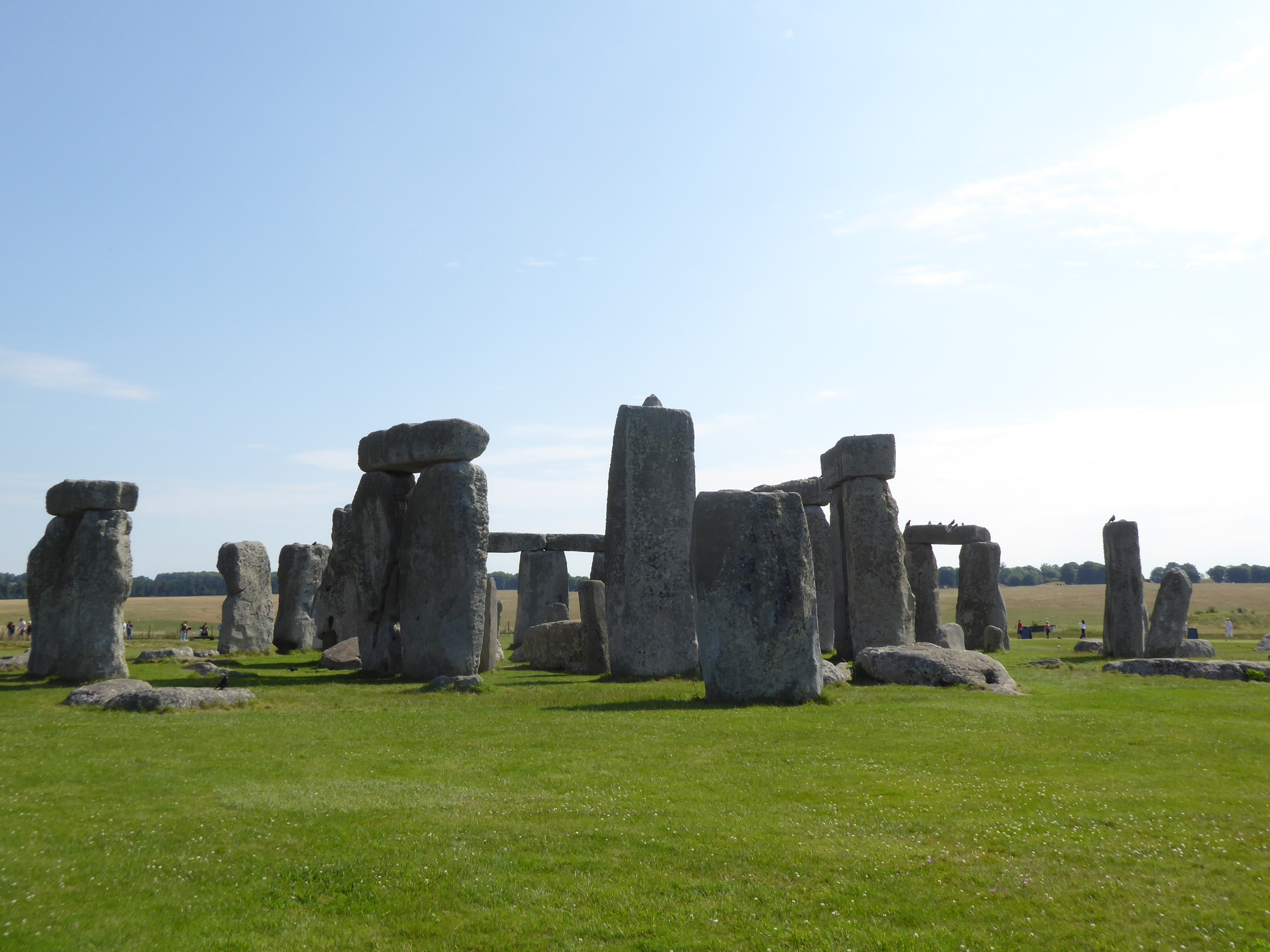
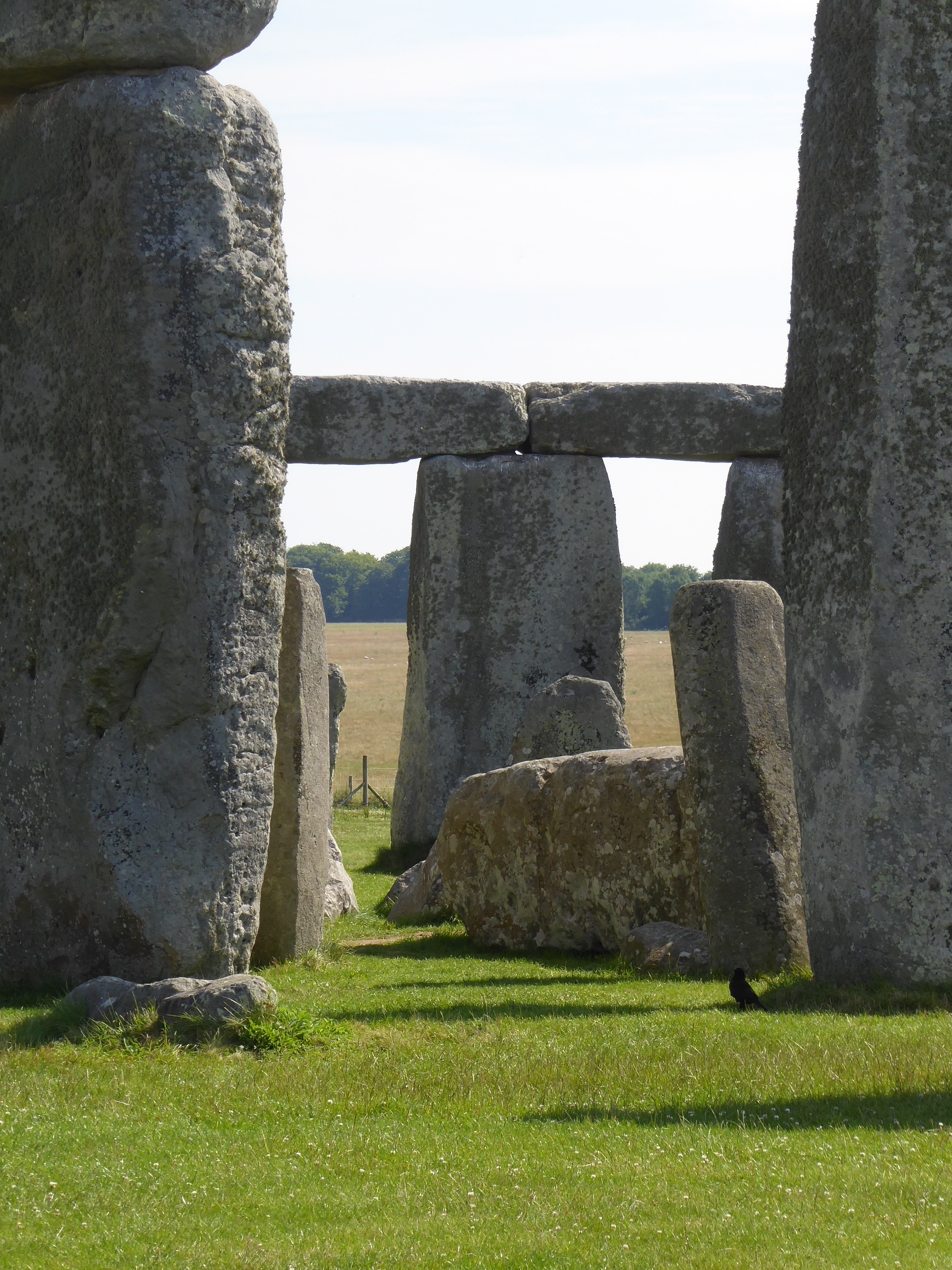
As I said, I took too many photographs. My favourite view was approaching the stones from The Avenue when they were isolated from their earthly surroundings and appeared only as an outline against the sky. The bright sunshine was perfect for dramatic shadows on the pale stone. It was interesting to see, as we walked anticlockwise around the circle, how the first impression of a fallen jumble of blocks morphed into the finished design as we approached the heel stone. It was as if we had stood still before a turntable and some giant hand had assembled the blocks while we watched.

The visitor centre was interesting. I had turned my nose up at the thought of visiting their idea of a neolithic village (a bit too toytownish), but actually it gave me food for thought. A reminder to self that first instincts can be rubbish. How do you make things when all you have are stones, wood and bone? Plus furs and sinews and things like that, I suppose. A mattress of woven osiers on legs looked reasonably comfortable, and I was rather charmed by the sparrows living in the underside of the thatched roofs . . . until I thought of the downsides.

So that was Stonehenge on a baking hot day with tourists arriving en masse, but I wouldn’t have missed it for the world. (And am very glad that someone else did all the organising so that I could arrive on foot.)
Avebury

Avebury adds an extra layer of history: how modern archaeology developed. Alexander Keillor – heir to a Dundee marmalade fortune, WWI pilot, immensely wealthy – surveyed Wiltshire from the air in 1922 and bought some of the county to examine it more closely.

All this from bitter oranges.

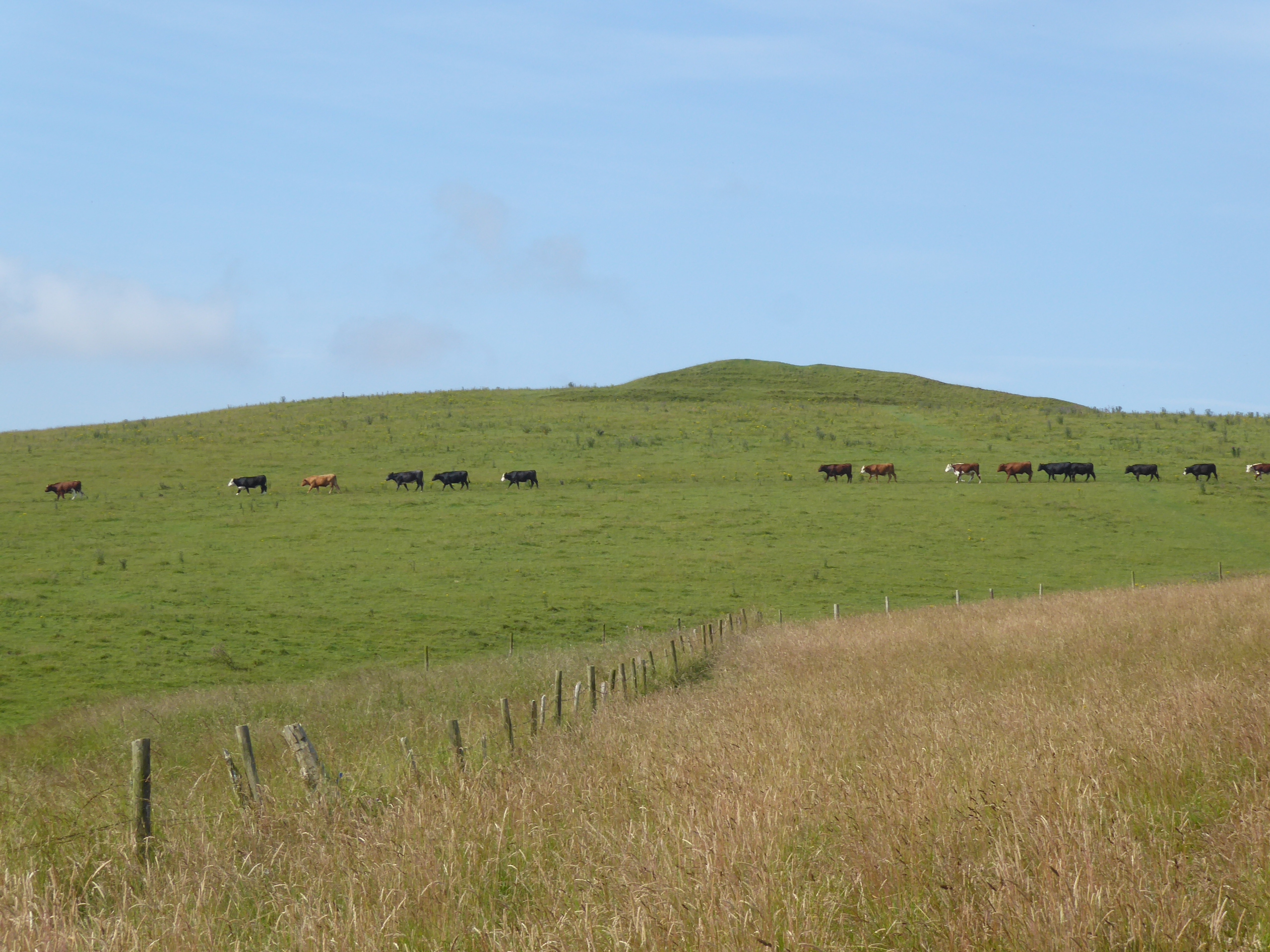
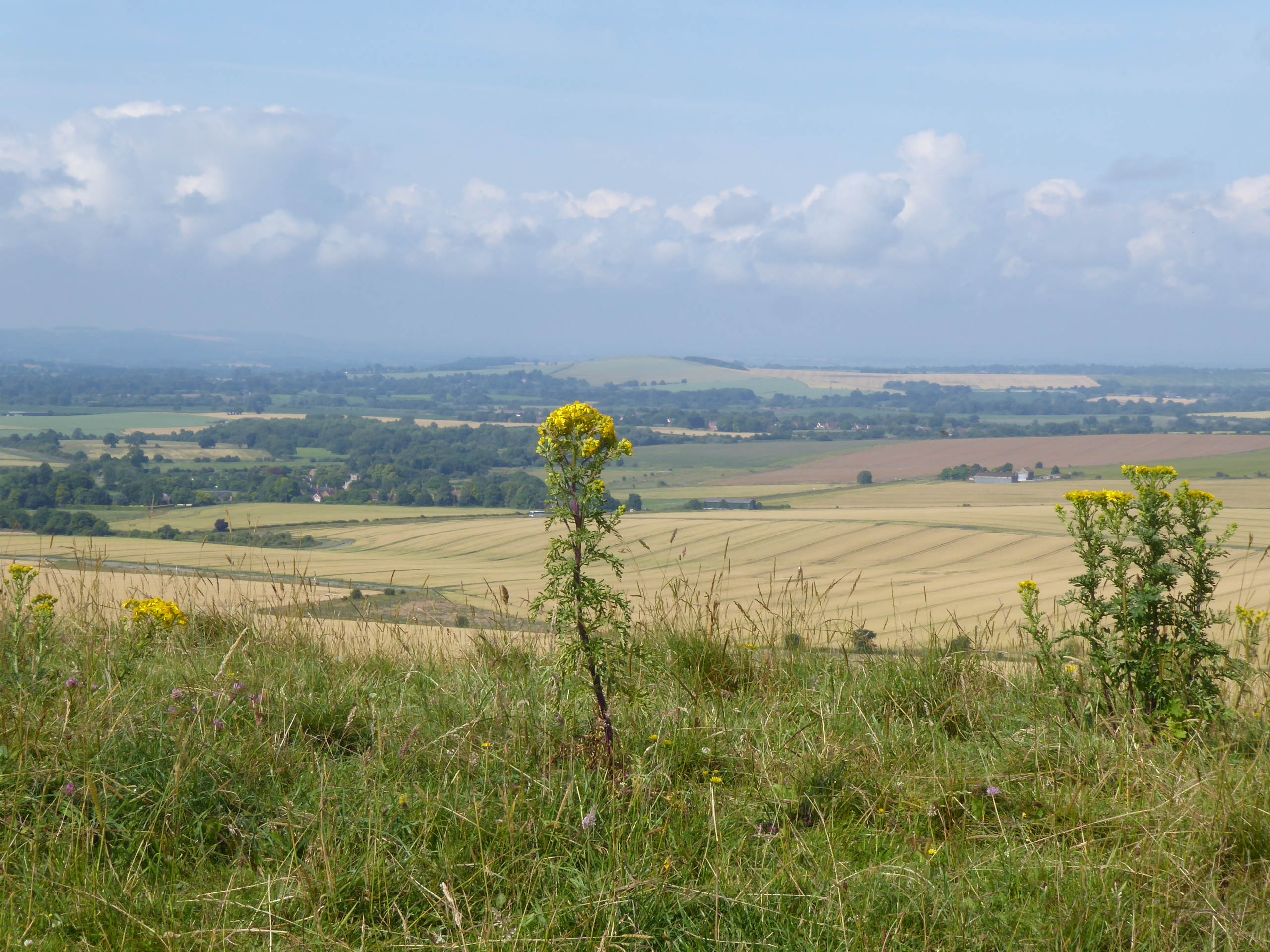
But first we had to get to Avebury. We started at the Neolithic chambered long barrow of Adam’s Grave. From here the view was pure Eric Ravilious; I love his work, but never before have I felt that connection with it. The long barrow was sealed up with stones after use; it has been excavated but the holes have healed over.

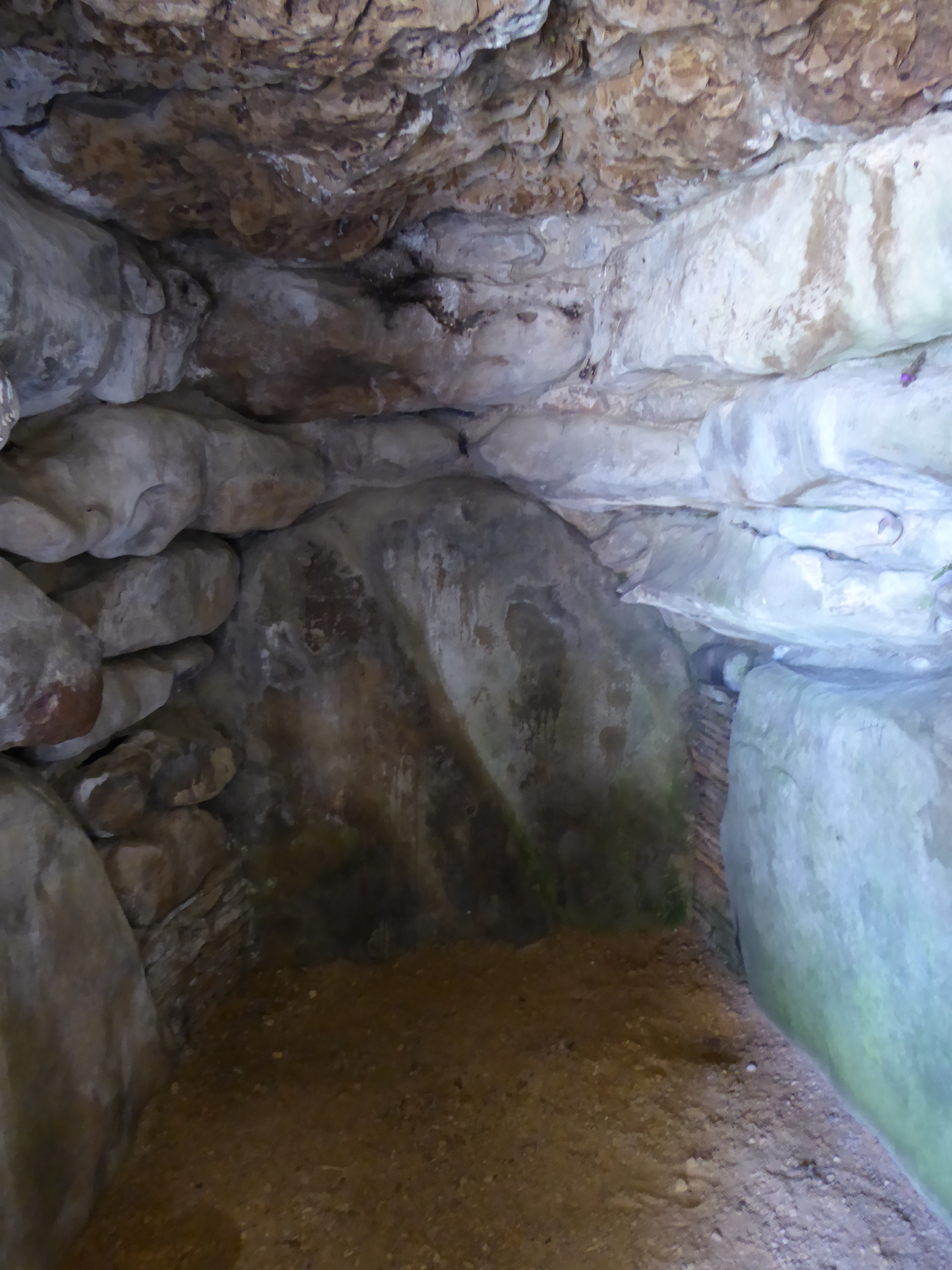
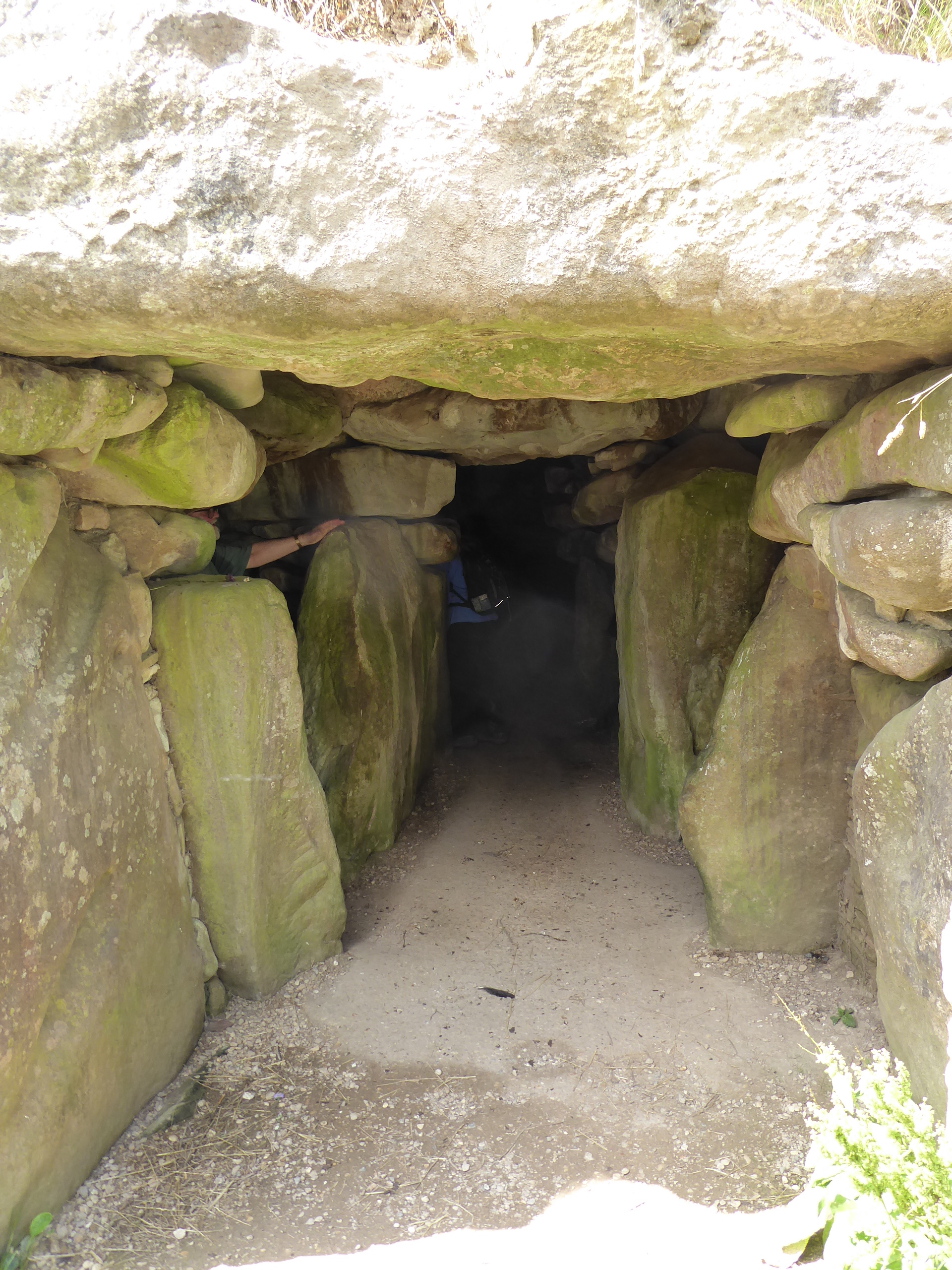
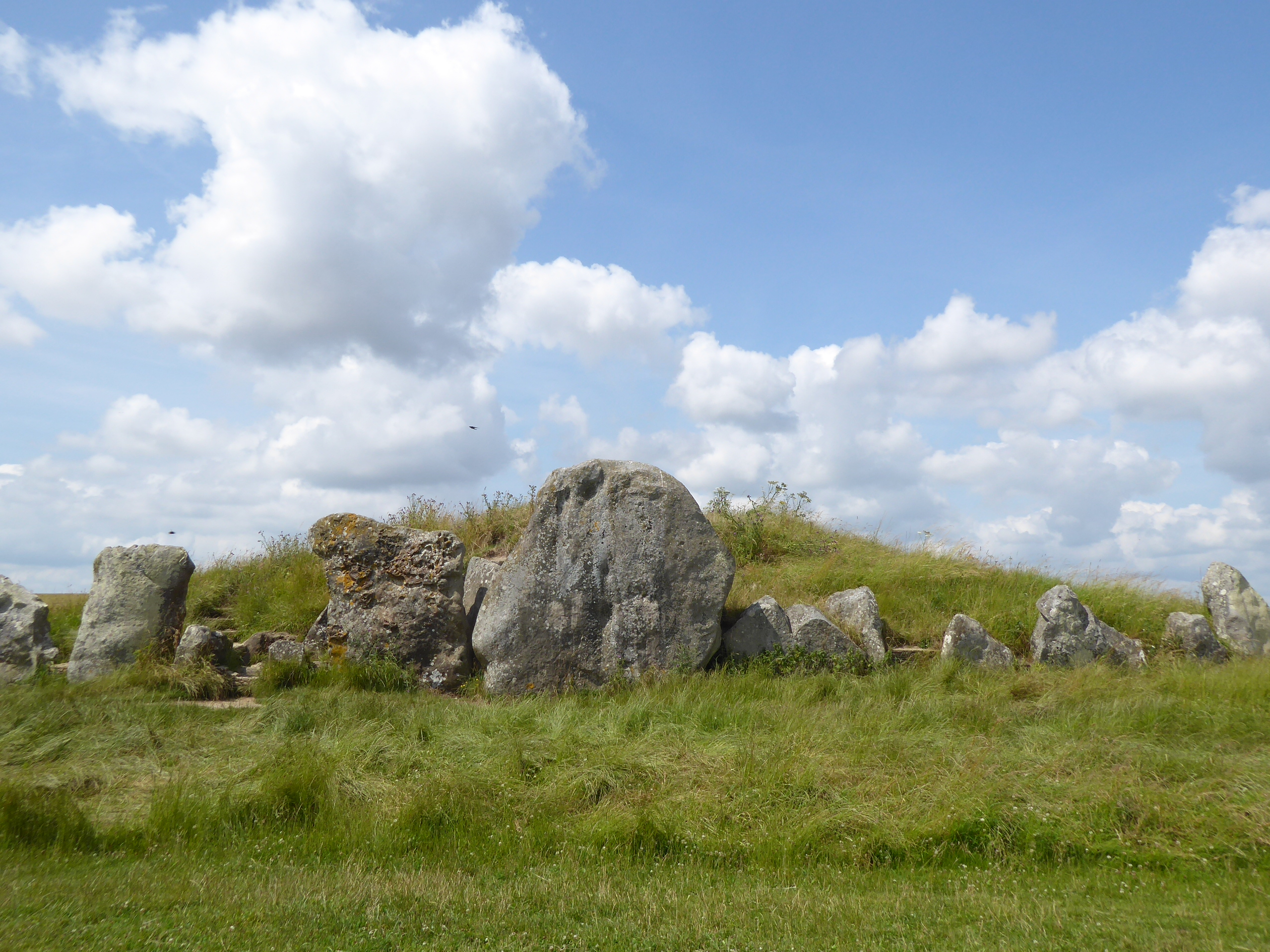
From there we walked past East Kennet long barrow (unexcavated) to West Kennet (my favourite of the day). Our guide explained how sarsen stones were used for the walls and corbelled, or jettied out, to support the roof. Bones, partly cremated, were placed there and added to, along with some grave goods like arrow heads. In the Early Bronze Age the tomb was sealed with giant sarsen stones. Today it’s possible to go inside and explore the now-empty chambers – an astonishing place.

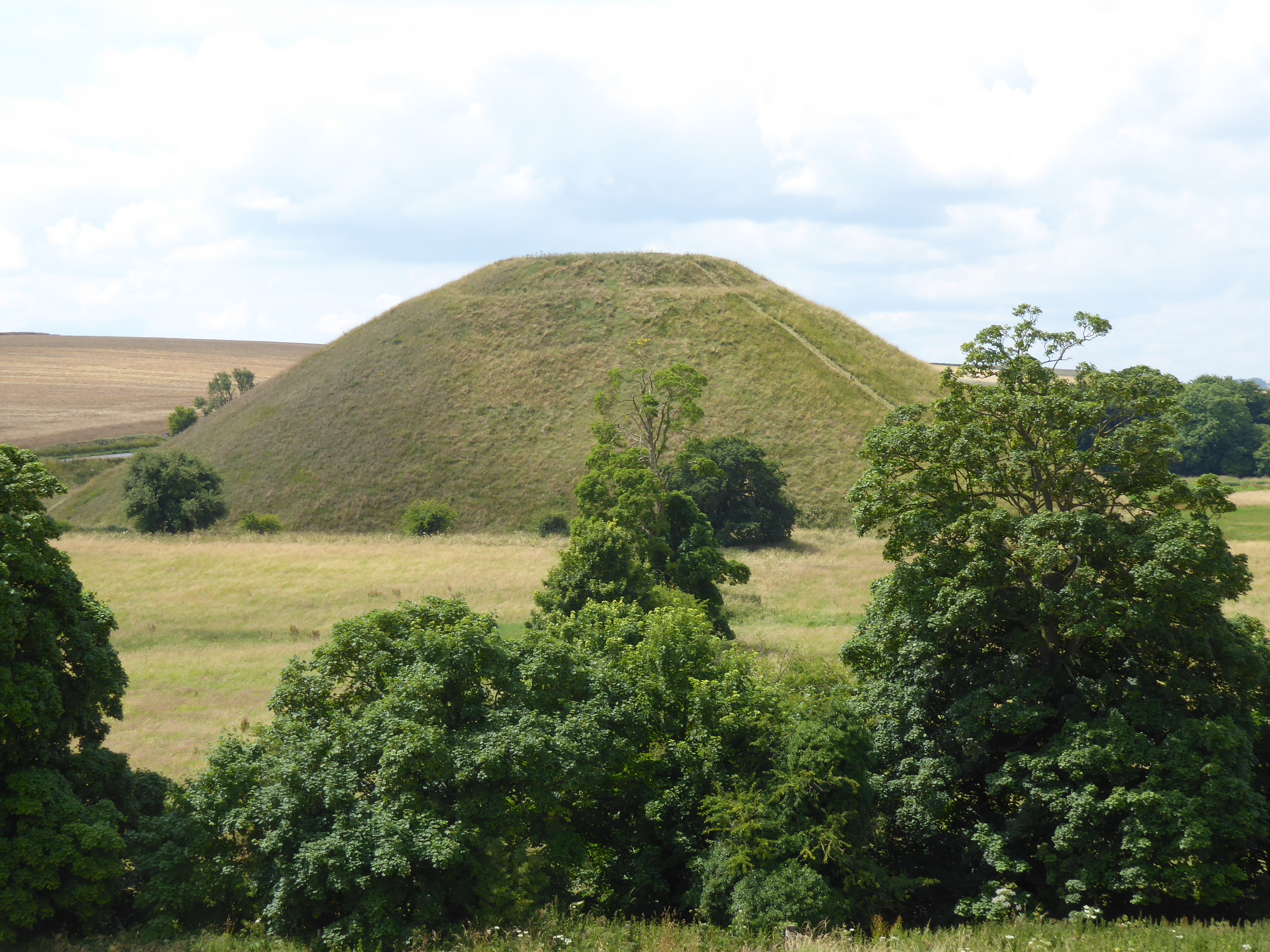
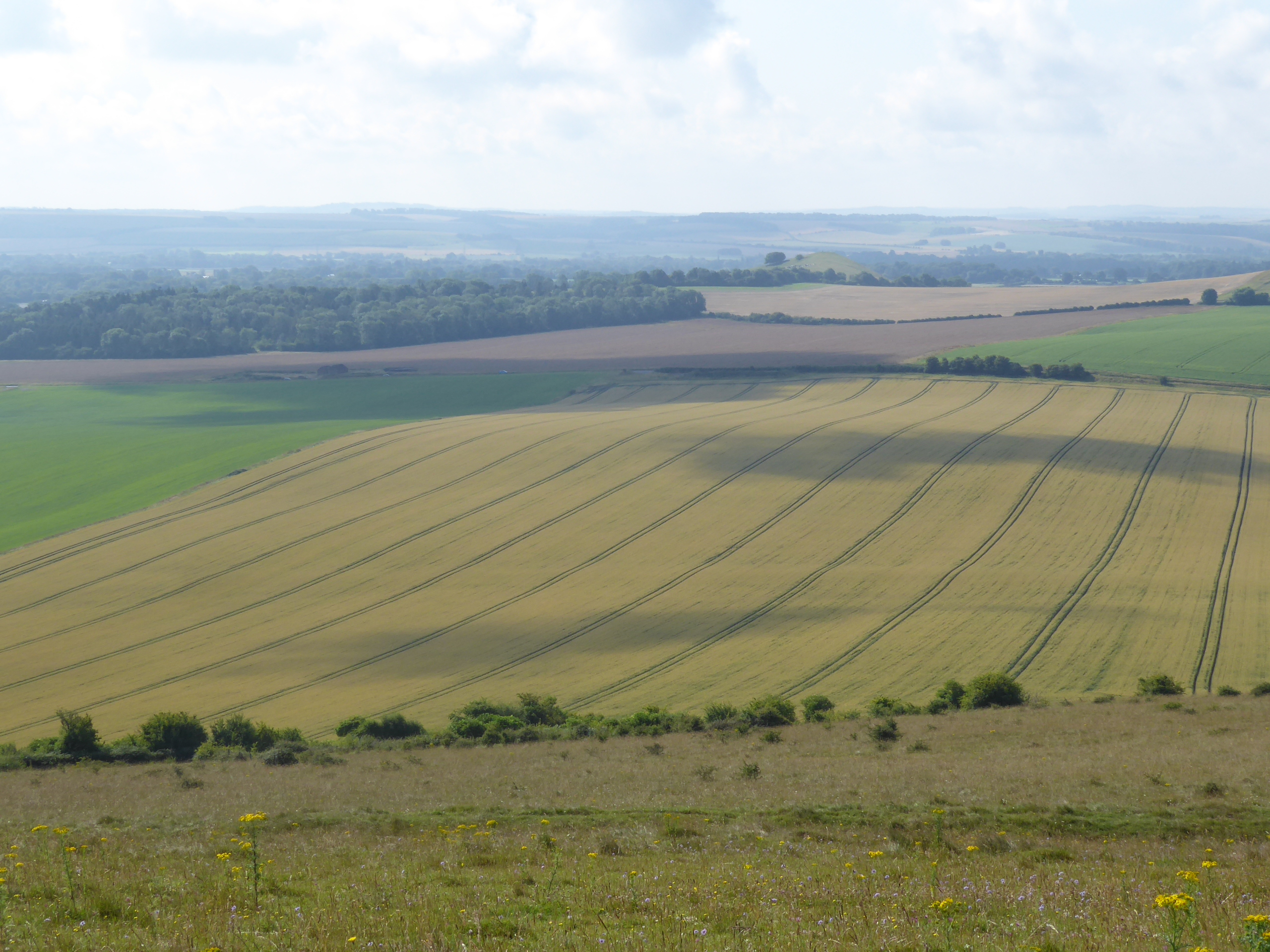
Next was Silbury Hill – an artificial conical chalk mound (which I’d seen from the Swindon-Devizes bus a couple of days before). It was completed around 2400 BC and has nothing inside. It’s just there.

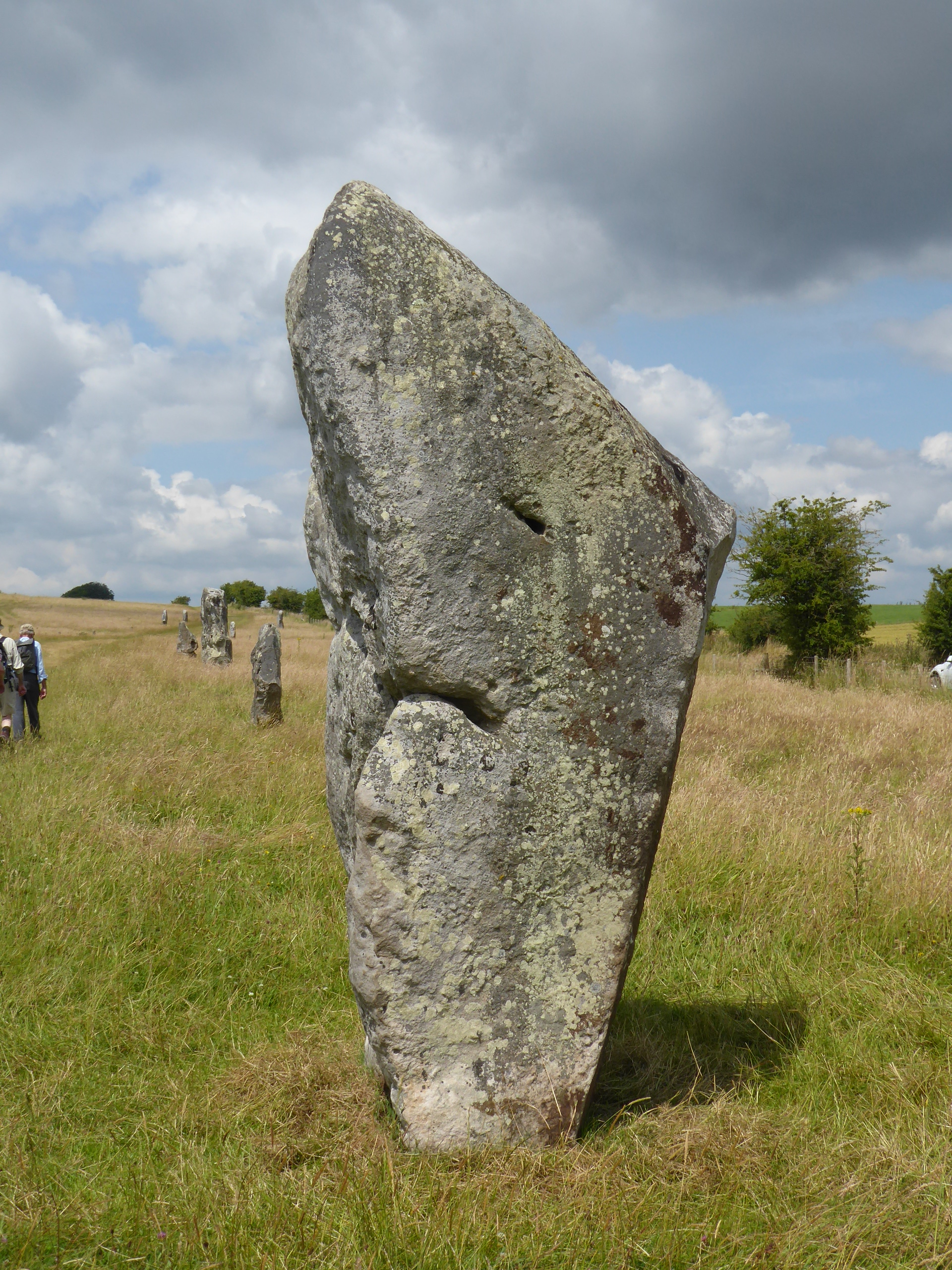
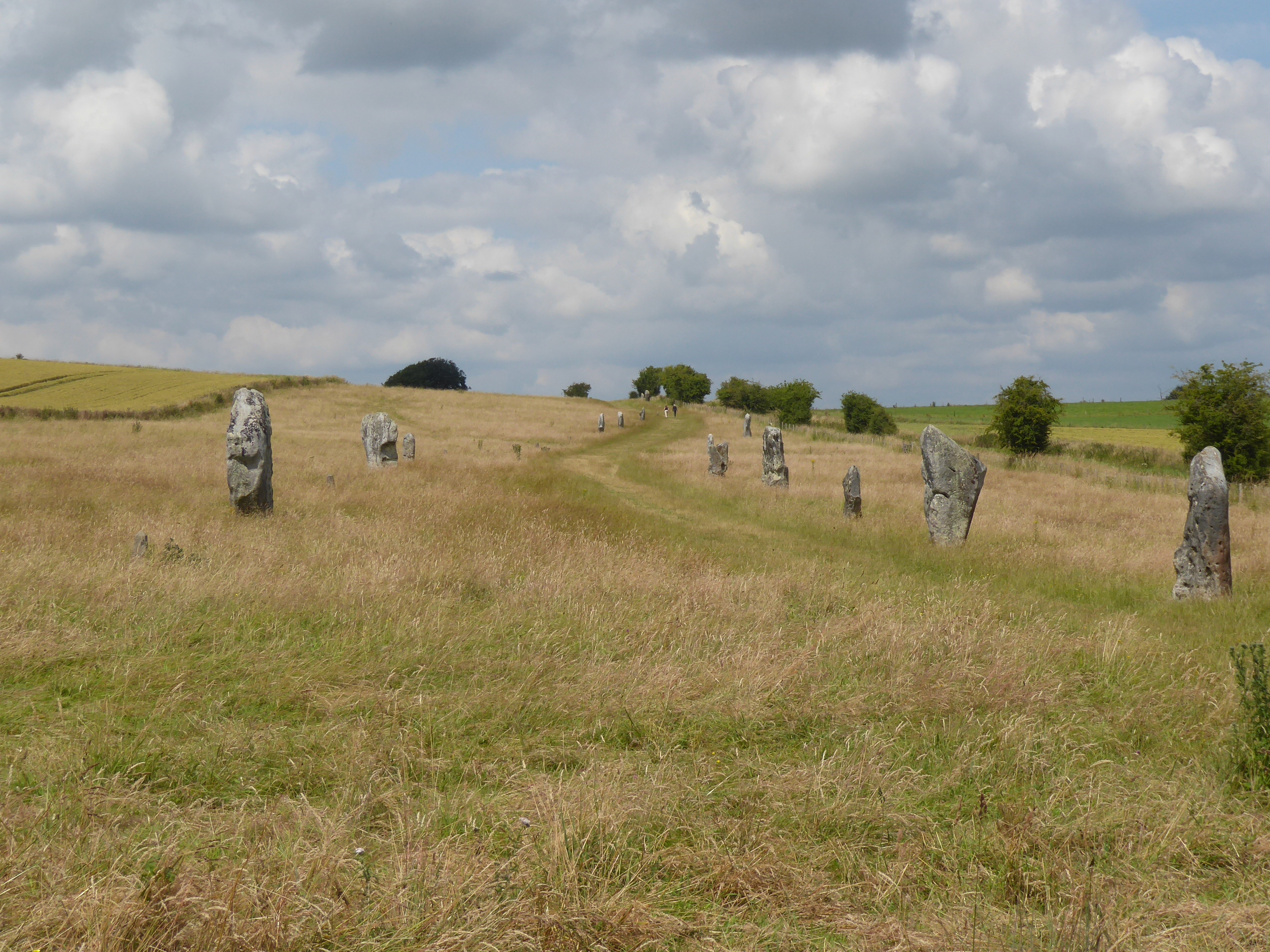
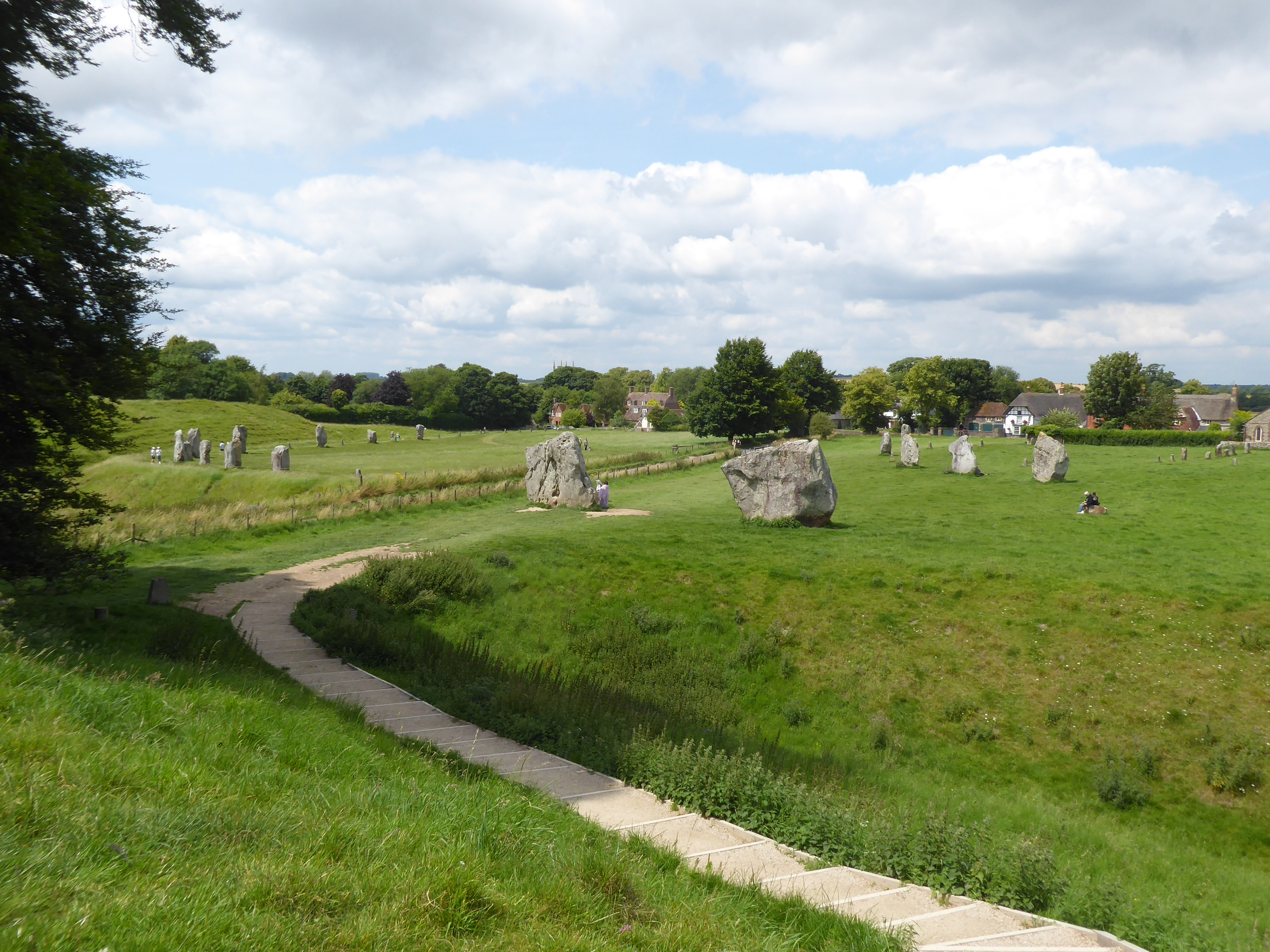
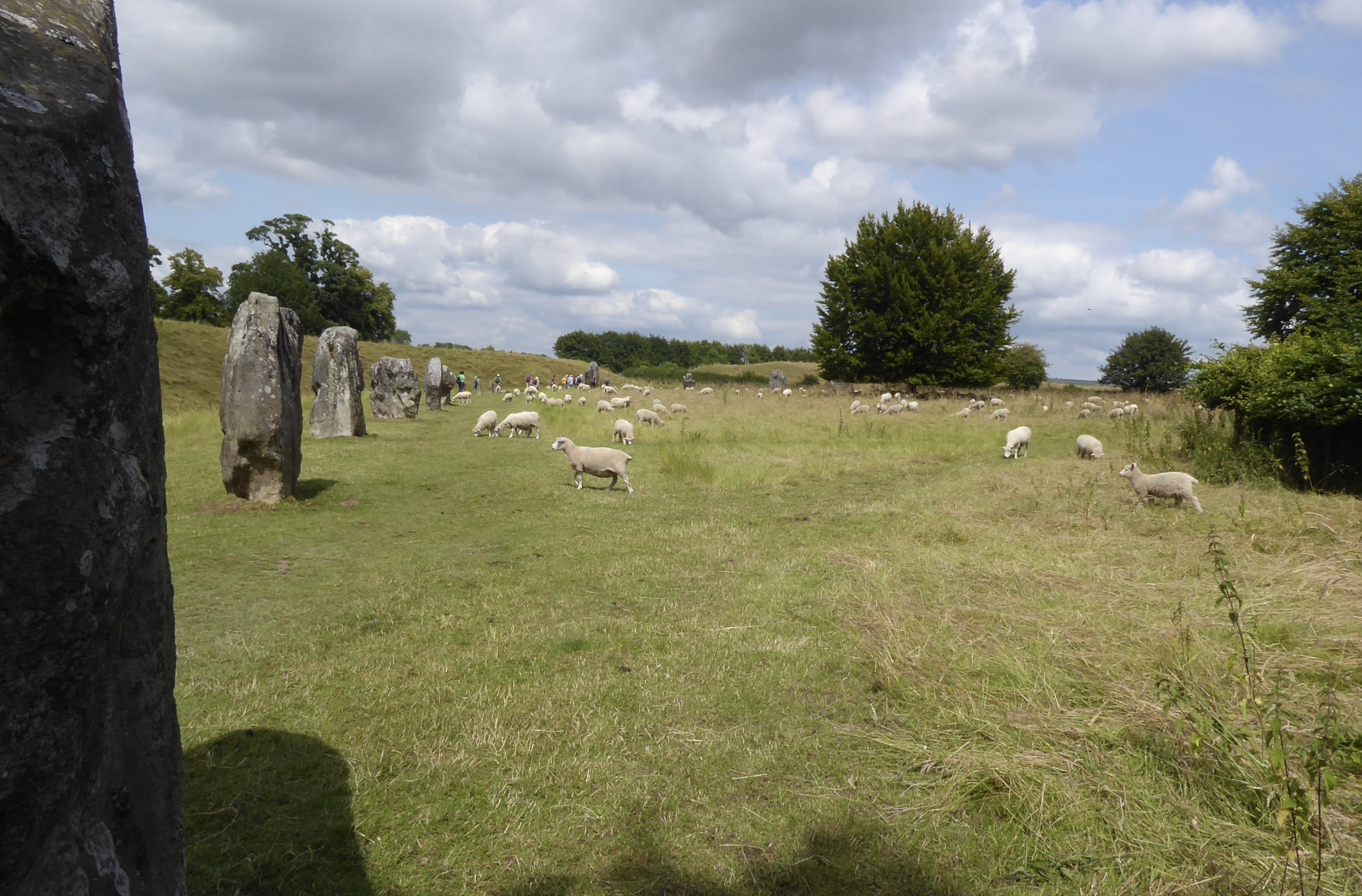
After that we came to the West Kennet avenue – a double row of standing stones leading to Avebury and its stone circles. Avebury is a Neolithic henge (a ditch) with a large outer circle containing two smaller circles – one north, one south – constructed over several centuries. In historical times it was ignored or partially destroyed; John Aubrey and William Stukeley recorded what they saw in the 17th and 18th centuries, but it was Keiller who reconstructed what he could find – re-erected stones now buried under the earth and placing concrete posts to mark sites of missing stones.

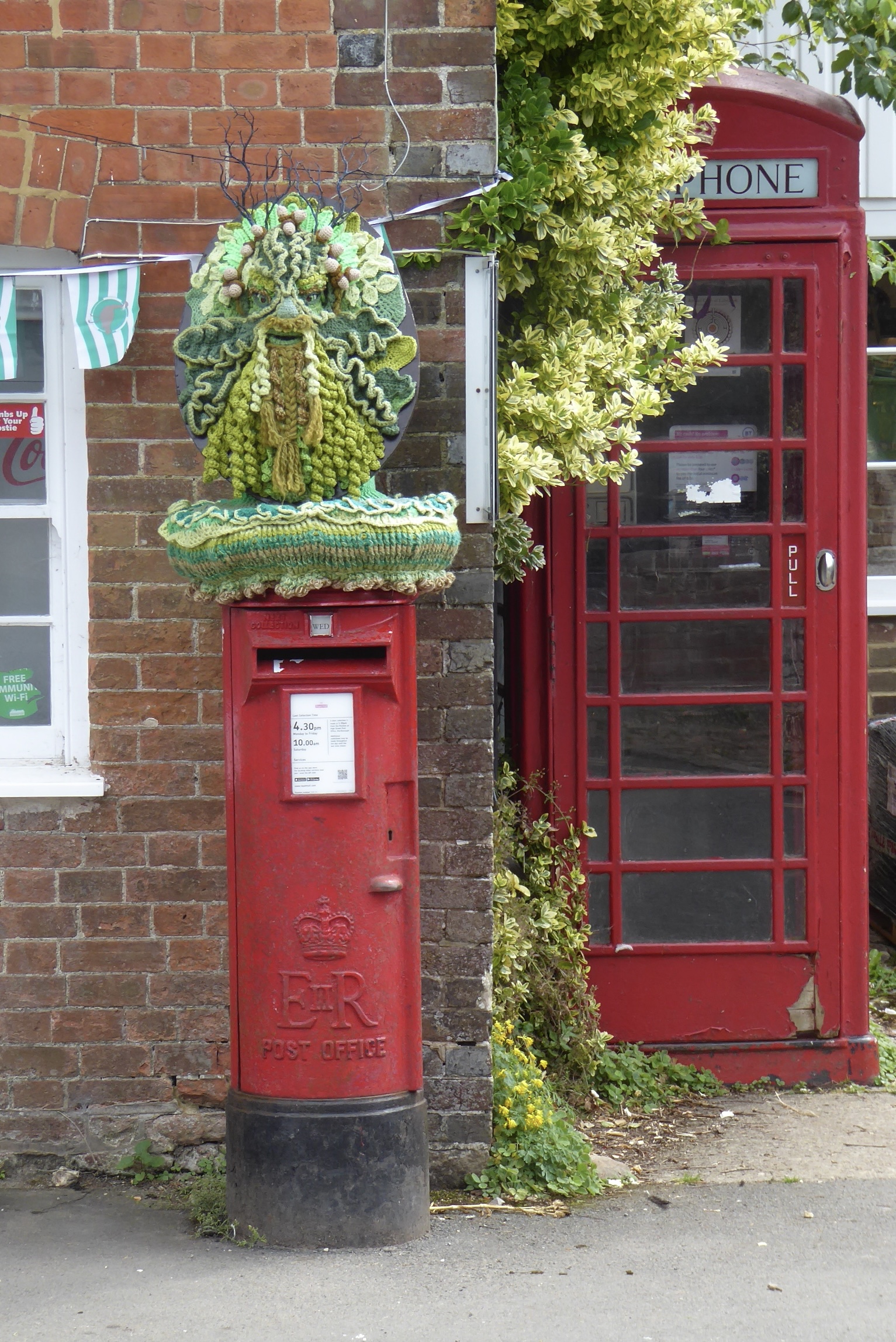
There was, inevitably, a hippyish vibe in some areas – the woolliness of it all delightfully embodied on top of the pillar box.

My head was rather spinning with all the information and sights. Ditches and mounds constructed with nothing more than antler picks and the ox-scapula shovels. All this major construction work going on in a small area – albeit over several hundred years. One can only assume they had a lot of time and muscle power available.

The day wasn’t quite over, for we had an evening tour of the Wiltshire Museum – a charming place that still had the aura of its antiquarian beginnings. It contains finds from several of the excavated long barrows – including the Bush Barrow contents which I saw at the British Museum. It has gold – and also a 6,000-year-old jadeite axe that came from a boulder in the Dolomites – so even more mind-boggling.

Maiden Castle

Very roughly, for even some of the museum labels differ – and other countries’ dates of the eras may differ as Britain was rather behind the times then:

  • 10,000 years ago – end of the last Ice Age and stabilisation of temperatures
  • 500000 – 4000 BC – Mesolithic and Paleaolithic
  • 4000 – 3000 BC – Early Neolithic
  • Causeway enclosure of Maiden Castle
  • 3600 BC – construction of West Kennet Long Barrow
  • 3000 BC – raised ditch of Stonehenge
  • 2600 – ditch and mound at Avebury and stones erected later
  • 2500 BC stones erected at Stonehenge
  • 3000 – 2200 BC – Late Neolithic
  • 2400 – 2200 BC – arrival of Beaker (Yamnaya) People from continental Europe
  • 2200 – 800 BC – Bronze Age (mixture of copper and tin)
  • 1500 BC – use of Stonehenge falls away
  • 800 BC – 43 AD – Iron Age
  • 450 – 300 BC – Maiden Castle hill fort
  • Trendle enclosure above Cerne Abbas
  • And then the Romans came to Rye and out to Severn strode . . .

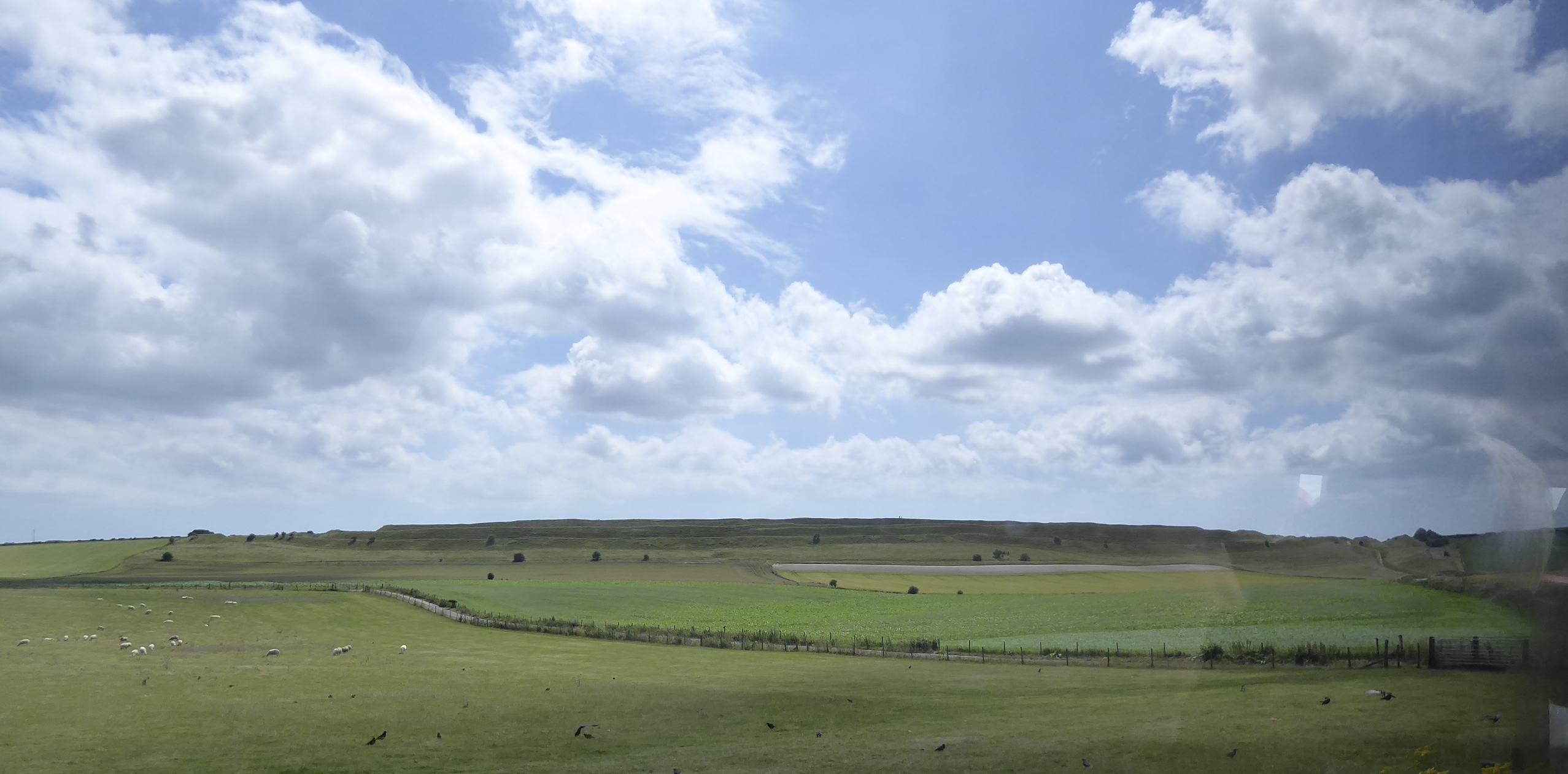
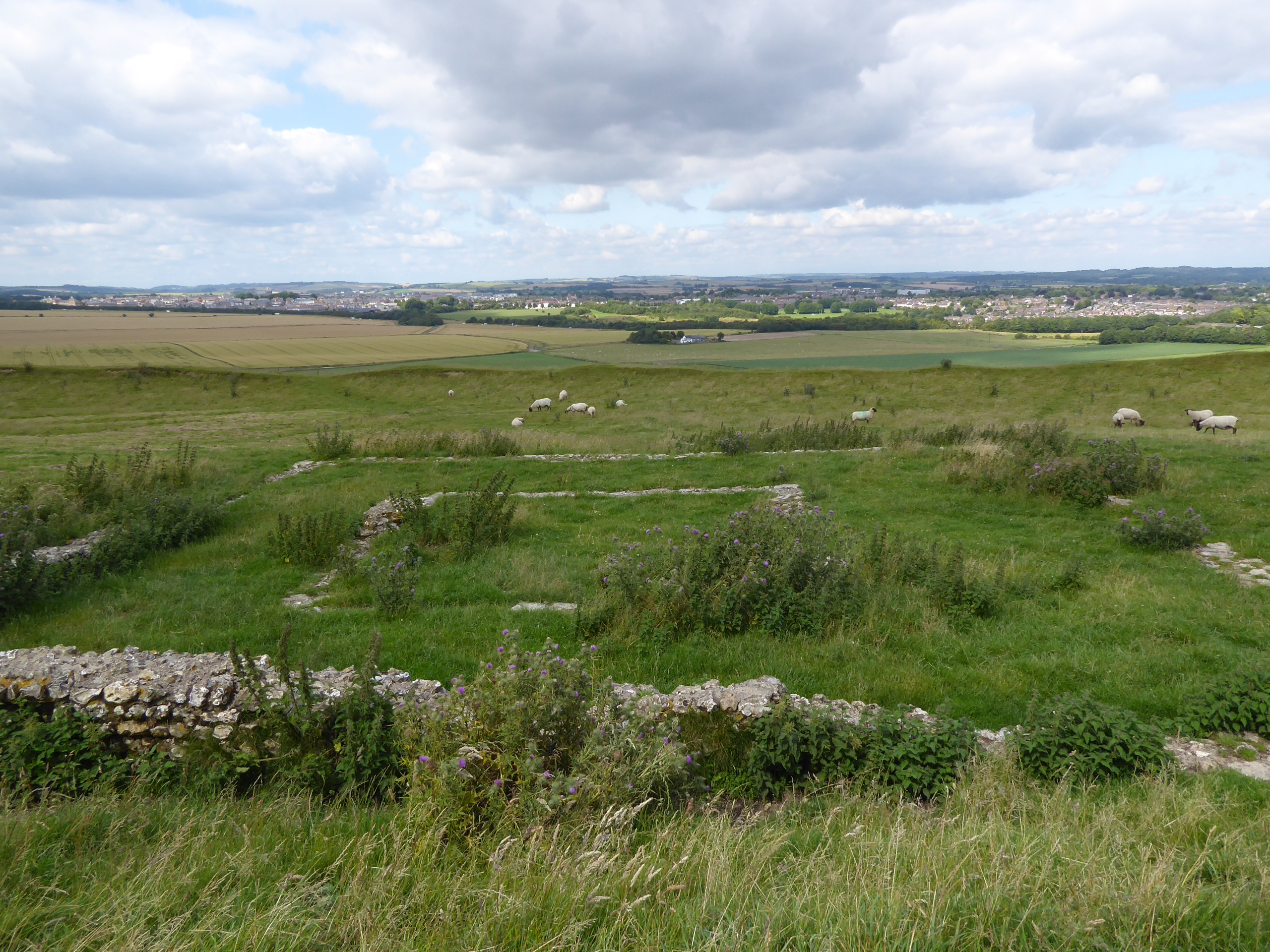
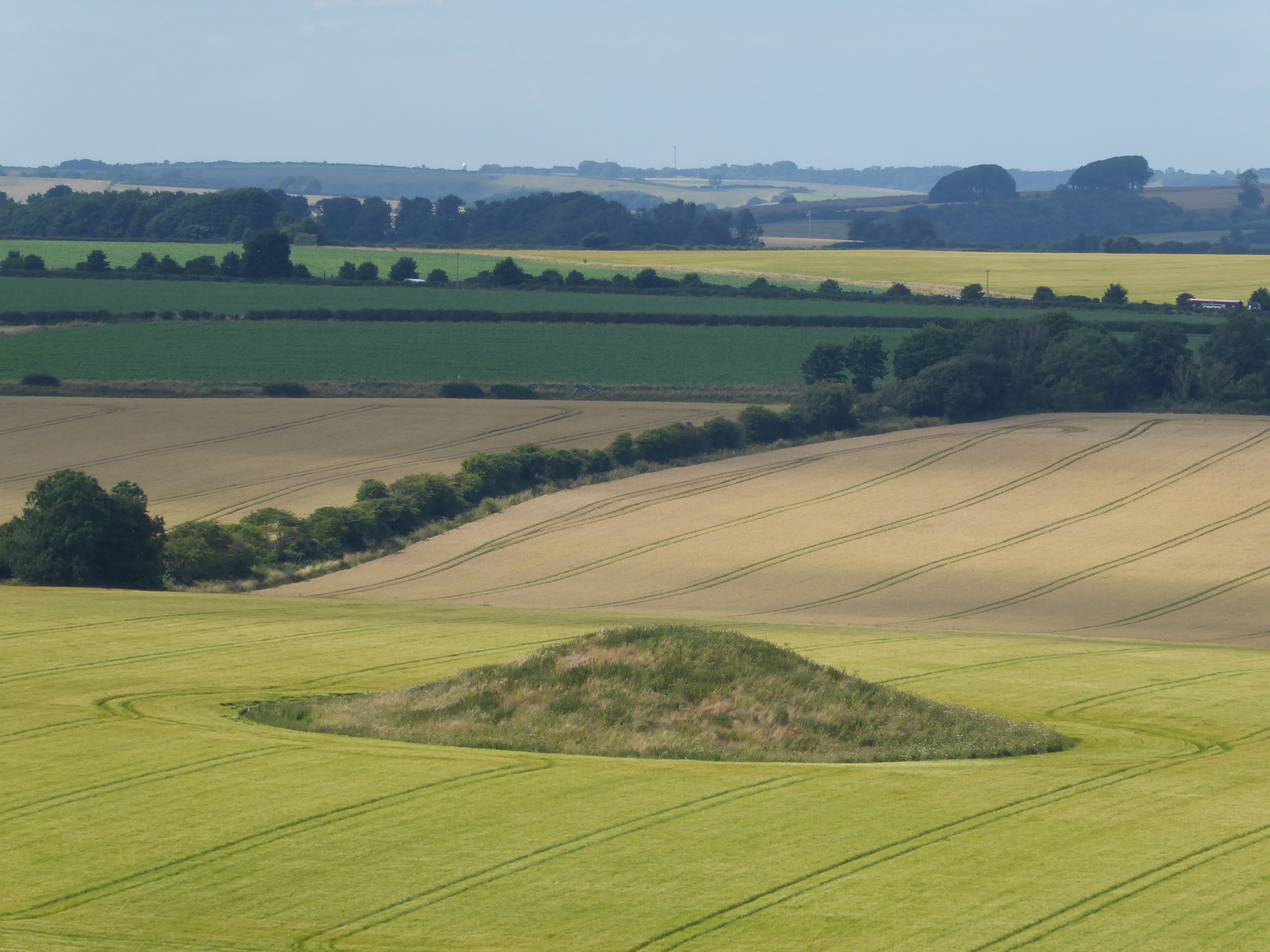
The earthworks cover an enormous area. Another site I’ve longed to visit for decades*, but actually the best view of it is from the air. However, on the ground you can appreciate the size and aggressively defensive design of the rampart. Up on the mound (and it’s big enough for you to lose your sense of direction), you have wonderful views, including Poundbury, which almost looked interesting with its varied skyline and quite dense building, and a small barrow, which erupted from the field like a pimple.

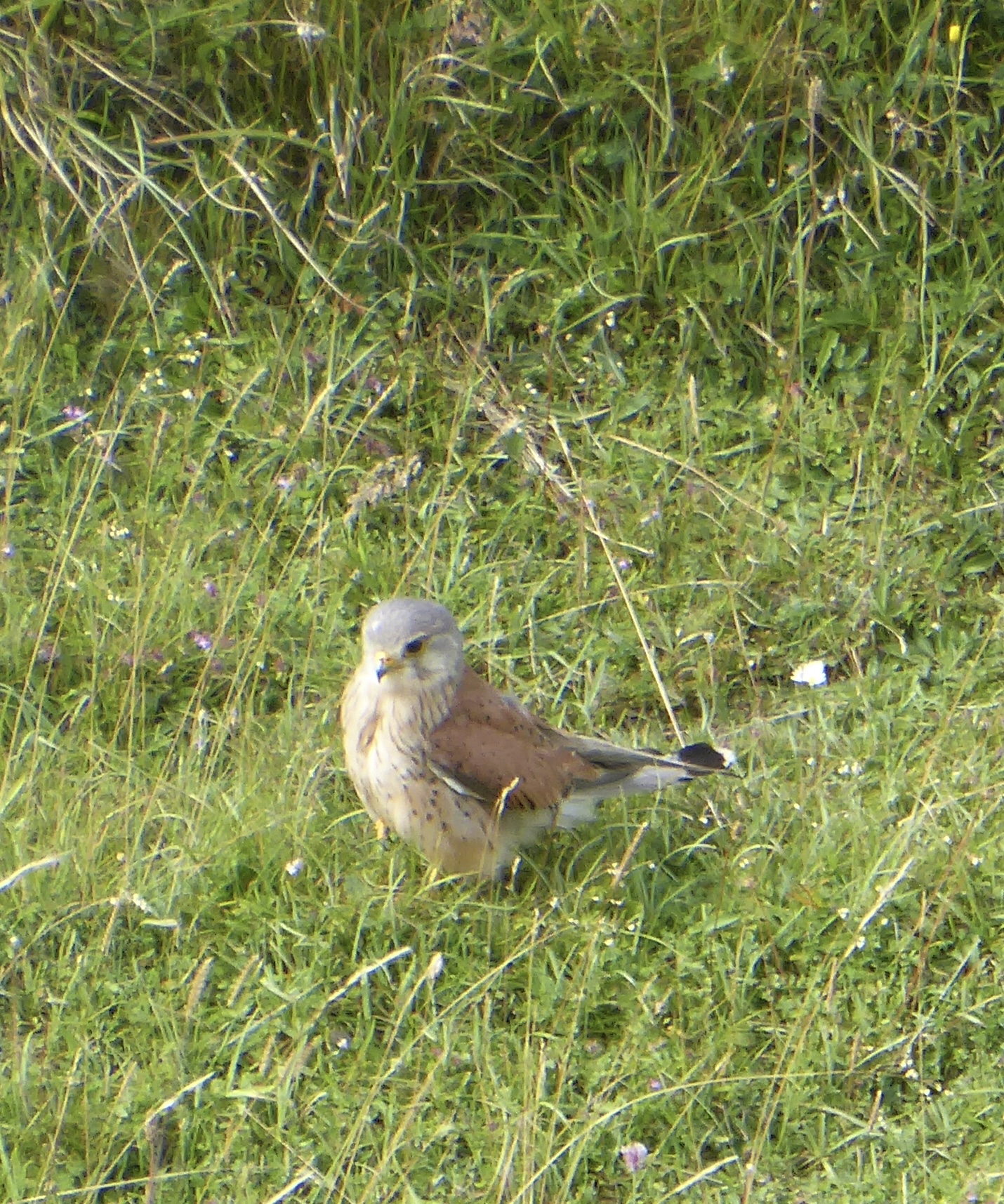
The Romans took over the site once they arrived, so there was a fourth-century Roman temple. Also a kestrel, which was happy to pose for photographs.

* Corfe Castle is also on the list.

Cerne Abbas

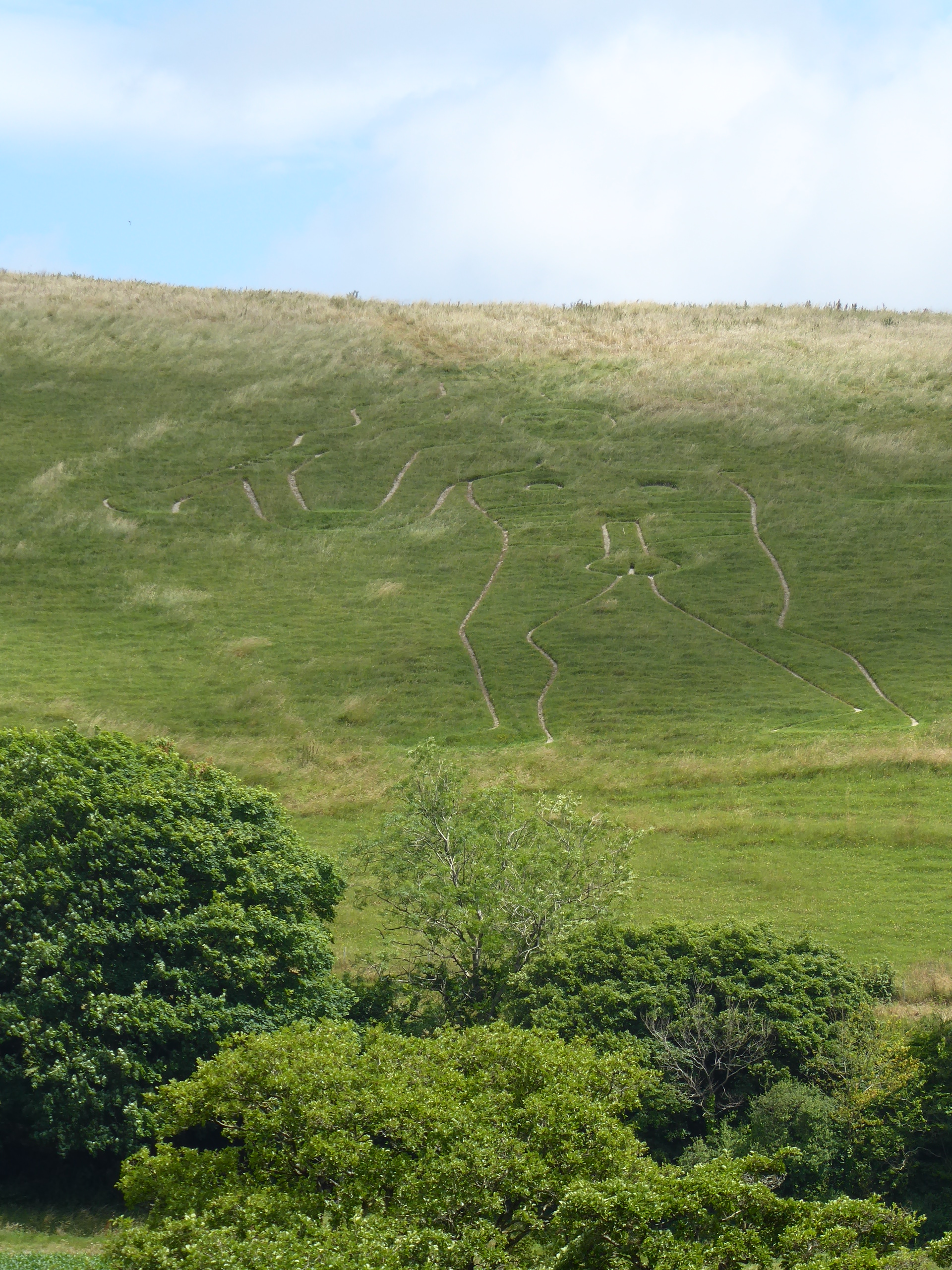
Cerne Abbas is perfectly positioned and very dinky. It even has a “sacred spring” complete with modern pagan offerings (not all biodegradable, which seems very unpagan). The Giant – a geoglyphe possibly 1,000 years old – is certainly gigantic, but his outlines have not been refreshed for several years and he is not as visible as you might think/hope.

There was an abbey here; only the guest house and gatehouse survive, for the stones were very quickly sold off or repurposed after the dissolution so there are not even any outline foundations remaining. We stopped briefly at two digs beyond the cemetery; parts of the abbey and possibly an earlier Saxon site are being uncovered where they were not supposed to be, so local history guides will have to be rewritten. (Not holding too fast to theories or even knowledge was my take-away from this trip.)

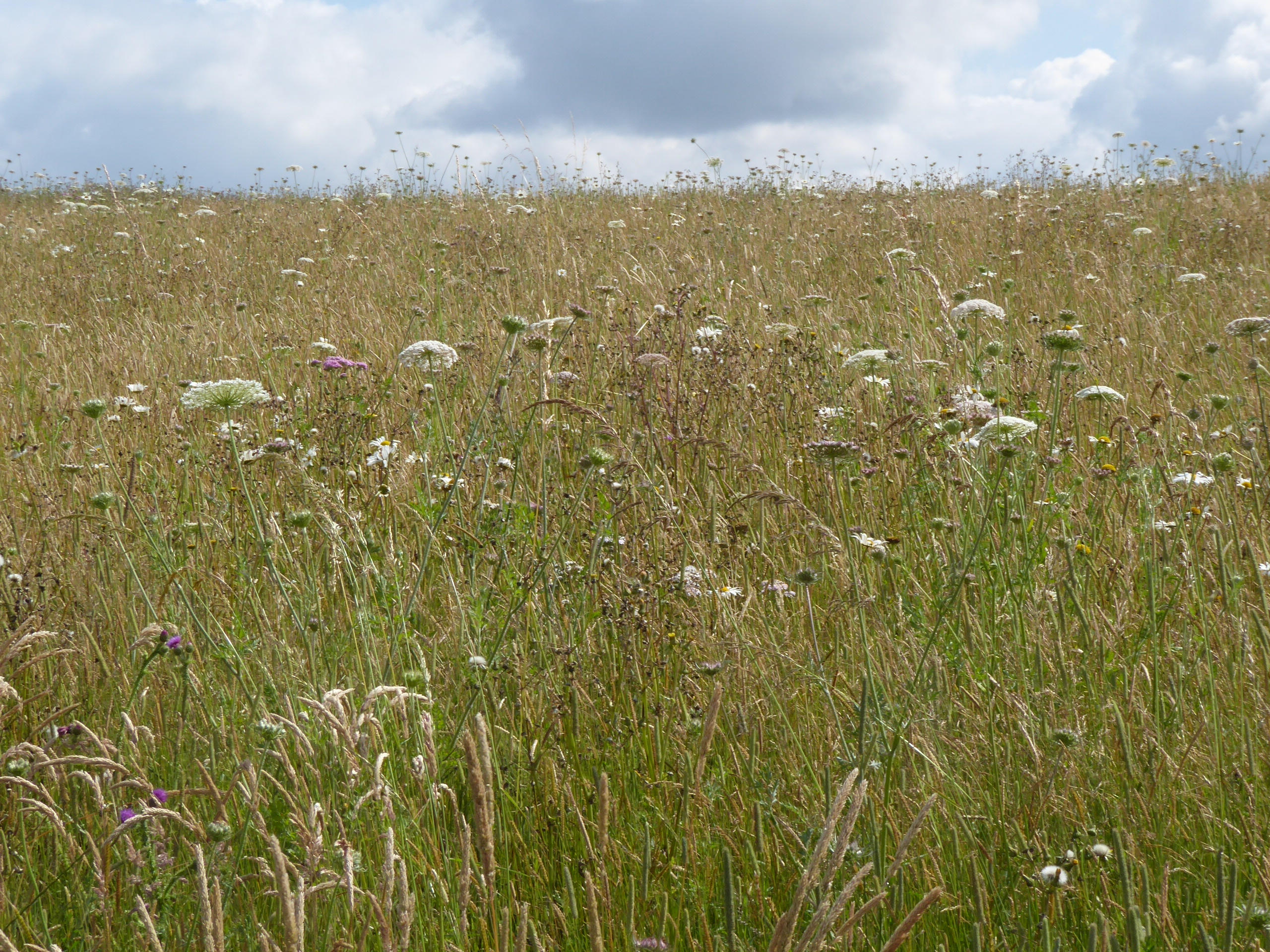
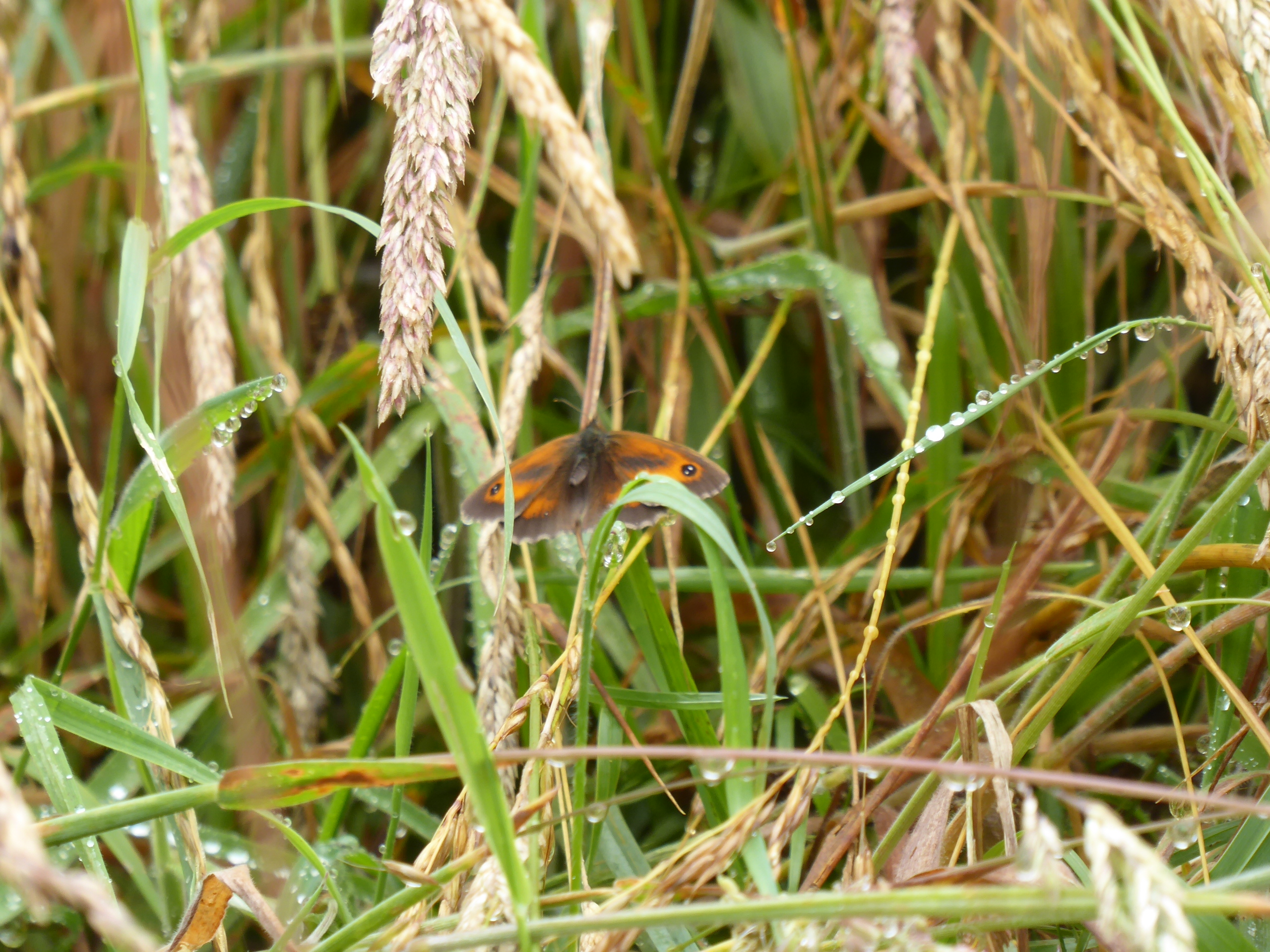
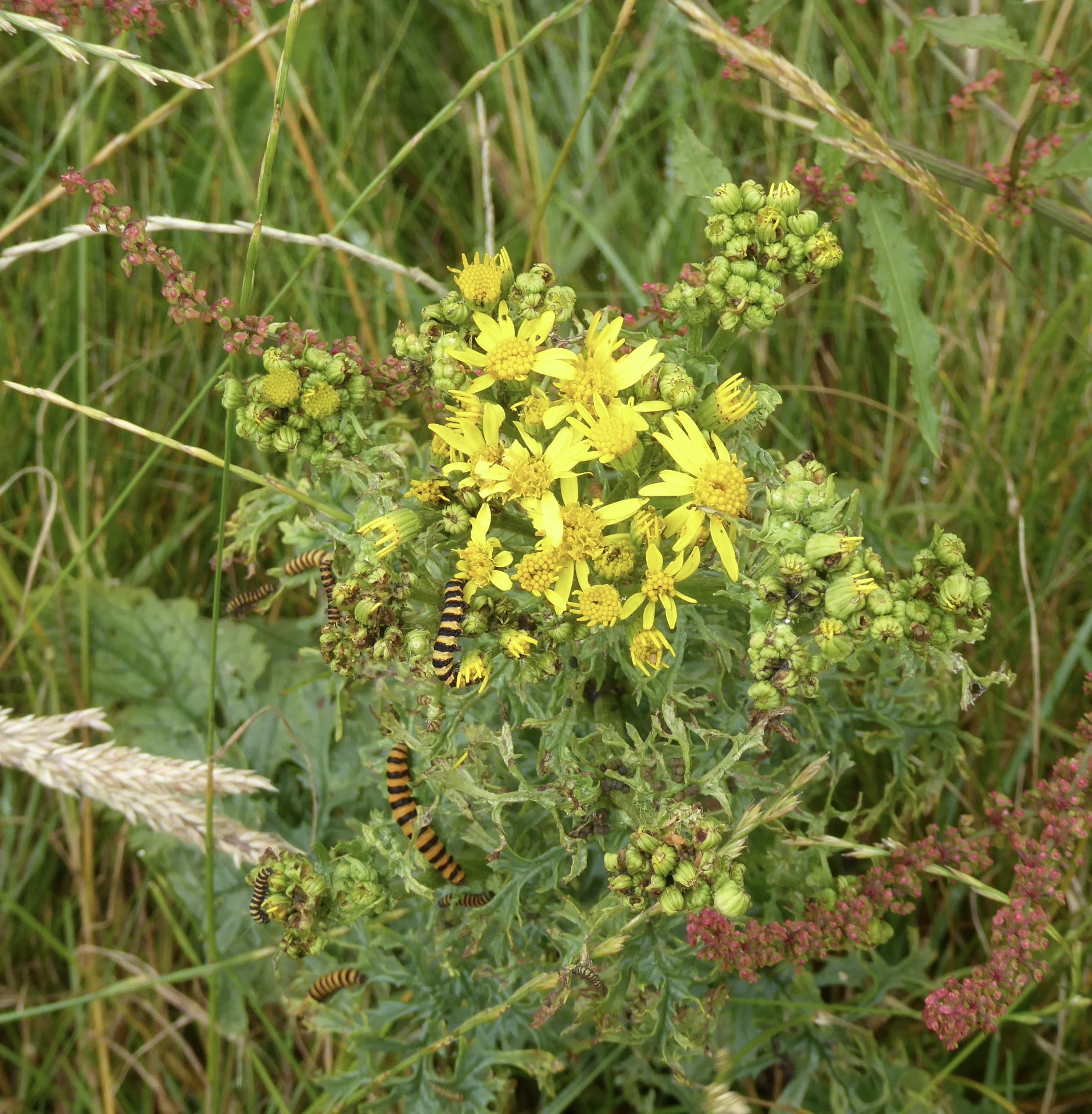
The Trendle is an Iron Age earthwork above the village and the Giant. Perhaps at that time the water table was much higher, so living on the exposed hill rather than the sheltered, boggy valley might have been preferable. It was impossible to discern anything among the long grass: we spotted gatekeepers and cinnabar moth caterpillars instead.

There are “lumps and bumps” everywhere in this area between Wiltshire and Dorset: long barrows, causeway enclosures, hill forts, mounds of earth whose purpose and secrets remain unknown. Some, once upon a time they would have been gleaming white with newly exposed chalk – but the Giant shows what happens when exposed for too long.