Perhaps not the most exciting exhibition – over 200 years of landscape painting in the north of England and Scotland – but it gave me the chance to see more of the Fleming Collection (which I’d been introduced to at Abbot Hall). It begins with romantic landscapes – just oozing “sublime” – and then moves to less dramatic scenes. “Real” people begin to appear; there is an awareness of the changes in the landscape as the north industrialises or forces/draws people away from the land.
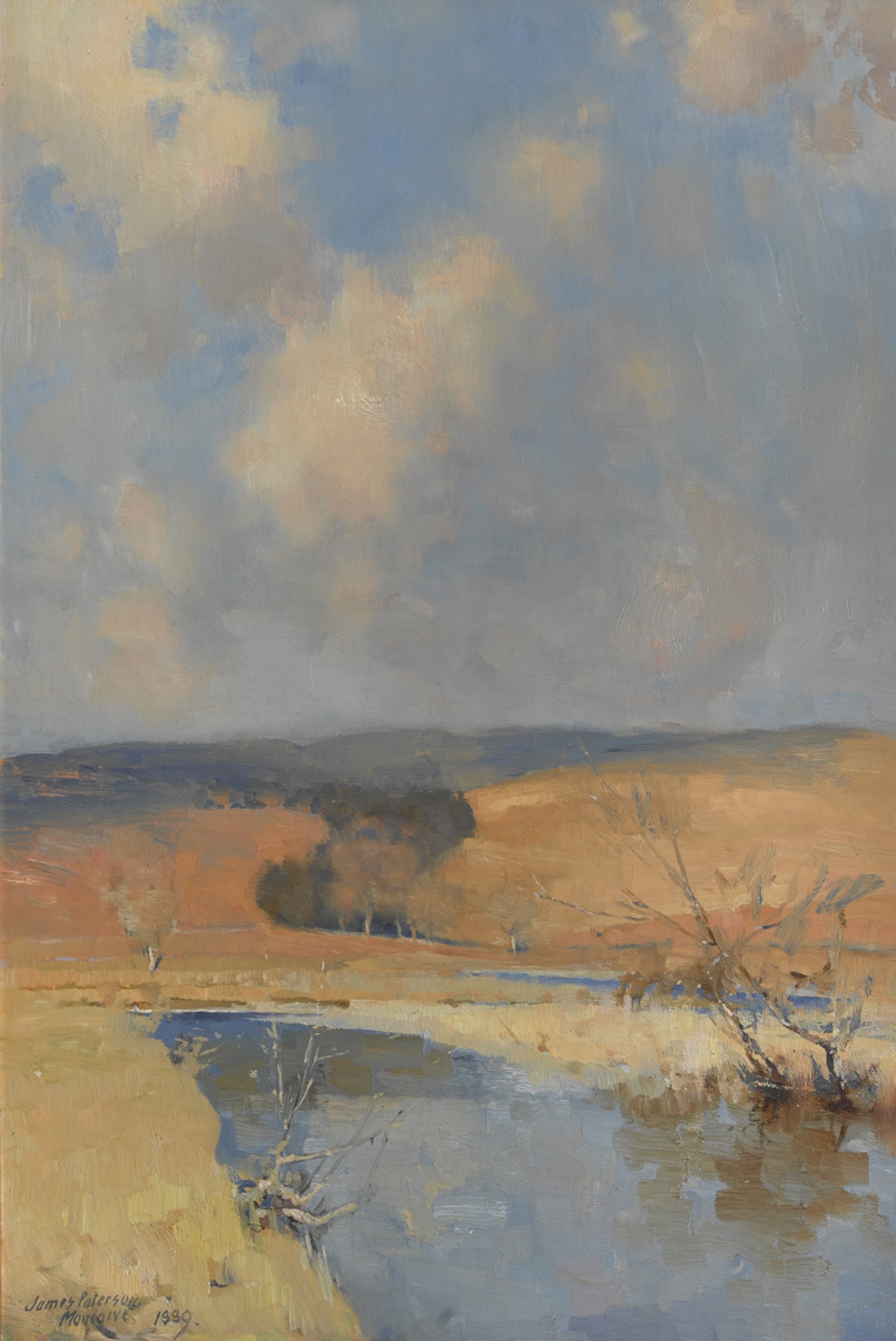
My steal was Ferguson’s “Winter Sunshine, Moniaive” – so simple and so lovely (Moniaive again) – and there was plenty in the exhibition to keep me thinking and comparing.
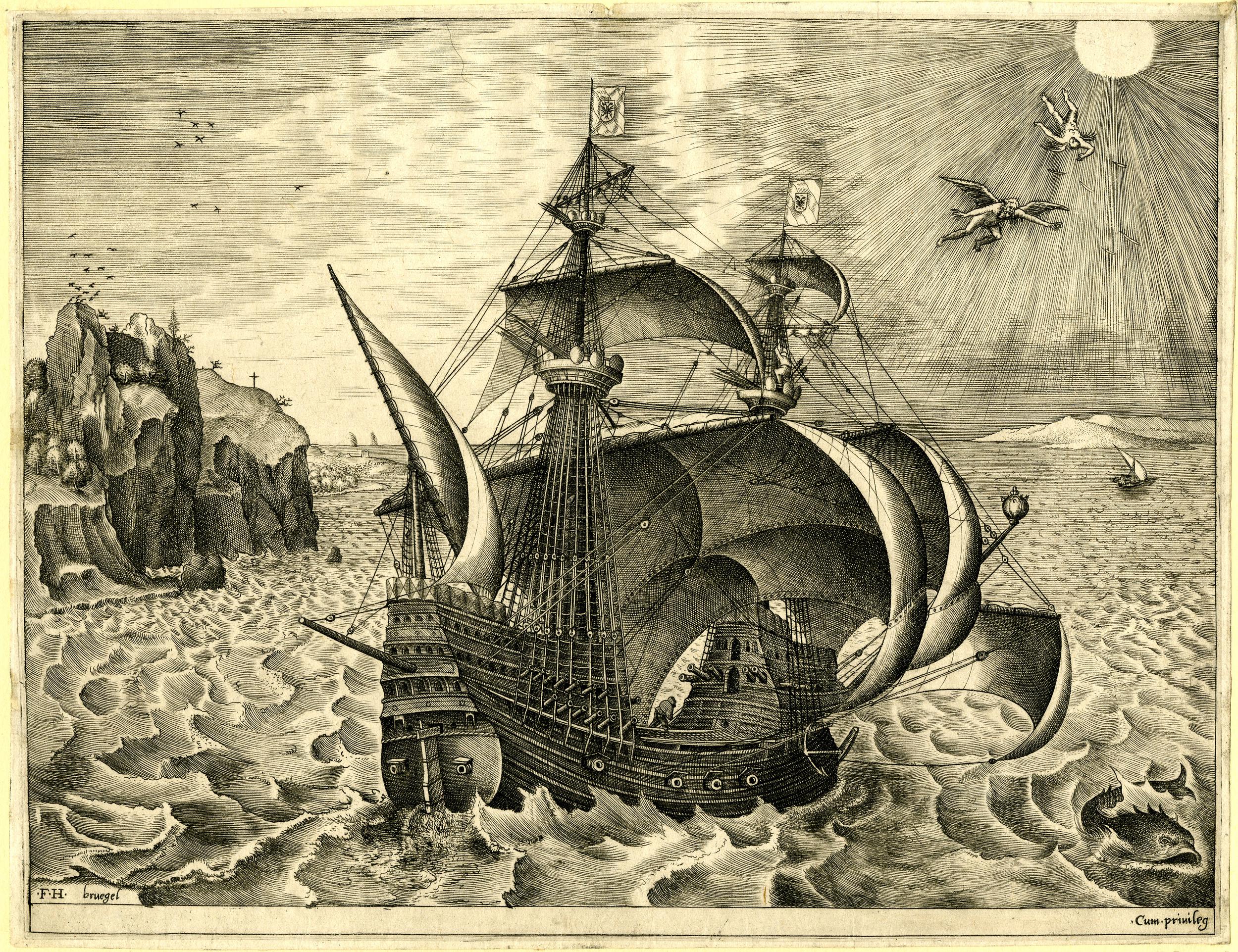
- The Bruegel engraving – that may be the Bass Rock in the background, and there is Icarus falling again. North Berwick meets Brussels in my memory.
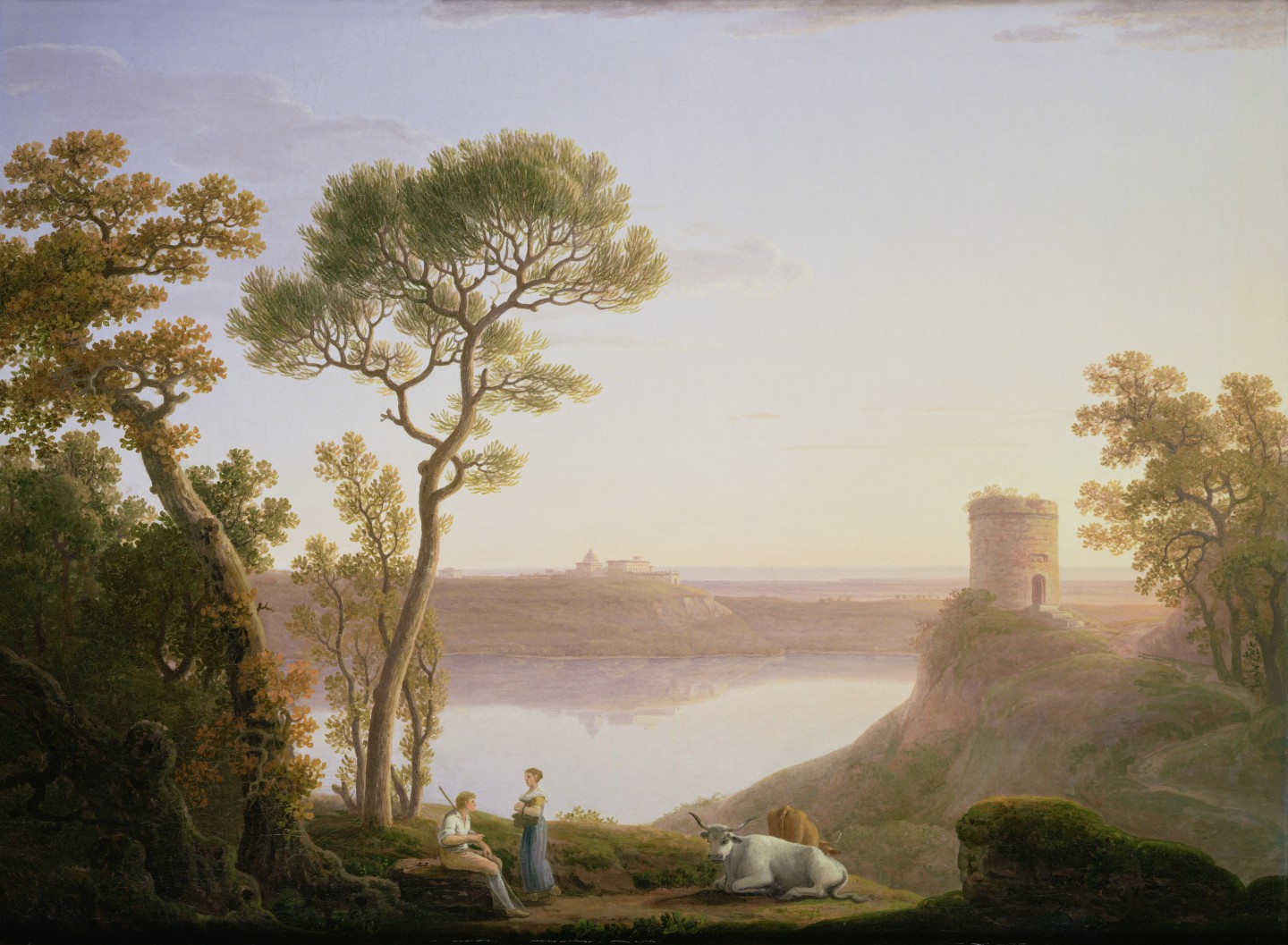
- Apparently Jacob More used a “Claude glass” to “reduce and simplify the colour and tonal range to give a painterly quality”. Named after Claude Lorrain, it was a small tinted mirror; the painter turned his back on the scene and viewed the reflection.
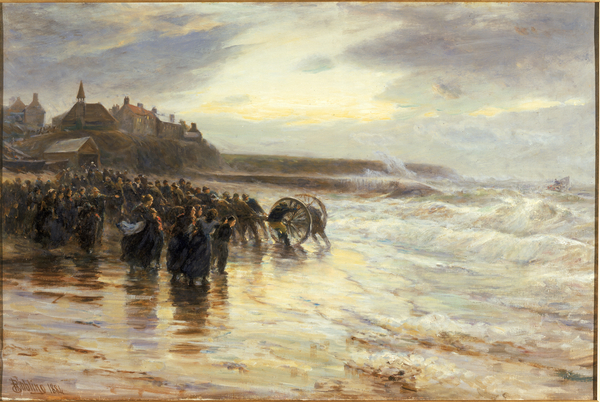
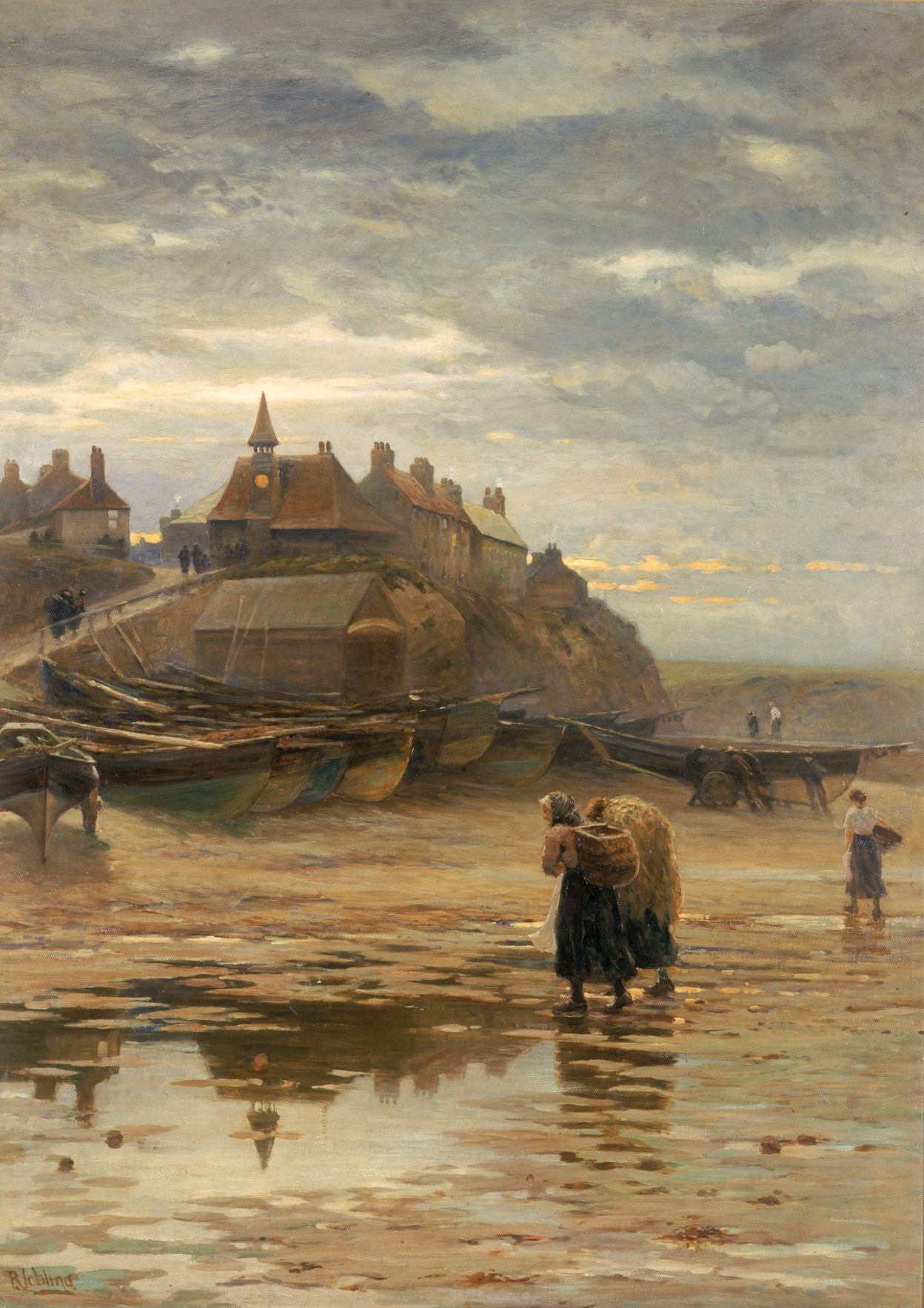
- Robert Jopling and the north-east coast: great reflections in the wet sand – and as soon as I left the exhibition and moved into the main galleries, there was that same view and those same reflections again.
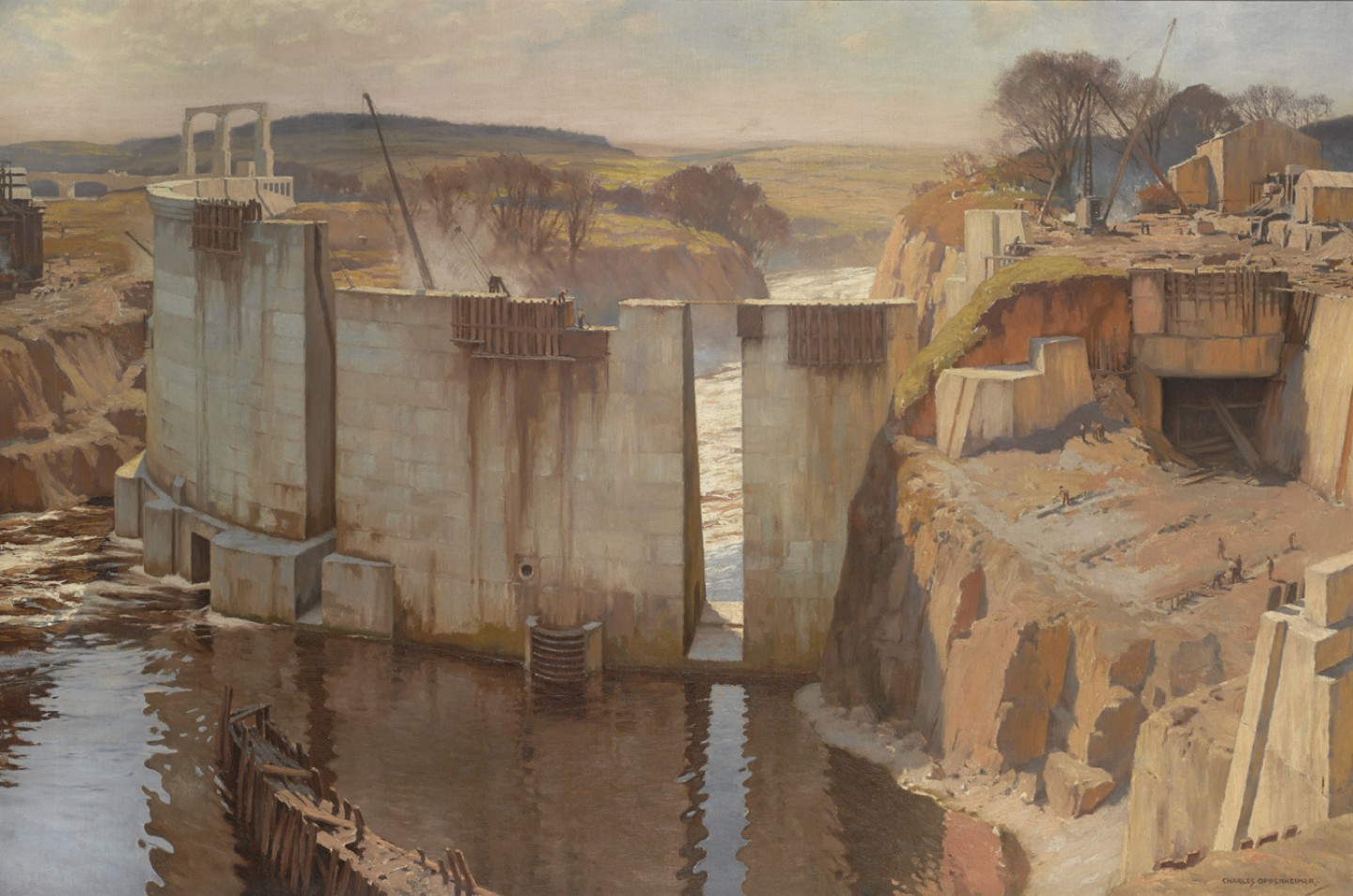
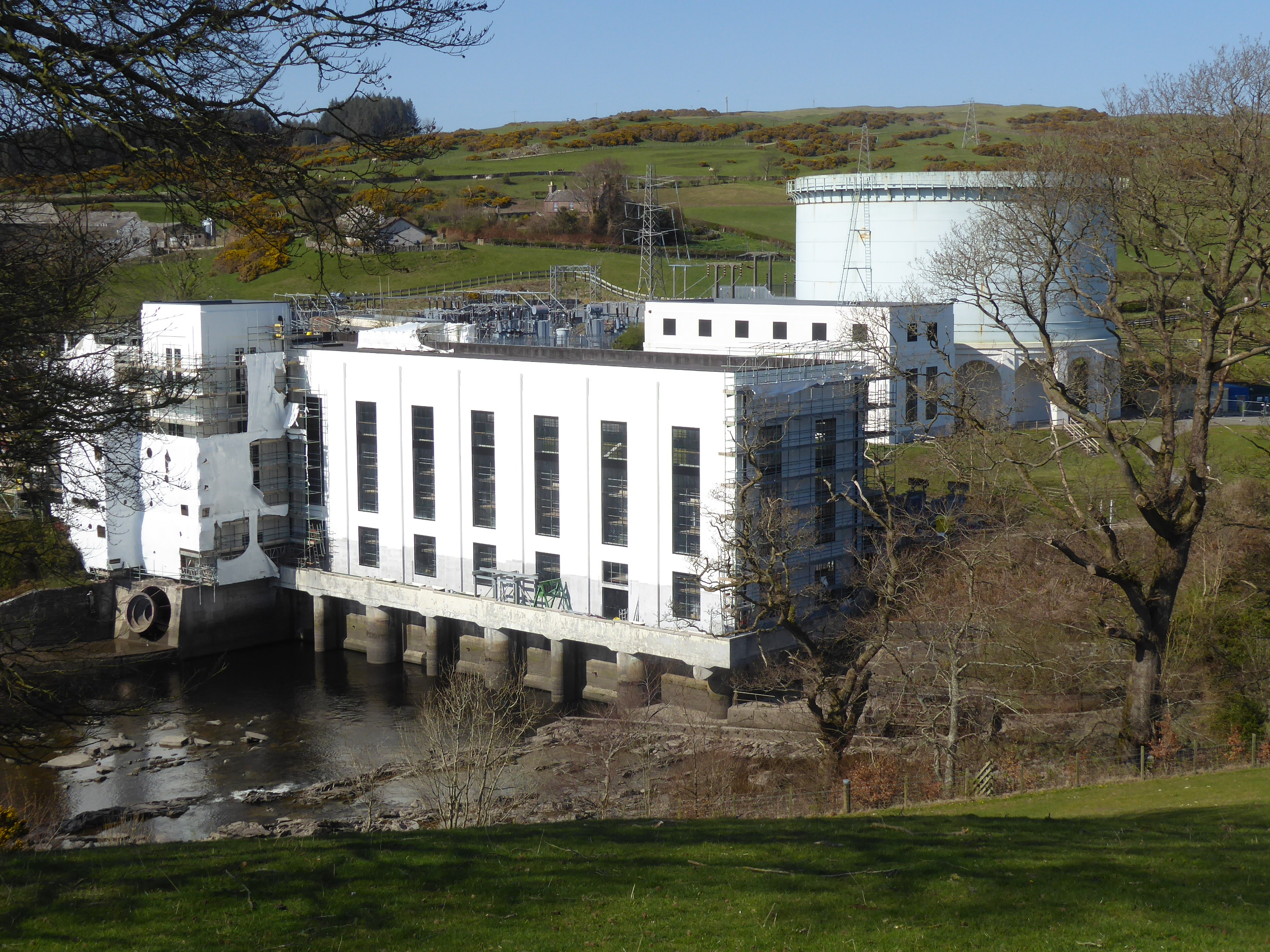
- The building of the Tongland dam!
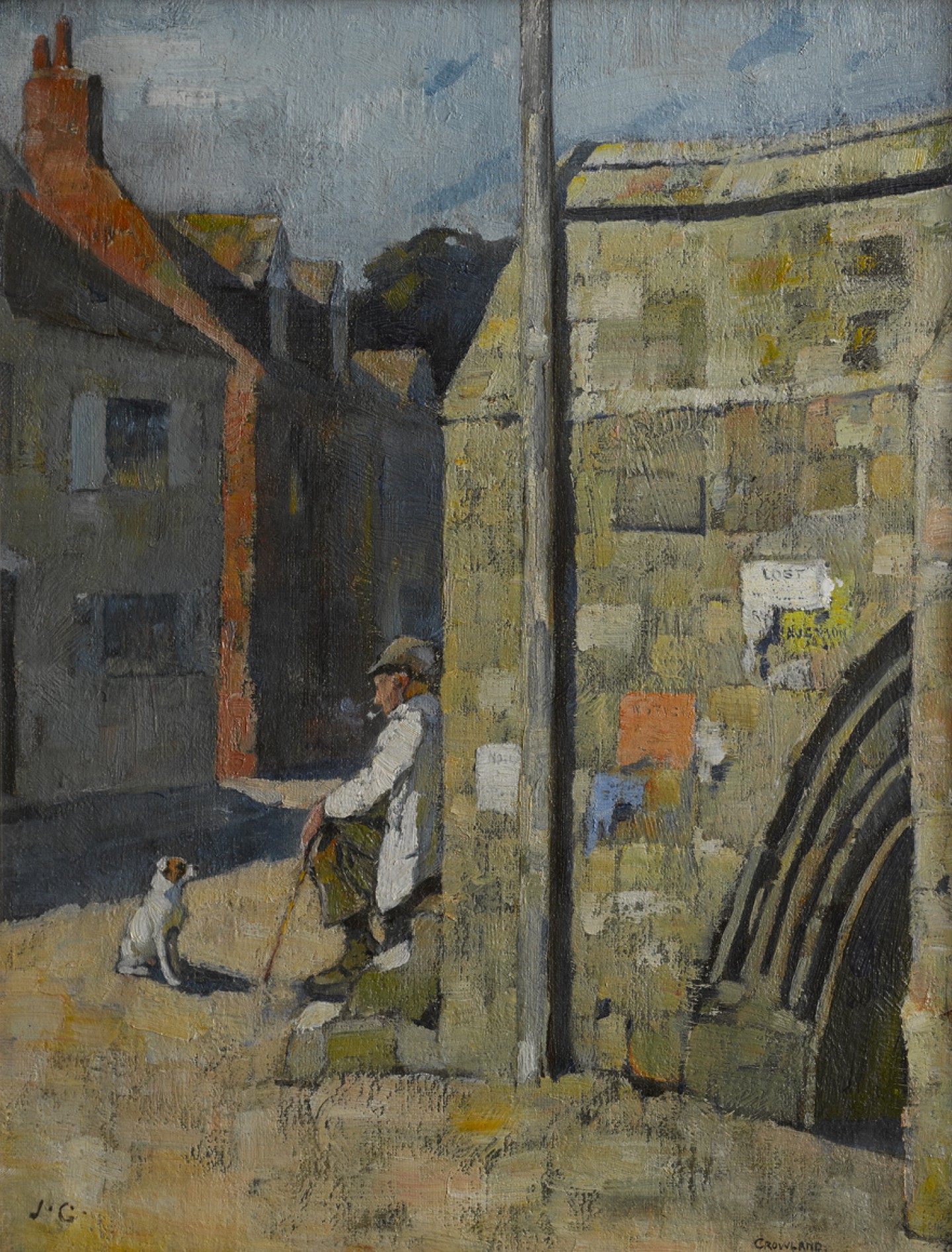
- I liked the patchwork quality in Guthrie’s painting – apparently he used a square brush.
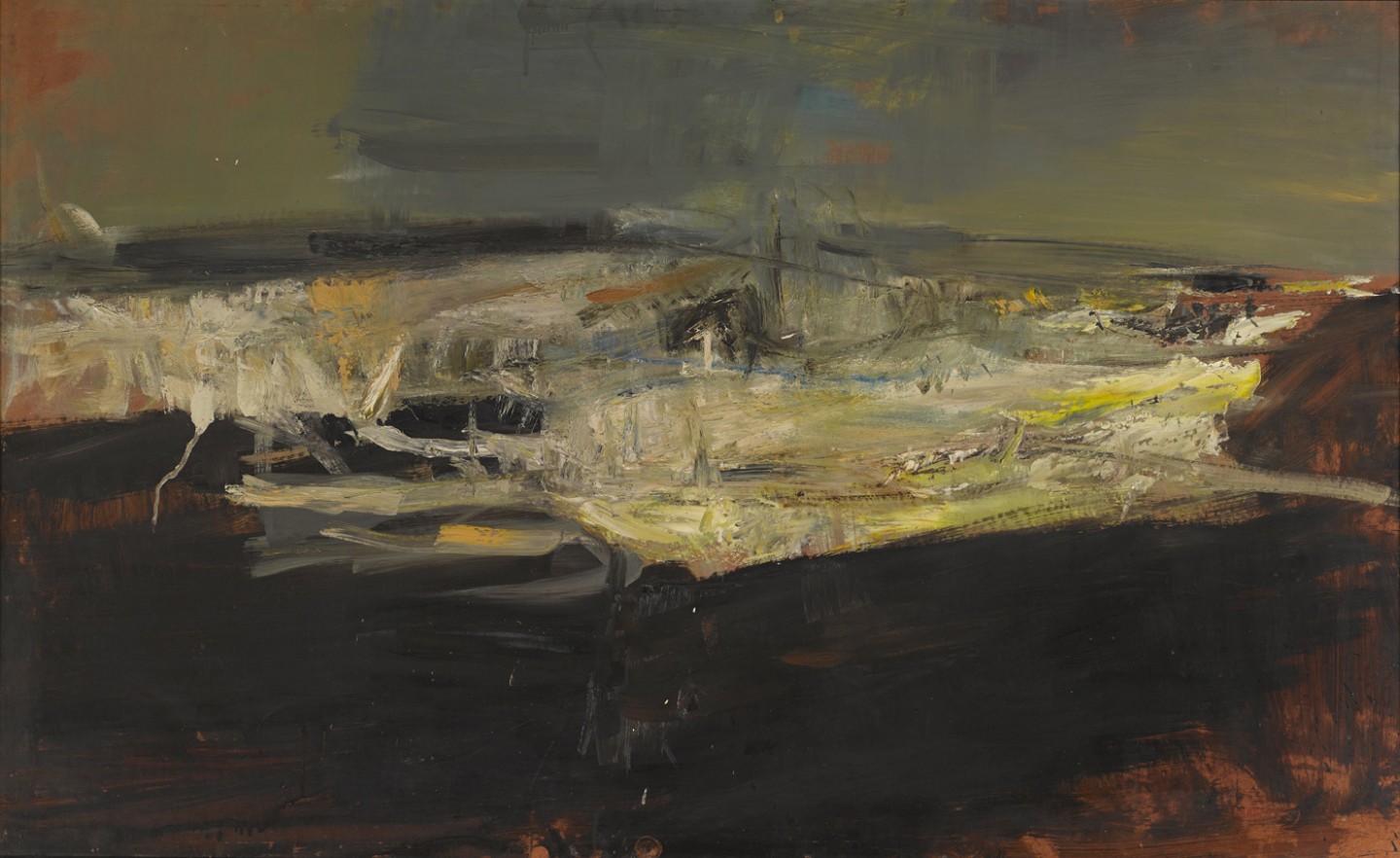
- Joan Eardley has an alchemical gift with paint. It’s just splodges on canvas with drips where it’s been rained on or splashed by the salt spray – and somehow you really experience the sea.
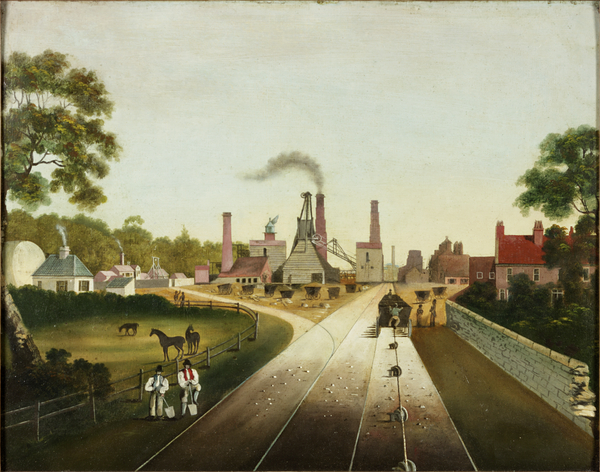
- The pit painting was by an unknown artist, but I thought it was so particular and strange that it could have been painted a surrealist such as Tristram Hillier. Or perhaps Douanier Rousseau might have been pleased with it.
 Old Shoe Box