
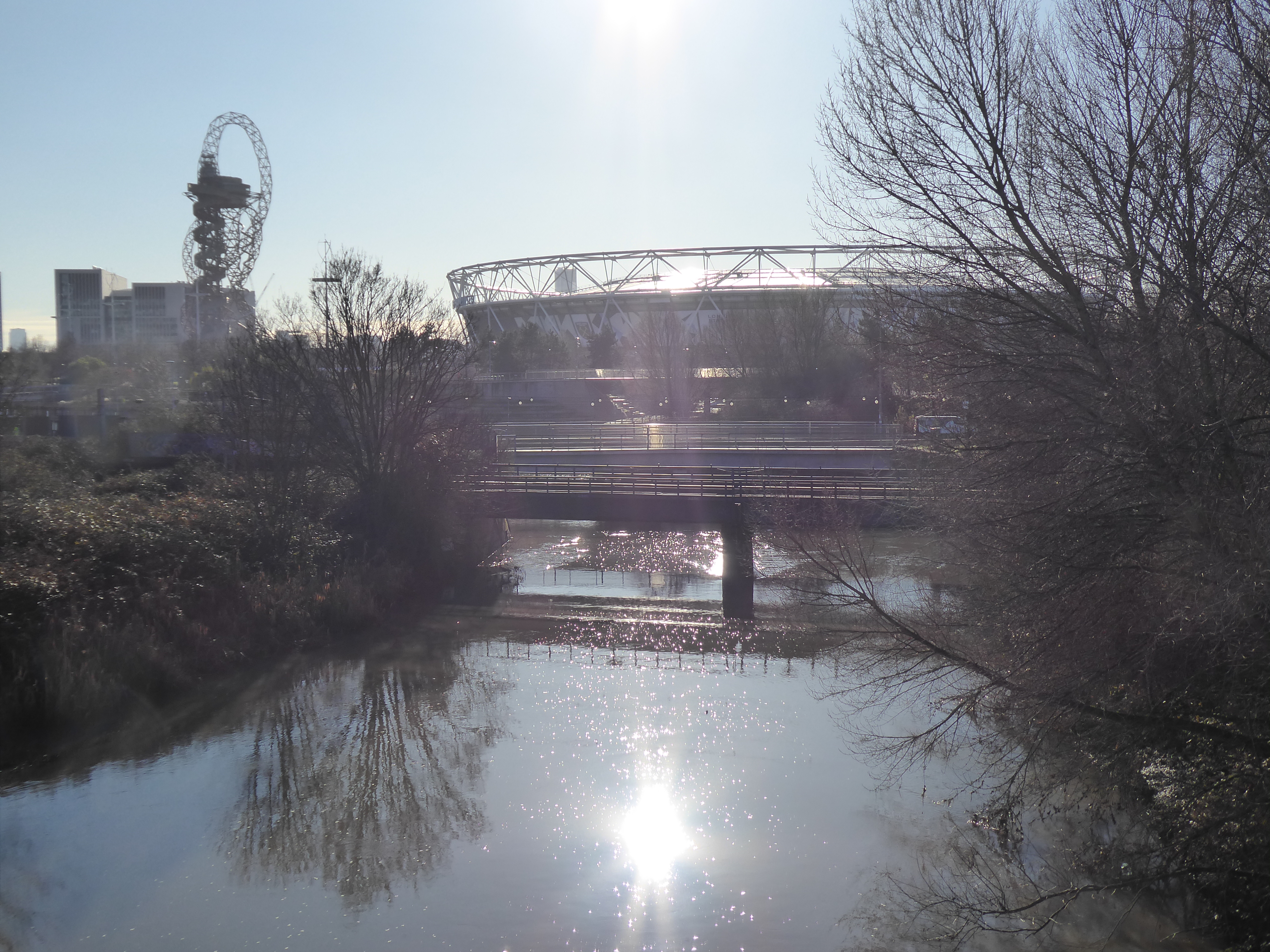
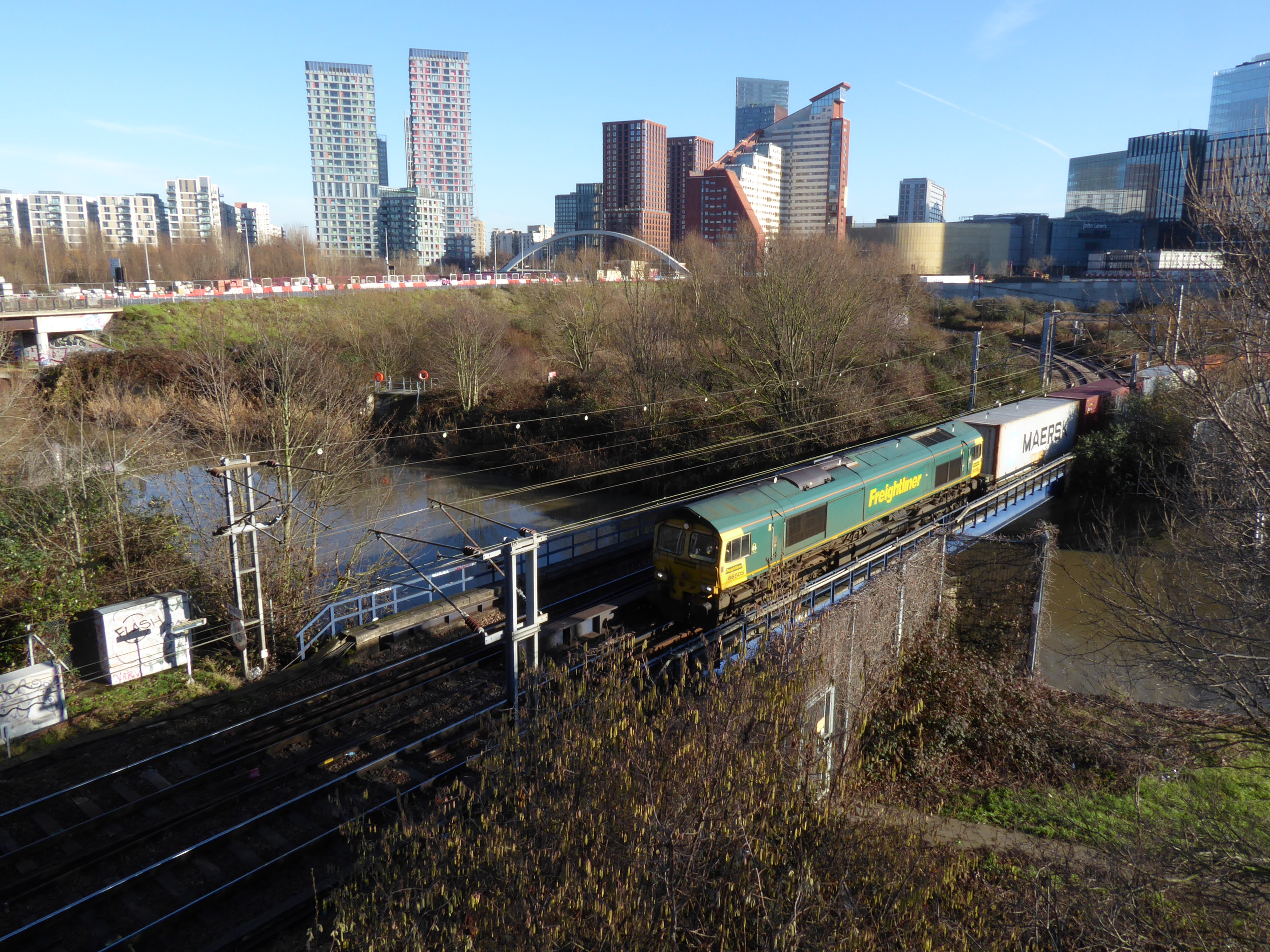

Another whim. I’d never been to the Queen Elizabeth Olympic Park, despite years of going past it on the train to Manningtree and Harwich and watching the site being developed for the Olympics, so getting off at Stratford International was a first. It’s a fairly unlovely place – the River Lea is brown and the architecture bland – but on a fine day it didn’t matter.
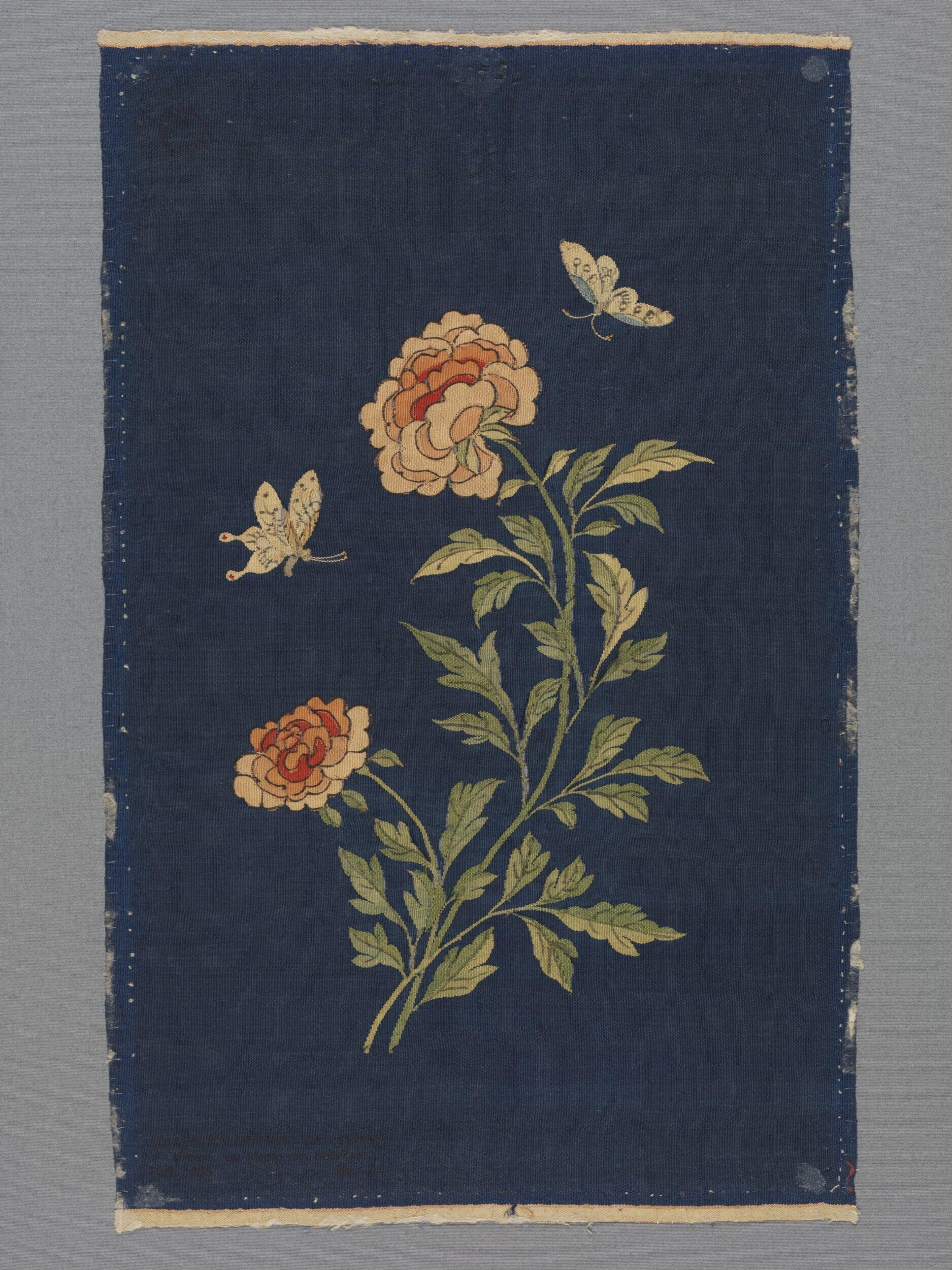
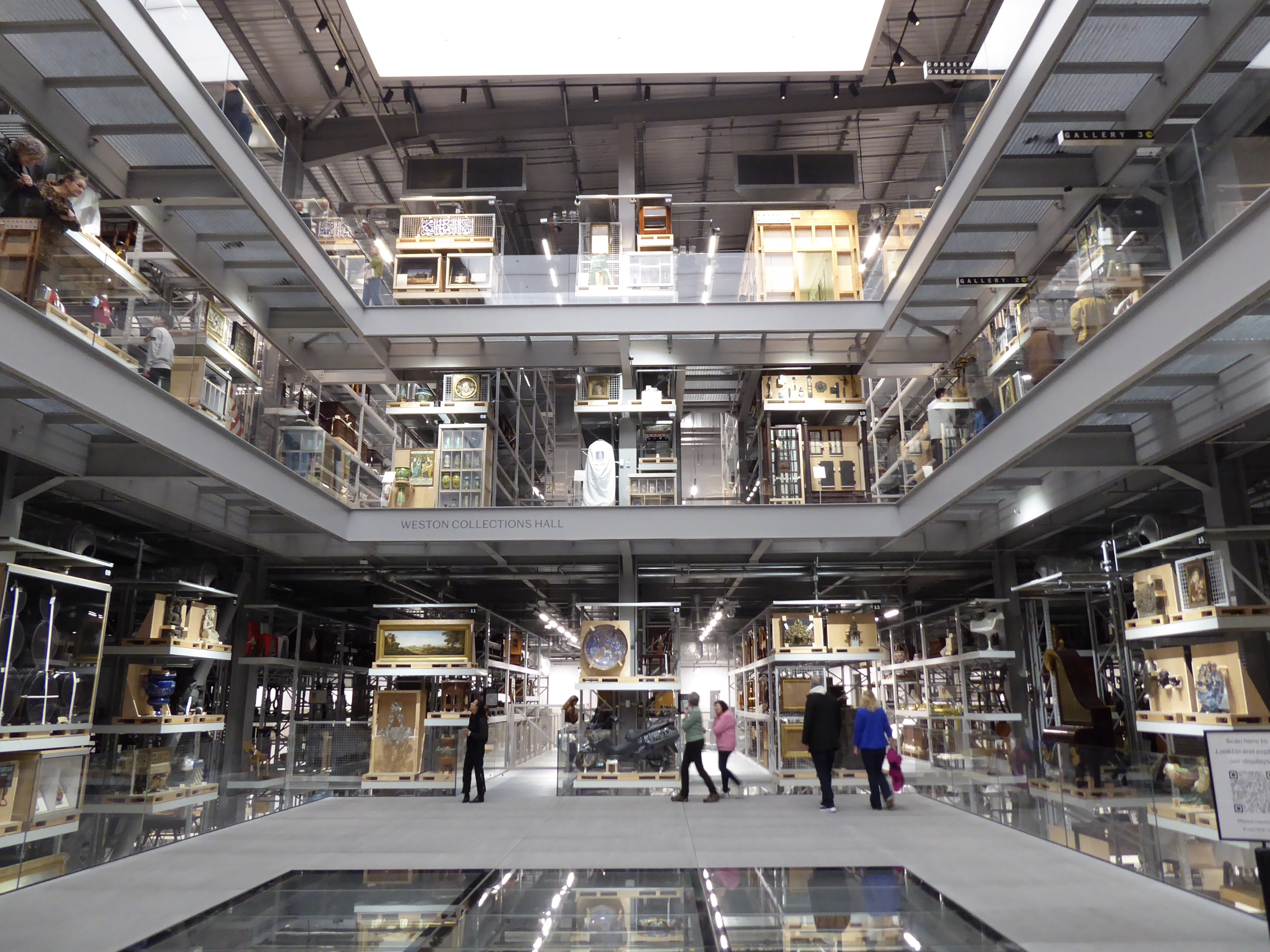
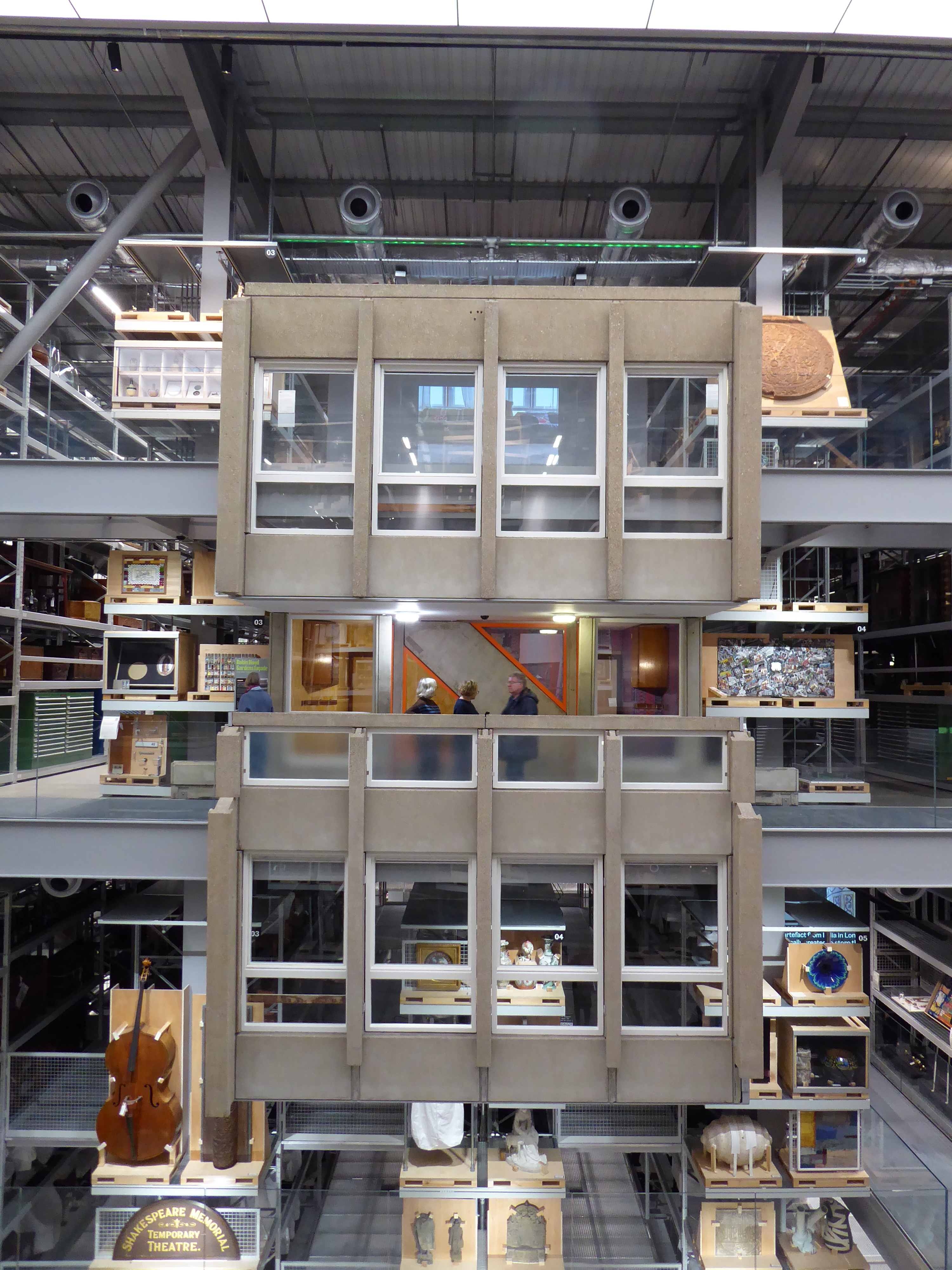
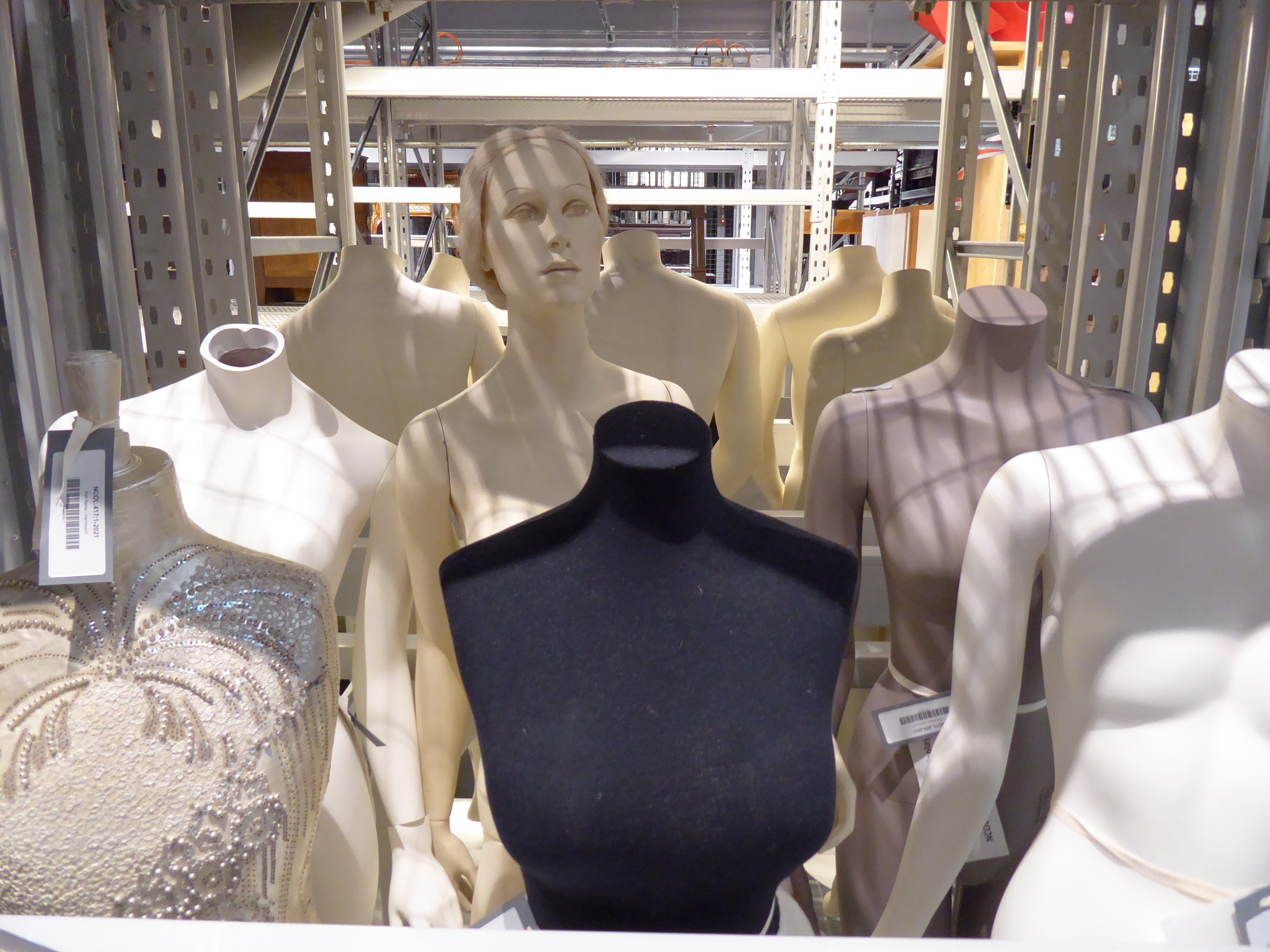
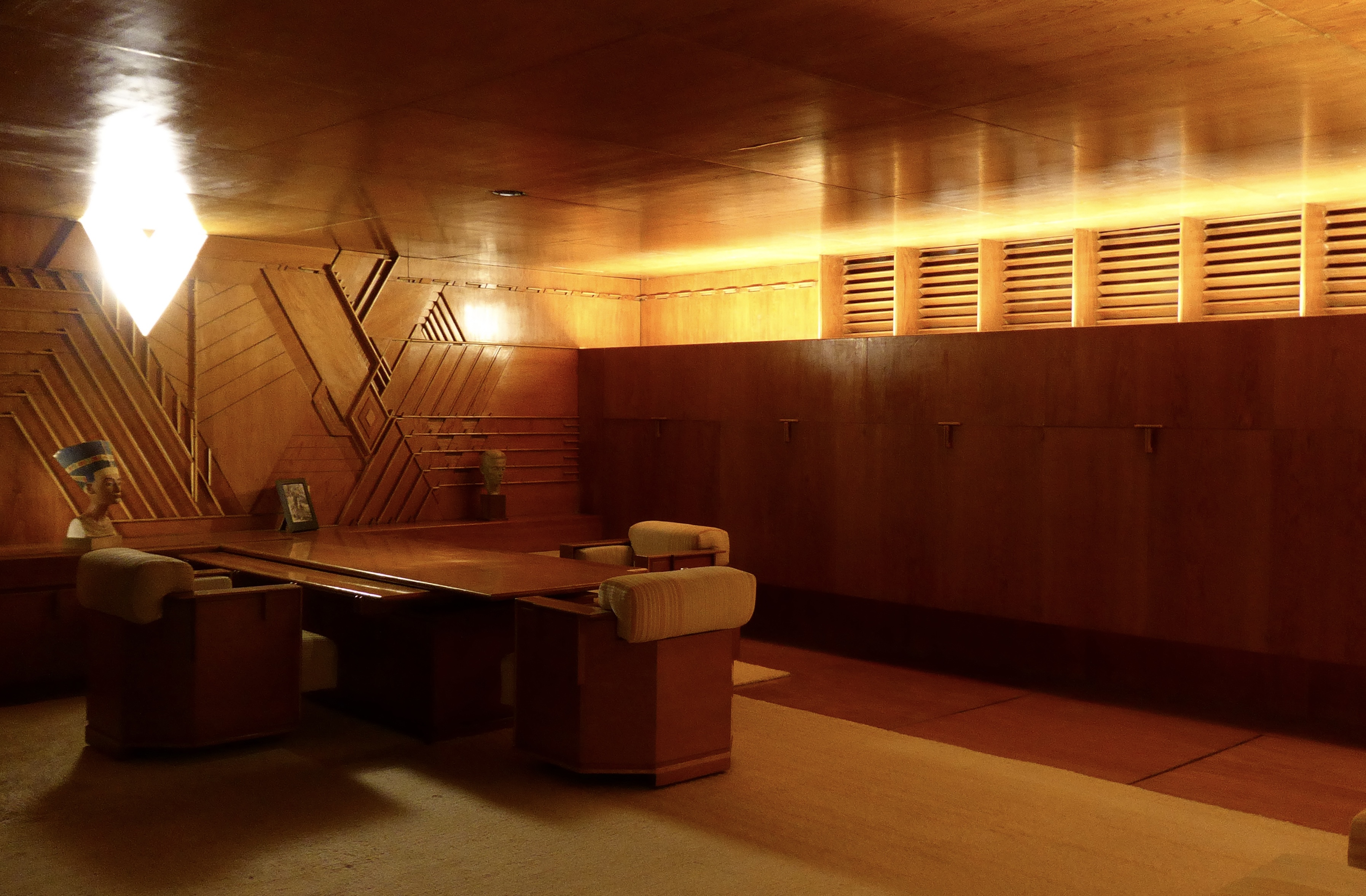
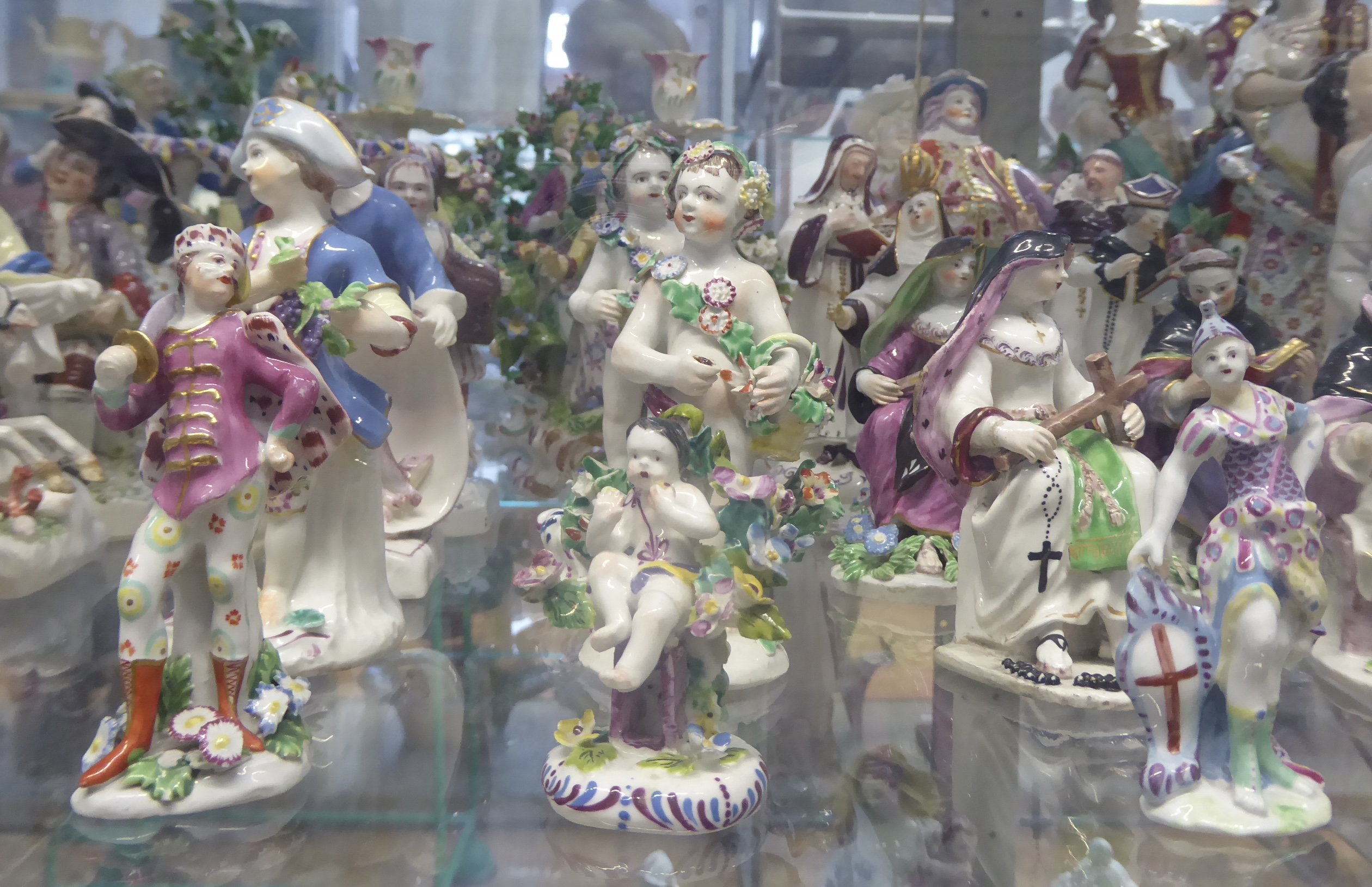
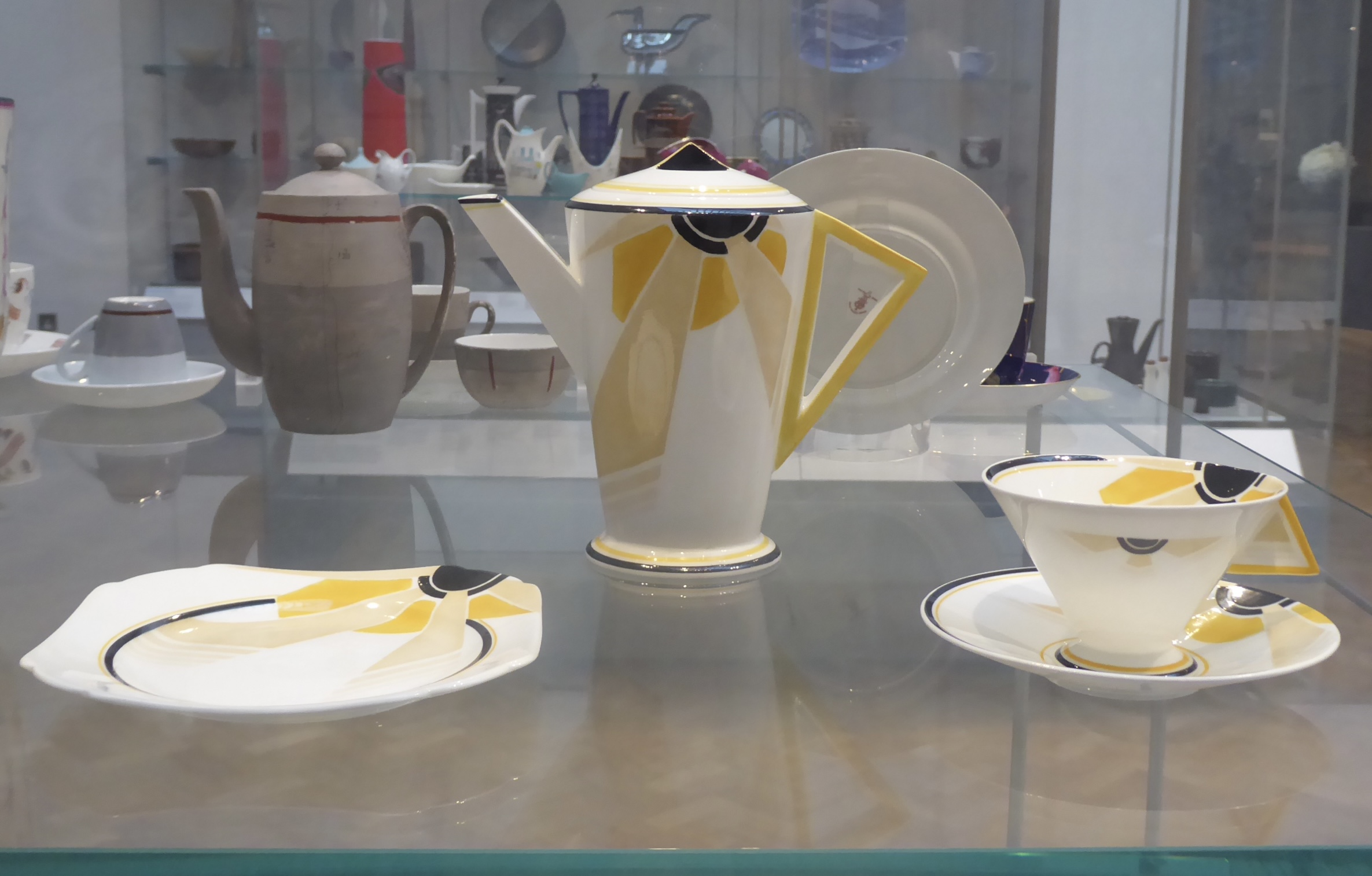
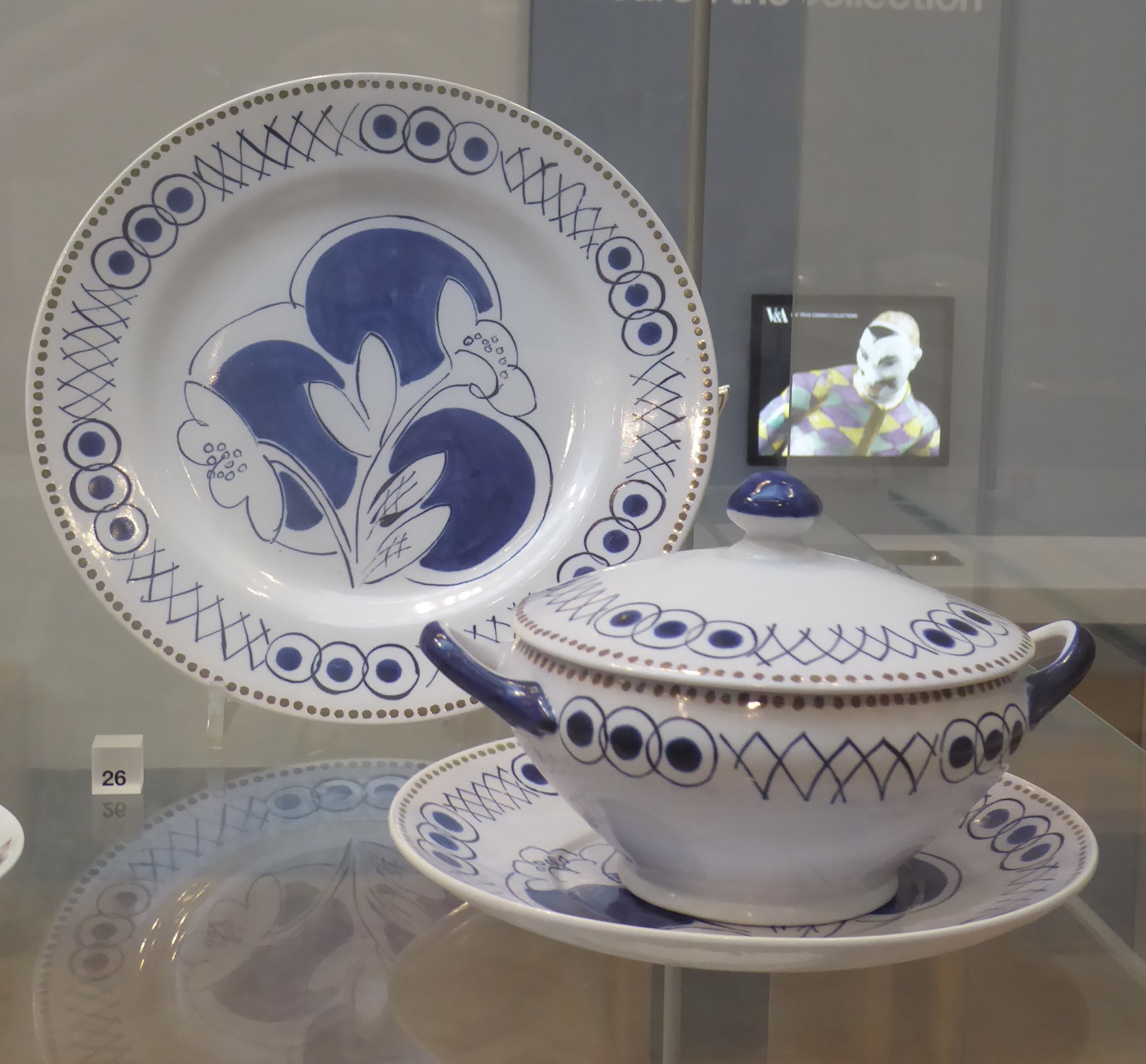
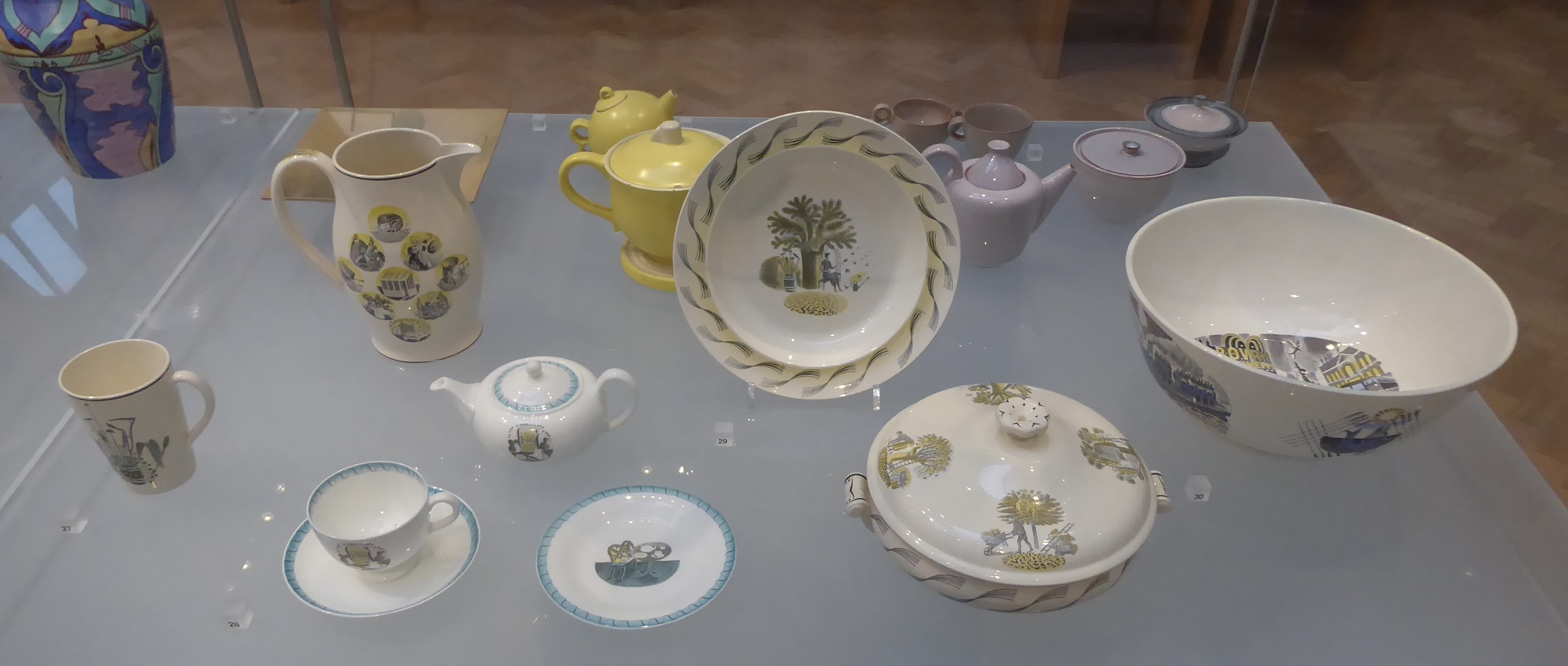
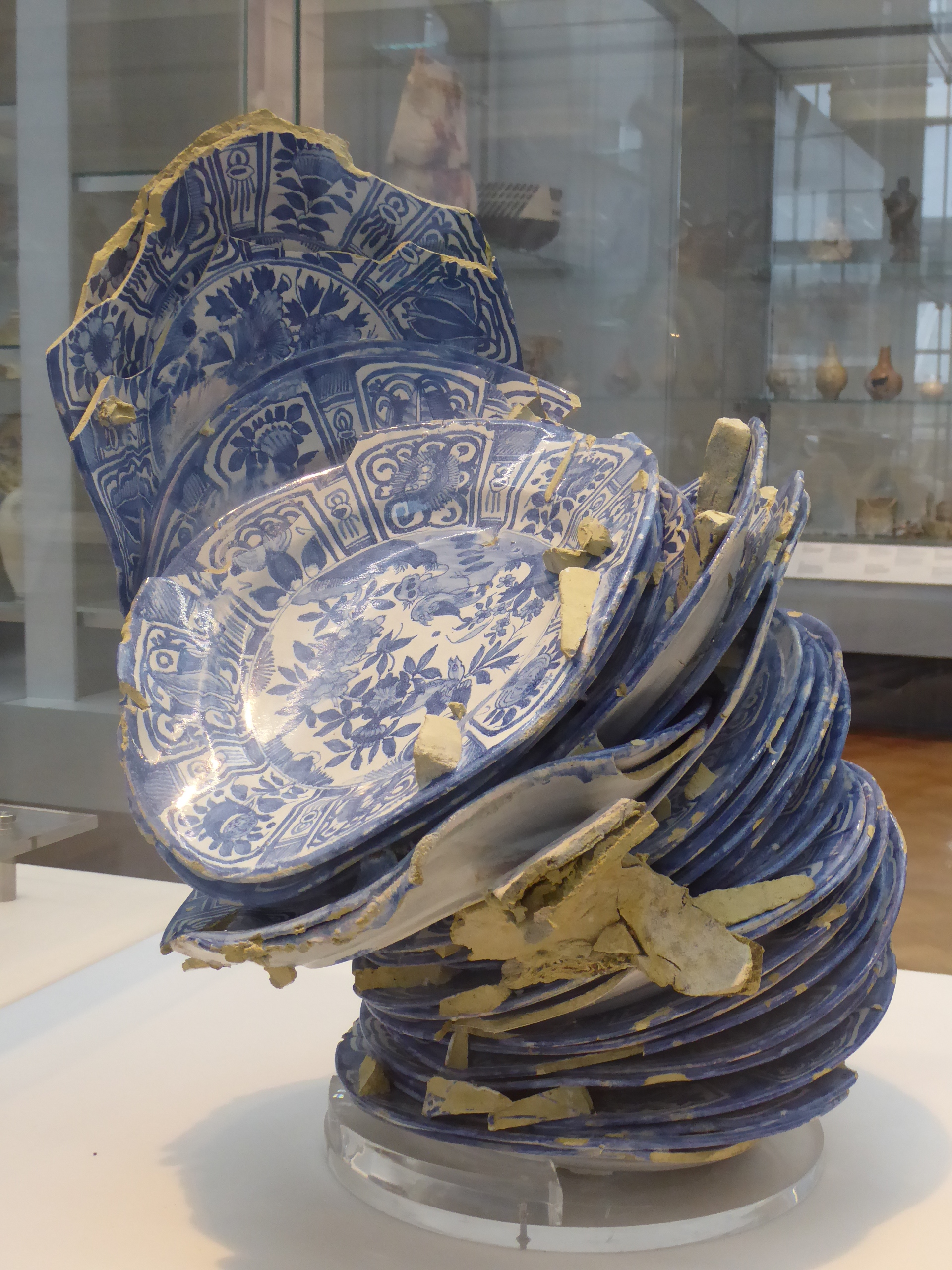
The V&A Storehouse is indeed a storehouse – similar to the Boijmans van Beuningen Depot in Rotterdam but without the exterior wow-factor. You wander around as you wish; there are a few labels, some QR codes and heavy large-print catalogues. It’s very Instagrammable from certain angles, but I confess – much as I was charmed with it – I did come away with the impression that the V&A could have a clear-out. I appreciate that you’d have to hang onto a piece of Chinese tapestry-woven silk (1368-1644, which is quite a range), and a bit of the façade of the now-demolished Robin Hood Gardens tells its own story . . . but the moth-damaged vintage Harvard trucker baseball cap, date, location and maker unrecorded? Really?
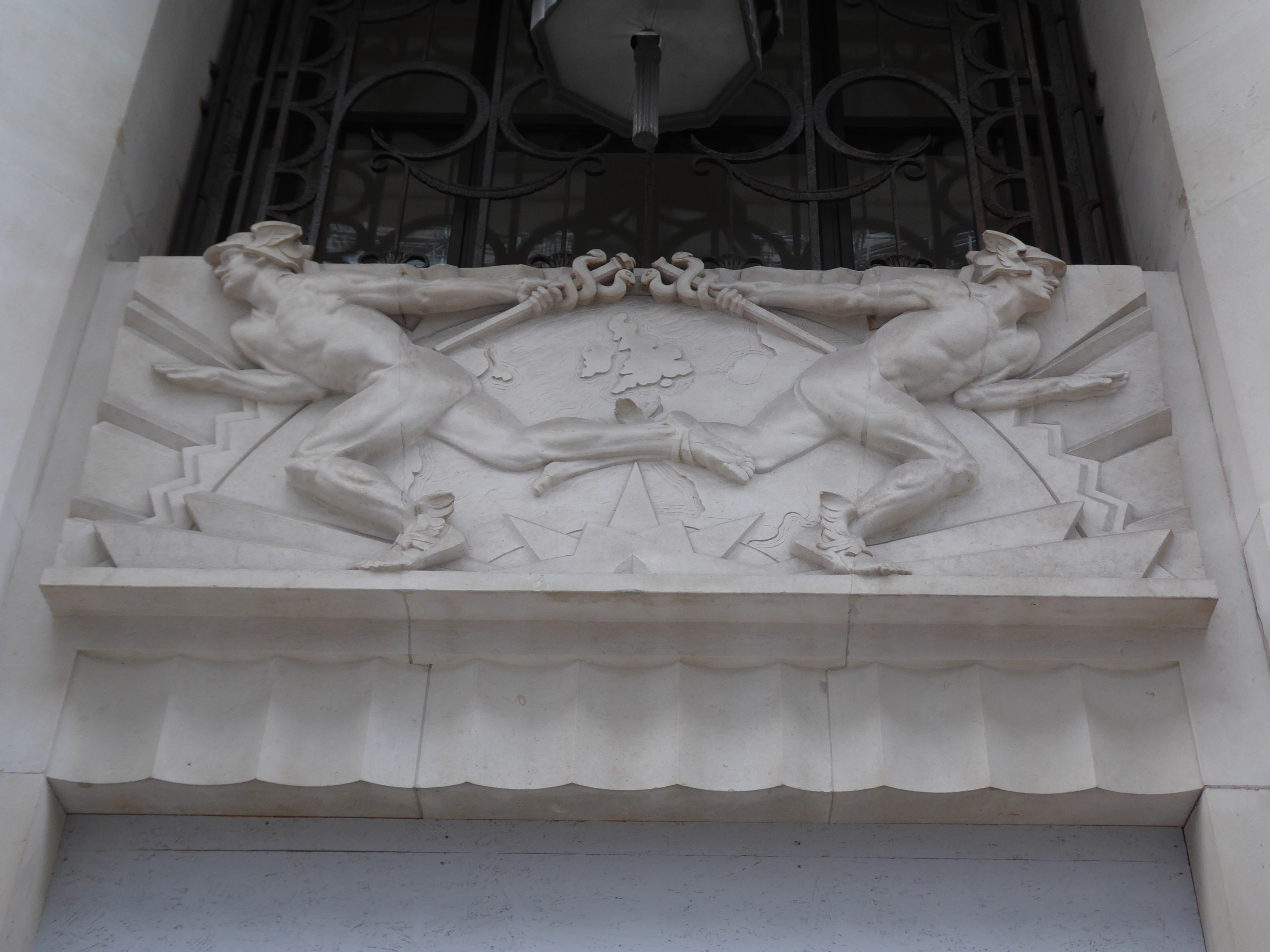
While looking for somewhere for lunch, I passed the old Daily Telegraph building in Fleet Street and noticed above the door the mirror images of Mercury taking messages east and west, which reminded me of the image above the entrance to the Radio Kootwijk transmitter building.
 Old Shoe Box